Etiqueta: Catalan tapas

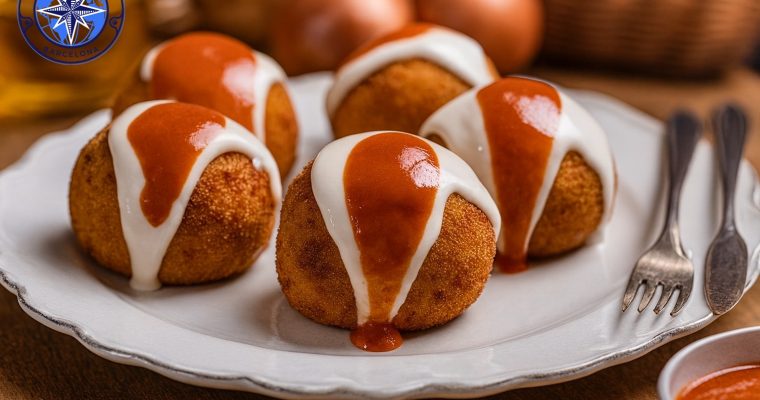
Bombas de la Barceloneta – Barcelona’s most emblematic tapas.

Bombas de la Barceloneta – Barcelona’s most emblematic tapas.

Bombas de la Barceloneta are one of the most iconic and recognisable tapas in Barcelona. Born in the historic fishing district of La Barceloneta, they are part of the popular culinary tradition that transformed simple ingredients into small, generous and characterful bites. Traditionally associated with …

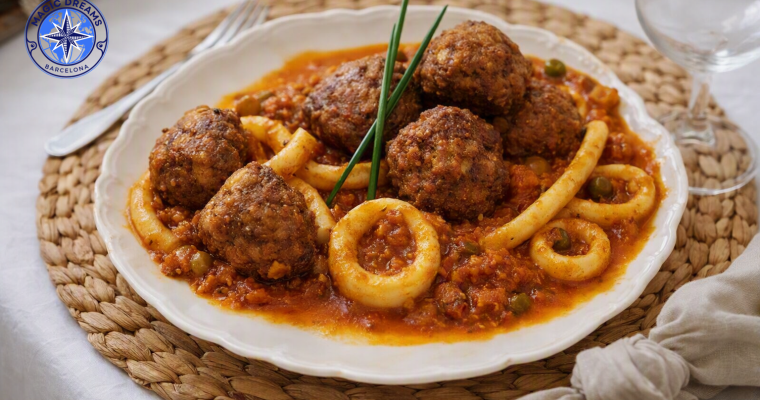
Meatballs with Cuttlefish – “Mar y Montaña”.

Meatballs with Cuttlefish – “Mar y Montaña”.

Mandonguilles amb Sèpia · A Traditional Catalan “Sea and Mountain” Recipe Catalan meatballs with cuttlefish, known locally as mandonguilles amb sèpia, are one of the finest examples of mar i muntanya, the traditional Catalan culinary philosophy that brings together ingredients from the sea and the …

Premium Catalan-Style Gilda with Espinaler Crisps.

Premium Catalan-Style Gilda with Espinaler Crisps.

A small bite with Mediterranean soul

The Gilda is one of Spain’s most recognisable pintxos. Its origins are in San Sebastián, where it became popular in the 1940s. The classic combination of olive, anchovy and pickled chilli quickly became a symbol of Basque bar culture.

Our Catalan-inspired interpretation brings this iconic pintxo into the Mediterranean aperitif tradition: two olives at each end, two rolled anchovy fillets and a pickled chilli in the centre, all threaded onto a cocktail skewer and served over Espinaler crisps.

Espinaler is a historic brand associated with Vilassar de Mar, Catalonia, and is closely linked to the culture of the Mediterranean aperitif.

The result is a small but intensely flavoured bite: salty, tangy, spicy, crunchy and deeply savoury.


Ingredients

Serves 4

  • 4 handfuls of Espinaler crisps
  • 8 green olives
  • 8 anchovy fillets in olive oil
  • 4 pickled chillies or piparras
  • Extra virgin olive oil
  • Espinaler Sauce
  • Fresh parsley, optional

Preparation

01 · Prepare the Olives

Drain the olives and set them aside.

For a more elegant presentation, choose firm, meaty green olives with a good Mediterranean character.


02 · Prepare the Anchovies

Drain the anchovy fillets lightly.

Carefully roll each anchovy around itself.

For this premium version, use two anchovy fillets per skewer, creating a richer and more generous bite.


03 · Prepare the Pickled Chilli

Drain the piparras and trim the ends if necessary.

The chilli should provide acidity and a gentle spicy note, without overpowering the other ingredients.


Assembling the Pintxo

04 · The Perfect Order

Thread onto a long cocktail skewer:

olive – rolled anchovy – pickled chilli – rolled anchovy – olive

This arrangement creates both a balanced flavour profile and an elegant visual presentation.

The two olives at the ends hold the ingredients securely while creating the characteristic Gilda shape.


05 · The Espinaler Crisp Base

Place a generous amount of Espinaler crisps on a serving platter or elegant tapas plate.

The crisps provide the essential crunchy element and complement the saltiness of the anchovies and olives.

Arrange the Gildas directly over the crisps.


The Magic Dreams Barcelona Premium Touch

Traditional tapas elevated into a gourmet experience

To transform this simple pintxo into a Magic Dreams Barcelona premium experience, we add sophistication without losing its traditional character.

Finish with:

  • A few drops of extra virgin olive oil.
  • Small drops of Espinaler Sauce over the crisps.
  • A little fresh parsley, if desired.
  • High-quality Espinaler crisps presented elegantly.
  • The skewer positioned carefully for maximum visual impact.

The objective is simple: preserve the soul of the traditional aperitif while presenting it as a refined Mediterranean gastronomic experience.


The Secret of a Great Gilda

The magic lies in the balance:

the olive provides richness and softness, the anchovy brings intensity and umami, the pickled chilli adds acidity and spice, and the crisp provides texture.

It is a tiny bite containing almost every contrast that makes a great aperitif memorable.

Ideally, eat the Gilda in one bite, allowing all the flavours to come together at once.


The Vermouth

The natural companion to a Gilda

Few tapas pair as naturally with vermouth as a Gilda.

The intensity of the anchovy, the acidity of the chilli, the olive and the crisp create the perfect appetite-opening combination.

For our experience, we recommend a chilled 0.0% alcohol-free Mediterranean-style vermouth, served over ice with a thin slice of orange.

It can also be accompanied by very cold sparkling water with lemon and fresh Mediterranean herbs.


Premium Presentation

Arrange the Espinaler crisps on a large serving plate or elegant tray.

Place the Gildas carefully on top, keeping the skewers aligned.

Add a few drops of Espinaler Sauce over selected crisps and finish with extra virgin olive oil.

The result combines:

tradition + Mediterranean ingredients + contemporary presentation.

Copyright © 2016-2026 Magic Dreams Barcelona.

Croquettes with Allioli.

Croquettes with Allioli.

An iconic Spanish and Catalan tapa Croquettes are one of Spain’s most popular tapas and are also deeply rooted in Catalan culinary tradition. Their modern origins are associated with French cuisine and the croquette, but in Spain they evolved into a distinctive dish strongly connected …

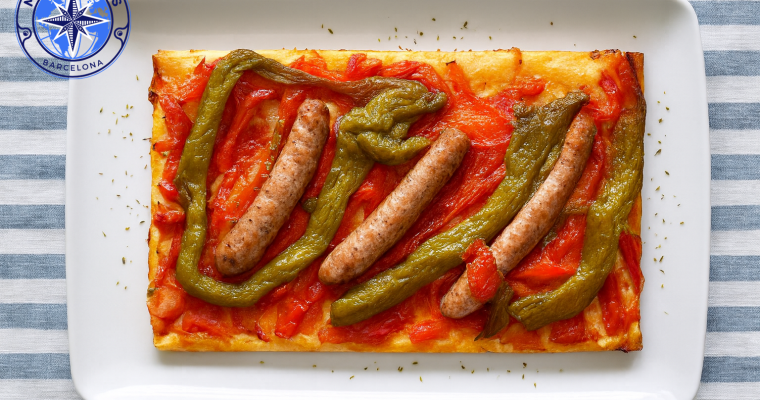
Catalan Coca with Sausages, Tomato and Roasted Peppers.

Catalan Coca with Sausages, Tomato and Roasted Peppers.

Catalan tradition, artisan dough and authentic Mediterranean flavour Coca Catalana is one of the great symbols of Catalan gastronomy and one of the oldest preparations in Catalan culinary tradition. Its origins go back centuries, when simple bread made with flour, water, salt and yeast was …

Fried Calamari and Fried Anchovies Tapas.

Fried Calamari and Fried Anchovies Tapas.

Two Mediterranean classics on one table

Fried calamari and fried anchovies are two timeless dishes of Mediterranean coastal cuisine. Simple, generous and full of flavour, they are especially popular as tapas in traditional bars, taverns and seafood restaurants.

Roman-style fried calamari are prepared by cutting fresh squid into rings, coating them in a light batter and frying them until golden and crisp while keeping the inside tender.

Fried anchovies, known in Spain as boquerones fritos, are small Mediterranean fish traditionally coated lightly in flour and fried in olive oil. Their delicate flavour and crisp texture make them one of the simplest and most popular seafood tapas.

Although anchovies can also be prepared in vinegar, this recipe is specifically for fried anchovies in olive oil.

Together, these two dishes capture the essence of Mediterranean tapas: fresh seafood, quality olive oil, crisp textures and the unmistakable flavour of the sea.


Ingredients

Serves 4

For the fried calamari

  • 500 g cleaned squid
  • 150 g wheat flour
  • 1 egg
  • 150 ml very cold water
  • ½ teaspoon salt
  • A pinch of white pepper
  • Olive oil for frying
  • Lemon wedges, to serve

For the fried anchovies

  • 500 g fresh anchovies
  • 100–120 g wheat flour
  • Salt
  • Olive oil for frying
  • Lemon wedges, to serve
  • Fresh parsley, optional

Preparation

01 · Prepare the calamari

Freshness is essential

Clean the squid carefully, removing the entrails, transparent cartilage and outer skin.

Cut the squid into rings approximately 1 cm thick.

Dry them thoroughly with kitchen paper.

Removing excess moisture is important because it helps prevent oil splashes and allows the batter to become properly crisp.


02 · Prepare the batter

Light, delicate and crisp

Place the flour, egg, very cold water, salt and white pepper in a bowl.

Mix gently until you obtain a smooth batter.

Do not overmix.

The batter should be fluid enough to coat the calamari lightly while remaining thick enough to adhere to the rings.


03 · Fry the calamari

Perfect golden colour

Heat plenty of olive oil to approximately 175–180°C.

Dip each calamari ring into the batter and allow the excess to drain away.

Carefully place the rings into the hot oil.

Fry for approximately 2–3 minutes, depending on their size.

When golden and crisp, remove them and drain on kitchen paper.

Avoid overcrowding the pan, as this can cause the oil temperature to drop.


Preparing the Fried Anchovies

04 · Clean the anchovies

The Mediterranean in its simplest form

Clean the fresh anchovies by removing the heads and innards.

You may leave the central bone in place or remove it, depending on your preferred presentation.

Rinse them briefly under cold water and dry them thoroughly.

Season lightly with salt.


05 · Coat with flour

A delicate coating

Place the anchovies in the flour and gently toss them until lightly coated.

Shake off any excess flour.

The coating should remain thin.

The aim is to preserve the delicate flavour and texture of the fish rather than covering it with a heavy crust.


06 · Fry the anchovies in olive oil

Golden, delicate and crisp

Heat olive oil to approximately 175–180°C.

Fry the anchovies in small batches for approximately 2–3 minutes, until golden and crisp.

Remove them carefully and drain on kitchen paper.

Finish with a few drops of fresh lemon juice just before serving.

Important: these anchovies are fried in olive oil. They are not prepared en vinagre.


Plating the Tapas

07 · A Mediterranean table

Arrange the fried calamari on a large serving plate.

Place the fried anchovies alongside them.

Add fresh lemon wedges and, if desired, a little chopped parsley.

For a more traditional presentation, serve them in small ceramic dishes alongside rustic bread.

The combination of golden fried seafood, fresh lemon and extra virgin olive oil creates a simple but highly appealing Mediterranean presentation.


Gourmet Suggestions

Magic Dreams Barcelona

To elevate these traditional tapas while preserving their authentic character:

  • Choose fresh squid and fresh anchovies.
  • Dry the seafood thoroughly before frying.
  • Use very cold water for a lighter calamari batter.
  • Maintain the frying temperature between 175 and 180°C.
  • Fry in small batches.
  • Use good-quality olive oil.
  • Drain the seafood immediately after frying.
  • Add lemon just before serving.
  • Keep the anchovy coating light.
  • Serve with a small portion of homemade alioli if desired.

The Secret to Great Fried Calamari

The objective is to achieve the perfect contrast:

golden and crisp outside, tender and juicy inside.

The temperature of the olive oil is crucial.

If the oil is too cool, the batter absorbs excessive oil.

If it is too hot, the exterior can brown before the calamari reaches the ideal texture.

Maintaining a stable temperature and frying in small batches produces a much better result.


The Secret to Great Fried Anchovies

The anchovies should remain delicate and moist inside while developing a thin, crisp exterior.

The key is simple:

fresh fish, a light coating of flour and properly heated olive oil.

Do not leave the anchovies in the flour for too long before frying.

Coat them immediately before placing them in the oil.

This helps maintain a lighter and crispier finish.


Presentation

For an authentic Mediterranean tapas experience, serve the calamari and anchovies on a wooden board or in small traditional ceramic dishes.

Arrange the calamari in the centre and place the fried anchovies alongside them.

Add lemon wedges and a little fresh parsley.

A small bowl of alioli can complete the presentation.

The result should feel generous, informal and inviting — like a traditional seafood tapas table beside the Mediterranean.


Pairing

These tapas pair particularly well with a fresh, dry 0.0% alcohol-free white wine, whose acidity helps balance the richness of the fried seafood.

A chilled 0.0% alcohol-free Mediterranean-style vermouth is also an excellent choice for an aperitif.

For a completely refreshing option, serve with very cold sparkling water, lemon and fresh Mediterranean herbs.

The drink should refresh the palate while allowing the calamari, anchovies and olive oil to remain the stars of the dish.

Copyright © 2016-2026 Magic Dreams Barcelona.

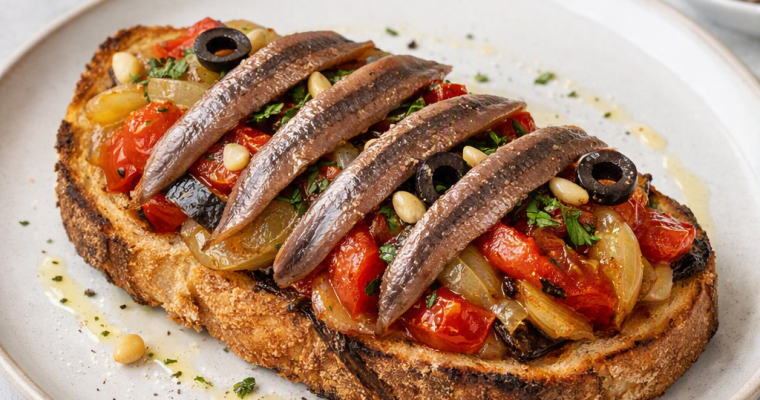
Catalan Espardenya with Escalivada and L’Escala Anchovies.

Catalan Espardenya with Escalivada and L’Escala Anchovies.

The Mediterranean on a slice of toasted bread The Espardenya is a traditional Catalan-style tapa combining toasted bread, escalivada and anchovies, bringing together the flavours of the land and the sea. The name espardenya is associated with this rustic style of preparation in Catalan cuisine, …

Pan de Coca with Anchovies from L’Escala.

Pan de Coca with Anchovies from L’Escala.

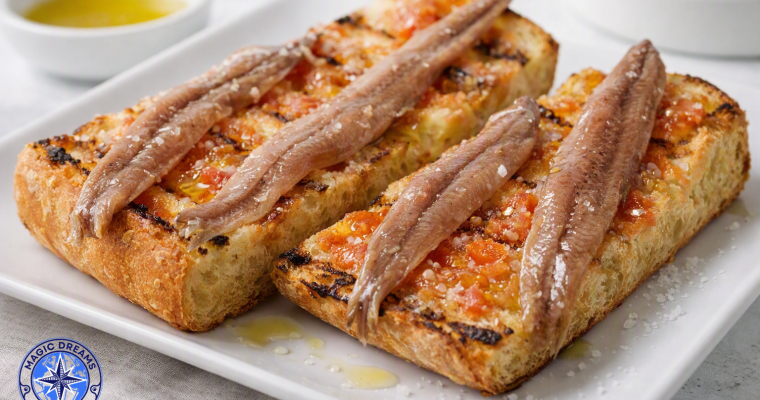
Pan de coca with anchovies from L’Escala is a simple yet deeply traditional expression of Catalan Mediterranean cuisine. It combines thin, crisp coca bread with extra-virgin olive oil, ripe tomato rubbed directly onto the bread and the intense flavour of traditionally cured anchovies from L’Escala. …

Catalan Olivada with Anchovies – Gourmet Mediterranean Spread.

Catalan Olivada with Anchovies – Gourmet Mediterranean Spread.

Catalan olivada is one of those simple preparations that perfectly expresses the character of Mediterranean cuisine. Traditionally made with black olives, this aromatic olive spread captures the flavour of the Catalan landscape in just a few ingredients: olive trees, extra virgin olive oil and Mediterranean herbs.

In Catalonia, olivada is part of our culinary tradition and is especially enjoyed with aperitifs, vermouth, breakfast, toasted bread and small tapas. Its rich texture and intense flavour make it equally suitable for traditional recipes and more contemporary gastronomic creations.

Choosing the right olives is essential for a high-quality olivada. Arbequina olives, deeply rooted in Catalonia and particularly associated with areas such as Les Garrigues and Camp de Tarragona, offer a delicate, fruity and subtly bitter profile that pairs beautifully with extra virgin olive oil.

Although olivada is most commonly associated with black olives, excellent versions can also be made with green olives, each offering its own distinctive character.

For this recipe, we combine the olivada with L’Escala anchovies, one of the most distinctive products of the fishing and preserving tradition of the Empordà region.

The combination is beautifully balanced: the richness and intensity of the olivada meet the deep, salty and marine character of the anchovy, while toasted bread provides the essential crisp texture.

The result is an elegant, Mediterranean and unmistakably Catalan appetiser, perfect for beginning a special meal or serving as part of a refined tapas selection.


Ingredients

Serves 4

For the olivada

  • 200 g pitted black olives, preferably Arbequina.
  • 3–4 tablespoons extra virgin olive oil, preferably DOP Siurana or DOP Les Garrigues.
  • 1 small garlic clove, optional.
  • 1 teaspoon fresh thyme or oregano.
  • A pinch of salt, only if needed.
  • ½ teaspoon lemon juice, optional.

For the toasts

  • 1 rustic baguette or sourdough loaf.
  • Extra virgin olive oil.

For finishing

  • 8–12 L’Escala anchovy fillets.
  • Cherry tomatoes, optional.
  • Roasted red pepper, optional.
  • Fresh parsley or microgreens.
  • A few drops of extra virgin olive oil.

Optional: a few drops of Sherry vinegar or a small amount of lemon zest for a more pronounced acidic contrast.


Preparation

01 · Prepare the olives

The Mediterranean heart of the olivada

Drain the black olives thoroughly and make sure that no stones remain.

If using olives preserved in brine, pat them lightly with kitchen paper to remove excess moisture.

Place the olives in a food processor.

Add the garlic, if using, together with the fresh thyme or oregano.

Add a small amount of the extra virgin olive oil to begin with.


02 · Blend the olivada

Rustic texture, intense flavour

Blend the olives while gradually adding the remaining olive oil.

There is no need to create an entirely smooth cream.

For a more traditional olivada, it is preferable to retain a slightly rustic texture, with tiny pieces of olive providing body and character.

For a more refined presentation, continue blending until you obtain a finer and more homogeneous paste.

Taste and add salt only if necessary.

Add a few drops of lemon juice if you want to introduce freshness and balance the intensity of the olives.

The finished olivada should be rich, aromatic and firm enough to spread over the bread without becoming runny.


03 · Prepare the toasts

The essential crisp contrast

Cut the bread into thin, even slices.

Arrange them on a baking tray and lightly brush with extra virgin olive oil.

Toast in an oven at 180–200°C / 356–392°F until golden and crisp.

Alternatively, toast the slices in a frying pan or on a griddle, carefully controlling the heat to achieve a beautifully browned surface while keeping the centre slightly tender.

Remove from the heat and allow to rest briefly.

The toast should be crisp enough to support the olivada and anchovy without breaking, but not so hard that it becomes difficult to eat.


04 · Prepare the anchovies

The salty essence of the Empordà

Carefully drain the L’Escala anchovy fillets.

If necessary, remove any remaining small bones using tweezers.

Set the anchovies aside until the final assembly.

Handle them as little as possible to preserve their delicate texture.

Their flavour should provide intensity and depth while remaining balanced with the olivada.


05 · Assemble the toasts

The meeting of land and sea

Spread a generous but balanced layer of Catalan olivada over each toast.

Place one or two anchovy fillets on top, depending on the size of the bread.

For additional freshness, sweetness and colour, add a few pieces of cherry tomato or thin strips of roasted red pepper.

Finish with fresh parsley leaves or delicate microgreens.

Finally, drizzle with a fine thread of extra virgin olive oil.


06 · The gourmet finish

The final Mediterranean touch

For a more refined presentation, add a few drops of olive oil around the toasts and, if desired, a very small amount of lemon zest.

A tiny fresh thyme leaf can also be added as a finishing touch.

Use acidity sparingly.

The purpose is to enhance the flavour of the olives and anchovies rather than overpower them.

Serve immediately to preserve the contrast between the crisp toast, rich olivada and delicate anchovy.


Gourmet Suggestions

Magic Dreams Barcelona

To elevate this simple tapa into a more refined gastronomic creation:

  • Use high-quality Arbequina olives for a more aromatic and balanced olivada.
  • Choose a Catalan extra virgin olive oil with a fruity profile, preferably DOP Siurana or DOP Les Garrigues.
  • Avoid over-blending the olivada if you want to preserve its traditional character and slightly rustic texture.
  • Add the oil gradually to control the consistency and create a naturally rich emulsion.
  • Use sourdough bread for greater depth of flavour and a more interesting crisp texture.
  • Add the anchovies just before serving to preserve their texture and prevent the bread from becoming too moist.
  • A few drops of lemon juice or Sherry vinegar can provide an elegant acidic contrast.
  • For a contemporary presentation, pipe or dot the olivada onto the toast rather than spreading it evenly, then finish with microgreens.

The secret to a great olivada

The secret lies in balance.

A good olivada should not simply become a purée of olives.

It should retain the character of the olives, the perfume of the extra virgin olive oil and a subtle herbal note.

The oil should be incorporated gradually to control the texture and prevent the preparation from becoming too loose.

It is equally important to be careful with the salt.

Both olives and anchovies can already contain considerable amounts of salt, so always taste the preparation before adding any additional seasoning.

When olivada is combined with anchovies, balance becomes even more important.

The olives provide depth and fruity notes, while the anchovies bring marine intensity and salinity.

The toasted bread acts as the connecting element, providing texture and softening the overall combination.


Gourmet Presentation

Serve the toasts on an artisanal wooden board, a handmade ceramic platter or a Mediterranean-inspired plate.

Arrange the pieces slightly apart so they can be easily picked up and enjoyed.

You can alternate some toasts topped only with olivada and others with anchovies to create different levels of flavour intensity.

For a more elegant presentation, place a small amount of olivada on the plate and position the toast slightly angled over it.

Carefully arrange the anchovy on top and finish with microgreens, small thyme leaves or fresh parsley.

A few drops of extra virgin olive oil around the plate will add shine and reinforce the Mediterranean character.

For an aperitif table, the toasts can also be served with small bowls of olives, toasted almonds or dressed tomatoes.

The final presentation should evoke the essence of a Barcelona vermouth transformed into a refined gastronomic experience, while preserving the simplicity that makes this preparation so appealing.


Pairing

These toasts pair particularly well with a dry alcohol-free 0.0% white wine from DO Empordà, whose freshness helps balance the intensity of the olives and the salinity of the anchovies.

They are also an excellent match for an artisanal alcohol-free 0.0% vermouth, particularly as part of a Barcelona-inspired aperitif.

The acidity and herbal aromas of the vermouth create a pleasant contrast with the richness of the olivada.

For a completely Mediterranean experience, serve alongside very cold sparkling water with a thin slice of lemon.


Serving

The toasts should be assembled immediately before serving.

The olivada can be prepared in advance, but it is best spread over the bread shortly before the toasts reach the table.

This preserves the essential contrast between the crisp bread and creamy olive spread.

The anchovies should also be added at the last moment.

Serve the toasts at room temperature or slightly cool, but avoid serving them excessively cold so that the olivada and olive oil can express their full aromas.


Storage

Olivada: can be stored in an airtight container in the refrigerator for approximately 4–5 days. To protect it from oxidation, cover the surface with a thin layer of extra virgin olive oil.

Toasts: preferably prepare them on the same day. Once toasted, keep them in a dry, airtight container to preserve their crisp texture.

Anchovies: keep refrigerated and follow the storage instructions provided by the producer.

Once assembled, the toasts should be eaten immediately, as the moisture from the olivada and anchovies will gradually soften the bread.


Copyright © 2016–2026 Magic Dreams Barcelona.