Route guide for visitors throughout Catalonia – Barcelona – Costa Brava – Catalan Pyrenees – Personalized experiences – Customized tour guide services – A small tribute to the wonderful city and land that saw us born – Transforming experiences into unforgettable memories - Magic Dreams Collection: exclusive universes inspired by Salvador Dalí and Gaudí. Niche perfumes, jewelry, lithographs, and collectible items celebrating the Mediterranean spirit.
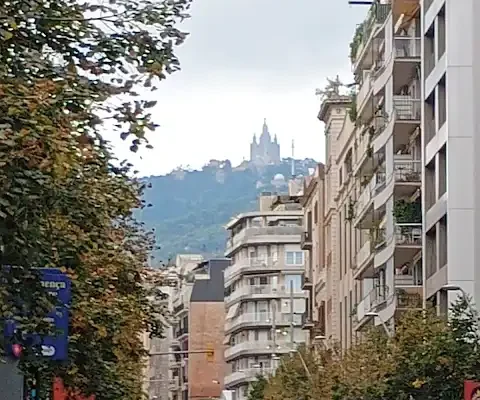
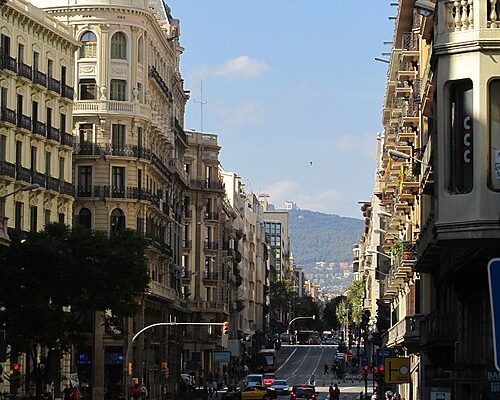
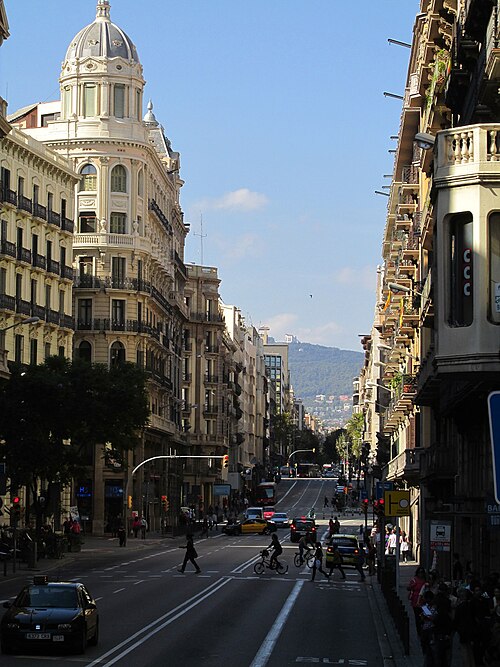
The Balmes Street, located in the heart of Barcelona, is one of the most representative urban arteries of the city’s modern evolution. Far more than a simple traffic route, Balmes is an urban narrative where history, architecture, economy, and everyday life intertwine within a broader …
La Calle Balmes, situada en el corazón del Eixample de Barcelona, es una de las arterias urbanas más representativas de la evolución de la ciudad moderna. Más que una simple vía de circulación, Balmes es un relato urbano donde se entrelazan historia, arquitectura, economía y …
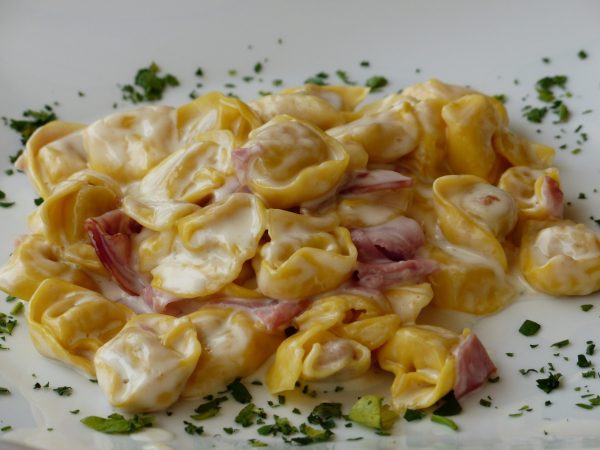
El tortellini es un icono de la gastronomía italiana, originario de Emilia-Romaña, especialmente de las ciudades de Boloña y Módena. Su forma característica se inspira en el ombligo de Venus, evocando delicadeza y romanticismo. Tradicionalmente se rellenaba con carne, jamón o queso, pero las versiones modernas, como esta, combinan ingredientes selectos con técnicas creativas de alta cocina, ofreciendo un plato elegante y contemporáneo.
Curiosidades
El nombre “tortellini” proviene de “tortello”, que significa “pequeño pastel”.
Originalmente se servía en caldo, pero hoy es muy común en versiones con salsas cremosas y elegantes.
La pasta se elabora de forma artesanal, y el relleno de ricotta y panceta aporta suavidad y un contraste de sabor que convierte este plato en una experiencia gourmet.
Espolvorear perejil fresco no solo realza el sabor, sino que aporta un toque visual de elegancia y frescor.
Ingredientes (4 personas)
Para la pasta:
300 g de harina de trigo
3 huevos grandes
Una pizca de sal
Para el relleno:
150 g de ricotta fresca
50 g de queso parmesano rallado
50 g de panceta ahumada finamente picada
Sal y pimienta al gusto
Para la salsa:
200 ml de crema de leche (nata)
30 g de mantequilla
50 g de parmesano rallado
Sal y pimienta blanca
Perejil fresco picado para espolvorear
Preparación
Masa de los tortellini:
Forme un volcán con la harina y añada los huevos y la pizca de sal.
Amasar hasta obtener una masa lisa y elástica.
Dejar reposar 30 minutos envuelta en film transparente.
Relleno:
Mezcle la ricotta, el parmesano y la panceta picada.
Sazone con sal y pimienta al gusto.
Formado de los tortellini:
Extienda la masa en láminas finas.
Corte en cuadrados de aproximadamente 4×4 cm.
Coloque una pequeña cucharada de relleno en el centro de cada cuadrado.
Doble formando un triángulo y una los extremos para dar la clásica forma de tortellini.
Cocción:
Cocine los tortellini en agua hirviendo con sal durante 2-3 minutos, hasta que floten.
Salsa:
En una sartén, derrita la mantequilla y añada la crema de leche.
Incorpore el parmesano rallado, sal y pimienta, mezclando hasta que la salsa espese ligeramente.
Presentación
Sirva los tortellini bañados en la crema blanca, con un toque de panceta crujiente por encima y espolvoree perejil fresco.
Opcional: añadir virutas de parmesano y unas gotas de aceite de trufa blanca para un acabado premium.
Toque Elegante Magic Dreams Barcelona
Presentar en platos lisos y elegantes, resaltando los colores y texturas del plato.
Ideal para cenas privadas, románticas o experiencias exclusivas, reflejando la creatividad y calidad de Magic Dreams Barcelona.
Puede solicitar este plato también en talleres de cocina privados, donde aprenderá a prepararlo paso a paso y a disfrutar de la experiencia completa.
Receta que forma parte de nuestra Magic Dreams Gastronomic Collection, incluida en nuestro libro «Gastronomía con Historia: recetas premium del Eixample».
– La cocina es un lenguaje mediante el cual se puede expresar armonía, creatividad, felicidad, belleza, poesía, complejidad, magia, humor, provocación, cultura. –
Para colaboraciones, proyectos o consultas profesionales – Reservas y presupuestos
Por favor, deje sus datos y su número de teléfono, y nos pondremos en contacto con usted a la mayor brevedad, a lo largo del día.
Located on Barcelona’s most iconic beach, the Mirador Vela is an exceptional viewpoint offering vistas that merge the majestic Mediterranean Sea with the city’s skyline. This viewpoint and its accompanying pedestrian staircases were designed by the studio External Reference Architects, under the direction of architect …
Situado en la playa más emblemática de Barcelona, el Mirador Vela es un punto panorámico excepcional, que ofrece vistas que fusionan el imponente mar Mediterráneo con la silueta urbana de la ciudad. Este mirador y las escaleras peatonales que lo acompañan fueron diseñados por el …
In the vibrant neighborhood of Gràcia, far from the monumental displays of Barcelona’s Eixample, Casa Cama i Escurra stands as a refined and understated example of Catalan modernism. Located on Gran de Gràcia street, the historic heart of the former independent municipality, the building blends seamlessly into a lively cultural and social environment.
Constructed between 1902 and 1904, the house emerged during a period of intense modernist experimentation, when residential architecture became a vehicle for social prestige and artistic expression. The project is officially credited to the architect Joan Baptista Feu, but creative authorship is often attributed to Francesc Berenguer i Mestres, a close collaborator of Gaudí. This dual attribution reflects a common practice of the time, where the signature and the artistic vision were sometimes distinct.
Casa Cama i Escurra is a sophisticated yet modest modernist residence, where decorative richness is concentrated in details rather than scale:
Façade: Features wrought iron balconies with stained glass windows that create an elegant play of light and color.
Ornamentation: Esgrafiados, corbels, railings, and plant-inspired motifs convey a naturalistic decorative language.
Entrances and common areas: The lobby preserves decorative ceramics, plasterwork, lanterns, and a wooden elevator with velvet seating, reflecting early 20th-century domestic luxury.
Structure: A multi-story building between party walls, with residential floors above and commercial space on the ground floor, typical of Gràcia’s urban expansion.
Unlike grand iconic modernist works, here the style expresses itself on an intimate and functional domestic scale, proving that modernism could flourish beyond monumental avenues.
Over time, the building has undergone minor modifications, including changes to the ground floor and upper cornice, partial loss of decorative elements, and adaptations for commercial and residential use. Yet, its essential character and defining features remain intact.
Today, Casa Cama i Escurra continues to be a living building:
Upper floors remain residential, preserving the domestic function.
The ground floor hosts the historic pastry shop La Colmena, in operation since 1928, maintaining the neighborhood’s cultural memory.
Protected as a local cultural heritage site, the building has undergone careful restorations that recover its original lobby and communal elements.
Casa Cama i Escurra demonstrates that modernism was not only expressed in iconic landmarks but also in everyday urban architecture, where art and life converge naturally. It represents the expansion of modernism beyond elite boulevards, the influence of Gaudí-inspired collaborators, and the evolution of Gràcia from an independent village to a culturally rich Barcelona neighborhood.
Elegant without ostentation, Casa Cama i Escurra is a crucial piece for understanding human-scale modernism. Here, ornamentation is not excess but a language, and architecture is not a spectacle but a continuity with daily life.
For collaborations, projects or professional inquiries – Reservations and quotes
Please leave your details and phone number, and we will get in touch with you as soon as possible, within the same day.
En el tejido urbano de la Vila de Gràcia, lejos del espectáculo monumental del Eixample, la Casa Cama i Escurra aparece como una obra elegante del modernismo barcelonés. Situada en la calle Gran de Gràcia, eje histórico de un antiguo municipio independiente, el edificio se …
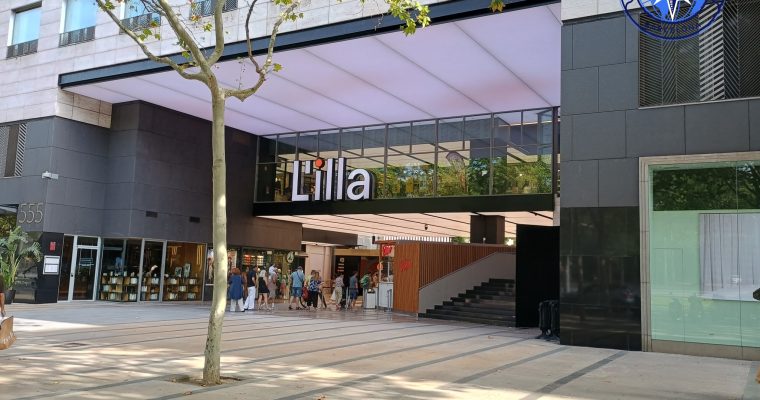
L’Illa Diagonal – Architecture, Commerce, and Urban Evolution in Barcelona The L’Illa Diagonal shopping center is one of the most emblematic commercial and urban spaces in Barcelona. Located on Avinguda Diagonal, this complex stands out not only for its retail offerings but also for its …
L’Illa Diagonal – Arquitectura, comercio y evolución urbana en Barcelona
El centro comercial L’Illa Diagonal es uno de los espacios comerciales y urbanos más emblemáticos de Barcelona. Situado en la avenida Diagonal, este complejo no solo destaca por su oferta comercial, sino también por su valor arquitectónico, su integración urbana y su reciente transformación hacia un modelo más sostenible y experiencial.
Origen e historia
L’Illa Diagonal fue inaugurado el 2 de diciembre de 1993, convirtiéndose en el primer gran centro comercial urbano de Barcelona. Su creación se enmarca en el proceso de modernización de la ciudad tras los Juegos Olímpicos de 1992.
El proyecto nació de la colaboración entre el Grupo Sanahuja y la aseguradora Winterthur (actualmente AXA), dentro de un plan para consolidar la zona alta de la Diagonal como nuevo eje económico y empresarial.
Desde sus inicios, el complejo fue concebido como una “supermanzana” multifuncional, integrando comercio, oficinas, hotel, espacios verdes y servicios.
Diseño y arquitectura
El diseño fue obra de los arquitectos Rafael Moneo y Manuel de Solà-Morales, quienes plantearon un concepto innovador: un edificio largo y horizontal paralelo a la avenida, conocido como “rascacielos tumbado”.
Fachada longitudinal de más de 300 metros
Integración con el urbanismo del Plan Cerdà
Uso mixto: comercio, oficinas, hotel y espacios públicos
Conexión entre barrios
Relación interior-exterior
El proyecto recibió el Premio FAD de arquitectura en 1994, consolidándose como referente urbano.
Oferta comercial y experiencia
Actualmente, L’Illa Diagonal cuenta con más de 170 tiendas y aproximadamente 35.000 m² de superficie comercial, combinando moda, tecnología, hogar y servicios.
Destaca también el espacio gastronómico El Rebost, así como una oferta variada de restauración que incluye brunch, cocina mediterránea, propuestas saludables y coffee shops premium.
El Umbracle
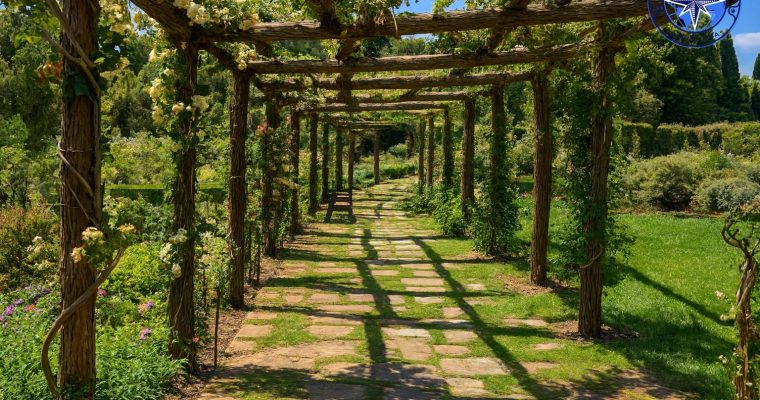
Uno de los elementos más innovadores es el Umbracle, una estructura exterior de aproximadamente 200 metros concebida como pérgola vegetal.
Diseñado por Batlleiroig
Estructura de madera con vegetación
Espacio bioclimático
Refugio climático urbano
Zonas de descanso y restauración
Su objetivo es crear un oasis urbano que combina naturaleza, arquitectura y experiencia.
Transformación reciente
En los últimos años, el centro ha experimentado una renovación significativa con una inversión cercana a 35 millones de euros, modernizando espacios y mejorando su sostenibilidad.
Más de 15,7 millones de visitantes anuales
Ocupación cercana al 100%
Consolidación como polo comercial clave
Importancia urbana
L’Illa Diagonal actúa como nexo entre barrios, integra espacio público y privado, y se adapta a las nuevas tendencias del retail, evolucionando hacia un modelo basado en la experiencia.
Hoy representa un ejemplo de cómo los centros comerciales se transforman en espacios híbridos de ocio, naturaleza y comunidad.
Conclusión
L’Illa Diagonal ha pasado de ser un centro comercial pionero a convertirse en un ecosistema urbano moderno, donde arquitectura, comercio y sostenibilidad conviven.
Su evolución refleja el futuro del retail: menos consumo y más experiencia.
Umbracle.
Illa Diagonal.
Para colaboraciones, proyectos o consultas profesionales – Reservas y presupuestos
Por favor, deje sus datos y su número de teléfono, y nos pondremos en contacto con usted a la mayor brevedad, a lo largo del día.
Portal de l’Àngel is much more than one of Barcelona’s main shopping streets. Its history reveals several layers of the city’s past: the memory of the former city walls, the transformation of the urban centre, the development of commercial architecture in the early twentieth century, …
El Portal de l’Àngel constituye uno de los espacios urbanos que mejor representan a Barcelona. Hoy es una de las principales arterias comerciales de la ciudad, pero su historia se remonta a la Barcelona medieval, cuando una de las antiguas puertas de la muralla daba …
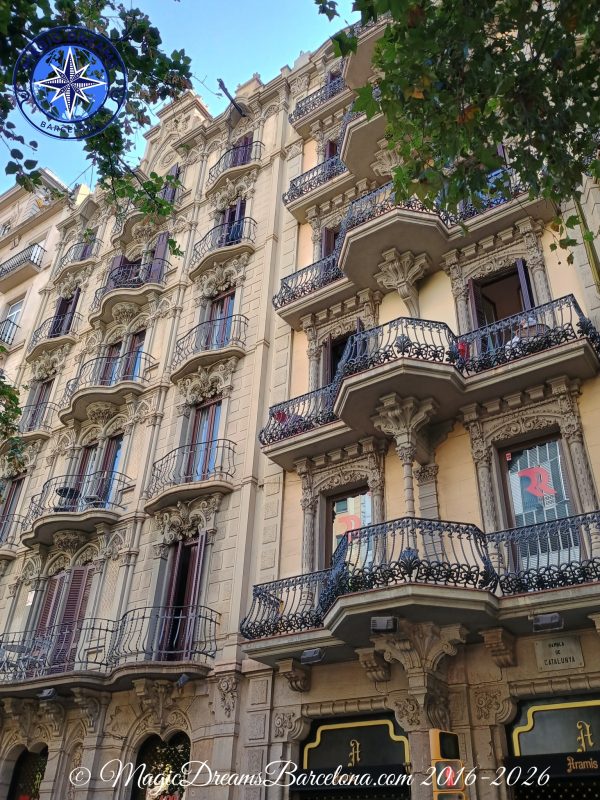
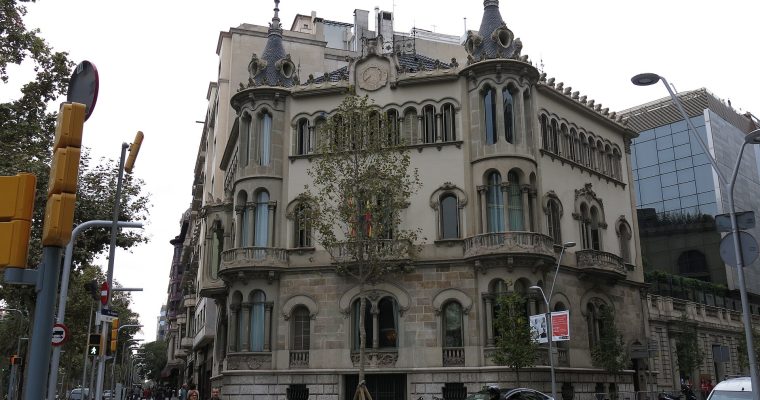
In the heart of Barcelona’s Eixample district, along the prestigious Rambla de Catalunya, stands a building that embodies history, style, and distinction: Cases Godó‑Lallana. Located at numbers 112–114, on the corner with Carrer Rosselló, this residence is not only a testament to early 20th-century architecture but also an iconic part of Barcelona’s urban landscape.
History and Architect
Designed by Josep Majó i Ribas around 1900, the building reflects the transition between eclectic architecture and the early signs of Catalan modernism. The structure was conceived to combine functionality and aesthetics within a growing urban environment. Today, Cases Godó‑Lallana is a heritage-protected building, recognized for its architectural value and its contribution to the Eixample’s cityscape.
Architectural Features
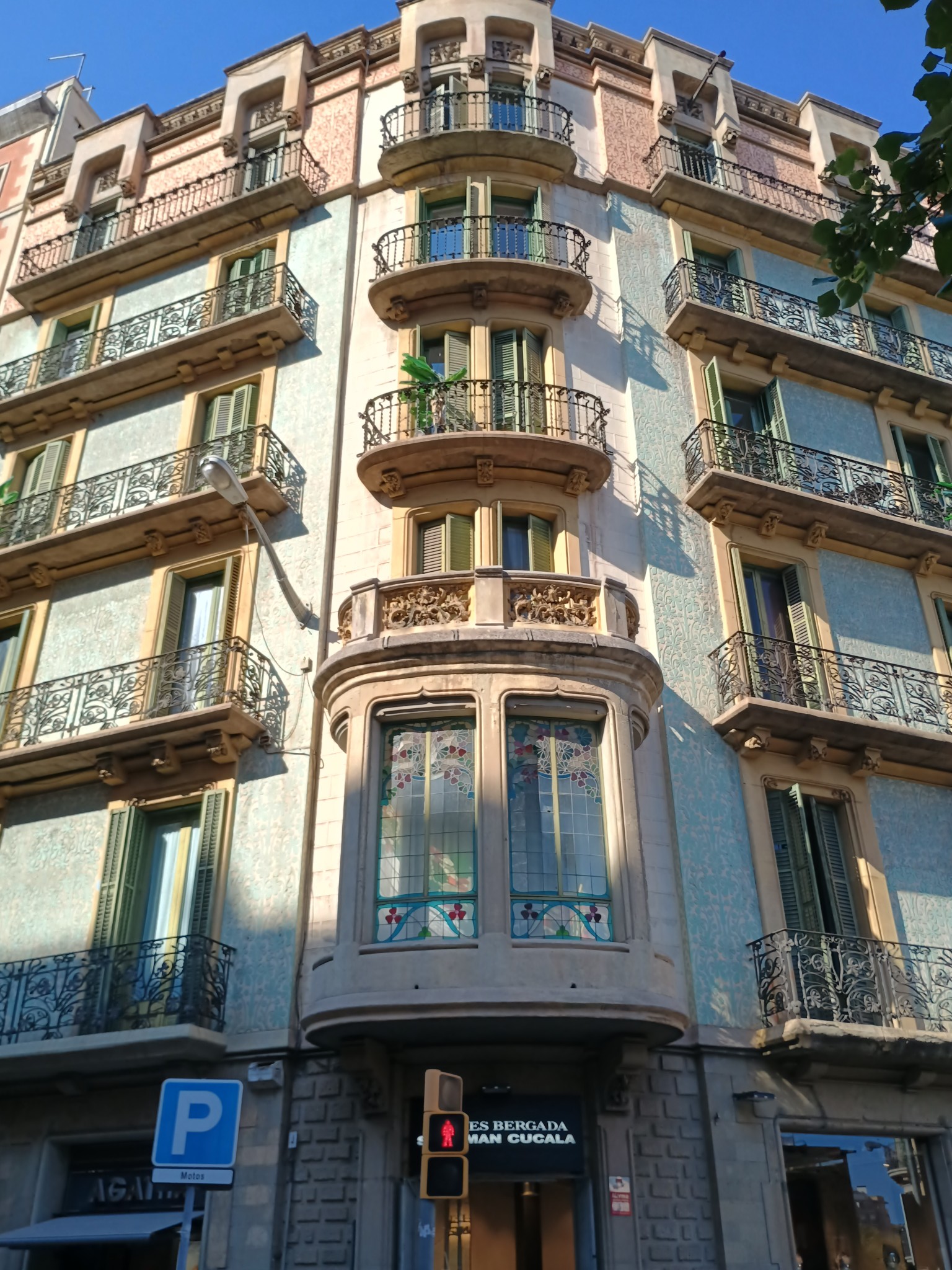
The building is distinguished by its chamfered façade, giving it visual dynamism and a strong presence at the intersection. The ornamentation includes greenish-hued sgraffito, which shifts in tone depending on the light, creating an almost painterly effect.
Continuous wrought-iron balconies on each floor add refined volume and shadow play, while the corner tribunes break the verticality, emphasizing the elegance of the intersection. Together, these features make Cases Godó‑Lallana a highly recognizable and frequently photographed architectural landmark.
Urban Context
Cases Godó‑Lallana is part of a series of eclectic and modernist buildings that enrich Rambla de Catalunya, an avenue that has served as a prestigious hub for commerce and social life since the late 19th century. Its strategic location, near other historic buildings and the vibrant life of the Eixample, makes it a prime stop for architectural walks and cultural tourism.
Heritage and Cultural Value
Beyond its aesthetics, the building represents the cultural heritage of Barcelona’s residential architecture, demonstrating how architects of the era combined materials, light, and space to create functional homes with personality. Cases Godó‑Lallana exemplifies how ornamental detail and balanced composition can elevate an urban building to a visual work of art, even more than a century after its construction.
Conclusion
Cases Godó‑Lallana is more than a building: it is a symbol of elegance and tradition on Rambla de Catalunya. Its combination of history, architecture, and visual charm makes it an essential stop for anyone exploring Barcelona’s heritage and the evolution of its urban landscape.
En el corazón del Eixample barcelonés, en Rambla de Catalunya, está situado un edificio que combina historia, estilo y distinción: Cases Godó‑Lallana. Situado en los números 112–114, en la esquina con Carrer Rosselló, este inmueble no solo es un testimonio de la arquitectura de principios …
Casa Verdú – Modernism in Barcelona’s Eixample District We are standing in front of the building known as Casa Verdú, located at 103 Rambla de Cataluña, at the intersection with Provenza Street, in the emblematic Eixample district of Barcelona. This property is a remarkable example …
Casa Verdú – Modernismo en el Eixample de Barcelona
Nos encontramos frente al edificio conocido como Casa Verdú, situado en la Rambla de Cataluña número 103, a la altura de la calle Provenza, en el emblemático barrio del Eixample de Barcelona.
Este inmueble constituye un destacado ejemplo del Modernismo barcelonés. Fue proyectado entre los años 1903 y 1904 por el arquitecto Maurici Augé i Robert, contando posteriormente con la intervención de Melcior Viñals y Salvador Viñals, lo que contribuyó a enriquecer su valor artístico y arquitectónico.
La fachada, de carácter achaflanado, responde a la tipología propia del ensanche barcelonés, pero se distingue por una cuidada composición ornamental. Entre sus elementos más relevantes destacan las barandillas de forja modernista, donde las formas orgánicas y onduladas evocan la naturaleza con gran elegancia; la cerámica vidriada, que introduce una sutil policromía característica del estilo; así como las molduras en ventanas y dinteles, decoradas con motivos florales y geométricos de gran delicadeza.
Especial mención merece el eje vertical de la esquina, concebido como elemento articulador principal, que jerarquiza visualmente la totalidad del edificio y le otorga una notable presencia urbana.
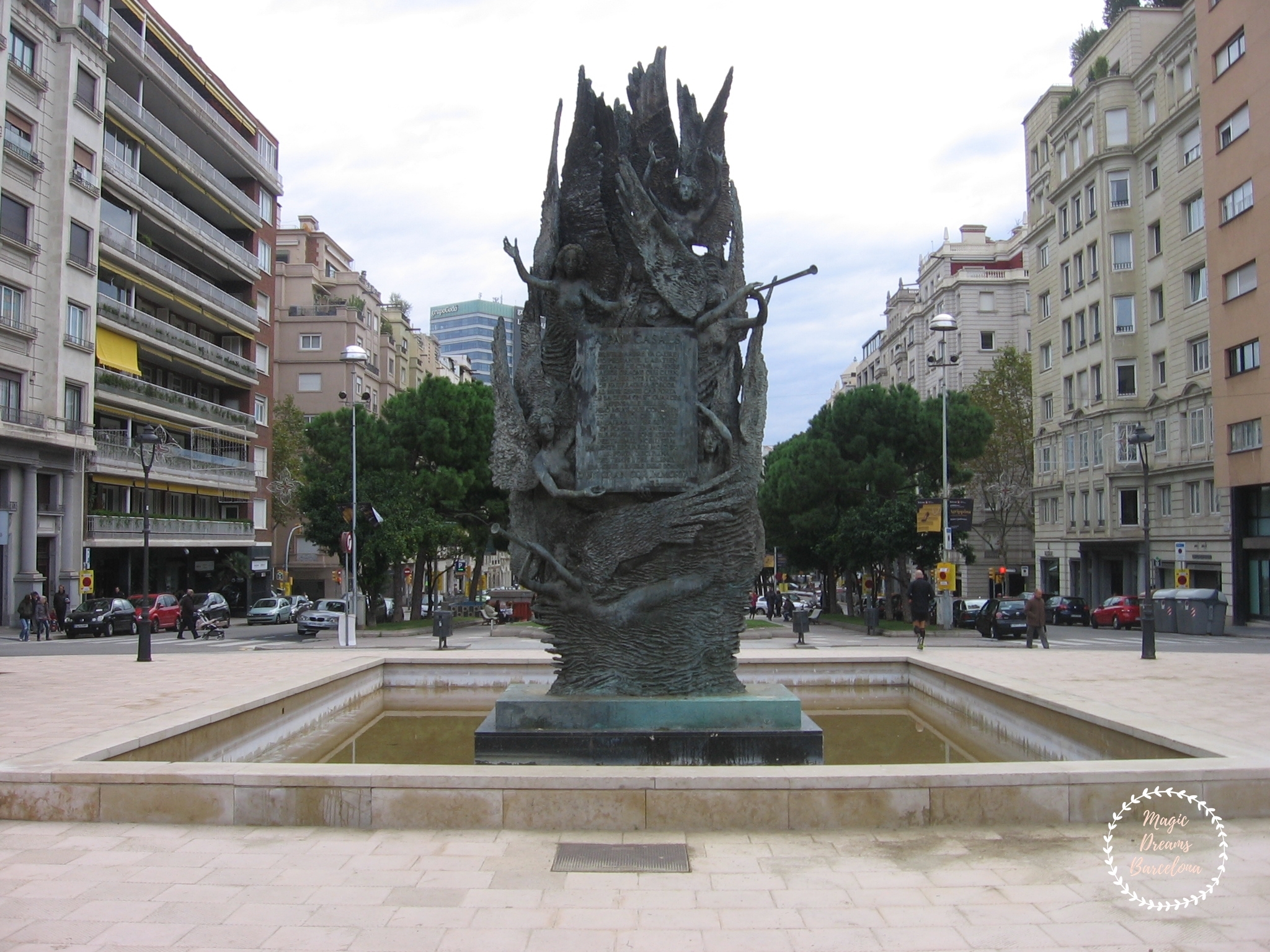
Avinguda de Pau Casals is one of the most emblematic and elegant avenues in Barcelona, located next to the historic Turó Park in the Sant Gervasi-Galvany neighborhood, within the Sarrià-Sant Gervasi district. This avenue combines cultural history, distinguished residential architecture, and one of the city’s …
La Avinguda de Pau Casals es una de las avenidas más emblemáticas y elegantes de Barcelona, situada junto al histórico Turó Park en el barrio de Sant Gervasi-Galvany, dentro del distrito de Sarrià-Sant Gervasi. Esta avenida combina historia cultural, arquitectura residencial distinguida y uno de …
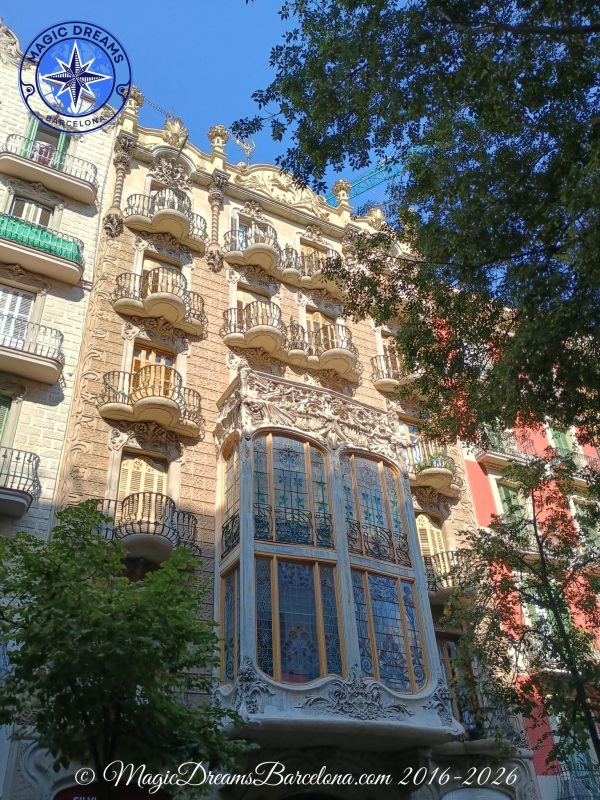
En el corazón del distrito del Eixample, uno de los paisajes urbanos más emblemáticos de Barcelona, se encuentra la elegante Casa Sala-Cairó, un edificio residencial que forma parte del rico patrimonio del Modernisme català. Situada en la calle Enric Granados, una de las vías más agradables y culturales del ensanche barcelonés, esta construcción representa la arquitectura burguesa de finales del siglo XIX y principios del XX.
El edificio fue proyectado por el arquitecto Domènec Boada i Piera entre 1888 y 1910, en pleno auge creativo del modernismo catalán. Durante este periodo, Barcelona vivía una etapa de gran expansión urbana derivada del plan de ensanche ideado por Ildefons Cerdà, que transformó la ciudad en un laboratorio arquitectónico donde también destacaron figuras como Antoni Gaudí, Lluís Domènech i Montaner y Josep Puig i Cadafalch.
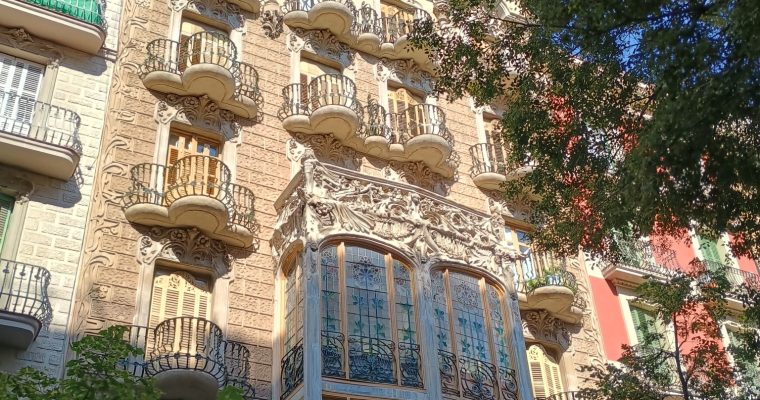
La fachada de la Casa Sala-Cairó destaca por su refinada composición y por varios elementos característicos del modernismo residencial. Entre ellos sobresale la tribuna acristalada de la planta principal, diseñada para ampliar la entrada de luz natural y crear una conexión visual con la calle. También llaman la atención los balcones con barandillas de hierro forjado, cuya ornamentación artesanal aporta elegancia y dinamismo a la fachada.
Este tipo de detalles reflejan la importancia que el modernismo otorgaba a la artesanía y a la integración de distintas disciplinas artísticas en la arquitectura, desde la forja y la cerámica hasta la vidriería decorativa.
Hoy, en 2026, la Casa Sala-Cairó continúa formando parte del paisaje arquitectónico del Eixample como edificio residencial privado, conservando gran parte de su carácter original. Su presencia contribuye a la riqueza patrimonial del barrio y a las numerosas rutas modernistas que atraen a visitantes interesados en descubrir la historia y la estética de la Barcelona modernista más allá de sus monumentos más famosos.
La fotografía de este edificio forma parte del trabajo de documentación visual realizado por MagicDreams Barcelona, un proyecto dedicado a mostrar y difundir los tesoros arquitectónicos que se esconden en las calles de la ciudad.
Located in the heart of the Eixample district, one of the most iconic urban areas of Barcelona, Casa Sala-Cairó is a refined example of residential architecture from the era of Modernisme català. Standing on the elegant Enric Granados Street, today known for its vibrant cultural …
Built between 1905 and 1908 as the headquarters of the Orfeó Català, the Palau de la Música Catalana is one of the most emblematic monuments of Catalan Modernism and one of the most unique concert halls in the world. Architect Lluís Domènech i Montaner conceived …
Located at one of the most iconic entrances to Barcelona’s Eixample district, the Residential Building of Plaça Francesc Macià is a landmark that defines the city’s urban personality and invites you to discover Barcelona’s architectural elegance from the 1930s.
This monumental building represents one of the most refined expressions of Beaux-Arts – Classical Monumentalism in the city. It stands out for its semi-circular façade, grand central dome, and intricate details inspired by European architectural traditions.
An Architectural Icon with European Spirit
Built in 1935, the building was designed by the Barcelona-born architect Josep Rodríguez Lloveras, renowned for creating works with strong urban presence. Its style combines classical monumentality with elements typical of major European capitals, resulting in a structure distinguished by sobriety, elegance, and uniqueness.
The semi-circular façade recalls the famous Royal Crescent in Bath (United Kingdom), creating an enveloping effect that gives Plaça Francesc Macià a uniquely noble character.
Architectural Details and Symbolism
During your visit, you will be able to admire:
Classical columns and ornamental reliefs
Decorative pediments, vases, and sculptural volutes
Slate mansard roofs on the upper levels, unusual in Barcelona
Grand central dome serving as the visual axis
Side pavilions enhancing the building’s monumentality
Unique sailboat prows atop the façade, evoking the Mediterranean spirit of the city
These elements make the Residential Building of Plaça Francesc Macià a true architectural dialogue between Barcelona and the great European capitals.
A Noble Gateway to the Eixample
Located at a key urban node, the building serves as a city landmark, marking the transition between historic Barcelona and the modern expansion of the Eixample. From this perspective, you can admire the harmony between urban design and monumental architecture, enjoying a unique journey through the city’s history.
Discover Barcelona with Magic Dreams Barcelona
At Magic Dreams Barcelona, we invite you to explore the Residential Building of Plaça Francesc Macià and its surroundings through private, personalized experiences. Our curated itineraries combine:
Urban architecture and history
Contemporary art and design
Green spaces and hidden city corners
Exclusive gastronomic experiences in top local venues
Our team of expert local guides will provide you with a deep and authentic perspective, revealing stories, secrets, and architectural details that go beyond conventional sightseeing.
We manage all logistics, ensuring comfort, punctuality, and a service fully tailored to your needs, whether for cultural visits, private gastronomic experiences, or bespoke itineraries.
We operate in Spanish, Catalan, and English, and upon request, experiences can be adapted to other languages, ensuring a professional, personalized, and high-quality service.
From our experiential, local, and professional perspective, we invite you to discover Barcelona with authenticity, emotion, and elegance.
En uno de los accesos más emblemáticos al Eixample barcelonés está situado el Edificio Residencial de Plaça Francesc Macià, un inmueble que define la personalidad urbana de la ciudad y le invita a descubrir la elegancia arquitectónica de Barcelona de la década de 1930. Este …
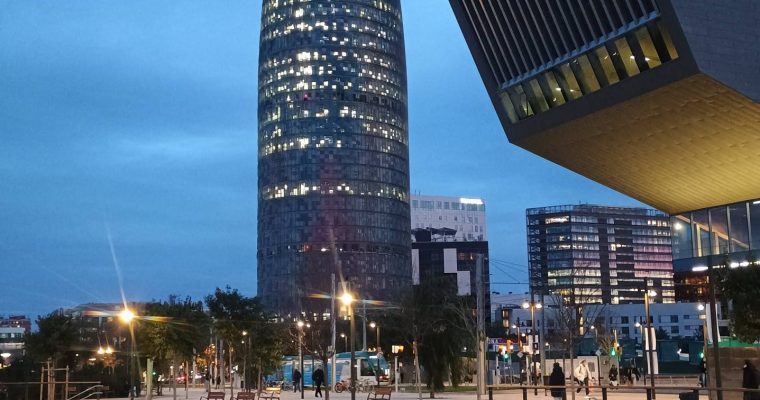
Architecture, design, art, and innovation converge at Mirador Torre Glòries, one of the most iconic cultural and sensory experiences in contemporary Barcelona. Located at the intersection of Avinguda Diagonal and Carrer de Badajoz, near Plaça de les Glòries, Torre Glòries marks the gateway to the …
La sección “Arquitectura Barcelona” está dedicada a los edificios más relevantes y arquitectónicamente llamativos de la ciudad. Aquí encontrará una selección de construcciones emblemáticas, desde obras modernistas de Gaudí hasta arquitectura contemporánea, pasando por espacios históricos y monumentos que definen el carácter único de Barcelona. Descubra lugares imprescindibles para los amantes de la arquitectura, así como rincones sorprendentes que reflejan la creatividad y el legado urbanístico de la ciudad.
The Modernist Architecture in Barcelona section is dedicated to the city’s most remarkable and visually striking buildings. Here you will find a selection of emblematic constructions, to other modernist works that define the unique architectural character of Barcelona. Explore must-see locations for architecture enthusiasts, as …
Barcelona, the jewel of Catalonia, invites you to immerse yourself in a city where history, art, and architecture converge. From the whimsical creations of Antoni Gaudí to the bustling squares and ancient Gothic streets, every corner of Barcelona tells a story. Stroll through its world-famous …
La Casa Raimunda Puntí está situada en la calle de Coroleu, 65 en Barcelona, obra de Antoni de Falguera i Sivilla, 1918.
La Casa Raimunda Puntí constituye una joya discreta del patrimonio arquitectónico barcelonés, situada en la calle de Coroleu, en el corazón histórico de Sant Andreu. Proyectada en 1918 por el arquitecto Antoni de Falguera i Sivilla, la obra se inscribe en el modernismo tardío, en un momento de transición en el que la ornamentación dialoga con una creciente sobriedad formal.
La fachada del edificio destaca por su equilibrio a nivel de composición y por la delicadeza de sus detalles artesanales. Los balcones, la cerámica y los elementos decorativos demuestran una atención minuciosa al oficio y al simbolismo, valores esenciales del modernismo catalán. Nada es superfluo, cada forma responde a una voluntad estética que busca ennoblecer la vida cotidiana a través de la arquitectura.
Antoni de Falguera, figura relevante pero a menudo menos visible dentro del panorama modernista, imprime en esta casa una sensibilidad elegante y serena.
Dentro de las rutas modernistas de Barcelona, este edificio invita a mirar más allá de los iconos más conocidos y a comprender el modernismo como un movimiento amplio, variado y profundamente humano.
En pleno barrio de Sant Pere, Santa Caterina i la Ribera, la Plaça de les Olles es un rincón que parece detener el tiempo, sus calles evocan siglos de historia y la vitalidad del presente convive con ecos del pasado medieval. Entre sus edificios surge …
Torre de Radiodifusión de Montjuïc · Barcelona La Torre de Radiodifusión de Montjuïc, diseñada por el arquitecto e ingeniero valenciano Santiago Calatrava, es una de las obras más emblemáticas de Barcelona. Construida entre 1989 y 1992, se encuentra en el corazón de la Anilla Olímpica …
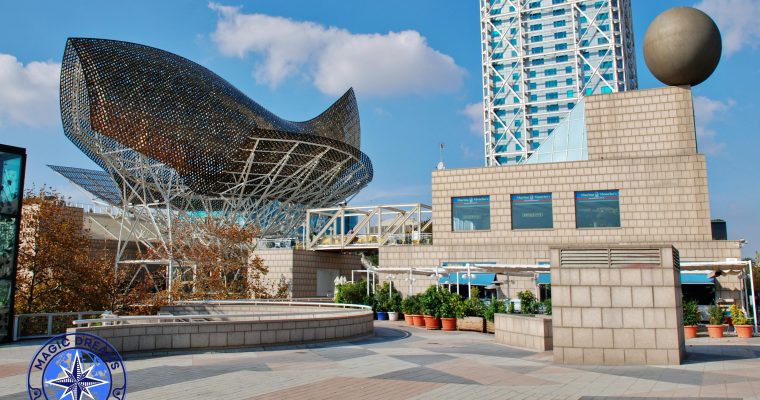
El Hotel Arts Barcelona es un hotel de lujo 5 estrellas situado en pleno corazón del “Port Olimpic” junto a su melliza “Torre Mapfre”, a orillas del mar Mediterráneo, y con vistas panorámicas también de la ciudad, emblema de Barcelona, siendo del más alto de la costa.
Hotel Arts Barcelona.
Construido entre 1991 y 1992 con motivo de los Juegos Olímpicos de 1992. Preside dicha y consta de 44 plantas y tiene 154 metros de altura, además de sus habitaciones y suites de lujo, integra también 30 apartamentos de lujo, todos dúplex, de una, dos o tres habitaciones, con cocina, comedor, que ocupan las nueve últimas plantas. Alguno de los apartamentos incluso tiene terraza.
Hotel Arts Barcelona.
Con un deslumbrante entorno natural, de espacios verdes y áreas con paisajes al aire libre, donde perderse en la piscina, gimnasio, en sus pequeños refugios de paz, donde disfrutar de sus “Noches de cine al aire libre” o a la sombra de la icónica escultura dorada de Frank Gehry: El Peix, el hotel, también ofrece pases diarios, donde desconectar del estrés.
Hotel Arts Barcelona.
Se trata de una torre de vidrio de colores verdes y azules, rodeada de una estructura de hierro de color blanco, que fue diseñada por el arquitecto Bruce Graham, propiedad de Archer Hotel Capital y sede de un lujoso hotel de cinco estrellas de la cadena “The Ritz-Carlton” , que abrió sus puertas en 1994.
Hotel Arts Barcelona.
El hotel alberga cinco restaurantes y un bar de cócteles , entre ellos está el Chef Paco Pérez, galardonado con dos estrellas Michelin, que ofrece un estilo de cocina innovador y variado para satisfacer a los paladares más exigentes, el “The Pantry” de código de vestimenta elegante-casual, donde celebrar la esencia de la gastronomía local y los mejores productos de proximidad , el “Marina Coastal Food” que ofrece un menú delicadamente emplatado y rebosante de frescura con código de vestimenta informal, el “Bites” para comida rápida informal, el “Lokal” para disfrutar de un desayuno buffet, o el “P41 Bar2” Inspirado en el paralelo 41, destino perfecto para disfrutar de su coctelería creativa, el hotel, también ofrece servicios de banquetes fuera de él.
Hotel Arts Barcelona.
Los niños también reciben tratamiento VIP en el Hotel Arts Kids Barcelona. Ofreciendo una experiencia familiar de lujo, este hotel de Barcelona deleita a los huéspedes más jóvenes con comodidades aptas para niños, como globos y golosinas en la habitación, refrigerios fáciles de alcanzar en el Club Lounge y menús especiales con opciones nutritivas.
Hotel Arts Barcelona.
En los bajos de la torre se encuentran varios locales de ocio, entre ellos el Casino de Barcelona.
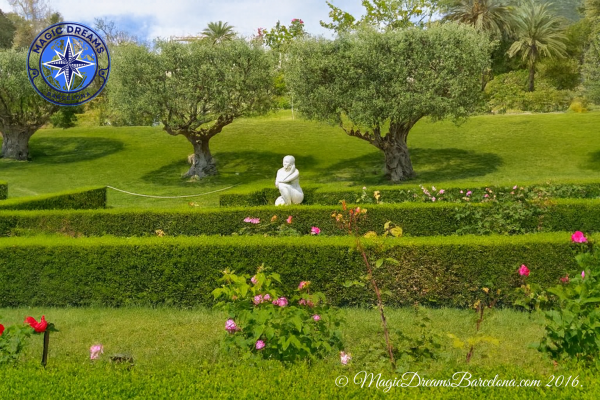
In the heart of Sant Gervasi, at 282 Muntaner Street, lies a green treasure of the city of Barcelona: the gardens of the Fundación Julio Muñoz Ramonet. Originally designed in 1916 by the French landscape architect Jean-Claude Nicolas Forestier, who introduced the concept of the …
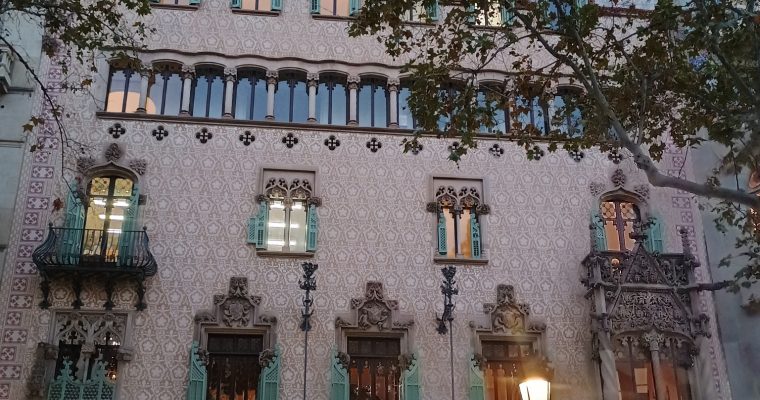
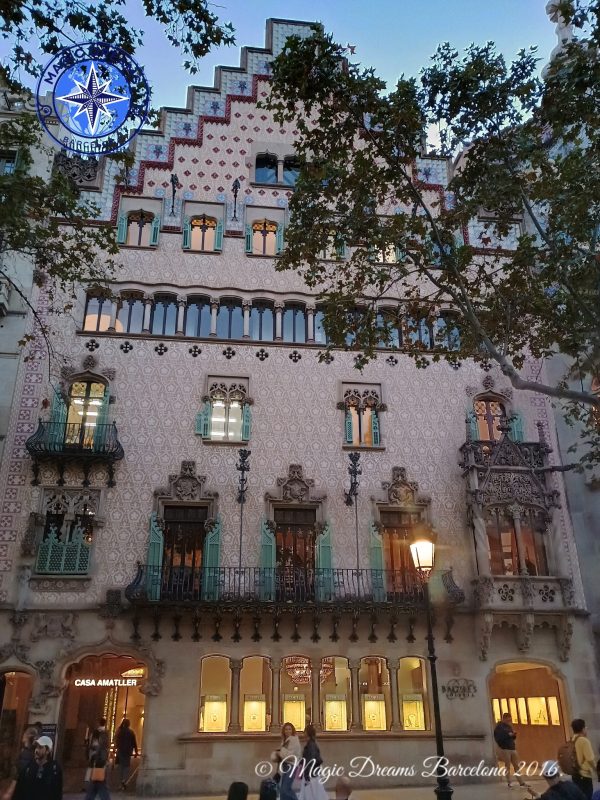
Located on Passeig de Gràcia in Barcelona, Casa Amatller is one of Catalonia’s most exquisite Modernist gems. This architectural masterpiece combines art, design, and bourgeois tradition at the turn of the 20th century. History of Casa Amatller Casa Amatller was commissioned by Antoni Amatller, a …
En el Passeig de Gràcia de Barcelona encontramos una de las joyas más exquisitas del modernismo catalán: la Casa Amatller, un edificio que representa la perfecta unión entre arte, arquitectura y tradición burguesa de finales del siglo XIX.
Historia de la Casa Amatller
La Casa Amatller fue encargada por el industrial chocolatero Antoni Amatller, miembro destacado de la burguesía barcelonesa y apasionado coleccionista de arte, fotografía y viajes.
Entre 1898 y 1900, Amatller decidió transformar una vivienda convencional en un palacio urbano que reflejara su sensibilidad artística y su prestigio social. Para ello confió el proyecto al arquitecto Josep Puig i Cadafalch, una de las figuras esenciales del modernismo catalán junto a otros grandes maestros de la época.
La casa pasó a formar parte del célebre conjunto arquitectónico conocido como la “Manzana de la Discordia”, donde distintos arquitectos modernistas competían por crear las fachadas más innovadoras y simbólicas del momento.
Diseño y estilo arquitectónico
La Casa Amatller constituye una interpretación singular del modernismo catalán. Puig i Cadafalch se inspiró en la arquitectura gótica catalana y en las casas tradicionales flamencas, visibles especialmente en su característica fachada escalonada.
El edificio combina:
Ornamentación escultórica detallada.
Cerámica policromada y hierro forjado.
Referencias medievales y simbolismo burgués.
Elementos naturalistas propios del modernismo.
Cada detalle fue diseñado para reflejar la personalidad culta y cosmopolita de su propietario. La fachada narra historias mediante relieves alegóricos, mientras que el interior conserva mobiliario original, vitrales y espacios que evocan la vida aristocrática barcelonesa de principios del siglo XX.
Inspiración artística y simbolismo
La inspiración de la Casa Amatller nace del diálogo entre tradición europea y modernidad catalana. Puig i Cadafalch incorporó influencias del gótico nórdico, del arte medieval y del movimiento Arts & Crafts, integrando arte y arquitectura como un todo indivisible.
El edificio no solo era una residencia privada, sino también una declaración estética: la arquitectura como expresión cultural, intelectual y emocional.
¿Está abierta al público? Horarios de visita
Actualmente, la Casa Amatller está abierta al público y permite descubrir tanto su arquitectura como la historia de la familia Amatller mediante visitas guiadas y experiencias inmersivas.
Horarios orientativos
Abierto todos los días.
Aproximadamente de 10:00 a 18:00 h (último acceso alrededor de las 17:00 h).
Se recomienda reservar con antelación, especialmente en temporadas de alta afluencia turística.
La Chocolatería Amatller
En la planta baja del edificio está situada la histórica Chocolatería Amatller, un espacio que mantiene viva la tradición chocolatera iniciada por la familia.
Le invitamos a descubrir Barcelona desde una perspectiva profunda, emocional y exclusiva de la mano de Magic Dreams Barcelona, donde cada experiencia se diseña como un viaje único al alma de la ciudad.
Nuestros servicios incluyen:
Logística integral y organización personalizada.
Experiencias culturales y sensoriales únicas.
Rutas botánicas con explicación de especies, historia y simbolismo.
Itinerarios arquitectónicos y artísticos por museos y espacios creativos.
Gastronomía privada tematizada con cocina internacional y local.
Conciertos y experiencias en entornos privados.
Estancias exclusivas y personalizadas en alojamientos seleccionados.
Nuestro equipo habla castellano, catalán e inglés, adaptándose a cualquier idioma bajo previo aviso, ofreciendo un servicio cercano, profesional y completamente a medida.
The Palau Güell, one of the earliest masterpieces by visionary architect Antoni Gaudí, marks the beginning of the creative genius that would forever transform world architecture. Located in the historic heart of Barcelona, this extraordinary urban palace blends luxury, symbolism, structural innovation, and deep artistic …
Situado en el exclusivo barrio de Pedralbes, dentro del distrito de Les Corts en Barcelona, el Parque de Cervantes es un remanso de tranquilidad en plena ciudad. Este jardín público está situado estratégicamente entre la Avenida Diagonal y la Avenida de Esplugues, muy cerca de …
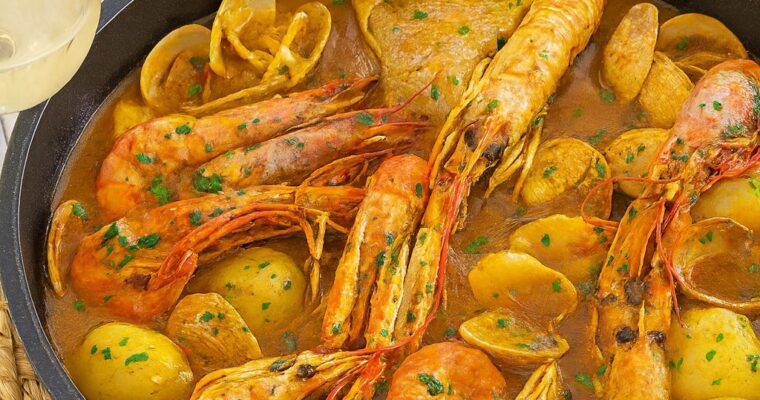
Maritime tradition, roasted garlic and the authentic flavour of the Mediterranean
Monkfish with burnt garlic, known in Catalan as Rap a l’All Cremat, is a traditional seafood recipe associated with Vilanova i la Geltrú, on the Catalan coast near Barcelona.
The name all cremat literally means “burnt garlic” and refers to the technique that gives the dish its distinctive character: the garlic cloves are deeply toasted until their skins become almost black, while the inside remains aromatic rather than bitter.
This traditional maritime preparation dates back to the 19th century and reflects the resourceful cooking of coastal communities, where simple ingredients were transformed into deeply flavourful dishes.
The fish could vary according to the day’s catch, with preparations using monkfish, hake, sea bream and other local fish.
In this version, monkfish is gently cooked in a sauce made with deeply toasted garlic, ripe tomatoes, fish stock, white wine and bay leaf.
The result is a rich, aromatic sauce with a subtle smoky character that perfectly complements the firm, delicate flesh of the monkfish.
A humble maritime recipe transformed into an unforgettable taste of the Catalan Mediterranean.
Premium Rap a l’All Cremat
Serves 4
Ingredients
For the Monkfish
4 monkfish fillets, approximately 800 g in total
1 whole head of garlic, approximately 8–10 cloves, left whole and unpeeled
3 ripe tomatoes
1 glass of dry white wine
1 glass of fish stock
1 bay leaf
Plain flour, for lightly coating the monkfish
Extra virgin olive oil
Salt
Freshly ground black pepper
Fresh parsley, optional
Optional
A small amount of cayenne pepper for a gentle spicy finish
Step-by-Step Preparation
01 · Prepare the Monkfish
Dry the monkfish fillets carefully.
Season both sides with salt and black pepper.
Lightly coat each piece with flour, shaking off any excess.
Heat a little extra virgin olive oil in a wide casserole.
Brown the monkfish briefly on both sides to seal it.
It does not need to be cooked through at this stage.
Remove and set aside.
02 · The All Cremat Garlic
The soul of the recipe
Using the same casserole, add the whole garlic cloves with their skins on.
Cook over medium heat, turning them regularly, until the skins become very dark, almost black.
This is the most important stage of the recipe.
The garlic should be intensely toasted on the outside while remaining aromatic and tender inside.
The objective is to create depth and a subtle smoky flavour, not bitterness.
03 · Add the Tomato
If necessary, temporarily remove the garlic to control the heat.
Add the grated or peeled and chopped tomatoes.
Cook over medium heat until the tomato loses most of its moisture and develops into a thick, concentrated sofrito.
Add the bay leaf.
For a slightly spicy version, add a small amount of cayenne.
04 · Add the Wine
Pour in the dry white wine.
Increase the heat slightly and cook for approximately 2–3 minutes, allowing the alcohol to evaporate.
The caramelised flavours from the bottom of the casserole will begin to combine with the tomato.
05 · Add the Fish Stock
Pour in the hot fish stock.
Stir gently to combine the sofrito and stock.
Return the toasted garlic cloves to the casserole.
The sauce will begin to develop the distinctive character of all cremat.
06 · Cook the Monkfish
Place the monkfish fillets into the sauce.
Cook gently for approximately 8–10 minutes, depending on the thickness of the fillets.
Gently move the casserole in small circular motions during cooking.
This helps the sauce emulsify naturally and become smoother and more glossy.
Avoid stirring directly with a spoon, as the monkfish can break apart.
07 · Final Finish
Taste and adjust the seasoning.
Remove the bay leaf.
Sprinkle with a little fresh chopped parsley.
Serve immediately.
The Secret of All Cremat
The entire personality of this dish comes from a paradox:
the garlic must be almost burnt on the outside, but not burnt through.
If the garlic is completely burnt, it becomes intensely bitter.
If it is not toasted enough, the distinctive character of the recipe is lost.
The perfect point is reached when the skin is very dark while the interior remains aromatic and mellow.
That deeply toasted garlic, combined with tomato and fish stock, creates the signature sauce.
The Secret to Perfect Monkfish
Monkfish has a firm, dense texture that works beautifully in rich sauces.
However, it should not be overcooked.
The ideal result is:
a sauce-covered exterior + firm, succulent and tender flesh inside.
The final stage should therefore be cooked gently over low heat.
Gourmet Suggestions
Magic Dreams Barcelona
To elevate this traditional maritime recipe:
Use fresh, high-quality monkfish.
Prepare homemade fish stock using rock fish and fish bones.
Toast the garlic slowly so you can control the colour.
Use ripe, flavourful tomatoes.
Choose a fruity extra virgin olive oil.
Add cayenne only for a subtle spicy note.
Avoid overcooking the monkfish.
Gently swirl the casserole to help emulsify the sauce.
Finish with fresh parsley.
Serve immediately with rustic bread.
The Sauce
The sauce should be thick, glossy and deeply aromatic.
We are not looking for a thin, watery sauce.
The aim is to allow the reduced tomato, toasted garlic, fish stock and natural juices of the monkfish to create a sauce that completely coats the fish.
And this is one of the great pleasures of the dish:
dipping good rustic bread into the sauce.
Traditional Presentation
Serve one monkfish fillet per person with a generous spoonful of all cremat sauce.
Arrange several roasted garlic cloves around the fish.
Finish with fresh parsley and a delicate drizzle of extra virgin olive oil.
The dish should arrive at the table very hot, ideally in the casserole in which it was cooked.
Premium Presentation
The Mediterranean of Vilanova elevated by Magic Dreams Barcelona
For a more sophisticated presentation, place the monkfish in the centre of a deep plate.
Carefully spoon the all cremat sauce around and over the fish.
Add one toasted garlic clove, a few small parsley leaves and a few drops of extra virgin olive oil.
Serve with a small slice of artisan toasted rustic bread.
The presentation should remain unmistakably Catalan and maritime.
Elegance lies in simplicity.
Pairing
For the table, we recommend a fresh, dry 0.0% alcohol-free Catalan white wine, with enough acidity to refresh the palate while respecting the delicate flavour of the monkfish.
A 0.0% alcohol-free Penedès-style white wine is particularly suitable.
A chilled 0.0% alcohol-free sparkling white wine is another excellent option.
For a completely refreshing alternative, serve with very cold sparkling water, lemon and fresh Mediterranean herbs.
Variations
Although monkfish is one of the most appreciated versions, the all cremat technique can be used with several types of fish.
Hake
A lighter and more delicate interpretation.
Sea Bream
Elegant and distinctly Mediterranean.
Rock Fish
Perfect for a deeper, more intense maritime flavour.
At Magic Dreams Barcelona, we bring the maritime tradition of Vilanova into a refined contemporary dining experience.
We select fresh fish, carefully prepare the stock, respect the precise roasting point of the garlic and allow the sauce enough time to develop its full depth.
Catalan maritime tradition, exceptional ingredients and elegant presentation — transforming a humble coastal recipe into a memorable experience.
A Recipe with Maritime Soul
All Cremat perfectly captures a style of cooking born beside the Mediterranean.
It does not need a long list of ingredients.
It needs good fish, good garlic, tomato, fish stock, olive oil and patience.
The maritime cuisine of Vilanova shows once again that the greatness of a dish can come from something as seemingly simple as a perfectly toasted garlic clove.
An intense, deeply Mediterranean flavour forever connected to the memory of the Catalan coast.
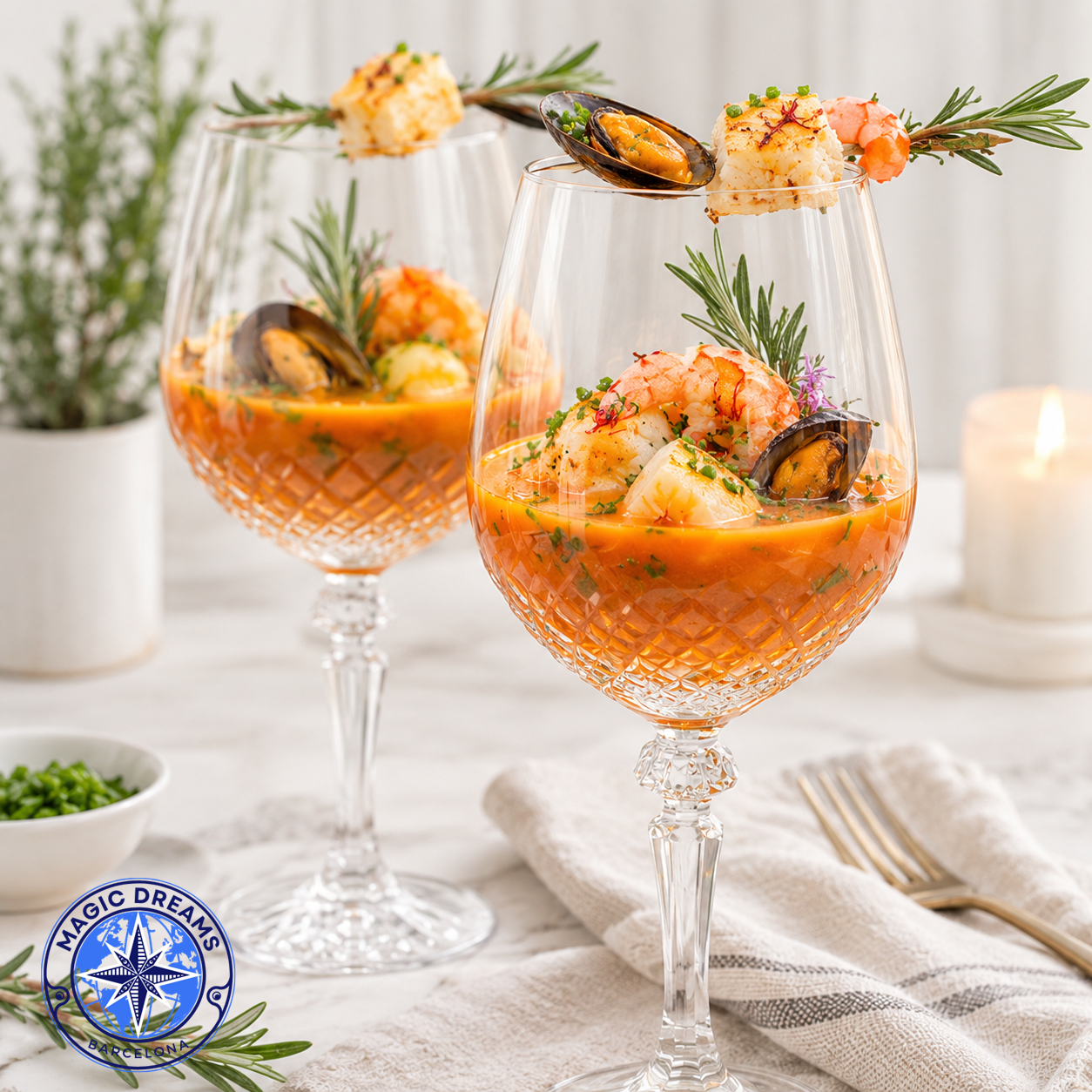
The taste of the Mediterranean in an elegant dish Some dishes need very little to become a memorable experience. Hake with seafood sauce is one of them: a delicate yet deeply Mediterranean recipe where the softness of the hake meets the rich flavour of a …
El sabor del Mediterráneo en un plato elegante Hay platos que necesitan muy poco para convertirse en una experiencia. La merluza con salsa de marisco es uno de ellos: un plato delicado y profundamente mediterráneo en el que la suavidad de la merluza se mezcla …
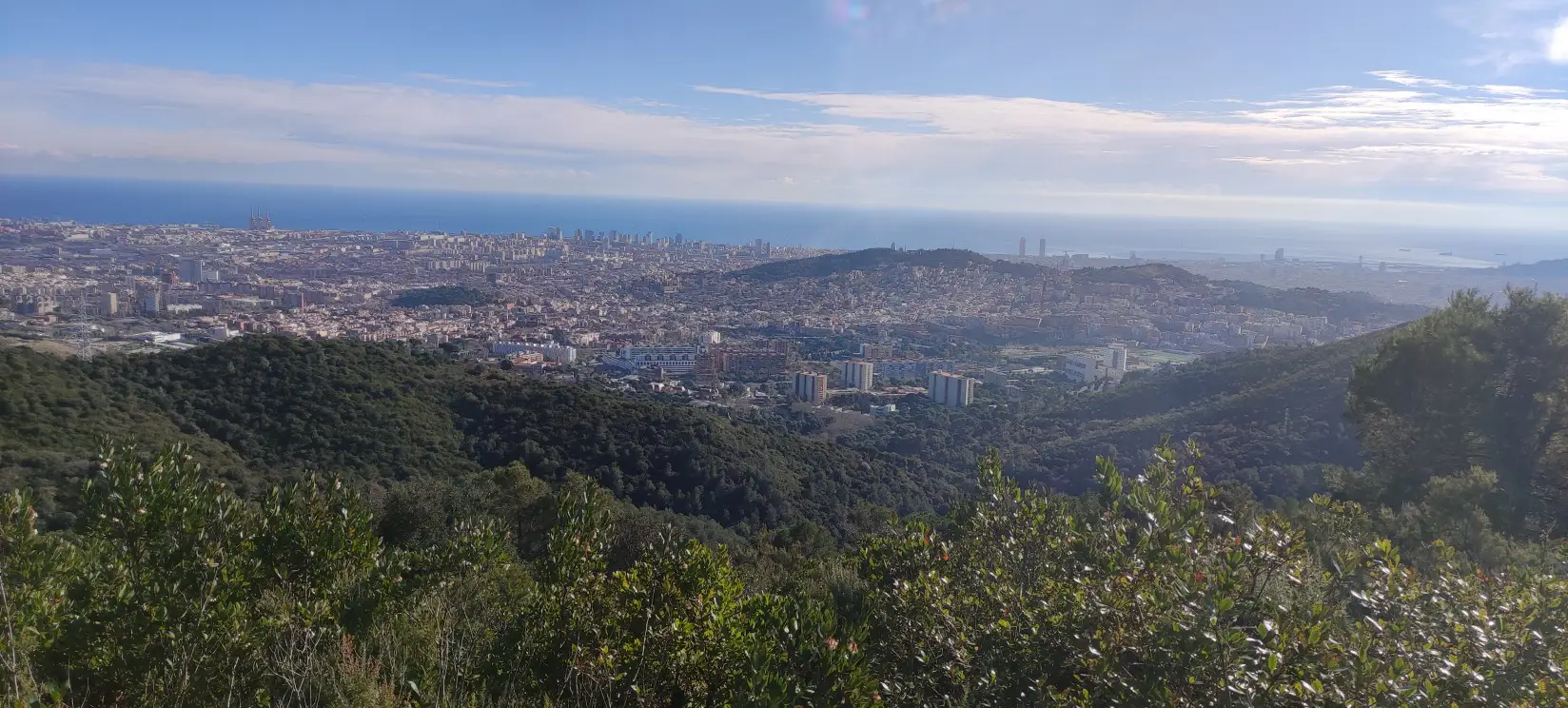
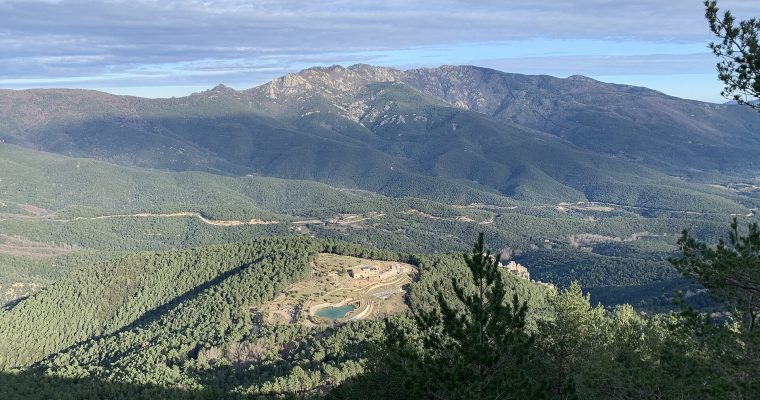
Se trata de una extensa área natural, relativamente poco urbanizada, en medio de la región más densamente poblada del país, un parque periurbano, perfecto para practicar senderismo, ir de excursión o practicar deporte con 1001 caminos para perderse, con vistas increíbles de la ciudad, uno de los parques metropolitanos más grandes del mundo.
Más de 8.000 hectáreas de espacio natural preservado, donde predominan los espacios forestales con una variedad de formaciones vegetales que aportan una significativa diversidad biológica.
La fauna de Collserola es mucho más rica de lo que cabría esperar en un espacio natural metropolitano, gracias en buena parte a la gran diversidad de ecosistemas.
El encinar con roble alberga mamíferos como el jabalí, la jineta y el ratón de campo. También se encuentran otros animales como el zorro, la comadreja, la ardilla roja, el tejón, el conejo, erizo y la salamandra común.
Entre las aves pueden mencionarse el herrerillo capuchino, el carbonero común, el mirlo, el petirrojo, el gavilán, el azor y el cárabo común.
En la maquia abundan diversas especies de curruca, una de las aves más características del paisaje arbustivo mediterráneo. El único pez autóctono es el Barbo colirrojo (Barbus haasi), el cual se halla restringido a la Rierada.
La cima del Tibidabo es la altura máxima de la sierra del parque, con 512 metros.
La sierra de Collserola se extiende a lo largo de 4 distritos de la propia ciudad. Es por ello que acercarse a ver este espacio natural es muy sencillo y tanto puede hacerse caminando, en autobús, en tren, en metro e incluso en funicular.
Existen diferentes opciones para llegar en transporte público desde el centro de la ciudad:
Metro: Parada Mundet, Canyelles, Valldaura, Vall d’Hebrón, Torre Baró o Trinitat Nova/Can Cuiàs L11, línea L3.
Autobús: líneas 102, 104, 111 y 128.
Funicular: También pueden optar por el funicular, que les dejará a las puertas de la sierra, en la parada de Vallvidrera.
Ferrocarriles Catalanes FGC: También se puede acceder en tren desde el centro de la ciudad, tomando el S1 o S2 y bajando en la parada de Baixador de Vallvidrera, que nos dejará en las inmediaciones del Parque Natural de Collserola.
También es posible acceder a la sierra de Collserola en coche particular, ya que la carretera C-16 atraviesa buena parte del parque, pero dadas las pocas opciones de aparcamiento que existen, les recomiendo que utilicen alguna de las demás opciones de transporte.
Lugares de interés:
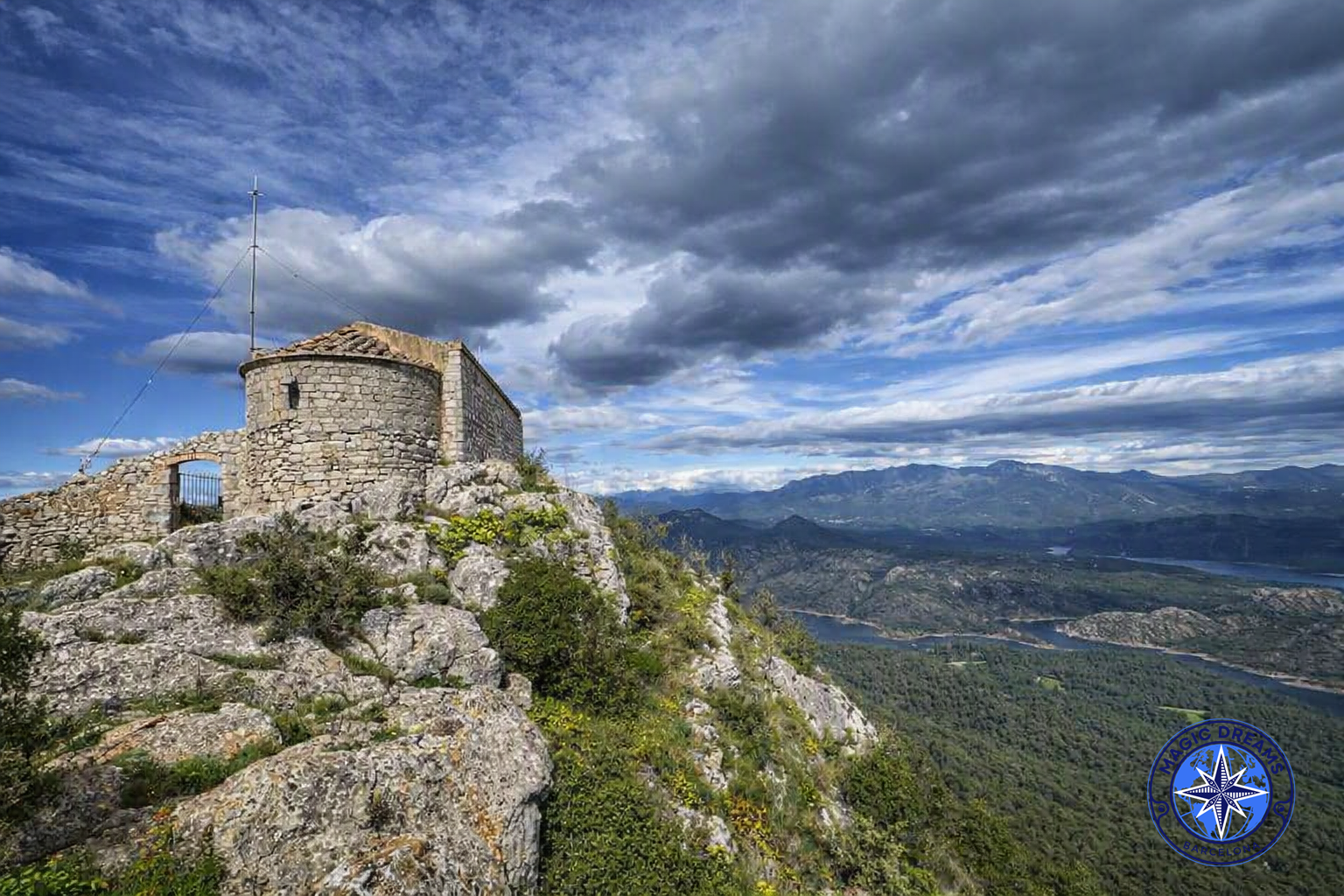
La Ermita de Sant Medir.
Ermita de Sant Medir.
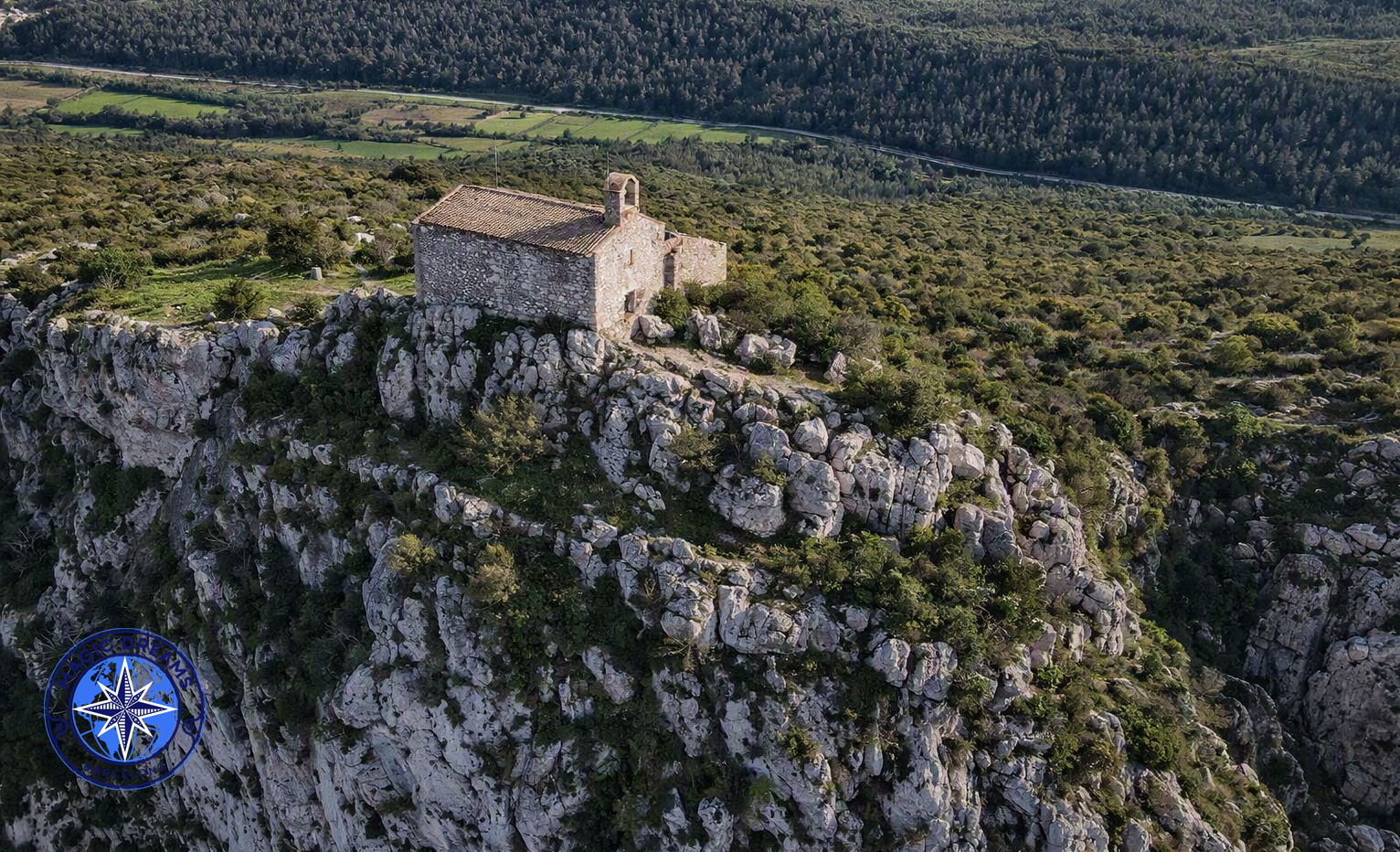
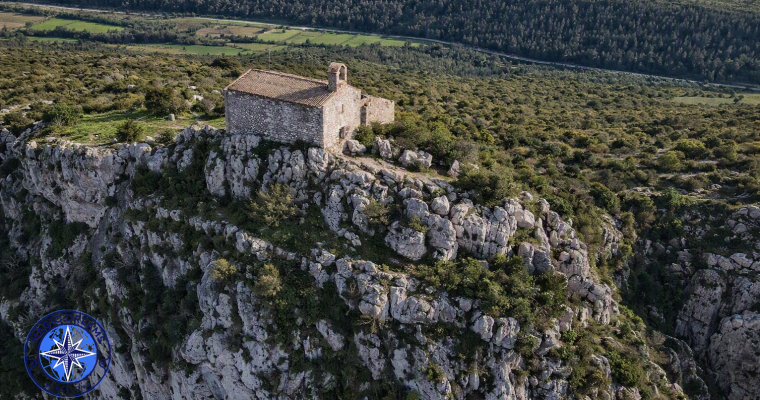
La ermita de Sant Medir es un santuario de origen románico situado en la sierra de Collserola, en el término municipal de San Cugat del Vallés.
Consta de planta rectangular con sacristía. En el exterior se aprecia un campanario de espadaña y la puerta de entrada con arco de medio punto, donde se encuentra un relieve grabado fechado en 1447 con las imágenes de la Santísima Trinidad.
En el año 962 se encuentra la primera referencia documentada a la ermita como propiedad del monasterio de San Cucufato y como una de las cinco parroquias del término. Los monjes del monasterio la tuvieron bajo sus cuidados hasta el año 1446.
En su interior hay unos esbozos originales del año 1948 de las pinturas murales que el artista local Josep Grau-Garriga proyectó y que no se llegaron a realizar.
La ermita de Sant Medir es un lugar del que parten numerosas rutas de senderismo.
Proporciona un espacio muy agradable para hacer un descanso antes de continuar la marcha.
Hay una fuente de agua, merenderos y zonas de sombra. También se puede llegar en coche. Subiendo por el sendero, pasado el aparcamiento, hay un restaurante llamado Masía Can Jané.
Ermita de Sant Medir.
El Salto de agua de la rierada.
Sendero hacía el Salto de Agua.
La ribera de Vallvidrera, conocida también como la Rierada, es un afluente del margen izquierdo del río Llobregat y el único curso de agua permanente del Parc de Collserola. Esta zona tiene el entorno natural de ribera mejor conservado de toda la sierra de Collserola (bosques de encinas, pinos y robles).
El salto de agua de la Rierada es una cascada única dentro del Parque Natural de Collserola , en el municipio de Molins de Rei.
Esta cascada tiene una caída de casi 5 metros y, además, es el escenario de una antigua fábula que habla de la existencia de una «dona d’aigua» (mujer de agua), un tipo de hada vinculada con el agua.
Indicaciones para llegar al Salto de Agua.
Se trata de una pequeña excursión, de hora y media, sin ningún tipo de dificultad, por un bosque muy bien conservado y señalizado de robles y pinos.
Es recomendable hacerla después de lluvias, ya que la cascada baja con más agua.
La ruta es muy fácil, basta con seguir el trazado del camino desde Can Planes deben de seguir adelante hasta encontrar un candado a mano izquierda.
Hay que atravesarlo y seguir caminando hasta la riera. Tomen un desvío a la derecha que se adentra en el bosque y seguir el bonito camino hasta el salto.
Salto de Agua.
Mirador dels Xiprers.
Se encuentra en el extremo meridional de la sierra de Collserola, en el «Passeig de les Aigües», por debajo de Sant Pere Mártir.
Se puede acceder por el «Passeig de les Aigües» desde la pasarela que va por encima de la carretera de Sarriá a Vallvidrera (BV-1462) y también desde la Plaza Mireia, en el municipio de Esplugues de Llobregat, pasando por la pasarela de madera junto al depósito de agua de Sant Pere Mártir.
Desde el mirador se domina parte de la llanura de Barcelona, el delta del Llobregat y las montañas que lo rodean. Hace unos años, al hacerse la restauración del lugar se añadieron algunos ejemplares de cipreses a los tres ya existentes y que dan el nombre al mirador.
Mirador dels Xiprers.
Ermita de Santa Creu d’Olorda.
Aunque está situada más cerca de poblaciones como Molins de Rei o Sant Cugat del Vallès, la ermita románica de Santa Creu d’Olorda es patrimonio arquitectónico barcelonés, data del siglo IX , le acompañaban también un cementerio y una casa rectoral que ya han desaparecido.
El ábside y la nave principal de la iglesia se construyeron como base para después añadir otros elementos. En cualquier caso, en 1936, se incendió durante la Guerra Civil Española y más tarde la restauró el Centro Excursionista «Els Blaus» de Sarrià.
En esta zona disponen de una capilla románica, un restaurante y un área de picnic.
La capilla está abierta sólo los sábados de 11:00 a 13:00. El restaurante y la zona de picnic son perfectos para hacer una parada durante caminatas por el parque de Collserola.
La situación central de este paraje, en la vertiente occidental del Parque de Collserola, lo hace accesible desde todos los núcleos de población próximos: Molins de Rei, Valldoreix, Sant Feliu de Llobregat y Vallvidrera.
Tiempos a pie:
Desde Molins de Rei: 1h 25’
Desde Sant Feliu de Llobregat: 1h 10’
Desde Vallvidrera: 1h 5’
Desde Les Planes: 55’
Ermita Santa Creu d’Olorda.
Mirador de María Gisbert.
Mirador María Gispert.
El mirador de María Gisbert se sitúa en la cima del Turó de Magarola (430 metros de altitud), en Collserola, desde donde no solo tenemos grandes vistas de Barcelona, sino de la costa del Maresme, Montserrat o la Serralada de Marina.
Amanecer el el mirador María Gispert.
Además, cada año desde 1988, en los meses de septiembre y octubre, durante la época de paso de las aves rapaces, se lleva a cabo una campaña de observación y seguimiento de los pájaros desde el Turó de Magarola. Unos técnicos especializados ayudan a identificar las especies.
Mirador María Gispert.
Cumbre de 430 metros incluida en el reto de las 100 cimas de la FEEC.
Las paradas más cercanas a Mirador María Gispert son:
Mundet está a 2731 m de distancia, 35 minutos andando.
Vall D’Hebron | Sant Genís está a 3089 m de distancia, 40 minutos andando.
Tibidabo está a 3102 m de distancia, 40 minutos andando.
Metro: L3
Estas líneas de Autobús se detiene cerca de Mirador Maria Gispert:112, 27, 76, M19, V21.
Mirador María Gispert.
Ermita de la Salut.
Una ermita del siglo IX, reformada el siglo XI, es realmente bonita, en un paraje acogedor dentro de un espacio cuidado y tranquilo, ideal para subir a verla entre semana y descansar allí un buen rato.
Se trata de una construcción sencilla, con poca decoración, pero con un estado de conservación excelente. El edificio en un primer momento era de nave única, con posible cabecera cuadrangular y una cubierta de madera que data del s. X. En una ampliación en el s. XI se añadió una cabecera triple con un ábside semicircular y dos absidiolas en los laterales, una bóveda de cañón con arcos fajones y se amplió la nave que se convirtió en más larga y, posiblemente, más alta.
En el exterior se hacen evidentes los contrafuertes. En la parte de los pies hay una interesante ventana geminada con un capitel de hojas de acanto sobre una pequeña columna, de las que se conservan pocas en la arquitectura prerrománica. El ábside central presenta atracciones lombardas y escenas típicas de la arquitectura románica catalana. Además, la puerta central, también edificada en el s. XI, presenta una puerta adintelada decorada con un arco de medio punto inscrito en el muro que genera un tímpano hoy sin decoración.
El itinerario aconsejado de acceso es saliendo de la estación de Valldoreix, la subida es fácil hasta la Ermita, luego a Puig de Madrona y finalmente después de un paseo por el circuito de Valldoreix a la estación de Mirasol, itinerario de una hora y cuarenta minutos aproximado.
Ermita de la Salut.
La Masia de Can Borrell.
Masia de Can Borrell.
Los primeros referentes históricos de asentamientos humanos en el lugar donde hoy en día se sitúa Can Borrell, llevan a retroceder muchos siglos atrás. Hay citas que hablan de hallazgos de fragmentos de cerámica íbera y romana por los alrededores.
Detalle «Cuina catalana» en Masia de Can Borrell.
Por su situación al antiguo camino de Sant Cugat a Barcelona y lugar de paso hacia Sant Medir, la masía se convirtió en lugar obligado de parada, primero por los campesinos de la comarca que traían sus productos a la capital, y más tarde por los excursionistas y romeros de Sant Medir.
Detalle acceso a la Masia Can Borrell.
El día de esta celebración la casa abría las puertas de delante y atrás y se convertía en una parte más del camino. De retorno, se hacía baile y se danzaba la última sardana del Aplec. Hasta hace poco todavía se celebraba aquí el último baile de la fiesta.
El paso de excursionistas y demás gente hizo que se empezaran a servir almuerzos y bebidas y, en vistas del éxito se convirtió en la casa restaurante que es hoy.
Detalle «Cuina catalana» en Masia de Can Borrell.
Esta bella masía catalana disfruta de un paisaje forestal y agrícola que nos hace reencontrar con la naturaleza y nos hace pensar que estamos lejos del área metropolitana, a pesar de estar a escasos veinte minutos de Barcelona.
Detalle «Cuina catalana» en la Masia Can Borrell.
Desde Barcelona se llega:
En vehículo por la ctra. del Velòdrom d’Horta, BV-1415, hasta el Km-3. Una vez allí coger la pista forestal (30 minutos).
En transporte público con los FGC desde la estación de Sant Cugat y a pie hasta la Pl. Rotary y después haciendo la excursión hasta el restaurante por la pista forestal B06, pasando por el Pi d’en Xandri.
Desde Sant Cugat se llega a pie o en bicicleta desde la Pl. Rotary.
Desde Cerdanyola del Vallès se llega en vehículo en 15 minutos por la ctra. de Cerdanyola a Horta. Después camino de pista hasta llegar al restaurante.
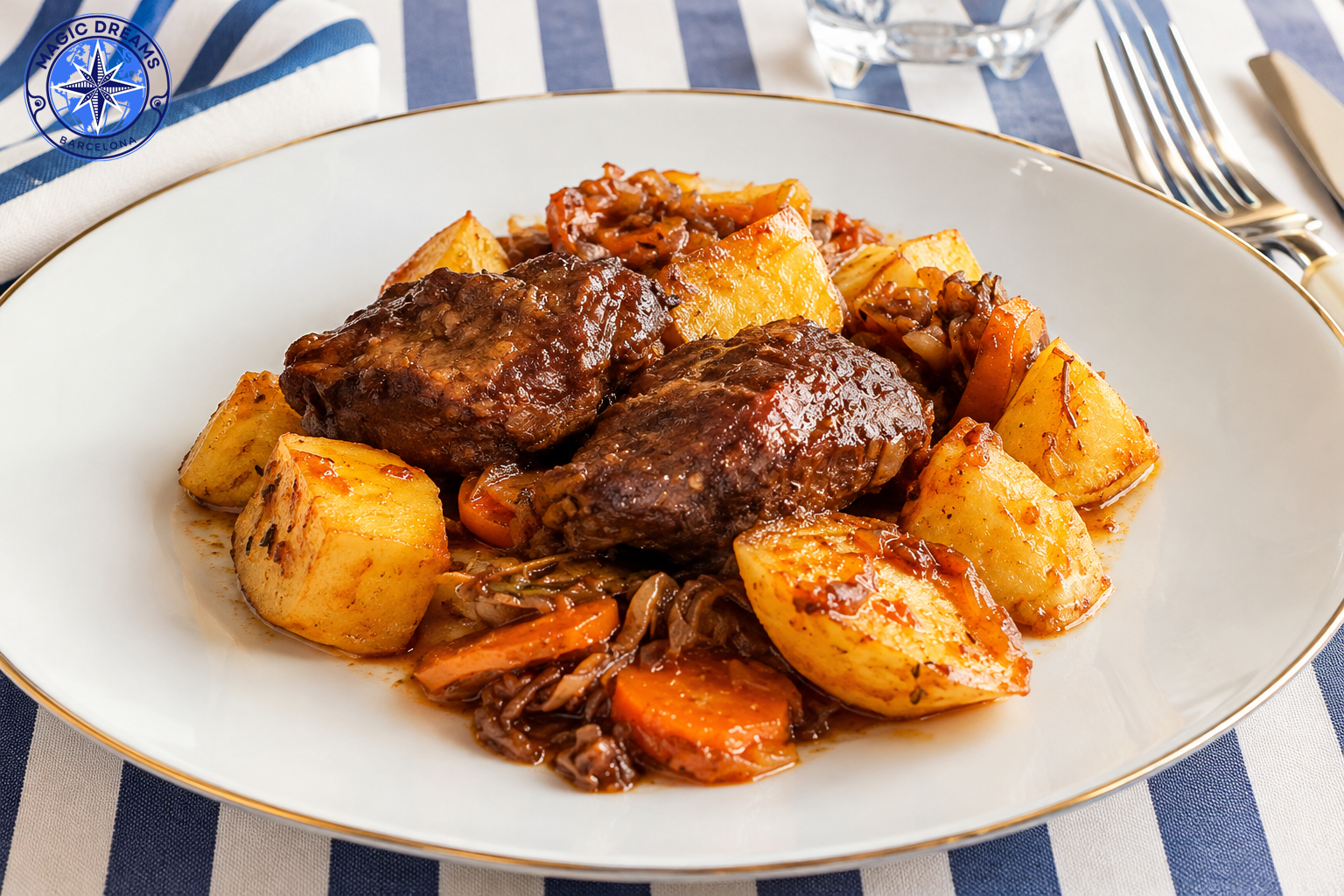
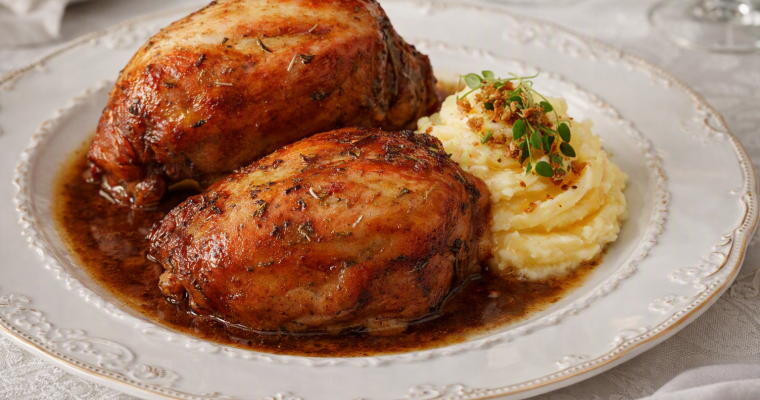
Traditional Catalan Country Chicken with Prunes and Pine Nuts Rostit de Pollastre de Pagès amb Prunes i Pinyons is one of the most traditional festive dishes in Catalan cuisine, especially associated with Christmas celebrations and special family gatherings. This traditional casserole roast was commonly prepared …
At the foot of Plaza de España stands Arenas de Barcelona, an icon of urban transformation — a space where past and present engage in dialogue through architecture, culture, and emotion. Built in 1900 by architect August Font i Carreras in Neo-Mudéjar style and promoted …
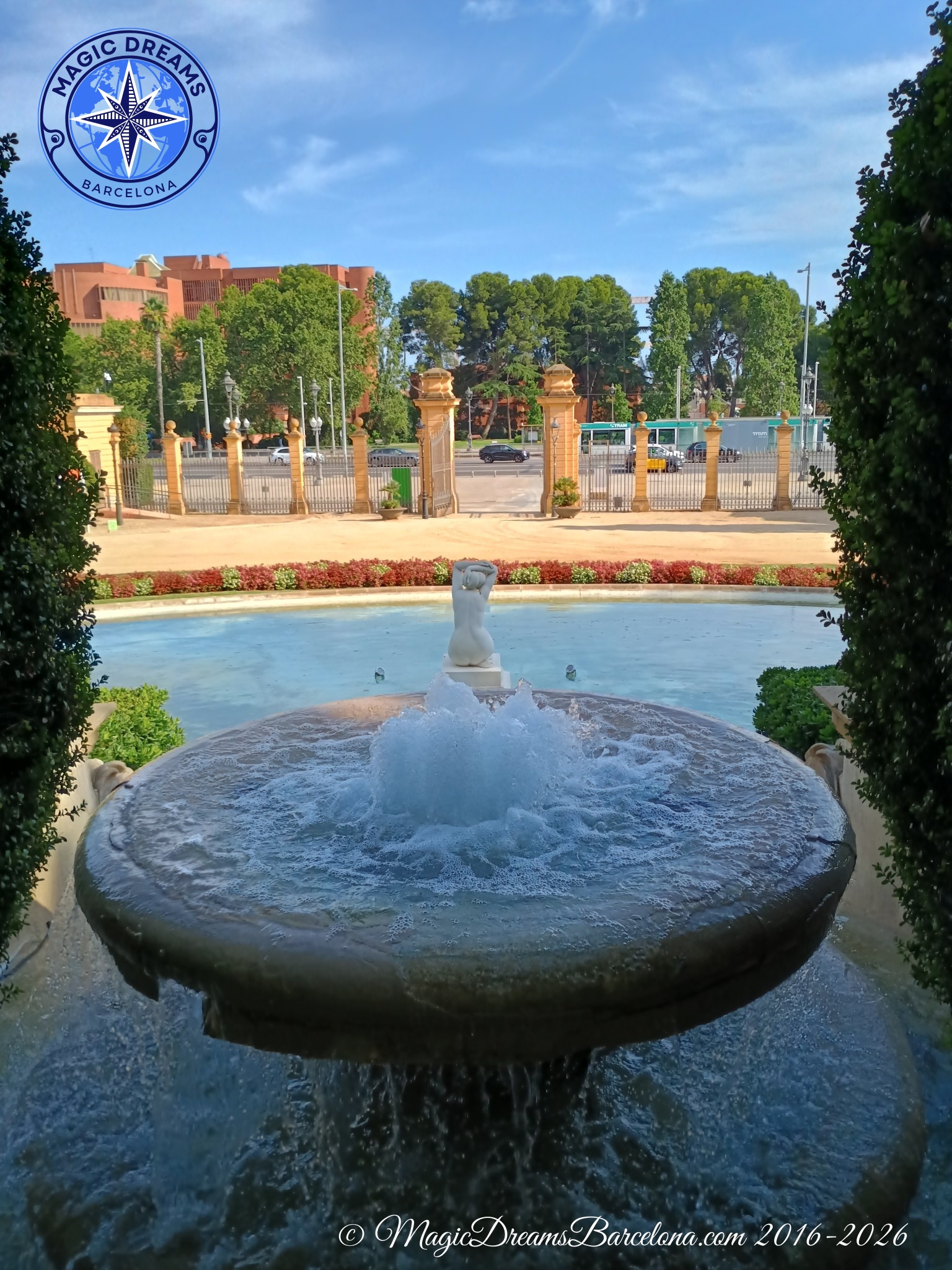
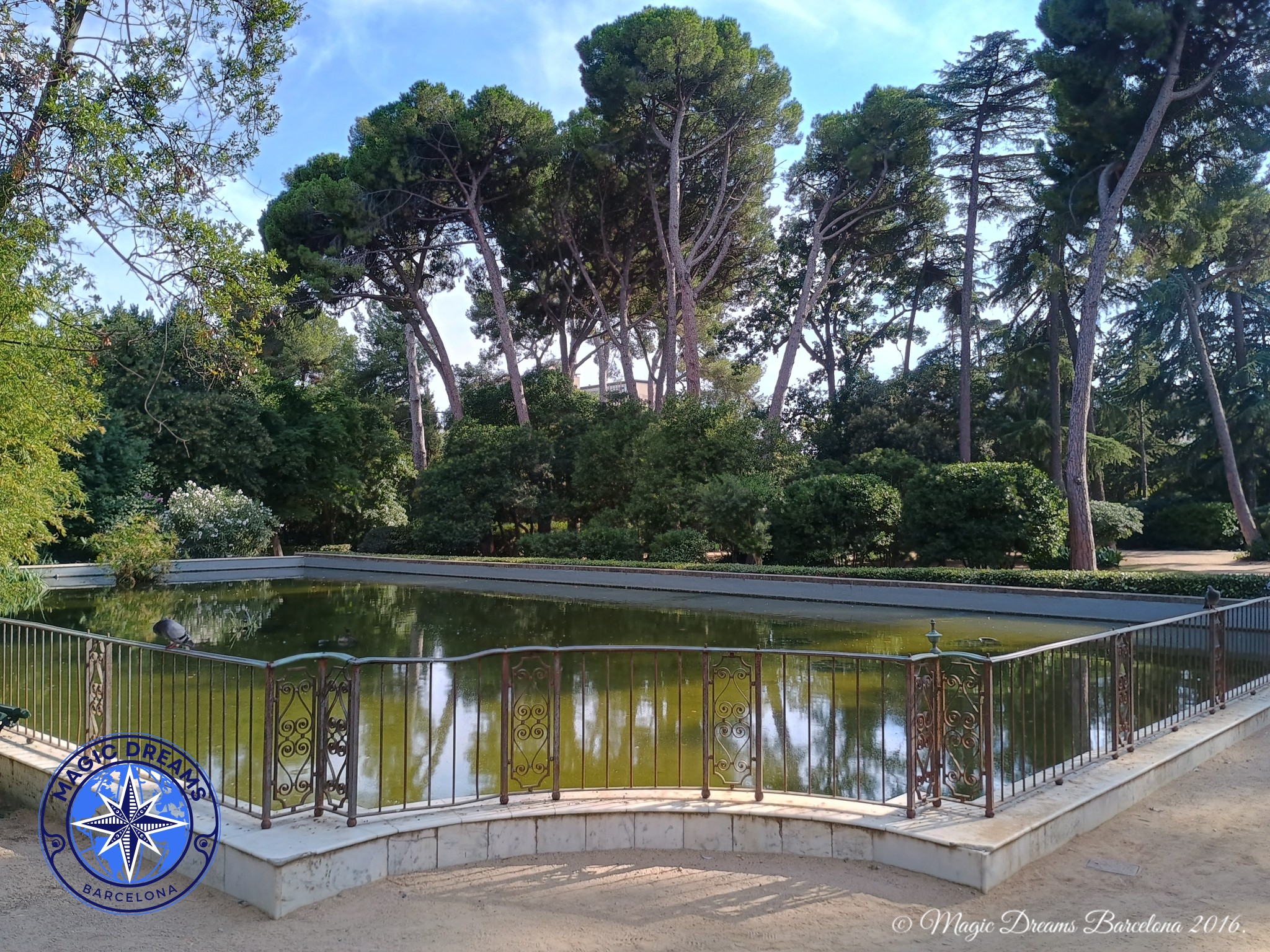
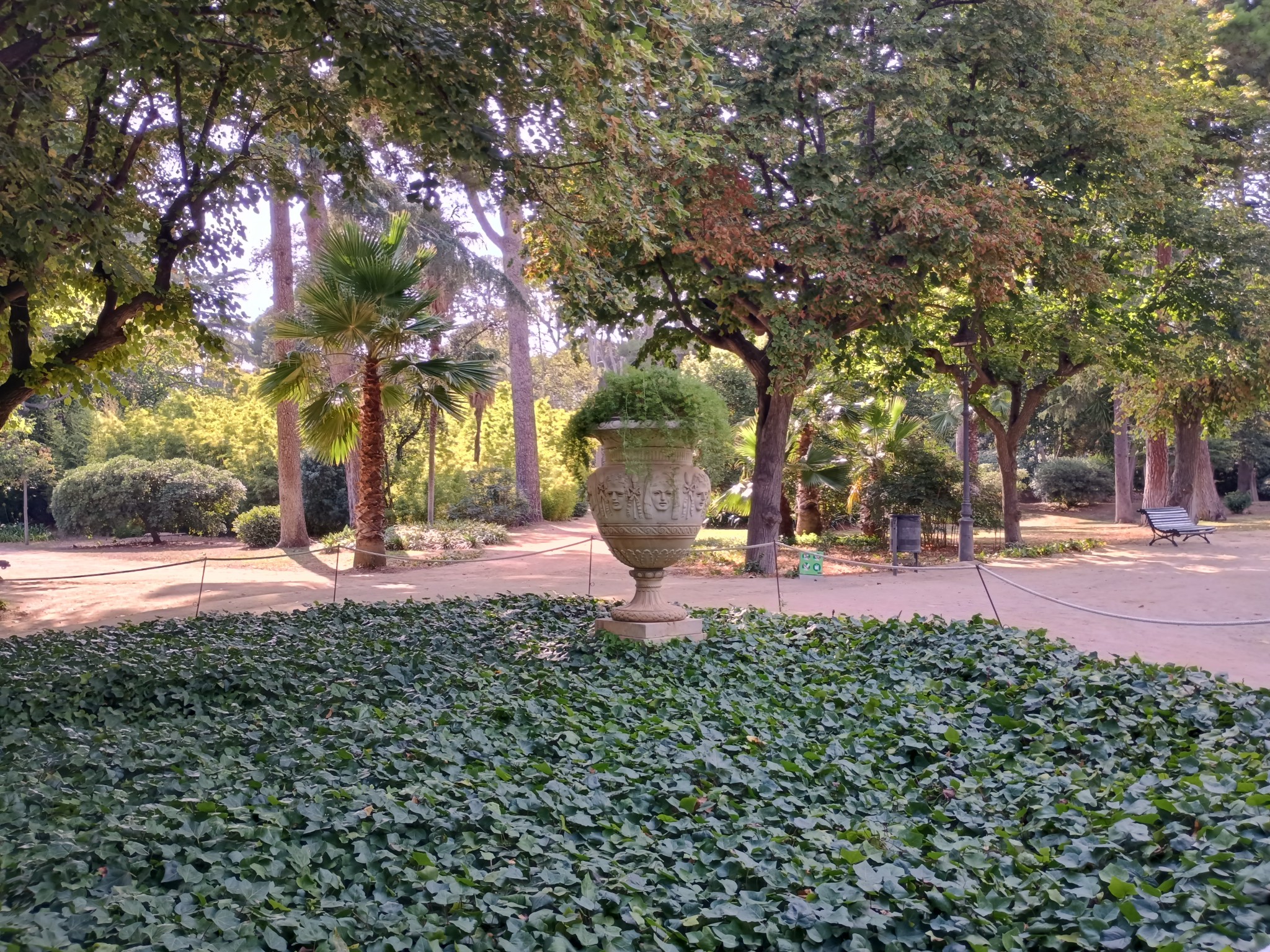
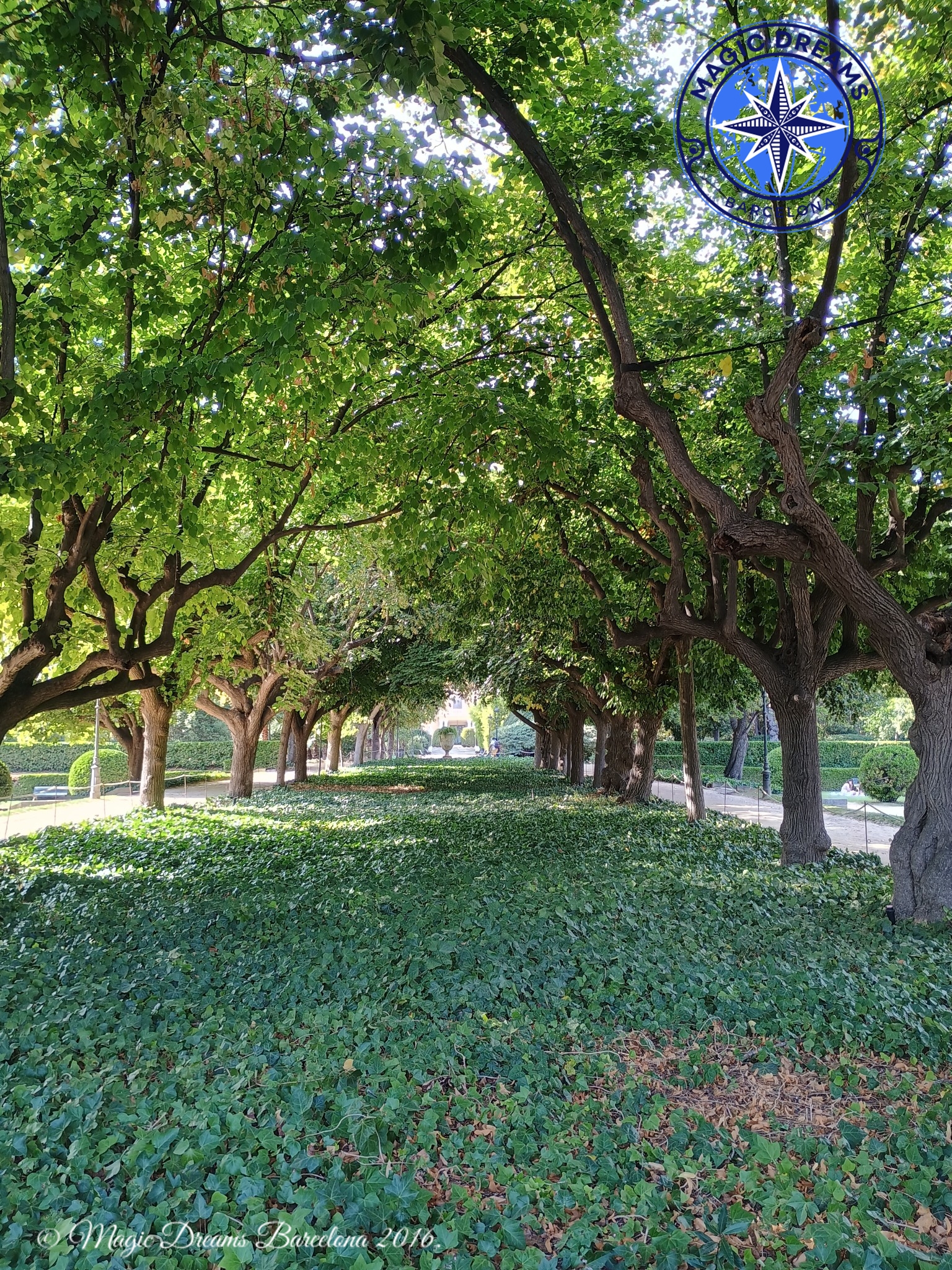
Escondidos entre las suaves pendientes del barrio de Sarrià-Sant Gervasi, los Jardins de la Tamarita representan uno de los espacios verdes más elegantes y tranquilos de Barcelona. Lejos del bullicio urbano, estos jardines invitan a descubrir un universo donde arquitectura paisajística, botánica mediterránea y simbolismo artístico conviven en perfecta armonía.
Historia y origen señorial
Los jardines nacen como parte de una antigua finca privada vinculada a la burguesía barcelonesa de finales del siglo XIX. La propiedad perteneció al industrial Crèdit Espanyol, quien encargó la creación de un espacio residencial rodeado de naturaleza que reflejara el ideal romántico europeo de la época: un jardín como extensión del espíritu humano.
Durante décadas permanecieron como un enclave exclusivo hasta que fueron adquiridos por el Ayuntamiento de Barcelona y abiertos al público, conservando intacto su carácter aristocrático y su atmósfera íntima.
Hoy, pasear por la Tamarita es recorrer la memoria elegante de la ciudad.
Estilo paisajístico y diseño
El jardín combina influencias neoclásicas, románticas y mediterráneas:
Caminos geométricos que evocan jardines franceses.
Rincones sombreados propios del paisajismo inglés.
Espacios abiertos que dialogan con la luz mediterránea.
Setos perfectamente recortados, pérgolas cubiertas de vegetación y fuentes discretas crean una sensación de equilibrio entre orden humano y naturaleza.
Botánica: un jardín sensorial
La riqueza vegetal convierte a la Tamarita en un pequeño laboratorio natural urbano:
Especies destacadas
Magnolios centenarios
Cipreses mediterráneos
Tilos aromáticos
Palmeras ornamentales
Rosaleda estacional
Plantas trepadoras y jardines de sombra
Cada especie ha sido elegida no solo por su valor ornamental, sino también por su simbolismo: longevidad, protección, belleza efímera y renovación constante.
Fauna y vida natural
El jardín funciona como refugio ecológico dentro de la ciudad:
Mirlos y petirrojos entre los setos
Palomas torcaces y tórtolas mediterráneas
Mariposas estacionales
Pequeñas especies insectívoras que mantienen el equilibrio natural
El canto de las aves transforma el paseo en una experiencia contemplativa donde el tiempo parece ralentizarse.
Simbolismo escultórico y estatuaria
Las esculturas y elementos ornamentales no son meros adornos. Representan valores clásicos del jardín europeo:
Figuras femeninas vinculadas a la fertilidad y la armonía.
Fuentes como símbolo de vida y renovación.
Escalinatas que evocan el ascenso espiritual.
Bancos de piedra concebidos como espacios de introspección.
Dirección
Passeig de Sant Gervasi, 47-49 Distrito Sarrià-Sant Gervasi — Barcelona
Un oasis discreto, frecuentemente considerado uno de los jardines más románticos y menos conocidos de la ciudad.
Descubrir la Tamarita con Magic Dreams Barcelona
Y todo ello pueden descubrirlo de la mano de la mágica y profunda mirada de Magic Dreams Barcelona.
Un servicio pensado para que no tengan que preocuparse de nada; nosotros nos encargamos de cada detalle para que se sientan cómodos, acompañados e inspirados en todo momento.
Ofrecemos:
Transporte privado exclusivo.
Guía turístico profesional en castellano, catalán e inglés —y otros idiomas bajo previo aviso—
Alojamientos seleccionados con encanto.
Picnics premium en los jardines, con mantelería a elegir y catering de autor elaborado por nuestro chef:
propuestas dulces y saladas.
zumos naturales.
vinos y cavas sin alcohol.
Ponemos además a su disposición:
Servicio de floristería personalizada.
Guía arquitectónico y artístico especializado en simbolismo local.
Actividades artísticas y música en vivo.
Cenas temáticas en espacios exclusivos o en la intimidad de su alojamiento, con gastronomía catalana y espñaola e internacional de chefs nativos.
El guía botánico emocional
Nuestra experiencia se enriquece gracias a la presencia de un guía nativo profundamente vinculado al territorio, experto en guía botánico emocional.
Durante el recorrido y especialmente en el momento del picnic:
se explican las especies vegetales y su simbolismo,
su historia y relación con el paisaje mediterráneo,
y se realiza observación consciente de las aves del jardín.
Cada explicación se transforma en un relato diseñado para sentir, comprender y escuchar el lenguaje del jardín.
No se trata solo de ver Barcelona. Se trata de vivirla.
Nuestro objetivo es simple y profundo: que se sientan cuidados, libres e inspirados, descubriendo la ciudad no como un destino, sino como una experiencia inolvidable.
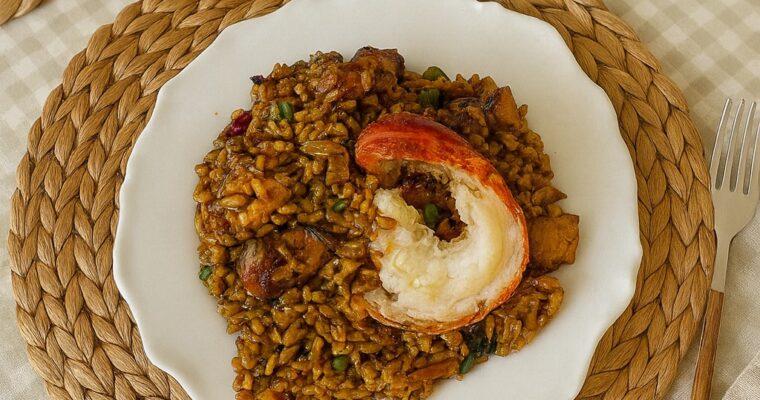
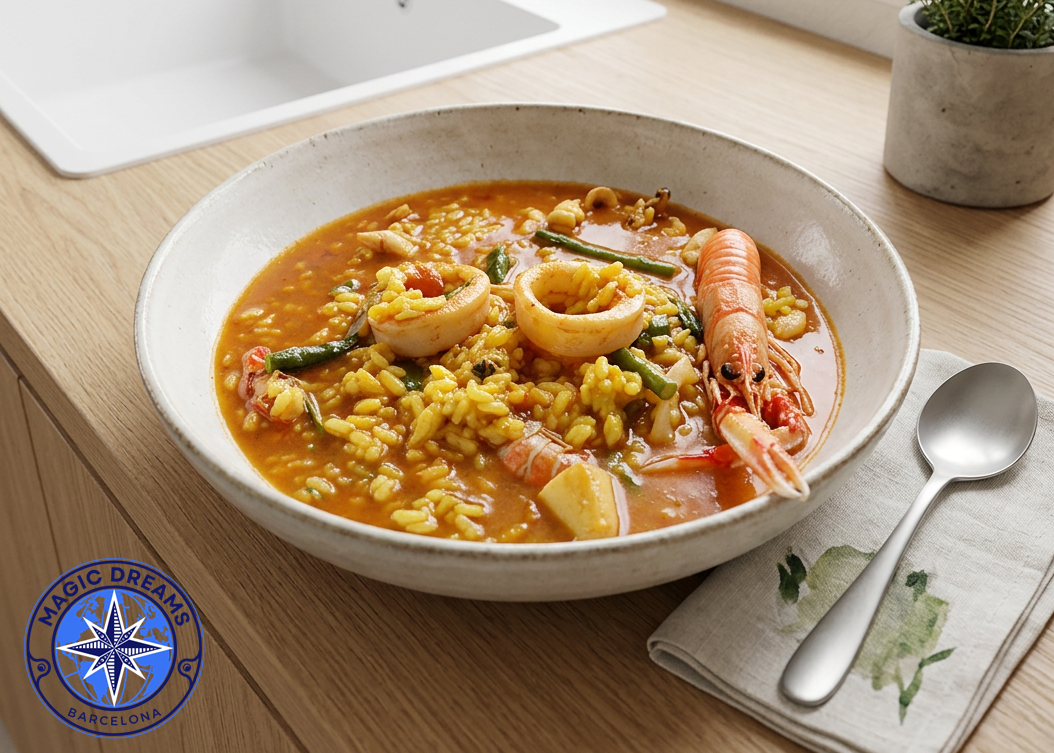
Arroz Parellada is one of the most iconic dishes of Catalan cuisine, especially popular in Barcelona. Its origins date back to the early 20th century and it is named after Chef Juli Maria Parellada, who created it as an elegant variation of traditional paella.This rice …
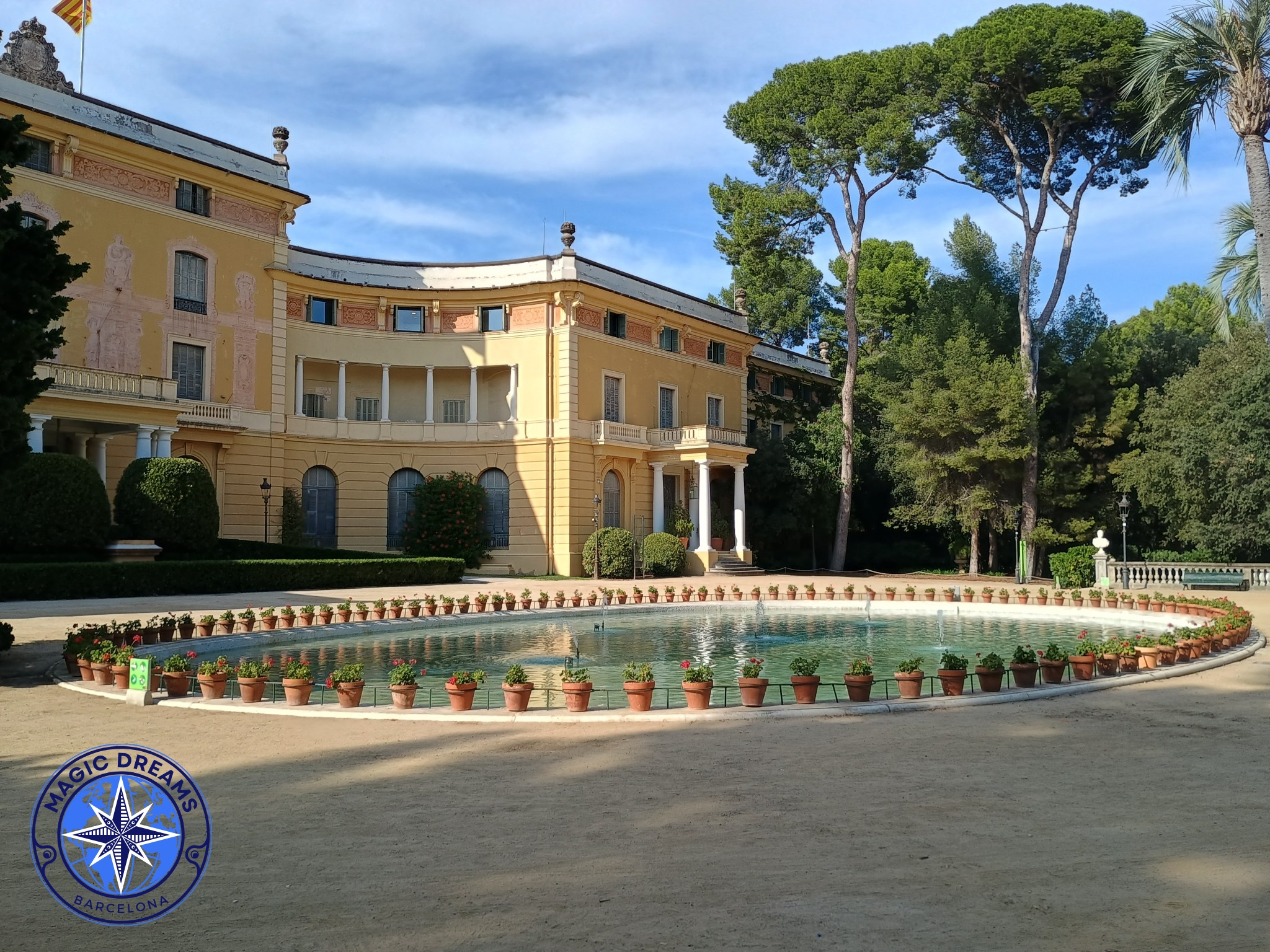
El Palacio Real de Pedralbes, situado en Avinguda Diagonal, 686,es un emblema de la historia, la arquitectura y la naturaleza que caracteriza a la ciudad. Concebido inicialmente como residencia aristocrática y posteriormente cedido a la Familia Real Española, este palacio refleja la elegancia neoclásica combinada …
Casa Vicens no es solo una obra arquitectónica: es el punto de partida del universo creativo de Antoni Gaudí. Construida entre 1883 y 1885 en la entonces villa de Gràcia, esta residencia de verano marca el primer gran encargo del arquitecto y el momento en que pudo aplicar plenamente sus estudios, intuiciones y una visión radicalmente innovadora de la vivienda familiar.
En Casa Vicens, Gaudí empieza a desarrollar una concepción de la arquitectura en la que la belleza, la funcionalidad, la artesanía y la naturaleza forman parte de un mismo lenguaje. Mucho antes de alcanzar la plenitud de sus grandes obras posteriores, el arquitecto ya experimentaba con soluciones de construcción, mezclas cromáticas y motivos ornamentales que anticipaban una manera completamente diferente de entender el espacio.
Desde sus inicios, Gaudí se adelantó a su tiempo con un enfoque que hoy podemos relacionar con principios de sostenibilidad. La casa fue diseñada para aprovechar la luz natural y favorecer la ventilación, integrando la arquitectura con las condiciones ambientales del entorno. La relación con el jardín, la elección de los materiales y el aprovechamiento de los recursos naturales expresan una sensibilidad que continúa resultando extraordinariamente actual.
Situada en el corazón del barrio de Gràcia, Casa Vicens constituye una de las primeras manifestaciones de una idea que acompañaría a Gaudí durante toda su trayectoria: la arquitectura no debe imitar la naturaleza de manera superficial, sino aprender de sus formas, sus estructuras y su capacidad para generar belleza.
Los orígenes de Casa Vicens
Manuel Vicens, una residencia de verano y el nacimiento de una nueva arquitectura
El proyecto fue encargado por Manuel Vicens i Montaner, corredor de bolsa, quien confió a un joven Gaudí el diseño de una residencia de verano en Gràcia, entonces una localidad independiente de Barcelona.
La construcción, desarrollada entre 1883 y 1885, permitió al arquitecto explorar un lenguaje propio mediante la fusión de influencias orientales, mudéjares y naturalistas.
En esta primera gran obra, Gaudí todavía no había desarrollado plenamente el lenguaje modernista que caracterizaría sus creaciones posteriores. Sin embargo, ya se percibe una personalidad artística extraordinaria, capaz de transformar una vivienda en una composición arquitectónica de gran riqueza visual.
La cerámica policromada, el ladrillo visto, la piedra, la madera y el hierro forjado se fusionan para crear un conjunto en el que cada material desempeña una función en la construcción y, al mismo tiempo, expresiva.
La casa no fue concebida únicamente como un edificio para habitar, sino como un espacio donde la arquitectura podía convertirse en una experiencia artística completa.
La naturaleza convertida en arquitectura
Una hoja puede convertirse en hierro y una flor en cerámica
¿Qué ocurriría si le dijéramos que una de las primeras grandes obras de Antoni Gaudí esconde un jardín transformado en arquitectura?
En Casa Vicens, la naturaleza es mucho más que una fuente de inspiración decorativa. Se convierte en cerámica, hierro forjado, color y geometría.
Durante el estudio del terreno, Gaudí quedó fascinado por las formas vegetales que encontraba en el solar, especialmente las hojas de palmito y las flores amarillas. Aquellas especies le ofrecieron un repertorio de formas, ritmos y colores que trasladó a los elementos ornamentales de la vivienda.
Los motivos vegetales aparecen en las rejas, los revestimientos cerámicos y diferentes espacios interiores, creando un diálogo continuo entre el edificio y el paisaje.
Los tonos verdes y amarillos evocan la vegetación original del lugar, mientras que las composiciones florales convierten las superficies arquitectónicas en una prolongación artística del jardín.
La genialidad de Gaudí reside precisamente en esta capacidad de observación: una hoja puede transformarse en una estructura de hierro; una flor puede convertirse en un motivo cerámico; y un jardín entero puede inspirar un lenguaje arquitectónico.
Diez elementos botánicos en el universo de Casa Vicens
Un recorrido por las formas, los colores y el simbolismo de la naturaleza
La relación entre Casa Vicens y el mundo vegetal permite descubrir una dimensión especialmente sugerente de la obra de Gaudí. Algunas plantas están vinculadas directamente con los motivos ornamentales originales, mientras que otras forman parte de la vegetación del jardín recreado en la actualidad.
Esta distinción es importante: no todas las especies presentes hoy en el jardín están documentadas como fuentes directas de inspiración del arquitecto. Sin embargo, todas permiten profundizar en la relación entre botánica, percepción artística y arquitectura.
1. El palmito mediterráneo
La fuerza de una hoja convertida en hierro
El palmito mediterráneo, una palmera de porte bajo característica de la vegetación mediterránea, constituye uno de los referentes botánicos más significativos de Casa Vicens.
Sus hojas, abiertas en forma de abanico, inspiraron la célebre reja de hierro forjado que Gaudí diseñó para el acceso y el cerramiento del jardín.
La forma vegetal se transforma aquí en un elemento arquitectónico que combina función, resistencia y belleza. El hierro reproduce la estructura de las hojas y demuestra cómo el estudio de la naturaleza puede ofrecer soluciones ornamentales de extraordinaria expresividad.
El palmito evoca la resistencia, la adaptabilidad y la elegancia natural de la vegetación mediterránea. En Casa Vicens, su presencia simboliza además el vínculo entre el lugar, sus especies vegetales y la identidad artística del edificio.
2. La clavelina amarilla y las flores de tonos cálidos
Luz, vitalidad y color en la fachada
Las flores amarillas que crecían en el solar despertaron el interés de Gaudí y contribuyeron a definir parte del repertorio cromático y ornamental de la vivienda.
Los motivos florales y vegetales presentes en la cerámica de la fachada establecen una relación directa entre las formas naturales y la composición arquitectónica.
El amarillo evoca la luz solar, la vitalidad y la alegría, mientras que los tonos anaranjados intensifican la sensación de energía y riqueza cromática.
La cerámica policromada adquiere así una dimensión que va más allá de la ornamentación: convierte la fachada en una superficie repleta de vida, donde los colores y las formas parecen prolongar la vegetación del jardín.
La naturaleza no se representa únicamente como imagen, sino que se integra en la identidad visual de la casa.
3. Las rosas amarillas y rojas
La riqueza floral de los interiores
Los motivos florales presentes en los revestimientos cerámicos interiores amplían el universo botánico de Casa Vicens.
Las rosas amarillas y rojas permiten interpretar la decoración desde una perspectiva simbólica y sensorial, en la que el color desempeña un papel fundamental.
El amarillo se asocia con la luz, la felicidad y la vitalidad, mientras que el rojo evoca la pasión, la intensidad y el amor.
Esta lectura simbólica enriquece la experiencia del visitante, aunque conviene distinguir entre el significado cultural que podemos atribuir a las flores y una intención concreta documentada del arquitecto.
En cualquier caso, la presencia de motivos florales demuestra hasta qué punto Gaudí entendía la ornamentación como una parte esencial del espacio arquitectónico.
4. Las hojas de palmera y los racimos de dátiles
Un ambiente oriental en la sala de fumar
En la sala de fumar, los motivos vegetales contribuyen a crear una atmósfera exótica, evocadora de los jardines orientales y de los repertorios ornamentales que influyeron en la primera etapa creativa de Gaudí.
Las hojas de palmera y las formas que recuerdan a los racimos de dátiles amplían la dimensión botánica de la decoración y refuerzan el carácter singular de este espacio.
La palmera puede interpretarse como símbolo de vitalidad, elevación y continuidad, mientras que los dátiles evocan la abundancia y la fertilidad.
Estas asociaciones permiten comprender cómo la vegetación puede adquirir diferentes significados según el contexto cultural y artístico en el que aparece.
La sala de fumar constituye así un ejemplo de la capacidad de Gaudí para transformar un interior funcional en un espacio de fuerte personalidad, donde materiales, motivos vegetales y referencias culturales se integran en una misma experiencia sensorial.
5. La encina
Longevidad, resistencia y memoria del jardín
La encina centenaria que se conserva en el jardín actual constituye uno de los elementos vegetales más significativos de Casa Vicens.
Su presencia aporta una dimensión temporal que trasciende la arquitectura: mientras el edificio ha experimentado transformaciones a lo largo de los años, el árbol representa la continuidad de la vida vegetal y la memoria del lugar.
La encina se asocia tradicionalmente con la longevidad, la fortaleza y la resistencia. Su adaptación al clima mediterráneo refuerza además su valor como símbolo de permanencia.
Aunque no debe considerarse automáticamente una fuente directa de inspiración de Gaudí, su presencia contribuye a preservar la memoria botánica del jardín histórico y a comprender la importancia que tuvo el paisaje en la concepción original de la finca.
6. El magnolio
Elegancia, serenidad y renovación
El magnolio monumental del jardín actual destaca por su porte y por la belleza de sus grandes flores.
Su presencia introduce una dimensión especialmente contemplativa en el recorrido, ofreciendo un contraste entre la solidez de la arquitectura y la delicadeza de las formas vegetales.
El magnolio puede evocar belleza, serenidad y renovación. Sus flores, de formas amplias y elegantes, parecen establecer un diálogo natural con la riqueza ornamental de Casa Vicens.
Junto con la encina, contribuye a conservar la memoria vegetal del jardín y a reforzar la sensación de continuidad entre el paisaje histórico y el espacio restaurado que podemos visitar hoy.
7. La camelia
Perfección floral y delicadeza ornamental
Las camelias forman parte de la vegetación del jardín recreado de Casa Vicens y aportan una presencia ornamental de gran elegancia.
Sus flores, de pétalos ordenados y formas cuidadosamente estructuradas, invitan a observar la naturaleza desde una perspectiva casi geométrica.
En una interpretación artística, la camelia puede asociarse con la perfección, la belleza y la elegancia.
Su presencia permite establecer un paralelismo con el universo de Gaudí, en el que la observación de las formas naturales abre nuevas posibilidades para la composición y el diseño.
No obstante, su inclusión en el jardín actual no implica que fuera una de las especies que inspiraron directamente los elementos originales de la casa.
8. La monstera
Exuberancia tropical y libertad de formas
La monstera, que destaca por sus grandes hojas y sus profundas hendiduras, introduce una nota tropical en el jardín actual.
Su crecimiento expansivo y sus formas irregulares evocan exuberancia, libertad y variedad vegetal.
La estructura de sus hojas permite apreciar cómo la naturaleza desarrolla soluciones formales capaces de mezclar presencia visual y adaptación al entorno.
En el recorrido por Casa Vicens, la monstera contribuye a enriquecer la experiencia botánica y a reforzar el carácter exótico del jardín.
Su relación con Gaudí debe entenderse como una asociación interpretativa contemporánea, no como una fuente de inspiración original documentada.
9. La aralia japonesa o fatsia
La geometría vegetal como lenguaje artístico
La aralia japonesa, conocida también como fatsia, destaca por sus hojas grandes, palmeadas y profundamente lobuladas.
Sus formas permiten establecer un interesante paralelismo con la geometría vegetal que tanto atraía a Gaudí.
La disposición de los lóbulos y la estructura de las hojas muestran cómo la naturaleza organiza sus formas mediante ritmos, proporciones y repeticiones.
Desde una lectura simbólica, la fatsia puede evocar armonía, crecimiento y variedad botánica.
Presente en la vegetación del jardín recreado, contribuye a descubrir nuevas relaciones entre las formas orgánicas y el lenguaje arquitectónico, aunque no existe que atribuirle necesariamente una influencia directa sobre el proyecto original.
10. El jazmín
Fragancia, sensibilidad y serenidad
El jazmín aporta una dimensión sensorial que va más allá de lo visual.
Sus pequeñas flores blancas y su delicada fragancia evocan pureza, sensibilidad y serenidad, convirtiendo el jardín en un espacio que puede experimentarse a través de diferentes sentidos.
El aroma, la textura de las hojas y la presencia de las flores enriquecen el recorrido y permiten comprender la naturaleza como una experiencia completa.
Esta dimensión sensorial conecta especialmente bien con la manera de descubrir Casa Vicens: como un espacio que invita a detenerse, observar, respirar y percibir.
Como sucede con otras especies del jardín actual, su presencia debe interpretarse dentro de la configuración vegetal contemporánea y no como una prueba de inspiración directa de Gaudí.
La reja de hierro forjado
Cuando el arte, la técnica y la naturaleza se funden
Uno de los elementos más singulares de Casa Vicens es la reja de hierro forjado diseñada por Gaudí, inspirada en las hojas de palmito.
Más que un simple cerramiento, constituye una declaración de principios. El arquitecto transforma una forma vegetal en un elemento funcional, demostrando que la naturaleza puede ofrecer modelos tanto estéticos como de construcción.
La reja establece un diálogo entre el jardín y la vivienda, entre el exterior y el interior, entre la materia industrial y las formas orgánicas.
Su diseño representa un ejemplo temprano de la importancia que Gaudí concedería a los detalles artesanales y a la integración de los diferentes elementos arquitectónicos.
En esta obra, el hierro no se limita a cumplir una función estructural o de protección: se convierte en una forma artística que transmite movimiento y vitalidad.
La cerámica policromada
El color como prolongación del jardín
La fachada de Casa Vicens es una de las manifestaciones más llamativas de la sensibilidad cromática de Gaudí.
Las baldosas cerámicas, los motivos vegetales y la fusión de tonos verdes, amarillos y blancos crean una composición que recuerda a un jardín trasladado a las paredes.
La cerámica permite trabajar con el color de una manera especialmente expresiva. La luz modifica la percepción de las superficies y genera variaciones a lo largo del día, haciendo que la fachada cambie con las condiciones ambientales.
Los motivos vegetales contribuyen a reforzar esta sensación de continuidad entre arquitectura y paisaje.
Es importante distinguir, sin embargo, entre la presencia de cerámica policromada en la obra de Gaudí y su participación en exposiciones internacionales: la cerámica catalana ya tenía una larga tradición y la Exposición Universal de París de 1878 constituye un antecedente histórico, anterior a la construcción de Casa Vicens, no una presentación de esta casa.
Lo verdaderamente extraordinario es cómo Gaudí integra la tradición artesanal en una composición innovadora, convirtiendo el revestimiento en parte esencial de la identidad del edificio.
El jardín de Casa Vicens
Un oasis urbano en el corazón de Gràcia
El jardín original de Casa Vicens fue mucho más amplio que el espacio que podemos contemplar actualmente. Formaba parte de una finca de verano concebida para disfrutar de la vegetación, el aire libre y la tranquilidad, en un entorno que todavía conservaba características propias de una localidad independiente de Barcelona.
Con el paso del tiempo, el crecimiento urbano y las transformaciones de la propiedad modificaron considerablemente la configuración de la finca.
Hoy, la visita permite descubrir tres grandes componentes de su evolución histórica: la construcción original de Gaudí, la ampliación realizada en 1925 por el arquitecto Joan Baptista Serra de Martínez y el jardín que acompaña al conjunto.
El jardín actual, de aproximadamente 300 m², ofrece un espacio de contemplación en el que conviven especies mediterráneas y plantas de carácter exótico.
La encina centenaria y el magnolio monumental destacan por su presencia, mientras que camelias, monsteras, fatsias y otras especies enriquecen la variedad vegetal.
El resultado es un espacio donde los motivos florales de la arquitectura parecen cobrar vida, como si las plantas representadas en los muros hubieran escapado de la cerámica para echar raíces en la tierra.
El jardín invita a observar la relación entre las hojas, los colores, las texturas vegetales y los materiales arquitectónicos, convirtiéndose en una parte fundamental de la experiencia de Casa Vicens.
Una arquitectura adelantada a su tiempo
Luz, ventilación y relación con el entorno
La innovación de Casa Vicens no se limita a su aspecto exterior.
Gaudí concibió la vivienda teniendo en cuenta la distribución de los espacios, la entrada de luz natural y la relación entre las estancias interiores y el jardín.
La orientación, las aperturas y la organización de los ambientes contribuyen a crear una experiencia doméstica vinculada a las condiciones del entorno.
La ventilación y el aprovechamiento de la luz forman parte de una concepción arquitectónica que prioriza la habitabilidad sin renunciar a la expresividad artística.
Desde una perspectiva actual, estas decisiones permiten reflexionar sobre la importancia de diseñar edificios capaces de relacionarse con el clima, los materiales y el paisaje.
Conviene no atribuir automáticamente a Casa Vicens todas las soluciones de sostenibilidad que encontramos en la arquitectura contemporánea. Su valor reside, precisamente, en comprender cómo Gaudí exploró desde una etapa temprana la relación entre diseño, naturaleza y calidad del espacio habitado.
De residencia privada a patrimonio universal
La evolución histórica de Casa Vicens
Casa Vicens ha experimentado diferentes transformaciones desde su construcción en el siglo XIX.
La ampliación de 1925, realizada por Joan Baptista Serra de Martínez, modificó la configuración de la propiedad para adaptarla a nuevas necesidades residenciales.
Con el paso de las décadas, la finca quedó integrada en el tejido urbano de Barcelona, mientras que la casa fue adquiriendo un reconocimiento creciente como obra fundamental de los inicios de Gaudí.
En 2005, Casa Vicens fue incluida en la Lista del Patrimonio Mundial de la UNESCO, dentro del conjunto de obras de Antoni Gaudí reconocidas por su valor universal excepcional.
Posteriormente, el edificio fue objeto de un proceso de restauración y adecuación que permitió abrirlo al público en 2017 como casa museo.
Esta apertura hizo posible descubrir de manera más profunda una obra que, durante muchos años, había permanecido como residencia privada.
Hoy, Casa Vicens constituye un lugar imprescindible para comprender cómo empezó a desarrollarse el universo creativo de uno de los arquitectos más singulares de la historia.
Casa Vicens en la actualidad
Patrimonio, arquitectura y experiencia cultural
Visitar Casa Vicens significa adentrarse en una etapa fundamental de la trayectoria de Gaudí y descubrir una obra que conserva una extraordinaria riqueza de detalles.
El recorrido permite observar la fachada cerámica, la reja de hierro forjado, los interiores ornamentados, los diferentes espacios de la vivienda y el jardín.
Cada elemento contribuye a comprender cómo el arquitecto empezó a construir un lenguaje propio mediante la integración de referencias culturales, materiales artesanales y formas inspiradas en la naturaleza.
La visita también permite descubrir la evolución histórica del edificio y su relación con el barrio de Gràcia, cuya transformación urbana ha convertido la antigua villa en una parte esencial de Barcelona.
Casa Vicens no es simplemente una obra temprana que anticipa otras creaciones más conocidas. Es una pieza fundamental por derecho propio, donde ya se encuentran muchas de las inquietudes que acompañarían a Gaudí durante toda su carrera.
Qué se puede descubrir durante la visita
Un recorrido por el universo creativo de Gaudí
La visita a Casa Vicens permite acercarse a diferentes aspectos de la obra:
La fachada y su extraordinaria fusión de cerámica, ladrillo y motivos vegetales.
La reja de hierro forjado inspirada en las hojas del palmito.
Los espacios interiores y su riqueza ornamental.
La sala de fumar y sus referencias a los repertorios decorativos orientales.
Los motivos florales y geométricos presentes en los revestimientos.
El jardín actual y su variedad botánica.
La evolución arquitectónica del edificio desde el siglo XIX hasta nuestros días.
Cada uno de estos espacios ofrece una perspectiva diferente sobre la manera en que Gaudí entendía la relación entre arquitectura, artesanía y naturaleza.
Para quienes sienten interés por la botánica, la visita adquiere además una dimensión especial: permite observar cómo las formas vegetales pueden transformarse en recursos artísticos y cómo el jardín puede convertirse en una herramienta para interpretar la arquitectura.
Una casa para observar lentamente
La genialidad de Gaudí empieza en los pequeños detalles
Casa Vicens no se descubre únicamente contemplando su fachada.
Es necesario detenerse en la forma de una hoja, observar cómo se distribuyen los motivos cerámicos, apreciar las variaciones de color y descubrir la relación entre los elementos ornamentales y el jardín.
El verdadero genio de Gaudí consiste en enseñarnos a mirar la naturaleza desde otra perspectiva. Una hoja puede convertirse en hierro, una flor puede convertirse en cerámica y un jardín entero puede convertirse en arquitectura.
Casa Vicens es el origen de un universo creativo extraordinario: una obra donde la naturaleza empieza a expresar su potencial como lenguaje arquitectónico.
¿Desea descubrir Casa Vicens con nosotros?
Una experiencia botánica, arquitectónica y sensorial con Magic Dreams Barcelona
Descubrir Casa Vicens desde una perspectiva profunda, emocional y mágica permite comprender el edificio más allá de su belleza exterior.
Con Magic Dreams Barcelona, cada visita se convierte en un viaje al alma de la ciudad, donde arquitectura, naturaleza, historia y emoción se entrelazan para ofrecer una experiencia personalizada.
Nuestro equipo está formado por profesionales locales con años de experiencia, capaces de transmitir una mirada íntima, culta y auténtica sobre Barcelona y su patrimonio.
Nos encargamos de todo:
Logística integral y organización personalizada, adaptadas a sus preferencias y al ritmo de cada experiencia.
Experiencias culturales y sensoriales únicas, diseñadas para descubrir el patrimonio desde una perspectiva diferente.
Rutas botánicas especializadas, con explicaciones sobre las especies, su historia, sus características y su simbolismo.
Itinerarios arquitectónicos y artísticos por museos, edificios históricos y espacios creativos.
Gastronomía local e internacional, con propuestas en establecimientos auténticos y experiencias privadas tematizadas en los alojamientos.
Conciertos privados y experiencias exclusivas, concebidos para transformar una estancia en un recuerdo especial.
Estancias privadas, tematizadas y personalizadas, en una cuidada selección de alojamientos elegidos para su comodidad, carácter y atención al detalle.
Nuestro equipo habla castellano, catalán e inglés y, con previo aviso, podemos adaptarnos a otros idiomas.
Organizamos visitas de un día, escapadas de fin de semana, estancias de una semana y recorridos personalizados por Barcelona, el Pirineo catalán y la Costa Brava.
También diseñamos experiencias gastronómicas, encuentros culturales y actividades privadas adaptadas a los intereses de cada visitante.
Con nuestros profesionales especializados en arquitectura y botánica, cada recorrido se transforma en una oportunidad para descubrir los detalles que suelen pasar inadvertidos: la geometría de una hoja, la historia de una cerámica, el significado de un motivo ornamental o la memoria de un jardín.
Magic Dreams Barcelona: un viaje a la profundidad, donde la arquitectura, la naturaleza y la emoción van de la mano.
Una combinación única de historia, arquitectura y espiritualidad en la cima del Tibidabo En la cima del Tibidabo, con vistas privilegiadas sobre la ciudad de Barcelona, está situado el Templo Expiatorio del Sagrado Corazón de Jesús, un monumento que fusiona historia, arquitectura y espiritualidad en …
Las Ramblas de Barcelona: Historia, Cultura y Experiencias Únicas. Las Ramblas de Barcelona es uno de los paseos más emblemáticos y visitados de la ciudad. Con una longitud aproximada de 1,3 kilómetros, este histórico boulevard conecta la Plaça de Catalunya con el Port Vell, marcando …
Las galtas de cerdo al horno con patatas son uno de esos platos tradicionales que, con una cocción lenta y una presentación cuidada, pueden convertirse en una auténtica experiencia gastronómica.
La carne queda extraordinariamente tierna y melosa, mientras las patatas absorben los jugos del asado, la cebolla caramelizada y el aroma de las hierbas mediterráneas. Una receta contundente, elegante y reconfortante, perfecta tanto para una comida familiar como para servir como plato principal en una mesa especial.
Ingredientes
Para 8 personas
Para las galtas
8 galtas de cerdo, limpias.
4 dientes de ajo, picados o ligeramente machacados.
3 cucharadas de aceite de oliva virgen extra.
1 cucharadita de pimentón dulce.
½ cucharadita de comino molido.
1 cucharadita de orégano seco.
Perejil fresco, picado.
2 hojas de laurel.
Sal marina.
Pimienta negra recién molida.
Para la guarnición
3 patatas grandes, cortadas en trozos gruesos.
3 cebollas, cortadas en juliana.
3 zanahorias, cortadas en rodajas gruesas.
3 tomates maduros, cortados en rodajas.
2–3 dientes de ajo.
Aceite de oliva virgen extra.
150 ml de vino blanco.
150–200 ml de caldo de carne o agua.
Romero o tomillo fresco, al gusto.
Opcional: unas gotas de vinagre de Jerez al finalizar, una pizca de pimentón ahumado o un poco de miel para conseguir un acabado ligeramente caramelizado.
Preparación
01 · Maceración de las galtas
El inicio del sabor
Coloque las galtas en un recipiente amplio y añada el aceite de oliva, los ajos, el pimentón dulce, el comino, el orégano, el perejil, el laurel, la sal y la pimienta.
Masajee bien la carne para que todas las piezas queden impregnadas con las especias.
Cubra el recipiente y deje reposar en el frigorífico durante 8–12 horas.
Esta maceración es opcional, pero aporta profundidad aromática y ayuda a conseguir un resultado mucho más sabroso.
02 · Sellado de la carne
Una superficie dorada y aromática
Retire las galtas del frigorífico unos 20–30 minutos antes de cocinar.
Caliente una sartén amplia o una cazuela apta para horno con un poco de aceite de oliva.
Dore las galtas a fuego medio-alto durante unos minutos por cada lado, hasta conseguir una superficie intensamente dorada.
No es necesario cocinarlas por dentro en este momento: buscamos principalmente desarrollar los aromas y crear una deliciosa capa exterior.
Retira la carne y reserve.
03 · La base mediterránea
Verduras lentamente caramelizadas
En la misma sartén, añada la cebolla, la zanahoria y los ajos.
Cocine durante 8–10 minutos a fuego medio, removiendo de vez en cuando.
Incorpore los tomates y cocine unos minutos más hasta que empiecen a ablandarse.
Añada el vino blanco y raspe suavemente el fondo de la sartén para recuperar todos los líquidos caramelizados de la carne.
Deje reducir durante 3–4 minutos.
04 · Preparar las patatas
Doradas por fuera, melosas por dentro
Pele las patatas y córtelas en trozos grandes e irregulares.
Colóquelas en una fuente de horno amplia junto con parte de la cebolla y la zanahoria.
Añada un buen hilo de aceite de oliva, sal, pimienta y unas ramitas de romero o tomillo.
Vierta el caldo y el vino reducido alrededor de las verduras, procurando no cubrir completamente las patatas.
05 · Cocción lenta de las galtas
La clave de una carne melosa
Precaliente el horno a 170 °C, con calor arriba y abajo.
Coloque las galtas doradas sobre la cama de verduras y cubra la fuente con papel de aluminio o una tapa apta para horno.
Hornee durante aproximadamente 1 hora y 30 minutos.
Pasado este tiempo, retire el papel de aluminio y gire cuidadosamente las galtas.
Continúe la cocción durante 30–45 minutos más, regando ocasionalmente la carne con los líquidos de la bandeja.
La carne estará lista cuando esté muy tierna y se pueda separar fácilmente con un tenedor.
06 · El acabado dorado
El toque gourmet
Suba la temperatura del horno a 200 °C durante los últimos 10–15 minutos.
Deja que las galtas y las patatas se doren ligeramente, mientras el líquido se concentra y adquiere una textura más brillante y sabrosa.
Si la bandeja se queda demasiado seca durante la cocción, añada un pequeño chorrito de caldo.
El objetivo es conseguir una salsa concentrada, aromática y ligeramente untuosa, sin que las verduras lleguen a quemarse.
07 · Reposo y presentación
La firma final del plato
Retire la fuente del horno y deje reposar las galtas durante 8–10 minutos.
Coloque una base de cebolla, zanahoria y salsa de cocción en cada plato.
Añada una o dos galtas y distribuya alrededor las patatas doradas.
Termine con unas gotas de la propia salsa, un hilo muy fino de aceite de oliva virgen extra y unas hojas de perejil, tomillo o romero fresco.
Para una presentación más elegante, puede colocar las patatas de forma irregular alrededor de la carne y dejar que una pequeña cantidad de salsa se extienda naturalmente por el plato.
Gourmet Suggestions
Magic Dreams Barcelona
Para elevar todavía más esta receta:
Añada unas gotas de vinagre de Jerez justo antes de servir para equilibrar la grasa y potenciar los sabores.
Incorpore una pequeña cantidad de pimentón ahumado para aportar profundidad.
Una cucharadita de miel mezclada con la salsa durante los últimos minutos de horno crea un acabado brillante y ligeramente caramelizado.
Sirva con pan rústico crujiente para aprovechar la salsa.
Una ensalada de hojas verdes con vinagreta ligera aporta el contraste fresco perfecto.
El secreto de unas galtas realmente melosas
La clave no está en cocinar la carne rápidamente, sino en darle tiempo, humedad y una temperatura moderada.
Una cocción lenta permite que el colágeno de las galtas se transforme progresivamente en gelatina, consiguiendo esa textura característica tierna, jugosa y prácticamente deshaciéndose en la boca.
Presentación Gourmet
Sirva las galtas en un plato blanco amplio y elegante, colocando la carne como protagonista y distribuyendo las patatas doradas y las verduras alrededor.
Termine con la salsa concentrada, unas hierbas frescas y un delicado hilo de aceite de oliva virgen extra.
El resultado es un plato de apariencia sofisticada, pero con toda la esencia de la cocina mediterránea tradicional.
Oven-baked pork cheeks with potatoes are one of those traditional dishes that, with slow cooking and careful presentation, can be transformed into a truly exceptional gastronomic experience. The meat becomes extraordinarily tender and succulent, while the potatoes absorb the rich roasting juices, caramelized onions, and …
Situada en el barrio del Eixample Dret, dominando uno de los chaflanes de la Diagonal, destaca entre los edificios que se crearon durante la época dorada de la Barcelona modernista de principios del siglo XX. Casa de Terradas, conocida popularmente como “Casa de les …
La plaza Real es uno de los lugares más emblemáticos de la ciudad además de activos, tanto por el día como por las noches, con una esencia cosmopolita-bohemio-artística; colinda con la Rambla dels Caputxins, la calle Ferran, la calle Colón y la calle Escudellers y está situada en el Barrio Gótico. Fue obra del arquitecto catalán Daniel Molina.
Ocupa el lugar donde se encontraba el convento capuchino de Santa Madrona, derribado en 1835.
A ambos lados de la fuente central encontramos dos farolas diseñadas por Antoni Gaudí, que están culminadas por un casco alado y un dragón y que fueron instaladas en la plaza en 1879.
Detalle de farolas diseñadas por Antoni Gaudí en la Plaza Real.
Rodeadas de palmeras que adornan el enclave y le confieren un toque exótico. Cierran la plaza una serie de edificios señoriales, uniformes y porticados, en los que se pueden apreciar decoraciones con barro cocido.
También es una localización ideal para el mercado de filatelia y numismática que se instala en ellos las mañanas de los domingos.
Detalle restaurantes bajo los porches de la plaza Real.
Bajo los porches de la plaza se esconden restaurantes, bares y algunos de los locales nocturnos más frecuentados de Barcelona, cómo el mítico restaurante “Les Quinze Nits” (Plaza Real, 6) abierto desde las 9 de la mañana para ofrecer una cocina de raíces mediterráneas; el popular Terraza-Café-Restaurante “Ocaña” (Plaza Real, 13-15) donde nos sirven cocina catalana y por las noches se convierte en club nocturno y cockteleria; el clásico bar “El Glaciar” (Plaza Real, 3) fundado en 1929 donde se siguen sirviendo vermouths, cervezas bien tiradas, tapas y bocadillos y copas en horario nocturno; la discoteca “Karma” (Plaza Real, 10) ofrece música pop, rock y dance, también se puede tomar una copa en su terraza, que está abierta hasta la madrugada; para los amantes de la música en directo y las sesiones de conocidos dj’s abierto desde 1982 el lugar idóneo es “Sidecar Factory Bar” (Plaza Real, 7); El “ Pipa Club” (Plça Reial 3, (Ppal)) un espacio para personas que buscan una alternativa a la discoteca con diferentes habitaciones con espacios íntimos e interconectados con diferentes ambientes que ofrece una variada carta de cocteles en un ambiente con toques minimalistas con decoración moderna ; para los amantes del Jazz el “Jamboree Dance & Jazz Club” (Plaza Real, 17) cada día ofrece dos conciertos de música en vivo, con especial protagonismo al buen jazz.
Perspectiva a pie en la Plaza Real.
En la calle del Vidre, 1, existe un establecimiento llamado la “Herboristeria del Rei” con 200 años de historia, fundada en 1818, que pronto cerrará sus puertas.
Es la herboristería más antigua de Cataluña y uno de los comercios más antiguos de Barcelona, decorada con motivos de estilo decimonónico e Isabelinos por Francesc Soler i Rovirosa, un conocido pintor y escenógrafo de teatro.
En la parte de arriba hay una galería con pinturas al óleo, rodeando la tienda hay cajones con miniaturas de paisajes en acuarela, y el techo es de cristal pintado.
En el centro del local hay una fuente de mármol donde antiguamente se conservaban sanguijuelas, coronada con el busto de Carl Von Linné, naturalista sueco creador del actual sistema de clasificación de las plantas y considerado uno de los padres de la ecología.
La fuente fue encargada a los hermanos italianos Baratta Rossi que la escupieron en mármol de Carrara y le añadieron espitas de gas para iluminar todo el establecimiento, es un local catalogado como bien cultural de interés local (BCIL).
De manera gratuita hasta su próximo cierre, podemos encontrar un ambiente característico e irrepetible, mezcla de los olores a Hierbas (más de 200 especies) y el encanto romántico del siglo XIX.
La oferta museística de Barcelona es una de las más diversas de Europa, existen aproximadamente unos 105 museos en Barcelona que cubren una variedad de materias que incluyen arte, historia, arquitectura, ciencia, deporte, guerra y el mar, a continuación encontrareis un lista de …
Suquet de Peix is one of the great classics of Catalan coastal cuisine. A humble fishermen’s stew in origin, it has become one of the most representative dishes of the Mediterranean gastronomic tradition. Traditionally prepared with the fish available that day, Suquet combines fish, potatoes, …
Historia, arqueología, paisaje y esencia mediterránea en la Costa Brava
Existen de la Costa Brava en los que el paisaje parece contener la memoria de quienes lo habitaron hace miles de años. Empúries es, sin duda, uno de ellos.
Situado frente al Mediterráneo, entre L’Escala y Sant Martí d’Empúries, este extraordinario enclave arqueológico permite caminar entre los restos de una antigua ciudad griega y una posterior ciudad romana, contemplando al mismo tiempo el mar que durante siglos fue la gran vía de comunicación de estas tierras.
Empúries no es únicamente un conjunto de ruinas. Es un lugar donde historia, arqueología, arquitectura, paisaje y Mediterráneo se fusionan en un mismo escenario.
Y quizá esa sea una de las razones por las que su visita resulta tan especial: aquí no solo se observan vestigios del pasado, sino que se comprende cómo diferentes culturas llegaron por mar, se establecieron en este territorio y transformaron para siempre la historia de la península Ibérica.
Un paisaje elegido por los antiguos navegantes
La situación geográfica de Empúries fue determinante para su desarrollo.
El enclave está situado en el extremo sur del golfo de Roses, en una zona abierta al Mediterráneo y protegida por el relieve del litoral del Empordà.
Frente a las antiguas ciudades se extiende un paisaje extraordinariamente mediterráneo: playas, dunas, vegetación de costa, campos agrícolas y el horizonte azul del golfo de Roses.
El entorno natural actual ayuda a comprender por qué este lugar resultó tan atractivo para los navegantes de la Antigüedad.
La costa era mucho más que un paisaje.
Era una ruta comercial, una puerta de entrada y un punto de encuentro entre culturas.
Los primeros griegos llegan a Empúries
Emporion, el mercado del Mediterráneo
La historia de Empúries se inicia con la llegada de comerciantes griegos procedentes de Focea, en Asia Menor.
Hacia comienzos del siglo VI a. C. se establecieron en una pequeña isla o península situada frente a la costa, en el área de la actual Sant Martí d’Empúries.
A este primer asentamiento se le conoce como Palaiapolis, la ciudad antigua.
Con el tiempo, la población griega se expandió hacia el continente y nació la ciudad que conocemos como Emporion.
El propio nombre resulta revelador.
Emporion hace referencia a un lugar de comercio, un mercado o enclave mercantil.
La actividad de sus habitantes estaba estrechamente vinculada al intercambio de productos entre el mundo griego y las comunidades indígenas del territorio.
Cerámica, vino, aceite, productos manufacturados y otros bienes circulaban por este puerto mediterráneo, mientras que los comerciantes obtenían productos procedentes del interior de la península.
Empúries se convirtió así en uno de los grandes puntos de contacto entre las culturas mediterráneas y las poblaciones locales.
Una ciudad griega junto al mar
La ciudad griega fue creciendo y desarrollando sus propios espacios urbanos.
Sus habitantes construyeron viviendas, calles, espacios religiosos y zonas destinadas a la actividad comercial.
A diferencia de la posterior ciudad romana, el urbanismo griego se adaptó en gran medida a las características del terreno.
Entre los restos conservados destacan diferentes viviendas, espacios públicos y edificios religiosos que permiten reconstruir parcialmente la vida de la antigua Emporion.
Uno de los elementos más fascinantes de la visita es precisamente poder observar cómo una ciudad mediterránea de hace más de dos mil años estaba organizada alrededor de sus espacios públicos y religiosos.
Asclepio: una de las imágenes más famosas de Empúries
El dios griego de la medicina
Entre las piezas arqueológicas asociadas a Empúries destaca la célebre escultura de Asclepio, el dios griego relacionado con la medicina y la curación.
La pieza, realizada en mármol, se convirtió con el tiempo en uno de los grandes símbolos visuales del yacimiento.
La escultura fue hallada en 1909 y durante mucho tiempo se identificó como una representación de Asclepio.
Las investigaciones posteriores han planteado también otras interpretaciones sobre la identidad exacta de la figura, aunque tradicionalmente continúa siendo conocida como el Asclepio de Empúries.
Su presencia recuerda la importancia que tenían los espacios religiosos en la vida cotidiana de las ciudades antiguas.
El encuentro con Roma
Cuando Empúries entra en la historia romana
La relación entre Empúries y Roma se inició en el contexto de la Segunda Guerra Púnica.
Los romanos desembarcaron en Emporion en el año 218 a. C., en un momento decisivo del enfrentamiento entre Roma y Cartago.
El puerto ofrecía una posición estratégica extraordinaria para las operaciones militares romanas en la península.
A partir de entonces, la presencia romana fue aumentando progresivamente.
Empúries se convirtió en uno de los puntos desde los que Roma consolidó su influencia en el nordeste de Hispania.
La ciudad griega y la ciudad romana coexistieron durante un tiempo hasta que el modelo urbano romano terminó imponiéndose.
La ciudad romana
Un nuevo urbanismo frente a la ciudad griega
La ciudad romana de Emporiae se construyó junto al asentamiento griego.
Su planificación responde a una concepción urbana muy diferente.
Las calles fueron organizadas siguiendo un trazado más regular, con espacios públicos monumentales y una estructura urbana adaptada a las necesidades de la sociedad romana.
El foro constituía el corazón político, religioso y comercial de la ciudad.
Alrededor de este espacio se encontraban edificios públicos y zonas destinadas a la actividad económica y social.
Caminar actualmente por las calles de la antigua ciudad romana permite imaginar una población mucho más compleja de lo que inicialmente podría sugerir el paisaje actual.
Las casas romanas y sus mosaicos
Uno de los grandes atractivos arqueológicos de Empúries son los restos de las antiguas viviendas.
Algunas de ellas pertenecieron a familias de cierto nivel económico y presentan patios, habitaciones decoradas y pavimentos de mosaico.
Los mosaicos son especialmente importantes porque permiten acercarse a la vida cotidiana de las élites romanas.
Geometrías, motivos vegetales, escenas mitológicas y composiciones decorativas exhiben el gusto artístico de sus propietarios.
Entre los pavimentos conservados está el famoso mosaico del sacrificio de Ifigenia, una de las piezas más destacadas del conjunto arqueológico.
El foro romano
El centro de la vida pública
El foro era uno de los espacios esenciales de cualquier ciudad romana.
En Empúries, este gran espacio público estaba rodeado de edificios relacionados con la administración, la religión y la vida política.
Aquí se desarrollaban actividades públicas y ceremoniales y se concentraba buena parte de la vida oficial de la ciudad.
Actualmente, las estructuras conservadas permiten comprender la monumentalidad que llegó a alcanzar Emporiae durante su etapa romana.
Las murallas y la puerta de la ciudad
Las defensas de Empúries constituyen otro de los elementos fundamentales del recorrido.
Las murallas protegían la ciudad y delimitaban el espacio urbano.
En diferentes puntos del yacimiento todavía pueden reconocerse restos de las estructuras de defensa y de los accesos a la ciudad.
Estos elementos permiten entender que Empúries no era simplemente un puerto comercial, sino una ciudad plenamente integrada en las redes políticas y militares del Mediterráneo antiguo.
La llegada del cristianismo
Con la transformación del mundo romano, Empúries también experimentó cambios.
Durante la Antigüedad tardía aparecen nuevas formas de ocupación y diferentes espacios vinculados al cristianismo.
La evolución de Empúries refleja así el proceso de transformación que afectó a todo el Mediterráneo occidental después de la época clásica.
La ciudad que había nacido como colonia comercial griega y posteriormente había sido integrada en el mundo romano fue perdiendo progresivamente su protagonismo.
El abandono de Empúries
Cuando una ciudad desaparece
A partir de los siglos III y IV d. C., Empúries empezó a perder importancia.
El centro de actividad económica y política de la región se desplazó hacia otros lugares y la antigua ciudad fue quedando progresivamente abandonada.
Con el paso de los siglos, muchas de sus estructuras quedaron enterradas.
Como sucedió en infinidad de yacimientos antiguos, las piedras de las construcciones fueron reutilizadas en edificios posteriores.
El antiguo esplendor de Empúries quedó oculto bajo la tierra durante siglos.
Sant Martí d’Empúries
El pueblo que conserva la memoria medieval del antiguo enclave
Muy cerca del yacimiento arqueológico encontramos Sant Martí d’Empúries, un pequeño núcleo histórico que conserva un extraordinario carácter medieval.
Sus calles, plazas y edificios permiten completar la experiencia arqueológica con otra etapa de la historia del territorio.
La iglesia de Sant Martí, las antiguas murallas y las casas del núcleo histórico crean un conjunto de gran interés patrimonial.
Pasear por Sant Martí y después descender hacia el mar permite realizar un recorrido excepcional: desde la Edad Media hasta las antiguas ciudades griega y romana.
El paseo marítimo de Sant Martí d’Empúries
Historia y Mediterráneo en un mismo recorrido
Una de las experiencias más agradables del entorno es recorrer el paseo litoral que conecta Sant Martí d’Empúries con L’Escala.
El itinerario discurre junto al Mediterráneo y permite contemplar algunas de las playas más características de este sector del Empordà.
El paisaje combina:
Playas de arena.
Dunas.
Vegetación mediterránea.
Acantilados bajos.
Restos arqueológicos.
El golfo de Roses.
El perfil del Cap de Creus.
En determinados puntos pueden observarse restos relacionados con las antiguas estructuras portuarias y con la navegación de época clásica.
Es un recorrido especialmente atractivo al amanecer o durante las últimas horas de la tarde, cuando la luz mediterránea transforma completamente el paisaje.
Las playas de Empúries
Un litoral marcado por la historia
Las playas que rodean Empúries ofrecen un contraste extraordinario con las ruinas.
Aquí el visitante puede pasar de contemplar columnas, mosaicos y antiguos edificios a caminar descalzo por la arena frente al mismo mar que utilizaron los navegantes griegos hace más de dos mil años.
Entre los espacios más destacados encontramos:
El Portitxol
Una pequeña playa de gran belleza situada junto al conjunto arqueológico.
Sus aguas y su entorno rocoso ofrecen una imagen profundamente mediterránea.
Les Muscleres
El litoral de Les Muscleres combina pequeñas zonas de arena con formaciones rocosas y aguas transparentes.
Es uno de los paisajes más característicos de esta parte de la costa.
Moll Grec
El nombre hace referencia a la tradición portuaria del antiguo enclave.
Aunque las estructuras actuales deben interpretarse desde el punto de vista arqueológico, el lugar permite imaginar la importancia que tuvo el mar para Emporion.
El paisaje de dunas
Uno de los elementos naturales que hacen especial este entorno es su sistema dunar.
Las dunas constituyen un ecosistema frágil que protege el litoral frente a la dinámica marina y alberga una vegetación especialmente adaptada a las condiciones de viento, salinidad y escasez de agua.
Esta vegetación mediterránea de costa forma parte inseparable del paisaje de Empúries.
La combinación de dunas, pinos, playas y restos arqueológicos crea uno de los escenarios más singulares de la Costa Brava.
El viento de tramontana
El carácter del Empordà
La tramontana forma parte de la identidad de este territorio.
Este viento del norte puede alcanzar una intensidad considerable y ha influido durante siglos en la arquitectura, la vegetación, la navegación y la vida cotidiana del Empordà.
En Empúries, la tramontana se percibe especialmente durante los días despejados, cuando el aire limpio permite contemplar con extraordinaria claridad el golfo de Roses y el perfil del Cap de Creus.
La luz después de un episodio de tramontana puede ser espectacular.
El cielo adquiere una transparencia excepcional y el Mediterráneo exhibe tonalidades que cambian constantemente según la hora del día.
Las excavaciones de Empúries
Más de un siglo de arqueología
Las excavaciones arqueológicas sistemáticas se inciaron en 1908.
Desde entonces, generaciones de arqueólogos han trabajado en la recuperación y estudio del yacimiento.
La investigación continúa actualmente y ha permitido conocer cada vez mejor la evolución histórica del enclave.
Empúries es especialmente excepcional porque conserva, en un mismo espacio arqueológico, una ciudad griega y una ciudad romana.
Esta convivencia convierte al yacimiento en un lugar de enorme valor para comprender la transición entre el mundo griego y el mundo romano en el Mediterráneo occidental.
Un museo para comprender Empúries
El Museo de Arqueología de Cataluña – Empúries complementa la visita al yacimiento con una importante colección arqueológica.
Las piezas expuestas permiten contextualizar los restos que encontramos durante el recorrido y comprender mejor la vida cotidiana de las personas que habitaron Empúries.
Entre los objetos encontramos:
Esculturas.
Cerámicas.
Elementos arquitectónicos.
Inscripciones.
Objetos domésticos.
Monedas.
Piezas relacionadas con el comercio.
Elementos religiosos.
La combinación entre museo y yacimiento resulta fundamental para interpretar correctamente la historia del lugar.
Empúries: mucho más que unas ruinas
Visitar Empúries significa caminar por uno de los grandes capítulos de la historia mediterránea.
Aquí llegaron comerciantes griegos atraídos por las posibilidades de intercambio.
Aquí se estableció una comunidad que desarrolló una ciudad y una cultura propias.
Aquí desembarcaron las tropas romanas durante la Segunda Guerra Púnica.
Y desde aquí Roma empezó a consolidar su presencia en el nordeste de la península.
Con el paso de los siglos, las ciudades fueron desapareciendo, pero el paisaje permaneció.
El Mediterráneo sigue frente a las antiguas murallas.
La tramontana continúa atravesando el Empordà.
Las playas siguen recibiendo las olas.
Y las piedras que durante siglos permanecieron ocultas bajo tierra nos permiten reconstruir una historia que empezó hace más de dos mil quinientos años.
Una experiencia para descubrir sin prisas
Empúries merece ser visitada con tiempo.
Una experiencia completa puede empezar en Sant Martí d’Empúries, continuar por el paseo litoral y las playas, entrar posteriormente en el yacimiento arqueológico y terminar contemplando el Mediterráneo desde alguno de los puntos elevados del recorrido.
La visita puede combinarse con una ruta por L’Escala, conocida por su tradición marinera y por sus famosas anchoas, o con una excursión hacia otros paisajes del Alt Empordà.
También es posible continuar hacia el norte y descubrir el entorno del golfo de Roses y el Cap de Creus, creando un recorrido en el que naturaleza, gastronomía, historia y Mediterráneo se fusionan constantemente.
Empúries al atardecer
Hay momentos especialmente recomendables para disfrutar del entorno.
Al final de la tarde, cuando el sol desciende sobre el Mediterráneo, las antiguas piedras adquieren tonalidades doradas y el paisaje cambia por completo.
Las ruinas, las playas y el mar forman entonces una composición extraordinariamente evocadora.
Es fácil comprender por qué este enclave fue elegido hace más de dos mil quinientos años por aquellos primeros navegantes griegos.
Empúries sigue teniendo aquello que ellos encontraron: un lugar estratégico, un paisaje extraordinario y un Mediterráneo que continúa siendo el gran protagonista.
Empúries y la esencia de la Costa Brava
La Costa Brava suele asociarse a calas de aguas transparentes, pueblos marineros y paisajes espectaculares.
Pero su verdadera riqueza aparece cuando se descubre también su historia.
Empúries representa perfectamente esa combinación.
Grecia, Roma, el Mediterráneo, el Empordà y la cultura catalana se fusionan aquí en apenas unos kilómetros.
Por este motivo, visitar Empúries no debería entenderse simplemente como una excursión arqueológica.
Es una manera de descubrir otra Costa Brava: una Costa Brava de comerciantes y navegantes, de antiguas ciudades, de mosaicos y templos, de playas y dunas, de tramontana y de paisajes que han permanecido prácticamente unidos al Mediterráneo durante miles de años.
Y quizá sea precisamente esa continuidad la que hace que Empúries siga siendo, tantos siglos después, uno de los lugares más fascinantes de Cataluña.
Moneda griega, circa 241-218 a. C. – By Classical Numismatic Group, Inc. http://www.cngcoins.com, CC BY-SA 3.0, https://commons.wikimedia.org/w/index.php?curid=2991260.
Mosaico del Sacrificio de Ifigenia , arra el momento dramático en el que los griegos, varados en el puerto de Áulide por falta de viento para viajar a Troya, deciden sacrificar a Ifigenia (hija del rey Agamenón) para aplacar la ira de la diosa Diana. Se cree que es una copia romana fiel (fechada hacia el siglo I a. C.) de una famosa pintura griega del siglo IV a. C. atribuida a Timantes.
Muralla griega en Neápolis – By LeZibou – Own work, CC BY-SA 3.0, https://commons.wikimedia.org/w/index.php?curid=4294112.
Estatua de Asclepio – Por KaischiB from Mainz, Germany – empúries_18, CC BY-SA 2.0, https://commons.wikimedia.org/w/index.php?curid=82365450.
Detalle ruinas de la ciudad Greco – Romana de Castelló d’Empúries.
Detalle ruinas de la ciudad Greco – Romana de Castelló d’Empúries.
Detalle ruinas de la ciudad Greco – Romana de Castelló d’Empúries.
Detalle ruinas de la ciudad Greco – Romana de Castelló d’Empúries.
Detalle ruinas de la ciudad Greco – Romana de Castelló d’Empúries.
Detalle mosaico de la ciudad Greco – Romana de Castelló d’Empúries.
Detalle detalle gaviota sobre una piedra de la ciudad Greco – Romana de Castelló d’Empúries.
Detalle mosaico de la ciudad Greco – Romana de Castelló d’Empúries.
There are places where history is not simply told — it is felt. On the Costa Brava, overlooking the Mediterranean, the archaeological site of Empúries offers an extraordinary journey through more than two thousand years of history. Here, the remains of an ancient Greek settlement …
Some places surprise us with their history, others with their beauty, and some with their ability to convey a sense of calm even when they are located right in the heart of the city. Turó Park combines all three qualities. Located in the Sarrià-Sant Gervasi …
Existen lugares que sorprenden por su historia, otros por su belleza y algunos por la capacidad de transmitir una sensación de calma incluso cuando están situados en plena ciudad. El Turó Park reúne las tres características.
Situado en el distrito de Sarrià-Sant Gervasi, junto a la avenida Diagonal y a pocos minutos caminando de la plaza Francesc Macià, este elegante jardín es uno de esos rincones de Barcelona que permiten alejarse durante un rato del ritmo de la ciudad sin necesidad de abandonarla.
Entre árboles centenarios, magnolias, palmeras, laureles y encinas, un pequeño estanque cubierto de nenúfares ocupa uno de los espacios más tranquilos del parque. A su alrededor aparecen esculturas dedicadas a músicos, escritores y artistas, mientras diferentes poemas invitan al visitante a detenerse, leer y contemplar.
El actual Turó Park es mucho más que un jardín.
Es un espacio donde naturaleza, arte, música, literatura e historia conviven en pocos metros cuadrados.
Un antiguo parque de atracciones
Para comprender el Turó Park actual hay que viajar hasta principios del siglo XX.
En 1912, los terrenos pertenecientes a la familia Bertrand-Girona acogieron un gran parque de atracciones que recibió el nombre de Turó Park. Durante aquellos años, el lugar se convirtió en uno de los espacios de ocio más conocidos de la Barcelona de la época.
El parque contaba con diferentes atracciones y propuestas de entretenimiento destinadas especialmente a la sociedad acomodada de la ciudad. Entre ellas destacaban las conocidas góndolas venecianas, además de espectáculos, bailes y otras actividades recreativas.
Durante aquellos años, esta zona de Barcelona era muy diferente de la que conocemos actualmente. La ciudad estaba creciendo rápidamente y los terrenos situados alrededor del parque todavía conservaban amplias zonas verdes y espacios poco urbanizados.
El parque de atracciones cerró finalmente sus puertas en 1929, coincidiendo con una época de grandes transformaciones urbanísticas en Barcelona. La familia Bertrand-Girona llegó entonces a un acuerdo con el Ayuntamiento que permitió conservar parte de los terrenos para destinarlos a espacio público, mientras otras zonas fueron urbanizadas.
El antiguo parque de atracciones desapareció, pero su nombre permaneció.
Y unos años después se inciaría una nueva etapa.
Nicolau Maria Rubió i Tudurí y el nacimiento del jardín
En 1934, el Ayuntamiento encargó la transformación de los terrenos al arquitecto, paisajista y urbanista Nicolau Maria Rubió i Tudurí, una de las figuras fundamentales de la historia del paisajismo moderno en Barcelona.
Rubió i Tudurí concibió el nuevo espacio desde una perspectiva muy diferente a la de un simple jardín ornamental.
Su intención era crear un lugar en el que la naturaleza y las personas pudieran convivir, combinando elementos propios de los jardines mediterráneos con influencias del paisajismo inglés.
El resultado fue un jardín elegante, pero al mismo tiempo cercano y pensado para ser disfrutado.
La vegetación, los caminos, las zonas de descanso, el estanque y las esculturas fueron integrándose en un conjunto en el que cada elemento tiene su propio protagonismo sin romper la armonía general.
El parque actual fue inaugurado en 1934 y quedó dedicado al poeta y escritor Eduard Marquina, convirtiéndose en uno de los jardines públicos más singulares de la Barcelona del siglo XX.
Un jardín pensado para pasear
Una de las grandes virtudes del Turó Park es que no necesita grandes monumentos para resultar especial.
Su belleza aparece poco a poco mientras se camina.
Los caminos atraviesan diferentes ambientes vegetales y permiten descubrir rincones que cambian dependiendo de la estación del año. En primavera, las flores y los nenúfares aportan color al paisaje; durante los meses más cálidos, la sombra de los árboles convierte el parque en un refugio especialmente agradable; y en otoño, la vegetación adquiere tonalidades que transforman completamente algunos de sus caminos.
Entre las especies más características encontramos encinas, magnolias, palmeras, laureles, chopos y algarrobos, además de otras especies ornamentales.
Uno de los ejemplares más conocidos es el algarrobo centenario, testigo de la transformación de este espacio y de la evolución de una Barcelona que pasó, en pocas décadas, de tener grandes zonas de huerta y terrenos privados a convertirse en la gran ciudad que conocemos actualmente.
Una pequeña joya botánica
El Turó Park puede descubrirse también como un auténtico jardín botánico urbano.
Existe un recorrido botánico que permite prestar atención a la diversidad vegetal del parque y observar con mayor detalle sus árboles, arbustos, plantas y flores.
Entre sus diferentes ambientes encontramos el parterre de magnolias, el entorno del lago ovalado, el bosquecillo de encinas, diferentes zonas de arbustos y otros espacios ajardinados.
La variedad vegetal no es casual.
Forma parte de la propia concepción paisajística de Rubió i Tudurí, que buscaba crear un jardín en el que la vegetación tuviera un papel protagonista y en el que los visitantes pudieran experimentar diferentes sensaciones a medida que avanzaban por el espacio.
El estanque de los nenúfares
Uno de los lugares más reconocidos del parque es su estanque ovalado.
Rodeado de árboles y vegetación, el agua crea uno de los rincones más tranquilos del Turó Park. Durante los meses de primavera y verano, los nenúfares cubren parte de su superficie y contribuyen a crear una atmósfera casi bucólica.
Los bancos situados alrededor del estanque convierten este espacio en uno de los lugares favoritos para sentarse, leer o simplemente observar cómo transcurre la vida del parque.
No es casual que el Turó Park sea considerado uno de los rincones de Barcelona especialmente agradables para la lectura. La combinación de agua, vegetación, sombra y silencio crea un ambiente muy diferente al de las calles que lo rodean.
Aquí, durante unos minutos, parece que la ciudad queda lejos.
Un parque dedicado a la música y la poesía
Pero si hay algo que distingue especialmente al Turó Park de otros jardines de Barcelona es su relación con la música, la literatura y la poesía.
El parque está dedicado al poeta Eduard Marquina y alberga diferentes esculturas relacionadas con figuras destacadas de la cultura catalana y europea.
A través del llamado recorrido poético, el visitante puede encontrar diferentes obras escultóricas y paneles con textos literarios.
Entre los autores representados mediante este itinerario aparecen nombres como Federico García Lorca, Fernando Pessoa, Dylan Thomas, Sylvia Plath, Walt Whitman, Narcís Comadira, Salvador Espriu, Joan Vinyoli y Alfonsina Storni, entre otros.
De esta manera, el paseo por el parque se convierte también en un pequeño viaje por la literatura.
No es necesario entrar en una biblioteca ni visitar un museo.
La poesía aparece al aire libre, entre los árboles.
Pau Casals: música convertida en escultura
Una de las obras más importantes del Turó Park es la dedicada al gran violonchelista catalán Pau Casals.
La escultura, realizada por Apel·les Fenosa, forma parte del conjunto artístico del parque y recuerda a una de las figuras musicales más internacionales de la cultura catalana.
Casals fue mucho más que un extraordinario intérprete.
Su trayectoria estuvo profundamente vinculada a la defensa de la paz, la cultura y la libertad, convirtiéndose en una figura de enorme relevancia internacional.
Encontrar su homenaje en un jardín dedicado precisamente a la música y la poesía refuerza la identidad cultural del Turó Park.
Francesc Viñas y la tradición lírica
Otra de las esculturas destacadas es la dedicada al tenor Francesc Viñas, obra del escultor Josep Clarà.
Viñas fue una de las grandes voces de la lírica catalana y española de finales del siglo XIX y principios del XX, con una importante trayectoria internacional.
La presencia de esta escultura convierte el Turó Park en un espacio en el que la música aparece representada desde diferentes perspectivas: desde la interpretación instrumental de Pau Casals hasta el mundo de la ópera y la voz.
La Ben Plantada y Eugeni d’Ors
En la pradera del parque encontramos otra de sus obras más conocidas:
La Ben Plantada, de Eloïsa Cerdan.
La escultura de bronce hace referencia al personaje creado por el escritor y filósofo Eugeni d’Ors en su célebre obra La Ben Plantada.
La pieza fue incorporada al parque en 1961 y se ha convertido con el tiempo en uno de los elementos más reconocibles de este espacio.
Su localización en la pradera permite contemplarla dentro del propio paisaje, siguiendo una de las ideas fundamentales del diseño del parque: que las esculturas no funcionen únicamente como monumentos aislados, sino como parte integrante del jardín.
La Biga de la Font de l’Aurora
Otro de los elementos artísticos que merece la pena descubrir es la Biga de la Font de l’Aurora, obra de Joan Borrell i Nicolau.
Situada en el eje del parterre de las magnolias, la composición representa una cuadriga y constituye uno de los elementos escultóricos más llamativos del parque.
Su historia es especialmente curiosa, ya que procede de un conjunto escultórico que estuvo relacionado con los antiguos jardines de la zona de Gràcia.
Es uno de esos detalles que pueden pasar desapercibidos durante un paseo rápido, pero que adquieren un interés especial cuando se conoce su historia.
Un recorrido artístico por el parque
Además de las esculturas dedicadas a Pau Casals, Francesc Viñas y Eugeni d’Ors, el Turó Park alberga otras piezas que convierten el paseo en una pequeña ruta artística.
Entre ellas encontramos Un Oiseau, del artista francés Jean-Michel Folon.
La combinación de obras de diferentes épocas y autores hace que el visitante pueda descubrir el parque desde una perspectiva distinta cada vez.
Una primera visita puede centrarse en la vegetación.
Otra, en las esculturas.
Otra, simplemente en sentarse junto al estanque.
Y otra puede convertirse en un pequeño recorrido literario siguiendo los poemas instalados a lo largo del jardín.
Un espacio para la lectura y la tranquilidad
Hay parques que invitan a hacer deporte.
Otros están pensados especialmente para familias.
El Turó Park tiene una personalidad diferente.
Su estructura, sus árboles maduros y sus diferentes zonas de descanso hacen que sea especialmente apropiado para pasear tranquilamente, leer o disfrutar de unos minutos de desconexión.
Su proximidad a la Diagonal hace todavía más sorprendente esta sensación.
Basta con atravesar una de sus entradas para que el ruido del tráfico quede parcialmente amortiguado por la vegetación.
Es precisamente esa combinación entre centralidad y tranquilidad la que convierte al Turó Park en uno de los jardines más especiales de la zona alta de Barcelona.
El café del Turó Park
En el corazón del parque, rodeado de árboles, se encuentra un agradable espacio de restauración con terraza.
El conocido Pinhan ofrece un lugar perfecto para hacer una pausa durante el paseo, tomar un café, desayunar, disfrutar de un brunch, comer algo o simplemente sentarse a tomar una bebida mientras se contempla el jardín.
La terraza resulta especialmente agradable cuando el tiempo acompaña.
Después de recorrer las esculturas, descubrir el estanque y pasear entre las magnolias, sentarse bajo los árboles permite prolongar la experiencia sin necesidad de abandonar el parque.
Es una de esas pequeñas experiencias que convierten una visita sencilla en un momento especial.
Un parque para descubrir en cualquier estación
Una de las ventajas del Turó Park es que cambia constantemente.
La primavera llena de vida sus jardines y es uno de los mejores momentos para contemplar los nenúfares y la floración.
El verano permite disfrutar especialmente de sus zonas de sombra y de la terraza del café.
El otoño transforma la vegetación y ofrece una atmósfera más íntima, con diferentes tonalidades en los árboles.
El invierno, aunque más desnudo desde el punto de vista vegetal, permite apreciar mejor la estructura del jardín, sus esculturas y la arquitectura vegetal que normalmente queda parcialmente oculta.
Por ello, no existe realmente un único momento perfecto para visitarlo.
Cada estación ofrece un Turó Park diferente.
Un parque integrado en la vida de Barcelona
El Turó Park no es un jardín aislado de la ciudad.
Forma parte de la vida cotidiana de este barrio de Barcelona.
A su alrededor encontramos algunas de las zonas residenciales más elegantes de la ciudad, además de comercios, restaurantes, hoteles, centros culturales y grandes avenidas.
Su localización permite combinar fácilmente la visita al parque con un paseo por la avenida Diagonal, la plaza Francesc Macià, el barrio de Sant Gervasi-Galvany o la zona de Sarrià.
También puede formar parte de una ruta más amplia por la arquitectura y los espacios verdes de la zona alta de Barcelona.
El Turó Park y la arquitectura de la ciudad
La visita al parque puede convertirse además en una oportunidad para descubrir la relación entre paisaje y arquitectura que caracteriza a esta parte de Barcelona.
El entorno de Turó Park conserva gran variedad de edificios residenciales de interés y diferentes ejemplos de arquitectura de finales del siglo XIX, principios del XX y época contemporánea.
Esto permite realizar un recorrido en el que se combinen jardines, arquitectura, diseño urbano y patrimonio.
La experiencia resulta especialmente interesante para quienes desean conocer una Barcelona diferente de la de los grandes monumentos turísticos.
Aquí no encontramos las multitudes de la Sagrada Família o del Park Güell.
Encontramos otra Barcelona:
la Barcelona de los jardines, de los barrios elegantes, de los cafés, de la arquitectura residencial y de la vida cotidiana.
Un parque pensado para proteger su patrimonio
El Turó Park tiene además una particularidad relacionada con la convivencia y la protección del espacio.
Tradicionalmente se ha considerado uno de los primeros parques públicos de Barcelona en establecer restricciones específicas para la entrada de perros, debido a la necesidad de proteger tanto su vegetación como su patrimonio escultórico.
Para facilitar la convivencia, el Ayuntamiento habilitó una zona específica para perros de más de 1.000 metros cuadrados a pocos minutos del parque.
Actualmente, la propia información municipal identifica un área para perros asociada al equipamiento del Turó Park, por lo que conviene consultar las normas vigentes antes de la visita.
Esta circunstancia refleja algo importante: el Turó Park no es solamente un espacio de paso, sino un jardín cuyo patrimonio vegetal y artístico requiere cuidados especiales.
Un parque también para disfrutar en familia
Aunque su ambiente invita especialmente al paseo tranquilo, el Turó Park también cuenta con espacios destinados a diferentes actividades.
El equipamiento municipal incluye área de juegos infantiles, mesas de ping-pong, aseos públicos y espacios para actividades y espectáculos al aire libre.
Durante el año, además, el parque acoge diferentes propuestas culturales y actividades familiares.
Por ello, su carácter no es exclusivamente contemplativo.
Es también un espacio de encuentro.
Cultura al aire libre
Una de las características más interesantes del Turó Park es precisamente su capacidad para combinar el jardín con la cultura.
A lo largo del año se organizan conciertos, espectáculos y actividades para diferentes públicos.
La programación municipal actual incluye propuestas musicales, teatro, circo, actividades familiares y otras iniciativas culturales.
Esto permite recuperar, de alguna manera, una parte del espíritu de entretenimiento que ya estaba presente en los terrenos cuando allí funcionaba el antiguo parque de atracciones.
La diferencia es que hoy las atracciones han sido sustituidas por música, teatro, poesía, naturaleza y cultura.
Cómo llegar al Turó Park
El Turó Park se encuentra en Avinguda de Pau Casals, 19, en el distrito de Sarrià-Sant Gervasi.
Su localización, junto a la plaza Francesc Macià y la Diagonal, hace que sea muy fácil incorporarlo a una ruta por esta zona de Barcelona.
Una de las opciones más sencillas es llegar hasta Francesc Macià y continuar caminando por la avenida Pau Casals.
También es posible llegar mediante diferentes líneas de autobús y otros medios de transporte público.
Para quienes recorren Barcelona a pie, el parque resulta especialmente interesante porque permite enlazarlo con diferentes itinerarios por Sarrià-Sant Gervasi y la Diagonal.
Horarios de visita
El parque es de acceso público y actualmente cuenta con un horario que varía según la época del año.
Durante el horario de verano, del 1 de abril al 31 de octubre, abre aproximadamente de 08:00 a 21:00 horas.
Durante el horario de invierno, del 1 de noviembre al 31 de marzo, abre aproximadamente de 08:00 a 19:00 horas, aunque el cierre puede adaptarse a las horas de luz.
Antes de organizar una visita especial, especialmente si se desea participar en alguna actividad cultural, es recomendable comprobar la programación y los horarios actualizados.
Qué hacer después de visitar el Turó Park
Una de las grandes ventajas de este parque es su localización.
Después de recorrerlo, podemos continuar nuestro paseo hacia la plaza Francesc Macià y la Diagonal, descubrir algunos de los edificios y comercios de la zona o acercarnos hacia Sarrià y Sant Gervasi.
También podemos convertir la visita en una experiencia gastronómica, combinando el paseo por el parque con un desayuno, brunch, comida o cena en alguno de los establecimientos de los alrededores.
Para los amantes de la arquitectura, la zona ofrece además numerosos ejemplos de edificios residenciales y modernistas.
De esta manera, el Turó Park puede ser el comienzo de una jornada mucho más amplia dedicada a descubrir una de las caras más elegantes y tranquilas de Barcelona.
El Turó Park como refugio dentro de la ciudad
Quizá el mayor atractivo del Turó Park no pueda medirse en metros cuadrados ni en número de esculturas.
Su verdadero valor está en la sensación que produce.
Entrar en el parque supone pasar de una de las zonas urbanas más transitadas de Barcelona a un espacio donde el sonido de los árboles, el agua del estanque y el canto de los pájaros adquieren protagonismo.
Es un lugar para caminar despacio.
Para leer unas páginas.
Para sentarse en un banco.
Para contemplar una escultura.
Para descubrir un poema.
Para tomar un café.
Para conversar.
O simplemente para no hacer nada durante un rato.
Y eso, en una gran ciudad, es un auténtico privilegio.
Un lugar donde naturaleza y cultura se fusionan
El Turó Park representa una determinada manera de entender el espacio público.
No se trata únicamente de plantar árboles y colocar caminos.
Se trata de crear un lugar en el que la naturaleza pueda convivir con el arte y la cultura, y en el que las personas encuentren un espacio para descansar, relacionarse y disfrutar.
Esa idea continúa estando presente casi un siglo después de la creación del jardín diseñado por Rubió i Tudurí.
Los árboles han crecido.
La ciudad ha cambiado.
Los edificios han ocupado los terrenos que antiguamente rodeaban el parque.
Pero el Turó Park continúa ofreciendo aquello para lo que fue concebido:
un pequeño refugio verde dentro de Barcelona.
Turó Park, un paseo entre música, poesía y naturaleza
Visitar el Turó Park no significa simplemente conocer otro parque de Barcelona.
Significa descubrir una pequeña parte de la historia de la ciudad.
Significa recordar que aquí hubo un parque de atracciones que durante casi dos décadas formó parte de la vida barcelonesa.
Significa conocer la obra de Nicolau Maria Rubió i Tudurí y su manera de entender el paisaje.
Significa caminar entre magnolias, encinas, palmeras y árboles centenarios.
Significa contemplar el estanque y sus nenúfares.
Significa descubrir esculturas dedicadas a Pau Casals, Francesc Viñas, Eugeni d’Ors y otros artistas.
Significa encontrarse con la poesía de autores de diferentes países y generaciones.
Y, sobre todo, significa descubrir que todavía existen lugares en Barcelona donde es posible detener el tiempo durante un rato.
Descubra el Turó Park de la mano de Magic Dreams Barcelona
Descubrir Barcelona puede ser mucho más que visitar sus monumentos más conocidos.
La ciudad también se encuentra en sus jardines, en sus barrios, en sus pequeñas historias y en aquellos rincones que muchas veces pasan desapercibidos para quienes la visitan por primera vez.
El Turó Park es uno de esos lugares.
En Magic Dreams Barcelona diseñamos experiencias privadas y personalizadas para descubrir Barcelona desde una perspectiva diferente, combinando patrimonio, cultura, naturaleza, gastronomía y aquellas pequeñas experiencias que permiten conocer realmente una ciudad.
Podemos convertir un paseo por el Turó Park en parte de una experiencia mucho más completa por Sarrià-Sant Gervasi, la Diagonal y la Barcelona más elegante y desconocida.
Nos ocupamos de la organización, los desplazamientos, las visitas, las propuestas gastronómicas, las actividades y todos aquellos pequeños detalles que permiten disfrutar de la experiencia sin preocuparse por la logística.
Porque creemos que viajar y descubrir una ciudad no consiste solamente en llegar a un lugar.
Consiste en cómo se vive, qué se siente, qué se aprende y qué recuerdos permanecen después.
Y quizás el Turó Park sea precisamente uno de esos lugares que nos recuerdan que, a veces, para descubrir algo extraordinario no hace falta ir muy lejos.
Solo hay que saber dónde mirar.
Magic Dreams Barcelona
Experiencias únicas para descubrir lugares extraordinarios, disfrutar de la naturaleza, conocer nuestra cultura y crear recuerdos que permanecen para siempre.
Un oiseau, de Jean-Michel Folon.
Turó Park.
La bien plantada, de Eloïsa Cerdan.
Fuente de la Aurora, de Joan Borrell i Nicolau.
Detalle en el Pinhan.
Detalles en el parque.
Atardecer en el parque.
Detalle en la cafetería del Pinhan en el Turó Park.
Perspectiva desde el Pinhan.
Platos del Pinhan.
Platos del Pinhan.
Picnic en Pinhan.
A Francesc Viñas, de Josep Clarà.
Detalle en la cafetería del Pinhan en el Turó Park.
Detalle Nenúfar en el Turó Park – CC BY-SA 2.5, https://commons.wikimedia.org/w/index.php?curid=403226.
History, heritage, beaches and coves of the Costa Brava Roses is a Catalan municipality in the Alt Empordà comarca, in the province of Girona, located on the northern coast of the Gulf of Roses, south of Cap de Creus, in the heart of the Costa …
Este lugar emblemático de la ciudad de visita obligada, fue la arteria principal en la época romana y se encuentra escondido entre las calles del barrio Gótico. Actualmente se trata de un bello arco-puente con un balcón de estilo neogótico en una estrecha …
Ubicado en el majestuoso Palacio Nacional de Montjuic, el Museo Nacional de Arte de Cataluña (MNAC) es uno de los museos más importantes de Barcelona y de toda España.
El Museo Nacional de Arte de Cataluña (MNAC) es un completo museo que destaca por su excelente colección de arte románico, considerada la más completa del mundo.
El museo comprende todo tipo de arte y abarca un amplio periodo histórico, desde el románico hasta mediados del siglo XX.
Detalle frente al Museo nacional de Arte de Cataluña.
Situado en la Montaña de Montjüic, el imponente edificio del Palacio Nacional de Montjüic fue creado para la Exposición Internacional de 1929.
El sorprendente palacio de estilo clasicista inspirado en el Renacimiento tiene una superficie de 32.000 metros cuadrados y cuenta con una hermosa decoración basada en pinturas murales y hermosos elementos arquitectónicos.
El MNAC es un consorcio constituido por la Generalidad de Cataluña, el Ayuntamiento de Barcelona y, desde principios de 2005, la Administración General del Estado.
En el patronato del museo están representadas, además de las administraciones públicas, los particulares y las entidades privadas que colaboran con el museo. Su director es Josep Serra i Villalba.
Perspectiva Museo nacional de Arte de Cataluña.
Las cascadas y surtidores de la escalinata del Palacio fueron obra de Carles Buïgas, y se colocaron nueve grandes proyectores que aún hoy emiten unos intensos haces de luz que escriben el nombre de la ciudad en el cielo.
Perspectiva a pie del Museo nacional de Arte de Cataluña desde plaza España.
Entre las zonas más interesantes del edificio destacan el Salón Oval, el Salón del Trono y la impresionante cúpula principal.
Colecciones:
– Arte Románico: Con una excepcional serie de pinturas murales única en el mundo, la colección de arte románico es la que más sobresale y contiene valiosas obras pertenecientes a los siglos XI y XII.
– Arte Gótico: Comprendiendo el periodo entre los siglos XII al XIV, presenta un rico conjunto de pinturas murales, esculturas en piedra o madera y numerosas piezas de orfebrería.
– Arte del Renacimiento y Barroco: Presentando las obras de grandes artistas como Tiziano, Tintoretto, El Greco y Rubens, la colección de arte renacentista y barroco refleja el gusto por el arte producido en Europa durante los siglos XVI, XVII y XVIII, ofreciendo una visión global de su evolución, destacando dos tablas deBartolomé Bermejo, un Martirio de san Bartolomé pintado por Ribera, una Inmaculada de Zurbarán y un célebre San Pablo de Velázquez, una de las escasas pinturas seguras de dicho artista conservadas fuera del Museo del Prado.
– Arte Moderno: Desde el Neoclasicismo hasta las vanguardias, reúne el conjunto más importante de arte catalán desde el siglo XIX hasta mediados del siglo XX.
Gabinete Numismático de Cataluña: Formado por más de 135.000 ejemplares, el gabinete cuenta con monedas acuñadas desde el siglo VI a.C. hasta la actualidad.
– Gabinete de Dibujos y Grabados: Con más de 100.000 obras que incluyen dibujos, grabados y carteles, permite realizar un recorrido por algunos de los movimientos artísticos más representativos.
Museo nacional de Arte de Cataluña
Localización: Palacio Nacional, edificio situado en la montaña de Montjuïc.
Metro: Estación del Parc de Montjuïc (Funicular de Montjuïc) – España, lineas 1 y 3.
The xuixo de crema is one of the most iconic sweet pastries in Catalan cuisine, and particularly in the city of Girona. It is a delicate, laminated and lightly flaky cylindrical pastry, filled with pastry cream, deep-fried and generously coated in sugar. Crisp and golden …
El xuixo de crema es uno de los dulces más emblemáticos de la gastronomía catalana y, especialmente, de la ciudad de Girona. Se trata de una pieza de masa fina, laminada y ligeramente hojaldrada, de forma cilíndrica, rellena de crema pastelera, frita y generosamente cubierta de azúcar. Crujiente …
Where History, Art, and the Mediterranean Lifestyle Converge
Plaça de Catalunya is the epicentre of Barcelona, a vibrant meeting point where the historic district of Ciutat Vella meets the modern Eixample neighbourhood. Considered one of the city’s most iconic public spaces, the square connects some of Barcelona’s most famous streets and avenues: La Rambla, Passeig de Gràcia, Rambla de Catalunya, Avinguda del Portal de l’Àngel, Carrer de Pelai, as well as Ronda de la Universitat and Ronda de Sant Pere.
This strategic location has made the square one of Barcelona’s principal urban, commercial, and transport hubs, frequented by both local residents and visitors from around the world.
Although it may seem as though the square has always existed, its development as a major public space took place between the late nineteenth and early twentieth centuries, following the demolition of Barcelona’s old medieval walls. It was officially inaugurated in 1927 by King Alfonso XIII, marking a decisive moment in the city’s urban transformation.
Today, Plaça de Catalunya remains a vibrant stage for Barcelona’s everyday life. Demonstrations, sporting celebrations, community gatherings, and cultural events regularly bring the space to life, where the city’s historical identity coexists with its contemporary character.
More than simply a place to pass through, the square is an ideal starting point for discovering Barcelona’s architecture, cultural heritage, shopping districts, and Mediterranean lifestyle.
Art and Monuments
Sculptures, Ornamental Fountains, and Artistic Heritage
Plaça de Catalunya houses an outstanding collection of public sculptures created by renowned artists, including Josep Clarà and Josep Llimona. These works help define the square’s artistic character, transforming a major urban intersection into a genuine open-air art gallery.
The sculptures reflect different artistic movements and periods, offering an introduction to Catalan sculptural heritage and the evolution of public art in Barcelona.
The ornamental fountains add another visual dimension to the setting. The movement of the water, its reflections, and the presence of these features create a refreshing contrast with the surrounding architecture and the city’s fast-paced rhythm. After dark, the fountain lighting enhances the atmosphere of the square, although any special light displays or cultural programmes should be checked in advance.
The area’s cultural history extends far beyond its monuments. In the late nineteenth and early twentieth centuries, celebrated cafés, restaurants, and entertainment venues around the square played a fundamental role in Barcelona’s intellectual and social life.
Establishments such as Maison Dorée, Colón, La Lluna, and El Suís became meeting places for literary discussions, political debates, and social gatherings. These venues reflected an era when cafés served as essential centres of communication and cultural exchange.
The area was also home to historic theatres and entertainment venues, including Bon Retir (1876–1885), Circ Eqüestre Alegria (1879–1895), El Dorado Concert (1887), and Teatre Barcelona (1923). All formed part of the vibrant cultural life that developed around the square.
Today, visitors can also enjoy elevated views of Plaça de Catalunya from the café and restaurant area on the upper floors of El Corte Inglés, a popular vantage point for admiring the square, its fountains, and the surrounding streets.
Views from street level and from above offer two complementary perspectives on Barcelona: the energy of urban life and the geometry of its historic centre.
A Square at the Crossroads of Barcelona
The Meeting Point Between Ciutat Vella and Eixample
One of Plaça de Catalunya’s most distinctive features is its role as both a geographical and symbolic link between two very different urban environments.
To the south lies Ciutat Vella, Barcelona’s old town, with its medieval streets, historic squares, heritage buildings, and narrow pedestrian passageways. From here, visitors can explore the Gothic Quarter, El Raval, and the lower stretch of La Rambla.
To the north begins Eixample, the extensive urban district developed during Barcelona’s nineteenth-century expansion, when the city began to grow beyond its former walls. Its broad streets, characteristic chamfered corners, and grid layout reflect a new approach to urban planning.
The square therefore marks a transition between two fundamental stages in Barcelona’s evolution: the compact, labyrinthine medieval city and the modern metropolis.
From Plaça de Catalunya, visitors can walk towards Passeig de Gràcia, one of Barcelona’s most prestigious avenues, renowned for its architecture, luxury boutiques, and outstanding examples of Catalan Modernisme. Continuing along this avenue leads to iconic buildings such as Casa Batlló and La Pedrera, also known as Casa Milà.
In the opposite direction, La Rambla descends towards the waterfront, passing historic streets, cultural venues, and the surroundings of the traditional La Boqueria market.
A short walk along Portal de l’Àngel leads to one of the city’s main pedestrian shopping streets, while Rambla de Catalunya offers a different atmosphere, with outdoor terraces, restaurants, and elegant urban façades.
This exceptional connectivity makes Plaça de Catalunya an ideal starting point for creating a personalised itinerary around Barcelona.
The Hidden History Beneath the Square
The Legacy of the Spanish Civil War and Air-Raid Shelters
Beneath Barcelona’s modern streets lies another dimension of its history, shaped by conflict, resilience, and the experiences of its inhabitants.
During the Spanish Civil War (1936–1939), Barcelona endured intense aerial bombardments that placed the civilian population at risk. In response, residents and local authorities developed an extensive network of protective spaces and air-raid shelters throughout the city.
Barcelona’s shelter network forms an important part of the city’s civil-defence history. Historical references often mention approximately 1,322 shelters or protective spaces, although the exact figure depends on the classification criteria and historical records consulted.
These structures remain a powerful testament to the hardships endured by the population during the conflict.
Claims about specific air-raid shelters located directly beneath Plaça de Catalunya should be distinguished from the broader history of Barcelona’s shelter network. Their precise locations, state of preservation, and accessibility require confirmation through reliable municipal or archival sources.
Although many historic shelters are not open to the public, visitors can explore the legacy of the Spanish Civil War through museums, historical tours, and documented sites elsewhere in the city.
For those interested in the relationship between urban spaces and collective memory, this historical dimension adds depth to a visit that might otherwise focus exclusively on architecture, shopping, and sightseeing.
Plaça de Catalunya is therefore much more than a transport interchange: it forms part of a city whose squares and avenues have witnessed urban transformations, social movements, and historically significant events.
A Vibrant Stage for Barcelona’s Urban Life
Celebrations, Demonstrations, and Everyday City Life
For decades, Plaça de Catalunya has been one of Barcelona’s principal meeting places.
Its central location and expansive open space make it a regular venue for demonstrations, public celebrations, community events, and collective expressions of identity. Throughout the year, the square reflects the city’s changing pulse, from everyday encounters to moments of particular historical and cultural significance.
It is also an iconic setting for sporting celebrations, particularly when major football victories bring thousands of supporters onto the streets.
For visitors, observing the square offers an opportunity to experience Barcelona beyond its monuments. Street performers, pedestrians, workers, shoppers, and tourists create an ever-changing urban scene in which local life and international tourism intertwine.
The atmosphere varies throughout the day. Mornings are often characterised by commuters and shoppers, while afternoons and evenings bring more visitors to the shopping streets, terraces, and public spaces.
This diversity defines the identity of Plaça de Catalunya: a civic space, a transport hub, a commercial centre, and a gateway to Barcelona’s cultural heritage.
Shopping, Gastronomy, and Urban Lifestyle
From Historic Cafés to the Contemporary Shopping District
Plaça de Catalunya occupies a privileged position within one of Barcelona’s principal shopping and dining areas.
The surrounding streets offer a wide range of experiences, from major international brands and fashion retailers to independent boutiques, traditional cafés, and contemporary restaurants.
Portal de l’Àngel stands out for its pedestrian shopping atmosphere, while Passeig de Gràcia combines luxury shopping with an extraordinary architectural heritage. Along Rambla de Catalunya, visitors can enjoy a more relaxed atmosphere, with outdoor terraces, restaurants, cafés, and elegant façades.
The square also provides easy access to Barcelona’s gastronomic traditions. Visitors can discover Catalan cuisine, sample local pastries, enjoy tapas, or visit restaurants that reinterpret Mediterranean cooking from a contemporary perspective.
For those wishing to combine culture and gastronomy, a carefully designed itinerary can begin with a guided walk through the old town, continue towards the Modernista architecture of Passeig de Gràcia, and conclude with a culinary experience at a selected restaurant.
The area is also ideal for taking a break at a café overlooking the square and comfortably observing the everyday rhythm of Barcelona.
For those seeking a more personalised experience, the surrounding neighbourhoods can be explored through private food tours, curated shopping itineraries, and cultural walks tailored to individual interests.
Experiences with Magic Dreams Barcelona
Culture, Discovery, and Bespoke Experiences
With Magic Dreams Barcelona, a visit to Plaça de Catalunya and its surroundings can become a carefully curated cultural and sensory journey, in which every detail contributes to an elegant, comfortable, and enriching experience.
Our services include private transport and professional guides offering tours in Spanish, Catalan, and English, with other languages available upon request.
We design personalised itineraries covering Barcelona’s principal historical, architectural, and cultural landmarks, adapting each experience to our visitors’ interests, pace, and preferences.
Our guides can explore the city’s history, the symbolism of public art, the evolution of its architecture, and the stories hidden behind its most iconic streets and squares.
Our experiences include:
Private transport and professional guides, with itineraries tailored to each visitor’s needs.
Personalised cultural tours of Plaça de Catalunya, Ciutat Vella, and Eixample.
Art and symbolism tours, exploring public sculptures, architectural details, and the cultural significance of Barcelona’s urban spaces.
Exclusive sensory picnics, featuring carefully selected food and thoughtfully arranged settings in locations where such activities are permitted.
Creative workshops, including Catalan cooking classes and trencadís workshops, introducing participants to the decorative mosaic technique associated with Catalan Modernisme.
Professional photography sessions to preserve special memories of the city.
Live music experiences, arranged according to location, required permits, and availability.
Private gastronomic tours featuring selected restaurants and culinary destinations across Barcelona.
Day trips and weekend excursions to the Costa Brava and the Catalan Pyrenees, with exclusive itineraries.
Nature-based experiences, including botanical interpretation and birdwatching where local conditions allow.
Each proposal is designed to combine discovery, comfort, and cultural knowledge, offering a more personal way to experience Barcelona.
Our aim is not simply to transport visitors from one landmark to another, but to create meaningful connections between the city’s history, artistic heritage, inhabitants, and Mediterranean surroundings.
Gastronomy and Private Experiences
Exceptional Flavours in Carefully Selected Settings
For those seeking a more exclusive way to discover Barcelona, Magic Dreams Barcelona organises personalised gastronomic experiences, subject to availability and advance booking.
These experiences may include private chefs preparing Catalan, Spanish, and international cuisine at the client’s accommodation, themed breakfasts, bespoke dinners, and culinary experiences at selected restaurants.
Additional services may include:
Private chef services and individually designed menus.
Curated gastronomic tours around Barcelona.
Professional photography and floral arrangements.
Live music featuring piano, violin, or saxophone, where the venue and availability permit.
Sensory picnics with table linen, personalised tableware, and catering, at locations where these activities are permitted.
Culinary experiences inspired by Catalan culture and Mediterranean ingredients.
The objective is to combine the city’s gastronomic identity with each visitor’s preferences, creating distinctive and memorable experiences.
Art, Creativity, and Cultural Discovery
Exploring Barcelona Through Artistic Expression
Barcelona’s artistic identity extends far beyond its best-known monuments. Its streets, public sculptures, architectural details, and decorative traditions express a rich cultural history that can be explored through personalised activities.
Magic Dreams Barcelona offers creative experiences that may include trencadís mosaic workshops, introductions to Catalan Modernisme, art activities inspired by Surrealism, and floral art or fragrance-making workshops.
These experiences offer a practical, participatory way to explore the connections between art, history, craftsmanship, and the Mediterranean landscape.
For those wishing to learn more about the work of Antoni Gaudí or Salvador Dalí, bespoke cultural itineraries can also be arranged around relevant locations and exhibitions, subject to opening hours, ticket availability, and reservations.
Wellbeing and Personalised Excursions
A Different Pace for Discovering Catalonia
For visitors wishing to complement cultural sightseeing with moments of relaxation, Magic Dreams Barcelona can organise selected wellbeing experiences and private excursions.
Depending on location and availability, services may include access to spas and thermal facilities, meditation, guided prayer and reflection in suitable outdoor settings, private transport, and scenic excursions.
We also organise personalised trips to the Costa Brava and the Catalan Pyrenees, combining natural landscapes, local culture, gastronomy, and opportunities to discover destinations beyond Barcelona.
Each itinerary is planned around the practical requirements of the activity, including travel times, weather conditions, access restrictions, and advance reservations.
With Magic Dreams Barcelona, the city becomes more than a tourist destination: it becomes a collection of personal experiences designed around each visitor’s interests.
Practical Information for Visiting Plaça de Catalunya
Transport, Accessibility, and Useful Tips
Plaça de Catalunya is one of Barcelona’s principal transport interchanges, making it easy to reach from different parts of the city and its metropolitan area.
Metro: The square is served by metro lines L1 and L3, providing connections to numerous destinations across Barcelona.
Train: Catalunya station provides access to selected Rodalies commuter rail services and railway connections, depending on current timetables.
Ferrocarrils de la Generalitat de Catalunya (FGC): The station also serves FGC lines connecting the city centre with various districts and towns beyond Barcelona.
Bus: Several urban bus routes stop on nearby streets. It is advisable to check current route numbers and stop locations before travelling.
Barcelona Bus Turístic: Tourist bus services offer a convenient way to discover several of the city’s principal attractions. Routes, stops, and timetables may vary by season.
Taxi and private transport: Taxis are widely available in the city centre. Private transport can also be arranged for visitors who prefer personalised transfers or need to coordinate several visits.
The square can be explored on foot, although crowds, roadworks, and pedestrian crossing layouts may affect certain routes. Visitors with reduced mobility should check the most suitable access points and the availability of lifts at transport stations in advance.
Recommended Walking Routes
Plaça de Catalunya is an excellent starting point for exploring Barcelona on foot.
Route 1: Historic Barcelona
Begin at Plaça de Catalunya and walk down La Rambla towards the old town, exploring the streets and squares of the Gothic Quarter.
Route 2: Architecture and Luxury Shopping
Head north along Passeig de Gràcia to discover Catalan Modernisme, prestigious boutiques, and iconic buildings such as Casa Batlló and La Pedrera.
Route 3: Cafés and Urban Life
Explore Rambla de Catalunya to enjoy its restaurants, outdoor terraces, and distinctive urban atmosphere.
Route 4: Shopping and Pedestrian Streets
Discover Portal de l’Àngel and the surrounding shopping streets before continuing towards the historic city centre.
The duration of each route will depend on walking pace, stops, and whether visitors choose to enter museums, shops, or historic buildings.
When Is the Best Time to Visit the Square?
Plaça de Catalunya can be visited throughout the year, although its atmosphere changes with the seasons and the city’s event calendar.
Early mornings are appealing to visitors who wish to photograph the surroundings with fewer people around. Late afternoons and evenings offer a livelier atmosphere, with restaurants, shops, and public spaces frequented by residents and visitors.
As in other busy tourist areas, visitors are advised to keep their belongings secure and remain aware of their surroundings, particularly in crowded areas and at transport interchanges.
Interesting Facts About Plaça de Catalunya
Details That Enrich Your Visit
A connection between two Barcelonas: The square links the historic street network of Ciutat Vella with the urban planning of Eixample.
A major transport hub: Visitors can access the metro, commuter trains, Ferrocarrils de la Generalitat, and various bus services from the surrounding area.
An open-air art space: Its sculptures offer an opportunity to discover works associated with prominent Catalan artists.
A strategic starting point: La Rambla, Passeig de Gràcia, and Portal de l’Àngel are all just a short walk away.
A setting for collective memory: The square has hosted political, social, and sporting events that form part of Barcelona’s contemporary history.
An exceptional location for urban photography: Its fountains, sculptures, and constantly moving crowds offer countless opportunities to capture everyday city life.
A commercial and gastronomic destination: The nearby streets make it easy to combine culture, shopping, cafés, and Mediterranean cuisine in a single day.
For more specific historical information, such as the exact installation dates of individual sculptures or details of recent fountain renovations, it is advisable to consult up-to-date municipal documentation before publication.
Plaça de Catalunya: An Open Gateway to the Best of Barcelona
Discovering the City’s History, Art, and Mediterranean Spirit
Plaça de Catalunya is one of Barcelona’s most distinctive urban spaces, connecting the medieval heritage of Ciutat Vella with the orderly streets and architectural treasures of Eixample.
Its sculptures, ornamental fountains, historical associations, and surrounding avenues make it much more than a transport hub. It is a place where past and present merge, where everyday life unfolds among works of art, and where visitors can begin discovering Barcelona from a variety of perspectives.
From the historic cafés and theatres that once animated the area to today’s commercial districts, cultural landmarks, and nearby gastronomic experiences, the square offers an introduction to the many facets of the city.
Its central location also makes it an ideal starting point for exploring La Rambla, Passeig de Gràcia, Portal de l’Àngel, and the historic streets of the old town.
With Magic Dreams Barcelona, we invite you to discover Plaça de Catalunya and its surroundings from a more personal perspective: a journey designed around history, art, gastronomy, and carefully curated experiences.
Because sometimes, the best way to understand a city is not simply to admire its monuments, but to discover the stories, details, and connections that bring them to life.
Construido entre 1905 y 1908 como sede del Orfeón Catalán, el Palacio de la Música Catalana es uno de los monumentos más emblemáticos del modernismo catalán y como una de las salas de conciertos más singulares del mundo. El arquitecto Lluís Domènech i Montaner concibió …
Un espacio donde converge la historia, el arte y el estilo de vida mediterráneo La Plaza de Cataluña (Plaça de Catalunya) es el epicentro de Barcelona, un vibrante punto de encuentro donde confluyen el histórico distrito de Ciutat Vella y el moderno Eixample. Considerada uno …
La escultura conocida como El Pez, también llamada Pez Dorado, es una de las obras que mejor representan el frente marítimo de Barcelona, diseñada por el renombrado arquitecto Frank Gehry en el marco de la transformación urbana para los Juegos Olímpicos de 1992. Situada junto al Port Olímpic, frente al mar Mediterráneo y al pie del Hotel Arts, la obra se integra de manera armónica en el paisaje urbano y se ha consolidado como símbolo del turismo mediterráneo y de la arquitectura contemporánea en la ciudad condal.
Año de Creación, Contexto y Encargo
El Pez se diseñó e instaló en 1992, como parte de los proyectos de remodelación urbana vinculados a los Juegos Olímpicos. Fue comisionado por el Ayuntamiento de Barcelona con el objetivo de articular la nueva fachada marítima y el Puerto Olímpico, en el marco de una ambiciosa renovación que transformó el litoral de la ciudad y creó un referente de urbanismo contemporáneo.
Estructura y Materiales
La escultura mide 56 metros de largo y 35 metros de alto. Su estructura interna está compuesta por una armadura metálica de acero que soporta un revestimiento exterior de tiras de acero inoxidable de color dorado. Este diseño produce reflejos cambiantes bajo la luz del sol, generando la ilusión de movimiento y otorgando a la obra una cualidad dinámica y orgánica. La combinación de materiales y formas permite que la escultura dialogue con su entorno marino y se perciba como un organismo que surge del Mediterráneo.
Inspiración Formal y Conceptual
Gehry eligió la forma de un pez como metáfora de la vida mediterránea y de la histórica relación de Barcelona con el mar, la pesca y la navegación. La escultura transmite la sensación de movimiento y ligereza, reforzando la conexión entre arquitectura, arte y naturaleza. Su lenguaje formal se inserta en la tradición de Gehry de utilizar símbolos orgánicos y formas escultóricas para generar un impacto visual y emocional más que funcional.
Quién fue Frank Gehry (1929–2025)
Frank Owen Gehry, nacido Frank Owen Goldberg en Toronto en 1929, y fallecido en Santa Mónica, California, en diciembre de 2025, fue un arquitecto canadiense-estadounidense reconocido internacionalmente. Ganador del Premio Pritzker en 1989, Gehry es considerado uno de los arquitectos más influyentes del siglo XX y XXI. Su obra combina innovación tecnológica, expresividad formal y uso creativo de materiales como acero, titanio y superficies metálicas. Entre sus proyectos más célebres están el Museo Guggenheim de Bilbao e infinidad de esculturas urbanas que han redefinido el turismo cultural en Europa.
Situación Actual
El Pez permanece en su localización original en el Port Olímpic de Barcelona, visible desde la playa de la Barceloneta y las zonas de costa turísticas. En años recientes, se ha debatido sobre su integración en el desarrollo urbano contemporáneo, aunque sigue siendo un referente de la arquitectura y el arte en el litoral mediterráneo.
Importancia para el Turismo Mediterráneo y Europeo
El Pez de Frank Gehry se ha convertido en un punto de interés imprescindible para visitantes interesados en arquitectura contemporánea y cultura mediterránea. Forma parte de rutas de arte urbano, arquitectura emblemática y experiencias culturales vinculadas al paseo marítimo, consolidándose como un atractivo clave del turismo en Barcelona y del Mediterráneo europeo.
Para colaboraciones, proyectos o consultas profesionales – Reservas y presupuestos
Por favor, deje sus datos y su número de teléfono, y nos pondremos en contacto con usted a la mayor brevedad, a lo largo del día.
A Unique Combination of History, Architecture and Spirituality at the Summit of Tibidabo At the summit of Tibidabo, overlooking the city of Barcelona, stands the Expiatory Temple of the Sacred Heart of Jesus, a monument that brings together history, architecture and spirituality in an exceptional …
Bombas de la Barceloneta are one of the most iconic and recognisable tapas in Barcelona. Born in the historic fishing district of La Barceloneta, they are part of the popular culinary tradition that transformed simple ingredients into small, generous and characterful bites. Traditionally associated with …
El Palau Güell, una de las primeras grandes obras maestras de Antoni Gaudí, representa el nacimiento del genio creativo que transformaría para siempre la arquitectura universal. Situado en pleno corazón histórico de Barcelona, este palacio urbano combina lujo, simbolismo, innovación estructural y una profunda espiritualidad artística que sigue fascinando a visitantes, amantes del arte y expertos en arquitectura.
Hoy, en 2026, el Palau Güell se consolida como una visita imprescindible para comprender la evolución del modernismo catalán y el origen del lenguaje arquitectónico gaudiniano.
Historia del Palau Güell: el inicio de una revolución arquitectónica
El Palau Güell fue encargado por el industrial y mecenas Eusebi Güell, gran impulsor del talento de Gaudí. Construido entre 1886 y 1890, el edificio debía funcionar simultáneamente como residencia familiar, espacio social y símbolo de prestigio cultural.
Gaudí diseñó un palacio urbano completamente innovador para su época:
Introdujo soluciones estructurales adelantadas a su tiempo.
Integró arte, arquitectura, música y espiritualidad en un único espacio.
Rompió con la rigidez clásica mediante formas orgánicas y juegos de luz.
El resultado fue un edificio revolucionario que anticipaba las futuras obras maestras del arquitecto.
La inspiración de Gaudí: naturaleza, espiritualidad y simbolismo
En el Palau Güell ya aparecen los elementos esenciales del universo creativo de Gaudí:
Inspiración directa en la naturaleza y las formas orgánicas.
Influencias medievales, orientales y góticas reinterpretadas.
Uso simbólico de la luz como elemento espiritual.
Fusión total entre artesanía y arquitectura.
Cada detalle —desde el hierro forjado hasta las chimeneas escultóricas de la azotea— transmite un mensaje artístico y emocional. Gaudí no diseñaba solo espacios habitables: creaba experiencias sensoriales.
Qué encontrará dentro del Palau Güell
El interior del palacio sorprende por su riqueza espacial y artística:
El Vestíbulo y las caballerizas
Un espacio monumental diseñado para carruajes, con innovadoras bóvedas parabólicas que anticipan soluciones estructurales modernas.
El Salón Central
El corazón del edificio. Un impresionante espacio vertical coronado por una cúpula perforada que simula un cielo estrellado cuando entra la luz natural.
Las salas privadas y sociales
Salones, habitaciones y espacios musicales donde la familia Güell celebraba conciertos y reuniones culturales de alto nivel.
La azotea mágica
Uno de los lugares más fotografiados del edificio:
Chimeneas escultóricas únicas.
Cerámica y mosaicos experimentales.
Vistas privilegiadas del casco antiguo de Barcelona.
Dónde está el Palau Güell
Dirección: Carrer Nou de la Rambla, 3-5, Barcelona A pocos pasos de La Rambla, en el histórico barrio del El Raval.
Su situación permite integrarlo fácilmente en rutas culturales por el centro histórico.
Horarios y visitas en 2026
Horario habitual:
Martes a domingo: 10:00 – 20:00 h
Último acceso: 19:00 h
Lunes cerrado (excepto festivos)
El Palau Güell en la actualidad (2026)
Reconocido como Patrimonio Mundial por la UNESCO dentro del conjunto de obras de Gaudí, el palacio vive una nueva etapa de valorización cultural:
Restauraciones conservativas avanzadas.
Nuevas audioguías inmersivas.
Programación cultural contemporánea.
Integración en rutas arquitectónicas premium de Barcelona.
Cada año aumenta el interés por descubrir las primeras ideas que luego darían forma a iconos como la Sagrada Família o el Park Güell.
Descubra Barcelona con Magic Dreams Barcelona
Le invitamos a descubrir el Palau Güell desde una perspectiva profunda, emocional y mágica, de la mano de Magic Dreams Barcelona, donde cada experiencia se transforma en un viaje al alma de la ciudad.
Nos encargamos de todo:
Logística integral y organización personalizada.
Experiencias culturales y sensoriales únicas.
Rutas botánicas especializadas, con explicación de especies, historia y simbolismo.
Itinerarios arquitectónicos y artísticos por museos y espacios creativos.
Gastronomía completa en los locales más auténticos y originales y de manera privada tematizada de cocina internacional y local en los alojamientos.
Conciertos privados y experiencias exclusivas.
Estancias privadas, tematizadas y personalizadas en una cuidada selección de alojamientos.
Nuestro equipo habla castellano, catalán e inglés, y bajo previo aviso nos adaptamos a cualquier idioma, ofreciendo un servicio cercano, profesional y completamente a medida.
Descubra Barcelona de la mano de personas locales, profesionales con años de experiencia que conocen cada rincón de la ciudad y saben transmitir desde una mirada íntima, profunda y auténtica.
Magic Dreams Barcelona, un viaje a la profundidad, donde la arquitectura, la naturaleza y la emoción van de la mano.
An Icon of Bourgeois Architecture The Pérez Samanillo House, current headquarters of the Círculo Ecuestre, is one of the most elegant examples of early 20th-century bourgeois architecture in Barcelona. This historic building stands out not only for its formal elegance, but also for its ability …
Un palacete modernista que conserva el esplendor de otra época En la confluencia de la avenida Diagonal y la calle de Balmes, en pleno corazón de Barcelona, está situada la Casa Pérez Samanillo, actual sede del Círculo Ecuestre. Este singular palacete constituye uno de los …
An Art Nouveau Mansion Preserving the Splendour of a Bygone Era
At the intersection of Avinguda Diagonal and Carrer de Balmes, in the heart of Barcelona, stands Casa Pérez Samanillo, the current headquarters of the Círculo Ecuestre. This remarkable mansion is one of the most distinguished examples of Barcelona’s bourgeois residential architecture from the early 20th century, a period when the city was undergoing profound urban, economic and cultural transformation.
Its architecture combines the elegance of European residential models with French-inspired eclecticism and details characteristic of Catalan Modernisme. Behind its distinctive façade lies a story that connects the splendour of bourgeois Barcelona with the evolution of one of the city’s most traditional social institutions.
More than a historic building, Casa Pérez Samanillo represents an architectural expression of prestige, identity and social life.
History and Origins: The Splendour of Early 20th-Century Barcelona
Casa Pérez Samanillo was built between 1910 and 1911 as the private residence of the Pérez Samanillo family, at a time when Barcelona’s industrial and financial bourgeoisie was commissioning elegant residences along the city’s principal avenues.
The project was designed by architect Joan Josep Hervàs i Arizmendi, with Joan Esteva contributing to the decorative work. The result was a stately residence conceived to combine an impressive exterior with richly ornamented interiors.
At the time, Barcelona was experiencing a period of expansion and modernisation. Avinguda Diagonal was emerging as one of the city’s principal urban thoroughfares, while affluent families commissioned distinctive buildings that reflected their social standing and artistic sensibilities.
Casa Pérez Samanillo emerged from this context as an outstanding example of refined residential architecture, where every detail contributed to an atmosphere of elegance and exclusivity.
Architecture: Between French Tradition and Catalan Modernisme
One of Casa Pérez Samanillo’s greatest attractions is its architectural language, which combines references to French architecture with elements characteristic of Catalan Modernisme in the early 20th century.
Its composition reflects an eclectic aesthetic in which the grandeur of European mansions, the decorative richness of Modernisme and a carefully considered arrangement of architectural volumes come together.
Among its most distinctive features are:
The large oval window: One of the building’s most remarkable architectural elements, facing Avinguda Diagonal and reflecting its distinctive Modernista character.
The façade composition: Carefully articulated volumes and ornamental details that give the building depth and individuality.
French architectural influences: Evident in the mansion’s stately character and in several aspects of its exterior design.
Interior decoration: Featuring fine craftsmanship and ornamental details that reflect the refined tastes of the period.
The interplay of these elements makes the building a distinctive presence along Avinguda Diagonal, where European influences are reinterpreted through Barcelona’s own artistic sensibility.
An Award-Winning Work of Architecture
The architectural significance of Casa Pérez Samanillo was recognised shortly after its construction. In 1911, the building received Barcelona City Council’s award for the best building of the year, confirming its standing within the architectural landscape of the time.
This distinction highlights the importance placed on design quality, urban integration and artistic value in Barcelona’s emerging architectural scene.
More than a century later, its distinctive character remains evident along Avinguda Diagonal, where it stands as a notable surviving example of the grand private residences that once characterised this part of the city.
From Private Mansion to the Círculo Ecuestre
The building’s history is closely connected to that of the Círculo Ecuestre, an institution founded in 1856 that has played a prominent role in Barcelona’s social and business life.
After occupying several locations throughout its history, the institution moved into Casa Pérez Samanillo in the late 1940s, establishing its headquarters there in 1950.
Adapting the property to its new purpose involved a significant architectural transformation. In 1948, architect Raimon Duran i Reynals directed renovation and extension works, incorporating additional spaces for the institution’s activities.
These interventions made it possible to preserve the historic mansion while adapting it to the needs of an organisation dedicated to social, professional and cultural exchange.
The result is an architectural complex that brings together different chapters of Barcelona’s history: the residential elegance of the early 20th century and the subsequent transformations associated with the evolution of urban life.
The Círculo Ecuestre: Tradition, Culture and Social Connections
Since its foundation, the Círculo Ecuestre has maintained a close relationship with the history of Barcelona’s bourgeoisie. Over the decades, the institution has evolved into a meeting place for professionals, business leaders and representatives from a wide range of social and cultural fields.
Its headquarters features elegant salons and spaces for meetings, institutional gatherings, cultural activities and social events.
The institution’s presence at Casa Pérez Samanillo adds another historical dimension to the building. Its interiors preserve the memory of a former bourgeois residence while continuing to play an active role in contemporary Barcelona.
The combination of architectural heritage and present-day activity makes the complex an example of historical continuity, where past and present coexist within the same setting.
Architectural Evolution and Heritage Conservation
Casa Pérez Samanillo has undergone several transformations since its construction. Its adaptation to institutional use involved changes to parts of the original layout and the incorporation of additional architectural volumes.
These interventions reflect one of the central challenges of heritage conservation: preserving a historic building’s identity while adapting it to the changing needs of a modern city.
In this case, the coexistence of the original mansion and subsequent extensions reveals different architectural languages and illustrates how Barcelona has adapted historic buildings to new purposes over time.
Casa Pérez Samanillo is protected as a Local Cultural Heritage Asset (Bé Cultural d’Interès Local, BCIL), a designation recognising its heritage value and contributing to the preservation of its importance within Barcelona’s urban landscape.
Location: A Prestigious Setting on Avinguda Diagonal
Its location at the intersection of Avinguda Diagonal and Carrer de Balmes places Casa Pérez Samanillo in one of the most representative areas of modern Barcelona.
Avinguda Diagonal is one of the city’s principal thoroughfares, lined with buildings from different periods, architectural styles and uses. Within this setting, Casa Pérez Samanillo stands out for its historic character and the contrast between its stately architecture and the contemporary buildings surrounding it.
Its proximity to other areas of architectural interest makes it an excellent addition to a walking itinerary exploring bourgeois Barcelona, Catalan Modernisme and the city’s urban development.
For architecture enthusiasts, pausing to admire its façade offers an opportunity to appreciate details that might otherwise go unnoticed, particularly the distinctive oval window facing the avenue.
Discover Bourgeois Barcelona with Magic Dreams Barcelona
Discover Casa Pérez Samanillo and the Círculo Ecuestre from a deeper perspective with Magic Dreams Barcelona. Our team of professional local guides creates personalised experiences that reveal Barcelona’s architectural, historical, artistic and cultural richness.
Our services include:
Private architectural and historical tours, exploring the evolution of bourgeois Barcelona and its principal artistic movements.
Personalised cultural visits, tailored to each visitor’s interests.
Private door-to-door transport, with comprehensive planning for a comfortable and seamless experience.
Private and themed gastronomic experiences, inspired by local and international culinary traditions.
Cultural activities and exclusive experiences, designed around each occasion.
Tailor-made stays and itineraries, offering an intimate, authentic and distinctive way to discover Barcelona.
We offer our services in Spanish, Catalan and English. With advance notice, experiences can also be arranged in other languages.
Access to the interior of Casa Pérez Samanillo and the facilities of the Círculo Ecuestre is subject to the institution’s visitor policies. We therefore recommend checking availability and access conditions in advance.
Discover Barcelona Through Its Architecture and History
Casa Pérez Samanillo is much more than an elegant building on Avinguda Diagonal. It is a testament to early 20th-century Barcelona, the architectural ambitions of its bourgeoisie and the city’s ability to preserve its heritage while continuing to evolve.
Its distinctive architecture, artistic details and association with the Círculo Ecuestre make it a particularly interesting destination for those wishing to discover a less obvious side of Barcelona, beyond its best-known monuments.
With Magic Dreams Barcelona, every itinerary becomes an opportunity to experience the city from a different perspective, bringing together architecture, history, culture and lifestyle.
Discover the elegance of bourgeois Barcelona and uncover the stories hidden within its most remarkable buildings.
La catedral del pueblo, el alma de la Ribera En el corazón del barrio del Born, entre estrechas callejuelas medievales que aún conservan el pulso del antiguo puerto de Barcelona, está situada la Basílica de Santa María del Mar, uno de los testimonios más puros …
Mandonguilles amb Sèpia · A Traditional Catalan “Sea and Mountain” Recipe Catalan meatballs with cuttlefish, known locally as mandonguilles amb sèpia, are one of the finest examples of mar i muntanya, the traditional Catalan culinary philosophy that brings together ingredients from the sea and the …
Three simple ingredients carrying centuries of Catalan tradition
Mel i Mató is one of the simplest desserts in Catalan cuisine and, at the same time, one of the recipes that most clearly represents the region’s culinary identity.
Its essence lies in a humble combination: fresh mató cheese, honey and, in this version, toasted walnuts.
Few ingredients.
Very little preparation.
An extraordinary amount of tradition.
The result is a delicate, creamy and deeply Mediterranean dessert, where the softness of the fresh cheese contrasts beautifully with the sweetness of honey and the crunch of toasted nuts.
A Dessert with Centuries of History
The flavour of rural Catalonia
Mató is documented as early as the 14th century in the Llibre de Sent Soví, one of the great medieval Iberian cookbooks.
Medieval tradition particularly valued mató when sweetened with honey or sugar, and historical references describe it as an almost heavenly food.
For centuries, mató was closely connected with rural life, monasteries and homemade dairy production.
It was traditionally made from fresh milk, especially goat’s milk, although cow’s and sheep’s milk were also used.
Its delicate texture made it an everyday food, but it also became an important part of Catalan gastronomic identity.
What Exactly Is Mató?
A fresh cheese with its own identity
Although it is sometimes compared with ricotta or similar fresh cheeses, mató is not exactly the same product.
It is a traditional fresh Catalan cheese, made directly from milk and characterised by its soft, moist and delicate texture.
Its tradition is especially strong in Central Catalonia and Old Catalonia, although it is produced and enjoyed throughout the region.
Mató can be made from:
Goat’s milk.
Cow’s milk.
Sheep’s milk.
Each type offers different characteristics.
Goat’s milk can provide a more aromatic profile.
Cow’s milk creates a particularly smooth texture.
Sheep’s milk produces a richer and more intense flavour.
Montserrat and Mató
A product connected with landscape and tradition
One of the places most strongly associated with artisanal mató is Montserrat.
For generations, local producers have sold fresh mató to pilgrims and visitors around the mountain.
The image of artisanal mató being offered at Montserrat has become part of Catalonia’s gastronomic memory.
Here, the product is never completely separate from its surroundings.
It belongs to a landscape.
A tradition.
A way of life.
And a culinary culture passed from one generation to another.
Honey
The natural companion to Mató
Honey is one of the oldest sweeteners used by Mediterranean cultures.
Its role in this dessert goes beyond adding sweetness.
Honey provides aroma, richness and texture while creating the perfect contrast with the delicate fresh cheese.
Different varieties can be used:
Rosemary honey
Aromatic, Mediterranean and lightly floral.
Wildflower honey
Soft and balanced.
Mountain honey
Deeper and more complex.
Orange blossom honey
Particularly interesting for a more fragrant interpretation.
Whenever possible, choose good-quality honey from a local producer.
The Walnut Touch
Walnuts are not essential to the most basic traditional combination of mel i mató, but they complement it beautifully.
They provide:
crunch + richness + toasted flavour.
Lightly toasting them intensifies their aroma and creates a wonderful contrast with the creamy mató.
Premium Mel i Mató Recipe
Serves 2
Ingredients
1 litre fresh milk, goat, cow or sheep.
1–2 tablespoons curdled milk or whey, to initiate coagulation.
3–4 tablespoons raw honey, preferably rosemary, wildflower or mountain honey.
30 g shelled walnuts.
Finely grated lemon or orange zest, optional.
A few drops of walnut oil or mild olive oil, optional.
Flaked sea salt, optional.
Step-by-Step Preparation
01 · Warm the Milk
The foundation of the mató
Heat the milk gently to approximately 35–40°C.
It should be warm but never boiling.
Careful temperature control is important for achieving the correct coagulation and preserving the character of the milk.
02 · Begin the Coagulation
Add the curdled milk or whey and stir gently.
Cover the container.
Allow it to rest for approximately 30–60 minutes, until the curds begin to form.
The exact time will depend on the milk and the coagulation method used.
03 · Drain the Mató
Texture is everything
Carefully collect the curds with a large spoon.
Place them in a fine-mesh strainer or clean muslin cloth.
Allow the whey to drain for approximately 30 minutes.
Do not press the curds too aggressively.
The aim is to preserve a soft, moist and creamy texture.
04 · Toast the Walnuts
Roughly chop the walnuts.
Place them in a dry frying pan and toast over medium heat for approximately 2–3 minutes.
Stir continuously.
They should become lightly golden and intensely aromatic.
Remove them immediately to prevent them from burning.
05 · Serve the Mató
Place the fresh mató in a bowl, deep plate or ceramic serving dish.
It is best served cool or close to room temperature rather than ice-cold.
This allows its natural dairy aromas and delicate texture to be appreciated more clearly.
06 · Add the Honey
The simplest and most important moment
Warm the honey slightly if it is very thick.
Drizzle it in a thin stream over the mató, allowing it to spread naturally.
There is no need to use too much.
The honey should complement the cheese rather than dominate it.
07 · Add the Walnuts
Scatter the toasted walnuts over the mató and honey.
Finish, if desired, with:
Finely grated lemon zest.
Orange zest.
A few drops of walnut oil.
A few drops of mild olive oil.
A small pinch of flaked sea salt.
The Secret to Great Mel i Mató
The key is precisely not to overcomplicate it.
The mató should remain the protagonist.
Its texture should be soft and creamy.
The honey should provide natural sweetness.
The walnuts should add the crunch.
Optional ingredients should be used sparingly.
The ideal balance is:
creamy + sweet + crunchy + subtly savoury.
Gourmet Suggestions
Magic Dreams Barcelona
To elevate this traditional dessert:
Use high-quality artisanal mató.
Compare different types of milk to discover different flavour profiles.
Choose locally produced honey.
Lightly toast the walnuts before serving.
Add the honey just before bringing the dessert to the table.
Use lemon or orange zest for freshness.
A small amount of walnut oil can provide an especially elegant finish.
A touch of flaked sea salt intensifies the sweet-and-savoury contrast.
Serve in handcrafted ceramic dishes for a stronger traditional character.
Traditional Presentation
The simplest presentation is to place a generous portion of fresh mató in the centre of the plate.
Drizzle the honey gently over the top.
Add the toasted walnuts around and over the cheese.
Finish with a little citrus zest.
Nothing more is necessary.
The beauty of mel i mató lies in its simplicity.
Premium Presentation
Catalan tradition elevated by Magic Dreams Barcelona
For a more sophisticated presentation, use a white or artisanal ceramic plate.
Shape the mató into a delicate quenelle or maintain a natural rustic portion.
Drizzle a fine line of honey.
Arrange the toasted walnuts asymmetrically.
Finish with:
orange zest + flaked sea salt + a few drops of walnut oil.
The result preserves the identity of the traditional dessert while giving it a contemporary, elegant appearance.
Serving Suggestions
Mel i Mató can be accompanied by:
Carquinyolis, traditional Catalan almond biscuits.
Lightly toasted rustic bread.
Fresh fruit.
Figs.
Pear.
Apple.
Berries.
Figs and pears work particularly well with honey and the delicate flavour of mató.
Pairing
For the table, we recommend a chilled 0.0% alcohol-free sparkling drink, which provides freshness and balances the sweetness of the dessert.
A 0.0% alcohol-free dessert-style drink with honey, vanilla or nut notes can also work beautifully.
For a classic option, serve with espresso, coffee with milk or a delicate tea.
Storage
Fresh mató should be kept refrigerated.
Once prepared, it is best consumed relatively quickly to preserve its freshness and delicate texture.
The mató and honey combination is best assembled immediately before serving.
Toasted walnuts can be stored separately in an airtight container.
The Magic Dreams Barcelona Private Workshop
Learn the tradition directly with our private chef
At Magic Dreams Barcelona, we transform this simple dessert into a private gastronomic experience.
During our private mató-making workshop in Barcelona, guests can learn step by step how to prepare their own fresh cheese and discover the secrets behind one of Catalonia’s most iconic desserts.
With our private chef, you will explore the history of mató, learn how to work with fresh milk and then transform your creation into a delicious Mel i Mató with honey and walnuts.
The experience is designed to enjoy, learn and discover Catalan gastronomy from the inside.
And the experience continues beyond the workshop: you can take your own creation home, turning the class into a lasting culinary memory.
There is also the possibility of purchasing artisanal mató to continue the experience, share it with family and friends or give someone a small taste of Catalan tradition.
The Premium Magic Dreams Barcelona Touch
We do not seek to transform a simple dessert into something unrecognisable.
We want to do the opposite:
preserve its identity and elevate the experience.
Artisanal ingredients.
Quality products.
Elegant presentation.
History.
Tradition.
And a moment to share.
Mel i Mató proves that fine gastronomy does not always require complexity.
Sometimes it simply requires excellent ingredients and the knowledge to respect them.
The Essence of Catalonia in One Dessert
Mel i Mató is humble.
It is rural.
It is Mediterranean.
And it is unmistakably Catalan.
Fresh cheese.
Honey.
Walnuts.
And centuries of culinary heritage.
It is the kind of recipe that demonstrates how Catalan gastronomy can transform the simplest products into powerful cultural symbols.
A simple dessert in appearance, extraordinary in history, identity and flavour.
Una tapa imprescindible de la cocina española y catalana Las croquetas son una de las tapas más populares de España y forman parte también de la tradición culinaria catalana. Su origen moderno está relacionado con la cocina francesa y la elaboración de la croquette, aunque …
Barcelona ofrece diferentes floristerías conocidas por su estilo, tradición y calidad en el arte floral. A continuación, presentamos una selección de floristerías recomendadas por Magic Dreams Barcelona. 1 – The Boj Situada en la calle de Bigai, 5, en Sarrià-Sant Gervasi, The Boj es una …
An aromatic brioche crown, silky vanilla pastry cream and the sweetest spirit of tradition
The Roscón de Reyes, or Spanish King’s Cake, is much more than one of the most eagerly awaited treats of the Christmas season. Its distinctive crown shape, fragrant citrus and orange blossom aroma, and the surprise hidden inside are all part of a ritual passed down from generation to generation.
Although today it is primarily associated with the celebration of the Three Kings, its history appears to stretch much further back, to the ancient Roman celebrations of the Saturnalia. During these festivities, round cakes made with nuts, honey or fruit were prepared, with a broad bean hidden inside. Whoever found it was symbolically proclaimed a figure of authority for a short period.
Over the centuries, this tradition evolved into the roscón we know today: a crown of soft, fragrant dough decorated with candied fruit, almonds and sugar and, in this version, generously filled with a smooth, silky and delicately aromatic vanilla pastry cream.
The result is a majestic-looking cake with a light texture and a perfect balance of brioche, citrus, vanilla and the delicate crunch of almonds.
Ingredients
For the King’s Cake
500 g strong white bread flour
100 g caster sugar
100 ml whole milk
2 large eggs
80 g unsalted butter, at room temperature
20 g fresh baker’s yeast
25 ml orange blossom water
Finely grated zest of 1 orange
Finely grated zest of 1 lemon
1 teaspoon vanilla extract
5 g salt
For the Vanilla Pastry Cream
500 ml whole milk
4 egg yolks
100 g caster sugar
40 g cornflour
1 vanilla pod or 2 teaspoons natural vanilla extract
Finely pared zest of ½ lemon
1 small piece of orange peel
To Decorate
Candied fruit, to taste
60 g flaked or chopped almonds
2 tablespoons sugar
A few drops of water
1 beaten egg, for brushing
Icing sugar, optional
For the Finish
1 dried broad bean, suitably wrapped or protected
1 traditional figurine, optional and also suitably protected for food use
Method
1. Prepare the Aromatic Dough
Warm the milk gently, taking care not to let it boil. Dissolve the fresh yeast in the milk and leave to stand for a few minutes.
In a large bowl, combine the strong white bread flour with the sugar and salt.
Add the eggs, milk and yeast mixture, orange blossom water, vanilla and the orange and lemon zest.
Begin kneading until a smooth, homogeneous dough forms.
The dough should be slightly sticky at first. Avoid adding excessive flour, as this will result in a heavier, less airy King’s Cake.
2. Incorporate the Butter
Add the butter gradually, working the dough until it is completely incorporated.
Continue kneading until the dough becomes elastic, smooth and glossy, and can be stretched without tearing easily.
This stage is essential for developing the gluten and achieving the light, airy structure characteristic of a good King’s Cake.
Shape the dough into a ball, cover and leave to prove in a warm place for approximately 1½–2 hours, or until doubled in volume.
3. Shape the Crown
Turn the dough out on to a lightly floured work surface and gently knock back.
Shape it into a ball and make a hole in the centre with your fingers.
Gradually widen the circle until you have a large, evenly shaped crown.
Place on a baking tray lined with baking parchment.
Tip: Make the central hole slightly larger than you think necessary, as the dough will tend to close up during the second rise.
At this stage, insert the broad bean and figurine into the dough, ensuring that both are properly protected and positioned safely.
Cover loosely and leave to prove again for 45–75 minutes, until the cake looks noticeably puffed and feels light.
4. Traditional Decoration
Preheat the oven to 180°C, with conventional top and bottom heat.
Carefully brush the entire surface of the King’s Cake with beaten egg.
Arrange the candied fruit in an elegant, balanced pattern, alternating green, red and yellow tones.
Add the flaked or chopped almonds.
To achieve the characteristic sugar topping, mix the two tablespoons of sugar with a few drops of water until small clumps form. Scatter them over the surface.
5. Baking
Bake for approximately 18–25 minutes, depending on the size of the cake.
It should develop a golden, glossy and even colour, while remaining soft and light inside.
If the surface begins to brown too quickly, loosely cover it with aluminium foil for the final few minutes.
Remove from the oven and leave to cool completely on a wire rack.
6. Vanilla Pastry Cream
While the King’s Cake is cooling, prepare the pastry cream.
Heat the milk with the vanilla and the lemon and orange peels. Just before it reaches boiling point, remove from the heat and leave to infuse for a few minutes.
In a separate bowl, whisk the egg yolks and sugar until creamy.
Add the cornflour and mix until completely smooth and free of lumps.
Gradually pour the hot milk into the mixture, whisking continuously.
Return everything to the saucepan and cook over a medium heat, stirring constantly with a whisk.
When the cream thickens and becomes silky and glossy, remove it from the heat immediately.
Transfer to a clean container and cover directly with cling film, pressing it against the surface of the cream to prevent a skin from forming.
Leave to cool completely.
7. Assembling the King’s Cake
Once the King’s Cake is completely cool, cut it horizontally using a serrated knife.
Transfer the chilled pastry cream to a piping bag fitted with a plain or star-shaped nozzle.
Pipe generously over the bottom half, creating neat and elegant waves.
Carefully place the top half of the King’s Cake over the cream.
Finish, if desired, with a light dusting of icing sugar.
The finished cake should have a golden, glossy and colourful crown, with a generous layer of beautifully defined pastry cream inside.
Gourmet Presentation
Present the whole King’s Cake on a large serving platter, allowing its crown shape to take centre stage.
For a more sophisticated presentation, cut a clean slice and reveal the contrast between the golden brioche, vanilla cream and decoration of candied fruit and almonds.
Serve at room temperature so that the dough regains all its softness and the pastry cream reaches its silkiest texture.
An espresso, hot chocolate or a glass of 0.0% alcohol-free cava makes the perfect accompaniment to complete the experience.
The Secrets to a Perfect King’s Cake
1. Do not add excessive flour.
A slightly sticky dough during kneading will result in a much softer King’s Cake.
2. Respect the proving times.
Patience is one of the essential ingredients. The volume and lightness of the cake depend directly on proper fermentation.
3. Keep the orange blossom water balanced.
Its aroma is distinctive, but it should complement the citrus notes rather than overpower the whole cake.
4. Use natural vanilla in the pastry cream.
The tiny black seeds provide a deeper aroma and an especially attractive visual finish.
5. Do not overload the decoration.
The candied fruit, almonds and sugar should create contrast without concealing the elegance of the crown.
6. Only cut the King’s Cake once it has cooled completely.
This will help it retain its structure and allow you to fill it precisely.
The Gourmet Premium Touch
To take this King’s Cake to a pâtisserie level, add a small amount of butter to the pastry cream at the end of cooking, stirring until fully incorporated to create an even silkier, glossier texture.
You can also flavour the dough with a small amount of aged rum, adding depth without competing with the orange blossom water and citrus notes.
The result is a delicate and aromatic King’s Cake with a light crumb, an exceptionally creamy vanilla filling and a decoration that combines colour, shine and texture.
A Three Kings’ classic transformed into a truly exquisite pâtisserie experience.
Golden brioche, silky vanilla cream, citrus, orange blossom water and toasted almonds: Roscón de Reyes taken to its most elegant and gourmet expression.
Una corona de brioche aromático, crema pastelera de vainilla y el espíritu más dulce de la tradición El Roscón de Reyes es mucho más que uno de los dulces más esperados de la Navidad. Su característica forma de corona, su aroma a cítricos y agua …
A Mediterranean rice dish, rich and aromatic, made with fish, seafood, vegetables and a deeply flavoursome fish stock Brothy Seafood Rice is one of the most comforting dishes in traditional Spanish Mediterranean cuisine. Unlike dry rice dishes such as paella, brothy rice is cooked surrounded …
Un arroz mediterráneo, profundo y aromático, elaborado con pescado, marisco, verduras y un caldo de pescado lleno de sabor
El Arroz Caldoso de Marisco es una de las preparaciones más reconfortantes de la cocina mediterránea española. A diferencia de los arroces secos, como la paella, el arroz caldoso se cocina rodeado de caldo desde el principio hasta el final, dando como resultado un plato jugoso, aromático y lleno de matices.
Su característica principal es precisamente esa textura: el arroz no debe quedar seco, sino acompañado de un caldo abundante y sabroso que concentra todos los aromas del mar y de un sofrito elaborado lentamente.
Este tipo de arroz es especialmente popular en las cocinas del Levante español, donde los productos del mar, los arroces y los fondos de pescado forman parte esencial de la tradición gastronómica.
En esta versión, el sofrito combina ajo, cebolla, pimiento verde, pimiento rojo asado, tomate natural y espárragos verdes, creando una base aromática que se une al sabor intenso de los calamares, rape, gambas, almejas y cigalas.
El resultado es un arroz caldoso elegante y profundamente mediterráneo, con un caldo lleno de sabor, arroz tierno y una selección de marisco que convierte cada cucharada en una auténtica experiencia gastronómica.
Ingredientes
Para el arroz caldoso
320 g de arroz
1,2–1,5 litros de caldo de pescado
2 dientes de ajo
1 cebolla mediana
1 pimiento verde
1 pimiento rojo asado
2 tomates naturales maduros
100 g de espárragos verdes
250 g de calamares del país, cortados en anillas
250 g de rape del país, cortado en dados
200 g de gambas peladas
150 g de almejas sin cáscara
4–6 cigalas
Aceite de oliva virgen extra
Sal al gusto
Pimienta negra recién molida, opcional
Unas hebras de azafrán, opcional
Perejil fresco, para terminar
Para el sofrito
2 cucharadas de aceite de oliva virgen extra
El ajo finamente picado
La cebolla finamente picada
El pimiento verde cortado en pequeños dados
El tomate natural rallado o triturado
Para el acabado
Perejil fresco picado
Un chorrito de aceite de oliva virgen extra
Algunas cigalas y gambas para decorar
Limón, opcional
Elaboración
1. Preparar todos los ingredientes
Antes de empezar, preparar todos los ingredientes.
Limpiar y cortar los calamares en anillas.
Cortar el rape en dados de tamaño uniforme.
Pelar las gambas, reservando algunas enteras para la decoración final.
Si se utilizan almejas con cáscara, limpiarlas previamente y abrirlas en una sartén aparte. En esta versión se emplean almejas sin cáscara, por lo que pueden incorporarse directamente durante la cocción.
Limpiar los espárragos verdes y cortarlos en pequeños trozos.
Picar finamente el ajo, la cebolla y el pimiento verde.
2. Preparar el sofrito mediterráneo
Calentar un recipiente hondo y amplio, preferiblemente de hierro fundido o de fondo grueso.
Añadir un buen chorro de aceite de oliva virgen extra.
Incorporar el ajo y cocinar a fuego suave durante unos segundos, procurando que no llegue a dorarse demasiado.
Añadir la cebolla y el pimiento verde.
Cocinar lentamente durante 8–10 minutos, removiendo de vez en cuando, hasta que la verdura esté tierna y empiece a caramelizarse.
Incorporar finalmente el tomate natural rallado o triturado.
Cocinar el sofrito durante otros 10–15 minutos, a fuego medio-bajo, hasta conseguir una mezcla concentrada, brillante y profundamente aromática.
Este paso es fundamental: un buen sofrito constituye la base del sabor del arroz.
3. Incorporar los productos del mar
Añadir los calamares al sofrito.
Cocinar durante unos minutos para que empiecen a liberar el liquido y se integren con la base de verduras.
Incorporar los dados de rape y los espárragos verdes.
Remover suavemente para evitar que el pescado se rompa.
Añadir las gambas peladas y mezclar durante aproximadamente un minuto.
No es necesario cocinar completamente el marisco en este momento, ya que continuará haciéndolo durante la cocción del arroz.
4. Añadir el arroz
Incorporar el arroz al recipiente y mezclarlo cuidadosamente con el sofrito y los productos del mar.
Rehogar durante aproximadamente 1–2 minutos.
Este breve paso permite que el arroz se impregne de todos los sabores antes de incorporar el caldo.
Para esta preparación son especialmente interesantes los arroces de variedades que absorben bien el sabor y proporcionan una textura cremosa y ligada.
5. Incorporar el caldo de pescado
Calentar previamente el caldo de pescado.
Verterlo caliente sobre el arroz y los demás ingredientes.
La cantidad de caldo debe ser considerablemente superior a la utilizada en un arroz seco, ya que el objetivo es obtener una preparación caldosa y abundante en líquido.
Añadir el azafrán, si se utiliza.
Subir ligeramente el fuego hasta que el conjunto empiece a hervir.
Una vez alcanzado el hervor, reducir a fuego medio y cocinar durante aproximadamente 15–18 minutos, dependiendo de la variedad de arroz utilizada.
Durante la cocción, remover ocasionalmente con suavidad.
El arroz debe permanecer siempre acompañado de caldo.
6. Incorporar las almejas y las cigalas
Cuando falten aproximadamente 5–7 minutos para finalizar la cocción, incorporar las almejas sin cáscara.
Colocar las cigalas sobre el arroz para que se cocinen con el vapor y el caldo.
Si se han reservado gambas enteras, incorporarlas también durante los últimos minutos.
Comprobar el punto de sal y rectificar si fuese necesario.
El objetivo es conseguir un arroz tierno pero ligeramente firme en el centro, acompañado de un caldo sabroso, brillante y ligeramente ligado.
7. El reposo
Retirar el recipiente del fuego cuando el arroz haya alcanzado su punto.
Dejar reposar durante 2–3 minutos, sin taparlo completamente.
A diferencia de un arroz seco, el arroz caldoso no debe reposar durante demasiado tiempo, ya que continuará absorbiendo el caldo.
Si fuese necesario, añadir un pequeño chorrito de caldo de pescado caliente justo antes de servir para recuperar la textura perfecta.
8. Presentación
Servir inmediatamente en platos hondos o cuencos amplios.
Distribuir el arroz procurando que cada comensal reciba una buena cantidad de calamar, rape, gambas, almejas y marisco.
Colocar una cigala en la parte superior como elemento principal de presentación.
Terminar con perejil fresco picado y unas gotas de aceite de oliva virgen extra.
Si se desea, acompañar con unas gotas de limón, aunque un arroz de marisco bien equilibrado no necesita necesariamente acidez adicional.
El resultado debe ser un plato abundante, aromático y visualmente atractivo, con un caldo de color intenso y un marcado sabor a mar.
Presentación Gourmet
Para una presentación más sofisticada, servir el arroz en vajilla blanca y profunda, permitiendo que el color del caldo y los productos del mar sean los protagonistas.
Colocar cuidadosamente una cigala en el centro o ligeramente inclinada sobre el arroz.
Añadir algunas gambas, pequeños trozos de espárrago y unas hojas de perejil fresco.
Finalizar con unas gotas de aceite de oliva virgen extra de buena calidad.
El contraste entre el caldo dorado, el arroz, el rape, los calamares, las gambas y las cigalas convierte este plato tradicional en una presentación digna de una mesa gastronómica.
Los secretos de un Arroz Caldoso de Marisco perfecto
1. Utilice un caldo de pescado con personalidad.
El caldo es uno de los elementos fundamentales del plato. Debe ser sabroso y suficientemente concentrado para transmitir su sabor al arroz.
2. El recipiente debe ser hondo.
A diferencia de una paella, el arroz caldoso necesita conservar una cantidad importante de líquido durante toda la cocción.
3. No seque el arroz.
El objetivo es conseguir un arroz jugoso, rodeado de caldo. Si el arroz absorbe demasiado líquido, añada caldo de pescado caliente durante la cocción.
4. Prepare un buen sofrito.
La combinación de ajo, cebolla, pimiento, tomate y aceite de oliva proporciona profundidad y estructura al plato.
5. No sobrecocine el marisco.
Las gambas, cigalas y el rape deben conservar una textura delicada y jugosa.
6. Añada las almejas en la fase final.
De esta manera conservan mejor su textura y sabor.
7. Sirva inmediatamente.
El arroz continúa absorbiendo caldo incluso después de retirarlo del fuego. Servirlo rápidamente permite conservar la textura caldosa característica.
El toque Gourmet Premium
Para llevar este arroz a un nivel superior, puede preparar previamente un fumet concentrado de pescado y marisco utilizando espinas y cabeza de rape, cabezas y cáscaras de gambas, cebolla, puerro, tomate y hierbas aromáticas.
Un pequeño sofrito elaborado con las cabezas y cáscaras de las gambas también puede aportar una intensidad extraordinaria al caldo.
Para una versión todavía más sofisticada, añadir unas hebras de azafrán infusionadas previamente en un poco de caldo caliente, permitiendo que liberen todo su aroma y color.
El resultado será un arroz caldoso profundamente mediterráneo, con un caldo intenso, un arroz perfectamente cocinado y una combinación equilibrada de pescado, marisco y verduras.
Un clásico del Mediterráneo convertido en una experiencia gastronómica.
Arroz tierno, caldo de pescado intenso, rape, calamares, gambas, almejas y cigalas: el auténtico sabor del Mediterráneo servido en un plato de cuchara.
Torre Glòries, one of the most recognizable contemporary icons of Barcelona’s skyline, stands as a testament to architectural innovation and sustainable design. Opened in 2005 under its original name, Torre Agbar, the tower is located in the 22@ district, the city’s technological and business hub, …
La Torre Glòries, uno de los iconos contemporáneos más reconocibles del skyline de Barcelona, es testimonio de innovación arquitectónica y diseño sostenible. Inaugurada en 2005 bajo el nombre original de Torre Agbar, esta torre está situada en el distrito 22@, el corazón tecnológico y empresarial …
The Cervantes Park is one of the most elegant and representative green spaces in Barcelona. Located on the western edge of the city, it combines landscape tradition, botanical heritage, and a strong cultural identity linked to literature and European tourism.
Origin and history
The park was inaugurated in 1965 as part of the urban development of the university district. Its name pays tribute to Miguel de Cervantes, a key figure in Spanish and world literature.
From its beginnings, it was conceived as an open public space integrating nature, culture, and leisure, in line with Barcelona’s modern expansion during the second half of the 20th century.
Landscape design
The design follows the principles of European functional landscaping of the time:
Large open green areas
Curved paths adapted to the terrain
Integration of specialized botanical collections
Its most distinctive feature is the rose garden, considered one of the most important in southern Europe.
The international rose garden
The park hosts more than 10,000 rose bushes from approximately 2,000 different varieties, making it a key botanical reference in the Mediterranean region.
Every spring, the Barcelona International New Roses Competition takes place here, a major event in European gardening and specialized tourism.
Spaces and uses
Green areas
Large lawns
Shaded areas with mature trees
Open spaces for leisure and sports
Cultural elements
Sculptures distributed throughout the park
Monument dedicated to Miguel de Cervantes
This combination reinforces its identity as a space where nature and culture coexist in balance.
Location and access
Address: Avinguda Diagonal, 706, 08034 Barcelona
Public transport
Metro: Line 3 (Zona Universitària)
Tram: Trambaix (Zona Universitària stop)
Urban buses
It is also easily accessible by car via Avinguda Diagonal, one of the city’s main arteries.
Tourism relevance
Cervantes Park is a key reference within Barcelona’s green tourism. Its strategic location and peaceful atmosphere make it an ideal alternative to more crowded areas.
Additionally, its rose garden positions it as an important destination within Mediterranean botanical tourism.
Developments and updates (2026)
The park continues to evolve through initiatives focused on sustainability and innovation:
Smart irrigation systems to optimize water usage
Interactive signage with QR codes
Expanded cultural programming
Improved universal accessibility
These improvements strengthen its role as a modern urban green space in Barcelona.
Practical information
Opening hours: Open daily
Entrance: Free
Best time to visit: Spring (rose blooming season)
A green landmark in the city
Cervantes Park represents a model of large urban green space where landscape design, biodiversity, and culture are harmoniously integrated.
In 2026, it remains a key destination for those seeking a well-maintained, accessible, and distinctive natural environment within Barcelona.
For collaborations, projects or professional inquiries – Reservations and quotes
Please leave your details and phone number, and we will get in touch with you as soon as possible, within the same day.
Sumérjase en un oasis de elegancia, romanticismo y serenidad en pleno corazón de Montjuïc. Los Jardines de Joan Maragall, rodeando el histórico Palauet Albéniz, ofrecen paseos inolvidables entre parterres repletos de flores, fuentes ornamentales y esculturas que dialogan con la arquitectura neoclásica del palacete. Este …
En el corazón de Sant Gervasi, en la calle Muntaner 282, está situado un tesoro verde de la ciudad de Barcelona, los Jardines de la Fundación Julio Muñoz Ramonet. Diseñados originalmente en 1916 por el paisajista francés Jean-Claude Nicolas Forestier, introductor del concepto del “Jardín …
Monkfish caldereta with American sauce is one of those traditional seafood dishes that, with careful preparation and elegant presentation, can become a truly sophisticated gastronomic experience.
The monkfish provides firm, delicate and succulent flesh, while prawns and mussels enrich the dish with the full flavor of the sea. The American-style sauce, slowly prepared with the prawn heads and shells, concentrates all their natural flavors into an intense, glossy and deeply savory sauce.
The potatoes absorb some of this rich sauce, adding a wonderfully tender texture that contrasts with the golden monkfish and delicate seafood. A sophisticated Mediterranean recipe, perfect for a special meal or for creating an impressive gourmet presentation.
Ingredients
Serves 4
For the caldereta
200 g (7 oz) cleaned monkfish fillet, cut into even pieces.
4 prawns or langoustines.
12 mussels, thoroughly cleaned.
2 large potatoes, diced or shaped into small balls.
4 fresh rosemary sprigs, for the skewers.
Fresh chives, finely chopped.
Fresh herbs, to taste.
Extra virgin olive oil.
Salt.
For the American-style sauce
The heads and shells from the prawns or langoustines.
2 ripe tomatoes, diced.
1 onion, finely chopped.
1 leek, cleaned and chopped.
1 carrot, finely diced.
2 garlic cloves, sliced.
2 bay leaves.
Saffron threads.
Extra virgin olive oil.
Salt.
Water, as needed.
For the rosemary-infused oil
100 ml (3.4 fl oz) extra virgin olive oil.
1–2 fresh rosemary sprigs.
Optional: a small splash of brandy to intensify the sauce, a few drops of dry white wine, or a knob of cold butter for an even silkier finish.
Preparation
01 · Preparing the ingredients
The beginning of a true seafood experience
Clean the monkfish and cut it into evenly sized pieces.
Peel the prawns or langoustines, carefully reserving the heads and shells, as these will be essential for creating a deeply flavorful American-style sauce.
Clean the mussels and remove the beards.
Peel the potatoes and cut them into even cubes, or use a Parisienne scoop to create small potato balls for a more elegant presentation.
Finely chop the onion, leek and carrot.
Slice the garlic and dice the ripe tomatoes.
Prepare the rosemary sprigs by removing some of the leaves while leaving the tip intact. These will later be used as aromatic skewers.
02 · Preparing the rosemary oil
The fresh fragrance of the Mediterranean
Gently heat the olive oil together with the rosemary sprigs.
Keep the temperature low for a few minutes, making sure the rosemary does not burn.
Remove from the heat and allow the oil to infuse slowly.
Set aside.
This aromatic oil will be used at the end to add a delicate Mediterranean fragrance to the dish.
03 · Making the American-style sauce
The soul of the caldereta
Heat a generous splash of olive oil in a large saucepan.
Add the sliced garlic and gently sauté until it begins to turn golden.
Add the onion, leek, carrot and bay leaves.
Cook slowly for 10–15 minutes, stirring occasionally, until the vegetables are tender and lightly caramelized.
Add the ripe tomatoes and cook for another 10 minutes, allowing them to release their moisture and concentrate their flavor.
Add the reserved prawn heads and shells.
Sauté over medium-high heat, gently pressing the heads to release their juices and create an intensely aromatic base.
04 · Cooking and concentrating the sauce
All the flavor of the sea in one sauce
Add enough water to lightly cover the ingredients.
Add the saffron threads and a pinch of salt.
Simmer gently for approximately 1 hour.
During this time, the vegetables, seafood and saffron will slowly release and concentrate their aromas.
Once cooked, strain the mixture through a fine-mesh sieve or chinois, gently pressing the solids to extract all the flavorful juices.
Return the sauce to a clean saucepan and keep warm.
If the sauce is too thin, reduce it gently for a few minutes until it becomes more concentrated, glossy and slightly velvety.
Finish with a small splash of the rosemary-infused oil.
05 · Cooking the potatoes and mussels
The garnish that absorbs every flavor
Add the potatoes to the hot American-style sauce.
Cook until tender, taking care not to let them lose their shape.
When the potatoes are almost ready, add the cleaned mussels.
Cover and cook for a few minutes, until the mussels open.
Remove the mussels immediately and set them aside with the potatoes.
You can leave some mussels in their shells for presentation and remove the shells from others to incorporate them into the dish.
06 · Searing the monkfish and prawns
Golden on the outside, succulent inside
Heat a little extra virgin olive oil in a frying pan.
Sear the monkfish pieces over medium-high heat until lightly golden on the outside.
Do not overcook them: the aim is to achieve a beautifully browned exterior while keeping the inside juicy and tender.
Remove the monkfish and set aside.
Using the same pan, briefly sauté the prawns or langoustines.
They should be lightly golden on the outside while remaining juicy inside.
07 · Plating and presentation
The signature of the dish
Use a wide cocktail glass, a shallow bowl or an elegant deep plate.
Place a few potato balls or cubes at the base.
Add one whole mussel and another mussel without its shell, followed by a prawn or langoustine.
Pour in the hot American-style sauce until it reaches approximately halfway up the serving vessel.
Thread a piece of monkfish and a mussel onto a rosemary sprig.
Rest the skewer across the rim of the glass or bowl to create height and make it the centerpiece of the presentation.
08 · The gourmet finish
The final touch of Mediterranean cuisine
Finish with freshly chopped chives, a few delicate fresh herbs and several drops of rosemary-infused oil.
For an even more elegant finish, add a few saffron threads over the surface.
Serve immediately, ensuring that the sauce is piping hot while the monkfish remains succulent.
Gourmet Suggestions
Magic Dreams Barcelona
To elevate this recipe even further:
Add a small splash of brandy or Cognac to the sofrito before adding the water. Allow the alcohol to evaporate to create a deeper, richer sauce.
A few drops of dry white wine will add freshness and help balance the intensity of the seafood.
Finish the sauce with a small knob of cold butter, gently emulsifying it for an even silkier, glossier texture.
A few additional drops of rosemary-infused oil just before serving will enhance the Mediterranean character.
Serve with crusty rustic bread to enjoy every last drop of the American-style sauce.
The secret to a truly flavorful caldereta
The key is to make full use of the seafood.
Prawn heads and shells contain an enormous concentration of natural flavor. Properly sautéing them before adding the liquid allows their full character to develop and creates a much more intense sauce.
The second secret is the monkfish.
Its flesh requires precise cooking. Overcooking can cause it to lose its characteristic texture, while a brief searing produces a result that is firm, succulent and delicate.
The combination of concentrated sauce, tender potatoes, seafood and golden monkfish creates a dish in which every element has its own distinctive role.
Gourmet Presentation
Serve the caldereta in a wide cocktail glass, a shallow bowl or an elegant white deep plate, using the American-style sauce as the base and arranging the potatoes and seafood naturally around it.
The monkfish should take center stage, accompanied by the prawn and mussels.
Place the monkfish and mussel skewer on the rosemary sprig across the rim of the serving vessel to add height and elegance.
Finish with the aromatic oil, fresh chives, delicate herbs and a few saffron threads.
The result is a sophisticated interpretation of Mediterranean seafood cuisine, transforming the traditional caldereta into a contemporary presentation while preserving its authentic character.
Storage
American-style sauce: can be refrigerated in an airtight container for up to 3 days, or frozen for approximately 1 month.
Monkfish and seafood: ideally cooked just before serving to preserve their texture, juiciness and flavor.
La caldereta de rape con salsa americana es uno de esos platos marineros que, con una elaboración cuidadosa y una presentación elegante, pueden convertirse en una auténtica experiencia gastronómica. El rape aporta una carne firme, jugosa y delicada, mientras las gambas y los mejillones enriquecen …
A Brief History The Piña Colada is one of the most famous tropical drinks in the world. Its name refers to “strained pineapple,” reflecting the traditional method of preparing fresh pineapple juice. The original Piña Colada is an alcoholic cocktail made with white rum, pineapple, …
La Piña Colada es una de las bebidas tropicales más famosas del mundo. Su nombre hace referencia a la piña colada o “piña filtrada”, en relación con la forma tradicional de preparar el zumo de piña.
La Piña Colada original es un cóctel con alcohol que lleva ron blanco, piña y coco. Con el paso del tiempo surgieron infinidad de versiones, entre ellas la conocida como Virgin Piña Colada, que mantiene toda la esencia tropical de la bebida, pero sin alcohol.
Esta receta está inspirada en la versión clásica y se prepara completamente sin alcohol, combinando piña, leche de coco, crema de coco y hielo hasta conseguir una textura suave, cremosa y refrescante.
La presentación se completa con una generosa capa de nata montada, hilos de sirope rojo, una cereza al marrasquino, una rodaja de piña fresca y una pajita roja.
Por qué le encantará esta Piña Colada
Esta versión tropical es:
Fresca y afrutada, gracias a la piña.
Cremosa y sedosa, gracias a la leche y la crema de coco.
Espectacular a la vista, perfecta para recibir invitados.
100 % sin alcohol, ideal para toda la familia y cuidar la salud.
Fácil de preparar, pero con una presentación digna de un restaurante.
Refrescante y deliciosa, especialmente en los días calurosos.
Beneficios de sus ingredientes
Piña
La piña aporta el característico sabor tropical y una agradable acidez que ayuda a equilibrar la cremosidad del coco.
Además, es una fuente de vitamina C y manganeso y contiene bromelina, una enzima presente de forma natural en esta fruta.
Leche de coco
La leche de coco proporciona una textura suave y cremosa y un delicado sabor tropical.
Contiene grasas y algunos minerales, aunque también puede ser relativamente rica en grasas saturadas, por lo que conviene disfrutarla con moderación dentro de una alimentación equilibrada.
Crema de coco
La crema de coco es la responsable de conseguir una textura especialmente densa, aterciopelada y lujosa.
Es el ingrediente ideal cuando desea una Piña Colada más cremosa y con una presentación tipo postre.
Lima fresca
Una pequeña cantidad de zumo de lima aporta acidez y frescor.
Además, ayuda a equilibrar el dulzor de la piña y la riqueza de la crema de coco.
Cereza al marrasquino
La cereza se utiliza principalmente como decoración.
Su intenso color rojo crea un precioso contraste con la nata blanca y el tono amarillo pálido de la bebida.
Sirope rojo
Puede utilizar sirope de fresa o granadina.
Aporta dulzor, color y un acabado espectacular sobre la nata montada. Si prefiere una alternativa más natural, puede utilizar un coulis casero de fresa o frutos rojos.
Ingredientes
Para la Piña Colada sin alcohol
150 ml de zumo de piña
100 ml de leche de coco
60 ml de crema de coco
1 taza de cubitos de hielo
1–2 cucharaditas de sirope simple o azúcar, opcional
1 cucharadita de zumo de lima fresca
½ cucharadita de extracto de vainilla, opcional
Para la decoración
Nata montada, abundante
Sirope de fresa o granadina
1 cereza al marrasquino con tallo
1 rodaja de piña fresca
1 pajita roja
Coco tostado, opcional
Un pequeño trozo de piña, opcional
Cómo preparar la Piña Colada sin alcohol
1. Prepare la piña
Si utiliza piña fresca, elija una pieza madura y dulce.
Córtela en trozos y tritúrela hasta obtener una mezcla suave. Si desea una textura especialmente fina, puede colarla.
Para una preparación más rápida, puede utilizar un buen zumo de piña.
2. Prepare la base tropical
Coloque en la batidora:
el zumo de piña,
la leche de coco,
la crema de coco,
el hielo,
el zumo de lima
y la vainilla.
Triture durante 20–30 segundos, hasta conseguir una mezcla completamente suave, cremosa y ligeramente espumosa.
Pruebe y, si lo desea más dulce, añada un poco de sirope simple y vuelva a batir durante unos segundos.
3. Enfríe la copa
Utilice una copa alta tipo hurricane o una copa clásica de Piña Colada.
Para una presentación más elegante, puede enfriarla previamente durante unos minutos en el frigorífico o congelador.
4. Sirva
Vierta lentamente la mezcla de piña y coco en la copa fría.
Deje aproximadamente 2–3 cm de espacio en la parte superior para colocar la nata montada.
5. Añada la nata
Coloque una generosa cantidad de nata montada sobre la bebida.
Puede formar una espiral alta y abundante para conseguir ese espectacular acabado de cóctel tropical tipo postre.
6. Añada el sirope
Deje caer finos hilos de sirope de fresa o granadina sobre la nata.
El color rojo creará un precioso contraste con el blanco de la nata.
7. Decore
Corone la bebida con una cereza al marrasquino con su tallo.
Coloque una rodaja de piña fresca en el borde de la copa y termine con una pajita roja.
Si desea un acabado todavía más sofisticado, añada unas pequeñas escamas de coco tostado sobre la nata.
Presentación tropical
Sirva la bebida inmediatamente después de prepararla.
Para una estética completamente tropical, puede fotografiarla sobre un fondo de playa, arena, hojas de palma y luz natural.
Consejos para conseguir una Piña Colada perfecta
Utilice piña madura para conseguir el mejor sabor.
Enfríe la copa antes de servir.
No añada demasiado hielo para evitar que la bebida quede aguada.
El zumo de lima fresca ayuda a equilibrar perfectamente el dulzor.
Utilice crema de coco si desea una textura más rica y cremosa.
Añada la nata y las decoraciones justo antes de servir.
Para una versión más natural, sustituya la granadina por coulis casero de fresa o frambuesa.
Si la prepara para niños, puede sustituir la cereza al marrasquino por una fresa o una cereza fresca.
¿Qué diferencia hay con la Piña Colada original?
La diferencia principal es el alcohol.
La Piña Colada tradicional lleva ron blanco, además de piña y coco. En esta receta hemos eliminado completamente el ron para crear una Virgin Piña Colada, manteniendo la combinación clásica de sabores tropicales.
La piña y el coco son suficientes para conseguir una bebida cremosa, aromática y refrescante sin necesidad de añadir alcohol.
Piña Colada 100 % sin alcohol
Esta receta es completamente libre de alcohol.
Para conseguir una versión todavía más sencilla, solo necesita:
150 ml de zumo de piña
100 ml de leche de coco
60 ml de crema de coco
1 taza de hielo
1 cucharadita de lima fresca
Triture todos los ingredientes hasta conseguir una textura cremosa y sirva inmediatamente.
Toque final
Esta Piña Colada Tropical Cremosa Sin Alcohol es mucho más que una bebida: es una pequeña escapada tropical servida en una copa.
La combinación de piña dulce, coco cremoso, lima fresca y hielo crea una textura suave y refrescante, mientras que la nata montada, el sirope rojo, la cereza y la piña fresca convierten la bebida en una auténtica pieza de presentación.
Perfecta para verano, fiestas junto a la piscina, celebraciones familiares, brunch, reuniones con amigos o simplemente para disfrutar de una bebida sana y refrescante en casa.
The great gastronomic ritual of Catalan cuisine Calçots with Romesco sauce are much more than a recipe: they represent one of the great gastronomic rituals of Catalonia. Closely associated with Valls and the Camp de Tarragona, calçots are a variety of tender green onion traditionally …
Cream horns, also known as puff pastry horns, are a classic European pastry made with crisp, golden puff pastry and a soft, creamy filling. In this elegant version, the pastry horns are filled with whipped cream and rich chocolate cream, then finished with crunchy pistachios …
Los conos de hojaldre, también conocidos como cream horns, son pequeños pasteles crujientes elaborados con hojaldre dorado y rellenos de una combinación irresistible de nata montada y crema de chocolate.
Su exterior ligero y caramelizado contrasta con un interior suave, cremoso y delicado. Para convertirlos en un postre especialmente elegante, los terminamos con pistacho picado y pequeñas láminas de oro comestible.
Son perfectos para una merienda especial, una celebración, una mesa dulce o como pequeño postre individual acompañado de café.
La clave está en conseguir un hojaldre bien laminado y crujiente, hornearlo hasta que quede perfectamente dorado y rellenarlo justo antes de servir para conservar el contraste entre el exterior crujiente y el interior cremoso.
Ingredientes
Para los cañoncitos de hojaldre
1 lámina de hojaldre rectangular, preferiblemente de mantequilla Europastry
1 huevo
1 cucharada de leche
2 cucharadas de azúcar
Un poco de mantequilla para los moldes, si fuera necesario
Necesitaremos moldes metálicos en forma de cono para formar los hojaldres.
Para la nata montada
300 ml de nata para montar, muy fría
40 g de azúcar glas
1 cucharadita de extracto de vainilla
La nata debe tener un contenido de materia grasa suficiente para poder montarse correctamente.
Para la crema de chocolate
150 g de chocolate negro o chocolate con leche
100 ml de nata líquida
20 g de mantequilla
1 cucharadita de extracto de vainilla, opcional
El chocolate negro proporciona un sabor más intenso, mientras que el chocolate con leche dará como resultado un relleno más dulce y suave.
Para decorar
40 g de pistachos tostados sin sal
Oro comestible en láminas o pequeños copos
Azúcar glas, opcional
Unas gotas de chocolate fundido, opcional
Preparación
1. Preparar el hojaldre
Precalentamos el horno a 200 °C, con calor arriba y abajo.
Extendemos la lámina de hojaldre sobre una superficie ligeramente enharinada si fuera necesario.
Si el hojaldre viene muy grueso, podemos pasar ligeramente el rodillo para conseguir una lámina uniforme, pero sin presionar demasiado para no perder las capas.
Cortamos el hojaldre en tiras largas de aproximadamente 2 cm de ancho.
Las tiras deben ser suficientemente largas para cubrir los moldes formando varias vueltas.
2. Formar los conos
Engrasamos ligeramente los moldes metálicos.
Tomamos una tira de hojaldre y empezamos a enrollarla alrededor del molde desde la parte más estrecha hacia la más ancha.
Cada vuelta debe solaparse ligeramente con la anterior.
No debemos enrollar el hojaldre demasiado apretado, ya que necesita espacio para expandirse durante la cocción.
Es importante dejar una pequeña abertura en los extremos para poder retirar posteriormente el molde con facilidad.
Repetimos el proceso hasta terminar todo el hojaldre.
3. Pintar y azucarar
Batimos el huevo junto con la leche.
Colocamos los conos sobre una bandeja cubierta con papel de horno y los pincelamos ligeramente con la mezcla de huevo.
Espolvoreamos una pequeña cantidad de azúcar sobre el hojaldre.
El azúcar ayudará a conseguir una superficie dorada, crujiente y ligeramente caramelizada.
No debemos utilizar demasiada cantidad, ya que queremos mantener el equilibrio entre el dulzor del hojaldre y el de los rellenos.
4. Hornear
Introducimos la bandeja en el horno precalentado.
Horneamos aproximadamente 15–20 minutos, dependiendo del tamaño de los cañoncitos y de las características del horno.
El hojaldre debe crecer y adquirir un color dorado intenso.
Si vemos que se está dorando demasiado rápido, podemos reducir ligeramente la temperatura.
Una vez listos, retiramos la bandeja del horno y dejamos reposar los conos unos minutos.
5. Retirar los moldes
Cuando los conos estén todavía ligeramente templados, retiramos cuidadosamente los moldes.
Es importante no esperar a que estén completamente fríos, ya que el hojaldre puede adherirse más al metal.
Sujetamos el molde con cuidado y giramos suavemente hasta que el hojaldre se desprenda.
Dejamos los conos sobre una rejilla hasta que se enfríen completamente.
Este paso es fundamental: el hojaldre debe estar completamente frío antes de añadir los rellenos.
Preparar la nata montada
6. Montar la nata
Colocamos la nata muy fría en un recipiente amplio.
Comenzamos a batir a velocidad media y añadimos poco a poco el azúcar glas.
Cuando empiece a espesar, incorporamos la vainilla.
Continuamos batiendo hasta obtener una nata firme y cremosa.
Debemos evitar batir en exceso, ya que podría comenzar a convertirse en mantequilla.
Introducimos la nata montada en una manga pastelera con una boquilla adecuada.
Reservamos en el frigorífico hasta el momento de utilizarla.
Preparar la crema de chocolate
7. Elaborar la crema
Picamos el chocolate en trozos pequeños y lo colocamos en un recipiente resistente al calor.
Calentamos la nata hasta que esté muy caliente, pero sin necesidad de que hierva intensamente.
Vertemos la nata caliente sobre el chocolate.
Esperamos aproximadamente un minuto y mezclamos suavemente hasta obtener una crema lisa y brillante.
Añadimos la mantequilla y mezclamos hasta integrarla completamente.
Si queremos, podemos añadir un poco de vainilla.
Dejamos enfriar la crema hasta que adquiera una textura suficientemente espesa para poder utilizarla como relleno.
8. Preparar los pistachos
Picamos los pistachos tostados sin sal.
No necesitamos convertirlos en polvo. Lo ideal es obtener pequeños trozos irregulares que aporten color, textura y un ligero toque crujiente.
Reservamos una parte para decorar los extremos de los conos.
9. Rellenar los conos
Cuando los hojaldres estén completamente fríos, podemos empezar a rellenarlos.
Introducimos la crema de chocolate en una manga pastelera.
Rellenamos primero una parte del interior de cada cono.
Después añadimos la nata montada.
También podemos utilizar dos mangas pasteleras y rellenar desde ambos extremos para distribuir perfectamente las dos cremas.
No debemos rellenarlos demasiado tiempo antes de servirlos.
El relleno debe añadirse cerca del momento de consumo para mantener el hojaldre crujiente.
10. Decorar con pistacho
Untamos ligeramente uno de los extremos del cañoncito con un poco de crema de chocolate.
Pasamos esa parte por los pistachos picados.
El pistacho quedará adherido alrededor del borde creando un acabado elegante y aportando un contraste de color con el hojaldre dorado.
11. El toque de oro comestible
Para conseguir una presentación más sofisticada, añadimos pequeñas láminas o copos de oro comestible.
Utilizamos una cantidad muy pequeña.
El objetivo no es cubrir el postre, sino crear pequeños puntos dorados que reflejen la luz.
El oro comestible debe utilizarse únicamente como elemento decorativo y debe ser específicamente apto para consumo.
Presentación
Colocamos los conos sobre una bandeja de servir o una elegante fuente de postres.
Podemos presentarlos individualmente o agrupados en una composición con diferentes alturas.
Terminamos con:
Pistacho picado.
Oro comestible.
Un ligero velo de azúcar glas.
Algunas pequeñas gotas de chocolate.
Unos pistachos enteros para aportar volumen a la presentación.
El resultado debe ser visualmente delicado, pero manteniendo el carácter artesanal del hojaldre.
Dorado, crujiente, cremoso y elegante.
El secreto de unos buenos conos de hojaldre
El principal secreto está en no humedecer demasiado el hojaldre.
Un cono perfecto debe tener tres texturas claramente diferenciadas:
Exterior: crujiente, ligero y dorado.
Interior: delicado y cremoso.
Decoración: pistacho ligeramente crujiente y pequeños toques de chocolate y oro.
Por esta razón, es recomendable hornear los conos con suficiente antelación para que se enfríen completamente, pero rellenarlos poco antes de servir.
También es importante utilizar nata muy fría y no sobrebatirla.
La crema de chocolate debe tener una textura cremosa y estable, pero no demasiado líquida.
Variación Gourmet
Para una versión todavía más sofisticada podemos añadir una fina capa de crema de chocolate en el interior del hojaldre antes de incorporar la nata.
También podemos aromatizar la crema con:
Café espresso.
Vainilla.
Naranja.
Avellana.
Una pequeña cantidad de sal marina.
Otra opción consiste en sustituir parte del pistacho por avellana caramelizada, creando un contraste todavía más intenso con el chocolate.
Para una presentación de pastelería, podemos colocar los conos sobre una base de chocolate y terminar con microbrotes, pistacho y pequeños fragmentos de oro comestible.
Cómo conservarlos
Los conos de hojaldre sin rellenar pueden conservarse en un recipiente hermético durante un corto periodo para mantener su textura.
La nata montada y la crema de chocolate deben mantenerse refrigeradas.
Una vez rellenos, es preferible consumir los conos el mismo día.
Para obtener el mejor resultado, rellenar, decorar y servir.
Conos de Hojaldre: Un Pequeño Postre de Pastelería
Los conos de hojaldre demuestran que un postre sencillo puede convertirse en una auténtica pieza de pastelería.
El sonido del hojaldre al romperse, la suavidad de la nata, la intensidad del chocolate y el toque crujiente del pistacho crean una combinación equilibrada y elegante.
Y cuando añadimos unos pequeños destellos de oro comestible, un clásico de la repostería se transforma en un postre perfecto para una ocasión especial.
Introduction In Barcelona, beyond the major modernist icons, there are lesser-known buildings with significant architectural value. One of these is the Ramon Servent House, a unique work located in the Gràcia neighborhood that stands out for its modernist composition and a singular element: the four …
Maritime tradition, Mediterranean flavour and elegance in every bite Catalan-style fideuà, prepared using the traditional rossejat de fideus technique, is a delicious interpretation of Mediterranean coastal cuisine. Although fideuà originated on the Valencian coast, Catalonia has embraced and adapted this dish thanks to its deep …
Suquet de Langostinos, or Catalan shrimp suquet, is an elegant interpretation of one of the most representative dishes of Catalonia’s maritime cuisine. Its name is associated with the Catalan word “suc”, meaning juice or cooking liquid, referring to the rich, concentrated broth that forms the soul of the dish.
Traditionally, suquet was a simple fishermen’s stew prepared aboard fishing boats with the fish available that day, potatoes, garlic, olive oil and other basic ingredients.
Over time, this humble preparation became one of the great classics of the Catalan Mediterranean table.
The secret lies in creating an intensely flavorful broth without making the dish unnecessarily complicated. Shrimp heads, fish stock and a traditional picada of almonds, garlic, bread and parsley provide depth and body.
The potatoes are cut using the traditional “chascado” technique, breaking them slightly at the end of the cut so that their starch naturally thickens the broth.
The result is a rich, aromatic and deeply Mediterranean seafood stew, where the delicate flavor of the shrimp combines with olive oil, tender potatoes and the intensity of the picada.
Ingredients
Serves 4
For the suquet
12 raw shrimp or prawns, preferably with heads and shells.
3 medium potatoes.
1 liter fish stock.
2 garlic cloves, finely chopped.
1 ripe tomato, grated.
Extra virgin olive oil.
Salt.
For the picada
1 garlic clove.
10 toasted almonds.
1 small slice of fried or toasted bread.
Fresh parsley.
To finish
Fresh parsley, optional.
Extra virgin olive oil.
Rustic bread.
Preparation
01 · Prepare the shrimp
Building the foundation of the seafood flavor
Peel the shrimp carefully, keeping the heads and shells.
For a more attractive presentation, you can leave the tails of some shrimp unpeeled.
Heat a generous drizzle of extra virgin olive oil in a wide, heavy-bottomed casserole.
Add the shrimp heads and shells and sauté for several minutes.
Press the heads gently with a wooden spoon to release their juices.
This step is essential because the juices inside the heads contain an enormous amount of seafood flavor and aroma.
Remove the heads and shells and reserve the infused oil.
02 · Prepare the sofrito
The Mediterranean heart of the stew
Using the same casserole and the shrimp-infused oil, add the chopped garlic.
Cook gently until fragrant, taking care not to burn it.
Add the grated ripe tomato and cook over medium-low heat until it becomes concentrated and thick.
The tomato should lose most of its water and develop a rich, aromatic flavor.
Do not rush this step.
A properly reduced sofrito gives the suquet its depth and natural sweetness.
03 · Add the potatoes
The ingredient that gives the suquet body
Peel the potatoes and cut them into irregular chunks.
Instead of making a completely clean cut, use the traditional chascado technique: cut into the potato with the knife and then break the final portion rather than slicing it completely.
This releases starch and naturally helps thicken the broth.
Add the potatoes to the sofrito and sauté gently for approximately 2–3 minutes.
04 · Add the fish stock
Slowly cooking the potatoes
Heat the fish stock separately.
Pour it into the casserole, making sure the potatoes are covered.
Bring the liquid to a gentle boil, then reduce the heat.
Cook for approximately 15 minutes, or until the potatoes are almost tender.
Avoid stirring with a spoon, as this could break the potatoes apart.
Instead, gently move the casserole in small circular motions.
05 · Prepare the picada
The traditional soul of the suquet
While the potatoes are cooking, prepare the picada.
Place the garlic, toasted almonds, fried or toasted bread and parsley in a mortar.
Crush everything together until you obtain a fragrant, fairly smooth paste.
If necessary, add a small spoonful of fish stock to help loosen the mixture.
The picada provides body, texture and aromatic depth to the broth.
06 · Add the picada
Thickening and enriching the broth
Once the potatoes are almost tender, add the picada to the casserole.
Gently move the casserole to distribute it throughout the broth.
Continue cooking for a few minutes so that the picada becomes fully incorporated.
The broth should begin to develop a slightly thicker and creamier consistency.
Taste and adjust the seasoning.
07 · Cook the shrimp
Add the seafood at the very end
Add the cleaned shrimp once the potatoes are completely tender.
Cook for approximately 2–3 minutes, depending on their size.
Do not overcook them.
The shrimp should remain tender, juicy and slightly firm.
Remember that they will continue cooking from the residual heat after the casserole is removed from the stove.
08 · Rest the suquet
Five minutes to bring everything together
Turn off the heat and allow the suquet to rest for approximately 5 minutes.
During this time, the flavors will settle and the broth will become even more harmonious.
Finish with a few drops of extra virgin olive oil just before serving.
Gourmet Suggestions
Magic Dreams Barcelona
For a more refined Catalan Shrimp Suquet:
Use high-quality raw shrimp, preferably with heads and shells.
Never discard the heads: they provide much of the dish’s seafood intensity.
Sauté the heads and press them gently to extract their juices.
Use homemade fish stock whenever possible.
Cut the potatoes using the traditional chascado technique to naturally thicken the broth.
Prepare the picada in a mortar for a more traditional texture.
Add the shrimp only at the end to prevent them from becoming dry.
Avoid stirring the stew with a spoon; gently move the casserole instead.
Allow the dish to rest for a few minutes before serving.
Always serve with rustic bread for dipping into the rich broth.
The Secret to a Great Suquet
The secret of a great suquet is achieving maximum flavor with a small number of ingredients.
The shrimp heads provide an intense marine character.
The tomato contributes sweetness and acidity.
The potato gives the broth texture and body.
The picada brings everything together while adding richness and aroma.
Extra virgin olive oil provides the fat needed to integrate all these flavors.
The finished broth should be rich, slightly thick and concentrated, but never excessively heavy.
Gourmet Presentation
Serve the suquet directly in a traditional clay casserole or a deep serving plate.
Arrange the potatoes as the base and place the shrimp on top.
Pour over plenty of the aromatic broth and finish with fresh parsley and a few drops of extra virgin olive oil.
For a more contemporary presentation, arrange three shrimp per person alongside the potatoes and pour the broth around them at the last moment.
You can also finish with a few lightly crushed toasted almonds to highlight the connection with the traditional picada.
The presentation should retain the spirit of the original maritime dish:
simple, generous and focused on the quality of the ingredients.
Serving
The Catalan Shrimp Suquet should be served immediately after resting.
It should reach the table hot, but without prolonged cooking that could toughen the shrimp.
Traditionally, it is served in the casserole and placed in the center of the table for everyone to share.
The essential accompaniment is good rustic bread, perfect for soaking up the concentrated broth.
Pairing
Suquet pairs particularly well with a Catalan 0.0% alcohol-free white wine, preferably fresh and with good acidity.
A white wine inspired by the Empordà or Penedès, in a 0.0% alcohol-free version, provides freshness and balances the richness of the seafood and broth.
For a completely refreshing alternative, serve with very cold sparkling water and a few drops of lemon.
Make-Ahead Preparation
The sofrito and picada can be prepared in advance.
The fish stock can also be made ahead and refrigerated.
However, we recommend cooking the potatoes and adding the shrimp as close to serving time as possible.
Shrimp require very little cooking and quickly lose their ideal texture if they remain in a hot broth for too long.
For professional service, the suquet base can be prepared in advance and the dish finished to order with the potatoes and shrimp.
Storage
Cooked suquet: Store refrigerated in an airtight container for approximately 1–2 days.
Fish stock: Can be refrigerated for approximately 2–3 days, provided it is cooled and stored correctly.
Cooked shrimp: Best consumed the same day for optimal texture.
When reheating, do so gently over low heat and avoid prolonged boiling.
We do not recommend repeatedly reheating the suquet, particularly after the shrimp have been added.
The Soul of Catalan Suquet
Catalan Shrimp Suquet perfectly captures the spirit of traditional Catalan maritime cuisine.
A handful of ingredients.
A good sofrito.
An intense fish stock.
A traditional picada.
And absolute respect for the seafood.
The result is a dish that transforms simple ingredients into something rich in history, character and depth.
Mediterranean, maritime and unmistakably Catalan.
A casserole that preserves the memory of Catalonia’s fishermen and brings that tradition to the modern table.
A traditional slow-cooked classic elevated into a refined gourmet experience Some dishes simply need time to reveal their full character. Oven-baked pork knuckle is one of them. A humble but exceptionally flavourful cut that, when slowly cooked, becomes tender, succulent and deeply aromatic. In this …
Introducción En Barcelona, más allá de los grandes iconos del modernismo, existen edificios menos conocidos pero con gran valor arquitectónico. Uno de ellos es la Casa Ramon Servent, una obra singular situada en el barrio de Gràcia que destaca por su composición modernista y un …
One of the great classics of traditional Catalan cuisine
Butifarra amb mongetes, also known as butifarra amb seques, is one of the simplest, most recognizable and most beloved dishes in Catalan gastronomy.
Its origins are deeply connected to Catalan rural cuisine, where nutritious, affordable and substantial dishes were created using the products available in the countryside.
The star of the dish is fresh butifarra, a traditional Catalan sausage made mainly with pork, salt and pepper. Unlike other varieties of butifarra, fresh butifarra is cooked directly, usually over a grill or on a griddle, until beautifully browned on the outside while remaining juicy inside.
The traditional accompaniment is mongetes, especially the highly regarded mongetes del ganxet, a Catalan white bean variety known for its characteristic shape, thin skin and exceptionally creamy texture.
The combination works through contrast.
The butifarra provides intensity, richness and savory depth, while the beans offer a soft and delicate texture that balances the dish.
In Catalan country houses, farmhouses and traditional restaurants, this recipe has become a true representation of authentic Catalan cooking.
And although its preparation is simple, the result depends on something fundamental:
good ingredients, proper heat and respect for tradition.
Ingredients
Serves 4
For the butifarra
4 fresh artisanal butifarra sausages.
Extra virgin olive oil, if needed.
Salt, to taste.
Freshly ground black pepper, optional.
For the beans
400 g cooked mongetes del ganxet or good-quality white beans.
2 garlic cloves.
2 tablespoons fresh parsley, finely chopped.
Extra virgin olive oil.
Salt.
Freshly ground black pepper.
To serve
Rustic bread.
Ripe tomatoes for traditional pa amb tomàquet.
Extra virgin olive oil.
Aioli, optional.
Preparation
01 · Prepare the butifarra
The star of the dish
Remove the butifarra from the refrigerator a few minutes before cooking so that it is not excessively cold when it reaches the grill or pan.
There is no need to prick the sausages repeatedly.
If you want to reduce the risk of the casing splitting during cooking, make one or two very small punctures with the tip of a knife or a needle.
Heat a grill, griddle or large frying pan.
Add a few drops of olive oil if necessary.
Place the butifarras on the hot surface and begin cooking over medium heat.
02 · Cook the butifarra
Golden outside, juicy inside
Cook the butifarras for approximately 10–12 minutes, turning them regularly to achieve an even golden-brown surface.
The outside should become deeply golden and lightly toasted, while the interior remains juicy and fully cooked.
If using a charcoal grill, cook them directly over the embers to give them an unmistakable smoky character.
Avoid excessively high heat, as it can burn the casing before the inside is properly cooked.
Once ready, remove the butifarras from the heat and allow them to rest for a few minutes.
Preparing the Beans
03 · Prepare the mongetes
The traditional accompaniment
If using canned beans, rinse them gently under cold water and drain them thoroughly.
If using home-cooked mongetes del ganxet, simply drain them carefully, taking care not to break them.
The beans should hold their shape while remaining creamy inside.
Heat a large frying pan with a generous drizzle of extra virgin olive oil.
04 · Cook the garlic
A Mediterranean aroma
Finely chop the garlic cloves.
Add them to the pan with the olive oil and cook gently over medium-low heat.
The garlic should release its aroma without becoming burnt.
As soon as it begins to turn lightly golden, add the beans.
05 · Sauté the beans
Creamy inside and lightly golden outside
Add the beans to the pan.
Sauté gently for several minutes, avoiding excessive stirring so that the beans remain intact.
Season with salt and freshly ground black pepper.
Add the fresh parsley at the very end.
The beans should be hot, lightly golden in places and still creamy inside.
Plating
06 · Serve the butifarra
Simplicity at its best
Place one freshly cooked butifarra on each plate.
Serve a generous portion of the garlic and parsley sautéed beans alongside it.
Finish with a few drops of extra virgin olive oil.
There is no need to overcomplicate the presentation.
The beauty of this recipe lies precisely in its simplicity.
Pa amb Tomàquet
The quintessential Catalan accompaniment
To complete the experience, prepare traditional pa amb tomàquet.
Cut a good rustic loaf in half.
Rub the cut surface with a ripe tomato until the bread is well coated.
Add a little salt and finish with a generous drizzle of extra virgin olive oil.
The bread should be juicy without becoming excessively wet.
Serve alongside the butifarra and beans.
Aioli
An optional accompaniment
Although not essential, aioli pairs particularly well with butifarra.
Serve a small amount in a separate bowl so that each guest can add it according to taste.
The aioli should be used sparingly so that it does not overpower the flavor of the sausage or the delicate beans.
Gourmet Suggestions
Magic Dreams Barcelona
To elevate this traditional recipe into a more refined gastronomic presentation:
Use fresh artisanal butifarra made with high-quality pork.
Whenever possible, choose mongetes del ganxet.
Cook the butifarra slowly to achieve an even golden crust without drying the interior.
Use a charcoal grill to introduce greater depth and smoky aromas.
Sauté the beans with a good fruity extra virgin olive oil.
Add the parsley at the end to preserve its freshness and aroma.
Avoid overcooking the beans so they do not turn into a purée.
Always serve the butifarra freshly cooked.
Prepare the pa amb tomàquet with sourdough or rustic bread.
For a contemporary interpretation, add a few drops of red wine reduction or a few very thin slices of truffle.
The secret to a great Butifarra amb Mongetes
The key is not to complicate something that is already simple.
A good butifarra mainly requires proper cooking.
It should be beautifully browned on the outside while remaining juicy inside.
The beans, meanwhile, should retain their shape while offering a creamy texture.
Garlic and parsley provide the necessary aromatic character, while olive oil brings everything together.
The perfect dish should offer a clear contrast:
golden, juicy butifarra, creamy beans, garlic, parsley and olive oil.
Gourmet Presentation
For a traditional presentation, use a rustic ceramic serving dish and arrange the butifarras alongside a generous portion of beans.
Add a few small leaves of fresh parsley and a drizzle of extra virgin olive oil.
For a more contemporary presentation, slice the butifarra diagonally and arrange the pieces over a bed of mongetes.
Add small touches of aioli around the plate and finish with fresh herbs.
The pa amb tomàquet can be served separately in small portions.
The presentation should always preserve the character of the recipe:
rustic, generous, Mediterranean and deeply Catalan.
Pairing
Butifarra with white beans pairs beautifully with a Catalan 0.0% alcohol-free red wine, particularly one with a fruity profile and good structure.
It can also be served with an artisanal 0.0% alcohol-free vermouth, especially when presented as part of an informal meal or tapas selection.
For a lighter option, very cold sparkling water works particularly well, helping to refresh the palate after the richness of the butifarra.
Serving
The butifarra should be served freshly cooked and hot.
The beans should ideally be prepared at almost the same time so that they do not cool down.
This dish works particularly well when served in the center of the table, accompanied by rustic bread and pa amb tomàquet to share.
The aioli can be served separately.
Catalan tradition invites us to enjoy this dish without too many formalities:
good ingredients, bread, olive oil and good company.
Make-Ahead Preparation
The beans can be cooked in advance and refrigerated until needed.
Before serving, gently reheat them in a frying pan with olive oil, garlic and parsley.
The butifarra, however, should be cooked immediately before serving.
This preserves its juiciness and characteristic golden exterior.
Pa amb tomàquet should also be prepared shortly before eating to maintain the right balance between the bread and tomato.
Storage
Cooked butifarra: refrigerate in an airtight container and preferably consume within 1–2 days.
Cooked beans: refrigerate and consume within approximately 2–3 days, also following the manufacturer’s instructions if using canned beans.
Sautéed beans: refrigerate and preferably consume within 1–2 days.
Pa amb tomàquet: should be prepared just before serving and is not recommended for storage once assembled, as the bread quickly loses its texture.
For the best result, prepare the dish to order and serve immediately.
The Essence of Catalonia on a Plate
Butifarra amb Mongetes proves that Catalan cuisine does not need complicated techniques to be extraordinary.
Two main ingredients, a good pan or grill, olive oil, garlic, parsley and good bread are enough to create a dish full of identity.
It is a recipe born from popular cooking that has remained alive from one generation to the next.
Butifarra, mongetes, pa amb tomàquet and good olive oil: one of the most authentic combinations in Catalan cuisine.
Pork tenderloin with creamy lobster and shrimp sauce is an elegant and sophisticated recipe that combines the tenderness of pork with the delicate flavors of lobster and shrimp. The meat is beautifully browned on the outside while remaining juicy inside, then served with a rich, …
El solomillo de cerdo con salsa de crema de langosta y gambas es una receta elegante y sofisticada que combina la delicadeza del cerdo con la intensidad marina de la langosta y las gambas. La carne, dorada por fuera y jugosa en su interior, se …
Originally from Mexico, exuberant and extraordinarily diverse, the dahlia has travelled from the gardens of ancient Mesoamerican cultures to become one of the great stars of ornamental gardening. Its flowers can be small and delicate or enormous and sculptural, appearing in white, yellow, orange, pink, red, purple and almost endless combinations. And perhaps most interestingly for those of us living in the Mediterranean, dahlias can also be successfully grown in an urban garden in Barcelona, even in containers or in a small garden greenhouse.
Beyond their beauty, dahlias have a fascinating history connected with Mexico, European botany, traditional gastronomy and various traditional medicinal uses. In 1963, the dahlia was officially declared the National Flower of Mexico and became an important symbol of the country’s floriculture.
The Dahlia belongs to the Asteraceae family and is native to Mexico and other parts of Central America. Mexico is home to the greatest diversity of wild dahlia species.
Long before becoming a celebrated ornamental flower in Europe, dahlias were already part of the culture of Mesoamerican peoples. The Aztecs knew the plant by several names, including acocoxóchitl, associated with its characteristic hollow stems, and xicamiti, referring to its tuberous roots.
The plant was not limited to ornamental purposes. It was used to decorate homes and ceremonial spaces, while its flowers appeared in traditional crafts. The petals were also traditionally used to obtain natural dyes.
The arrival of the dahlia in European botany is closely connected with Spain. Spanish botanist José Antonio Cavanilles described the genus Dahlia in 1791 and named it in honour of Swedish botanist Andreas Dahl. The plants had reached Europe from Mexico within the context of the botanical expeditions of the period.
From that moment, an extraordinary history of selection and hybridisation began. Growers progressively developed new forms, sizes and colours, transforming the dahlia into one of the most diverse ornamental flowers in cultivation today.
Today, dahlias are cultivated in many parts of the world, with thousands of ornamental cultivars available. Depending on the variety, flowers can range from just a few centimetres to approximately 30 centimetres in diameter.
Dahlias-Magic-Dreams-Barcelona.
Where can we find dahlias today?
Dahlias can now be found in private gardens, parks, botanical collections, ornamental gardens and cut-flower farms across many countries.
In their native Mexico, they continue to have enormous cultural and horticultural importance. States including Mexico City, Tlaxcala, Morelos, Puebla, Michoacán and the State of Mexico are among the country’s important dahlia-growing regions.
Across Europe, dahlias have become particularly appreciated for summer and autumn gardens. Their ability to continue producing flowers over an extended season makes them especially valuable in Mediterranean gardens, where they can provide colour after many spring-flowering plants have finished blooming.
Can dahlias be grown in Barcelona?
Yes. Barcelona can offer very favourable conditions for growing dahlias, provided that two important challenges are carefully managed: excessive summer heat and moisture accumulating around the tubers.
Dahlias need:
Plenty of sunlight, although in Barcelona they may benefit from protection from the strongest midday sun during extreme heatwaves.
A warm and sheltered position protected from strong winds.
Fertile soil rich in organic matter and, above all, excellent drainage.
Regular moisture without waterlogging.
Enough space for good air circulation.
Protection from exceptionally low temperatures.
More frequent watering during hot and dry periods.
The Royal Horticultural Society recommends a sunny, sheltered position and fertile, moisture-retentive but well-drained soil for dahlias.
The great secret to growing dahlias in Barcelona: protecting the tubers from excess water
In a Mediterranean climate, the problem is not always a lack of water. Soil that remains saturated for too long can cause dahlia tubers to rot.
If the soil in an urban garden is heavy clay or tends to retain excessive moisture, it can be advantageous to grow dahlias in a raised bed or a large container using a light, free-draining growing medium.
A practical mixture may include:
High-quality multipurpose compost;
Mature compost;
Mineral material to improve drainage;
A modest amount of well-decomposed organic matter.
The goal is not dry soil, but moist, fertile and well-aerated soil.
Dahlias-Magic-Dreams-Barcelona.
The complete dahlia growing cycle in Barcelona
January and February: dormancy and planning
During winter, dahlia tubers remain dormant.
If they have been lifted from the ground, they should be stored in a cool, dark, frost-free location and checked regularly for signs of rot or deterioration.
This is also an excellent time to decide:
Which varieties to grow;
Which colours to combine;
Where to plant them;
Which specimens will be used as cut flowers;
Which plants will be retained for propagation.
In a small garden greenhouse, tubers can begin to be awakened towards the end of winter.
February–March: waking the tubers
Place each tuber in a container filled with slightly moist growing medium.
It is important to identify the crown or neck of the tuber, where new shoots emerge, and position it correctly. Avoid saturating the container with water: before shoots appear, excessive moisture can encourage rot.
A small domestic greenhouse can be particularly useful at this stage, allowing growth to begin earlier while protecting young shoots.
March–April: the first shoots appear
As the stems begin to grow, watering can gradually be increased.
The plant needs plenty of light. If it grows in excessive shade, it may produce weak, elongated stems.
Once the young plant has developed strong growth, it should gradually be acclimatised to outdoor conditions.
April–May: planting out
In Barcelona, the exact planting time will depend on the year and the particular microclimate of the garden.
The practical rule is to avoid planting tubers too early if there is still a significant risk of very cold weather.
Dahlias need adequate space. Large varieties may require approximately 60 centimetres or more between plants, while compact cultivars can adapt very well to large containers.
May–June: rapid growth
This is one of the most important stages of the growing cycle.
The plant develops stems, leaves and tuberous roots. It is time to:
Monitor watering;
Install plant supports;
Watch for slugs and snails;
Remove competing weeds;
Provide nutrients in moderation;
Maintain good ventilation.
Tall varieties may require staking because their large flowers can become heavy, particularly after rainfall.
June–July: pinching and shaping
If a more branched plant is desired, the main growing tips can be pinched once the plant is sufficiently established.
The aim is to encourage the development of additional flowering stems.
For dahlias grown specifically to produce enormous exhibition-style flowers, however, limiting the number of stems can help concentrate the plant’s energy into fewer blooms.
July–August: the great spectacle begins
The first flowers begin to appear depending on the cultivar and planting date.
In Barcelona, temperatures can be particularly high during this period. Pay close attention to soil moisture.
The principle is simple:
Water deeply when necessary, but avoid frequent shallow watering that keeps the surface permanently wet.
An organic mulch can help reduce evaporation and stabilise soil temperature.
August–October: the main flowering season
This is arguably the most spectacular period.
A well-established dahlia can produce flowers for many weeks and, with regular removal of spent blooms, flowering can be extended considerably.
The RHS recommends deadheading regularly, ideally every week, to encourage continued flower production.
In an urban Mediterranean garden, August can be the most demanding period because of the heat. If a balcony, terrace or garden receives intense sunlight throughout the day, some protection during the hottest hours may be beneficial.
October–November: preparing for dormancy
When the above-ground growth begins to deteriorate, the plant is entering its dormant period.
In mild climates, some gardeners may leave the tubers in the ground if the soil drains exceptionally well and there is little risk of severe frost or excessive winter moisture.
However, lifting and storing the tubers offers greater security, particularly in urban gardens where drainage may not be ideal.
The RHS notes that in mild regions dahlias may remain in the ground, although particularly cold or wet winters can cause losses.
November–December: storing the tubers
If you decide to lift them:
Carefully dig up the clump of tubers.
Remove excess soil.
Discard damaged or rotten sections.
Allow the tubers to dry properly.
Store them in a cool, dark, dry and frost-free place.
Check them periodically throughout winter.
The RHS recommends keeping healthy tubers dry and storing them in suitable containers with dry packing material, checking regularly for signs of rot.
And so the cycle begins again.
Dahlias-Magic-Dreams-Barcelona.
The extraordinary colours of dahlias
This is one of the reasons dahlias fascinate gardeners and collectors.
Dahlias can be found in:
White, cream, yellow, gold, orange, salmon, pink, fuchsia, red, burgundy, purple, violet, near-black shades, bi-colours and flowers combining several tones.
Some varieties have contrasting centres, while others display colour transitions towards the tips of their petals.
The diversity does not end with colour. Flower forms are also extraordinarily varied. There are decorative dahlias, cactus, semi-cactus, pompon, anemone, collarette, waterlily and many other horticultural forms.
This extraordinary diversity is the result of centuries of selection and ornamental cultivation.
What does each dahlia colour symbolise?
It is important to make a distinction here: the language of flowers is not a scientific classification, and colour symbolism varies according to culture, period and floral tradition.
Nevertheless, these contemporary associations can be used as an elegant guide when choosing dahlias as a gift.
1. Pink dahlia: affection, tenderness and admiration
Pink is traditionally associated with delicacy, affection and admiration.
Giving a pink dahlia can express sincere and elegant affection, making it particularly appropriate for a close friendship or for conveying warmth without the intensity traditionally associated with red.
2. Red dahlia: passion and love
Red is traditionally the colour of passion, desire and love.
A red dahlia can therefore become a romantic and powerful gift.
3. Yellow dahlia: joy, friendship and optimism
Yellow evokes light, energy and happiness.
A yellow dahlia is particularly appropriate for celebrating friendship, a birthday, a new beginning or simply bringing brightness into someone’s day.
4. Orange dahlia: enthusiasm and vitality
Orange combines the energy of red with the brightness of yellow.
It is symbolically associated with enthusiasm, creativity, vitality and celebration.
5. White dahlia: purity and elegance
White conveys serenity, purity, elegance and simplicity.
A composition of white dahlias can work beautifully for sophisticated celebrations, ceremonies or as an elegant and refined gift.
6. Purple or violet dahlia: distinction and mystery
Purple and violet tones are often associated with spirituality, nobility, imagination and sophistication.
They are particularly interesting for someone who appreciates unusual and distinctive flowers.
7. Bi-coloured dahlias: personality and individuality
Bi-coloured varieties can symbolise precisely what makes them extraordinary: individuality, creativity and a personality that cannot easily be defined by a single colour.
Dahlias-Magic-Dreams-Barcelona.
What does the dahlia symbolise in general?
Beyond colour, the dahlia can be interpreted as a flower representing:
strength, elegance, creativity, commitment, inner beauty and transformation.
Its symbolism is particularly interesting because it is not simply an ephemeral annual flower. It grows from an underground structure capable of producing new growth season after season.
In this sense, the dahlia can metaphorically represent renewal after winter.
Its own history reinforces this interpretation: a plant deeply connected with Mexico that crossed continents and eventually became one of the world’s most recognisable ornamental flowers.
Dahlias-Magic-Dreams-Barcelona.
Does the dahlia have medicinal properties?
Yes, but it is essential to distinguish between traditional use and modern clinical evidence.
In Mexico, dahlias have historically had culinary and traditional medicinal uses. Different parts of the plant were incorporated into traditional knowledge and practices.
The tubers are also of nutritional interest because they contain, among other compounds, inulin, a prebiotic fibre. Mexican official sources have also highlighted various natural compounds and antioxidants found in certain dahlia varieties.
However, this does not mean that homemade dahlia infusions, extracts or preparations should be used as medical treatments.
For a domestic garden, the plant’s principal value remains ornamental, cultural, botanical and landscape-related. Any medicinal use should be based on appropriate evidence, correct plant identification and professional advice.
The dahlia as a flower of beauty: why it is so popular in floral design
Few flowers offer such extraordinary visual richness within a single genus.
Their architecture allows florists and gardeners to create everything from delicate romantic bouquets to spectacular, monumental floral arrangements.
Large-flowered varieties are particularly impressive as cut flowers, while compact varieties can transform an urban terrace into a small garden filled with colour.
Their summer and autumn flowering also provides an extraordinary aesthetic advantage: they can keep a garden full of colour when many spring plants have already finished flowering.
Growing dahlias in pots: ideal for an urban garden
There is no need to have a large garden to enjoy dahlias.
Compact varieties adapt particularly well to large containers, patios and terraces.
For a terrace or urban garden in Barcelona:
Choose a deep and stable container. Tall varieties can easily become unstable in lightweight pots.
Use a free-draining growing medium. Excess water must be able to escape quickly.
Choose a bright position. Morning sun can be particularly beneficial in the hottest locations.
Monitor extreme heat. Stone and ceramic surfaces on south-facing terraces can become extremely hot.
Install a support from the beginning for tall varieties.
Remove spent flowers regularly.
And above all, do not turn the container into a reservoir of standing water.
How to create a small greenhouse for dahlias
A small domestic greenhouse can become a remarkably useful tool for extending the growing season.
You do not need a professional installation.
A protected, bright and well-ventilated space can be used to:
Wake tubers at the end of winter;
Protect young shoots;
Grow cuttings;
Raise young plants;
Protect specimens during occasional cold spells;
Encourage earlier flowering.
Ventilation is essential. A closed greenhouse can become excessively hot in Barcelona even during sunny winter and spring days.
The objective is not to create a tropical environment, but to provide light, protection and a more stable growing environment.
Dahlias-Magic-Dreams-Barcelona.
Three ways to propagate dahlias
1. Dividing tubers
This is one of the most practical methods.
Each division must retain a viable section of the crown containing a bud capable of producing new growth.
Division allows the characteristics of the original cultivar to be preserved.
2. Cuttings
New plants can also be produced from vigorous young shoots.
This is particularly useful for gardeners who want to multiply a favourite variety relatively quickly.
3. Seeds
Growing dahlias from seed is simple and fascinating for experimentation.
However, there is one important difference: a dahlia grown from seed may not be identical to the parent plant.
If the objective is to preserve an exact cultivar, dividing tubers or taking cuttings is generally more reliable.
Common mistakes that can ruin a dahlia collection
1. Overwatering
This is one of the most dangerous mistakes during the early stages of growth.
2. Planting in waterlogged soil
Good drainage is essential.
3. Failing to support tall varieties
A storm can bend or break tall stems carrying heavy flowers.
De origen mexicano, exuberante y extraordinariamente variada, la dalia ha pasado de los jardines de los antiguos pueblos mesoamericanos a convertirse en una de las grandes protagonistas de la jardinería ornamental. Sus flores pueden ser pequeñas y delicadas o enormes y escultóricas; aparecen …
Barcelona has places that are famous all over the world, but it also has corners that remain surprisingly unknown despite their historical and natural importance. One of them is the Parc del Laberint d’Horta, a historic garden located at the foot of the Collserola mountain …
El Parc del Laberint d’Horta es uno de los jardines históricos más singulares de Barcelona y uno de esos lugares que consiguen sorprender incluso a quienes llevan años viviendo en la ciudad.
Situado en el distrito de Horta-Guinardó, en la ladera de Collserola, el parque combina arquitectura, jardinería, escultura, historia, mitología y naturaleza en un conjunto que parece alejarse por completo del paisaje urbano de Barcelona.
Su elemento más conocido es, naturalmente, el famoso laberinto de cipreses, pero reducir el parque al laberinto sería quedarse únicamente con una pequeña parte de todo lo que ofrece.
En su interior encontramos jardines neoclásicos y románticos, estanques, fuentes, canales, cascadas, esculturas mitológicas, templetes, árboles de gran interés botánico y el antiguo Palacio Desvalls.
Además, el parque tiene un importante valor histórico.
Su construcción se inció en 1791, cuando el aristócrata y científico Joan Antoni Desvalls, marqués de Llupià y de Alfarràs, decidió transformar los terrenos de su finca de Horta en un gran jardín de inspiración neoclásica.
Con el paso de los años, el conjunto fue ampliándose y evolucionando hasta incorporar también un jardín romántico.
El resultado es un espacio extraordinariamente curioso: un jardín diseñado por el ser humano que, con el paso del tiempo, se ha convertido también en un pequeño refugio de biodiversidad dentro de Barcelona.
¿Dónde está el Parc del Laberint d’Horta?
El parque está situado en:
Passeig dels Castanyers, 1-17 08035 Barcelona Cataluña, España
Administrativamente pertenece al distrito de Horta-Guinardó, en la zona de Horta.
Está situado muy cerca del Velòdrom d’Horta y en las proximidades de la sierra de Collserola.
Su localización en la ladera hace que el parque tenga diferentes niveles y terrazas.
Esta característica es fundamental para entender su diseño.
Los jardines no están simplemente colocados sobre una superficie plana, sino que aprovechan el desnivel del terreno para crear diferentes perspectivas, escaleras, recorridos y juegos de agua.
¿Cómo llegar al Laberinto de Horta desde el centro de Barcelona?
Llegar desde el centro de Barcelona es bastante sencillo.
La opción que consideramos más cómoda es utilizar el metro.
La estación más cercana es:
Mundet — Línea 3 (L3)
Desde diferentes puntos del centro podemos utilizar la L3 y bajar en Mundet. Desde la estación tendremos que continuar caminando hasta el parque.
Por ejemplo:
Plaça Catalunya – L3 – Mundet – caminar hasta el Parc del Laberint d’Horta.
Dependiendo del punto concreto desde el que salgamos, podemos tardar aproximadamente 30-45 minutos en total.
También existen diferentes líneas de autobús que permiten acercarse al parque.
Para una primera visita, sin embargo, el metro suele ser la opción más sencilla.
¿Se puede llegar en coche?
Sí.
El acceso en coche se realiza por el entorno del Passeig dels Castanyers y el carrer dels Germans Desvalls.
Además, el parque está situado junto al Velòdrom d’Horta, donde existen zonas de aparcamiento.
Pero hay una cuestión importante:
las plazas de aparcamiento son limitadas.
Por ello, si queremos llegar en coche, especialmente durante un fin de semana o en temporada alta, conviene hacerlo con cierta antelación.
No recomendaría contar con la posibilidad de aparcar justo delante de la entrada.
Si tenemos que elegir entre coche y transporte público, para visitar el parque tranquilamente probablemente resulta más cómodo el metro hasta Mundet.
¿Cuánto cuesta entrar?
La entrada al parque es bastante económica.
La tarifa habitual es:
Entrada general: 2,23 €
Entrada reducida: 1,42 €
Además, existen determinados colectivos que pueden acceder gratuitamente y tradicionalmente hay jornadas de acceso gratuito, entre ellas miércoles y domingos.
Horarios del Parc del Laberint d’Horta
El horario habitual es:
Del 1 de abril al 31 de octubre
10:00 – 20:00 h
Del 1 de noviembre al 31 de marzo
10:00 – 18:00 h
El parque puede tener horarios especiales en determinadas fechas.
Y hay un aspecto especialmente importante para quienes estén preparando una visita actualmente:
el parque ha estado afectado por un cierre excepcional y por las obras de restauración del laberinto.
Por ello, antes de desplazarse es recomendable comprobar si el recinto está abierto y qué zonas pueden visitarse.
La historia del Laberinto de Horta
La historia del parque comienza a finales del siglo XVIII.
En 1791, Joan Antoni Desvalls, marqués de Llupià y de Alfarràs, empezó a transformar la finca familiar de Horta.
Desvalls no era únicamente un aristócrata.
También estaba interesado por la ciencia, las matemáticas, la naturaleza y la jardinería.
El proyecto del jardín contó con la participación del arquitecto e ingeniero italiano Domenico Bagutti.
La primera fase correspondía al gusto neoclásico, muy relacionado con la recuperación de los modelos de la Antigüedad clásica.
Por eso encontramos:
geometría;
simetría;
esculturas;
escaleras;
fuentes;
estanques;
templetes;
perspectivas perfectamente calculadas.
El jardín no se diseñó simplemente para plantar árboles.
Se concibió como un auténtico recorrido simbólico.
El jardín neoclásico
Esta es la zona que conserva la imagen más reconocida del parque.
Aquí la naturaleza está completamente organizada.
Los setos se recortan siguiendo formas geométricas y los caminos conducen al visitante de un espacio a otro.
Las esculturas representan personajes y divinidades relacionadas con la mitología clásica.
El agua también desempeña un papel fundamental.
Fuentes, estanques y canales forman parte del recorrido y ayudan a crear diferentes perspectivas.
Todo está calculado para que el visitante vaya descubriendo nuevas escenas a medida que avanza.
El famoso laberinto de cipreses
El elemento más conocido del parque es su laberinto.
Está formado por largos setos de ciprés, creando una red de caminos en la que resulta sorprendentemente fácil perderse.
El laberinto está relacionado con la historia mitológica de Teseo, Ariadna y el Minotauro.
La persona que entra representa simbólicamente a Teseo.
El objetivo es llegar hasta el centro.
Y allí encontramos una escultura de Eros, relacionada con el amor.
El recorrido convierte la visita en algo más que un simple paseo.
El jardín está contando una historia.
¿Por qué hay un Minotauro en el Laberinto de Horta?
El mito del laberinto de Creta está presente en diferentes elementos del jardín.
En las proximidades encontramos incluso una gruta del Minotauro.
La utilización de esta historia no es casual.
El jardín fue concebido como una especie de escenario mitológico en el que el visitante debía atravesar diferentes espacios y enfrentarse simbólicamente a un recorrido de descubrimiento.
Por eso el laberinto es mucho más que una construcción vegetal.
Es también una pieza de arte paisajístico y simbólico.
Los templetes del jardín
Entre los elementos arquitectónicos más interesantes encontramos los templetes neoclásicos.
Sus columnas y formas clásicas encajan perfectamente con el diseño geométrico del jardín.
Estos elementos funcionan además como puntos de referencia visual.
Cuando recorremos el parque podemos descubrirlos entre los árboles, al final de una escalinata o junto a una terraza.
La arquitectura está integrada en el paisaje.
No se trata de edificios aislados.
Forman parte del propio jardín.
El jardín romántico
Durante el siglo XIX el conjunto fue ampliándose y el gusto por los jardines también había cambiado.
Apareció entonces una segunda concepción completamente diferente.
El jardín romántico.
Aquí desaparece parte de la geometría del jardín neoclásico.
Los caminos se vuelven más irregulares.
La vegetación aumenta.
Aparecen rincones sombríos, grutas, cascadas, pequeños escenarios y elementos que imitan una naturaleza más salvaje.
El visitante pasa así de un mundo perfectamente ordenado a otro mucho más misterioso.
Esta combinación es precisamente uno de los grandes atractivos del parque.
El canal romántico y las cascadas
El agua tiene una importancia enorme en el diseño del Laberinto.
Encontramos:
fuentes;
estanques;
canales;
cascadas;
pequeños cursos de agua.
Uno de los elementos más interesantes es el canal romántico, integrado dentro del jardín y relacionado con el sistema hidráulico de la finca.
El agua no era únicamente decorativa.
La pendiente natural del terreno permitía aprovecharla para alimentar diferentes zonas del jardín.
El resultado es un recorrido en el que el agua aparece constantemente de diferentes formas.
El Palacio Desvalls
El Palacio Desvalls, también conocido como Palacio del Marqués d’Alfarràs, es otro de los grandes elementos históricos del parque.
Y su historia es anterior al propio jardín.
En este lugar existió una antigua construcción de defensa que posteriormente fue transformándose en residencia señorial.
El edificio reúne diferentes etapas arquitectónicas.
Su aspecto actual es consecuencia de las transformaciones realizadas a lo largo de los siglos y de las intervenciones realizadas durante el siglo XIX.
El palacio ayuda a comprender que el Laberinto no nació como un parque público.
Fue originalmente una gran finca privada perteneciente a una familia aristocrática.
De finca privada a parque público
Durante generaciones, los terrenos pertenecieron a la familia Desvalls.
Finalmente, la finca pasó a manos del Ayuntamiento de Barcelona.
El parque se abrió al público en 1971.
Posteriormente se realizaron diferentes trabajos de restauración destinados a recuperar su carácter histórico.
En 1994 tuvo lugar una importante intervención de restauración que consolidó el conjunto como jardín histórico.
Hoy podemos visitar el parque como un auténtico jardín-museo.
Un jardín dividido en diferentes espacios
Uno de los errores más habituales es pensar que el parque consiste únicamente en el laberinto.
En realidad, el conjunto incluye gran variedad de espacios.
Entre ellos encontramos:
jardín neoclásico;
laberinto;
jardín romántico;
jardín de los Bojes;
jardín doméstico;
canal romántico;
estanques;
cascada;
templetes;
pabellones;
grutas;
esculturas;
Palacio Desvalls;
zonas boscosas.
Cada espacio tiene una personalidad diferente.
El Jardín de los Bojes
El boj es una de las plantas fundamentales del jardín histórico.
Su capacidad para soportar la poda permite crear formas geométricas y esculturas vegetales.
En el Laberinto encontramos diferentes ejemplos de arte topiario, en los que las plantas se convierten prácticamente en elementos arquitectónicos.
Es otra muestra de cómo en este jardín la frontera entre naturaleza y arquitectura es muy pequeña.
Botánica del Laberinto de Horta
El interés botánico del parque es considerable.
Aquí encontramos árboles y plantas ornamentales procedentes de diferentes épocas de la historia del jardín.
Entre las especies que podemos encontrar destacan:
ciprés común;
encina;
pino carrasco;
pino piñonero;
laurel;
tilo;
cedro;
tejo;
secuoya;
árbol de Júpiter;
durillo;
pitósporo;
boj;
hiedra;
fresnos;
plátanos;
camelias.
Algunos ejemplares tienen además un especial interés por su tamaño, edad o rareza.
Entre los árboles catalogados como de interés local encontramos ejemplares como el tilo, el cedro del Himalaya y la secuoya.
El ciprés, protagonista del parque
Si existe un árbol que define el Laberinto de Horta, ese es el ciprés.
Su forma vertical y su capacidad para soportar la poda lo convirtieron en una especie perfecta para construir el laberinto.
Los cipreses forman auténticos muros vegetales.
Y cuando caminamos entre ellos se produce una sensación muy particular:
por unos minutos desaparece completamente la ciudad.
Solo vemos paredes verdes, cielo y caminos.
Un refugio de biodiversidad dentro de Barcelona
Aunque el Laberinto de Horta es fundamentalmente un jardín histórico, también tiene un importante valor ecológico.
La abundancia de vegetación, la presencia de agua y su proximidad a Collserola permiten que infinidad de especies utilicen el parque como lugar de refugio o alimentación.
Podemos encontrar:
aves;
mariposas;
abejas;
abejorros;
escarabajos;
libélulas;
reptiles;
anfibios;
pequeños mamíferos.
La existencia de estos organismos convierte el jardín en un pequeño ecosistema dentro de la ciudad.
Ornitología: aves del Laberinto de Horta
Para los aficionados a la ornitología, el parque también ofrece posibilidades interesantes.
La combinación de árboles, matorral y zonas de vegetación densa proporciona refugio a diferentes especies.
Entre las aves que pueden observarse en el parque y su entorno encontramos:
mirlos;
gorriones;
palomas;
tórtolas;
urracas;
petirrojos;
carboneros;
herrerillos;
currucas;
otras aves propias de las zonas arboladas de Barcelona y Collserola.
No todas las especies están presentes durante todo el año.
La mejor estrategia para observarlas es visitar el parque temprano y caminar tranquilamente por las zonas más silenciosas.
Mariposas y lepidópteros
El parque también tiene interés para los aficionados a los lepidópteros.
La presencia de flores, arbustos y diferentes plantas permite encontrar gran variedad de especies de mariposas durante los meses más cálidos.
Entre las especies que podemos encontrar en los espacios verdes de Barcelona y Collserola están:
Macaón — Papilio machaon
Una de las mariposas más grandes y espectaculares de nuestra fauna.
Sus alas amarillas y negras hacen que sea relativamente fácil de reconocer.
Vanesa de los cardos — Vanessa cardui
Es una especie migradora que puede aparecer en diferentes momentos del año.
Vanesa de los almirantes — Vanessa atalanta
Otra especie muy conocida, especialmente asociada a ambientes con abundante vegetación.
Cleopatra — Gonepteryx cleopatra
Una de las mariposas mediterráneas más características.
El macho presenta una coloración amarilla muy llamativa.
Una nueva mariposa para Barcelona
Uno de los datos más interesantes desde el punto de vista naturalista es el descubrimiento reciente de Callophrys avis, conocida como verdeta d’ull ros.
La especie fue detectada en 2026 en el propio Parc del Laberint d’Horta durante trabajos de seguimiento de mariposas urbanas.
El hallazgo elevó a 52 las especies de mariposas diurnas registradas en Barcelona.
Esto demuestra que los jardines históricos pueden desempeñar un papel mucho más importante para la biodiversidad urbana de lo que podríamos imaginar.
Herpetología: reptiles y anfibios
También existe interés para quienes estudian o disfrutan de la herpetología.
En el entorno de Collserola y de los jardines urbanos pueden encontrarse diferentes especies de:
lagartijas;
salamanquesas;
serpientes;
anfibios.
Las zonas húmedas tienen especial importancia para los anfibios y para la infinidad de invertebrados.
No debemos esperar encontrar animales durante una visita convencional, pero si caminamos despacio y observamos con atención podemos descubrir pequeños habitantes del jardín que normalmente pasan completamente desapercibidos.
Libélulas y fauna asociada al agua
Los estanques y canales proporcionan además un hábitat interesante para las libélulas y otros insectos acuáticos.
Estos pequeños animales son especialmente visibles durante los meses cálidos.
Las libélulas suelen aparecer alrededor de estanques y zonas donde existe agua y vegetación.
Para los aficionados a la fotografía de naturaleza, son uno de los elementos más interesantes que buscar durante una visita.
El parque y la biodiversidad urbana
Uno de los aspectos más interesantes del Laberinto es precisamente esta convivencia entre patrimonio y naturaleza.
Tenemos un jardín creado en el siglo XVIII según unos criterios estéticos muy precisos.
Pero más de doscientos años después el conjunto se ha convertido también en refugio de infinidad de especies.
La conservación del jardín histórico no significa, por tanto, conservar únicamente esculturas, caminos y edificios.
También significa mantener un espacio verde que forma parte de la infraestructura ecológica de Barcelona.
¿Qué podemos fotografiar?
El Laberinto de Horta es uno de los parques que ofrece gran variedad de espacios para fotografiar en Barcelona.
Los más interesantes son:
El laberinto de cipreses
Los templetes
Las escaleras
Las esculturas
Los estanques
El canal romántico
La cascada
El Palacio Desvalls
El jardín de los Bojes
Los árboles monumentales
Y, sobre todo, los pequeños detalles.
Una mariposa sobre una flor, una libélula junto al agua o la textura de un ciprés pueden resultar tan interesantes fotográficamente como los grandes elementos arquitectónicos.
¿Cuánto tiempo hace falta para visitarlo?
Si únicamente queremos recorrer los espacios principales:
1 hora aproximadamente.
Para visitar el jardín con tranquilidad:
1,5–2 horas.
Si además queremos prestar atención a la botánica, fotografiar, observar aves o buscar mariposas:
2–3 horas.
Yo elegiría esta última opción.
El parque merece ser recorrido sin prisas.
¿Cuál es la mejor época para visitarlo?
Primavera
Es probablemente la época más interesante para quienes disfrutan de la naturaleza.
Encontraremos:
floración;
insectos;
mariposas;
aves;
vegetación exuberante.
Verano
Las zonas boscosas proporcionan sombra y el jardín mantiene buena parte de su atractivo.
Es también una buena época para observar insectos y mariposas.
Otoño
Resulta especialmente interesante para la fotografía y la observación de aves.
Invierno
Es una buena época para apreciar la arquitectura, las perspectivas y la estructura geométrica del jardín sin tanta vegetación.
¿Es un parque recomendable para niños?
Sí.
El laberinto convierte la visita en una pequeña aventura.
Para los niños, entrar entre los altos cipreses, intentar encontrar el centro y después descubrir los estanques, las esculturas y las grutas resulta mucho más entretenido que un paseo convencional por un jardín.
Además, el entorno dispone de espacios de descanso y zonas infantiles.
Eso sí, conviene explicar que se trata de un jardín histórico protegido, por lo que hay que respetar la vegetación, las esculturas y los diferentes elementos patrimoniales.
¿Se puede entrar con perros?
No.
El acceso de animales de compañía está restringido según la normativa del parque.
Por tanto, si estamos preparando una visita con nuestro perro, tendremos que buscar una alternativa.
El Laberinto de Horta y el cine
El aspecto cinematográfico del parque tampoco ha pasado desapercibido.
Sus jardines, escalinatas, esculturas y laberintos han servido como escenario para diferentes producciones audiovisuales.
La combinación de arquitectura neoclásica y vegetación convierte el parque en un escenario especialmente llamativo.
Es fácil entender por qué.
En determinadas zonas resulta difícil creer que seguimos estando dentro de Barcelona.
Palacio Desvalls – Por Canaan – Trabajo propio, CC BY-SA 4.0, https://commons.wikimedia.org/w/index.php?curid=177745380.
Fuente del Pelícano – Por Canaan – Trabajo propio, CC BY-SA 4.0, https://commons.wikimedia.org/w/index.php?curid=61520496.
Jardín doméstico – Por Canaan – Trabajo propio, CC BY-SA 4.0, https://commons.wikimedia.org/w/index.php?curid=182433873.
Jardín de los bojes – Por Canaan – Trabajo propio, CC BY-SA 4.0, https://commons.wikimedia.org/w/index.php?curid=61520555.
León conmemorativo de la visita de Fernando VII en 1828 – Por Canaan – Trabajo propio, CC BY-SA 4.0, https://commons.wikimedia.org/w/index.php?curid=61520570.
El rapto de Anfítrite – Por Canaan – Trabajo propio, CC BY-SA 4.0, https://commons.wikimedia.org/w/index.php?curid=61520585.
El rapto de Europa – Por Canaan – Trabajo propio, CC BY-SA 4.0, https://commons.wikimedia.org/w/index.php?curid=61520612.
Estanque y gruta de la ninfa Egeria al fondo – Por Canaan – Trabajo propio, CC BY-SA 4.0, https://commons.wikimedia.org/w/index.php?curid=61520777.
Templete de Dánae – Por Canaan – Trabajo propio, CC BY-SA 4.0, https://commons.wikimedia.org/w/index.php?curid=61520927.
Una cabaña que solía estar en la illa de l’amor (la “isla del amor”) en el Parc del Laberint d’Horta en Barcelona – Patrícia Gabancho: Guia. El Laberint d’Horta. Ajuntament de Barcelona, Barcelona 1998, Dominio público, https://commons.wikimedia.org/w/index.php?curid=3769005.
Estanque y pabellón de Carlos IV – Por Canaan – Trabajo propio, CC BY-SA 4.0, https://commons.wikimedia.org/w/index.php?curid=151059217.
Fuente de la Pirámide – Por Canaan – Trabajo propio, CC BY-SA 4.0, https://commons.wikimedia.org/w/index.php?curid=61521060.
Relieve de Ariadna y Teseo – Por Canaan – Trabajo propio, CC BY-SA 4.0, https://commons.wikimedia.org/w/index.php?curid=61521087.
Estatua de Eros en el centro del laberinto – Por Canaan – Trabajo propio, CC BY-SA 3.0, https://commons.wikimedia.org/w/index.php?curid=26938623.
Gruta de Eco y Narciso – Por Canaan – Trabajo propio, CC BY-SA 3.0, https://commons.wikimedia.org/w/index.php?curid=19248303.
Estanque con bustos y relieve de Traslación al cielo de una mujer amada por un dios – Por Canaan – Trabajo propio, CC BY-SA 4.0, https://commons.wikimedia.org/w/index.php?curid=61521137.
Gruta de la ninfa Egeria – Por Canaan – Trabajo propio, CC BY-SA 4.0, https://commons.wikimedia.org/w/index.php?curid=61521152.
Autómata de la «cabaña del ermitaño» – Patrícia Gabancho: Guia. El Laberint d’Horta. Ajuntament de Barcelona, Barcelona 1998, Dominio público, https://commons.wikimedia.org/w/index.php?curid=3768917.
Cascada – Por Canaan – Trabajo propio, CC BY-SA 4.0, https://commons.wikimedia.org/w/index.php?curid=80806508.
Exvoto (a la izquierda) y cabaña del ermitaño – Por Canaan – Trabajo propio, CC BY-SA 4.0, https://commons.wikimedia.org/w/index.php?curid=61521280.
Antiguo jardín oriental – Por Canaan – Trabajo propio, CC BY-SA 4.0, https://commons.wikimedia.org/w/index.php?curid=70202830.
Jardín de las Flores – Por Canaan – Trabajo propio, CC BY-SA 4.0, https://commons.wikimedia.org/w/index.php?curid=150473679.
El laberinto visto desde el pabellón neoclásico – Por Canaan – Trabajo propio, CC BY-SA 4.0, https://commons.wikimedia.org/w/index.php?curid=70203071.
Por Canaan – Trabajo propio, CC BY-SA 4.0, https://commons.wikimedia.org/w/index.php?curid=62310220
Estatua de Dánae – Por Canaan – Trabajo propio, CC BY-SA 4.0, https://commons.wikimedia.org/w/index.php?curid=61521527.
Parque del Laberinto de Horta – Por Canaan – Trabajo propio, CC BY-SA 4.0, https://commons.wikimedia.org/w/index.php?curid=61520261.
Donde la memoria arquitectónica abraza la vida contemporánea A los pies de Plaça d’Espanya, está situada Las Arenas de Barcelona como un icono de transformación urbana, un espacio donde el pasado dialoga con el presente a través de la arquitectura, la cultura y la emoción. …
Few images in the history of Western art are as instantly recognizable as The Creation of Adam by Michelangelo. Two monumental figures stretch their arms toward one another across the painted space of the Sistine Chapel ceiling. God extends his hand toward Adam, while the …
Pocas imágenes en la historia del arte occidental han alcanzado una fuerza simbólica comparable a la de La creación de Adán. Dos figuras monumentales se aproximan en el espacio de una bóveda: Dios extiende su brazo hacia el primer hombre y Adán, todavía sin incorporarse completamente, levanta su mano para recibir aquello que está a punto de transformar su existencia.
Entre ambos queda apenas un pequeño espacio.
No llegan a tocarse.
Ese instante suspendido se ha convertido en una de las imágenes más reconocidas del arte universal.
La obra fue pintada por Miguel Ángel Buonarroti dentro del extraordinario programa decorativo de la bóveda de la Capilla Sixtina, en la Ciudad del Vaticano. El artista trabajó en la bóveda entre 1508 y 1512, por encargo del papa Julio II, y terminó un conjunto monumental que transformaría para siempre la historia de la pintura.
Pero La creación de Adán es mucho más que una representación de un episodio del Génesis.
Es una reflexión sobre Dios, el ser humano, la belleza, el cuerpo, la vida, la inteligencia y la relación entre lo divino y lo terrenal.
Y para comprenderla realmente hay que conocer al hombre que la pintó.
Miguel Ángel: el hombre detrás de la obra
Michelangelo di Lodovico Buonarroti Simoni, conocido universalmente como Miguel Ángel, nació el 6 de marzo de 1475 en Caprese, en la Toscana italiana. Murió en Roma el 18 de febrero de 1564, a los 88 años.
Fue escultor, pintor, arquitecto y poeta, y es considerado uno de los máximos representantes del Renacimiento italiano.
Su personalidad artística fue extraordinariamente compleja.
Miguel Ángel no era simplemente un pintor que realizaba encargos religiosos. Él se consideraba fundamentalmente escultor.
De hecho, cuando Julio II le encargó la decoración de la bóveda de la Capilla Sixtina, Miguel Ángel no era especialmente conocido por su pintura monumental. Su fama estaba relacionada sobre todo con la escultura.
Ya había creado obras que lo habían convertido en una figura extraordinaria, entre ellas la Piedad y, posteriormente, el célebre David.
Para él, la escultura era casi una revelación.
La figura ya estaba contenida dentro del bloque de mármol y el trabajo del artista consistía en liberar aquello que estaba escondido.
Esta concepción ayuda a comprender por qué sus personajes pintados parecen tener una presencia casi escultórica.
Sus cuerpos tienen peso.
Sus músculos parecen tensarse.
Sus manos parecen poder tocar realmente el espacio.
Sus figuras no son cuerpos decorativos: parecen monumentos vivos.
Un artista con una personalidad difícil
Miguel Ángel tenía fama de ser un hombre de carácter fuerte, independiente y extraordinariamente exigente consigo mismo.
Trabajaba intensamente, aparentaba ser desconfiado y mantenía frecuentes enfrentamientos con personas que consideraba incapaces de comprender su trabajo.
Su relación con los grandes poderes de su época fue compleja.
Trabajó para papas, familias poderosas y grandes instituciones religiosas, pero no fue simplemente un artista obediente que ejecutaba instrucciones.
En infinidad de ocasiones defendió sus propias decisiones artísticas.
Su relación con Julio II es un buen ejemplo.
El papa era un personaje igualmente poderoso y temperamental. Ambos tuvieron enfrentamientos, pero también compartieron una ambición extraordinaria: crear obras capaces de superar todo lo realizado anteriormente.
El resultado de aquella relación fue, entre otras cosas, la bóveda de la Capilla Sixtina.
Miguel Ángel y su profunda dimensión religiosa
Para comprender La creación de Adán es importante evitar una interpretación excesivamente moderna de Miguel Ángel.
Era un hombre profundamente relacionado con la cultura cristiana de su tiempo.
La Biblia, la figura de Cristo, la salvación, el pecado, la muerte y la vida eterna ocuparon un lugar fundamental en su producción artística y poética.
Pero su espiritualidad no fue sencilla ni superficial.
Durante sus últimos años, Miguel Ángel escribió infinidad de poemas de carácter religioso y desarrolló una relación especialmente importante con Vittoria Colonna, poeta y aristócrata profundamente religiosa.
Ambos compartieron conversaciones, poemas y preocupaciones espirituales. El British Museum señala que su relación empezó aproximadamente en la década de 1530 y que la espiritualidad de Colonna tuvo una influencia importante sobre los poemas y las imágenes religiosas del artista en su etapa final.
Esta dimensión religiosa se hace especialmente intensa en su producción tardía.
Miguel Ángel reflexionó cada vez más sobre la relación entre belleza, cuerpo, pecado, muerte y salvación.
Por eso sería un error interpretar sus cuerpos desnudos simplemente como una celebración del físico humano.
Para Miguel Ángel, el cuerpo podía ser también un vehículo para expresar una realidad espiritual.
El Renacimiento: cuando el ser humano volvió a ocupar el centro
Miguel Ángel vivió durante uno de los momentos intelectuales y artísticos más extraordinarios de Europa: el Renacimiento italiano.
Los artistas y pensadores de la época recuperaron el interés por la Antigüedad clásica, estudiaron la anatomía, la geometría, la perspectiva y la naturaleza.
Pero el Renacimiento no significó abandonar la religión.
Al contrario.
Gran parte del arte renacentista fue religioso.
La novedad fue la manera de representar al ser humano.
El hombre empezó a aparecer como un ser dotado de dignidad, inteligencia, belleza y capacidad creadora.
Esta combinación entre cristianismo y valoración de la humanidad es fundamental para comprender La creación de Adán.
El hombre aparece creado por Dios, pero no como una criatura insignificante.
Adán posee un cuerpo monumental.
Es bello.
Es poderoso.
Es casi perfecto.
Y precisamente ahí aparece una de las grandes ideas del Renacimiento: la dignidad del ser humano como criatura hecha a imagen de Dios.
La Capilla Sixtina: el escenario de una obra extraordinaria
La Capilla Sixtina toma su nombre del papa Sixto IV, que reconstruyó la antigua capilla entre 1477 y 1480.
Las paredes fueron decoradas durante la década de 1480 por algunos de los grandes artistas de la época, entre ellos Perugino, Botticelli y Ghirlandaio.
En 1508, el papa Julio II encargó a Miguel Ángel la decoración de la bóveda.
El artista empezó el trabajo y finalmente terminó el enorme ciclo en 1512. Julio II celebró la misa bajo la bóveda el 1 de noviembre de 1512, en la festividad de Todos los Santos.
La bóveda no contiene únicamente La creación de Adán.
Miguel Ángel creó un gigantesco programa basado principalmente en el Libro del Génesis.
En el centro aparecen nueve escenas fundamentales, que recorren desde la creación del mundo hasta la historia de Noé.
Alrededor aparecen profetas, sibilas, antepasados de Cristo y otras figuras.
Es decir:
La creación de Adán forma parte de una narración mucho mayor.
¿Qué representa exactamente La creación de Adán?
La escena procede del Génesis 1:26-27, donde se afirma que Dios creó al ser humano a su imagen y semejanza.
El Vaticano identifica precisamente el contacto entre los dedos de Dios y Adán como el punto focal de la composición y explica que mediante ese gesto se representa la transmisión del aliento de vida.
Miguel Ángel no representa a Dios simplemente diciendo:
«Que exista el hombre».
Representa el momento inmediatamente anterior a la vida.
Adán ya está ahí.
Pero todavía parece incompleto.
Su cuerpo existe.
Su vida todavía está siendo comunicada.
Y Dios se acerca.
El misterio de los dedos
Esta es probablemente la parte más famosa de toda la composición.
La mano de Dios se extiende.
La mano de Adán responde.
Pero los dedos no llegan a tocarse.
Ese espacio diminuto es extraordinariamente importante.
Representa el instante de transición entre la ausencia de vida y la vida.
El dedo de Dios parece contener energía.
El de Adán parece esperar.
La composición produce así una tensión visual enorme.
Si los dedos estuvieran completamente unidos, el momento habría terminado.
Al mantenerlos separados, Miguel Ángel consigue que el espectador contemple eternamente el instante anterior al contacto.
La vida está a punto de suceder.
Dios no aparece como un espíritu abstracto
Uno de los aspectos más revolucionarios de la obra es la manera en que Miguel Ángel representa a Dios.
Dios aparece como una figura humana monumental.
Tiene barba, cabello, brazos poderosos y una enorme energía física.
No es un símbolo geométrico.
No es una luz abstracta.
No es una nube.
Es una figura que parece capaz de moverse.
Esta representación debe entenderse dentro del contexto de la tradición cristiana y de la enorme importancia que Miguel Ángel concedía al cuerpo humano.
El Vaticano ha señalado precisamente la audacia de Miguel Ángel al representar corporalmente al Dios invisible y relaciona esta decisión con el tema de que el hombre fue creado a imagen de Dios.
Dios y Adán: dos figuras sorprendentemente parecidas
Existe otro detalle importante.
Adán y Dios comparten una extraordinaria belleza corporal.
Ambos poseen cuerpos fuertes y perfectamente proporcionados.
Esto no es casual.
El Génesis afirma que el hombre fue creado a imagen y semejanza de Dios.
Miguel Ángel convierte esa afirmación teológica en una imagen visual.
Dios se parece al hombre.
El hombre se parece a Dios.
La diferencia no está únicamente en el cuerpo.
Está en la energía y en la vida.
Dios está lleno de movimiento.
Adán está tranquilo.
Dios actúa.
Adán recibe.
Adán: un hombre que todavía no ha despertado completamente
La postura de Adán es extraordinaria.
No aparece de pie.
Está recostado sobre la tierra.
Su brazo se extiende hacia Dios, pero todo su cuerpo parece todavía pesado.
Da la impresión de que acaba de despertar.
Su mirada se dirige hacia el Creador.
No parece asustado.
Tampoco parece rebelarse.
Simplemente recibe.
El Vaticano describe a Adán como un atleta en reposo, destacando su belleza corporal como confirmación de la idea bíblica del hombre creado a imagen de Dios.
El cuerpo humano como obra divina
Miguel Ángel dedicó gran parte de su vida al estudio del cuerpo humano.
La anatomía era esencial para su arte.
Pero en La creación de Adán, la anatomía adquiere un significado adicional.
El cuerpo no es solamente un objeto físico.
Es una creación divina.
La musculatura de Adán no pretende únicamente demostrar el talento del artista.
También comunica una idea:
la belleza del cuerpo forma parte de la belleza de la creación.
Esta interpretación fue destacada siglos después por Juan Pablo II cuando habló de la Capilla Sixtina como un lugar especialmente relacionado con la teología cristiana del cuerpo y con la dignidad del cuerpo humano.
El misterio de la figura que rodea a Dios
Dios no aparece solo.
Está rodeado de figuras angelicales que parecen sostenerlo mientras avanza hacia Adán.
La composición genera una sensación extraordinaria de movimiento.
Dios parece atravesar el espacio.
Su manto se extiende.
Los cuerpos que lo rodean parecen formar una especie de corriente dinámica.
El contraste es perfecto:
Dios está en movimiento.
Adán permanece casi inmóvil.
La composición visualiza así el paso de la energía creadora desde Dios hacia el ser humano.
¿Hay un cerebro escondido bajo Dios?
Existe una de las interpretaciones más famosas y discutidas de la obra.
Algunos investigadores han señalado que la forma creada por el manto y las figuras que rodean a Dios recuerda a la estructura de un cerebro humano.
Según esta interpretación, Miguel Ángel habría escondido una referencia a la inteligencia dentro de la figura divina.
La idea resulta fascinante porque convertiría la escena no solamente en la creación del cuerpo, sino también en la entrega de la inteligencia y capacidad racional al ser humano.
Sin embargo, es importante ser rigurosos:
no existe una declaración de Miguel Ángel que confirme que diseñó conscientemente un cerebro en la escena.
Por eso debe presentarse como una interpretación moderna o una hipótesis, no como un hecho demostrado.
¿Y la misteriosa figura femenina junto a Dios?
Otro detalle muy estudiado es la figura que aparece junto a Dios.
Algunos investigadores han propuesto que podría tratarse de Eva, todavía no creada.
Otros han sugerido que podría representar a una figura angélica o incluso una alegoría de la sabiduría.
No existe consenso definitivo.
Esta incertidumbre forma parte precisamente de la riqueza de la obra.
Miguel Ángel construyó una composición tan compleja que todavía permite nuevas interpretaciones.
La creación de Adán y el neoplatonismo
Para comprender la cultura intelectual de Miguel Ángel también es importante mencionar el neoplatonismo florentino.
En el entorno de los Medici circularon ideas según las cuales la belleza visible podía conducir hacia una realidad espiritual superior.
La belleza del cuerpo podía convertirse en una vía hacia la contemplación de una belleza más elevada.
Estas ideas tuvieron una enorme importancia en la cultura artística de Florencia.
En Miguel Ángel, sin embargo, no pueden separarse de su profunda relación con el cristianismo.
Por eso el cuerpo perfecto de Adán puede entenderse simultáneamente como:
belleza física + creación divina + dignidad humana + dimensión espiritual.
La relación de Miguel Ángel con la religión
La religiosidad de Miguel Ángel evolucionó durante su vida.
En su juventud estuvo influido por la cultura intelectual y espiritual de Florencia, incluida la tradición asociada a Girolamo Savonarola.
En su madurez y especialmente durante sus últimos años, su preocupación por la salvación, Cristo y la muerte se volvió mucho más intensa.
Su amistad con Vittoria Colonna fue especialmente significativa.
Ella pertenecía a círculos de renovación espiritual católica conocidos como los spirituali, que buscaban profundizar la vida religiosa en un momento de enormes tensiones dentro del cristianismo europeo.
Los poemas religiosos de Miguel Ángel muestran que la fe no era simplemente una temática artística.
Era una preocupación personal.
En sus últimos años escribió sobre el pecado, la gracia, Cristo, la muerte y la salvación.
Por eso, aunque La creación de Adán pertenece a una etapa anterior, podemos comprender mejor su intensidad espiritual conociendo la evolución religiosa del artista.
Miguel Ángel también fue poeta
Esta faceta suele quedar eclipsada por el David, la Piedad o la Capilla Sixtina.
Pero Miguel Ángel escribió poesía durante gran parte de su vida.
Sus poemas reflejan un artista preocupado por cuestiones existenciales.
La belleza, el amor, el tiempo, la muerte y Dios aparecen repetidamente.
Su relación con Vittoria Colonna fue especialmente importante para esta producción.
El British Museum conserva información sobre el intercambio de poemas y la profunda amistad espiritual entre ambos.
Esta dimensión literaria demuestra que Miguel Ángel no pensaba únicamente con imágenes.
También pensaba con palabras.
Una obra sobre la vida, pero también sobre la muerte
Puede parecer paradójico, pero la muerte ocupó un lugar importante en la espiritualidad de Miguel Ángel.
En sus últimos años la preocupación por la salvación se volvió cada vez más intensa.
Esto ayuda a comprender la importancia que tuvo para él el cuerpo.
El cuerpo es hermoso.
Pero también es mortal.
Puede alcanzar una belleza extraordinaria y, sin embargo, desaparecer.
En La creación de Adán, el cuerpo aparece en el momento inicial de la existencia.
Décadas después, Miguel Ángel representaría con enorme intensidad el final de la existencia humana en el Juicio Final.
Así, la Capilla Sixtina puede contemplarse casi como un enorme recorrido:
creación – vida – pecado – redención – juicio.
Miguel Ángel volvió a la Capilla Sixtina
La historia no terminó en 1512.
Más de veinte años después, Miguel Ángel volvió a la Capilla Sixtina.
Entre 1536 y 1541 pintó el monumental Juicio Final en el muro del altar.
La diferencia es impresionante.
En La creación de Adán, vemos el inicio de la humanidad.
En el Juicio Final, vemos su destino final.
Entre ambas obras transcurre toda una vida.
El artista que había pintado la creación siendo relativamente joven volvió a la misma capilla décadas después convertido en un hombre profundamente preocupado por la muerte y la salvación.
La grandeza del cuerpo humano en Miguel Ángel
Uno de los elementos que convierte a Miguel Ángel en un artista fundamental del Renacimiento es su capacidad para utilizar el cuerpo humano como lenguaje.
En sus manos:
un brazo puede representar fuerza;
una espalda puede representar tensión;
una mano puede representar comunicación;
una postura puede representar humildad;
un cuerpo desnudo puede representar la belleza de la creación.
En La creación de Adán, prácticamente toda la teología de la escena pasa por el cuerpo.
No necesitamos leer un texto para comprenderla.
Vemos a Dios.
Vemos al hombre.
Vemos la distancia.
Vemos el gesto.
Y entendemos que algo está a punto de suceder.
El espacio entre Dios y Adán
Quizá el elemento más genial de la composición sea precisamente aquello que Miguel Ángel no pinta.
No pinta el contacto.
Pinta la distancia.
Ese pequeño espacio se puede interpretar de varias maneras:
La vida que todavía no ha sido transmitida.
La separación entre creador y criatura.
La libertad humana.
La posibilidad de elección.
El misterio que permanece entre lo divino y lo humano.
La obra no obliga al espectador a escoger una sola interpretación.
Y ahí reside parte de su fuerza.
¿Miguel Ángel quiso representar la electricidad?
En ocasiones se compara el contacto entre los dedos con una chispa eléctrica.
Es una comparación moderna y visualmente atractiva, pero no debe confundirse con la intención histórica documentada del artista.
Miguel Ángel vivió siglos antes de que la electricidad moderna se comprendiera científicamente.
El significado fundamental del gesto es bíblico y teológico: la transmisión de la vida de Dios al hombre. Esa es también la interpretación que ofrece oficialmente el Vaticano.
¿Por qué Adán está desnudo?
La desnudez tiene un significado importante.
Adán pertenece al momento anterior al pecado original.
En el relato del Génesis, Adán y Eva están desnudos y no sienten vergüenza.
La desnudez representa, por tanto, inocencia y estado primordial.
Posteriormente, después del pecado, la relación con el cuerpo cambia.
Esta progresión es importante porque Miguel Ángel coloca La creación de Adán antes de la escena del pecado y la expulsión.
La secuencia de la bóveda cuenta así una historia:
creación – inocencia – pecado – pérdida del paraíso.
¿Por qué esta obra es tan importante para el Renacimiento?
Porque resume varias de las grandes ideas renacentistas en una sola imagen.
La obra une:
la tradición bíblica;
el estudio de la anatomía;
la belleza clásica;
la monumentalidad escultórica;
el interés por el ser humano;
la perspectiva y el espacio;
la teología cristiana;
la cultura intelectual de Florencia y Roma.
Es decir, La creación de Adán no es solamente una pintura religiosa.
Es una síntesis de la cultura renacentista.
¿Dónde está actualmente La creación de Adán?
La obra no está situada en un museo separada de su contexto original.
Continúa exactamente donde fue concebida:
en la bóveda de la Capilla Sixtina, dentro de los Museos Vaticanos, en Ciudad del Vaticano, Roma.
Esto es fundamental para entenderla.
Cuando vemos una reproducción en un libro o en una pantalla, contemplamos solamente una pequeña parte de un proyecto gigantesco.
En persona, el visitante se encuentra dentro de la propia composición.
La bóveda está situada varios metros por encima de la cabeza.
Y La creación de Adán forma parte de un conjunto que continúa alrededor de todo el espacio.
¿Se puede visitar actualmente?
Sí.
La Capilla Sixtina forma parte del recorrido de los Museos Vaticanos.
Según la información oficial de los Museos Vaticanos, actualmente el horario general es:
De lunes a sábado: 08:00–20:00.
La última entrada es a las 18:00.
El último domingo de cada mes, los Museos Vaticanos abren de 09:00 a 14:00, con última entrada a las 12:30, y existe entrada gratuita en esa jornada.
Los horarios pueden estar sujetos a modificaciones y existen días concretos de cierre, por lo que antes de viajar conviene comprobar siempre el calendario oficial.
¿Dónde se compran las entradas?
Los Museos Vaticanos advierten expresamente que el único portal oficial para comprar entradas online es:
La propia institución recomienda comprobar que se utiliza el dominio oficial para evitar páginas que imitan al sitio del Vaticano y cobran importes adicionales.
También existe la posibilidad de realizar visitas guiadas mediante reserva.
¿Qué hay que tener en cuenta al visitar la Capilla Sixtina?
La visita requiere recorrer previamente una parte considerable de los Museos Vaticanos.
Por eso no conviene pensar en la Capilla Sixtina como si fuera una sala independiente a la que se entra directamente desde la calle.
El recorrido permite contemplar gran variedad de obras antes de llegar a la capilla.
Una vez dentro de la Capilla Sixtina, hay que recordar que continúa siendo un espacio religioso.
Los Museos Vaticanos establecen normas de vestimenta: no están permitidas prendas sin mangas o demasiado escotadas, pantalones cortos por encima de la rodilla, minifaldas ni sombreros.
Además, las normas de comportamiento dentro de la capilla son especialmente estrictas.
Un consejo para contemplarla
Cuando finalmente llegue a la Capilla Sixtina, es fácil cometer un error:
mirar solamente hacia arriba y buscar inmediatamente los dedos.
Es comprensible.
Pero merece la pena hacer algo diferente.
Primero observe la bóveda completa.
Después localice las nueve escenas centrales.
Observe cómo La creación de Adán se relaciona con las escenas anteriores y posteriores.
Y entonces vuelva a mirar las dos manos.
Primero mire a Dios.
Después mire a Adán.
Finalmente observe el espacio entre los dedos.
Ese pequeño espacio es el corazón de toda la composición.
¿Dónde está enterrado Miguel Ángel?
Miguel Ángel murió en Roma en 1564.
Aunque fue enterrado inicialmente en Roma, sus restos fueron trasladados posteriormente a Florencia.
Actualmente están en la Basílica de Santa Croce, donde se levantó un monumento funerario diseñado por Giorgio Vasari.
Su tumba forma parte del conjunto de monumentos dedicados a las grandes figuras históricas de Florencia.
De esta manera, dos ciudades quedan profundamente vinculadas a su memoria:
Roma, donde realizó algunas de sus obras más monumentales y donde murió.
Florencia, ciudad con la que siempre mantuvo una profunda relación y donde finalmente fue enterrado.
Miguel Ángel: un artista entre la tierra y el cielo
Quizá esa sea la mejor manera de entender La creación de Adán.
Miguel Ángel estaba fascinado por el cuerpo humano.
Pero también estaba profundamente preocupado por Dios.
Amaba la escultura, pero trabajó durante años sobre una bóveda.
Estudió la anatomía con precisión científica, pero utilizó ese conocimiento para representar misterios religiosos.
Escribió poemas sobre la belleza y terminó escribiendo sobre la muerte y la salvación.
Su vida estuvo marcada por el Renacimiento, pero también por las profundas crisis religiosas del siglo XVI.
Por eso La creación de Adán puede contemplarse simultáneamente como una obra de arte, una imagen bíblica y una reflexión filosófica.
El verdadero significado del gesto
La grandeza de la obra no está simplemente en que Dios esté creando a Adán.
Está en cómo Miguel Ángel decidió representar ese instante.
No expresa un nacimiento.
No expresa un cuerpo completamente despierto.
No expresa un milagro terminado.
Expresa un instante.
Un momento infinitamente pequeño.
Dios extiende la mano.
Adán responde.
Los dedos están a punto de tocarse.
Y entre ellos queda suspendida toda la distancia entre el creador y su criatura.
La imagen puede leerse como el momento en que Dios entrega la vida al hombre.
Pero también puede contemplarse como una representación de la dignidad humana: Adán ha sido creado a imagen de Dios y posee una belleza monumental.
El Renacimiento encuentra así una de sus expresiones más poderosas.
El hombre no sustituye a Dios.
Pero el hombre es presentado como una criatura extraordinaria.
La creación de Adán: una obra que sigue fascinando
Más de quinientos años después de que Miguel Ángel terminara la bóveda, millones de personas siguen reconociendo inmediatamente las dos manos suspendidas en el aire.
La imagen ha pasado de la religión al arte, de los libros a la cultura popular, de las iglesias a los carteles, las películas y la publicidad.
Pero cuando se observa dentro de la Capilla Sixtina recupera su significado original.
No es simplemente una imagen famosa.
Es una escena situada en el centro de una enorme narración sobre la creación, la humanidad, el pecado, la esperanza y la relación entre el hombre y Dios.
Y quizá por eso continúa fascinando.
Porque Miguel Ángel no representó solamente el momento en que Dios creó a Adán.
Representó algo mucho más universal:
el instante en que el ser humano recibe la vida y descubre que existe una relación entre él y aquello que considera superior a sí mismo.
Entre Dios y Adán queda apenas un espacio.
Pero en ese espacio caben siglos de interpretación.
Y precisamente ahí reside la genialidad de Miguel Ángel.
A hidden corner of Les Gavarres where history, nature and gastronomy come together There are places that do not appear on the usual tourist routes. Places you have to reach slowly, through forests and old country tracks, only to discover that true luxury is sometimes …
Un rincón secreto de Les Gavarres donde historia, naturaleza y gastronomía se fusionan Hay lugares que no aparecen en las rutas convencionales. Lugares a los que hay que llegar despacio, atravesando bosques y antiguos caminos, para descubrir que el verdadero lujo no siempre está en …
The essence of the Empordà in one dish: land, sea and Catalan tradition
Chicken with lobster, known in Catalan cuisine as Pollastre amb llagosta, is one of the finest expressions of the Mar i Muntanya tradition. This distinctive style of Catalan cooking brings together ingredients from the land and the sea in the same dish. It is particularly associated with the Empordà and Costa Brava, where the Mediterranean coast lies close to the inland countryside and the Pyrenees.
The combination may initially seem unusual, but it reflects a centuries-old culinary tradition based on local ingredients and the close relationship between fishermen and farmers. In the Empordà, seafood from the coast could be combined with poultry, meat and vegetables from inland farms, creating dishes with remarkable contrasts of flavour and texture.
Pollastre amb llagosta is considered one of the classic examples of Mar i Muntanya, alongside dishes such as chicken with Dublin bay prawns and meatballs with cuttlefish.
The magic of this recipe lies in the sauce: a traditional Catalan sofrito enriched with toasted almonds, hazelnuts, saffron, parsley and dark chocolate. The result is a rich, glossy and intensely aromatic sauce that brings the land and the Mediterranean together.
Traditional Chicken with Lobster Recipe
Serves 4
Ingredients
For the Chicken and Lobster
4 chicken thighs with their drumsticks
1 lobster tail, approximately 450 g
1 teaspoon plain flour
4 tablespoons extra virgin olive oil
Salt
Black pepper
For the Sofrito and Sauce
1 onion
1 garlic clove
3 ripe medium tomatoes
1 small bundle of dried herbs — bay leaf, thyme, etc.
½ teaspoon sugar
1 cinnamon stick
1 cup water, stock or seafood fumet
1 cup white wine
¼ cup aguardiente
For the Catalan Picada
15 toasted hazelnuts
15 toasted almonds
1 tablespoon chopped fresh parsley
A few strands of saffron
20 g dark chocolate
A pinch of salt
Black pepper
Step-by-Step Preparation
01 · Prepare the Chicken and Lobster
Cut the chicken thighs into manageable pieces.
Cut the lobster tail into pieces, taking care to preserve any natural juices released during preparation.
Set the chicken and lobster aside separately.
02 · Prepare the Sofrito Ingredients
Peel and finely chop the onion and garlic.
Grate or finely chop the ripe tomatoes.
Set everything aside.
03 · Brown the Chicken
Season the chicken generously with salt and pepper.
Heat the extra virgin olive oil in a wide casserole dish and brown the chicken over medium-high heat.
The chicken should be well sealed and golden on the outside, while remaining uncooked in the centre.
Remove from the casserole and set aside.
04 · Prepare the Catalan Sofrito
Using the same casserole, add the onion and garlic.
Cook over medium-low heat for approximately 3–4 minutes.
Add the tomatoes, herb bundle, salt and ½ teaspoon of sugar.
Cook slowly for approximately 10 minutes, until the sofrito becomes concentrated, soft and rich.
05 · Build the Sauce
Add the cinnamon stick.
Pour in the white wine and aguardiente.
Cover the casserole and cook for approximately 5 minutes, allowing the alcohol to evaporate while the flavours develop.
Add one cup of water, stock or seafood fumet.
Add approximately one level teaspoon of flour to give the sauce a little more body.
Stir well to prevent lumps.
06 · Sear the Lobster
Heat a separate frying pan with one or two tablespoons of olive oil.
When very hot, sear the lobster pieces over high heat for approximately 2 minutes.
The lobster does not need to be fully cooked at this stage.
The aim is to lightly caramelise the exterior and concentrate its flavour.
Add the lobster to the casserole together with the chicken.
07 · Prepare the Catalan Picada
Place the following ingredients in a mortar:
hazelnuts + almonds + parsley + saffron + dark chocolate + salt + pepper.
Crush slowly until you obtain a fine, aromatic paste.
Add several tablespoons of the sauce from the casserole.
Mix until the picada becomes smooth and fully incorporated.
08 · Add the Picada
Add the picada to the casserole.
Stir gently so that it becomes fully incorporated into the sauce.
The chocolate should not dominate the dish. Its purpose is to add depth, colour and balance.
09 · Final Slow Cooking
Cook everything over low heat for approximately 20–25 minutes.
The sauce should gradually reduce until it becomes rich, glossy, silky and slightly thick.
The chicken should be completely tender and cooked through, while the lobster should remain juicy and delicate.
Taste and adjust the seasoning.
The Secret of Mar i Muntanya
The magic of this dish lies in the contrast.
The chicken provides depth and a rich meaty texture.
The lobster brings sweetness, delicacy and intense Mediterranean flavour.
The sofrito provides the aromatic Catalan foundation.
And the picada combines nuts, saffron, parsley and dark chocolate, creating a complex sauce with a distinctly Catalan character.
This extraordinary combination of ingredients from two different worlds is precisely what defines Mar i Muntanya.
The Premium Magic Dreams Barcelona Touch
Empordà tradition elevated into a refined gastronomic experience
For a Premium Magic Dreams Barcelona presentation, serve the chicken and lobster in an elegant ceramic or cast-iron casserole.
Arrange the lobster pieces visibly over the chicken and spoon the glossy sauce generously around them.
Finish with:
A few drops of extra virgin olive oil.
Small fresh parsley leaves.
A few toasted almonds or hazelnuts.
A very subtle touch of saffron.
The sauce should remain the star: deep, glossy, aromatic and beautifully reduced.
Serve with rustic bread so that every last drop of this extraordinary sauce can be enjoyed.
Pairing
For the table, we recommend a chilled 0.0% alcohol-free Mediterranean-style white wine, with fresh acidity to balance the richness of the sauce.
A 0.0% alcohol-free rosé, served well chilled, is another excellent option.
For a completely refreshing alternative, serve with sparkling water, lemon and fresh Mediterranean herbs.
Important: the wine used during cooking is different from the table pairing. If the recipe includes white wine or aguardiente, these are cooking ingredients used to develop the sauce. The recommended drink served at the table is 0.0% alcohol-free.
A Dish That Tells the Story of the Empordà
Chicken with lobster captures an essential part of Catalan culinary identity in a single casserole.
Sea and mountains, fishermen and farmers, humble ingredients and celebratory cooking.
The Mar i Muntanya tradition demonstrates how Catalan cuisine has historically brought together the resources of its coast, countryside and mountains.
It is a cuisine born from local ingredients and ingenuity, transformed over generations into one of the most distinctive expressions of Empordà gastronomy.
Here, the Mediterranean and the Catalan countryside meet in one unforgettable dish.
A small bite with Mediterranean soul The Gilda is one of Spain’s most recognisable pintxos. Its origins are in San Sebastián, where it became popular in the 1940s. The classic combination of olive, anchovy and pickled chilli quickly became a symbol of Basque bar culture. …
Un pequeño bocado con alma mediterránea La Gilda es uno de los pintxos más reconocibles de España. Su origen se sitúa en San Sebastián, donde comenzó a popularizarse en los años 40. La combinación de aceituna, anchoa y guindilla se convirtió rápidamente en un clásico …
The Jardins del Doctor Pla i Armengol occupy a former estate in the Guinardó district of Barcelona, a space where history, architecture, art, nature and biodiversity now coexist.
The site was originally connected to the Institut Ravetllat-Pla, founded by doctors Ramon Pla i Armengol and Joaquim Ravetllat i Estech for research into tuberculosis. The estate combined scientific activity with gardens, agricultural areas, stables and a large residential building.
Today, the gardens are a public green space that preserves important elements of this past while incorporating naturalized areas designed to promote urban biodiversity.
A garden with three different areas
The gardens are divided into three clearly differentiated areas.
The Noucentista garden is the most closely connected to the historical character of the estate. Its restored walls, balustrades, original pools, pilasters and wooden pergolas reflect the garden design of the early 20th century.
Among its most recognizable elements is the Venus de Fréjus, a reproduction of the classical sculpture preserved at the Louvre. Other sculptures and decorative elements are distributed throughout the garden, including a horse, a figure of an angel or child with a dolphin, a nymph with a shell, three child fauns and classical-style vases.
The former stables area has been transformed into a public space with seating areas, a green square, an amphitheatre, a children’s playground and viewpoints overlooking Barcelona.
The southeastern part of the gardens has a more natural character, with community urban gardens, wet environments and areas dedicated to biodiversity and environmental education.
Mediterranean vegetation
One of the most interesting features of the Jardins del Doctor Pla i Armengol is the variety of vegetation found within a relatively compact urban space.
Olive trees, carob trees and orange trees recall the agricultural character of the former estate, while areas of Mediterranean woodland include species such as holm oak and Aleppo pine.
There are also aromatic plants such as rosemary, thyme and sage, as well as Mediterranean scrub and other species that contribute to the garden’s ecological diversity.
The combination of mature trees, woodland, cultivated areas and naturalized spaces creates different habitats and makes the gardens particularly interesting for observing urban nature.
Wetlands and urban biodiversity
The restoration of the gardens incorporated several elements specifically designed to encourage biodiversity.
Naturalized ponds provide suitable environments for amphibians and other species associated with water. There are also structures for nesting and sheltering birds and bats, as well as wooden constructions that provide habitats for insects.
Some areas are intentionally less urbanized, allowing vegetation and small ecosystems to develop with greater freedom.
The gardens therefore function not only as a recreational green space but also as an important link within Barcelona’s network of urban green areas.
Birds and wildlife
The diversity of habitats makes the gardens a suitable place for observing birds and other urban wildlife.
Birds can be found among the mature trees and Mediterranean vegetation, while the ponds and naturalized areas provide additional habitats for insects, amphibians and other small species.
Birdwatching and citizen-science activities have also taken place in the gardens, contributing to a better understanding of Barcelona’s urban biodiversity.
Views over Barcelona
The elevated position of the Jardins del Doctor Pla i Armengol is another of their attractions.
From several viewpoints, you can see different parts of Barcelona, including the Sagrada Família, Montjuïc and the Mediterranean.
The changing light throughout the day also makes the gardens an interesting location for photography. Early morning offers a particularly different perspective, when the city begins to appear behind the trees and vegetation.
How to get there
The easiest way to reach the gardens from central Barcelona is by metro.
The L4 Guinardó | Hospital de Sant Pau station provides a convenient connection with central areas of the city, including Passeig de Gràcia, Urquinaona and Jaume I.
Several bus routes also serve the surrounding area, including V23, D40, 39, 191, 192 and 117, depending on the access point you choose.
Cycling is another option, although the surrounding streets include some slopes typical of the Guinardó district.
For those arriving by car, there are parking facilities around the Hospital de Sant Pau area. One nearby option is the Saba Hospital Sant Pau car park on Carrer del Mas Casanovas. Its published prices can vary depending on the type and duration of parking, so it is advisable to check the current rate before travelling.
Opening hours
The gardens are free to access.
From April 1 to October 31, they are generally open from 7:30 a.m. to 9:00 p.m.
From November 1 to March 31, opening hours are generally from 7:30 a.m. to 7:00 p.m.
The closing time may be adjusted according to daylight conditions.
A different side of Barcelona
The Jardins del Doctor Pla i Armengol offer a different way of experiencing Barcelona.
Here, the history of scientific research, Noucentista architecture, classical sculpture, Mediterranean vegetation, urban agriculture and biodiversity come together within the same space.
It is a garden to explore calmly, paying attention not only to its views but also to the details that reveal the history of the former estate.
Iglú de troncos de sauce enJardines del Doctor Pla i Armengol – By Canaan – Treball propi, CC BY-SA 4.0, https://commons.wikimedia.org/w/index.php?curid=85078809.
Estatua de sátiros, representando espíritus de los bosques y las montañas, en mitología Griega – Canaán, CC BY-SA 4.0 , via Wikimedia Commons.
Estatua de un caballo en Jardines del Doctor Pla i Armengol – Canaán, CC BY-SA 4.0 , via Wikimedia Commons.
Estatua femenina en Jardines del Doctor Pla i Armengol – Canaán, CC BY-SA 4.0 , via Wikimedia Commons.
Un estanque octogonal con sátiros representa el equilibrio ideal del jardín clásico: el agua y las pasiones naturales (los sátiros) que son domesticadas y contenidas de forma armoniosa por la arquitectura y la razón del hombre (el octágono) en Jardines del Doctor Pla i Armengol – Canaan, CC BY-SA 4.0 , via Wikimedia Commons.
Zona infantil en los Jardines del Doctor Pla i Armengol – By Canaan – Treball propi, CC BY-SA 4.0, https://commons.wikimedia.org/w/index.php?curid=85078789.
ancos del jardín en Jardines del Doctor Pla i Armengol – By Canaan – Treball propi, CC BY-SA 4.0, https://commons.wikimedia.org/w/index.php?curid=85078773.
Uno de los lavaderos del jardín en Jardines del Doctor Pla i Armengol – By Canaan – Treball propi, CC BY-SA 4.0, https://commons.wikimedia.org/w/index.php?curid=85078736.
Jardines del Doctor Pla i Armengol – Canaán, CC BY-SA 4.0 , via Wikimedia Commons.
Los Jardins del Doctor Pla i Armengol ocupan una antigua finca del barrio del Guinardó que durante décadas estuvo vinculada a la investigación médica y farmacéutica. Hoy, sus 3,6 hectáreas forman uno de los espacios verdes más singulares de Barcelona, con jardines históricos, esculturas, olivos, …
Roses Historia, patrimonio, playas y calas de la Costa Brava Roses es un municipio catalán de la comarca del Alt Empordà, en la provincia de Girona, situado en la costa norte del golfo de Roses, al sur del Cap de Creus, en plena Costa Brava. …
The Güell Pavilions: Elegance, Symbolism, and the Beginnings of Gaudí’s Universe
In the upper part of Barcelona, in the historic surroundings of Pedralbes, stands one of Antoni Gaudí’s most fascinating architectural ensembles: the Güell Pavilions.
Less internationally renowned than the Sagrada Família, Park Güell, or Casa Batlló, the Güell Pavilions possess extraordinary value: they were among the first major works Gaudí created for Eusebi Güell, the entrepreneur, patron, and key figure in the architect’s career.
Built between 1884 and 1887, the pavilions formed part of the monumental entrance to the former Güell family country estate. Gaudí worked not only on the two pavilions, but also on the gardens, perimeter wall, and various gates providing access to the property.
This was the beginning of a professional and patronage relationship that would have a profound influence on Catalan architecture: the collaboration between Antoni Gaudí and Eusebi Güell.
An Early Work That Already Announces the Great Gaudí
1884–1887: Nature, Geometry, and Craftsmanship
The Güell Pavilions belong to Gaudí’s early period, yet they already contain many of the principles that would later define his architecture.
Parabolic arches, vaults, domes, exposed brick, stone, ceramics, and wrought iron are combined with extraordinary formal freedom.
Gaudí did not conceive the buildings as merely functional constructions. Even in a complex intended for practical purposes such as security, stables, and access to a private estate, he introduced a visual universe filled with natural, geometric, and mythological references.
The Güell Pavilions therefore offer an opportunity to observe a young Gaudí experimenting with solutions that would later reach far greater complexity in his mature works.
The Former Güell Estate
The Setting for an Extraordinary Architecture
Eusebi Güell had considerably expanded an extensive property located in this part of Barcelona, then associated with the territory of Les Corts de Sarrià.
The estate served as a residence and recreational retreat for the family and included gardens, paths, entrances, and various buildings.
Gaudí was commissioned to intervene in this ensemble and created a monumental entrance capable of announcing the importance of the property from the outside.
The former estate no longer exists as it once did. The surroundings have changed profoundly, and part of the land is now associated with the university district and the area around the Palau Reial de Pedralbes.
Nevertheless, the pavilions preserve the memory of this great bourgeois estate and help us understand the relationship between architecture, landscape, and social representation in late nineteenth-century Barcelona.
Two Pavilions, Two Functions
The Gatehouse and the Stables
The complex preserves two principal buildings.
One was intended as the gatekeeper’s house or porter’s lodge, while the other served as the stables, associated with the estate’s horses and carriages. The complex also included a riding arena and other elements connected with the entrance and operation of the property.
The gatehouse stands out for its compact composition, geometric form, and dome.
The stables feature an especially interesting structural solution, with parabolic arches supporting the brick vaults.
These solutions are not merely decorative.
Gaudí uses geometry as a construction tool, allowing the structure itself to become an essential part of the building’s beauty.
The Dragon Gate
Ladon, Guardian of the Garden of the Hesperides
If there is one element that has made the Güell Pavilions such an iconic image of Gaudí, it is their spectacular wrought-iron gate.
At its centre appears an enormous dragon with outstretched wings, an open mouth, and an extended tongue.
But this dragon is not a generic representation, nor does it correspond to the traditional dragon of Saint George.
It is identified with Ladon, the dragon who, according to classical mythology, guarded the Garden of the Hesperides, famous for containing a tree bearing golden apples that granted immortality.
The reference is also connected with L’Atlàntida, the celebrated epic poem by Jacint Verdaguer, a work that held particular importance within the cultural imagination of the period.
Gaudí thus transforms a functional gate into an authentic mythological scene.
The visitor does not simply encounter a gateway: symbolically, they pass into a garden protected by a fantastic creature.
A Dragon Transformed into Architecture
Iron, Movement, and Symbolism
The extraordinary iron gate demonstrates the importance Gaudí placed on craftsmanship.
The dragon is not positioned as an independent sculpture on the gate. The figure itself forms part of the structure and design of the entrance.
The composition has also been associated with the constellation of Draco, reinforcing the connection between mythology, astronomy, and nature.
The result is a piece in which engineering and imagination cease to be separate disciplines.
The iron acquires movement.
The wings seem to extend above the visitor.
The head guards the entrance.
And the entire composition transforms a carriage gate into one of the most singular elements of Gaudí’s architecture.
Ceramics, Brick, and Colour
Material as an Integral Part of Architecture
At the Güell Pavilions, Gaudí experimented with a combination of materials that would later become enormously important throughout his career.
Exposed brick, stone, ceramics, and metal elements create a visual language in which structure and ornamentation are deeply integrated.
The roofs and various architectural elements incorporate ceramic pieces in different colours, creating vibrant surfaces that change according to the light.
Geometric decoration coexists with vegetal references and forms inspired by nature.
The work demonstrates that Gaudí did not understand a building as a box to which decoration was subsequently added.
For him, construction and ornamentation could form a single, unified whole.
The Parabolic Arches
One of Gaudí’s Great Architectural Keys
One of the most fascinating elements of the Güell Pavilions is the use of parabolic arches.
This solution allows loads to be distributed efficiently while simultaneously creating interiors of extraordinary visual power.
In the stables, the arches and brick vaults create architecture of remarkable expressiveness.
This combination of calculation, structure, and beauty anticipates some of the principles Gaudí would later develop on a much larger scale.
The Güell Pavilions are therefore a particularly interesting place to understand Gaudí the architect before the mature period of works such as Park Güell, Casa Batlló, and Casa Milà.
The Garden and Nature
Gaudí Before Park Güell
One of the lesser-known characteristics of the complex is that Eusebi Güell’s commission was not limited to the buildings.
Gaudí also intervened in the gardens of the estate, designing elements related to circulation, entrances, and the organisation of the exterior space.
This relationship between architecture and landscape is particularly interesting because it reveals one of the principles that would later become fundamental to Park Güell.
Architecture does not end at the walls.
The building forms part of a landscape, and the landscape participates in the architectural experience.
The Hercules Fountain
Another Symbolic Element of the Former Estate
Within the historic complex of the Güell Estate, the Hercules Fountain is also preserved, linked to the mythological programme that characterises different elements of the site.
Its presence reinforces the relationship between the complex and the classical world, particularly with the story of Hercules and the Garden of the Hesperides.
The dragon, the references to Hercules, and Verdaguer’s literary tradition transform this area of the former estate into a space where architecture, literature, and mythology are closely intertwined.
The Beginning of a Decisive Relationship
Gaudí and Eusebi Güell
The Güell Pavilions possess an importance that extends far beyond their dimensions.
They represent the beginning of a professional relationship between Gaudí and Eusebi Güell that would subsequently give rise to some of the most important works of Catalan architecture.
Projects such as Palau Güell, Park Güell, and the Crypt of Colònia Güell, among other collaborations, would follow.
Eusebi Güell was not simply a client.
He was a patron who gave Gaudí the opportunity to experiment, develop new ideas, and take architecture into increasingly personal territories.
Historical Heritage
A Protected Monument Since 1969
The Güell Pavilions were declared a National Historic-Artistic Monument in 1969, a recognition confirming their importance within Catalonia’s architectural heritage.
The complex has undergone various restoration and conservation works over the years.
The municipal intervention carried out in 1999 formed part of the efforts to preserve this heritage and maintain its architectural and decorative elements.
A Different Way of Experiencing Gaudí
A Place for Observing the Details
The Güell Pavilions do not offer the monumental scale of the Sagrada Família or the dimensions of Park Güell.
Their appeal is different.
Here, the experience lies in observing.
Looking at the dragon.
Discovering how iron is transformed into a mythological creature.
Observing the parabolic arches.
Recognising the combination of brick and ceramics.
Understanding how a gate can become a work of art.
And discovering how, behind a relatively small complex, we can already see the language of an architect who would forever transform the image of Barcelona.
Where Are the Güell Pavilions?
Pedralbes, Barcelona
The Güell Pavilions are located on Avinguda de Pedralbes, in the area around the university district and the Palau Reial.
It is a particularly interesting location for combining the visit with other places of interest in Barcelona, such as the Palau Reial de Pedralbes, the Pedralbes Gardens, and various university and Modernist sites in the area.
How to Get There
A Well-Connected Area
Metro: L3, Palau Reial station.
Tram: T1, T2, and T3, Palau Reial stop.
Bus: various routes operate along Avinguda Diagonal and throughout the Pedralbes area.
On foot: the site can easily be combined with a walk along Diagonal Avenue and through the Pedralbes Gardens.
By bicycle: the area has cycling connections and is convenient for exploring the surrounding neighbourhood.
Before travelling, we recommend checking access arrangements for the site, as visiting conditions and opening hours may vary due to conservation works or cultural programming.
Completing the Experience
Gastronomy After Discovering Gaudí
Santa Clara
Located in the Pedralbes area, Santa Clara offers a Mediterranean gastronomic experience with international influences, based on fresh, seasonal produce.
Its menu combines a variety of sharing dishes with fish, meat, rice dishes, and proposals designed for a relaxed meal in an elegant setting.
Specialities include oysters, Cantabrian anchovies, steak tartare, ceviche, grilled octopus, fish, rice dishes, and various cuts of meat.
As a general reference, the average price is around €34 per person, while some set-menu options may be available for around €32, depending on the conditions and season.
Thanks to its atmosphere and location, Santa Clara can be an appealing choice for completing a day dedicated to discovering the architecture and heritage of Pedralbes.
Just a few minutes from the Güell Pavilions, Aspic, located at Carrer del Doctor Ferran, 23, is a long-established gastronomic venue in the Les Corts and Pedralbes area.
Aspic combines a restaurant with a specialised gastronomic offering, featuring Mediterranean cuisine and particular attention to the quality of its ingredients. In addition to its restaurant service, the brand offers a gourmet and catering line, with preparations designed for celebrations and private experiences.
Its offering is particularly interesting for those looking for a relaxed meal after visiting the Güell Pavilions, as it is located in the same Pedralbes area.
As a general reference, it currently appears to be in the approximately €30–40 per-person price range.
Aspic also offers restaurant service during different time periods, with lunch and dinner service on certain days of the week. Opening hours may vary, so we recommend checking availability before visiting.
For an experience with Magic Dreams Barcelona, both restaurants can be incorporated into a personalised day combining architecture, gastronomy, history, and heritage, adapting the itinerary and gastronomic experience to each visitor’s preferences.
Experiences with Magic Dreams Barcelona
Our tour guides are native speakers of Spanish, Catalan, English, and other languages upon request. They are experts in history, architecture, art, symbolism, and botany, including lepidopterology, ornithology, floriculture, and arboriculture, and specialise in experiences connected with Antoni Gaudí and Salvador Dalí.
With Magic Dreams Barcelona, you can discover the secrets of Barcelona from a different perspective: cultural, artistic, and sensory.
We organise one-day experiences, weekend escapes, and personalised stays throughout Barcelona, the Costa Brava, and the Catalan Pyrenees, adapting each experience to your preferences.
We can take care of the complete logistics, including:
Private chef offering national, Catalan, and international cuisine at your accommodation.
Breakfasts, lunches, and dinners inspired by different periods and cultures.
Live music, including piano, violin, or opera, upon request.
Floristry services.
Professional photography sessions.
Exclusive gastronomic routes.
Premium tickets to museums and events.
Sensory picnics in gardens, by the sea, or aboard a yacht.
Specialised sensory guides.
Exclusive workshops in Trencadís, Surrealism, gastronomy, floral art, and fragrances.
Hawaiian Lomi Lomi massages by the sea, accompanied by fruit baskets and gifts.
Spas, thermal circuits, and saunas.
Excursions and hiking.
Private vehicles and personalised logistics.
Our accommodations are carefully selected to create a comfortable, elegant experience that is coherent with the overall style of the journey.
We also design personalised themed experiences after learning about your preferences, from a day dedicated to Gaudí to a complete escape through the Costa Brava or the Catalan Pyrenees.
The Güell Pavilions: A Gateway into Gaudí’s Universe
The Güell Pavilions do not need monumental dimensions to make an impression.
Their power lies in the details.
In the iron dragon.
In the parabolic arches.
In the ceramics.
In the geometry.
In the relationship between architecture and nature.
And, above all, in the opportunity to contemplate one of the earliest great manifestations of Antoni Gaudí’s personal architectural language.
Here, at the former entrance to the Güell Estate, one of the most important collaborations in Catalan architecture begins.
A gate guarded by a mythological dragon thus becomes more than an entrance.
It becomes the gateway to a creative universe that would forever transform Barcelona.
With Magic Dreams Barcelona, we invite you to discover it from a different perspective: through history, architecture, art, nature, and emotion.
Pabellones de la Finca Güell – By Enric – Own work, CC BY-SA 4.0, https://commons.wikimedia.org/w/index.php?curid=62605211.
For collaborations, projects or professional inquiries – Reservations and quotes
Please leave your details and phone number, and we will get in touch with you as soon as possible, within the same day.
Los Pabellones Güell: elegancia, simbolismo y los primeros pasos del universo de Gaudí En la zona alta de Barcelona, en el histórico entorno de Pedralbes, está situado uno de los conjuntos arquitectónicos más sugerentes de Antoni Gaudí: los Pabellones de la Finca Güell. Menos conocidos …
Discover one of Barcelona’s historic avenues, its landmark buildings, and the best places to eat while exploring the city’s historic centre. Via Laietana is one of Barcelona’s most distinctive avenues. Located in the heart of Ciutat Vella, it connects the area around Plaça d’Urquinaona with …
Descubra una de las avenidas históricas de Barcelona, sus edificios emblemáticos y los mejores lugares donde comer durante un paseo por el centro histórico.
Vía Layetana es una de las avenidas más singulares de Barcelona. Situada en el corazón de Ciutat Vella, conecta el entorno de la plaza de Urquinaona con el paseo de Colom y el antiguo puerto, atravesando una zona donde conviven la historia medieval, la arquitectura del siglo XX y la vida cotidiana de la ciudad.
Con aproximadamente un kilómetro de longitud, esta avenida es mucho más que una vía de comunicación. Su trazado refleja una transformación urbana que modificó profundamente el centro histórico de Barcelona y dejó una huella permanente en sus barrios, sus edificios y su paisaje arquitectónico.
A lo largo de Vía Layetana encontrará construcciones monumentales, antiguas sedes bancarias, edificios institucionales y establecimientos gastronómicos para diferentes gustos y presupuestos. A pocos minutos a pie también podrá descubrir el Barrio Gótico, el Palau de la Música Catalana, el Mercat de Santa Caterina y las calles históricas de El Born.
Para quienes desean conocer Barcelona más allá de sus monumentos más destacados, recorrer Vía Layetana es una oportunidad para comprender la evolución de la ciudad y disfrutar de su patrimonio cultural y gastronómico.
¿Dónde está Vía Layetana?
Vía Layetana está situada en el distrito de Ciutat Vella, el centro histórico de Barcelona, en Cataluña.
La avenida conecta la plaza de Urquinaona, al norte, con el paseo de Colom, al sur, cerca del frente marítimo. Su posición permite acceder fácilmente a varios de los barrios y espacios culturales más importantes de la ciudad.
El Barrio Gótico: situado al oeste de la avenida, conserva calles medievales, plazas históricas y la Catedral de Barcelona.
Sant Pere, Santa Caterina i la Ribera: al este, están los antiguos barrios artesanales y comerciales, además del conocido entorno de El Born.
La Catedral y la plaza de Sant Jaume: concentran algunos de los principales testimonios de la historia religiosa, política e institucional de Barcelona.
El frente marítimo: desde el extremo sur podrá continuar hacia el antiguo puerto y el paseo de Colom.
Gracias a esta localización, Vía Layetana constituye un excelente punto de partida para una visita a pie por el centro histórico.
La historia de Vía Layetana: de la ciudad medieval a la Barcelona moderna
Los orígenes de un gran proyecto urbano
Para comprender la historia de Vía Layetana debemos situarnos en la Barcelona de finales del siglo XIX.
En aquella época, buena parte del centro histórico estaba formada por calles estrechas, barrios densamente poblados, talleres artesanales, mercados, edificios religiosos y antiguas residencias. Aunque este entramado urbano era el resultado de siglos de historia, algunas zonas presentaban problemas de hacinamiento y unas condiciones de habitabilidad deficientes.
La expansión de Barcelona más allá de sus antiguas murallas impulsó nuevas formas de planificación urbana. El proyecto del Eixample, diseñado por Ildefons Cerdà, planteaba una ciudad con calles amplias, manzanas regulares y mejores condiciones de circulación.
Sin embargo, el casco antiguo seguía teniendo una estructura difícil de adaptar a las nuevas necesidades de movilidad y a las ambiciones comerciales de una Barcelona en plena transformación.
Durante el siglo XIX surgieron distintas propuestas para reformar el centro histórico. Entre ellas destacó el proyecto de reforma interior de Àngel Baixeras, aprobado en 1889, que contemplaba la apertura de grandes vías para mejorar las comunicaciones urbanas.
La futura Vía Layetana se convertiría en una de las intervenciones más importantes de aquella época.
1908: el inicio de las obras
El 10 de marzo de 1908 empezaron oficialmente las obras de apertura de Vía Layetana, en un acto presidido por el rey Alfonso XIII.
La transformación no fue inmediata. El proyecto se desarrolló durante décadas y la construcción del conjunto de la avenida se prolongó hasta 1958.
Las consecuencias para la ciudad fueron enormes. Entre 1908 y 1913 se demolieron cerca de trescientos edificios, y más de dos mil familias se vieron afectadas por las obras.
Desaparecieron calles antiguas, viviendas y construcciones de valor histórico, y se alteró profundamente la estructura de determinados barrios medievales.
La apertura de la avenida tuvo, por tanto, dos dimensiones que conviene tener presentes.
Por un lado, mejoró las conexiones entre el centro de Barcelona y el puerto, creó un nuevo eje de circulación y favoreció la instalación de bancos, empresas e instituciones. Por otro, provocó la desaparición de parte del patrimonio urbano y modificó la vida de infinidad de vecinos.
Esta tensión entre modernización y conservación patrimonial es esencial para entender Vía Layetana.
De avenida comercial a espacio urbano contemporáneo
Durante la primera mitad del siglo XX, Vía Layetana adquirió un carácter monumental y comercial. Sus edificios reflejaban las aspiraciones de una Barcelona que quería consolidarse como centro económico y proyectar una imagen de modernidad.
Actualmente, la avenida sigue evolucionando. La transformación urbana culminada en 2025 ha reforzado su función como espacio de conexión entre barrios, con mejoras para los peatones y la movilidad sostenible.
Vía Layetana constituye así un ejemplo de cómo las ciudades revisan su pasado y adaptan sus espacios públicos a las necesidades de cada época.
Los edificios emblemáticos de Vía Layetana y su entorno
El edificio histórico de Correos
En el extremo meridional de la avenida, cerca del paseo de Colom, está situado el histórico edificio de Correos, una construcción representativa de la arquitectura institucional del primer tercio del siglo XX.
Su escala monumental y su presencia urbana reflejan la importancia que adquirieron los servicios públicos durante la modernización de Barcelona.
El edificio permite comprender cómo las nuevas avenidas se concibieron no solo como vías de circulación, sino también como escenarios para instituciones que debían transmitir solidez, prestigio y modernidad.
El Palau de la Música Catalana
A pocos minutos a pie de Vía Layetana está situado el Palau de la Música Catalana, una de las obras más destacadas del modernismo catalán.
Diseñado por el arquitecto Lluís Domènech i Montaner e inaugurado en 1908, el edificio destaca por sus mosaicos, sus esculturas, sus vidrieras y su extraordinaria decoración floral.
Uno de sus elementos más impresionantes es la claraboya de vidrio que preside la sala de conciertos y permite que la luz natural forme parte de la experiencia arquitectónica.
El Palau de la Música Catalana fue declarado Patrimonio Mundial por la UNESCO en 1997. Su historia está estrechamente vinculada al desarrollo cultural de Cataluña y a la importancia que adquirieron las asociaciones corales y musicales a principios del siglo XX.
Le recomendamos contemplar tanto la fachada como el interior mediante una visita guiada, si desea apreciar todos sus detalles arquitectónicos.
La Catedral de Barcelona
La Catedral de la Santa Cruz y Santa Eulalia situada en el Barrio Gótico, al oeste de Vía Layetana.
Su construcción se inició en el siglo XIII y continuó durante varios siglos. El templo constituye uno de los principales testimonios del pasado medieval de Barcelona y permite descubrir el papel de la religión, las instituciones civiles y los gremios en el desarrollo de la ciudad.
El claustro, las capillas y las calles de su entorno ofrecen un recorrido por distintas etapas de la historia de barcelona.
La plaza de Sant Jaume
La plaza de Sant Jaume es uno de los centros políticos e institucionales más importantes de Cataluña.
En ella se están situados el Palau de la Generalitat de Catalunya y el Ayuntamiento de Barcelona. A lo largo de los siglos, la plaza ha sido escenario de acontecimientos políticos, celebraciones públicas y manifestaciones ciudadanas.
Su proximidad a Vía Layetana permite incorporar fácilmente esta visita a una ruta por el centro histórico.
El Mercat de Santa Caterina
Al este de Vía Layetana está situado el Mercat de Santa Caterina, un mercado histórico que combina tradición comercial y arquitectura contemporánea.
Su cubierta ondulada, decorada con piezas cerámicas de múltiples colores, es uno de sus rasgos más destacados. La remodelación fue proyectada por el equipo de Enric Miralles y Benedetta Tagliabue.
El mercado representa la continuidad de una tradición profundamente arraigada en Barcelona: el mercado como lugar de abastecimiento, encuentro vecinal y transmisión de la cultura gastronómica.
Es una parada especialmente recomendable si desea descubrir los productos frescos y la vida cotidiana de los barrios históricos.
El Born y las calles medievales
Al este de Vía Layetana, las calles de Sant Pere y la Ribera conducen hacia El Born, una zona donde conviven edificios históricos, antiguas calles comerciales, tiendas independientes, restaurantes y espacios culturales.
El contraste con la escala monumental de Vía Layetana es muy interesante. Basta alejarse unos metros para encontrar un entramado urbano más estrecho e irregular, que conserva parte del carácter de la Barcelona medieval.
4. La arquitectura de Vía Layetana: una avenida que cuenta la historia de Barcelona
La arquitectura de Via Laietana es uno de sus principales atractivos.
Muchas de sus construcciones tienen fachadas simétricas, ornamentación pétrea, entradas monumentales, cornisas decorativas y balcones cuidadosamente integrados en la composición del edificio.
El conjunto refleja la voluntad de crear una nueva avenida comercial y financiera dentro del centro histórico, con una imagen urbana diferente de la trama medieval del entorno.
A lo largo del recorrido encontrará edificios de distintas etapas del siglo XX. Algunos tienen elementos historicistas y ornamentales, mientras que otros responden a una arquitectura comercial más funcional y monumental.
Para apreciar la avenida, le recomendamos observar los detalles de las fachadas, los portales, los relieves y las proporciones de los edificios. También merece la pena detenerse a comparar la amplitud de Vía Layetana con las estrechas calles medievales que se abren a ambos lados.
La avenida no representa un único estilo arquitectónico: es el resultado de varias décadas de transformación urbana y de distintas formas de entender la modernidad.
La transformación actual de Vía Layetana
En los últimos años, Vía Layetana ha experimentado una importante remodelación destinada a mejorar el espacio público y facilitar los desplazamientos a pie.
La transformación busca reforzar la conexión entre el Barrio Gótico y los barrios de Sant Pere, Santa Caterina y la Ribera, al tiempo que favorece la movilidad sostenible y la actividad comercial local.
Entre los objetivos del proyecto están la mejora de los pasos peatonales y la creación de espacios más agradables para caminar, descansar y encontrarse.
La nueva configuración de la avenida, cuya transformación se hizo realidad en 2025, forma parte de una visión urbana que concede mayor importancia a la calidad del espacio público.
Para el visitante, estos cambios facilitan la posibilidad de incorporar Vía Layetana a una ruta cultural a pie. No obstante, antes de realizar el recorrido conviene consultar la información municipal si necesita conocer las condiciones específicas de circulación o accesibilidad.
Dónde comer en Vía Layetana: restaurantes para diferentes gustos y presupuestos
Vía Layetana y su entorno ofrecen alternativas para disfrutar de una comida informal, probar cocina italiana o mexicana, descubrir platos mediterráneos o reservar una experiencia de alta gastronomía.
La Central Hamburguesería
Dirección de referencia: Via Laietana, 45, Barcelona. Presupuesto orientativo: 10–20 € por persona. Especialidad: hamburguesas y comida informal.
La Central es una opción práctica para quienes desean disfrutar de una hamburguesa durante un recorrido por el centro histórico.
Su propuesta se centra en las hamburguesas artesanales, preparadas con producto fresco y pan elaborado según la receta del establecimiento.
Dirección de referencia: Vía Layetana, 46, Barcelona. Presupuesto: consultar la carta vigente. Especialidad: churros y chocolate.
Una churrería es una parada ideal para desayunar o merendar durante una visita a pie por el centro histórico.
Los churros con chocolate forman parte de una tradición gastronómica popular muy arraigada en España. Son habituales en desayunos, meriendas y encuentros informales, especialmente durante los meses más fríos.
Dirección de referencia: Vía Layetana, 41, Barcelona. Presupuesto orientativo: 20–30 € por persona. Especialidad: cocina italiana.
Luigi Ristorante es una selección como una alternativa para quienes prefieren una comida sentados a la mesa en un entorno céntrico.
Su localización permite mezclar el almuerzo o la cena con un paseo por la arquitectura comercial de Vía Layetana y las calles históricas de Ciutat Vella.
Dirección: Vía Layetana, 49, Hotel Ohla Barcelona. Presupuesto: depende del menú y las bebidas; consulte la carta vigente. Especialidad: alta gastronomía contemporánea.
Caelis es la propuesta más orientada a una experiencia gastronómica especial dentro de esta selección.
El restaurante está vinculado al chef Romain Fornell, cuya cocina contemporánea fusiona tradición, técnica e innovación.
Caelis representa la evolución de Barcelona como destino internacional de alta cocina y ofrece una experiencia en la que la gastronomía ocupa un lugar central.
Puede consultar los menús, las condiciones de reserva y los horarios en la web oficial de Caelis.
Ruta a pie por Vía Layetana: historia, arquitectura y gastronomía
Un itinerario de medio día por el centro histórico
Puede recorrer Vía Layetana y su entorno en una mañana o una tarde, adaptando la ruta al tiempo disponible y a sus intereses.
Parada 1. Plaça d’Urquinaona
Empiece en el extremo norte de la avenida. Desde aquí podrá observar la conexión entre el centro urbano moderno y los barrios históricos.
Parada 2. Paseo arquitectónico por Vía Layetana
Recorra la avenida en dirección sur. Observe las fachadas, las entradas monumentales, las cornisas y los detalles ornamentales que reflejan la transformación urbana del siglo XX.
Parada 3. Palau de la Música Catalana
Dedique unos minutos a descubrir uno de los edificios más destacados del modernismo catalán. Si desea conocer el interior, consulte las visitas disponibles.
Parada 4. Catedral de Barcelona y plaza de Sant Jaume
Desvíese hacia el Barrio Gótico para descubrir la arquitectura medieval y el centro histórico de las instituciones políticas de Cataluña.
Parada 5. Mercat de Santa Caterina
Diríjase hacia el este para admirar la cubierta del mercado y explorar sus calles cercanas.
Parada 6. Almuerzo o pausa gastronómica
Vuelva a Vía Layetana y elija un restaurante de la selección, comprobando previamente su dirección, horarios y carta.
Parada 7. Continuación hacia el frente marítimo
Termine el recorrido en dirección al paseo de Colom y el antiguo puerto, donde el centro histórico se abre al paisaje marítimo de Barcelona.
Esta ruta puede ampliarse con visitas culturales o reducirse si prefiere centrarse en la arquitectura y la gastronomía.
Descubra Barcelona con Magic Dreams Barcelona
En Magic Dreams Barcelona creemos que la mejor manera de descubrir una ciudad es ir más allá de sus monumentos más conocidos.
Nuestras experiencias personalizadas fusionan patrimonio cultural, arquitectura, botánica, historia, arte, gastronomía local y el descubrimiento de los detalles menos evidentes.
Organizamos experiencias a medida en Barcelona y sus alrededores, así como excursiones de un día, escapadas de fin de semana y estancias más largas en el Pirineo catalán y la Costa Brava.
Nuestras propuestas pueden incluir rutas históricas a pie, visitas a jardines y espacios naturales, experiencias gastronómicas, pícnics personalizados e itinerarios diseñados según sus intereses.
Ofrecemos actividades en español, catalán e inglés, con otros idiomas disponibles bajo petición.
Descubra Vía Layetana con Magic Dreams Barcelona y viva la ciudad a través de sus historias, su arquitectura, sus sabores y esos pequeños detalles que a menudo pasan inadvertidos.
La cima de Barcelona donde la historia, la naturaleza y la diversión se fusionan El Tibidabo, la parte más elevada de la ciudad de Barcelona, está situada a 575 metros sobre el nivel del mar, ofreciendo una perspectiva incomparable de la ciudad, el mar Mediterráneo …
Un clásico de la cocina lenta convertido en una experiencia gourmet Hay platos que necesitan tiempo para expresar todo su carácter. El codillo de cerdo al horno es uno de ellos. Una pieza humilde, pero extraordinariamente sabrosa, que cocinada lentamente puede convertirse en un plato …
Con una extensión de más de 17 hectáreas que se extienden sobre el barrio de Ciutat Vella, el parque es uno de los principales pulmones de la ciudad y un oasis alejado del tráfico y las prisas.
Tras la Guerra de Sucesión Española Felipe V ordenó la construcción del Castillo de Montjuïc y una enorme ciudadela, para lo cual se derribaron las casas de la zona y más de 4.500 personas fueron desalojadas.
Después de la Revolución de 1868, la ciudadela fue demolida y solo se conservaron la capilla, el Palacio del Gobernador y el arsenal, que actualmente es la sede del Parlamento de Cataluña.
Con motivo de la Exposición Universal de 1888 tuvo lugar la construcción del espectacular parque, para lo cual se contó con la colaboración del artista Antoni Gaudí.
Perspectiva a pie en el Parque de la Ciudadela.
Una vez finalizada la Exposición Universal de Barcelona del año 1888, el geólogo Nobert Font i Saqué decidió emprender un nuevo proyecto cultural en el que pretendía decorar todo el interior del parque con figuras a escala real de animales que habían existido en la zona años atrás pero que, con el paso del tiempo, habían quedado extinguidos.
Para empezar el proyecto, el geólogo decidió que «Júlia» un Mamut, era una de las especies que más importancia había tenido, por lo que debía ser uno de los primeros en aparecer, como finalmente acabó siendo.
Fue en el año 1906 cuando la ciudad de Barcelona pudo comenzar a disfrutar del animal que finalmente acabó posicionado como una de las señas de identidad del parque.
Este proyecto cobra aún más sentido si se tiene en cuenta que Nobert Font i Saqué fue uno de los primeros científicos que introdujo en España la ciencia de la espeleología, además de ser miembro de la Junta de Ciencias Naturales de Barcelona.
Sin embargo, cuatro años más tarde de la instalación del primer animal, en el año 1910 se paralizó el proyecto para siempre, a consecuencia de su muerte.
«Julia» el «Mamut» del parque de la Ciudadela.
Probablemente los elementos más llamativos del parque sean su sorprendente cascada compuesta por un enorme conjunto monumental y el edificio del Castillo de los Tres Dragones, que en la actualidad funciona como Museo de Zoología.
Además de esto el parque cuenta con extensas áreas ajardinadas, monumentos, arboledas, un lago donde poder pasear en barca, un invernadero y el Zoológico de Barcelona.
Detalle Cuadriga de la Aurora.
La Cuadriga de la Aurora, en la cascada del parque de la Ciudadela, diseño de Rossend Nobas, es una alegoría de la Aurora, situada sobre una cuadriga tirada por cuatro caballos.
En su mano derecha alza una antorcha, como símbolo de la luz con la que ilumina el mundo cada mañana.
En el concurso fallado en 1876 se concedió la realización de esta escultura a Andreu Aleu, pero tras su renuncia se hizo cargo Rossend Nobas.
La iconografía de esta escultura no se relaciona con la del resto del conjunto, centrada en los temas acuáticos, y parece responder a una iniciativa de Josep Fontserè, de ideario republicano, relacionando las ideas de luz y libertad.
Transportes:
Metro: Ciudadela / Vila Olímpica, línea 4 (amarilla).
Tranvía: Ciudadela / Vila Olímpica, línea 4 (amarilla).
Autobús: líneas 14, 17, 36, 39, 40, 41, 42, 45, 51, 57, 59, 64, 141 y 157.
Perspectiva a pie en el Parque de la Ciudadela.
Detalle en el Parque de la Ciudadela.
Detalle de patos en el lago del Parque de la Ciudadela.
The summit of Barcelona where history, nature and entertainment come together Tibidabo, the highest part of the city of Barcelona, stands at 575 metres above sea level, offering an incomparable perspective of the city, the Mediterranean Sea and the surrounding hills. This remarkable place combines …
An iconic Spanish and Catalan tapa Croquettes are one of Spain’s most popular tapas and are also deeply rooted in Catalan culinary tradition. Their modern origins are associated with French cuisine and the croquette, but in Spain they evolved into a distinctive dish strongly connected …
Pulpo a Feira, also known as Galician-style octopus, is one of the most iconic dishes of Galicia. Traditionally prepared and served at fairs, festivals and popular celebrations, its name literally refers to this connection with traditional fairs.
Over time, it became one of the great symbols of Galician cuisine and one of Spain’s most internationally recognised seafood dishes.
The recipe is wonderfully simple, based on just a few ingredients: octopus, potatoes, extra virgin olive oil, paprika and coarse salt. Because of this simplicity, the quality of the ingredients and the cooking point are essential.
Traditionally, the octopus is boiled whole in a large pot and then cut into slices with kitchen scissors. It is served on a wooden board, accompanied by boiled potatoes known as cachelos, and finished with olive oil, paprika and coarse sea salt.
The result is tender, flavoursome octopus with a delicate bite, complemented by soft potatoes and the aromatic character of paprika.
Ingredients
Serves 4
For the octopus
1.5–2 kg fresh or frozen octopus
Plenty of water
2–3 bay leaves, optional
Salt
For the potatoes
4–5 medium potatoes
Salt
To finish
Extra virgin olive oil
Sweet paprika
A small amount of hot paprika, optional
Coarse sea salt
Preparation
01 · Prepare the octopus
Freezing helps achieve a tender texture
If using fresh octopus, clean it carefully and remove the beak and internal organs.
Traditionally, fresh octopus is frozen beforehand because freezing helps break down the muscle fibres and contributes to a more tender texture.
If using frozen octopus, allow it to thaw slowly in the refrigerator.
02 · Bring the water to a boil
Fill a large pot with plenty of water.
Add the bay leaves if desired and bring the water to a strong boil.
There is no need to add a large amount of salt at this stage.
03 · The traditional “scaring” technique
A classic Galician method
Hold the octopus by the head and dip it into the boiling water for a few seconds.
Remove it and repeat the process three times.
On the third immersion, place the octopus completely into the pot.
This traditional technique helps the tentacles curl and gives the octopus its characteristic appearance.
04 · Cook the octopus
Cook over a gentle simmer for approximately 35–50 minutes, depending on the size.
Avoid an excessively aggressive boil.
The octopus is ready when a fork or skewer can penetrate the thickest part of a tentacle with only slight resistance.
Turn off the heat and allow the octopus to rest in its cooking liquid for 10–15 minutes.
Preparing the Potatoes
05 · Cook the potatoes
Peel the potatoes and cut them into thick slices.
They can be cooked in the octopus cooking liquid or in lightly salted water until tender while still holding their shape.
Drain carefully.
Cutting the Octopus
06 · The traditional cut
Remove the octopus from the pot and allow any excess liquid to drain.
Traditionally, the tentacles are cut with kitchen scissors into small or medium-sized slices.
They should be neither excessively thick nor too thin.
Arrange the potatoes on a traditional wooden serving board and place the octopus slices on top.
The Final Seasoning
07 · Olive oil, paprika and salt
The soul of Pulpo a Feira
Generously drizzle the octopus with extra virgin olive oil.
Sprinkle with sweet paprika and, if desired, add a small amount of hot paprika.
Finish with coarse sea salt.
The paprika should add aroma and character without overpowering the natural flavour of the octopus.
Traditional Presentation
Served on a wooden board
One of the most recognisable features of Pulpo a Feira is its traditional presentation.
Arrange the potatoes on a wooden board and place the sliced octopus on top.
Finish with extra virgin olive oil, paprika and coarse salt.
Serve immediately while the octopus and potatoes are still warm.
Good rustic bread makes the perfect accompaniment.
Traditional Tips
Magic Dreams Barcelona
For an exceptional Pulpo a Feira:
Use high-quality octopus.
Freeze fresh octopus beforehand if appropriate.
Thaw slowly in the refrigerator.
Maintain a gentle cooking temperature.
Check the thickest part of a tentacle before removing it from the pot.
Allow the octopus to rest after cooking.
Cut the tentacles with scissors for the traditional presentation.
Use excellent extra virgin olive oil.
Choose good-quality paprika.
Use hot paprika sparingly.
Serve immediately.
The Secret to Tender Octopus
The perfect texture depends mainly on cooking time and the size of the octopus.
Undercooked octopus can be tough, while excessive cooking can affect its characteristic texture.
For this reason, it is better not to rely exclusively on a fixed cooking time.
The most reliable method is to insert a fork or skewer into the thickest part of a tentacle.
It should offer slight resistance but still be easy to penetrate.
The Perfect Bite
A great Pulpo a Feira should combine:
tender octopus, firm potatoes, extra virgin olive oil, aromatic paprika and a touch of sea salt.
Its greatness lies precisely in its simplicity.
Presentation
For a traditional presentation, use a round wooden serving board.
Arrange the potatoes as a base and place the octopus generously over them.
Finish with extra virgin olive oil, sweet paprika and coarse sea salt.
For a more contemporary gastronomic presentation, individual portions can be served on small wooden boards or rustic ceramic plates while maintaining the traditional ingredients.
Pairing
Pulpo a Feira pairs particularly well with a fresh, dry 0.0% alcohol-free white wine, whose acidity helps balance the olive oil and enhances the natural flavour of the seafood.
It can also be accompanied by a chilled 0.0% alcohol-free Galician-style aperitif.
For a completely refreshing alternative, serve with very cold sparkling water, lemon and fresh herbs.
Un clásico gallego con sabor a tradición El Pulpo a Feira, también conocido como Pulpo a la Gallega, es uno de los platos más emblemáticos de la gastronomía de Galicia. Tradicionalmente se preparaba y servía en ferias, fiestas populares y celebraciones, de donde procede su …
A Mediterranean seafood classic with a fiery touch Spicy mussels in tomato sauce are a simple yet intensely flavoured seafood dish that reflects the culinary traditions of the Mediterranean coast. Mussels have long been an important ingredient in popular coastal cuisine because they are affordable, …
Los mejillones en salsa picante son una de esas tapas marineras sencillas que forman parte de la cultura gastronómica de la costa mediterránea. El mejillón, económico, sabroso y abundante, ha sido durante generaciones un ingrediente fundamental de la cocina popular.
En Cataluña, los mejillones aparecen en gran variedad de preparaciones tradicionales, desde arroces y suquets hasta tapas y guisos marineros. La combinación con una salsa de tomate, ajo, cebolla y un toque de guindilla convierte este humilde molusco en un aperitivo intenso, aromático y perfecto para compartir.
La clave está en respetar el producto: mejillones frescos, una salsa bien concentrada y un picante equilibrado que aporte carácter sin ocultar el sabor del mar.
Ingredientes
Para 4 personas
Para los mejillones
1 kg de mejillones frescos
1 cebolla pequeña
2 dientes de ajo
2 tomates maduros rallados
1 guindilla o bitxo
100 ml de caldo de pescado
50 ml de vino blanco
Aceite de oliva virgen extra
Sal, al gusto
Perejil fresco
Para terminar
Unas gotas de aceite de oliva virgen extra
Perejil fresco picado
Limón, opcional
Pan rústico para acompañar
Preparación
01 · Limpiar los mejillones
El frescor es la primera clave
Lavamos los mejillones bajo agua fría.
Retiramos las barbas y limpiamos las conchas con un cepillo, eliminando cualquier resto adherido.
Desechamos los mejillones que estén rotos o aquellos que permanezcan abiertos y no se cierren al tocarlos ligeramente.
Reservamos.
02 · Preparar el sofrito
La base de la salsa
Calentamos un poco de aceite de oliva virgen extra en una cazuela amplia.
Añadimos la cebolla finamente picada y cocinamos a fuego medio-bajo durante unos 8–10 minutos, hasta que quede tierna y transparente.
Incorporamos los ajos picados y la guindilla.
Cocinamos durante aproximadamente un minuto, evitando que el ajo llegue a quemarse.
03 · Incorporar el tomate
Concentrar el sabor mediterráneo
Añadimos los tomates maduros rallados.
Cocinamos a fuego medio-bajo durante 10–15 minutos, removiendo de vez en cuando.
El tomate debe reducirse hasta obtener una salsa espesa, aromática y ligeramente brillante.
Probamos y ajustamos de sal.
04 · Añadir el vino y el caldo
Profundidad y equilibrio
Incorporamos el vino blanco y dejamos cocinar durante unos minutos para integrar los sabores.
Añadimos el caldo de pescado y mezclamos.
Cocinamos otros 5 minutos para que la salsa adquiera mayor profundidad.
Si queremos una salsa más fina, podemos triturarla antes de incorporar los mejillones.
05 · Cocinar los mejillones
El momento decisivo
Introducimos los mejillones en la cazuela.
Tapamos y cocinamos a fuego medio-alto durante aproximadamente 4–5 minutos.
Agitamos suavemente la cazuela de vez en cuando, sin remover los mejillones con una cuchara.
Cuando las conchas se hayan abierto, retiramos del fuego.
Los mejillones que permanezcan cerrados después de la cocción deben desecharse.
El secreto de la Salsa Picante
La salsa debe tener carácter, pero no exceso de picante.
La guindilla aporta intensidad, mientras que el tomate proporciona dulzor y acidez.
Para una versión más suave, utilizaremos una pequeña cantidad de guindilla.
Para una versión más intensa, podemos aumentar progresivamente la cantidad.
El objetivo es que el picante acompañe al mejillón y no oculte su sabor marino.
Presentación
Servimos los mejillones directamente en una cazuela de barro o una fuente profunda, cubiertos generosamente con la salsa.
Terminamos con perejil fresco picado y unas gotas de aceite de oliva virgen extra.
Podemos añadir unas gotas de limón justo antes de servir.
El acompañamiento imprescindible es un buen pan rústico, perfecto para mojar en la salsa.
Porque en esta receta la salsa es prácticamente tan importante como los propios mejillones.
Gourmet Suggestions
Magic Dreams Barcelona
Para conseguir unos mejillones especialmente sabrosos:
Utilice mejillones frescos y de tamaño uniforme.
Limpie bien las conchas antes de cocinarlos.
Prepare el sofrito lentamente.
Utilice tomate maduro de buena calidad.
Controle cuidadosamente la cantidad de guindilla.
No sobrecocine los mejillones.
Agite la cazuela suavemente en lugar de remover con cuchara.
Prepare la salsa antes de incorporar el marisco.
Sirva inmediatamente después de la cocción.
Acompañe siempre con pan para aprovechar la salsa.
Una tapa con auténtico sabor marinero
Los mejillones en salsa picante representan perfectamente la filosofía de la cocina mediterránea:
producto humilde, técnica sencilla y muchísimo sabor.
No necesitan ingredientes sofisticados.
Un buen sofrito, aceite de oliva, tomate, ajo, guindilla y mejillones frescos son suficientes para crear una tapa memorable.
Maridaje
Los mejillones en salsa picante combinan muy bien con un vino blanco fresco sin alcohol 0.0%, cuya acidez ayuda a refrescar el paladar y equilibrar el carácter de la salsa.
También podemos servir un vermut mediterráneo sin alcohol 0.0%, especialmente como aperitivo.
Para una alternativa completamente refrescante, recomendamos agua con gas muy fría, limón y unas hojas de hierbas mediterráneas.
An iconic promenade between two of Barcelona’s landmarks Avinguda Gaudí is one of Barcelona’s most distinctive, elegant, and harmonious promenades. Located in the Eixample district, this pedestrian avenue connects two of the great masterpieces of Catalan Modernism: the Sagrada Família and the Hospital de Sant …
Un paseo emblemático entre dos iconos de Barcelona La Avenida Gaudí es uno de los paseos más singulares, elegantes y armoniosos de Barcelona. Situada en el distrito del Eixample, esta avenida peatonal conecta dos de las grandes obras maestras del modernismo catalán: la Sagrada Familia …
La Barceloneta is one of Barcelona’s most iconic and evocative neighbourhoods. Located in the Ciutat Vella district, this former fishing quarter retains a unique identity shaped by the Mediterranean, fishing traditions and the urban evolution of a city that has always found one of its defining characteristics in the sea.
With its distinctive triangular shape, La Barceloneta stretches between Port Vell, the Mediterranean coastline and the Port Olímpic area. Its narrow, straight streets, traditional buildings, squares and beaches create a singular urban landscape where everyday life coexists with historical heritage and the cosmopolitan energy of Barcelona.
The beaches of Barceloneta, Sant Sebastià, Sant Miquel and Somorrostro are all part of this privileged setting, where the blue horizon, architecture and maritime culture merge into a single experience. Here, the city opens itself to the sea and reveals one of its most authentic sides: welcoming, luminous and deeply Mediterranean.
The Origins and History of a Neighbourhood with a Maritime Soul
Until the mid-18th century, the area now occupied by La Barceloneta was virtually uninhabited. Its history is closely linked to the military and urban transformations Barcelona underwent following the War of the Spanish Succession. After the construction of the military Citadel, ordered by Philip V, many residents of the La Ribera neighbourhood lost their homes and needed somewhere new to settle.
La Barceloneta was created in response to this need. From 1753 onwards, a new urban settlement began to develop on land reclaimed from the sea, around the former area of Maians Island. The project was conceived according to the principles of Enlightenment urban planning, with a regular layout of straight streets and orderly blocks adapted to the requirements of the period.
The first homes were modest, small in size and designed for a working-class population. Fishermen, sailors, merchants and artisans found a place here to live and practise their trades. Over time, the neighbourhood’s proximity to the port also encouraged the development of shipbuilding, metalworking and maritime commerce.
The original urban layout remains one of La Barceloneta’s most distinctive features. As you walk through its streets, you can still discover former fishermen’s houses, simple façades, narrow balconies and buildings that preserve the human scale of a neighbourhood originally designed for a community closely connected to the sea.
During the 19th and 20th centuries, population growth and urban development gradually transformed the residential fabric. Many of the original homes were subdivided to accommodate more residents, a reality that explains the presence of the well-known quarts de pis, small dwellings that form part of the neighbourhood’s architectural and social memory.
Nevertheless, La Barceloneta has managed to maintain its own personality, even through the major transformations associated with Barcelona’s preparations for the 1992 Olympic Games. The redevelopment of the coastline, improvements to public spaces and the opening of new areas beside the sea restored prominence to the city’s waterfront and established La Barceloneta as one of its main meeting places.
The Seafront Promenade: A Boulevard Between City and Sea
Today, the Barceloneta Seafront Promenade is one of the most vibrant and representative spaces along Barcelona’s coastline. Its pedestrian walkways, cycle lanes, terraces and open views of the horizon allow visitors to enjoy the Mediterranean from different perspectives, whether through a leisurely stroll, a sporting activity or a gastronomic experience by the water.
At dawn, runners and cyclists make their way along the coast as the first light illuminates the façades and the surface of the sea. During the day, the beaches become gathering places for residents and visitors alike. At sunset, golden hues transform the landscape, while the sea breeze invites people to pause and contemplate the horizon.
Life along the promenade extends into its restaurants, bars and beach bars, where Mediterranean cuisine takes centre stage. Fish, seafood, rice dishes and tapas are all part of a culinary tradition closely connected to the maritime environment. Beyond its gastronomic offerings, this area reflects Barcelona’s ability to integrate leisure, sport and culture into its everyday relationship with the sea.
One of the coastline’s most distinctive artistic landmarks is El Peix, the monumental golden sculpture designed by Frank Gehry for the Port Olímpic area. Its metallic structure changes colour depending on the light, evoking the movement of a fish and becoming one of the most recognisable images of contemporary Barcelona.
This artistic landmark symbolises the city’s transformation and the dialogue between architecture, design and landscape. Just a few minutes from the historic neighbourhood, the waterfront offers a complementary perspective on Barcelona: a city that preserves its memory while continually reinventing its spaces.
The Beaches of La Barceloneta: Four Ways to Experience the Mediterranean
The beaches are an inseparable part of this neighbourhood’s identity. Each has its own atmosphere and offers a different way to discover Barcelona’s relationship with the sea.
Barceloneta Beach is one of the city’s best-known and busiest beaches. Its proximity to the historic centre and lively atmosphere make it a popular place for walking, exercising, sunbathing or enjoying a meal overlooking the Mediterranean. Its image is closely intertwined with everyday life in Barcelona.
Sant Sebastià Beach, located at the western end of the urban coastline, is renowned for its long bathing tradition. At the beginning of the 20th century, sea bathing became an increasingly popular leisure activity in Barcelona, initially associated with certain social groups. The beach retains its historical connection with bathing culture and nautical activities.
Sant Miquel Beach takes its name from the Church of Sant Miquel del Port, one of the neighbourhood’s most important historic buildings. Located between Sant Sebastià and Barceloneta beaches, it offers a direct connection between the urban heritage and the coastal landscape.
Somorrostro Beach holds a particularly significant place in the city’s collective memory. Until the mid-20th century, this stretch of coastline was home to a shantytown where thousands of people lived in conditions of extreme hardship. Carmen Amaya, one of the most internationally celebrated figures in flamenco, was born there. The restoration of the name Somorrostro represents a tribute to the history of that community and to Barcelona’s social memory.
Despite their differences, these beaches share one essential characteristic: they are deeply integrated into the life of the city. They are places for relaxation and socialising, but also settings in which to understand Barcelona’s evolution and its relationship with the Mediterranean.
Sant Miquel del Port: The Spiritual Heart of La Barceloneta
Located in Plaça de la Barceloneta, the Church of Sant Miquel del Port is one of the landmarks that best represents the neighbourhood and is essential to understanding its origins.
Construction began in 1753, and the church was completed in 1755 under the direction of military engineer Pedro Martín Cermeño. It was designed to meet the spiritual needs of the new community and quickly became a focal point of religious and social life in La Barceloneta.
Its Baroque façade is arranged into several architectural sections and orders, creating a sober and balanced composition. The central section features a statue of Saint Michael the Archangel. The current sculpture, created by artist Emili Colom, was installed in 1992 to replace the original, which was destroyed during the Spanish Civil War.
The interior retains an architecturally interesting layout organised around a centralised plan and a dome that encourages natural light to enter the space. The interplay of geometry, illumination and restrained ornamentation creates an intimate atmosphere, contrasting with the lively streets and seafront promenade outside.
The church’s history also reflects the neighbourhood’s own challenges. During the Spanish Civil War, it suffered damage and lost artistic and monumental elements. Its subsequent restoration helped preserve an essential part of La Barceloneta’s historical heritage.
Visiting Sant Miquel del Port means connecting with the memory of a community that has built its identity around work, coexistence and the sea since the 18th century. Its presence in the square reminds us that, before becoming one of Barcelona’s most popular destinations, La Barceloneta was, above all, a neighbourhood of residents.
Tradition and Contemporary Life
La Barceloneta is much more than a place from which to admire the sea. It is also a lived-in neighbourhood, where everyday life continues to unfold among its streets, markets, small shops and restaurants.
Its maritime character can be felt in the proximity of the port, its culinary culture and the memory of occupations connected with fishing. Although maritime activities have evolved and fishing operations are now concentrated in specific port facilities, the historical relationship between the neighbourhood and the sea remains central to its identity.
Walking through its streets reveals a more intimate side of Barcelona: laundry hanging from balconies, neighbours chatting in squares, simple façades and small local businesses coexisting with newer gastronomic venues. This blend of tradition and modernity is part of La Barceloneta’s charm, but it also highlights the importance of preserving its residential character in the face of tourism pressure and urban change.
Among the places that enrich the surrounding area are the Church of Sant Miquel del Port, La Barceloneta Market and the cultural spaces located along the waterfront. Nearby, the Museu d’Història de Catalunya offers a broad perspective on the historical evolution of Catalonia, while Barcelona Aquarium is dedicated to marine life and the study and conservation of aquatic ecosystems.
The nearby Sea Campus of Pompeu Fabra University also deserves attention, strengthening the presence of scientific research and knowledge in this part of the city.
The variety of these places allows visitors to discover La Barceloneta from multiple perspectives: historical, architectural, gastronomic, scientific and cultural. Every route reveals another layer of its identity and demonstrates that its appeal extends far beyond the beach.
Maritime Gastronomy: Flavours That Tell Stories
La Barceloneta’s cuisine is an essential part of its cultural heritage. For generations, the proximity of the port and fishing activities have influenced the neighbourhood’s culinary traditions, with fish, seafood and rice dishes taking centre stage.
Among the preparations most closely associated with maritime tradition are seafood rice dishes, fideuà—a noodle-based dish similar to paella—grilled fish and stews that capture the flavours of the Mediterranean. Tapas, preserves and simple preparations complete a gastronomic offering that combines traditional home cooking with contemporary interpretations.
The experience is about more than the food itself; it is also about the setting: a terrace overlooking the sea, a table on a quiet street or a restaurant where seasonal, locally sourced ingredients are showcased.
To discover this side of the neighbourhood, it is worth alternating between the establishments along the seafront and the smaller restaurants tucked away in the inner streets. This makes it possible to appreciate the different ways Barcelona’s culinary traditions are interpreted, from familiar recipes to contemporary creations featuring modern techniques and imaginative presentation.
In this way, gastronomy becomes a means of connecting with local history. Every recipe tells a story about the surroundings, the ingredients available and a culture that has transformed its relationship with the sea into an expression of identity.
Restaurante Salamanca: Maritime Tradition and Mediterranean Flavours by the Sea
In the heart of La Barceloneta, just a few steps from the beach, Restaurante Salamanca is one of those establishments that form part of Barcelona’s gastronomic heritage. Founded in 1969 by Silvestre Sánchez, it began as a modest bar and traditional eatery in premises known as Can Rosith. Originally from Salamanca, its founder wanted to pay tribute to his homeland by naming the restaurant after his native city. Over the years, the family business grew into a recognised destination for Mediterranean and seafood cuisine, maintaining a philosophy centred on quality ingredients, generous portions and warm, personal service.
Its gastronomic offering combines Mediterranean flavours with Castilian specialities. Highlights include seafood paella, traditional seafood rice dishes, fresh fish and seafood platters, alongside a selection of Iberian cured hams and cold cuts from Salamanca and quality meat dishes. This combination makes it an appealing choice for a traditional meal by the sea, a family celebration or a special group gathering.
The menu offers options for different tastes and budgets. As a guide, seafood paella is priced at €17.95 per person. For those seeking a more comprehensive dining experience, the restaurant offers group menus costing approximately €55.50 to €80 per person, depending on the selection. These menus are subject to group booking conditions, so it is advisable to confirm the available options before making a reservation.
Another attraction is its location at 34 Carrer de Pepe Rubianes, in the heart of La Barceloneta and close to the seafront promenade. The atmosphere is cosmopolitan, with a terrace and several dining rooms where guests can enjoy a relaxed meal after exploring the neighbourhood or strolling along the Mediterranean.
The restaurant also offers a particularly convenient service for visitors arriving by car: a valet parking service operated by its own staff. It also advertises one hour of complimentary parking and a voucher for one free hour at the SABA car park located at 27 Carrer del Baluard. To benefit from these options, guests must request the relevant ticket or voucher at the restaurant. The SABA parking promotion is subject to conditions and does not apply to the daily set menus.
Restaurante Salamanca ultimately represents a distinctly Barcelona approach to dining: seafood, traditional recipes, hospitality and a long history connected to the evolution of La Barceloneta. It is an appealing choice for anyone wishing to round off a visit to the neighbourhood with a traditional culinary experience in a setting where the Mediterranean remains the main attraction.
A Walking Route to Discover the Most Authentic Side of La Barceloneta
The best way to get to know La Barceloneta is to explore it at a leisurely pace, combining a walk through its inner streets with visits to its squares, architectural heritage and coastline.
A suggested route can begin in Plaça de la Barceloneta, beside the Church of Sant Miquel del Port, before continuing through the traditional streets to observe the 18th-century urban layout. From there, the walk can lead towards the market and dining areas, where the neighbourhood’s everyday life reveals itself in small details.
The walk can then continue to the seafront promenade and beaches, following the coastline and stopping at viewpoints that offer the best views of the Mediterranean. Depending on the pace and available time, it is also possible to include the Port Vell area, the Museu d’Història de Catalunya or Port Olímpic.
At dawn, the neighbourhood offers a peaceful atmosphere and particularly soft light. By mid-morning, the streets and terraces begin to fill with activity. In the late afternoon, the seafront becomes a privileged setting for watching the sunset and observing how the landscape changes as night falls.
Each time of day reveals a different Barceloneta: one shaped by heritage and memory, another by gastronomy and social life, and another by the quiet beauty of the sea.
Magic Dreams Barcelona: Exclusive Experiences to Embrace the Essence of the Mediterranean
At Magic Dreams Barcelona, we transform visits to La Barceloneta and the rest of the city into intimate, sensory and deeply emotional experiences, designed for those who wish to discover Barcelona beyond the obvious.
Our philosophy is to connect visitors with the essence of each place, bringing together history, architecture, culture, nature and gastronomy through personalised, carefully designed experiences.
Our exclusive services include:
Private, personalised tours of La Barceloneta, Port Vell and Barcelona’s coastline, accompanied by native guides specialising in history, architecture, art and symbolism.
Sensory experiences by the sea, featuring live music, Mediterranean scents, selected readings and bespoke gastronomic offerings designed to create memorable moments.
Signature picnics and personalised dining experiences on selected beaches, in urban gardens or at private venues, featuring high-quality products and a choice of beverages, including non-alcoholic wines and cavas.
Nature and urban biodiversity tours, accompanied by specialists in botany and ornithology, to discover the ecological richness of the coastline and its surroundings.
Professional photography sessions, designed to capture every experience and turn travel memories into lasting images.
Creative and wellbeing workshops, ranging from introductions to traditional Catalan cuisine to artistic experiences inspired by trencadís mosaic and Gaudí’s creative universe.
Exclusive gastronomic tours of Barcelona, combining traditional recipes, local produce and innovative culinary creations.
Private one-day or multi-day escapes to the Costa Brava and the Catalan Pyrenees, discovering other landscapes and cultural expressions of Catalonia.
Elegant accommodation and premium experiences in the heart of the city, tailored to each visitor’s style and preferences.
Every experience with Magic Dreams Barcelona is a carefully curated journey in which every detail matters, allowing the city to be felt, understood and remembered.
La Barceloneta embodies this philosophy exceptionally well. Its heritage, gastronomy and landscape provide the perfect setting for experiences that go beyond conventional itineraries and invite visitors to establish a personal connection with Barcelona.
La Barceloneta: A Way to Understand Barcelona
La Barceloneta is much more than one of the city’s best-known seaside neighbourhoods. It bears witness to a history of transformation, a community that has built its identity beside the Mediterranean and a Barcelona that has learned to open itself to the world without entirely losing its roots.
Its streets bring together traces of 18th-century urban planning, the memory of fishermen, religious architecture, the flavours of maritime cuisine and the energy of a contemporary city that regards its waterfront as one of its most treasured spaces.
Its true essence emerges when you look beyond the familiar images: in the details of a façade, the stillness of a square, the light reflected on the water or the conversation shared over a meal beside the sea.
At Magic Dreams Barcelona, La Barceloneta is one of our most cherished settings. It is a place where history merges with the senses, where heritage is discovered through experience and where the Mediterranean reminds us that travelling also means pausing, observing and connecting.
Because in La Barceloneta, Barcelona expresses one of its most authentic essences: a city open to the sea, proud of its history and always ready to offer new ways of experiencing it.
Located next to the Mediterranean Sea, at the northern edge of the city, Port Fòrum is also a very particular place from an administrative point of view: this is where Barcelona ends and the municipality of Sant Adrià de Besòs begins. Although geographically it is …
Situado junto al Mediterráneo, en el extremo norte de la ciudad, es también un punto muy particular desde el punto de vista administrativo: aquí termina Barcelona y empieza el término municipal de Sant Adrià de Besòs. Aunque geográficamente está situado junto a Barcelona y forma …
A bourgeois garden where history, architecture and nature coexist in harmony
The Palau Robert Gardens are among the most distinctive green spaces in central Barcelona. Associated with a former aristocratic residence dating from the early twentieth century, they represent an approach to urban gardening in which elegance, vegetation and architecture come together to create a setting of considerable historical and landscape value.
Located at the junction of Passeig de Gràcia and Avinguda Diagonal, the gardens form part of the Palau Robert, a Neoclassical residence built for Robert Robert i Surís, a financier and aristocrat from Girona who held the title of Marquis of Robert.
The building was completed in 1903, and its gardens were designed by municipal gardener Ramon Oliva, who was also responsible for the gardens in Plaça de Catalunya several years later.
In this small urban enclave, nature takes on particular significance. Trees, palm trees, pathways and resting areas create an atmosphere of tranquillity that contrasts with the intense activity of one of Barcelona’s busiest districts.
More than a simple ornamental garden, this space bears witness to the city’s urban evolution and the transformation of former private estates into places accessible to the public.
The Origins of Palau Robert
An aristocratic residence in early twentieth-century Barcelona
At the end of the nineteenth century, Barcelona was undergoing profound urban, economic and social change. The expansion of the Eixample district, driven by Ildefons Cerdà’s urban planning scheme, encouraged the emergence of new bourgeois and aristocratic residences, particularly along Passeig de Gràcia and its surrounding streets.
Against this backdrop, Robert Robert i Surís acquired the plot at the corner of Passeig de Gràcia and Avinguda Diagonal to build his family residence.
The project was entrusted to the French architect Henri Grandpierre, who had worked on the 1900 Paris Universal Exhibition, while the construction work was supervised by the Catalan architect Joan Martorell i Montells.
Built using stone from the Montgrí massif, the palace was completed in 1903. Its Neoclassical architecture, characterised by restraint and monumentality, stood in marked contrast to the Modernisme movement that was transforming Barcelona at the time.
While Antoni Gaudí, Lluís Domènech i Montaner and Josep Puig i Cadafalch were exploring new architectural forms, Palau Robert retained a more classical aesthetic, associated with aristocratic social status and the residential models of the period.
The garden was an essential part of this concept of domestic life. It was not merely a decorative feature but an extension of the residence and a transitional space between architecture and landscape.
Ramon Oliva and the Garden Design
The elegance of historic urban landscaping
The original garden was designed by Ramon Oliva, a municipal gardener who made an important contribution to landscape design in Barcelona.
His work at Palau Robert belongs to a tradition of urban gardening that sought to combine ornamental composition, mature trees and pleasant spaces for walking and relaxation.
The palm trees hold a particularly significant place in the history of the gardens. According to Palau Robert’s historical documentation, they originated from the 1888 Barcelona Universal Exhibition, making them living witnesses to a key period in the city’s modernisation.
These specimens lend height, character and historical depth to the garden. Their silhouettes contrast with the crowns of the other trees, helping to define its distinctive botanical character.
The original garden reflected the landscape sensibilities of its time: a space designed to complement the residence, enhance its surroundings and provide an atmosphere of calm within a rapidly expanding city.
A Rich Botanical Composition in Central Barcelona
Trees, palm trees and ornamental vegetation
One of the main attractions of Palau Robert Gardens is its botanical composition, which combines mature trees, palm trees and ornamental vegetation within a relatively small area.
The garden offers different layers of visual interest, from the tree canopies that provide shade to the lower vegetation that accompanies the paths and defines areas for relaxation.
Trees and the Structure of the Garden
Mature trees play an essential role in shaping the space. Their canopies create shaded areas, reduce direct solar exposure and help maintain a cooler atmosphere during the warmer months.
The vegetation also introduces a different scale from that of the grand avenues surrounding the garden. In contrast to monumental façades, traffic and the continuous rows of buildings characteristic of the Eixample, the garden offers a more intimate and peaceful experience.
Historic Palm Trees
The palm trees originating from the 1888 Universal Exhibition are among the most significant botanical features of the gardens.
Beyond their ornamental value, they represent a connection between two periods in Barcelona’s history: the city that hosted the Universal Exhibition and the contemporary metropolis that preserves part of that legacy.
Their presence reminds us that historic gardens are made up not only of plants but also of specimens that have accumulated decades of growth and become part of a city’s visual memory.
Ornamental Vegetation and Unusual Species
The garden includes decorative shrubs and other plants that enrich its volumes, textures and colour variations.
Among the unusual species mentioned in descriptions of the site is a Tasmanian tree fern, a prehistoric-looking plant rarely found in Mediterranean urban gardens.
Tree ferns evoke humid, shady environments, and their spreading fronds create a lush appearance that contrasts with the architectural geometry of the surroundings.
The combination of these plants with the trees and palm trees demonstrates how an urban garden can bring together species with different origins and characteristics while maintaining a coherent overall design.
The Garden and the Architecture of Palau Robert
A dialogue between Classicism and nature
The relationship between the palace and its gardens is one of the most interesting aspects of the site.
The building’s Neoclassical architecture is characterised by an ordered, monumental composition. The garden, by contrast, introduces an organic dimension through the growth of trees, seasonal changes in vegetation and variations in light.
The two elements complement one another.
The Montgrí stone used in the palace’s construction conveys solidity and material continuity, while the vegetation softens the architectural boundaries and changes the perception of the space throughout the year.
This relationship is particularly significant in a city where architectural heritage is often viewed from the street, surrounded by buildings and busy avenues.
At Palau Robert, the garden offers another way to experience heritage: not only through façades, but also through shade, temperature, vegetation and moments of stillness.
From Private Garden to Public Space
The transformation of a historic property
During its early decades, the garden formed part of a private estate associated with the family residence of the Marquis of Robert.
Over time, the property underwent several changes of ownership and proposed redevelopment projects. In 1936, plans were drawn up for a new complex called The Lido, which was intended to include a hotel and several leisure facilities. However, the project was never realised.
In November of that year, Palau Robert became the headquarters of the Department of Culture of the Government of Catalonia. After the Spanish Civil War, the property returned to the Robert family and subsequently passed through other ownership arrangements.
A decisive moment came on 11 May 1981, when the Government of Catalonia acquired the palace, the garden and the adjoining buildings.
The building opened as Palau Robert, the Catalonia Information Centre, on 18 November 1997, consolidating its role as a centre for cultural and institutional information.
However, one of the most significant transformations of the gardens took place in 2003.
The former carriage houses were adapted to accommodate multipurpose rooms, and the landscaped areas were redesigned. The wall along Carrer de Còrsega was removed and replaced with railings, creating greater transparency and visual openness.
The landscape intervention was led by Bet Figueras, a highly regarded landscape architect, while the furniture was designed by Miguel Milá, one of the leading figures in Catalan industrial design.
This project modernised the site without sacrificing its historical identity, creating a more open relationship between the garden, the building and the surrounding urban environment.
Gardens and Urban Biodiversity
A small refuge for Barcelona’s wildlife
Despite being located in an area characterised by intense commercial activity and traffic, Palau Robert Gardens provide favourable conditions for urban wildlife.
The trees offer resting places and shelter for birds, while the different layers of vegetation can provide food and protection for small invertebrates.
Birds that may be observed in urban gardens of this kind include the common blackbird, the great tit and the wood pigeon. Their actual presence varies according to the season, environmental conditions and the availability of food and shelter.
A Space for Birds
Trees are essential features for urban birds, providing perches, protection and opportunities to search for food.
The common blackbird, for example, often visits landscaped areas where it can forage on accessible ground among the vegetation. Wood pigeons use trees and wooded areas for resting, while great tits may explore branches and foliage in search of small invertebrates.
Observing these species reveals a dimension of the garden that can easily go unnoticed amid the movement of pedestrians and the rhythm of everyday city life.
Insects and Pollination
Ornamental vegetation can also support pollinating insects and other invertebrates, particularly when flowering plants and other plant resources are available.
Although this is neither a large natural park nor a space designed exclusively for conservation, the garden forms part of a network of small green areas that help sustain biodiversity within the urban fabric.
Its ecological importance should be understood at a local scale: each landscaped space can provide complementary resources for organisms that need to move between different green areas throughout the city.
La Lluna and the Artistic Dimension of the Garden
When a green space becomes a cultural setting
Palau Robert Gardens are not limited to their botanical and historical significance. They are also part of a cultural setting in which art, architecture and public activities interact with the surrounding vegetation.
One of the artistic elements associated with the garden is the sculpture La Lluna, linked to the artist Kiku Mistu, which introduces a poetic dimension to the visitor’s experience.
The presence of artworks in a landscaped space changes the way visitors experience it. Attention shifts beyond trees and pathways towards the meanings, forms and relationships established between objects and the surrounding landscape.
This interaction between nature and culture is consistent with Palau Robert’s contemporary role as a venue for exhibitions, publications and activities related to Catalan culture, society and current affairs.
Palau Robert Today
Heritage, culture and civic life
Today, Palau Robert serves as a cultural and information centre run by the Government of Catalonia. Its exhibitions and activities cover a wide range of subjects, including science, photography, fashion, culture, business and development cooperation.
The gardens form part of this broader experience while retaining their own distinct purpose: offering a place to rest and connect with nature in one of Barcelona’s busiest areas.
Their location makes them accessible to local residents, visitors, people working in the neighbourhood and those who come to the palace to attend its activities.
This variety of uses makes the garden a place of everyday coexistence, where historic heritage remains connected to the city rather than isolated from its daily life.
The combination of vegetation, architecture and cultural activity is one of the site’s greatest assets.
How to Visit Palau Robert Gardens
A peaceful walk along Passeig de Gràcia
The gardens occupy a privileged location in the Eixample district, just a short walk from some of Barcelona’s main shopping streets and architectural landmarks.
Address: Passeig de Gràcia, 107, 08008 Barcelona.
The entrance is integrated into the Palau Robert grounds, at the corner of Avinguda Diagonal.
The garden can easily be incorporated into a walk along Passeig de Gràcia or an itinerary focused on Barcelona’s architecture and urban heritage.
To appreciate it more fully, take time to stop at different points along the paths, observe the historic palm trees, notice the contrasts between the vegetation and the architecture, and look out for birds using the garden.
Opening hours and access rules may vary, so it is advisable to consult Palau Robert’s official information before planning your visit, particularly if travelling as part of a group.
A Quiet Oasis in the Heart of Barcelona
Nature as a way of discovering the city
Visiting Palau Robert Gardens is about more than simply passing through a green space to rest for a few minutes.
It is an opportunity to explore a part of the Eixample’s history, discover the evolution of an aristocratic residence and understand how a private garden can become a place of public use and collective value.
The palm trees evoke Barcelona at the time of the 1888 Universal Exhibition.
The palace recalls the elegance of early twentieth-century Neoclassical architecture.
The trees provide shade, coolness and movement.
The wildlife demonstrates nature’s capacity to adapt to a densely urbanised environment.
And the garden as a whole invites visitors to pause, observe and discover another dimension of a city often seen only through its best-known monuments.
Ultimately, Palau Robert Gardens represent the union of history, botany, architecture and civic life.
A small oasis where heritage is not frozen in time but continues to be part of Barcelona, offering a moment of tranquillity in the heart of the Eixample.
Would You Like to Discover Barcelona from a Different Perspective?
History, botany and nature with Magic Dreams Barcelona
Barcelona is much more than its famous monuments. Its historic gardens, remarkable trees, urban birds and lesser-known corners reveal a more intimate side of the city, where natural and cultural heritage are constantly intertwined.
From the perspective of Magic Dreams Barcelona, every excursion can become a discovery experience tailored to each visitor’s interests.
Architecture, botany and ornithology offer complementary ways to understand urban spaces and recognise details that often go unnoticed.
We organise personalised experiences in Barcelona and its surrounding areas, as well as day trips, weekend getaways and multi-day stays in the Catalan Pyrenees and along the Costa Brava.
Our services are available in Spanish, Catalan and English, and we can accommodate other languages upon request.
Our experiences can include cultural walks, visits to gardens and natural spaces, gastronomic experiences, personalised picnics and activities designed around each visitor’s preferences.
Our aim is to combine knowledge, sensitivity and attention to detail in every experience, always respecting the character of each place and the pace of those discovering it.
Discover Palau Robert Gardens with Magic Dreams Barcelona from a different perspective: through the eyes of those who know how to look beyond the obvious.
Un jardín burgués donde la historia, la arquitectura y la naturaleza conviven en armonía Los Jardines del Palau Robert constituyen uno de los espacios verdes más singulares del centro de Barcelona. Vinculados a una antigua residencia aristocrática de principios del siglo XX, representan una forma …
Introduction The sculpture known as The Fish, also called the Golden Fish, is one of the most iconic works along Barcelona’s waterfront. It was designed by the renowned architect Frank Gehry as part of the urban transformation for the 1992 Olympic Games. Located beside Port …
Una obra maestra de la ingeniería que transformó el horizonte de Barcelona
La Torre Sant Sebastià es una de las estructuras metálicas más singulares del paisaje marítimo de Barcelona. Situada en el barrio de la Barceloneta, junto al Moll Nou, esta imponente construcción de acero tiene una altura de aproximadamente 78,4 metros sobre el puerto, convirtiéndose en uno de los elementos más destacados del litoral barcelonés.
Su silueta, formada por una compleja estructura de celosía metálica y tirantes diagonales, evoca la estética de las grandes obras de ingeniería europeas de principios del siglo XX. Sin embargo, su importancia va mucho más allá de su presencia arquitectónica: la torre constituye la estación terminal del histórico Transbordador Aeri del Port, el sistema de transporte suspendido que permite atravesar el puerto de Barcelona y contemplar la ciudad desde una perspectiva extraordinaria.
Concebida en el contexto de la Exposición Internacional de Barcelona de 1929 e inaugurada en 1931, la torre representa un momento decisivo en la evolución tecnológica y urbana de la ciudad.
A lo largo de casi un siglo, ha sido testigo de la transformación del puerto, de los conflictos que marcaron la historia española y de la evolución de Barcelona desde una ciudad eminentemente industrial y marítima hasta una de las grandes capitales culturales del Mediterráneo.
La Torre Sant Sebastià es, al mismo tiempo, una proeza de ingeniería, un monumento del patrimonio industrial y una ventana privilegiada hacia la historia marítima de Barcelona.
Los orígenes de la Torre Sant Sebastià
El sueño de unir el puerto con la montaña de Montjuïc
La historia de la torre está estrechamente vinculada a uno de los grandes proyectos de modernización de Barcelona durante las primeras décadas del siglo XX.
En 1929, la ciudad acogió la Exposición Internacional, un acontecimiento destinado a proyectar una imagen de modernidad, progreso e innovación. El recinto principal se extendía por la montaña de Montjuïc, mientras que las actividades marítimas y portuarias ocupaban otro espacio fundamental de la ciudad.
Surgió entonces la idea de establecer una conexión aérea entre ambos sectores, aprovechando las posibilidades que ofrecía la tecnología de los transportes por cable.
El proyecto fue concebido en 1926 por el ingeniero Carles Buïgas, conocido también por su participación en el desarrollo de las célebres fuentes luminosas de Montjuïc. En la iniciativa colaboraron Ramón Calzada y Josep Maria Roda, que desempeñaron un papel importante en su desarrollo.
La propuesta pretendía crear un enlace directo entre el litoral y la montaña, evitando los desplazamientos terrestres alrededor de las instalaciones portuarias y ofreciendo, al mismo tiempo, una experiencia panorámica inédita.
Sin embargo, el proyecto se encontró con importantes dificultades financieras. El capital privado necesario no se juntó hasta 1928, demasiado tarde para completar las obras antes de la inauguración de la Exposición Internacional.
Buïgas terminó desvinculándose de la iniciativa y Josep Maria Roda asumió la continuidad del proyecto.
La construcción avanzó finalmente entre 1929 y 1931, dando lugar a una infraestructura que transformaría para siempre el perfil del puerto barcelonés.
Una estructura de acero frente al Mediterráneo
La elegancia de la ingeniería industrial
La Torre Sant Sebastià destaca por su estructura metálica de celosía, una solución de construcción característica de las grandes obras de ingeniería de finales del siglo XIX y principios del XX.
Su armazón está formado por perfiles de acero que distribuyen las cargas y proporcionan estabilidad mediante una mezcla de elementos verticales, horizontales y diagonales.
A diferencia de los edificios tradicionales, cuya masa arquitectónica se apoya en muros de piedra o ladrillo, la torre expresa visualmente su propio sistema estructural.
La mirada puede recorrer sus entramados, comprender la disposición de sus elementos y apreciar cómo cada componente contribuye al equilibrio del conjunto.
La estructura tiene una planta cuadrangular y se apoya sobre cimentaciones de hormigón diseñadas para garantizar su estabilidad en un terreno condicionado por la proximidad del mar y los antiguos arenales del litoral.
Las características del subsuelo obligaron a estudiar cuidadosamente los cimientos, que alcanzaron una profundidad considerable para encontrar un apoyo adecuado.
En la parte superior hay un volumen de mayores dimensiones que alberga la estación de las cabinas y los espacios asociados a las instalaciones de la torre.
Esta composición genera un contraste especialmente interesante: una base esbelta y abierta soporta un cuerpo superior de geometría más compacta, donde se concentra la actividad del transbordador.
La torre alcanza aproximadamente 78,4 metros de altura, una dimensión que permite dominar visualmente el entorno portuario y destacar sobre el tejido urbano de la Barceloneta.
Su diseño responde a una época en la que la ingeniería industrial empezaba a adquirir un valor estético propio.
La Torre Sant Sebastià y el Transbordador Aeri del Port
Un viaje suspendido entre el mar y la montaña
La torre no fue concebida como un monumento aislado, sino como parte de un sistema de transporte aéreo que constituye uno de los elementos más singulares del patrimonio tecnológico de Barcelona.
El Transbordador Aeri del Port, también conocido como Teleférico del Puerto, enlaza el entorno de la Barceloneta con la montaña de Montjuïc mediante un recorrido que atraviesa el espacio portuario.
El sistema tiene tres puntos fundamentales:
La Torre Sant Sebastià, situada en la Barceloneta, junto al Moll Nou.
La Torre Jaume I, levantada en el Moll de Barcelona, cerca del actual World Trade Center.
La estación de Miramar, situada en la ladera de Montjuïc.
El recorrido completo alcanza aproximadamente 1.292 metros y permite contemplar el puerto desde una perspectiva que difícilmente puede experimentarse desde tierra.
Las cabinas avanzan suspendidas de los cables, ofreciendo una visión progresiva de los muelles, los barcos, las playas y el perfil urbano de Barcelona.
La duración habitual del trayecto completo ronda los diez minutos, aunque puede variar según las condiciones del servicio.
La Torre Sant Sebastià constituye uno de los extremos de este sistema y, por su localización, establece una relación directa entre el tejido urbano de la Barceloneta y el espacio marítimo.
Desde ella, la ciudad se percibe de una manera diferente: el puerto deja de ser únicamente una infraestructura de transporte y mercancías para convertirse en un paisaje de gran amplitud visual.
La Torre Jaume I
El gran pilar suspendido en el corazón del puerto
Para comprender la verdadera dimensión del Transbordador Aeri del Port es necesario detenerse en su estructura intermedia: la Torre Jaume I.
Situada en el Moll de Barcelona, esta torre metálica alcanza aproximadamente 107 metros de altura y constituye el elemento central del recorrido entre la Barceloneta y Montjuïc.
Su presencia responde a una necesidad estrictamente técnica. La distancia entre ambos extremos hacía necesario disponer de un punto intermedio que permitiera organizar el sistema de transporte y soportar los cables.
La Torre Jaume I comparte con la de Sant Sebastià el lenguaje arquitectónico de las estructuras metálicas de principios del siglo XX, aunque presenta una silueta más esbelta y una composición superior diferente.
Su altura la convierte en uno de los puntos más destacados del paisaje portuario.
Durante décadas, ambas torres han constituido referencias visuales inseparables del perfil de Barcelona, especialmente desde las playas, el paseo marítimo y los espacios abiertos del puerto.
La relación entre las dos estructuras demuestra que el proyecto no consistía simplemente en construir una torre elevada, sino en diseñar un sistema completo en el que arquitectura, ingeniería y transporte debían funcionar de manera coordinada.
La inauguración de 1931
Una nueva forma de contemplar Barcelona
El transbordador fue inaugurado el 11 de septiembre de 1931, dos años después de la Exposición Internacional para la que había sido concebido.
La apertura supuso la culminación de un proyecto que había requerido una importante inversión, una compleja planificación técnica y varios años de trabajo.
El viaje entre la Torre Sant Sebastià y la estación de Miramar ofrecía una experiencia innovadora para la época. Los pasajeros podían desplazarse sobre el puerto y contemplar desde las alturas un paisaje que hasta entonces se observaba principalmente desde los muelles, las embarcaciones o los espacios elevados de Montjuïc.
En sus primeros años, el sistema funcionaba mediante dos tramos diferenciados, con la Torre Jaume I como punto intermedio.
Las cabinas que cubrían cada tramo permitían realizar el recorrido entre el litoral y la montaña, aunque era necesario efectuar un transbordo en la estación central.
La instalación incorporaba soluciones de ingeniería avanzadas para su tiempo y se convirtió en una demostración de las posibilidades que ofrecía el transporte aéreo por cable en un entorno urbano.
La inauguración de 1931 consolidó así una de las infraestructuras más originales de la Barcelona moderna.
La Guerra Civil Española
Cuando las torres se convirtieron en testigos del conflicto
La historia de la Torre Sant Sebastià también está marcada por uno de los episodios más dramáticos del siglo XX español.
Durante la Guerra Civil, el Transbordador Aeri del Port dejó de funcionar. Los cables fueron retirados y las instalaciones quedaron fuera de servicio.
La posición estratégica de las torres, situadas sobre el puerto y con una amplia visibilidad del entorno marítimo, hizo que adquirieran una función relacionada con la defensa de Barcelona.
La infraestructura civil quedó así vinculada a las necesidades militares de un puerto que tenía una importancia fundamental para la ciudad.
Los bombardeos y las circunstancias del conflicto impidieron recuperar el servicio una vez terminada la guerra.
Durante años, las torres estuvieron como estructuras aisladas en el paisaje portuario, convertidas en un recuerdo de un proyecto tecnológico que había quedado interrumpido por la historia.
Su presencia mantuvo, sin embargo, un fuerte valor simbólico. Aunque el transbordador había dejado de funcionar, sus estructuras seguían formando parte del horizonte de Barcelona.
La vuelta del transbordador
De una infraestructura abandonada a un símbolo recuperado
Tras el final de la Guerra Civil, la recuperación del sistema no fue inmediata.
Las instalaciones estuvieron cerradas durante años y surgieron dudas sobre su futuro. El deterioro, el coste de las reparaciones y las dificultades para recuperar la actividad hicieron que se contemplara incluso la posibilidad de desmontar las torres.
La situación empezó a cambiar a finales de la década de 1950, cuando la empresa Teleféricos de Barcelona, S. A., asumió las instalaciones.
Finalmente, el 20 de mayo de 1963, el transbordador volvió a funcionar, recuperando su papel como conexión aérea entre la Barceloneta y Montjuïc.
La reapertura devolvió la vida a una infraestructura que había permanecido inactiva durante más de dos décadas.
El viaje panorámico volvió a formar parte de la oferta turística de Barcelona, mientras que las torres recuperaban su función original.
No obstante, el paso del tiempo volvió a plantear problemas de conservación y mantenimiento.
En 1995, el servicio se interrumpió nuevamente para permitir la rehabilitación de las instalaciones.
La restauración de las torres
La recuperación del Transbordador Aeri del Port constituyó una intervención de gran importancia para la conservación del patrimonio industrial barcelonés.
Las torres de Sant Sebastià y Jaume I, junto con el resto de las instalaciones, fueron sometidas a trabajos de restauración destinados a recuperar sus condiciones estructurales y su apariencia original.
Las intervenciones se desarrollaron durante la segunda mitad de la década de 1990 y alrededor del cambio de siglo, dentro de un proceso que devolvió protagonismo a estas construcciones históricas.
La restauración de una estructura metálica expuesta durante décadas al ambiente marino exige una atención especial.
La humedad, la salinidad y los agentes atmosféricos favorecen la corrosión del acero, por lo que resulta imprescindible revisar periódicamente las uniones, los perfiles, los sistemas de protección y los elementos sometidos a esfuerzos mecánicos.
En este tipo de construcciones, conservar el aspecto exterior no es suficiente: también es necesario garantizar la estabilidad de la estructura y la seguridad de las instalaciones.
La recuperación de las torres permitió mantener vivo un conjunto que forma parte del patrimonio histórico-artístico de Barcelona.
Su conservación recuerda, además, que el patrimonio no está constituido únicamente por iglesias, palacios o edificios residenciales. Las infraestructuras industriales y de transporte también forman parte de la historia cultural de una ciudad.
Una estación elevada sobre el Mediterráneo
La arquitectura al servicio de una experiencia panorámica
Uno de los aspectos más singulares de la Torre Sant Sebastià es la relación entre su estructura y el paisaje que la rodea.
Desde su posición junto al mar, la torre establece un diálogo visual entre la ciudad, las playas y las instalaciones portuarias.
Su altura permite comprender la organización del litoral barcelonés y observar cómo se relacionan el tejido urbano de la Barceloneta, los muelles y la apertura del puerto hacia el Mediterráneo.
La experiencia cambia según el punto desde el que se contemple.
Desde tierra, la torre aparece como una estructura monumental que se eleva sobre el entorno urbano.
Desde el mar, su silueta se integra en el conjunto de infraestructuras que definen el frente marítimo.
Y desde las cabinas del transbordador, la mirada se desplaza progresivamente entre los distintos paisajes de Barcelona, desde la actividad portuaria hasta las zonas verdes de Montjuïc.
Esta multiplicidad de perspectivas convierte a la torre en un elemento especialmente interesante para comprender la relación entre arquitectura, ingeniería y paisaje.
La Barceloneta y el nacimiento de una Barcelona marítima
Un barrio entre la tradición marinera y la transformación urbana
La Torre Sant Sebastià está situada en un entorno cuya historia está profundamente vinculada al mar.
La Barceloneta nació en el siglo XVIII como un barrio planificado, relacionado con la actividad portuaria, la pesca y el crecimiento de Barcelona hacia el litoral.
Durante generaciones, sus calles estuvieron asociadas a la vida marinera, los oficios vinculados al puerto y una cultura popular estrechamente conectada con el Mediterráneo.
Con el paso del tiempo, el barrio experimentó importantes transformaciones. La actividad de la pesca convivió con la expansión de las infraestructuras portuarias, la aparición de nuevas instalaciones industriales y el desarrollo de una ciudad cada vez más abierta al turismo.
La Torre Sant Sebastià forma parte de esta evolución.
Su construcción introdujo una nueva escala en el paisaje de la Barceloneta y estableció una conexión física y visual con Montjuïc.
Hoy, su presencia permite comprender cómo Barcelona ha utilizado históricamente el litoral no solo como espacio de actividad económica, sino también como lugar de comunicación, innovación y representación urbana.
La torre constituye así un testimonio de la evolución de una ciudad que siempre ha mantenido una relación esencial con el mar.
La torre y el patrimonio industrial de Barcelona
Cuando la ingeniería se convierte en memoria colectiva
La Torre Sant Sebastià forma parte de un patrimonio menos evidente que el modernismo arquitectónico, pero igualmente importante para comprender la identidad de Barcelona.
Su valor reside en la mezcla de varios elementos.
En primer lugar, representa una etapa de gran confianza en la tecnología y en la capacidad de la ingeniería para transformar el espacio urbano.
En segundo lugar, conserva el recuerdo de un proyecto relacionado con la Exposición Internacional de 1929, acontecimiento que contribuyó a redefinir la imagen moderna de Barcelona.
En tercer lugar, constituye un testimonio material de los conflictos y las transformaciones que afectaron a la ciudad durante el siglo XX.
Finalmente, su permanencia permite observar cómo una infraestructura concebida con una finalidad funcional puede adquirir, con el tiempo, un valor histórico, paisajístico y cultural.
Las torres del transbordador no son únicamente soportes de cables. Son documentos de acero que conservan la memoria de una época y explican cómo la innovación técnica también puede convertirse en patrimonio.
El paisaje desde la altura
Una mirada diferente sobre el puerto y la ciudad
El recorrido del Transbordador Aeri del Port ofrece una perspectiva privilegiada de algunos de los grandes escenarios de Barcelona.
Durante el trayecto, la mirada puede abarcar los muelles, las embarcaciones, las playas y el frente marítimo, mientras que la silueta de Montjuïc va adquiriendo protagonismo a medida que la cabina se aproxima a la montaña.
En dirección contraria, el perfil urbano se despliega sobre el Mediterráneo.
La experiencia permite comprender mejor la escala del puerto y la relación entre las infraestructuras marítimas y el crecimiento de la ciudad.
También ofrece una oportunidad para observar Barcelona desde un punto de vista distinto al de sus calles y plazas.
La ciudad se convierte entonces en un conjunto articulado de barrios, espacios abiertos, instalaciones portuarias y referencias arquitectónicas.
La Torre Sant Sebastià constituye el punto de partida o de llegada de este recorrido, pero su significado trasciende el viaje en sí mismo.
Es una invitación a descubrir la ciudad desde otra perspectiva.
La Torre Sant Sebastià en la actualidad
Entre la conservación patrimonial y la identidad marítima
En la Barcelona contemporánea, la Torre Sant Sebastià continúa siendo uno de los elementos más destacados del paisaje portuario.
Su silueta recuerda el periodo en el que la ciudad apostó por grandes proyectos de ingeniería para mejorar sus comunicaciones y proyectar una imagen de modernidad.
Al mismo tiempo, forma parte de un entorno que ha experimentado una profunda transformación, especialmente desde la renovación del frente marítimo y la recuperación de espacios vinculados al antiguo puerto.
La torre mantiene su interés como referencia arquitectónica, histórica y turística, además de constituir una pieza fundamental del sistema del Transbordador Aeri del Port.
La conservación de este conjunto plantea un desafío permanente: proteger una infraestructura histórica sin perder de vista las exigencias técnicas y de seguridad que requiere una instalación de transporte.
Por ello, antes de planificar un viaje en el transbordador, conviene consultar la información oficial para confirmar su funcionamiento, los horarios, las condiciones de acceso y la disponibilidad de los distintos tramos.
Más allá de su actividad, la Torre Sant Sebastià conserva una cualidad esencial: continúa formando parte de la memoria visual de Barcelona.
Qué observar en la Torre Sant Sebastià
Una visita para descubrir los detalles de la ingeniería
Aunque la torre se aprecia especialmente bien desde el exterior, observarla con atención permite descubrir numerosos detalles de interés arquitectónico e histórico.
Durante una visita por la Barceloneta y el entorno portuario, merece la pena detenerse en los siguientes elementos:
La estructura metálica: sus perfiles y diagonales permiten comprender cómo se distribuyen las cargas y se consigue la estabilidad del conjunto.
Los tirantes de acero: los elementos diagonales refuerzan la estructura y forman parte de su característica geometría.
La cimentación: su relación con el terreno recuerda las dificultades de construir una estructura elevada en un entorno próximo a los antiguos arenales de la costa.
El cuerpo superior: alberga la estación de las cabinas y concentra la parte funcional del sistema de transporte.
La relación con la Torre Jaume I: observar ambas estructuras permite entender la organización del transbordador y su recorrido sobre el puerto.
El paisaje marítimo: la localización de la torre ofrece una perspectiva privilegiada del entorno portuario y de la relación histórica entre Barcelona y el Mediterráneo.
La observación pausada de estos elementos transforma una simple parada junto al puerto en una experiencia de descubrimiento arquitectónico.
Cómo llegar a la Torre Sant Sebastià
En el corazón marítimo de Barcelona
La Torre Sant Sebastià está situada junto al Moll Nou, en el entorno de la Barceloneta.
Dirección de referencia: Moll Nou, Barcelona.
Su localización permite combinar la visita con un recorrido por el barrio de la Barceloneta, el paseo marítimo y los espacios del Port Vell.
A pie
Desde el paseo marítimo de la Barceloneta, es posible acercarse al entorno de la torre siguiendo los itinerarios peatonales disponibles y las indicaciones hacia el puerto.
La accesibilidad concreta puede variar según el itinerario y las zonas portuarias abiertas al público.
Metro
La estación de Barceloneta, correspondiente a la línea L4, es una de las opciones de transporte público más próximas al entorno.
Desde allí, el acceso continúa a pie.
Autobús
Existen diferentes líneas de autobús que conectan la Barceloneta con otros barrios de Barcelona. Conviene comprobar las paradas y los recorridos actualizados antes de iniciar la visita.
En combinación con Montjuïc
La torre puede integrarse en una jornada dedicada a descubrir el patrimonio marítimo de Barcelona y los espacios históricos de Montjuïc.
Si el transbordador está operativo, el recorrido aéreo ofrece una conexión especialmente atractiva entre ambos entornos.
Una experiencia que va más allá de una torre
Historia, arquitectura y emoción frente al Mediterráneo
Descubrir la Torre Sant Sebastià es aproximarse a una parte de Barcelona que a menudo pasa inadvertida frente a la popularidad de sus grandes monumentos modernistas.
Aquí, la belleza no procede de la piedra esculpida ni de las fachadas ornamentales, sino de la precisión de una estructura metálica, de la audacia de una solución de ingeniería y de la relación entre una obra humana y el paisaje marítimo.
¿Desea descubrir la Barcelona marítima con nosotros?
La Torre Sant Sebastià desde una mirada diferente
La historia de Barcelona no termina en sus grandes monumentos. También está en sus antiguos caminos, sus jardines, sus barrios marineros, sus infraestructuras industriales y los paisajes que han acompañado la evolución de la ciudad.
En Magic Dreams Barcelona, entendemos cada visita como una oportunidad para descubrir esas conexiones menos evidentes que permiten comprender un lugar en toda su profundidad.
Nuestro guía, nativo y especializado en arquitectura, botánica y ornitología, acompaña cada experiencia con una mirada culta, cercana y sensible al patrimonio natural y cultural.
Organizamos jornadas de un día, escapadas de fin de semana, estancias de varios días y recorridos personalizados por Barcelona, el Pirineo catalán y la Costa Brava.
Podemos mezclar el patrimonio marítimo con paseos por la Barceloneta, recorridos por el Port Vell, visitas a Montjuïc y experiencias dedicadas a la arquitectura, la naturaleza y la historia de la ciudad.
También diseñamos propuestas gastronómicas, picnics en entornos privilegiados, experiencias culturales privadas y actividades adaptadas a los intereses de cada visitante.
Cada itinerario se prepara teniendo en cuenta sus preferencias, el ritmo deseado y la naturaleza de la experiencia que busca.
A masterpiece of engineering that transformed Barcelona’s skyline The Torre Sant Sebastià is one of the most distinctive metal structures along Barcelona’s maritime landscape. Located in the Barceloneta district, next to Moll Nou, this impressive steel construction rises approximately 78.4 metres above the harbour, making …
La Barceloneta es uno de los barrios más emblemáticos y evocadores de Barcelona. Situado en el distrito de Ciutat Vella, este antiguo barrio marinero conserva una identidad única, forjada entre el Mediterráneo, la tradición de la pesca y la evolución urbana de una ciudad que …
Sant Jordi Day is celebrated every April 23 in Catalonia, coinciding with World Book Day and the Rose Fair, symbols deeply rooted in culture and love. It is undoubtedly one of the most cultural and civic days in the region.
History of Sant Jordi
Sant Jordi died on April 23, 303. He was a soldier under Emperor Diocletian and refused to persecute Christians, which led to his martyrdom and decapitation. He was soon venerated as a martyr, and since 1456, he has been considered the official patron saint of Catalonia.
The Legend of the Knight and the Dragon
According to Catalan tradition, after a fierce battle, Sant Jordi killed a dragon that terrorized a village. From the blood that fell to the ground, a red rose grew, blooming every April. This story inspired the custom of giving roses every April 23.
Montblanc: Birthplace of the Legend
According to folklorist Joan Amades in his Costumari Català, the town of Montblanc was where Sant Jordi killed the dragon, saving the village and its princess. Since 1987, Montblanc celebrates the Medieval Week of the Legend of Sant Jordi, with live performances of the legend in historical settings.
Tradition of Giving Roses and Books
Sant Jordi’s connection to knighthood and courtly love led to the tradition of gifting roses to loved ones. In the 15th century, during the Lovers’ Fair in Barcelona, roses were offered near the Palau de la Generalitat, and women received flowers when attending the mass in the Sant Jordi chapel.
Some historians even trace the custom to Roman roots, linked to the festivals of the goddess Flora, later Christianized. Since then, giving a red rose “like blood” has symbolized love and passion.
The Book Joins the Tradition
April 23 also became World Book Day thanks to Valencian writer Vicent Clavel Andrés, who in the 1920s proposed a celebration to promote reading in Catalonia. The date coincides with the deaths of Miguel de Cervantes, William Shakespeare, and later Josep Pla (1981).
In 1995, UNESCO officially declared April 23 as World Book and Copyright Day, consolidating this tradition internationally.
How Sant Jordi is Celebrated Today
Although a public holiday in Catalonia, it is a working and school day. Official receptions are held at the Palau de la Generalitat, and literary contests called Jocs Florals take place in schools and universities.
Streets fill with stands selling books and roses, where authors sign copies and offer special discounts. Funds are also raised for humanitarian organizations and schools.
The Rambla of Barcelona is the epicenter, with bookstores open even on Sundays, public readings, poetry recitals, and special promotions in theaters and cultural venues.
Curiosities and Updates for 2026
In 2026, Montblanc will showcase new interactive Sant Jordi legend displays with augmented reality.
The book-gifting tradition increasingly includes digital books and audiobooks.
Beyond Catalonia, April 23 coincides with Aragon Day, where Saint George is also the patron.
Inclusive and sustainable events are expanding, including eco-friendly roses and works by emerging local authors.
Sant Jordi.
Detalle típico que podemos observar durante la diada de Sant Jordi en todas las calles de Cataluña.
Detalle típico que podemos observar durante la diada de Sant Jordi en todas las calles de Cataluña.
Detalle típico que podemos observar durante la diada de Sant Jordi en todas las calles de Cataluña.
Pintura que representa a Sant Jordi matando al dragón del pintor catalán Bernat Martorell.
Detalle escultura de Sant Jordi matando al dragón.
Detalle típico que podemos observar durante la diada de Sant Jordi en todas las calles de Cataluña.
Detalle típico que podemos observar durante la diada de Sant Jordi en todas las calles de Cataluña.
A traditional recipe transformed into an elegant gourmet dish Orange Chicken in a Casserole is an aromatic, succulent dish full of character. The combination of beautifully browned chicken, fresh orange and a glossy, slightly sweet sauce creates an elegant recipe that is perfect for a …
Un clásico de la cocina tradicional convertido en una experiencia gourmet El Pollo a la Naranja en Cazuela es una receta aromática, jugosa y llena de matices. La combinación del pollo dorado, el carácter cítrico de la naranja y una salsa brillante, ligeramente dulce y …
Among the mountains of Alt Empordà and the first foothills of Alta Garrotxa lies a landscape where rivers, forests, old churches and mountain paths create an especially attractive setting for a nature getaway.
Here we find Albanyà, beside the upper Muga River, and Terrades, further south, home to the historic Santuari de la Mare de Déu de la Salut, the mountain and hermitage of Santa Magdalena, and several rural accommodation options that make it possible to turn the visit into a one- or two-day escape.
It is important not to confuse the two municipalities: Albanyà is home to the Gorgues de la Muga and the Church of Sant Pere, while the Sanctuary of La Salut and Santa Magdalena are located within the municipality of Terrades.
Where is Albanyà?
Albanyà lies in the northwestern part of Alt Empordà, in the upper Muga basin and close to Alta Garrotxa. The municipality covers a large mountainous area characterised by forests, ravines, ridges and waterways.
The village of Albanyà developed around the former monastery of Sant Pere d’Albanyà, and today the Church of Sant Pere de Albanyà remains one of the most important heritage landmarks in the village.
The Muga River rises within the municipality of Albanyà and flows through the surrounding mountains before continuing towards the Empordà plain. Its cool waters, pools, waterfalls and narrow gorges make this one of the area’s most attractive natural landscapes.
The Church of Sant Pere de Albanyà
One of the first places worth visiting is the Church of Sant Pere de Albanyà, located in the centre of the village.
Its history is closely connected with the former monastery that gave rise to the settlement. The monastic tradition dates back to the early medieval period, when this mountainous territory was connected to ancient routes running through the interior of the Empordà.
The church provides a good introduction to Albanyà’s history before heading into the surrounding landscape of the Muga valley.
The Muga River Gorges: water, forest and natural pools
The great natural attraction of Albanyà is the Muga River.
The river rises within the municipality and passes through a mountainous landscape where numerous gorges, small waterfalls, pools and stretches of clear water can be found.
During the warmer months, these natural pools are particularly appealing, although caution is essential because the rocks can be extremely slippery and water levels may rise quickly after heavy rainfall.
The Muga Gorges are not simply a place for swimming. Walking through this landscape allows visitors to discover a riverside ecosystem very different from the drier Mediterranean scenery found elsewhere in Alt Empordà.
What is the path to the Muga Gorges like?
The usual routes around the Muga Gorges combine forest tracks, formed paths and narrower trails close to the river.
Along the way, you can encounter:
riverside woodland;
natural pools and small waterfalls;
rocky sections;
old mountain paths;
bridges and structures associated with traditional use of the river;
and secluded stretches where the Muga narrows into small gorges.
The ground can be wet and slippery, particularly after rainfall. Good footwear with adequate grip is recommended, and visitors should avoid deeper sections of the river unless they are familiar with the area and current conditions.
Flora around the Muga Gorges
The vegetation changes considerably depending on whether you are close to the river or on the drier slopes.
Near the water, you can find alder, ash, poplar, willow, hazel and other trees characteristic of riverside woodland. Further from the river, the landscape becomes more Mediterranean, with holm oaks, oaks, pines and a variety of shrubs.
In spring and summer, the contrast between the river, rocks and vegetation creates some of Albanyà’s most photogenic landscapes.
Butterflies and other insects
The humid environments around the Muga and the open clearings within the forest provide favourable conditions for numerous insects.
Among the butterflies that can be found in Mediterranean and woodland habitats in this part of Girona are species such as Papilio machaon, Gonepteryx cleopatra, Vanessa atalanta, Vanessa cardui and Aglais io, although their presence varies according to the season and the precise location.
For anyone interested in Lepidoptera, spring and summer are particularly rewarding, especially when flowering plants and mild temperatures coincide.
Wildlife and birdwatching
The forests and ravines around Albanyà provide habitat for a wide variety of wildlife.
Visitors may encounter small mammals, amphibians, reptiles and numerous insects associated with both the river and the surrounding woodland.
For birdwatchers, the forests and open areas offer opportunities to look for birds of prey, woodpeckers, corvids, tits and many smaller woodland species.
Walking quietly, particularly early in the morning, increases the chances of observing wildlife.
From Albanyà to Terrades: a change of landscape
After exploring Albanyà and the Muga River, the journey can continue towards Terrades.
The scenery gradually changes. The enclosed river valleys give way to hills, woodland, fields and small rural settlements.
One of the highlights of this second part of the trip is the Santuari de la Mare de Déu de la Salut de Terrades.
It is important to make the geographical distinction clear: the Sanctuary and the Hermitage of Santa Magdalena are located in the municipality of Terrades, not Albanyà.
Santuari de la Mare de Déu de la Salut de Terrades
The Sanctuary is one of the most traditional religious sites in this part of Alt Empordà.
It stands in an elevated, wooded setting on the road towards the Santa Magdalena valley. The location combines heritage, nature, accommodation, dining and outdoor spaces where visitors can spend several hours enjoying the surroundings.
The present sanctuary dates from the 17th century and was built on the site of an earlier farmhouse. Inside, the tomb of Felip Olivet, founder and first hermit of the sanctuary, is preserved.
The building has undergone various renovations and reconstructions over the centuries as a result of damage caused during different periods of conflict.
The current image of the Virgin is a polychrome wooden sculpture from the mid-20th century by Olot sculptor Narcís Salguera.
What does the Sanctuary offer today?
The complex offers considerably more than a church.
Today visitors can find:
the sanctuary church;
guest accommodation;
restaurant;
café;
terrace;
indoor and outdoor dining areas;
free private parking;
common room;
bicycle rental;
private spa;
sauna;
jacuzzi;
and access to several nature trails.
The guesthouse has 12 rooms. Published rates can vary according to the room category and date, so it is advisable to check the current price before travelling.
Sanctuary and restaurant opening hours
Mass is currently celebrated on Sundays and public holidays at 12:00 noon.
The restaurant currently publishes the following opening hours:
Café: 08:00–22:00.
Lunch: 12:00–15:30.
Dinner: 19:30–22:00.
The restaurant is closed on Mondays for staff rest, while some services may require prior booking. Opening arrangements can also vary seasonally, so checking in advance is advisable.
The picnic area, tables and barbecue facilities
One of the most attractive features of the Sanctuary grounds is that visitors do not have to eat exclusively at the restaurant.
Behind the sanctuary there is a picnic and recreation area with tables and outdoor spaces for eating, together with parking.
The area also has barbecue facilities, making it possible to bring your own food and enjoy a meal outdoors.
However, the use of fire must always be checked before travelling, as barbecue restrictions can change depending on the season, weather conditions and wildfire risk.
The picnic area is also a convenient place to stop before or after walking in the Santa Magdalena area.
The climb to the Hermitage of Santa Magdalena
From the Sanctuary, a path leads towards the Hermitage of Santa Magdalena, which is located within the municipality of Terrades.
The hermitage stands at approximately 570 metres above sea level, surrounded by rocky formations and woodland.
The route is signposted and climbs through forest and increasingly rocky terrain towards the summit.
Although it is not a long excursion, some sections are steep and stony, so suitable walking footwear is recommended.
The views from Santa Magdalena
The reward is the panorama.
From Santa Magdalena, you can enjoy extensive views across Alt Empordà, the Salines and Albera mountain ranges, Puig Neulós, the Darnius-Boadella reservoir and, on clear days, the mountains of the eastern Pyrenees.
The elevated position makes it possible to appreciate the transition between the mountainous interior and the broad Empordà plain.
Nature around Santa Magdalena
The landscape combines Mediterranean woodland, scrubland, rocky outcrops and small open areas.
In spring, flowering plants attract numerous insects and butterflies, while the woodland provides habitat for forest birds and birds of prey.
For photographers, early morning and late afternoon generally provide the most attractive light, especially when the sun highlights the surrounding mountain ranges.
Bassegoda Park: camping in Albanyà
For travellers who want to stay close to nature in Albanyà, Bassegoda Park is an alternative to rural hotels.
It is best presented as a camping and nature accommodation site, offering pitches as well as different forms of outdoor accommodation.
Its location makes it particularly suitable for visitors who want to spend several days exploring Albanyà, the Muga valley and the surrounding mountains while staying in a natural environment.
It is a good choice for families, campers and travellers who prefer an outdoor holiday.
La Fornal: a more elegant rural stay
For those looking for a more intimate and sophisticated rural experience, La Fornal, in Terrades, offers a very different concept.
It is a small rural hotel with four bedroom suites, an aromatic garden, parking and a gastronomic restaurant specialising in Empordà cuisine.
The property is located on Carrer Major in Terrades and is particularly suited to travellers looking for peace, nature and a carefully designed rural stay.
Its restaurant focuses on local Empordà cuisine and has developed its gastronomic tradition over several decades.
For a couple’s getaway or a gastronomic weekend, it is one of the most appealing accommodation options in the area.
Staying at the Sanctuary
Another possibility is to stay directly at the Hostal La Salut, within the Sanctuary complex.
The advantage is obvious: guests can dine on site, spend the night in the mountains and set out towards Santa Magdalena the following day without needing to drive elsewhere.
The accommodation also offers a small private spa with jacuzzi and sauna.
It is an especially attractive option for combining hiking, gastronomy and tranquillity in the same location.
Gastronomy in Albanyà and Terrades
The cuisine of this area belongs to the gastronomic traditions of inland Empordà and the neighbouring Alta Garrotxa mountains.
Visitors can find stews, grilled meats, cured meats, local cheeses, seasonal mushrooms, vegetables and traditional Catalan recipes.
The Sanctuary restaurant offers traditional Catalan cooking, while La Fornal places particular emphasis on Empordà cuisine and local produce.
Food therefore becomes an important part of the experience rather than simply something to have after a day of hiking.
When to visit Albanyà and Terrades
Spring is particularly attractive for enjoying flowers, butterflies and lush woodland.
Summer is the best season for experiencing the Muga’s pools and riverside landscapes, although visitors should avoid the hottest part of the day and pay close attention to water conditions.
Autumn is an excellent season for walking through the forests and, when conditions allow, looking for wild mushrooms while respecting local regulations and private property.
Winter can be colder in the higher areas, but clear days offer excellent visibility and beautiful light from Santa Magdalena.
A one- or two-day escape
A good itinerary can begin in Albanyà, exploring the Gorgues de la Muga and visiting the Church of Sant Pere de Albanyà.
From there, continue towards Terrades and the Santuari de la Mare de Déu de la Salut.
At the Sanctuary, you can visit the church, have lunch at the restaurant or use the picnic area and outdoor tables. From the surrounding area, the route towards Santa Magdalena provides an additional mountain excursion.
For accommodation, there are two very different possibilities: Bassegoda Park, for camping and outdoor living, or La Fornal, for a more intimate rural hotel and gastronomic experience. Staying at the Hostal La Salut itself is another attractive option for those who want to combine accommodation, dining and the mountain landscape in one place.
Albanyà and Terrades: two places to discover slowly
The great appeal of this area is that it still offers an opportunity to experience a quieter side of Catalonia.
Albanyà brings together the river, gorges, forests and the heritage of Sant Pere. Terrades adds the Sanctuary of La Salut, the mountain of Santa Magdalena, panoramic views and a selection of accommodation and dining options that make it possible to extend the visit.
Together, they create an escape combining nature, hiking, water, heritage, gastronomy and rural accommodation, close enough to Barcelona for a weekend trip while far enough away from the major tourist centres to retain a much more peaceful atmosphere.
Mariposa pavo real ( Aglais io ) – By Charles J. Sharp – Own work, from Sharp Photography, sharpphotography, CC BY-SA 3.0, https://commons.wikimedia.org/w/index.php?curid=32422546.
Vanessa atalanta (vista ventral) – Por Didier Descouens – Trabajo propio, CC BY-SA 4.0, https://commons.wikimedia.org/w/index.php?curid=41180658.
Gonepteryx cleopatra (male) – Por Eric SYLVESTRE – http://lespapillons99.ifrance.com/ (own work), CC BY 2.5, https://commons.wikimedia.org/w/index.php?curid=1141152.
Papilio Machaon – Por HernandoJoseAJ – Trabajo propio, CC BY-SA 4.0, https://commons.wikimedia.org/w/index.php?curid=108120060.
La Muga al seu pas per Boadella d’Empordà, a la entrada del poble – By PaliGol – Own work, CC BY-SA 3.0, https://commons.wikimedia.org/w/index.php?curid=27749717.
Gorgas de rio Muga – Alberto-g-rovi, CC BY 4.0 , via Wikimedia Commons.
Gorgas de rio Muga – Alberto-g-rovi, CC BY 4.0 , via Wikimedia Commons.
Perspectiva aérea de Terrades Magic Dreams Barcelona.
Perspectiva desde la Ermita de Santa Magdalena Magic Dreams Barcelona.
Perspectiva coronación de la Ermita de Santa Magdalena Magic Dreams Barcelona.
Montaña de Santa Magdalena con la Ermita coronándola Magic Dreams Barcelona.
Hotel La Fornal Terrades Magic Dreams Barcelona.
Hostal y Santuario Nuestra Señora de la Salud de Terrades Magic Dreams Barcelona.
Área de Picnic y Barbacoas en santuario de la Salut de Terrades Magic Dreams Barcelona.
Área de Picnic y Barbacoas del santuario de la Salut de Terrades Magic Dreams Barcelona.
Entre las montañas del Alt Empordà y las primeras estribaciones de la Alta Garrotxa existe un territorio donde los ríos, los bosques, las antiguas iglesias y los caminos de montaña forman un paisaje especialmente atractivo para una escapada a la naturaleza. En esta zona encontramos …
Some dishes simply nourish us, while others tell a story. Beef lasagna belongs to the second category. With layers of pasta, meat ragù, béchamel sauce and golden melted cheese, this classic of Italian cuisine brings together some of the most comforting elements of Mediterranean gastronomy. …
Hay platos que alimentan y platos que cuentan una historia. La lasaña de carne pertenece a esa segunda categoría.
Entre capas de pasta, ragú de carne, bechamel y queso gratinado, este clásico de la cocina italiana reúne algunos de los elementos más reconfortantes de la gastronomía mediterránea. Su atractivo no reside únicamente en su sabor, sino también en el ritual de prepararla, dejar que los aromas llenen la cocina y llevar finalmente a la mesa una porción perfectamente estructurada.
Cuando se presenta con precisión, una lasaña tradicional puede convertirse en un auténtico plato gourmet: capas definidas, salsa abundante, textura cremosa, una superficie dorada y el aroma fresco de la albahaca.
Un clásico con siglos de historia
La historia de la lasaña es más antigua de lo que podría parecer.
Aunque actualmente la asociamos inmediatamente con Italia, existen antecedentes de preparaciones elaboradas con capas de masa y otros ingredientes en la gastronomía europea desde hace siglos. Sin embargo, fue en Italia donde este concepto evolucionó hasta convertirse en el plato que conocemos actualmente.
La lasaña italiana adquirió diferentes personalidades según la región. En Emilia-Romaña, especialmente en la zona de Bolonia, encontramos una de las versiones más célebres: láminas de pasta, ragú de carne, bechamel y queso, ensamblados en diferentes capas y horneados hasta conseguir una superficie dorada y ligeramente crujiente.
La cocina italiana convirtió así ingredientes sencillos en una elaboración extraordinariamente completa.
Y quizá ahí reside parte de su magia.
El secreto está en las capas
Una buena lasaña no debe entenderse como una simple sucesión de ingredientes.
Cada capa tiene una función.
La pasta aporta estructura y una textura delicada que permite mantener el conjunto unido.
El ragú o salsa boloñesa proporciona profundidad, jugosidad y ese carácter intenso que define la personalidad del plato. La carne picada se cocina lentamente con verduras y tomate para conseguir una salsa concentrada, aromática y equilibrada.
La bechamel introduce la parte más sedosa de la elaboración. Su textura cremosa suaviza la intensidad del ragú y consigue que cada bocado resulte más envolvente.
Y finalmente aparece el queso, responsable de esa irresistible capa superior dorada que combina cremosidad con pequeños puntos crujientes.
El resultado es una arquitectura gastronómica donde cada elemento tiene su lugar.
La importancia de una buena salsa boloñesa
En una lasaña de nivel gastronómico, la salsa de carne no debería ser simplemente un acompañamiento.
Es uno de sus grandes protagonistas.
Una buena boloñesa comienza con una base aromática de verduras y continúa con carne picada de calidad, tomate y tiempo. La cocción lenta permite que los sabores se integren y que la salsa alcance una textura espesa y concentrada.
El objetivo no es conseguir una salsa excesivamente líquida.
La boloñesa debe tener suficiente cuerpo para permanecer entre las capas de pasta y, al mismo tiempo, aportar la humedad necesaria para que la lasaña resulte jugosa.
Cuando se consigue ese equilibrio, cada corte expresa una combinación perfecta de pasta, carne y salsa.
Bechamel: la textura que transforma el plato
Si la boloñesa aporta intensidad, la bechamel aporta elegancia.
Su textura cremosa envuelve los ingredientes y crea ese contraste que hace que la lasaña resulte tan reconfortante.
Una bechamel bien elaborada debe ser sedosa, delicada y suficientemente ligera para no ocultar el sabor del ragú.
En una presentación gourmet, además, su función visual es fundamental. Al cortar la lasaña, sus capas blancas y cremosas aparecen entre la pasta y la salsa de carne, creando un contraste de colores que hace que el plato resulte tan atractivo a la vista como al paladar.
El gratinado: el momento más apetecible
Existe un instante en la preparación de una lasaña que prácticamente define su carácter.
El horno transforma la superficie.
El queso empieza a fundirse, aparecen pequeñas zonas doradas y los aromas se intensifican. La parte superior adquiere una textura ligeramente crujiente mientras el interior permanece cremoso y jugoso.
Un toque de parmesano finamente rallado y una pequeña cantidad de pimienta negra recién molida pueden completar este acabado.
El resultado es una cubierta dorada que contrasta con las capas suaves y cremosas del interior.
El toque fresco de la albahaca
La albahaca fresca cumple una función mucho más importante de lo que parece.
Sus hojas verdes aportan un aroma mediterráneo, ligeramente dulce y profundamente fresco, que contrasta con la intensidad de la carne, el tomate, el queso y la bechamel.
Además, introduce un elemento visual esencial.
Sobre una lasaña de tonos dorados, rojizos y cremosos, unas hojas de albahaca verde fresca aportan color y naturalidad.
Es un pequeño detalle que transforma la presentación.
Ingredientes que construyen el carácter del plato
Una lasaña tradicional puede incorporar diferentes variantes, pero algunos elementos forman su identidad:
Pasta: proporciona la estructura y permite construir las diferentes capas.
Carne de calidad: aporta proteínas y el sabor profundo del ragú.
Tomate: proporciona acidez, dulzor natural y equilibrio.
Verduras: cebolla, zanahoria y apio aportan aromas y complejidad a la salsa.
Bechamel: aporta cremosidad y suaviza el conjunto.
Parmesano y otros quesos: aportan sabor umami, salinidad y un gratinado irresistible.
Albahaca: aporta frescor y aroma.
Pimienta negra: introduce un pequeño contraste especiado.
La grandeza del plato está precisamente en la armonía entre estos ingredientes.
¿Qué beneficios aporta?
Aunque la lasaña es un plato contundente, sus ingredientes pueden formar parte de una alimentación variada y equilibrada cuando se consume con moderación.
La carne aporta proteínas de alto valor biológico, además de nutrientes como hierro y vitamina B12.
El tomate proporciona vitamina C, folatos y carotenoides, entre ellos el licopeno, un compuesto antioxidante característico de esta hortaliza.
Las verduras del sofrito, como la cebolla, la zanahoria y el apio, contribuyen con fibra, vitaminas y diferentes compuestos vegetales.
Los lácteos, presentes en la bechamel y el queso, aportan proteínas y calcio.
La pasta proporciona hidratos de carbono, una de las principales fuentes de energía del organismo.
Por supuesto, la composición nutricional final dependerá de las cantidades utilizadas, del tipo de carne, los quesos y la proporción de bechamel. Por su densidad energética, la lasaña funciona especialmente bien como plato principal acompañado de una ensalada fresca o verduras.
Una presentación digna de un restaurante gourmet
La lasaña también puede convertirse en una experiencia visual.
Un trozo perfectamente cortado permite apreciar la regularidad de sus capas: pasta, boloñesa, bechamel y queso.
Sobre un plato blanco plano, los colores adquieren todavía mayor protagonismo.
El dorado del gratinado contrasta con el rojo profundo de la salsa, mientras las capas cremosas aportan tonos suaves y la albahaca introduce el verde fresco que completa la composición.
Un delicado hilo de salsa de tomate o aceite alrededor de la pieza puede aportar movimiento al plato sin restarle protagonismo.
La clave está en la precisión.
Una lasaña gourmet no necesita una decoración excesiva. Su propia estructura es parte de su belleza.
El placer de cortar el primer trozo
Hay algo especialmente atractivo en el momento en que el cuchillo atraviesa una lasaña perfectamente horneada.
La capa superior ofrece una ligera resistencia.
Después aparecen la pasta, la salsa de carne y la bechamel, formando un corte limpio en el que se pueden distinguir todos los elementos.
El aroma llega antes que el primer bocado.
Tomate, carne cocinada lentamente, queso gratinado, mantequilla, especias y albahaca.
Y entonces aparece la verdadera esencia de la lasaña: contraste.
Crujiente y cremoso. Intenso y suave. Caliente y aromático. Tradicional y sofisticado.
Más que una receta: una expresión de la cocina italiana
La lasaña representa una de las grandes virtudes de la gastronomía italiana: la capacidad de convertir ingredientes cotidianos en una experiencia memorable.
No necesita ingredientes exóticos ni técnicas imposibles.
Necesita buenos productos, tiempo, equilibrio y cuidado.
Una buena lasaña respeta sus raíces, pero también permite reinterpretaciones contemporáneas. Puede servirse en una trattoria familiar, en una mesa doméstica o convertirse en una elaboración de alta cocina mediante la selección de ingredientes, la precisión de las cocciones y una presentación cuidada.
Porque la cocina gourmet no consiste necesariamente en complicar un plato.
A veces consiste en hacer extraordinariamente bien algo que todos conocemos.
Una lasaña para disfrutar sin prisas
Un trozo de lasaña de carne perfectamente gratinada invita a sentarse a la mesa y disfrutar.
Es un plato generoso, cálido y profundamente mediterráneo, capaz de reunir en una misma elaboración la intensidad del ragú, la suavidad de la bechamel, la personalidad del queso y la frescura de la albahaca.
Y cuando llega a la mesa perfectamente cortada, con sus capas visibles y su superficie dorada, deja de ser simplemente una comida.
Se convierte en una experiencia.
Porque hay recetas que forman parte de la memoria, y la lasaña es una de ellas: un clásico italiano que, cuando se prepara con buenos ingredientes y se presenta con elegancia, puede alcanzar una auténtica dimensión gourmet.
Receta de Lasaña de Carne Gourmet
Tiempo de preparación
30 minutos
Tiempo de cocción
1 hora y 30 minutos aproximadamente
Tiempo total
2 horas
Dificultad
Media
Porciones
6 personas
Ingredientes
Para el ragú de carne
500 g de carne picada de ternera
150 g de carne picada de cerdo
1 cebolla mediana
1 zanahoria
1 rama de apio
2 dientes de ajo
700 g de tomate triturado
2 cucharadas de concentrado de tomate
100 ml de vino tinto
250 ml de caldo de carne
2 cucharadas de aceite de oliva virgen extra
1 hoja de laurel
Sal al gusto
Pimienta negra recién molida al gusto
Una pequeña cantidad de orégano, opcional
Para la bechamel
60 g de mantequilla
60 g de harina de trigo
750 ml de leche entera
Una pizca de nuez moscada
Sal al gusto
Pimienta blanca al gusto
Para montar la lasaña
12-15 láminas de pasta para lasaña
150 g de mozzarella rallada o queso para gratinar
80 g de queso parmesano recién rallado
Unas hojas de albahaca fresca
Pimienta negra recién molida
Aceite de oliva virgen extra
Cómo preparar una lasaña de carne perfecta
1. Preparar la base aromática
Empezamos picando muy finamente la cebolla, la zanahoria, el apio y los dientes de ajo.
Calentamos el aceite de oliva virgen extra en una cazuela amplia y añadimos las verduras.
Las cocinamos a fuego medio durante aproximadamente 10-12 minutos, removiendo con frecuencia.
El objetivo es conseguir un sofrito suave y aromático, sin que las verduras lleguen a quemarse.
Este paso es fundamental porque constituye la base de sabor del ragú.
2. Cocinar la carne
Añadimos la carne de ternera y cerdo y aumentamos ligeramente el fuego.
La cocinamos mientras removemos y deshacemos los pequeños grupos de carne hasta que quede bien dorada.
No debemos apresurarnos en este punto.
Un buen dorado aporta profundidad y sabor al resultado final.
Incorporamos el vino tinto y dejamos que se evapore el alcohol durante unos minutos.
3. Incorporar el tomate y cocinar lentamente
Añadimos el tomate triturado, el concentrado de tomate, el caldo y la hoja de laurel.
Salpimentamos y, si lo deseamos, añadimos una pequeña cantidad de orégano.
Cuando la salsa comience a hervir, reducimos el fuego al mínimo.
Cocinamos el ragú durante 45-60 minutos, removiendo ocasionalmente.
La salsa debe reducirse lentamente hasta conseguir una textura espesa, aromática y jugosa.
Una buena lasaña necesita un ragú con cuerpo: demasiado líquido podría hacer que las capas se desmontaran.
4. Preparar una bechamel cremosa
Mientras el ragú termina de cocinarse, preparamos la bechamel.
Derretimos la mantequilla en un cazo a fuego medio.
Añadimos la harina y removemos durante aproximadamente un minuto para cocinarla ligeramente.
Poco a poco incorporamos la leche caliente, sin dejar de remover con unas varillas.
Continuamos cocinando hasta que la mezcla espese y alcance una textura suave, cremosa y sedosa.
Añadimos sal, pimienta blanca y una pequeña cantidad de nuez moscada.
La bechamel debe quedar suficientemente cremosa para cubrir las capas, pero no excesivamente espesa.
5. Preparar la pasta
Si utilizamos láminas de lasaña que necesitan cocción previa, las cocemos siguiendo las indicaciones del fabricante.
Una vez listas, las colocamos sobre un paño limpio para retirar el exceso de humedad.
Si utilizamos pasta fresca o láminas precocidas, podemos pasar directamente al montaje.
6. Montar la lasaña
Este es uno de los pasos más importantes.
Precalentamos el horno a 180 °C.
En una fuente para horno colocamos primero una fina capa de ragú.
Después añadimos una capa de pasta.
Continuamos con ragú y una capa de bechamel.
Repetimos el proceso:
pasta – ragú – bechamel – pasta – ragú – bechamel
hasta terminar con una capa superior de bechamel.
Finalmente distribuimos la mozzarella y terminamos con abundante parmesano recién rallado.
Añadimos una pequeña cantidad de pimienta negra.
7. El gratinado perfecto
Introducimos la lasaña en el horno durante aproximadamente 30-35 minutos.
Durante los últimos minutos podemos aumentar ligeramente la temperatura o utilizar la función grill para conseguir una superficie perfectamente dorada.
La parte superior debe presentar un color dorado y apetecible, con pequeñas zonas ligeramente crujientes.
El interior, en cambio, debe mantenerse jugoso y cremoso.
Una vez fuera del horno, es importante dejar reposar la lasaña durante 10-15 minutos antes de cortarla.
Este reposo permite que las capas se asienten y facilita conseguir una porción limpia y elegante.
8. El toque gourmet
Para conseguir una presentación más sofisticada, cortamos un trozo rectangular procurando que las capas queden perfectamente visibles.
La colocamos en el centro de un plato blanco plano.
Podemos añadir alrededor un pequeño hilo de salsa de tomate o unas gotas de aceite de oliva virgen extra.
Terminamos con:
Parmesano recién rallado
Pimienta negra recién molida
Unas hojas pequeñas de albahaca fresca
Un delicado toque de aceite de oliva virgen extra
La decoración debe ser sutil.
En una presentación gourmet, la protagonista debe seguir siendo la propia lasaña.
El secreto de una lasaña realmente buena
Una excelente lasaña no depende de un único ingrediente.
Depende del equilibrio.
El ragú debe ser intenso y concentrado.
La bechamel debe resultar cremosa y ligera.
La pasta debe mantener su estructura.
El queso debe aportar sabor y un gratinado atractivo.
Y todas las capas deben integrarse sin que ninguna domine excesivamente sobre las demás.
El resultado ideal es una porción que pueda cortarse con facilidad y que, al mismo tiempo, conserve perfectamente su estructura.
Beneficios y valor nutricional
La lasaña es un plato completo y energético que puede formar parte de una alimentación equilibrada cuando se consume dentro de una dieta variada y en cantidades adecuadas.
La carne proporciona proteínas de alto valor biológico, hierro y vitamina B12.
El tomate aporta licopeno y vitamina C, además de otros compuestos antioxidantes.
La cebolla, la zanahoria y el apio contribuyen con fibra, vitaminas y minerales.
La leche y el queso aportan calcio y proteínas.
La pasta proporciona hidratos de carbono, fundamentales como fuente de energía.
Para convertirla en una comida más equilibrada, podemos acompañarla de una ensalada verde, verduras asadas o una guarnición ligera.
¿Con qué acompañar una lasaña de carne?
Una lasaña de carne combina especialmente bien con acompañamientos frescos que ayuden a equilibrar su intensidad.
Una ensalada de hojas verdes, rúcula, tomate y aceite de oliva es una excelente opción.
También podemos servirla con verduras al horno, berenjena, calabacín o una ensalada mediterránea.
Para completar la experiencia, un buen pan artesanal puede acompañar perfectamente las salsas del plato.
Catalan tradition, crisp puff pastry and chocolate in an Ultra-Premium creation The Coca de Llavaneres is one of the great icons of Catalan pastry and a true gastronomic symbol of Sant Andreu de Llavaneres, in the Maresme region, on the Catalan coast. Its modern history …
Located in the heart of the Costa Brava, Palamós is a destination that seamlessly combines history, culture, gastronomy, and beaches of unparalleled beauty. Its coastline, with a spectacular contrast between rocky cliffs and hidden coves, offers a unique experience for those seeking relaxation or adventure. …
Situado en el corazón de la Costa Brava, Palamós es un destino que combina historia, cultura, gastronomía y playas de una belleza inigualable. Su litoral, con un contraste espectacular entre acantilados rocosos y calas escondidas, ofrece una experiencia única tanto para quienes buscan relax como para los amantes de la aventura.
Historia y Tradición de Palamós
Palamós posee un legado histórico rico que se remonta a la Edad Media, con influencias de la cultura marítima catalana. Sus calles y plazas conservan la esencia de antaño, mientras que antiguas ruinas y vestigios del puerto medieval nos recuerdan la importancia de esta villa como enclave comercial y de pesca. Las tradiciones locales, desde la pesca artesanal hasta las festividades patronales, mantienen vivo el espíritu de comunidad y autenticidad.
Costumbres y Cultura Local
La vida en Palamós gira en torno al mar y sus recursos. Las fiestas populares, mercados y celebraciones gastronómicas reflejan la conexión de sus habitantes con la pesca y la cocina mediterránea. La costa rocosa, los senderos y los caminos de ronda se integran en la rutina diaria, invitando a recorrer la naturaleza sin prisas, respirando la brisa marina y disfrutando de vistas únicas.
Playas y Calas: Para Todos los Gustos
El litoral de Palamós combina playas amplias y de arena fina con calas secretas y tranquilas, perfectas para descubrir la Costa Brava más auténtica:
Playa Gran de Palamós: Amplia, con arena dorada y fácil acceso, ideal para familias.
Playa de La Fosca: Arena suave, aguas tranquilas y servicios completos.
Playa de Castell: Reserva natural, rodeada de pinos y acantilados, perfecta para senderismo y observación de aves.
Cala Margarida y Cala S’Alguer: Calas de roca, auténticas joyas escondidas, accesibles por senderos pintorescos.
Cala Estreta y Cala dels Canyers: Pequeñas calas mixtas, donde la arena se combina con el entorno rocoso.
Cala del Morro de Vedell y Cala dels Pots: Para quienes buscan tranquilidad y privacidad.
Cala Senia y Sa Tamardia: Destacan por su belleza natural y aguas cristalinas.
El camino de ronda de Palamós permite recorrer todo el litoral, conectando cada playa y cala, y ofreciendo panorámicas entre pinos, acantilados y mar.
Nuestras Favoritas de Palamós
Playa de Castell
La Playa de Castell es una de las joyas de Palamós y la Costa Brava. Rodeada de pinos y acantilados, esta playa conserva un entorno prácticamente virgen, siendo un espacio protegido dentro de un parque natural. Su arena fina y dorada se mezcla con pequeñas zonas de roca, y sus aguas cristalinas invitan al baño y al snorkel.
Historia y patrimonio: Alrededor encontramos ruinas históricas de asentamientos antiguos, testigos de la actividad humana en la zona a lo largo de los siglos.
Acceso: Se llega a través de un camino forestal o con vehículo hasta el aparcamiento cercano, aunque gran parte del encanto reside en su entorno natural prácticamente intacto.
Servicios: La playa mantiene un perfil tranquilo y discreto, con servicios mínimos que respetan la conservación del entorno. Es ideal para quienes buscan desconexión, contacto con la naturaleza y contemplación de paisajes vírgenes.
Playa de La Fosca
La Playa de La Fosca, situada cerca del núcleo urbano de Palamós, es una de nuestras favoritas por su combinación de comodidad y belleza natural. Arena fina, aguas poco profundas y acceso fácil la convierten en perfecta para familias y bañistas de todas las edades.
Historia y ruinas: Alrededor encontramos vestigios de antiguos asentamientos y fortificaciones, incluyendo restos que datan de épocas medievales.
Entorno: Está rodeada de acantilados y pinares, y desde el Camí de Ronda se pueden disfrutar vistas panorámicas espectaculares hacia el Mediterráneo.
Servicios: Amplia oferta de chiringuitos, restaurantes y zonas de alquiler de hamacas y deportes acuáticos.
Cala S’Alguer
Cala S’Alguer es una pequeña cala de roca, considerada una de las más auténticas y pintorescas de Palamós. Su acceso es a pie por caminos desde el camino de ronda, lo que garantiza un ambiente tranquilo y exclusivo.
Características: Roca y arena se mezclan suavemente; las aguas cristalinas son perfectas para el snorkel y la observación de la fauna marina.
Entorno virgen: La cala mantiene su carácter natural, con casitas de pescadores tradicionales que conservan la esencia del Palamós antiguo.
Historia: Esta cala ha sido históricamente un refugio para pescadores, y todavía hoy conserva elementos tradicionales como redes y pequeñas embarcaciones.
Acceso y servicios: No cuenta con grandes instalaciones, lo que asegura privacidad y una experiencia de conexión directa con la naturaleza.
Acceso y Servicios
Todas las playas y calas son de fácil acceso, ya sea a pie, en coche o transporte público. Palamós ofrece parking cercano, servicios de chiringuitos, alquiler de hamacas y equipamiento deportivo, haciendo que la visita sea cómoda y completa. Además, senderos y rutas de ciclismo permiten explorar el litoral de forma activa.
Gastronomía de Palamós
No se puede hablar de Palamós sin mencionar su gambas y marisco, reconocidos internacionalmente. Restaurantes locales y chiringuitos ofrecen productos frescos del mar, desde arroces y fideuás hasta tapas y platos de temporada. La experiencia culinaria se combina con las vistas al mar, convirtiendo cada comida en un momento memorable.
Experiencia Personalizada en Palamós y la Costa Brava
Nuestro enfoque permite disfrutar de la Costa Brava con todos los sentidos, cuidando cada detalle:
Gastronomía y Autenticidad
Acceso a los mejores restaurantes locales y cenas privadas con temática regional y música en vivo.
Maridajes con vinos de la comarca alcohol free y degustaciones de marisco y pescado fresco.
Experiencias sensoriales que combinan productos mediterráneos y técnicas tradicionales.
Bienestar y Relajación
Spa frente al mar y masajes personalizados.
Sesiones de meditación y oración en calas apartadas, con delicias de fruta fresca y zumos naturales, rodeadas de naturaleza y tranquilidad.
Momentos de desconexión total en entornos naturales privilegiados.
Alojamiento Privado
Hoteles, apartamentos y villas con vistas panorámicas.
Confort absoluto y atención cercana para que cada estancia sea memorable.
Transporte Premium
Traslados privados y excursiones en barco.
Rutas panorámicas por la Costa Brava, combinando comodidad y vistas inolvidables.
Guía turístico nativo especializado en botánica, ornitología, lepidopterología, arquitectura, arte, simbolismo e historia. Disponible para visitas personalizadas por toda la zona, ofreciendo explicaciones detalladas y profundas que conectan naturaleza, cultura y patrimonio.
Habla castellano, catalán, inglés y otros idiomas bajo petición previa, adaptando cada recorrido a los intereses y necesidades de los visitantes. Cada ruta se convierte en una experiencia exclusiva y enriquecedora, diseñada para descubrir los rincones más fascinantes y el trasfondo histórico y artístico de la región.
Una Jornada Típica
Mañana: Recorrido por la villa medieval, castillo y patrimonio histórico.
Mediodía: Almuerzo en restaurante local con productos frescos del Mediterráneo.
Tarde: Relax en calas escondidas y paseos por el Camí de Ronda.
Atardecer y noche: Cócteles alcohol free y cena gourmet en terrazas panorámicas con brisa mediterránea.
Cada instante se convierte en una experiencia sensorial, conectando cultura, gastronomía, naturaleza y comodidad en un viaje inolvidable.
Cala S’ Alguer Palamós – Costa Brava, Spain – Europe.
Cala S’ Alguer Palamós – Costa Brava, Spain – Europe.
Playa de la Fosca.
Playa de la Fossca, Palamós – By Alan Mattingly – Own work, CC0, https://commons.wikimedia.org/w/index.php?curid=176292392.
Gambas de Palamós – By Paputx – Own work, CC0, https://commons.wikimedia.org/w/index.php?curid=45256710.
Puerto de Palamós – By Alberto-g-rovi – Own work, CC BY 3.0, https://commons.wikimedia.org/w/index.php?curid=124366110.
Cala Salguer – Alberto-g-rovi, CC BY-SA 4.0 , via Wikimedia Commons.
Cala S’Alguer – By Jorge Franganillo, CC BY 3.0, https://commons.wikimedia.org/w/index.php?curid=59222560.
Hidden among the gentle slopes of the Sarrià-Sant Gervasi neighborhood, the Jardins de la Tamarita represent one of the most elegant and tranquil green spaces in Barcelona. Far from the urban bustle, these gardens invite visitors to discover a universe where landscape architecture, Mediterranean botany, …
Located in the heart of Baix Empordà, in the province of Girona, Pals is a destination that combines history, nature, and culture on the Costa Brava. It borders the municipalities of Torroella de Montgrí, Regencós, and Begur, and is home to just over two thousand …
Barcelona is home to numerous florists known for their style, tradition, and quality in floral artistry. Here is a selection of the florists recommended by Magic Dreams Barcelona.
1 – The Boj
Located on Bigai Street, 5, in Sarrià-Sant Gervasi, The Boj is a family-run florist sourcing the finest flowers from the Maresme region and the Netherlands. They offer bouquets, baskets, candles, and preserved flowers that maintain their look without watering. Home delivery is also available.
2 – Herbs
Situated on Balmes Street, 171, Herbs excels in same-day bouquet delivery, even on weekends and holidays. They now also deliver to Madrid, expanding their reach and bringing beautiful flowers to more people.
3 – Colvin (Online Florist)
Based in Barcelona, Colvin offers a wide range of exotic plants and flower arrangements. They prioritize freshness by minimizing transport time from the fields to customers, ensuring flowers arrive directly from producer to consumer.
4 – Florster
Located on Laforja Street, 61, Florster delivers sustainably using bicycles and includes a video of the delivery moment. Bouquets are custom-made based on desired size with seasonal flowers, many sourced from the Maresme region, nearly zero-kilometer products.
5 – Navarro
Historic florist on València Street, 320, in Eixample, Navarro has over 65 years of tradition. Managed by the granddaughters of Constantino Navarro, they offer plants, bouquets, and arrangements with same-day delivery and ensure freshness and fair pricing.
6 – Flower Shop Barcelona
With three locations in the city, Flower Shop Barcelona provides a wide range of flowers and indoor plants, online shopping, and home delivery services. Locations include Còrsega, 267; Passeig de Sant Joan, 114; and Rossend Nobas, 3.
7 – Au Nom de la Rose
Specializing in roses, located on València Street, 203 (corner with Enric Granados). They offer 24-hour home delivery and in-store pickup, providing elegant and high-quality rose arrangements.
8 – The Botanique Flower Shop
Located in the Mercado de la Concepción on Aragón Street, 217, The Botanique Flower Shop is known for its elegant, fresh arrangements. They also provide fruit baskets, gifts, cava, online shopping, and 24/7 delivery.
Each of these florists represents a unique approach to floral artistry in Barcelona, combining tradition, innovation, and dedication in every arrangement.
Top Florists in Barcelona – Magic Dreams Recommended Floral Shops Guide
Top Florists in Barcelona – Magic Dreams Recommended Floral Shops Guide.
Top Florists in Barcelona – Magic Dreams Recommended Floral Shops Guide.
Top Florists in Barcelona – Magic Dreams Recommended Floral Shops Guide.
Top Florists in Barcelona – Magic Dreams Recommended Floral Shops Guide.
Top Florists in Barcelona – Magic Dreams Recommended Floral Shops Guide
Top Florists in Barcelona – Magic Dreams Recommended Floral Shops Guide.
Top Florists in Barcelona – Magic Dreams Recommended Floral Shops Guide.
Top Florists in Barcelona – Magic Dreams Recommended Floral Shops Guide.
Flowers.
Flowers.
Flowers.
Flowers.
Floristería Barcelona.
Flores MDB.
Flores MDB.
Flores MDB.
Flores MDB.
Flores MDB.
Flores MDB.
Flores MDB.
Flowers Magic Dreams Barcelona.
Flowers Magic Dreams Barcelona.
Top Florists in Barcelona – Magic Dreams Recommended Floral Shops Guide
Flores MDB.
Flores MDB.
Flores MDB.
Flores MDB.
Flores MDB.
Top Florists in Barcelona – Magic Dreams Recommended Floral Shops Guide.
Top Florists in Barcelona – Magic Dreams Recommended Floral Shops Guide.
For collaborations, projects or professional inquiries – Reservations and quotes
Please leave your details and phone number, and we will get in touch with you as soon as possible, within the same day.
History, Present and Experiences by the Mediterranean The Vila Olímpica Marina, now known as Port Olímpic de Barcelona, is today one of Barcelona’s most emblematic maritime spaces: a place where recent history, contemporary architecture, nautical leisure and Mediterranean life come together. Located between the urban …
Historia, presente y experiencias junto al Mediterráneo El Puerto Deportivo de la Vila Olímpica, conocido actualmente como Port Olímpic de Barcelona, constituye hoy uno de los espacios marítimos más emblemáticos de Barcelona, un lugar donde convergen historia reciente, arquitectura contemporánea, ocio náutico y vida mediterránea. …
The Royal Palace of Pedralbes, located at 686 Avinguda Diagonal, is one of Barcelona’s most distinctive heritage sites. Surrounded by historic gardens and removed from the hustle and bustle of the city’s main avenues, this remarkable place invites visitors to discover an essential part of Barcelona’s history, where stately architecture, royal life and the landscape design sensibilities of the early twentieth century come together.
Its origins lie in an old aristocratic estate that, following an extensive transformation, became the Spanish Royal Family’s residence during their stays in Barcelona. Today, the palace and its gardens bear witness to the city’s urban and cultural evolution, as well as to the relationship between architecture, nature and the representation of power.
More than just a historic building, Pedralbes is a place where visitors can observe how architecture and landscape come together to create an atmosphere of serenity, elegance and historical memory.
The Origins of the Royal Palace of Pedralbes
From a Stately Estate to a Royal Residence
The palace’s history begins with the former Can Feliu estate, a property associated with Barcelona’s aristocracy. The estate subsequently passed into the hands of the Güell family, who initiated the transformation of the property and the development of its gardens.
The estate became a royal residence following the decision to provide the Spanish monarchy with a residence in Barcelona. The adaptation and construction works took place between 1919 and 1924, with the participation of architects Eusebi Bona and Francesc de Paula Nebot.
The result was a stately palace designed to accommodate the Royal Family during official visits and to represent the Crown’s institutional presence in the city.
The new residence combined ceremonial spaces, reception rooms and private quarters within a sober and elegant architectural framework. Its appearance reflected a traditional concept of the palace, adapted to the requirements of court life in the twentieth century.
Architecture of Classical Elegance
The Monumental Restraint of a Royal Residence
The architecture of the Royal Palace of Pedralbes is characterised by its balanced composition, the symmetry of its volumes and the restrained ornamentation of its façades.
Unlike the more organic Modernist designs that shaped Barcelona during the first decades of the twentieth century, Pedralbes embraces a classically inspired architectural expression in which proportion, regularity and the hierarchy of spaces convey solemnity.
The building integrates into the landscape without visually competing with it. The relationship between the façades, terraces and gardens creates a gradual transition between the residential interior and the natural surroundings.
This harmony also reflects the palace’s representative function. Every space had to combine comfort, protocol and an appropriate institutional image for receiving members of the Royal Family, public officials and prominent figures of the time.
The architecture of Pedralbes must therefore be understood not only through its construction elements but also through the historical uses that determined its layout and decoration.
The Palace Interiors
Reception Rooms, Royal Protocol and Historical Memory
The interior of the Royal Palace of Pedralbes was designed to meet the requirements of an official residence. Its reception rooms and representative spaces evoked the palace tradition, with decoration intended to convey distinction and solemnity.
The layout allowed reception and ceremonial areas to be separated from those intended for private life. This arrangement was an essential feature of royal residences, where ceremony and intimacy had to coexist.
The interiors also reflect the decorative tastes of their time, combining historical references, classical elements and solutions adapted to modern comfort.
Although access to the interiors depends on the building’s institutional and cultural uses, its history helps us understand how Barcelona prepared to accommodate a residence associated with the monarchy and the country’s official life.
The Gardens of the Royal Palace
A Historic Landscape Between Nature and Architecture
The gardens are among the principal attractions of the Pedralbes complex. Their pathways, flowerbeds, monumental trees and open spaces create an atmosphere of tranquillity that contrasts with the urban intensity of Avinguda Diagonal.
The landscape combines the geometry of formal garden design with areas that have a more naturalistic appearance. This coexistence of order and visual freedom reflects the landscape-design movements that developed in Europe in the late nineteenth and early twentieth centuries.
Mediterranean vegetation plays a fundamental role in the identity of the grounds. Palm trees, cypresses, pines and other ornamental species define perspectives, provide shade and establish a changing relationship between light and architecture.
The larger trees lend historical depth to the landscape. Their trunks, branches and canopies reveal the passing of the seasons and demonstrate how a historic garden evolves without losing its essential structure.
Walking through Pedralbes means discovering a landscape that does more than decorate the palace: it forms part of its cultural identity and of the experience of those who visit.
Antoni Gaudí and the Gardens of Pedralbes
The Font d’Hèrcules and the Symbolic Language of Water
One of the garden’s most remarkable features is the Font d’Hèrcules (Hercules Fountain), associated with Antoni Gaudí and created during his period of work for the Güell family.
The fountain is a distinctive work within the architect’s career. Its composition combines stone, iron and water in a symbolic arrangement in which natural elements play a particularly important role.
The work is associated with the mythological figure of Hercules, traditionally linked to strength and extraordinary feats. As with other creations by Gaudí, the fountain’s significance lies both in its construction and in the ability of its elements to suggest deeper meanings.
Its presence in the gardens reveals a lesser-known aspect of the architect’s work: his approach to outdoor spaces, where the design of water features, vegetation and ornamental elements becomes part of a unified composition.
The Font d’Hèrcules invites visitors to pause, observe its details, appreciate the relationship between its materials and discover how a seemingly small feature can embody considerable historical and artistic richness.
Nicolau Maria Rubió i Tudurí and the Art of Garden Design
Landscape Design, Perspective and Mediterranean Sensibility
The evolution of the Pedralbes gardens is also connected with the Catalan landscape-design tradition of the twentieth century and with Nicolau Maria Rubió i Tudurí, a highly influential architect, urban planner and landscape designer.
His work was associated with an approach to gardens as spaces designed to be lived in, integrated into the city and adapted to the Mediterranean climate and vegetation.
Within this tradition, a garden is not merely a succession of plant species. It is a composition of pathways, perspectives, shade, textures and resting places that shapes the visitor’s experience.
The combination of paths, trees and ornamental features reveals different scenes as visitors move through the grounds. Each viewpoint offers a different interpretation of the ensemble and highlights the importance of landscape planning in the preservation of historic gardens.
The interventions and evolution of these spaces should be understood within a broader history in which different professionals and generations have contributed to shaping the landscape we see today.
Sculptures, Fountains and Ornamental Details
Art Integrated into the Landscape
The Pedralbes gardens contain ornamental features that enrich the visitor’s route and establish a dialogue between art and nature.
Fountains introduce the movement and sound of water; sculptures provide focal points and symbolic references; and pathways gradually reveal the structure of the garden.
These elements serve an aesthetic purpose, but they also have cultural significance. They help visitors understand the artistic tastes of different periods and the importance gardens acquired as places for representation, strolling and contemplation.
A visit becomes more rewarding when attention is paid to the details: the texture of the stone, the vegetation framing a sculpture, the reflection of light on the water or the way a pathway guides the eye towards the palace.
In this sense, Pedralbes is a place where heritage can be discovered through its great monuments as well as through the small details that create its distinctive atmosphere.
The Mediterranean Nature of Pedralbes
Trees, Scents and Biodiversity in the Heart of Barcelona
Vegetation is an essential part of the gardens’ identity. Palm trees, magnolias, cypresses, pines and other ornamental species create a landscape of contrasting leaves, bark, scents and shapes.
Each species has characteristics that allow visitors to interpret the garden from a botanical perspective. Magnolias, with their striking flowers and prominent foliage, contrast with the upright silhouettes of cypresses. Palm trees provide a visual reference characteristic of countless Mediterranean gardens, while pines offer shade and a connection with Catalonia’s natural landscapes.
Careful observation also reveals seasonal changes. Flowering, falling leaves, the appearance of fruit and variations in the intensity of the light continually transform the grounds.
The gardens also provide opportunities to observe birds and other small animals that find shelter among the trees. The presence of wildlife depends on the season, environmental conditions and the level of human activity.
A guided visit with a botanical focus allows visitors to identify species, understand their adaptations to the climate and discover how vegetation contributes to improving the urban microclimate.
The Garden as a Sensory Experience
Listen, Observe and Discover at a Leisurely Pace
Pedralbes invites visitors to experience heritage beyond visual appreciation.
The sound of water, the movement of leaves, the scents of plants and the temperature differences between sunny areas and shaded pathways create a sensory experience that changes throughout the day.
Observing nature can become an educational activity for families, adults and groups interested in cultural and environmental heritage. Recognising a leaf, identifying a flower, observing a bird’s behaviour or understanding the relationship between a species and its surroundings transforms a walk into a learning experience.
Botany also offers a way to explore the symbolic dimension of plants. Cypresses, palm trees, laurels and olive trees have acquired different cultural meanings throughout history, although their interpretation depends on the tradition and context in which they appear.
This approach connects the garden’s history with the cultural memory of the Mediterranean and reveals how people have attributed meaning to nature over generations.
The Royal Palace and the History of Barcelona
A Witness to the City’s Urban Transformation in the Twentieth Century
The history of Pedralbes is closely linked to Barcelona’s growth and the transformation of its former stately estates into spaces for institutional and cultural representation.
At the beginning of the twentieth century, the city was undergoing significant urban, social and architectural changes. The expansion of the Eixample district, the development of new residential areas and the evolution of public spaces reshaped the relationship between the urban centre and its former rural surroundings.
The transformation of the Pedralbes estate into a royal residence formed part of this process. Its location, then associated with an area of large private estates, gradually acquired a new significance within modern Barcelona.
Over time, the palace ceased to serve exclusively as a residence and was incorporated into new institutional and cultural uses. This evolution demonstrates how historic buildings can acquire new functions without losing their value as witnesses to the past.
Today, the complex is associated with the city’s architectural and landscape heritage, as well as with a range of cultural and institutional activities.
Pedralbes Today
Heritage, Culture and Spaces for Learning
The Royal Palace of Pedralbes and its gardens form part of Barcelona’s historic heritage. Their significance lies in the combination of architecture, political history, ornamental art and landscape.
The grounds and their buildings have served different purposes over time, meaning that access conditions are not necessarily the same for every area. The gardens, exhibitions and cultural activities may be subject to specific opening hours, partial closures or scheduled programmes.
Before planning a visit, it is advisable to consult the latest official information to confirm which areas are open, what activities are scheduled and what access conditions apply.
This preparation allows visitors to enjoy the complex at a relaxed pace and devote sufficient time to the features that interest them most.
What to Discover During Your Visit
A Journey Through History, Architecture and Nature
A visit to the gardens of the Royal Palace of Pedralbes can be organised around several points of interest:
The palace: its stately architecture and its connection with the history of the monarchy in Barcelona.
The Font d’Hèrcules: a work associated with Gaudí that offers an opportunity to explore the symbolism of water and materials.
The pathways and flowerbeds: spaces that reveal the garden’s landscape structure and carefully composed perspectives.
The historic trees: ornamental trees that contribute to the identity of the grounds.
The sculptures and fountains: features that bring art, history and nature together.
The Mediterranean flora: an opportunity to identify species, study their characteristics and understand their environmental adaptations.
Birdwatching: an additional activity for discovering urban biodiversity.
The ornamental details: materials, textures, shapes and perspectives that often go unnoticed during a hurried walk.
The recommended duration depends on the pace of the visit, the level of interest in botany and the availability of the different areas. A leisurely route allows visitors to appreciate both the main highlights and the smaller details of the landscape.
How to Get to the Royal Palace of Pedralbes
A Visit to Barcelona’s Upper District
The complex is located at 686 Avinguda Diagonal, Barcelona, in the Pedralbes area.
Its location makes it possible to combine a visit with other places of cultural and architectural interest in the city, although it is advisable to plan travel according to the chosen mode of transport and traffic conditions.
The area can be reached by public transport, including the metro, buses and other urban services with stops nearby. The most convenient combination will depend on the starting point and service conditions on the day of the visit.
For those who prefer comfort and flexibility, private transport makes it possible to adapt schedules and combine the visit with other places of interest in Barcelona.
Opening Hours and Access
Practical Information Before Planning Your Visit
Opening hours and access conditions may vary according to the season, institutional activities and scheduled events.
Before travelling, we therefore recommend checking the official channels to confirm:
The opening days and hours of the gardens.
Whether the palace interiors are accessible.
Any temporary closures or access restrictions.
Available cultural activities and guided tours.
Conditions applicable to groups, families and visitors with specific accessibility needs.
It is important to distinguish between access to the gardens and access to the palace interiors, as they are not always subject to the same conditions.
Discover the Pedralbes Gardens with Magic Dreams Barcelona
Discovering the Royal Palace of Pedralbes takes on a different dimension when the visit is tailored to each person’s interests, pace and expectations.
Magic Dreams Barcelona designs personalised experiences for those who wish to explore the city in depth, in an authentic and enriching way. Our aim is to ensure that every visitor can enjoy Barcelona’s heritage without having to worry about organising the details.
We offer private transport, the services of professional guides in Spanish, Catalan and English, with other languages available on request, as well as experiences tailored to families, couples, private groups of up to four people and visitors interested in art, architecture and nature.
Our tours combine the palace’s history with an architectural and artistic interpretation of its spaces, paying particular attention to symbolism, materials, perspectives and the evolution of the landscape.
A Native Guide with a Botanical and Emotional Perspective
The experience can be enriched by the accompaniment of a native guide specialising in botany and birdwatching, who can interpret the garden from a cultural, sensory and educational perspective.
During the tour, plant species become more than simple decorative features. Every tree, flower or shrub can provide an opportunity to learn about its origins, characteristics, traditional uses and the cultural meanings attributed to it.
Birdwatching and the interpretation of the surrounding environment help visitors better understand urban biodiversity and the relationship between historic gardens and Mediterranean ecosystems.
This approach transforms a walk into an experience of discovery, combining knowledge with sensitivity and contemplation.
Private Picnics and Tailor-Made Gastronomic Experiences
For those who wish to extend their experience, Magic Dreams Barcelona organises personalised gastronomic proposals, subject to the conditions and authorisations of the chosen venue.
We can design picnics in suitable locations, complete with table linen, carefully selected tableware and bespoke gourmet catering, including sweet and savoury options, fresh juices and non-alcoholic beverages.
The location and format are selected according to access regulations, the actual possibilities offered by the venue and the client’s preferences. When a historic garden does not permit meals or private catering services, we can suggest alternative locations that preserve the same atmosphere of intimacy and connection with nature.
Art, Music and Bespoke Experiences
Our offering goes beyond a conventional visit. We can coordinate complementary cultural experiences, floral design services, professional photography, artistic activities, live music and themed dinners at selected venues or private accommodation, always subject to availability and authorisation.
We also design itineraries connecting the Pedralbes gardens with other places of interest in Barcelona, bringing architecture, heritage, gastronomy and nature together in a single day.
Each proposal is individually prepared, taking into account cultural interests, available time, preferred pace and the type of experience desired.
Accommodation and Attention to Every Detail
For those visiting Barcelona for several days, we offer assistance with planning their stay and selecting accommodation, as well as organising day trips, weekend getaways to the Catalan Pyrenees or the Costa Brava, and tailor-made itineraries.
Our aim is to ensure that every service forms part of a coherent experience, from arrival to the final excursion, with particular attention to comfort, quality and the smallest details.
A Place to Discover Slowly
Pedralbes: Memory, Beauty and Nature in Barcelona
The Royal Palace of Pedralbes cannot be fully appreciated simply by looking at its façades or walking through its gardens. Its true richness emerges when visitors understand the history of the estate, the palace’s representative function, the evolution of the landscape and the presence of art in its smallest details.
The architecture tells the story of an era and a particular approach to institutional representation.
The fountains evoke the movement of water and the ornamental tradition.
The trees preserve the memory of the landscape.
The sculptures connect nature with culture.
The light transforms each route and changes how the spaces are perceived.
And the relative tranquillity of the gardens reveals a different Barcelona: quieter, more intimate and more closely connected with its heritage.
With Magic Dreams Barcelona, the Royal Palace of Pedralbes becomes an experience that brings together knowledge, sensitivity and discovery.
Because travelling is not simply about visiting places, but about understanding them, experiencing them and keeping their memory alive long after leaving them behind.
In the heart of Barcelona, Ciutadella Park stands as a true haven of history, art, and nature. This emblematic space, carefully designed in the mid-19th century, combines lush gardens, sculptures, and impressive fountains, offering a journey that transcends the visual to become a full sensory …
The W Barcelona Hotel, also popularly known as the Sail Hotel for its iconic silhouette, is one of the most emblematic buildings along Barcelona’s coastline. Located directly on the Mediterranean Sea at the western end of Sant Sebastià Beach, at the start of the Barceloneta …
El Palacio Real de Pedralbes, situado en la avenida Diagonal 686, es uno de los conjuntos patrimoniales más singulares de Barcelona. Rodeado de jardines históricos y alejado del bullicio de las grandes avenidas, este espacio invita a descubrir una parte esencial de la historia de la ciudad, en la que confluyen la arquitectura señorial, la vida de la monarquía y la sensibilidad paisajística de principios del siglo XX.
Su origen se inicia en una antigua finca aristocrática que, tras una profunda transformación, se convirtió en residencia de la Familia Real española durante sus estancias en Barcelona. El palacio y sus jardines constituyen hoy un testimonio de la evolución urbana y cultural de la ciudad, así como de la relación entre arquitectura, naturaleza y representación del poder.
Más que un edificio histórico, Pedralbes es un lugar para observar cómo la arquitectura y el paisaje pueden construir una atmósfera de serenidad, elegancia y memoria.
Los orígenes del Palacio Real de Pedralbes
De una finca señorial a residencia de la monarquía
La historia del palacio empieza en la antigua finca de Can Feliu, una propiedad vinculada a la aristocracia barcelonesa. Posteriormente, la finca pasó a manos de la familia Güell, que impulsó la transformación de la propiedad y el desarrollo de sus jardines.
La conversión del conjunto en residencia real se produjo a raíz de la decisión de ofrecer una residencia a la monarquía española en Barcelona. Las obras de adaptación y construcción se desarrollaron entre 1919 y 1924, con la participación de los arquitectos Eusebi Bona y Francesc de Paula Nebot.
El resultado fue un palacio de carácter señorial, concebido para acoger a la Familia Real durante sus visitas oficiales y para representar la presencia institucional de la Corona en la ciudad.
La nueva residencia combinaba espacios ceremoniales, salones representativos y dependencias privadas, articulados en torno a una arquitectura sobria y elegante. Su imagen respondía a una concepción tradicional del palacio, adaptada a las necesidades de la vida cortesana del siglo XX.
Una arquitectura de elegancia clásica
La sobriedad monumental de una residencia real
La arquitectura del Palacio Real de Pedralbes se caracteriza por su composición equilibrada, la simetría de sus volúmenes y la sobriedad ornamental de sus fachadas.
A diferencia de las propuestas modernistas más orgánicas que marcaron Barcelona durante las primeras décadas del siglo XX, Pedralbes apuesta por una expresión arquitectónica de inspiración clásica, en la que la proporción, la regularidad y la jerarquía de los espacios transmiten solemnidad.
El edificio se integra en el paisaje sin competir visualmente con él. La relación entre las fachadas, las terrazas y los jardines contribuye a crear una transición gradual entre el interior residencial y el entorno natural.
Esta armonía responde también a la función representativa del palacio. Cada espacio debía combinar comodidad, protocolo y una imagen institucional adecuada para recibir a miembros de la monarquía, autoridades y personalidades de la época.
La arquitectura de Pedralbes se comprende, por lo tanto, no solo a través de sus elementos de construción, sino también mediante los usos históricos que determinaron su distribución y su decoración.
Los interiores del palacio
Salones, protocolo y memoria histórica
El interior del Palacio Real de Pedralbes fué concebido para responder a las exigencias de una residencia oficial. Sus salones y estancias representativas evocaban la tradición palaciega, con una decoración destinada a transmitir distinción y solemnidad.
La organización de estos espacios permitía separar las áreas de recepción y representación de aquellas destinadas a la vida privada. Esta distribución constituía una característica esencial de las residencias reales, donde el ceremonial y la intimidad debían coexistir.
El conjunto también refleja el gusto decorativo de su época, en el que convivían referencias históricas, elementos clásicos y soluciones adaptadas a la comodidad moderna.
Aunque la disponibilidad de los interiores depende de los usos institucionales y culturales del edificio, su historia permite comprender cómo Barcelona se preparó para acoger una residencia vinculada a la monarquía y a la vida oficial del país.
Los jardines del Palacio Real
Un paisaje histórico entre naturaleza y arquitectura
Los jardines constituyen uno de los grandes atractivos del conjunto de Pedralbes. Sus caminos, parterres, árboles monumentales y espacios abiertos crean una atmósfera de tranquilidad que contrasta con la intensidad urbana de la avenida Diagonal.
El paisaje fusiona la geometría de la jardinería formal con zonas de apariencia más naturalista. Esta convivencia entre orden y libertad visual refleja las corrientes paisajísticas que se desarrollaron en Europa a finales del siglo XIX y principios del XX.
La vegetación mediterránea desempeña un papel fundamental en la identidad del recinto. Palmeras, cipreses, pinos y otras especies ornamentales contribuyen a definir perspectivas, crear sombras y establecer una relación cambiante entre la luz y la arquitectura.
Los árboles de mayor porte aportan profundidad histórica al paisaje. Sus troncos, ramas y copas permiten observar el paso de las estaciones y comprender cómo un jardín histórico evoluciona sin perder su estructura esencial.
Pasear por Pedralbes significa descubrir un paisaje que no se limita a decorar el palacio: forma parte de su identidad cultural y de la experiencia de quienes lo visitan.
Antoni Gaudí y los jardines de Pedralbes
La Font d’Hèrcules y el lenguaje simbólico del agua
Uno de los elementos más destacados del jardín es la Font d’Hèrcules, vinculada a Antoni Gaudí y realizada durante su etapa de trabajo para la familia Güell.
La fuente constituye una pieza singular dentro de la trayectoria del arquitecto. Su composición integra piedra, hierro y agua en un conjunto de carácter simbólico, en el que los elementos naturales adquieren un protagonismo especial.
La obra se relaciona con el universo mitológico de Hércules, figura asociada tradicionalmente a la fuerza y a las hazañas extraordinarias. Como sucede en otras creaciones de Gaudí, el interés de la fuente reside tanto en su construcción como en la capacidad de sus elementos para sugerir significados.
Su presencia en los jardines permite descubrir una faceta menos conocida del arquitecto: su trabajo en espacios exteriores, donde el diseño del agua, la vegetación y los elementos ornamentales se convierte en parte de una composición unitaria.
La Font d’Hèrcules invita a detenerse y observar los detalles, comprender la relación entre los materiales y descubrir cómo una pieza aparentemente pequeña puede concentrar una gran riqueza histórica y artística.
Nicolau Maria Rubió i Tudurí y el arte de proyectar jardines
Paisajismo, perspectiva y sensibilidad mediterránea
La evolución de los jardines de Pedralbes también se relaciona con la tradición paisajística catalana del siglo XX y con la figura de Nicolau Maria Rubió i Tudurí, arquitecto, urbanista y paisajista de gran relevancia.
Su trabajo estuvo vinculado a una manera de entender los jardines como espacios habitables, integrados en la ciudad y adaptados al clima y a la vegetación mediterráneos.
En esta tradición, el jardín no es únicamente una sucesión de especies vegetales. Es una composición de recorridos, perspectivas, sombras, texturas y espacios de descanso que orienta la experiencia del visitante.
La combinación de caminos, arbolado y elementos ornamentales permite descubrir diferentes escenas a medida que se avanza. Cada perspectiva ofrece una lectura distinta del conjunto y revela la importancia de la planificación paisajística en la conservación de los jardines históricos.
La intervención y evolución de estos espacios deben entenderse dentro de una historia más amplia, en la que diferentes profesionales y generaciones han contribuido a configurar el paisaje que hoy conocemos.
Esculturas, fuentes y detalles ornamentales
El arte integrado en el paisaje
Los jardines de Pedralbes albergan elementos ornamentales que enriquecen el recorrido y establecen un diálogo entre arte y naturaleza.
Las fuentes introducen el movimiento y el sonido del agua; las esculturas aportan puntos de atención y referencias simbólicas; y los caminos permiten descubrir progresivamente la estructura del jardín.
Estos elementos desempeñan una función estética, pero también cultural. Ayudan a comprender los gustos artísticos de las distintas épocas y la importancia que adquirieron los jardines como espacios de representación, paseo y contemplación.
La visita gana profundidad cuando se observan los detalles: la textura de la piedra, las formas vegetales que enmarcan una escultura, el reflejo de la luz sobre el agua o la manera en que una perspectiva conduce la mirada hacia el palacio.
Pedralbes es, en este sentido, un lugar donde el patrimonio se descubre tanto a través de sus grandes monumentos como de los pequeños detalles que construyen su atmósfera.
La naturaleza mediterránea de Pedralbes
Árboles, aromas y biodiversidad en el corazón de Barcelona
La vegetación es una parte esencial de la identidad de los jardines. Las palmeras, magnolias, cipreses, pinos y otras especies ornamentales crean un paisaje de contrastes entre hojas, cortezas, aromas y formas.
Cada especie posee características que permiten interpretar el jardín desde una perspectiva botánica. Las magnolias, con sus flores llamativas y sus hojas de gran presencia, ofrecen un contraste con la silueta vertical de los cipreses. Las palmeras introducen una referencia visual característica de infinidad de jardines mediterráneos, mientras que los pinos aportan sombra y una conexión con los paisajes naturales de Cataluña.
La observación atenta también permite descubrir las variaciones estacionales. La floración, la caída de las hojas, la aparición de frutos y los cambios en la intensidad de la luz transforman continuamente el aspecto del recinto.
Los jardines ofrecen, además, oportunidades para observar aves y otros pequeños animales que encuentran refugio en el arbolado. La presencia de fauna depende de la estación, las condiciones ambientales y el nivel de actividad humana.
Una visita guiada con perspectiva botánica permite reconocer las especies, comprender sus adaptaciones al clima y descubrir cómo la vegetación contribuye a mejorar el microclima urbano.
El jardín como experiencia sensorial
Escuchar, observar y descubrir sin prisa
Pedralbes invita a experimentar el patrimonio más allá de la contemplación visual.
El sonido del agua, el movimiento de las hojas, los aromas vegetales y los cambios de temperatura entre las zonas soleadas y los caminos sombreados crean una experiencia sensorial que cambia a lo largo del día.
La observación de la naturaleza puede convertirse en una actividad educativa para familias, adultos y grupos interesados en el patrimonio cultural y ambiental. Reconocer una hoja, identificar una flor, observar el comportamiento de un ave o interpretar la relación entre una especie y su entorno transforma el paseo en una experiencia de aprendizaje.
La botánica también permite acercarse a la dimensión simbólica de las plantas. El ciprés, la palmera, el laurel y el olivo han adquirido significados culturales diferentes a lo largo de la historia, aunque su interpretación depende de la tradición y del contexto en el que aparecen.
Este enfoque conecta la historia del jardín con la memoria cultural mediterránea y permite descubrir cómo las personas han atribuido significados a la naturaleza durante generaciones.
El Palacio Real y la historia de Barcelona
Un testimonio de la transformación urbana del siglo XX
La historia de Pedralbes está estrechamente relacionada con el crecimiento de Barcelona y con la transformación de sus antiguas fincas señoriales en espacios de representación institucional y cultural.
A inicios del siglo XX, la ciudad experimentaba importantes cambios urbanísticos, sociales y arquitectónicos. La expansión del Eixample, la consolidación de nuevas áreas residenciales y la evolución de los espacios públicos modificaron la relación entre el centro urbano y sus antiguos entornos rurales.
La transformación de la finca de Pedralbes en residencia real formó parte de este proceso. Su localización, entonces vinculada a una zona de grandes propiedades, adquirió progresivamente una nueva dimensión dentro de la Barcelona moderna.
Con el paso del tiempo, el palacio dejó de desempeñar exclusivamente su función residencial y se incorporó a nuevos usos institucionales y culturales. Esta evolución permite comprender cómo los edificios históricos pueden adquirir nuevas funciones sin perder su valor como testimonios del pasado.
Actualmente, el conjunto se asocia a la memoria arquitectónica y paisajística de la ciudad, así como a diferentes actividades culturales e institucionales.
Pedralbes en la actualidad
Patrimonio, cultura y espacios de conocimiento
El Palacio Real de Pedralbes y sus jardines forman parte del patrimonio histórico de Barcelona. Su interés reside en la fusión de arquitectura, historia política, arte ornamental y paisaje.
El recinto y sus espacios han tenido diferentes usos a lo largo del tiempo, por lo que las condiciones de acceso no son necesariamente iguales para todas las dependencias. Los jardines, las exposiciones y las actividades culturales pueden estar sujetos a horarios, cierres parciales o programaciones específicas.
Antes de organizar una visita, conviene consultar la información institucional actualizada para confirmar qué espacios están abiertos, qué actividades están programadas y cuáles son las condiciones de acceso.
Esta planificación permite disfrutar del conjunto con tranquilidad y dedicar tiempo suficiente a los elementos que más interesen a cada visitante.
Qué descubrir durante la visita
Un recorrido entre historia, arquitectura y naturaleza
Una visita a los jardines del Palacio Real de Pedralbes puede organizarse en torno a diferentes puntos de interés:
El palacio: su arquitectura señorial y su relación con la historia de la monarquía en Barcelona.
La Font d’Hèrcules: una obra vinculada a Gaudí que permite explorar el simbolismo del agua y los materiales.
Los caminos y parterres: espacios para comprender la estructura paisajística y las perspectivas del jardín.
El arbolado histórico: árboles ornamentales que contribuyen a la identidad del recinto.
Las esculturas y fuentes: elementos que unen arte, historia y naturaleza.
La flora mediterránea: una oportunidad para reconocer especies, estudiar sus características y comprender su adaptación ambiental.
La observación de aves: una actividad complementaria para descubrir la biodiversidad urbana.
Los detalles ornamentales: materiales, texturas, formas y perspectivas que suelen pasar inadvertidos durante un paseo rápido.
La duración recomendable depende del ritmo de la visita, del interés por la botánica y de la disponibilidad de los espacios. Un recorrido tranquilo permite apreciar tanto los principales hitos como los pequeños detalles del paisaje.
Cómo llegar al Palacio Real de Pedralbes
Una visita en la zona alta de Barcelona
El conjunto está situado en la Avinguda Diagonal, 686, Barcelona, en el entorno de Pedralbes.
Su localización permite mezclar la visita con otros espacios de interés cultural y arquitectónico de la ciudad, aunque conviene planificar los desplazamientos según el medio de transporte elegido y las condiciones del tráfico.
Se puede acceder a la zona mediante transporte público, incluyendo metro, autobuses y otros servicios urbanos con paradas en las proximidades. La combinación más conveniente dependerá del punto de partida y de las condiciones del servicio en la fecha de la visita.
Para quienes prefieren comodidad y flexibilidad, el transporte privado permite adaptar los horarios y enlazar el recorrido con otros lugares de interés de Barcelona.
Horarios y acceso
Información práctica antes de organizar la visita
Los horarios de apertura y las condiciones de acceso pueden variar según la temporada, las actividades institucionales y los eventos programados.
Por ello, antes de desplazarse, recomendamos consultar los canales oficiales para confirmar:
Los días y horarios de apertura de los jardines.
La disponibilidad de los espacios interiores del palacio.
La existencia de cierres temporales o restricciones de acceso.
Las actividades culturales y visitas guiadas disponibles.
Las condiciones aplicables a grupos, familias y visitantes con necesidades específicas.
Es importante distinguir entre el acceso a los jardines y el acceso al interior del palacio, ya que no siempre están sujetos a las mismas condiciones.
Descubrir Jardines Pedralbes con Magic Dreams Barcelona
Descubrir el Palacio Real de Pedralbes adquiere una dimensión diferente cuando la visita se adapta a los intereses, el ritmo y las expectativas de cada persona.
Magic Dreams Barcelona diseña experiencias personalizadas para quienes desean conocer la ciudad minuciosamente, de manera auténtica y enriquecedora. Nuestro objetivo es que cada visitante pueda disfrutar del patrimonio sin preocuparse por la organización de los detalles.
Ofrecemos transporte privado, acompañamiento de guías profesionales en castellano, catalán e inglés y otros idiomas bajo petición, así como propuestas adaptadas a familias, parejas, grupos privados máximo de 4 personas y visitantes interesados en el arte, la arquitectura y la naturaleza.
Nuestros recorridos fusionan la historia del palacio con una lectura arquitectónica y artística de sus espacios, prestando atención a los símbolos, los materiales, las perspectivas y la evolución del paisaje.
Un guía nativo con una mirada botánica y emocional
La experiencia puede enriquecerse con el acompañamiento de un guía nativo especializado en botánica y observación de aves, capaz de interpretar el jardín desde una perspectiva cultural, sensorial y educativa.
Durante el recorrido, las especies vegetales dejan de ser simples elementos decorativos. Cada árbol, flor o arbusto puede convertirse en una oportunidad para conocer su origen, sus características, sus usos tradicionales y los significados culturales que se le han atribuido.
La observación de aves y la lectura del entorno permiten comprender mejor la biodiversidad urbana y la relación entre los jardines históricos y los ecosistemas mediterráneos.
Este enfoque convierte el paseo en una experiencia de descubrimiento en la que el conocimiento se combina con la sensibilidad y la contemplación.
Picnics privados y propuestas gastronómicas
Para quienes desean prolongar la experiencia, Magic Dreams Barcelona organiza propuestas gastronómicas personalizadas, sujetas a las condiciones y autorizaciones del espacio elegido.
Podemos diseñar picnics en lugares adecuados, con mantelería, vajilla seleccionada y catering gourmet a medida, con alternativas dulces y saladas, zumos naturales y opciones de bebidas sin alcohol.
La selección del lugar y el formato de la experiencia se realiza teniendo en cuenta las normas de acceso, las posibilidades reales del recinto y las preferencias del cliente. Cuando un jardín histórico no permite comidas o servicios privados, podemos proponer otros espacios adecuados para mantener la misma atmósfera de intimidad y conexión con la naturaleza.
Arte, música y experiencias a medida
Nuestra propuesta va más allá de una visita convencional. Podemos coordinar experiencias culturales complementarias, servicios de floristería, fotografía profesional, actividades artísticas, música en directo y cenas temáticas en espacios seleccionados o en alojamientos privados, siempre según disponibilidad y autorización.
También diseñamos itinerarios que conectan los jardines de Pedralbes con otros lugares de interés de Barcelona, incorporando arquitectura, patrimonio, gastronomía y naturaleza en una misma jornada.
Cada propuesta se prepara de forma personalizada, atendiendo a los intereses culturales, el tiempo disponible, el ritmo deseado y el tipo de experiencia que se busca.
Alojamientos y atención a cada detalle
Para quienes visitan Barcelona durante varios días, ofrecemos asistencia en la planificación de estancias y la selección de alojamientos, así como la organización de excursiones de un día, escapadas de fin de semana por el Pirineo catalán o la Costa Brava y recorridos diseñados a medida.
La finalidad es que cada servicio forme parte de una experiencia coherente, desde la llegada hasta el último recorrido, con especial atención a la comodidad, la calidad y los pequeños detalles.
Un lugar para descubrir lentamente
Pedralbes: memoria, belleza y naturaleza en Barcelona
El Palacio Real de Pedralbes no se descubre únicamente observando sus fachadas o recorriendo sus jardines. Su verdadera riqueza aparece al comprender la historia de la finca, la función representativa del palacio, la evolución del paisaje y la presencia del arte en los pequeños detalles.
La arquitectura habla de una época y de una forma de entender la representación institucional.
Las fuentes evocan el movimiento del agua y la tradición ornamental.
Los árboles conservan la memoria del paisaje.
Las esculturas conectan la naturaleza con la cultura.
La luz transforma cada recorrido y modifica la percepción de los espacios.
Y el silencio relativo de los jardines permite descubrir una Barcelona diferente: más tranquila, íntima y conectada con su patrimonio.
Con Magic Dreams Barcelona, el Palacio Real de Pedralbes se convierte en una experiencia que une conocimiento, sensibilidad y descubrimiento.
Porque viajar no consiste solamente en visitar lugares, sino en comprenderlos, sentirlos y conservar su recuerdo mucho después de haberlos abandonado.
An elegant chocolate treat with a delicate cheesecake filling, a crisp chocolate shell and a touch of pistachio. The perfect little indulgence for Valentine’s Day, Christmas, birthdays, anniversaries or simply to make an ordinary day feel special. Few gifts are as universally appreciated as a …
San Valentín, Navidad, cumpleaños, aniversarios o simplemente un día cualquiera: unos buenos bombones de chocolate siempre son una excelente elección. El chocolate está asociado desde hace siglos al placer, la celebración y esos pequeños momentos de felicidad que convierten una ocasión especial en algo todavía …
Catalan tradition, artisan dough and authentic Mediterranean flavour
Coca Catalana is one of the great symbols of Catalan gastronomy and one of the oldest preparations in Catalan culinary tradition.
Its origins go back centuries, when simple bread made with flour, water, salt and yeast was transformed into a versatile base that could be topped with whatever ingredients were available in each region.
This simple preparation allowed families to create both sweet and savoury versions, adapting the coca to local products and seasonal ingredients.
In Catalonia, coca is far more than food.
It is part of the region’s culture, celebrations and family traditions.
It is especially associated with occasions such as Easter, Christmas and the night of Sant Joan, when the famous Coca de Sant Joan takes centre stage.
But coca is also enjoyed throughout the year, proving its versatility and its place in everyday Catalan cooking.
There are countless varieties.
Savoury versions include coca de recapte, spinach coca, tomato and roasted pepper coca, sausage coca and tuna coca.
Sweet versions include anise, custard, angel hair, candied fruit and pine nut coca.
There are even sweet-and-savoury combinations involving meat and fruit, demonstrating the creativity and adaptability of this traditional preparation.
In this version, we combine artisan fresh sausages, concentrated tomato sauce and roasted red and green peppers, creating a rustic Mediterranean coca that is ideal for sharing.
A simple dough transformed into a true taste of Catalonia.
Premium Catalan Coca Recipe
Serves 4–6
Ingredients
For the Dough
500 g wheat flour
10 g salt
10 g sugar
20 g fresh yeast
250 ml warm water
50 ml extra virgin olive oil
For the Topping
2 red peppers, roasted and peeled
2 green peppers, roasted and peeled
4–5 high-quality fresh sausages
2 ripe tomatoes, grated
1 garlic clove, finely chopped
1 teaspoon sweet paprika
Extra virgin olive oil
Salt
Freshly ground black pepper
Optional
Fresh rosemary
A final drizzle of extra virgin olive oil
Step-by-Step Preparation
01 · Activate the Yeast
The beginning of a great dough
Place the warm water in a small bowl.
Add the fresh yeast and sugar.
Mix gently and leave to rest for 5–10 minutes.
A light foam should begin to appear on the surface, indicating that the yeast is active.
02 · Prepare the Flour
Place the flour in a large mixing bowl.
Add the salt and mix.
Make a well in the centre.
03 · Make the Dough
Soft, elastic and homogeneous
Pour the dissolved yeast mixture into the centre and add the 50 ml extra virgin olive oil.
Mix carefully until all the ingredients are incorporated.
Transfer the dough to a lightly floured work surface.
Knead for approximately 8–10 minutes, until the dough becomes smooth, homogeneous and elastic.
04 · First Rise
Give the dough time
Place the dough in a lightly oiled bowl.
Cover with a clean kitchen towel.
Leave to rest for approximately 1 hour, or until the dough has doubled in volume.
The exact fermentation time will depend on the room temperature.
Preparing the Topping
05 · Roast the Peppers
The aroma of escalivada
Roast the peppers until the skins become lightly charred and the flesh is completely tender.
Once cool enough to handle, remove the skins and seeds.
Cut the peppers into long strips.
Set aside.
06 · Prepare the Tomato Sauce
Heat a small drizzle of olive oil in a frying pan.
Add the chopped garlic and cook gently to release its aroma.
Add the grated tomatoes.
Add the sweet paprika.
Cook over medium heat until the mixture becomes a thick, concentrated and aromatic sauce.
Season with salt and freshly ground black pepper.
Assembling the Coca
07 · Stretch the Dough
Once the dough has finished rising, place it on a baking tray lined with baking paper.
Stretch it gently with your hands or a rolling pin.
It can be shaped into a rectangle, oval or slightly irregular rustic shape, preserving the handmade character of the coca.
There is no need to make it excessively thin.
08 · Add the Tomato
Spread the tomato sauce evenly over the dough.
Leave a small border around the edges.
The sauce should cover the surface without becoming too thick.
09 · Add the Roasted Peppers
Arrange the strips of roasted red and green peppers over the tomato sauce.
Distribute them evenly so that every portion contains a good balance of flavours.
10 · Add the Sausages
Cut the fresh sausages into medium-sized pieces.
Arrange them over the roasted peppers.
Finish with a light drizzle of extra virgin olive oil.
Baking
11 · Bake the Coca
Preheat the oven to 200°C / 392°F.
Bake for approximately 20–25 minutes.
The exact time will depend on the thickness of the dough and the characteristics of the oven.
The coca is ready when:
the edges are golden + the base is fully baked + the sausages are cooked through.
12 · Final Finish
Remove the coca from the oven.
Add a small drizzle of extra virgin olive oil.
Finish with a few leaves of fresh rosemary, if desired.
Allow to rest for a few minutes before slicing.
The Secret to a Great Catalan Coca
The dough should be light and tender inside, with slightly crisp edges.
The tomato sauce should be concentrated rather than watery.
The roasted peppers should retain their sweetness and subtle smoky character.
The sausages should remain juicy while developing a beautifully browned exterior.
Roast the peppers in advance to intensify their flavour.
Use fresh artisanal sausages.
Slowly reduce the tomato sauce.
Choose a fruity extra virgin olive oil.
Add fresh rosemary just before serving.
For a more sophisticated version, add black olives or thin shavings of aged cheese.
Serve freshly baked or slightly warm.
Mar i Muntanya Variation
Bringing the Mediterranean into the coca
Coca can also become a Mar i Muntanya creation.
Replace part of the sausage with:
Prawns.
Squid.
Mussels.
Anchovies.
Another excellent combination is fresh sausage with prawns, bringing together the richness of the countryside and the flavour of the Mediterranean.
This interpretation preserves the creative spirit of Catalan cuisine.
Presentation
Traditional coca is served cut into generous portions and placed in the centre of the table.
For a Premium Magic Dreams Barcelona presentation, cut the coca into elegant individual rectangles and arrange them on a wooden board or handcrafted ceramic serving platter.
Finish with:
Fresh rosemary.
A few drops of extra virgin olive oil.
Small touches of reduced tomato.
Fresh seasonal herbs, optional.
The objective is to preserve the handmade character of the coca while giving it a more refined presentation.
Pairing
For the table, we recommend a fresh Mediterranean-style 0.0% alcohol-free rosé, served well chilled.
A medium-bodied 0.0% alcohol-free red wine is also an excellent choice, particularly because of the fresh sausages.
For a lighter option, serve with very cold sparkling water, lemon and fresh Mediterranean herbs.
Serving
The coca can be served hot, warm or at room temperature.
As a tapa, cut it into small pieces for sharing.
As a main dish, serve more generous portions alongside a fresh Mediterranean salad.
It is also perfect for a family-style meal or informal gathering.
Storage
The coca can be kept in an airtight container for approximately 1–2 days.
To restore some of its texture, reheat it briefly in the oven.
Avoid excessive reheating, which can dry the dough.
The Coca — The Soul of Catalonia
Catalan coca represents one of the great strengths of traditional cooking:
a simple dough can become an entirely different dish depending on the region, the season and the cook’s imagination.
It can be sweet.
It can be savoury.
It can be rustic.
It can be refined.
It can be prepared for a celebration or for an everyday meal.
This extraordinary adaptability is one of the reasons coca has remained such an important part of Catalan culture.
The Premium Magic Dreams Barcelona Touch
At Magic Dreams Barcelona, we respect the traditional recipe while elevating it through quality ingredients, careful fermentation, precise baking and elegant presentation.
The Catalan soul remains; the experience becomes Premium.
Family tradition, rich sofrito and the authentic flavour of Catalan cuisine Fideus a la cassola, also known as Catalan-style casserole noodles, are one of the most representative dishes of traditional Catalan home cooking. Their defining characteristic is also their greatest difference from classic Italian pasta: …
Discover the History and Charm of Passeig de Gràcia and Plaça Cinc d’Oros Plaça Cinc d’Oros, located at the heart of Passeig de Gràcia, is far more than a simple urban meeting point—it is a living testament to Barcelona’s history and memory. From an elevated …
Descubra la Historia y el Encanto del Passeig de Gràcia y la Plaça Cinc d’Oros en Barcelona
La Plaça Cinc d’Oros, situada en el corazón del Passeig de Gràcia, es mucho más que un punto de encuentro urbano, es un testimonio vivo de la historia y la memoria de Barcelona. Desde la perspectiva elevada, la plaza se dibuja como un naipe extendido sobre la ciudad, cuatro círculos menores abrazan uno mayor, según la visión de Ildefons Cerdà en 1860. Su nombre popular, arraigado en la memoria colectiva, nunca se perdió, pese a los cambios históricos que transformaron temporalmente su identidad.
En el centro, el obelisco de granito —diseñado en 1915 por Adolf Florensa y Joaquim Vilaseca e instaurado finalmente en 1936— honra la memoria de Francesc Pi i Margall. Su coronación original con una figura alada evocaba la República y su medallón recordaba al presidente símbolo de libertad. Tras la entrada de las tropas franquistas en 1939, la figura republicana fue sustituida por la Victoria, y un águila imperial coronó el monumento. Décadas después, la democracia restituyó el nombre y la identidad originales, culminando en 2017 con la restauración oficial de Plaça Cinc d’Oros.
El paso del tiempo no ha borrado la huella del obelisco, en los Jardinets de Gràcia, la obra Solc de Frederic Amat reproduce la forma exacta que tendría el monumento, como un homenaje al pasado que el viento histórico casi borró. La plaza se eleva hoy como un poema de piedra y memoria, un punto donde convergen las ciudades que Barcelona fue.
Modernismo en cada paso: los bancos-farola del Passeig de Gràcia
Uno de los símbolos que más representan el modernismo barcelonés son las farolas-banco diseñadas por Pere Falqués i Urpí en 1906. Estas piezas de mobiliario urbano combinan funcionalidad y belleza, bancos revestidos de mosaico trencadís, estructuras de hierro forjado con motivos vegetales y escudos de la ciudad coronados por el tradicional murciélago heráldico.
Originalmente equipadas con lámparas de arco eléctrico, estas farolas contaban con compuertas metálicas que permitían acceder a los mecanismos de mantenimiento, dando origen a un mito, la falsa creencia de que los bancos estaban calefaccionados con carbón. Hoy, 32 unidades conservadas a lo largo del paseo inspiran versiones modernas con tecnología LED, preservando su valor patrimonial.
Un paseo entre historia y elegancia
El Passeig de Gràcia, arteria central de Barcelona, conecta la Plaza de Cataluña con la calle Gran de Gràcia y ofrece un escaparate único de arquitectura modernista, con obras emblemáticas de Antoni Gaudí, Lluís Domènech i Montaner y otras figuras del Eixample. Con 61 metros de sección, su amplitud y nobleza evocan los Campos Elíseos parisinos o la romana Vía Condotti, combinando elegancia, sofisticación y dinamismo urbano.
A cada paso, la ciudad expresa su lenguaje geométrico y estético, fachadas modernistas, boutiques centenarias como Santa Eulàlia, y escaparates de marcas internacionales conviven con el pulso cotidiano de Barcelona. El paseo invita a detenerse, observar los detalles arquitectónicos y sentirse parte de un escenario urbano que combina historia, arte y vitalidad.
Datos curiosos 2026
La Plaça Cinc d’Oros cuenta con un sistema de iluminación inteligente integrado desde 2024 que adapta la intensidad lumínica al tráfico peatonal y eventos culturales.
Nuevas rutas interactivas de realidad aumentada permiten observar la evolución histórica de la plaza y el obelisco desde dispositivos móviles.
Los bancos-farola han sido restaurados recientemente incorporando sensores de contaminación ambiental y cargadores USB para movilidad urbana sostenible.
La Casa Vicens, accesible desde el Passeig de Gràcia, ofrece en 2026 visitas nocturnas sensoriales combinando arquitectura, botánica y sonido ambiental exclusivo.
Experiencia Magic Dreams Barcelona: un recorrido exclusivo
Magic Dreams Barcelona transforma esta ruta en una experiencia única y personalizada:
Logística integral y guía privada, en español, catalán, inglés o cualquier idioma bajo solicitud.
Itinerarios arquitectónicos y artísticos, explorando modernismo, Gaudí, Domènech i Montaner y elementos históricos como el obelisco y los bancos-farola.
Rutas botánicas especializadas en los Jardinets de Gràcia y espacios ajardinados aledaños.
Experiencias gastronómicas privadas, desde cocina local hasta internacional, tematizadas según la visita.
Conciertos y actividades culturales exclusivas, creando un viaje sensorial completo.
Estancias privadas premium en alojamientos seleccionados, integrando diseño, confort y carácter local.
Magic Dreams Barcelona ofrece un recorrido que combina historia, arte y emoción, descubriendo la ciudad desde una perspectiva íntima y profunda.
In the far northeastern corner of Alt Empordà, where the Mediterranean landscape begins to give way to the mountains, lies Maçanet de Cabrenys. The municipality is surrounded by forests, streams, old farmhouses, mountain paths and peaks that form part of the landscape along the border …
Historia, arquitectura, bosques, fauna y montaña en uno de los rincones más singulares del Alt Empordà En el extremo nororiental del Alt Empordà, allí donde el paisaje mediterráneo empieza a convertirse en montaña, está situado Maçanet de Cabrenys. El municipio está rodeado de bosques, rieras, …
En la parte superior de la montaña de Montjuïc, donde la ciudad se funde con el cielo y el mar, están situados los Jardines de Mossèn Cinto Verdaguer, un espacio donde la naturaleza se despliega a todos sus niveles con una armonía serena y profundamente inspiradora. Situados en la Avenida Miramar, 30, estos jardines descienden suavemente por la ladera, regalando vistas privilegiadas de Barcelona, del Mediterráneo y, los días más claros, del majestuoso Montseny.
Este jardín temático, uno de los más emblemáticos del parque de Montjuïc, dialoga con los cercanos jardines de Joan Brossa y el vivero de los Tres Pins, creando un entorno de belleza continua, ideal para paseos contemplativos, encuentros íntimos con la naturaleza o experiencias cuidadosamente diseñadas para disfrutar con todos los sentidos.
Descubrir estos jardines es adentrarse en un espacio de calma, simbolismo y poesía vegetal, donde cada rincón invita a detener el tiempo y conectar con la esencia más auténtica de la ciudad. Un lugar donde la emoción se expresa en silencio, entre estanques, esculturas naturales y caminos repletos de flores.
Y todo ello pueden descubrirlo de la mano de la mágica y profunda mirada de Magic Dreams Barcelona.
Un servicio pensado para que no tengan que preocuparse de nada,nosotros nos encargamos de cada detalle para que se sientan cómodos y acompañados en todo momento.
Ofrecemos transporte privado, guía turístico profesional en castellano, catalán e inglés —y en otros idiomas bajo aviso previo—, adaptándonos siempre a sus necesidades. Contamos con un exclusivo servicio de alojamientos, cuidadosamente seleccionados, así como experiencias personalizadas como picnics en los jardines, con mantelería a elegir y catering de autor elaborado por nuestro chef, con propuestas dulces y saladas, además de una cuidada selección de zumos naturales, vinos y cavas sin alcohol.
Ponemos a su disposición servicio de floristería personalizada, guía arquitectónico y artístico por la ciudad, con profundo conocimiento del simbolismo local, somos guías locales que enseñamos la Barcelona más auténtica. Complementamos la experiencia con actividades artísticas, música en vivo, cenas temáticas en los mejores espacios de nuestra selección o en la intimidad de su alojamiento, ambientadas con música y gastronomía local catalana, de la mano de chefs nativos e internacionales de nuestra variada carta.
Además, nuestra experiencia se enriquece gracias a la presencia de un guía nativo, profundamente vinculado al territorio, experto en guía botánico emocional. Durante el recorrido y especialmente en el momento del picnic, se ofrece una lectura sensible y didáctica del entorno: se explican con detalle las especies vegetales, su simbolismo, su historia y su relación con el paisaje mediterráneo, así como la observación y reconocimiento de las aves que habitan estos jardines.
Cada explicación se transforma en un relato vivo, diseñado para conectar emocionalmente con la naturaleza, despertar la curiosidad y generar una experiencia consciente y memorable. No se trata solo de ver, sino de sentir, comprender y escuchar el lenguaje del jardín, convirtiendo el paseo y el picnic en un auténtico viaje sensorial y educativo.
Nuestro objetivo es simple y profundo, que se sientan cuidados, inspirados y libres para descubrir la magia de nuestra ciudad, viviendo Barcelona no solo como un destino, sino como una experiencia inolvidable
Nos encontramos ante una pieza gráfica que trasciende la mera representación visual, es el testimonio de nuestro diálogo con la obra y con la presencia de Salvador Dalí en el epicentro de su propio universo creativo. Esta imagen, realizada en el Teatre-Museu Dalí de Figueres, …
An elegant, creamy and delicate cheesecake with a beautifully golden surface and an irresistibly smooth interior. This gluten-free cheesecake is one of those desserts where simplicity makes all the difference. Made with just a few carefully selected ingredients, it combines the richness of cream cheese …
Una tarta cremosa, delicada y con un interior jugoso, elaborada con una combinación de quesos que aporta profundidad y un acabado irresistiblemente suave.
La tarta de queso sin gluten es uno de esos postres que destacan precisamente por su sencillez. Una elaboración con pocos ingredientes, pero en la que la calidad de cada uno de ellos marca la diferencia.
En esta propuesta combinamos queso crema, queso fresco y queso semicurado, creando una mezcla equilibrada entre cremosidad, suavidad y un ligero punto de intensidad.
La incorporación de nata para montar aporta una textura especialmente sedosa, mientras que la pequeña cantidad de almidón de maíz (Maizena) ayuda a dar estructura a la tarta sin necesidad de utilizar harina de trigo.
El horneado a temperatura relativamente alta permite conseguir una superficie ligeramente dorada y un interior cremoso y jugoso, mientras que el reposo posterior en el horno ayuda a terminar la cocción de forma progresiva.
El resultado es una tarta de queso elegante, sencilla y perfecta tanto para servir como postre como para acompañar una sobremesa especial.
Ingredientes
Para un molde desmontable de 15 cm
280 g de queso crema Philadelphia.
215 ml de nata para montar, con un mínimo del 35 % de materia grasa.
170 g de azúcar blanco.
100 g de queso fresco.
48 g de queso semicurado.
3 huevos XL.
1 cucharada (15 ml) de almidón de maíz (Maizena).
Preparación
01 · Preparar la mezcla de quesos
La base cremosa de nuestra tarta
Empezamos colocando en un recipiente amplio el queso crema, el queso fresco y el queso semicurado.
Batimos los tres quesos hasta conseguir una crema homogénea, lisa y sin grumos.
Es importante que los quesos estén a una temperatura similar para facilitar que se integren correctamente.
La mezcla debe quedar cremosa y uniforme, ya que será la base de nuestra tarta.
02 · Incorporar los huevos
Una textura delicada y sin exceso de aire
Añadimos los tres huevos XL a la mezcla de quesos.
En este punto no buscamos montar ni airear la preparación.
Incorporamos los huevos con movimientos suaves y envolventes hasta que queden completamente integrados.
Evitar batir en exceso nos ayudará a conseguir una tarta con una textura más densa, cremosa y uniforme, además de reducir la posibilidad de que se formen demasiadas burbujas durante el horneado.
03 · Añadir el azúcar y la Maizena
El equilibrio entre dulzor y estructura
Incorporamos el azúcar blanco y mezclamos hasta que se integre por completo.
A continuación añadimos la Maizena, previamente tamizada si fuera necesario, y mezclamos suavemente.
El almidón de maíz aporta estructura a la preparación y nos permite mantener la receta sin gluten.
No debemos trabajar la masa más de lo necesario.
Buscamos una mezcla lisa, homogénea y ligeramente cremosa.
04 · Incorporar la nata
El secreto de una textura especialmente sedosa
Vertemos los 215 ml de nata para montar.
Mezclamos suavemente hasta conseguir una preparación completamente uniforme.
La nata aporta grasa y cremosidad, ayudando a conseguir ese interior suave y jugoso que buscamos en una buena tarta de queso.
La mezcla final debe quedar fluida, lisa y sin grumos.
05 · Preparar el molde
Un horneado limpio y una extracción sencilla
Utilizamos un molde desmontable de 15 cm.
Empapamos un trozo grande de papel de horno bajo el grifo y lo escurrimos bien.
Después lo arrugamos con las manos.
Este pequeño truco hace que el papel sea mucho más flexible y se adapte fácilmente a las paredes del molde.
Forramos el interior procurando que el papel cubra tanto la base como las paredes.
No es necesario conseguir un acabado perfectamente liso.
Las arrugas del papel forman parte del aspecto artesanal característico de este tipo de tarta.
06 · Hornear
Temperatura alta para conseguir un acabado irresistible
Vertemos la mezcla de queso en el molde preparado.
Precalentamos el horno a 210 °C, con calor arriba y abajo.
Colocamos el molde en la parte central del horno y horneamos durante aproximadamente 20 minutos.
Durante este tiempo la superficie comenzará a adquirir un bonito tono dorado mientras el interior todavía conservará una textura muy cremosa.
07 · El reposo dentro del horno
La cocción continúa suavemente
Una vez transcurridos los 20 minutos, apagamos el horno.
No abrimos la puerta.
Dejamos la tarta en el interior durante 10 minutos más, con la puerta cerrada.
Este reposo permite que el calor residual termine de cocinar la parte central de la tarta de una manera más progresiva.
Truco Gourmet
Podemos colocar un vaso o recipiente apto para horno con agua en el interior durante la cocción.
La humedad generada ayuda a crear un ambiente más húmedo y favorece que la tarta conserve un interior más jugoso y delicado.
08 · Enfriar y reposar
La paciencia también forma parte de la receta
Transcurridos los 10 minutos de reposo, retiramos la tarta del horno.
La dejamos enfriar a temperatura ambiente sin desmoldarla.
Una vez fría, recomendamos dejarla reposar durante varias horas antes de servir.
Este reposo es fundamental.
A medida que la tarta se enfría, su estructura se estabiliza y el interior adquiere una textura más cremosa y compacta.
Para conseguir el mejor resultado, podemos dejarla reposar en el frigorífico y sacarla unos minutos antes de servir.
El secreto de una buena Tarta de Queso Sin Gluten
La clave está en conseguir el equilibrio entre cremosidad, estructura y humedad.
No debemos batir excesivamente la mezcla, ya que incorporar demasiado aire puede hacer que la tarta suba demasiado durante el horneado y posteriormente se hunda de forma más pronunciada.
También es importante respetar el tiempo de reposo dentro del horno.
El resultado ideal debe presentar una superficie ligeramente dorada y un interior suave, cremoso y jugoso.
La combinación de los tres quesos aporta además una profundidad de sabor especial:
queso crema para la cremosidad, queso fresco para la suavidad y queso semicurado para aportar carácter.
Gourmet Suggestions
Magic Dreams Barcelona
Para elevar esta receta:
Utilice quesos de buena calidad y con sabores equilibrados.
Procure que los ingredientes estén a temperatura ambiente antes de comenzar.
No bata los huevos en exceso.
Tamice la Maizena para evitar pequeños grumos.
Utilice una nata para montar con al menos un 35 % de materia grasa.
No abra el horno durante la cocción.
Respete los 10 minutos de reposo dentro del horno apagado.
Deje enfriar la tarta completamente antes de desmoldarla.
Refrigere varias horas para conseguir una textura más firme y cremosa.
Si queremos intensificar el contraste de sabores, podemos acompañarla con frutos rojos frescos o una pequeña cantidad de compota casera.
Presentación Gourmet
Desmoldamos la tarta con cuidado una vez completamente fría.
La servimos en el centro de un plato de postre, dejando que su superficie ligeramente dorada sea la protagonista.
Podemos presentarla sin ningún acompañamiento, destacando así el sabor de los quesos y su textura cremosa.
Para una presentación más sofisticada, podemos añadir alrededor:
Frutos rojos frescos.
Unas pequeñas hojas de menta.
Una cucharada de coulis de frutos rojos.
Un ligero velo de azúcar glas, opcional.
La clave está en no sobrecargar el plato.
La tarta debe mantener una estética limpia, elegante y artesanal.
Maridaje
Esta tarta combina especialmente bien con bebidas que aporten frescor y ayuden a equilibrar su cremosidad.
Podemos acompañarla con un café espresso, un café con leche suave o un té negro aromático.
Para una opción más fresca, resulta interesante servirla junto a una infusión fría de frutos rojos, frutos del bosque o cítricos.
También podemos optar por agua con gas muy fría y unas rodajas finas de limón, especialmente después de una comida abundante.
Preparación Anticipada
Esta es una receta perfecta para preparar con antelación.
De hecho, la tarta mejora después de unas horas de reposo, ya que la textura se vuelve más estable y cremosa.
Podemos prepararla el día anterior, dejarla enfriar completamente y conservarla refrigerada hasta el momento de servir.
Recomendamos sacarla del frigorífico unos minutos antes de llevarla a la mesa para disfrutar mejor de su textura.
Conservación
Conservamos la tarta en el frigorífico, preferiblemente dentro de un recipiente hermético o bien protegida con film alimentario.
Se mantiene en buenas condiciones durante aproximadamente 3–4 días, siempre refrigerada.
Para disfrutar plenamente de su textura, recomendamos servirla fría pero no excesivamente helada.
Una tarta sencilla con acabado gourmet
Esta Tarta de Queso Deliciosa Sin Gluten demuestra que una receta sencilla puede convertirse en un postre especial cuando se cuidan los pequeños detalles.
La combinación de quesos, la nata y el delicado aporte de Maizena consiguen una textura cremosa y equilibrada, mientras que el horneado a 210 °C aporta ese característico acabado dorado.
Una receta elegante, fácil de preparar y perfecta para disfrutar en cualquier ocasión.
Cremosa por dentro, ligeramente dorada por fuera y completamente irresistible.
Crunchy Guirlache, Toasted Yolk Turrón, Imperial Pistachio Turrón and Authentic Jijona Turrón A selection of four great classics of Spanish confectionery, where the finest nuts, the sweetness of honey and the artistry of sugar are transformed into exquisite Christmas delicacies. Turrón is an essential part …
Guirlache crujiente, yema tostada, turrón imperial de pistacho y auténtico turrón de Jijona Una selección de cuatro grandes clásicos de la tradición confitera española, donde la nobleza de los frutos secos, la dulzura de la miel y el arte del azúcar se transforman en auténticas …
Juicy chicken breasts filled with a creamy mixture of cream cheese, fresh spinach and dried cranberries, creating an irresistible balance between savory, creamy and subtly sweet flavors.
This elegant recipe is perfect for a special dinner when you want an impressive dish without spending hours in the kitchen.
Ingredients
4 chicken breasts
150 g cream cheese
100 g fresh spinach
60 g dried cranberries
1 garlic clove, finely chopped
1/2 teaspoon onion powder
2 tablespoons extra virgin olive oil
Salt, to taste
Black pepper, to taste
Preparation
1. Prepare the filling
In a bowl, combine the cream cheese, fresh spinach and dried cranberries. Add the garlic and onion powder, then season with salt and black pepper. Mix until well combined.
2. Prepare the chicken
Using a sharp knife, carefully cut a pocket into the thickest part of each chicken breast, making sure not to cut all the way through.
Fill each chicken breast generously with the spinach, cream cheese and cranberry mixture.
3. Season and bake
Brush the chicken breasts with extra virgin olive oil and season with salt and freshly ground black pepper.
Place them in a baking dish and bake in a preheated oven at 190°C (375°F) for approximately 25–30 minutes, or until the chicken is fully cooked and reaches an internal temperature of 74°C (165°F).
4. Serve
Allow the chicken to rest for a few minutes before slicing. Serve warm, allowing the creamy filling to show through for an elegant presentation.
Gourmet Tips
For an even more refined result, lightly brown the stuffed chicken breasts in a hot pan before placing them in the oven. This creates a beautiful golden exterior while keeping the meat juicy.
You can also add toasted walnuts or almonds to the filling for extra texture and a subtle nutty flavor.
Serving Suggestion
Serve with roasted vegetables, a fresh green salad, creamy mashed potatoes or seasonal vegetables. The slightly sweet cranberries pair beautifully with the creamy cheese and savory chicken.
Creamy, juicy and delicately sweet — a simple chicken breast transformed into a gourmet experience.
Una receta delicada convertida en una experiencia gourmet Hay recetas que demuestran que la cocina elegante no tiene por qué ser complicada. La pechuga de pollo rellena de espinacas, queso crema y arándanos rojos transforma ingredientes sencillos en un plato sofisticado, jugoso y lleno de …
The Fresh Flavours of the Catalan Garden in a Mediterranean Dish Some recipes are born from simplicity and eventually become part of a region’s culinary identity. Empedrat Vegetal is one of them. This traditional Catalan-inspired salad brings together white beans, ripe tomatoes, onion, peppers and …
El sabor fresco de la huerta catalana en un plato mediterráneo
Hay recetas que nacen de la sencillez y terminan convirtiéndose en parte de la memoria gastronómica de un territorio.
El Empedrat Vegetal es una de ellas.
Esta ensalada tradicional de inspiración catalana reúne judías blancas, tomate, cebolla, pimientos y aceitunas, aliñados con un buen aceite de oliva virgen extra. Fresca, nutritiva y llena de color, es una receta que celebra la cocina mediterránea desde su lado más natural.
El nombre “Empedrat” procede del catalán y significa literalmente “empedrado”. La palabra hace referencia al aspecto del plato: las judías y los vegetales quedan distribuidos de manera irregular, como pequeñas piedras formando un antiguo camino.
Aunque existen diferentes versiones del Empedrat en la cocina catalana, esta interpretación vegetal prescinde completamente del bacalao y deja que las legumbres y las verduras sean las protagonistas.
Es una receta sencilla, económica y saludable, perfecta para los días en los que se busca una comida ligera pero nutritiva.
Ingredientes
Para 4 personas
500 g de judías blancas cocidas
3 tomates maduros
1 cebolla dulce o cebolla tierna
1 pimiento rojo
1 pimiento verde
80 g de aceitunas negras
2 cucharadas de perejil fresco picado
Aceite de oliva virgen extra
Vinagre de vino blanco o de Jerez
Pimienta negra recién molida
Sal marina, al gusto
1. Las Judías Blancas
Si utiliza judías blancas cocidas, escúrralas y enjuáguelas suavemente con agua fría.
Déjelas escurrir completamente.
Las judías deben quedar enteras, suaves y cremosas, pero nunca deshechas.
Si utiliza judías secas, déjelas en remojo previamente y cuézalas hasta que estén tiernas. Una vez cocidas, deje que se enfríen completamente antes de preparar el Empedrat.
2. Las Verduras Mediterráneas
Lave los tomates y córtelos en dados.
Limpie los pimientos, retire las semillas y córtelos en pequeños dados o tiras finas.
Pele la cebolla y córtela muy fina.
La combinación de tomate rojo, pimiento verde, pimiento rojo, cebolla y aceitunas negras aporta al plato un aspecto lleno de color y una magnífica variedad de texturas.
3. El Empedrat
Coloque las judías blancas en un recipiente amplio.
Añada los tomates, los pimientos y la cebolla.
Incorpore las aceitunas negras y el perejil fresco.
Mezcle todo con mucho cuidado.
No remueva en exceso: las judías deben conservar su forma y los vegetales deben permanecer reconocibles.
4. El Aliño Mediterráneo
Añada un buen chorro de aceite de oliva virgen extra.
Agregue unas gotas de vinagre y pimienta negra recién molida.
Añada sal al gusto.
Mezcle suavemente hasta que el aceite y el vinagre envuelvan todos los ingredientes.
El aliño debe ser fresco y equilibrado, permitiendo que el sabor natural de las verduras siga siendo protagonista.
5. El Reposo
Cubra el recipiente y déjelo reposar en el frigorífico durante aproximadamente 30 minutos.
Este pequeño descanso permite que los sabores se integren y que las judías absorban parte del aliño.
Antes de servir, retire el Empedrat unos minutos del frigorífico para que no esté excesivamente frío.
Presentación
Sirva el Empedrat Vegetal en una fuente de cerámica mediterránea o en platos individuales.
Distribuya las judías y las verduras procurando mantener los diferentes colores visibles.
Termine con unas aceitunas negras, unas hojas de perejil fresco y un delicado hilo de aceite de oliva virgen extra.
Para una presentación más elegante, puede utilizar un aro de emplatar y colocar el Empedrat en el centro del plato.
Acompañe con unas rebanadas de pa de pagès tostado.
El Secreto de un Buen Empedrat Vegetal
El secreto está en la calidad y el equilibrio de los ingredientes.
Las judías deben ser cremosas, pero mantenerse enteras.
Los tomates deben estar maduros y jugosos.
Los pimientos deben aportar frescura y un ligero contraste crujiente.
La cebolla debe estar cortada muy fina para integrarse sin dominar el conjunto.
Y el aceite de oliva virgen extra debe ser de buena calidad, ya que constituye una parte esencial del sabor final.
Una Receta Saludable y Mediterránea
El Empedrat Vegetal es una magnífica opción para quienes buscan una alimentación basada en ingredientes naturales y de origen vegetal.
Las judías blancas aportan proteína vegetal y fibra, mientras que los tomates y pimientos incorporan diferentes nutrientes y antioxidantes.
Además, al servirse en frío y no requerir prácticamente ninguna cocción si utiliza legumbres ya preparadas, resulta especialmente cómodo durante los meses cálidos.
Puede disfrutarlo como entrante, como comida ligera o como acompañamiento de otros platos mediterráneos.
Acompañamiento Perfecto
El acompañamiento más sencillo es un buen pan de payés catalán tostado con unas gotas de aceite de oliva virgen extra.
Para una opción todavía más ligera, puede servir el Empedrat con una ensalada de hojas verdes, pepino y hierbas frescas.
También puede añadir unas hojas de albahaca o menta para aportar un toque aromático y refrescante.
Maridaje Alcohol-Free
Un blanco catalán 0.0% fresco y seco
El Empedrat Vegetal combina especialmente bien con un vino blanco catalán 0.0% alcohol-free, fresco, seco y con buena acidez.
Un Xarel·lo 0.0% puede ser una excelente elección para acompañar la cremosidad de las judías y la frescura de las verduras.
Otra posibilidad es un Cava Brut 0.0% alcohol-free, servido bien frío. Sus burbujas aportan ligereza y ayudan a limpiar el paladar después de cada bocado.
Temperatura ideal
Sirva el blanco 0.0% entre 8 y 10 °C.
Para el Cava Brut 0.0%, una temperatura de aproximadamente 6–8 °C resulta ideal.
Vichy Catalan: refrescante y mediterránea
Para una opción completamente alcohol-free, refrescante y más ligera, sirva Vichy Catalan bien fría, acompañada de unas rodajas de limón.
Su efervescencia combina especialmente bien con la textura cremosa de las judías y la frescura del tomate y los pimientos.
Para una alternativa aún más saludable, puede optar por agua mineral con limón, menta fresca o albahaca.
Un acompañamiento sencillo, hidratante y natural que mantiene intacto el carácter mediterráneo de la receta.
Un Plato Sencillo con Mucha Personalidad
Judías blancas, tomate, pimientos, cebolla, aceitunas y aceite de oliva.
Nada más.
Y, sin embargo, en esta combinación encontramos una pequeña representación de la cocina mediterránea: producto, sencillez, color y equilibrio.
El Empedrat Vegetal demuestra que una receta saludable no tiene por qué ser aburrida y que la cocina tradicional puede seguir inspirando una alimentación moderna y consciente.
Fresco para el verano.
Ligero para una comida cotidiana.
Elegante para una mesa mediterránea.
Empedrat Vegetal.
La esencia de la huerta catalana, convertida en un plato fresco, saludable y lleno de sabor.
Mussels with vinaigrette are a classic appetiser built around fresh seafood, crisp vegetables and a bright, balanced dressing. The contrast between the intense flavour of the mussels and the freshness of peppers, onion and tomato makes this preparation an elegant choice for a chilled appetiser …
Los mejillones a la vinagreta son uno de los aperitivos que mejor representan la cocina española de productos: sencillos, frescos, coloridos y llenos de sabor. El contraste entre el intenso carácter marino del mejillón y el frescor del pimiento, la cebolla y el tomate convierte …
Seafaring Tradition Elevated into a Gastronomic Experience
Fish and seafood stew is one of the great culinary legacies of the Mediterranean and Atlantic coasts.
It originated as a humble dish, prepared aboard fishing boats or in kitchens close to the harbor, where fishermen made use of the day’s catch to create a comforting, nourishing dish full of character.
Over time, this recipe evolved without losing its essence: fresh ingredients, gentle cooking and absolute respect for the natural flavors of the sea.
Each region developed its own nuances, adapting the recipe to the fish available, the local variety of potatoes, regional paprika and the nuts characteristic of each area.
Our Premium Monkfish, Squid and Clam Stew pays tribute to this seafaring tradition by incorporating a classic majado made with bread, garlic and hazelnuts, adding depth, texture and an unmistakable aroma.
The use of bittersweet Pimentón de la Vera brings a delicate smoky and mildly spicy note that enhances the dish without overpowering the natural character of the fish and seafood.
It is a dish that speaks of the coast, long conversations around the table, shared cooking and that authentic kind of luxury that can only come from recipes prepared with time, knowledge and respect for the ingredients.
A Gastronomic Experience to Be Enjoyed Without Haste
Served piping hot, this stew invites you to dip your bread into the sauce, share the dish and enjoy honest cooking elevated to a sophisticated gastronomic level.
The combination of firm yet delicate monkfish, tender squid and juicy clams creates a perfect balance of intensity, texture and elegance.
It is not simply a stew.
It is a sensory experience that connects with seafaring traditions while allowing you to discover Mediterranean cuisine from a more refined perspective.
Monkfish, Squid and Clam Stew
Serves 4
Ingredients
For the Stew
1 liter high-quality fish or seafood stock
500 g cleaned monkfish, cut into pieces
250 g fresh squid, cut into rings
500 g live clams
4 medium potatoes, roughly cracked
2 tablespoons bittersweet Pimentón de la Vera
Extra virgin olive oil
Sea salt
Fresh parsley, finely chopped
For the Traditional Majado
4 garlic cloves
2 slices artisan bread
A handful of toasted hazelnuts
Extra virgin olive oil
Preparation
01 · Cleaning the Clams
Place the clams in a large bowl filled with cold salted water.
Leave them to soak for approximately 2 hours in the refrigerator.
This process allows the clams to release any sand they may contain.
Once the time has elapsed, remove them from the water and rinse them carefully.
Set aside.
Chef’s Tip
Discard any clams that remain open and do not react when gently touched before cooking.
The Traditional Majado
02 · Creating the Aromatic Base
Heat a wide casserole or heavy-based pot with a small amount of extra virgin olive oil.
Add the peeled garlic cloves and toasted hazelnuts.
Cook gently until they begin to develop a light golden color.
Add the slices of bread during the final minutes so that they become lightly golden.
Remove everything from the heat before the garlic becomes too dark.
03 · Creating a Fine Majado
Place the garlic, hazelnuts and toasted bread in a mortar.
Crush until you obtain a fine, homogeneous and aromatic paste.
It does not need to be completely smooth.
A slightly rustic texture helps preserve the traditional character of the dish.
Set aside.
The Secret
The majado is one of the defining elements of this stew.
It does more than add flavor: it also provides body, texture and depth to the stock.
The Base of the Stew
04 · Browning the Potatoes
Using the same casserole in which you prepared the majado, add a little more olive oil if necessary.
Add the roughly cracked potatoes.
Sauté them for several minutes, stirring carefully.
The goal is not to cook them completely, but to begin developing a lightly golden exterior.
05 · Adding the Paprika
Temporarily remove the casserole from the heat.
Add the bittersweet Pimentón de la Vera.
Stir quickly to coat the potatoes.
This step requires particular attention.
The paprika must not burn, as this would create a bitter flavor that could affect the balance of the final dish.
Once incorporated, remove the potatoes and set them aside.
The Flavor of the Sea
06 · Cooking the Squid
Pour the fish or seafood stock into the casserole.
Add the squid.
Bring the liquid to a gentle simmer and cook for approximately 10 minutes over medium heat.
During this time, the squid will begin to tenderize and gradually release its flavor into the stock.
There is no need to use excessive heat.
Controlled cooking will help maintain a pleasant texture.
Slow Cooking
07 · Adding the Potatoes
Return the potatoes to the casserole.
Season with salt.
Reduce the heat and continue cooking for approximately 20 minutes.
The potatoes should become tender while maintaining their structure.
The stock will gradually develop more body as the potatoes release their starch and the flavors of the paprika and seafood become more pronounced.
The Perfect Point
The potato should be easily pierced with a knife without completely breaking apart.
Bringing the Flavors Together
08 · Adding the Majado
When the potatoes are almost cooked, add the reserved majado.
Stir gently to incorporate it into the stock.
Continue cooking over low heat for a few minutes.
The majado will slightly thicken the stew while releasing the characteristic aromas of garlic, toasted bread and hazelnuts.
The sauce should become lightly thickened while remaining fluid.
The Monkfish and Clams
09 · The Most Delicate Moment
Add the monkfish pieces.
Immediately add the cleaned clams.
Cook for approximately 3 minutes over medium-low heat.
The clams should open and the monkfish should remain juicy, firm and delicate.
Do not extend the cooking time unnecessarily.
Monkfish has a naturally firm texture, but overcooking can cause it to lose some of its juiciness.
Important
Discard any clams that have not opened after cooking.
The Finishing Touch
10 · Resting and Balancing
Turn off the heat and allow the stew to rest for approximately 2–3 minutes.
This brief resting period allows the flavors to fully come together.
Taste the stock and adjust the seasoning if necessary.
The final result should balance:
the marine character of the stock, the delicacy of the monkfish, the intensity of the squid, the freshness of the clams and the toasted depth of the majado.
Gourmet Presentation
11 · Bringing the Stew to the Table
Serve the stew immediately in preheated deep plates or bowls.
Carefully arrange the monkfish, squid, potatoes and clams.
Add a generous amount of the rich, lightly thickened stock.
Finish with finely chopped fresh parsley.
Serve with slices of lightly toasted artisan bread if desired.
The bread is not simply an accompaniment.
It is part of the experience, allowing you to enjoy every last drop of the sauce.
The Secret to a Perfect Seafood Stew
The success of this recipe depends mainly on three elements:
Ingredients
Use fish and seafood that are as fresh as possible.
The monkfish should have a firm texture and the clams should be alive before cooking.
Temperature
The stew requires controlled cooking.
The potatoes need time to develop the stock, while the monkfish and clams should be added towards the end to prevent overcooking.
Majado
The garlic, bread and hazelnut majado gives the dish its distinctive personality.
It is the element that transforms a simple fish stock into a sauce with body, depth and character.
The Role of Pimentón de la Vera
Bittersweet Pimentón de la Vera should always be added carefully.
Its purpose is not to dominate the dish.
It should provide a warm, smoky and mildly spiced note that complements the natural flavors of the seafood.
For this reason, it is essential to prevent it from burning.
Temporarily removing the casserole from the heat before adding it allows its temperature to be controlled more effectively.
The Balance of Textures
A good seafood stew should not have a single texture.
It should offer different sensations in every spoonful:
The potato: soft and creamy inside.
The monkfish: firm, juicy and delicate.
The squid: tender with a pleasant texture.
The clam: juicy and intensely marine.
The stock: aromatic, lightly thickened and deeply flavorful.
It is precisely this combination that transforms a traditional stew into a complete gastronomic experience.
Premium Tip
If you wish to intensify the flavor even further, you can prepare a homemade fish and seafood fumet using fish bones and trimmings, prawn or langoustine heads and aromatic vegetables.
A great stock is the foundation of any exceptional seafood stew.
You can also prepare the majado in advance and keep it refrigerated until needed.
The important point is to incorporate it during the final stages of cooking so that its aromas remain vibrant.
A Recipe with History
The Monkfish, Squid and Clam Stew represents a style of cooking deeply connected to the Mediterranean.
It is a recipe born from the need to make the most of the day’s catch and transform it into a complete, comforting and deeply flavorful dish.
Over time, this seafaring cuisine has become an essential part of the gastronomic heritage of the Mediterranean coast.
This version preserves that essence while presenting it in a more refined way.
The result is a recipe that retains its traditional soul while embracing a contemporary perspective.
Magic Dreams Gastronomic Collection
This recipe is part of our Magic Dreams Gastronomic Collection, included in our book:
“Gastronomy with History: Premium Recipes from Eixample”
A collection dedicated to rediscovering recipes, ingredients and culinary traditions and presenting them from a contemporary and elegant perspective.
Cooking is a language through which harmony, creativity, happiness, beauty, poetry, complexity, magic, humor, provocation and culture can be expressed.
A classic of Mediterranean seafaring cuisine transformed into a premium gastronomic experience.
Some dishes need time to reveal their full character.
This stew is one of them.
Fresh ingredients, controlled heat and a tradition that continues to speak through every spoonful.
The taste of the Mediterranean, served with history.
Esterri d’Àneu es un municipio situado en el corazón del Pirineo catalán, al noroeste de la ciudad de Lleida, cerca de la Vall d’Aran y de la frontera con Francia. A Esterri d’Àneu se llega exclusivamente por carretera, atravesando algunos de los paisajes más espectaculares …
Esterri d’Àneu is a municipality located in the heart of the Catalan Pyrenees, northwest of the city of Lleida, close to the Aran Valley and the French border. Esterri d’Àneu can only be reached by road, travelling through some of the most spectacular landscapes in …
Tradición marinera elevada a experiencia gastronómica
La caldereta de pescado y marisco es uno de los grandes legados de la cocina de la costa mediterránea y atlántica.
Nació como un guiso humilde, preparado a bordo de las embarcaciones o en las cocinas cercanas al puerto, donde los pescadores aprovechaban las capturas del día para elaborar un plato reconfortante, nutritivo y lleno de carácter.
Con el paso del tiempo, esta receta fue evolucionando sin perder su esencia: producto fresco, cocción lenta y respeto absoluto por el sabor del mar.
Cada región desarrolló sus propios matices, adaptándose a los pescados disponibles, al tipo de patata, al pimentón de la zona y a los frutos secos característicos de cada territorio.
Nuestra Caldereta Premium de Rape, Calamares y Almejas rinde homenaje a esa tradición marinera incorporando un majado clásico de pan, ajo y avellanas, que aporta profundidad, textura y un aroma inconfundible.
El pimentón de la Vera agridulce añade un delicado matiz ahumado y ligeramente especiado que realza el conjunto sin ocultar la personalidad natural del pescado y el marisco.
Es un plato que habla de costa, de sobremesas largas, de cocina compartida y de ese lujo auténtico que solo pueden ofrecer las recetas elaboradas con tiempo, conocimiento y respeto por el producto.
Una experiencia gastronómica para disfrutar sin prisas
Servida bien caliente, esta caldereta invita a mojar pan, compartir y disfrutar de una cocina honesta llevada a un nivel gastronómico superior.
El rape firme y delicado, los calamares tiernos y las almejas jugosas crean un equilibrio entre intensidad, textura y elegancia.
No es simplemente un guiso.
Es una experiencia sensorial que conecta con la tradición marinera y permite descubrir la gastronomía mediterránea desde una perspectiva más sofisticada.
Caldereta de Rape, Calamares y Almejas
Para 4 personas
Ingredientes
Para la caldereta
1 litro de caldo de pescado o marisco de alta calidad
500 g de rape limpio, cortado en piezas
250 g de calamares frescos, cortados en anillas
500 g de almejas vivas
4 patatas medianas, cascadas
2 cucharadas de pimentón de la Vera agridulce
Aceite de oliva virgen extra
Sal marina
Perejil fresco, finamente picado
Para el majado tradicional
4 dientes de ajo
2 rebanadas de pan artesanal
Un puñado de avellanas tostadas
Aceite de oliva virgen extra
Preparación
01 · Limpiar las almejas
Coloque las almejas en un recipiente amplio con agua fría y sal.
Déjelas reposar durante aproximadamente 2 horas en el frigorífico.
Este proceso permite que las almejas expulsen la arena que puedan contener.
Transcurrido el tiempo, retírelas del agua y enjuáguelas cuidadosamente.
Reserve.
Consejo
No utilice las almejas que permanezcan abiertas y no reaccionen al tocarlas antes de cocinarlas.
El Majado Tradicional
02 · Crear la base aromática
Caliente una cazuela amplia con un fondo de aceite de oliva virgen extra.
Incorpore los dientes de ajo pelados y las avellanas.
Cocine a fuego suave hasta que comiencen a dorarse ligeramente.
Añada las rebanadas de pan durante los últimos minutos para que adquieran un delicado tono dorado.
Retire todos los ingredientes del fuego antes de que el ajo llegue a quemarse.
03 · Conseguir un majado fino
Coloque los ajos, las avellanas y el pan en un mortero.
Maje hasta obtener una pasta fina, homogénea y aromática.
No es necesario convertirla en una crema completamente lisa.
Una textura ligeramente rústica permite conservar el carácter tradicional del plato.
Reserve.
El secreto
El majado funciona como uno de los elementos fundamentales de la caldereta.
No solo aporta sabor: también ayuda a proporcionar cuerpo, textura y profundidad al caldo.
La Base de la Caldereta
04 · Dorar las patatas
En la misma cazuela utilizada para preparar el majado, añada un poco más de aceite si fuera necesario.
Incorpore las patatas previamente cascadas.
Sofríalas durante unos minutos, removiendo cuidadosamente.
El objetivo no es cocinarlas completamente, sino empezar a desarrollar una superficie ligeramente dorada.
05 · Incorporar el pimentón
Retire momentáneamente la cazuela del fuego.
Añada el pimentón de la Vera agridulce.
Mezcle rápidamente con las patatas.
Este paso requiere especial atención.
El pimentón no debe quemarse, ya que adquiriría un sabor amargo que afectaría al equilibrio final de la caldereta.
Una vez integrado, retire las patatas y resérvelas.
El Sabor del Mar
06 · Cocinar los calamares
Vierta el caldo de pescado o marisco en la cazuela.
Incorpore los calamares.
Lleve el conjunto a una cocción suave y cocine durante aproximadamente 10 minutos a fuego medio.
Durante este tiempo, los calamares empezarán a ablandarse y liberarán progresivamente su sabor en el caldo.
No es necesario utilizar una temperatura excesivamente alta.
La cocción controlada ayudará a conservar una textura agradable.
La Cocción Lenta
07 · Incorporar las patatas
Devuelva las patatas a la cazuela.
Rectifique de sal.
Baje el fuego y continúe cocinando durante aproximadamente 20 minutos.
Las patatas deben quedar tiernas pero mantener su estructura.
El caldo comenzará a adquirir mayor cuerpo gracias al almidón liberado por las patatas y a los aromas del pimentón y el marisco.
El punto ideal
La patata debe poder atravesarse fácilmente con un cuchillo, pero sin llegar a deshacerse completamente.
La Unión de Sabores
08 · Incorporar el majado
Cuando las patatas estén prácticamente en su punto, incorpore el majado reservado.
Mezcle suavemente para integrarlo en el caldo.
Continúe cocinando a fuego bajo durante unos minutos.
El majado empezará a espesar ligeramente el conjunto y a aportar el característico aroma de ajo, pan tostado y avellanas.
La salsa debe adquirir una textura ligeramente ligada, pero todavía fluida.
El Rape y las Almejas
09 · El momento más delicado
Incorpore los trozos de rape.
Añada inmediatamente las almejas previamente limpias.
Cocine durante aproximadamente 3 minutos, manteniendo el fuego medio-bajo.
Las almejas deberán abrirse y el rape debe quedar jugoso, firme y delicado.
No prolongue innecesariamente la cocción.
El rape es un pescado de textura firme, pero una cocción excesiva puede hacer que pierda parte de su jugosidad.
Importante
Deseche las almejas que no se hayan abierto después de la cocción.
El Acabado
10 · Reposo y equilibrio
Apague el fuego y deje reposar la caldereta durante aproximadamente 2–3 minutos.
Este breve reposo permite que los sabores terminen de integrarse.
Pruebe el caldo y ajuste de sal si fuera necesario.
El resultado debe presentar un equilibrio entre:
el sabor marino del caldo, la delicadeza del rape, la intensidad del calamar, el carácter de las almejas y el fondo tostado del majado.
Presentación Gourmet
11 · Llevar la caldereta a la mesa
Sirva la caldereta inmediatamente en platos hondos previamente calentados.
Coloque cuidadosamente los trozos de rape, los calamares, las patatas y las almejas.
Añada una cantidad generosa del caldo ligado.
Termine con perejil fresco finamente picado.
Puede acompañar el plato con unas rebanadas de pan artesanal ligeramente tostado.
El pan no es un simple acompañamiento.
Forma parte de la experiencia y permite disfrutar hasta el último resto de la salsa.
El Secreto de una Caldereta Perfecta
El éxito de esta receta depende principalmente de tres elementos:
Producto
Utilice pescado y marisco lo más fresco posible.
El rape debe presentar una textura firme y las almejas deben estar vivas antes de la cocción.
Temperatura
La caldereta necesita una cocción controlada.
Las patatas necesitan tiempo para desarrollar el caldo, mientras que el rape y las almejas deben incorporarse al final para evitar una cocción excesiva.
Majado
El majado de ajo, pan y avellanas aporta una personalidad propia al plato.
Es el elemento que transforma un simple caldo de pescado en una salsa con cuerpo, profundidad y carácter.
El Papel del Pimentón
El pimentón de la Vera agridulce debe incorporarse siempre con cuidado.
Su función no es dominar el plato.
Debe aportar una nota ahumada, ligeramente especiada y cálida que acompañe al sabor natural del marisco.
Por esta razón, es fundamental evitar que llegue a quemarse.
Retirar momentáneamente la cazuela del fuego antes de incorporarlo permite controlar mejor su temperatura.
El Equilibrio de las Texturas
Una buena caldereta no debe presentar una única textura.
Debe ofrecer diferentes sensaciones en cada cucharada:
La patata: suave y cremosa en el interior.
El rape: firme, jugoso y delicado.
El calamar: tierno y ligeramente elástico.
La almeja: jugosa y marina.
El caldo: aromático, ligeramente ligado y lleno de profundidad.
Es precisamente esta combinación la que convierte un guiso tradicional en una experiencia gastronómica completa.
Consejo Premium
Si desea intensificar todavía más el sabor, puede preparar previamente un fumet casero de pescado y marisco utilizando espinas y recortes de pescado blanco, cabezas de gambas o langostinos y verduras aromáticas.
Un buen caldo es la base de cualquier gran caldereta.
También puede preparar el majado con antelación y conservarlo refrigerado hasta el momento de utilizarlo.
Lo importante es incorporarlo durante la parte final de la cocción para preservar su aroma.
Una Receta con Historia
La Caldereta de Rape, Calamares y Almejas representa una forma de cocinar profundamente vinculada al Mediterráneo.
Es una receta nacida de la necesidad de aprovechar el producto del mar y transformarlo en un plato completo, reconfortante y lleno de sabor.
Con el tiempo, aquella cocina marinera se ha convertido en parte esencial del patrimonio gastronómico de nuestras costas.
Esta versión mantiene esa esencia y la lleva a una presentación más elegante.
El resultado es una receta que conserva su alma tradicional mientras incorpora una mirada contemporánea.
Magic Dreams Gastronomic Collection
Esta receta forma parte de nuestra Magic Dreams Gastronomic Collection, incluida en nuestro libro:
«Gastronomía con Historia: recetas premium del Eixample»
Una colección dedicada a recuperar recetas, productos y tradiciones gastronómicas y presentarlos desde una perspectiva contemporánea y elegante.
La cocina es un lenguaje mediante el cual se puede expresar armonía, creatividad, felicidad, belleza, poesía, complejidad, magia, humor, provocación y cultura.
Un clásico de la cocina marinera convertido en una experiencia gastronómica premium.
Hay platos que necesitan tiempo para expresar todo su carácter.
La caldereta es uno de ellos.
Producto fresco, fuego controlado y una tradición que continúa hablando a través de cada cucharada.
In the Pedralbes neighborhood, away from the urban bustle and immersed in a tranquil and beautifully serene atmosphere, stands the Real Monastery of Santa María de Pedralbes, one of the most elegant expressions of Catalan Gothic architecture. Founded in 1327 by Queen Elisenda de Montcada, …
En el barrio de Pedralbes, apartado del bullicio urbano y envuelto en una atmósfera tranquila y de amplia belleza, está situado el Real Monasterio de Santa María de Pedralbes, una de las más elegantes expresiones del gótico catalán. Fundado en el año 1327 por la …
Kulich Cruffin is a modern pastry inspired by two European baking traditions: kulich, a traditional Easter sweet bread popular in Russia and other Eastern European countries, and the cruffin, a contemporary pastry that combines the laminated layers of a croissant with the shape of a muffin.
Traditional kulich is made with an enriched dough containing eggs, butter, sugar and dried fruit, while cruffins are known for their rolled layers and distinctive spiral structure. Bringing these ideas together creates an elegant pastry with a golden crust, aromatic dough and an attractive layered appearance.
In this gourmet version, raisins are incorporated between the folds of the dough, adding little bursts of sweetness, while butter helps create a delicate, flaky texture. A final dusting of powdered sugar completes the artisanal presentation, contrasting beautifully with the golden-brown surface.
Ingredients
For the Dough
500 g bread flour.
180 ml lukewarm whole milk.
7 g active dry yeast.
80 g granulated sugar.
2 medium eggs.
70 g softened butter.
7 g salt.
1 teaspoon vanilla extract.
Finely grated zest of 1 orange.
½ teaspoon ground cardamom, optional.
For the Filling
100 g softened butter.
120 g raisins.
25 g brown sugar.
1 teaspoon ground cinnamon, optional.
1 tablespoon rum or orange juice, optional.
For the Finish
Powdered sugar, as needed.
1 beaten egg, optional, for brushing.
Method
Begin by dissolving the yeast in the lukewarm milk with one teaspoon of the sugar. Leave it to stand for a few minutes, until the mixture becomes slightly foamy.
In a large mixing bowl, combine the flour, remaining sugar, eggs, vanilla extract and orange zest. Add the milk and yeast mixture, then knead until the ingredients come together. Gradually incorporate the salt and softened butter, continuing to knead until the dough becomes smooth, elastic and uniform.
Shape the dough into a ball and place it in a lightly greased bowl. Cover and leave to rise until it has increased noticeably in volume. Refrigerate the dough for approximately 20 minutes to make it easier to roll and shape.
Meanwhile, prepare the raisins. For a deeper aroma, soak them in a tablespoon of rum or orange juice. Drain thoroughly and pat dry before adding them to the filling.
Divide the dough into six equal portions. On a lightly floured surface, roll each portion into a thin rectangle. Spread an even layer of softened butter over the dough and distribute the raisins across the surface. Add the brown sugar and cinnamon if you prefer a warmer, spiced flavour.
Roll each rectangle lengthwise into a tight cylinder. Using a sharp knife, cut each cylinder lengthwise to expose the inner layers. Coil each strip into a spiral, keeping the cut layers facing outward, and place each piece into a lightly greased individual tall baking mould.
Cover the moulds and leave the pastries to rise again until they have increased in volume while retaining their spiral shape. This second rise helps create a lighter texture and prevents the dough from becoming too dense.
Preheat the oven to 180°C (350°F), using conventional top-and-bottom heat. For a deeper golden finish, lightly brush the Kulich Cruffins with beaten egg. Bake for approximately 25–35 minutes, depending on the size and height of the moulds, until the pastries are golden brown and thoroughly cooked in the centre. If the tops brown too quickly, cover loosely with aluminium foil for the remaining baking time.
Remove the pastries from the oven and allow them to rest for a few minutes before carefully taking them out of their moulds. Transfer to a wire rack and leave to cool completely. Finish with a light dusting of powdered sugar, using a fine sieve for an elegant, even coating.
Tips for Perfect Kulich Cruffins
The secret to this recipe lies in controlling the dough’s consistency and shaping the spirals carefully. Roll each portion evenly to achieve well-defined layers, and avoid adding too much flour during shaping, as this can affect the final texture.
The butter should be soft enough to spread easily but never melted. The raisins should also be thoroughly drained and dried to prevent excess moisture from softening the layers.
For a firmer, slightly crisp exterior, make sure the pastries are fully baked and allow them to cool uncovered on a wire rack. Avoid covering them while they are still releasing steam, as condensation can soften the crust. Add the powdered sugar only once the pastries are completely cool.
Storage and Serving
Kulich Cruffins are best enjoyed on the day they are baked, when the golden exterior contrasts most beautifully with the delicate inner layers. Once completely cool, store them in a container that protects them without trapping excessive moisture, and preferably enjoy them within 24 hours.
To serve, arrange the pastries on a dark wooden board or a ceramic platter and finish with a light snowfall of powdered sugar. Pair them with freshly brewed coffee, black tea or an orange-and-spice infusion.
The result is an artisanal pastry with an attractive spiral, raisins nestled between the folds and a golden crust that adds character to every bite. Inspired by festive Eastern European baking and presented with a contemporary touch, these gourmet Kulich Cruffins are a beautiful addition to a homemade pastry collection.
Breve historia del Kulich Cruffin El Kulich Cruffin es una versión moderna inspirada en dos elaboraciones de la repostería europea: el kulich, un pan dulce tradicional de Pascua muy popular en Rusia y otros países de Europa del Este, y el cruffin, una creación contemporánea …
In one of the most discreet and elegant corners of the Costa Brava, where the landscape speaks without artifice and time seems to slow down, lies Tamariu: a cove transformed into a destination, and a destination transformed into an experience. Unlike other locations along the …
En uno de los rincones más discretos y elegantes de la Costa Brava, donde el paisaje se expresa sin artificios y el tiempo parece pararse, está situada Tamariu: una cala convertida en destino y un destino convertido en experiencia.
A diferencia de otros enclaves del litoral catalán, Tamariu no busca impresionar: seduce. Sus casas blancas alineadas frente al mar, sus antiguas barcas varadas sobre la arena y la cadencia pausada de la vida local evocan una elegancia natural del entorno.
Situado en el término municipal de Palafrugell, Tamariu conserva la esencia de los antiguos pueblos de pescadores, donde la relación entre el ser humano y el entorno mantiene todavía un equilibrio que parece haberse perdido en muchos otros destinos del Mediterráneo.
Acceso y conexión desde Barcelona
Desde Barcelona, Tamariu se convierte en una escapada accesible, pero profundamente transformadora, tanto por la calidad de su entorno como por la sensación de desconexión progresiva que ofrece el trayecto.
Vehículo privado: aproximadamente 1 hora y 45 minutos – 2 horas, a través de la AP-7 y la C-31. Permite descubrir otras calas y pueblos cercanos con total libertad.
Transporte público: combinación de tren hasta Girona o Flaçà y autobús hacia Palafrugell. Duración estimada: entre 2 horas y 30 minutos y 3 horas y 30 minutos.
Transfer privado premium: comodidad, discreción y optimización del tiempo.
El trayecto anticipa la experiencia: carreteras sinuosas entre pinares, curvas suaves que descienden hacia el mar y una transición progresiva del ritmo urbano hacia la serenidad mediterránea.
Un ecosistema privilegiado: botánica y fauna
Tamariu no es únicamente paisaje; es también equilibrio ecológico.
Su entorno constituye un ejemplo del ecosistema mediterráneo litoral, donde cada elemento cumple una función precisa.
La vegetación está dominada por el pino carrasco (Pinus halepensis) y la encina (Quercus ilex), acompañados por un sotobosque aromático de romero, tomillo, lavanda y lentisco.
Estas especies, adaptadas a la salinidad, al viento y a la escasez de agua, generan un paisaje resiliente, profundamente sensorial y cargado de matices olfativos.
En este entorno podemos encontrar:
Aves marinas como cormoranes, gaviotas y vencejos
Especies litorales adaptadas a los acantilados
Biodiversidad marina, incluyendo doradas, lubinas y cefalópodos
Las praderas de posidonia oceánica, auténticos pulmones del Mediterráneo, contribuyen a mantener la calidad ambiental de sus aguas y convierten la zona en un espacio especialmente atractivo para la observación submarina y actividades como el snorkel.
Gastronomía: el arte de comer frente al Mediterráneo
La gastronomía en Tamariu responde a una filosofía clara: respeto absoluto por el producto, la temporada y una integración armónica con el entorno.
Más que una oferta gastronómica, se trata de una experiencia sensorial donde el paisaje forma parte del plato.
El Clot dels Mussols: un referente local donde la cocina mediterránea alcanza un notable nivel de elegancia, con marisco, pescado y arroces elaborados con técnica y sensibilidad.
Es Dofí: situado literalmente sobre la playa, ofrece una experiencia más tranquila y fluida, perfectamente integrada con el entorno natural.
Hostalillo Restaurant: elevado sobre la bahía, permite disfrutar de una visión panorámica del paisaje mientras se saborea una cocina catalana reinterpretada.
El concepto tradicional de chiringuito se redefine completamente en Tamariu: aquí no hay improvisación, sino una estética cuidada, un servicio preciso y una profunda coherencia con el entorno.
Servicios, vida local y ocio
Tamariu mantiene una escala humana que favorece la experiencia auténtica y el descanso real.
Aparcamiento limitado, aproximadamente 2–4 € por hora durante la temporada alta
Comercios y servicios locales seleccionados
Actividades acuáticas como kayak y paddle surf
Senderismo por el Camino de Ronda
Normativa estricta sobre barbacoas durante el verano para la protección del entorno forestal
Aquí, el lujo se expresa a través de la simplicidad bien ejecutada.
Historia: discreción, comercio y mar
Durante siglos, Tamariu fue un pequeño puerto auxiliar de Palafrugell, dedicado a la pesca y estrechamente vinculado a la industria del corcho.
Entre los siglos XVIII y XIX, esta industria alcanzó una gran relevancia internacional, y enclaves como Tamariu funcionaron como puntos discretos de salida marítima para la exportación, alejados de los grandes puertos comerciales.
El litoral tampoco estaba exento de riesgos.
El Camino de Ronda cumplía una función estratégica de vigilancia frente al contrabando y posibles incursiones marítimas, recordando un pasado en el que la costa era al mismo tiempo recurso, vía de comunicación y frontera.
Durante el siglo XX, el turismo empezó a desarrollarse de forma progresiva y contenida.
Esta moderación es precisamente una de las razones por las que Tamariu ha podido conservar buena parte de su identidad original, alejándose de la masificación presente en otros destinos mediterráneos.
Una experiencia transformadora: Magic Dreams Barcelona
Explorar Tamariu puede ser una visita… o puede convertirse en algo mucho más profundo.
Con Magic Dreams Barcelona, cada experiencia nace de una conversación: un proceso en el que escuchamos, interpretamos y diseñamos propuestas completamente personalizadas.
Nuestros guías, nativos, multilingües y altamente especializados, dominan disciplinas como historia, arte, arquitectura, simbolismo y botánica, ofreciendo además una lectura profunda de figuras como Gaudí y Dalí.
Diseñamos experiencias a medida que pueden integrar:
Chef privado, con cocina nacional, catalana e internacional y menús temáticos
Música en directo, con piano, violín u ópera
Floristería y fotografía profesional
Rutas exclusivas por enclaves cuidadosamente seleccionados
Entradas premium a museos y eventos
Picnics sensoriales frente al mar o a bordo de un yate privado
Además, ofrecemos talleres exclusivos de trencadís, surrealismo, gastronomía, arte floral y esencias.
Bienestar y conexión
Para quienes buscan una experiencia de relajación y reconexión más profunda, diseñamos propuestas que pueden incluir:
Masajes Lomi Lomi frente al mar
Spa, sauna y circuitos termales
Meditación y oración guiada en entornos naturales
Contamos con una logística integral que incluye transporte privado, excursiones, senderismo y experiencias completamente diseñadas a medida.
Nuestra forma de crear nace de una profunda sensibilidad hacia la cultura, la naturaleza y el conocimiento, integrando arte, filosofía, botánica y música en cada experiencia.
Privacidad, discreción y seguridad
Nuestras experiencias se rigen por un principio fundamental: la privacidad y la discreción de nuestros clientes son absolutamente inquebrantables.
Ofrecemos un trato personalizado basado en la confianza, adaptado a cada perfil y sustentado en un profundo conocimiento del territorio.
Todos los datos y experiencias permanecen estrictamente confidenciales.
Este compromiso no es simplemente un estándar de servicio: es la esencia de nuestra filosofía.
Conclusión
Tamariu no es simplemente un destino: es un estado de ánimo.
Un lugar donde el Mediterráneo se expresa en su versión más pura, sin artificios, sin excesos, con una elegancia que no necesita ser explicada.
Con Magic Dreams Barcelona, ese descubrimiento se convierte en arte.
Una experiencia donde el mar, la naturaleza, la gastronomía, la cultura y la conexión personal se unen para crear algo que va mucho más allá de una simple visita.
Camino Ronda – Costa Brava.
Tamariu.
Tamariu.
Tamariu.
Tamariu.
Hotel Hostalillo Tamariu.
Tamariu visto desde la GR-92 hacia el sur – By Chris j wood – Own work, CC BY-SA 4.0, https://commons.wikimedia.org/w/index.php?curid=125087399.
Dos clásicos del Mediterráneo en una sola mesa Las tapas de calamares a la romana y boquerones forman parte de la tradición de bares, tabernas y restaurantes de la costa mediterránea española. Son dos elaboraciones sencillas que reflejan una cocina basada en productos frescos del …
The Mediterranean meeting of sea and land The Paella Mar i Muntanya is one of the most fascinating expressions of Catalan cuisine. Its name literally means “Sea and Mountain”, referring to the combination of ingredients from the Mediterranean coast with products traditionally associated with the …
At the southernmost end of the province of Girona, where the Tordera River meets the Mediterranean, begins one of Catalonia’s most iconic coastal territories.
It is Blanes, an ancient fishing town traditionally regarded as the Gateway to the Costa Brava.
Its landscape brings together many of the elements that have made this coastline one of the great Mediterranean destinations: cliffs, hidden coves, golden-sand beaches, pine forests, botanical gardens, historic heritage and crystal-clear waters.
Along approximately four kilometres of coastline, the landscape is constantly changing.
Urban beaches give way to small coves.
Cliffs blend with Mediterranean vegetation.
And elevated paths offer different perspectives over the coastline.
Blanes is also a town deeply connected to the sea.
Its port, fishing tradition, beaches and gardens form part of an identity that combines Mediterranean character with a remarkable historical and natural heritage.
But perhaps the best way to understand Blanes is from its viewpoints.
From the top of Sa Palomera, from Sant Joan Castle or from the gardens overlooking the cliffs, visitors discover a coastline that seems to stretch endlessly northwards.
Welcome to the Gateway to the Costa Brava.
A Landscape Between Sea and Mountains
Blanes enjoys an exceptional geographical setting.
The town lies between the Mediterranean and the first elevations of the coastal mountain range, creating a landscape in which the sea and Mediterranean vegetation are constantly present.
Pines, palms, holm oaks, carob trees and many other species accompany countless routes and trails.
The terrain allows visitors to discover different perspectives of the coastline and makes some of its paths and viewpoints privileged places from which to watch the sunrise, sunset or simply contemplate the immensity of the Mediterranean.
The coastline combines large beaches with small coves and rocky areas.
Among the highlights are Sa Palomera, S’Abanell, Blanes Beach, Punta de Santa Anna, Cala Sant Francesc, Cala Treumal, Cala Sa Forcanera and Cala s’Agüia.
Each has its own personality.
Some are family-friendly and easily accessible.
Others are sheltered by pine forests.
And some remain almost hidden beneath the cliffs.
Sa Palomera – The Gateway to the Costa Brava
If there is one place that symbolizes Blanes, it is Sa Palomera.
This large rocky formation extends into the sea between Blanes Beach and S’Abanell and is one of the town’s great landmarks.
It is also traditionally considered the point marking the beginning of the Costa Brava.
An arch-shaped structure located next to Sa Palomera reinforces this symbolic idea of a gateway.
Climbing to its highest point offers spectacular panoramic views of Blanes.
On one side lies the town.
On the other, the Mediterranean.
Behind you stretches the coastline, while to the north begins the more rugged landscape that gave the Costa Brava its name.
It is the perfect place to stop and observe how the town merges with the sea.
The Fireworks Festival
Sa Palomera also holds a special place in one of Blanes’ best-known traditions.
Every summer, during the Santa Anna festivities, the coastline becomes the setting for the renowned International Fireworks Competition of Blanes.
The shows take place over the sea and attract thousands of spectators.
The natural configuration of the coastline makes the event particularly spectacular: the lights are reflected on the Mediterranean while fireworks illuminate the silhouette of Sa Palomera and the surrounding mountains.
For those visiting Blanes during these dates, watching the spectacle from the sea, from a viewpoint or from a private location can become a completely different experience.
The Botanical Gardens of Blanes
One of Blanes’ great distinctive features is the presence of two botanical gardens of exceptional value: Marimurtra and Pinya de Rosa.
Their presence makes the town much more than a beach destination.
Here, botany, architecture, landscape and the Mediterranean come together in a single setting.
Marimurtra Botanical Garden
Located on the cliffs overlooking the Mediterranean, the Marimurtra Botanical Garden is one of the most extraordinary natural spaces in Blanes.
Created by the German scientist and entrepreneur Carl Faust, the garden was founded with a clear scientific and botanical vocation and has become one of the great references for Mediterranean botany.
The garden contains more than 4,000 plant species from different regions of the world and extends across several hectares of land.
The experience is not simply about observing plants.
Marimurtra combines:
nature,
botany,
architecture,
landscape,
research
and the Mediterranean.
Its paths pass through different plant environments and lead to viewpoints suspended above the sea.
From certain points, the cliffs appear almost vertical beneath the gardens.
The blue of the Mediterranean contrasts with the green vegetation, creating a deeply visual experience.
Marimurtra also has significant heritage value and is officially recognized as an Asset of National Cultural Interest.
For lovers of nature, photography and landscape architecture, it is one of the essential places to visit in Blanes.
Pinya de Rosa
Nearby is the Pinya de Rosa Tropical Botanical Garden, which specializes particularly in cacti and succulent plants.
Its landscape is completely different from Marimurtra.
Here, the sculptural forms of the plants take centre stage.
Cacti, aloes, agaves and other species create natural compositions that resemble contemporary sculptures.
The garden demonstrates once again the extraordinary ability of Blanes’ Mediterranean climate to accommodate species from different parts of the world.
Together, the two gardens offer the opportunity to experience a genuine botanical route along the Costa Brava.
The Carrilet
A different way to explore Blanes and reach some of its main points of interest is by taking the Carrilet, the small tourist train connecting different areas of the town and its surroundings.
For families, private groups or visitors who prefer to reduce walking distances, it can be a comfortable and enjoyable alternative.
The route offers another perspective of Blanes and makes it possible to combine the urban visit with natural spaces.
Cala Sa Forcanera – A Secret Facing the Mediterranean
Among the small jewels of Blanes’ coastline is Cala Sa Forcanera.
Located beneath the cliffs, between Santa Anna Beach and Cala Sant Francesc and at the foot of the Marimurtra Botanical Garden, this small cove is one of the most special corners of the coast.
Its isolation is precisely one of its greatest attractions.
Land access is restricted by private property, and the cove is essentially considered accessible by sea.
From a boat, the perspective changes completely.
The cliffs rise above the water.
Vegetation cascades towards the Mediterranean.
And the small beach appears sheltered in an extraordinarily peaceful setting.
It is one of those places where you immediately feel far away from the town.
For a private experience, arriving by boat allows visitors to discover this section of coastline from a particularly privileged perspective.
Cala s’Agüia
Very close to Sa Forcanera lies another small gem: Cala s’Agüia.
It is a much smaller and wilder setting, formed mainly by large pebbles.
It can be accessed by sea and, depending on conditions and the route chosen, also on foot.
The presence of small boats usually anchored nearby and its crystal-clear waters make this an especially interesting spot for those wishing to discover the underwater landscape.
Cala Sant Francesc – Cala Bona
Also known as Cala Bona, Cala Sant Francesc is one of Blanes’ best-known beaches.
It is surrounded by pine trees and offers a particularly pleasant setting for those looking to combine swimming, nature and comfort.
Its size and facilities make it one of the most suitable options for a relaxing day beside the Mediterranean.
From here, the coastal landscape allows visitors to continue towards some of the paths and viewpoints connecting different areas of the coastline.
Cala Treumal
On the border between Blanes and Lloret de Mar lies Cala Treumal, a small bay surrounded by pine trees and rocks.
It is approximately 400 metres long and is one of the most attractive natural spaces along this section of the coast.
Its crystal-clear waters offer excellent conditions for enjoying the sea and exploring the underwater environment.
The beach also offers services such as a restaurant or bar, showers, toilets, lifeguards and boat rental during the season.
One of its most distinctive features is the natural rock passage that visually connects the surroundings of Cala Treumal with the neighbouring Santa Cristina Beach.
Erosion has created rock formations that reinforce the sensation of being on a coastline sculpted almost entirely by the sea.
Santa Cristina
Although Santa Cristina Beach administratively belongs to Lloret de Mar, it lies immediately next to Cala Treumal and forms part of one of the most attractive coastal landscapes in this section of the Costa Brava.
The beach is characterized by shallow waters, fine sand and a natural setting surrounded by vegetation.
The proximity between Santa Cristina and Cala Treumal makes it possible to combine both locations in a single seaside experience.
For families, couples and visitors looking for a day at the beach surrounded by nature, it offers a particularly appealing combination.
Sant Joan Castle
Dominating Blanes from above is Sant Joan Castle, one of the town’s great historical landmarks.
The complex began to be built in the 12th century, although defensive structures had already existed at this strategic location in earlier periods.
Its position was no coincidence.
From this mountain, a remarkably wide section of the coastline can be visually controlled.
For centuries, coastal fortifications served to protect towns from possible attacks and to monitor approaching vessels.
The tower and surviving sections of the walls allow visitors to imagine the strategic importance of this location.
But today there is another reason to climb:
the views.
From Sant Joan Castle, almost all of Blanes can be seen.
Sa Palomera is clearly visible from above.
The port lies below.
The beaches stretch along the coastline.
And the Mediterranean opens towards the horizon.
It is one of the best places to understand the geography of Blanes.
The Hermitage of Sant Joan
Next to the castle stands the Hermitage of Sant Joan, dedicated to Saint John the Baptist and historically connected to the defensive complex.
Its origins date back to the Middle Ages.
Its elevated position also makes it one of Blanes’ great viewpoints.
Inside, visitors can find mural paintings created in the 20th century by artist María Teresa Bedós.
There is also a small detail that can easily go unnoticed: a side window allows visitors to see part of the interior and its paintings when the temple is not accessible.
It is one of those small secrets that enrich a guided visit.
The Parish Church of Santa Maria
In the historic centre of Blanes stands Santa Maria Church, one of the town’s principal examples of Gothic architecture.
The building was constructed between the 14th and 15th centuries and formed part of the former palatial complex of the Viscounts of Cabrera.
The façade preserves elements of the original Gothic architecture.
Notable features include the pointed arches of the entrance, the rose window and the square bell tower.
The interior is arranged in three naves.
The church is fundamental to understanding the historical importance of Blanes during the Middle Ages and its relationship with the powerful Cabrera family.
The Palace of the Viscounts of Cabrera
The medieval history of Blanes is closely connected to the Viscounts of Cabrera.
The former viscountal palace and parish church originally formed a single architectural complex, although they were later separated.
This heritage reveals another dimension of Blanes: not simply as a coastal destination, but as a town with a deeply rooted medieval history connected to Catalan feudal power.
The Gothic Fountain
In the centre of the town stands another of Blanes’ most distinctive heritage sites: the Gothic Fountain.
It is a civil Gothic fountain considered an exceptional piece of Catalan heritage.
Built at the end of the 14th century, it remains one of the town’s historic symbols.
For centuries, the water flowing through its outlets was of fundamental importance to the local population.
Today, it remains one of the most interesting testimonies to medieval Blanes.
Hermitages and Religious Heritage
Blanes also preserves several small hermitages and chapels that reveal its spiritual and popular traditions.
Among them is the Ermita de la Antiga, located in Josep Mestres Square.
The space has particular acoustic qualities that make it suitable for concerts and literary recitals.
Another notable site is the Chapel of La Salut, associated with a religious tradition celebrated every 8 September on the occasion of the feast of Our Lady.
These smaller spaces reveal a more intimate side of Blanes, away from the main tourist routes.
The Sanctuary of the Sacred Image of Vilar
A few kilometres from the town centre lies the Sanctuary of the Sacred Image of Vilar, another site connected with the religious and cultural traditions of Blanes.
Its location makes it possible to combine heritage, landscape and tranquillity.
For those wishing to discover the spiritual dimension of the region, it can be an interesting extension to a visit to the historic centre.
The Tordera Delta
Blanes does not end at its beaches.
At the southern end of the town lies the mouth of the Tordera River, an area of particular ecological importance.
The delta is an important environment for migratory birds and is home to a variety of Mediterranean flora and fauna.
It is a completely different landscape from the cliffs in the north.
Here, the terrain opens out.
Freshwater and the Mediterranean meet.
Riparian vegetation gradually replaces the rocky coastal landscape.
At certain times of the year, visitors can observe an interesting variety of bird species.
For lovers of nature, photography and birdwatching, this is another side of Blanes that deserves to be discovered.
Blanes from the Sea
There is one particularly privileged way to understand Blanes:
from the water.
A private boat excursion allows visitors to experience the town from a completely different perspective.
Sa Palomera appears as a great natural gateway.
The cliffs of Marimurtra rise above the Mediterranean.
Sa Forcanera remains hidden beneath the vegetation.
Cala Sant Francesc and Cala Treumal display their different shades of blue.
And the silhouette of Sant Joan Castle dominates the town from above.
Sailing also makes it possible to approach small coves and corners whose land access is limited or non-existent.
For an exclusive experience, private sailing can be combined with swimming, snorkelling, gastronomy on board and a Mediterranean sunset.
The Coastal Path
The coastal paths are another wonderful way to discover Blanes.
The Camí de Ronda allows visitors to explore sections of the coastline along traditional paths beside the sea.
The landscape changes continuously.
In some areas, the path passes through pine forests.
In others, it follows the edge of cliffs.
And in certain places, small hidden coves appear below.
It is particularly suitable for those who enjoy walking, photography and nature.
Blanes’ different viewpoints also offer exceptional perspectives over the coastline.
Mediterranean Gastronomy
Blanes’ relationship with the sea is also reflected in its cuisine.
Fish, seafood, rice dishes and Mediterranean produce form part of a culinary tradition deeply connected to the town.
A gastronomic experience can begin at the market or selected establishments and continue beside the sea.
For international visitors, this dimension makes it possible to discover the Costa Brava not only through its landscapes, but also through its flavours.
Blanes at Sunset
As evening falls, Blanes takes on another personality.
The light begins to change over Sa Palomera.
The façades of the historic centre take on warm tones.
Sant Joan Castle stands out against the sky.
Boats remain anchored in front of the small coves.
And the Mediterranean slowly reflects the last colours of the day.
A walk along the coast at sunset can end at a selected restaurant, on a private terrace or aboard a boat.
It is one of the finest ways to experience the Mediterranean essence of Blanes.
A Bespoke Experience in Blanes
Blanes can be visited in just a few hours.
But it can also become a private experience lasting one or several days.
With Magic Dreams Barcelona, every experience begins with a conversation.
We want to understand what each visitor is looking for.
Nature.
The sea.
Botany.
History.
Gastronomy.
Photography.
Sailing.
Wellness.
Art.
Or simply a day of disconnection beside the Mediterranean.
From there, we design an itinerary adapted to each person’s pace and interests.
Our Services in Blanes
We can arrange experiences including:
Private transportation from Barcelona or anywhere in Catalonia.
Professional tour guides in Spanish, Catalan and English, with other languages available upon request.
Private visits to Sant Joan Castle and Blanes’ historical heritage.
Private tours of Marimurtra and Pinya de Rosa.
Specialist botanical experiences.
Nature and birdwatching tours.
Private walks along the coastline and the Camí de Ronda.
Private sailing along the Costa Brava.
Boat excursions to coves with limited land access.
Snorkelling and swimming experiences.
Private picnics beside the Mediterranean.
Signature catering and personalized gastronomy.
Alcohol-free experiences, with wines, cavas and cocktails without alcohol.
Personalized floral arrangements.
Live music.
Professional photography sessions.
Wellness and mindful experiences.
Creative and cultural workshops.
Gastronomic tours.
Private one- or multi-day experiences along the Costa Brava.
Botany and Nature: Discovering Blanes Through Different Eyes
A visit accompanied by botanical specialists allows visitors to discover a completely different dimension of Blanes.
Marimurtra offers the opportunity to learn about species originating from different regions of the world.
The coastline reveals how Mediterranean vegetation adapts to its environment.
And the Tordera Delta introduces a completely different ecosystem, particularly fascinating from a biodiversity perspective.
For those seeking a more sensory experience, we can incorporate an interpretation of the landscape based on:
scents,
textures,
colours,
sounds,
light,
temperature
and movement.
Nature ceases to be simply the setting.
It becomes part of the experience.
Photography in Blanes
Blanes offers some of the most interesting photographic settings on the Costa Brava.
Sa Palomera.
Sant Joan Castle.
The gardens of Marimurtra.
The cliffs.
The coves.
The coastal paths.
Traditional boats.
The Mediterranean.
And the light of sunset.
We can organize private sessions for:
Couples.
Families.
Celebrations.
Marriage proposals.
Anniversaries.
Private journeys.
Editorial portraits.
Fashion and lifestyle.
Photography does not have to be simply a souvenir.
It can become part of the experience.
A Perfect Day in Blanes
Morning
Departure from Barcelona in a private vehicle.
Arrival in Blanes and a tour of the historic centre.
Visit to Santa Maria Church, the Gothic Fountain and other elements of the medieval heritage.
Then, ascent to Sant Joan Castle and the Hermitage of Sant Joan to admire the views over the town and the Mediterranean.
Midday
Private visit to the Marimurtra Botanical Gardens.
Botanical exploration among Mediterranean and exotic species.
Time for photography and contemplation of the cliffs.
Lunch
The experience can continue with a private gastronomic lunch.
Fish and seafood.
Mediterranean rice dishes.
Catalan cuisine.
Or a personalized proposal based on the visitor’s preferences.
Afternoon
Private boat departure.
Sailing past Sa Palomera.
Cala Sant Francesc.
Sa Forcanera.
Cala s’Agüia.
And Cala Treumal.
Time for swimming, snorkelling or simply enjoying the Mediterranean.
Sunset
Return towards Blanes as the light begins to change.
Sant Joan Castle becomes illuminated above the town.
Sa Palomera turns into a silhouette against the horizon.
And the Mediterranean takes on golden tones.
The day ends with a private dinner or a carefully selected gastronomic experience.
A Luxury Escape Along the Costa Brava
Blanes can also be the starting point for a broader experience.
From here, we can continue towards Lloret de Mar, Tossa de Mar, Sant Feliu de Guíxols, S’Agaró, Begur, Pals or Cadaqués, designing a private journey through some of the most iconic landscapes of the Costa Brava.
We can also combine Blanes with gastronomic experiences, sailing, boutique hotels, spas, photography and cultural activities.
The Costa Brava allows for completely different itineraries.
There is no single way to discover it.
There is the way that best suits each visitor.
Privacy, Discretion and Personalized Service
At Magic Dreams Barcelona, we understand that certain travellers are looking for more than a conventional excursion.
They seek time.
Privacy.
Flexibility.
Discretion.
And truly personalized attention.
That is why every experience can be coordinated from beginning to end.
Transportation.
Guide.
Dining.
Boat.
Photography.
Activities.
Schedules.
And all the small details that transform an excursion into an experience.
Conclusion
Blanes is much more than the gateway to the Costa Brava.
It is a place where the Mediterranean merges with the mountains.
Where botanical gardens overlook the cliffs.
Where a medieval castle dominates the horizon.
Where a rock formation called Sa Palomera symbolically marks the beginning of one of the Mediterranean’s most famous coastlines.
Where small coves remain hidden beneath the cliffs.
Where the Tordera creates a completely different natural landscape.
And where the sea continues to be an essential part of the town’s identity.
Discovering Blanes means walking.
Sailing.
Contemplating.
Tasting.
Photographing.
Breathing.
And allowing the Mediterranean to set the pace.
With Magic Dreams Barcelona, Blanes can become much more than a day trip.
It can be a private experience designed around each visitor, where nature, history, gastronomy, architecture, botany, the sea and wellness come together to discover the Gateway to the Costa Brava from a completely different perspective.
Vista desde el Jardín Botánico (Jardi Botànic Marimurtra) Blanes al Mar Mediterráneo – By Corradox – Own work, CC BY-SA 3.0, https://commons.wikimedia.org/w/index.php?curid=7351159.
Entrada del jardín botánico Marimurtra de Blanes – Josep Renalias, CC BY-SA 3.0 , via Wikimedia Commons.
Cala sa Forcanera, al peu del Jardí Botànic Marimurtra, Blanes (Selva) – Lite, CC BY-SA 3.0, via Wikimedia Commons.
Perspectiva superior aérea del puerto de Blanes.
Puerto de Blanes.
Fuegos artificiales nocturnos en la playa de Blanes.
Perspectiva de parte de la bahía de Blanes, desde el Castell de Sant Joan.
Perspectiva de parte de la bahía de Blanes, desde el Castell de Sant Joan.
In the heart of Baix Empordà, surrounded by cultivated fields, Mediterranean forests, and small winding roads leading towards the Costa Brava, lies Peratallada, one of the most unique and best-preserved medieval villages in Catalonia. Its name derives from the very essence of the place: a …
En el corazón del Baix Empordà, entre campos de cultivo, bosques mediterráneos y pequeñas carreteras que serpentean hacia la Costa Brava, está situada Peratallada, uno de los conjuntos medievales más singulares y mejor conservados de Cataluña. Su nombre procede de la propia esencia del lugar: …
En el extremo sur de la provincia de Girona, allí donde el río Tordera encuentra el Mediterráneo, comienza uno de los territorios costeros más emblemáticos de Cataluña.
Es Blanes, una antigua población marinera considerada tradicionalmente el Portal de la Costa Brava.
Su paisaje reúne algunos de los elementos que han convertido esta costa en uno de los grandes destinos del Mediterráneo: acantilados, pequeñas calas escondidas, playas de arena dorada, pinares, jardines botánicos, patrimonio histórico y un mar de aguas transparentes.
A lo largo de aproximadamente cuatro kilómetros de costa, el paisaje cambia constantemente.
Las playas urbanas dan paso a pequeñas calas.
Los acantilados se mezclan con la vegetación mediterránea.
Y los caminos elevados permiten contemplar el litoral desde diferentes perspectivas.
Blanes es también una ciudad profundamente vinculada al mar.
Su puerto, su tradición de pesca, sus playas y sus jardines forman parte de una identidad que combina el carácter mediterráneo con un importante patrimonio histórico y natural.
Pero quizá la mejor manera de comprender Blanes sea desde sus miradores.
Desde lo alto de Sa Palomera, desde el Castillo de Sant Joan o desde los jardines que se asoman a los acantilados, el visitante descubre una costa que parece extenderse infinitamente hacia el norte.
Bienvenidos al Portal de la Costa Brava.
Un paisaje entre el mar y la montaña
Blanes posee una situación geográfica excepcional.
La población está entre el Mediterráneo y las primeras elevaciones de la cordillera litoral, creando un paisaje en el que el mar y la vegetación mediterránea permanecen constantemente presentes.
Pinos, palmeras, encinas, algarrobos y otras especies acompañan infinidad de recorridos.
El relieve permite descubrir diferentes perspectivas del litoral y convierte algunos de sus caminos y miradores en lugares privilegiados para contemplar el amanecer, el atardecer o simplemente la inmensidad del Mediterráneo.
La costa combina grandes playas con pequeñas calas y espacios rocosos.
Entre ellas destacan Sa Palomera, S’Abanell, la playa de Blanes, Punta de Santa Anna, Cala Sant Francesc, Cala Treumal, Cala Sa Forcanera y Cala s’Agüia.
Cada una tiene una personalidad diferente.
Algunas son familiares y accesibles.
Otras están protegidas por pinares.
Y algunas permanecen prácticamente escondidas bajo los acantilados.
Sa Palomera – El Portal de la Costa Brava
Si existe un lugar que simboliza Blanes, ese lugar es Sa Palomera.
Esta gran formación rocosa se adentra en el mar entre las playas de Blanes y S’Abanell y constituye uno de los grandes símbolos de la ciudad.
Es también el punto que marca tradicionalmente el inicio de la Costa Brava.
Una estructura con forma de arco situada junto a Sa Palomera refuerza simbólicamente esta idea de puerta de entrada.
Subir hasta su parte más elevada permite contemplar una espectacular panorámica de Blanes.
A un lado aparece la población.
Al otro, el Mediterráneo.
Detrás queda la línea de la costa y, hacia el norte, empieza el paisaje más abrupto que dio nombre a la Costa Brava.
Es un lugar perfecto para detenerse y observar cómo la ciudad se fusiona con el mar.
El Festival de Fuegos Artificiales
Sa Palomera también ocupa un lugar especial en una de las tradiciones más conocidas de Blanes.
Cada verano, durante las fiestas de Santa Anna, el litoral se convierte en escenario del reconocido Concurso Internacional de Fuegos Artificiales de Blanes.
Los espectáculos se desarrollan sobre el mar y reúnen a miles de espectadores.
La propia configuración de la costa convierte el evento en una experiencia especialmente espectacular: las luces se reflejan sobre el Mediterráneo mientras los fuegos iluminan la silueta de Sa Palomera y las montañas.
Para quienes visitan Blanes durante estas fechas, contemplar el espectáculo desde el mar, desde un mirador o desde una localización privada puede convertirse en una experiencia completamente diferente.
Los Jardines Botánicos de Blanes
Una de las grandes particularidades de Blanes es la presencia de dos jardines botánicos de extraordinario valor: Marimurtra y Pinya de Rosa.
Su existencia convierte la ciudad en mucho más que un destino de playa.
Aquí, botánica, arquitectura, paisaje y Mediterráneo se fusionan en un mismo escenario.
Jardín Botánico Marimurtra
Situado sobre los acantilados que dominan el Mediterráneo, el Jardín Botánico Marimurtra es uno de los espacios naturales más extraordinarios de Blanes.
Creado por el científico y empresario alemán Carl Faust, el jardín nació con una clara vocación científica y botánica y se ha convertido en uno de los grandes referentes de la botánica mediterránea.
El jardín reúne más de 4.000 especies vegetales procedentes de diferentes regiones del mundo y se extiende sobre varias hectáreas de terreno.
La experiencia no consiste únicamente en contemplar plantas.
Marimurtra combina:
naturaleza,
botánica,
arquitectura,
paisaje,
investigación
y Mediterráneo.
Sus caminos atraviesan diferentes ambientes vegetales y conducen hacia miradores suspendidos sobre el mar.
Desde determinados puntos, los acantilados aparecen prácticamente verticales bajo los jardines.
El azul del Mediterráneo contrasta con los verdes de la vegetación y convierte el recorrido en una experiencia profundamente visual.
Marimurtra también posee un importante valor patrimonial y está reconocido como Bien Cultural de Interés Nacional.
Para los amantes de la naturaleza, la fotografía y la arquitectura paisajística, es uno de los lugares imprescindibles de Blanes.
Pinya de Rosa
Muy cerca está situado el Jardín Botánico Tropical Pinya de Rosa, especializado especialmente en cactus y plantas suculentas.
Su paisaje es completamente diferente al de Marimurtra.
Aquí las formas escultóricas de las plantas adquieren protagonismo.
Cactus, aloes, agaves y otras especies crean composiciones naturales que parecen esculturas contemporáneas.
El jardín demuestra una vez más la extraordinaria capacidad del clima mediterráneo de Blanes para acoger especies procedentes de diferentes partes del mundo.
La fusión de ambos jardines permite realizar una auténtica ruta botánica por la Costa Brava.
El Carrilet
Una manera diferente de recorrer Blanes y acceder a algunos de sus principales lugares de interés es mediante el Carrilet, el pequeño tren turístico que conecta diferentes puntos de la localidad y sus alrededores.
Para familias, grupos privados o visitantes que prefieren reducir los desplazamientos a pie, puede convertirse en una alternativa cómoda y agradable.
El recorrido permite observar Blanes desde otra perspectiva y combinar la visita urbana con los espacios naturales.
Cala Sa Forcanera – Un secreto frente al Mediterráneo
Entre las pequeñas joyas del litoral de Blanes está Cala Sa Forcanera.
Situada bajo los acantilados, entre la playa de Santa Anna y Cala Sant Francesc y a los pies del Jardín Botánico Marimurtra, esta pequeña cala constituye uno de los rincones más especiales de la costa.
Su aislamiento es precisamente uno de sus grandes atractivos.
El acceso terrestre está condicionado por terrenos privados y la cala se considera esencialmente accesible por mar.
Desde una embarcación, la perspectiva cambia completamente.
Los acantilados se elevan sobre el agua.
La vegetación cae hacia el Mediterráneo.
Y la pequeña playa aparece protegida en un espacio de extraordinaria tranquilidad.
Es uno de esos lugares donde la sensación de encontrarse lejos de la ciudad aparece de inmediato.
Para una experiencia privada, el acceso en embarcación permite descubrir esta parte del litoral desde una perspectiva especialmente privilegiada.
Cala s’Agüia
Muy cerca de Sa Forcanera está situada otra pequeña joya: Cala s’Agüia.
Es un espacio mucho más reducido y de carácter más salvaje, formado principalmente por grandes guijarros.
Su acceso puede realizarse por mar y, según las condiciones y el recorrido elegido, también a pie.
La presencia habitual de pequeñas embarcaciones fondeadas y sus aguas transparentes hacen de este rincón un lugar especialmente interesante para quienes desean descubrir el paisaje submarino.
Cala Sant Francesc – Cala Bona
También conocida como Cala Bona, Cala Sant Francesc es una de las playas más conocidas de Blanes.
Está rodeada de pinos y ofrece un entorno especialmente agradable para quienes buscan mezclar baño, naturaleza y comodidad.
Sus dimensiones y servicios hacen que sea una de las opciones más adecuadas para una jornada tranquila junto al Mediterráneo.
Desde aquí, el paisaje de costa permite continuar hacia algunos de los caminos y miradores que conectan las diferentes zonas del litoral.
Cala Treumal
En el límite entre Blanes y Lloret de Mar encontramos Cala Treumal, una pequeña bahía rodeada de pinos y rocas.
Su longitud aproximada es de unos 400 metros y constituye uno de los espacios naturales más atractivos de este tramo de costa.
Sus aguas transparentes ofrecen buenas condiciones para disfrutar del mar y observar el entorno submarino.
Además, la playa dispone de servicios como restaurante o bar, duchas, aseos, socorrismo y alquiler de embarcaciones durante la temporada.
Uno de sus elementos más singulares es el pasadizo natural de roca que comunica visualmente el entorno de Cala Treumal con la vecina playa de Santa Cristina.
La erosión ha creado formas rocosas que refuerzan la sensación de encontrarse en una costa prácticamente esculpida por el mar.
Santa Cristina
Aunque la playa de Santa Cristina pertenece administrativamente a Lloret de Mar, está inmediatamente junto a Cala Treumal y forma parte de uno de los paisajes de costa más atractivos de este sector de la Costa Brava.
La playa se caracteriza por sus aguas poco profundas, arena fina y un entorno natural rodeado de vegetación.
La proximidad entre Santa Cristina y Cala Treumal permite mezclar ambos espacios en una misma experiencia junto al mar.
Para familias, parejas y visitantes que buscan un día de playa acompañado de naturaleza, constituye una mezcla especialmente interesante.
El Castillo de Sant Joan
Dominando Blanes desde la altura está el Castillo de Sant Joan, uno de los grandes símbolos históricos de la ciudad.
El conjunto empezó a construirse en el siglo XII, aunque en épocas anteriores ya existían estructuras de defensa en este punto estratégico.
Su localización no fue casual.
Desde esta montaña se controla visualmente una parte extraordinariamente amplia de la costa.
Durante siglos, las fortificaciones de costa tuvieron la función de proteger las poblaciones frente a posibles ataques y de vigilar la llegada de embarcaciones.
La torre y los restos de las murallas que todavía se conservan permiten imaginar la importancia estratégica que tuvo este lugar.
Pero hoy existe otra razón para subir:
las vistas.
Desde el Castillo de Sant Joan, Blanes aparece prácticamente completa.
Sa Palomera se reconoce desde lo alto.
El puerto queda abajo.
Las playas se repiten a lo largo del litoral.
Y el Mediterráneo se abre hacia el horizonte.
Es uno de los mejores lugares para comprender la geografía de Blanes.
La Ermita de Sant Joan
Junto al castillo está situada la Ermita de Sant Joan, dedicada a San Juan Bautista y vinculada históricamente al conjunto de defensa.
Su origen se remonta a la Edad Media.
Su posición elevada hace que funcione también como uno de los grandes miradores de Blanes.
En su interior se conservan pinturas murales realizadas en el siglo XX por la artista María Teresa Bedós.
Existe además un pequeño detalle que puede pasar desapercibido durante una visita: una ventana lateral permite observar parte del interior y sus pinturas cuando el acceso al templo no está disponible.
Es uno de esos pequeños secretos que enriquecen una visita guiada.
La Iglesia Parroquial de Santa María
En el centro histórico de Blanes está situada la Iglesia de Santa María, uno de los principales ejemplos de arquitectura gótica de la población.
El edificio fue construido entre los siglos XIV y XV y formaba parte del antiguo conjunto palaciego de los vizcondes de Cabrera.
La fachada conserva elementos del gótico original.
Destacan los arcos apuntados de la portada, el rosetón y el campanario de planta cuadrada.
El interior está organizado en tres naves.
La iglesia constituye una pieza fundamental para comprender la importancia histórica de Blanes durante la Edad Media y su relación con la poderosa familia de los Cabrera.
El Palacio de los Vizcondes de Cabrera
La historia medieval de Blanes está estrechamente relacionada con los vizcondes de Cabrera.
El antiguo palacio vizcondal y la iglesia parroquial formaban originalmente un único conjunto arquitectónico, aunque posteriormente fueron separados.
La presencia de este patrimonio permite descubrir una dimensión diferente de Blanes: no únicamente como destino de costa, sino como una población con una historia medieval profundamente vinculada al poder feudal catalán.
La Fuente Gótica
En el centro de la población encontramos otra de las piezas más singulares del patrimonio de Blanes: la Fuente Gótica.
Se trata de una fuente civil de estilo gótico considerada una pieza excepcional dentro del patrimonio catalán.
Fue construida a finales del siglo XIV y constituye uno de los símbolos históricos de la ciudad.
Durante siglos, el agua que llegaba a través de sus caños tuvo una importancia fundamental para la población.
Hoy permanece como uno de los testimonios más interesantes del Blanes medieval.
Ermitas y patrimonio religioso
Blanes conserva además diferentes pequeñas ermitas y capillas que permiten descubrir su dimensión espiritual y popular.
Entre ellas está la Ermita de la Antiga, situada en la plaza de Josep Mestres.
El espacio posee unas características acústicas que permiten la celebración de conciertos y recitales literarios.
También destaca la Capilla de la Salud, vinculada a una tradición religiosa que se celebra cada 8 de septiembre con motivo de la festividad de la Virgen.
Estos pequeños espacios permiten descubrir un Blanes más íntimo, alejado de los grandes recorridos turísticos.
El Santuario de la Sagrada Imatge del Vilar
A pocos kilómetros del centro está situado el Santuario de la Sagrada Imatge del Vilar, otro de los lugares vinculados a la tradición religiosa y cultural de Blanes.
Su localización permite combinar patrimonio, paisaje y tranquilidad.
Para quienes desean conocer la dimensión espiritual de la región, puede convertirse en una interesante extensión de la visita al centro histórico.
El Delta del Tordera
Blanes no termina en sus playas.
En el extremo sur de la población está situada la desembocadura del río Tordera, un espacio de especial valor ecológico.
El delta constituye un importante entorno para aves migratorias y alberga diferentes especies de fauna y flora mediterránea.
Es un paisaje completamente diferente al de los acantilados del norte.
Aquí el relieve se abre.
El agua dulce y el Mediterráneo se fusionan.
La vegetación de ribera sustituye progresivamente al paisaje rocoso.
Y determinadas épocas del año permiten observar una interesante variedad de aves.
Para los amantes de la naturaleza, la fotografía y la ornitología, es una dimensión de Blanes que merece ser descubierta.
Blanes desde el mar
Existe una manera especialmente privilegiada de comprender Blanes:
desde el agua.
Una salida privada en barco permite contemplar la población desde una perspectiva completamente diferente.
Sa Palomera aparece como una gran puerta natural.
Los acantilados de Marimurtra se elevan sobre el Mediterráneo.
Sa Forcanera queda escondida bajo la vegetación.
Cala Sant Francesc y Cala Treumal expresan sus diferentes tonalidades de azul.
Y el perfil del Castillo de Sant Joan domina la ciudad desde lo alto.
La navegación permite además acercarse a pequeñas calas y rincones cuyo acceso terrestre es limitado o inexistente.
Para una experiencia exclusiva, puede combinarse navegación privada, baño, snorkelling, gastronomía a bordo y una puesta de sol sobre el Mediterráneo.
El Camí de Ronda
Los caminos de costa constituyen otra de las grandes formas de descubrir Blanes.
El Camí de Ronda permite recorrer determinados tramos del litoral siguiendo antiguos caminos junto al mar.
El paisaje cambia continuamente.
En algunos puntos, el camino atraviesa pinares.
En otros, bordea acantilados.
Y en determinados lugares aparecen pequeñas calas escondidas.
Es una experiencia especialmente apropiada para quienes disfrutan de caminar, fotografía y naturaleza.
Los diferentes miradores de Blanes ofrecen además perspectivas excepcionales sobre el litoral.
Gastronomía mediterránea
La relación de Blanes con el mar también se refleja en su gastronomía.
El pescado, el marisco, los arroces y los productos mediterráneos forman parte de una tradición culinaria profundamente vinculada a la población.
Una experiencia gastronómica puede empezar en el mercado o en establecimientos seleccionados y continuar junto al mar.
Para visitantes internacionales, esta dimensión permite conocer la Costa Brava no solamente a través de sus paisajes, sino también mediante sus sabores.
Blanes al atardecer
Al caer la tarde, Blanes adquiere otra personalidad.
La luz empieza a cambiar sobre Sa Palomera.
Las fachadas del centro histórico adquieren tonos cálidos.
El Castillo de Sant Joan se recorta contra el cielo.
Los barcos permanecen fondeados frente a las pequeñas calas.
Y el Mediterráneo refleja lentamente los últimos tonos del día.
Un paseo por el litoral al atardecer puede terminar en un restaurante seleccionado, en una terraza privada o a bordo de una embarcación.
Es una de las mejores maneras de experimentar la esencia mediterránea de Blanes.
Una experiencia personalizada en Blanes
Blanes puede visitarse en unas horas.
Pero también puede convertirse en una experiencia privada de uno o varios días.
Con Magic Dreams Barcelona, cada experiencia empieza con una conversación.
Queremos conocer qué busca cada visitante.
Naturaleza.
Mar.
Botánica.
Historia.
Gastronomía.
Fotografía.
Navegación.
Bienestar.
Arte.
O simplemente un día de desconexión frente al Mediterráneo.
A partir de ahí diseñamos un recorrido adaptado al ritmo y a los intereses de cada persona.
Nuestros servicios en Blanes
Podemos organizar experiencias que incluyen:
Transporte privado desde Barcelona o cualquier otro punto de Cataluña.
Guía turístico profesional en castellano, catalán e inglés, con otros idiomas bajo solicitud.
Visitas privadas al Castillo de Sant Joan y al patrimonio histórico de Blanes.
Rutas privadas por Marimurtra y Pinya de Rosa.
Experiencias botánicas especializadas.
Rutas de naturaleza y ornitología.
Paseos privados por el litoral y el Camí de Ronda.
Navegación privada por la Costa Brava.
Excursiones en barco a calas de difícil acceso terrestre.
Experiencias de snorkelling y baño.
Picnics privados junto al Mediterráneo.
Catering de autor y gastronomía personalizada.
Propuestas Alcohol Free, con vinos, cavas y cócteles sin alcohol.
Floristería personalizada.
Música en vivo.
Sesiones de fotografía profesional.
Experiencias de bienestar y contemplación.
Talleres creativos y culturales.
Rutas gastronómicas.
Experiencias privadas de uno o varios días por la Costa Brava.
Botánica y naturaleza: descubrir Blanes con otros ojos
Una visita acompañada por especialistas en botánica permite descubrir una dimensión completamente diferente de Blanes.
Marimurtra ofrece la posibilidad de conocer especies procedentes de diferentes regiones del planeta.
El litoral permite observar la adaptación de la vegetación mediterránea.
Y el Delta del Tordera introduce un ecosistema completamente diferente, especialmente interesante desde el punto de vista de la biodiversidad.
Para quienes desean una experiencia más sensorial, podemos incorporar una interpretación del paisaje basada en:
aromas,
texturas,
colores,
sonidos,
luz,
temperatura
y movimiento.
La naturaleza deja de ser simplemente el escenario.
Se convierte en parte de la experiencia.
Fotografía en Blanes
Blanes ofrece algunos de los escenarios fotográficos más interesantes de la Costa Brava.
Sa Palomera.
El Castillo de Sant Joan.
Los jardines de Marimurtra.
Los acantilados.
Las calas.
Los caminos costeros.
Las embarcaciones tradicionales.
El Mediterráneo.
Y las luces del atardecer.
Podemos organizar sesiones privadas para:
Parejas.
Familias.
Celebraciones.
Propuestas de matrimonio.
Aniversarios.
Viajes privados.
Retratos editoriales.
Moda y lifestyle.
La fotografía no tiene por qué ser simplemente un recuerdo.
Puede convertirse en parte de la experiencia.
Una jornada perfecta en Blanes
Mañana
Salida desde Barcelona en vehículo privado.
Llegada a Blanes y recorrido por el centro histórico.
Visita de la Iglesia de Santa María, la Fuente Gótica y otros elementos del patrimonio medieval.
A continuación, ascenso hacia el Castillo de Sant Joan y la Ermita de Sant Joan para contemplar las vistas sobre la ciudad y el Mediterráneo.
Mediodía
Visita privada a los Jardines de Marimurtra.
Recorrido botánico entre especies mediterráneas y exóticas.
Tiempo para fotografía y contemplación de los acantilados.
Almuerzo
La experiencia puede continuar con un almuerzo gastronómico privado.
Pescado y marisco.
Arroces mediterráneos.
Cocina catalana.
O una propuesta personalizada según las preferencias del visitante.
Tarde
Salida privada en barco.
Navegación frente a Sa Palomera.
Cala Sant Francesc.
Sa Forcanera.
Cala s’Agüia.
Y Cala Treumal.
Tiempo para baño, snorkelling o simplemente disfrutar del Mediterráneo.
Atardecer
Vuelta hacia Blanes mientras la luz empieza a cambiar.
El Castillo de Sant Joan queda iluminado sobre la ciudad.
Sa Palomera se convierte en una silueta frente al horizonte.
Y el Mediterráneo adquiere tonos dorados.
El día termina con una cena privada o una experiencia gastronómica seleccionada.
Una escapada de lujo por la Costa Brava
Blanes también puede ser el inicio de una experiencia más amplia.
Desde aquí podemos continuar hacia Lloret de Mar, Tossa de Mar, Sant Feliu de Guíxols, S’Agaró, Begur, Pals o Cadaqués, diseñando una ruta privada por algunos de los paisajes más emblemáticos de la Costa Brava.
También podemos combinar Blanes con experiencias gastronómicas, navegación, hoteles boutique, spas, fotografía y actividades culturales.
La Costa Brava permite construir itinerarios completamente diferentes.
No existe una única manera de descubrirla.
Existe la que mejor encaja con cada visitante.
Privacidad, discreción y servicio personalizado
En Magic Dreams Barcelona entendemos que determinados viajeros buscan algo más que una excursión convencional.
Buscan tiempo.
Privacidad.
Flexibilidad.
Discreción.
Y una atención verdaderamente personalizada.
Por ello, cada experiencia puede coordinarse de principio a fin.
Transporte.
Guía.
Restauración.
Barco.
Fotografía.
Actividades.
Horarios.
Y todos los pequeños detalles que convierten una excursión en una experiencia.
Conclusión
Blanes es mucho más que la puerta de entrada a la Costa Brava.
Es un lugar donde el Mediterráneo se fusiona con la montaña.
Donde los jardines botánicos se asoman sobre los acantilados.
Donde un castillo medieval domina el horizonte.
Donde una roca llamada Sa Palomera marca simbólicamente el incio de una de las costas más famosas del Mediterráneo.
Donde pequeñas calas permanecen escondidas bajo los acantilados.
Donde el Tordera crea un paisaje natural completamente diferente.
Y donde el mar continúa siendo parte esencial de la identidad de la ciudad.
Descubrir Blanes es caminar.
Navegar.
Contemplar.
Degustar.
Fotografiar.
Respirar.
Y dejar que el Mediterráneo marque el ritmo.
Con Magic Dreams Barcelona, Blanes puede convertirse en mucho más que una excursión.
Puede ser una experiencia privada diseñada alrededor de cada visitante, donde naturaleza, historia, gastronomía, arquitectura, botánica, mar y bienestar se unen para descubrir el Portal de la Costa Brava desde una perspectiva completamente diferente.
Vista desde el Jardín Botánico (Jardi Botànic Marimurtra) Blanes al Mar Mediterráneo – By Corradox – Own work, CC BY-SA 3.0, https://commons.wikimedia.org/w/index.php?curid=7351159.
Entrada del jardín botánico Marimurtra de Blanes – Josep Renalias, CC BY-SA 3.0 , via Wikimedia Commons.
Cala sa Forcanera, al peu del Jardí Botànic Marimurtra, Blanes (Selva) – Lite, CC BY-SA 3.0, via Wikimedia Commons.
Perspectiva superior aérea del puerto de Blanes.
Puerto de Blanes.
Fuegos artificiales nocturnos en la playa de Blanes.
Perspectiva de parte de la bahía de Blanes, desde el Castell de Sant Joan.
Perspectiva de parte de la bahía de Blanes, desde el Castell de Sant Joan.
Two Mediterranean classics on one table Fried calamari and fried anchovies are two timeless dishes of Mediterranean coastal cuisine. Simple, generous and full of flavour, they are especially popular as tapas in traditional bars, taverns and seafood restaurants. Roman-style fried calamari are prepared by cutting …
Situado sobre los cerros del Macizo de Begur y bañado por las aguas del Mediterráneo, encontramos uno de los rincones con más personalidad de la Costa Brava. Begur combina un litoral espectacular de pequeñas calas, acantilados y bosques de pinos con un casco antiguo lleno …
Perched on the hills of the Begur Massif and washed by the waters of the Mediterranean, we find one of the most distinctive corners of the Costa Brava. Begur combines a spectacular coastline of small coves, cliffs and pine forests with a historic old town full of character, Indian houses, old defensive towers and the remains of a medieval castle.
It is one of those places where it is well worth doing more than simply heading down to the beach. Begur invites you to wander through its streets, discover its viewpoints, follow one of its coastal paths, sit on a terrace, visit its old Indian houses and end the day admiring the Mediterranean from one of the elevated viewpoints around the municipality.
One of its main attractions is precisely this combination of the historic centre, the old castle, Esclanyà and its eight beaches and coves, creating a highly distinctive landscape.
Where is Begur and how far is it from Barcelona?
Begur is located in the province of Girona, in the Baix Empordà comarca, in the heart of the Costa Brava.
From Barcelona to Begur, it is approximately 130–135 kilometres by road, depending on the starting point and route chosen. Under normal conditions, the journey by car takes around 1 hour 40 minutes to 2 hours, although journey times can increase considerably in summer, at weekends and on bank holidays.
By road, the usual route from Barcelona follows the AP-7, taking the exit towards Vidreres and then continuing along the C-35 towards Sant Feliu de Guíxols, Platja d’Aro and Palamós. From there, continue towards Palafrugell and finally Begur.
How to get to Begur from Barcelona
By car
This is the most convenient option if you intend to explore the different coves, as many of them are some distance from the town centre and the access roads can be quite winding.
The journey is approximately 129–133 km and, without traffic, takes around 1 hour 40 minutes to 2 hours.
During July and August, it is advisable to set off early, especially if you want to visit Aiguablava, Sa Tuna or Sa Riera, as the roads and car parks can become very busy.
By bus
There is a direct bus connection between Barcelona Estació del Nord and Begur, operated by Moventis/Sarfa.
The journey takes around 2 hours 35 minutes and the indicative fare is approximately €23–€45 each way, depending on the date and ticket available.
This is an especially useful option if you do not want to drive, although once in Begur you will need to rely on local transport, taxis or seasonal buses to travel between the coves.
By train
Begur does not have a railway station. The nearest railway station is Flaçà, around 31 km away.
From Barcelona, you can take a train to Flaçà and then continue by bus to Palafrugell and Begur. The Tourist Office points out that there is no direct railway connection to Begur.
The combined journey can take more than 3 hours, making it less straightforward than the direct bus.
Bus services between the beaches
During the summer season, the Town Council operates the so-called Bus Platges, connecting Begur town centre and Esclanyà with the main beach areas: Sa Riera, Sa Tuna and Aiguablava.
It usually operates from around mid-June to mid-September, although it is advisable to check the exact timetable each season.
A little history of Begur
Begur is much more than a beach destination.
The town developed around its medieval castle and for centuries was closely connected with the sea, fishing, the coral trade and, later, cork production and emigration to the Americas.
One of the most fascinating chapters in its history is that of the Indians or Americanos. During the 19th century, more than 500 people from Begur crossed the Atlantic in search of their fortunes, particularly in Cuba. Some later returned with considerable wealth and built large colonial-style houses that can still be admired as you walk through the historic centre.
This heritage is so important that Begur even has the Interpretation Centre of the Indians of Catalonia, where admission and the heritage route with an audio guide are free.
Another important chapter in local history is linked to pirate attacks. The defensive towers built in the 16th century provided refuge during these incursions and still form part of Begur’s urban landscape today.
Begur medieval castle
At the highest point of the town stand the remains of the former Castle of Begur, documented since the early 11th century.
The castle was destroyed at different points throughout history, with the Napoleonic Wars bringing its final major destruction in 1810. Today, only remnants of the former structure remain, and the site is primarily used as a magnificent viewpoint.
From here, you can enjoy impressive views over the coast, the Medes Islands, the Bay of Ter, the Baix Empordà landscape and, on clear days, the Pyrenees.
At the summit, there is also a ceramic map that helps visitors identify some of the geographical features visible from this privileged location.
What to see in Begur town centre
If you spend a few hours away from the beaches, you will discover a completely different side of Begur.
Sant Pere Church
Sant Pere Church is one of the most important historic buildings in the old town. The original church is documented from 1199 and was enlarged between 1600 and 1624, following late Gothic architectural characteristics.
Inside, the small Chapel of the Blessed Sacrament is particularly noteworthy and is one of the corners worth discovering during a stroll through the town centre.
The Indian houses
As you walk around Begur, you will come across numerous houses built by the so-called Indians.
These colonial-style buildings reflect the prosperity achieved by some local residents after emigrating to the Americas. Casa Mas Carreras and Casa Pere Roger are among the finest examples.
The Cultural Casino
Built in 1870 on the initiative of the Indians, it was known as the Casino de los Señores or Casino Viejo. Today it forms part of the municipality’s cultural heritage and retains interesting architectural features, including large windows, mouldings and stone walls.
Les Escoles Velles
The former school buildings are also part of the local heritage. The building is now used for cultural and municipal purposes and retains a charming inner courtyard.
Carrer del Castell and Carrer de Vera
Two particularly interesting streets to explore are Carrer del Castell, a narrow, stepped street that once formed the natural approach to the castle, and Carrer de Vera, associated with Begur’s traditional coral traders.
You should also visit Es Pedrís Llarg, beside the church. This old stone bench was traditionally a meeting place where local residents would gather and chat.
Esclanyà, another side of Begur worth visiting
The municipality also includes the small village of Esclanyà, located to the north-west.
Here the landscape changes and the atmosphere is considerably more peaceful. Sant Esteve Church has been documented since 1280 and preserves elements from different periods of the Romanesque era.
You will also find the so-called Esclanyà Tower, belonging to the former castle, of which a rectangular tower with battlements remains. Traditionally, Esclanyà’s economy was associated with growing vines and olive trees and with tile production.
It is a highly recommended visit for those who want to discover the more rural and historic side of Begur.
Begur’s landscape is closely linked to the Begur Massif, a coastal extension of the Catalan Coastal Range.
The vegetation is predominantly Mediterranean. There are extensive areas of stone pine, Aleppo pine and maritime pine, as well as holm oak and cork oak woodland.
There are also Mediterranean scrublands made up of rosemary, heather, rockroses and other species adapted to periods of drought and to the soils of the massif. Environmental studies of the municipality indicate that pine forests have occupied much of the land that was historically covered by holm oak and cork oak woodland.
In many places, this vegetation reaches almost to the sea, and it is precisely the combination of pines, rock, cliffs and crystal-clear waters that gives Begur one of its most characteristic landscapes.
Wildlife, birdwatching and butterflies
Nature lovers will find Begur an especially interesting area for observing Mediterranean wildlife.
The woodland is home to small mammals such as squirrels and foxes, as well as reptiles and a wide variety of smaller animals associated with pine forests, scrubland and rocky areas. Environmental studies of the municipality have also documented amphibian species in some streams, including the European tree frog and the natterjack toad.
Begur for birdwatchers
Around 65 bird species have been documented within the municipality, including woodland species and birds of prey such as the long-eared owl, eagle owl, goshawk, common buzzard, peregrine falcon and, occasionally, Eleonora’s falcon.
In the pine forests you may also spot species such as the coal tit, goldcrest, wryneck, Eurasian jay and great spotted woodpecker, depending on the time of year.
If you are interested in birdwatching, the paths and viewpoints around the massif are particularly rewarding during migration periods.
In the wider Baix Ter area and the Montgrí, Medes Islands and Baix Ter Natural Park, more than 300 bird species have been recorded. Those planning a dedicated birdwatching trip can therefore combine Begur with the nearby wetlands and natural areas.
What about butterflies?
Mediterranean scrubland, pine forests and flower-filled clearings also provide suitable habitats for a wide variety of pollinating insects and butterflies.
However, there is no single, up-to-date municipal list of butterfly species in Begur equivalent to the bird inventory. If your visit has a particular lepidopterological focus, we recommend planning it with a naturalist guide and extending your itinerary to nearby natural areas in the Baix Empordà.
Begur’s eight beaches and coves
The Begur coastline has eight main beaches and coves: Platja del Racó, Illa Roja, Sa Riera, Aiguafreda, Sa Tuna, Platja Fonda, Fornells and Aiguablava.
Each has a different character, which is precisely why it is worth visiting more than one.
Platja del Racó
Located near the boundary with Pals, this is a much larger beach than many of the other coves in the municipality.
From here you can enjoy magnificent views towards the Medes Islands and join the coastal path leading towards Illa Roja.
Illa Roja
It is probably one of the most famous images of this part of the Costa Brava.
Its enormous reddish rock, standing just offshore, gives the cove its name. It is traditionally a nudist beach and lies in a wild, rugged setting without the usual facilities found at other beaches.
The contrast between the reddish rocks, sand and turquoise water makes this one of those places where it is worth having your camera ready.
Sa Riera
At around 300 metres long, Sa Riera is one of Begur’s largest beaches.
It is one of the most convenient options for those looking for facilities, restaurants, bars and water sports.
Its name comes from the stream that once crossed the beach before flowing into the Mediterranean.
Aiguafreda
Aiguafreda is completely different.
Small, sheltered and protected by Mount Rodó, it is surrounded by pine trees and has a small area equipped beside the water.
It is not a typical sandy beach, but rather a particularly interesting spot for snorkelling, rocky seabeds and tranquillity.
Sa Tuna
Sa Tuna still retains the appearance of a small fishing village.
Its houses beside the sea, protective rocks and crystal-clear waters make this cove one of Begur’s best-known locations.
It has access ramps and walkways, a bar, showers and a parking area. Public transport is also available in summer.
From Sa Tuna, you can walk along the coastal path to Aiguafreda.
It is also worth visiting the small Cala S’Eixugador, which can be reached on foot or by swimming from Sa Tuna.
Another curious spot is the Cova de Sant Pau, where you will find a naturally shaded area beside the beach. During the summer, habanera performances take place here, a tradition closely associated with the Catalan coast.
Platja Fonda
Below Cap de Begur lies Platja Fonda, a dark-sand beach contrasting with the intense blue of the water.
Access is more difficult than at some other beaches, as you have to descend a staircase, but this has helped preserve a more natural atmosphere.
Nearby is the stretch of coastline traditionally associated with the episode in which the poet Ferran Agulló is said to have used the name Costa Brava to describe this coastline.
Fornells
The Fornells area comprises several small coves: N’Estasia, Ses Orats and Cala d’en Malaret, connected by coastal paths.
It is a very pleasant area for walking beside the sea, admiring the houses built along the coast and discovering less obvious corners.
Aiguablava
Finally, we reach one of Begur’s best-known images.
Aiguablava, whose name literally means «blue water», is protected by Punta d’es Mut and the rocky outcrops of Cala de Cabres and Ses Falugues.
Pine and olive trees grow almost down to the water’s edge, while the purplish tones of the rocks contrast with the fine sand and shallow turquoise-blue waters.
The beach is approximately 75 metres long and 25 metres wide and has parking, showers, water sports, pedal-boat hire and restaurants.
The coastal paths: one of the best ways to discover Begur
If you want to discover the true essence of the coast, do not simply drive to the beaches.
The coastal paths connect different coves and reveal perspectives that cannot be seen from the road.
One of the most interesting routes connects Aiguafreda and Sa Tuna, although some sections involve steps and changes in elevation.
There is also the GR-92 route, which allows you to leave Begur towards Sa Tuna and continue through some of the wildest sections of the coastline.
For those who prefer viewpoints, Begur also has a Viewpoint Route with 17 locations, some accessible by car and others on foot. It can be enjoyed throughout the year.
Begur can also be enjoyed away from the beach
One of Begur’s great advantages is that you can plan a getaway even when the weather is not suitable for swimming.
In autumn and winter, the town centre becomes much quieter, allowing you to stroll among the Indian houses, visit the castle, explore Esclanyà, follow a hiking route or discover the viewpoints.
Spring is particularly appealing for combining nature and gastronomy, while summer brings the greatest activity to the coves, coastal paths, terraces, water sports and local festivities.
Ultimately, Begur is one of those destinations where the beach can be the beginning of your visit, but it certainly does not have to be the end.
Shopping and shops in Begur
You will also find an interesting range of shops.
The town centre has shops selling fashion and accessories, home décor, jewellery, food, wine and cellars, crafts, ceramics, beach products, books, art, cosmetics, hairdressing services and specialist goods.
So, as well as buying a souvenir of your trip, you can find local gastronomic products, Empordà wines, handicrafts and small items inspired by the Mediterranean.
The weekly market, together with various fairs and commercial activities, also helps keep the town centre lively outside the strictly summer season.
Customs, festivals and traditions
Begur’s culture is shaped by the sea, fishing, emigration to Cuba and its Indian heritage.
One of the best-known celebrations is the Fira d’Indians, held every year at the beginning of September.
During these days, the streets are transformed as the historic relationship between Begur and Cuba is recreated through a market selling overseas products, crafts, music, habaneras, performances and period-themed activities.
In 2026, the Fira d’Indians took place on 4, 5 and 6 September, with an edition dedicated to the theme of the sea and sailing.
Habaneras are also part of the musical tradition of the coast and can be heard during the summer at various venues.
Another important gastronomic tradition is the Rock Fish Gastronomic Campaign, held in spring and celebrating one of the most characteristic products of Begur’s coastline.
Where to eat in Begur?
Begur’s cuisine is directly connected with the Mediterranean.
You will find fish and seafood, rice dishes, traditional seafaring cuisine, seasonal dishes, Catalan specialities and contemporary proposals. Rock fish holds a particularly important place in the local culinary tradition.
Among the restaurants you may wish to consider are:
Restaurant Aigua Blava
Located in the Fornells area, its main attraction is the combination of traditional Catalan cuisine, Mediterranean produce and spectacular views over the bay.
The restaurant offers an à la carte menu, seasonal menus and special gastronomic options.
As a guide, the average à la carte price is around €40–€50 per person, although this may vary depending on your choice of dishes and wine.
Another option worth considering if you would like to dine practically suspended above the Mediterranean.
The current menu includes starters such as Empordà anchovies, mussels, razor clams and squid; various rice dishes, fish from the local fish market, prawns and grilled meats.
As a 2026 price reference, the creamy rice with half a lobster is listed at €38 per person, the fish and seafood paella at €23 per person, fish from the fish market at €79/kg, and desserts at approximately €7–€8. The indicated average price for the restaurant is around €40.
Located in central Begur, this is an alternative for those who prefer to stay in the historic centre and combine dinner with a stroll through its streets.
An interesting option for eating close to Sa Riera beach, particularly if you want to combine a day at the beach with lunch without having to travel into the town centre.
Located on Punta d’es Mut, around 4 km from the centre of Begur, the Parador occupies one of the most spectacular locations in the area.
Its rooms, gardens, swimming pool and spa offer views over the Mediterranean. The building was reopened in 2020 and retains architecture inspired by the Mediterranean coast. It also houses a collection of more than 200 works by Catalan artists.
It offers double rooms, superior rooms and suites, a restaurant, bar, garden, gym, seasonal outdoor swimming pool, free parking and an electric vehicle charging station.
Spa at the Parador de Aiguablava
This is one of the main attractions for those looking for a wellness break.
The spa includes:
Jacuzzi.
Sauna.
Steam room.
Waterfall.
Jet and hydrotherapy pool.
Thermal loungers.
Relaxation area.
Outdoor solarium.
Personalised treatments.
The basic circuit currently costs €45 for non-residents and €40 for hotel guests. Paradores Friends members have specific rates, while residents of Begur have a listed rate of €35.
The circuit is open from 10:00 to 20:00 and advance booking is essential for both the circuit and treatments.
As for accommodation, indicative rates of €124, €264 and €374 are offered depending on the category or board basis indicated in the table, so it is advisable to check the exact rate for your chosen dates.
Hotel Aigua Blava is one of the Costa Brava’s historic establishments.
It was founded by Clara Capellà, known as «la Clareta», in 1934 and remains in the hands of the same family today.
Its location overlooking the Fornells and Aiguablava area provides magnificent sea views.
It offers:
Heated outdoor swimming pool.
Mediterranean gardens.
Tennis.
Padel.
Gym.
Children’s playground.
Restaurant.
Panoramic terrace.
Private parking.
Wellness area.
Hairdressing and beauty salon.
Wellness at Hotel Aigua Blava
Its Wellness Area offers rooms for therapeutic massages, facial and body treatments, beauty treatments and beauty rituals.
Couples’ treatments are also available, using high-end cosmetic brands such as Natura Bissé, Kérastase, L’Oréal Paris, Scens and Germaine de Capuccini.
It is particularly appealing for those looking to combine the beach, gastronomy and wellness with a stay overlooking the Mediterranean.
The restaurant
Hotel Aigua Blava’s restaurant is open to the public and offers traditional Catalan cuisine based on fresh, seasonal produce.
You can choose from a lunch menu, seasonal menu, dinner menu, daily menu, wine list and special menus. Special gastronomic offerings are also organised, including rock-fish menus and Indian-inspired menus.
As a guide, the restaurant costs approximately €40–€50 per person à la carte.
In 2026, for example, Hotel Aigua Blava’s special rock-fish menu is offered at €80 per person, including water, Castell de Perelada wine and coffee.
For accommodation, indicative rates for Hotel Aigua Blava are €151, €301 and €421, depending on the rate and room category.
What is the best time to visit Begur?
Spring
Probably one of the most interesting seasons for those wanting to combine nature, hiking and gastronomy.
Temperatures are pleasant for walking along the coastal paths and the Mediterranean landscape begins to fill with flowers.
It also coincides with the Rock Fish Gastronomic Campaign, one of the municipality’s major culinary events.
Summer
This is the season for coves, swimming, snorkelling, water sports, terraces and evenings by the sea.
On the other hand, it is also when you will encounter the largest crowds, particularly at Aiguablava, Sa Tuna and Sa Riera.
If you are travelling in July or August, we recommend getting to the beaches early and booking restaurants and accommodation in advance.
Autumn
September is particularly pleasant. The sea remains warm and outdoor temperatures are generally milder.
Begur also holds its famous Fira d’Indians at the beginning of September.
Winter
This is the quietest season.
The beaches take on a completely different appearance and the coastal paths have a much more peaceful atmosphere.
It is a good time to explore the old town, Indian houses, Esclanyà, viewpoints, gastronomy and heritage.
Some of the viewpoint routes can also be enjoyed throughout the year.
A perfect day in Begur
You can start the morning by exploring the old town, visiting Sant Pere Church, the Indian houses and the area around the castle.
Then climb up to the old castle to enjoy the panoramic views.
Afterwards, head down towards Sa Tuna or Aiguafreda, walk a short section of the coastal path and finish with a swim if the season allows.
For lunch, choose one of the terraces in Sa Riera, Sa Tuna or Aiguablava, depending on where you are.
In the afternoon, head towards Aiguablava, explore Fornells and finish by watching the sunset from one of the viewpoints.
And if you would like to turn the day into a truly relaxing experience, you can book a spa circuit at the Parador or enjoy a Wellness treatment at Hotel Aigua Blava.
Begur, much more than a turquoise-water beach
Begur has a remarkable ability to surprise because beneath the image of its crystal-clear waters lie many other stories.
There is the Begur of fishermen and coral traders, of the Indians who returned from Cuba, of the towers built to protect the town from pirates, of the old paths towards Sa Tuna, of colonial houses, cork, habaneras and small coves hidden among the pine trees.
And, of course, there is the Mediterranean Begur of Aiguablava, Sa Tuna, Aiguafreda, Sa Riera, Illa Roja, Platja Fonda, Fornells and Platja del Racó — eight different corners that make every visit a little different.
For this reason, if you want to discover Begur in a different way, do not limit yourself to the photograph of Aiguablava cove.
Walk through its streets, climb up to the castle, discover its Indian houses, sit on a terrace, follow one of the coastal paths, visit Esclanyà, explore its forests and birdlife, and make time to enjoy the local gastronomy.
And if you would like to experience all this and discover Begur with us, get in touch through our contact form. We will tailor the experience to your preferences, the time of year you are travelling and the way in which you would like to discover this wonderful corner of the Costa Brava.
Perspectiva de la Bahía de Aiguablava – By Myriam Thyes – Own work, CC BY-SA 4.0, https://commons.wikimedia.org/w/index.php?curid=72844983.
Cala d’Aiguafreda – De Foto pròpia, Dominio público, https://commons.wikimedia.org/w/index.php?curid=2666592.
Sa Tuna – De No machine-readable author provided. Josemanuel assumed (based on copyright claims). – No machine-readable source provided. Own work assumed (based on copyright claims)., CC BY-SA 2.5, https://commons.wikimedia.org/w/index.php?curid=1296373.
A sophisticated reinterpretation of a Mediterranean classic, where the creaminess of traditional deviled eggs meets the delicate flavor of smoked salmon, the briny character of fish roe, and the fresh aromas of lemon and dill. A Timeless Classic with a Touch of Fine Dining Some …
Una reinterpretación elegante de un clásico mediterráneo, donde la cremosidad del relleno tradicional se fusiona con la delicadeza del salmón ahumado, el carácter marino de las huevas y el frescor aromático del limón y el eneldo. Un clásico de siempre con un toque de alta …