Route guide for visitors throughout Catalonia – Barcelona – Costa Brava – Catalan Pyrenees – Personalized experiences – Customized tour guide services – A small tribute to the wonderful city and land that saw us born – Transforming experiences into unforgettable memories - Magic Dreams Collection: exclusive universes inspired by Salvador Dalí and Gaudí. Niche perfumes, jewelry, lithographs, and collectible items celebrating the Mediterranean spirit.
Puigcerdà: A Pyrenean paradise that awakens all the senses On the banks of the River Segre, embraced by the majestic Pyrenees, lies Puigcerdà, the capital of the Cerdanya region, at approximately 1,200 metres above sea level. Located just 150 km from Barcelona, the journey by …
A Pyrenean paradise that awakens all the senses At an altitude of 1,539 metres, in the heart of Cerdanya, lies Meranges, the municipal capital located at the highest elevation in Catalonia. This small mountain village is a place where stone houses, slate roofs and wooden …
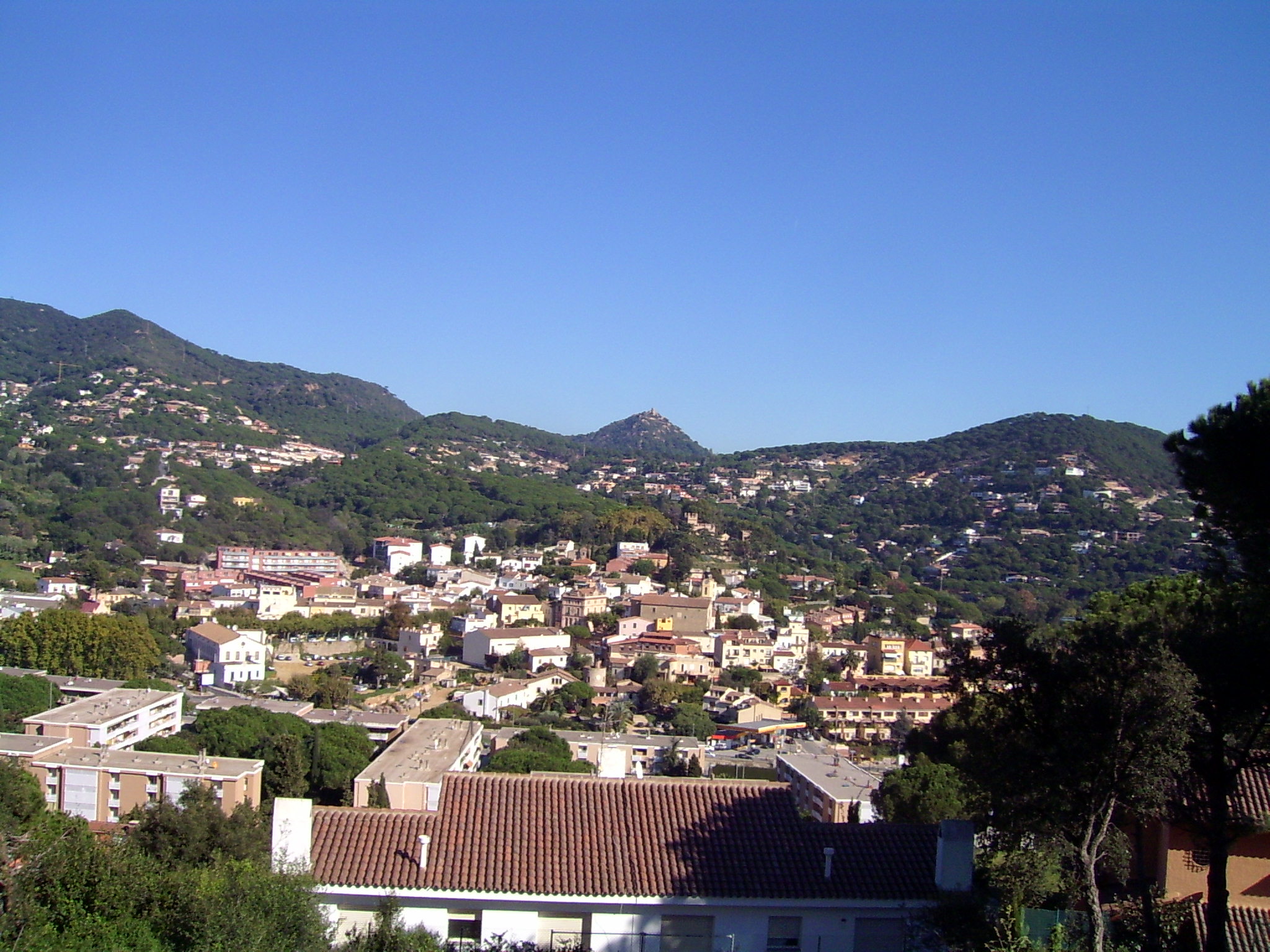
A little over half an hour from Barcelona, we find a landscape that seems much farther away from the city than it actually is. Cabrils is one of those gateways to the Maresme where all it takes is starting to climb towards the mountains to find ourselves surrounded by pine and holm oak forests, dirt paths, old farmhouses, hidden springs and huge granite boulders.
But these mountains hold something even more interesting: thousands of years of history.
Between Cabrils, Vilassar de Dalt and Òrrius, we can follow in the footsteps of those who inhabited these lands during prehistoric times, discover dolmens and burial caves, pass by ancient hermitages and finish the excursion with a good grilled meal or an authentic traditional Catalan fork breakfast.
It is a perfect excursion for those who want to combine nature, history, archaeology, gastronomy and charming little corners without travelling too far from Barcelona.
How far is Cabrils from Barcelona?
Cabrils is located approximately 26–30 kilometres from Barcelona.
By car, the journey usually takes around 30 minutes, although the travel time can vary considerably depending on traffic and the specific part of Barcelona we are leaving from.
Its proximity is precisely one of its greatest attractions: we can have breakfast in Barcelona, be walking through the forest shortly afterwards and finish the day eating at a mountain farmhouse.
From Cabrils to the Mountains
The excursion begins in Cabrils and gradually leaves the town behind as we enter the landscape of the Serralada Litoral.
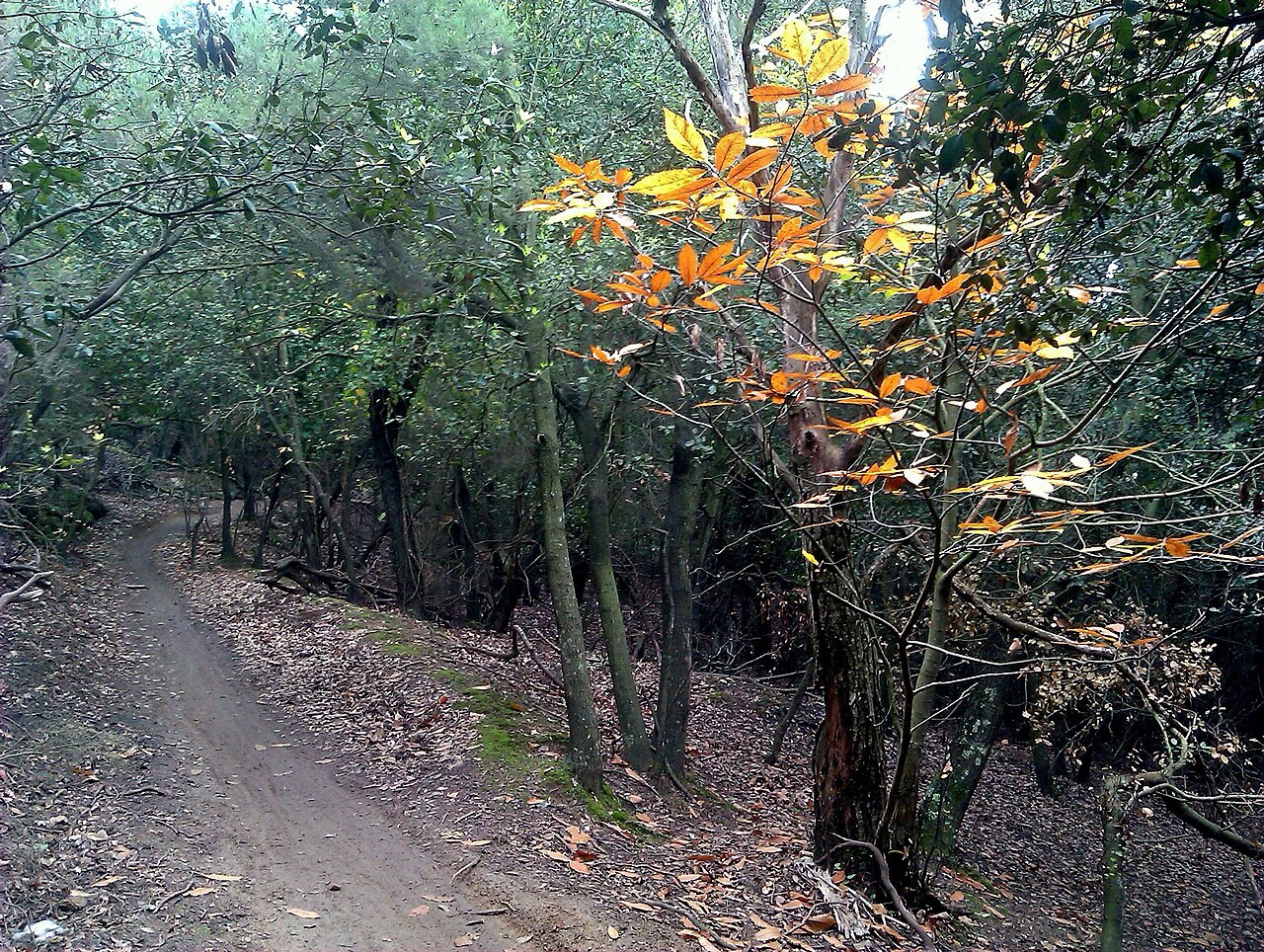
Mediterranean woodland dominates much of the route.
We will find stone pines, holm oaks, strawberry trees, mastic trees, rockroses, brambles and various aromatic plants, as well as areas where granite breaks down into the characteristic sauló soil beneath our feet.
The landscape constantly changes.
At some points we walk among trees and shade; at others, the forest opens up and large rocks and views over the Maresme and the Mediterranean appear.
It is precisely this combination of mountains and sea that makes this area so special.
Can Boquet and Sant Salvador
One of the key points of our excursion is the area around Can Boquet.
Here we find old farmhouses, forest tracks and small heritage features that remind us of the area’s former rural landscape.
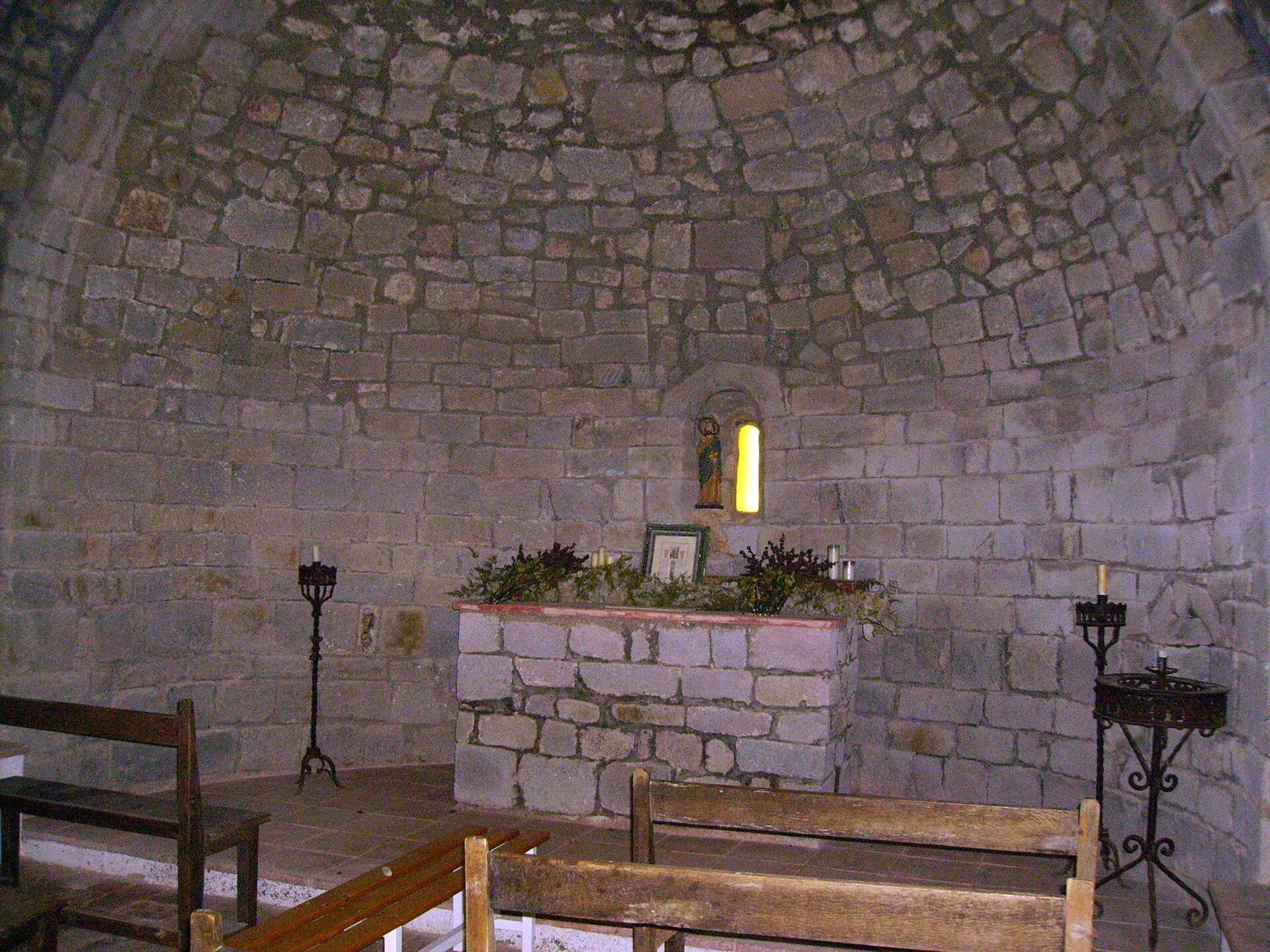
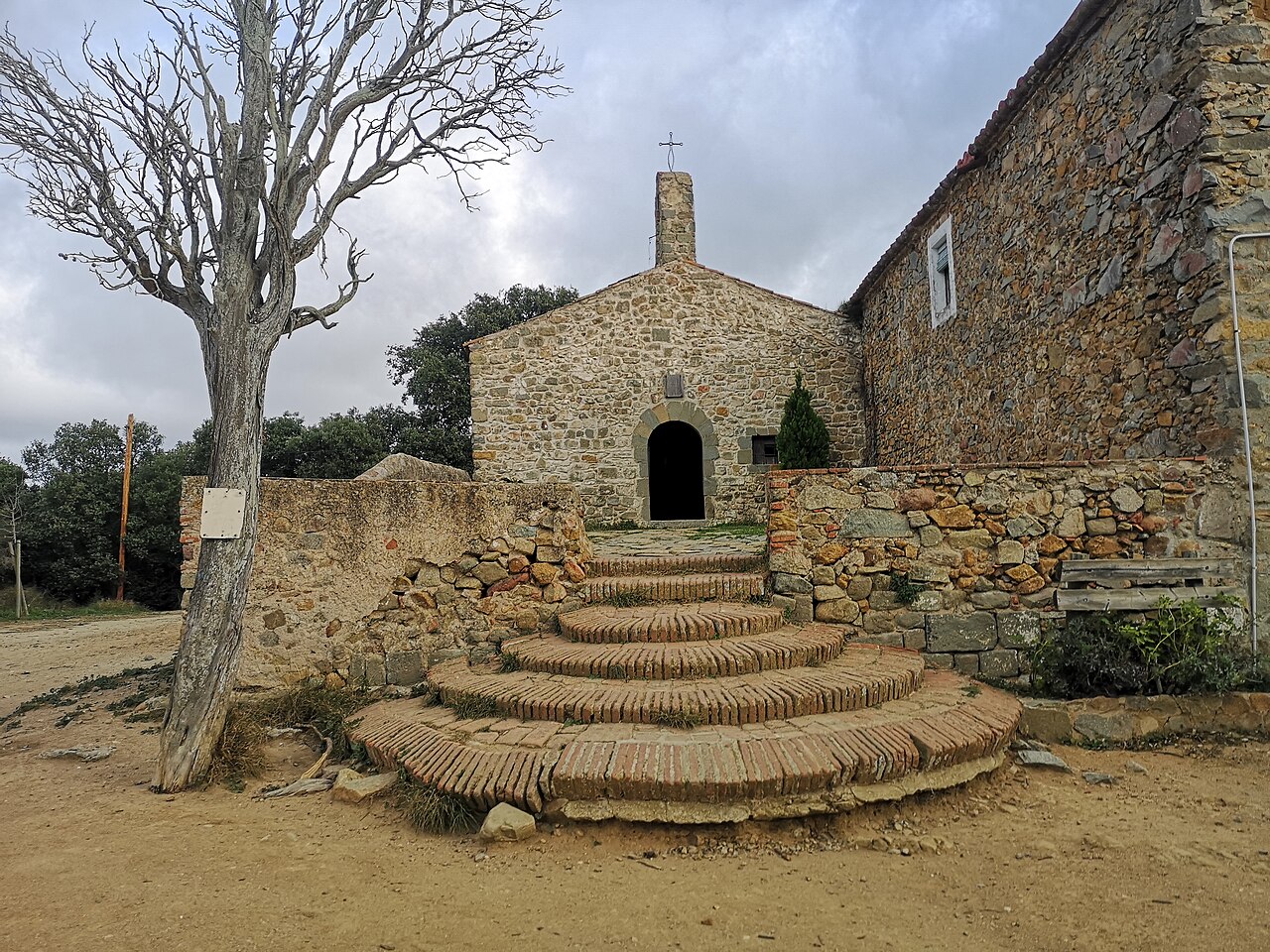
We also find the Sant Salvador Hermitage, a small building linked to the history of these mountains.
From here we can continue towards one of the most important places on our excursion: Roca d’en Toni.
Roca d’en Toni: a Dolmen Thousands of Years Old
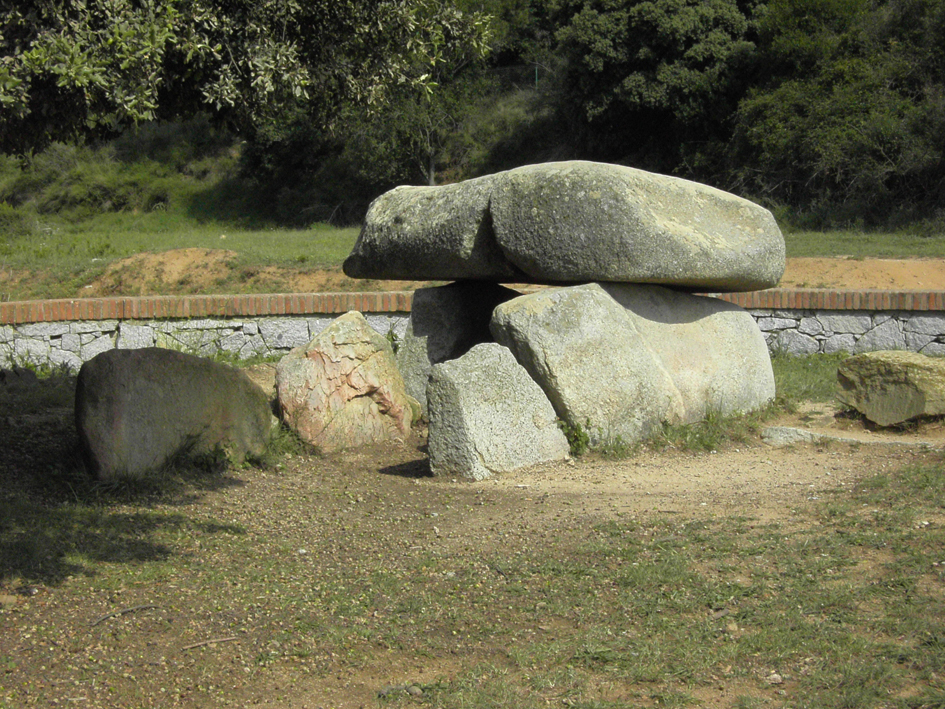
Roca d’en Toni, also known as the Can Boquet Dolmen, is probably the most famous prehistoric monument in this area.
Although people often refer to the dolmens of Cabrils, Roca d’en Toni is actually located within the municipality of Vilassar de Dalt, very close to Cabrils and perfectly integrated into the routes that start in this area.
We are looking at a megalithic structure associated with the funerary practices of prehistoric communities.
What Were Dolmens Used For?
Dolmens were fundamentally funerary monuments.
Prehistoric communities used these spaces to bury their dead, sometimes accompanying them with objects that formed part of their grave goods.
When we look today at the enormous stone of Roca d’en Toni, it is difficult to imagine that thousands of years ago people living in these mountains transported and positioned huge blocks of stone to create a place associated with their dead.
And that is precisely why the visit is so interesting.
We are not simply looking at an ancient rock.
We are looking at a small window into a society that disappeared thousands of years ago.
Cova de la Granota
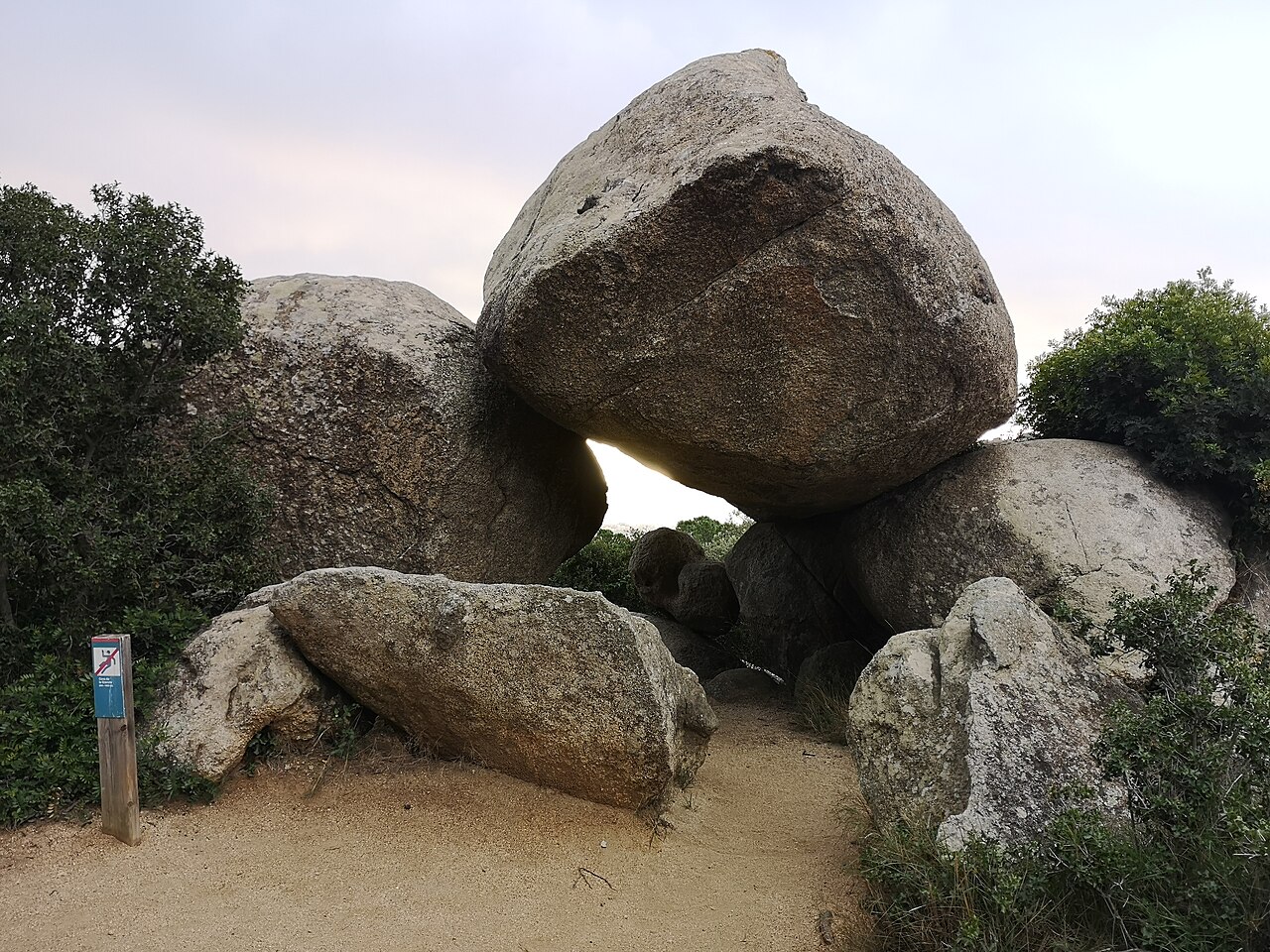
Continuing through the Can Boquet area, we come across another extraordinary place: Cova de la Granota.
Here, nature and archaeology become completely intertwined.
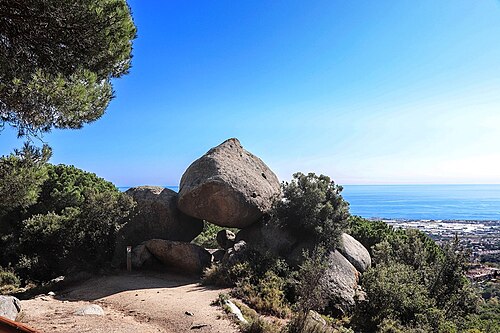
Large granite boulders form a natural cavity divided into different spaces. Human remains and objects were discovered inside, linking the cave to ancient burials.
Ceramics, flint artefacts and other objects associated with the burials were found there.
The cave helps us understand that the prehistoric landscape was not made up solely of settlements.
There were also special places intended for the dead.
Cova d’en Pau
Very close by is Cova d’en Pau, another cave associated with prehistoric burials.
Its discovery led to the recovery of various archaeological materials, including arrowheads, flint pieces, pottery and other objects.
Cova d’en Pau, like Cova de la Granota, shows us how natural caves could be transformed into funerary spaces.
When we walk along these paths today, it is surprising to think that we are walking through the same landscapes that were seen by people who lived here more than four thousand years ago.
The Rocs de Can Boquet
Granite is one of the main features of the landscape.
Around Can Boquet, large rock formations create small shelters and natural spaces.
The Rocs de Can Boquet, or Els Recers, are particularly interesting because different periods have left their mark on them.
They are places where it is worth stopping to observe the shapes of the rocks.
Erosion has created small cavities, passageways and sheltered spaces that make walking through this part of the mountains much more entertaining than simply following a forest track.
Turó d’en Torres and the Iberians
The story continues after Prehistory.
In the nearby mountains we also find remains associated with the Iberian period.
Turó d’en Torres, located at an altitude of around 470 metres, is associated with remains that allow it to be linked to Iberian occupation of these mountains.
We should not expect to find a reconstructed settlement or a monumental complex prepared for a conventional visit.
Its interest lies precisely in imagining how the territory was organised at that time and how these mountains formed part of a network of settlements and paths.
Can Mastruc and the Oldest Remains
Another name that appears in the archaeological history of the area is Can Mastruc.
Materials associated with ancient human occupation, including stone tools, have been found in its surroundings.
These small discoveries may seem modest compared with a dolmen, but they are extremely valuable for understanding that human presence in these mountains was much more extensive than we might imagine while walking through the forest today.
Sant Mateu: Hermitage, Forest and Views
Another excursion we can add to the route is the climb towards Sant Mateu.
The hermitage is located high in the Serralada Litoral and is surrounded by forest.
It is a particularly pleasant place to take a break.
The building dates back to medieval times and retains the simple character of the old mountain hermitages.
From the higher areas we can enjoy spectacular panoramic views over the Maresme and the Mediterranean.
On clear days, the feeling is extraordinary: we have the sea in front of us and, behind us, the mountains continuing inland.
Font d’en Dirol
Springs are another of the area’s little treasures.
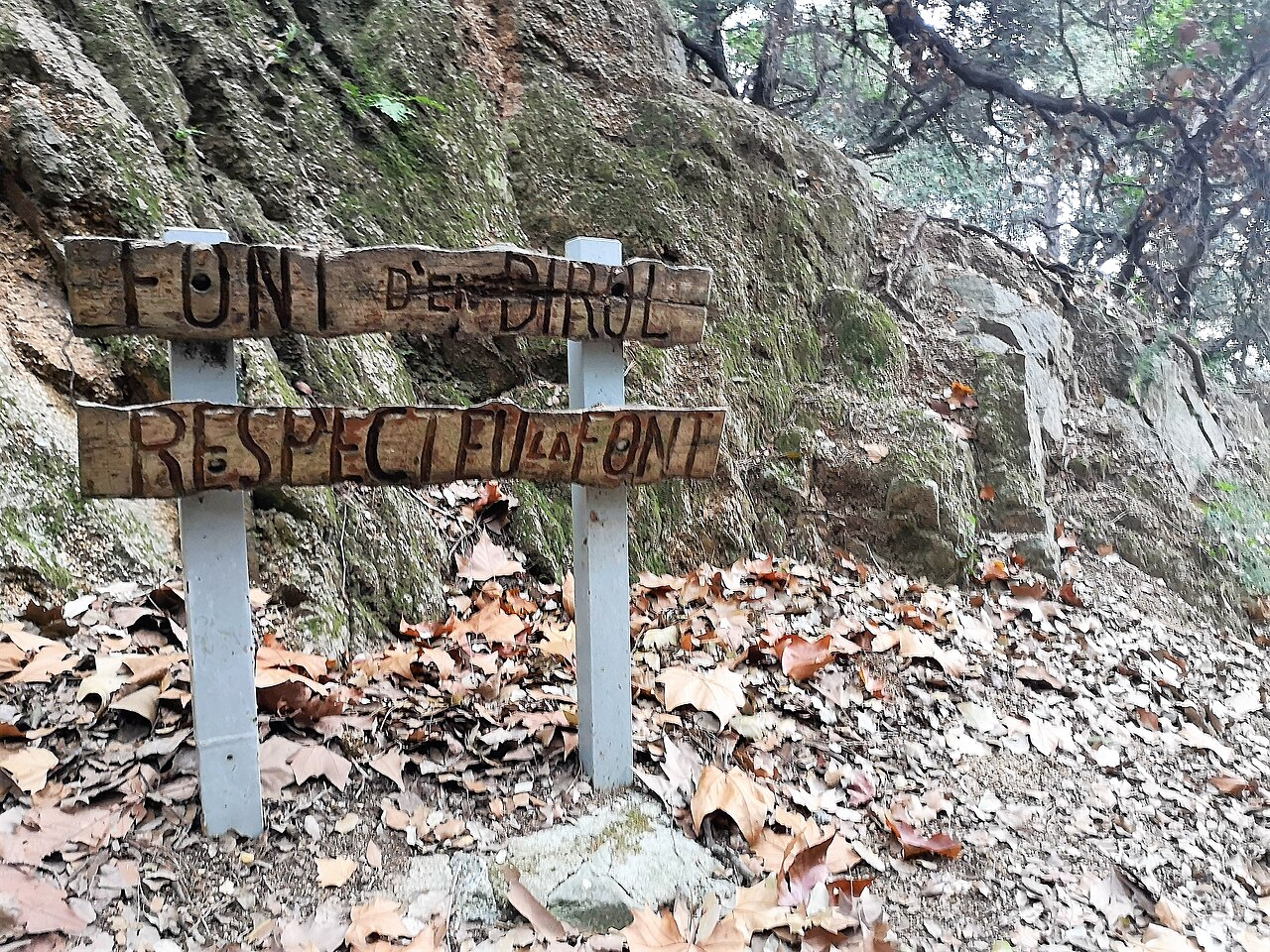
Font d’en Dirol is hidden among the forest, in surroundings that are much cooler and shadier than the open areas of the mountains.
It is one of those places whose charm comes precisely from the fact that it does not need any grand monuments.
A spring, a rock, trees all around and the sound of the forest can be enough to make it one of the favourite stops on the excursion.
That said, natural springs depend on rainfall, and we will not always find water there.
Font de Can Blanc
Another possibility is to head towards Font de Can Blanc, in the direction of Òrrius.
The surroundings have that appearance of an old rural landscape that can be found in various corners of the Serralada Litoral.
The spring is integrated into a small area of stone and vegetation and makes for a pleasant stop during a walk through the forest.
It is advisable to bring water from the beginning of the route and to consider these springs places to visit rather than sources of drinking water that can always be relied upon.
The Stone Labyrinth
And now we come to one of the most curious places on the excursion.
In the forest we find what is known as the Cabrils Stone Labyrinth, although it is actually located in the Òrrius area.
It is not a prehistoric monument.
It is a much more recent construction made from stones and conceived as a space associated with meditation and slow walking.
Walking through the labyrinth encourages us to slow down.
After walking among trees, rocks and paths, it is curious to come across a place where the idea is precisely to do the opposite of what we normally do during an excursion: walk slowly, observe and remain silent.
Mútua Metalúrgica: Another Starting Point
The area around Mútua Metalúrgica de Cabrils can also be used as a reference point for various excursions towards the paths leading to Can Blanc and Òrrius.
From here we can organise a route combining:
Mútua – Font de Can Blanc – Stone Labyrinth – Can Genís – old Can Blanc kilns.
This is a different excursion from the prehistoric route around Can Boquet and is particularly interesting for those who enjoy discovering springs, rural structures, forests and little-known corners.
Forest Wildlife
Although we are very close to Barcelona, the forest has surprisingly varied wildlife.
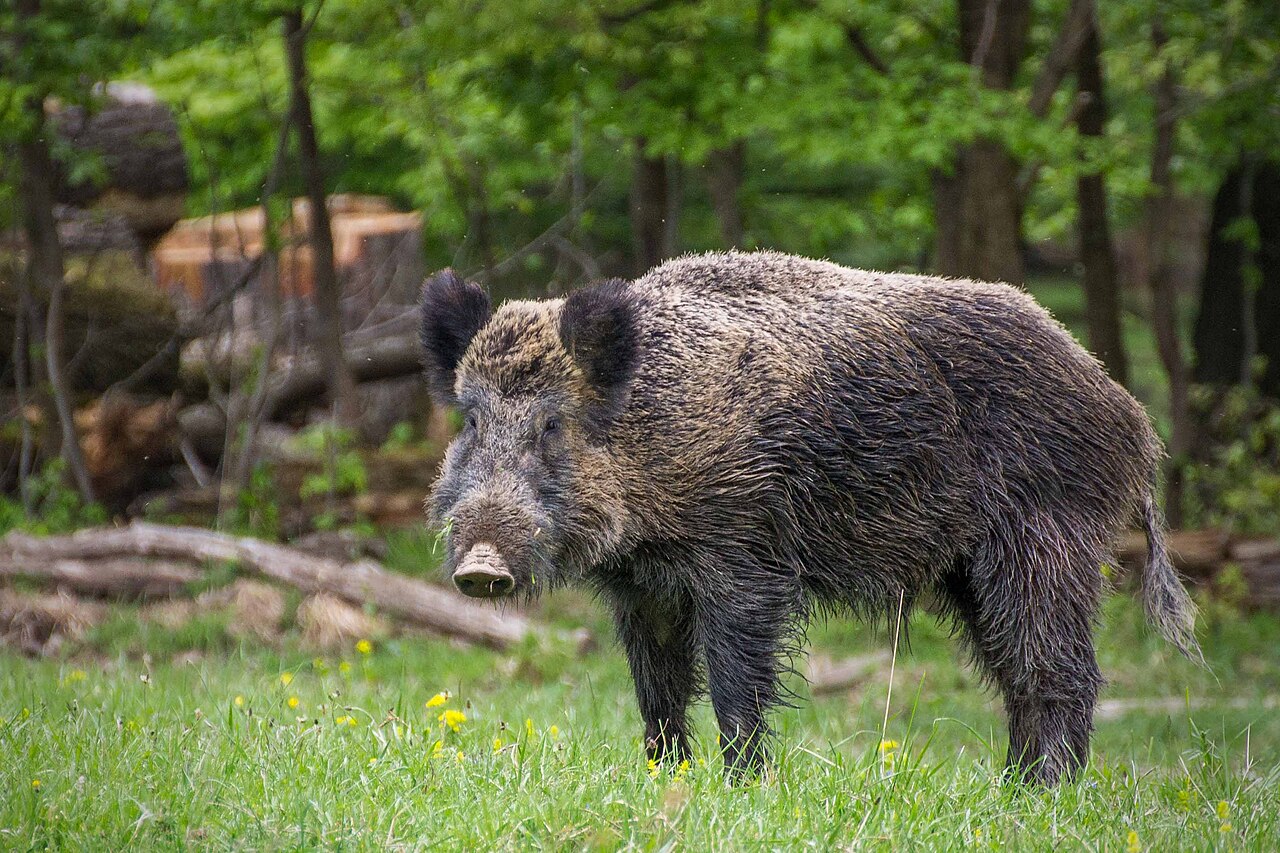
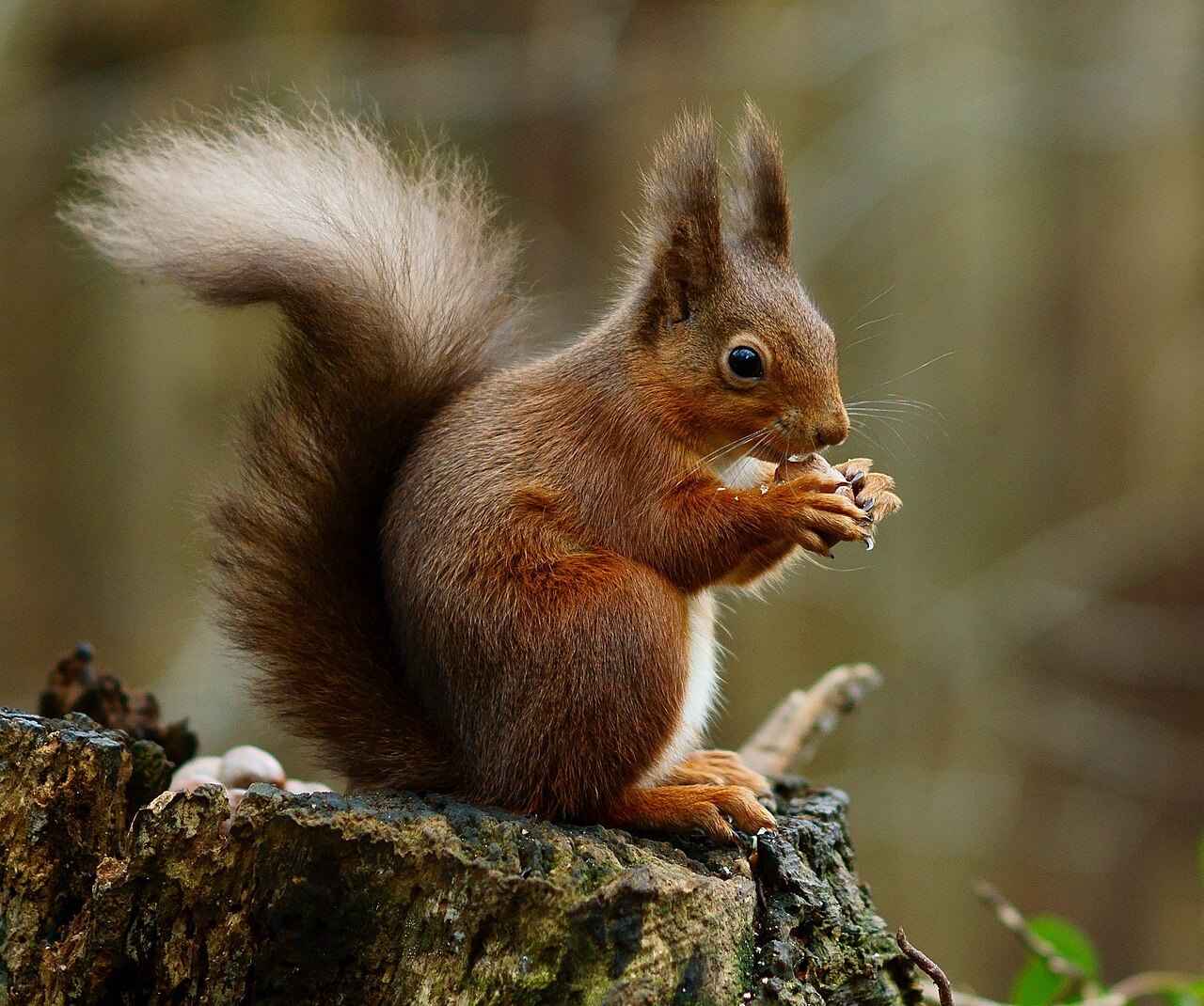
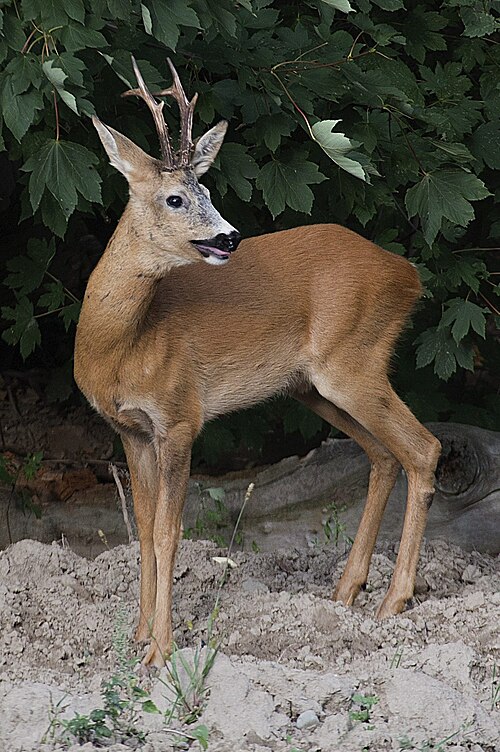
During an excursion we may find signs of wild boar, foxes, badgers, stone martens, squirrels, hedgehogs and roe deer, as well as countless small mammals.
Wild boar are probably the easiest to detect indirectly.
We can find their tracks, areas where they have disturbed the soil and paths opened through the vegetation.
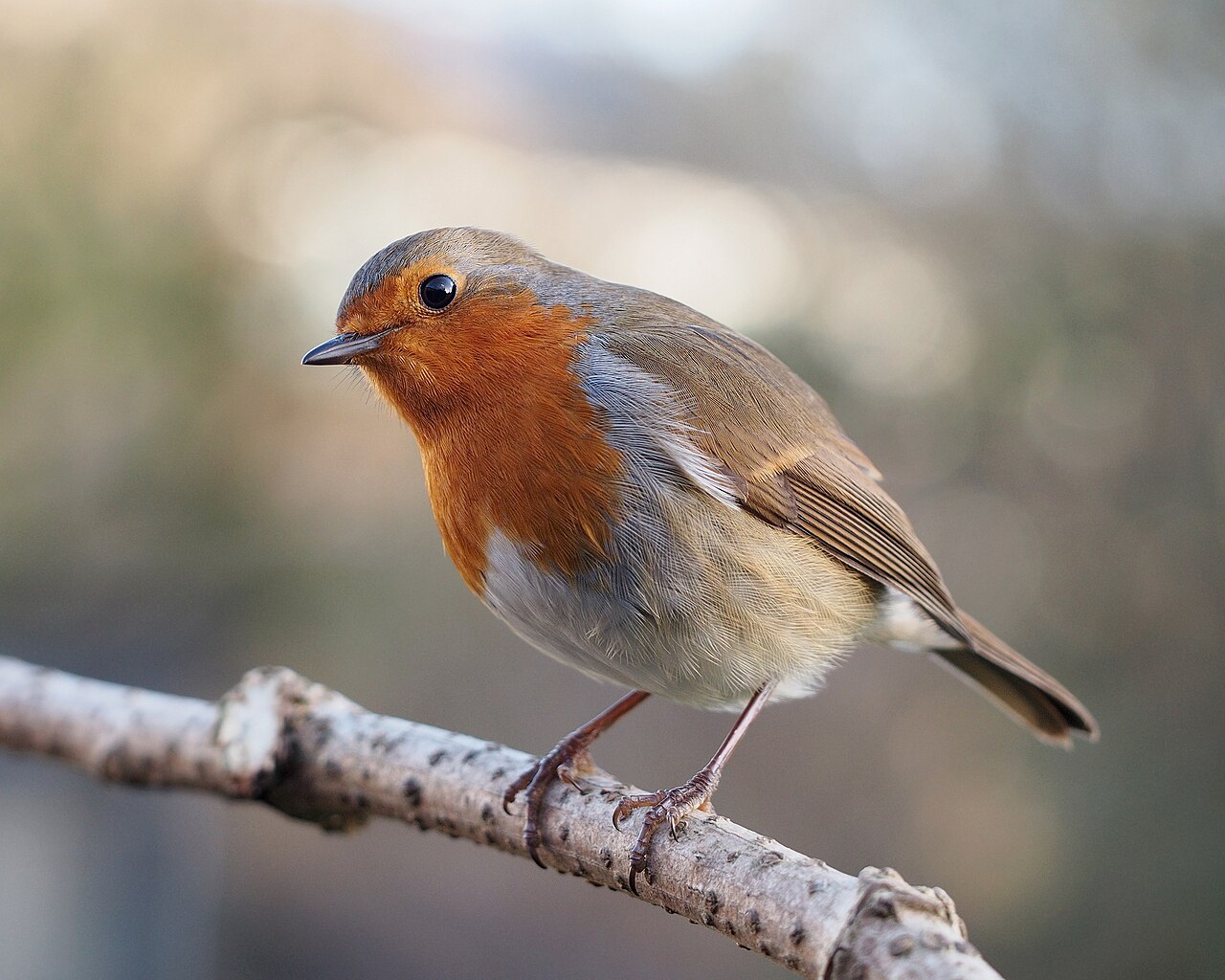
As for birds, the forest is particularly interesting.
We can hear or try to spot:
jays;
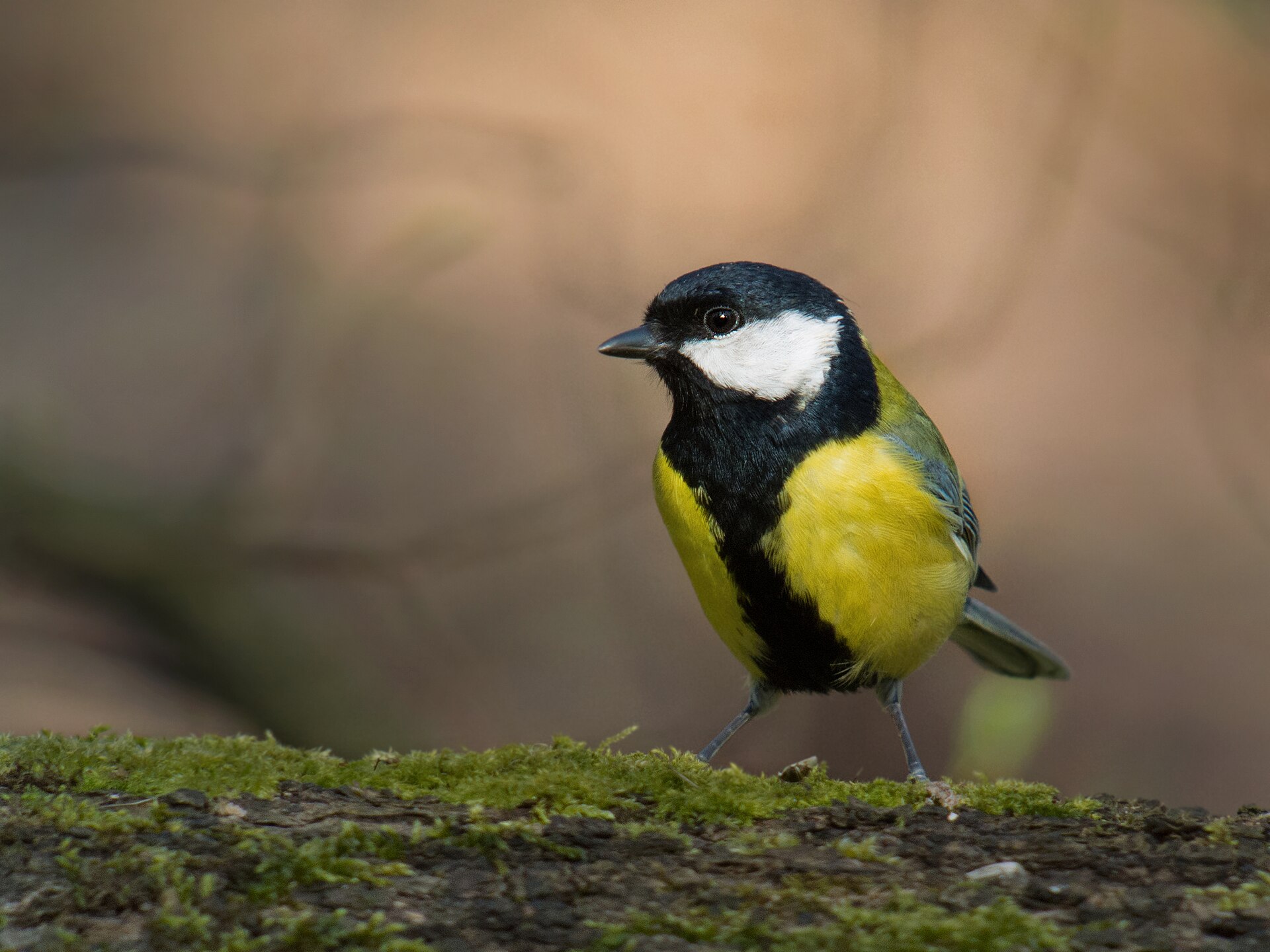
tits;
robins;
wood pigeons;
woodpeckers;
birds of prey;
and a wide variety of small birds.
To observe them, it is best to go out early and walk slowly.
Butterflies and Insects
During spring and summer, the forest fills with small inhabitants.
Areas with flowers attract butterflies, bees, beetles and other insects.
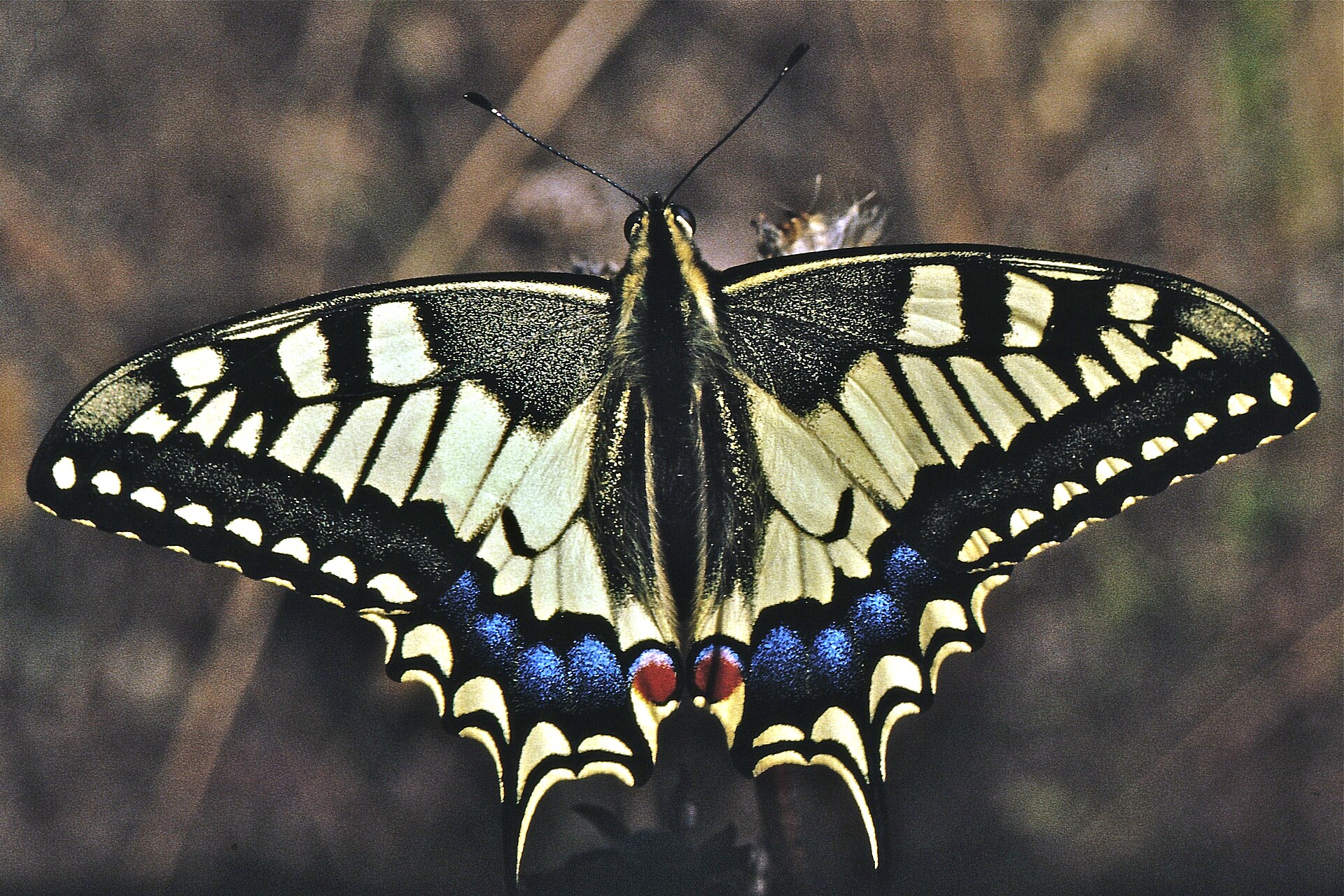
Among the butterflies we can find in this type of Mediterranean landscape are the swallowtail, Cleopatra, Red Admiral and Painted Lady.
For anyone who enjoys nature photography, a simple outing with a camera or even a phone can turn into a small wildlife-observation session.
When Should You Go Chestnut Gathering?
Autumn completely transforms the mountains.
It is the season of fallen leaves, the first cool days, mushrooms and chestnuts.
The months of October and November are the most suitable for finding chestnuts in areas where chestnut trees grow.
But this should be done sensibly: we should not collect chestnuts from privately owned trees without permission.
We should also avoid pulling them from the branches. The classic image is precisely that of chestnuts already fallen among the leaves.
And What About Mushrooms?
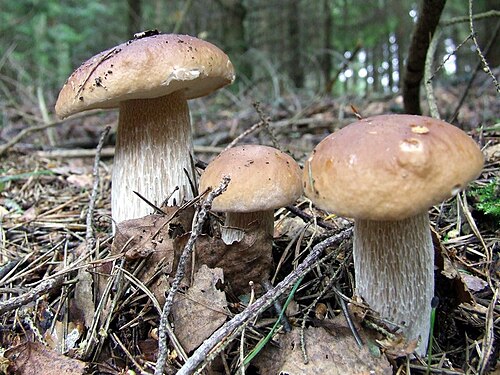
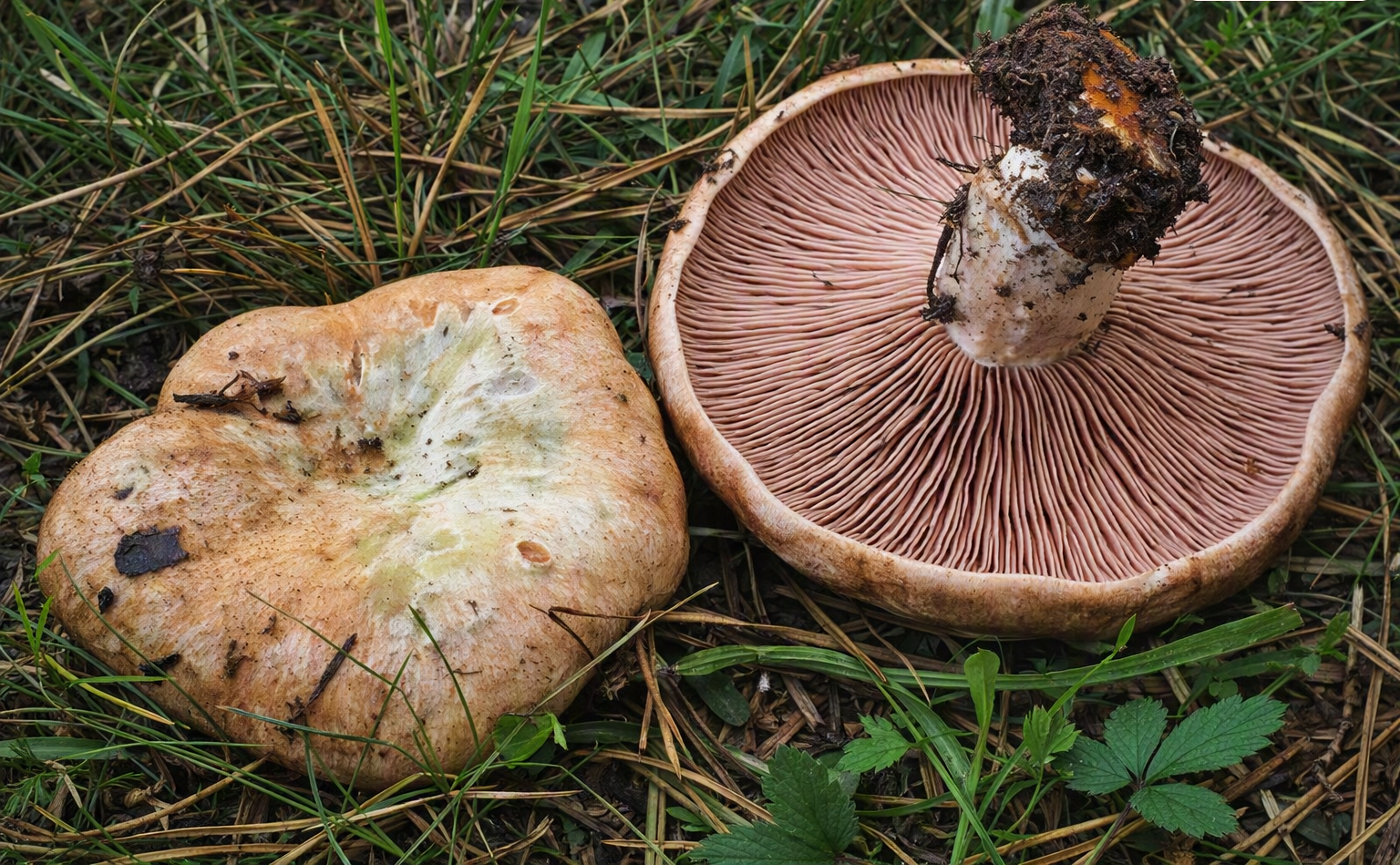
Autumn also turns the forest into a fantastic place for mushroom enthusiasts.
But here more than ever, we must be cautious.
Do not pick any mushroom unless you know it perfectly, and do not enter private land.
Even without filling a basket, walking through the forest in October or November looking for different species is a wonderful experience.
Fork Breakfasts Before Walking
One of the area’s best gastronomic traditions is having breakfast before starting the excursion.
And this is a very different kind of breakfast from the usual one.
An authentic esmorzar de forquilla — a traditional Catalan fork breakfast — can include:
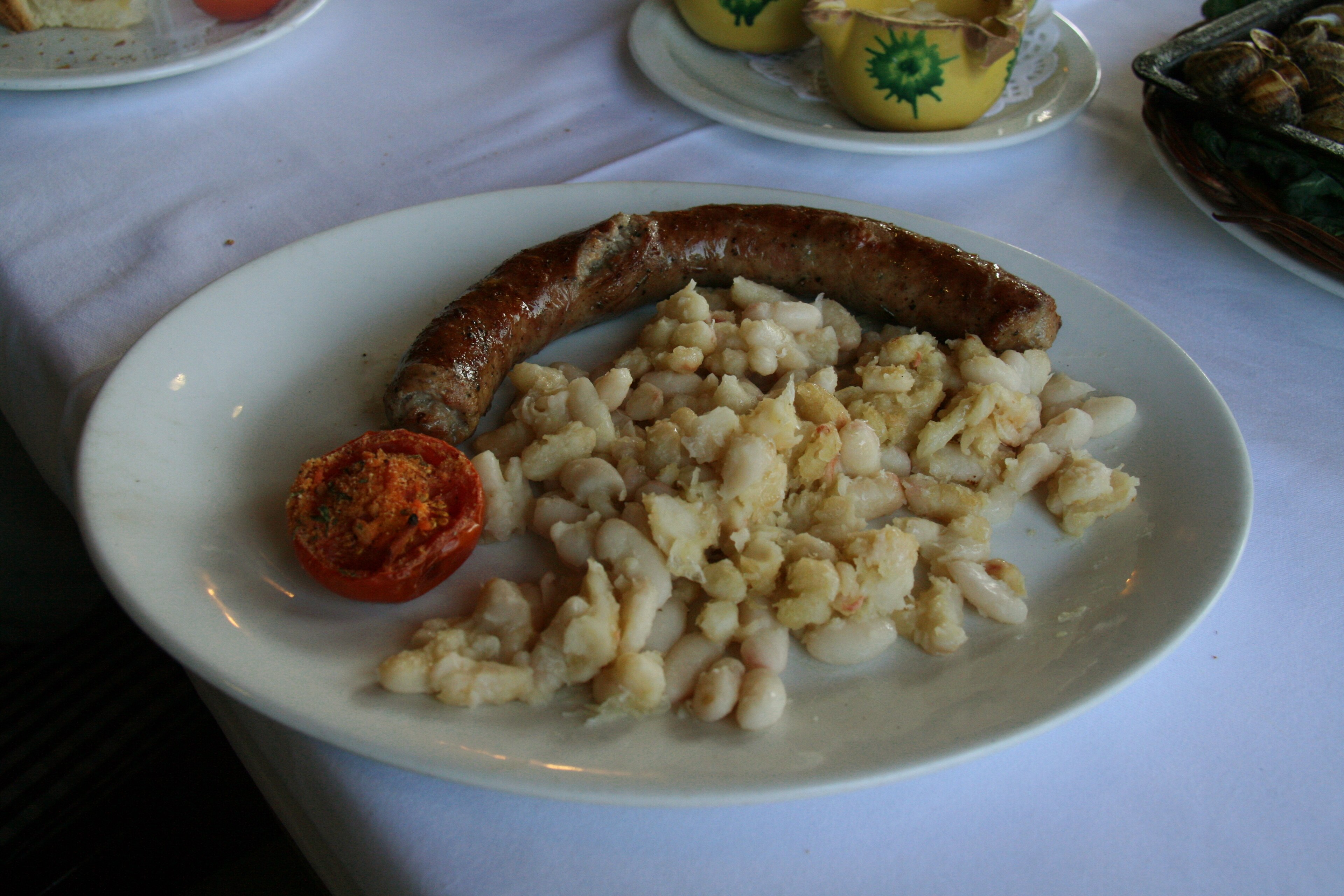
botifarra with beans;
eggs with bacon;
Spanish omelette;
cap i pota;
tripe;
pig’s trotters;
grilled meat;
cured meats;
cheeses;
toasted country bread with tomato.
It is certainly not a light breakfast.
But if we are going to walk in the mountains afterwards, it can become the most Catalan way to start the day.
Nou Gras
In Cabrils we find Nou Gras, a restaurant located at carrer Cal Gras, 4, in Cabrils, offering a menu based on Catalan cuisine, tapas, grilled dishes and traditional food.
Among the options we can find patatas bravas, croquettes, cod fritters, cured meats, botifarra and grilled meats, as well as rice dishes and different dishes to share.
It is a good option for those who want to start the day with a substantial meal without looking for overly sophisticated cuisine.
The philosophy is simple:
eat well, build up your strength and head into the mountains.
Ca l’Estrany
Another address worth noting is Ca l’Estrany, located at Camí Coll de Port, 19, in Cabrils. It is a 15th-century farmhouse situated at the foot of the Serralada Litoral.
Its cuisine is closely linked to traditional Catalan cooking and grilled food.
Here we can find meat dishes, snails, mountain rice and typical Catalan dishes.
It is also an interesting place during the calçot season.
Its location makes it especially attractive for combining a morning hike with a meal without having to move too far away from the mountains.
Can Salvador
We can also consider Can Salvador, another establishment that fits the concept of simple mountain food. It is located at Finca Sant Salvador, Camí de la Carena, and specialises in barbecue and affordable meals.
That said, caves and rock formations require care, and we should not approach dangerous areas or climb on unstable sections.
What If We Want to Stay Overnight?
We can also turn the excursion into a weekend getaway.
There are different options for rural accommodation, country houses, hotels and small establishments in Cabrils and the neighbouring municipalities.
Staying in the area allows us to do something that is more difficult during a day trip:
get up early, have a leisurely breakfast, walk through the forest for several hours, eat without watching the clock and go out again in the afternoon when the heat subsides.
For a couples’ getaway, a country house or a small charming hotel can be a good combination with a meal at one of the area’s farmhouses.
Cabrils: Mountains, History and Good Food Just a Few Kilometres from Barcelona
What makes Cabrils special is not simply that it is close to Barcelona.
It is the fact that within just a few kilometres we can go from a Mediterranean town to a mountain forest and, within the same day, explore a landscape that preserves evidence dating back thousands of years.
We can walk alongside old farmhouses, find a hidden spring, discover a hermitage, admire the Mediterranean from the mountains, visit a dolmen, enter the landscape of ancient burial caves and finish by enjoying some good grilled meat.
And there will still be paths left to discover.
Roca d’en Toni, Can Boquet, Cova de la Granota, Cova d’en Pau, Sant Salvador, Sant Mateu, Turó d’en Torres, Can Mastruc, Font d’en Dirol, Font de Can Blanc, the Stone Labyrinth and the paths of Òrrius form a perfect territory for those who enjoy excursions that offer more than simply kilometres walked.
Here, every path tells a story.
And after walking, there is always the best part:
sitting down at the table and eating well.
Cabrils, comarca del Maresme. En el centro la montaña de Burriac, con el castillo del mismo nombre – Por friviere – Trabajo propio, CC BY-SA 3.0, https://commons.wikimedia.org/w/index.php?curid=403419.
Dolmen de la Roca D’ en Toni – José Samón Forgas, CC BY 3.0 , via Wikimedia Commons.
Cova de la Granota – By Quico Iglesias – Own work, CC BY-SA 4.0, https://commons.wikimedia.org/w/index.php?curid=141817259.
Cova de la Granota – By Clemens Schmillen – Own work, CC BY-SA 4.0, https://commons.wikimedia.org/w/index.php?curid=83739541.
Ermita de Sant Mateu (Premiá de Dalt) – By Josep Maria Viñolas Esteva – Own work, CC BY-SA 4.0, https://commons.wikimedia.org/w/index.php?curid=37024903.
Ermita de Sant Mateu – By Quico Iglesias – Own work, CC BY-SA 4.0, https://commons.wikimedia.org/w/index.php?curid=141817409.
Camino de montaña por el bosque hacia Cal_Senyor – Magic Dreams Barcelona.
Cartel de aviso de la Font d’en Dirol – Quico Iglesias, CC BY-SA 4.0, via Wikimedia Commons.
Jabalí – Valentin Panzirsch – Own work, CC BY-SA 3.0 at, https://commons.wikimedia.org/w/index.php?curid=41174423.
Zorro rojo – ClaudiaTen – Own work, CC BY-SA 4.0, https://commons.wikimedia.org/w/index.php?curid=180051162.
Tejón europeo – By Charles J. Sharp – Own work, from Sharp Photography, sharpphotography.co.uk, CC BY-SA 4.0, https://commons.wikimedia.org/w/index.php?curid=193276380.
Una ardilla roja en el bosque – By Peter Trimming – https://www.flickr.com/photos/peter-trimming/6583159839/, CC BY 2.0, https://commons.wikimedia.org/w/index.php?curid=29980115.
Corzo Europeo – By Jerzystrzelecki – Own work, CC BY 3.0, https://commons.wikimedia.org/w/index.php?curid=24752732.
Carbonero común – By Frank Vassen from Brussels, Belgium – Great tit (Parus major), Parc de Woluwé, Brussels, CC BY 2.0, https://commons.wikimedia.org/w/index.php?curid=43770118.
Paloma torcaz europea – By Don Loarie – https://www.inaturalist.org/photos/1894900, CC BY 4.0, https://commons.wikimedia.org/w/index.php?curid=104859947.
Vanessa cardui – By Sayan Sanyal – Own work, CC BY-SA 4.0, https://commons.wikimedia.org/w/index.php?curid=55634873.
Castañas caídas en el bosque – By Kolforn (Kolforn)I’d appreciate if you could mail me (Kolforn@gmail.com) Own work, CC BY-SA 4.0, https://commons.wikimedia.org/w/index.php?curid=112365655.
Boleto edulis – By Tocekas – Own work, CC BY-SA 3.0, https://commons.wikimedia.org/w/index.php?curid=2782350.
Amanita Muscaria – Magic Dreams Barcelona.
El hongo Lactarius sanguifluus Magic Dreams Barcelona.
Butifarra amb seques – By Tamorlan – Own work, CC BY 3.0, https://commons.wikimedia.org/w/index.php?curid=9054497.
The Catalan Pyrenees is the mountainous region located in northern Catalonia, renowned for its spectacular landscapes, charming villages, and a wide range of outdoor activities. In this section, you will find all the information carefully selected by us: from the most notable villages to hiking …