Route guide for visitors throughout Catalonia – Barcelona – Costa Brava – Catalan Pyrenees – Personalized experiences – Customized tour guide services – A small tribute to the wonderful city and land that saw us born – Transforming experiences into unforgettable memories - Magic Dreams Collection: exclusive universes inspired by Salvador Dalí and Gaudí. Niche perfumes, jewelry, lithographs, and collectible items celebrating the Mediterranean spirit.
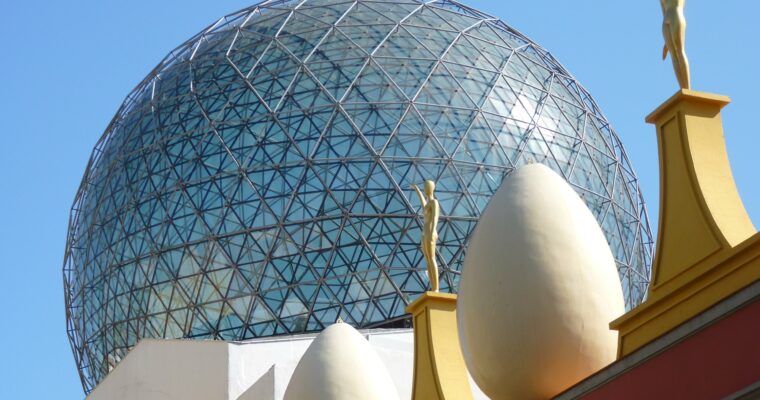
Salvador Dalí’s great surrealist universe The Dalí Theatre-Museum in Figueres is one of the most extraordinary museums in Catalonia and one of the most iconic places associated with Salvador Dalí. Conceived as a total work of art, the museum invites visitors to enter the artist’s …
Hidden among the landscapes of the Conca de Barberà, in the province of Tarragona, stands one of Catalonia’s most extraordinary historical treasures: the Royal Monastery of Santa Maria de Poblet. This impressive Cistercian monastery is much more than a beautiful medieval building. It is a …
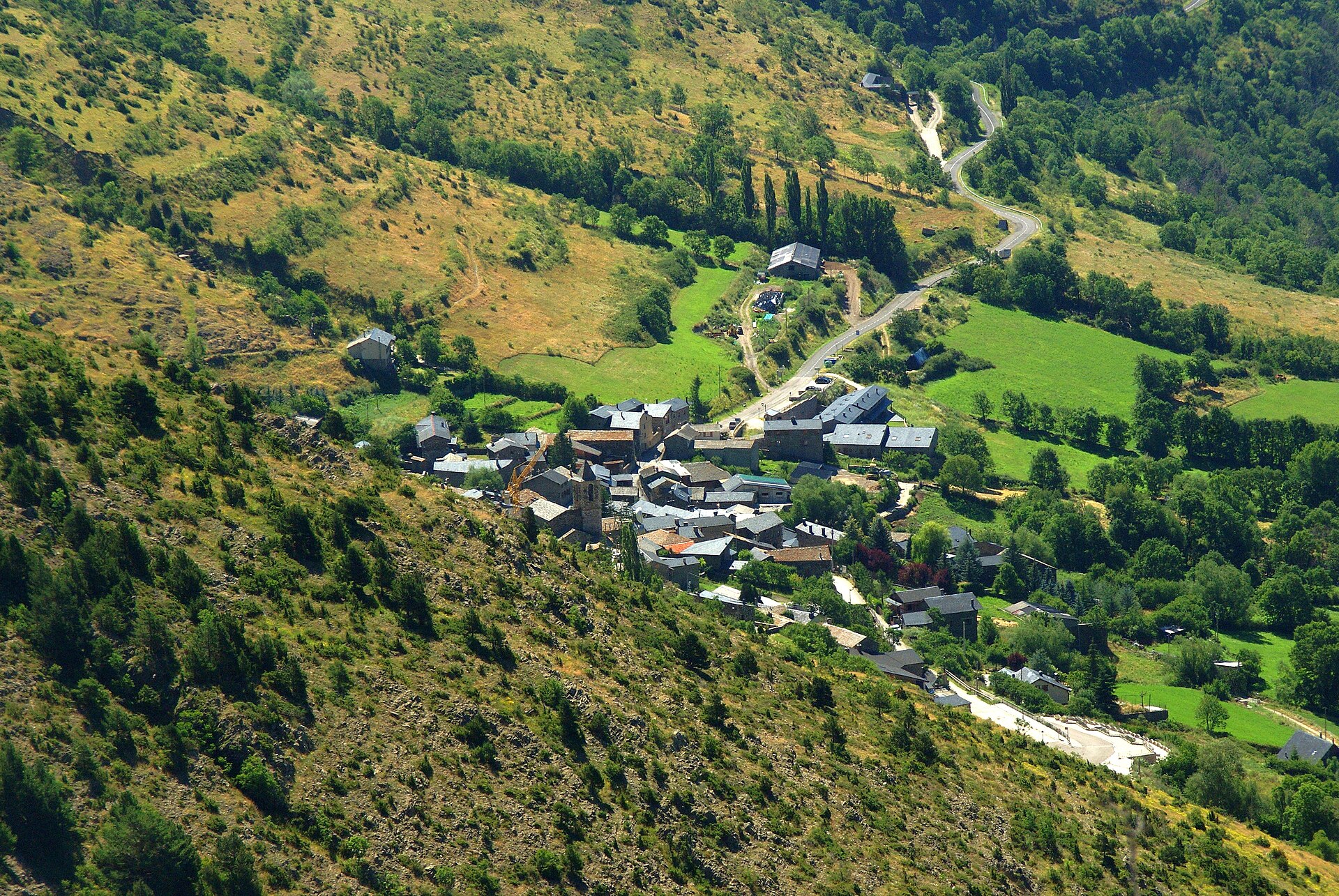
At an altitude of 1,539 metres, in the heart of Cerdanya, lies Meranges, the municipal capital located at the highest elevation in Catalonia. This small mountain village is a place where stone houses, slate roofs and wooden balconies blend seamlessly into a landscape dominated by forests, alpine meadows and the great peaks of the Pyrenees.
This is where an experience begins that goes far beyond simply visiting a village.
Meranges is the gateway to Malniu, Puigpedrós, Engorgs and Guils-Fontanera, a territory where nature, history, architecture, gastronomy and mountain culture come together in an exceptionally authentic setting.
It is one of those places where time seems to move more slowly.
Where is Meranges?
Meranges is located in Cerdanya, in the province of Girona, very close to the French border.
The usual access is from the N-260, taking the road at Ger onto the GIV-4031, which climbs approximately 10 kilometres to the village.
From Barcelona, the journey takes around two hours, depending on traffic and road conditions, normally via the A-2, C-16 and the Cadí Tunnel.
Meranges sits at approximately 1,539 metres above sea level, surrounded by a high-mountain landscape that changes dramatically with the seasons.
In winter, snow transforms the surroundings.
In spring, the meadows regain their colours.
In summer, the trails invite visitors deep into the mountains.
And in autumn, the forests take on particularly spectacular hues.
A Stone Village Suspended in the Mountains
Meranges preserves much of the traditional architecture of Cerdanya.
Its streets are lined with old stone houses, slate roofs and wooden features that reflect the village’s long relationship with the mountains and livestock farming.
The historic centre retains its compact layout and peaceful atmosphere, far removed from the region’s larger tourist centres.
Walking through Meranges means discovering small details: old façades, stone doorways, balconies, narrow streets and viewpoints where the mountains appear between the houses.
It is precisely this authenticity that makes the village especially appealing to travellers looking for a quieter side of Cerdanya.
A History Dating Back to the Middle Ages
Meranges has been documented since the 10th century, under forms such as Meranicos and Meranicus.
Over the centuries, the territory was associated with different powers in Cerdanya, including the Counts of Cerdanya, the Viscounts of Castellbò, the Counts of Foix, the Kingdom of Mallorca and later the Crown of Aragon.
Its history is deeply connected to the mountains, livestock farming and the routes that once linked different territories across the Pyrenees.
Even during the Napoleonic period, Meranges was temporarily incorporated into the French department of Segre.
The road to the village was not paved until 1934, a detail that helps illustrate just how isolated this small municipality remained for much of its history.
Sant Serni de Meranges
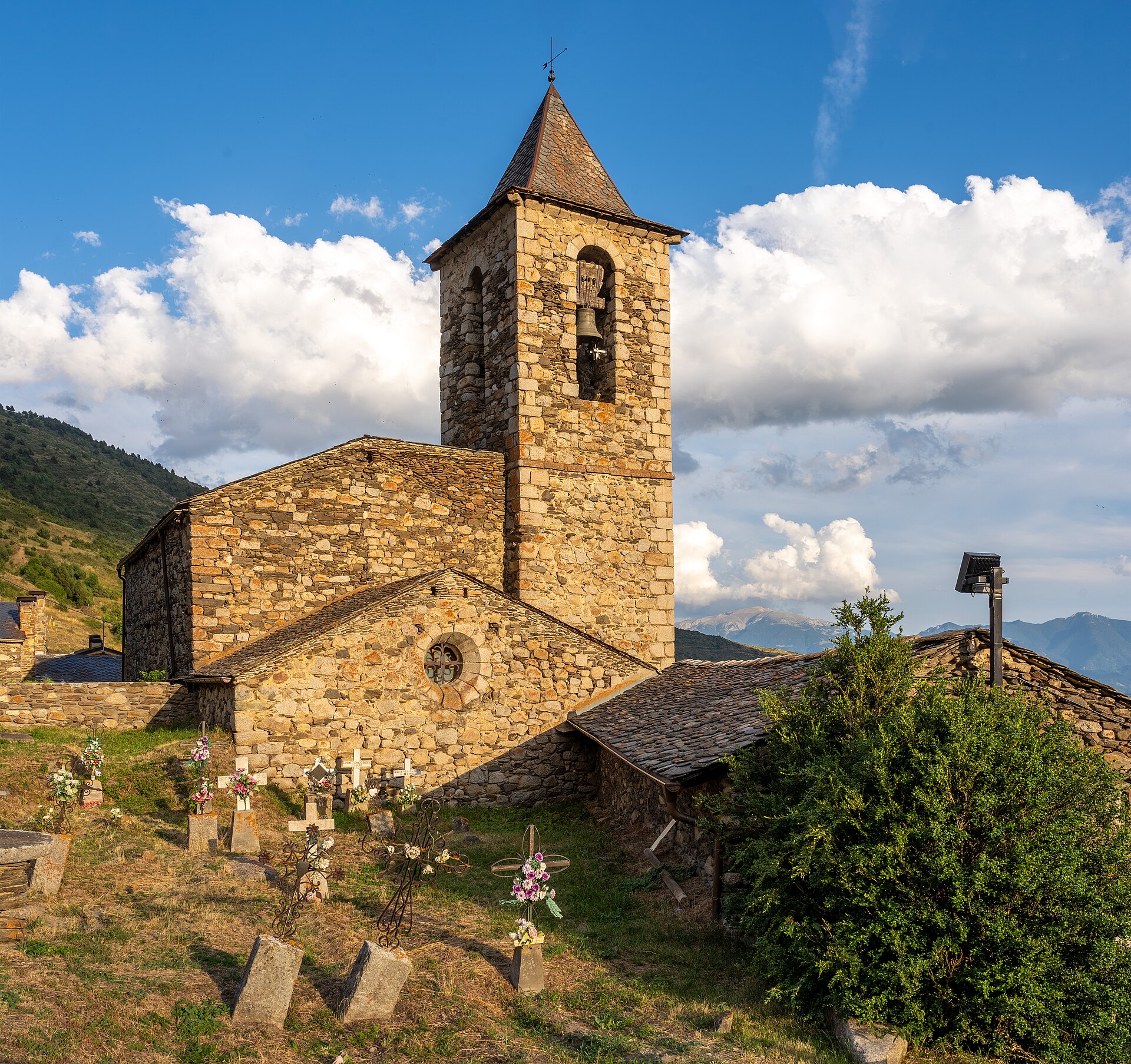
One of the village’s great heritage treasures is the Church of Sant Serni de Meranges, a magnificent example of Cerdanya’s Romanesque heritage.
The building preserves elements dating from the late 12th century, including part of the apse, the beginning of the nave and an extraordinary Romanesque doorway.
Its archivolts are decorated with human figures, animals, fantastic creatures and plant motifs.
Side chapels, a bell tower and other elements were added later, reflecting the transformations the building underwent over the centuries.
Inside, visitors can also find remains of Baroque paintings and two granite baptismal fonts.
The church has been declared a Cultural Asset of National Interest.
Museu de l’Esclop
Meranges’ traditions can also be discovered at the Museu de l’Esclop, dedicated to the traditional craft of wooden clog-making.
This small museum offers an insight into an important part of local popular culture and traditional mountain crafts.
It is the perfect complement to a visit to the village because it reveals a Meranges shaped not only by its landscapes, but also by craftsmanship, rural life and generations of mountain traditions.
Refugi de Malniu: Gateway to the High Mountains
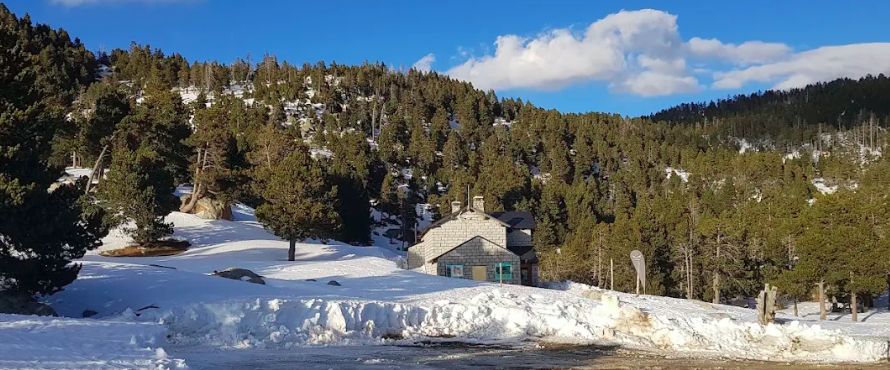
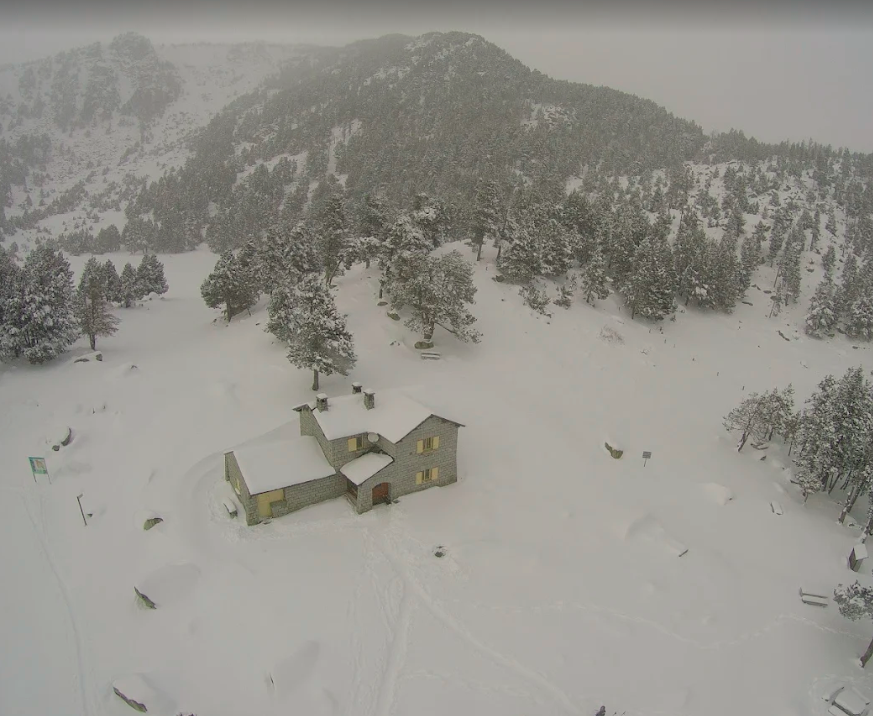
From Meranges begins one of the area’s best-known routes towards the Refugi de Malniu, located at approximately 2,130 metres above sea level.
The refuge is one of the main bases for exploring this part of the Pyrenees.
From here, several routes lead towards mountain lakes, peaks and high-altitude valleys.
The road from Meranges continues along an approximately 8-kilometre mountain track. Conditions can vary depending on the time of year and the weather.
During certain periods, there is also a vehicle access fee to Pla de Tarterès, while at other times access may be restricted.
For this reason, visitors should always check the condition of the track and current access regulations before travelling.
How Much Does It Cost to Stay at Refugi de Malniu?
The refuge offers several accommodation options.
As a reference:
Adult half-board: around €53.90
Accommodation + dinner: €45
Accommodation + breakfast: €33.60
Accommodation only: €28
Dinner: €20.50
Breakfast: €9
Picnic: €10.50
Reduced rates are also available for members of mountaineering federations and special rates apply to children.
For those who prefer to sleep outdoors, camping and overnight options are available in designated areas, with specific rates for individuals, children and tents.
Prices and conditions may change, so it is advisable to check the official information before travelling.
Estany de Malniu
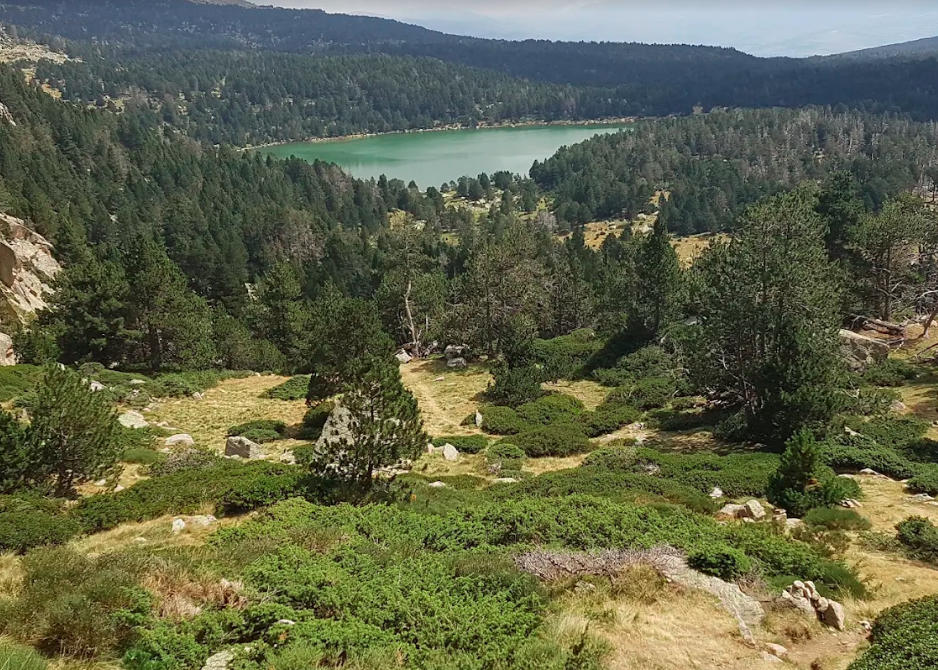
One of the area’s great natural highlights is Estany de Malniu, a mountain lake surrounded by forests and peaks.
The water reflects the surrounding mountains and, depending on the season, the landscape can shift from the intense greens of summer to the golden colours of autumn or the white, silent atmosphere of winter.
It is an especially attractive destination for photography, hiking and wildlife observation.
Engorgs: A Glacial Landscape
Another of Meranges’ great natural settings is the Engorgs area.
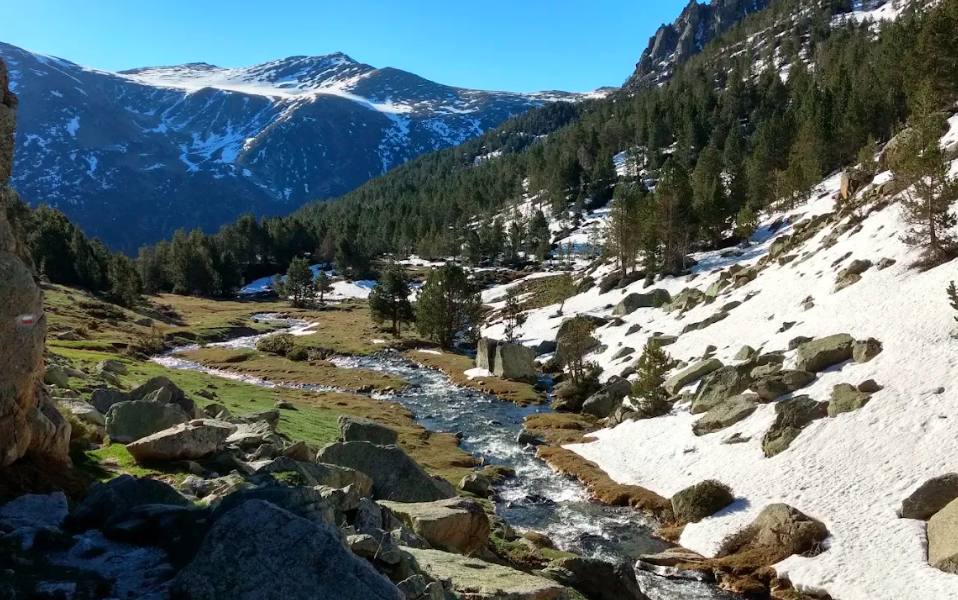
The trail leads into a high-mountain landscape shaped by the ancient glaciers that once covered parts of Cerdanya.
Here, the scenery takes on a much more alpine character: large granite boulders, mountain lakes, high-altitude meadows and peaks surrounding the valley.
It is one of the best places to understand the true mountainous nature of Meranges.
Puigpedrós: Meranges’ Great Summit
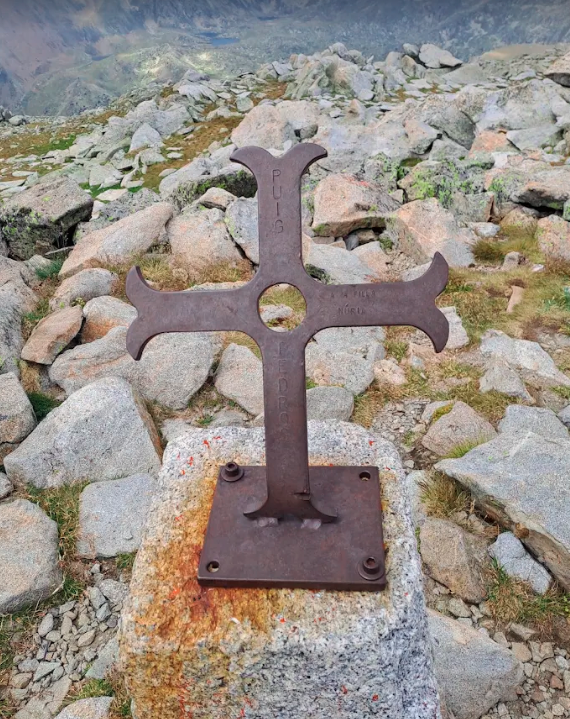
Rising above this landscape is Puigpedrós, at 2,914 metres above sea level.
It is one of the great peaks of Cerdanya and a classic objective for mountain hikers.
One of the usual routes begins in the area around the Malniu car park.
The route involves approximately 784 metres of positive elevation gain and can be completed in around 3 hours and 30 minutes—approximately two hours uphill and one and a half hours downhill—depending on pace and conditions.
From the summit, an extraordinary panorama opens across the Pyrenees, from Canigó to the great mountains around the Pica d’Estats and Maladeta.
The ascent is particularly recommended from late spring through summer and autumn.
In winter, snow can completely change the difficulty of the route.
Guils-Fontanera: The Mountains in Winter
Nearby is the Guils-Fontanera Nordic Ski Resort, located at around 1,900 metres above sea level.
It is one of Catalonia’s main destinations for Nordic skiing.
The resort has a network of trails totalling approximately 34 kilometres, with routes of different levels.
But Guils-Fontanera offers much more than skiing.
During the snow season, visitors can also enjoy:
Snowshoeing
Ski touring
Winter excursions
Sledging
Guided activities
Family-friendly routes
The resort also offers equipment rental, a ski school and a bar-cafeteria service.
How Much Does It Cost to Ski at Guils-Fontanera?
Prices may change each season.
As a reference, during the 2025–2026 season, a daily Nordic skiing pass for adults was around €17, while children and seniors had reduced rates.
There were also specific rates for snowshoeing, walking, equipment rental and insurance.
Different season-pass options are also available for the following season, including Nordic skiing and snowshoeing passes.
If you are planning to visit the resort, the best option is to check the prices for the specific season before travelling.
Wildlife in Meranges
The natural surroundings of Meranges form part of one of the most ecologically valuable mountain landscapes in Cerdanya.
Its forests and high-mountain areas are home to a variety of bird and mammal species typical of Pyrenean ecosystems.
Depending on the season and location, visitors may encounter:
Pyrenean chamois, roe deer, wild boar, marmots, foxes and various birds of prey, forest birds and alpine species.
Black pine and birch forests, alpine meadows and rocky areas create a remarkable variety of habitats.
For wildlife watching, the ideal approach is to walk early in the morning, remain quiet and carry binoculars.
The mountains always reward patience.
Gastronomy: Eating in Meranges
After a day in the mountains, gastronomy takes on a special importance.
Cerdanya’s cuisine is deeply connected to mountain produce and traditional recipes.
In Meranges, Can Borrell stands out, a restaurant located within a rural establishment in the village.
Its cuisine combines traditional Catalan cooking with creative touches and makes use of products associated with the local area.
Traditional dishes from the region tend to be hearty and comforting, particularly well suited to the mountain climate.
What to Do in Meranges
Meranges offers activities throughout virtually the entire year.
Spring
An excellent time to explore the trails, watch vegetation awaken and enjoy pleasant temperatures in the lower areas.
Summer
The ideal season for routes towards Malniu, Engorgs and Puigpedrós.
Long days allow visitors to make the most of longer hikes and enjoy the mountain lakes and meadows.
Autumn
The forests take on spectacular colours, while the mountains develop a special atmosphere for photography.
It is one of the best seasons for photography and hiking.
Winter
Snow completely transforms Meranges and its surroundings.
Guils-Fontanera then becomes one of the area’s main attractions for Nordic skiing and snowshoeing.
Meranges and the Carlit Massif
The landscape surrounding Meranges forms part of one of the great Pyrenean mountain settings of Cerdanya.
On the horizon rise some of the great peaks that define this part of the Pyrenees, creating a succession of mountains that visually connects different territories.
Among them is the Carlit Massif, one of the great mountain icons of French Cerdanya.
Together with Puigpedrós and the mountains around Guils-Fontanera, it forms part of the alpine skyline that makes this region one of Catalonia’s great mountain destinations.
Puigpedrós.
Lago de Malniu.
Refugi de Malniu en Meranges Magic Dreams Barcelona.