Etiqueta: Catalan Modernism

Discover the Güell Pavilions in Barcelona, a work by Antoni Gaudí.

Discover the Güell Pavilions in Barcelona, a work by Antoni Gaudí.

In the upper area of Barcelona, discreet yet deeply evocative, stand the Güell Pavilions, one of the most elegant works of Antoni Gaudí. Built between 1884 and 1887 by commission of Eusebi Güell, this architectural ensemble represents a key early stage in the evolution of 

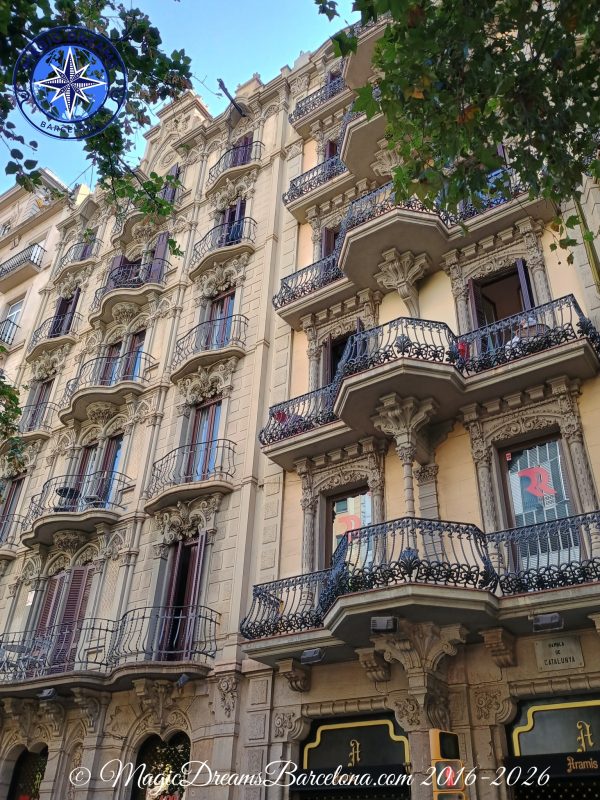
Cases Godó‑Lallana: Elegance and Heritage on Rambla de Catalunya.

Cases Godó‑Lallana: Elegance and Heritage on Rambla de Catalunya.

In the heart of Barcelona’s Eixample district, along the prestigious Rambla de Catalunya, stands a building that embodies history, style, and distinction: Cases Godó‑Lallana. Located at numbers 112–114, on the corner with Carrer Rosselló, this residence is not only a testament to early 20th-century architecture 

Hydraulic tile

Hydraulic tile

These unbaked tiles were first presented at the 1867 Paris Universal Exhibition by the company Garret, Rivet & Co. The simplicity of the technique and the low cost of materials led to this type of flooring becoming very popular in homes and buildings throughout the Mediterranean region during the first half of the 20th century.

Hydraulic tiles were especially suited to warm climates, standing out not only for their durability and ease of repair but also for their unique beauty and the ability to create highly varied geometric and decorative patterns. These characteristics allowed this architectural element to reach its peak during the Catalan Modernism period, becoming an aesthetic symbol of the era.

Leading manufacturers collaborated with renowned artists such as Josep Puig i Cadafalch, Enric Sagnier, Lluís Domènech i Montaner and Antoni Gaudí to design more complex and artistic tiles, integrating geometric, floral, or symbolic motifs that enhanced the interior and exterior aesthetics of the buildings.

Hydraulic tiles reached their architectural peak and recognition during the Modernist period, when great artists left their mark on some of the tiles that still decorate the main streets of Barcelona today. One of the most emblematic examples is the tiles designed by Gaudí, which can still be seen on Passeig de Gràcia, although it is in the Quadrat d’Or where this decorative technique truly shines.

Historic buildings such as Casa Batlló and La Pedrera by Antoni Gaudí, Casa Amatller or Casa Macaya by Josep Puig i Cadafalch, and Cases Montaner i Simó and Casa Lleó Morera by Lluís Domènech i Montaner feature hydraulic tiles as a distinctive element on the floors of these bourgeois estates. This type of flooring can also be found in offices, homes, and commercial spaces throughout the Eixample of Barcelona, establishing itself as a classic of the city’s Modernist architecture.

Today, hydraulic tiles are objects of restoration and preservation, and their original design continues to inspire new applications, from vinyl flooring to contemporary interior reproductions. In this section, you will find a wide range of hydraulic tile imitation vinyls and vinyl rugs, characteristic of Catalan Modernism, so you can choose the design that best suits your space and style.

We also offer hands-on workshops where you can learn to create your own hydraulic tiles, discovering firsthand the original technique, materials, and creativity that define this iconic flooring. A unique opportunity to experience Modernist tradition and bring a piece of history into your home made by yourself.

      MULTICOLOR HYDRAULIC TILE IMITATION VINYL RUG


Multicolor hydraulic tile imitation vinyl rug.


Vinyl rugs are highly decorative, easy to clean, hypoallergenic, and modern.

PRODUCT DETAILS:

  • Dimensions: 133 x 0.25 x 0.25 cm; 4.3 kilograms.
  • Manufacturer: Manufacturas Vall Benaiges.
  • Model: 30615.
  • Other details: Waterproof, easy to cut, non-slip, 3 mm thickness, smooth texture.


      PATTERNED HYDRAULIC TILE IMITATION VINYL RUG


Patterned hydraulic tile imitation vinyl rug.


Vinyl rug with a natural rubber base. This rug features a PVC vinyl surface, easy to clean, with a natural rubber base to prevent slipping. Soft, digitally printed with original designs, 100% non-slip, 3.5 mm thickness (vinyl layer + rubber base).

PRODUCT DETAILS:

  • Dimensions: 130 x 190 cm.
  • Manufacturer: ‎De’Carpet.
  • Material: Vinyl.
  • Shape: Rectangular.
  • Other details: Waterproof, easy to cut, non-slip, smooth texture.


      BLUE TILE HYDRAULIC VINYL RUG


Blue hydraulic tile imitation vinyl rug.


Original multipurpose vinyl rug with anti-slip base, stable and ideal for protecting or covering any type of home floor. Water- and stain-resistant, easy to maintain with neutral cleaning products.

PRODUCT DETAILS:

  • Dimensions: 70 x 200 cm.
  • Manufacturer: ‎‎DON LETRA.
  • Model: ‎ALV-075.
  • Material: ‎PVC.
  • Shape: Rectangular.
  • Thickness: 2.2 mm.
  • Other details: Hypoallergenic, anti-mite, thermal insulation, non-slip.


     VILBER TOLEDO HYDRAULIC TILE IMITATION VINYL RUG


Vilber Toledo hydraulic tile imitation vinyl rug.


Solid and resistant colors; excellent dimensional stability; suitable for domestic decorative use indoors or in covered outdoor spaces. Composition: 15% polyester, 85% PVC; weight: 1,000 g/m².

PRODUCT DETAILS:

  • Dimensions: 2.3L x 1.55W meters.
  • Size: 155 x 230 x 0.22 cm
  • Manufacturer: Vilber.
  • Model: ‎TOLEDO DU 01 155X230.
  • Pattern: Geometric.
  • Material: Vinyl.
  • Other details: Hypoallergenic, anti-mite, thermal insulation, non-slip.


For collaborations, projects, or professional inquiries:

olgasalesexecutive@gmail.com

Please leave your details and phone number, and we will contact you as soon as possible.


Copyright © 2016-2026 Magic Dreams Barcelona.

Casa Verdú in Barcelona: A Modernist Gem in the Eixample District

Casa Verdú in Barcelona: A Modernist Gem in the Eixample District

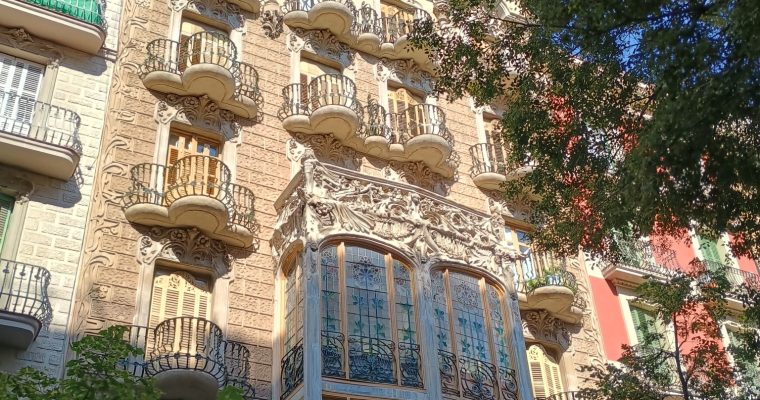
Casa Verdú – Modernism in Barcelona’s Eixample District We are standing in front of the building known as Casa Verdú, located at 103 Rambla de Cataluña, at the intersection with Provenza Street, in the emblematic Eixample district of Barcelona. This property is a remarkable example 

Casa Sala-Cairó: A Hidden Modernist Gem on Enric Granados Street.

Casa Sala-Cairó: A Hidden Modernist Gem on Enric Granados Street.

Located in the heart of the Eixample district, one of the most iconic urban areas of Barcelona, Casa Sala-Cairó is a refined example of residential architecture from the era of Modernisme català. Standing on the elegant Enric Granados Street, today known for its vibrant cultural 

Palau de la Música Catalana – Emblema Modernista Barcelonés.

Palau de la Música Catalana – Emblema Modernista Barcelonés.

Construido entre 1905 y 1908 como sede del Orfeón Catalán, el Palacio de la Música Catalana es uno de los monumentos más emblemáticos del modernismo catalán y como una de las salas de conciertos más singulares del mundo. El arquitecto Lluís Domènech i Montaner concibió este edificio como un santuario para la música coral catalana, emplazado sobre el solar del antiguo convento de San Francisco de Paula, con la primera piedra colocada en el día de Sant Jordi de 1905.

La Sala de Conciertos, joya del palacio, deslumbra por su acústica impecable, que ha enamorado a músicos de renombre internacional. Su espacio luminoso y colorido, definido por vidrieras y un cuidado minucioso de cada detalle, transporta al espectador a un mundo de fantasía, donde la música y la luz se funden con la naturaleza y el arte. La enorme claraboya de cristal coloreado —con forma de campana invertida y más de una tonelada de peso— simboliza un corazón de ángeles femeninos rodeando el sol, mientras que las vidrieras y la estructura de acero ligera filtran la luz exterior, recreando la atmósfera mística de las catedrales góticas.

El palacio está adornado con bustos, relieves y esculturas, que evocan figuras musicales y mitológicas, desde las musas que rodean el escenario hasta las valquirias de Wagner que surgen del techo. Elementos de la naturaleza —flores mediterráneas, palmeras y frutas— dialogan con las columnas revestidas de trencadís, cada una única, que simbolizan la alegría y la unión de arte y vida, siguiendo el ideal modernista. Los mosaicos, elaborados en los talleres de Lluís Bru, completan un conjunto armónico que convierte cada visita en un paseo por la fantasía y la sensibilidad artística.

Más allá de su valor arquitectónico, el Palacio de la Música Catalana es un centro cultural vibrante, con más de 600 conciertos anuales y 350.000 visitantes turísticos. Experiencias sensoriales como «Essència Palau», que combina aromas, literatura y música, permiten una inmersión profunda en la riqueza artística y arquitectónica del lugar. La visita puede concluir en la Sala Lluís Millet, un salón de descanso modernista que da a una pequeña terraza con columnas decoradas con mosaicos, un remanso de belleza y serenidad.

Localización: C/ Sant Pere Més Alt, s/n
Cómo llegar: Autobuses V15, V17 y 45; Metro Urquinaona, líneas 1 y 4

Experiencias Magic Dreams Barcelona: descubrir la esencia de la belleza

Magic Dreams Barcelona ofrece una manera íntima, personalizada y sensorial de descubrir el Palacio de la Música Catalana. Nuestro servicio transforma la visita en un viaje educativo y emocional, donde cada detalle es cuidado con sensibilidad y precisión, donde la arquitectura y la música se viven plenamente.

Nuestros servicios exclusivos incluyen:

  • Somos guías nativos expertos en historia, arquitectura y arte modernista, especializados en simbolismo.
  • Rutas personalizadas que adaptan el recorrido a sus intereses, ritmo y preferencias, con transporte privado.
  • Experiencias sensoriales privadas: música en vivo durante la velada en su alojamiento privado, aromas, literatura, chef privado de cocina nacional e internacional, cena o comida tematizada.
  • Gastronomía y picnic de autor: dulces, salados, zumos naturales, vinos y cavas sin alcohol, en espacios únicos frente al mar, jardines o yates, con mantelería y catering a escoger.
  • Servicio de floristería.
  • Reportajes fotográficos profesionales, que capturan cada instante de la experiencia.
  • Bienestar y talleres creativos, desde cocina tradicional catalana hasta mosaico y trencadís.
  • Escapadas de un día o fin de semana a a los mejores rincones de la Costa Brava y Pirineo Catalán, rutas gastronómicas en nuestra selección de los mejores locales de la ciudad.

Cada visita de la mano de Magic Dreams Barcelona, se convierte así en un encuentro profundo con la música,el arte,  la arquitectura y la naturaleza, donde no solo se contempla la obra, sino que se siente, se comprende y se escucha el lenguaje que une historia, arte y vida. Magic Dreams Barcelona le permite vivir el Palacio de la Música Catalana  como una experiencia inolvidable y exquisitamente cuidada.


Palau de la Música Catalana.

Palau de la Música Catalana.


Entradas Palau de la Música

Entradas Palau de la Música


Reservar ahora

Colaboraciones / info.


Copyright © 2016-2026 Magic Dreams Barcelona.

Ramon Servent House: Hidden Modernist Gem in Barcelona

Ramon Servent House: Hidden Modernist Gem in Barcelona

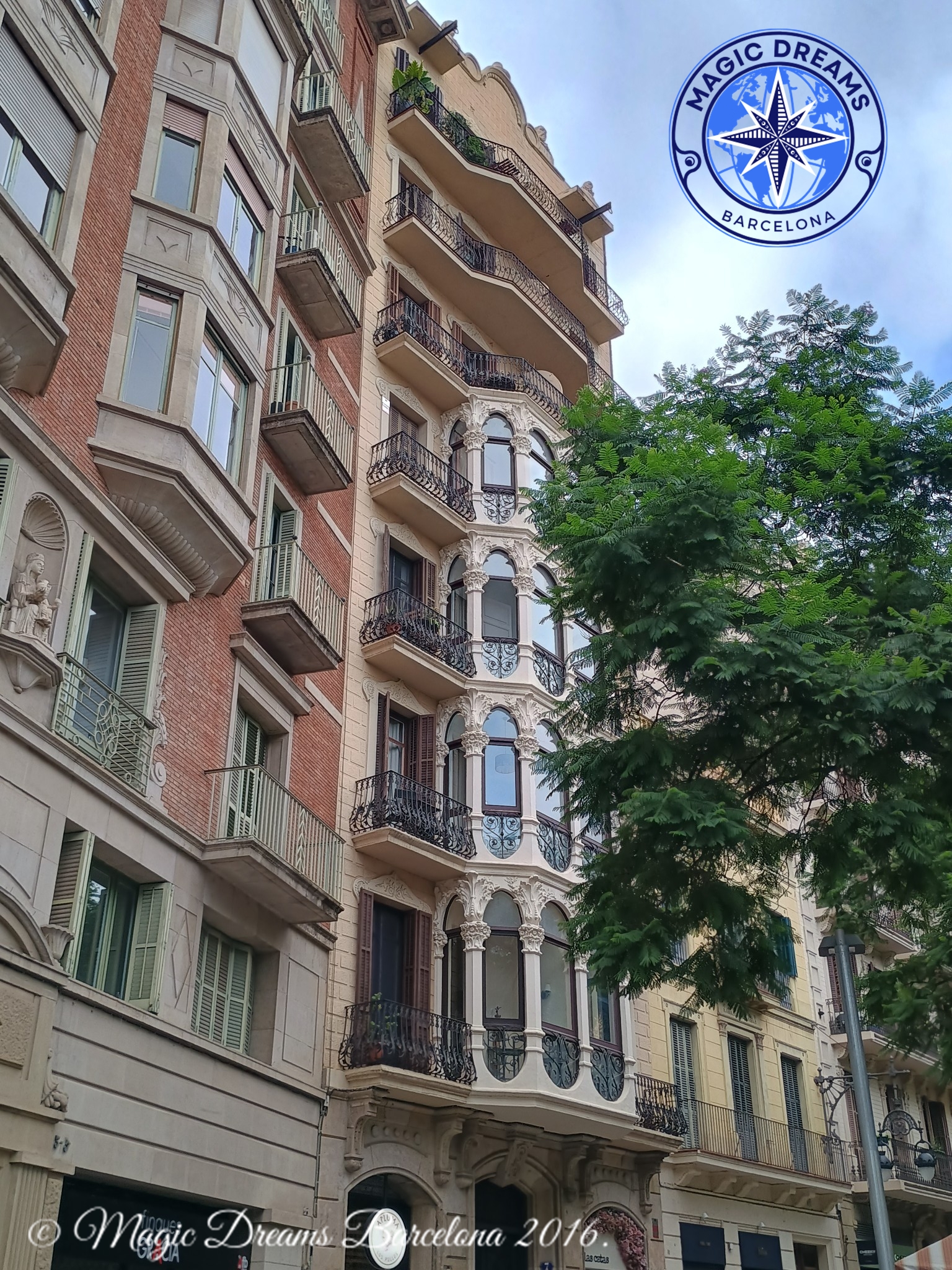
Introduction In Barcelona, beyond the major modernist icons, there are lesser-known buildings with significant architectural value. One of these is the Ramon Servent House, a unique work located in the Gràcia neighborhood that stands out for its modernist composition and a singular element: the four 

Casa Vicens – A Meeting with Beauty.

Casa Vicens – A Meeting with Beauty.

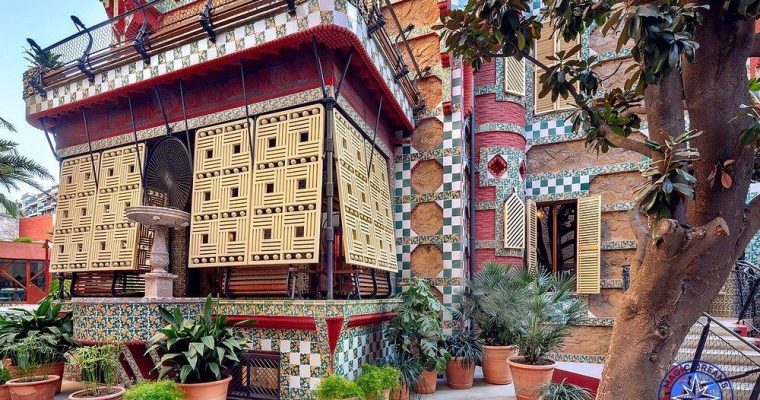
Casa Vicens is not just an architectural masterpiece; it is the starting point of the creative universe of Antoni Gaudí. Built between 1883 and 1885 in the former village of Gràcia, this summer residence represents the architect’s first major commission and the moment when his