Etiqueta: Costa Brava food

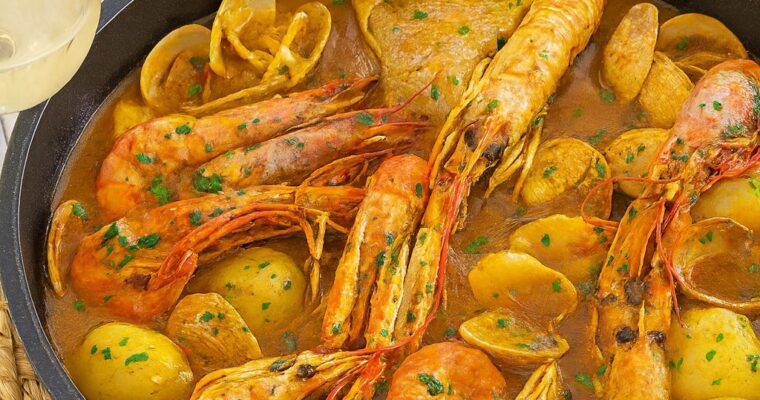
Traditional Suquet de Peix | Catalan Fish Stew.

Traditional Suquet de Peix | Catalan Fish Stew.

Suquet de Peix is one of the great classics of Catalan coastal cuisine. A humble fishermen’s stew in origin, it has become one of the most representative dishes of the Mediterranean gastronomic tradition. Traditionally prepared with the fish available that day, Suquet combines fish, potatoes, …

Chicken with Lobster — Mar i Muntanya.

Chicken with Lobster — Mar i Muntanya.

The essence of the Empordà in one dish: land, sea and Catalan tradition Chicken with lobster, known in Catalan cuisine as Pollastre amb llagosta, is one of the finest expressions of the Mar i Muntanya tradition. This distinctive style of Catalan cooking brings together ingredients …

Fried Calamari and Fried Anchovies Tapas.

Fried Calamari and Fried Anchovies Tapas.

Two Mediterranean classics on one table

Fried calamari and fried anchovies are two timeless dishes of Mediterranean coastal cuisine. Simple, generous and full of flavour, they are especially popular as tapas in traditional bars, taverns and seafood restaurants.

Roman-style fried calamari are prepared by cutting fresh squid into rings, coating them in a light batter and frying them until golden and crisp while keeping the inside tender.

Fried anchovies, known in Spain as boquerones fritos, are small Mediterranean fish traditionally coated lightly in flour and fried in olive oil. Their delicate flavour and crisp texture make them one of the simplest and most popular seafood tapas.

Although anchovies can also be prepared in vinegar, this recipe is specifically for fried anchovies in olive oil.

Together, these two dishes capture the essence of Mediterranean tapas: fresh seafood, quality olive oil, crisp textures and the unmistakable flavour of the sea.


Ingredients

Serves 4

For the fried calamari

  • 500 g cleaned squid
  • 150 g wheat flour
  • 1 egg
  • 150 ml very cold water
  • ½ teaspoon salt
  • A pinch of white pepper
  • Olive oil for frying
  • Lemon wedges, to serve

For the fried anchovies

  • 500 g fresh anchovies
  • 100–120 g wheat flour
  • Salt
  • Olive oil for frying
  • Lemon wedges, to serve
  • Fresh parsley, optional

Preparation

01 · Prepare the calamari

Freshness is essential

Clean the squid carefully, removing the entrails, transparent cartilage and outer skin.

Cut the squid into rings approximately 1 cm thick.

Dry them thoroughly with kitchen paper.

Removing excess moisture is important because it helps prevent oil splashes and allows the batter to become properly crisp.


02 · Prepare the batter

Light, delicate and crisp

Place the flour, egg, very cold water, salt and white pepper in a bowl.

Mix gently until you obtain a smooth batter.

Do not overmix.

The batter should be fluid enough to coat the calamari lightly while remaining thick enough to adhere to the rings.


03 · Fry the calamari

Perfect golden colour

Heat plenty of olive oil to approximately 175–180°C.

Dip each calamari ring into the batter and allow the excess to drain away.

Carefully place the rings into the hot oil.

Fry for approximately 2–3 minutes, depending on their size.

When golden and crisp, remove them and drain on kitchen paper.

Avoid overcrowding the pan, as this can cause the oil temperature to drop.


Preparing the Fried Anchovies

04 · Clean the anchovies

The Mediterranean in its simplest form

Clean the fresh anchovies by removing the heads and innards.

You may leave the central bone in place or remove it, depending on your preferred presentation.

Rinse them briefly under cold water and dry them thoroughly.

Season lightly with salt.


05 · Coat with flour

A delicate coating

Place the anchovies in the flour and gently toss them until lightly coated.

Shake off any excess flour.

The coating should remain thin.

The aim is to preserve the delicate flavour and texture of the fish rather than covering it with a heavy crust.


06 · Fry the anchovies in olive oil

Golden, delicate and crisp

Heat olive oil to approximately 175–180°C.

Fry the anchovies in small batches for approximately 2–3 minutes, until golden and crisp.

Remove them carefully and drain on kitchen paper.

Finish with a few drops of fresh lemon juice just before serving.

Important: these anchovies are fried in olive oil. They are not prepared en vinagre.


Plating the Tapas

07 · A Mediterranean table

Arrange the fried calamari on a large serving plate.

Place the fried anchovies alongside them.

Add fresh lemon wedges and, if desired, a little chopped parsley.

For a more traditional presentation, serve them in small ceramic dishes alongside rustic bread.

The combination of golden fried seafood, fresh lemon and extra virgin olive oil creates a simple but highly appealing Mediterranean presentation.


Gourmet Suggestions

Magic Dreams Barcelona

To elevate these traditional tapas while preserving their authentic character:

  • Choose fresh squid and fresh anchovies.
  • Dry the seafood thoroughly before frying.
  • Use very cold water for a lighter calamari batter.
  • Maintain the frying temperature between 175 and 180°C.
  • Fry in small batches.
  • Use good-quality olive oil.
  • Drain the seafood immediately after frying.
  • Add lemon just before serving.
  • Keep the anchovy coating light.
  • Serve with a small portion of homemade alioli if desired.

The Secret to Great Fried Calamari

The objective is to achieve the perfect contrast:

golden and crisp outside, tender and juicy inside.

The temperature of the olive oil is crucial.

If the oil is too cool, the batter absorbs excessive oil.

If it is too hot, the exterior can brown before the calamari reaches the ideal texture.

Maintaining a stable temperature and frying in small batches produces a much better result.


The Secret to Great Fried Anchovies

The anchovies should remain delicate and moist inside while developing a thin, crisp exterior.

The key is simple:

fresh fish, a light coating of flour and properly heated olive oil.

Do not leave the anchovies in the flour for too long before frying.

Coat them immediately before placing them in the oil.

This helps maintain a lighter and crispier finish.


Presentation

For an authentic Mediterranean tapas experience, serve the calamari and anchovies on a wooden board or in small traditional ceramic dishes.

Arrange the calamari in the centre and place the fried anchovies alongside them.

Add lemon wedges and a little fresh parsley.

A small bowl of alioli can complete the presentation.

The result should feel generous, informal and inviting — like a traditional seafood tapas table beside the Mediterranean.


Pairing

These tapas pair particularly well with a fresh, dry 0.0% alcohol-free white wine, whose acidity helps balance the richness of the fried seafood.

A chilled 0.0% alcohol-free Mediterranean-style vermouth is also an excellent choice for an aperitif.

For a completely refreshing option, serve with very cold sparkling water, lemon and fresh Mediterranean herbs.

The drink should refresh the palate while allowing the calamari, anchovies and olive oil to remain the stars of the dish.

Copyright © 2016-2026 Magic Dreams Barcelona.
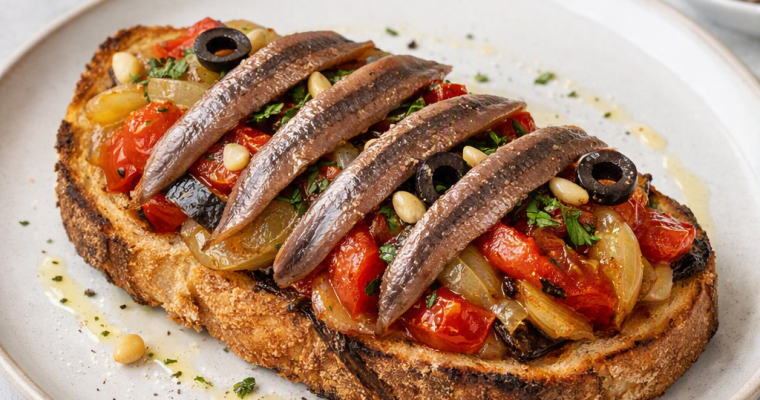
Catalan Espardenya with Escalivada and L’Escala Anchovies.

Catalan Espardenya with Escalivada and L’Escala Anchovies.

The Mediterranean on a slice of toasted bread The Espardenya is a traditional Catalan-style tapa combining toasted bread, escalivada and anchovies, bringing together the flavours of the land and the sea. The name espardenya is associated with this rustic style of preparation in Catalan cuisine, …

Taps of Cadaqués.

Taps of Cadaqués.

A sweet taste of Costa Brava heritage In the picturesque coastal town of Cadaqués, on the Costa Brava, a unique Catalan pastry has been preserved through generations: the famous Taps de Cadaqués. These delicate sponge cakes, traditionally made with eggs, flour and sugar and finished …

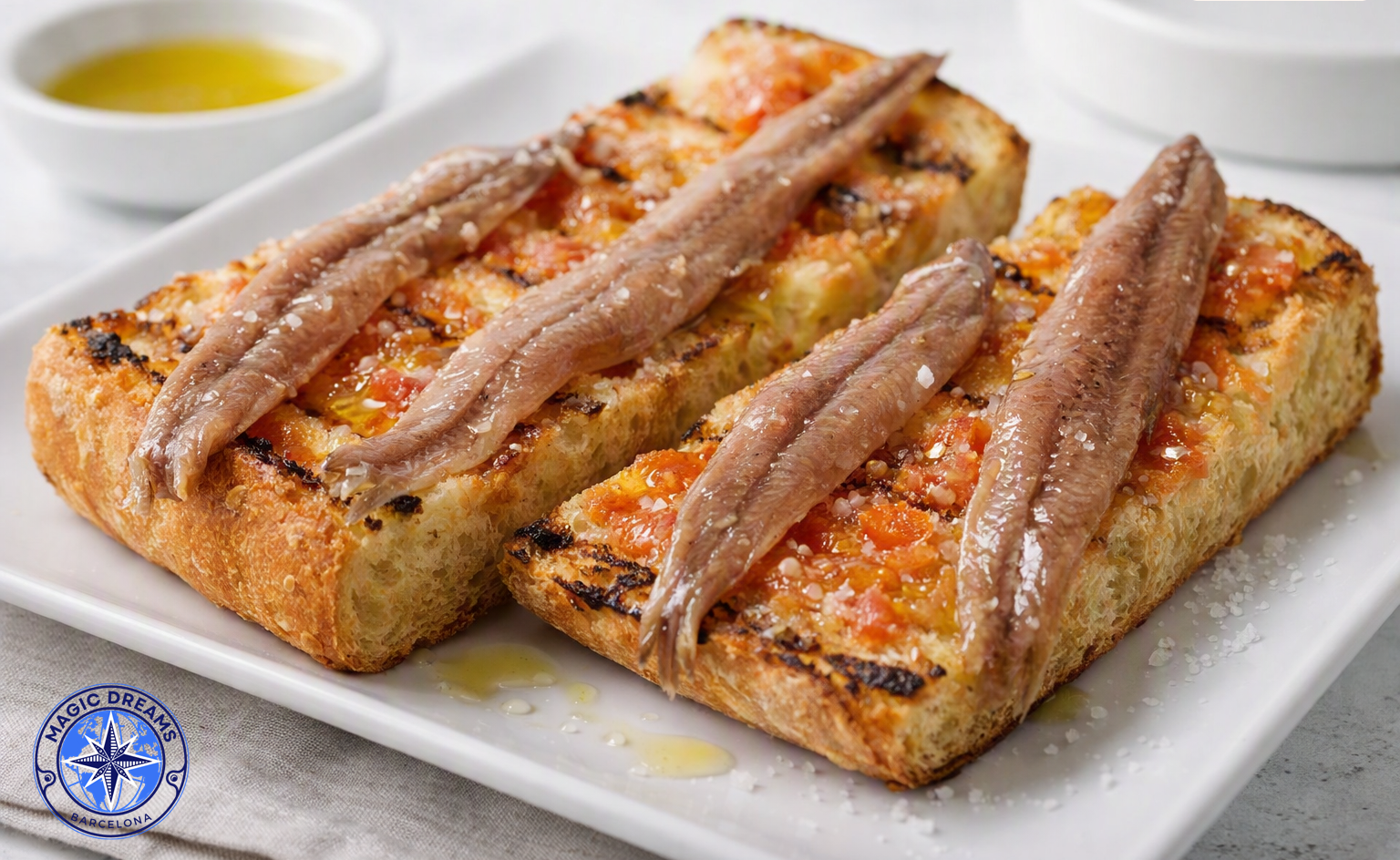
Pan de Coca with Anchovies from L’Escala.

Pan de Coca with Anchovies from L’Escala.

Pan de coca with anchovies from L’Escala is a simple yet deeply traditional expression of Catalan Mediterranean cuisine. It combines thin, crisp coca bread with extra-virgin olive oil, ripe tomato rubbed directly onto the bread and the intense flavour of traditionally cured anchovies from L’Escala.

This preparation brings together several essential elements of Catalan gastronomy: rustic bread, ripe tomato, olive oil and high-quality Mediterranean seafood.

A Brief History of L’Escala Anchovies

L’Escala, in the Alt Empordà region of Catalonia, has a long-standing connection with fishing and the traditional preservation of anchovies.

Salting was historically an essential method of preserving fish and extending its shelf life. Over time, this technique became an important gastronomic tradition in the town and an integral part of its culinary identity.

Anchovies from L’Escala are now one of the most recognised products of the Costa Brava and are enjoyed throughout Catalonia.

Their firm texture, intense flavour and characteristic salty profile make them particularly well suited to rustic bread, coca, ripe tomato and extra-virgin olive oil.

Ingredients

For the Coca

  • 250 g strong white flour
  • 150 ml lukewarm water
  • 5 g dry baker’s yeast
  • 5 g salt
  • 2 tablespoons extra-virgin olive oil
  • A small pinch of sugar, optional

For the Topping

  • 8–12 cured anchovy fillets from L’Escala
  • 1 very ripe tomato
  • Extra-virgin olive oil
  • A small amount of salt, only if necessary
  • Fresh parsley, optional

Preparing the Coca Dough

1. Activate the Yeast

Place the lukewarm water in a bowl and add the dry yeast.

If desired, add a small pinch of sugar.

Leave the mixture to rest for approximately 5–10 minutes.

2. Prepare the Dough

Place the flour in a large bowl and add the salt.

Gradually pour in the water and yeast mixture and add the extra-virgin olive oil.

Mix until the ingredients begin to form a dough.

Transfer the dough to a lightly floured work surface and knead for approximately 8–10 minutes, until smooth and elastic.

3. Let the Dough Rise

Shape the dough into a ball and place it in a lightly oiled bowl.

Cover it with a clean kitchen towel and leave it in a warm, draft-free place for approximately 1 hour, or until it has visibly increased in volume.

Preparing the Coca

4. Stretch the Dough

Preheat the oven to 220°C.

Place the dough on a baking tray lined with parchment paper.

Gently stretch it with your hands into a thin, elongated or rectangular shape.

The coca should remain relatively thin so that it becomes crisp around the edges while retaining a delicate texture.

5. Add the Olive Oil

Brush the surface lightly and evenly with extra-virgin olive oil.

You may create small indentations in the dough with your fingertips for a more rustic traditional appearance.

6. Bake

Bake for approximately 12–18 minutes, depending on the thickness of the dough and your oven.

The coca should be lightly golden and crisp around the edges.

Remove it from the oven and allow it to cool slightly.

The Traditional Catalan Tomato

7. Rub the Tomato Directly onto the Bread

This step is important.

In traditional Catalan cuisine, ripe tomato is rubbed directly onto the surface of the bread, rather than simply being grated and spooned over it.

Cut a very ripe tomato in half.

Take one half and gently rub the cut side directly over the warm coca, allowing the tomato pulp and natural juices to penetrate the bread.

Continue until the surface has absorbed a light layer of tomato.

Do not add an excessive amount. The purpose is to flavour and moisten the bread while maintaining its crisp character.

Finish with a delicate drizzle of extra-virgin olive oil.

8. Add the Anchovies

Arrange the L’Escala anchovy fillets over the tomato-rubbed coca.

Place one or two fillets on each portion, depending on their size.

Because the anchovies already provide considerable saltiness, avoid adding additional salt unless absolutely necessary.

The Traditional Catalan Combination

The classic combination is:

  • Crisp coca bread
  • Ripe tomato rubbed directly onto the bread
  • Extra-virgin olive oil
  • Cured anchovies from L’Escala

The tomato provides freshness and acidity, the olive oil adds richness and aroma, and the anchovies contribute their characteristic Mediterranean intensity.

The key is simplicity. The ingredients should complement one another without masking the flavour of the anchovies.

Presentation

Cut the coca into individual rectangular or rustic pieces.

Arrange the portions on a wooden board, ceramic platter or slate.

Place the anchovy fillets neatly over the tomato-rubbed bread and finish with a very light drizzle of extra-virgin olive oil.

You may accompany the coca with a few olives or fresh herbs, but the presentation should remain simple and elegant.

The traditional ingredients should remain the visual and gastronomic focus.

When to Serve It

Pan de coca with L’Escala anchovies is ideal as:

  • A Catalan appetizer
  • A Mediterranean tapa
  • A starter
  • An aperitif
  • A sharing dish
  • Part of a traditional Catalan table

It can also be served alongside other regional products such as Catalan cheeses, cured meats, olives and rustic bread.

Tips for the Best Result

Use a very ripe tomato: it should be juicy and naturally sweet so that it can be rubbed directly onto the bread.

Rub the tomato directly onto the coca: this is the traditional Catalan method and gives the bread its characteristic flavour.

Do not overload the bread with tomato: the coca should remain structured and slightly crisp.

Use high-quality extra-virgin olive oil: its flavour is particularly noticeable in such a simple preparation.

Control the salt: cured anchovies already provide a pronounced salty character.

Add the anchovies after baking: this preserves their delicate texture and distinctive flavour.

Non-Alcoholic Pairings

Best 0.0% Pairing

A white 0.0% alcohol-free sparkling wine in a Brut style, served well chilled at 8–10°C, is an excellent pairing.

Its freshness and fine carbonation help cleanse the palate and balance the intense, salty character of the anchovies.

Vichy Catalan

Vichy Catalan, served well chilled, is an excellent Mediterranean option.

Its mineral character and natural carbonation refresh the palate without competing with the anchovies or olive oil.

Sparkling Water with Lemon

Very cold sparkling water with a thin slice of lemon provides a light and refreshing alternative.

The acidity of the lemon complements the salty character of the anchovies and the freshness of the tomato.

Peach Juice

Chilled peach juice, preferably without excessive added sugar, provides a gentle fruity contrast to the savoury intensity of the anchovies.

Natural Pineapple Juice

Natural pineapple juice, served chilled and without added sugar, offers freshness and natural acidity.

Its fruity character creates an interesting contrast with the coca, tomato, olive oil and anchovies.

Espresso

After the meal, a short and aromatic espresso is a simple and elegant choice.

Its intensity and natural bitterness provide a pleasant contrast to the richness of the olive oil and the savoury character of the anchovies.

Catalan Tradition

Pan de coca with anchovies from L’Escala is an excellent example of the philosophy behind Catalan cuisine: simple ingredients, traditional techniques and respect for the quality of the product.

The coca provides the crisp foundation, the tomato rubbed directly onto the bread adds freshness and acidity, the extra-virgin olive oil brings Mediterranean richness, and the anchovies of L’Escala provide the unmistakable character of the Catalan coast.

Final Note

Pan de coca with anchovies from L’Escala is a simple, elegant and deeply Mediterranean preparation. It allows one of the most characteristic products of the Catalan coast to take centre stage while preserving the traditional way of enjoying bread with tomato and olive oil.

Pan de coca with L’Escala anchovies: the authentic taste of the Catalan Mediterranean in every bite.


Copyright © 2016-2026 Magic Dreams Barcelona.