Route guide for visitors throughout Catalonia – Barcelona – Costa Brava – Catalan Pyrenees – Personalized experiences – Customized tour guide services – A small tribute to the wonderful city and land that saw us born – Transforming experiences into unforgettable memories - Magic Dreams Collection: exclusive universes inspired by Salvador Dalí and Gaudí. Niche perfumes, jewelry, lithographs, and collectible items celebrating the Mediterranean spirit.
In the heart of Barcelona’s Eixample district, along the prestigious Rambla de Catalunya, stands a building that embodies history, style, and distinction: Cases Godó‑Lallana. Located at numbers 112–114, on the corner with Carrer Rosselló, this residence is not only a testament to early 20th-century architecture …
Where History, Art, and the Mediterranean Lifestyle Converge Plaça de Catalunya is the epicentre of Barcelona, a vibrant meeting point where the historic district of Ciutat Vella meets the modern Eixample neighbourhood. Considered one of the city’s most iconic public spaces, the square connects some …
Construido entre 1905 y 1908 como sede del Orfeón Catalán, el Palacio de la Música Catalana es uno de los monumentos más emblemáticos del modernismo catalán y como una de las salas de conciertos más singulares del mundo. El arquitecto Lluís Domènech i Montaner concibió este edificio como un santuario para la música coral catalana, emplazado sobre el solar del antiguo convento de San Francisco de Paula, con la primera piedra colocada en el día de Sant Jordi de 1905.
La Sala de Conciertos, joya del palacio, deslumbra por su acústica impecable, que ha enamorado a músicos de renombre internacional. Su espacio luminoso y colorido, definido por vidrieras y un cuidado minucioso de cada detalle, transporta al espectador a un mundo de fantasía, donde la música y la luz se funden con la naturaleza y el arte. La enorme claraboya de cristal coloreado —con forma de campana invertida y más de una tonelada de peso— simboliza un corazón de ángeles femeninos rodeando el sol, mientras que las vidrieras y la estructura de acero ligera filtran la luz exterior, recreando la atmósfera mística de las catedrales góticas.
El palacio está adornado con bustos, relieves y esculturas, que evocan figuras musicales y mitológicas, desde las musas que rodean el escenario hasta las valquirias de Wagner que surgen del techo. Elementos de la naturaleza —flores mediterráneas, palmeras y frutas— dialogan con las columnas revestidas de trencadís, cada una única, que simbolizan la alegría y la unión de arte y vida, siguiendo el ideal modernista. Los mosaicos, elaborados en los talleres de Lluís Bru, completan un conjunto armónico que convierte cada visita en un paseo por la fantasía y la sensibilidad artística.
Más allá de su valor arquitectónico, el Palacio de la Música Catalana es un centro cultural vibrante, con más de 600 conciertos anuales y 350.000 visitantes turísticos. Experiencias sensoriales como «Essència Palau», que combina aromas, literatura y música, permiten una inmersión profunda en la riqueza artística y arquitectónica del lugar. La visita puede concluir en la Sala Lluís Millet, un salón de descanso modernista que da a una pequeña terraza con columnas decoradas con mosaicos, un remanso de belleza y serenidad.
Localización: C/ Sant Pere Més Alt, s/n
Cómo llegar: Autobuses V15, V17 y 45; Metro Urquinaona, líneas 1 y 4
Experiencias Magic Dreams Barcelona: descubrir la esencia de la belleza
Magic Dreams Barcelona ofrece una manera íntima, personalizada y sensorial de descubrir el Palacio de la Música Catalana. Nuestro servicio transforma la visita en un viaje educativo y emocional, donde cada detalle es cuidado con sensibilidad y precisión, donde la arquitectura y la música se viven plenamente.
Nuestros servicios exclusivos incluyen:
Somos guías nativos expertos en historia, arquitectura y arte modernista, especializados en simbolismo.
Rutas personalizadas que adaptan el recorrido a sus intereses, ritmo y preferencias, con transporte privado.
Experiencias sensoriales privadas: música en vivo durante la velada en su alojamiento privado, aromas, literatura, chef privado de cocina nacional e internacional, cena o comida tematizada.
Gastronomía y picnic de autor: dulces, salados, zumos naturales, vinos y cavas sin alcohol, en espacios únicos frente al mar, jardines o yates, con mantelería y catering a escoger.
Servicio de floristería.
Reportajes fotográficos profesionales, que capturan cada instante de la experiencia.
Bienestar y talleres creativos, desde cocina tradicional catalana hasta mosaico y trencadís.
Escapadas de un día o fin de semana a a los mejores rincones de la Costa Brava y Pirineo Catalán, rutas gastronómicas en nuestra selección de los mejores locales de la ciudad.
Cada visita de la mano de Magic Dreams Barcelona, se convierte así en un encuentro profundo con la música,el arte, la arquitectura y la naturaleza, donde no solo se contempla la obra, sino que se siente, se comprende y se escucha el lenguaje que une historia, arte y vida. Magic Dreams Barcelona le permite vivir el Palacio de la Música Catalana como una experiencia inolvidable y exquisitamente cuidada.
Detalle interior del Palau de la Música Catalana diseño del arquitecto barcelonés Lluís Domènech i Montaner.
Detalle interior del Palau de la Música Catalana diseño del arquitecto barcelonés Lluís Domènech i Montaner.
Detalle exterior del Palau de la Música Catalana diseño del arquitecto barcelonés Lluís Domènech i Montaner.
Detalle interior del Palau de la Música Catalana diseño del arquitecto barcelonés Lluís Domènech i Montaner.
Detalle interior del Palau de la Música Catalana diseño del arquitecto barcelonés Lluís Domènech i Montaner.
Detalle interior del Palau de la Música Catalana diseño del arquitecto barcelonés Lluís Domènech i Montaner.
Detalle interior del Palau de la Música Catalana diseño del arquitecto barcelonés Lluís Domènech i Montaner.
Detalle exterior del Palau de la Música Catalana diseño del arquitecto barcelonés Lluís Domènech i Montaner.
Detalle interior del Palau de la Música Catalana diseño del arquitecto barcelonés Lluís Domènech i Montaner.
Detalle exterior del Palau de la Música Catalana diseño del arquitecto barcelonés Lluís Domènech i Montaner.
Detalle interior del Palau de la Música Catalana diseño del arquitecto barcelonés Lluís Domènech i Montaner.
Detalle interior del Palau de la Música Catalana diseño del arquitecto barcelonés Lluís Domènech i Montaner.
Detalle interior del Palau de la Música Catalana diseño del arquitecto barcelonés Lluís Domènech i Montaner.
Detalle interior del Palau de la Música Catalana diseño del arquitecto barcelonés Lluís Domènech i Montaner.
Detalle interior del Palau de la Música Catalana diseño del arquitecto barcelonés Lluís Domènech i Montaner.
An Icon of Bourgeois Architecture The Pérez Samanillo House, current headquarters of the Círculo Ecuestre, is one of the most elegant examples of early 20th-century bourgeois architecture in Barcelona. This historic building stands out not only for its formal elegance, but also for its ability …
An iconic promenade between two of Barcelona’s landmarks Avinguda Gaudí is one of Barcelona’s most distinctive, elegant, and harmonious promenades. Located in the Eixample district, this pedestrian avenue connects two of the great masterpieces of Catalan Modernism: the Sagrada Família and the Hospital de Sant …
In the heart of Barcelona, Ciutadella Park stands as a true haven of history, art, and nature. This emblematic space, carefully designed in the mid-19th century, combines lush gardens, sculptures, and impressive fountains, offering a journey that transcends the visual to become a full sensory experience. Located in the Ciutat Vella district, its exact address is Passeig de Picasso, 21, easily accessible by both public and private transport.
How to Get There and Exclusive Transport
The park is easily reachable from anywhere in the city: by public transport, including the metro (L1, Arc de Triomf station), urban buses (lines 39, 40, and 51), or even by bicycle, enjoying a pleasant ride through central Barcelona.
For a worry-free, luxurious experience, Magic Dreams Barcelona offers private and personalized transportation, with professional guides in Spanish, Catalan, and English, as well as other languages upon request. Every detail of your visit is planned so you can feel comfortable and accompanied, fully immersing yourself in the park’s history, art, and nature without distractions.
History and Architecture of the Park
Ciutadella Park was conceived as a symbol of Barcelona’s urban renewal, replacing the old military fortress that once occupied the site. Its layout, the result of an English-style romantic landscape design, combines tree-lined avenues, lakes, and themed gardens, reflecting a harmony between nature and urban design that continues to captivate both locals and visitors.
The Monumental Fountain and Notable Sculptures
At the heart of the park stands the Monumental Fountain, designed by Josep Fontserè with the collaboration of the young Antoni Gaudí, then his assistant. This sculptural ensemble, richly adorned with mythological figures, animals, and plant motifs, is a gem of neoclassical and romantic art and serves as the focal point of any visit. Additionally, the park houses numerous renowned sculptures, including busts of historical figures and allegorical works that interact with the natural surroundings, creating an artistic path that educates and inspires.
Premium Experiences with Magic Dreams Barcelona
Beyond a simple stroll, Magic Dreams Barcelona transforms a visit to Ciutadella Park into a sensory and educational journey. Personalized experiences include:
Exclusive picnics in selected gardens, with choice of table linens and gourmet catering prepared by our chef.
Selection of wines, non-alcoholic cavas, and natural juices.
Personalized floral arrangements to enhance private spaces.
Architectural, artistic, and botanical guidance, detailing the park’s history, symbolism, and biodiversity.
Birdwatching and plant recognition, making every walk a mindful learning experience.
Each explanation is delivered with sensitivity and depth, allowing visitors to emotionally connect with nature and art. It’s not just about seeing, but feeling, understanding, and listening to the language of the garden, turning the visit into an elegant and unforgettable experience.
Accommodations and Complementary Experiences
The experience is complemented by carefully selected accommodations and exclusive activities: themed dinners, live music, art workshops, and Catalan, Spanish, and international gastronomy prepared by local and international chefs. Everything is designed to make each visit unique, intimate, and profoundly inspiring.
Experience Barcelona Like Never Before
Through the magical vision of Magic Dreams Barcelona, each visit to Ciutadella Park becomes a deep discovery where history, art, and nature intertwine to offer moments of authenticity and beauty. Every corner transforms into a premium experience, designed to make visitors feel cared for, comfortable, and accompanied throughout their journey.
Casa Batlló is one of the masterpieces of Antoni Gaudí and one of Barcelona’s most famous buildings. Located on Passeig de Gràcia, in the heart of the Eixample district, this extraordinary building is one of the great landmarks of Catalan Modernism and forms part of …
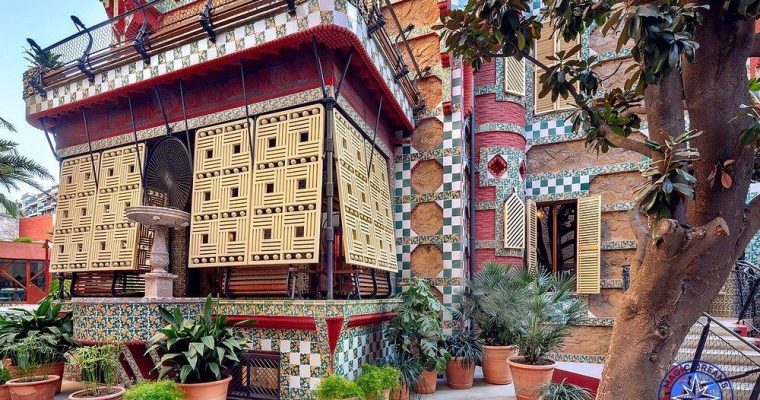
Casa Vicens: The Origins of a Genius Where Nature Becomes Architecture Casa Vicens is more than an architectural masterpiece: it is the starting point of Antoni Gaudí’s creative universe. Built between 1883 and 1885 in the then-independent town of Gràcia, this summer residence marked the …