Route guide for visitors throughout Catalonia – Barcelona – Costa Brava – Catalan Pyrenees – Personalized experiences – Customized tour guide services – A small tribute to the wonderful city and land that saw us born – Transforming experiences into unforgettable memories - Magic Dreams Collection: exclusive universes inspired by Salvador Dalí and Gaudí. Niche perfumes, jewelry, lithographs, and collectible items celebrating the Mediterranean spirit.
In the vibrant neighborhood of Gràcia, far from the monumental displays of Barcelona’s Eixample, Casa Cama i Escurra stands as a refined and understated example of Catalan modernism. Located on Gran de Gràcia street, the historic heart of the former independent municipality, the building blends …
In the heart of Barcelona’s Eixample district, along the prestigious Rambla de Catalunya, stands a building that embodies history, style, and distinction: Cases Godó‑Lallana. Located at numbers 112–114, on the corner with Carrer Rosselló, this residence is not only a testament to early 20th-century architecture …
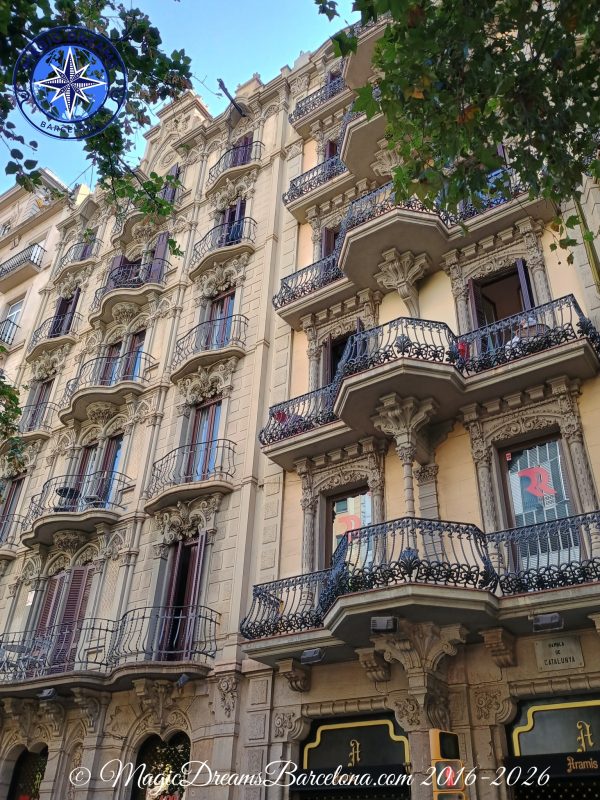
Casa Verdú – Modernism in Barcelona’s Eixample District
We are standing in front of the building known as Casa Verdú, located at 103 Rambla de Cataluña, at the intersection with Provenza Street, in the emblematic Eixample district of Barcelona.
This property is a remarkable example of Barcelona’s Modernist architecture. It was designed between 1903 and 1904 by architect Maurici Augé i Robert, with later contributions by Melcior Viñals and Salvador Viñals, which further enriched its artistic and architectural value.
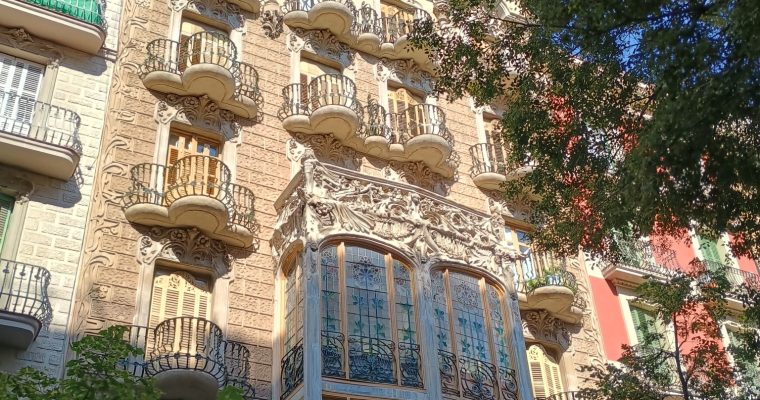
The chamfered façade reflects the characteristic layout of Barcelona’s urban expansion, yet it stands out for its refined ornamental composition. Among its most notable features are the wrought iron balconies, showcasing organic and flowing forms inspired by nature; the glazed ceramic elements, introducing a subtle polychromy typical of the Modernist style; and the window and lintel moldings, decorated with delicate floral and geometric motifs.
Particularly noteworthy is the vertical axis at the corner, conceived as the main compositional element, which visually organizes the entire building and gives it a distinguished urban presence.
For collaborations, projects or professional inquiries – Reservations and quotes
Please leave your details and phone number, and we will get in touch with you as soon as possible, within the same day.
Located in the heart of the Eixample district, one of the most iconic urban areas of Barcelona, Casa Sala-Cairó is a refined example of residential architecture from the era of Modernisme català. Standing on the elegant Enric Granados Street, today known for its vibrant cultural …
Located at one of the most iconic entrances to Barcelona’s Eixample district, the Residential Building of Plaça Francesc Macià is a landmark that defines the city’s urban personality and invites you to discover Barcelona’s architectural elegance from the 1930s. This monumental building represents one of …
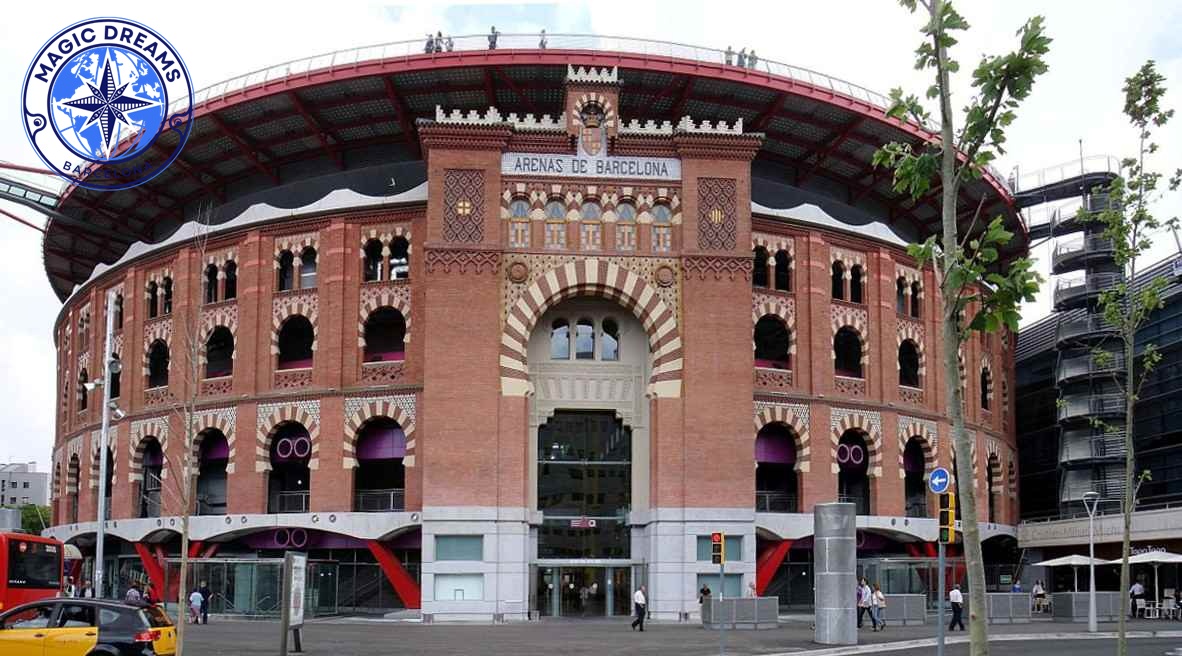
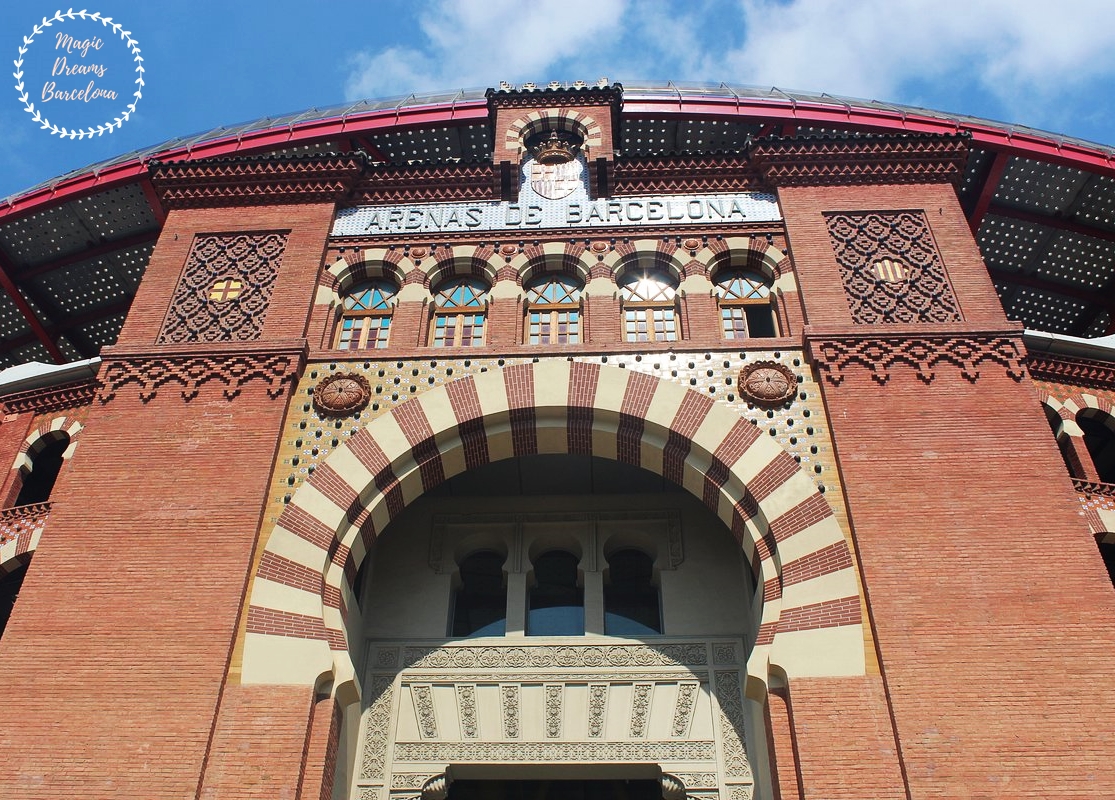
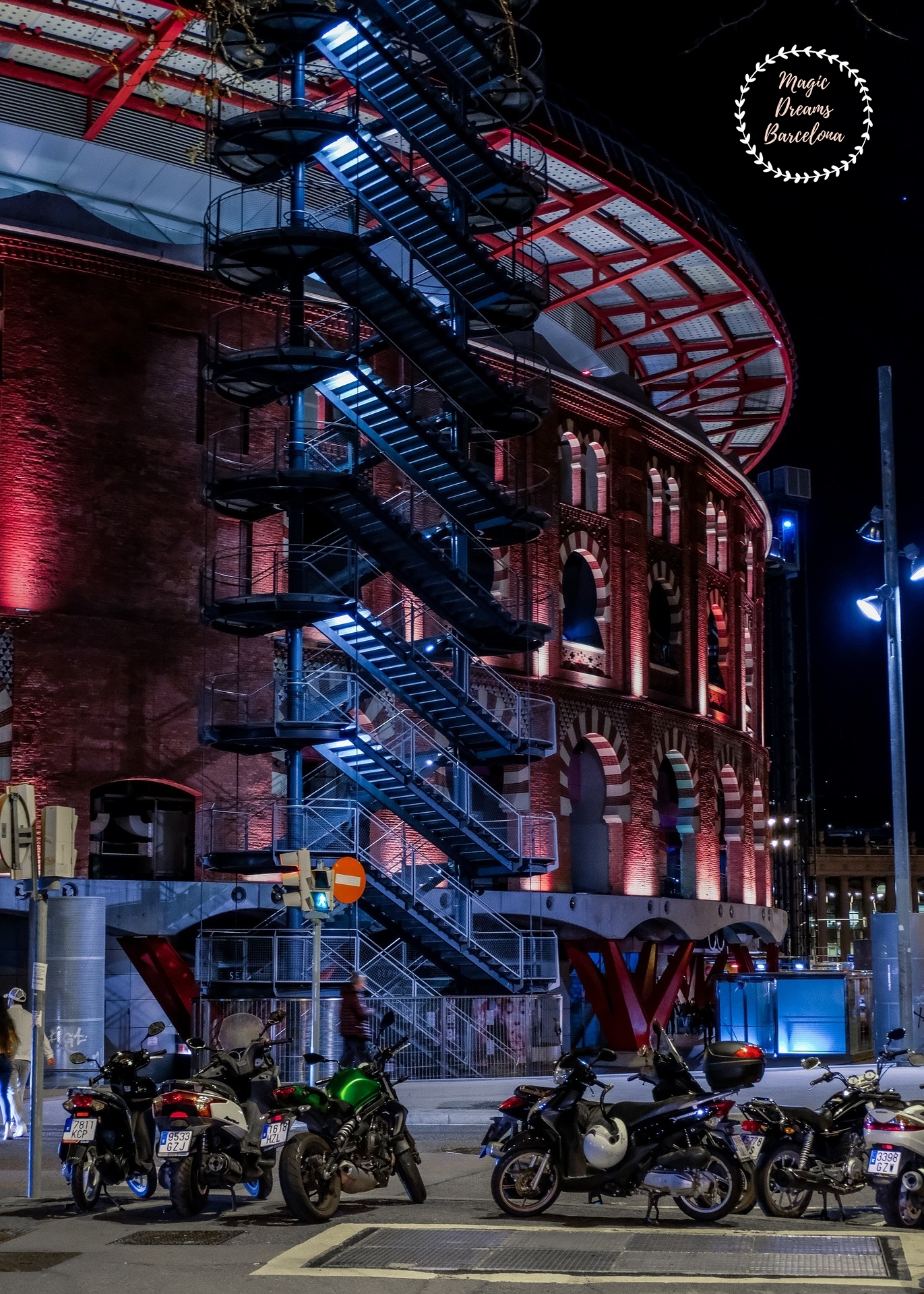
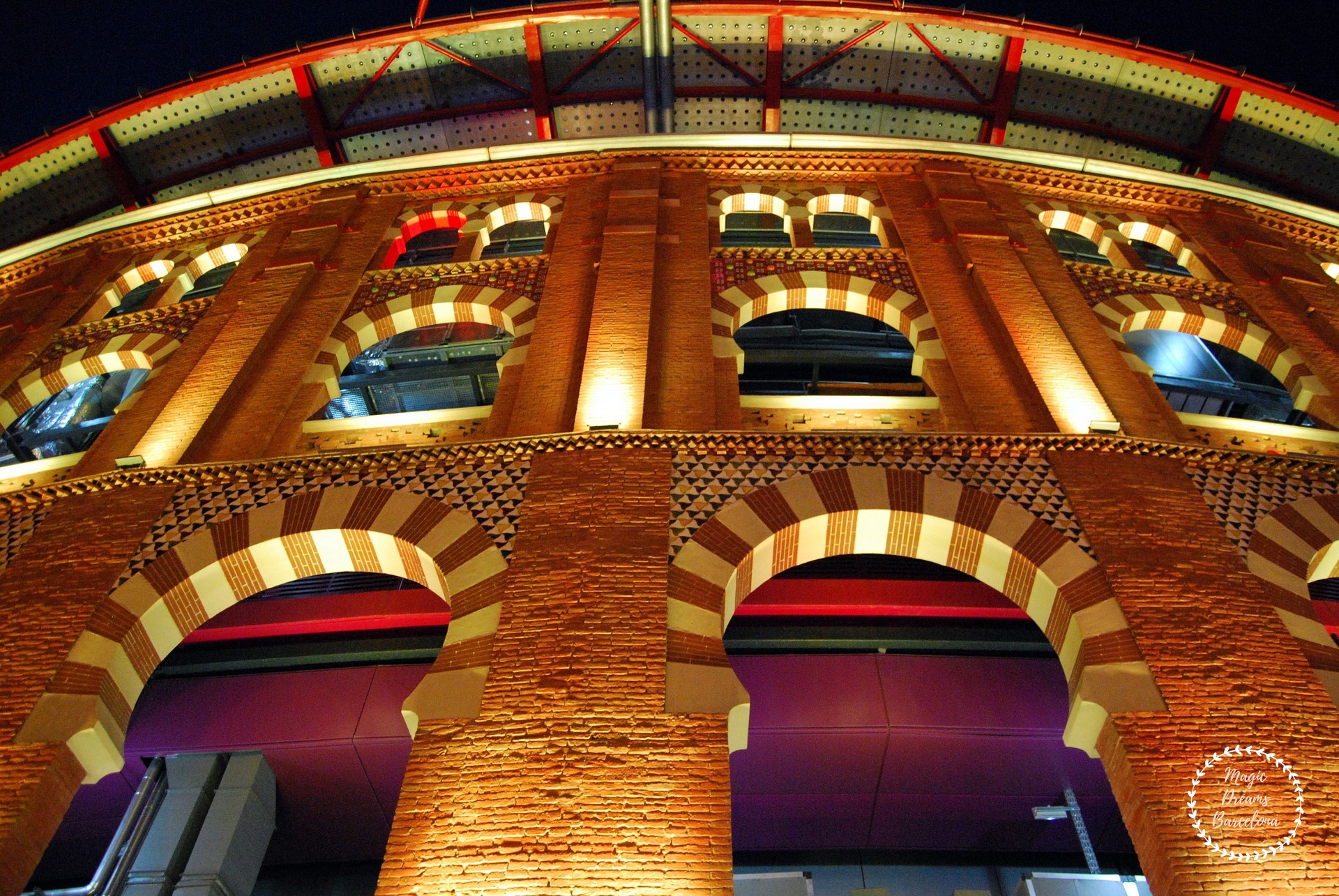
At the foot of Plaza de España stands Arenas de Barcelona, an icon of urban transformation — a space where past and present engage in dialogue through architecture, culture, and emotion.
Built in 1900 by architect August Font i Carreras in Neo-Mudéjar style and promoted by Josep Marsans, a prominent figure of Barcelona’s bourgeoisie, the former bullring hosted bullfights, circus performances, sporting events, and unforgettable concerts by artists such as Santana and Paco de Lucía. For decades, it was a vibrant cultural stage in the life of the city.
After bullfighting ceased in 1977, the building entered a long period of silence until its ambitious rebirth at the turn of the 21st century. The Sanahuja family (Sacresa) entrusted its transformation to British architect Richard Rogers, in collaboration with Alonso Balaguer Arquitectos, in one of Barcelona’s most daring architectural interventions.
The restoration was an engineering feat: the historic façade was elevated and temporarily supported by steel towers to allow excavation beneath it for a vast underground parking structure. A reinforced concrete ring was later introduced, creating a double architectural skin that preserved the original exterior while constructing an entirely new interior life.
Reopened in March 2011, Las Arenas now features a luminous central atrium, more than 100 retail stores, twelve cinema screens, fitness facilities, signature restaurants, and cultural spaces such as the Rock Museum showcasing the Jordi Tardà collection.
Above, a floating steel-and-glass dome spanning over 70 meters crowns the structure, leading to a 360° panoramic rooftop terrace — one of Barcelona’s finest urban viewpoints. From there, the city unfolds serene, majestic, and deeply inspiring.
Las Arenas is not merely a shopping center. It is an urban landmark — a symbol of Barcelona’s ability to reinvent itself without renouncing its memory.
Practical Information
Location: Gran Via de les Corts Catalanes, 373–385 · Plaça d’Espanya · Barcelona
Transport: Metro: Espanya (L1 – Red Line / L3 – Green Line) Bus: 13, 23, 30, 37, 46, 50, 65, 79, 91, 109, H12, H16, 150
Centro Comercial Las Arenas.
Centro Comercial Las Arenas.
Perspectiva exterior a pie del centro comercial «Las Arenas» de Barcelona.
Centro Comercial Las Arenas.
Centro Comercial Las Arenas.
Perspectiva exterior a pie del centro comercial «Las Arenas» de Barcelona.
An Icon of Bourgeois Architecture The Pérez Samanillo House, current headquarters of the Círculo Ecuestre, is one of the most elegant examples of early 20th-century bourgeois architecture in Barcelona. This historic building stands out not only for its formal elegance, but also for its ability …
A Modernist Gem at the Crossroads of History, Architecture and Barcelona’s Past The La Rotonda building, also known as Torre Andreu, is one of the most recognisable architectural landmarks in Sant Gervasi–La Bonanova and one of the most distinctive historic buildings in the upper part …