Etiqueta: Mediterranean recipes

Gourmet Hake with Seafood Sauce.

Gourmet Hake with Seafood Sauce.

The taste of the Mediterranean in an elegant dish Some dishes need very little to become a memorable experience. Hake with seafood sauce is one of them: a delicate yet deeply Mediterranean recipe where the softness of the hake meets the rich flavour of a 

Monkfish Caldereta with American Sauce: A Gourmet Seafood Recipe with Mediterranean Flavors.

Monkfish Caldereta with American Sauce: A Gourmet Seafood Recipe with Mediterranean Flavors.

Monkfish caldereta with American sauce is one of those traditional seafood dishes that, with careful preparation and elegant presentation, can become a truly sophisticated gastronomic experience. The monkfish provides firm, delicate and succulent flesh, while prawns and mussels enrich the dish with the full flavor 

Catalan-Style Fideuà with Traditional Allioli.

Catalan-Style Fideuà with Traditional Allioli.

Maritime tradition, Mediterranean flavour and elegance in every bite

Catalan-style fideuà, prepared using the traditional rossejat de fideus technique, is a delicious interpretation of Mediterranean coastal cuisine. Although fideuà originated on the Valencian coast, Catalonia has embraced and adapted this dish thanks to its deep maritime heritage and its culinary traditions based on quality ingredients, time and local flavours.

Fideuà is traditionally associated with fishermen and working boats, where available fish and seafood were used to prepare an intensely flavoured stock. The noodles were then toasted before being cooked in the broth, creating a dish that was simple, nourishing and full of character.

In this Catalan-inspired version, we combine calamari, fresh king prawns, peas, green beans, carrot and tomato sofrito, finishing the dish with a traditional homemade allioli prepared in a mortar.

The result is a deeply aromatic fideuà with beautifully toasted noodles, a concentrated seafood flavour and a creamy garlic allioli that provides the perfect contrast.


Preparation Time

Approximately 40 minutes

Serves

3 people


Ingredients

For the Fideuà

  • 300 g nº 3 noodles
  • Calamari tentacles, to taste
  • 10 fresh king prawns
  • 1 small onion
  • 300 ml homemade seafood stock
  • ½ cup peas
  • A handful of round green beans
  • 1 carrot
  • 3 teaspoons grated fresh tomato
  • A small pinch of sugar, to balance the acidity of the tomato
  • Extra virgin olive oil
  • Sweet or hot paprika, to taste
  • 2 garlic cloves
  • Salt
  • A medium-sized paella pan or fideuà pan

For the Traditional Allioli

  • A ceramic or marble mortar
  • Wooden pestle
  • 3 garlic cloves
  • 500 ml extra virgin olive oil
  • Salt
  • A few drops of lemon juice
  • 1 egg yolk, only if needed to rescue a split emulsion

Step-by-Step Preparation

01 · Infuse the Olive Oil

Heat a generous base of extra virgin olive oil in the paella pan.

Add the peeled garlic cloves and gently fry them until lightly golden, allowing their flavour to infuse the oil.

Remove them before they become too dark or bitter.


02 · The Rossejat de Fideus

Add the noodles to the same pan.

Toast them over medium heat, stirring carefully so they become evenly golden.

This is one of the most important steps of the recipe.

The rossejat technique gives the noodles their characteristic toasted flavour and adds considerably more depth to the finished dish.

Once golden, remove the noodles from the pan and set them aside.


03 · Prepare the Sofrito

Add a little more olive oil to the pan.

Add the calamari, finely chopped onion, carrot and green beans.

Cook over medium heat until the onion becomes translucent and the vegetables begin to soften.

Add the peas.


04 · Add the Tomato

Add the grated fresh tomato.

If necessary, add a small pinch of sugar to balance its acidity.

Cook gently for several minutes until the sofrito becomes concentrated, aromatic and slightly reduced.


05 · Add the Noodles and Paprika

Return the toasted noodles to the pan.

Sprinkle the paprika evenly over the mixture.

Stir briefly.

Immediately add the hot seafood stock so that the paprika does not burn.


06 · Cook the Fideuà

Spread the ingredients evenly throughout the pan and cook according to the cooking time recommended for the noodles.

Avoid stirring constantly.

The fideuà should cook gently so the noodles can gradually absorb the flavour of the seafood stock.


07 · Add the King Prawns

Peel the king prawns, carefully remove the intestinal tract and set them aside.

Approximately 3–4 minutes before the fideuà is finished, add the prawns to the pan.

Allow them to cook gently with the noodles and stock.

Taste and adjust the seasoning.


08 · Rest Before Serving

Remove the fideuà from the heat.

Allow it to rest for a few minutes before serving.

This short resting period allows the flavours to settle and the noodles to finish absorbing the remaining stock.


Traditional Allioli

09 · Prepare the Allioli in a Mortar

Peel the garlic cloves and place them in the mortar with a pinch of salt.

Crush them slowly until you obtain a smooth garlic paste.

Begin adding the extra virgin olive oil very slowly, in a thin and steady stream.

Continue working the mixture in the same direction.

Gradually, the garlic and olive oil will form a thick, glossy and creamy emulsion.

Add a few drops of lemon juice and adjust the salt.


10 · If the Allioli Splits

If the emulsion breaks, you can use one egg yolk to help bring it back together.

Add the yolk to the mortar and continue working the mixture until the allioli becomes smooth and creamy again.


The Secret of Rossejat

Rossejat de fideus is a traditional Mediterranean technique in which the noodles are toasted before the stock is added.

This simple step develops deeper toasted aromas and gives the fideuà its distinctive character.

The noodles should be golden and aromatic, never burnt.


The Soul of the Fideuà

The seafood stock is essential.

A homemade seafood fumet, prepared with quality ingredients and reduced to concentrate its flavour, gives the noodles the depth needed to make the dish truly memorable.

The better the stock, the more expressive the final fideuà will be.


The Catalan Touch

This version combines the flavours of the sea with ingredients commonly found in Mediterranean cooking:

calamari + king prawns + sofrito + vegetables + toasted noodles + traditional allioli.

The result is a harmonious balance between the richness of the seafood, the natural sweetness of the sofrito and the powerful aroma of garlic and extra virgin olive oil.


Presentation

Serve the fideuà directly in the paella or fideuà pan.

Arrange the king prawns visibly over the noodles and serve with a small portion of traditional allioli on the side.

For a Premium Magic Dreams Barcelona presentation, serve individual portions carefully plated while preserving the Mediterranean character of the dish.

The contrast between the golden toasted noodles, fresh seafood and creamy allioli creates an elegant and highly appetising presentation.


Pairing

This fideuà pairs beautifully with a chilled 0.0% alcohol-free Mediterranean-style white wine, particularly one that is fresh and aromatic.

A 0.0% alcohol-free Xarel·lo-style wine or a fresh 0.0% alcohol-free rosé can also complement the seafood without overpowering it.

For a completely refreshing alternative, serve with sparkling water, lemon and fresh Mediterranean herbs.


Tradition and Culture

Fideuà reflects the close relationship between the Mediterranean, fishing culture and traditional coastal cuisine.

The rossejat technique demonstrates how a simple cooking method can transform an everyday ingredient into something rich and deeply aromatic.

And allioli, found throughout Catalan cuisine, brings the powerful Mediterranean character of garlic and olive oil that makes this fideuà so distinctive.


The Premium Magic Dreams Barcelona Touch

At Magic Dreams Barcelona, tradition is not replaced — it is elevated.

We select quality ingredients, respect traditional techniques and pay particular attention to presentation, transforming a classic maritime recipe into a refined gastronomic experience.

Quality ingredients, tradition, local character and Mediterranean elegance in one unforgettable dish.

Copyright © 2016-2026 Magic Dreams Barcelona.

Catalan Shrimp Suquet.

Catalan Shrimp Suquet.

A timeless maritime tradition of Catalan cuisine Suquet de Langostinos, or Catalan shrimp suquet, is an elegant interpretation of one of the most representative dishes of Catalonia’s maritime cuisine. Its name is associated with the Catalan word “suc”, meaning juice or cooking liquid, referring to 

Empedrat Vegetal – The Fresh Flavours of the Catalan Garden.

Empedrat Vegetal – The Fresh Flavours of the Catalan Garden.

The Fresh Flavours of the Catalan Garden in a Mediterranean Dish Some recipes are born from simplicity and eventually become part of a region’s culinary identity. Empedrat Vegetal is one of them. This traditional Catalan-inspired salad brings together white beans, ripe tomatoes, onion, peppers and 

Catalan Paella Mar i Muntanya.

Catalan Paella Mar i Muntanya.

The Mediterranean meeting of sea and land

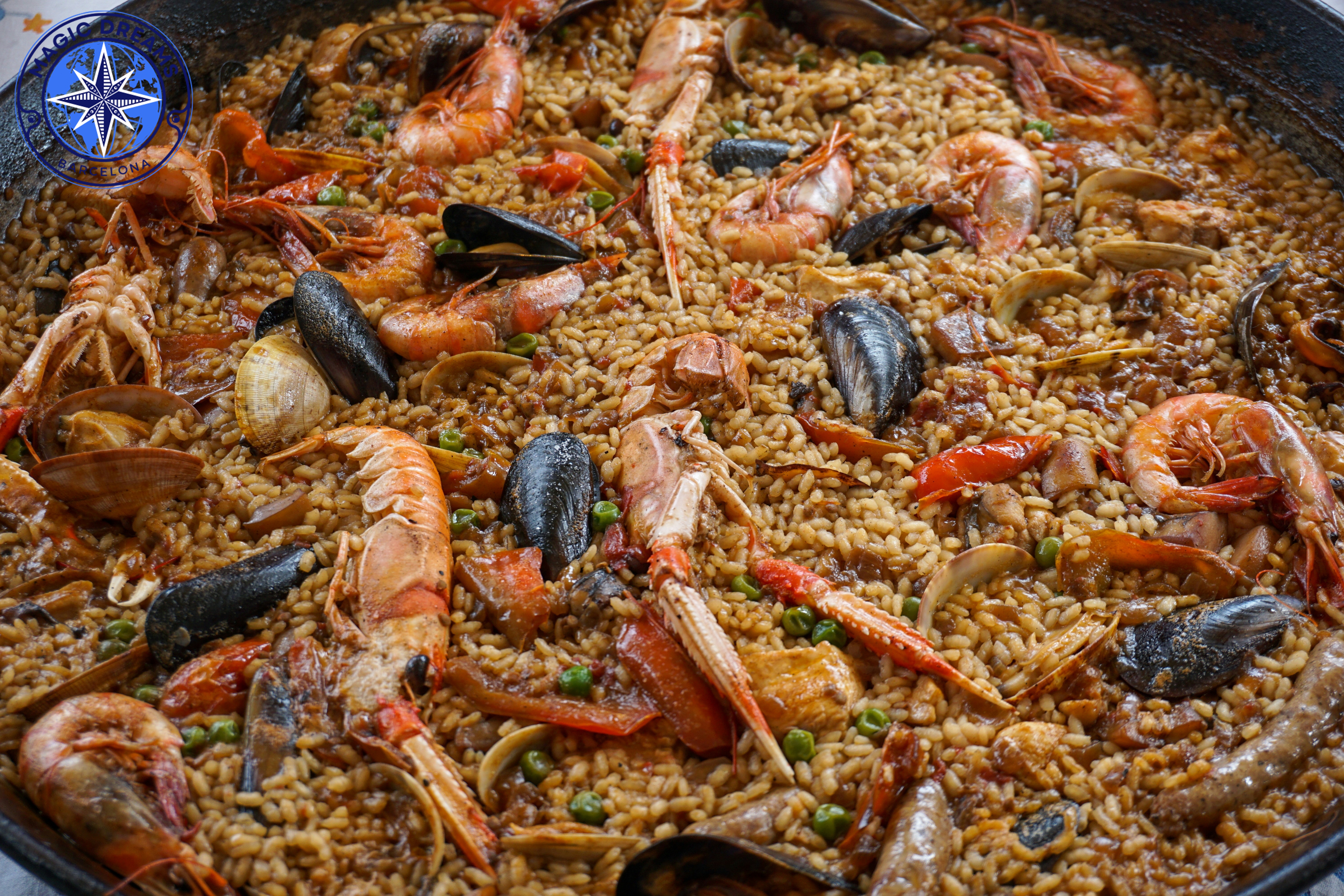
The Paella Mar i Muntanya is one of the most fascinating expressions of Catalan cuisine. Its name literally means “Sea and Mountain”, referring to the combination of ingredients from the Mediterranean coast with products traditionally associated with the countryside.

This culinary tradition is especially connected with Catalonia and the Costa Brava, where fishermen, farmers and rural families developed recipes that brought together what the sea and the land had to offer.

Unlike a purely seafood paella, the Mar i Muntanya combines meat, vegetables, seafood and rice in the same dish. Sausages provide richness and depth, while mussels, clams, langoustines, prawns and Norway lobsters bring the unmistakable character of the Mediterranean.

The foundation is a good Catalan sofrito, slowly cooked with onion, garlic and tomato, which creates the aromatic base for the rice.

The result is a generous, colourful and intensely flavoured dish that perfectly represents the Catalan philosophy of combining contrasting ingredients while allowing each one to retain its character.


Ingredients

For 4 people

For the paella

  • 320 g of bomba or other short-grain rice
  • 4 fresh Catalan sausages
  • 8 prawns
  • 4 Norway lobsters
  • 8 mussels
  • 8–10 clams
  • 150 g peas, fresh or frozen
  • 1 medium onion, finely chopped
  • 2–3 ripe tomatoes, grated
  • 2 garlic cloves, finely chopped
  • 1 small red pepper, finely diced
  • 1.2 litres of fish stock
  • 100 ml white wine
  • Extra virgin olive oil
  • Salt
  • Black pepper

For the sofrito

  • The onion
  • The garlic
  • The grated tomatoes
  • The red pepper
  • Extra virgin olive oil

Optional Catalan touches

  • A small teaspoon of sweet paprika
  • A pinch of saffron
  • A little chopped fresh parsley
  • A small amount of romesco-style picada with almonds and garlic

Preparation

01 · Prepare the seafood

The flavour of the Mediterranean

Clean the mussels carefully, removing any external impurities and beards.

Rinse the clams thoroughly.

Check the prawns and Norway lobsters and remove any unwanted shell fragments.

Keep the seafood refrigerated until needed.

If the clams contain sand, soak them in cold salted water for approximately 30–60 minutes, changing the water if necessary.


02 · Brown the sausages

The mountain begins in the pan

Cut the Catalan sausages into medium-sized pieces.

Heat a generous splash of extra virgin olive oil in a wide paella pan.

Add the sausage pieces and brown them gently on all sides.

They do not need to be completely cooked at this stage.

Remove them from the pan and set aside.

The oil will now contain some of the flavour and juices released by the meat.

This forms the first layer of flavour in our Mar i Muntanya.


03 · Sauté the seafood

The sea joins the mountain

Using the same pan, briefly sauté the prawns and Norway lobsters.

Cook them for approximately 1–2 minutes per side, just enough to release their aromas and lightly colour the shells.

Remove them and reserve.

We do not want to overcook the seafood because it will finish cooking later with the rice.


Preparing the Catalan Sofrito

04 · Cook the onion and pepper

The aromatic foundation

Reduce the heat to medium-low.

Add the finely chopped onion and red pepper to the same pan.

Cook slowly for approximately 10–15 minutes, stirring occasionally.

The onion should become soft, translucent and slightly golden.

This slow cooking is essential.

A good Catalan sofrito is not simply fried vegetables; it is a concentrated preparation in which time allows the flavours to develop.


05 · Add the garlic and tomato

The heart of the recipe

Add the chopped garlic and cook for approximately one minute.

Then add the grated tomatoes.

Cook slowly for 15–20 minutes, stirring occasionally, until the tomato has reduced considerably.

The sofrito should become thick, aromatic and slightly caramelised.

Add the sweet paprika if desired and stir quickly to prevent it from burning.

At this point, the kitchen should already be filled with the characteristic aromas of Catalan Mediterranean cooking.


Cooking the Rice

06 · Add the rice

The moment everything comes together

Add the rice directly to the sofrito.

Stir gently for approximately 1–2 minutes, allowing the grains to become coated with the concentrated flavours of the sauce.

This brief step helps the rice absorb the aromas of the sofrito before the stock is added.


07 · Add the wine

A touch of Mediterranean acidity

Pour in the white wine.

Allow the alcohol to evaporate for approximately 2–3 minutes.

Continue stirring gently until most of the liquid has disappeared.


08 · Add the hot stock

Building the foundation of the rice

Heat the fish stock separately until it is hot.

Pour it into the paella pan.

Add the peas and season lightly with salt and black pepper.

If using saffron, add it at this stage.

Bring the liquid to a lively simmer.

From this moment, avoid excessive stirring.

The rice should cook calmly and evenly while absorbing the stock and flavours of the sofrito.


09 · Add the seafood and sausages

Sea and mountain unite

After approximately 8–10 minutes, distribute the browned sausage pieces throughout the pan.

Arrange the mussels, clams, prawns and Norway lobsters over the rice.

Continue cooking for another 6–8 minutes, depending on the rice variety and the intensity of the heat.

The clams and mussels should open naturally during cooking.

Discard any shellfish that remain closed after cooking.


10 · Finish the paella

The final Mediterranean touch

When the rice is almost cooked and only a small amount of liquid remains, reduce the heat.

Allow the rice to finish absorbing the remaining stock.

If you want a traditional toasted layer at the bottom, increase the heat slightly during the final 30–60 seconds, carefully monitoring the pan.

The objective is to develop a delicate socarrat, not to burn the rice.

Turn off the heat.


The Essential Rest

11 · Let the rice rest

Patience creates flavour

Cover the paella loosely with a clean kitchen cloth or aluminium foil.

Let it rest for approximately 5 minutes.

This allows the remaining moisture to distribute evenly through the rice and helps the flavours settle.

The grains should remain separate, tender and full of flavour.


Gourmet Suggestions

Magic Dreams Barcelona

For a more sophisticated version of this Catalan classic:

  • Use bomba rice or another high-quality short-grain Mediterranean rice.
  • Prepare a slow-cooked sofrito rather than rushing the tomato and onion.
  • Use a homemade fish fumet prepared with fish bones, heads and aromatic vegetables.
  • Brown the sausages before preparing the sofrito to incorporate their flavour into the cooking oil.
  • Briefly sauté the seafood before adding it to the rice.
  • Use fresh peas when they are in season.
  • Add saffron sparingly so it enhances rather than dominates the dish.
  • For extra depth, prepare a small picada of almonds, garlic and parsley and incorporate a little into the stock.
  • Do not stir the rice continuously once the stock has been added.
  • Allow the paella to rest before serving.

The secret to a great Mar i Muntanya

The secret is balance.

The sausages should provide depth without overwhelming the seafood.

The seafood should contribute its natural marine flavour without becoming overcooked.

The peas add sweetness, while the sofrito provides the concentrated Mediterranean foundation.

The rice is the ingredient that brings everything together.

A successful Mar i Muntanya should therefore offer different sensations in every bite:

savory sausage, sweet peas, aromatic sofrito, tender rice and the unmistakable flavour of Mediterranean seafood.


Presentation

Serve the paella directly in the pan, placing the seafood attractively across the surface.

Arrange the prawns and Norway lobsters so that they are clearly visible.

The mussels and clams provide natural colour and contrast.

Finish with a small amount of freshly chopped parsley and a few drops of extra virgin olive oil.

For a more contemporary presentation, serve individual portions with one prawn, one piece of Norway lobster and a selection of mussels and clams on each plate.

A few lemon wedges can be served on the side, although the acidity should be used sparingly so that it does not overpower the carefully balanced flavours.


Serving

The Paella Mar i Muntanya should be served immediately after its resting period.

Traditionally, everyone gathers around the pan and shares the rice directly from the centre.

This communal style is part of the character of Mediterranean cuisine.

Serve with crusty rustic bread and, if desired, a fresh green salad.

For a non-alcoholic pairing, a Catalan-style 0.0% white wine or a chilled sparkling water with lemon provides a refreshing contrast.


The Catalan Spirit of Mar i Muntanya

The true importance of this dish goes beyond its ingredients.

Mar i Muntanya represents a fundamental idea in Catalan gastronomy: the ability to bring together products that at first seem completely different and transform them into a harmonious dish.

The Mediterranean provides the seafood.

The countryside provides the sausages and vegetables.

The rice connects both worlds.

And the sofrito gives the dish its Catalan soul.

It is precisely this combination of sea, land, tradition and creativity that makes Paella Mar i Muntanya such a distinctive expression of Catalan cuisine.

Sea and mountain on one plate — the essence of Catalonia in every grain of rice.

Tagliatelle with Sautéed Fresh Salmon and Spinach.

Tagliatelle with Sautéed Fresh Salmon and Spinach.

Italian pasta, Mediterranean ingredients and a refined gourmet finish Tagliatelle with fresh salmon and spinach is an elegant yet simple combination that brings together the tradition of Italian pasta with fresh Mediterranean ingredients. Tagliatelle are one of Italy’s most celebrated long pasta shapes, particularly associated 

Esqueixada de Bacallà – A Fresh Catalan Classic.

Esqueixada de Bacallà – A Fresh Catalan Classic.

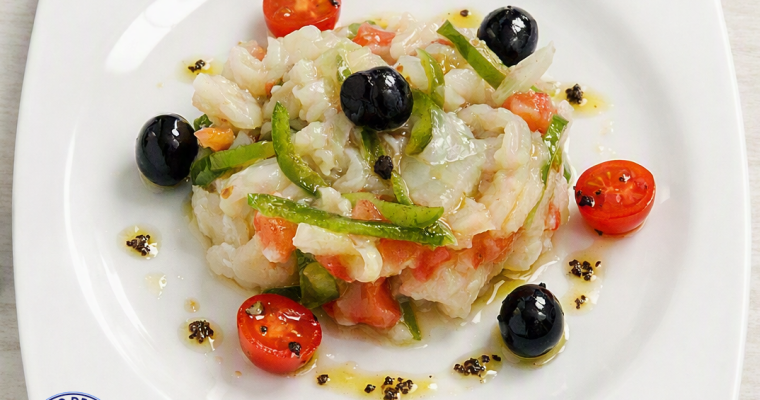
A Fresh Catalan Classic with Mediterranean Soul. Some recipes seem simple until you discover the story behind them. Esqueixada de Bacallà is one of the great classics of Catalan cuisine: a fresh, light and deeply Mediterranean dish that brings together the delicate texture of salted 

Bacallà a la Llauna a great classics of traditional Catalan cuisine.

Bacallà a la Llauna a great classics of traditional Catalan cuisine.

Bacallà a la Llauna is one of the great classics of traditional Catalan cuisine: a humble dish in origin, yet remarkably rich in aromas, contrasts and Mediterranean character.

Its history is closely linked to the popular cuisine of Catalonia and, particularly, Barcelona, where salt cod became an essential ingredient in home cooking and in the traditional taverns and wine cellars of generations past.

The name of the dish comes from the llauna, the traditional metal baking tray in which the cod was prepared and taken to the oven. At a time when refrigeration did not exist, cod preserved in salt was an essential pantry ingredient and became especially important during Lent and Holy Week, when meat was traditionally avoided.

The true beauty of this recipe lies precisely in its simplicity.

Good-quality cod, lightly floured and beautifully browned, is combined with an aromatic preparation of garlic, paprika and white wine. The result is a dish with deep flavour, a delicate smoky note and a glossy sauce that coats every tender flake of fish.

Traditionally, we serve it with mongetes del ganxet, sautéed spinach or potatoes, although a more refined garnish can also transform it into an elegant gastronomic dish.

This version respects the spirit of the Catalan culinary tradition while introducing a few refined techniques and presentation details to create an elegant, balanced and gourmet Bacallà a la Llauna without losing its traditional identity.


Ingredients

Serves 4

For the cod

  • 4 thick cod fillets, desalted and of good quality.
  • Flour, as needed for a light coating.
  • 6–8 garlic cloves, finely sliced.
  • 1 tablespoon sweet paprika.
  • ½ teaspoon smoked paprika, optional.
  • 100 ml dry white wine.
  • 150 ml fish stock, preferably homemade.
  • Fresh parsley, finely chopped.
  • Extra virgin olive oil.
  • Salt, only if needed.
  • Freshly ground black pepper, optional.

For the traditional garnish

  • 250 g cooked mongetes del ganxet or white beans.
  • 200 g fresh spinach.
  • 2 garlic cloves.
  • Extra virgin olive oil.
  • Salt.

For the finishing touch

  • Fresh parsley.
  • A few drops of extra virgin olive oil.
  • Sweet or smoked paprika, very lightly sprinkled.
  • Fresh herb leaves or microgreens, optional.

Optional: a few drops of sherry vinegar or white wine vinegar to add a delicate acidic contrast and balance the intensity of the paprika.


Preparation

01 · Preparing the cod

The beginning of a Catalan classic

If using salted cod, soak it in cold water in the refrigerator, changing the water several times over approximately 36–48 hours, depending on the thickness of the fillets.

Once desalted, drain the cod thoroughly and pat it completely dry with kitchen paper.

This step is essential.

Well-dried cod will brown more effectively, develop a delicate golden crust and reduce splattering during frying.

Check that there are no remaining bones and, if the fillets are particularly thick, divide them into evenly sized portions to ensure uniform cooking.


02 · Lightly flour and brown the cod

A delicate golden crust

Lightly coat the cod fillets in flour, shaking off any excess.

The coating should be very thin: the purpose is to protect the surface and encourage browning, not to create a thick crust.

Heat a generous amount of extra virgin olive oil in a wide frying pan.

Once hot, carefully add the cod and brown it on both sides.

There is no need to cook it completely at this stage.

The aim is to create a golden, lightly crisp and aromatic exterior, while the centre finishes cooking in the oven.

Remove the cod and place it briefly on kitchen paper.

Transfer the fillets to a traditional llauna or ovenproof baking dish.


03 · Prepare the garlic

The Mediterranean fragrance

Remove some of the oil used to brown the cod, leaving enough in the pan to prepare the aromatic base.

Add the sliced garlic and cook gently over low heat.

The garlic should become golden and fragrant, but never burnt, as burnt garlic would introduce an unpleasant bitterness.

Once it begins to take on a beautiful golden colour, remove the pan from the heat for a few seconds.


04 · Add the paprika

The aromatic heart of the dish

With the heat turned off, add the sweet paprika and, if desired, a small amount of smoked paprika.

Stir quickly.

Paprika should not remain in the hot oil for too long, as it can burn easily and become bitter.

This small technique is one of the secrets to a great Bacallà a la Llauna.

The oil takes on a beautiful red colour and becomes infused with the aromas of garlic and paprika.


05 · Deglaze with white wine

The sauce that brings everything together

Return the pan to medium heat and pour in the dry white wine.

Allow it to simmer for a few minutes so that some of the alcohol evaporates.

Add the hot fish stock.

Stir gently and allow the sauce to reduce for 3–5 minutes, until slightly concentrated and aromatic.

For a more refined finish, add a few drops of white wine vinegar or sherry vinegar at this stage.

The acidity should remain subtle, providing freshness and balancing the richness of the paprika and olive oil.


06 · Coat the cod with the sauce

Where the fish meets the aromatic sauce

Carefully pour the hot sauce over the cod fillets.

Make sure the garlic is evenly distributed and that some of the sauce reaches the bottom of the baking dish.

Sprinkle with freshly chopped parsley.

Place the dish in a preheated oven at 190°C / 375°F and cook for approximately 8–10 minutes, depending on the thickness of the fillets.

The cod should remain juicy, pearly and easy to separate into tender flakes, never dry.

During the final minutes, spoon some of the sauce over the fillets so they become glossy and even more flavourful.


07 · Prepare the garnish

The Catalan tradition on the side

While the cod finishes cooking, prepare the garnish.

For a traditional accompaniment, warm the mongetes del ganxet in a frying pan with extra virgin olive oil and one sliced garlic clove.

Sauté gently so that the beans absorb the garlic aroma without breaking apart.

In a separate pan, sauté the fresh spinach with a little olive oil and the remaining garlic.

Cook for just a few minutes, until tender while retaining its colour and freshness.

The combination of beans and spinach creates a wonderful contrast with the cod: softness, texture and fresh vegetal notes that balance the intensity of the sauce.


08 · Rest and finish

The final touch for a perfectly balanced sauce

Remove the cod from the oven and let it rest for 2–3 minutes before serving.

This short resting period allows the juices to redistribute and the sauce to settle.

Gently move the baking dish so that the olive oil, stock and natural juices from the cod come together.

Finish with fresh parsley, a few drops of extra virgin olive oil and, if desired, a very light dusting of paprika.

The finished sauce should be glossy, aromatic and lightly emulsified, while allowing the natural flavour of the cod to remain at the forefront.


Gourmet Suggestions

Magic Dreams Barcelona

To elevate this classic while preserving its Catalan identity:

  • Choose thick-cut cod fillets, properly desalted and firm in texture. The quality of the fish is the most important element of the recipe.
  • Combine sweet paprika with a small amount of smoked paprika to add aromatic depth without overpowering the cod.
  • Add a few drops of sherry vinegar to the sauce for an elegant touch of acidity that balances the richness of the olive oil.
  • Prepare the fish stock with white-fish bones and trimmings, onion, leek and parsley for a delicate homemade base.
  • For a silkier sauce, reduce the stock slightly before adding it to the cod.
  • Always finish with extra virgin olive oil added just before serving. Its fresh aroma gives the dish another layer of Mediterranean character.
  • For a contemporary presentation, replace part of the whole beans with a small white-bean purée, maintaining the connection with the traditional recipe while creating a more refined texture.

The secret to an exceptional Bacallà a la Llauna

The key is finding the perfect balance between the golden cod, aromatic garlic, intense paprika and the natural juiciness of the fish.

The cod should never be overcooked.

After the initial browning, the oven should simply finish the cooking process and allow the fish to absorb some of the aromatic sauce.

The second great secret lies in the paprika.

It should be added off the heat to prevent it from burning. Properly handled paprika contributes colour, sweetness and depth; burnt paprika can compromise the entire dish.

Finally, the garlic should be golden, never dark.

Its role is to perfume the olive oil and complement the fish, rather than becoming the dominant flavour.


Gourmet Presentation

Serve the Bacallà a la Llauna in an artisanal ceramic dish or, for a more authentic presentation, in individual small llaunas that echo the spirit of the original recipe.

Place one cod fillet in the centre and arrange a small portion of mongetes del ganxet and sautéed spinach around it.

Partially coat the cod with the garlic, paprika and white wine sauce, leaving some of its golden surface visible.

Finish with a few drops of extra virgin olive oil, fresh parsley and a small fresh herb leaf.

For a more contemporary presentation, shape the beans into a small quenelle or arrange them as a delicate base beneath the cod.

The goal is for the presentation to remain elegant yet immediately recognisable: a traditional Catalan dish dressed for a special occasion without losing its identity.

The sauce should play an important role without overwhelming the plate.

Each bite should bring together the delicate texture of the cod, the fragrance of garlic, the depth of paprika and the freshness of extra virgin olive oil.


Pairing

A dry Catalan white wine makes an excellent pairing.

A Penedès Xarel·lo offers freshness and acidity capable of balancing the richness of the olive oil and paprika.

For those seeking a more contemporary pairing, an alcohol-free white wine with good acidity can also work beautifully.

Serve the wine chilled, but not excessively cold, so that its aromas and character remain expressive.


Storage

Bacallà a la Llauna is at its best when freshly prepared.

If necessary, store the cooked cod in an airtight container in the refrigerator for 1–2 days.

The sauce can be stored separately in the refrigerator for up to 3 days.

To reheat, use a low oven temperature and add a few drops of fish stock or water if the sauce has become too thick.

We do not recommend freezing the cooked cod, as this may affect its texture and juiciness.

For a special meal, the best approach is to prepare the sauce and garnish in advance and cook and finish the cod just before serving.


Copyright © 2016–2026 Magic Dreams Barcelona