Etiqueta: Spanish tapas

Bombas de la Barceloneta – Barcelona’s most emblematic tapas.

Bombas de la Barceloneta – Barcelona’s most emblematic tapas.

Bombas de la Barceloneta are one of the most iconic and recognisable tapas in Barcelona. Born in the historic fishing district of La Barceloneta, they are part of the popular culinary tradition that transformed simple ingredients into small, generous and characterful bites. Traditionally associated with …

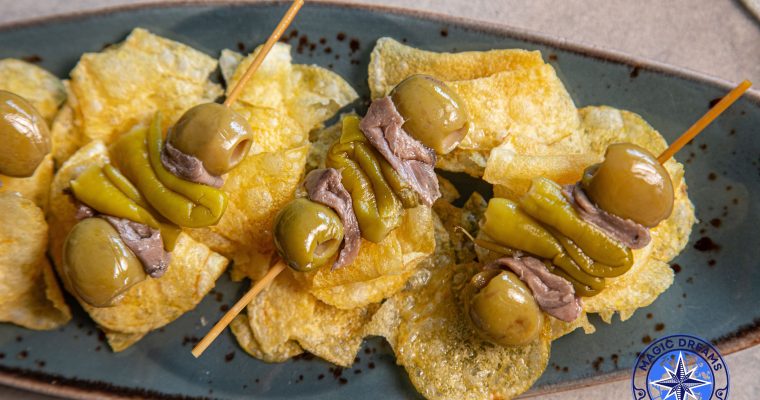
Premium Catalan-Style Gilda with Espinaler Crisps.

Premium Catalan-Style Gilda with Espinaler Crisps.

A small bite with Mediterranean soul The Gilda is one of Spain’s most recognisable pintxos. Its origins are in San Sebastián, where it became popular in the 1940s. The classic combination of olive, anchovy and pickled chilli quickly became a symbol of Basque bar culture. …

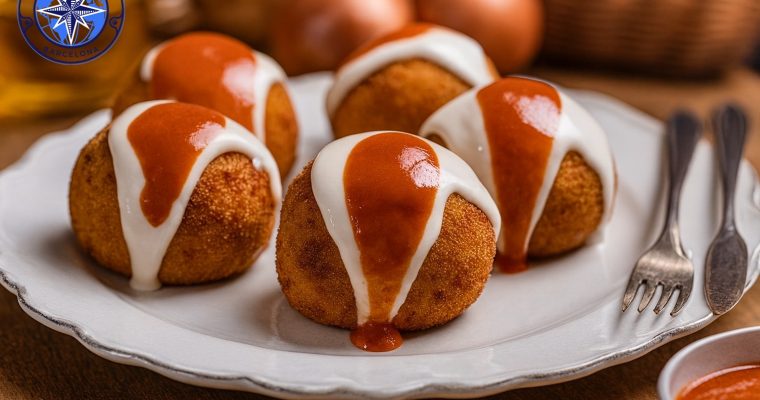
Croquettes with Allioli.

Croquettes with Allioli.

An iconic Spanish and Catalan tapa

Croquettes are one of Spain’s most popular tapas and are also deeply rooted in Catalan culinary tradition. Their modern origins are associated with French cuisine and the croquette, but in Spain they evolved into a distinctive dish strongly connected with the tradition of using leftovers creatively.

Traditionally, croquettes were a delicious way to transform leftover meat, fish, chicken or vegetables into an entirely new dish. The combination of a creamy béchamel filling, a flavourful ingredient and a crisp golden coating made them one of the great stars of Spanish tapas.

In Catalonia, you can find many varieties, from classic chicken and ham croquettes to cod, mushrooms, spinach, prawns and squid.

Serving them with allioli adds an unmistakably Mediterranean character: the creamy croquette contrasts beautifully with the intense flavour of garlic and olive oil.


Types of Croquettes to Choose From

 Chicken Croquettes

Perfect for using leftover roast or cooked chicken.

 Ham Croquettes

One of the most popular varieties, rich, savoury and creamy.

Cod Croquettes

A traditional seafood-inspired option with a delicate flavour.

 Mushroom Croquettes

An aromatic vegetarian alternative with a wonderfully earthy character.

 Prawn Croquettes

Delicate and elegant, ideal for a more refined tapas selection.

 Squid Croquettes

A distinctive seafood version with plenty of Mediterranean character.

 Spinach Croquettes

A lighter vegetarian option with a fresh flavour.

Cheese Croquettes

Rich and creamy inside with an especially crisp exterior.


Basic Croquette Recipe

Makes approximately 20–24 croquettes

Ingredients

  • 50 g butter
  • 50 g plain flour
  • 500 ml whole milk
  • 150 g filling of your choice
  • ½ small onion, finely chopped
  • Salt
  • Black pepper
  • A pinch of nutmeg
  • Olive oil for frying

For the coating

  • Flour
  • 2 eggs
  • Breadcrumbs

For the Allioli

  • 1 garlic clove
  • 150 ml mild olive oil
  • A pinch of salt
  • A few drops of lemon juice, optional

Preparation

01 · Prepare the Filling

Choose the main ingredient you would like to use.

For chicken, ham, cod, prawns, mushrooms or any other filling, make sure it is already cooked and finely chopped.

Set aside.


02 · Prepare the Sofrito

Melt the butter in a saucepan or frying pan.

Add the finely chopped onion and cook slowly for 8–10 minutes, until completely tender.

Do not allow it to brown too much.


03 · Prepare the Béchamel

Add the flour and stir for approximately 2 minutes to cook it and remove the raw flour taste.

Gradually add the milk while whisking continuously.

Cook over medium-low heat until you obtain a very creamy and thick mixture.

Season with salt, black pepper and a small amount of nutmeg.


04 · Add the Filling

Add your chosen filling to the béchamel.

Mix carefully until everything is evenly incorporated.

Continue cooking for a few minutes.

The mixture should gradually begin to pull away from the sides of the pan.


05 · Chill the Mixture

Transfer the mixture to a wide dish.

Cover directly with cling film, making sure it touches the surface to prevent a skin from forming.

Allow it to cool completely.

Ideally, refrigerate it overnight.

This resting period makes shaping the croquettes much easier.


Shaping the Croquettes

06 · Shape

Using a spoon, take small portions of the chilled mixture.

Shape them into traditional oval croquettes or round shapes, depending on your preferred presentation.

Try to keep them approximately the same size so they cook evenly.


07 · Coat

Coat each croquette in:

flour → beaten egg → breadcrumbs

Make sure they are completely covered.

For an extra-crispy crust, you can repeat the egg and breadcrumb stage.


Frying the Croquettes

08 · Achieve a Crisp Exterior

Heat plenty of olive oil to approximately 175–180°C.

Fry the croquettes in small batches.

Do not overcrowd the pan, as this will cause the oil temperature to drop.

Fry for approximately 2–3 minutes, until golden and crisp.

Remove and drain on kitchen paper.


Preparing the Allioli

09 · The Mediterranean Sauce

Place the garlic and a pinch of salt in a mortar.

Crush until you obtain a smooth paste.

Gradually add the olive oil while stirring continuously until the mixture becomes creamy and emulsified.

A few drops of lemon juice can be added for freshness.

For a quicker preparation, an immersion blender can also be used.


Presentation

Arrange the freshly fried croquettes on a wooden serving board or ceramic plate.

Serve the allioli in a small bowl in the centre.

Finish with a few leaves of fresh parsley and, if desired, a few drops of extra virgin olive oil.

The croquettes should be served hot and crisp on the outside, yet creamy inside.


The Secret to Great Croquettes

The difference between an ordinary croquette and an exceptional one is mainly the texture.

The filling should be:

creamy, flavourful and firm enough to shape.

Chilling the mixture is essential.

During frying, the oil must remain hot enough for the coating to become crisp quickly without allowing the croquettes to absorb excessive oil.


Choosing Your Filling

For a traditional tapas selection

Ham: rich and classic.

Chicken: mild and perfect for using leftovers.

Cod: elegant and seafood-inspired.

Mushrooms: aromatic and vegetarian.

Prawns: delicate and sophisticated.

Squid: intense and distinctly Mediterranean.

Spinach: light and vegetable-based.

Cheese: rich and indulgently creamy.

A selection containing several different types of croquettes is an excellent way to share tapas and experience different flavours at the same time.


Pairing

Croquettes with allioli pair particularly well with a fresh, crisp 0.0% alcohol-free white wine, especially when prepared with cod, prawns or squid.

For ham, chicken or cheese croquettes, a Mediterranean-style 0.0% alcohol-free aperitif works beautifully.

Another refreshing option is very cold sparkling water with lemon and fresh Mediterranean herbs.

Copyright © 2016-2026 Magic Dreams Barcelona.

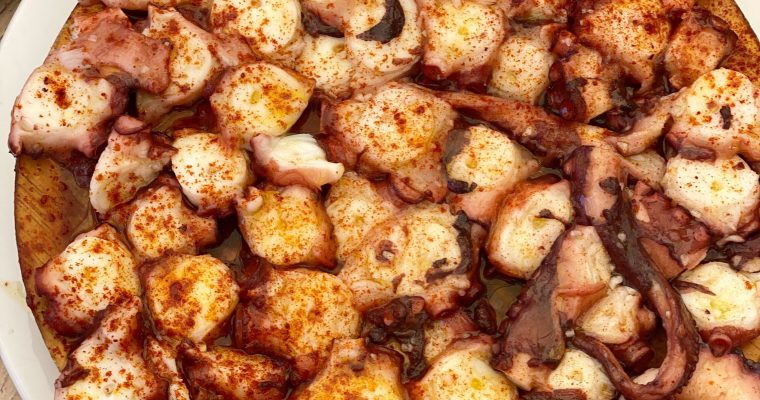
Pulpo a Feira – A Galician classic steeped in tradition.

Pulpo a Feira – A Galician classic steeped in tradition.

Pulpo a Feira, also known as Galician-style octopus, is one of the most iconic dishes of Galicia. Traditionally prepared and served at fairs, festivals and popular celebrations, its name literally refers to this connection with traditional fairs. Over time, it became one of the great …

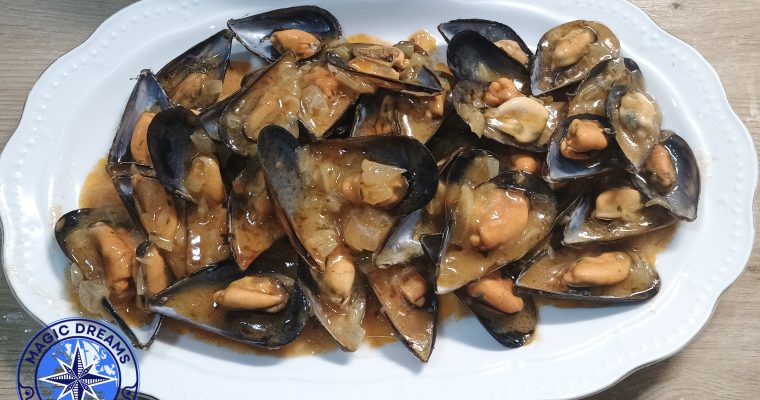
Spicy Mussels in Tomato Sauce.

Spicy Mussels in Tomato Sauce.

A Mediterranean seafood classic with a fiery touch Spicy mussels in tomato sauce are a simple yet intensely flavoured seafood dish that reflects the culinary traditions of the Mediterranean coast. Mussels have long been an important ingredient in popular coastal cuisine because they are affordable, …

Fried Calamari and Fried Anchovies Tapas.

Fried Calamari and Fried Anchovies Tapas.

Two Mediterranean classics on one table

Fried calamari and fried anchovies are two timeless dishes of Mediterranean coastal cuisine. Simple, generous and full of flavour, they are especially popular as tapas in traditional bars, taverns and seafood restaurants.

Roman-style fried calamari are prepared by cutting fresh squid into rings, coating them in a light batter and frying them until golden and crisp while keeping the inside tender.

Fried anchovies, known in Spain as boquerones fritos, are small Mediterranean fish traditionally coated lightly in flour and fried in olive oil. Their delicate flavour and crisp texture make them one of the simplest and most popular seafood tapas.

Although anchovies can also be prepared in vinegar, this recipe is specifically for fried anchovies in olive oil.

Together, these two dishes capture the essence of Mediterranean tapas: fresh seafood, quality olive oil, crisp textures and the unmistakable flavour of the sea.


Ingredients

Serves 4

For the fried calamari

  • 500 g cleaned squid
  • 150 g wheat flour
  • 1 egg
  • 150 ml very cold water
  • ½ teaspoon salt
  • A pinch of white pepper
  • Olive oil for frying
  • Lemon wedges, to serve

For the fried anchovies

  • 500 g fresh anchovies
  • 100–120 g wheat flour
  • Salt
  • Olive oil for frying
  • Lemon wedges, to serve
  • Fresh parsley, optional

Preparation

01 · Prepare the calamari

Freshness is essential

Clean the squid carefully, removing the entrails, transparent cartilage and outer skin.

Cut the squid into rings approximately 1 cm thick.

Dry them thoroughly with kitchen paper.

Removing excess moisture is important because it helps prevent oil splashes and allows the batter to become properly crisp.


02 · Prepare the batter

Light, delicate and crisp

Place the flour, egg, very cold water, salt and white pepper in a bowl.

Mix gently until you obtain a smooth batter.

Do not overmix.

The batter should be fluid enough to coat the calamari lightly while remaining thick enough to adhere to the rings.


03 · Fry the calamari

Perfect golden colour

Heat plenty of olive oil to approximately 175–180°C.

Dip each calamari ring into the batter and allow the excess to drain away.

Carefully place the rings into the hot oil.

Fry for approximately 2–3 minutes, depending on their size.

When golden and crisp, remove them and drain on kitchen paper.

Avoid overcrowding the pan, as this can cause the oil temperature to drop.


Preparing the Fried Anchovies

04 · Clean the anchovies

The Mediterranean in its simplest form

Clean the fresh anchovies by removing the heads and innards.

You may leave the central bone in place or remove it, depending on your preferred presentation.

Rinse them briefly under cold water and dry them thoroughly.

Season lightly with salt.


05 · Coat with flour

A delicate coating

Place the anchovies in the flour and gently toss them until lightly coated.

Shake off any excess flour.

The coating should remain thin.

The aim is to preserve the delicate flavour and texture of the fish rather than covering it with a heavy crust.


06 · Fry the anchovies in olive oil

Golden, delicate and crisp

Heat olive oil to approximately 175–180°C.

Fry the anchovies in small batches for approximately 2–3 minutes, until golden and crisp.

Remove them carefully and drain on kitchen paper.

Finish with a few drops of fresh lemon juice just before serving.

Important: these anchovies are fried in olive oil. They are not prepared en vinagre.


Plating the Tapas

07 · A Mediterranean table

Arrange the fried calamari on a large serving plate.

Place the fried anchovies alongside them.

Add fresh lemon wedges and, if desired, a little chopped parsley.

For a more traditional presentation, serve them in small ceramic dishes alongside rustic bread.

The combination of golden fried seafood, fresh lemon and extra virgin olive oil creates a simple but highly appealing Mediterranean presentation.


Gourmet Suggestions

Magic Dreams Barcelona

To elevate these traditional tapas while preserving their authentic character:

  • Choose fresh squid and fresh anchovies.
  • Dry the seafood thoroughly before frying.
  • Use very cold water for a lighter calamari batter.
  • Maintain the frying temperature between 175 and 180°C.
  • Fry in small batches.
  • Use good-quality olive oil.
  • Drain the seafood immediately after frying.
  • Add lemon just before serving.
  • Keep the anchovy coating light.
  • Serve with a small portion of homemade alioli if desired.

The Secret to Great Fried Calamari

The objective is to achieve the perfect contrast:

golden and crisp outside, tender and juicy inside.

The temperature of the olive oil is crucial.

If the oil is too cool, the batter absorbs excessive oil.

If it is too hot, the exterior can brown before the calamari reaches the ideal texture.

Maintaining a stable temperature and frying in small batches produces a much better result.


The Secret to Great Fried Anchovies

The anchovies should remain delicate and moist inside while developing a thin, crisp exterior.

The key is simple:

fresh fish, a light coating of flour and properly heated olive oil.

Do not leave the anchovies in the flour for too long before frying.

Coat them immediately before placing them in the oil.

This helps maintain a lighter and crispier finish.


Presentation

For an authentic Mediterranean tapas experience, serve the calamari and anchovies on a wooden board or in small traditional ceramic dishes.

Arrange the calamari in the centre and place the fried anchovies alongside them.

Add lemon wedges and a little fresh parsley.

A small bowl of alioli can complete the presentation.

The result should feel generous, informal and inviting — like a traditional seafood tapas table beside the Mediterranean.


Pairing

These tapas pair particularly well with a fresh, dry 0.0% alcohol-free white wine, whose acidity helps balance the richness of the fried seafood.

A chilled 0.0% alcohol-free Mediterranean-style vermouth is also an excellent choice for an aperitif.

For a completely refreshing option, serve with very cold sparkling water, lemon and fresh Mediterranean herbs.

The drink should refresh the palate while allowing the calamari, anchovies and olive oil to remain the stars of the dish.

Copyright © 2016-2026 Magic Dreams Barcelona.

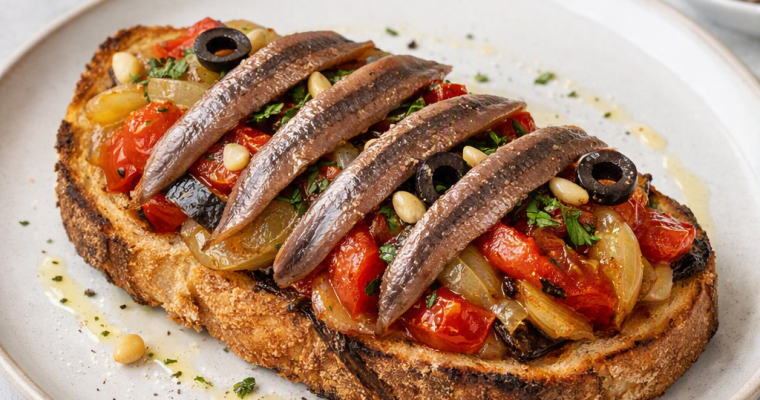
Catalan Espardenya with Escalivada and L’Escala Anchovies.

Catalan Espardenya with Escalivada and L’Escala Anchovies.

The Mediterranean on a slice of toasted bread The Espardenya is a traditional Catalan-style tapa combining toasted bread, escalivada and anchovies, bringing together the flavours of the land and the sea. The name espardenya is associated with this rustic style of preparation in Catalan cuisine, …

Gourmet Melon and Cured Ham Skewers.

Gourmet Melon and Cured Ham Skewers.

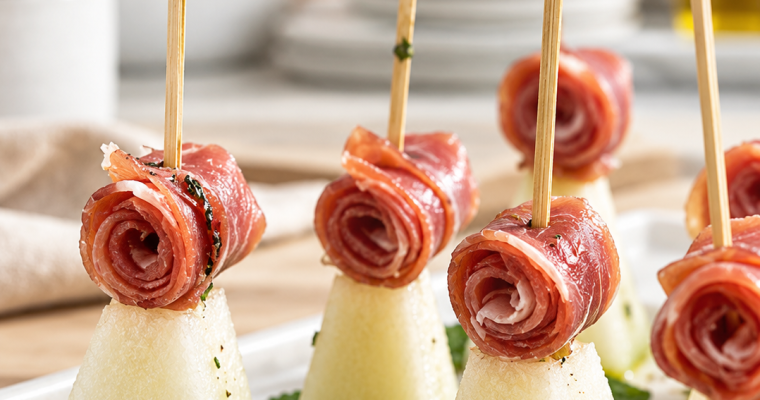
A Mediterranean classic reimagined as a sophisticated bite of haute cuisine Some combinations work because of their simplicity. Melon and cured ham is one of them: freshness, sweetness, saltiness, and a contrast of textures that has made this duo a classic of Mediterranean cuisine. In …

Grilled Pinchos Morunos.

Grilled Pinchos Morunos.

Juicy, spiced meat skewers grilled over hot embers and served with a fresh homemade Mediterranean sauce

Some recipes have the power to transform a simple meal into a memorable experience.

Pinchos Morunos, also known as Spanish Moorish-style skewers, are part of Spain’s popular culinary tradition and are especially associated with gatherings, barbecues, terraces and outdoor dining.

Their secret lies in a well-balanced spice marinade, tender meat and quick cooking over very hot embers.

In this Premium Gourmet version, the classic pincho is given a more refined presentation while maintaining its traditional character and adding a homemade sauce specifically created to complement the grilled meat.

Spiced meat + Mediterranean spices + hot embers + olive oil + homemade sauce.

The result is a juicy, beautifully browned and aromatic bite with layers of warm spices and subtle smoky flavours.


Ingredients

Serves 6 · approximately 12–15 skewers

For the Pinchos Morunos

  • 1 kg pork, preferably pork shoulder or loin
  • 4 tablespoons extra virgin olive oil
  • 3 garlic cloves
  • 1 teaspoon sweet paprika
  • ½ teaspoon hot paprika, optional
  • 1 teaspoon ground cumin
  • 1 teaspoon dried oregano
  • ½ teaspoon turmeric
  • ½ teaspoon freshly ground black pepper
  • 1 teaspoon salt
  • 1 tablespoon lemon juice
  • 1 teaspoon wine vinegar
  • 1 tablespoon finely chopped fresh parsley
  • ½ teaspoon ground coriander, optional
  • A small pinch of cinnamon, optional

For a more elegant presentation, use evenly sized wooden skewers.


Preparing the Pinchos

01 · Preparing the Meat

Trim the meat, removing any excessive fat or tough pieces.

Cut it into approximately 3–4 cm cubes.

The pieces should be as uniform as possible to ensure even cooking.

The cubes should be large enough to remain juicy when grilled.


The Marinade

02 · Creating the Spice Mixture

Place the following ingredients in a large bowl:

  • extra virgin olive oil,
  • finely chopped garlic,
  • sweet paprika,
  • hot paprika,
  • cumin,
  • oregano,
  • turmeric,
  • black pepper,
  • salt,
  • lemon juice,
  • wine vinegar,
  • parsley.

Add the ground coriander and a small pinch of cinnamon if you want a deeper and more aromatic spice profile.

Mix until you obtain a smooth, fragrant marinade.

The ideal marinade should be:

aromatic + spiced + slightly acidic + warm and fragrant.


Marinating the Meat

03 · Resting Time

Add the meat cubes to the marinade.

Mix thoroughly until every piece is evenly coated.

Cover and refrigerate for at least 2 hours.

For a deeper flavour, the meat can be marinated for 6–12 hours.

Before grilling, remove the meat from the refrigerator approximately 20–30 minutes beforehand so it can lose some of its chill.


Preparing the Skewers

04 · Threading the Meat

Thread the marinated meat onto the skewers.

Do not pack the pieces too tightly.

Leaving small spaces between the pieces allows the heat to circulate and helps create an even golden crust.

Do not overload the skewers.

A clean composition also creates a more elegant presentation.


Preparing the Grill

05 · The Perfect Embers

Prepare a very hot and stable bed of embers.

The grill should be clean and thoroughly hot before placing the skewers on it.

The goal is:

high heat + quick cooking + golden exterior + juicy centre.

Lightly oil the grill to prevent the meat from sticking.


Grilling the Pinchos

06 · Cooking

Place the skewers over the hot grill.

Cook for approximately 3–4 minutes per side, turning them several times.

The exact cooking time will depend on the size of the meat cubes and the type of meat used.

The surface should develop a beautiful golden-brown and lightly charred colour.

The centre should remain juicy.

Avoid constantly piercing the meat while cooking, as this can cause it to lose its natural juices.


The Perfect Finish

07 · Toasting the Spices

During the final minutes of cooking, allow some areas of the meat to come into direct contact with the most intense heat.

This will lightly toast the spices and create small caramelised areas on the surface.

The ideal result is:

golden + spiced + lightly smoky + juicy.

Take care not to burn the paprika.


Homemade Mediterranean Sauce

08 · Greek Yogurt, Lemon, Garlic and Herb Sauce

To accompany the pinchos, we recommend a fresh sauce that contrasts with the warm spices and smoky flavour of the grill.

Ingredients

  • 200 g Greek yogurt
  • 1 tablespoon extra virgin olive oil
  • 1 small garlic clove, very finely chopped
  • 1 tablespoon lemon juice
  • Finely grated zest of ½ lemon
  • 1 tablespoon fresh parsley, finely chopped
  • 1 teaspoon honey
  • A pinch of ground cumin
  • Salt
  • Freshly ground black pepper
  • A few fresh mint leaves, optional

Preparing the Sauce

09 · Mixing the Ingredients

Place the Greek yogurt in a bowl.

Add:

  • olive oil,
  • garlic,
  • lemon juice,
  • lemon zest,
  • parsley,
  • honey,
  • cumin,
  • salt,
  • pepper.

Mix gently until smooth and creamy.

For an even fresher version, add a few finely chopped fresh mint leaves.


Balancing the Sauce

10 · Adjusting the Flavour

The sauce should be:

creamy + fresh + slightly acidic + aromatic + gently sweet.

The yogurt softens the spices in the meat.

The lemon adds freshness.

The garlic connects with the marinade.

The honey balances the acidity.

The olive oil adds Mediterranean character.

Taste and adjust the seasoning.

Keep refrigerated until ready to serve.


Final Rest

11 · Resting the Meat

Remove the skewers from the grill and allow them to rest for approximately 2–3 minutes.

This short resting period allows the juices to redistribute and helps maintain a more succulent texture.


Premium Gourmet Presentation

12 · Plating

Arrange the pinchos on a long serving platter or individual plates.

Serve the sauce in a small bowl alongside the skewers.

Finish with:

  • fresh parsley,
  • a few mint leaves,
  • a few drops of extra virgin olive oil,
  • lemon wedges,
  • a light dusting of sweet paprika.

For a particularly elegant presentation, arrange the skewers slightly overlapping one another and place the sauce in a small bowl beside them.

The aim is to create contrast between:

golden grilled meat + creamy white sauce + fresh green herbs + bright lemon.


The Balance of Flavours

Meat

juicy + savoury + lightly smoky

Paprika

sweet + toasted + aromatic

Cumin

warm + spiced + deep

Garlic

intense + fragrant

Lemon

fresh + acidic + vibrant

Yogurt Sauce

creamy + fresh + smooth

The sauce provides the perfect contrast to the intensity of the spices and the smoky flavour of the grill.


The Secret to Perfect Pinchos

The secret lies in three elements:

a good marinade + very hot embers + quick cooking.

The meat should be sufficiently seasoned to develop an aromatic crust without overpowering its natural flavour.

The grill must be hot before cooking begins.

The skewers should be turned regularly to achieve even browning without burning the spices.

The ideal result is:

golden exterior + toasted spices + smoky aroma + juicy centre.


Premium Gourmet Tips

  • Use tender pork with some natural marbling.
  • Cut the meat into evenly sized cubes.
  • Marinate the meat well in advance.
  • Keep the meat refrigerated while marinating.
  • Prepare a very hot grill.
  • Do not overcrowd the skewers.
  • Turn the skewers several times during cooking.
  • Prevent the paprika from burning.
  • Allow the meat to rest for a few minutes before serving.
  • Serve the sauce chilled or slightly cool to create contrast.
  • Add the lemon mainly at the end.

Suggested Accompaniments

Pinchos Morunos pair especially well with:

  • roasted potatoes,
  • patatas bravas,
  • Mediterranean salad,
  • roasted peppers,
  • grilled onions,
  • rustic bread,
  • spiced couscous,
  • grilled vegetables.

For a more contemporary presentation, serve them with a small salad of tomato, cucumber, red onion and fresh herbs.


Occasions

They are ideal for:

  • barbecues,
  • summer dinners,
  • family gatherings,
  • celebrations,
  • gourmet appetizers,
  • outdoor dining,
  • gastronomic events,
  • cocktail parties,
  • festive occasions,
  • Mediterranean menus.

They also work perfectly as a main course served with salad and grilled vegetables.


Storage

Marinated meat should always be kept refrigerated and properly covered.

Once cooked, the pinchos are best consumed immediately.

The yogurt sauce should remain refrigerated and be consumed within a short period, always using clean utensils.

Do not leave the sauce at room temperature for extended periods.


The Magic Dreams Barcelona Premium Touch

At Magic Dreams Barcelona, we reinterpret Mediterranean flavours and traditional recipes through a contemporary presentation.

Spiced meat.

Garlic.

Paprika.

Cumin.

Fire.

And a homemade fresh sauce.

A classic of popular cuisine transformed into a small gastronomic experience.

The flavour of the grill, the aroma of spices and the freshness of the Mediterranean in an authentic Premium Gourmet bite.


Copyright © 2016-2026 Magic Dreams Barcelona.

Premium Gourmet Monkfish and Prawn Skewers.

Premium Gourmet Monkfish and Prawn Skewers.

Monkfish, prawns, mushrooms and lime combined in an elegant Mediterranean-inspired skewer Some dishes are born from the simplicity of seafood and end up becoming small pieces of gastronomy. Fish and seafood skewers are part of the tradition of Spanish Mediterranean appetizers and tapas, especially at …

Sautéed Mushrooms with Garlic and Parsley.

Sautéed Mushrooms with Garlic and Parsley.

Golden mushrooms, garlic, parsley and extra virgin olive oil in a simple and elegant Mediterranean-inspired dish Some recipes prove that gastronomy does not always need a long list of ingredients to become an experience. Sautéed mushrooms with garlic and parsley are part of the traditional …

Pan de Coca with Anchovies from L’Escala.

Pan de Coca with Anchovies from L’Escala.

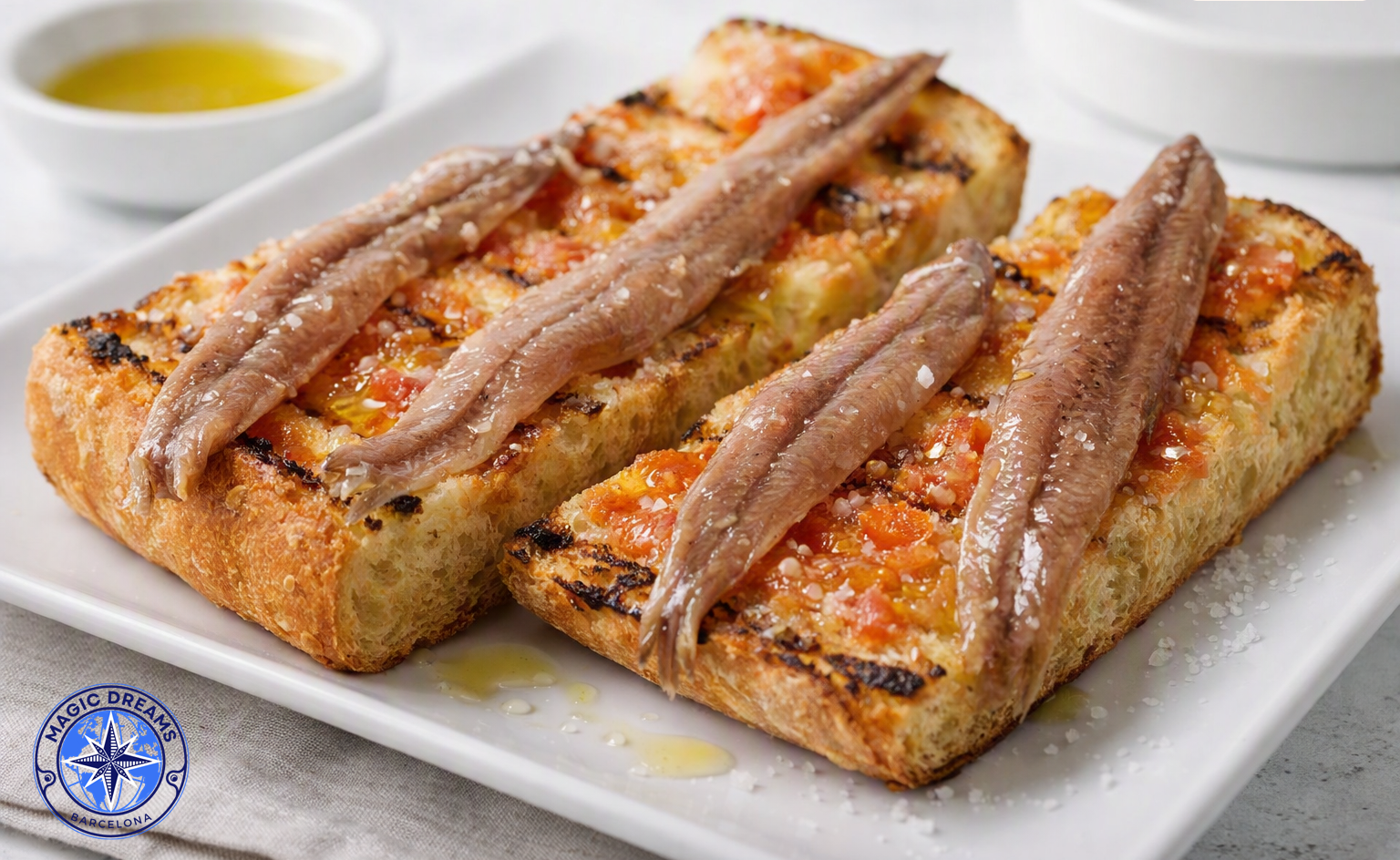
Pan de coca with anchovies from L’Escala is a simple yet deeply traditional expression of Catalan Mediterranean cuisine. It combines thin, crisp coca bread with extra-virgin olive oil, ripe tomato rubbed directly onto the bread and the intense flavour of traditionally cured anchovies from L’Escala.

This preparation brings together several essential elements of Catalan gastronomy: rustic bread, ripe tomato, olive oil and high-quality Mediterranean seafood.

A Brief History of L’Escala Anchovies

L’Escala, in the Alt Empordà region of Catalonia, has a long-standing connection with fishing and the traditional preservation of anchovies.

Salting was historically an essential method of preserving fish and extending its shelf life. Over time, this technique became an important gastronomic tradition in the town and an integral part of its culinary identity.

Anchovies from L’Escala are now one of the most recognised products of the Costa Brava and are enjoyed throughout Catalonia.

Their firm texture, intense flavour and characteristic salty profile make them particularly well suited to rustic bread, coca, ripe tomato and extra-virgin olive oil.

Ingredients

For the Coca

  • 250 g strong white flour
  • 150 ml lukewarm water
  • 5 g dry baker’s yeast
  • 5 g salt
  • 2 tablespoons extra-virgin olive oil
  • A small pinch of sugar, optional

For the Topping

  • 8–12 cured anchovy fillets from L’Escala
  • 1 very ripe tomato
  • Extra-virgin olive oil
  • A small amount of salt, only if necessary
  • Fresh parsley, optional

Preparing the Coca Dough

1. Activate the Yeast

Place the lukewarm water in a bowl and add the dry yeast.

If desired, add a small pinch of sugar.

Leave the mixture to rest for approximately 5–10 minutes.

2. Prepare the Dough

Place the flour in a large bowl and add the salt.

Gradually pour in the water and yeast mixture and add the extra-virgin olive oil.

Mix until the ingredients begin to form a dough.

Transfer the dough to a lightly floured work surface and knead for approximately 8–10 minutes, until smooth and elastic.

3. Let the Dough Rise

Shape the dough into a ball and place it in a lightly oiled bowl.

Cover it with a clean kitchen towel and leave it in a warm, draft-free place for approximately 1 hour, or until it has visibly increased in volume.

Preparing the Coca

4. Stretch the Dough

Preheat the oven to 220°C.

Place the dough on a baking tray lined with parchment paper.

Gently stretch it with your hands into a thin, elongated or rectangular shape.

The coca should remain relatively thin so that it becomes crisp around the edges while retaining a delicate texture.

5. Add the Olive Oil

Brush the surface lightly and evenly with extra-virgin olive oil.

You may create small indentations in the dough with your fingertips for a more rustic traditional appearance.

6. Bake

Bake for approximately 12–18 minutes, depending on the thickness of the dough and your oven.

The coca should be lightly golden and crisp around the edges.

Remove it from the oven and allow it to cool slightly.

The Traditional Catalan Tomato

7. Rub the Tomato Directly onto the Bread

This step is important.

In traditional Catalan cuisine, ripe tomato is rubbed directly onto the surface of the bread, rather than simply being grated and spooned over it.

Cut a very ripe tomato in half.

Take one half and gently rub the cut side directly over the warm coca, allowing the tomato pulp and natural juices to penetrate the bread.

Continue until the surface has absorbed a light layer of tomato.

Do not add an excessive amount. The purpose is to flavour and moisten the bread while maintaining its crisp character.

Finish with a delicate drizzle of extra-virgin olive oil.

8. Add the Anchovies

Arrange the L’Escala anchovy fillets over the tomato-rubbed coca.

Place one or two fillets on each portion, depending on their size.

Because the anchovies already provide considerable saltiness, avoid adding additional salt unless absolutely necessary.

The Traditional Catalan Combination

The classic combination is:

  • Crisp coca bread
  • Ripe tomato rubbed directly onto the bread
  • Extra-virgin olive oil
  • Cured anchovies from L’Escala

The tomato provides freshness and acidity, the olive oil adds richness and aroma, and the anchovies contribute their characteristic Mediterranean intensity.

The key is simplicity. The ingredients should complement one another without masking the flavour of the anchovies.

Presentation

Cut the coca into individual rectangular or rustic pieces.

Arrange the portions on a wooden board, ceramic platter or slate.

Place the anchovy fillets neatly over the tomato-rubbed bread and finish with a very light drizzle of extra-virgin olive oil.

You may accompany the coca with a few olives or fresh herbs, but the presentation should remain simple and elegant.

The traditional ingredients should remain the visual and gastronomic focus.

When to Serve It

Pan de coca with L’Escala anchovies is ideal as:

  • A Catalan appetizer
  • A Mediterranean tapa
  • A starter
  • An aperitif
  • A sharing dish
  • Part of a traditional Catalan table

It can also be served alongside other regional products such as Catalan cheeses, cured meats, olives and rustic bread.

Tips for the Best Result

Use a very ripe tomato: it should be juicy and naturally sweet so that it can be rubbed directly onto the bread.

Rub the tomato directly onto the coca: this is the traditional Catalan method and gives the bread its characteristic flavour.

Do not overload the bread with tomato: the coca should remain structured and slightly crisp.

Use high-quality extra-virgin olive oil: its flavour is particularly noticeable in such a simple preparation.

Control the salt: cured anchovies already provide a pronounced salty character.

Add the anchovies after baking: this preserves their delicate texture and distinctive flavour.

Non-Alcoholic Pairings

Best 0.0% Pairing

A white 0.0% alcohol-free sparkling wine in a Brut style, served well chilled at 8–10°C, is an excellent pairing.

Its freshness and fine carbonation help cleanse the palate and balance the intense, salty character of the anchovies.

Vichy Catalan

Vichy Catalan, served well chilled, is an excellent Mediterranean option.

Its mineral character and natural carbonation refresh the palate without competing with the anchovies or olive oil.

Sparkling Water with Lemon

Very cold sparkling water with a thin slice of lemon provides a light and refreshing alternative.

The acidity of the lemon complements the salty character of the anchovies and the freshness of the tomato.

Peach Juice

Chilled peach juice, preferably without excessive added sugar, provides a gentle fruity contrast to the savoury intensity of the anchovies.

Natural Pineapple Juice

Natural pineapple juice, served chilled and without added sugar, offers freshness and natural acidity.

Its fruity character creates an interesting contrast with the coca, tomato, olive oil and anchovies.

Espresso

After the meal, a short and aromatic espresso is a simple and elegant choice.

Its intensity and natural bitterness provide a pleasant contrast to the richness of the olive oil and the savoury character of the anchovies.

Catalan Tradition

Pan de coca with anchovies from L’Escala is an excellent example of the philosophy behind Catalan cuisine: simple ingredients, traditional techniques and respect for the quality of the product.

The coca provides the crisp foundation, the tomato rubbed directly onto the bread adds freshness and acidity, the extra-virgin olive oil brings Mediterranean richness, and the anchovies of L’Escala provide the unmistakable character of the Catalan coast.

Final Note

Pan de coca with anchovies from L’Escala is a simple, elegant and deeply Mediterranean preparation. It allows one of the most characteristic products of the Catalan coast to take centre stage while preserving the traditional way of enjoying bread with tomato and olive oil.

Pan de coca with L’Escala anchovies: the authentic taste of the Catalan Mediterranean in every bite.


Copyright © 2016-2026 Magic Dreams Barcelona.
Premium Gourmet Spanish Tortilla.

Premium Gourmet Spanish Tortilla.

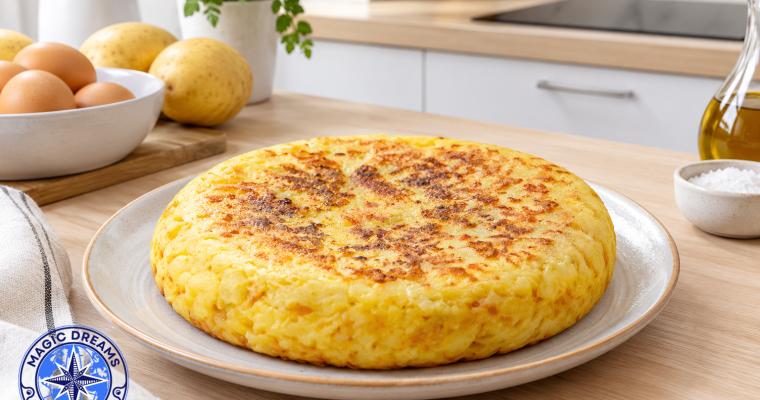
A Spanish classic transformed into a gourmet experience Some recipes do not need sophisticated ingredients to become extraordinary. Spanish tortilla is one of them. Potatoes, eggs, olive oil and, depending on tradition, onion. A simple combination that, when prepared with precision, can achieve a creamy …

Catalan Olivada with Anchovies – Gourmet Mediterranean Spread.

Catalan Olivada with Anchovies – Gourmet Mediterranean Spread.

Catalan olivada is one of those simple preparations that perfectly expresses the character of Mediterranean cuisine. Traditionally made with black olives, this aromatic olive spread captures the flavour of the Catalan landscape in just a few ingredients: olive trees, extra virgin olive oil and Mediterranean …