Etiqueta: Catalan Food

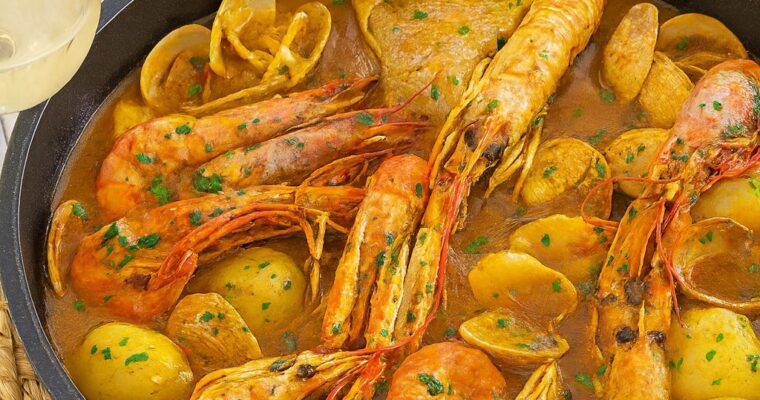
Traditional Suquet de Peix | Catalan Fish Stew.

Traditional Suquet de Peix | Catalan Fish Stew.

Suquet de Peix is one of the great classics of Catalan coastal cuisine. A humble fishermen’s stew in origin, it has become one of the most representative dishes of the Mediterranean gastronomic tradition. Traditionally prepared with the fish available that day, Suquet combines fish, potatoes, …

Xuixos de Crema.

Xuixos de Crema.

The xuixo de crema is one of the most iconic sweet pastries in Catalan cuisine, and particularly in the city of Girona. It is a delicate, laminated and lightly flaky cylindrical pastry, filled with pastry cream, deep-fried and generously coated in sugar. Crisp and golden …

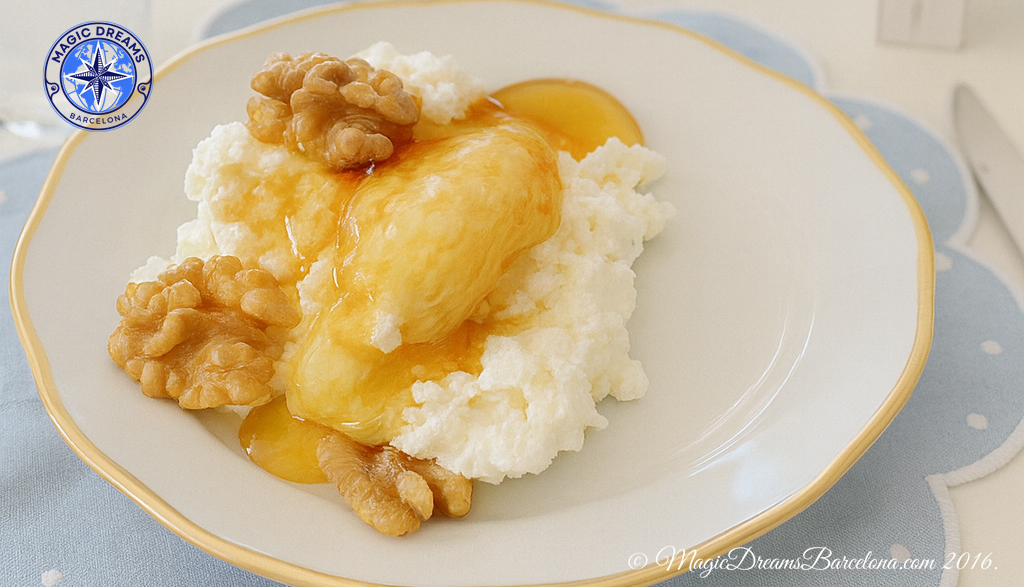
Mel i Mató with Honey and Walnuts.

Mel i Mató with Honey and Walnuts.

Three simple ingredients carrying centuries of Catalan tradition

Mel i Mató is one of the simplest desserts in Catalan cuisine and, at the same time, one of the recipes that most clearly represents the region’s culinary identity.

Its essence lies in a humble combination: fresh mató cheese, honey and, in this version, toasted walnuts.

Few ingredients.

Very little preparation.

An extraordinary amount of tradition.

The result is a delicate, creamy and deeply Mediterranean dessert, where the softness of the fresh cheese contrasts beautifully with the sweetness of honey and the crunch of toasted nuts.


A Dessert with Centuries of History

The flavour of rural Catalonia

Mató is documented as early as the 14th century in the Llibre de Sent Soví, one of the great medieval Iberian cookbooks.

Medieval tradition particularly valued mató when sweetened with honey or sugar, and historical references describe it as an almost heavenly food.

For centuries, mató was closely connected with rural life, monasteries and homemade dairy production.

It was traditionally made from fresh milk, especially goat’s milk, although cow’s and sheep’s milk were also used.

Its delicate texture made it an everyday food, but it also became an important part of Catalan gastronomic identity.


What Exactly Is Mató?

A fresh cheese with its own identity

Although it is sometimes compared with ricotta or similar fresh cheeses, mató is not exactly the same product.

It is a traditional fresh Catalan cheese, made directly from milk and characterised by its soft, moist and delicate texture.

Its tradition is especially strong in Central Catalonia and Old Catalonia, although it is produced and enjoyed throughout the region.

Mató can be made from:

  • Goat’s milk.
  • Cow’s milk.
  • Sheep’s milk.

Each type offers different characteristics.

Goat’s milk can provide a more aromatic profile.

Cow’s milk creates a particularly smooth texture.

Sheep’s milk produces a richer and more intense flavour.


Montserrat and Mató

A product connected with landscape and tradition

One of the places most strongly associated with artisanal mató is Montserrat.

For generations, local producers have sold fresh mató to pilgrims and visitors around the mountain.

The image of artisanal mató being offered at Montserrat has become part of Catalonia’s gastronomic memory.

Here, the product is never completely separate from its surroundings.

It belongs to a landscape.

A tradition.

A way of life.

And a culinary culture passed from one generation to another.


Honey

The natural companion to Mató

Honey is one of the oldest sweeteners used by Mediterranean cultures.

Its role in this dessert goes beyond adding sweetness.

Honey provides aroma, richness and texture while creating the perfect contrast with the delicate fresh cheese.

Different varieties can be used:

Rosemary honey

Aromatic, Mediterranean and lightly floral.

Wildflower honey

Soft and balanced.

Mountain honey

Deeper and more complex.

Orange blossom honey

Particularly interesting for a more fragrant interpretation.

Whenever possible, choose good-quality honey from a local producer.


The Walnut Touch

Walnuts are not essential to the most basic traditional combination of mel i mató, but they complement it beautifully.

They provide:

crunch + richness + toasted flavour.

Lightly toasting them intensifies their aroma and creates a wonderful contrast with the creamy mató.


Premium Mel i Mató Recipe

Serves 2

Ingredients

  • 1 litre fresh milk, goat, cow or sheep.
  • 1–2 tablespoons curdled milk or whey, to initiate coagulation.
  • 3–4 tablespoons raw honey, preferably rosemary, wildflower or mountain honey.
  • 30 g shelled walnuts.
  • Finely grated lemon or orange zest, optional.
  • A few drops of walnut oil or mild olive oil, optional.
  • Flaked sea salt, optional.

Step-by-Step Preparation

01 · Warm the Milk

The foundation of the mató

Heat the milk gently to approximately 35–40°C.

It should be warm but never boiling.

Careful temperature control is important for achieving the correct coagulation and preserving the character of the milk.


02 · Begin the Coagulation

Add the curdled milk or whey and stir gently.

Cover the container.

Allow it to rest for approximately 30–60 minutes, until the curds begin to form.

The exact time will depend on the milk and the coagulation method used.


03 · Drain the Mató

Texture is everything

Carefully collect the curds with a large spoon.

Place them in a fine-mesh strainer or clean muslin cloth.

Allow the whey to drain for approximately 30 minutes.

Do not press the curds too aggressively.

The aim is to preserve a soft, moist and creamy texture.


04 · Toast the Walnuts

Roughly chop the walnuts.

Place them in a dry frying pan and toast over medium heat for approximately 2–3 minutes.

Stir continuously.

They should become lightly golden and intensely aromatic.

Remove them immediately to prevent them from burning.


05 · Serve the Mató

Place the fresh mató in a bowl, deep plate or ceramic serving dish.

It is best served cool or close to room temperature rather than ice-cold.

This allows its natural dairy aromas and delicate texture to be appreciated more clearly.


06 · Add the Honey

The simplest and most important moment

Warm the honey slightly if it is very thick.

Drizzle it in a thin stream over the mató, allowing it to spread naturally.

There is no need to use too much.

The honey should complement the cheese rather than dominate it.


07 · Add the Walnuts

Scatter the toasted walnuts over the mató and honey.

Finish, if desired, with:

  • Finely grated lemon zest.
  • Orange zest.
  • A few drops of walnut oil.
  • A few drops of mild olive oil.
  • A small pinch of flaked sea salt.

The Secret to Great Mel i Mató

The key is precisely not to overcomplicate it.

The mató should remain the protagonist.

Its texture should be soft and creamy.

The honey should provide natural sweetness.

The walnuts should add the crunch.

Optional ingredients should be used sparingly.

The ideal balance is:

creamy + sweet + crunchy + subtly savoury.


Gourmet Suggestions

Magic Dreams Barcelona

To elevate this traditional dessert:

  • Use high-quality artisanal mató.
  • Compare different types of milk to discover different flavour profiles.
  • Choose locally produced honey.
  • Lightly toast the walnuts before serving.
  • Add the honey just before bringing the dessert to the table.
  • Use lemon or orange zest for freshness.
  • A small amount of walnut oil can provide an especially elegant finish.
  • A touch of flaked sea salt intensifies the sweet-and-savoury contrast.
  • Serve in handcrafted ceramic dishes for a stronger traditional character.

Traditional Presentation

The simplest presentation is to place a generous portion of fresh mató in the centre of the plate.

Drizzle the honey gently over the top.

Add the toasted walnuts around and over the cheese.

Finish with a little citrus zest.

Nothing more is necessary.

The beauty of mel i mató lies in its simplicity.


Premium Presentation

Catalan tradition elevated by Magic Dreams Barcelona

For a more sophisticated presentation, use a white or artisanal ceramic plate.

Shape the mató into a delicate quenelle or maintain a natural rustic portion.

Drizzle a fine line of honey.

Arrange the toasted walnuts asymmetrically.

Finish with:

orange zest + flaked sea salt + a few drops of walnut oil.

The result preserves the identity of the traditional dessert while giving it a contemporary, elegant appearance.


Serving Suggestions

Mel i Mató can be accompanied by:

  • Carquinyolis, traditional Catalan almond biscuits.
  • Lightly toasted rustic bread.
  • Fresh fruit.
  • Figs.
  • Pear.
  • Apple.
  • Berries.

Figs and pears work particularly well with honey and the delicate flavour of mató.


Pairing

For the table, we recommend a chilled 0.0% alcohol-free sparkling drink, which provides freshness and balances the sweetness of the dessert.

A 0.0% alcohol-free dessert-style drink with honey, vanilla or nut notes can also work beautifully.

For a classic option, serve with espresso, coffee with milk or a delicate tea.


Storage

Fresh mató should be kept refrigerated.

Once prepared, it is best consumed relatively quickly to preserve its freshness and delicate texture.

The mató and honey combination is best assembled immediately before serving.

Toasted walnuts can be stored separately in an airtight container.


The Magic Dreams Barcelona Private Workshop

Learn the tradition directly with our private chef

At Magic Dreams Barcelona, we transform this simple dessert into a private gastronomic experience.

During our private mató-making workshop in Barcelona, guests can learn step by step how to prepare their own fresh cheese and discover the secrets behind one of Catalonia’s most iconic desserts.

With our private chef, you will explore the history of mató, learn how to work with fresh milk and then transform your creation into a delicious Mel i Mató with honey and walnuts.

The experience is designed to enjoy, learn and discover Catalan gastronomy from the inside.

And the experience continues beyond the workshop: you can take your own creation home, turning the class into a lasting culinary memory.

There is also the possibility of purchasing artisanal mató to continue the experience, share it with family and friends or give someone a small taste of Catalan tradition.


The Premium Magic Dreams Barcelona Touch

We do not seek to transform a simple dessert into something unrecognisable.

We want to do the opposite:

preserve its identity and elevate the experience.

Artisanal ingredients.

Quality products.

Elegant presentation.

History.

Tradition.

And a moment to share.

Mel i Mató proves that fine gastronomy does not always require complexity.

Sometimes it simply requires excellent ingredients and the knowledge to respect them.


The Essence of Catalonia in One Dessert

Mel i Mató is humble.

It is rural.

It is Mediterranean.

And it is unmistakably Catalan.

Fresh cheese.

Honey.

Walnuts.

And centuries of culinary heritage.

It is the kind of recipe that demonstrates how Catalan gastronomy can transform the simplest products into powerful cultural symbols.

A simple dessert in appearance, extraordinary in history, identity and flavour.

Copyright © 2016-2026 Magic Dreams Barcelona.
Catalan-Style Fideuà with Traditional Allioli.

Catalan-Style Fideuà with Traditional Allioli.

Maritime tradition, Mediterranean flavour and elegance in every bite Catalan-style fideuà, prepared using the traditional rossejat de fideus technique, is a delicious interpretation of Mediterranean coastal cuisine. Although fideuà originated on the Valencian coast, Catalonia has embraced and adapted this dish thanks to its deep …

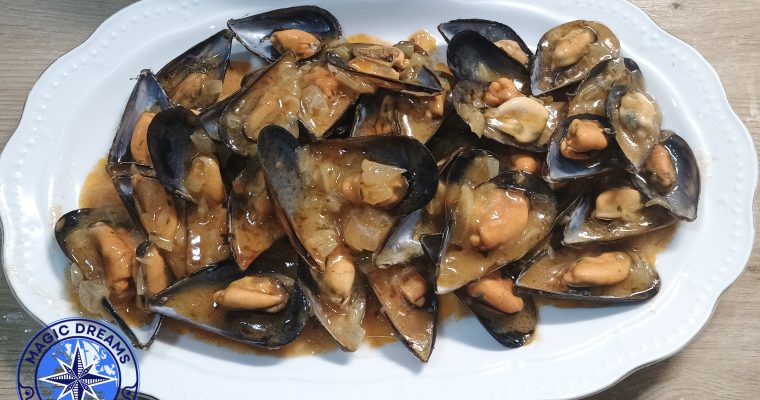
Spicy Mussels in Tomato Sauce.

Spicy Mussels in Tomato Sauce.

A Mediterranean seafood classic with a fiery touch Spicy mussels in tomato sauce are a simple yet intensely flavoured seafood dish that reflects the culinary traditions of the Mediterranean coast. Mussels have long been an important ingredient in popular coastal cuisine because they are affordable, …

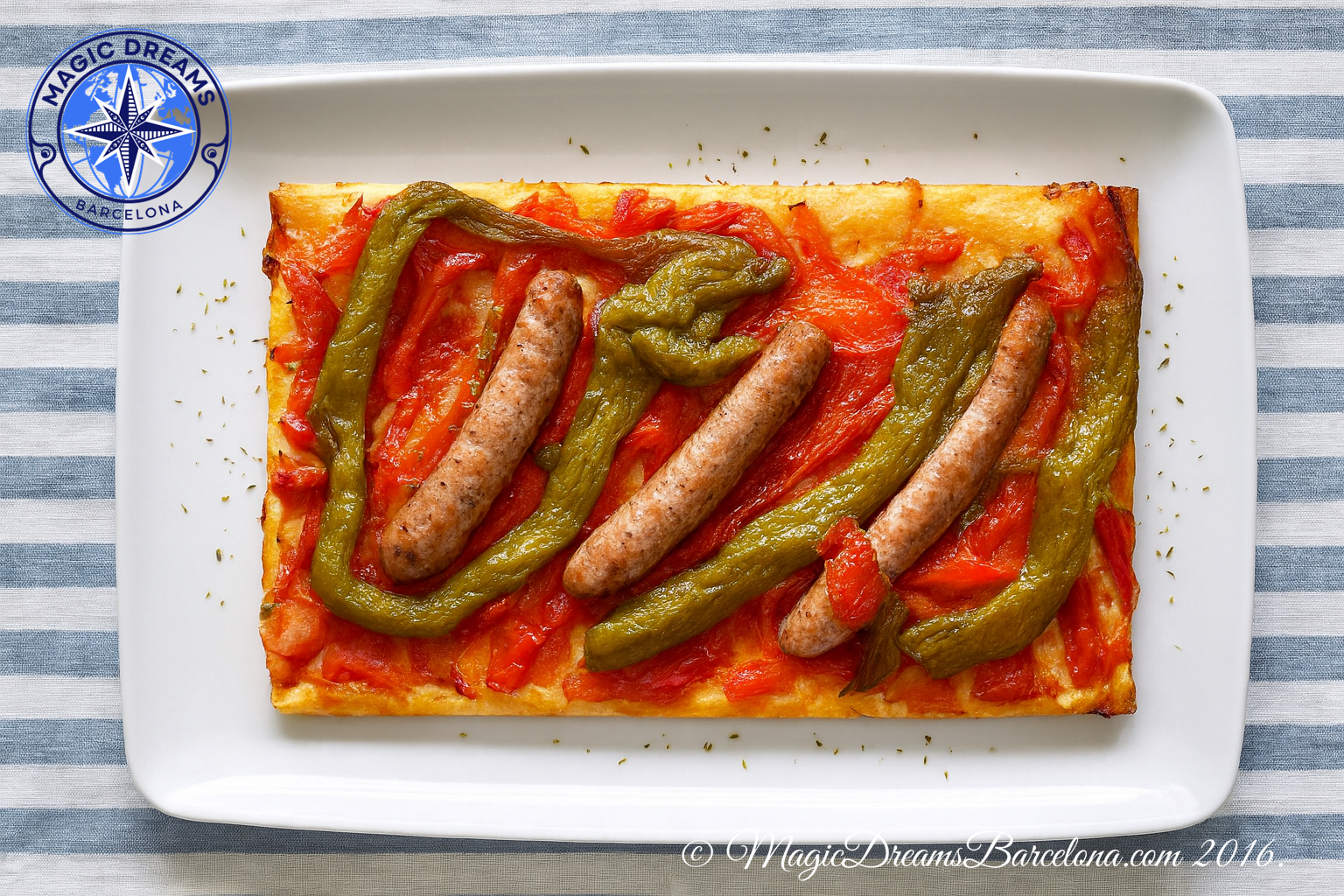
Catalan Coca with Sausages, Tomato and Roasted Peppers.

Catalan Coca with Sausages, Tomato and Roasted Peppers.

Catalan tradition, artisan dough and authentic Mediterranean flavour

Coca Catalana is one of the great symbols of Catalan gastronomy and one of the oldest preparations in Catalan culinary tradition.

Its origins go back centuries, when simple bread made with flour, water, salt and yeast was transformed into a versatile base that could be topped with whatever ingredients were available in each region.

This simple preparation allowed families to create both sweet and savoury versions, adapting the coca to local products and seasonal ingredients.

In Catalonia, coca is far more than food.

It is part of the region’s culture, celebrations and family traditions.

It is especially associated with occasions such as Easter, Christmas and the night of Sant Joan, when the famous Coca de Sant Joan takes centre stage.

But coca is also enjoyed throughout the year, proving its versatility and its place in everyday Catalan cooking.

There are countless varieties.

Savoury versions include coca de recapte, spinach coca, tomato and roasted pepper coca, sausage coca and tuna coca.

Sweet versions include anise, custard, angel hair, candied fruit and pine nut coca.

There are even sweet-and-savoury combinations involving meat and fruit, demonstrating the creativity and adaptability of this traditional preparation.

In this version, we combine artisan fresh sausages, concentrated tomato sauce and roasted red and green peppers, creating a rustic Mediterranean coca that is ideal for sharing.

A simple dough transformed into a true taste of Catalonia.


Premium Catalan Coca Recipe

Serves 4–6

Ingredients

For the Dough

  • 500 g wheat flour
  • 10 g salt
  • 10 g sugar
  • 20 g fresh yeast
  • 250 ml warm water
  • 50 ml extra virgin olive oil

For the Topping

  • 2 red peppers, roasted and peeled
  • 2 green peppers, roasted and peeled
  • 4–5 high-quality fresh sausages
  • 2 ripe tomatoes, grated
  • 1 garlic clove, finely chopped
  • 1 teaspoon sweet paprika
  • Extra virgin olive oil
  • Salt
  • Freshly ground black pepper

Optional

  • Fresh rosemary
  • A final drizzle of extra virgin olive oil

Step-by-Step Preparation

01 · Activate the Yeast

The beginning of a great dough

Place the warm water in a small bowl.

Add the fresh yeast and sugar.

Mix gently and leave to rest for 5–10 minutes.

A light foam should begin to appear on the surface, indicating that the yeast is active.


02 · Prepare the Flour

Place the flour in a large mixing bowl.

Add the salt and mix.

Make a well in the centre.


03 · Make the Dough

Soft, elastic and homogeneous

Pour the dissolved yeast mixture into the centre and add the 50 ml extra virgin olive oil.

Mix carefully until all the ingredients are incorporated.

Transfer the dough to a lightly floured work surface.

Knead for approximately 8–10 minutes, until the dough becomes smooth, homogeneous and elastic.


04 · First Rise

Give the dough time

Place the dough in a lightly oiled bowl.

Cover with a clean kitchen towel.

Leave to rest for approximately 1 hour, or until the dough has doubled in volume.

The exact fermentation time will depend on the room temperature.


Preparing the Topping

05 · Roast the Peppers

The aroma of escalivada

Roast the peppers until the skins become lightly charred and the flesh is completely tender.

Once cool enough to handle, remove the skins and seeds.

Cut the peppers into long strips.

Set aside.


06 · Prepare the Tomato Sauce

Heat a small drizzle of olive oil in a frying pan.

Add the chopped garlic and cook gently to release its aroma.

Add the grated tomatoes.

Add the sweet paprika.

Cook over medium heat until the mixture becomes a thick, concentrated and aromatic sauce.

Season with salt and freshly ground black pepper.


Assembling the Coca

07 · Stretch the Dough

Once the dough has finished rising, place it on a baking tray lined with baking paper.

Stretch it gently with your hands or a rolling pin.

It can be shaped into a rectangle, oval or slightly irregular rustic shape, preserving the handmade character of the coca.

There is no need to make it excessively thin.


08 · Add the Tomato

Spread the tomato sauce evenly over the dough.

Leave a small border around the edges.

The sauce should cover the surface without becoming too thick.


09 · Add the Roasted Peppers

Arrange the strips of roasted red and green peppers over the tomato sauce.

Distribute them evenly so that every portion contains a good balance of flavours.


10 · Add the Sausages

Cut the fresh sausages into medium-sized pieces.

Arrange them over the roasted peppers.

Finish with a light drizzle of extra virgin olive oil.


Baking

11 · Bake the Coca

Preheat the oven to 200°C / 392°F.

Bake for approximately 20–25 minutes.

The exact time will depend on the thickness of the dough and the characteristics of the oven.

The coca is ready when:

the edges are golden + the base is fully baked + the sausages are cooked through.


12 · Final Finish

Remove the coca from the oven.

Add a small drizzle of extra virgin olive oil.

Finish with a few leaves of fresh rosemary, if desired.

Allow to rest for a few minutes before slicing.


The Secret to a Great Catalan Coca

The dough should be light and tender inside, with slightly crisp edges.

The tomato sauce should be concentrated rather than watery.

The roasted peppers should retain their sweetness and subtle smoky character.

The sausages should remain juicy while developing a beautifully browned exterior.

The ideal balance is:

artisan dough + concentrated tomato + sweet roasted peppers + juicy sausage + extra virgin olive oil.


Gourmet Suggestions

Magic Dreams Barcelona

To elevate this traditional coca:

  • Use high-quality wheat flour.
  • Give the dough enough time to ferment properly.
  • Roast the peppers in advance to intensify their flavour.
  • Use fresh artisanal sausages.
  • Slowly reduce the tomato sauce.
  • Choose a fruity extra virgin olive oil.
  • Add fresh rosemary just before serving.
  • For a more sophisticated version, add black olives or thin shavings of aged cheese.
  • Serve freshly baked or slightly warm.

Mar i Muntanya Variation

Bringing the Mediterranean into the coca

Coca can also become a Mar i Muntanya creation.

Replace part of the sausage with:

  • Prawns.
  • Squid.
  • Mussels.
  • Anchovies.

Another excellent combination is fresh sausage with prawns, bringing together the richness of the countryside and the flavour of the Mediterranean.

This interpretation preserves the creative spirit of Catalan cuisine.


Presentation

Traditional coca is served cut into generous portions and placed in the centre of the table.

For a Premium Magic Dreams Barcelona presentation, cut the coca into elegant individual rectangles and arrange them on a wooden board or handcrafted ceramic serving platter.

Finish with:

  • Fresh rosemary.
  • A few drops of extra virgin olive oil.
  • Small touches of reduced tomato.
  • Fresh seasonal herbs, optional.

The objective is to preserve the handmade character of the coca while giving it a more refined presentation.


Pairing

For the table, we recommend a fresh Mediterranean-style 0.0% alcohol-free rosé, served well chilled.

A medium-bodied 0.0% alcohol-free red wine is also an excellent choice, particularly because of the fresh sausages.

For a lighter option, serve with very cold sparkling water, lemon and fresh Mediterranean herbs.


Serving

The coca can be served hot, warm or at room temperature.

As a tapa, cut it into small pieces for sharing.

As a main dish, serve more generous portions alongside a fresh Mediterranean salad.

It is also perfect for a family-style meal or informal gathering.


Storage

The coca can be kept in an airtight container for approximately 1–2 days.

To restore some of its texture, reheat it briefly in the oven.

Avoid excessive reheating, which can dry the dough.


The Coca — The Soul of Catalonia

Catalan coca represents one of the great strengths of traditional cooking:

a simple dough can become an entirely different dish depending on the region, the season and the cook’s imagination.

It can be sweet.

It can be savoury.

It can be rustic.

It can be refined.

It can be prepared for a celebration or for an everyday meal.

This extraordinary adaptability is one of the reasons coca has remained such an important part of Catalan culture.


The Premium Magic Dreams Barcelona Touch

At Magic Dreams Barcelona, we respect the traditional recipe while elevating it through quality ingredients, careful fermentation, precise baking and elegant presentation.

The Catalan soul remains; the experience becomes Premium.

Copyright © 2016-2026 Magic Dreams Barcelona.

Catalan-Style Noodles in a Casserole — Fideus a la Cassola.

Catalan-Style Noodles in a Casserole — Fideus a la Cassola.

Family tradition, rich sofrito and the authentic flavour of Catalan cuisine Fideus a la cassola, also known as Catalan-style casserole noodles, are one of the most representative dishes of traditional Catalan home cooking. Their defining characteristic is also their greatest difference from classic Italian pasta: …

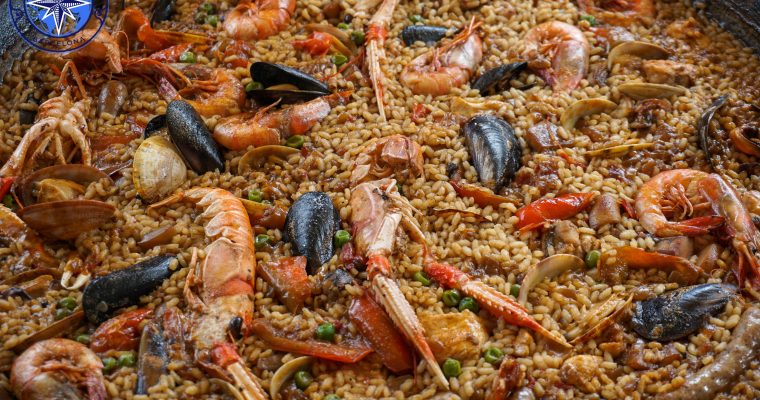
Catalan Paella Mar i Muntanya.

Catalan Paella Mar i Muntanya.

The Mediterranean meeting of sea and land The Paella Mar i Muntanya is one of the most fascinating expressions of Catalan cuisine. Its name literally means “Sea and Mountain”, referring to the combination of ingredients from the Mediterranean coast with products traditionally associated with the …

Fried Calamari and Fried Anchovies Tapas.

Fried Calamari and Fried Anchovies Tapas.

Two Mediterranean classics on one table

Fried calamari and fried anchovies are two timeless dishes of Mediterranean coastal cuisine. Simple, generous and full of flavour, they are especially popular as tapas in traditional bars, taverns and seafood restaurants.

Roman-style fried calamari are prepared by cutting fresh squid into rings, coating them in a light batter and frying them until golden and crisp while keeping the inside tender.

Fried anchovies, known in Spain as boquerones fritos, are small Mediterranean fish traditionally coated lightly in flour and fried in olive oil. Their delicate flavour and crisp texture make them one of the simplest and most popular seafood tapas.

Although anchovies can also be prepared in vinegar, this recipe is specifically for fried anchovies in olive oil.

Together, these two dishes capture the essence of Mediterranean tapas: fresh seafood, quality olive oil, crisp textures and the unmistakable flavour of the sea.


Ingredients

Serves 4

For the fried calamari

  • 500 g cleaned squid
  • 150 g wheat flour
  • 1 egg
  • 150 ml very cold water
  • ½ teaspoon salt
  • A pinch of white pepper
  • Olive oil for frying
  • Lemon wedges, to serve

For the fried anchovies

  • 500 g fresh anchovies
  • 100–120 g wheat flour
  • Salt
  • Olive oil for frying
  • Lemon wedges, to serve
  • Fresh parsley, optional

Preparation

01 · Prepare the calamari

Freshness is essential

Clean the squid carefully, removing the entrails, transparent cartilage and outer skin.

Cut the squid into rings approximately 1 cm thick.

Dry them thoroughly with kitchen paper.

Removing excess moisture is important because it helps prevent oil splashes and allows the batter to become properly crisp.


02 · Prepare the batter

Light, delicate and crisp

Place the flour, egg, very cold water, salt and white pepper in a bowl.

Mix gently until you obtain a smooth batter.

Do not overmix.

The batter should be fluid enough to coat the calamari lightly while remaining thick enough to adhere to the rings.


03 · Fry the calamari

Perfect golden colour

Heat plenty of olive oil to approximately 175–180°C.

Dip each calamari ring into the batter and allow the excess to drain away.

Carefully place the rings into the hot oil.

Fry for approximately 2–3 minutes, depending on their size.

When golden and crisp, remove them and drain on kitchen paper.

Avoid overcrowding the pan, as this can cause the oil temperature to drop.


Preparing the Fried Anchovies

04 · Clean the anchovies

The Mediterranean in its simplest form

Clean the fresh anchovies by removing the heads and innards.

You may leave the central bone in place or remove it, depending on your preferred presentation.

Rinse them briefly under cold water and dry them thoroughly.

Season lightly with salt.


05 · Coat with flour

A delicate coating

Place the anchovies in the flour and gently toss them until lightly coated.

Shake off any excess flour.

The coating should remain thin.

The aim is to preserve the delicate flavour and texture of the fish rather than covering it with a heavy crust.


06 · Fry the anchovies in olive oil

Golden, delicate and crisp

Heat olive oil to approximately 175–180°C.

Fry the anchovies in small batches for approximately 2–3 minutes, until golden and crisp.

Remove them carefully and drain on kitchen paper.

Finish with a few drops of fresh lemon juice just before serving.

Important: these anchovies are fried in olive oil. They are not prepared en vinagre.


Plating the Tapas

07 · A Mediterranean table

Arrange the fried calamari on a large serving plate.

Place the fried anchovies alongside them.

Add fresh lemon wedges and, if desired, a little chopped parsley.

For a more traditional presentation, serve them in small ceramic dishes alongside rustic bread.

The combination of golden fried seafood, fresh lemon and extra virgin olive oil creates a simple but highly appealing Mediterranean presentation.


Gourmet Suggestions

Magic Dreams Barcelona

To elevate these traditional tapas while preserving their authentic character:

  • Choose fresh squid and fresh anchovies.
  • Dry the seafood thoroughly before frying.
  • Use very cold water for a lighter calamari batter.
  • Maintain the frying temperature between 175 and 180°C.
  • Fry in small batches.
  • Use good-quality olive oil.
  • Drain the seafood immediately after frying.
  • Add lemon just before serving.
  • Keep the anchovy coating light.
  • Serve with a small portion of homemade alioli if desired.

The Secret to Great Fried Calamari

The objective is to achieve the perfect contrast:

golden and crisp outside, tender and juicy inside.

The temperature of the olive oil is crucial.

If the oil is too cool, the batter absorbs excessive oil.

If it is too hot, the exterior can brown before the calamari reaches the ideal texture.

Maintaining a stable temperature and frying in small batches produces a much better result.


The Secret to Great Fried Anchovies

The anchovies should remain delicate and moist inside while developing a thin, crisp exterior.

The key is simple:

fresh fish, a light coating of flour and properly heated olive oil.

Do not leave the anchovies in the flour for too long before frying.

Coat them immediately before placing them in the oil.

This helps maintain a lighter and crispier finish.


Presentation

For an authentic Mediterranean tapas experience, serve the calamari and anchovies on a wooden board or in small traditional ceramic dishes.

Arrange the calamari in the centre and place the fried anchovies alongside them.

Add lemon wedges and a little fresh parsley.

A small bowl of alioli can complete the presentation.

The result should feel generous, informal and inviting — like a traditional seafood tapas table beside the Mediterranean.


Pairing

These tapas pair particularly well with a fresh, dry 0.0% alcohol-free white wine, whose acidity helps balance the richness of the fried seafood.

A chilled 0.0% alcohol-free Mediterranean-style vermouth is also an excellent choice for an aperitif.

For a completely refreshing option, serve with very cold sparkling water, lemon and fresh Mediterranean herbs.

The drink should refresh the palate while allowing the calamari, anchovies and olive oil to remain the stars of the dish.

Copyright © 2016-2026 Magic Dreams Barcelona.
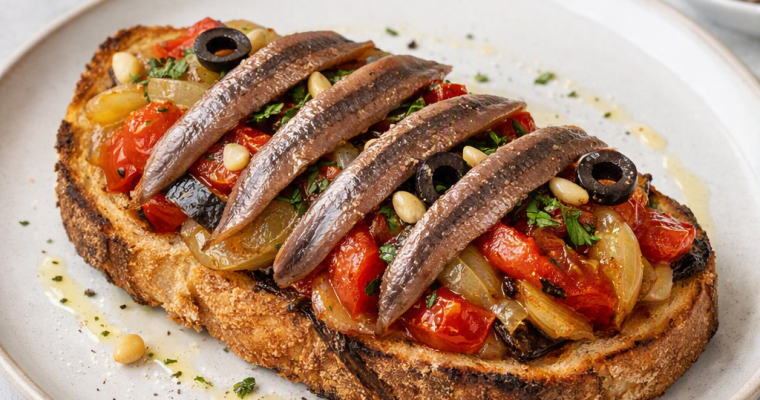
Catalan Espardenya with Escalivada and L’Escala Anchovies.

Catalan Espardenya with Escalivada and L’Escala Anchovies.

The Mediterranean on a slice of toasted bread The Espardenya is a traditional Catalan-style tapa combining toasted bread, escalivada and anchovies, bringing together the flavours of the land and the sea. The name espardenya is associated with this rustic style of preparation in Catalan cuisine, …

Cap i Pota – Traditional Catalan Style.

Cap i Pota – Traditional Catalan Style.

A historic Catalan stew of tender beef, sofrito and silky sauce Cap i Pota is one of the most authentic dishes of traditional Catalan cuisine. Its name literally means “head and foot”, referring to the traditional use of beef head and feet, slowly cooked until …

Cap i Pota Catalana.

Cap i Pota Catalana.

Una receta humilde convertida en un clásico de la cocina catalana

El Cap i Pota es uno de los guisos más tradicionales y auténticos de la cocina popular catalana. Su nombre significa literalmente “cabeza y pata”, haciendo referencia a los principales ingredientes del plato: cabeza y manitas de ternera, cocinadas lentamente hasta conseguir una textura tierna, melosa y llena de sabor.

De origen humilde, era una elaboración vinculada a la cocina de aprovechamiento, en la que se utilizaban diferentes partes del animal que tradicionalmente tenían menos valor comercial. Con el tiempo, esta receta pasó de las cocinas familiares y las casas de comidas a convertirse en una auténtica especialidad de la gastronomía catalana.

El secreto del Cap i Pota está en la cocción lenta, el sofrito y la salsa, que permiten que la gelatina natural de las carnes aporte una textura extraordinariamente untuosa.

Es habitual prepararlo con cebolla, tomate, ajo, pimentón y vino, y en algunas versiones se incorporan garbanzos, patatas o una picada de frutos secos. Como ocurre con muchos platos tradicionales catalanes, cada familia conserva su propia interpretación.

Es un plato contundente, reconfortante y profundamente ligado a la tradición de las fondas, mercados y cocinas populares de Cataluña.


Receta Tradicional de Cap i Pota Catalana

Para 4 personas

Ingredientes

Para el guiso

  • 800 g de cap i pota de ternera, ya cocidos y troceados.
  • 1 cebolla grande.
  • 2 dientes de ajo.
  • 2 tomates maduros rallados.
  • 1 pimiento verde pequeño, opcional.
  • 100 ml de vino blanco o vino rancio.
  • 400 ml de caldo de carne.
  • 1 cucharadita de pimentón dulce.
  • 1 hoja de laurel.
  • Aceite de oliva virgen extra.
  • Sal.
  • Pimienta negra recién molida.

Para la picada

  • 10 almendras tostadas.
  • 1 diente de ajo.
  • Unas hojas de perejil fresco.
  • 1 pequeña rebanada de pan tostado o frito.

Opcional

  • 200 g de garbanzos cocidos.
  • Una pequeña guindilla para aportar un toque picante.
  • Unas patatas cortadas en dados.

Preparación

01 · Preparar el Cap i Pota

Si utilizamos cap i pota ya cocidos, los enjuagamos ligeramente y los dejamos escurrir.

Cortamos las piezas en trozos de tamaño uniforme, procurando conservar parte de la gelatina natural que las recubre.

Esta gelatina será fundamental para conseguir posteriormente una salsa espesa, brillante y melosa.


02 · Preparar el sofrito

Calentamos un buen chorro de aceite de oliva virgen extra en una cazuela amplia.

Añadimos la cebolla finamente picada y la cocinamos a fuego lento durante unos 15–20 minutos, hasta que esté muy tierna y ligeramente caramelizada.

Incorporamos el ajo picado y, si lo utilizamos, el pimiento verde.

Cocinamos unos minutos más.

Añadimos el tomate rallado y dejamos reducir lentamente hasta conseguir un sofrito concentrado.

El sofrito es una de las claves del plato: cuanto más lentamente se cocine, mayor será la profundidad de sabor.


03 · Incorporar el pimentón y el vino

Añadimos el pimentón dulce y removemos rápidamente para evitar que se queme.

Inmediatamente incorporamos el vino blanco o el vino rancio.

Subimos ligeramente el fuego y dejamos evaporar el alcohol durante unos minutos.

La mezcla comenzará a adquirir un aroma profundo y característico.


04 · Cocinar el Cap i Pota

Incorporamos los trozos de cap i pota a la cazuela.

Añadimos el caldo de carne y la hoja de laurel.

Mezclamos suavemente y dejamos cocinar a fuego lento durante 25–30 minutos.

La salsa irá reduciéndose mientras la gelatina natural de la carne se integra con el sofrito.

No debemos remover en exceso con una cuchara, ya que podemos romper los trozos de cap i pota.

Es preferible mover la cazuela suavemente de vez en cuando.


05 · Preparar la picada

Mientras se cocina el guiso, colocamos en un mortero las almendras tostadas, el ajo, el perejil y el pan tostado.

Machacamos hasta obtener una pasta fina y aromática.

La picada catalana aporta cuerpo, textura y profundidad al guiso.

Añadimos una pequeña cantidad del caldo de la cazuela al mortero, mezclamos y vertemos la preparación sobre el guiso.


06 · El toque final

Incorporamos la picada y cocinamos durante 10 minutos más a fuego muy suave.

Si queremos preparar una versión con garbanzos, los añadimos durante esta última parte de la cocción.

Probamos y rectificamos de sal y pimienta.

La salsa debe quedar espesa, brillante y melosa, envolviendo completamente los trozos de carne.


El secreto del Cap i Pota

La clave de este plato no está en utilizar muchos ingredientes, sino en respetar el tiempo de cocción.

El sofrito debe cocinarse lentamente y el cap i pota necesita tiempo suficiente para liberar su gelatina natural.

El resultado perfecto debe presentar:

una carne tierna, una salsa melosa y un sabor profundo y ligeramente especiado.

Como muchos grandes guisos catalanes, el Cap i Pota suele ganar sabor después de reposar.

Incluso puede prepararse el día anterior y calentarse suavemente antes de servir.


Presentación Gourmet

Para una presentación tradicional, servimos el Cap i Pota directamente en una cazuela de barro, acompañado de pan rústico.

Para una presentación contemporánea, colocamos los trozos de carne cuidadosamente en el centro del plato y añadimos la salsa alrededor.

Terminamos con unas gotas de aceite de oliva virgen extra, perejil fresco y unas almendras tostadas ligeramente trituradas.

El objetivo es mantener la esencia de un plato popular catalán, pero presentarlo con la elegancia de la gastronomía contemporánea.


Maridaje

El Cap i Pota combina especialmente bien con un vino tinto catalán de cuerpo medio o con un vino blanco estructurado.

Para una alternativa sin alcohol, podemos acompañarlo con un vino tinto 0.0% o una bebida mediterránea de carácter especiado.

Y, como manda la tradición, un buen pan rústico es prácticamente imprescindible para aprovechar hasta la última gota de la salsa.

Copyright © 2016-2026 Magic Dreams Barcelona.

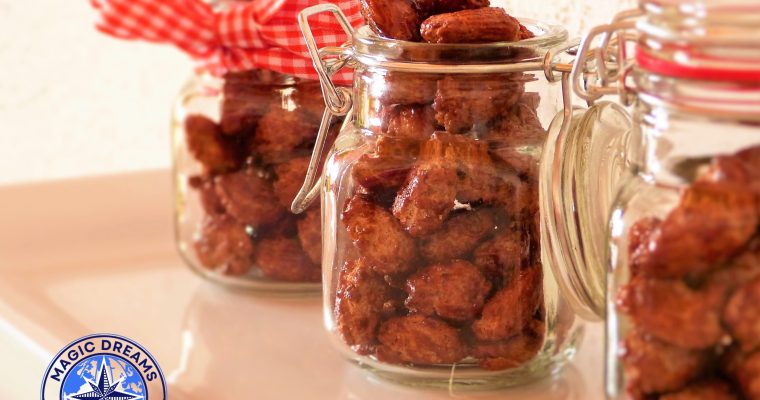
Caramelised Catalan Almonds.

Caramelised Catalan Almonds.

The sweet aroma of Catalan fairs and traditional celebrations Caramelised almonds, known in Spanish as almendras garrapiñadas, are one of the most beloved traditional sweets found at fairs, village festivals and popular celebrations throughout Catalonia. Their aroma is unmistakable. The moment sugar begins to caramelise …

Catalan Romesco Sauce.

Catalan Romesco Sauce.

The essence of Catalan cuisine in one deeply Mediterranean sauce Romesco sauce is one of the great treasures of Catalan gastronomy. Originating in the Tarragona area and deeply connected with the maritime traditions of the Catalan coast, it has become an essential accompaniment to calçots, …

Salt-Baked Sea Bream.

Salt-Baked Sea Bream.

Mediterranean tradition, pure flavour and elegance in every bite

Salt-baked sea bream is one of the most elegant and natural ways to prepare fish in Mediterranean cuisine. Its secret lies not in adding numerous ingredients, but in respecting the fish itself and using an ancient cooking technique that preserves its natural juices and delicate flavour.

In Catalonia, where maritime cuisine has always played an important role, many varieties of fish are traditionally enjoyed, including monkfish, grouper, red scorpionfish, sole, hake, sardines, anchovies, mackerel, tuna and salted cod.

Fish may be fried, grilled, prepared in casseroles with vegetables and sofrito, cooked in suquets and seafood soups, or baked with potatoes and tomatoes.

Salt baking, however, is a technique of its own.

Here, the salt does not overpower the fish.

It protects it.

The whole fish is completely covered with coarse salt, lightly moistened with water, and baked in the oven. During cooking, the salt hardens into a protective crust — almost like a natural armour — keeping the juices inside.

The result is remarkably delicate:

moist flesh, a firm yet tender texture and a pure, concentrated taste of the sea.


An Ancient Mediterranean Cooking Technique

Salt as both protection and cooking method

Cooking in salt belongs to a long Mediterranean tradition associated with both food preservation and preparation.

The principle is beautifully simple.

The moistened salt forms a protective barrier around the fish while the heat of the oven cooks it gently inside.

The fish is usually prepared whole, with its head, skin and bones intact, and in most cases with the scales.

Very little else is needed.

The structure of the fish and the salt crust do the work.


How Does Salt Baking Work?

A little Mediterranean culinary alchemy

Coarse salt is lightly moistened with water so it can be packed around the fish.

Once placed in the oven, the heat causes the salt to harden into a firm crust.

This crust limits moisture loss.

The natural juices remain inside.

The fish therefore cooks in a protected environment, surrounded by its own steam and aromas.

When the crust is broken after baking, the result is tender, juicy and remarkably clean-tasting fish.


Premium Salt-Baked Sea Bream

Serves 2

Ingredients

  • 1 whole sea bream, approximately 800 g–1 kg
  • 1.5–2 kg coarse sea salt
  • Water
  • A few drops of extra virgin olive oil
  • Lemon, optional
  • Fresh parsley, optional

For the Premium Presentation

  • High-quality extra virgin olive oil
  • Finely grated lemon zest
  • Fresh Mediterranean herbs
  • Flaked sea salt, optional and used only for presentation

Step-by-Step Preparation

01 · Prepare the Sea Bream

Ask your fishmonger to clean the sea bream without removing the scales.

Keep the skin and head intact.

The scales provide an additional protective layer between the fish and the salt.

Dry the fish carefully.

Do not season the fish directly with salt.


02 · Prepare the Salt Base

Spread a layer of approximately 1–2 cm of coarse salt over a baking tray.

Sprinkle with a little water and mix.

The salt should be slightly damp, but never wet.


03 · Place the Fish

Place the sea bream on top of the first layer of salt.

Cover the fish completely with the remaining salt.

It should be completely enclosed, almost as though you were creating a small natural armour around the fish.

Press gently so the salt forms a compact crust.

The head and tail can also be covered.


04 · Bake

Preheat the oven to 200°C / 392°F.

Bake for approximately 20–25 minutes per kilogram of fish, depending on its exact size and your oven.

Avoid opening the oven repeatedly.

The crust should become firm and hardened.

Cooking time can vary, so always adjust it according to the actual weight of the fish.


05 · Break the Salt Crust

The most dramatic moment

Remove the sea bream from the oven.

Allow it to rest for approximately 5 minutes.

Using a spoon, small knife or similar utensil, carefully break open the salt crust.

Remove the large pieces of salt.

Work gently to prevent excessive salt from coming into contact with the flesh.


06 · Clean the Fish

Carefully remove the skin.

Separate the fillets from the central bone.

The flesh should come away easily while remaining beautifully moist.

Remove any remaining bones or traces of salt.


07 · The Final Finish

Serve the fillets immediately.

Add a few drops of excellent extra virgin olive oil.

Finish with a little fresh lemon zest and delicate Mediterranean herbs, if desired.

There is no need for a heavy sauce.

The fish should remain the star.


The Secret to Great Salt-Baked Fish

The key is not to overcomplicate the fish.

It should reach the oven almost exactly as it came from the sea.

The salt acts as a protective shell, allowing the sea bream to cook in a moist, enclosed environment.

There is no need to marinate it.

There is no need for heavy seasoning.

There is no need for an elaborate sauce.

The sophistication lies in simplicity.


Does the Fish Become Too Salty?

Not necessarily.

The salt crust acts as a barrier.

Salt does not simply penetrate the fish indiscriminately.

The fish absorbs only a limited amount during cooking, although the final result depends on factors such as the size of the fish, the moisture of the crust and the cooking time.

That is why it is important to use coarse salt and carefully remove the crust and skin before serving.


Gourmet Suggestions

Magic Dreams Barcelona

To elevate this traditional preparation:

  • Use fresh, high-quality sea bream.
  • Keep the scales on during cooking.
  • Choose good-quality coarse sea salt.
  • Moisten the salt lightly.
  • Create a completely sealed crust.
  • Adjust cooking time according to the fish’s weight.
  • Break the crust carefully.
  • Remove the skin before serving.
  • Finish with excellent extra virgin olive oil.
  • Use lemon sparingly.
  • Avoid heavy sauces that could mask the fish.

Variations

The same technique works beautifully with other whole fish.

Salt-Baked Sea Bass

One of the most popular alternatives, with delicate yet firm flesh.

Salt-Baked Red Porgy

A beautiful Mediterranean option with a more pronounced flavour.

Salt-Baked Snapper

Ideal for a slightly richer and more characterful interpretation.

The method remains the same:

whole fish + coarse salt + oven + patience.


Traditional Presentation

The sea bream can be presented whole after carefully removing the salt crust.

For a more theatrical table service, the fillets can be removed in front of the guests.

The crust is broken.

The fish is revealed.

The skin is removed.

And the clean, moist fillets are served.

It becomes part of the dining experience.


Premium Presentation

The purity of the product, elevated by Magic Dreams Barcelona

For a Premium Magic Dreams Barcelona presentation, place the sea bream fillet in the centre of a white plate.

Add a few drops of extra virgin olive oil.

Finish with:

lemon zest + Mediterranean herbs + a delicate drizzle of olive oil.

A small garnish of Mediterranean vegetables or a very light salad can accompany the fish.

Nothing should hide the natural texture and colour of the sea bream.

True elegance lies in allowing the ingredient to speak for itself.


Pairing

For the table, we recommend a fresh, dry 0.0% alcohol-free Mediterranean-style white wine, with good acidity and a clean profile that complements the delicate flavour of the sea bream.

A 0.0% alcohol-free Penedès-style white wine is an excellent option.

A chilled 0.0% alcohol-free sparkling white wine also works beautifully.

For a completely refreshing alternative, serve with sparkling water, lemon and fresh Mediterranean herbs.


Serving

Salt-baked sea bream is best served immediately after the flesh has been removed from the salt crust.

Do not leave the fillets exposed for too long, as they can gradually lose moisture.

The ideal experience is:

break the crust → clean the fish → remove the fillets → serve.


The Premium Magic Dreams Barcelona Touch

At Magic Dreams Barcelona, we believe that fine dining does not always mean adding more ingredients.

Sometimes it means removing everything unnecessary.

Fresh fish.

Salt.

Heat.

Time.

And a Mediterranean technique capable of preserving the essence of the product.

We transform a deceptively simple recipe into a carefully presented gastronomic experience that celebrates the sea and the culinary heritage of the Mediterranean.


The Alchemy of Salt

Salt-baked sea bream is one of the purest ways to cook fish.

The salt becomes an armour.

The oven provides the heat.

The fish provides its own natural juices.

And patience does the rest.

When the crust is broken and the white, glossy and succulent fillet is revealed, we understand that this is more than a recipe.

It is a small piece of Mediterranean culinary alchemy.

Copyright © 2016-2026 Magic Dreams Barcelona.
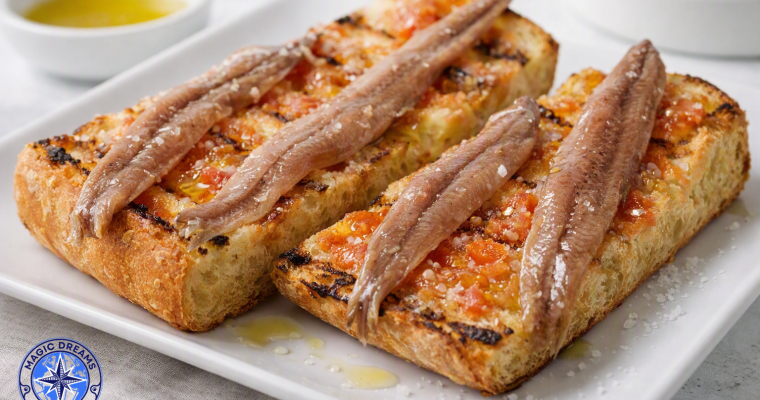
Pan de Coca with Anchovies from L’Escala.

Pan de Coca with Anchovies from L’Escala.

Pan de coca with anchovies from L’Escala is a simple yet deeply traditional expression of Catalan Mediterranean cuisine. It combines thin, crisp coca bread with extra-virgin olive oil, ripe tomato rubbed directly onto the bread and the intense flavour of traditionally cured anchovies from L’Escala. …

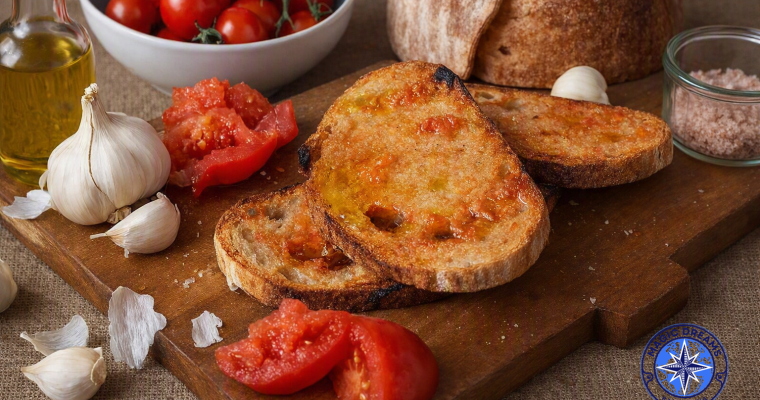
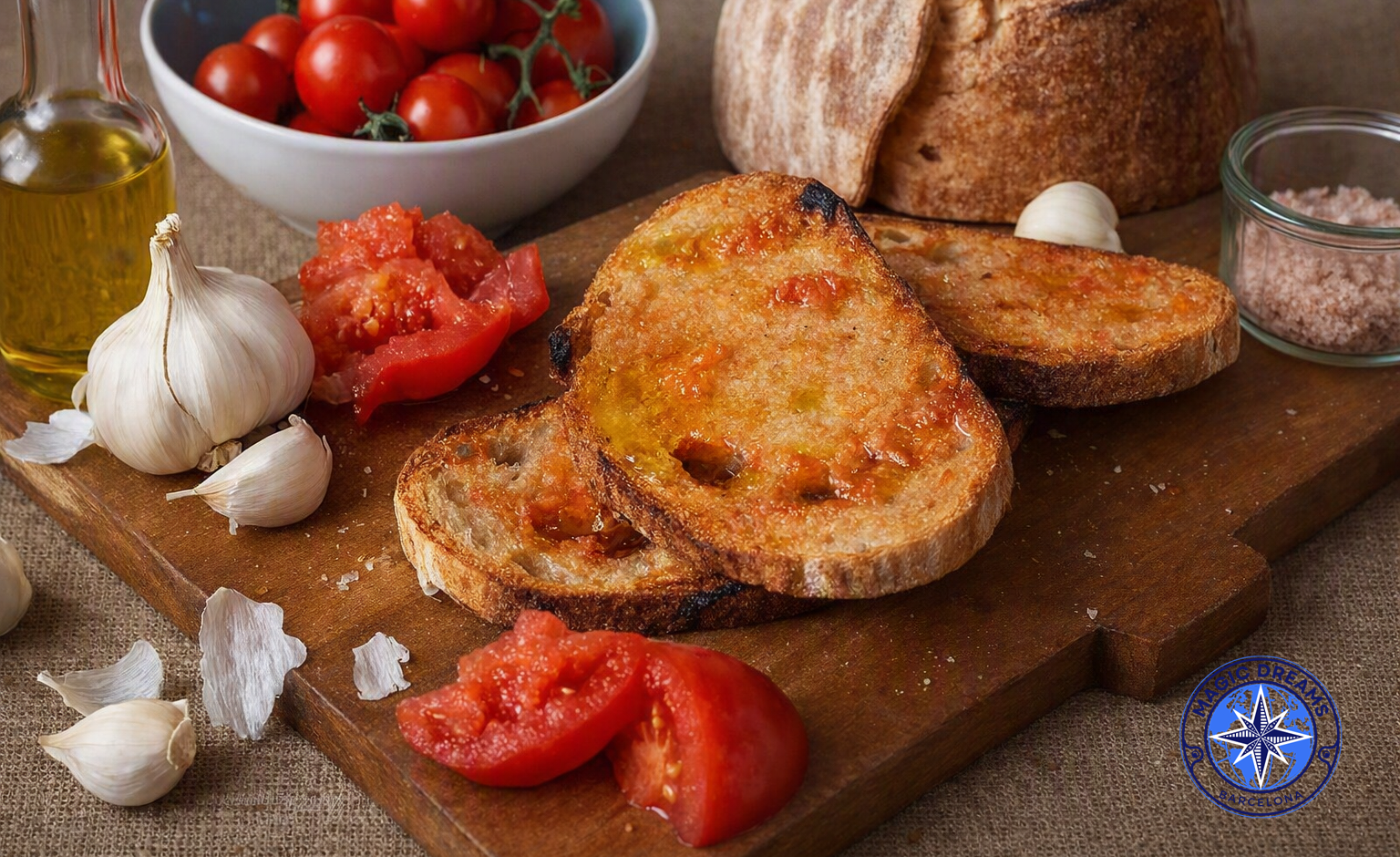
Catalan Tomato Bread — Pa Amb Tomàquet.

Catalan Tomato Bread — Pa Amb Tomàquet.

A Traditional Catalan Recipe Pa amb Tomàquet, or Catalan tomato bread, is one of the simplest and most iconic preparations in Catalan cuisine. It is made with just a few essential ingredients: good country bread, ripe tomato, salt and extra virgin olive oil. Its simplicity …

Pan de Payés con Tomate, Sal y Aceite de Oliva a la Catalana.

Pan de Payés con Tomate, Sal y Aceite de Oliva a la Catalana.

Una de las grandes expresiones de la cocina catalana

El Pa amb Tomàquet, conocido en castellano como pan con tomate, es una de las preparaciones más sencillas y representativas de la gastronomía catalana. Su esencia se encuentra precisamente en la sencillez: un buen pan de payés, tomate maduro, aceite de oliva virgen extra y una pequeña cantidad de sal.

A pesar de utilizar muy pocos ingredientes, el resultado depende de la calidad de cada uno de ellos. El pan debe tener una miga consistente y una corteza crujiente; el tomate debe estar maduro, jugoso y lleno de sabor; y el aceite de oliva debe aportar aroma, suavidad y carácter.

Esta preparación forma parte de la identidad gastronómica de Cataluña y que se puede encontrar tanto en las mesas familiares como en restaurantes, desayunos tradicionales, comidas informales y reuniones alrededor de una buena mesa.

Historia y origen

El pan con tomate está profundamente vinculado a la cocina popular catalana y a la tradición de aprovechar el pan de días anteriores. La costumbre de frotar tomate sobre el pan permitía aportar humedad, sabor y frescor a una rebanada de pan que ya no estaba recién hecha.

Con el paso del tiempo, esta sencilla combinación se convirtió en una preparación propia de la cultura gastronómica catalana.

El pa amb tomàquet aparece documentado en recetarios y referencias gastronómicas catalanas desde hace más de un siglo, aunque su práctica probablemente se desarrolló de forma progresiva dentro de la cocina doméstica y rural.

Su popularidad se debe, en buena medida, a que representa una manera muy mediterránea de cocinar: pocos ingredientes, productos de temporada y una elaboración que respeta completamente el sabor natural de cada elemento.

La costumbre catalana

Tradicionalmente, el pan se corta en rebanadas y se frota directamente con un tomate maduro hasta impregnar la superficie con su pulpa y su jugo. Después se añade sal y se termina con un buen aceite de oliva.

En Cataluña es habitual encontrarlo acompañado de embutidos y productos tradicionales como fuet, jamón, llonganissa, botifarra o quesos, aunque también puede servirse como acompañamiento de carnes, pescados y otros platos.

En muchas casas y restaurantes se prepara directamente en la mesa, especialmente cuando se comparte una comida. Cada persona puede preparar su propia rebanada, regulando la cantidad de tomate, sal y aceite según su gusto.

También existe la costumbre de utilizar tomates especialmente adecuados para esta preparación, conocidos popularmente como tomates de colgar o tomates de invierno, que presentan una pulpa muy apropiada para frotar sobre el pan y una excelente capacidad de conservación.

Ingredientes

Para 4 personas

  • 4 rebanadas grandes de pan de payés
  • 2 o 3 tomates maduros, preferiblemente de variedad adecuada para pan con tomate
  • 3 o 4 cucharadas de aceite de oliva virgen extra
  • Sal al gusto

Opcional

  • 1 diente de ajo

El ajo no es imprescindible. Si desea una versión más intensa y tradicional en determinadas zonas, puede frotar ligeramente el pan con el diente de ajo antes de añadir el tomate.

Preparación

1. Prepare el pan

Corte el pan de payés en rebanadas de aproximadamente 1,5 a 2 centímetros de grosor.

Si el pan está recién hecho y todavía conserva mucha humedad, déjelo reposar ligeramente antes de tostarlo.

Para obtener un resultado más aromático y crujiente, tueste las rebanadas ligeramente por ambos lados. Puede hacerlo en una parrilla, una plancha o directamente en el horno o barbacoa.

El objetivo es conseguir una superficie dorada y ligeramente crujiente, manteniendo una miga con suficiente estructura para absorber el tomate y el aceite.

2. Añada el ajo

Si desea utilizar ajo, corte un diente por la mitad y frótelo suavemente sobre la superficie caliente del pan.

No es necesario utilizar una cantidad excesiva. El ajo debe aportar un aroma sutil sin dominar el sabor del tomate y del aceite de oliva.

3. Prepare el tomate

Lave los tomates y córtelos por la mitad.

Frote cada mitad directamente sobre la superficie del pan, presionando suavemente para que la pulpa  penetre en la miga.

Continúe hasta cubrir toda la superficie.

Si utiliza tomates de colgar, comprobará que su textura y cantidad de pulpa son especialmente adecuadas para esta preparación.

4. Añada la sal

Una vez incorporado el tomate, añada una pequeña cantidad de sal.

La cantidad debe ser moderada, ya que su función es realzar el sabor natural del tomate, no ocultarlo.

5. Termine con aceite de oliva

Finalice con un generoso hilo de aceite de oliva virgen extra.

El aceite debe distribuirse por toda la superficie, mezclándose con el tomate y penetrando ligeramente en el pan.

Para esta receta merece la pena utilizar un aceite de buena calidad, ya que es uno de los ingredientes principales y su sabor se percibe directamente.

Presentación

Sirva el pan con tomate inmediatamente después de prepararlo.

Puede presentarlo como desayuno tradicional, acompañamiento, aperitivo o parte de una comida mediterránea.

Para una presentación más completa, coloque las rebanadas sobre una tabla de madera y acompáñelas con jamón, embutidos catalanes, queso, aceitunas o unas hojas verdes.

También puede servirlo como acompañamiento de carnes a la brasa, pescados o platos tradicionales catalanes.

Los secretos de un buen pan con tomate

Utilice un buen pan de payés.
La estructura del pan es fundamental. Una miga demasiado blanda puede deshacerse al incorporar el tomate.

Elija tomates maduros.
Deben estar suficientemente maduros para liberar fácilmente su pulpa.

No abuse de la sal.
Debe realzar el tomate, no dominarlo.

Utilice aceite de oliva virgen extra.
Es uno de los elementos esenciales de la receta y aporta gran parte de su personalidad.

Tueste ligeramente el pan.
Una superficie crujiente permite absorber el tomate y el aceite sin perder completamente la textura.

Prepare y sirva inmediatamente.
El equilibrio ideal está entre el pan crujiente, el tomate jugoso y el aceite recién añadido.

Una receta sencilla que representa Cataluña

El pan con tomate demuestra que la cocina tradicional no necesita elaboraciones complejas para alcanzar un gran resultado.

Pan, tomate, sal y aceite de oliva son suficientes para crear una preparación que forma parte de la memoria gastronómica de Cataluña y de la cocina mediterránea.


Copyright © 2016-2026 Magic Dreams Barcelona.
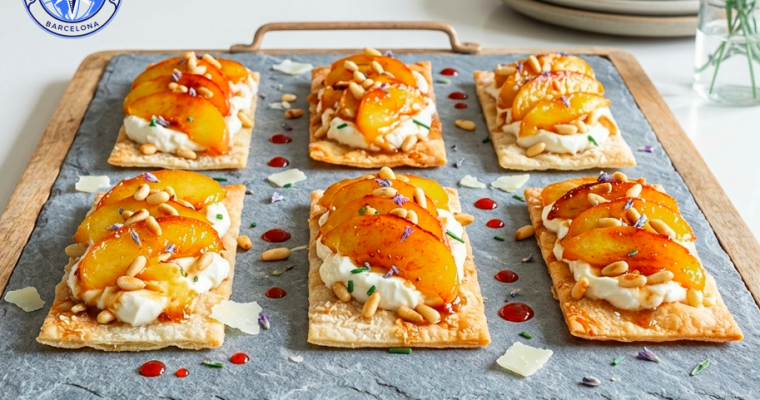
Coca de Vidre with Cheese and Caramelized Peach.

Coca de Vidre with Cheese and Caramelized Peach.

A Mediterranean creation combining crisp texture, creamy cheese, and caramelized fruit Some dishes may appear simple, but when prepared with precision, they can become true works of haute cuisine. This Coca de Vidre with cheese and caramelized peach is inspired by a Catalan tradition: a …

Coca de Vidre con Queso y Melocotón Caramelizado.

Coca de Vidre con Queso y Melocotón Caramelizado.

Una creación mediterránea de textura crujiente, queso cremoso y fruta caramelizada Existen elaboraciones que parecen sencillas, pero que, cuando se trabajan con precisión, pueden convertirse en auténticas piezas de alta gastronomía. Esta Coca de Vidre con queso y melocotón caramelizado parte de una tradición catalana: …

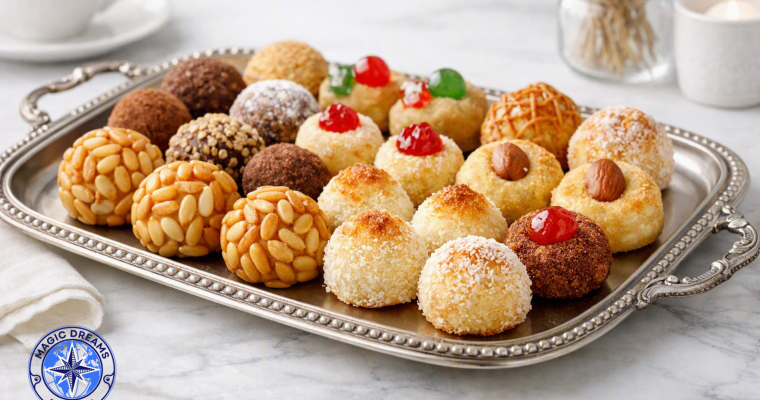
Traditional Catalan Panellets.

Traditional Catalan Panellets.

A Classic Catalan Autumn Sweet

Panellets are one of the most traditional sweets in Catalonia and are closely associated with All Saints’ Day and the Castanyada, the traditional Catalan autumn celebration held around November 1st.

These small almond-based sweets are traditionally prepared with ground almonds, sugar and potato or sweet potato. They are commonly covered with pine nuts, although many other varieties can be found, including coconut, coffee, chocolate and almond.

Simple ingredients, careful preparation and a strong connection to Catalan traditions make panellets an essential part of Catalan autumn cuisine.

A Brief History and Tradition

Panellets belong to the traditional Catalan confectionery repertoire and have been passed down through generations.

They became particularly associated with All Saints’ Day, when families would gather to celebrate the arrival of autumn. Alongside roasted chestnuts and sweet potatoes, panellets became one of the characteristic foods of the Castanyada.

The classic pine nut version is perhaps the best known. However, Catalan pastry shops and home kitchens prepare many different variations, allowing the same basic almond dough to become a wide selection of small traditional sweets.

Ingredients

Makes approximately 20–24 panellets

For the dough

  • 250 g ground almonds
  • 200 g sugar
  • 150 g potato or sweet potato
  • Finely grated zest of 1 lemon
  • 1 egg yolk

For the pine nut coating

  • 150–200 g pine nuts
  • 1 egg white

Optional varieties

Coconut Panellets

  • 40 g desiccated coconut

Coffee Panellets

  • 1 teaspoon instant espresso powder or a small amount of concentrated coffee

Chocolate Panellets

  • 1 tablespoon unsweetened cocoa powder

Almond Panellets

  • Chopped or flaked almonds

Method

1. Cook the Potato or Sweet Potato

Cook the potato or sweet potato with its skin on until completely tender.

Drain well and allow it to cool.

Peel it and mash until you obtain a smooth, lump-free purée.

It is important that the potato or sweet potato is not excessively wet, as too much moisture can make the dough difficult to shape.

2. Prepare the Almond Dough

Place the ground almonds, sugar and lemon zest in a large bowl.

Add the cooled potato or sweet potato purée and mix until the ingredients are evenly combined.

Add the egg yolk and continue mixing until you obtain a smooth, firm and workable dough.

Do not overwork the mixture. Once the ingredients are completely incorporated, the dough is ready.

3. Rest the Dough

Cover the dough and refrigerate it for at least 1 hour.

If possible, allow it to rest for several hours. This will make the dough easier to shape and allow the flavours to develop.

4. Shape the Panellets

Preheat the oven to 200°C / 390°F.

Divide the dough into small, equal portions and shape them into balls.

For the traditional pine nut panellets, lightly beat the egg white.

Coat each ball with the egg white and then cover it generously with pine nuts, gently pressing them into the surface so they adhere properly.

5. Prepare Different Flavours

For coconut panellets, mix part of the dough with desiccated coconut and shape into small portions.

For coffee panellets, incorporate espresso powder or a small amount of concentrated coffee.

For chocolate panellets, add unsweetened cocoa powder to another portion of the dough.

You may also shape some of the dough into small portions and decorate them with chopped or flaked almonds.

6. Bake

Arrange the panellets on a baking tray lined with parchment paper.

Bake for approximately 8–12 minutes, depending on their size.

They should become lightly golden on the outside while remaining soft and moist inside.

Do not overbake them, as excessive cooking will make the almond dough dry.

7. Cool Before Serving

Remove the panellets from the oven and allow them to cool completely.

As they cool, the exterior will become slightly firmer while the centre retains its characteristic soft almond texture.

Tips for Perfect Panellets

Use good-quality ground almonds.
Almonds are the principal ingredient and determine much of the final flavour.

Control the moisture.
The potato or sweet potato should be well drained before being incorporated into the dough.

Do not overbake.
The ideal panellet is lightly golden outside and tender inside.

Allow the dough to rest.
Resting makes shaping easier and improves the final texture.

Use plenty of pine nuts.
Traditional pine nut panellets should have a generous coating.

The Castanyada Tradition

Panellets are an essential part of the Catalan Castanyada, an autumn celebration traditionally associated with roasted chestnuts, sweet potatoes and these small almond sweets.

Families and friends gather around the table to enjoy seasonal foods and traditional recipes, making panellets an important part of Catalonia’s culinary heritage.

The tradition also reflects the importance of seasonal ingredients and homemade preparation within Catalan cuisine.

Presentation

Arrange the panellets on a large serving platter, grouping the different varieties together.

For an elegant presentation, combine the traditional pine nut panellets with coconut, coffee, chocolate and almond varieties.

Serve them at room temperature with coffee, tea or a refreshing non-alcoholic drink.

Non-Alcoholic Pairings

Vichy Catalan

Serve well-chilled Vichy Catalan alongside the panellets. Its natural carbonation and mineral character provide a refreshing contrast to the sweetness and richness of the almond-based pastries.

Sparkling Water with Lemon

For a lighter option, serve very cold sparkling water with a thin slice of lemon.

The freshness and acidity help cleanse the palate without adding unnecessary sweetness.

Freshly Squeezed Orange or Mandarin Juice

Fresh orange or mandarin juice works particularly well with panellets. Its natural acidity and citrus aroma balance the richness of the almonds and complement the lemon zest in the dough.

Espresso

A short, aromatic espresso is a classic pairing. Its natural bitterness provides an excellent contrast to the sweetness of the panellets.

For a lighter option, serve the espresso without added sugar.

Cinnamon and Citrus Infusion

A warm infusion made with cinnamon and orange or lemon peel is particularly suitable for an autumn afternoon.

Its warm, aromatic character complements the almonds and spices traditionally associated with the season.

A Taste of Catalan Tradition

Panellets are much more than small almond sweets. They are part of Catalonia’s seasonal traditions and an essential element of the Castanyada.

Made with simple ingredients and traditional techniques, they represent the warmth of autumn, family gatherings and the preservation of Catalan culinary heritage.

Almonds, pine nuts, citrus and tradition come together in one of Catalonia’s most beloved autumn sweets.


Copyright © 2016-2026 Magic Dreams Barcelona.

Panellets Catalanes Tradicionales.

Panellets Catalanes Tradicionales.

Un dulce emblemático de Cataluña Los panellets son uno de los dulces tradicionales que mejor representan a Cataluña y están especialmente vinculados a la celebración de Todos los Santos, el 1 de noviembre, y a la tradicional Castanyada. Su origen se inicia en la repostería …

Traditional Catalan Fuet.

Traditional Catalan Fuet.

Traditional Catalan fuet is one of the most recognizable cured sausages in Catalonia. Thin, aromatic and naturally cured, it is made primarily from pork, salt and selected seasonings. Its characteristic texture and flavour develop slowly during the curing process, making it a classic of Catalan …

Catalan Chicken with Samfaina.

Catalan Chicken with Samfaina.

Catalan Chicken with Samfaina is one of the dishes that best represents traditional Catalan cuisine: simple ingredients, Mediterranean vegetables and slow cooking that transforms everyday produce into a dish full of flavour.

The combination of golden-browned chicken with samfaina — aubergine, peppers, tomato and onion — creates a beautiful balance between the richness of the meat and the natural sweetness of the vegetables. Slowly cooked, the chicken absorbs the flavours of the sauce while the samfaina develops a wonderfully soft and rich texture.

It is a dish with a distinctly homestyle character, but with all the qualities of gourmet cuisine when the quality of the ingredients is respected and the cooking time is carefully controlled.

A Brief History

Samfaina is a traditional Catalan vegetable preparation made primarily with Mediterranean vegetables. Its origins are associated with popular Catalan cooking and the use of seasonal produce, particularly vegetables grown in gardens and agricultural areas.

Its composition recalls other Mediterranean vegetable preparations, although samfaina has its own distinctive identity within Catalan gastronomy.

Traditionally, it has been served as an accompaniment to meat, fish and eggs, as well as enjoyed on its own. Combined with chicken, it creates a particularly harmonious dish: the meat provides protein and structure, while the vegetables contribute moisture, aroma and a deeply Mediterranean character.

Ingredients for 4

For the Chicken

  • 1 chicken, cut into pieces
  • Extra virgin olive oil
  • Salt
  • Black pepper
  • 2 garlic cloves

For the Samfaina

  • 1 aubergine
  • 1 red bell pepper
  • 1 green bell pepper
  • 1 onion
  • 3 ripe tomatoes
  • Extra virgin olive oil
  • Salt
  • Black pepper

To Finish

  • Fresh parsley
  • A few leaves of fresh thyme, optional

Preparation

Wash and cut the vegetables into evenly sized pieces.

Peel and finely chop the onion and garlic.

Peel the tomatoes and either crush or finely chop them.

Cut the aubergine and peppers into similar-sized pieces so that they cook evenly.

Season the chicken with salt and pepper and set aside until ready to brown.

Step-by-Step Preparation

1. Brown the Chicken

Heat a generous drizzle of extra virgin olive oil in a wide, heavy-based casserole.

Season the chicken with salt and pepper and brown it over medium-high heat on all sides.

The aim is not to cook the chicken completely at this stage, but to create a beautifully browned exterior that will add depth and flavour to the finished dish.

Once browned, remove the chicken and set aside.

2. Prepare the Sofrito

Using the same casserole, add the onion and garlic.

Cook over medium heat until the onion becomes tender and slightly translucent.

Add the peppers and continue cooking for several minutes.

This stage is essential: a good samfaina needs time for the vegetables to slowly release and develop their flavours.

3. Add the Aubergine

Add the diced aubergine and gently mix it into the sofrito.

Continue cooking until it begins to soften and absorb the aromas of the oil and vegetables.

The aubergine provides a wonderfully silky texture and helps give the samfaina its characteristic richness.

4. Add the Tomatoes

Add the crushed or finely chopped tomatoes.

Season with salt and pepper and cook over medium-low heat for approximately 15–20 minutes, stirring occasionally.

The sauce should slowly reduce until it becomes thick, glossy and richly textured.

The tomato should lose some of its natural acidity while its sweetness and depth become more concentrated.

5. Finish the Chicken in the Samfaina

Return the browned chicken pieces to the casserole.

Gently mix them into the samfaina so that they are partially covered by the vegetables and sauce.

Cover and cook over low heat for approximately 20–25 minutes, depending on the size of the chicken pieces.

During this final stage, the chicken finishes cooking while absorbing the flavours of the tomato, aubergine, peppers and onion.

If necessary, add a small amount of water or stock to keep the sauce moist.

6. Allow the Dish to Rest

Once cooked, remove the casserole from the heat and allow the dish to rest for several minutes before serving.

This short resting period allows the juices of the chicken to redistribute and gives the samfaina time to fully integrate its flavours.

The Secret to a Great Samfaina

The key is slow and carefully sequenced cooking of the vegetables.

It is best not to add everything at once. Each vegetable needs enough time to develop its own texture and flavour.

The tomato should reduce until it becomes a concentrated sauce, while the aubergine should become tender and silky without completely losing its structure.

The chicken should be browned before finishing its cooking in the sauce. This creates a deeper flavour and allows the meat to absorb the Mediterranean character of the samfaina.

And, as with many traditional stews, resting the dish enhances the final result.

Nutritional Benefits of the Ingredients

Although Catalan Chicken with Samfaina is a hearty traditional dish, its combination of poultry, vegetables and olive oil provides a variety of valuable nutrients.

Chicken

Chicken provides high-quality protein, as well as nutrients such as vitamin B6, phosphorus and selenium.

It is the principal source of protein in the dish and pairs naturally with the generous amount of vegetables in the samfaina.

Aubergine

Aubergine provides fibre, water and various antioxidant compounds, while being relatively low in calories.

Its texture also makes it possible to create a naturally rich and silky vegetable sauce without the need for additional thickeners.

Bell Peppers

Bell peppers provide vitamin C, carotenoids and other antioxidant compounds.

Using both red and green peppers creates different layers of flavour and colour. Red pepper also contributes natural sweetness, helping balance the acidity of the tomatoes.

Tomatoes

Tomatoes are a source of vitamin C, potassium and carotenoids, including lycopene.

Cooking concentrates their flavour and transforms them into the rich, aromatic base of the samfaina.

Onion and Garlic

Onion and garlic form the aromatic foundation of the dish and provide sulphur-containing compounds and various micronutrients.

Their slow cooking creates depth and forms the flavour base upon which the entire samfaina is built.

Extra Virgin Olive Oil

Extra virgin olive oil provides monounsaturated fats and naturally occurring phenolic compounds characteristic of this fundamental Mediterranean ingredient.

Beyond its nutritional qualities, it is essential from a culinary perspective, allowing the vegetables to develop their flavours while bringing all the components together.

Gourmet Presentation

For a more refined presentation, place a generous spoonful of samfaina in the centre of the plate and arrange the golden-browned chicken on top.

The sauce should partially surround the meat while leaving some of the beautifully browned chicken visible.

Finish with a few drops of extra virgin olive oil, fresh parsley leaves and, if desired, a few delicate leaves of fresh thyme.

The red tones of the tomatoes, green and red peppers and deep purple of the aubergine create a colourful Mediterranean composition, while the golden chicken provides an elegant visual contrast.

The dish can be accompanied by rustic sourdough bread to enjoy the sauce or by a small serving of white rice.

Storage and Serving

Catalan Chicken with Samfaina can be refrigerated in an airtight container for approximately 2–3 days.

As with many traditional stews, resting can actually allow the flavours to become even more integrated.

When reheating, warm the dish gently in a casserole. If the sauce has become too thick, add a small amount of water or stock.

For the best result, serve it warm and allow the aromas of the vegetables, olive oil and slowly cooked chicken to come through.

Catalan Tradition with a Gourmet Touch

Catalan Chicken with Samfaina demonstrates that traditional cuisine does not need to lose its identity to achieve a more sophisticated presentation.

The secret lies in respecting the ingredients, carefully developing the sofrito and allowing the vegetables to cook slowly until they reach their characteristic rich and silky texture.

Golden chicken, Mediterranean vegetables and patient cooking: the essence of Catalan cuisine brought to the gourmet table.


Copyright © 2016-2026 Magic Dreams Barcelona.
Traditional Catalan Beef Fricandó.

Traditional Catalan Beef Fricandó.

A Classic of Catalan Cuisine Fricandó is one of the most traditional dishes in Catalan cuisine. This comforting beef stew is made with thin slices of tender beef, mushrooms and a rich sauce prepared with onion, tomato, wine and stock. It is a dish of …

Fricandó de Ternera Tradicional Catalán.

Fricandó de Ternera Tradicional Catalán.

Un clásico de la cocina catalana El fricandó de ternera es uno de los grandes platos tradicionales de la cocina catalana. Se trata de un guiso elaborado con finas láminas de ternera, setas y una salsa aromática preparada lentamente con cebolla, tomate, vino y caldo. …