Etiqueta: Catalan Recipes

Vilanova-Style Monkfish with Burnt Garlic.

Vilanova-Style Monkfish with Burnt Garlic.

Maritime tradition, roasted garlic and the authentic flavour of the Mediterranean Monkfish with burnt garlic, known in Catalan as Rap a l’All Cremat, is a traditional seafood recipe associated with Vilanova i la Geltrú, on the Catalan coast near Barcelona. The name all cremat literally …

Traditional Suquet de Peix | Catalan Fish Stew.

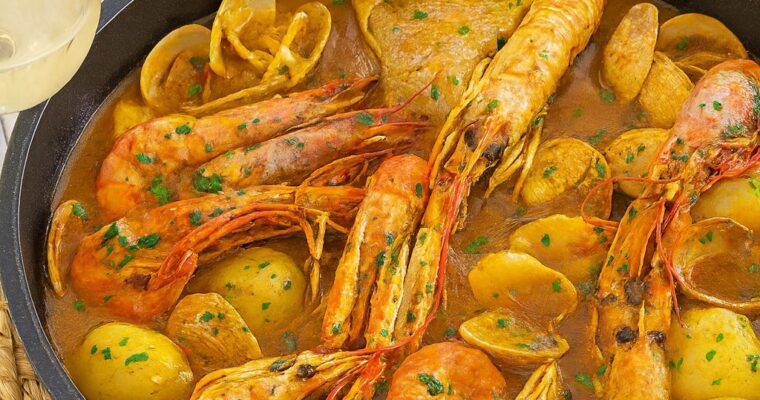
Traditional Suquet de Peix | Catalan Fish Stew.

Suquet de Peix is one of the great classics of Catalan coastal cuisine. A humble fishermen’s stew in origin, it has become one of the most representative dishes of the Mediterranean gastronomic tradition. Traditionally prepared with the fish available that day, Suquet combines fish, potatoes, …

Catalan-Style Fideuà with Traditional Allioli.

Catalan-Style Fideuà with Traditional Allioli.

Maritime tradition, Mediterranean flavour and elegance in every bite

Catalan-style fideuà, prepared using the traditional rossejat de fideus technique, is a delicious interpretation of Mediterranean coastal cuisine. Although fideuà originated on the Valencian coast, Catalonia has embraced and adapted this dish thanks to its deep maritime heritage and its culinary traditions based on quality ingredients, time and local flavours.

Fideuà is traditionally associated with fishermen and working boats, where available fish and seafood were used to prepare an intensely flavoured stock. The noodles were then toasted before being cooked in the broth, creating a dish that was simple, nourishing and full of character.

In this Catalan-inspired version, we combine calamari, fresh king prawns, peas, green beans, carrot and tomato sofrito, finishing the dish with a traditional homemade allioli prepared in a mortar.

The result is a deeply aromatic fideuà with beautifully toasted noodles, a concentrated seafood flavour and a creamy garlic allioli that provides the perfect contrast.


Preparation Time

Approximately 40 minutes

Serves

3 people


Ingredients

For the Fideuà

  • 300 g nº 3 noodles
  • Calamari tentacles, to taste
  • 10 fresh king prawns
  • 1 small onion
  • 300 ml homemade seafood stock
  • ½ cup peas
  • A handful of round green beans
  • 1 carrot
  • 3 teaspoons grated fresh tomato
  • A small pinch of sugar, to balance the acidity of the tomato
  • Extra virgin olive oil
  • Sweet or hot paprika, to taste
  • 2 garlic cloves
  • Salt
  • A medium-sized paella pan or fideuà pan

For the Traditional Allioli

  • A ceramic or marble mortar
  • Wooden pestle
  • 3 garlic cloves
  • 500 ml extra virgin olive oil
  • Salt
  • A few drops of lemon juice
  • 1 egg yolk, only if needed to rescue a split emulsion

Step-by-Step Preparation

01 · Infuse the Olive Oil

Heat a generous base of extra virgin olive oil in the paella pan.

Add the peeled garlic cloves and gently fry them until lightly golden, allowing their flavour to infuse the oil.

Remove them before they become too dark or bitter.


02 · The Rossejat de Fideus

Add the noodles to the same pan.

Toast them over medium heat, stirring carefully so they become evenly golden.

This is one of the most important steps of the recipe.

The rossejat technique gives the noodles their characteristic toasted flavour and adds considerably more depth to the finished dish.

Once golden, remove the noodles from the pan and set them aside.


03 · Prepare the Sofrito

Add a little more olive oil to the pan.

Add the calamari, finely chopped onion, carrot and green beans.

Cook over medium heat until the onion becomes translucent and the vegetables begin to soften.

Add the peas.


04 · Add the Tomato

Add the grated fresh tomato.

If necessary, add a small pinch of sugar to balance its acidity.

Cook gently for several minutes until the sofrito becomes concentrated, aromatic and slightly reduced.


05 · Add the Noodles and Paprika

Return the toasted noodles to the pan.

Sprinkle the paprika evenly over the mixture.

Stir briefly.

Immediately add the hot seafood stock so that the paprika does not burn.


06 · Cook the Fideuà

Spread the ingredients evenly throughout the pan and cook according to the cooking time recommended for the noodles.

Avoid stirring constantly.

The fideuà should cook gently so the noodles can gradually absorb the flavour of the seafood stock.


07 · Add the King Prawns

Peel the king prawns, carefully remove the intestinal tract and set them aside.

Approximately 3–4 minutes before the fideuà is finished, add the prawns to the pan.

Allow them to cook gently with the noodles and stock.

Taste and adjust the seasoning.


08 · Rest Before Serving

Remove the fideuà from the heat.

Allow it to rest for a few minutes before serving.

This short resting period allows the flavours to settle and the noodles to finish absorbing the remaining stock.


Traditional Allioli

09 · Prepare the Allioli in a Mortar

Peel the garlic cloves and place them in the mortar with a pinch of salt.

Crush them slowly until you obtain a smooth garlic paste.

Begin adding the extra virgin olive oil very slowly, in a thin and steady stream.

Continue working the mixture in the same direction.

Gradually, the garlic and olive oil will form a thick, glossy and creamy emulsion.

Add a few drops of lemon juice and adjust the salt.


10 · If the Allioli Splits

If the emulsion breaks, you can use one egg yolk to help bring it back together.

Add the yolk to the mortar and continue working the mixture until the allioli becomes smooth and creamy again.


The Secret of Rossejat

Rossejat de fideus is a traditional Mediterranean technique in which the noodles are toasted before the stock is added.

This simple step develops deeper toasted aromas and gives the fideuà its distinctive character.

The noodles should be golden and aromatic, never burnt.


The Soul of the Fideuà

The seafood stock is essential.

A homemade seafood fumet, prepared with quality ingredients and reduced to concentrate its flavour, gives the noodles the depth needed to make the dish truly memorable.

The better the stock, the more expressive the final fideuà will be.


The Catalan Touch

This version combines the flavours of the sea with ingredients commonly found in Mediterranean cooking:

calamari + king prawns + sofrito + vegetables + toasted noodles + traditional allioli.

The result is a harmonious balance between the richness of the seafood, the natural sweetness of the sofrito and the powerful aroma of garlic and extra virgin olive oil.


Presentation

Serve the fideuà directly in the paella or fideuà pan.

Arrange the king prawns visibly over the noodles and serve with a small portion of traditional allioli on the side.

For a Premium Magic Dreams Barcelona presentation, serve individual portions carefully plated while preserving the Mediterranean character of the dish.

The contrast between the golden toasted noodles, fresh seafood and creamy allioli creates an elegant and highly appetising presentation.


Pairing

This fideuà pairs beautifully with a chilled 0.0% alcohol-free Mediterranean-style white wine, particularly one that is fresh and aromatic.

A 0.0% alcohol-free Xarel·lo-style wine or a fresh 0.0% alcohol-free rosé can also complement the seafood without overpowering it.

For a completely refreshing alternative, serve with sparkling water, lemon and fresh Mediterranean herbs.


Tradition and Culture

Fideuà reflects the close relationship between the Mediterranean, fishing culture and traditional coastal cuisine.

The rossejat technique demonstrates how a simple cooking method can transform an everyday ingredient into something rich and deeply aromatic.

And allioli, found throughout Catalan cuisine, brings the powerful Mediterranean character of garlic and olive oil that makes this fideuà so distinctive.


The Premium Magic Dreams Barcelona Touch

At Magic Dreams Barcelona, tradition is not replaced — it is elevated.

We select quality ingredients, respect traditional techniques and pay particular attention to presentation, transforming a classic maritime recipe into a refined gastronomic experience.

Quality ingredients, tradition, local character and Mediterranean elegance in one unforgettable dish.

Copyright © 2016-2026 Magic Dreams Barcelona.

Traditional Catalan Butifarra with White Beans.

Traditional Catalan Butifarra with White Beans.

One of the great classics of traditional Catalan cuisine Butifarra amb mongetes, also known as butifarra amb seques, is one of the simplest, most recognizable and most beloved dishes in Catalan gastronomy. Its origins are deeply connected to Catalan rural cuisine, where nutritious, affordable and …

Chicken with Lobster — Mar i Muntanya.

Chicken with Lobster — Mar i Muntanya.

The essence of the Empordà in one dish: land, sea and Catalan tradition Chicken with lobster, known in Catalan cuisine as Pollastre amb llagosta, is one of the finest expressions of the Mar i Muntanya tradition. This distinctive style of Catalan cooking brings together ingredients …

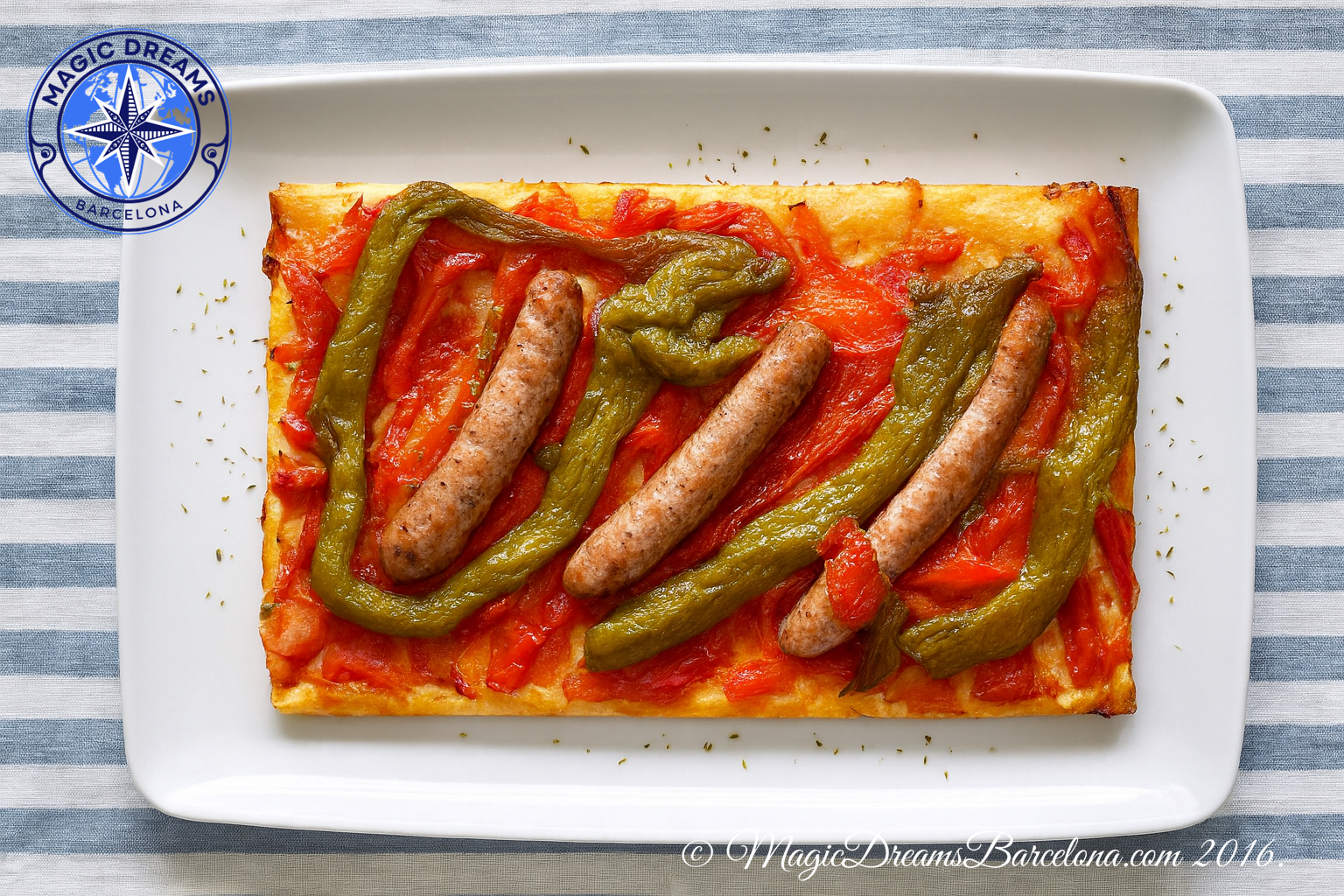
Catalan Coca with Sausages, Tomato and Roasted Peppers.

Catalan Coca with Sausages, Tomato and Roasted Peppers.

Catalan tradition, artisan dough and authentic Mediterranean flavour

Coca Catalana is one of the great symbols of Catalan gastronomy and one of the oldest preparations in Catalan culinary tradition.

Its origins go back centuries, when simple bread made with flour, water, salt and yeast was transformed into a versatile base that could be topped with whatever ingredients were available in each region.

This simple preparation allowed families to create both sweet and savoury versions, adapting the coca to local products and seasonal ingredients.

In Catalonia, coca is far more than food.

It is part of the region’s culture, celebrations and family traditions.

It is especially associated with occasions such as Easter, Christmas and the night of Sant Joan, when the famous Coca de Sant Joan takes centre stage.

But coca is also enjoyed throughout the year, proving its versatility and its place in everyday Catalan cooking.

There are countless varieties.

Savoury versions include coca de recapte, spinach coca, tomato and roasted pepper coca, sausage coca and tuna coca.

Sweet versions include anise, custard, angel hair, candied fruit and pine nut coca.

There are even sweet-and-savoury combinations involving meat and fruit, demonstrating the creativity and adaptability of this traditional preparation.

In this version, we combine artisan fresh sausages, concentrated tomato sauce and roasted red and green peppers, creating a rustic Mediterranean coca that is ideal for sharing.

A simple dough transformed into a true taste of Catalonia.


Premium Catalan Coca Recipe

Serves 4–6

Ingredients

For the Dough

  • 500 g wheat flour
  • 10 g salt
  • 10 g sugar
  • 20 g fresh yeast
  • 250 ml warm water
  • 50 ml extra virgin olive oil

For the Topping

  • 2 red peppers, roasted and peeled
  • 2 green peppers, roasted and peeled
  • 4–5 high-quality fresh sausages
  • 2 ripe tomatoes, grated
  • 1 garlic clove, finely chopped
  • 1 teaspoon sweet paprika
  • Extra virgin olive oil
  • Salt
  • Freshly ground black pepper

Optional

  • Fresh rosemary
  • A final drizzle of extra virgin olive oil

Step-by-Step Preparation

01 · Activate the Yeast

The beginning of a great dough

Place the warm water in a small bowl.

Add the fresh yeast and sugar.

Mix gently and leave to rest for 5–10 minutes.

A light foam should begin to appear on the surface, indicating that the yeast is active.


02 · Prepare the Flour

Place the flour in a large mixing bowl.

Add the salt and mix.

Make a well in the centre.


03 · Make the Dough

Soft, elastic and homogeneous

Pour the dissolved yeast mixture into the centre and add the 50 ml extra virgin olive oil.

Mix carefully until all the ingredients are incorporated.

Transfer the dough to a lightly floured work surface.

Knead for approximately 8–10 minutes, until the dough becomes smooth, homogeneous and elastic.


04 · First Rise

Give the dough time

Place the dough in a lightly oiled bowl.

Cover with a clean kitchen towel.

Leave to rest for approximately 1 hour, or until the dough has doubled in volume.

The exact fermentation time will depend on the room temperature.


Preparing the Topping

05 · Roast the Peppers

The aroma of escalivada

Roast the peppers until the skins become lightly charred and the flesh is completely tender.

Once cool enough to handle, remove the skins and seeds.

Cut the peppers into long strips.

Set aside.


06 · Prepare the Tomato Sauce

Heat a small drizzle of olive oil in a frying pan.

Add the chopped garlic and cook gently to release its aroma.

Add the grated tomatoes.

Add the sweet paprika.

Cook over medium heat until the mixture becomes a thick, concentrated and aromatic sauce.

Season with salt and freshly ground black pepper.


Assembling the Coca

07 · Stretch the Dough

Once the dough has finished rising, place it on a baking tray lined with baking paper.

Stretch it gently with your hands or a rolling pin.

It can be shaped into a rectangle, oval or slightly irregular rustic shape, preserving the handmade character of the coca.

There is no need to make it excessively thin.


08 · Add the Tomato

Spread the tomato sauce evenly over the dough.

Leave a small border around the edges.

The sauce should cover the surface without becoming too thick.


09 · Add the Roasted Peppers

Arrange the strips of roasted red and green peppers over the tomato sauce.

Distribute them evenly so that every portion contains a good balance of flavours.


10 · Add the Sausages

Cut the fresh sausages into medium-sized pieces.

Arrange them over the roasted peppers.

Finish with a light drizzle of extra virgin olive oil.


Baking

11 · Bake the Coca

Preheat the oven to 200°C / 392°F.

Bake for approximately 20–25 minutes.

The exact time will depend on the thickness of the dough and the characteristics of the oven.

The coca is ready when:

the edges are golden + the base is fully baked + the sausages are cooked through.


12 · Final Finish

Remove the coca from the oven.

Add a small drizzle of extra virgin olive oil.

Finish with a few leaves of fresh rosemary, if desired.

Allow to rest for a few minutes before slicing.


The Secret to a Great Catalan Coca

The dough should be light and tender inside, with slightly crisp edges.

The tomato sauce should be concentrated rather than watery.

The roasted peppers should retain their sweetness and subtle smoky character.

The sausages should remain juicy while developing a beautifully browned exterior.

The ideal balance is:

artisan dough + concentrated tomato + sweet roasted peppers + juicy sausage + extra virgin olive oil.


Gourmet Suggestions

Magic Dreams Barcelona

To elevate this traditional coca:

  • Use high-quality wheat flour.
  • Give the dough enough time to ferment properly.
  • Roast the peppers in advance to intensify their flavour.
  • Use fresh artisanal sausages.
  • Slowly reduce the tomato sauce.
  • Choose a fruity extra virgin olive oil.
  • Add fresh rosemary just before serving.
  • For a more sophisticated version, add black olives or thin shavings of aged cheese.
  • Serve freshly baked or slightly warm.

Mar i Muntanya Variation

Bringing the Mediterranean into the coca

Coca can also become a Mar i Muntanya creation.

Replace part of the sausage with:

  • Prawns.
  • Squid.
  • Mussels.
  • Anchovies.

Another excellent combination is fresh sausage with prawns, bringing together the richness of the countryside and the flavour of the Mediterranean.

This interpretation preserves the creative spirit of Catalan cuisine.


Presentation

Traditional coca is served cut into generous portions and placed in the centre of the table.

For a Premium Magic Dreams Barcelona presentation, cut the coca into elegant individual rectangles and arrange them on a wooden board or handcrafted ceramic serving platter.

Finish with:

  • Fresh rosemary.
  • A few drops of extra virgin olive oil.
  • Small touches of reduced tomato.
  • Fresh seasonal herbs, optional.

The objective is to preserve the handmade character of the coca while giving it a more refined presentation.


Pairing

For the table, we recommend a fresh Mediterranean-style 0.0% alcohol-free rosé, served well chilled.

A medium-bodied 0.0% alcohol-free red wine is also an excellent choice, particularly because of the fresh sausages.

For a lighter option, serve with very cold sparkling water, lemon and fresh Mediterranean herbs.


Serving

The coca can be served hot, warm or at room temperature.

As a tapa, cut it into small pieces for sharing.

As a main dish, serve more generous portions alongside a fresh Mediterranean salad.

It is also perfect for a family-style meal or informal gathering.


Storage

The coca can be kept in an airtight container for approximately 1–2 days.

To restore some of its texture, reheat it briefly in the oven.

Avoid excessive reheating, which can dry the dough.


The Coca — The Soul of Catalonia

Catalan coca represents one of the great strengths of traditional cooking:

a simple dough can become an entirely different dish depending on the region, the season and the cook’s imagination.

It can be sweet.

It can be savoury.

It can be rustic.

It can be refined.

It can be prepared for a celebration or for an everyday meal.

This extraordinary adaptability is one of the reasons coca has remained such an important part of Catalan culture.


The Premium Magic Dreams Barcelona Touch

At Magic Dreams Barcelona, we respect the traditional recipe while elevating it through quality ingredients, careful fermentation, precise baking and elegant presentation.

The Catalan soul remains; the experience becomes Premium.

Copyright © 2016-2026 Magic Dreams Barcelona.

Cap i Pota – Traditional Catalan Style.

Cap i Pota – Traditional Catalan Style.

A historic Catalan stew of tender beef, sofrito and silky sauce Cap i Pota is one of the most authentic dishes of traditional Catalan cuisine. Its name literally means “head and foot”, referring to the traditional use of beef head and feet, slowly cooked until …

Taps of Cadaqués.

Taps of Cadaqués.

A sweet taste of Costa Brava heritage In the picturesque coastal town of Cadaqués, on the Costa Brava, a unique Catalan pastry has been preserved through generations: the famous Taps de Cadaqués. These delicate sponge cakes, traditionally made with eggs, flour and sugar and finished …

Bacallà a la Llauna a great classics of traditional Catalan cuisine.

Bacallà a la Llauna a great classics of traditional Catalan cuisine.

Bacallà a la Llauna is one of the great classics of traditional Catalan cuisine: a humble dish in origin, yet remarkably rich in aromas, contrasts and Mediterranean character.

Its history is closely linked to the popular cuisine of Catalonia and, particularly, Barcelona, where salt cod became an essential ingredient in home cooking and in the traditional taverns and wine cellars of generations past.

The name of the dish comes from the llauna, the traditional metal baking tray in which the cod was prepared and taken to the oven. At a time when refrigeration did not exist, cod preserved in salt was an essential pantry ingredient and became especially important during Lent and Holy Week, when meat was traditionally avoided.

The true beauty of this recipe lies precisely in its simplicity.

Good-quality cod, lightly floured and beautifully browned, is combined with an aromatic preparation of garlic, paprika and white wine. The result is a dish with deep flavour, a delicate smoky note and a glossy sauce that coats every tender flake of fish.

Traditionally, we serve it with mongetes del ganxet, sautéed spinach or potatoes, although a more refined garnish can also transform it into an elegant gastronomic dish.

This version respects the spirit of the Catalan culinary tradition while introducing a few refined techniques and presentation details to create an elegant, balanced and gourmet Bacallà a la Llauna without losing its traditional identity.


Ingredients

Serves 4

For the cod

  • 4 thick cod fillets, desalted and of good quality.
  • Flour, as needed for a light coating.
  • 6–8 garlic cloves, finely sliced.
  • 1 tablespoon sweet paprika.
  • ½ teaspoon smoked paprika, optional.
  • 100 ml dry white wine.
  • 150 ml fish stock, preferably homemade.
  • Fresh parsley, finely chopped.
  • Extra virgin olive oil.
  • Salt, only if needed.
  • Freshly ground black pepper, optional.

For the traditional garnish

  • 250 g cooked mongetes del ganxet or white beans.
  • 200 g fresh spinach.
  • 2 garlic cloves.
  • Extra virgin olive oil.
  • Salt.

For the finishing touch

  • Fresh parsley.
  • A few drops of extra virgin olive oil.
  • Sweet or smoked paprika, very lightly sprinkled.
  • Fresh herb leaves or microgreens, optional.

Optional: a few drops of sherry vinegar or white wine vinegar to add a delicate acidic contrast and balance the intensity of the paprika.


Preparation

01 · Preparing the cod

The beginning of a Catalan classic

If using salted cod, soak it in cold water in the refrigerator, changing the water several times over approximately 36–48 hours, depending on the thickness of the fillets.

Once desalted, drain the cod thoroughly and pat it completely dry with kitchen paper.

This step is essential.

Well-dried cod will brown more effectively, develop a delicate golden crust and reduce splattering during frying.

Check that there are no remaining bones and, if the fillets are particularly thick, divide them into evenly sized portions to ensure uniform cooking.


02 · Lightly flour and brown the cod

A delicate golden crust

Lightly coat the cod fillets in flour, shaking off any excess.

The coating should be very thin: the purpose is to protect the surface and encourage browning, not to create a thick crust.

Heat a generous amount of extra virgin olive oil in a wide frying pan.

Once hot, carefully add the cod and brown it on both sides.

There is no need to cook it completely at this stage.

The aim is to create a golden, lightly crisp and aromatic exterior, while the centre finishes cooking in the oven.

Remove the cod and place it briefly on kitchen paper.

Transfer the fillets to a traditional llauna or ovenproof baking dish.


03 · Prepare the garlic

The Mediterranean fragrance

Remove some of the oil used to brown the cod, leaving enough in the pan to prepare the aromatic base.

Add the sliced garlic and cook gently over low heat.

The garlic should become golden and fragrant, but never burnt, as burnt garlic would introduce an unpleasant bitterness.

Once it begins to take on a beautiful golden colour, remove the pan from the heat for a few seconds.


04 · Add the paprika

The aromatic heart of the dish

With the heat turned off, add the sweet paprika and, if desired, a small amount of smoked paprika.

Stir quickly.

Paprika should not remain in the hot oil for too long, as it can burn easily and become bitter.

This small technique is one of the secrets to a great Bacallà a la Llauna.

The oil takes on a beautiful red colour and becomes infused with the aromas of garlic and paprika.


05 · Deglaze with white wine

The sauce that brings everything together

Return the pan to medium heat and pour in the dry white wine.

Allow it to simmer for a few minutes so that some of the alcohol evaporates.

Add the hot fish stock.

Stir gently and allow the sauce to reduce for 3–5 minutes, until slightly concentrated and aromatic.

For a more refined finish, add a few drops of white wine vinegar or sherry vinegar at this stage.

The acidity should remain subtle, providing freshness and balancing the richness of the paprika and olive oil.


06 · Coat the cod with the sauce

Where the fish meets the aromatic sauce

Carefully pour the hot sauce over the cod fillets.

Make sure the garlic is evenly distributed and that some of the sauce reaches the bottom of the baking dish.

Sprinkle with freshly chopped parsley.

Place the dish in a preheated oven at 190°C / 375°F and cook for approximately 8–10 minutes, depending on the thickness of the fillets.

The cod should remain juicy, pearly and easy to separate into tender flakes, never dry.

During the final minutes, spoon some of the sauce over the fillets so they become glossy and even more flavourful.


07 · Prepare the garnish

The Catalan tradition on the side

While the cod finishes cooking, prepare the garnish.

For a traditional accompaniment, warm the mongetes del ganxet in a frying pan with extra virgin olive oil and one sliced garlic clove.

Sauté gently so that the beans absorb the garlic aroma without breaking apart.

In a separate pan, sauté the fresh spinach with a little olive oil and the remaining garlic.

Cook for just a few minutes, until tender while retaining its colour and freshness.

The combination of beans and spinach creates a wonderful contrast with the cod: softness, texture and fresh vegetal notes that balance the intensity of the sauce.


08 · Rest and finish

The final touch for a perfectly balanced sauce

Remove the cod from the oven and let it rest for 2–3 minutes before serving.

This short resting period allows the juices to redistribute and the sauce to settle.

Gently move the baking dish so that the olive oil, stock and natural juices from the cod come together.

Finish with fresh parsley, a few drops of extra virgin olive oil and, if desired, a very light dusting of paprika.

The finished sauce should be glossy, aromatic and lightly emulsified, while allowing the natural flavour of the cod to remain at the forefront.


Gourmet Suggestions

Magic Dreams Barcelona

To elevate this classic while preserving its Catalan identity:

  • Choose thick-cut cod fillets, properly desalted and firm in texture. The quality of the fish is the most important element of the recipe.
  • Combine sweet paprika with a small amount of smoked paprika to add aromatic depth without overpowering the cod.
  • Add a few drops of sherry vinegar to the sauce for an elegant touch of acidity that balances the richness of the olive oil.
  • Prepare the fish stock with white-fish bones and trimmings, onion, leek and parsley for a delicate homemade base.
  • For a silkier sauce, reduce the stock slightly before adding it to the cod.
  • Always finish with extra virgin olive oil added just before serving. Its fresh aroma gives the dish another layer of Mediterranean character.
  • For a contemporary presentation, replace part of the whole beans with a small white-bean purée, maintaining the connection with the traditional recipe while creating a more refined texture.

The secret to an exceptional Bacallà a la Llauna

The key is finding the perfect balance between the golden cod, aromatic garlic, intense paprika and the natural juiciness of the fish.

The cod should never be overcooked.

After the initial browning, the oven should simply finish the cooking process and allow the fish to absorb some of the aromatic sauce.

The second great secret lies in the paprika.

It should be added off the heat to prevent it from burning. Properly handled paprika contributes colour, sweetness and depth; burnt paprika can compromise the entire dish.

Finally, the garlic should be golden, never dark.

Its role is to perfume the olive oil and complement the fish, rather than becoming the dominant flavour.


Gourmet Presentation

Serve the Bacallà a la Llauna in an artisanal ceramic dish or, for a more authentic presentation, in individual small llaunas that echo the spirit of the original recipe.

Place one cod fillet in the centre and arrange a small portion of mongetes del ganxet and sautéed spinach around it.

Partially coat the cod with the garlic, paprika and white wine sauce, leaving some of its golden surface visible.

Finish with a few drops of extra virgin olive oil, fresh parsley and a small fresh herb leaf.

For a more contemporary presentation, shape the beans into a small quenelle or arrange them as a delicate base beneath the cod.

The goal is for the presentation to remain elegant yet immediately recognisable: a traditional Catalan dish dressed for a special occasion without losing its identity.

The sauce should play an important role without overwhelming the plate.

Each bite should bring together the delicate texture of the cod, the fragrance of garlic, the depth of paprika and the freshness of extra virgin olive oil.


Pairing

A dry Catalan white wine makes an excellent pairing.

A Penedès Xarel·lo offers freshness and acidity capable of balancing the richness of the olive oil and paprika.

For those seeking a more contemporary pairing, an alcohol-free white wine with good acidity can also work beautifully.

Serve the wine chilled, but not excessively cold, so that its aromas and character remain expressive.


Storage

Bacallà a la Llauna is at its best when freshly prepared.

If necessary, store the cooked cod in an airtight container in the refrigerator for 1–2 days.

The sauce can be stored separately in the refrigerator for up to 3 days.

To reheat, use a low oven temperature and add a few drops of fish stock or water if the sauce has become too thick.

We do not recommend freezing the cooked cod, as this may affect its texture and juiciness.

For a special meal, the best approach is to prepare the sauce and garnish in advance and cook and finish the cod just before serving.


Copyright © 2016–2026 Magic Dreams Barcelona

Catalan Romesco Sauce.

Catalan Romesco Sauce.

The essence of Catalan cuisine in one deeply Mediterranean sauce Romesco sauce is one of the great treasures of Catalan gastronomy. Originating in the Tarragona area and deeply connected with the maritime traditions of the Catalan coast, it has become an essential accompaniment to calçots, …

Salt-Baked Sea Bream.

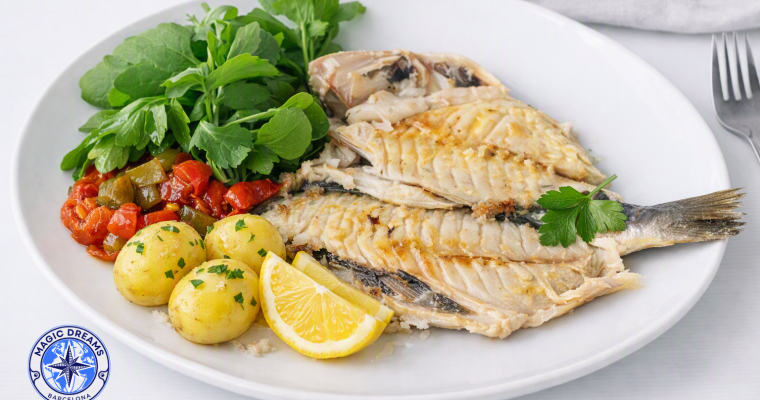
Salt-Baked Sea Bream.

Mediterranean tradition, pure flavour and elegance in every bite Salt-baked sea bream is one of the most elegant and natural ways to prepare fish in Mediterranean cuisine. Its secret lies not in adding numerous ingredients, but in respecting the fish itself and using an ancient …

Catalan Easter Mona.

Catalan Easter Mona.

A beloved Easter tradition of chocolate, family and creativity

The Mona de Pascua is one of Catalonia’s most cherished Easter traditions and one of the most recognisable symbols of Catalan pastry.

It is traditionally celebrated on Easter Sunday and Easter Monday, with Easter Monday being a public holiday in Catalonia. The tradition marks the end of Lent and its restrictions, symbolising the arrival of spring, renewal and the joy of life.

The word “mona” is traditionally linked to the Arabic term munna, associated with the idea of a gift or provision. Over the centuries, this simple Easter tradition evolved into the spectacular chocolate creations we know today.

In earlier times, the Mona could consist of a simple cake accompanied by boiled eggs, symbolising fertility, life and renewal. Over time, chocolate eggs became increasingly common, and Catalan pastry chefs transformed the Mona into a true expression of creativity.

One of the most beautiful traditions is for a godparent to give the Mona to their godchild, a gesture of affection and family connection that continues today.

Modern Monas can range from traditional decorated cakes to impressive chocolate sculptures, featuring eggs, fruit, feathers, figures and imaginative designs.


The Mona in Catalonia

A tradition that evolves with every generation

Catalan Monas are especially known for their decorated cakes, chocolate creations and imaginative Easter designs.

The creativity of pastry chefs seems almost limitless.

Common decorations include:

  • Chocolate figures.
  • Chocolate Easter eggs.
  • Sugar chicks.
  • Colourful feathers.
  • Candied fruit.
  • Almond praline or crunchy almonds.
  • Chocolate characters and sculptures.

Although the appearance changes from year to year, the meaning remains the same:

a special Easter gift created to be shared with family.


Regional Differences

The Easter Mona also changes according to the region.

Catalonia

Decorated cakes, chocolate eggs and elaborate pastry creations are especially characteristic.

Valencia

The Mona is often a simpler sweet bread or bun, traditionally featuring an egg.

Murcia and other Mediterranean regions

More rustic Easter breads and sweet pastries are common, often decorated with sugar or almonds.

Different traditions, but the same spirit of Mediterranean Easter celebration.


Traditional Catalan Easter Mona Recipe

Serves approximately 8

Ingredients

For the Genoise Sponge

  • 4 eggs
  • 120 g sugar
  • 120 g wheat flour
  • 1 pinch of salt

For the Filling and Chocolate Coating

  • 500 ml whipping cream, minimum 35% fat
  • 80 g icing sugar
  • 200 g dark chocolate
  • 50 g butter

For Decoration

  • Chocolate figures
  • Chocolate eggs
  • Sugar chicks
  • Colourful feathers
  • Candied fruit, optional
  • Crunchy almonds, optional

Step-by-Step Preparation

01 · Prepare the Sponge

Preheat the oven to 180°C / 356°F.

Place the eggs and sugar in a large bowl.

Whisk vigorously until the mixture becomes pale, light and approximately triples in volume.

Sift the flour and gently fold it into the mixture using slow, enveloping movements.

The aim is to preserve as much air as possible.

Pour the batter into a greased cake tin.

Bake for approximately 25–30 minutes.

Remove from the oven and allow to cool completely before cutting.


02 · Whip the Cream

The cream must be very cold.

Place it in a mixing bowl and begin whipping.

Gradually add the icing sugar.

Continue until you obtain firm but smooth whipped cream.

Keep refrigerated.


03 · Cut and Fill

Cut the sponge into two or three layers, depending on its height.

Fill with whipped cream or a thin layer of strawberry or apricot jam.

For a richer texture, combine the jam with whipped cream.

Carefully reassemble the layers.


04 · Prepare the Chocolate Coating

Melt the dark chocolate together with the butter using a bain-marie.

Stir until smooth and glossy.

Pour the chocolate over the top of the cake and spread evenly.

Allow some chocolate to drip gently down the sides for a classic finish.


05 · Decorate the Mona

Let your imagination take over

Decorate the top with:

chocolate eggs + chocolate figures + sugar chicks + colourful feathers.

The sides can be finished with crunchy almonds.

Candied fruit can also be added for colour and texture.

This is where the Mona becomes a true expression of creativity.


Premium Easter Mona

A refined interpretation for special occasions

For a more sophisticated version, we suggest a Mona made with almond sponge, white chocolate, hazelnut cream and dark chocolate ganache.


Premium Ingredients

Almond Sponge

  • 6 eggs
  • 150 g sugar
  • 150 g almond flour
  • 50 g melted butter

Filling

  • 300 ml whipping cream
  • 200 g white chocolate
  • 50 g hazelnut spread

Coating

  • 70% dark chocolate ganache

Decoration

  • Candied fruit
  • Crunchy almond praline
  • Handmade chocolate figures
  • Pearl sugar
  • Edible gold leaf, optional

Premium Preparation

01 · Prepare the Almond Sponge

Whisk the eggs and sugar until the mixture becomes light and airy.

Add the melted butter and mix gently.

Fold in the almond flour carefully.

Pour into a cake tin and bake at 175°C / 347°F for approximately 30 minutes.

Allow to cool completely.


02 · Prepare the Filling

Whip the cream.

Add the hazelnut spread.

Carefully fold in the melted and slightly cooled white chocolate.

Mix until smooth and silky.


03 · Assemble the Mona

Slice the sponge into layers.

Spread a generous layer of filling over the first layer.

Place the next layer on top and repeat as necessary.

Refrigerate briefly to stabilise the structure.


04 · Cover with Ganache

Prepare a 70% dark chocolate ganache.

Cover the Mona with an even layer.

Smooth the surface with a spatula.

The dark chocolate provides the necessary contrast against the sweetness of the filling.


05 · Premium Decoration

Decorate with:

  • Candied fruit.
  • Crunchy almond praline.
  • Handmade chocolate figures.
  • Pearl sugar.
  • Small touches of edible gold leaf.

The decoration should feel elegant rather than excessive.


The Secret to a Great Mona

The sponge should be light and airy.

The filling should be creamy but stable enough to hold the layers.

The chocolate coating should be smooth and glossy.

The decoration should bring personality without overwhelming the cake.

The key is balance:

sponge + cream + chocolate + texture + decoration.


Gourmet Suggestions

Magic Dreams Barcelona

To elevate the Mona:

  • Use high-quality dark chocolate.
  • Prepare the sponge the day before for easier assembly.
  • Use cream with at least 35% fat.
  • Choose artisan-quality candied fruit.
  • Add toasted almonds or praline for textural contrast.
  • Create handmade chocolate decorations whenever possible.
  • Use edible gold leaf sparingly.
  • Keep the decoration balanced and elegant.
  • Allow the Mona to warm slightly before serving so the chocolate can be fully appreciated.

Presentation

The Mona is traditionally presented as the centrepiece of the Easter table.

For a Premium Magic Dreams Barcelona presentation, individual portions can be served on elegant ceramic plates.

Place a slice of Mona in the centre and add carefully selected elements around it:

praline + chocolate + nuts + candied or fresh fruit.

The main cake should always remain the protagonist.


The Godparent Tradition

One of the most beautiful aspects of the Mona is its family meaning.

Traditionally, the godparent gives the Mona to their godchild as an Easter gift.

Beyond the sweet itself, it represents affection, family bonds and the continuation of tradition.

That is why the Mona is more than a dessert.

It is also a gift.

A ritual.

And a way of celebrating together.


Easter in Catalonia

Mona de Pascua is traditionally enjoyed during family lunches, Easter gatherings and outdoor celebrations.

Many families use Easter Monday to organise a meal or picnic in the countryside, mountains or by the sea.

The Mona becomes the centre of the table.

It is shared.

It is cut.

Children discover the chocolate decorations.

And the tradition begins again for another generation.


Pairing

For the table, we recommend a chilled 0.0% alcohol-free sweet sparkling drink, providing freshness and contrast with the richness of the chocolate.

A 0.0% alcohol-free dessert-style drink with vanilla, nut or cocoa notes can also work beautifully.

For a classic option, serve with espresso, cappuccino, aromatic tea or hot chocolate.


The Premium Magic Dreams Barcelona Touch

At Magic Dreams Barcelona, we see the Mona as much more than a cake.

It is an experience.

A family tradition.

A symbol of Easter.

And an opportunity to discover the richness of Catalan pastry.

We combine traditional recipes with carefully selected ingredients, refined pastry techniques and elegant presentation.

The tradition remains. The experience becomes extraordinary.


A Tradition That Lives On

The Mona de Pascua demonstrates how a tradition can evolve without losing its identity.

From the simple Easter cake with boiled eggs to today’s spectacular chocolate sculptures, the journey has been long.

But the meaning remains:

giving, sharing and celebrating.

Every spring, Catalan pastry shops fill with chocolate, colour and imagination.

And families gather once again around the same tradition.

Because the Mona is not enjoyed only with the palate.

It is enjoyed through family, memory and the happiness of celebrating together. 

Copyright © 2016-2026 Magic Dreams Barcelona.

Traditional Catalan Cream.

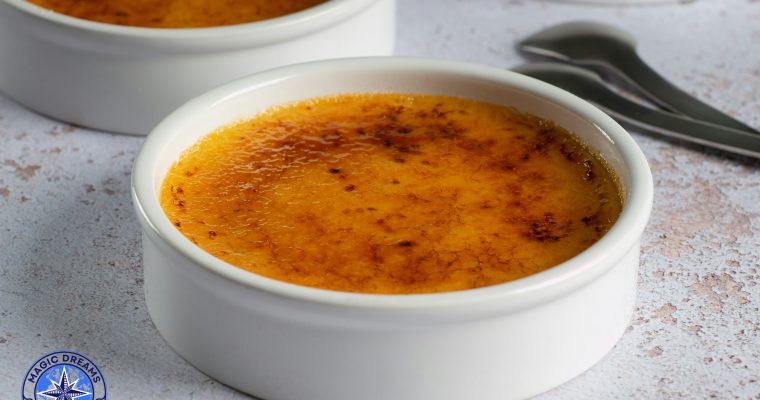
Traditional Catalan Cream.

Catalan Cream, known in Catalan as Crema Catalana, is one of the most representative desserts of Catalan cuisine. It is made with a smooth custard of milk, egg yolks, sugar, cinnamon and lemon zest, finished with a thin layer of caramelized sugar. The result is …

Escudella amb Carn d’Olla (Catalan Meat and Vegetable Stew).

Escudella amb Carn d’Olla (Catalan Meat and Vegetable Stew).

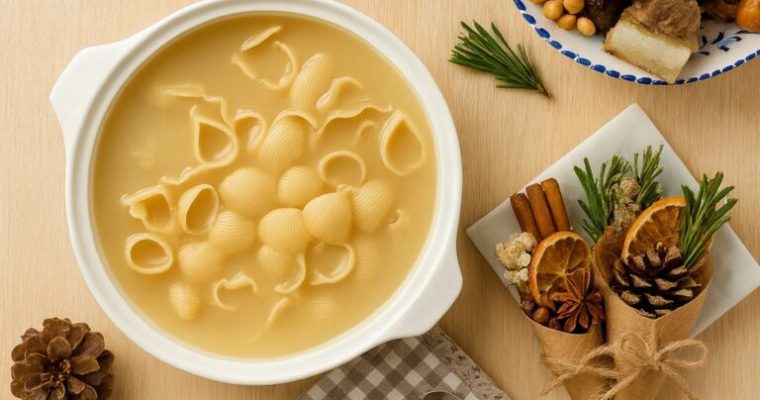
The great traditional dish of Catalan cuisine Escudella amb carn d’olla is one of the most emblematic dishes of Catalan gastronomy. It is a hearty and comforting dish deeply rooted in traditional Catalan family cooking. The preparation begins with a large pot in which meat, …

Catalan Olivada with Anchovies – Gourmet Mediterranean Spread.

Catalan Olivada with Anchovies – Gourmet Mediterranean Spread.

Catalan olivada is one of those simple preparations that perfectly expresses the character of Mediterranean cuisine. Traditionally made with black olives, this aromatic olive spread captures the flavour of the Catalan landscape in just a few ingredients: olive trees, extra virgin olive oil and Mediterranean herbs.

In Catalonia, olivada is part of our culinary tradition and is especially enjoyed with aperitifs, vermouth, breakfast, toasted bread and small tapas. Its rich texture and intense flavour make it equally suitable for traditional recipes and more contemporary gastronomic creations.

Choosing the right olives is essential for a high-quality olivada. Arbequina olives, deeply rooted in Catalonia and particularly associated with areas such as Les Garrigues and Camp de Tarragona, offer a delicate, fruity and subtly bitter profile that pairs beautifully with extra virgin olive oil.

Although olivada is most commonly associated with black olives, excellent versions can also be made with green olives, each offering its own distinctive character.

For this recipe, we combine the olivada with L’Escala anchovies, one of the most distinctive products of the fishing and preserving tradition of the Empordà region.

The combination is beautifully balanced: the richness and intensity of the olivada meet the deep, salty and marine character of the anchovy, while toasted bread provides the essential crisp texture.

The result is an elegant, Mediterranean and unmistakably Catalan appetiser, perfect for beginning a special meal or serving as part of a refined tapas selection.


Ingredients

Serves 4

For the olivada

  • 200 g pitted black olives, preferably Arbequina.
  • 3–4 tablespoons extra virgin olive oil, preferably DOP Siurana or DOP Les Garrigues.
  • 1 small garlic clove, optional.
  • 1 teaspoon fresh thyme or oregano.
  • A pinch of salt, only if needed.
  • ½ teaspoon lemon juice, optional.

For the toasts

  • 1 rustic baguette or sourdough loaf.
  • Extra virgin olive oil.

For finishing

  • 8–12 L’Escala anchovy fillets.
  • Cherry tomatoes, optional.
  • Roasted red pepper, optional.
  • Fresh parsley or microgreens.
  • A few drops of extra virgin olive oil.

Optional: a few drops of Sherry vinegar or a small amount of lemon zest for a more pronounced acidic contrast.


Preparation

01 · Prepare the olives

The Mediterranean heart of the olivada

Drain the black olives thoroughly and make sure that no stones remain.

If using olives preserved in brine, pat them lightly with kitchen paper to remove excess moisture.

Place the olives in a food processor.

Add the garlic, if using, together with the fresh thyme or oregano.

Add a small amount of the extra virgin olive oil to begin with.


02 · Blend the olivada

Rustic texture, intense flavour

Blend the olives while gradually adding the remaining olive oil.

There is no need to create an entirely smooth cream.

For a more traditional olivada, it is preferable to retain a slightly rustic texture, with tiny pieces of olive providing body and character.

For a more refined presentation, continue blending until you obtain a finer and more homogeneous paste.

Taste and add salt only if necessary.

Add a few drops of lemon juice if you want to introduce freshness and balance the intensity of the olives.

The finished olivada should be rich, aromatic and firm enough to spread over the bread without becoming runny.


03 · Prepare the toasts

The essential crisp contrast

Cut the bread into thin, even slices.

Arrange them on a baking tray and lightly brush with extra virgin olive oil.

Toast in an oven at 180–200°C / 356–392°F until golden and crisp.

Alternatively, toast the slices in a frying pan or on a griddle, carefully controlling the heat to achieve a beautifully browned surface while keeping the centre slightly tender.

Remove from the heat and allow to rest briefly.

The toast should be crisp enough to support the olivada and anchovy without breaking, but not so hard that it becomes difficult to eat.


04 · Prepare the anchovies

The salty essence of the Empordà

Carefully drain the L’Escala anchovy fillets.

If necessary, remove any remaining small bones using tweezers.

Set the anchovies aside until the final assembly.

Handle them as little as possible to preserve their delicate texture.

Their flavour should provide intensity and depth while remaining balanced with the olivada.


05 · Assemble the toasts

The meeting of land and sea

Spread a generous but balanced layer of Catalan olivada over each toast.

Place one or two anchovy fillets on top, depending on the size of the bread.

For additional freshness, sweetness and colour, add a few pieces of cherry tomato or thin strips of roasted red pepper.

Finish with fresh parsley leaves or delicate microgreens.

Finally, drizzle with a fine thread of extra virgin olive oil.


06 · The gourmet finish

The final Mediterranean touch

For a more refined presentation, add a few drops of olive oil around the toasts and, if desired, a very small amount of lemon zest.

A tiny fresh thyme leaf can also be added as a finishing touch.

Use acidity sparingly.

The purpose is to enhance the flavour of the olives and anchovies rather than overpower them.

Serve immediately to preserve the contrast between the crisp toast, rich olivada and delicate anchovy.


Gourmet Suggestions

Magic Dreams Barcelona

To elevate this simple tapa into a more refined gastronomic creation:

  • Use high-quality Arbequina olives for a more aromatic and balanced olivada.
  • Choose a Catalan extra virgin olive oil with a fruity profile, preferably DOP Siurana or DOP Les Garrigues.
  • Avoid over-blending the olivada if you want to preserve its traditional character and slightly rustic texture.
  • Add the oil gradually to control the consistency and create a naturally rich emulsion.
  • Use sourdough bread for greater depth of flavour and a more interesting crisp texture.
  • Add the anchovies just before serving to preserve their texture and prevent the bread from becoming too moist.
  • A few drops of lemon juice or Sherry vinegar can provide an elegant acidic contrast.
  • For a contemporary presentation, pipe or dot the olivada onto the toast rather than spreading it evenly, then finish with microgreens.

The secret to a great olivada

The secret lies in balance.

A good olivada should not simply become a purée of olives.

It should retain the character of the olives, the perfume of the extra virgin olive oil and a subtle herbal note.

The oil should be incorporated gradually to control the texture and prevent the preparation from becoming too loose.

It is equally important to be careful with the salt.

Both olives and anchovies can already contain considerable amounts of salt, so always taste the preparation before adding any additional seasoning.

When olivada is combined with anchovies, balance becomes even more important.

The olives provide depth and fruity notes, while the anchovies bring marine intensity and salinity.

The toasted bread acts as the connecting element, providing texture and softening the overall combination.


Gourmet Presentation

Serve the toasts on an artisanal wooden board, a handmade ceramic platter or a Mediterranean-inspired plate.

Arrange the pieces slightly apart so they can be easily picked up and enjoyed.

You can alternate some toasts topped only with olivada and others with anchovies to create different levels of flavour intensity.

For a more elegant presentation, place a small amount of olivada on the plate and position the toast slightly angled over it.

Carefully arrange the anchovy on top and finish with microgreens, small thyme leaves or fresh parsley.

A few drops of extra virgin olive oil around the plate will add shine and reinforce the Mediterranean character.

For an aperitif table, the toasts can also be served with small bowls of olives, toasted almonds or dressed tomatoes.

The final presentation should evoke the essence of a Barcelona vermouth transformed into a refined gastronomic experience, while preserving the simplicity that makes this preparation so appealing.


Pairing

These toasts pair particularly well with a dry alcohol-free 0.0% white wine from DO Empordà, whose freshness helps balance the intensity of the olives and the salinity of the anchovies.

They are also an excellent match for an artisanal alcohol-free 0.0% vermouth, particularly as part of a Barcelona-inspired aperitif.

The acidity and herbal aromas of the vermouth create a pleasant contrast with the richness of the olivada.

For a completely Mediterranean experience, serve alongside very cold sparkling water with a thin slice of lemon.


Serving

The toasts should be assembled immediately before serving.

The olivada can be prepared in advance, but it is best spread over the bread shortly before the toasts reach the table.

This preserves the essential contrast between the crisp bread and creamy olive spread.

The anchovies should also be added at the last moment.

Serve the toasts at room temperature or slightly cool, but avoid serving them excessively cold so that the olivada and olive oil can express their full aromas.


Storage

Olivada: can be stored in an airtight container in the refrigerator for approximately 4–5 days. To protect it from oxidation, cover the surface with a thin layer of extra virgin olive oil.

Toasts: preferably prepare them on the same day. Once toasted, keep them in a dry, airtight container to preserve their crisp texture.

Anchovies: keep refrigerated and follow the storage instructions provided by the producer.

Once assembled, the toasts should be eaten immediately, as the moisture from the olivada and anchovies will gradually soften the bread.


Copyright © 2016–2026 Magic Dreams Barcelona.


Catalan Chicken with Samfaina.

Catalan Chicken with Samfaina.

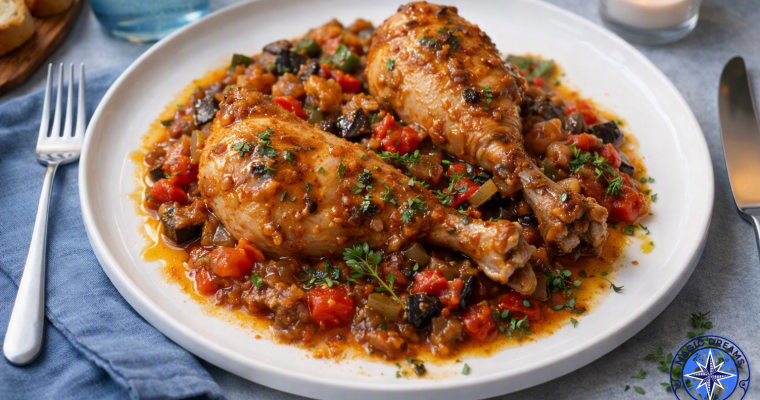
Catalan Chicken with Samfaina is one of the dishes that best represents traditional Catalan cuisine: simple ingredients, Mediterranean vegetables and slow cooking that transforms everyday produce into a dish full of flavour. The combination of golden-browned chicken with samfaina — aubergine, peppers, tomato and onion …