Route guide for visitors throughout Catalonia – Barcelona – Costa Brava – Catalan Pyrenees – Personalized experiences – Customized tour guide services – A small tribute to the wonderful city and land that saw us born – Transforming experiences into unforgettable memories - Magic Dreams Collection: exclusive universes inspired by Salvador Dalí and Gaudí. Niche perfumes, jewelry, lithographs, and collectible items celebrating the Mediterranean spirit.
In the upper area of Barcelona, discreet yet deeply evocative, stand the Güell Pavilions, one of the most elegant works of Antoni Gaudí. Built between 1884 and 1887 by commission of Eusebi Güell, this architectural ensemble represents a key early stage in the evolution of …
Situado en el exclusivo barrio de Pedralbes, dentro del distrito de Les Corts en Barcelona, el Parque de Cervantes es un remanso de tranquilidad en plena ciudad. Este jardín público está situado estratégicamente entre la Avenida Diagonal y la Avenida de Esplugues, muy cerca de …
La Barceloneta is one of Barcelona’s most emblematic and evocative neighborhoods. Located in the Ciutat Vella district, this historic fishing quarter preserves a unique identity, shaped by the Mediterranean Sea, fishing traditions, and the city’s urban evolution.
With its characteristic triangular shape, La Barceloneta borders Port Olímpic, the Ronda Litoral, and the sea, encompassing some of Barcelona’s most iconic beaches: Barceloneta, Somorrostro, Sant Sebastià, and Sant Miquel. It is a privileged enclave where daily life, heritage, and coastal landscapes coexist in perfect harmony.
History and Origins
Until the mid-18th century, La Barceloneta was almost uninhabited. Its origins date back to 1719 when engineer Próspero de Verboom designed the neighborhood to relocate the residents of La Ribera, whose homes were demolished by order of Philip V to build the military Citadel.
The urban layout—regular, bright, and functional—was conceived for a community closely tied to the sea. Over the centuries, La Barceloneta has preserved its popular maritime character, even after major urban transformations for the 1992 Olympic Games, which revitalized Barcelona’s waterfront and projected the city internationally as an open Mediterranean destination.
The Seafront Promenade
Today, the Barceloneta Promenade is a vibrant urban space combining sport, leisure, gastronomy, and culture. Its wide pedestrian areas, bike lanes, and green spaces make it perfect for contemplative walks or active outdoor recreation, spanning over 6 km from Colón to the Fòrum.
At dawn, runners and cyclists take to the coast; at sunset, golden light transforms the scenery; at night, soft lighting creates a serene and sophisticated atmosphere. Restaurants, beach bars, and cultural venues offer carefully curated gastronomy based on fresh Mediterranean products.
Among the contemporary sculptures, “El Peix d’Or” by Frank Gehry stands out as an icon of Barcelona’s coastline, symbolizing the fusion of art, architecture, and the sea.
Sant Miquel del Port – The Spiritual Heart
At the center of the neighborhood, in Plaça de la Barceloneta, stands the Church of Sant Miquel del Port, guardian of the community’s collective memory. Built between 1753–1755 by military engineer Pedro Martín Cermeño, the church serves as the spiritual core of this seafaring community.
Its sober Baroque façade, crowned by Saint Michael the Archangel (sculpted by Emili Colom after the original was destroyed in 1936), reflects the humility and serenity of the area. Inside, a square floor plan with a central dome and skylights lets the light of the harbor filter in, creating an atmosphere of peace and balance.
Tradition Meets Contemporary Life
Despite urban evolution, La Barceloneta maintains deeply rooted traditions. At dusk, visitors can still witness the arrival of fishing boats and the unloading of fresh catches for auction, a ritual connecting the present to centuries of maritime history.
Its narrow streets, century-old buildings, the Evangelical Baptist Church (inaugurated in 1950), the Campus del Mar of Universitat Pompeu Fabra, and nearby cultural venues such as the Museum of the History of Catalonia or Barcelona Aquarium enrich the neighborhood, where past and present blend naturally.
Magic Dreams Barcelona – Exclusive Experiences
At Magic Dreams Barcelona, we transform visits to La Barceloneta and the city into intimate, sensory, and emotional journeys designed for those who want to discover Barcelona beyond the obvious.
Our exclusive services include:
Private guided tours of La Barceloneta, Port Vell, and Barcelona’s coastline with local experts in history, architecture, art, and symbolism.
Sensory experiences by the sea: live music, Mediterranean aromas, curated readings, and gourmet proposals.
Author picnics and personalized gastronomy in selected beaches, urban gardens, or private spaces with premium products, wines, and non-alcoholic cavas.
Expert guides in botany, ornithology, and urban biodiversity to connect authentically with Barcelona’s coastal nature.
Professional photo reports to capture every moment.
Creative and wellness workshops: traditional Catalan cuisine, Gaudí-style mosaic trencadís, and more.
Exclusive gastronomic tours blending tradition and innovation.
Private one-day or multi-day escapes along the Costa Brava and Catalan Pyrenees.
Elegant accommodations and premium experiences in the city’s heart.
Every experience with Magic Dreams Barcelona is meticulously designed, allowing visitors to feel, understand, and remember the city. La Barceloneta, with its light, history, and eternal bond with the sea, remains one of our most cherished settings—a place where Barcelona expresses its most authentic essence.
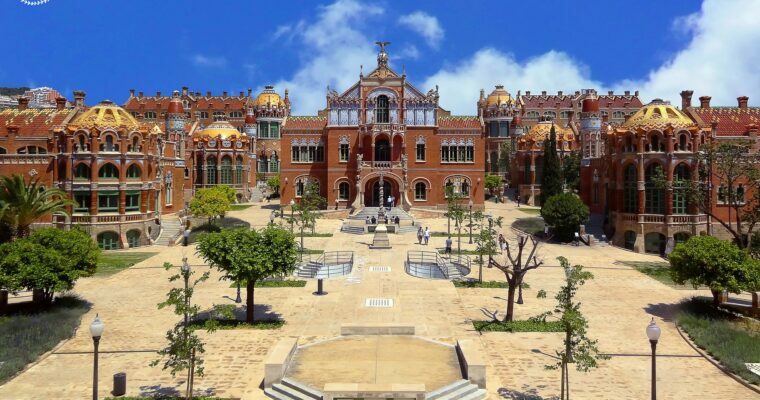
Hospital de la Santa Cruz and the Sant Pau Modernist Complex · Barcelona The Hospital de la Santa Cruz served for over five centuries as the main hospital in Barcelona and its surrounding area. Its work extended beyond healthcare, as it also hosted and educated …
Hidden among the gentle slopes of the Sarrià-Sant Gervasi neighborhood, the Jardins de la Tamarita represent one of the most elegant and tranquil green spaces in Barcelona. Far from the urban bustle, these gardens invite visitors to discover a universe where landscape architecture, Mediterranean botany, …
The La Rotonda building —also known as Torre Andreu— is one of the most iconic architectural landmarks of Sant Gervasi–La Bonanova, located on Avinguda del Tibidabo in the upper area of Barcelona. Over more than a century, this emblematic structure has served multiple purposes, from a luxury hotel to a healthcare facility, reflecting the city’s social and urban evolution.
Its origins date back to 1906, when Dr. Salvador Andreu promoted the creation of a garden city on the slopes of Tibidabo. The project included elegant mansions, a tramway along the avenue, and the Funicular del Tibidabo (1901), connecting to the summit, where the Parque de Atracciones del Tibidabo was स्थापित. The centerpiece of this ambitious development was the Metropolitan Hotel.
Architect Adolf Ruiz Casamitjana designed the building in the Modernisme style, completed in 1918. It was later expanded by Enric Sagnier, who introduced Noucentista elements, creating a distinctive architectural hybrid. After the Guerra Civil Española, it was renamed Hotel La Rotonda, referencing its iconic circular tower.
Located at the intersection of Passeig de Sant Gervasi and Avinguda del Tibidabo, the hotel became a social hub for Barcelona’s bourgeoisie, featuring a prestigious restaurant with capacity for 500 guests, hosting major events and celebrations.
Architecturally, the building consists of a ground floor, mezzanine, three upper floors, and basement levels. The façade combines ashlar stonework at the base with yellow sgraffito featuring vegetal motifs above. Notable elements include continuous and individual balconies, segmental arch windows, and rich sculptural ornamentation.
Its undulating crown, lateral towers, and especially the circular tower define its visual identity. The tower is topped by a circular temple supported by eight columns adorned with mosaics, floral capitals, and eagle-based pedestals. The dome is richly decorated with glazed ceramics and floral mosaics, accompanied by eight green dragon gargoyles. These decorative elements were created by ceramist Lluís Bru at the Pujol i Bausis workshop.
After decades of decline, the building was converted into a healthcare facility in the 1980s. In 1999, Núñez y Navarro acquired the property and carried out a major renovation over six years.
Completed in 2016, the intervention preserved the historic modernist façade while completely rebuilding the interior and replacing later additions. The new structure incorporates large-scale UHPC concrete panels—some curved—to enhance visual permeability and integration with the surroundings. The building was transformed into a mixed-use complex with offices, retail spaces, and parking.
Current status (2026): Today, La Rotonda is fully operational as a business and commercial hub, hosting international companies such as Nike, as well as restaurants, a gym, and local services, contributing to the economic vitality of Barcelona’s upper district.
Exclusive Experiences with Magic Dreams Barcelona
Our native guides speak Spanish, Catalan, English, and additional languages upon request. They are experts in history, architecture, art, symbolism, and botany, and specialists in the works of Antoni Gaudí and Salvador Dalí.
We offer in-depth explorations of Barcelona and exclusive getaways to the Costa Brava and the Catalan Pyrenees, including:
Private chef experiences (Catalan, Mediterranean, and international cuisine) Live music (piano, violin, opera) Professional photography and floral services Curated premium routes across Barcelona and beyond VIP museum and event access Sensory picnics in unique locations (gardens, seaside, яхт)
Workshops: trencadís, surrealism, gastronomy, floral art, and perfumes
Wellness services: Lomi Lomi massages by the sea Spa, thermal circuits, sauna Guided meditations with natural refreshments
Full-service logistics including private transport, excursions, hiking, and exclusive sunset experiences.
With Magic Dreams Barcelona, every journey becomes a refined, fully curated experience.
In the heart of the vibrant Gràcia neighborhood, Astúries Street stands as a living testament to Barcelona’s urban history and cosmopolitan spirit. The street was opened approximately between 1827 and 1830, thanks to the initiative of landowner Àgata Badia i Puigrodon de Trilla. Over the …
Monumento a Colón · Barcelona Construido en homenaje al descubridor Cristóbal Colón, el Monumento a Colón es uno de los iconos más reconocidos del skyline de Barcelona. Se trata de un imponente mirador de 60 metros de altura, situado junto al puerto, en el punto …
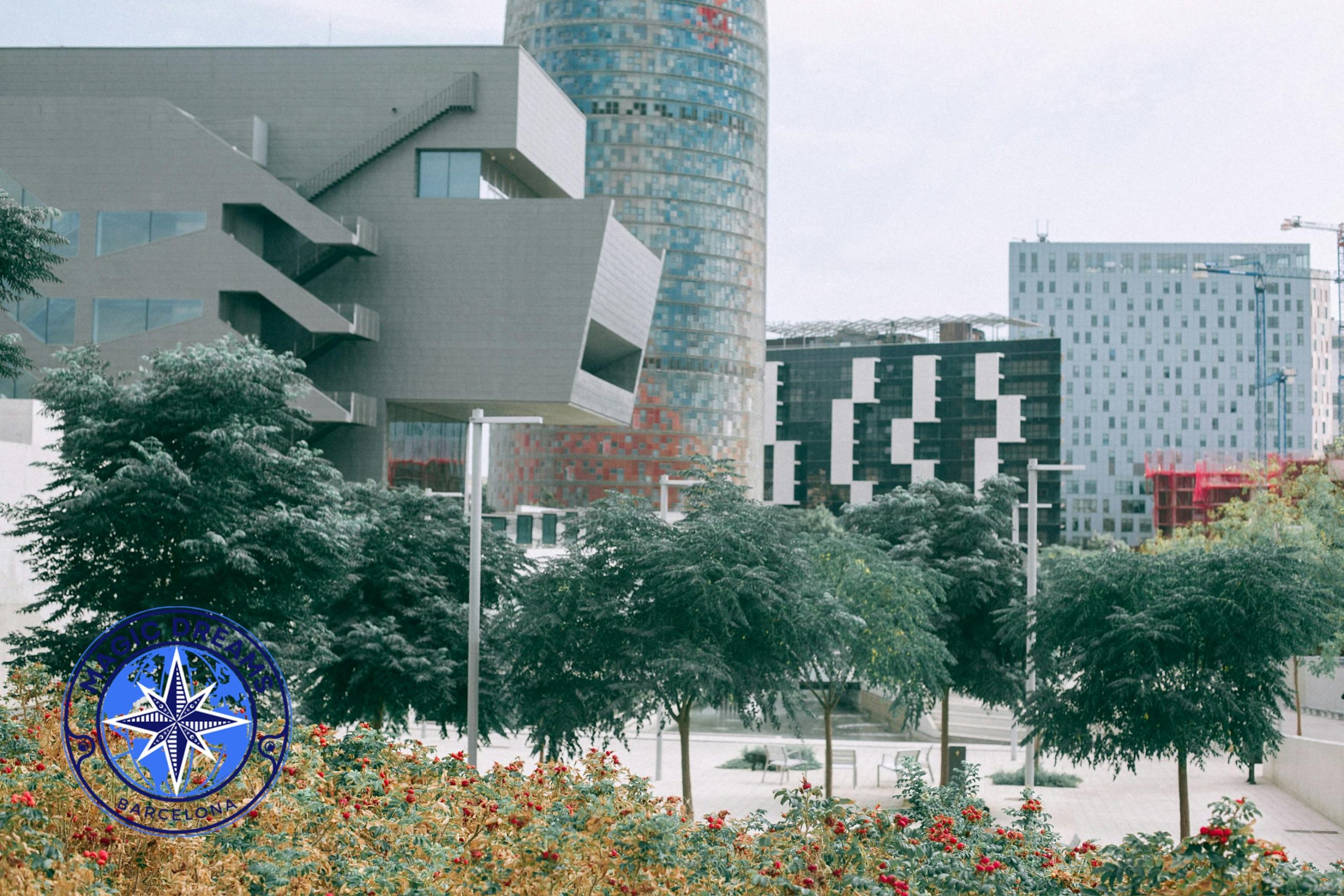
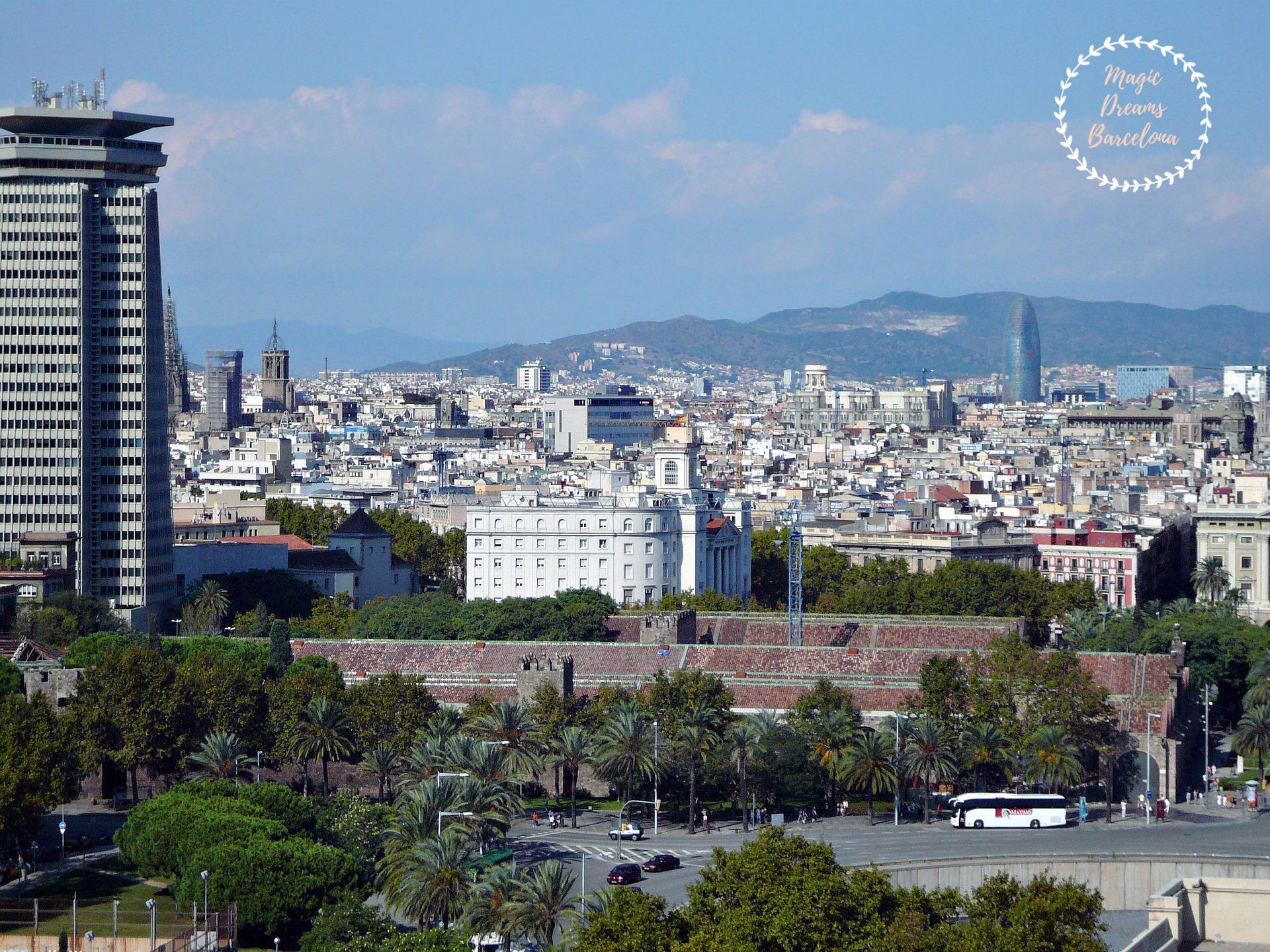
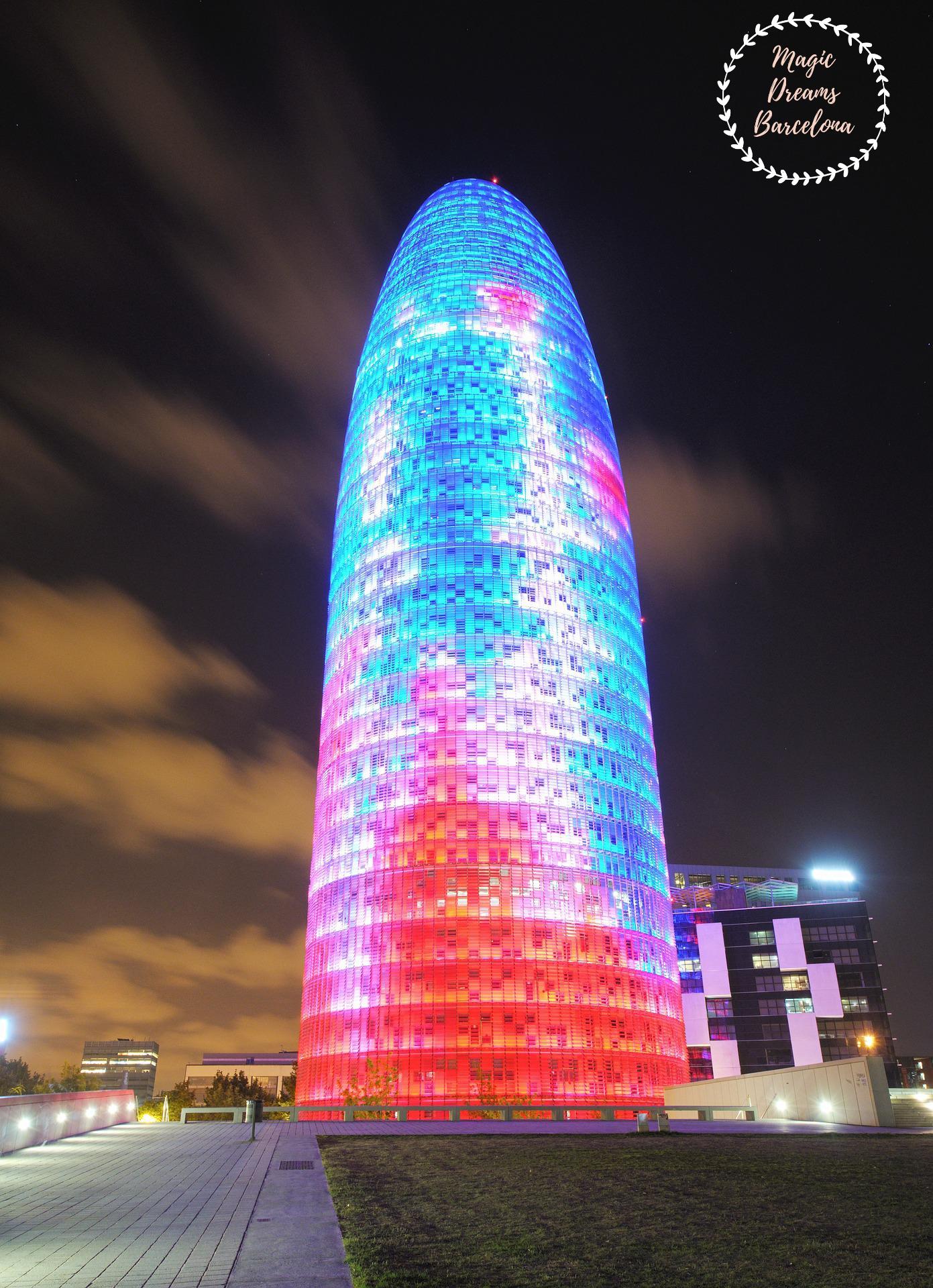
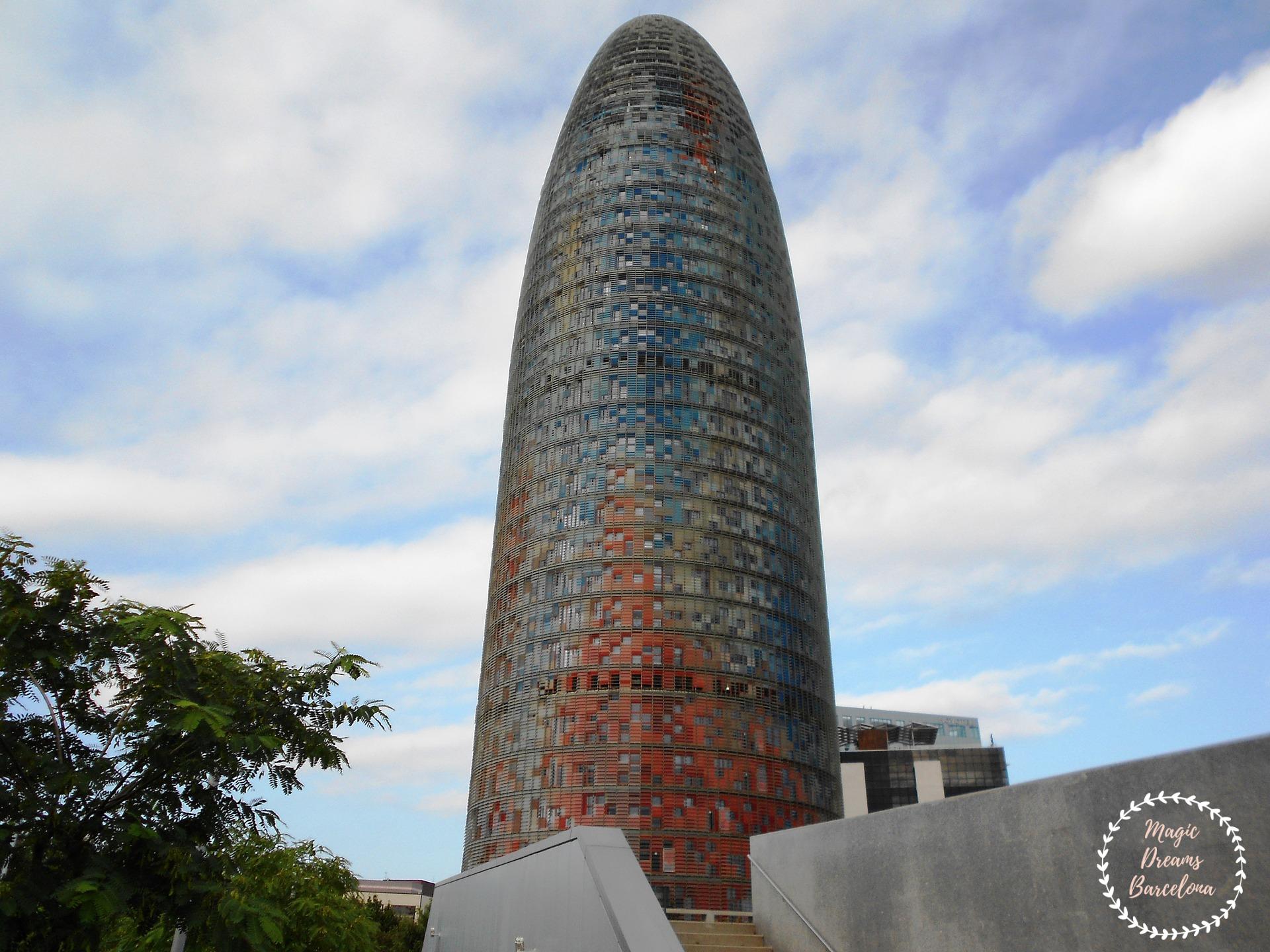
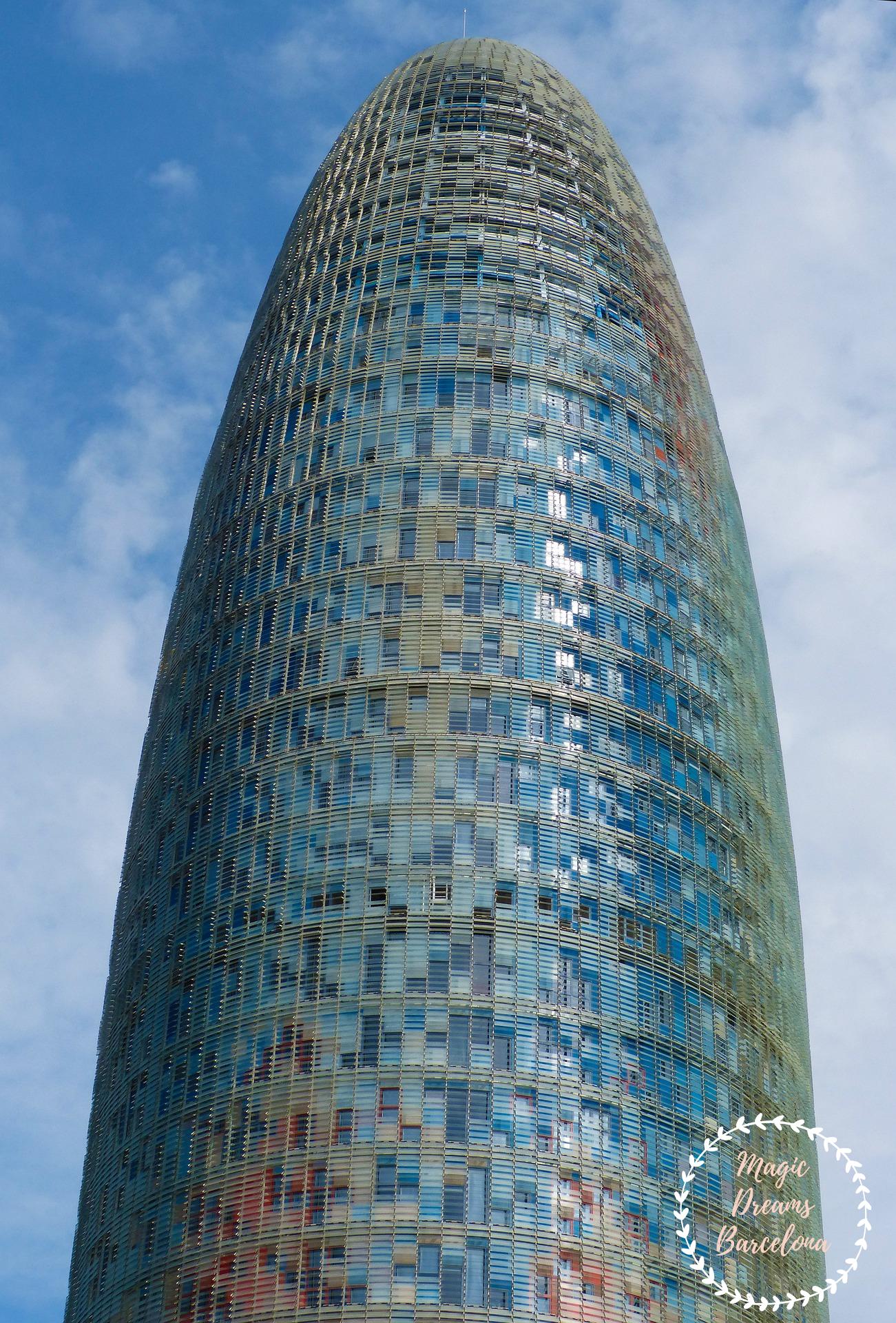
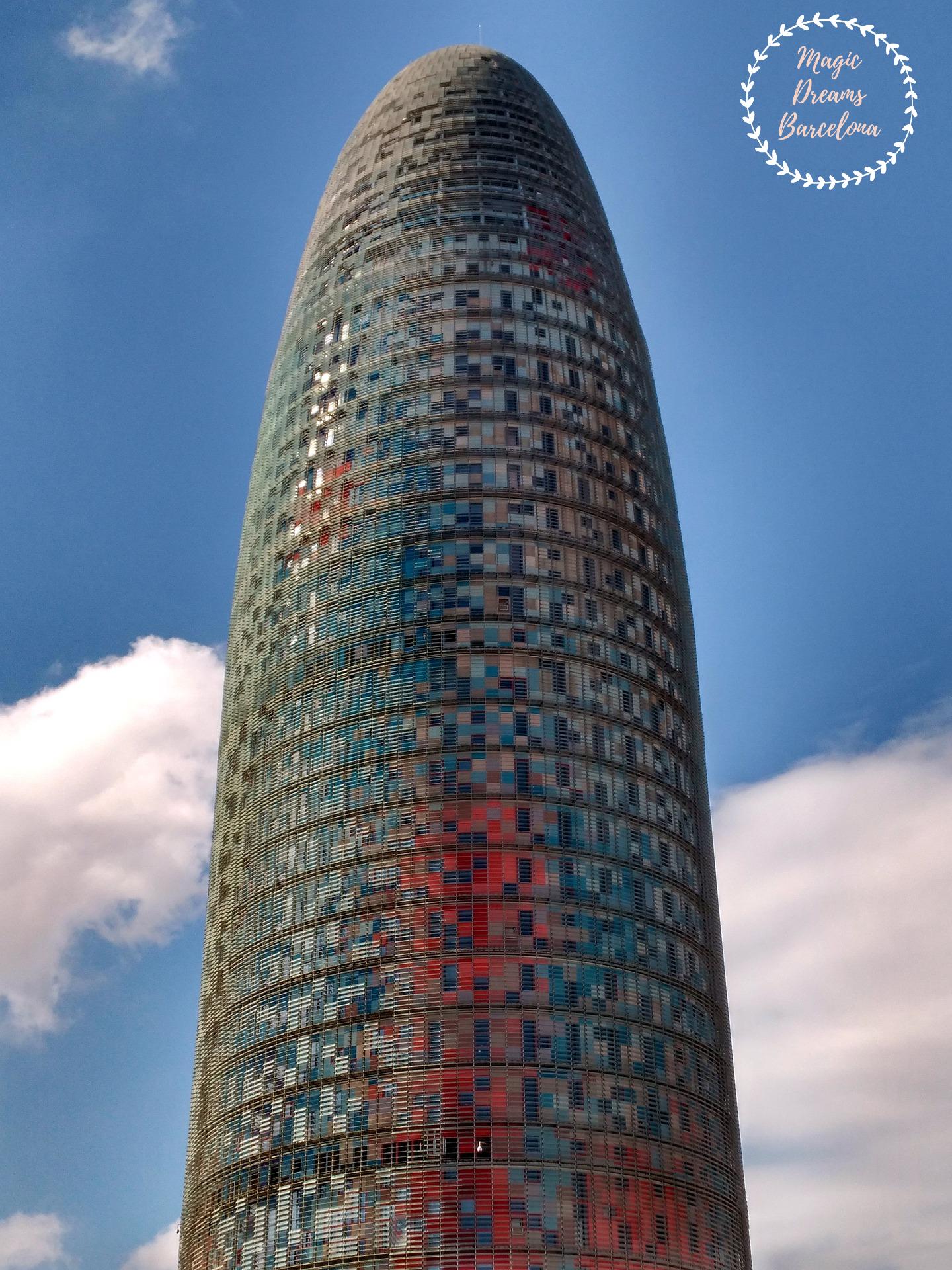
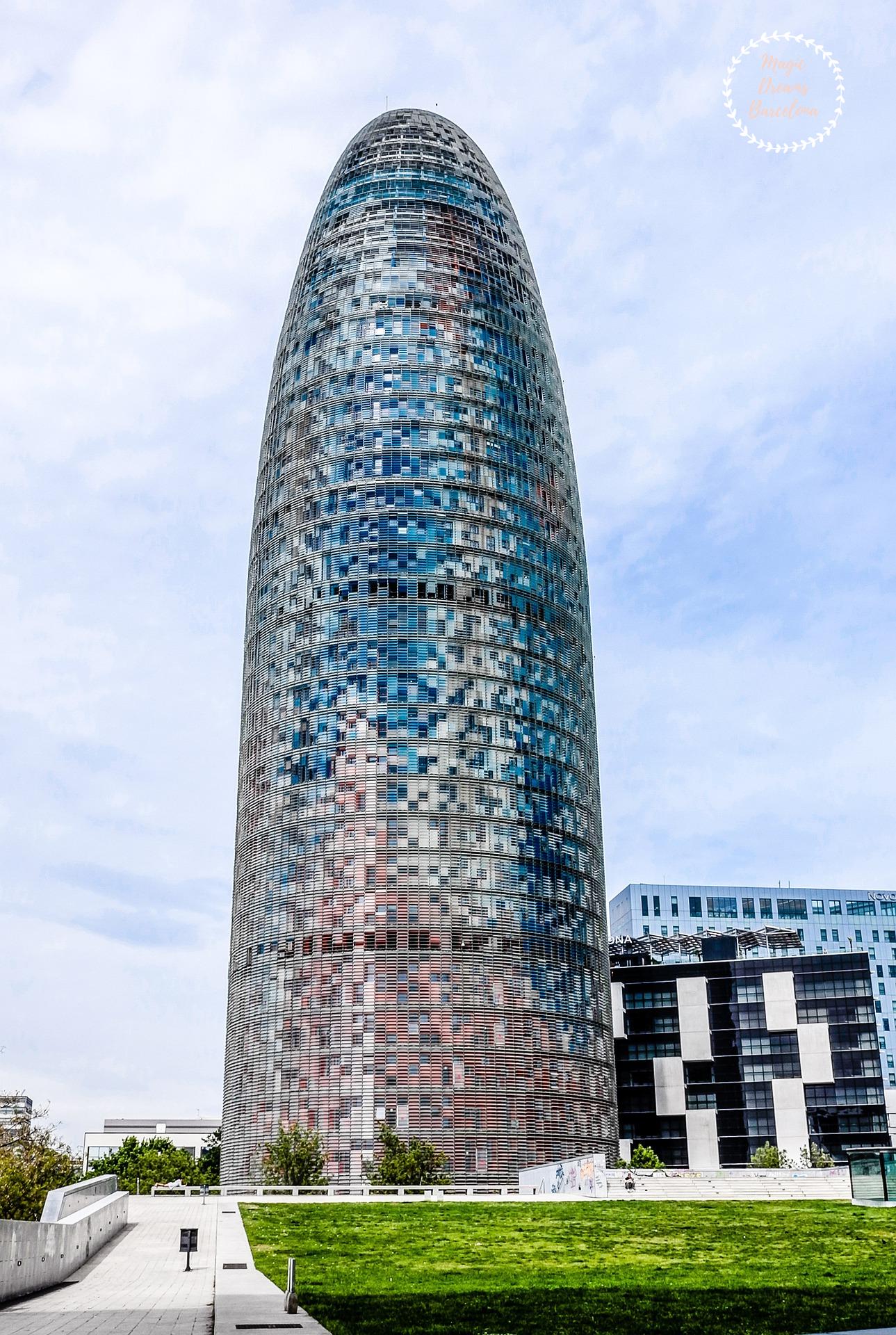
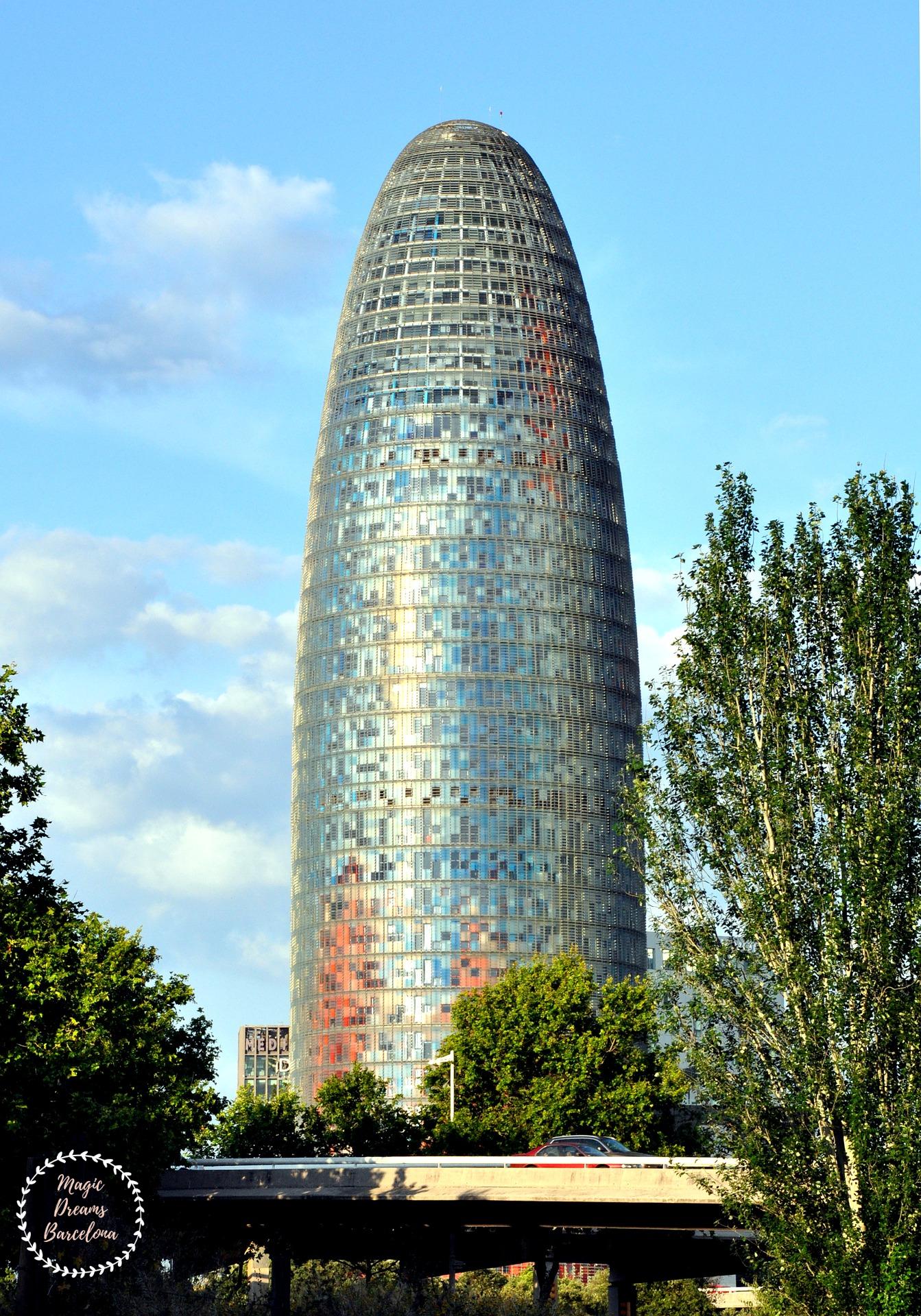
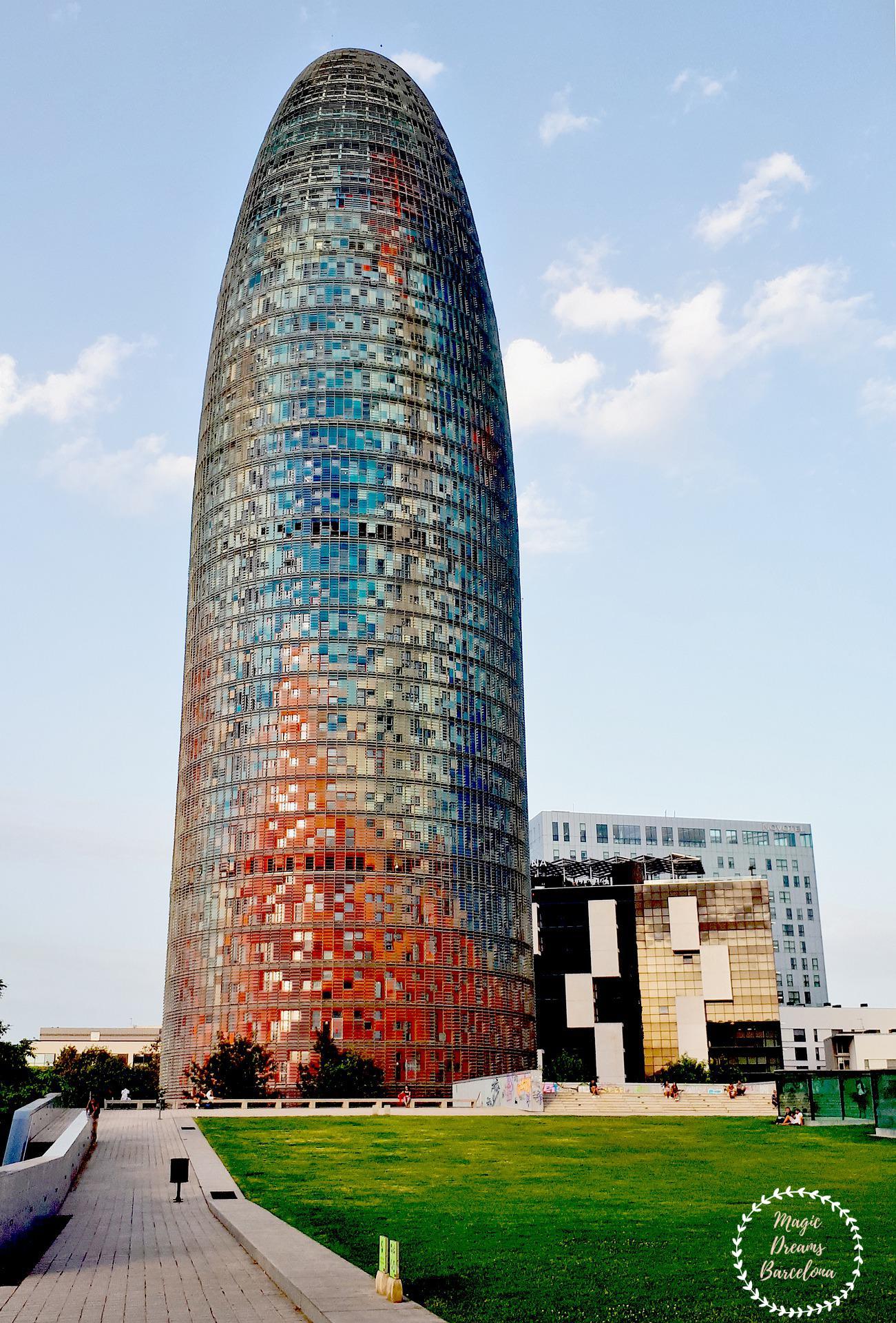
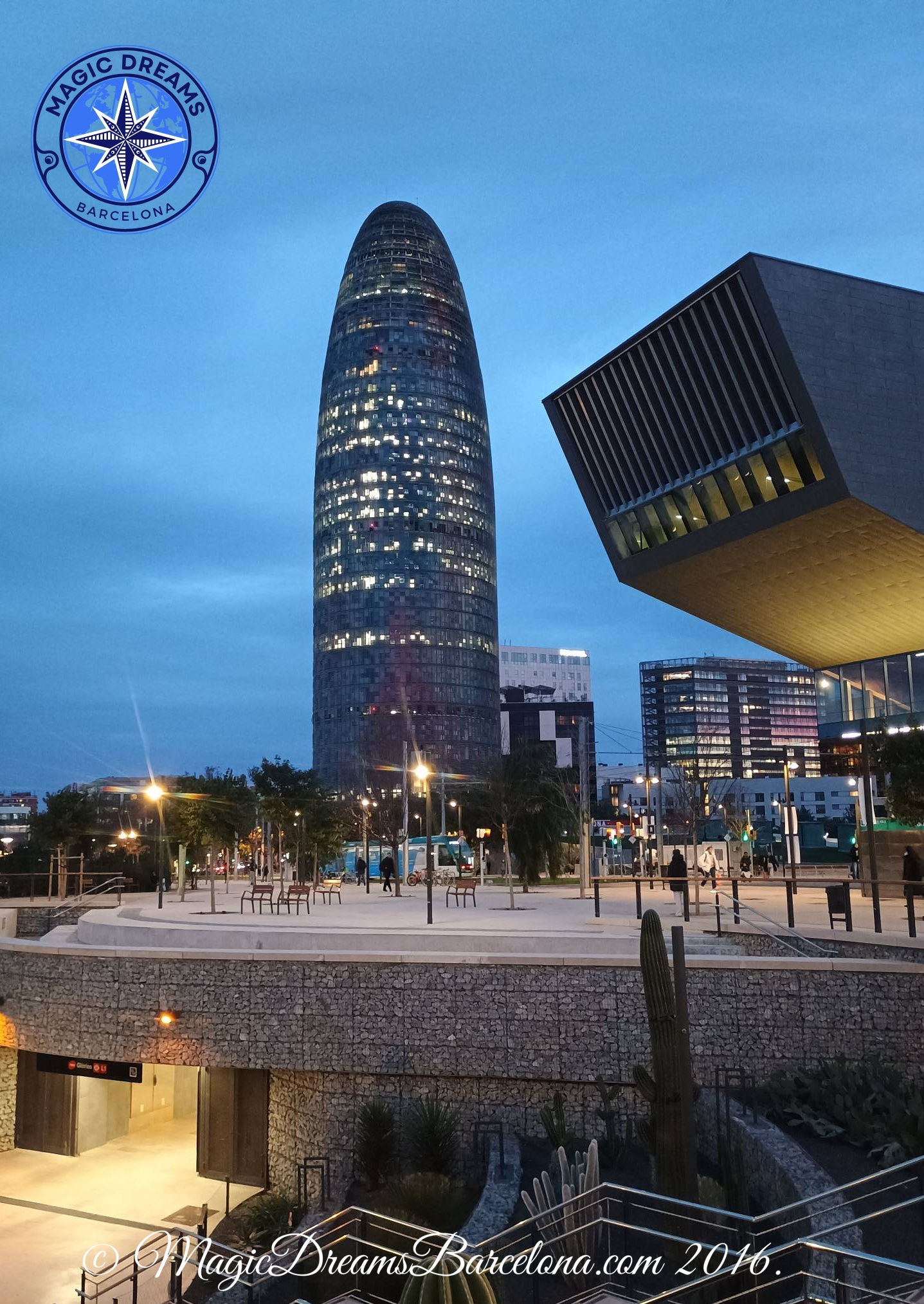
Arquitectura, diseño, arte e innovación convergen en el Mirador Torre Glòries, una de las experiencias culturales y sensoriales más emblemáticas de la Barcelona contemporánea. Situada en la confluencia de la avenida Diagonal con la calle Badajoz, junto a la plaza de las Glòries, la Torre Glòries marca la entrada al distrito tecnológico y creativo de la ciudad, simbolizando la transformación urbana y el espíritu innovador de Barcelona.
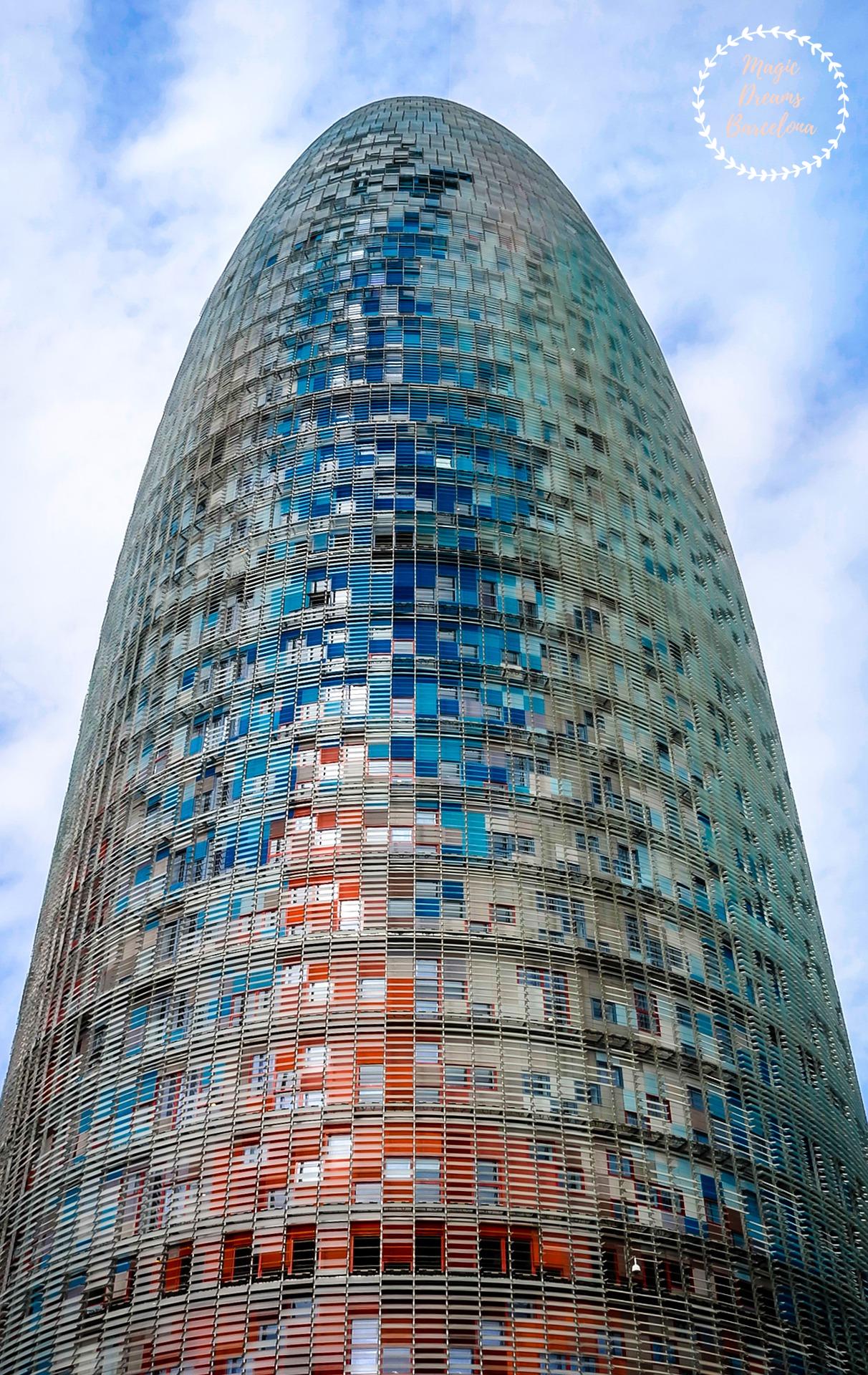
Diseñada por el prestigioso arquitecto Jean Nouvel, en colaboración con b720 Fermín Vázquez Arquitectos, la Torre Glòries se aleja deliberadamente de la concepción clásica del rascacielos paralelepípedo. Su forma orgánica y envolvente se inspira en la metáfora de un géiser emergiendo desde las profundidades, en alusión al agua como elemento esencial de vida y a la identidad mediterránea de la ciudad. Con una altura de 144 metros, 34 plantas sobre rasante y cuatro subterráneas, se establece como uno de los edificios más reconocidos del skyline barcelonés.
La torre cuenta con más de 50.000 m² de superficie, integrando espacios de oficinas, auditorios, servicios técnicos y aparcamiento, y culmina en su parte superior con el Mirador Torre Glòries, una experiencia única que ofrece una perspectiva panorámica de 360º sobre Barcelona, el mar Mediterráneo y la sierra de Collserola. Desde este mirador, la ciudad se desvela desde una nueva dimensión, invitando a contemplar su pasado, su presente y su futuro en un solo gesto.
Uno de los elementos más icónicos de la Torre Glòries es su iluminación nocturna, compuesta por más de 4.500 dispositivos LED capaces de generar hasta 16 millones de colores. Este sistema avanzado permite crear composiciones lumínicas dinámicas y transiciones fluidas que transforman la fachada en un auténtico lienzo urbano. La torre se convierte así en un faro contemporáneo que dialoga con la ciudad y celebra eventos culturales, artísticos y sociales de alcance internacional.
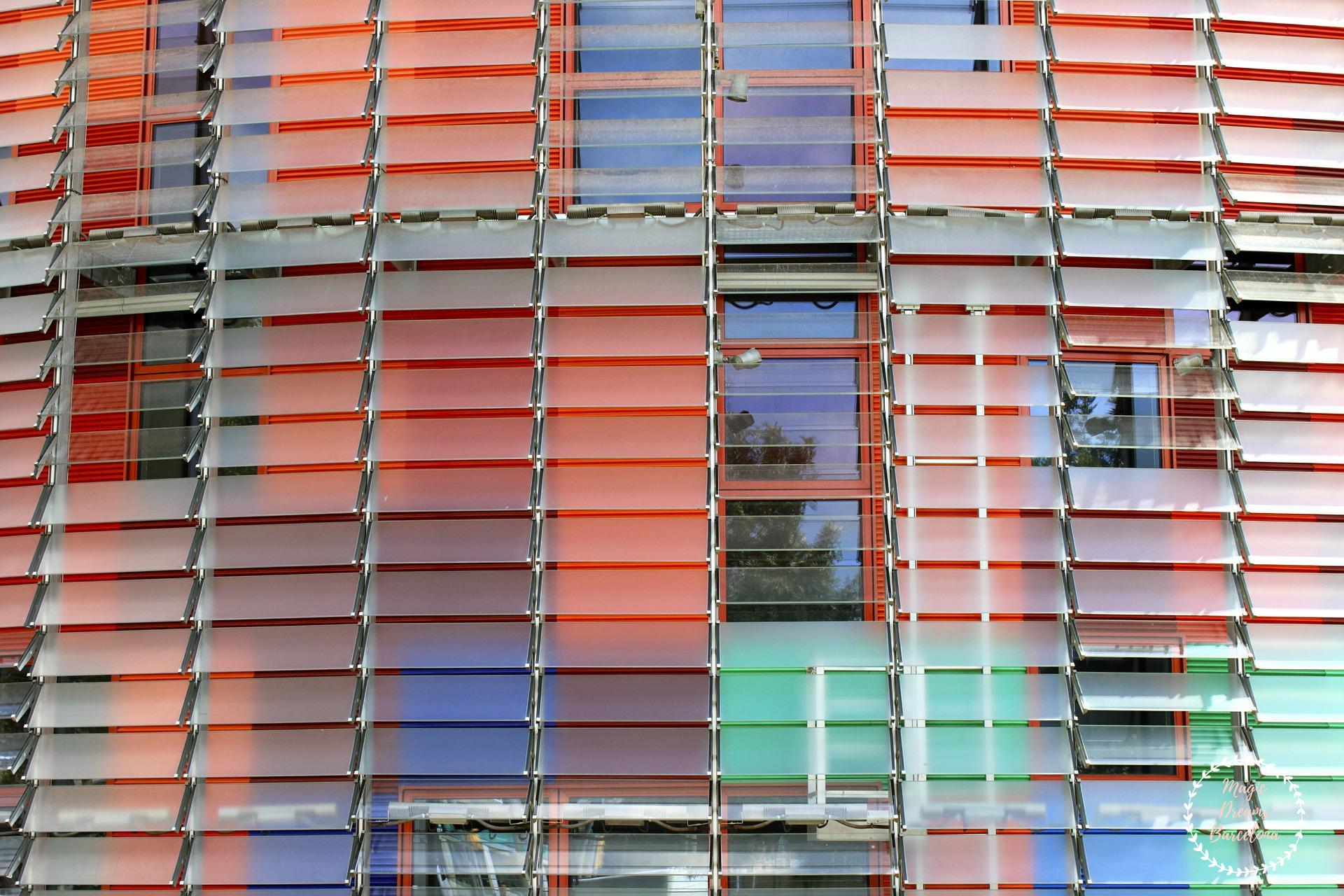
La innovación tecnológica y el compromiso con la sostenibilidad forman parte esencial del edificio. La Torre Glòries ha sido reconocida como Edificio Verde por la Comisión Europea, gracias a su eficiencia energética, su sistema inteligente de climatización por zonas, el control automatizado de la iluminación y la integración de lamas fotovoltaicas que contribuyen al autoabastecimiento energético y a la reducción de emisiones de CO₂.
Hoy, la Torre Glòries es uno de los símbolos universales de Barcelona y una parada imprescindible dentro de las rutas culturales y arquitectónicas de la ciudad, tanto a pie como en autobús turístico, transporte privado o incluso helicóptero. Su imagen ha sido proyectada al mundo entero, convirtiéndose también en un escenario icónico para celebraciones y eventos de gran relevancia.
Desde Magic Dreams Barcelona, le ofrecemos una forma única de descubrir la Torre Glòries y su entorno a través de experiencias turísticas, culturales y gastronómicas totalmente personalizadas. Diseñamos recorridos privados que combinan arquitectura, arte contemporáneo, diseño urbano, espacios botánicos y los mejores restaurantes y locales gastronómicos de la ciudad.
Nuestro equipo, formado por nativos de Barcelona, comparte usted una mirada auténtica y profunda de la ciudad, desvelando sus secretos, historias y rincones menos conocidos. Nos encargamos de toda la logística de traslados privados, garantizando comodidad, puntualidad y un servicio adaptado a cada necesidad, ya sea para visitas culturales, experiencias gastronómicas exclusivas privadas o itinerarios a medida.
Atendemos en castellano, catalán e inglés, y bajo petición previa podemos adaptar la experiencia a otros idiomas, asegurando una atención cercana, profesional y completamente personalizada.
Desde nuestra perspectiva sensible, mágica, experimentada, local y profesional, le invitamos a descubrir nuestras experiencias diseñadas para quienes buscan sublimidad , autenticidad y emoción.
Torre Glòries.
Torre Glòries.
Torre Glòries.
Torre Glòries – Entrada distrito tecnológico de Barcelona.
Torre Glòries – Entrada distrito tecnológico de Barcelona.
Torre Glòries – Entrada distrito tecnológico de Barcelona.
Torre Glòries – Entrada distrito tecnológico de Barcelona.
Torre Glòries – Entrada distrito tecnológico de Barcelona.
Torre Glòries – Entrada distrito tecnológico de Barcelona.
Torre Glòries – Entrada distrito tecnológico de Barcelona.
Torre Glòries – Entrada distrito tecnológico de Barcelona.
Torre Glòries – Entrada distrito tecnológico de Barcelona.
Torre Glòries – Entrada distrito tecnológico de Barcelona.
Torre Glòries – Entrada distrito tecnológico de Barcelona.
Torre Glòries – Entrada distrito tecnológico de Barcelona.
Torre Glòries – Entrada distrito tecnológico de Barcelona.
Torre Glòries – Entrada distrito tecnológico de Barcelona.
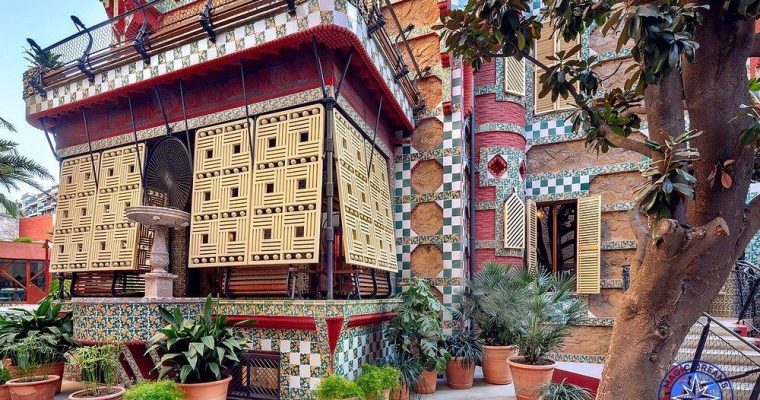
Casa Vicens is not just an architectural masterpiece; it is the starting point of the creative universe of Antoni Gaudí. Built between 1883 and 1885 in the former village of Gràcia, this summer residence represents the architect’s first major commission and the moment when his …