Route guide for visitors throughout Catalonia – Barcelona – Costa Brava – Catalan Pyrenees – Personalized experiences – Customized tour guide services – A small tribute to the wonderful city and land that saw us born – Transforming experiences into unforgettable memories - Magic Dreams Collection: exclusive universes inspired by Salvador Dalí and Gaudí. Niche perfumes, jewelry, lithographs, and collectible items celebrating the Mediterranean spirit.
At the foot of Plaza de España stands Arenas de Barcelona, an icon of urban transformation — a space where past and present engage in dialogue through architecture, culture, and emotion. Built in 1900 by architect August Font i Carreras in Neo-Mudéjar style and promoted …
Some places surprise us with their history, others with their beauty, and some with their ability to convey a sense of calm even when they are located right in the heart of the city. Turó Park combines all three qualities. Located in the Sarrià-Sant Gervasi …
Where History, Art, and the Mediterranean Lifestyle Converge
Plaça de Catalunya is the epicentre of Barcelona, a vibrant meeting point where the historic district of Ciutat Vella meets the modern Eixample neighbourhood. Considered one of the city’s most iconic public spaces, the square connects some of Barcelona’s most famous streets and avenues: La Rambla, Passeig de Gràcia, Rambla de Catalunya, Avinguda del Portal de l’Àngel, Carrer de Pelai, as well as Ronda de la Universitat and Ronda de Sant Pere.
This strategic location has made the square one of Barcelona’s principal urban, commercial, and transport hubs, frequented by both local residents and visitors from around the world.
Although it may seem as though the square has always existed, its development as a major public space took place between the late nineteenth and early twentieth centuries, following the demolition of Barcelona’s old medieval walls. It was officially inaugurated in 1927 by King Alfonso XIII, marking a decisive moment in the city’s urban transformation.
Today, Plaça de Catalunya remains a vibrant stage for Barcelona’s everyday life. Demonstrations, sporting celebrations, community gatherings, and cultural events regularly bring the space to life, where the city’s historical identity coexists with its contemporary character.
More than simply a place to pass through, the square is an ideal starting point for discovering Barcelona’s architecture, cultural heritage, shopping districts, and Mediterranean lifestyle.
Art and Monuments
Sculptures, Ornamental Fountains, and Artistic Heritage
Plaça de Catalunya houses an outstanding collection of public sculptures created by renowned artists, including Josep Clarà and Josep Llimona. These works help define the square’s artistic character, transforming a major urban intersection into a genuine open-air art gallery.
The sculptures reflect different artistic movements and periods, offering an introduction to Catalan sculptural heritage and the evolution of public art in Barcelona.
The ornamental fountains add another visual dimension to the setting. The movement of the water, its reflections, and the presence of these features create a refreshing contrast with the surrounding architecture and the city’s fast-paced rhythm. After dark, the fountain lighting enhances the atmosphere of the square, although any special light displays or cultural programmes should be checked in advance.
The area’s cultural history extends far beyond its monuments. In the late nineteenth and early twentieth centuries, celebrated cafés, restaurants, and entertainment venues around the square played a fundamental role in Barcelona’s intellectual and social life.
Establishments such as Maison Dorée, Colón, La Lluna, and El Suís became meeting places for literary discussions, political debates, and social gatherings. These venues reflected an era when cafés served as essential centres of communication and cultural exchange.
The area was also home to historic theatres and entertainment venues, including Bon Retir (1876–1885), Circ Eqüestre Alegria (1879–1895), El Dorado Concert (1887), and Teatre Barcelona (1923). All formed part of the vibrant cultural life that developed around the square.
Today, visitors can also enjoy elevated views of Plaça de Catalunya from the café and restaurant area on the upper floors of El Corte Inglés, a popular vantage point for admiring the square, its fountains, and the surrounding streets.
Views from street level and from above offer two complementary perspectives on Barcelona: the energy of urban life and the geometry of its historic centre.
A Square at the Crossroads of Barcelona
The Meeting Point Between Ciutat Vella and Eixample
One of Plaça de Catalunya’s most distinctive features is its role as both a geographical and symbolic link between two very different urban environments.
To the south lies Ciutat Vella, Barcelona’s old town, with its medieval streets, historic squares, heritage buildings, and narrow pedestrian passageways. From here, visitors can explore the Gothic Quarter, El Raval, and the lower stretch of La Rambla.
To the north begins Eixample, the extensive urban district developed during Barcelona’s nineteenth-century expansion, when the city began to grow beyond its former walls. Its broad streets, characteristic chamfered corners, and grid layout reflect a new approach to urban planning.
The square therefore marks a transition between two fundamental stages in Barcelona’s evolution: the compact, labyrinthine medieval city and the modern metropolis.
From Plaça de Catalunya, visitors can walk towards Passeig de Gràcia, one of Barcelona’s most prestigious avenues, renowned for its architecture, luxury boutiques, and outstanding examples of Catalan Modernisme. Continuing along this avenue leads to iconic buildings such as Casa Batlló and La Pedrera, also known as Casa Milà.
In the opposite direction, La Rambla descends towards the waterfront, passing historic streets, cultural venues, and the surroundings of the traditional La Boqueria market.
A short walk along Portal de l’Àngel leads to one of the city’s main pedestrian shopping streets, while Rambla de Catalunya offers a different atmosphere, with outdoor terraces, restaurants, and elegant urban façades.
This exceptional connectivity makes Plaça de Catalunya an ideal starting point for creating a personalised itinerary around Barcelona.
The Hidden History Beneath the Square
The Legacy of the Spanish Civil War and Air-Raid Shelters
Beneath Barcelona’s modern streets lies another dimension of its history, shaped by conflict, resilience, and the experiences of its inhabitants.
During the Spanish Civil War (1936–1939), Barcelona endured intense aerial bombardments that placed the civilian population at risk. In response, residents and local authorities developed an extensive network of protective spaces and air-raid shelters throughout the city.
Barcelona’s shelter network forms an important part of the city’s civil-defence history. Historical references often mention approximately 1,322 shelters or protective spaces, although the exact figure depends on the classification criteria and historical records consulted.
These structures remain a powerful testament to the hardships endured by the population during the conflict.
Claims about specific air-raid shelters located directly beneath Plaça de Catalunya should be distinguished from the broader history of Barcelona’s shelter network. Their precise locations, state of preservation, and accessibility require confirmation through reliable municipal or archival sources.
Although many historic shelters are not open to the public, visitors can explore the legacy of the Spanish Civil War through museums, historical tours, and documented sites elsewhere in the city.
For those interested in the relationship between urban spaces and collective memory, this historical dimension adds depth to a visit that might otherwise focus exclusively on architecture, shopping, and sightseeing.
Plaça de Catalunya is therefore much more than a transport interchange: it forms part of a city whose squares and avenues have witnessed urban transformations, social movements, and historically significant events.
A Vibrant Stage for Barcelona’s Urban Life
Celebrations, Demonstrations, and Everyday City Life
For decades, Plaça de Catalunya has been one of Barcelona’s principal meeting places.
Its central location and expansive open space make it a regular venue for demonstrations, public celebrations, community events, and collective expressions of identity. Throughout the year, the square reflects the city’s changing pulse, from everyday encounters to moments of particular historical and cultural significance.
It is also an iconic setting for sporting celebrations, particularly when major football victories bring thousands of supporters onto the streets.
For visitors, observing the square offers an opportunity to experience Barcelona beyond its monuments. Street performers, pedestrians, workers, shoppers, and tourists create an ever-changing urban scene in which local life and international tourism intertwine.
The atmosphere varies throughout the day. Mornings are often characterised by commuters and shoppers, while afternoons and evenings bring more visitors to the shopping streets, terraces, and public spaces.
This diversity defines the identity of Plaça de Catalunya: a civic space, a transport hub, a commercial centre, and a gateway to Barcelona’s cultural heritage.
Shopping, Gastronomy, and Urban Lifestyle
From Historic Cafés to the Contemporary Shopping District
Plaça de Catalunya occupies a privileged position within one of Barcelona’s principal shopping and dining areas.
The surrounding streets offer a wide range of experiences, from major international brands and fashion retailers to independent boutiques, traditional cafés, and contemporary restaurants.
Portal de l’Àngel stands out for its pedestrian shopping atmosphere, while Passeig de Gràcia combines luxury shopping with an extraordinary architectural heritage. Along Rambla de Catalunya, visitors can enjoy a more relaxed atmosphere, with outdoor terraces, restaurants, cafés, and elegant façades.
The square also provides easy access to Barcelona’s gastronomic traditions. Visitors can discover Catalan cuisine, sample local pastries, enjoy tapas, or visit restaurants that reinterpret Mediterranean cooking from a contemporary perspective.
For those wishing to combine culture and gastronomy, a carefully designed itinerary can begin with a guided walk through the old town, continue towards the Modernista architecture of Passeig de Gràcia, and conclude with a culinary experience at a selected restaurant.
The area is also ideal for taking a break at a café overlooking the square and comfortably observing the everyday rhythm of Barcelona.
For those seeking a more personalised experience, the surrounding neighbourhoods can be explored through private food tours, curated shopping itineraries, and cultural walks tailored to individual interests.
Experiences with Magic Dreams Barcelona
Culture, Discovery, and Bespoke Experiences
With Magic Dreams Barcelona, a visit to Plaça de Catalunya and its surroundings can become a carefully curated cultural and sensory journey, in which every detail contributes to an elegant, comfortable, and enriching experience.
Our services include private transport and professional guides offering tours in Spanish, Catalan, and English, with other languages available upon request.
We design personalised itineraries covering Barcelona’s principal historical, architectural, and cultural landmarks, adapting each experience to our visitors’ interests, pace, and preferences.
Our guides can explore the city’s history, the symbolism of public art, the evolution of its architecture, and the stories hidden behind its most iconic streets and squares.
Our experiences include:
Private transport and professional guides, with itineraries tailored to each visitor’s needs.
Personalised cultural tours of Plaça de Catalunya, Ciutat Vella, and Eixample.
Art and symbolism tours, exploring public sculptures, architectural details, and the cultural significance of Barcelona’s urban spaces.
Exclusive sensory picnics, featuring carefully selected food and thoughtfully arranged settings in locations where such activities are permitted.
Creative workshops, including Catalan cooking classes and trencadís workshops, introducing participants to the decorative mosaic technique associated with Catalan Modernisme.
Professional photography sessions to preserve special memories of the city.
Live music experiences, arranged according to location, required permits, and availability.
Private gastronomic tours featuring selected restaurants and culinary destinations across Barcelona.
Day trips and weekend excursions to the Costa Brava and the Catalan Pyrenees, with exclusive itineraries.
Nature-based experiences, including botanical interpretation and birdwatching where local conditions allow.
Each proposal is designed to combine discovery, comfort, and cultural knowledge, offering a more personal way to experience Barcelona.
Our aim is not simply to transport visitors from one landmark to another, but to create meaningful connections between the city’s history, artistic heritage, inhabitants, and Mediterranean surroundings.
Gastronomy and Private Experiences
Exceptional Flavours in Carefully Selected Settings
For those seeking a more exclusive way to discover Barcelona, Magic Dreams Barcelona organises personalised gastronomic experiences, subject to availability and advance booking.
These experiences may include private chefs preparing Catalan, Spanish, and international cuisine at the client’s accommodation, themed breakfasts, bespoke dinners, and culinary experiences at selected restaurants.
Additional services may include:
Private chef services and individually designed menus.
Curated gastronomic tours around Barcelona.
Professional photography and floral arrangements.
Live music featuring piano, violin, or saxophone, where the venue and availability permit.
Sensory picnics with table linen, personalised tableware, and catering, at locations where these activities are permitted.
Culinary experiences inspired by Catalan culture and Mediterranean ingredients.
The objective is to combine the city’s gastronomic identity with each visitor’s preferences, creating distinctive and memorable experiences.
Art, Creativity, and Cultural Discovery
Exploring Barcelona Through Artistic Expression
Barcelona’s artistic identity extends far beyond its best-known monuments. Its streets, public sculptures, architectural details, and decorative traditions express a rich cultural history that can be explored through personalised activities.
Magic Dreams Barcelona offers creative experiences that may include trencadís mosaic workshops, introductions to Catalan Modernisme, art activities inspired by Surrealism, and floral art or fragrance-making workshops.
These experiences offer a practical, participatory way to explore the connections between art, history, craftsmanship, and the Mediterranean landscape.
For those wishing to learn more about the work of Antoni Gaudí or Salvador Dalí, bespoke cultural itineraries can also be arranged around relevant locations and exhibitions, subject to opening hours, ticket availability, and reservations.
Wellbeing and Personalised Excursions
A Different Pace for Discovering Catalonia
For visitors wishing to complement cultural sightseeing with moments of relaxation, Magic Dreams Barcelona can organise selected wellbeing experiences and private excursions.
Depending on location and availability, services may include access to spas and thermal facilities, meditation, guided prayer and reflection in suitable outdoor settings, private transport, and scenic excursions.
We also organise personalised trips to the Costa Brava and the Catalan Pyrenees, combining natural landscapes, local culture, gastronomy, and opportunities to discover destinations beyond Barcelona.
Each itinerary is planned around the practical requirements of the activity, including travel times, weather conditions, access restrictions, and advance reservations.
With Magic Dreams Barcelona, the city becomes more than a tourist destination: it becomes a collection of personal experiences designed around each visitor’s interests.
Practical Information for Visiting Plaça de Catalunya
Transport, Accessibility, and Useful Tips
Plaça de Catalunya is one of Barcelona’s principal transport interchanges, making it easy to reach from different parts of the city and its metropolitan area.
Metro: The square is served by metro lines L1 and L3, providing connections to numerous destinations across Barcelona.
Train: Catalunya station provides access to selected Rodalies commuter rail services and railway connections, depending on current timetables.
Ferrocarrils de la Generalitat de Catalunya (FGC): The station also serves FGC lines connecting the city centre with various districts and towns beyond Barcelona.
Bus: Several urban bus routes stop on nearby streets. It is advisable to check current route numbers and stop locations before travelling.
Barcelona Bus Turístic: Tourist bus services offer a convenient way to discover several of the city’s principal attractions. Routes, stops, and timetables may vary by season.
Taxi and private transport: Taxis are widely available in the city centre. Private transport can also be arranged for visitors who prefer personalised transfers or need to coordinate several visits.
The square can be explored on foot, although crowds, roadworks, and pedestrian crossing layouts may affect certain routes. Visitors with reduced mobility should check the most suitable access points and the availability of lifts at transport stations in advance.
Recommended Walking Routes
Plaça de Catalunya is an excellent starting point for exploring Barcelona on foot.
Route 1: Historic Barcelona
Begin at Plaça de Catalunya and walk down La Rambla towards the old town, exploring the streets and squares of the Gothic Quarter.
Route 2: Architecture and Luxury Shopping
Head north along Passeig de Gràcia to discover Catalan Modernisme, prestigious boutiques, and iconic buildings such as Casa Batlló and La Pedrera.
Route 3: Cafés and Urban Life
Explore Rambla de Catalunya to enjoy its restaurants, outdoor terraces, and distinctive urban atmosphere.
Route 4: Shopping and Pedestrian Streets
Discover Portal de l’Àngel and the surrounding shopping streets before continuing towards the historic city centre.
The duration of each route will depend on walking pace, stops, and whether visitors choose to enter museums, shops, or historic buildings.
When Is the Best Time to Visit the Square?
Plaça de Catalunya can be visited throughout the year, although its atmosphere changes with the seasons and the city’s event calendar.
Early mornings are appealing to visitors who wish to photograph the surroundings with fewer people around. Late afternoons and evenings offer a livelier atmosphere, with restaurants, shops, and public spaces frequented by residents and visitors.
As in other busy tourist areas, visitors are advised to keep their belongings secure and remain aware of their surroundings, particularly in crowded areas and at transport interchanges.
Interesting Facts About Plaça de Catalunya
Details That Enrich Your Visit
A connection between two Barcelonas: The square links the historic street network of Ciutat Vella with the urban planning of Eixample.
A major transport hub: Visitors can access the metro, commuter trains, Ferrocarrils de la Generalitat, and various bus services from the surrounding area.
An open-air art space: Its sculptures offer an opportunity to discover works associated with prominent Catalan artists.
A strategic starting point: La Rambla, Passeig de Gràcia, and Portal de l’Àngel are all just a short walk away.
A setting for collective memory: The square has hosted political, social, and sporting events that form part of Barcelona’s contemporary history.
An exceptional location for urban photography: Its fountains, sculptures, and constantly moving crowds offer countless opportunities to capture everyday city life.
A commercial and gastronomic destination: The nearby streets make it easy to combine culture, shopping, cafés, and Mediterranean cuisine in a single day.
For more specific historical information, such as the exact installation dates of individual sculptures or details of recent fountain renovations, it is advisable to consult up-to-date municipal documentation before publication.
Plaça de Catalunya: An Open Gateway to the Best of Barcelona
Discovering the City’s History, Art, and Mediterranean Spirit
Plaça de Catalunya is one of Barcelona’s most distinctive urban spaces, connecting the medieval heritage of Ciutat Vella with the orderly streets and architectural treasures of Eixample.
Its sculptures, ornamental fountains, historical associations, and surrounding avenues make it much more than a transport hub. It is a place where past and present merge, where everyday life unfolds among works of art, and where visitors can begin discovering Barcelona from a variety of perspectives.
From the historic cafés and theatres that once animated the area to today’s commercial districts, cultural landmarks, and nearby gastronomic experiences, the square offers an introduction to the many facets of the city.
Its central location also makes it an ideal starting point for exploring La Rambla, Passeig de Gràcia, Portal de l’Àngel, and the historic streets of the old town.
With Magic Dreams Barcelona, we invite you to discover Plaça de Catalunya and its surroundings from a more personal perspective: a journey designed around history, art, gastronomy, and carefully curated experiences.
Because sometimes, the best way to understand a city is not simply to admire its monuments, but to discover the stories, details, and connections that bring them to life.
An iconic park in Barcelona The Cervantes Park is one of the most elegant and representative green spaces in Barcelona. Located on the western edge of the city, it combines landscape tradition, botanical heritage, and a strong cultural identity linked to literature and European tourism. …
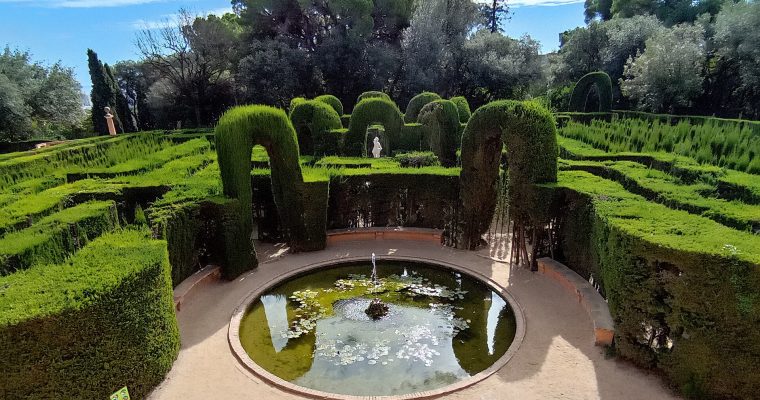
Barcelona has places that are famous all over the world, but it also has corners that remain surprisingly unknown despite their historical and natural importance. One of them is the Parc del Laberint d’Horta, a historic garden located at the foot of the Collserola mountain …
The Jardins del Doctor Pla i Armengol occupy a former estate in the Guinardó district of Barcelona, a space where history, architecture, art, nature and biodiversity now coexist.
The site was originally connected to the Institut Ravetllat-Pla, founded by doctors Ramon Pla i Armengol and Joaquim Ravetllat i Estech for research into tuberculosis. The estate combined scientific activity with gardens, agricultural areas, stables and a large residential building.
Today, the gardens are a public green space that preserves important elements of this past while incorporating naturalized areas designed to promote urban biodiversity.
A garden with three different areas
The gardens are divided into three clearly differentiated areas.
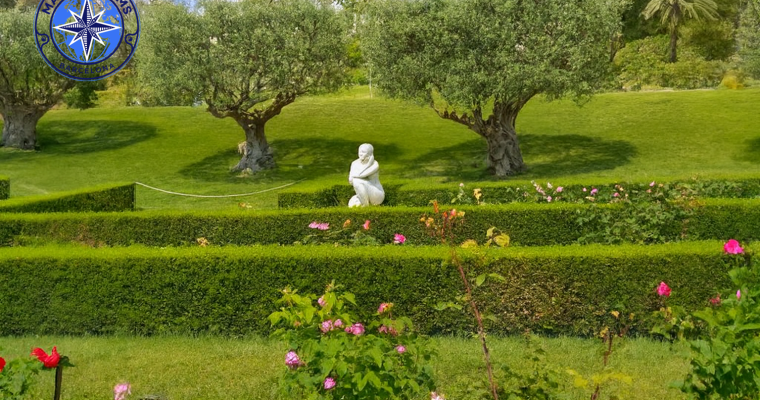
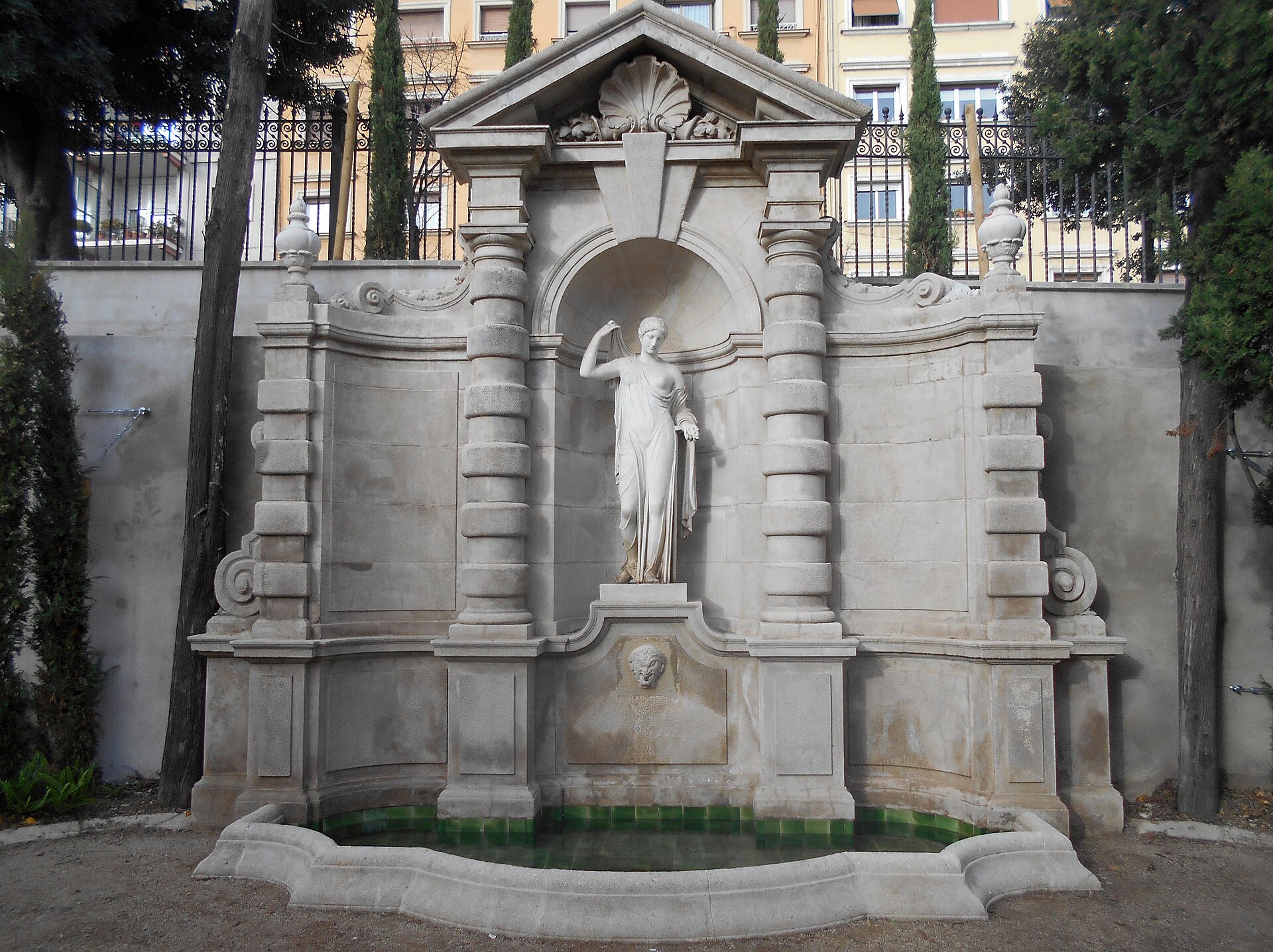
The Noucentista garden is the most closely connected to the historical character of the estate. Its restored walls, balustrades, original pools, pilasters and wooden pergolas reflect the garden design of the early 20th century.
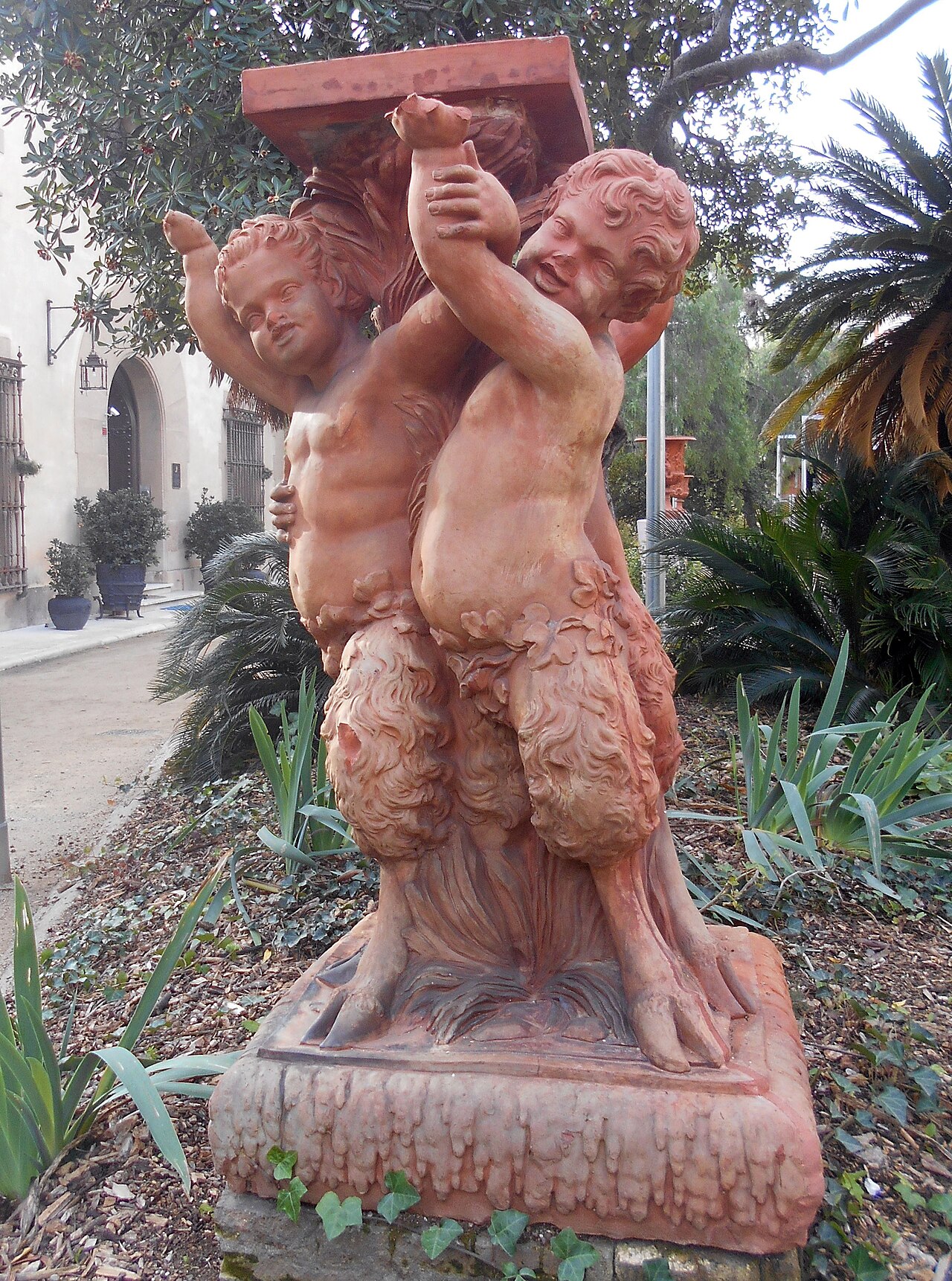
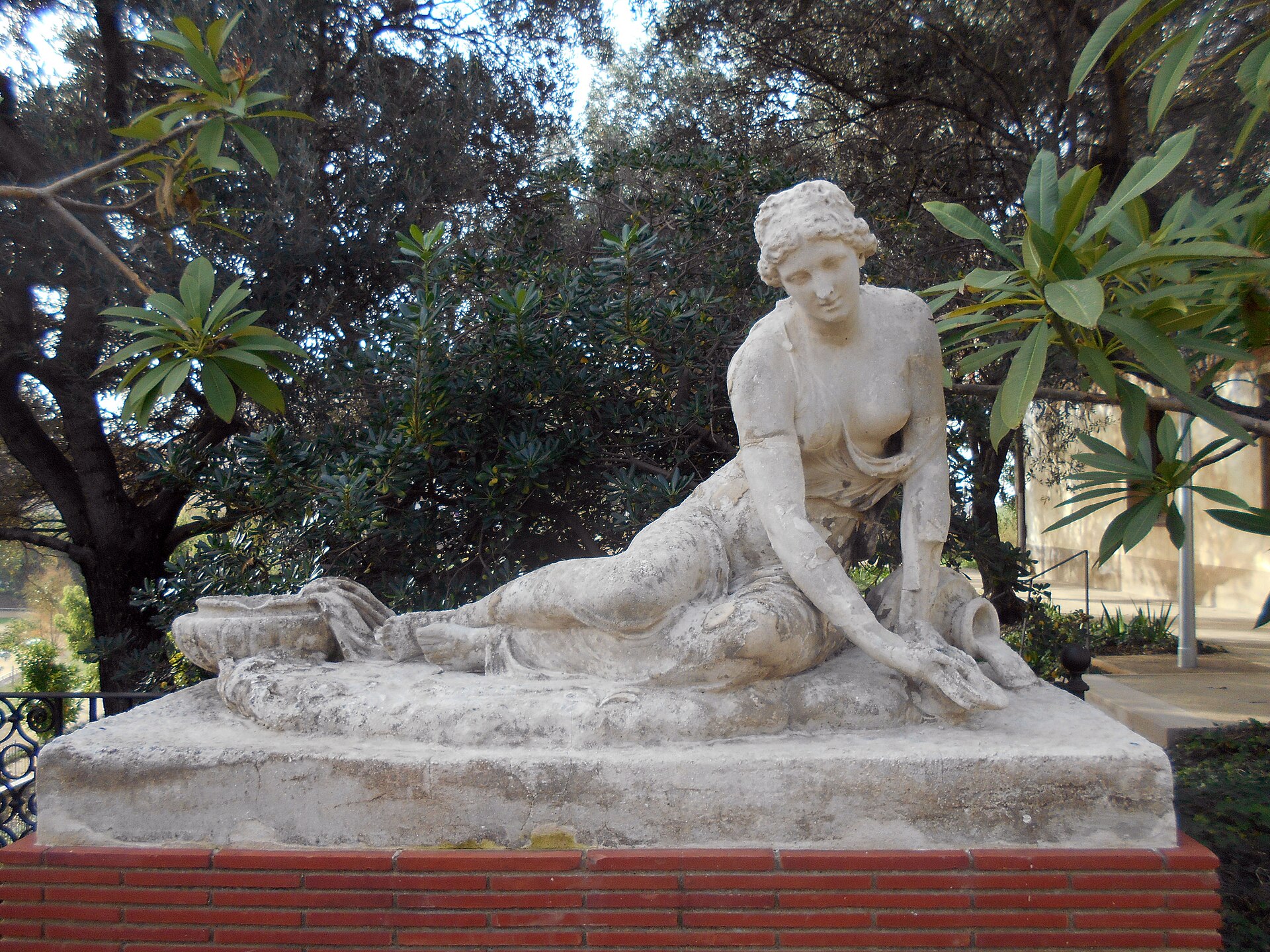
Among its most recognizable elements is the Venus de Fréjus, a reproduction of the classical sculpture preserved at the Louvre. Other sculptures and decorative elements are distributed throughout the garden, including a horse, a figure of an angel or child with a dolphin, a nymph with a shell, three child fauns and classical-style vases.
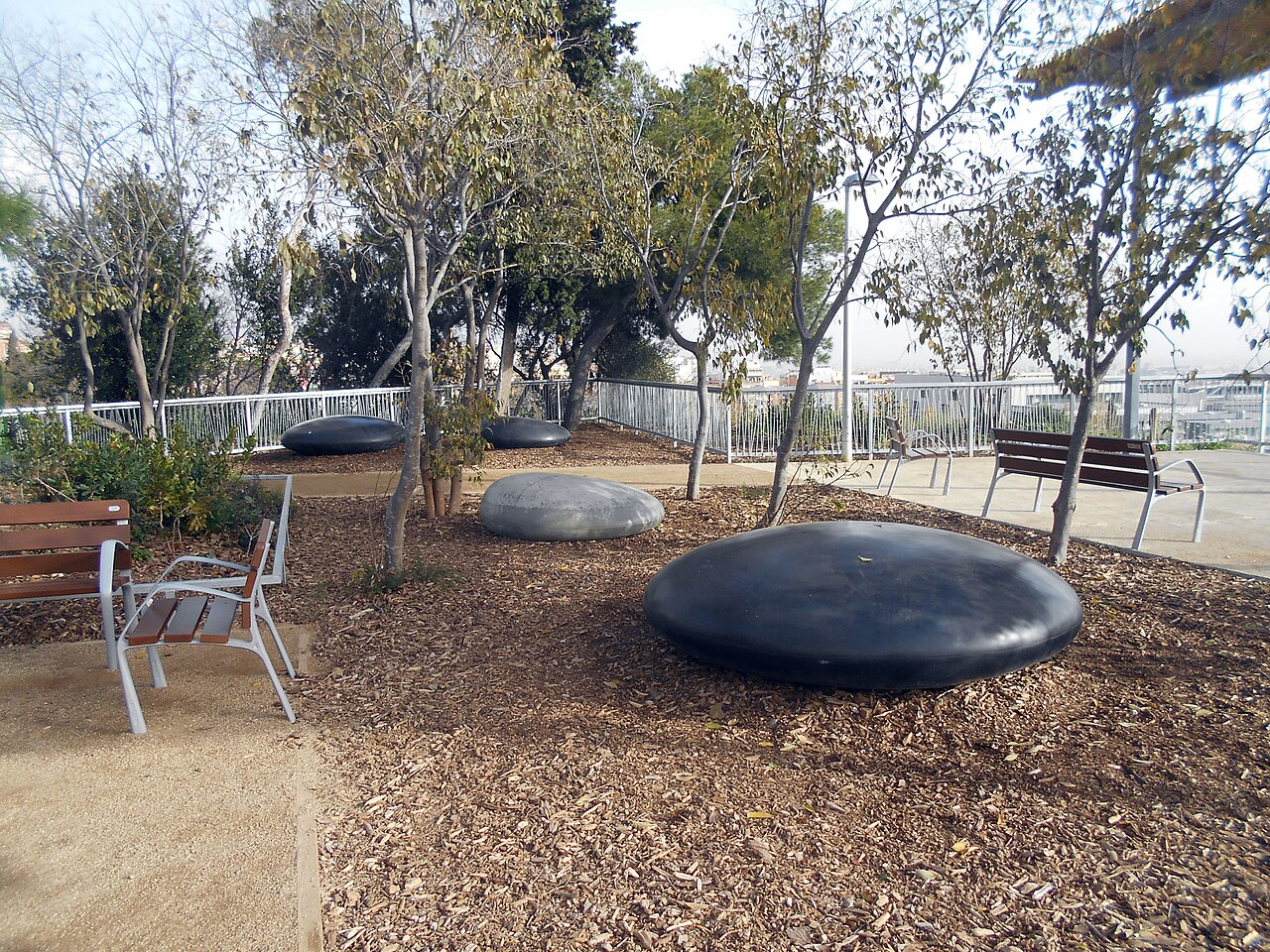
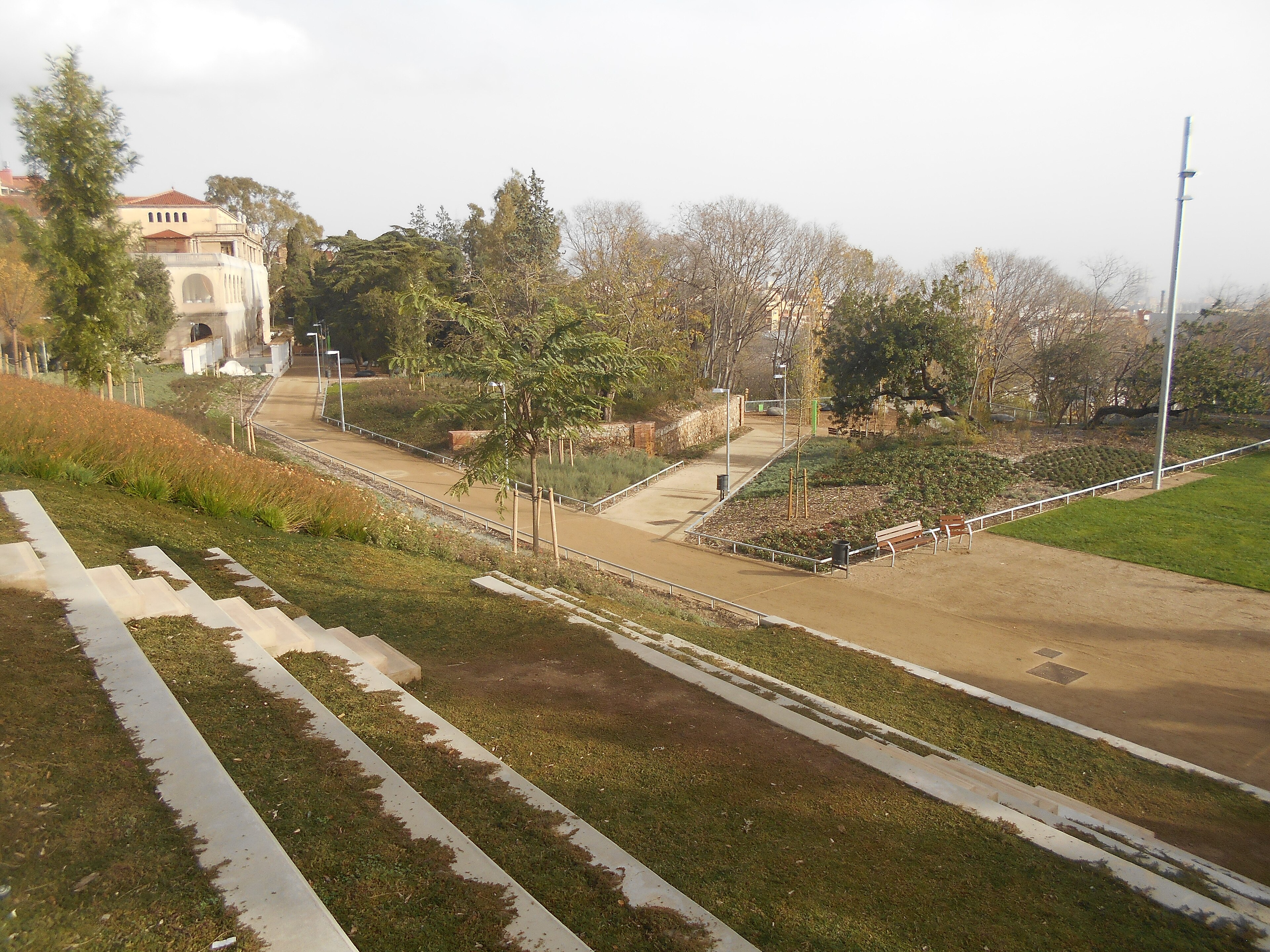
The former stables area has been transformed into a public space with seating areas, a green square, an amphitheatre, a children’s playground and viewpoints overlooking Barcelona.
The southeastern part of the gardens has a more natural character, with community urban gardens, wet environments and areas dedicated to biodiversity and environmental education.
Mediterranean vegetation
One of the most interesting features of the Jardins del Doctor Pla i Armengol is the variety of vegetation found within a relatively compact urban space.
Olive trees, carob trees and orange trees recall the agricultural character of the former estate, while areas of Mediterranean woodland include species such as holm oak and Aleppo pine.
There are also aromatic plants such as rosemary, thyme and sage, as well as Mediterranean scrub and other species that contribute to the garden’s ecological diversity.
The combination of mature trees, woodland, cultivated areas and naturalized spaces creates different habitats and makes the gardens particularly interesting for observing urban nature.
Wetlands and urban biodiversity
The restoration of the gardens incorporated several elements specifically designed to encourage biodiversity.
Naturalized ponds provide suitable environments for amphibians and other species associated with water. There are also structures for nesting and sheltering birds and bats, as well as wooden constructions that provide habitats for insects.
Some areas are intentionally less urbanized, allowing vegetation and small ecosystems to develop with greater freedom.
The gardens therefore function not only as a recreational green space but also as an important link within Barcelona’s network of urban green areas.
Birds and wildlife
The diversity of habitats makes the gardens a suitable place for observing birds and other urban wildlife.
Birds can be found among the mature trees and Mediterranean vegetation, while the ponds and naturalized areas provide additional habitats for insects, amphibians and other small species.
Birdwatching and citizen-science activities have also taken place in the gardens, contributing to a better understanding of Barcelona’s urban biodiversity.
Views over Barcelona
The elevated position of the Jardins del Doctor Pla i Armengol is another of their attractions.
From several viewpoints, you can see different parts of Barcelona, including the Sagrada Família, Montjuïc and the Mediterranean.
The changing light throughout the day also makes the gardens an interesting location for photography. Early morning offers a particularly different perspective, when the city begins to appear behind the trees and vegetation.
How to get there
The easiest way to reach the gardens from central Barcelona is by metro.
The L4 Guinardó | Hospital de Sant Pau station provides a convenient connection with central areas of the city, including Passeig de Gràcia, Urquinaona and Jaume I.
Several bus routes also serve the surrounding area, including V23, D40, 39, 191, 192 and 117, depending on the access point you choose.
Cycling is another option, although the surrounding streets include some slopes typical of the Guinardó district.
For those arriving by car, there are parking facilities around the Hospital de Sant Pau area. One nearby option is the Saba Hospital Sant Pau car park on Carrer del Mas Casanovas. Its published prices can vary depending on the type and duration of parking, so it is advisable to check the current rate before travelling.
Opening hours
The gardens are free to access.
From April 1 to October 31, they are generally open from 7:30 a.m. to 9:00 p.m.
From November 1 to March 31, opening hours are generally from 7:30 a.m. to 7:00 p.m.
The closing time may be adjusted according to daylight conditions.
A different side of Barcelona
The Jardins del Doctor Pla i Armengol offer a different way of experiencing Barcelona.
Here, the history of scientific research, Noucentista architecture, classical sculpture, Mediterranean vegetation, urban agriculture and biodiversity come together within the same space.
It is a garden to explore calmly, paying attention not only to its views but also to the details that reveal the history of the former estate.
Iglú de troncos de sauce enJardines del Doctor Pla i Armengol – By Canaan – Treball propi, CC BY-SA 4.0, https://commons.wikimedia.org/w/index.php?curid=85078809.
Estatua de sátiros, representando espíritus de los bosques y las montañas, en mitología Griega – Canaán, CC BY-SA 4.0 , via Wikimedia Commons.
Estatua de un caballo en Jardines del Doctor Pla i Armengol – Canaán, CC BY-SA 4.0 , via Wikimedia Commons.
Estatua femenina en Jardines del Doctor Pla i Armengol – Canaán, CC BY-SA 4.0 , via Wikimedia Commons.
Un estanque octogonal con sátiros representa el equilibrio ideal del jardín clásico: el agua y las pasiones naturales (los sátiros) que son domesticadas y contenidas de forma armoniosa por la arquitectura y la razón del hombre (el octágono) en Jardines del Doctor Pla i Armengol – Canaan, CC BY-SA 4.0 , via Wikimedia Commons.
Zona infantil en los Jardines del Doctor Pla i Armengol – By Canaan – Treball propi, CC BY-SA 4.0, https://commons.wikimedia.org/w/index.php?curid=85078789.
ancos del jardín en Jardines del Doctor Pla i Armengol – By Canaan – Treball propi, CC BY-SA 4.0, https://commons.wikimedia.org/w/index.php?curid=85078773.
Uno de los lavaderos del jardín en Jardines del Doctor Pla i Armengol – By Canaan – Treball propi, CC BY-SA 4.0, https://commons.wikimedia.org/w/index.php?curid=85078736.
Jardines del Doctor Pla i Armengol – Canaán, CC BY-SA 4.0 , via Wikimedia Commons.
The Güell Pavilions: Elegance, Symbolism, and the Beginnings of Gaudí’s Universe In the upper part of Barcelona, in the historic surroundings of Pedralbes, stands one of Antoni Gaudí’s most fascinating architectural ensembles: the Güell Pavilions. Less internationally renowned than the Sagrada Família, Park Güell, or …
The summit of Barcelona where history, nature and entertainment come together Tibidabo, the highest part of the city of Barcelona, stands at 575 metres above sea level, offering an incomparable perspective of the city, the Mediterranean Sea and the surrounding hills. This remarkable place combines …
Located next to the Mediterranean Sea, at the northern edge of the city, Port Fòrum is also a very particular place from an administrative point of view: this is where Barcelona ends and the municipality of Sant Adrià de Besòs begins.
Although geographically it is located next to Barcelona and forms part of its metropolitan area, the port’s official address is Carrer de la Pau, 12, 08930 Sant Adrià de Besòs.
The result is a unique area where a marina, beach, restaurants, water activities, large vessels and open spaces overlooking the sea all come together.
Where is Port Fòrum?
Port Fòrum is located around Parc del Fòrum, right on the northern boundary of Barcelona.
This is an area that changed dramatically as a result of the 2004 Universal Forum of Cultures, when this part of the coastline was redeveloped and connected to new urban and leisure spaces.
From central Barcelona, the port is approximately 15 minutes by car, although the actual journey time can vary considerably depending on traffic.
By road, access is very easy from the Ronda Litoral. Port Fòrum indicates direct access via Exit 25.
How do you get to Port Fòrum from central Barcelona?
One of the main advantages of Port Fòrum is that you do not need a car to get there.
By metro
The easiest option is to take Barcelona Metro Line 4 (L4) and get off at El Maresme | Fòrum.
From the station, it is approximately a 10-minute walk to the port.
You can also use Besòs Mar station, depending on the specific part of the area you want to reach.
By tram
Another very convenient option is the T4 tram, which stops at Fòrum, practically next to the port.
For tourists, the tram is particularly useful because it provides an easy way to travel along the coastline without having to worry about parking.
By bus
The Fòrum area is served by several bus routes, including 7, 136, H16, B20, B23, V29, V31 and V33.
There are also night services such as N6 and N7.
By bicycle or scooter
You can also reach the port by bicycle or scooter using the network of cycle lanes. Port Fòrum has cycle-lane access right up to the entrance to the port.
Is there parking at Port Fòrum?
Yes. This is one of the main advantages if you decide to travel by car.
Port Fòrum currently has around 1,200 parking spaces, distributed across two areas, as well as 24 spaces with electric vehicle charging points.
There is a main car park that can be accessed from the port entrance and from the Ronda Litoral, as well as another car park with an entrance via Parc de la Pau. The latter is also connected to the port and offers special rates.
How much does parking cost?
A clarification is important here.
Parking rates can change, and the current price is not publicly displayed on Port Fòrum’s official website. The port regulations establish that vehicle parking is subject to the applicable rate and that current rates are approved and displayed at the Harbour Master’s Office.
For this reason, we recommend checking the price at the car park itself before leaving your vehicle, especially if you plan to stay for several hours.
Is the parking area monitored?
Yes. The port has security systems in place.
Port Fòrum states that there is 24-hour security in the parking area, while its facilities also have CCTV systems and a security control room.
In the marina area, there is also a 24-hour closed-circuit video surveillance system, electronic access to the pontoons and a 24/7 nautical service.
However, there is an important distinction between general security and individual protection. The port’s own regulations warn that general security does not constitute a guarantee against possible theft or burglary and that owners should take their own protective measures.
Is the area safe?
Port Fòrum has security staff, CCTV, access control and 24-hour surveillance in certain facilities, providing its own security infrastructure within the site.
As in any tourist and waterfront area, it is advisable to take the usual precautions: do not leave valuables visible inside your vehicle and keep a close eye on your belongings.
It would not be accurate to describe the entire surrounding area of Barcelona or Sant Adrià as either completely safe or unsafe based solely on the security measures within the port.
A large marina
Port Fòrum is not a small marina for strolling around.
It currently offers 270 berths for boats ranging from 10 to 80 metres in length, distributed between an inner and an outer basin.
It also has a dedicated superyacht area, with an independent private pontoon for vessels of up to 80 metres.
As a result, during a visit you can expect to see everything from small boats and sailing yachts to large yachts and catamarans.
Dry marina and technical area
One of the most specialised aspects of Port Fòrum is its nautical infrastructure.
The port has a large Dry Marina for storing boats and personal watercraft, as well as a technical area and a dry dock of more than 9,000 m² dedicated to boat maintenance and repairs.
The dry marina operates throughout the year and allows owners to access their boats on demand, while the technical area provides specialised maintenance and repair services.
Security and services for boats
For owners and crews, Port Fòrum offers extensive infrastructure: electronic access to the pontoons, 24-hour video surveillance, 24/7 nautical services, Wi-Fi, changing rooms, laundry facilities, storage, waste collection, a 24-hour self-service fuel station, and dry-dock and technical-area services.
Water and electricity are also available at the berths.
What shops are there at Port Fòrum?
Port Fòrum has a large commercial and restaurant area. The port itself states that it has around 16,500 m² of commercial space, with an offering focused on restaurants, leisure activities, water sports and retail.
This is not a traditional shopping centre like those you will find in central Barcelona.
Instead, the offer is more closely connected with the nautical world, gastronomy, leisure, sports and experiences by the sea.
Among the activities and businesses associated with the port are nautical services, maintenance and repair companies, water activities, sailing and diving, as well as restaurants and other food and beverage establishments.
For this reason, Port Fòrum is particularly interesting if you are looking for an experience different from Barcelona’s traditional shopping areas.
Restaurants and dining by the sea
Gastronomy is an important part of Port Fòrum’s new offering.
There are currently several restaurants and food concepts, including La Cantina del Puerto, El Racó del Mariner, MUAMUA, L’Anxova Divina and Lora, offering everything from Mediterranean cuisine and traditional dishes to more contemporary options.
The port is also developing new spaces around the concept of an urban oasis, combining gastronomy, music, leisure and views of the Mediterranean.
It is an especially pleasant place in the late afternoon, when the light over the sea completely transforms the atmosphere.
Is there a beach at Port Fòrum?
Yes. The port is located next to the coastline and provides access to the beach areas around the Fòrum.
However, the marina should not be confused with the beach: they are different areas, although they are practically next to each other.
From the port, you can access the waterfront and the open spaces around the Fòrum, with pedestrian connections leading towards the coastline.
The combination of marina, beach, seafront promenade and large open spaces makes this area different from other waterfront districts of Barcelona.
A place for water sports
If you enjoy the sea, Port Fòrum offers many more possibilities than simply looking at boats.
The port hosts activities related to sailing, water sports, diving and motorised water activities. The site is also home to the Barcelona International Sailing Center, a centre dedicated to high-performance sailing training.
As a result, at certain times of the year you may see considerable sporting activity on the water.
The Barcelona International Sailing Center
Located within the Fòrum area, the Barcelona International Sailing Center (BISC) is dedicated to the training and preparation of sailing athletes.
The presence of the BISC reinforces the area’s connection with high-performance sailing and makes Port Fòrum one of the important locations on Barcelona’s coastline for the sport.
BISC — Barcelona International Sailing Center
What can you do when visiting Port Fòrum?
A visit does not have to be limited to the marina.
You can start by walking among the boats, continue towards the coastline and beach, stop for a drink overlooking the sea, and finish by watching the sunset.
You can also combine your visit with Parc del Fòrum, the Barcelona International Convention Centre, Diagonal Mar or the nearby waterfront areas.
And if you arrive by public transport, you can turn the journey into a short route along the northern Barcelona coastline.
Port Fòrum and the northern boundary of Barcelona
When you arrive at Port Fòrum, Barcelona practically ends in front of you and another municipality begins: Sant Adrià de Besòs.
The administrative boundary can easily go unnoticed because the urban landscape continues without an obvious dividing line. There is no gate or spectacular sign announcing the change, but legally you are moving from Barcelona into Sant Adrià de Besòs.
It is one of those details that helps explain how Greater Barcelona works: a city that ends administratively but continues physically into a fully connected urban area.
Panorámica del puerto, la playa del Fòrum y Barcelona – By Pf2019 – Own work, CC BY-SA 4.0, https://commons.wikimedia.org/w/index.php?curid=76836812.
Hidden among the gentle slopes of the Sarrià-Sant Gervasi neighborhood, the Jardins de la Tamarita represent one of the most elegant and tranquil green spaces in Barcelona. Far from the urban bustle, these gardens invite visitors to discover a universe where landscape architecture, Mediterranean botany, …
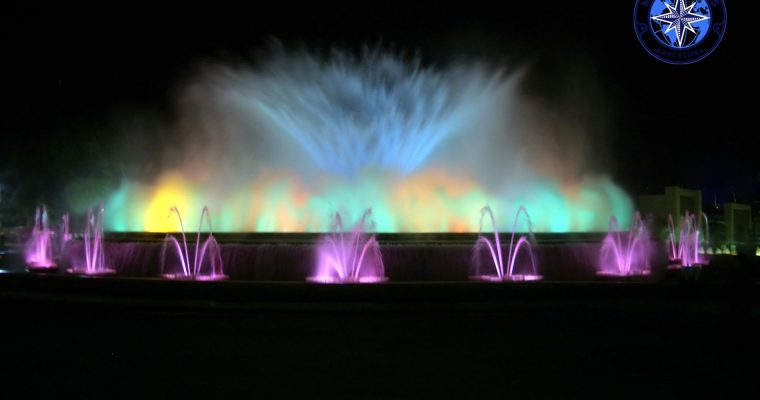
Where water, light and music come together to create one of Barcelona’s great icons Among Barcelona’s monumental landmarks, few places bring together history, architecture, engineering, art and spectacle as powerfully as the Magic Fountain of Montjuïc. Located at the foot of Montjuïc Mountain, beside Maria …
An extraordinary botanical landscape between Montjuïc Mountain and the Mediterranean Sea
On the southern slopes of Montjuïc Mountain, bathed in Mediterranean sunlight and sheltered from cold winds, lie the Mossèn Costa i Llobera Gardens, one of Barcelona’s most remarkable botanical spaces.
Dedicated primarily to xerophytic plants—species adapted to arid climates and water scarcity—this exceptional setting offers visitors a sensory and aesthetic experience of extraordinary beauty. Here, the urban landscape gradually fades into a world of sculptural cacti, agaves, aloes and other succulents.
Nature takes on an almost architectural dimension. Columnar stems, geometric rosettes, spines and wonderfully unusual silhouettes form a living gallery of natural sculptures, with each species displaying its own distinctive strategy for adapting to its environment.
Far from the bustle of the city’s main avenues, the gardens invite visitors to wander at a leisurely pace, observe the intricate details of the vegetation and discover a different perspective on Barcelona, with the harbour and Mediterranean Sea providing a spectacular backdrop.
Location and surroundings
A privileged microclimate on Montjuïc Mountain
Mossèn Costa i Llobera Gardens are located on the southern slopes of Montjuïc, in the Miramar area overlooking Barcelona’s harbour. Their privileged position creates favourable conditions for a remarkable collection of plants adapted to warm, dry climates.
The southern exposure and natural shelter provided by the mountain help maintain favourable temperatures. These conditions allow many species to grow outdoors that would require special protection during the colder months in other parts of Europe.
The combination of abundant sunshine, mild temperatures and Mediterranean conditions makes the gardens an ideal place to understand how plants from arid regions adapt to their surroundings.
Their location also creates a distinctive relationship between botany and landscape. From several points along the paths, visitors can enjoy views of Barcelona’s harbour, the coastline and the open sea.
The result is a remarkable setting where three essential elements come together: mountain, vegetation and Mediterranean landscape.
History and design
A garden dedicated to plants from arid climates
The gardens opened in 1970 and were named in honour of Miquel Costa i Llobera, a Mallorcan poet whose work reflects a profound sensitivity to nature and landscape.
The project was promoted by Barcelona City Council and designed by landscape architect Joan Pañella, with the collaboration of municipal gardener Joan Bassegoda.
From the outset, the aim was to create a specialised botanical garden devoted to plants from desert and semi-desert regions, bringing together species from different continents in an environment suited to their growth.
Over the decades, the gardens have become one of Europe’s most notable collections of cacti and succulent plants, thanks to the diversity of their specimens and the local climate, which allows many species to thrive outdoors.
The design goes beyond simply assembling a botanical collection. The arrangement of the plants, the changes in elevation, the pathways and the viewing points encourage visitors to discover the vegetation from different perspectives, making landscape composition just as important as the individual species.
An extraordinary botanical collection
Cacti, agaves and succulents from different continents
According to published tourism information, Mossèn Costa i Llobera Gardens are home to more than 800 species. The collection includes plants originating from regions such as the Americas, Africa and Australia.
This diversity reveals the extraordinary range of forms developed by plants adapted to water scarcity. Some species have thick stems that store water, while others feature fleshy leaves, protective surfaces or spines that help reduce moisture loss and deter herbivores.
Among the most remarkable plant groups are:
Columnar cacti from Mexico and Peru, whose vertical silhouettes create a striking sculptural landscape.
Opuntias, or prickly pears, with their distinctive flattened segments and varied growth patterns.
Agaves and aloes, whose leaves form beautifully geometric rosettes.
African euphorbias, some of which develop branching forms resembling miniature trees or mineral structures.
Succulent plants from Madagascar, adapted to particularly distinctive environmental conditions.
The differences between these plants reveal fascinating evolutionary strategies. In many cacti, the stem performs photosynthesis and stores water, while the leaves have evolved into spines.
In other succulents, fleshy leaves serve as reservoirs, allowing the plants to survive extended periods of drought.
This variety makes the gardens an appealing destination for both botany enthusiasts and visitors wishing to better understand how plants adapt to extreme environments.
The sculptural beauty of cacti
Geometry, texture and adaptation
One of the gardens’ most captivating features is the extraordinary variety of plant forms.
Spherical cacti resemble compact sculptures, while columnar species rise towards the sky. Branching varieties create silhouettes reminiscent of candelabras, bare trees or fantastical figures.
Agaves spread their leaves like botanical stars, while certain euphorbias form compositions that look almost architectural.
Mediterranean sunlight accentuates the contrasts between green, bluish and greyish surfaces, the spines, the shadows and the textures of the stems. At certain times of day, the sun transforms the garden into a changing landscape of volumes and lines.
This aesthetic dimension encourages visitors to appreciate the plants from an artistic perspective while recognising their remarkable biological adaptations.
Beneath their apparent stillness lies a story of survival, evolution and adaptation to environments where water is a precious and limited resource.
The sculpture La puntaire
Art and landscape at one of the garden’s viewpoints
The visit also reveals artistic elements integrated into the botanical surroundings. One of the highlights is La puntaire, a sculpture by Josep Viladomat situated at one of the garden’s viewpoints.
The sculpture introduces a cultural dimension to the experience, establishing a dialogue between the human figure, the vegetation and the maritime landscape.
From this area, views of the harbour and Barcelona’s coastline offer a different perspective on the city, where nature and artistic heritage complement one another.
The sculpture reinforces the distinctive character of these gardens, conceived not merely as a botanical collection but also as a place for contemplation and appreciation of the landscape.
A journey through nature and contemplation
Paths, terraces and viewpoints overlooking the Mediterranean
Walking through Mossèn Costa i Llobera Gardens feels like entering an almost dreamlike landscape.
Paths wind between landscaped terraces, impressive botanical specimens and peaceful corners offering panoramic views of Barcelona’s harbour and the Mediterranean Sea.
The combination of light, tranquillity and botanical geometry creates a contemplative atmosphere that contrasts with the rhythm of the city.
Each section of the route offers a different perspective, from close-up observations of spines and plant surfaces to sweeping views of vast cactus arrangements silhouetted against the sky.
The gardens also demonstrate how vegetation can transform our perception of space. Larger plants act as sculptural features, while the pathways guide the eye and shape the visitor’s experience.
To appreciate the gardens fully, visitors are encouraged to walk slowly, take time to observe the species and enjoy the various panoramic viewpoints.
The visit can be combined with a walk through other green spaces on Montjuïc, particularly Miramar Gardens, to extend the landscape experience and discover additional perspectives of the mountain.
Botany and adaptation: how xerophytic plants survive
Nature’s ingenuity in the face of water scarcity
The gardens provide an exceptional opportunity to observe the strategies developed by plants living in arid climates.
Xerophytic species possess adaptations that help them reduce water loss, store moisture or take advantage of favourable periods for growth.
Common strategies include:
Water storage: fleshy stems or leaves accumulate reserves that help plants withstand drought.
Reduced leaf surface area: in many species, small leaves or leaves modified into spines help limit transpiration.
Protective cuticles: certain plant surfaces have protective coatings that reduce moisture loss.
Specialised growth forms: spherical, columnar and branching architectures reflect different adaptations to environmental conditions.
Adapted root systems: roots help plants access available soil moisture according to the conditions of their habitats.
These adaptations are not identical in all succulent plants. Cacti, agaves, aloes and euphorbias belong to different botanical groups and have developed their own evolutionary solutions.
Observing them together allows visitors to compare their forms, understand their differences and discover how nature responds to similar environmental challenges through a variety of strategies.
Opening hours and access
Practical information for planning your visit
Mossèn Costa i Llobera Gardens are a public green space in Barcelona. Opening conditions should be checked before setting out, as access may be affected by maintenance or other circumstances.
The length of the visit depends on the pace of the walk and the visitor’s interest in the botanical collection. As a guide, the municipal botanical itinerary dedicated to the gardens covers approximately 700 metres and takes around 50 minutes.
Visitors wishing to extend their experience can continue towards Miramar Gardens, adding approximately another 800 metres and 45 minutes to the walk.
On sunny days, especially during summer, it is advisable to bring drinking water, sun protection and comfortable footwear.
It is also worth noting that the terrain includes slopes, and some sections may require more physical effort than others.
How to reach Mossèn Costa i Llobera Gardens
Different ways to discover Montjuïc
The gardens are located in the Miramar area of Montjuïc Mountain, with access from Carretera de Miramar and the surrounding Passatge de les Bateries area.
The best way to get there depends on your starting point, mobility requirements and whether you wish to include a walk through the mountain in your visit.
Barcelona Tourist Bus
One of the most convenient options for visitors wishing to explore several of Barcelona’s attractions is the Barcelona Bus Turístic.
The red route includes a stop called Miramar – Jardins Costa i Llobera, providing access to the area and allowing visitors to combine the gardens with other highlights of Montjuïc.
It is advisable to check the service’s current routes, operating hours and conditions before planning your journey.
Metro and city bus
Paral·lel station, served by metro lines L2 and L3, provides access to the Montjuïc funicular, which continues up the mountain.
However, reaching the funicular’s upper station does not mean arriving directly at the gardens’ entrance. Visitors should check the remaining walking route and take the slopes into account.
City buses may also be useful, although current routes and stops should be checked to identify the most convenient option for the chosen entrance.
The standard single ticket for one transport zone is quoted here at €2.90. Travel passes and integrated tickets may offer better value depending on the number of journeys. Please check current fares before travelling.
Montjuïc Cable Car
For visitors wishing to add a panoramic experience to their journey, the cable car offers privileged views of Barcelona, the harbour and the surrounding mountain.
Standard adult fares have been quoted at €12 for a single journey and €19 for a return ticket, although promotional offers and reduced fares may be available subject to conditions. These prices should be verified before booking.
Please note that the cable car does not take visitors directly to the gardens’ entrance. Before choosing this option, check the walking route and the remaining elevation change.
Taxi or private vehicle
A taxi can be a convenient alternative for reaching the Miramar area, particularly for visitors who prefer to avoid walking up the slopes of Montjuïc.
The cost and journey time depend on the starting point, traffic and road conditions.
Before travelling, check the nearest suitable access point and the availability of stopping or parking facilities in the surrounding area.
Our recommendation: plan your journey in advance, especially on hot days or if you intend to combine the gardens with other Montjuïc attractions.
An elevated experience with Magic Dreams Barcelona
Botany, culture and tailor-made experiences
A visit to Mossèn Costa i Llobera Gardens can become a deeply personal and exclusive experience with the services of Magic Dreams Barcelona.
Our guides are native speakers and offer tours in Spanish, Catalan and English, with additional languages available upon request. Their expertise encompasses history, architecture, art, symbolism and botany, with particular attention to disciplines such as lepidopterology, ornithology, floriculture and arboriculture.
We also organise experiences inspired by the creative worlds of Antoni Gaudí and Salvador Dalí, alongside cultural tours and tailor-made excursions throughout Barcelona, the Costa Brava and the Catalan Pyrenees.
Our aim is to design each day around our visitors’ interests, pace and preferences, carefully managing the details so they can enjoy the experience without worrying about the logistics.
Private dining and exclusive experiences
We offer personalised culinary services that may include:
Private chefs preparing Catalan, Spanish and international cuisine at your accommodation, including breakfasts, lunches and dinners themed around different historical periods and artistic worlds.
Live music, with options such as piano, violin and classical singing, subject to availability.
Floristry services and professional photography sessions.
Curated gastronomic tours throughout Barcelona, the Pyrenees and the Costa Brava.
Tickets and cultural experiences, arranged subject to availability and access conditions.
Sensory picnics featuring table linen, personalised tableware, catering, soft drinks and alcohol-free sparkling drinks, in gardens, by the sea or aboard a yacht.
Private barbecues at your accommodation or aboard a yacht, with a chef and additional services.
Art, nature and creative workshops
For those wishing to explore Barcelona’s artistic heritage in greater depth, we organise personalised workshops in trencadís mosaic, Surrealism, gastronomy, floral art and fragrance creation, among other possibilities.
These activities offer an opportunity to discover different forms of artistic expression and explore the connections between nature, materials, culture and creativity.
Well-being and connection with nature
Our services also include experiences designed to promote relaxation and well-being:
Outdoor Lomi Lomi Hawaiian massages in suitable locations by the sea.
Access to spas, thermal circuits and saunas through arranged services and reservations.
Guided meditation, prayer and reflective practices outdoors, accompanied by baskets of fresh fruit, tea, natural juices and thoughtful gifts.
The availability of each activity depends on the location, weather conditions and advance arrangements.
Tailor-made excursions and experiences
We provide planning and logistical services that may include private vehicles, hiking, cultural excursions, visits to natural spaces and panoramic experiences, depending on the nature of each proposal.
We also design special sunset experiences featuring stories about the history and landscape of selected locations, for visitors wishing to discover Barcelona from a more intimate and sensory perspective.
With Magic Dreams Barcelona, every journey becomes a carefully crafted experience in which each detail—from a gourmet breakfast to a stroll among extraordinarily shaped cacti—helps create an unforgettable memory.
Mossèn Costa i Llobera Gardens: a different side of Barcelona
A botanical sanctuary where nature becomes art
Mossèn Costa i Llobera Gardens reveal a distinctive side of Barcelona, away from the city’s best-known monumental attractions yet deeply connected to its Mediterranean identity.
Their collection of cacti and succulents, privileged microclimate and views over the harbour make them an exceptional destination for nature lovers, photographers, botanical enthusiasts and anyone who appreciates beautiful landscapes.
Visiting these gardens is a reminder that beauty does not always reside in grand monuments. Sometimes it can be found in the stillness of a pathway, the geometry of a succulent or the silhouette of a cactus against the Mediterranean sky.
With Magic Dreams Barcelona, we invite you to discover this botanical oasis from a different perspective: more personal, more sensitive and deeply connected with nature.
Jardines de Mossèn Costa i Llobera – Magic Dreams Barcelona.
A Walk Through Port History and the Mediterranean The Moll de la Fusta is one of the most emblematic spaces along Barcelona’s waterfront. Located opposite the historic city centre, next to Port Vell, this promenade represents much more than a pleasant area by the sea. …
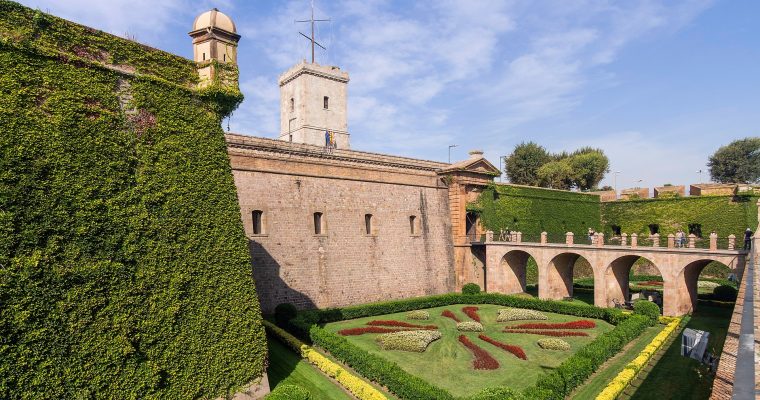
At the top of Montjuïc Mountain, overlooking the port, the sea, and much of the city of Barcelona, stands one of the most important and historically significant fortresses in Catalonia: Montjuïc Castle. Situated approximately 173 metres above sea level, this impressive defensive complex occupies a …
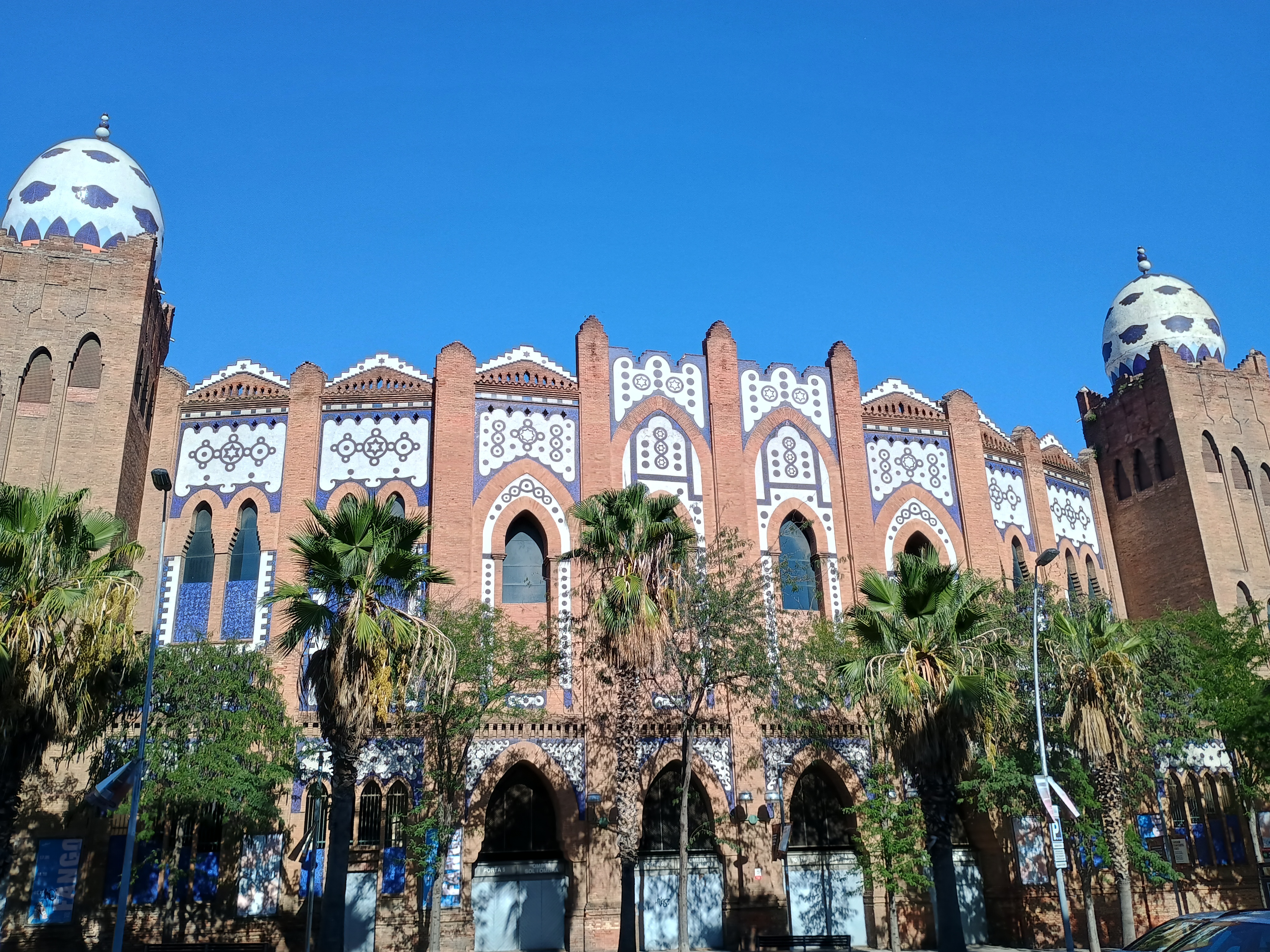
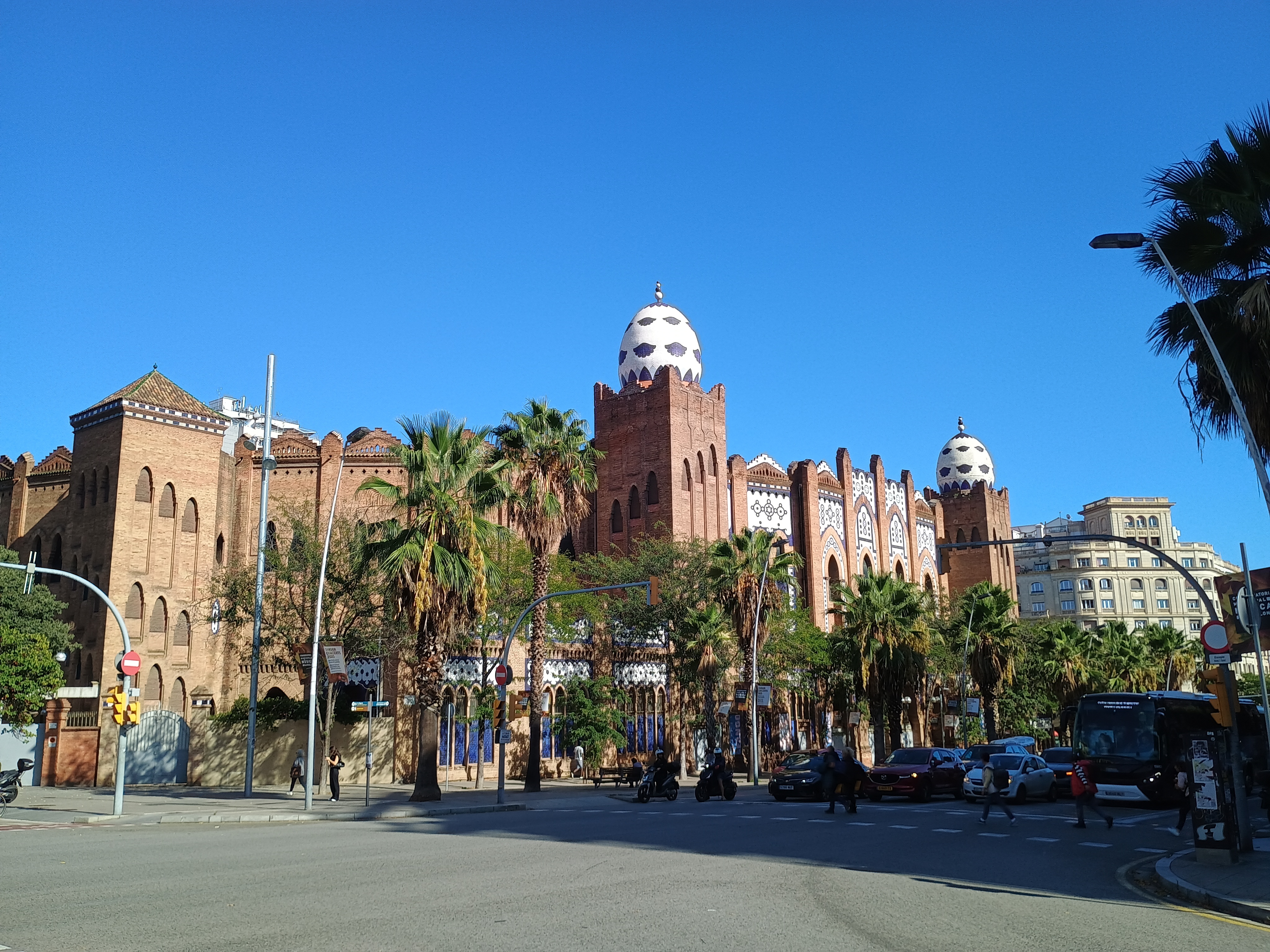
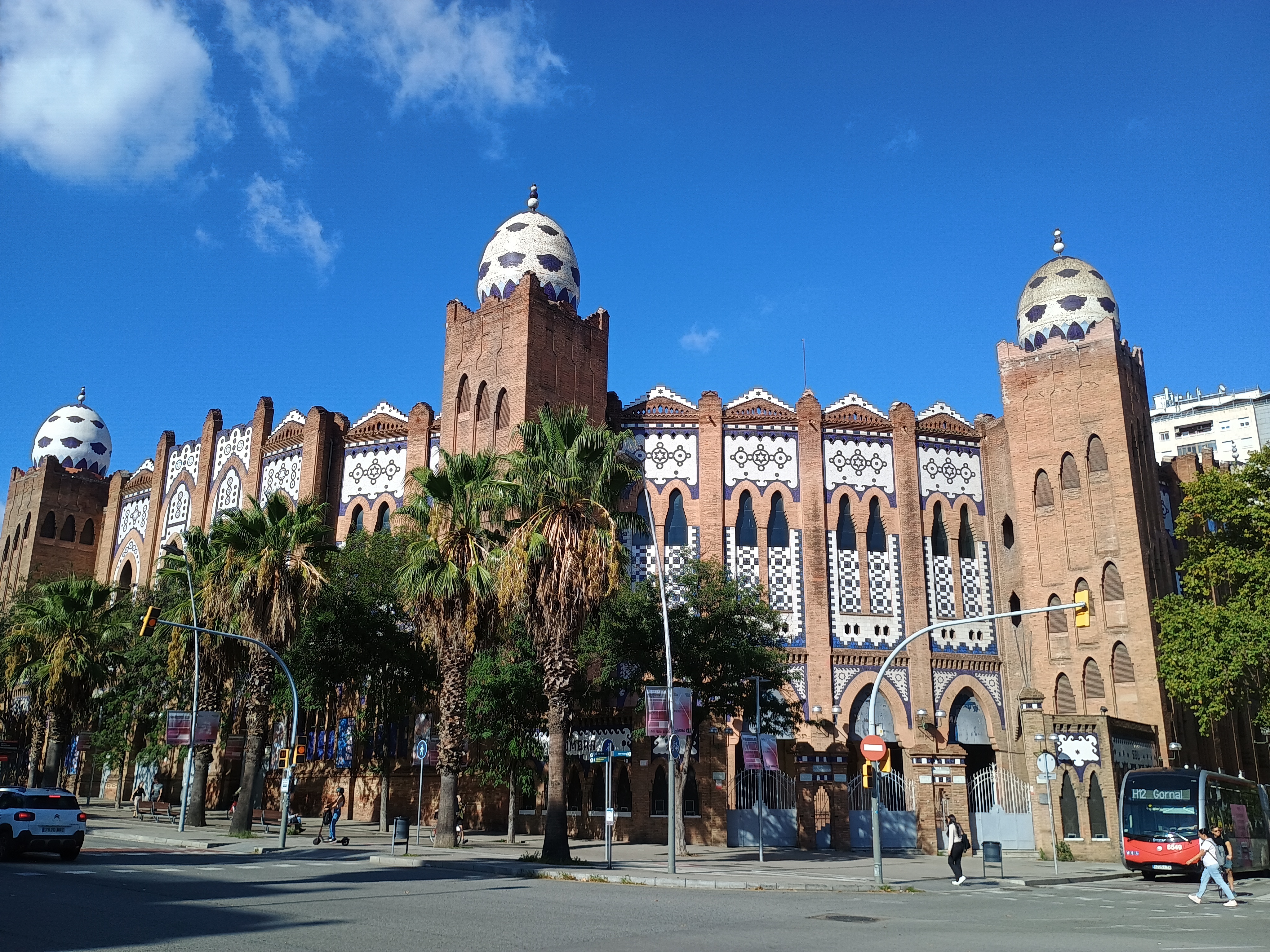
At the intersection of Gran Via de les Corts Catalanes and Carrer de Marina stands one of Barcelona’s most distinctive buildings.
The Monumental Bullring, known simply as La Monumental, has been part of the city’s architectural, social, and cultural memory for more than a century.
Its history began in 1914 as a bullring.
For decades, it was one of Barcelona’s major venues for bullfighting, but it also hosted boxing, circus performances, public events, political rallies, and, especially from the 1960s onward, some of the most important concerts held in the city.
Today, it is no longer an operating bullring.
The arena that for almost a century welcomed bullfighters and spectators has been transformed into a venue for music, festivals, and a wide range of cultural events.
La Monumental has changed its purpose, but not its prominence.
The Origins of La Monumental
When Barcelona was building a new city
At the beginning of the 20th century, Barcelona was undergoing a profound urban transformation.
The Eixample had become one of the city’s main areas of expansion, and its new avenues were beginning to fill with buildings, theatres, cafés, shops, and entertainment venues serving a rapidly changing society.
It was in this context that La Monumental was born.
The building was inaugurated on 12 April 1914 under the name El Sport.
The original structure was designed by architect Manuel Joaquim Raspall, one of the figures associated with Catalan Modernisme and Noucentisme.
Its initial appearance, however, was different from the one we know today.
The growing popularity of bullfighting soon led to plans for an expansion.
1916: La Monumental is Born
A transformation that completely changed its appearance
Just two years after its inauguration, the building was expanded and renovated.
The project was taken over by Ignasi Mas i Morell, in collaboration with Domènec Sugranyes, and the bullring acquired the monumental appearance that has survived to the present day.
It was then that it definitively adopted the name La Monumental.
The renovation added a spectacular exterior crown featuring Neo-Mudéjar and Neo-Byzantine influences, combined with decorative elements characteristic of Catalan Modernisme.
Ceramics, mosaics, arches, and ornamental motifs transformed the building into something much more complex than a simple bullring.
The architecture itself became an essential part of the spectacle.
Architecture Between the East and Barcelona
Ceramics, brick, and geometry
La Monumental has an architectural personality very different from that of Barcelona’s other major buildings.
Its façades combine brick, ceramics, arches, and decorative elements inspired by Eastern traditions.
The result is a richly visual architecture in which different artistic languages coexist.
Neo-Mudéjar architecture contributes its Arab-inspired motifs.
Neo-Byzantine influence can be seen in certain decorative and compositional solutions.
And the Catalan context of the early 20th century introduces a Modernist and Noucentista sensibility that makes the complex a unique feature of the Eixample landscape.
The towers marking the entrances, the mosaics, and the ceramic ornamentation are among the elements that make La Monumental recognisable even from a distance.
One of Barcelona’s Great Bullrings
The age of bullfighting
When La Monumental began operating, Barcelona already had a strong bullfighting tradition.
The city had previously had other major bullrings.
The first was El Torín, inaugurated in 1834 in Barceloneta.
Later came Las Arenas, inaugurated in 1900 in what is now Plaça d’Espanya.
La Monumental joined this history in 1914 and would eventually become the last of Barcelona’s major bullrings to remain active.
For decades, it hosted major bullfights and some of the most prominent figures in bullfighting.
Following the 1916 expansion, the bullring reached a capacity of approximately 24,000 spectators. After subsequent alterations, its current capacity is around 19,500 seats.
A Bullring That Survived the War
La Monumental during the Spanish Civil War
The building’s history is also connected to one of the most difficult periods in Barcelona’s contemporary history.
During the Spanish Civil War, La Monumental temporarily ceased to operate as a bullring.
The venue was used as a garage and scrap-metal warehouse.
Some of the old wooden benches were even removed to allow vehicles to move through the building and to create concrete ramps.
For a time, the building ceased to be a place of entertainment and became a practical facility within a city profoundly affected by war.
1946: A Change of Ownership
The Balañà family and a new era
In 1946, Pere Milà’s widow sold the bullring to the businessman and bullfighting promoter Pedro Balañà.
La Monumental then entered a new era associated with one of Barcelona’s most important entertainment-business families.
During the following decades, the building continued to host bullfights, but its enormous capacity allowed it to take on a much broader role.
La Monumental could transform itself.
And that ability to transform would prove fundamental to its future.
A Venue for Much More Than Bullfighting
Boxing, circuses, celebrations, and major events
The history of La Monumental was never limited exclusively to bullfighting.
Its large central arena and tiered seating allowed it to accommodate many different types of events.
The venue hosted boxing matches, circus performances, festivals, public events, and political rallies, as well as cultural activities.
The circular architecture of the bullring offered an extraordinary advantage: it could adapt to different types of audiences and performances.
But it was music that would ultimately make La Monumental famous far beyond the world of bullfighting.
1965: The Beatles Arrive
The concert that forever changed the history of La Monumental
On 3 July 1965, Barcelona experienced one of the most important musical events in its history.
The Beatles performed at La Monumental in the only concert they ever gave in Barcelona.
The British group was at the height of its worldwide explosion, and its arrival in Spain was an extraordinary event.
La Monumental was filled with young people eager to see John Lennon, Paul McCartney, George Harrison, and Ringo Starr up close.
The concert took place under Franco’s dictatorship and was surrounded by enormous public excitement and official surveillance.
The performance lasted just over half an hour, but it left an extraordinary mark on Barcelona’s collective memory.
Sixty years later, in 2025, previously unseen colour footage of the concert even emerged, later preserved by the Filmoteca de Catalunya.
La Monumental had definitively entered the history of rock music.
The Golden Age of Music
When the biggest stars filled the arena
After The Beatles, La Monumental began to establish itself as one of Barcelona’s great music venues.
Before the construction and development of large venues such as the Palau Sant Jordi, Barcelona needed spaces capable of accommodating thousands of spectators.
La Monumental could do exactly that.
During the 1970s, 1980s, and 1990s, the bullring welcomed major names from both international and Spanish music.
They included:
The Beatles, in 1965.
The Rolling Stones, in 1976, during their first concert in Spain.
Bob Marley, in 1980.
Luis Miguel, in 1985.
Tina Turner, in 1990.
Dire Straits, in 1992.
Bruce Springsteen, in 1992.
Sau, in 1992.
The bullring thus became an enormous open-air concert venue.
Bob Marley at La Monumental
An unforgettable night of reggae
On 30 June 1980, La Monumental welcomed Bob Marley & The Wailers.
More than 18,000 people attended the concert, one of the most memorable performances in the venue’s musical history.
Marley was on his Uprising tour, and Barcelona was one of the stops on that international tour.
The concert was particularly significant because it was one of the artist’s final major performances before his death in 1981.
That night, Marley’s music filled a venue that until then had been primarily associated with bullfighting.
Once again, the arena demonstrated that it could become almost anything.
Bruce Springsteen and the Great Concerts
La Monumental becomes an international stage
In the 1990s, the relationship between La Monumental and music entered another major phase.
Bruce Springsteen performed at the bullring in July 1992.
One of those concerts attracted around 16,500 people, transforming the arena into a gigantic rock stage.
La Monumental was completely full, with the audience surrounding the stage.
The bullring was no longer merely a venue for bullfighting.
It had become one of Barcelona’s great popular stages.
La Monumental as a Venue in Transition
From major spectacle to a changing city
The 1990s also marked the beginning of a profound transformation in the way Barcelona organised its major events.
The construction of new venues and the evolution of the city following the 1992 Olympic Games provided new alternatives for large-scale concerts.
The Palau Sant Jordi, the Olympic Stadium, and other major venues began to take on many of the city’s largest musical events.
La Monumental, however, retained something that modern arenas could not reproduce:
its architecture.
A concert at La Monumental was not simply a concert.
It was a performance inside a historic building.
2011: The Final Bullfighting Chapter
The last bullfight in Catalonia
On 25 September 2011, La Monumental hosted the last bullfight held in Catalonia.
The bill featured José Tomás, Juan Mora, and Serafín Marín.
The event attracted enormous attention and was accompanied by protests from both supporters and opponents of bullfighting.
Tickets sold out rapidly.
That afternoon brought an end to almost a century of bullfighting history at La Monumental.
From 1 January 2012, the ban on bullfighting in Catalonia approved by the Catalan Parliament in 2010 came into effect.
Although the Spanish Constitutional Court overturned that ban in 2016, bullfighting did not resume at La Monumental.
Life After Bullfighting
A new life for an old arena
The end of bullfighting did not mean the end of La Monumental.
On the contrary.
The building began to develop a new identity as a venue for music, festivals, and other events.
The arena once again filled with spectators, but now for completely different reasons.
Concerts.
Festivals.
Electronic music events.
Family activities.
Performances.
Cultural events.
The transformation did not erase its previous history.
It added to it.
Monumental Club
Music returns to the arena
One of the projects that has contributed to this new chapter is Monumental Club.
The former bullring is periodically transformed into a music and leisure venue where concerts, DJ sets, food offerings, and activities for different audiences come together.
Its programme has included independent music, electronic music, indie, rumba, and other contemporary styles.
The image is almost poetic:
where once the sounds of bullfighting trumpets and cheers filled the arena, guitars, bass lines, synthesizers, and thousands of voices can now be heard again.
La Monumental in 2026
A historic building full of life
La Monumental is not a building frozen in the past.
In 2026, it continues to operate as a venue for musical and cultural events.
During autumn 2026, for example, the venue is once again part of the SOUNDIT programme, with several electronic music events taking place between October and December.
The programme includes names such as Marcel Dettmann, Paranoid London, Joy Orbison, Aurora Halal, Jeff Mills, and Surgeon & Nørbak, among others.
Monumental Club also continues to offer new music and cultural events.
The former bullring therefore maintains a direct connection with contemporary Barcelona.
Would You Like to Discover La Monumental With Us?
A place where history can still be felt
Discovering La Monumental means exploring more than a century of Barcelona’s history through extraordinary architecture and the stories of the people who once filled its stands.
From the early days of El Sport to the Monumental of the great concerts.
From Joselito and the great figures of bullfighting to The Beatles and Bob Marley.
From legendary nights of rock to contemporary festivals.
Each era has left its own memory.
At Magic Dreams Barcelona, we believe that Barcelona’s great places should not only be seen.
They should be understood through their history.
Our guide, a native expert specialising in architecture, botany, art, history, and ornithology, accompanies every experience with a knowledgeable, engaging, and deeply human narrative.
We take care of absolutely everything so that you do not have to worry about a thing.
We organise day trips, weekend getaways, week-long stays, excursions through the Catalan Pyrenees and the Costa Brava, as well as completely personalised experiences.
Our services are available in Spanish, Catalan, and English and, with sufficient advance notice, we can accommodate other languages.
We combine heritage, architecture, nature, gastronomy, music, and private experiences to discover Barcelona from a different perspective.
Because Barcelona is not only what appears in a guidebook.
It is also what remains hidden behind its buildings.
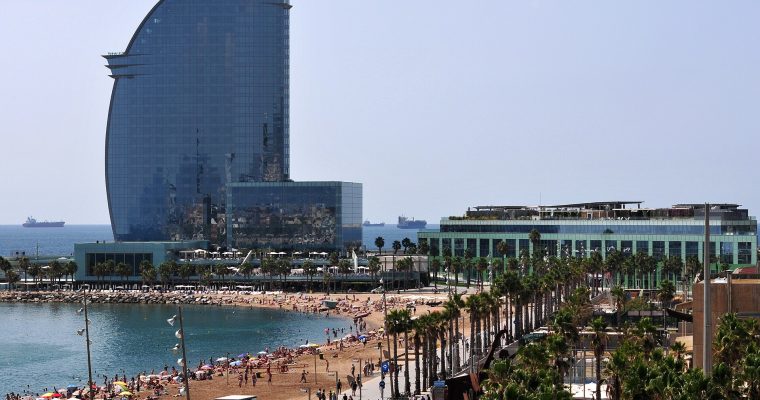
San Sebastián Beach, also known as Platja de Sant Sebastià, is one of the most traditional spots along Barcelona’s coastline. Located at the western end of Barceloneta, next to the port and at the foot of the iconic W Barcelona Hotel, it is a beach …
Antoni Gaudí’s Last Great Civil Work Casa Milà, universally known as La Pedrera, stands as one of the absolute masterpieces of modern architecture and as Antoni Gaudí’s last great civil work, developed between 1906 and 1912. Conceived during the architect’s creative maturity, this masterpiece reflects …
Casa Batlló is one of the masterpieces of Antoni Gaudí and one of Barcelona’s most famous buildings. Located on Passeig de Gràcia, in the heart of the Eixample district, this extraordinary building is one of the great landmarks of Catalan Modernism and forms part of the group of Gaudí’s works declared UNESCO World Heritage Sites.
More than just a building, Casa Batlló is an architectural experience in which light, color, nature, geometry and imagination come together to create a unique space.
Its façade seems to change depending on the daylight, while the interior introduces us to a universe of curved shapes, ceramics, wood, glass and details inspired by nature.
Although Casa Batlló is often referred to as the house of the dragon, its architecture is much more complex. Gaudí transformed an existing building into a true work of art without neglecting essential aspects such as lighting, ventilation and functionality.
Where is Casa Batlló?
Casa Batlló is located at 43 Passeig de Gràcia, one of Barcelona’s most important and elegant avenues.
Its location is particularly interesting because it forms part of the famous Block of Discord, a section of Passeig de Gràcia where several outstanding examples of Catalan Modernist architecture can be found.
Within just a few metres, we can see buildings designed by some of the most important architects of the period:
Casa Batlló, by Antoni Gaudí.
Casa Amatller, by Josep Puig i Cadafalch.
Casa Lleó Morera, by Lluís Domènech i Montaner.
Casa Mulleras, by Enric Sagnier.
Casa Josefina Bonet, by Marcel·lí Coquillat.
The result is one of Barcelona’s most remarkable architectural ensembles.
The History of Casa Batlló
Although we know the building today as Casa Batlló, its history began before Gaudí’s intervention.
The original building was constructed in 1877 by architect Emili Sala Cortés, who had also been one of Gaudí’s architecture professors. At the time, Passeig de Gràcia was still developing into one of the major urban avenues of modern Barcelona.
In 1903, textile entrepreneur Josep Batlló i Casanovas acquired the building.
The original plan even contemplated demolishing the building and constructing an entirely new one. However, Gaudí succeeded in completely transforming the existing structure, and the decision was ultimately made to carry out a major renovation, undertaken between 1904 and 1906.
Josep Batlló gave Gaudí considerable creative freedom, allowing the architect to transform virtually every essential aspect of the property.
Gaudí modified the façade, reorganized the interior spaces, enlarged the light well and transformed functional elements of the residence into authentic architectural features.
Gaudí and the Transformation of the Building
One of the most fascinating aspects of Casa Batlló is that Gaudí did not start with an empty site.
He worked on an existing structure and succeeded in giving it an entirely new identity.
The intervention particularly affected:
the main façade;
the main floor;
the light well;
the staircases;
the interior spaces;
the attic;
and the rooftop.
The result demonstrates one of the fundamental characteristics of Gaudí’s architecture: decoration and functionality do not have to be separate.
At Casa Batlló, elements that serve a practical purpose also form part of the building’s artistic composition.
Ventilation, the entry of natural light, circulation between the different floors and the distribution of spaces were all carefully considered.
Architecture Inspired by Nature
Nature is one of the great protagonists of Casa Batlló.
Gaudí rejected rigid lines and sought inspiration in the forms he encountered in the natural world.
This is why we find curves, organic shapes, botanical elements, marine references and structures reminiscent of bones, scales and shells.
The architecture seems alive.
There are hardly any surfaces that feel completely conventional.
The walls undulate, the ceilings take on sinuous forms and the decorative elements seem to be part of a single organism.
This approach makes visiting Casa Batlló a very different experience from visiting a traditional historic building.
The Spectacular Façade of Casa Batlló
The façade is probably the building’s best-known feature.
Gaudí used different materials and techniques to create an extraordinarily dynamic surface.
We find sandstone, ceramics, glass and iron, combined to create a composition full of movement.
The surface seems to change depending on how the light falls upon it.
Fragments of ceramic and glass create reflections and colors reminiscent of water and the Mediterranean.
The balconies, meanwhile, have shapes that have inspired countless interpretations.
Some resemble masks, others skulls, while others suggest marine forms.
The columns on the ground floor and the main gallery also feature organic shapes that reinforce the impression that the building belongs to a natural world.
The House of Bones
One of Casa Batlló’s best-known nicknames is Casa dels Ossos, or House of Bones.
The name refers to the appearance of some of the elements on the façade.
The columns resemble skeletal structures, while the balconies have been interpreted by some as masks or skulls.
This fantastical appearance has helped make Casa Batlló one of the most photographed buildings in Barcelona.
However, it is important to understand that many of the symbolic interpretations of the façade are later readings and cannot always be documented as specific intentions on Gaudí’s part.
The Dragon of Saint George
The image of the dragon is one of the most popular interpretations of Casa Batlló.
The roof resembles the back of a huge animal covered in scales.
Ceramic pieces in different shades create an effect that makes the roof appear almost alive.
According to the traditional interpretation, the roof represents the dragon of Saint George, while the cross at the top symbolizes the saint’s sword.
This interpretation connects Gaudí’s architecture with one of Catalonia’s best-known legends: the story of Saint George and the dragon.
It is precisely this combination of architecture, tradition and symbolism that has made Casa Batlló one of Barcelona’s great cultural icons.
The Four-Armed Cross
At the top of the building we find one of Casa Batlló’s most recognizable features: the four-armed cross.
The cross crowns a small tower and becomes one of the most important visual elements of the façade.
The placement of this feature was also influenced by the architectural context of the Block of Discord and the presence of Casa Amatller, designed by Josep Puig i Cadafalch.
In this way, Gaudí did not design Casa Batlló in isolation, but took the surrounding buildings into consideration.
The Light Well: A Lesson in Light and Color
One of the most interesting spaces inside the building is the light well.
Gaudí designed it to improve the distribution of natural light and ventilation throughout the building.
The ceramic tiles feature different shades of blue, becoming more intense toward the upper floors and progressively lighter toward the lower levels.
This creates a sense of continuity and depth.
The distribution of color is not merely decorative: it forms part of the architectural strategy for making the most of natural light.
It is one of the finest examples of how Gaudí combined aesthetics and functionality.
The Main Floor
The main floor was the principal living space of the Batlló family.
Here we find some of the most spectacular interior elements, including large windows, curved forms, finely crafted woodwork and decorative details specifically designed for the building.
The main rooms were conceived to make the most of the incoming light and to create a continuous relationship between architecture and furniture.
The experience is very different from that of a traditional early twentieth-century residence.
The Attic and Gaudí’s Arches
The attic is another essential part of the visit.
Here we find the famous catenary arches, a structural solution characteristic of Gaudí.
Their forms resemble the ribs of a huge animal and have also helped reinforce the interpretation of Casa Batlló as a kind of living organism.
The attic itself creates an experience very different from that of the main living floors.
It is more restrained, yet at the same time deeply expressive.
Today, visitors can explore this space and experience Gaudí’s architecture at particularly close range.
The Rooftop and Chimneys
The rooftop is one of the most photographed areas of Casa Batlló.
Here we find the famous dragon-like roof, together with a collection of chimneys and architectural elements that Gaudí turned into a fundamental part of the overall composition.
The chimneys were not treated simply as technical elements.
Gaudí grouped them together and designed them so that they would contribute to creating a distinctive architectural landscape.
From the rooftop, visitors can also enjoy views across central Barcelona and observe details that are easy to miss from street level.
The current visitor experience includes access to the rooftop with certain ticket options.
Why Is Casa Batlló So Important?
Casa Batlló represents one of the most mature stages of Gaudí’s architecture.
It brings together several of his central preoccupations:
nature, light, color, geometry, structure and functionality.
But there is something that makes this work particularly distinctive: Gaudí’s ability to transform a private residence into a complete artistic experience.
He did not simply design rooms.
He designed doors, windows, ceilings, staircases, courtyards, chimneys, railings, lighting and decorative elements as parts of a single universe.
For this reason, walking through Casa Batlló allows us to better understand Gaudí’s idea that architecture should be a total experience.
Casa Batlló and UNESCO World Heritage
Casa Batlló forms part of the group of Antoni Gaudí’s works inscribed on the UNESCO World Heritage List.
This recognition includes other fundamental works by the architect, including Park Güell, Palau Güell, Casa Milà, Casa Vicens, the Nativity façade and crypt of the Colònia Güell.
The inscription recognizes the outstanding universal value of these works and their importance in the development of modern architecture.
Casa Batlló Today
The history of Casa Batlló did not end with Gaudí.
The building ceased to belong to the Batlló family during the 1950s and subsequently served different purposes.
Since the 1990s, the property has been owned by the Bernat family, which undertook an important restoration process.
In 1995, the house opened its doors to the public and began a new chapter as a cultural space. Since 2002, cultural visits have also been offered, and these experiences have continued to evolve over time.
Today, Casa Batlló combines heritage, architecture, technology, art and immersive experiences.
A Visit That Goes Beyond Architecture
The current visitor experience is designed to bring Gaudí’s work closer to visitors through a variety of resources.
The general experience includes an audio guide available in 15 languages and access to different areas of the building, including the main floor, courtyard, attic, staircases, atrium and rooftop, depending on the ticket type.
There are also technological resources that allow visitors to discover Gaudí’s creative universe from a contemporary perspective.
Among them is the Gaudí Cube, a 360-degree audiovisual experience created by digital artist Refik Anadol, as well as augmented-reality experiences available with certain visit options.
Casa Batlló at Night
The experience can also be enjoyed at night.
Evening visits incorporate special lighting that transforms the perception of the interior spaces.
Depending on the available experience, the visit may also include a welcome drink and other special elements. The programme and opening times may vary, so it is advisable to check the official information before planning your visit.
Art, Music and New Experiences
Casa Batlló also functions as a cultural venue and hosts different programmes throughout the year.
These include musical experiences, temporary exhibitions and special activities.
In 2026, for example, the official programme includes Magical Nights, featuring a visit, a drink and a concert, as well as new exhibition proposals.
The exhibition “Gaudí-Miró-Gomis: Deconstructed” can also currently be visited. It connects the work of Gaudí with Joan Miró and Josep Gomis through original pieces and digital interventions.
How Long Does the Visit Take?
The general visit lasts approximately 1 hour and 15 minutes.
If you choose an experience that includes additional exhibitions, the visit may take longer. For example, the combined visit with the exhibition “Gaudí-Miró-Gomis: Deconstructed” lasts approximately 1 hour and 45 minutes.
We recommend allowing at least an hour and a half if you want to explore Casa Batlló at a relaxed pace and take time to appreciate the details.
When Should You Visit Casa Batlló?
Casa Batlló is open throughout the year, although opening hours may vary depending on the experience selected.
General visiting hours currently run from 9:00 a.m. to 7:15 p.m., while the last admission time may vary depending on the type of visit.
If you want to see the façade under different lighting conditions, the morning and the final hours of the afternoon offer very different visual experiences.
For a special experience, you can also check the evening visits and cultural programme.
How Much Does It Cost to Visit Casa Batlló?
The price depends on the type of ticket and the experience selected.
The official website currently offers different options, with general admission starting at €29, while certain experiences have higher prices. Children aged 0 to 12 enter free of charge under the ticket options specified by the official website.
As prices, discounts and experiences may change, we recommend checking the official website before purchasing tickets.
How to Get to Casa Batlló
Casa Batlló’s location makes it easy to reach by public transport.
Metro
The nearest stations are:
Passeig de Gràcia, served by lines L2, L3 and L4.
Diagonal, served by lines L3 and L5.
Train
Passeig de Gràcia Station provides connections with various railway and commuter services.
Bus
Numerous bus routes run along Passeig de Gràcia and the surrounding streets.
The exact address is:
Passeig de Gràcia, 43 08007 Barcelona
Casa Batlló and Passeig de Gràcia
A visit to Casa Batlló can easily be combined with a walk along Passeig de Gràcia.
This avenue is one of the best areas in Barcelona for discovering Catalan Modernist architecture.
You can begin at Casa Batlló and continue towards Casa Amatller, Casa Lleó Morera and other Modernist works.
You can also continue towards La Pedrera – Casa Milà, another of Gaudí’s great masterpieces.
This makes it possible to spend several hours exploring one of Barcelona’s most important concentrations of Modernist architecture.
Tips for Visiting Casa Batlló
If this is your first visit, we recommend:
Buying your tickets in advance.
Allowing approximately 1–1.5 hours for the visit.
Not limiting yourself to photographing the façade: the interior is an essential part of the experience.
Paying particular attention to the light well, attic and rooftop.
Comparing Casa Batlló with Casa Amatller and Casa Lleó Morera.
Checking the special experiences available on your chosen date.
Reviewing the official opening hours and prices before visiting.
Magic Dreams Barcelona: Discover Casa Batlló in a Different Way
At Magic Dreams Barcelona, we believe that Barcelona is not discovered simply by visiting monuments.
It is discovered by understanding their stories, observing their details and connecting each place with the city’s culture, architecture and way of life.
That is why we can design personalized experiences around Casa Batlló and Gaudí’s universe.
Our services include:
Personalized organization and logistics.
Architectural and cultural itineraries.
Modernist architecture tours of Barcelona.
Private and exclusive experiences.
Botanical and nature tours connected to Gaudí’s universe.
Private gastronomy and culinary experiences.
Concerts and cultural experiences.
A selection of accommodation and personalized services.
Our team works in Spanish, Catalan and English, with other languages available upon prior request.
The idea is simple: to turn a sightseeing visit into a deeper, carefully curated and personalized experience.
Casa Batlló: A Work of Art That Deserves a Second Look
Perhaps one of the best ways to understand Casa Batlló is to see it first from the street and then step inside.
From the outside, we discover the dragon, the balconies, the colors and the undulating forms.
But once inside, we discover another Casa Batlló.
We encounter light, courtyards, doors, arches, textures, curves and all those small details that demonstrate the extent to which Gaudí designed the building as a unified whole.
Casa Batlló is not simply one of the most photographed places in Barcelona.
It is a work that allows us to understand the way Antoni Gaudí transformed architecture and turned an Eixample residence into one of the city’s great symbols.
And precisely for that reason, when walking along Passeig de Gràcia, it is worth stopping at number 43 and looking up.
Detalle exterior de Casa Batlló diseñada por el arquitecto Barcelonés Antoni Gaudí.
Perspectiva a pie de parte de Casa Amatller proyectada por el arquitecto Josep Puig i Cadafalch junto a la Casa Batlló de Antoni Gaudí.
Detalle interior de la Casa Batlló de Antoni Gaudí.
Detalle exterior de Casa Batlló de Antoni Gaudí.
Detalle mosaico diseño «Trencadís» terraza Casa Batlló de Antoni Gaudí.
Detalle exterior de Casa Batlló de Antoni Gaudí.
Detalle interior de la Casa Batlló de Antoni Gaudí.
Perspectiva exterior de Casa Batlló de Antoni Gaudí.
Detalle mosaico diseño «Trencadís» terraza Casa Batlló de Antoni Gaudí.
Detalle exterior de Casa Batlló diseñada por el arquitecto Barcelonés Antoni Gaudí.
Detalle exterior de Casa Batlló diseñada por el arquitecto Barcelonés Antoni Gaudí.
Detalle exterior de Casa Batlló diseñada por el arquitecto Barcelonés Antoni Gaudí.
Perspectiva a pie de la fachada de Casa Batlló de Antoni Gaudí.
Detalle mosaico diseño «Trencadís» terraza Casa Batlló de Antoni Gaudí.
Cruz Gaudí de Casa Batlló
Detalle exterior de Casa Batlló de Antoni Gaudí.
Detalle interior de la Casa Batlló de Antoni Gaudí.
Detalle interior de la Casa Batlló de Antoni Gaudí.
In the La Ribera neighborhood, within the Ciutat Vella district, we find a small street whose name preserves the memory of one of Barcelona’s traditional crafts: Carrer de l’Espaseria. It is a short, narrow street located next to the Basilica of Santa Maria del Mar, …