The Almond Tree: How to Grow It in Barcelona and the Health Benefits of Almonds.

Introduction: The Almond Tree, a Symbol of the Mediterranean Landscape
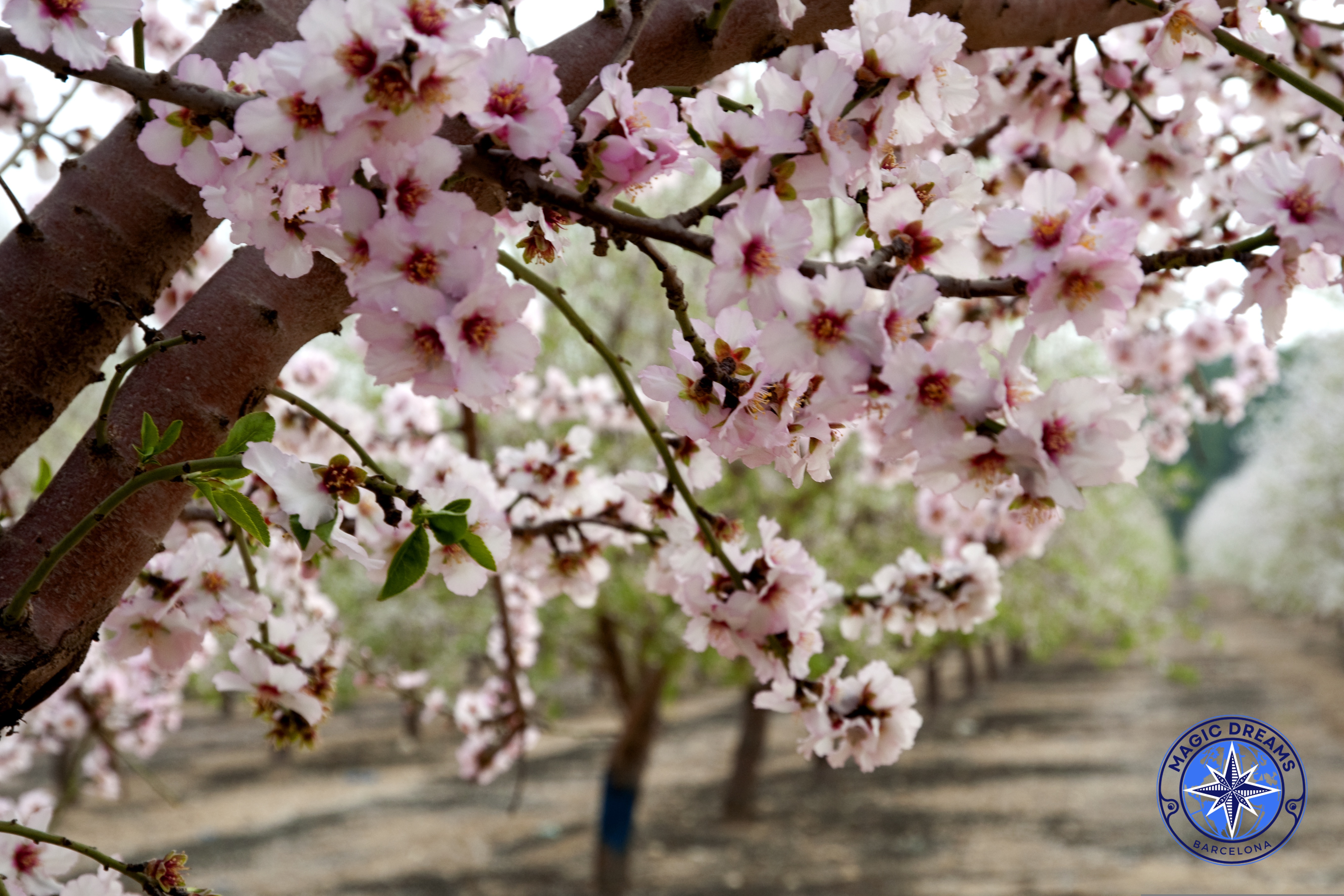
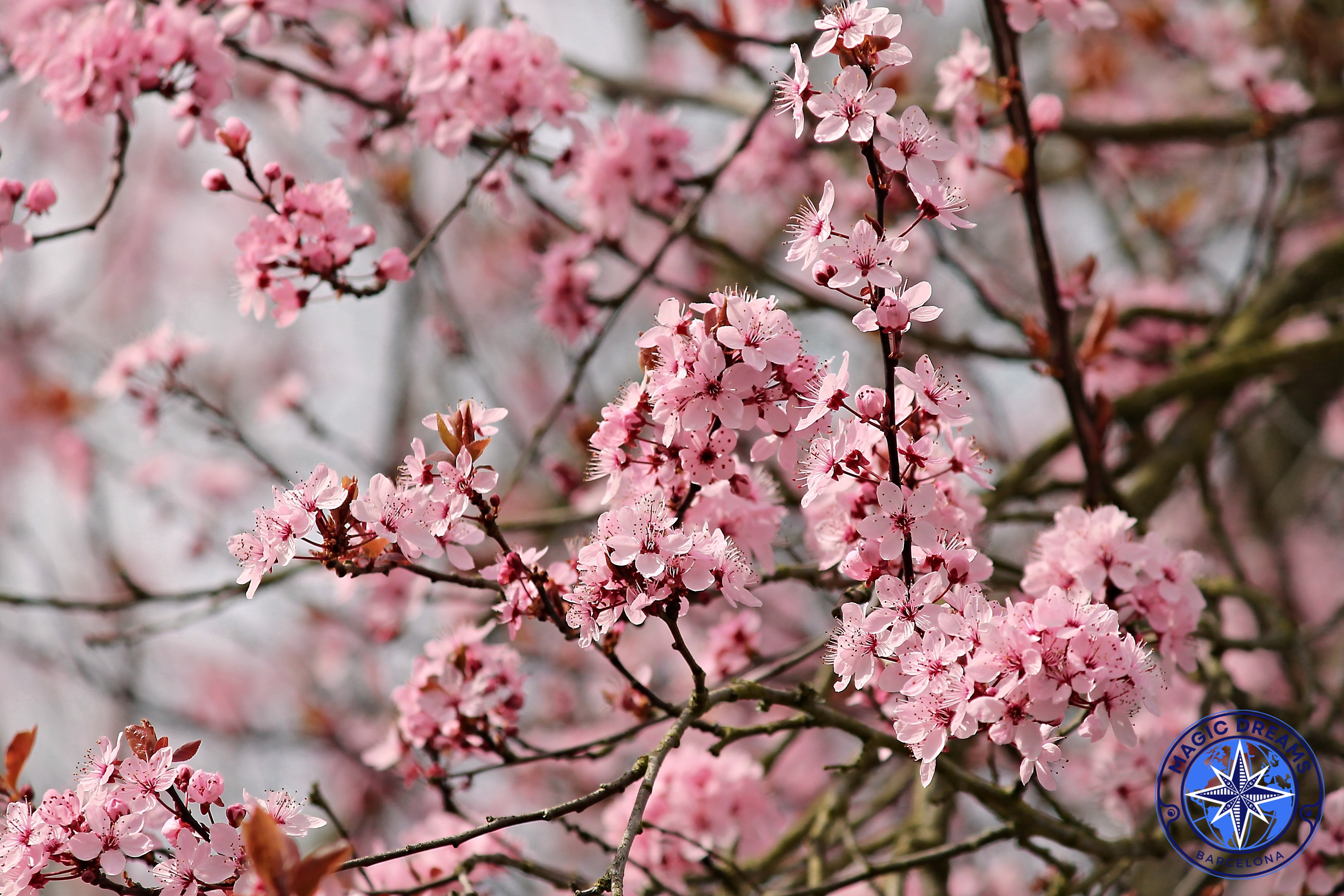
The almond tree is one of the most iconic fruit trees in the Mediterranean region. Its blossoms, which often appear in late winter before the arrival of spring, bring a touch of colour to the landscape. White and pink flowers cover its branches, while its fruit has long been an essential part of Mediterranean agriculture, gastronomy and cultural traditions.
Its scientific name is Prunus dulcis, and it belongs to the Rosaceae family, the same botanical family as cherries, peaches, plums and apples.
Almond trees are primarily cultivated for their edible seeds, known as almonds, but they also have considerable ornamental value. They can provide shade, enhance a garden and support the presence of pollinating insects.
In Catalonia, almond trees are an important part of the agricultural identity of many rural areas. In Spain and other Mediterranean countries, their cultivation has helped shape the countryside and enrich traditional cuisine.
If you have a garden in Barcelona or elsewhere in Catalonia, growing an almond tree may be an excellent option. To establish a healthy tree, however, you need to choose a suitable variety, provide plenty of sunlight and pay attention to soil conditions, watering and the space required for mature growth.
1. What Kind of Tree Is an Almond Tree?
The almond tree is a deciduous fruit tree, meaning that it loses its leaves during part of the year and produces new foliage when conditions become favourable.
Under typical growing conditions, it can reach a height of approximately 3–8 metres, although some specimens grow taller. Its final size depends on the variety, rootstock, growing conditions and pruning practices.
Its main characteristics include:
- Trunk: Usually covered with greyish or grey-brown bark that becomes rougher as the tree ages.
- Canopy: Rounded, open or spreading, depending on the variety and training system.
- Leaves: Elongated, narrow and green, generally with serrated edges.
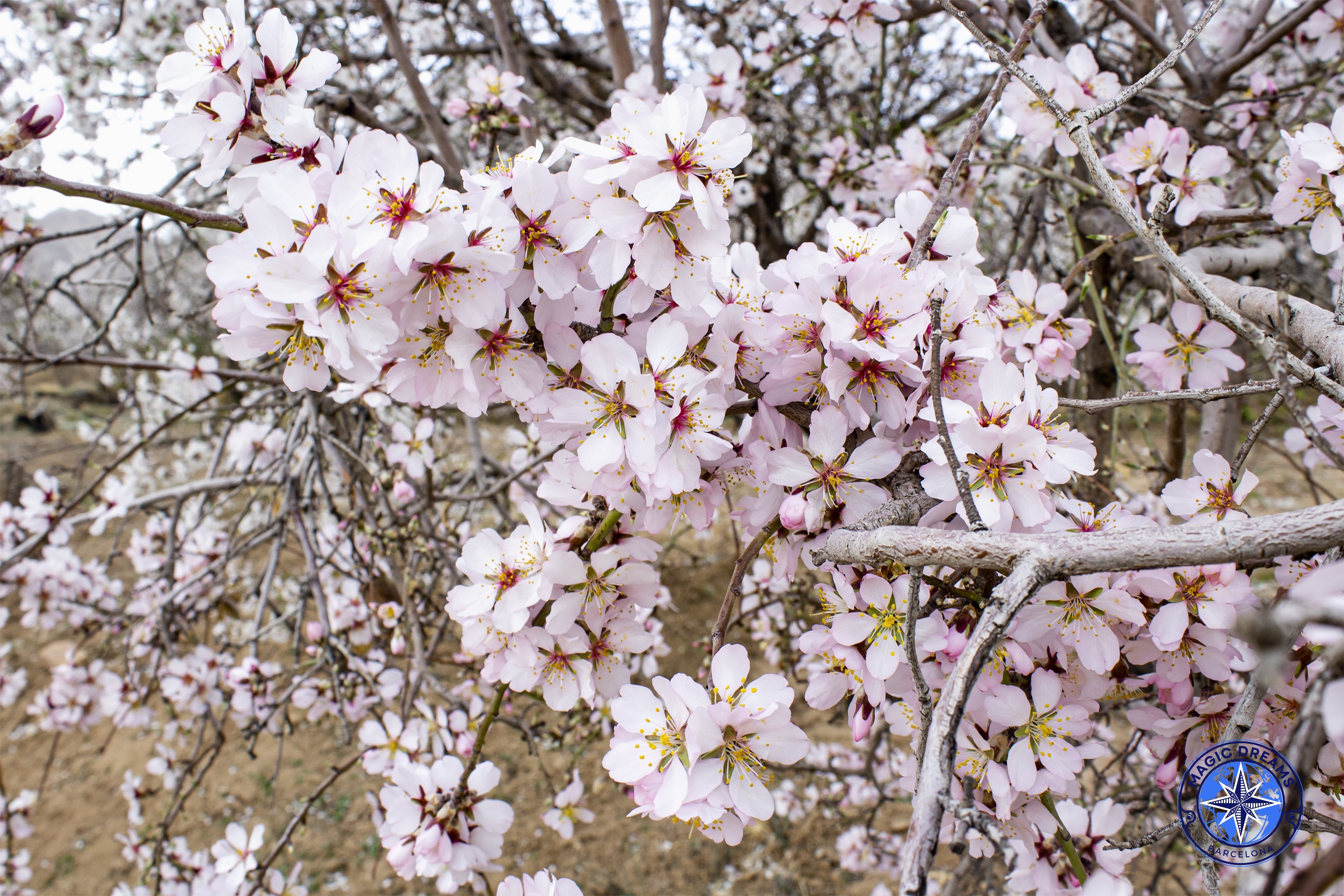
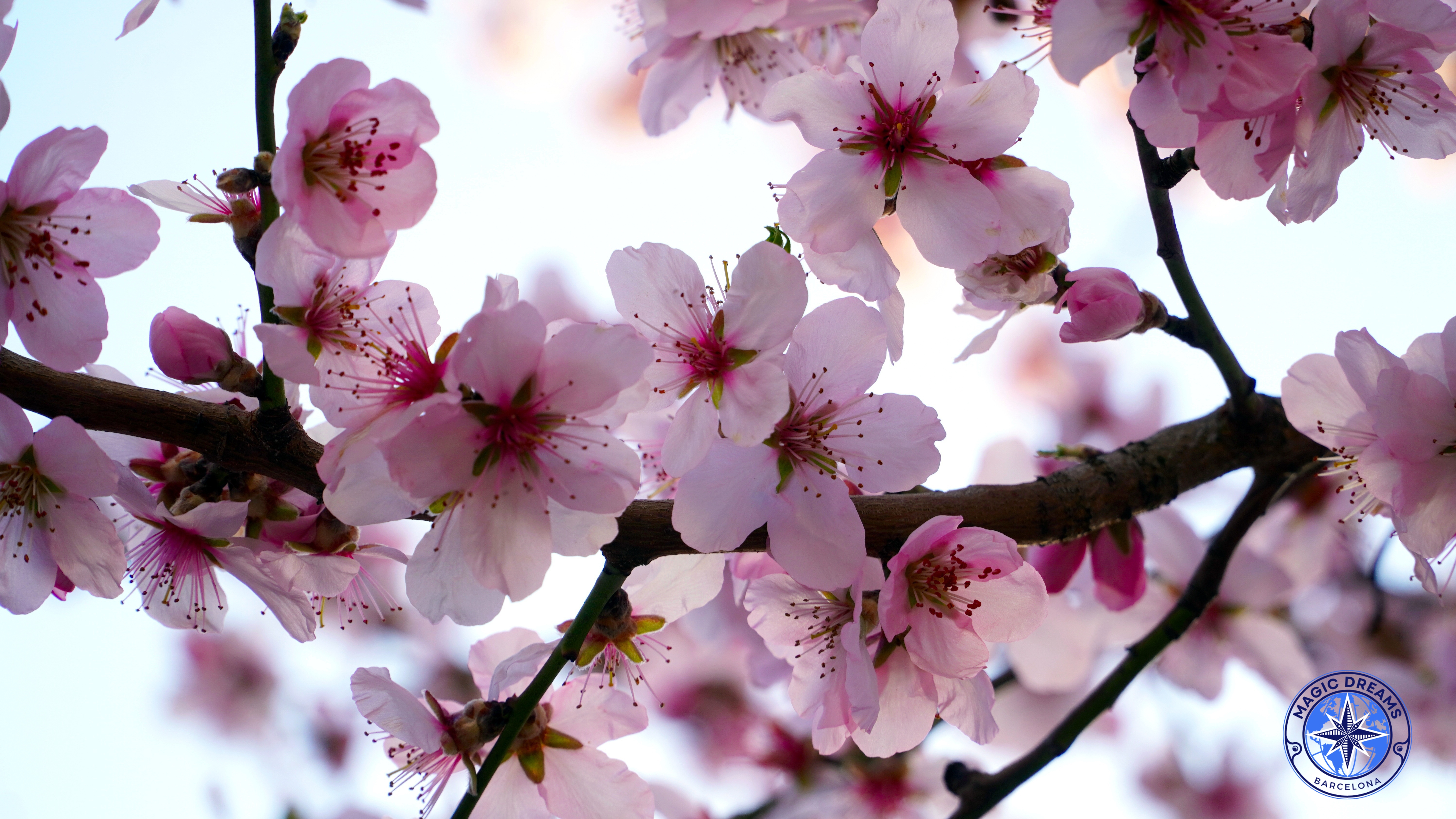
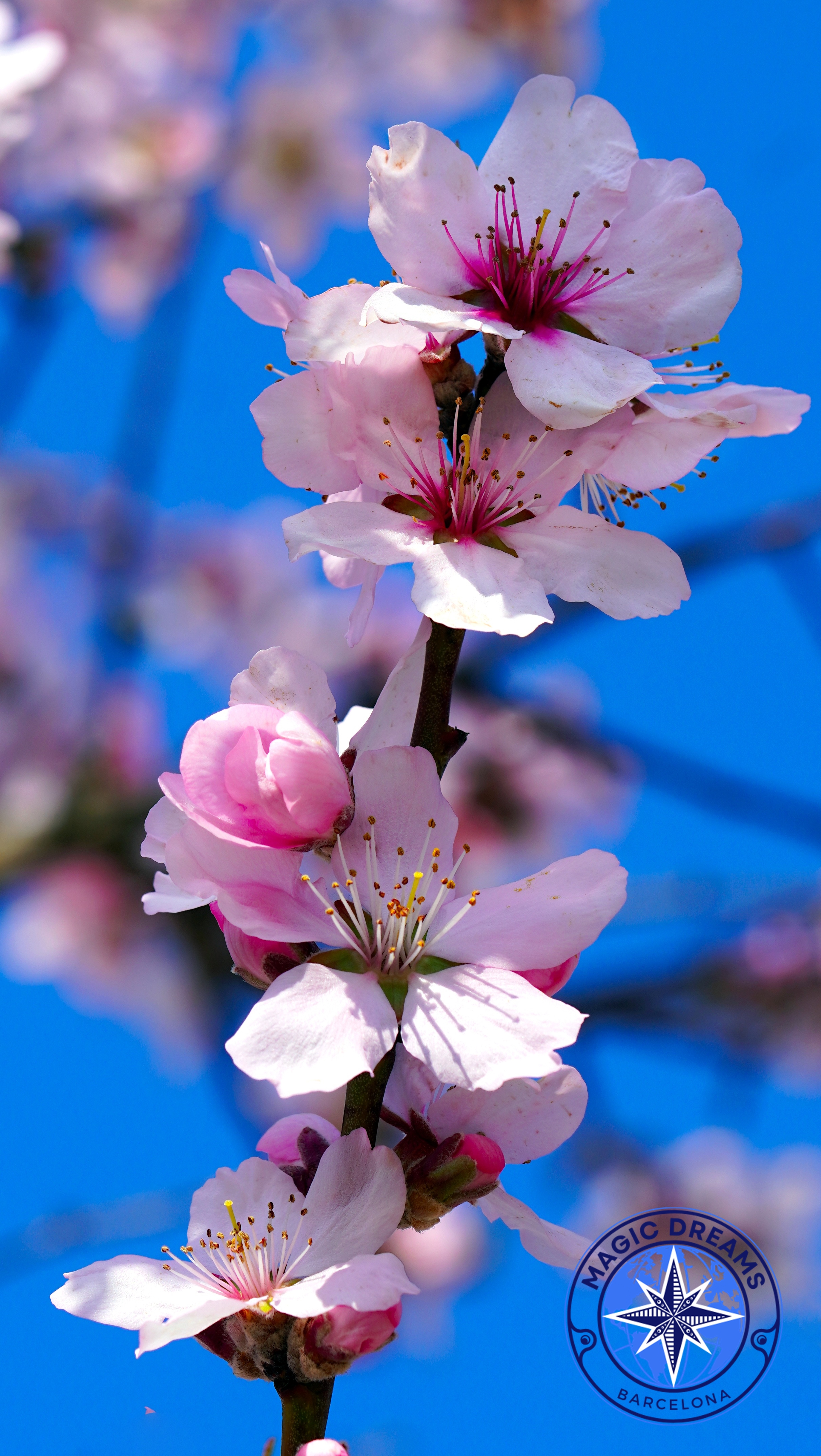
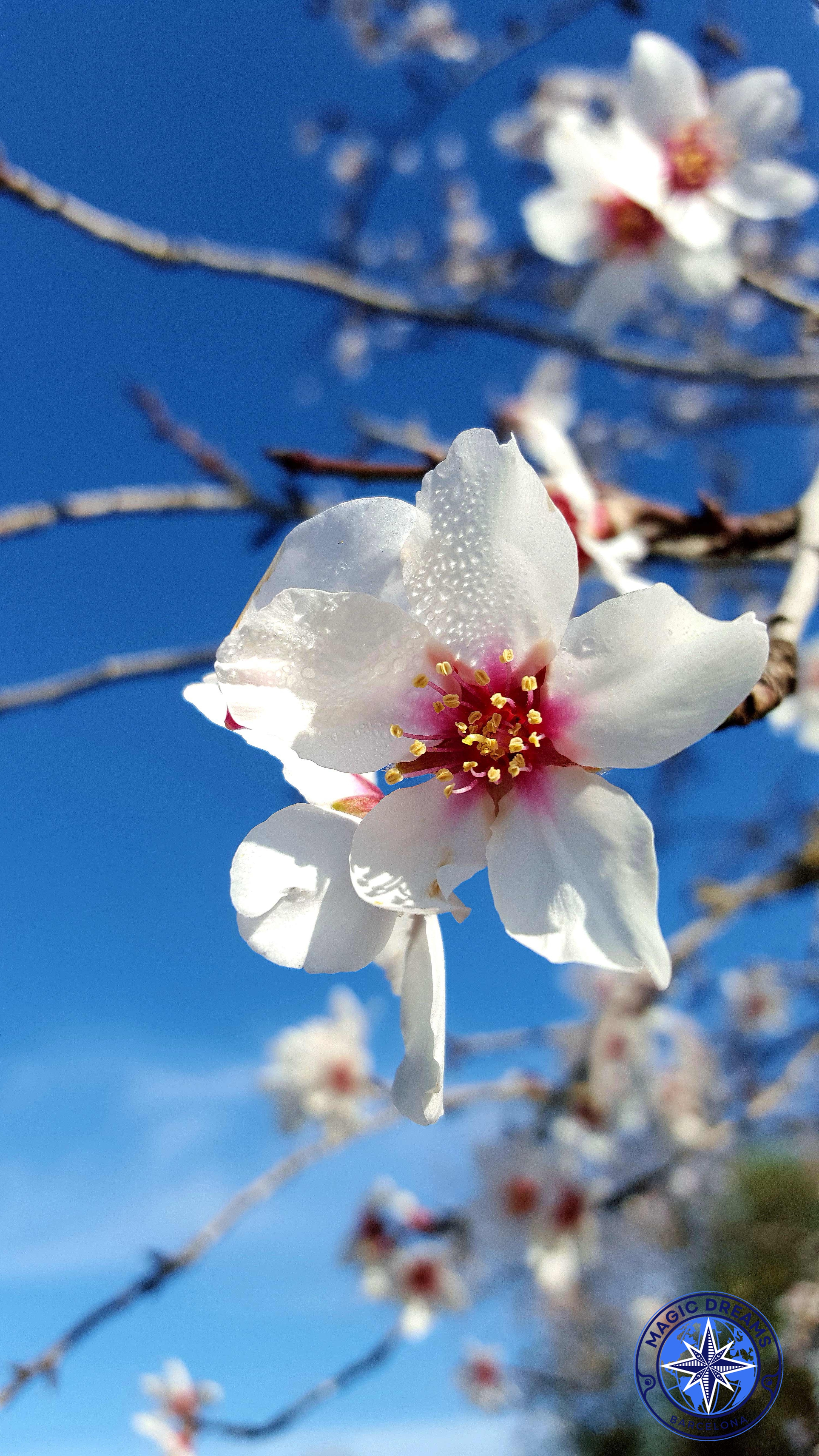
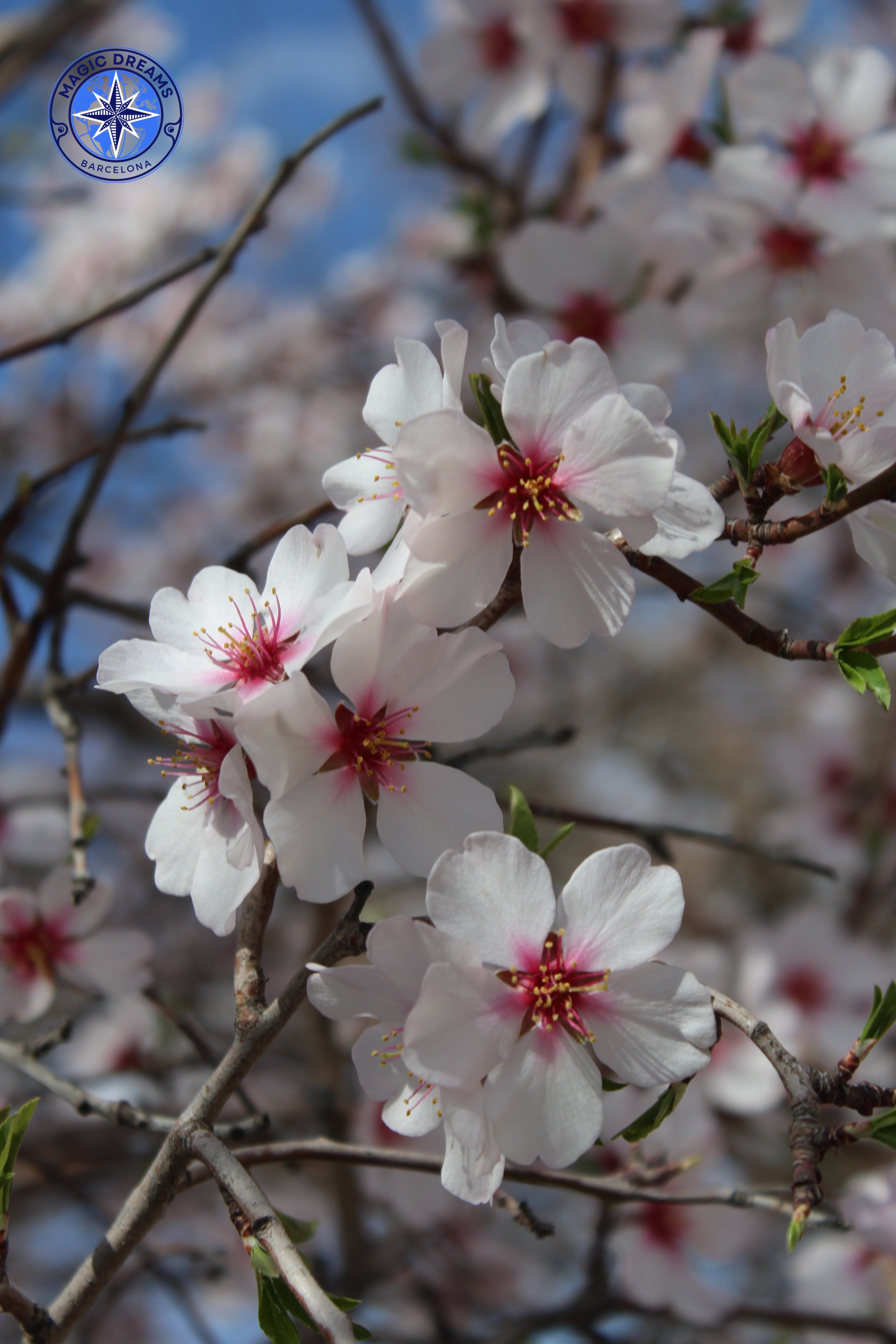
- Flowers: Five-petalled blossoms ranging from white to pale pink and deeper pink.
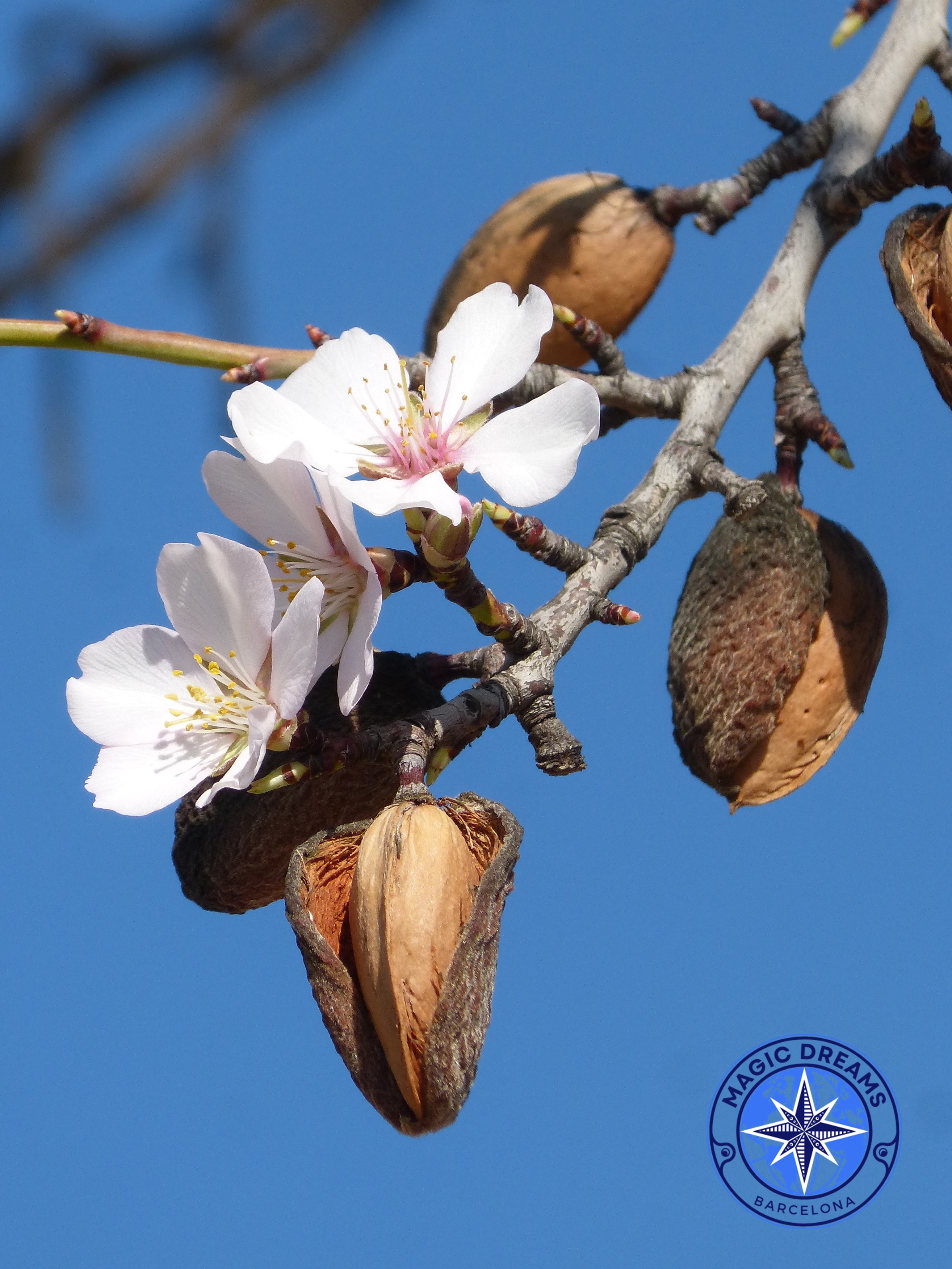
- Fruit: Botanically classified as a drupe, with a fleshy outer covering that dries and splits as the fruit matures.
- Seed: Protected inside a shell, this is the edible part commonly known as the almond.
- Roots: Capable of growing deeply in suitable soil, although compacted ground and containers restrict root development.
Almond trees are well adapted to Mediterranean climates. They tolerate dry periods better than many other fruit trees, but adequate water is still necessary for healthy growth and a satisfactory harvest.
2. The Origin and History of the Almond Tree
The almond tree originated in regions of western Asia and neighbouring areas of Central Asia. Its domestication dates back to antiquity, when people began selecting trees that produced larger, less bitter seeds.
Over time, almond cultivation spread throughout the Middle East and the Mediterranean basin. Trade routes and population movements helped introduce the tree to Greece, Italy, the Iberian Peninsula and other parts of Europe.
In Spain, almond trees became particularly important in Mediterranean regions, where agricultural crops must adapt to hot summers and irregular rainfall.
Over the centuries, farmers selected varieties with different characteristics, including flowering time, kernel size, shell hardness and productivity.
In Catalonia, almond trees have become an established feature of the agricultural landscape, particularly in inland and southern regions. They have traditionally grown alongside olive trees, vineyards, cereals and other Mediterranean crops.
Today, almond trees remain important both in commercial agriculture and in private gardens, where they are appreciated for their blossoms and the opportunity to harvest home-grown almonds.
3. Almond Blossom: A Sign That Spring Is Approaching
One of the almond tree’s most recognisable characteristics is its early flowering.
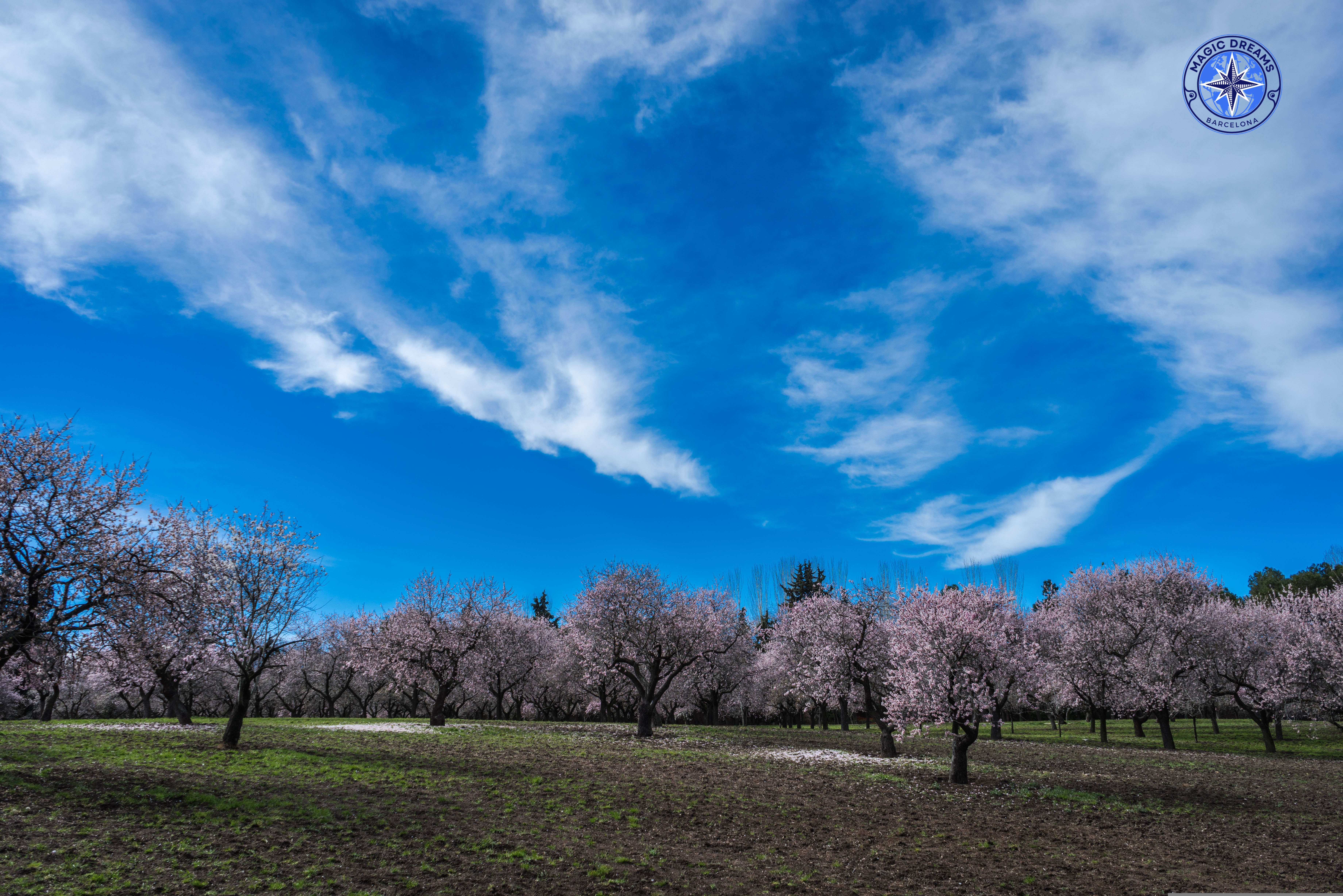
In Catalonia, almond trees generally bloom between January and March, although flowering dates vary according to the variety, altitude, site exposure and winter temperatures.
In some locations, the blossoms appear while the weather is still cold and many other trees remain bare. For this reason, almond blossom is widely regarded as one of the first visible signs that spring is approaching.
Flowering can last approximately one to three weeks, depending on the variety and weather conditions.
The flowers have five petals and numerous stamens. Their colours range from white and pale pink to deeper shades of pink.
During this period, the blossoms provide pollen and nectar for insects, particularly honeybees and wild pollinators that become active on mild, sunny days.
Why Does the Almond Tree Flower So Early?
The almond tree is adapted to relatively mild winters and early springs. However, early flowering also creates a potential risk: if temperatures fall sharply after the blossoms have opened, the crop may be seriously affected.
Frost during flowering or shortly after fruit set can damage blossoms and newly formed fruit.
For this reason, late-flowering varieties are often preferable in locations exposed to late frosts. For a home garden, flowering time can be just as important as almond flavour or yield.
4. Almond Fruit: How an Almond Develops
Although almonds are commonly described as nuts, the edible part is botanically the seed inside the fruit’s shell.
The developing fruit has several distinct layers:
- Outer hull: Initially green and fleshy, it dries and splits as the fruit matures.
- Shell: The hard protective layer surrounding the seed. Its hardness varies between varieties.
- Seed coat: A thin, usually brown skin covering the edible kernel.
- Edible kernel: The part known as the almond, used in cooking, baking and everyday nutrition.
Almonds generally mature during the summer. In Catalonia, harvesting often takes place between July and September, depending on the variety, location and weather.
Are All Almonds Edible?
No. Sweet almonds from cultivated varieties intended for food are the types normally sold for human consumption.
Bitter almonds may contain compounds capable of releasing cyanide and should not be eaten as though they were ordinary sweet almonds.
If you grow an almond tree from a seed of unknown origin, you cannot assume that it will produce sweet almonds. For more predictable results, buy a grafted tree of an identified sweet variety from a reputable nursery.
5. The Main Varieties of Almond Tree
There are numerous almond varieties, each with different characteristics, including flowering time, productivity, kernel size, shell hardness, disease resistance and pollination requirements.
Marcona
Marcona is one of Spain’s most highly regarded traditional almond varieties.
Its kernels are generally rounded and relatively large, with flavour and texture characteristics valued in confectionery and baking.
Marcona almonds are widely used in turrón, traditional sweets, roasted almonds and other speciality products.
Guara
Guara is a widely cultivated commercial variety known for its productivity and performance under suitable growing conditions.
It may be a good option for gardeners who want a fruit-bearing almond tree, although its suitability should be assessed according to the local climate, available space and garden conditions.
Vairo, Marinada and Tarraco
These varieties were developed through almond-breeding programmes and are recognised in Mediterranean fruit production.
They may be selected for characteristics such as flowering time, adaptation to local conditions, productivity and kernel quality.
Masbovera, Glorieta and Francolí
These are additional varieties associated with almond improvement and cultivation in Spain. They are particularly relevant to fruit-growing research and commercial production.
Which Variety Should You Choose for Your Garden?
If you want to plant an almond tree in Barcelona, consider the following factors:
- Flowering time and the risk of frost.
- Whether the variety is self-fertile or requires cross-pollination.
- The tree’s expected mature size.
- Adaptation to local soil and climate.
- Water availability.
- Resistance to common diseases.
- The space available in your garden.
6. The Ideal Climate for Almond Trees
Almond trees thrive in Mediterranean climates with cool winters and warm, sunny summers.
Their preferred growing conditions include:
- Sufficient winter chilling for the selected variety.
- Relatively mild spring weather.
- Warm, sunny summers.
- Plenty of direct sunlight.
- Well-drained soil.
- No prolonged waterlogging.
Can Almond Trees Tolerate Drought?
Almond trees are relatively drought-tolerant once established. However, drought tolerance does not mean that they can grow and produce indefinitely without water.
Insufficient moisture can reduce growth, cause premature leaf drop and decrease almond size and quality.
Watering is particularly important during the first few years, while the root system is still developing.
Are Almond Trees Frost-Resistant?
Dormant almond trees can tolerate relatively low winter temperatures, but their flowers and newly formed fruit are much more vulnerable.
The risk depends on the temperature, the duration of the frost and the tree’s stage of development. Late-flowering varieties can therefore have an advantage in locations exposed to late-winter frosts.
7. How to Grow an Almond Tree in a Barcelona Garden
Barcelona has a Mediterranean climate that can support almond cultivation, provided the tree receives sufficient sunlight and grows in suitable soil.
However, urban gardens present particular challenges, including limited space, nearby buildings, root development, watering restrictions, insufficient sunlight and underground utilities.
Choosing the Right Location
Select a site that receives plenty of direct sunlight. As a general guideline, aim for at least six hours of direct sunlight per day.
Avoid heavily shaded corners, areas where water accumulates and narrow spaces that cannot accommodate the mature canopy.
If you plan to plant near a wall, boundary or house, consider the tree’s eventual size and allow enough room for its branches and roots.
Preparing the Soil
Almond trees require well-drained soil. They do not perform well where water remains around the roots for prolonged periods.
If your garden has heavy, compacted clay soil, you may need to improve its structure and drainage before planting.
Adding a layer of gravel at the bottom of a planting hole is not a reliable universal solution to poor drainage. What matters is whether water can drain properly through the surrounding soil profile.
Planting an Almond Tree in the Ground
Follow these steps:
- Choose a sunny location with enough room for the mature tree.
- Check that the soil drains adequately.
- Dig a hole wide enough to accommodate the roots without bending them.
- Position the tree at approximately the same depth at which it was growing in the nursery.
- If the tree is grafted, keep the graft union above soil level.
- Refill the hole with the excavated soil, breaking up large clods.
- Water thoroughly to settle the soil around the roots.
- Apply an organic mulch around the tree, keeping it away from the trunk.
- Monitor soil moisture carefully during establishment and avoid severe drought stress.
Autumn or late winter is often a suitable planting period, provided weather conditions and the tree’s condition are appropriate.
8. Can You Grow an Almond Tree in a Pot?
Yes, but growing an almond tree in a container requires more attention than growing one directly in the ground.
A mature almond tree can become quite large, and its root system may eventually outgrow a small container.
If you want to grow one on a terrace, consider the following recommendations:
- A young tree may initially be grown in a container of approximately 40–60 litres, depending on its size and root ball.
- Long-term container cultivation may require a pot of around 80–150 litres or more.
- The container must have sufficient drainage holes.
- Use a stable, well-aerated growing medium suitable for fruit trees.
- Place the pot in a sunny location.
- Check moisture regularly, particularly during summer.
- Never leave the roots standing in water.
- Prune moderately to maintain a balanced structure.
- Make sure the terrace can support the combined weight of the container, wet growing medium and tree.
These volumes are guidelines rather than fixed requirements. The ideal container size depends on the variety, rootstock and growth rate.
An almond tree in a small terrace garden can provide attractive blossoms and produce some almonds, but its yield may be lower than that of a tree growing directly in the ground.
9. How Much Water Does an Almond Tree Need?
Water requirements depend on the tree’s age, soil type, temperature, wind exposure, season and whether it is growing in the ground or in a container.
During the First Year
Regular monitoring of soil moisture is essential. The goal is to encourage root establishment without creating waterlogged conditions.
During summer, a newly planted tree may require frequent watering, particularly in light soils or containers.
Established Trees
Mature almond trees tolerate dry periods better. Nevertheless, appropriate watering can support growth and production, especially during fruit development.
In a home garden, it is better to water according to actual soil moisture rather than follow a rigid schedule.
Check the soil before watering. If it remains moist at root depth, you may be able to wait. If it has become excessively dry, apply water slowly and thoroughly.
Container-grown trees require more frequent monitoring because their growing medium dries out more quickly.
10. What Fertiliser Does an Almond Tree Need?
Almond trees require nutrients to develop roots, leaves, flowers and fruit. The appropriate amount of fertiliser depends on the soil and the tree’s condition.
In a home garden, mature compost or well-rotted organic matter can be applied in moderate quantities.
Excessive nitrogen may encourage vigorous leaf and shoot growth without necessarily improving the harvest.
If the tree develops weak growth, yellow leaves or persistent symptoms, avoid applying fertiliser without identifying the underlying problem. Possible causes include insufficient water, poor drainage, nutrient deficiencies, disease or unsuitable soil conditions.
For productive plantings, a soil analysis can help determine an appropriate fertilisation programme.
11. Pruning an Almond Tree
Pruning helps establish the tree’s structure, maintain a balanced canopy, remove dead branches and support healthy growth.
During the first few years, the aim is to develop a strong framework. Mature trees generally benefit from moderate pruning adapted to their growing conditions.
Remove:
- Dead or damaged branches.
- Branches that cross or rub against each other.
- Shoots growing towards the centre of the canopy.
- Diseased branches, using appropriate hygiene practices.
Avoid severe pruning unless there is a specific reason. Excessive pruning can disrupt the balance between vegetative growth and fruit production.
The best time to prune depends on the objective, the tree’s health and local weather conditions. Avoid conditions that favour infection, and consult local plant-health recommendations when relevant diseases are present.
12. How Long Does an Almond Tree Take to Produce Almonds?
The time needed to obtain the first almonds depends on whether the tree is grafted, its variety and rootstock, its growing conditions and the care it receives.
As a general guide:
- Grafted tree: May begin producing fruit after approximately 2–4 years.
- Years 4–7: Production often increases progressively.
- From years 7–10: A well-established tree may achieve a more substantial yield under favourable conditions.
- Seed-grown tree: May take 5–8 years or longer and may not retain the characteristics of the parent variety.
These figures are approximate and do not guarantee a harvest in any particular year.
Production also depends on successful pollination, frost damage, water availability and the tree’s overall health.
13. How Long Can an Almond Tree Live?
An almond tree can live for several decades. Under favourable conditions, it may survive for more than 50 years, although longevity depends on the variety, soil, disease pressure, water availability and general care.
A long lifespan does not mean that the tree will produce the same quantity of almonds throughout its life. As it ages, it may develop dead branches, reduced vigour, structural damage or health problems.
A well-positioned tree growing in suitable soil and receiving sensible pruning has a better chance of remaining healthy for many years.
14. What Wildlife Can an Almond Tree Attract?
Almond trees can contribute to garden biodiversity, particularly during flowering.
Bees and Other Pollinators
The blossoms provide resources for honeybees, wild bees and other pollinating insects.
These visitors can help pollinate the flowers and support fruit formation when conditions are favourable.
Butterflies and Other Insects
In a diverse garden, an almond tree can form part of an environment that attracts a range of insects. Not all insects will visit its flowers, and they do not all have the same ecological role.
Birds
Birds may use the tree for resting, shelter or perching. In Barcelona gardens, visitors may include familiar urban and suburban species such as:
- House sparrows.
- Great tits.
- Blue tits.
- Common blackbirds.
- European goldfinches, depending on the surroundings.
Their presence is not guaranteed. It depends on nearby vegetation, available food, disturbance levels and access to water and shelter.
Do Birds Eat Almonds?
Some animals may take advantage of fruits or seeds, but the hard shells of many almond varieties make the kernels difficult to access.
Planting an almond tree should therefore not be expected to attract large numbers of birds specifically to feed on its almonds.
To increase biodiversity, combine the tree with locally appropriate shrubs, plants that flower at different times of year and a shallow water source.
Avoid indiscriminate insecticide use during flowering, as these products can harm pollinators.
15. Almond Tree Diseases and Pests
Almond trees can suffer from fungal diseases and attacks by various insects and mites. The severity of these problems depends on the weather, the tree’s health and its growing conditions.
Brown Rot or Blossom Blight
Brown rot is caused by fungi in the genus Monilinia. It can affect flowers, shoots and fruit.
Moist conditions and certain weather patterns can encourage the disease.
Ocher Spot
Ocher spot is a foliar disease that can cause leaf lesions and premature leaf drop in severe cases.
Aphids
Aphids feed on sap and may deform young shoots and leaves. Their feeding can also produce sticky honeydew.
Mites
Some mites cause leaf discolouration and other damage, particularly in warm, dry conditions.
How to Prevent Problems
To maintain a healthy almond tree:
- Avoid waterlogging.
- Maintain adequate airflow through the canopy.
- Remove dead or diseased branches.
- Clean pruning tools when necessary.
- Avoid excessive fertilisation.
- Inspect leaves, flowers and fruit regularly.
- Identify the problem correctly before applying any treatment.
If symptoms are severe or persistent, seek advice from a specialist nursery or a professional in plant health.
16. Harvesting Almonds
Almonds are usually harvested in summer, when the outer hull dries and begins to split.
In Catalonia, harvesting generally takes place between July and September, depending on the variety, location and weather.
Commercial orchards may use mechanical harvesting, while home gardeners usually collect the almonds by hand when the fruits are mature.
After harvesting, almonds must be dried properly before storage. Excess moisture can lead to deterioration and mould growth.
For better storage:
- Remove any remaining outer hull.
- Dry the almonds in a clean, dry and well-ventilated place.
- Avoid prolonged exposure to moisture.
- Once thoroughly dry, store them in clean, airtight containers.
- Keep them in a cool, dry place away from direct light.
- Discard any almonds showing mould, unusual odours or signs of deterioration.
Almonds stored in their shells are generally better protected against oxidation than shelled kernels. Refrigeration can help preserve quality during extended storage.
17. The Nutritional Value of Almonds and Their Health Benefits
Almonds are among the most popular tree nuts because of their nutritional composition. They provide unsaturated fats, plant protein, dietary fibre, vitamins and minerals that can contribute to a balanced diet.
When eaten in moderation as part of a varied diet, they can be a useful food for adults with different nutritional needs.
What Nutrients Do Almonds Contain?
The following table provides approximate nutritional values per 100 grams of raw almonds. Actual values vary according to variety, processing and the nutritional database used.
| Nutrient | Approximate amount per 100 g |
|---|---|
| Energy | 580 kcal |
| Protein | 21 g |
| Total fat | 50 g |
| Saturated fat | 4 g |
| Carbohydrates | 22 g |
| Dietary fibre | 12 g |
| Vitamin E | 25 mg |
| Magnesium | 270 mg |
| Calcium | 250–270 mg |
| Phosphorus | 480 mg |
| Potassium | 700–750 mg |
Almonds contain predominantly monounsaturated fats, along with polyunsaturated fats. They also provide vitamin E, an antioxidant, and magnesium, a mineral needed for normal muscle and nervous system function.
A 100-gram serving is relatively large and contains considerable energy. A more typical everyday serving is approximately 20–30 grams.
1. They Support Cardiovascular Health
Almonds contain unsaturated fats that can help improve blood cholesterol levels when they replace some saturated fats in the diet.
As part of a balanced eating pattern, regular almond consumption may help maintain healthy LDL cholesterol levels. Almonds do not replace prescribed medication or compensate for an otherwise unhealthy diet.
2. They Help Promote Fullness
The combination of fibre, protein and fat makes almonds a filling food.
A small serving may help control hunger between meals and reduce the temptation to reach for snacks containing large amounts of added sugar.
However, almonds are energy-dense, so portion size still matters.
3. They Provide Vitamin E with Antioxidant Properties
Vitamin E helps protect cells against oxidative damage. Almonds are a notable dietary source of this vitamin.
A serving of approximately 25–30 grams can contribute a meaningful amount of vitamin E to the daily diet.
4. They Support Normal Muscle and Nervous System Function
Magnesium participates in numerous bodily processes, including muscle function, nerve transmission and energy metabolism.
Almonds contribute to magnesium intake, although the benefits depend on overall dietary quality and individual nutritional status.
5. They Contribute to Normal Bowel Function
The dietary fibre in almonds supports normal bowel function and helps increase overall fibre intake.
To benefit from a fibre-rich diet, it is also important to drink sufficient fluids and eat a variety of fruits, vegetables, legumes and whole grains.
6. They Contribute Nutrients Needed for Healthy Bones
Almonds provide phosphorus, magnesium and calcium, all of which play roles in maintaining bones and teeth.
However, almonds should not be considered the sole or necessarily sufficient source of calcium in the diet.
7. They Provide Plant-Based Protein
Protein contributes to maintaining muscle mass and repairing body tissues.
Almonds can complement protein intake alongside legumes, grains, eggs, fish, dairy products or other sources, depending on individual preferences and dietary requirements.
8. They Can Improve Overall Diet Quality
Replacing snacks rich in salt, added sugar or saturated fats with plain almonds or unsalted roasted almonds can improve the nutritional quality of the diet.
The benefit depends not only on adding almonds, but also on which foods they replace and how they fit into everyday eating habits.
How Many Almonds Should You Eat Per Day?
For a healthy adult, an approximate serving of 20–30 grams per day can be a practical guideline. This is equivalent to roughly 20–25 almonds, depending on their size.
This is not a universal requirement. Energy needs, dietary preferences and individual medical circumstances may make a different amount more appropriate.
You can enjoy almonds in several ways:
- Raw and unsalted.
- Lightly roasted without added salt.
- Mixed into plain yoghurt.
- Added to oats or whole-grain cereals.
- Sprinkled over salads and vegetable dishes.
- Ground into sauces, spreads and baking recipes.
- Paired with fresh fruit as a snack.
If you eat almonds regularly, plain or unsalted roasted varieties are generally preferable to products heavily coated with salt, sugar or sweet toppings.
Is It Better to Eat Almonds in the Morning, Afternoon or Evening?
There is no universally best time to eat almonds. What matters most is the overall quantity consumed, the quality of the diet and individual nutritional needs.
In the morning, almonds can be added to a breakfast containing yoghurt and fruit. In the afternoon, they can make a satisfying snack. They can also be incorporated into main meals to add flavour, texture and nutrients.
You do not need to eat them at a specific time to obtain their nutritional benefits.
What Happens If You Eat Too Many Almonds?
Although almonds are nutritious, they contain a considerable amount of energy. Regularly eating large quantities can significantly increase total calorie intake.
Their high fibre content may also cause digestive discomfort in some people, particularly when consumed in excessive quantities or when fibre intake increases too quickly.
A moderate serving adapted to your diet, physical activity and nutritional needs is generally a sensible approach.
Are Almonds Suitable for Everyone?
Almonds are not suitable for people with an almond allergy. Anyone with a diagnosed allergy should avoid them in accordance with professional medical advice.
People with conditions requiring specific dietary restrictions, including certain stages of kidney disease, should check whether their intake of nuts is appropriate for their individual needs.
Whole nuts can pose a choking hazard for young children. The form in which almonds are offered should be appropriate for the child’s age and follow food-safety recommendations.
Whole Almonds, Blanched Almonds or Almond Milk?
Whole almonds retain their fibre and natural structure. They can be eaten with their skin or blanched, depending on personal preference and the recipe.
Ground almonds are also useful in cooking, although they should be stored properly to prevent their fats from deteriorating.
Almond milk can be a useful culinary alternative, but it is not nutritionally equivalent to eating whole almonds. Many commercial almond drinks contain a relatively small proportion of almonds and may provide little protein.
If you use almond milk as a substitute for dairy milk, check the label and see whether it is fortified with calcium and vitamins.
Nutritional Summary
Almonds combine flavour, versatility and a valuable nutritional profile. Consumed regularly in moderate quantities, they can contribute unsaturated fats, fibre, plant protein, vitamin E and important minerals to a balanced diet.
A serving of approximately 20–30 grams can be a practical addition to breakfast, snacks or meals. Nevertheless, no single food guarantees good health: the benefits depend on the overall diet, physical activity, sleep and other lifestyle habits.
18. Almond Trees in Catalonia: Agricultural Traditions and Landscape
Catalonia has a long tradition of almond cultivation, particularly in inland and southern regions.
Almond trees have historically been grown in rain-fed farming systems, often alongside other Mediterranean crops.
Catalan areas associated with almond cultivation include Les Garrigues, Segrià, Noguera, Segarra, Urgell, Conca de Barberà, Priorat, Baix Camp, Alt Camp, Terra Alta and parts of Pallars Jussà.
The importance of almond production varies between regions and has changed over time in response to profitability, water availability, climatic conditions and changes in agricultural practices.
Almond Trees in Catalan Agriculture
Almond trees form part of Mediterranean farming systems in which crops must adapt to dry summers and limited water availability.
The development of new varieties and cultivation techniques has improved aspects of production, although variety selection and irrigation strategies must be adapted to individual farms.
Research by the Institute of Agrifood Research and Technology (IRTA) has contributed to the study of almond varieties and the improvement of almond cultivation in Catalonia.
Almond Trees in Catalan Gardens
Beyond their agricultural value, almond trees can be grown as ornamental trees in private gardens, rural courtyards and larger outdoor spaces.
Their early flowering makes them particularly attractive towards the end of winter. Before planting one in a residential garden, however, consider its mature size and whether harvesting the fruit could cause inconvenience to neighbouring areas.
19. Almond Trees in Spain
Spain is one of Europe’s most important traditional almond-growing countries.
The tree is cultivated in many regions, particularly in Mediterranean areas and inland locations with suitable climatic conditions.
Important almond-growing regions include Catalonia, Aragon, the Valencian Community, Murcia, Andalusia, Castile-La Mancha and other producing areas.
The importance of each region depends on cultivated area, farming systems, water availability and market developments.
Spanish almonds are used both for direct consumption and in confectionery, baking and other food products.
Well-known uses include turrón, marzipan, roasted almonds, nut spreads and numerous traditional recipes.
20. Almond Trees in Europe
Almond trees have an important place in Mediterranean European agriculture.
Spain, Italy, Greece and Portugal all have regions where almond cultivation forms part of the landscape and agricultural economy.
Across Europe, almonds are used in a wide range of products, including:
- Traditional pastries and baked goods.
- Marzipan.
- Turrón and other confectionery.
- Biscuits and cakes.
- Seasonal festive sweets.
- Plant-based drinks and preparations.
- Sauces and savoury dishes.
- Chocolate and confectionery products.
Demand for almonds is also linked to growing interest in nuts as part of a varied diet.
However, almond cultivation faces important challenges, including drought, frost during flowering, diseases, production costs and the need to adapt orchards to climate change.
21. The Symbolic Meaning of the Almond Tree
The almond tree has value beyond agriculture and ornamental gardening. It also has a long symbolic history.
Its early flowering, sometimes occurring while winter is still present, has been associated with hope, rebirth and renewal.
Hope and New Beginnings
Because it flowers before many other trees, the almond tree has become a symbol of hope.
Its blossoms can be interpreted as a sign that spring is approaching, even when the surrounding landscape still appears wintry.
Fertility and Renewal
In various cultural traditions, fruit trees have been associated with fertility, abundance and the continuity of life.
The almond tree shares this symbolism through its blossoms and the fruit that follows.
Religious Symbolism
In the biblical tradition, an almond branch appears in passages associated with watchfulness and attentiveness. In different religious and artistic interpretations, it has also been linked with renewal and life.
These meanings depend on the cultural and religious context; the almond tree does not have one universal symbolic interpretation.
22. Legends and Traditional Stories About Almond Trees
Over the centuries, popular stories have connected almond blossom with love, loss, hope and the arrival of spring.
One story, told in different versions, describes a princess who longs for her homeland during winter. To ease her sadness, trees are planted that blossom before spring and remind her of the landscape she left behind.
In some versions, the almond tree becomes a symbol of love and longing. In others, it represents the ability to find beauty and hope during difficult times.
These stories belong to folklore and exist in different variations. They should not be treated as documented historical events.
The almond tree’s early flowering helps explain why it has inspired poetry, storytelling and artistic representations for centuries.
23. Almonds in Catalan Cuisine
Almonds occupy an important place in Catalan cooking.
They are used in both sweet and savoury dishes. Their flavour, texture and natural fat content make them suitable for sauces, pastes, fillings and baked goods.
Well-known preparations include panellets, carquinyolis, turrón, almond sweets and traditional sauces.
Panellets
Panellets are traditional Catalan sweets closely associated with All Saints’ Day and the Castanyada autumn celebration.
Traditional recipes use ground almonds and sugar, sometimes combined with potato or sweet potato, depending on the recipe. They are often decorated with pine nuts or other ingredients.
Carquinyolis
Carquinyolis are dry, crunchy biscuits traditionally made with whole almonds.
They can be enjoyed on their own or served with coffee, tea, sweet wine or other drinks.
Turrón and Marzipan
Almonds are an essential ingredient in many varieties of turrón and marzipan.
The quality of the almonds, the proportion of sugar and the production method all influence the final result.
Almond-Based Sauces
In Catalan cuisine, almonds are also used in picada, a traditional mixture that helps thicken dishes and enhance flavour.
They can be incorporated into recipes featuring fish, meat, vegetables and traditional stews.
24. Homemade Almond Recipes
Here are five simple recipes you can prepare at home.
Recipe 1: Traditional Almond Panellets
Ingredients
- 250 g ground almonds.
- 200 g sugar.
- 100 g cooked potato or sweet potato.
- 1 egg for glazing, if desired.
- Pine nuts or chopped almonds for decoration.
Method
- Cook the potato or sweet potato and allow it to cool.
- Mash it and combine it with the ground almonds and sugar.
- Work the mixture until it forms a uniform dough.
- Refrigerate for a few hours if possible.
- Shape the dough into small balls.
- Roll some of the balls in pine nuts or chopped almonds.
- Arrange them on a baking tray and brush with egg for a golden finish, if desired.
- Bake at approximately 180°C for 10–15 minutes, watching carefully to prevent burning.
Baking times may vary according to the size of the panellets and the oven.
Recipe 2: Homemade Carquinyolis
Ingredients
- 200 g flour.
- 100 g sugar.
- 100 g whole almonds.
- 1 egg.
- Lemon zest.
- A pinch of baking powder, if desired.
Method
- Mix the flour, sugar, egg and lemon zest.
- Add the whole almonds.
- Shape the dough into a long loaf.
- Bake at approximately 180°C until it begins to turn golden.
- Remove the loaf and cut it into thin slices.
- Return the slices to the baking tray.
- Bake for a few more minutes on each side until dry and crunchy.
- Allow to cool before storing in an airtight container.
Recipe 3: Simple Almond Cake
Ingredients
- 200 g ground almonds.
- 150 g sugar.
- 3 eggs.
- Lemon zest.
- A pinch of cinnamon, if desired.
Method
- Preheat the oven to 180°C.
- Beat the eggs with the sugar.
- Add the ground almonds, lemon zest and cinnamon.
- Mix until smooth.
- Pour the mixture into a greased cake tin.
- Bake for approximately 25–35 minutes, checking the centre with a skewer.
- Allow to cool before removing from the tin.
Serve on its own or with fresh fruit.
Recipe 4: Homemade Almond Drink
Ingredients
- 100 g sweet almonds.
- 1 litre water.
- Cinnamon or a small amount of sweetener, if desired.
Method
- Soak the almonds in water in the refrigerator for several hours.
- Drain and rinse them.
- Blend with the fresh water.
- Strain through a food-safe nut-milk bag or fine cloth.
- Store the drink in a clean container in the refrigerator.
Homemade almond drink is not nutritionally equivalent to whole almonds because some of the almond pulp remains in the strainer. Keep it refrigerated and consume it promptly.
Recipe 5: Almond Sauce for Savoury Dishes
Ingredients
- 50 g unsalted roasted almonds.
- 1 garlic clove.
- 1 small slice of bread.
- 200 ml stock or water.
- 1 tablespoon olive oil.
- Salt to taste.
Method
- Lightly toast the almonds if they are not already roasted.
- Brown the bread and garlic in a little olive oil.
- Blend the almonds with the bread, garlic and some of the stock.
- Gradually add more liquid until the desired consistency is reached.
- Warm the sauce gently and adjust the seasoning.
- Serve with vegetables, fish or stews.
You can adjust the consistency by adding more stock. If preparing the sauce in advance, refrigerate it and reheat it thoroughly before serving.
25. Where to Buy an Almond Tree in Catalonia: Online Nurseries and the Maresme Area
If you would like to plant an almond tree after learning about its characteristics, you can purchase one from a specialist nursery or an online retailer.
Buying a fruit tree deserves careful consideration. It is not enough to choose an attractive photograph. You should also understand the variety, rootstock, size of the plant and delivery conditions.
Buying an Almond Tree Online
Before placing an order, check the following:
- The tree is Prunus dulcis, rather than a different ornamental species.
- The variety is clearly identified.
- The nursery specifies whether the tree is grafted.
- The variety produces sweet almonds if your intention is to eat the harvest.
- Pollination requirements are explained.
- Delivery to Barcelona or your locality is available.
- Delivery charges are clearly stated.
- The seller provides information about delivery conditions and after-sales support.
Availability, prices and shipping conditions can change, so check the details before paying.
Online Nurseries and Garden Retailers to Consider
Viveros La Dama
Check its catalogue to see whether almond trees such as Guara or other fruit-tree varieties are available.
Website: https://viverosladama.com/
Fronda
This gardening retailer has offered fruit trees, including almond trees. Check current stock and whether collection or delivery is available.
Website: https://www.fronda.com/
Viveros Pedro Jiménez
Consult its catalogue of almond saplings and request information about varieties, sizes and availability.
Website: https://viverospedrojimenez.com/
These websites are starting points for checking commercial availability. They do not guarantee that a particular variety is currently in stock or that every retailer delivers to every address.
The Ornamental Plant Market in the Maresme Area
The Mercat de Flor i Planta Ornamental de Catalunya, located in Vilassar de Mar, is a specialised flower and ornamental plant market and an important reference point for the horticultural trade in Catalonia.
Contact details to check before visiting
- Name: Mercat de Flor i Planta Ornamental de Catalunya.
- Location: Vilassar de Mar, Barcelona.
- Published address: Avinguda Beniamino Farina, 135.
- Published telephone number: +34 937 500 000.
- Website: https://www.mercatflor.cat/
Check opening hours and access conditions before travelling. The market is primarily oriented towards the professional trade, so access for private customers may differ.
Do not assume that almond trees will be available when you visit. Contact the market in advance and ask whether any of its traders sell Prunus dulcis trees and accept orders from private customers.
Which Almond Tree Is Best for a Barcelona Garden?
If you intend to plant just one tree, first decide whether your main objective is ornamental flowering, almond production or both.
For harvesting almonds, choose a variety suited to your local climate and check whether it is self-fertile. A self-fertile variety can produce fruit without requiring a second compatible variety, although pollinator activity and favourable weather may improve fruit set.
If the variety requires cross-pollination, check whether a compatible almond tree grows nearby or whether you need to plant a second tree.
If your garden is small, ask about the mature size and vigour of the tree. Not all varieties and rootstocks are equally suitable for restricted spaces.
Buying recommendation: Compare at least two nurseries, ask for details about the variety and confirm delivery costs. If you prefer to buy in the Maresme area, contact the Vilassar de Mar market before visiting to check whether fruit trees are available and whether private customers can make purchases.
26. Almond Trees and Sustainable Gardening
Almond trees can be part of a sustainable Mediterranean garden when their requirements match the available space and resources.
Their relative drought tolerance can be an advantage compared with species that need more frequent watering. However, young trees need sufficient moisture to establish themselves, and trees grown for fruit production may require supplementary irrigation.
To support a sustainable garden:
- Choose a variety suited to the local climate.
- Improve the soil before planting if necessary.
- Avoid excessive watering.
- Use organic mulch to reduce evaporation.
- Encourage pollinators.
- Avoid unnecessary chemical treatments.
- Grow a diversity of plants that flower at different times of year.
- Use mature compost when appropriate.
- Allow enough room for the tree to reach its mature size.
Remember that an almond tree growing in a terrace container or paved courtyard may need more water and maintenance than one planted directly in the ground.
Conclusion: A Mediterranean Tree with a Rich History and a Promising Future
The almond tree is much more than a fruit tree. It brings together nature, agriculture, gastronomy, landscape and culture.
Its early blossoms announce the approach of spring, while its fruit forms part of a culinary tradition passed down through generations. Across the Mediterranean countryside, almond trees also reflect the adaptability of agriculture to challenging climatic conditions.
In Catalonia, almond trees have helped shape the rural landscape of numerous regions and continue to hold economic and cultural importance. In Spain and throughout Europe, almonds remain an essential ingredient in many foods and traditional confectionery products.
From a nutritional perspective, almonds provide unsaturated fats, fibre, plant protein, vitamin E and minerals. A moderate serving can contribute to a balanced diet, provided individual nutritional needs and potential allergies are taken into account.
If you have a garden in Barcelona, an almond tree can be an attractive choice for both ornamental and fruit-growing purposes, provided you can offer it sufficient sunlight, well-drained soil and enough space to grow.
The key is to select a suitable variety, purchase a healthy tree from a reliable nursery and provide appropriate care during its first years. With favourable growing conditions and sensible maintenance, an almond tree can remain a feature of your garden for decades, bringing one of the Mediterranean landscape’s most beautiful displays of blossom every spring.



Copyright © 2016-2026 Magic Dreams Barcelona.