Barcelona Olympic Port.

History, Present Day and Experiences by the Mediterranean
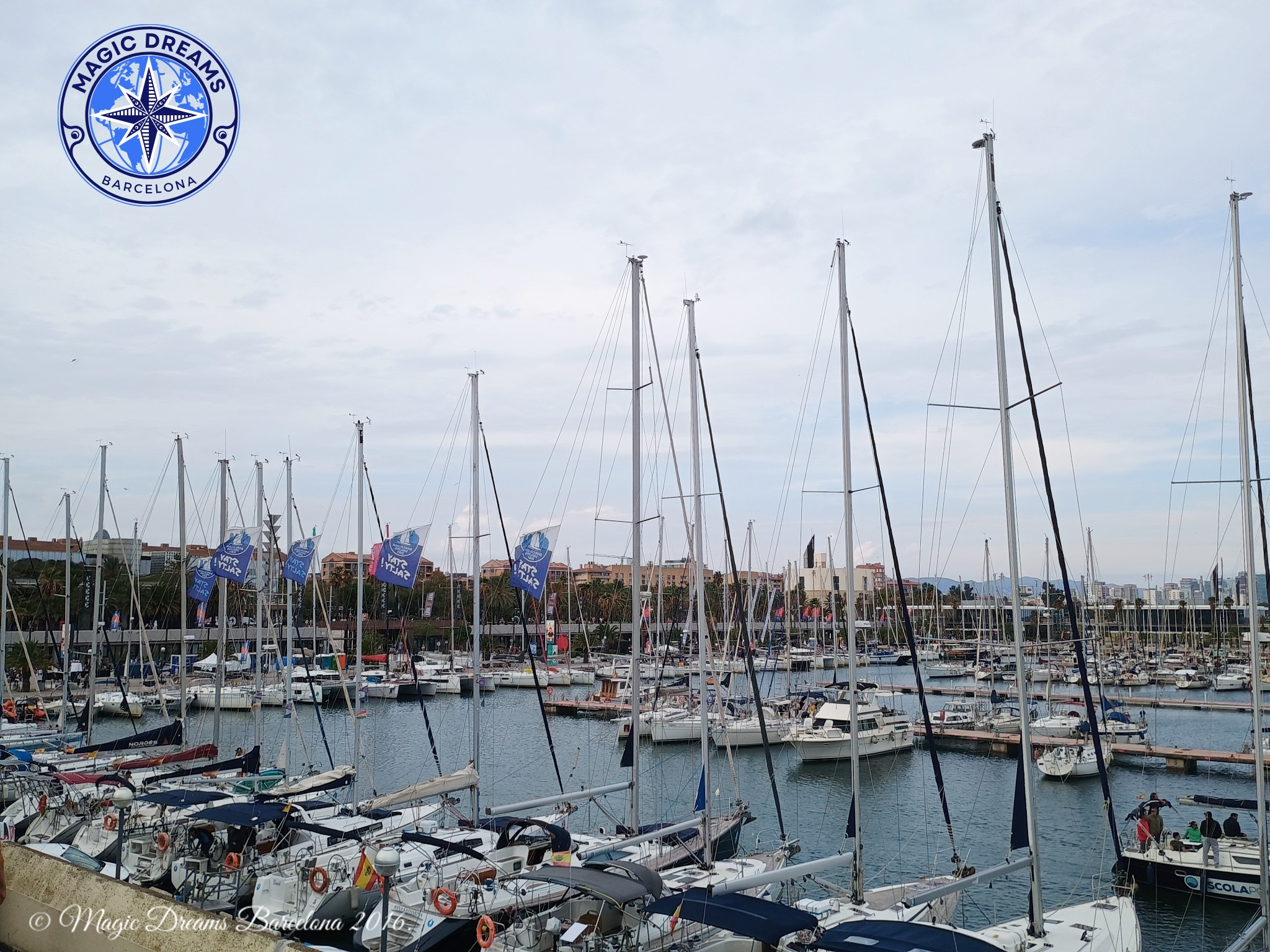
The Barcelona Olympic Port stands today as one of the city’s most emblematic maritime spaces. More than a marina, it represents an urban symbol where recent history, contemporary architecture, nautical leisure and Mediterranean lifestyle converge.
Located between Barcelona’s vibrant cultural energy and the calm openness of the sea, this waterfront enclave embodies the city’s definitive reconnection with the Mediterranean and its modern urban transformation.
A Privileged Location Facing the Mediterranean
The port is located in the Vila Olímpica del Poblenou neighborhood, within the Sant Martí district, between Platja de la Barceloneta and Platja Nova Icària.
Its strategic position directly connects Barcelona’s historic center with its modern coastline, creating a natural transition between traditional maritime heritage and contemporary urban innovation.
The marina’s skyline is defined by two architectural landmarks:
- Hotel Arts Barcelona
- Torre Mapfre
Built for the 1992 Olympic Games, these towers symbolize Barcelona’s urban renaissance and form the visual gateway to the port.
History: The Olympic Legacy That Transformed Barcelona
Until the late twentieth century, Barcelona’s coastline was dominated by industrial and railway infrastructures that separated the city from the sea. Hosting the 1992 Olympic Games triggered one of Europe’s most significant urban renewal projects.
The Olympic Port was conceived both as a marina and as a residential area for Olympic athletes. Following the Games, it evolved into an open urban environment combining residential life, leisure, culture and maritime activity.
The transformation included:
- Recovery of more than five kilometers of urban beaches
- Creation of the Vila Olímpica residential district
- Barcelona’s definitive reopening toward the Mediterranean Sea
Since then, the port has evolved from Olympic infrastructure into a major social, cultural and gastronomic hub.
The Olympic Port Today
Today, the Barcelona Olympic Port fulfills multiple roles, blending nautical activity with urban lifestyle and cultural experiences:
- Nautical Marina: over 700 berths for recreational vessels, base for sailing, water sports and private sea experiences.
- Social and Cultural Space: open waterfront promenades, sporting activities, cultural events, and a meeting point for residents and visitors alike.
- Gastronomic and Leisure Destination: restaurants, terraces, and Mediterranean culinary experiences.
Following a recent renovation, the port has shifted toward a more sustainable, family-oriented and gastronomic model, prioritizing quality culinary experiences over mass nightlife.
Restaurants and Mediterranean Gastronomy
The Olympic Port hosts several of Barcelona’s most recognized seaside restaurants, specializing in Mediterranean cuisine, rice dishes and fresh seafood:
- La Fonda del Port Olímpic – traditional maritime cuisine
- El Cangrejo Loco – historic seafood restaurant
- Arenal Restaurant Barcelona – contemporary Mediterranean dining with panoramic sea views
The renewed philosophy emphasizes bright spaces, open terraces and a more authentic connection with the sea.
Transport and Accessibility
- Metro: Line L4 — Ciutadella | Vila Olímpica station
- Urban Buses: direct coastal connections with the historic center
- Bicycle: continuous seaside cycling route from Port Vell to the Fórum area
- On Foot: scenic seaside walk from Barceloneta or Parc de la Ciutadella
The Contemporary Renovation of the Olympic Port
Between 2020 and 2024, Barcelona implemented a comprehensive transformation of the port guided by:
- Environmental sustainability
- Reduction of intensive nightlife
- Promotion of the blue economy
- Integration between city and sea
Today, the marina hosts initiatives linked to marine innovation, environmental education and nautical culture, positioning itself as a Mediterranean urban laboratory.
Beneath the Surface: Underwater Restoration
One of the least visible but most significant aspects of the Olympic Port is the regeneration of its underwater ecosystem:
- Installation of artificial reefs to enhance biodiversity
- Restoration of degraded seabeds
- Ecological systems improving water quality
- Scientific monitoring of Mediterranean marine species
The port is a model of urban ecological regeneration, where the city not only enjoys the sea but actively protects it.
A Place Where Barcelona Is Truly Felt
The Barcelona Olympic Port represents an open, luminous, and emotional city, where contemporary architecture meets sea breeze, sunset walks, and Mediterranean gastronomy.
Here, Barcelona stops being merely a destination and becomes a lived experience.
Discover the Olympic Port with Magic Dreams Barcelona
At Magic Dreams Barcelona, every visit becomes a unique, intimate and sensory experience:
- Private and personalized routes through Barceloneta, Port Vell and Barcelona’s coastline guided by local experts in history, architecture, art and symbolism
- Sensory seaside experiences: live music, Mediterranean aromas, curated readings, and bespoke gastronomy
- Signature picnics and personalized gastronomy in selected beaches, gardens or private spaces
- Guides specialized in botany, ornithology and urban biodiversity for authentic coastal nature connection
- Professional photography sessions to immortalize each moment
- Creative and wellness workshops from Catalan cuisine to Gaudí-inspired trencadís mosaics
- Exclusive gastronomic routes combining tradition and culinary innovation
- Private escapes to the Costa Brava and Catalan Pyrenees
- Elegant accommodations and premium experiences in the heart of Barcelona
Barceloneta, with its light, history, and eternal bond with the sea, remains one of our most cherished settings — a place where Barcelona expresses its most authentic essence.


Please leave your details and phone number, and we will get in touch with you as soon as possible, within the same day.
Copyright © 2016-2026 Magic Dreams Barcelona.