Route guide for visitors throughout Catalonia – Barcelona – Costa Brava – Catalan Pyrenees – Personalized experiences – Customized tour guide services – A small tribute to the wonderful city and land that saw us born – Transforming experiences into unforgettable memories - Magic Dreams Collection: exclusive universes inspired by Salvador Dalí and Gaudí. Niche perfumes, jewelry, lithographs, and collectible items celebrating the Mediterranean spirit.
Callella de Palafrugell es una de las localidades costeras de Palafrugell, en el Baix Empordà, en la provincia de Girona en plena Costa Brava. Esta localidad pintoresca y que conserva el antiguo encanto de los pueblos de la zona con aire bohemio está …
A hidden corner of Les Gavarres where history, nature and gastronomy come together There are places that do not appear on the usual tourist routes. Places you have to reach slowly, through forests and old country tracks, only to discover that true luxury is sometimes …
Un rincón secreto de Les Gavarres donde historia, naturaleza y gastronomía se fusionan
Hay lugares que no aparecen en las rutas convencionales.
Lugares a los que hay que llegar despacio, atravesando bosques y antiguos caminos, para descubrir que el verdadero lujo no siempre está en lo extraordinario, sino en aquello que todavía conserva su autenticidad.
Sant Cebrià de Lledó, conocido popularmente como Els Metges, es uno de esos lugares.
Situado en el corazón del macizo de Les Gavarres, este pequeño núcleo rural del Baix Empordà conserva una iglesia de origen medieval, una antigua masía, caminos forestales, bosques mediterráneos y unas magníficas panorámicas sobre el territorio.
Aquí el tiempo parece avanzar de otra manera.
No hay grandes multitudes.
No hay grandes avenidas.
Solo bosque, piedra, viento, silencio y memoria.
Y precisamente por eso, llegar hasta Els Metges se convierte en una experiencia.
Una Historia Nacida entre Bosques
Un antiguo núcleo rural del Empordà
Sant Cebrià de Lledó fue históricamente un pequeño núcleo formado por masías dispersas, vinculadas a la agricultura, la ganadería y al aprovechamiento de los recursos forestales.
La iglesia está documentada desde época medieval y su territorio llegó a reunir infinidad de casas rurales repartidas por las montañas de Les Gavarres.
En el siglo XIV, el lugar contaba todavía con una población considerable para un asentamiento de montaña. Con el paso de los siglos, muchas de aquellas masías fueron quedando abandonadas y el núcleo perdió buena parte de sus habitantes.
Hoy, esa historia permanece visible en el paisaje.
Antiguas casas.
Muros de piedra.
Caminos rurales.
Bosques que han recuperado antiguos espacios cultivados.
Y una pequeña iglesia que continúa siendo el corazón espiritual y simbólico del lugar.
¿Por qué se llama Els Metges?
San Cosme y San Damián, los santos médicos
Aunque su nombre oficial es Sant Cebrià de Lledó, el lugar es conocido popularmente como Els Metges.
La explicación está en la tradición religiosa de la iglesia y en la presencia de San Cosme y San Damián, conocidos como los santos médicos.
Según la tradición cristiana, estos hermanos ejercieron la medicina y atendían a los enfermos sin exigir pago.
Su devoción se extendió por diferentes territorios mediterráneos y su presencia en Sant Cebrià de Lledó terminó dando origen al nombre popular de Els Metges.
La historia de estos santos añade una dimensión muy especial al lugar.
No son únicamente figuras religiosas.
Representan también una idea profundamente humana:
cuidar, sanar y proteger.
Y quizá por eso su presencia resulta tan apropiada en un pequeño santuario aislado entre los bosques.
La Iglesia Románica
Una pequeña joya de piedra en el corazón de Les Gavarres
La Església de Sant Cebrià de Lledó conserva una importante estructura románica cuyos orígenes se remontan al siglo XI.
Sus muros de mampostería de piedra vista transmiten la sencillez y solidez de la arquitectura rural medieval.
Posteriormente, el edificio experimentó diferentes transformaciones, de modo que el conjunto actual reúne elementos de distintas épocas.
Pero quizá lo más especial no sea solamente su arquitectura.
Es la sensación que produce entrar.
Fuera nos encontramos con el bosque.
Dentro, la luz se vuelve más tenue.
La piedra guarda el frío.
El silencio se hace más profundo.
Y las pequeñas imágenes del altar parecen adquirir una presencia especial.
El Altar de los Santos Médicos
San Cosme, San Damián y la Virgen
En el interior encontramos un sencillo altar de piedra, sobre el que aparecen pequeñas imágenes religiosas.
Entre ellas destacan San Cosme y San Damián, los santos médicos, y una figura central de la Virgen.
La composición resulta especialmente evocadora.
A un lado y al otro, los dos hermanos médicos.
En el centro, la Virgen.
Una escena sencilla, profundamente simbólica, que transmite una sensación de protección y recogimiento.
La presencia de la Virgen introduce una dimensión maternal y serena, mientras que San Cosme y San Damián representan tradicionalmente la atención, la medicina y el cuidado de los enfermos.
Dentro de una iglesia tan pequeña, estas imágenes adquieren una fuerza especial.
No hay exceso.
No hay monumentalidad.
Solo piedra, silencio, fe y memoria.
Una frase para recordar
Entre los muros románicos de piedra, San Cosme y San Damián parecen seguir velando por quienes llegan hasta Els Metges, mientras la Virgen, serena en el centro del altar, guarda en silencio este pequeño santuario perdido entre los bosques de Les Gavarres.
El Aplec dels Metges
Fe, música y encuentro
La tradición de Sant Cosme y Sant Damià dio lugar también al Aplec dels Metges, una celebración popular vinculada históricamente al entorno de la iglesia y al encuentro de habitantes procedentes de las dos vertientes de Les Gavarres.
Durante generaciones, este espacio funcionó no solo como lugar de culto, sino también como punto de encuentro social.
La montaña reunía a las personas.
La iglesia servía como centro espiritual.
Y la celebración reforzaba la identidad compartida del territorio.
Es una muestra más de cómo, en el mundo rural catalán, religión, paisaje y vida comunitaria estuvieron durante siglos profundamente unidos.
Les Gavarres
El gran bosque mediterráneo del Empordà
No podemos comprender Sant Cebrià de Lledó sin comprender Les Gavarres.
Este macizo se extiende entre el Baix Empordà y el Gironès y constituye uno de los grandes espacios forestales mediterráneos de Cataluña.
La superficie protegida supera las 28.000 hectáreas y conserva una extraordinaria riqueza natural y cultural.
Sus bosques están formados principalmente por alcornoques, encinas y pinares, además de infinidad de especies vegetales mediterráneas.
El alcornoque tiene una importancia especial, ya que durante siglos el corcho fue uno de los principales recursos económicos de esta zona.
Pero Les Gavarres son mucho más que naturaleza.
En su interior encontramos:
Iglesias medievales.
Dólmenes y menhires.
Masías.
Hornos de cal.
Antiguos caminos.
Pozos de hielo.
Molinos.
Espacios de producción de carbón vegetal.
La Generalitat ha identificado alrededor de 1.400 elementos de patrimonio etnológico relacionados con este territorio.
Por eso Les Gavarres pueden entenderse como un auténtico paisaje cultural.
Un Paisaje Hecho de Naturaleza y Memoria
Durante siglos, las personas que vivieron aquí aprovecharon todo lo que ofrecía la montaña.
Cultivaron.
Criaron animales.
Trabajaron el corcho.
Produjeron carbón vegetal.
Construyeron muros y caminos.
Y transformaron lentamente el bosque sin dejar de depender de él.
Hoy, cuando caminamos por Les Gavarres, todavía podemos descubrir las huellas de aquella vida.
La naturaleza ha recuperado muchos de aquellos espacios.
Pero la memoria permanece.
En una piedra.
En un muro.
En una antigua masía.
En un camino.
En una iglesia.
El Clima
Mediterráneo, pero de montaña
Sant Cebrià de Lledó disfruta de un marcado clima mediterráneo de montaña.
La altitud y la orientación del macizo generan temperaturas y condiciones diferentes de las zonas litorales cercanas.
Primavera
Los bosques recuperan progresivamente su intensidad verde y aparecen infinidad de flores silvestres.
Verano
Los días pueden ser cálidos, especialmente en las horas centrales, pero el bosque ofrece zonas de sombra y las primeras horas del día resultan ideales para caminar.
Otoño
Es una de las épocas más especiales.
La humedad cambia los aromas del bosque y las tonalidades de la vegetación crean un paisaje especialmente atractivo para el senderismo y la fotografía.
Invierno
El frío puede ser intenso, especialmente a primera hora de la mañana, pero los días despejados ofrecen una visibilidad extraordinaria.
Llegar a Els Metges
El camino forma parte de la experiencia
Llegar hasta Sant Cebrià de Lledó no es simplemente conducir hasta una dirección.
Es entrar en Les Gavarres.
Uno de los accesos habituales parte de la zona de Cassà de la Selva y continúa mediante pistas forestales.
Una vez abandonado el asfalto, el paisaje cambia por completo.
La carretera convencional desaparece.
Aparecen caminos de tierra.
Alcornoques.
Encinas.
Pinos.
Curvas.
Silencio.
Dependiendo del punto exacto de partida y del estado de la pista, podemos calcular aproximadamente 20–30 minutos de conducción por camino forestal hasta llegar a Els Metges.
No debemos considerar este tramo un inconveniente.
Forma parte de la propia experiencia.
La conducción debe realizarse con precaución y conviene comprobar las condiciones de las pistas antes de salir, especialmente después de episodios de lluvia.
Algunos accesos pueden presentar tramos más difíciles para determinados vehículos.
El último tramo
Dejamos atrás el mundo cotidiano y empezamos a subir lentamente entre los bosques de Les Gavarres, hasta que, después de varias curvas, aparece ante nosotros la silueta de la antigua iglesia.
Y en ese instante comprendemos que llegar hasta aquí ha valido la pena.
Can Cama
Una antigua masía junto a la iglesia
Junto a la iglesia encontramos Can Cama, una antigua masía que forma parte esencial del conjunto de Els Metges.
Su presencia contribuye a conservar el carácter rural del lugar y nos recuerda que este espacio no fue únicamente religioso.
Aquí hubo vida.
Familias.
Trabajo.
Animales.
Cultivos.
Celebraciones.
Y una comunidad que durante generaciones habitó estas montañas.
El Gran Lledoner
Un árbol que invita a detenerse
Frente a Can Cama encontramos un gran lledoner, el tradicional almez.
Su presencia aporta una imagen especialmente evocadora al conjunto.
Iglesia.
Masía.
Árbol.
Bosque.
Todo parece formar parte de una misma escena.
Es el lugar perfecto para detenerse después de la caminata.
Sentarse.
Respirar.
Mirar alrededor.
Y dejar que el silencio haga el resto.
Restaurante Els Metges
Gastronomía en plena montaña
Junto a Can Cama encontramos el Restaurant Els Metges, una propuesta gastronómica vinculada al propio conjunto rural.
La experiencia aquí empieza mucho antes de sentarse a la mesa.
Empieza con el camino.
Continúa con el bosque.
Después llega la iglesia.
Las vistas.
El aire de montaña.
Y finalmente la comida.
El restaurante ofrece una cocina de carácter tradicional y casero, especialmente apropiada después de una jornada de naturaleza.
En este contexto, comer deja de ser simplemente una necesidad.
Se convierte en parte de la experiencia.
Montaña, producto, tradición y tiempo.
Como siempre recomendamos, es importante comprobar previamente los horarios y la disponibilidad antes de organizar la visita.
Gastronomía de Les Gavarres
Sabores de bosque, masía y territorio
La cocina del entorno comparte muchas de las características del Empordà rural.
Productos sencillos.
Cocina de temporada.
Cocciones lentas.
Carnes.
Embutidos.
Setas.
Verduras.
Legumbres.
Pan.
Productos del bosque.
Durante el otoño, las setas adquieren especial protagonismo.
Durante el invierno, los guisos de cazuela cobran todo su sentido.
Es una cocina que no pretende impresionar mediante artificios.
Busca algo diferente:
sabor, memoria y territorio.
Las Vistas sobre el Empordà
La recompensa después del camino
La posición elevada de Els Metges permite disfrutar de amplias panorámicas sobre el paisaje del Empordà.
En días claros, el horizonte se abre hacia las llanuras y, desde determinados puntos, pueden reconocerse diferentes referencias de la costa y del territorio.
Es uno de esos lugares donde merece la pena detenerse.
No para hacer una fotografía rápidamente.
Sino para contemplar.
Porque aquí el paisaje explica la historia del lugar.
La montaña.
Los cultivos.
Los pueblos.
El mar al fondo.
Todo forma parte de un mismo territorio.
Una Experiencia para los Sentidos
Sant Cebrià de Lledó no se descubre únicamente con los ojos.
Se escucha en el viento entre los árboles.
Se siente en el olor de la tierra después de la lluvia.
Se observa en la piedra antigua.
Se saborea en la cocina de montaña.
Y se recuerda en el silencio.
Es un destino perfecto para quienes buscan una experiencia diferente, lejos de los lugares saturados.
Aquí podemos caminar.
Descubrir.
Comer.
Contemplar.
Y simplemente detenernos.
Els Metjes – Magic Dreams Barcelona.Església de Sant Cebrià de Lledó – Magic Dreams Barcelona.Església de Sant Cebrià de Lledó – Magic Dreams Barcelona.Perspectiva sobre sobre el paisaje del Empordà – Magic Dreams Barcelona.Església de Sant Cebrià de Lledó – Magic Dreams Barcelona.
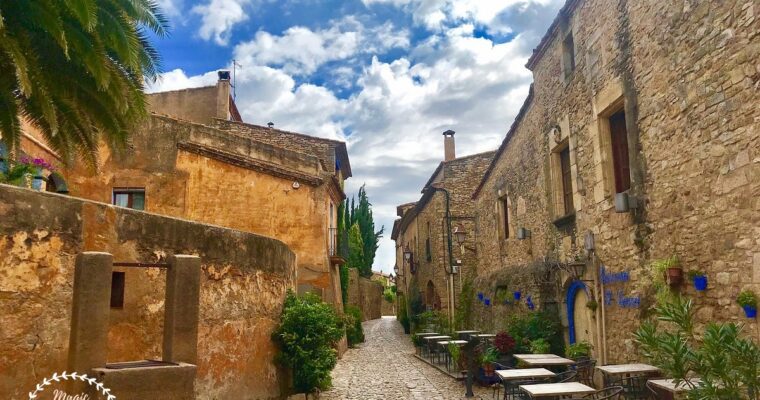
Se trata de uno de los núcleos de arquitectura medieval más destacados y mejor conservados de Cataluña: Peratallada. Su orígen, según diferentes investigaciones, datan posiblemente de la época calcolítica. Con el avance de los estudios arqueológicos, se ha confirmado que la cultura romana se asentó …
Situado sobre los cerros del “Macizo de Begur”, bañados por el mar Mediterráneo, descubrirán rincones llenos de historia, con una localización inmejorable, a 45 minutos de Girona, y a hora y media de Barcelona. El encanto de las calles de su casco viejo de arquitectura …
There are places you visit to admire a work of art.
And there are others where you step directly into a story.
Gala Dalí Castle in Púbol belongs to the second category.
In this small village in the Baix Empordà, Salvador Dalí transformed a medieval castle into one of the most intimate and personal places in his creative universe.
He did not buy it for himself.
He bought it for Gala.
He wanted to give her a place of her own, a refuge and almost a private palace where she could be the true protagonist.
Dalí personally transformed its interiors, designed spaces, worked on ceilings and walls, introduced antiques, textiles, symbols, false architectural elements and surrealist details, and created a garden filled with sculptures.
But Púbol also preserves a much deeper story.
Gala lived here.
She was buried here.
Dalí spent some of his final years here.
He established his last workshop here.
And here there is still a second tomb, prepared for him and connected to Gala’s tomb, which remains empty.
This is precisely what makes Púbol one of the most fascinating places in the Dalinian Triangle.
Where Is Gala Dalí Castle in Púbol?
The castle is located in Púbol, a small village belonging to the municipality of La Pera, in the Baix Empordà region of Girona.
Púbol is a small, peaceful medieval village surrounded by the agricultural and Mediterranean landscapes of the Empordà.
From Barcelona, the distance is approximately 130–140 kilometres by road, depending on your starting point and route.
By car, the journey usually takes approximately 1 hour 30 minutes to 1 hour 45 minutes, depending on traffic.
The usual route from Barcelona follows the AP-7 towards Girona and then continues along the roads leading into the Baix Empordà.
The castle is located within the village itself.
This makes it easy to combine your museum visit with a walk through Púbol before continuing to other destinations in the Empordà.
Púbol: A Small Medieval Village in the Baix Empordà
Before becoming one of the best-known places associated with Salvador Dalí, Púbol already had a long history.
The village is documented from the medieval period, and its castle was the centre of an ancient barony.
The main structure of the castle today is primarily associated with the 14th and 15th centuries, although the site is documented as early as the 11th century.
The complex stands next to the Church of Sant Pere and preserves the character of a small historic village.
Walking through Púbol is very different from visiting a large city.
There is no need to rush.
Its streets are quiet, its houses preserve traditional architectural features, and the countryside of the Empordà begins almost immediately beyond the village.
For this reason, we recommend allowing some time to explore Púbol before or after visiting the castle.
The Castle Before Salvador Dalí
For centuries, Púbol Castle was a noble residence.
Its medieval character, location and atmosphere attracted Dalí when the building was already considerably deteriorated.
In 1969, Salvador Dalí acquired the castle.
But from the beginning, he knew who it was for.
Gala.
The Dalí Foundation describes Púbol as a gift of courtly love from Dalí to Gala, conceived as a private refuge for her.
Why Did Dalí Give Gala a Castle?
To understand Púbol, you need to understand the relationship between Salvador Dalí and Gala.
Gala was much more than the artist’s wife.
She was his muse, companion and one of the most important figures in his life.
Dalí wanted to give her something different from Portlligat.
He wanted her to have a place that was exclusively hers.
He found the perfect setting in Púbol.
A medieval castle.
A mysterious place.
A secluded space.
A building that could be completely transformed without losing its historic character.
Dalí turned the old castle into a kind of private palace for Gala.
The entire project revolves around her.
The Agreement Between Gala and Dalí
There is a fascinating detail that demonstrates just how strongly Púbol was conceived as Gala’s territory.
The couple agreed that Dalí would not visit the castle unless he had first received a written invitation from Gala.
In other words, although he had purchased the building and personally transformed much of it, Púbol symbolically belonged to Gala.
She was the lady of the castle.
This agreement is one of the most fascinating details surrounding their relationship.
Dalí had created a castle for the woman he loved, but once it became Gala’s private residence, even he had to respect its rules.
Dalí Turns Púbol Into a Work of Art
Dalí did not simply restore the castle.
He transformed it into a work of art.
He worked on walls and ceilings, created false architectural elements, incorporated antiques, textiles, Baroque details and symbols associated with Gala.
The result is strange, elegant, theatrical and unmistakably surrealist.
Every room seems to tell a story.
Some areas preserve the medieval architecture, while others are completely transformed by Dalí’s imagination.
Visitors can discover:
paintings and drawings;
sculptures;
antiques;
furniture;
textiles;
surrealist elements;
false architecture;
objects associated with Gala;
haute couture dresses;
private rooms;
sculptural gardens.
This is why we recommend taking your time.
Look upwards.
Look at the walls.
Look closely at the smaller objects.
At Púbol, almost everything has an intention.
The Gardens of Púbol
The garden is another major attraction.
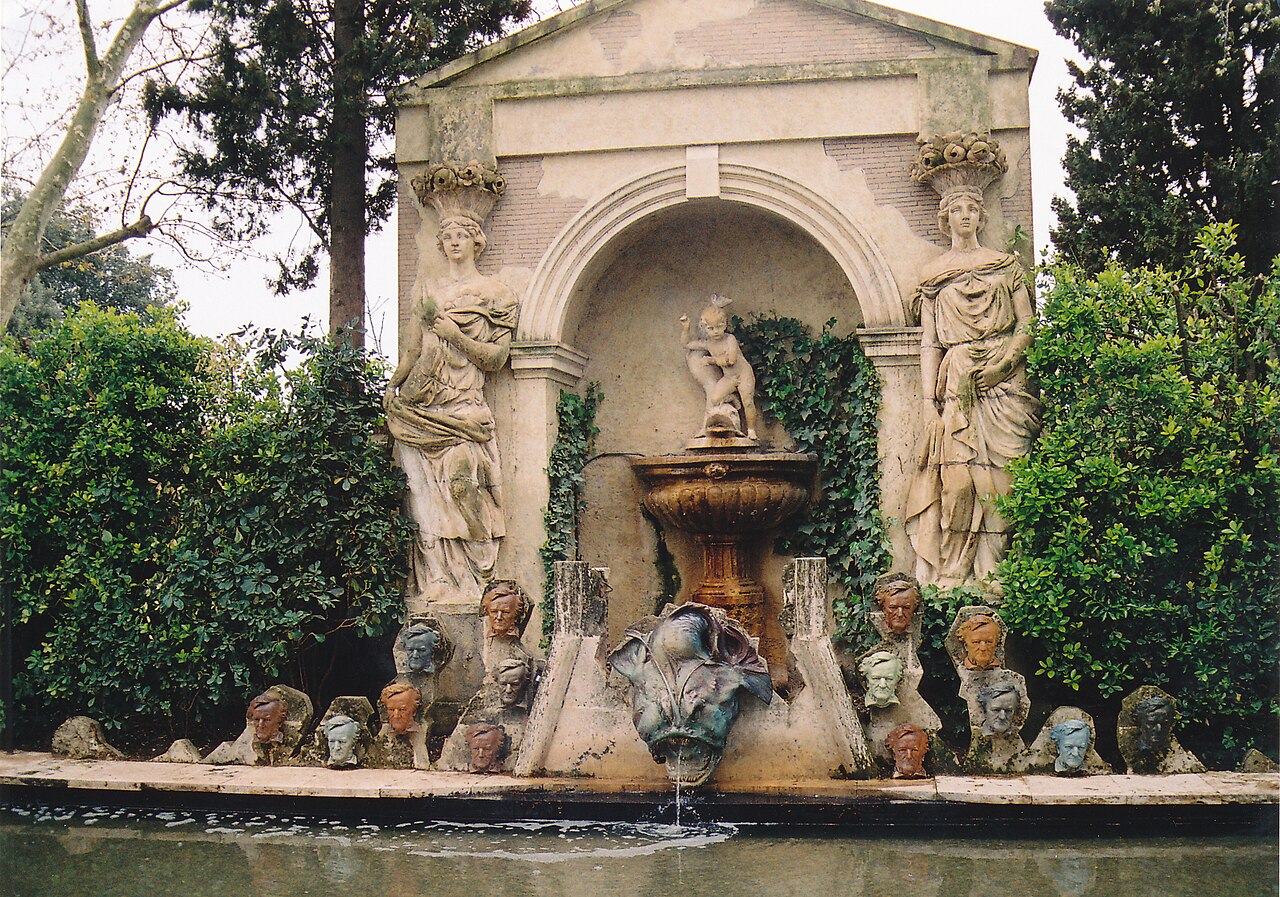
Dalí created a space where nature blends with sculptures and surrealist elements.
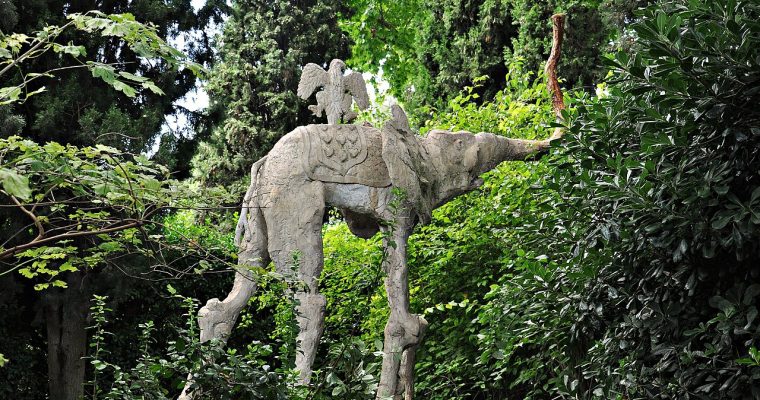
The famous long-legged elephants are among the most recognizable images in the complex.
The combination of vegetation, sculptures, medieval architecture and fantastic elements creates an atmosphere unlike any conventional garden.
It is romantic, theatrical and deeply Dalinian.
The Vegetation Around Púbol
Beyond the castle lies the characteristic landscape of the Baix Empordà.
The surroundings combine agricultural fields, small wooded areas and Mediterranean vegetation.
Depending on the season, you may encounter:
holm oaks;
pine trees;
olive trees;
almond trees;
cypresses;
Mediterranean shrubs;
aromatic plants;
wild vegetation along paths and fields.
Spring is particularly interesting for visitors who enjoy flowers and pollinating insects.
Summer offers a much drier Mediterranean landscape.
Autumn brings different colours and a quieter atmosphere.
Birds and Butterflies Around Púbol
Púbol can also be interesting for visitors who enjoy observing nature.
The surrounding countryside is home to birds typical of agricultural and Mediterranean environments, including sparrows, blackbirds, tits, goldfinches, hoopoes, turtle doves and other species that can be seen flying over the fields.
During spring and summer, butterflies, bees, bumblebees and other pollinators become more noticeable.
This is not a controlled wildlife park or a dedicated birdwatching reserve.
Its charm lies precisely in observing the wildlife that appears naturally while you walk through the village and surrounding countryside.
Gala: The True Protagonist of Púbol
Although today we know it as Gala Dalí Castle, it is important to remember that Púbol was fundamentally conceived for Gala.
She had her own space here.
She kept personal objects and memories here.
She could withdraw from the outside world here.
The history of Púbol repeatedly highlights its character as a personal refuge for Gala.
Dalí created an artistic universe around her.
But Gala also played an active role in the life of Púbol.
She was not simply an observer of Dalí’s work.
The castle became a shared project in many respects, even though Dalí’s artistic vision dominates the visual character of the building.
Gala’s Death
Gala died on 10 June 1982.
She was buried in the crypt of Púbol Castle.
And this is where one of the most important and lesser-known aspects of the story begins.
The crypt had been prepared so that Gala and Dalí could rest together.
There were two tombs.
And the two tombs were connected.
This was not simply two separate burial spaces placed side by side.
The design reflected the idea that Gala and Dalí would remain together after death.
Gala occupies one of them.
The other remains empty.
Dalí’s Empty Tomb
For years, Dalí had expressed his desire to be buried beside Gala in Púbol.
Robert Descharnes, one of his closest collaborators, recalled that Dalí had maintained this wish until shortly before his death and that he wanted to rest in the crypt beside Gala.
The existence of the second tomb prepared for him is a physical reminder of that plan.
And this is why the story of his burial remains controversial.
Why Was Dalí Buried in Figueres?
Shortly before Dalí’s death, another version emerged.
The mayor of Figueres at the time, Marià Lorca, stated that Dalí had told him he wanted to be buried beneath the dome of his Dalí Theatre-Museum in Figueres.
The difficulty is that this supposed final wish was communicated orally and was not accompanied by a signed document that could conclusively establish the circumstances.
Dalí died on 23 January 1989 and was ultimately buried in the Dalí Theatre-Museum in Figueres.
But the story did not end there.
A Decision That Has Never Stopped Being Controversial
The question of where Dalí truly wanted to rest has been debated for decades.
On one side is the version of the mayor of Figueres concerning that alleged final wish.
On the other are testimonies from people close to the artist who remembered that Dalí had wanted to rest beside Gala.
In 2004, Robert Descharnes even led a petition calling for Dalí’s remains to be transferred from Figueres to Púbol, beside Gala.
This demonstrates that the issue was far from settled among people who knew the artist.
Did Dalí Really Want to Be Separated From Gala?
This is the question that many people close to Dalí have asked over the years.
Gala had been his companion, muse and a fundamental figure in his life.
Dalí had purchased Púbol for her.
He had designed the castle around her.
He had prepared the crypt.
And the two tombs were connected.
From this perspective, it is understandable that people close to Dalí found it difficult to believe that his original wish had been to remain separated from Gala.
Among those who have publicly discussed Dalí’s relationship with Gala is Amanda Lear, who knew the artist personally and was part of his close circle for many years.
Her testimony forms part of the personal accounts surrounding Dalí, Gala and their relationship.
It is important, however, to distinguish between personal testimony and documentary proof.
The most accurate way to present the story is therefore that people close to Dalí questioned whether his burial in Figueres truly reflected his final wishes.
The controversy remains part of the history of Púbol.
Two Places, One Story
Today there is an unforgettable image.
Gala is in Púbol.
Dalí is in Figueres.
But in Púbol there is still the tomb that had been prepared for him.
A tomb that remains empty.
That absence has become part of the story of the castle.
Púbol therefore preserves not only Gala’s resting place, but also the physical reminder of a plan in which she and Dalí were supposed to remain together.
Figueres currently preserves the artist’s remains inside the great museum he created.
Two places.
Two chapters.
And a question that continues to fascinate visitors.
Púbol Becomes Dalí’s Final Refuge
After Gala’s death, Dalí increasingly withdrew from public life.
Púbol became even more important.
During the early 1980s, the castle became Salvador Dalí’s final workshop.
This adds another layer to the visit.
You are not only entering the castle Dalí created for Gala.
You are also entering one of the final places where the artist lived and worked.
Gala Dalí Castle as a Museum
The castle opened to the public as a house museum in 1996.
Visitors can explore the rooms associated with Gala and Dalí, the spaces decorated by the artist, the garden, sculptures and the mausoleum.
The interior visit follows a free-flowing, one-way route.
In 2026, the temporary exhibition “Dalí/Horst. Miradas cruzadas” is scheduled to run until 6 January 2027.
Gala Dalí Castle Púbol Opening Hours in 2026
Opening hours vary according to the season.
1–6 January
Tuesday to Sunday: 10:30–17:00
7 January–27 February
Closed
28 February–13 March
Tuesday to Sunday: 10:30–17:00
14 March–30 June
Tuesday to Sunday: 10:30–18:00
1 July–6 September
Every day: 10:00–19:00
7 September–1 November
Tuesday to Sunday: 10:30–18:00
2 November–31 December
Tuesday to Sunday: 10:30–17:00
The last admission is approximately 45 minutes before closing, while the rooms close 15 minutes before the museum itself.
Exceptional opening and closing dates may apply, so we recommend checking the schedule for your specific travel date.
How Much Does It Cost to Visit Púbol Castle?
For 2026, the published general admission is:
€10 online €12 at the ticket office
Reduced admission:
€7 online €9 at the ticket office
During July and August:
€12 online / €14 at the ticket office
Reduced admission:
€8 online / €10 at the ticket office
Different free-admission and discount conditions may also apply.
How Much Time Should You Spend in Púbol?
If you only want to visit the museum, we recommend allowing approximately 1.5 hours.
But if you are travelling from Barcelona, we recommend spending considerably longer.
A well-planned visit could include:
Púbol: approximately 2 hours.
Walk through La Pera and the surrounding area: 30–60 minutes.
Lunch: 1.5–2 hours.
Afterwards, you can continue to another destination in the Empordà or visit another part of the Dalinian Triangle.
Where Should You Eat Near Púbol?
The Baix Empordà is one of Catalonia’s most interesting gastronomic regions.
In Púbol, La Pera and nearby villages, you can find restaurants serving Catalan and Mediterranean cuisine and seasonal local produce.
For a special trip, we recommend booking a quality restaurant in advance and looking for establishments that work with local ingredients, traditional Empordà cuisine and regional wines.
If your visit forms part of a private experience, Magic Dreams Barcelona can adapt the gastronomic stop to your preferences:
traditional Catalan cuisine;
fine dining;
seasonal cuisine;
romantic restaurants;
wineries and wine experiences;
relaxed lunches in medieval villages.
Where Should You Stay?
Staying in the Baix Empordà allows you to experience the area in a completely different way.
There are small hotels, rural houses and charming accommodations around Púbol, La Pera and the surrounding villages.
You can also use the area as a base for discovering places such as Madremanya, Peratallada, Monells and other historic villages.
For a romantic or private getaway, we recommend choosing accommodation with character that allows you to enjoy the landscape while minimizing unnecessary driving.
Púbol and the Dalinian Triangle
The Gala Dalí Castle forms part of the Dalinian Triangle, together with Figueres and Portlligat.
But each place tells a different story.
Púbol
Gala.
Intimacy.
Love.
The castle.
The garden.
The crypt.
Dalí’s final workshop.
Figueres
The great museum.
Dalí’s birthplace.
His public artistic legacy.
The place where his remains are currently buried.
Portlligat
The Mediterranean.
The house.
The landscape.
The place where Dalí and Gala built another important part of their life together.
Visiting all three gives you a much deeper understanding of the relationship between art, life, love and landscape in Dalí’s universe.
A Private Dalinian Triangle Escape from Barcelona
If you are travelling from Barcelona, we do not recommend trying to rush through Púbol, Figueres and Portlligat in a single day unless your schedule is very limited.
It is possible, but the experience is much better when you have time.
The Empordà deserves time.
The villages deserve time.
The museums deserve time.
And the landscape deserves time too.
A private itinerary can be designed according to the amount of time you have available.
Barcelona → Púbol → medieval villages → accommodation in the Empordà → Figueres → Cadaqués → Portlligat → Barcelona.
The third option is our favourite if you want to truly enjoy the region.
Magic Dreams Barcelona: Your Private Dalinian Escape Without the Stress
If you would like to discover the Dalinian Triangle but do not want to worry about driving, parking, timetables, reservations or connections between villages, Magic Dreams Barcelona can design a fully private and personalized experience for you.
Our goal is simple: you only have to enjoy the journey.
We can organize a private escape from Barcelona according to your pace, interests and available time.
We can include
Private pick-up in Barcelona
We can collect you from your accommodation or an agreed meeting point.
Private vehicle
No trains, buses or complicated connections.
Gala Dalí Castle in Púbol
A visit focused on Gala and Dalí’s story, the castle, decoration, gardens and crypt.
Figueres
A visit to the Dalí Theatre-Museum.
Cadaqués
Time to enjoy one of Catalonia’s most beautiful coastal villages.
Portlligat
Dalí and Gala’s Mediterranean home and artistic universe.
Medieval villages
We can add places such as Peratallada, Monells or Madremanya.
Gastronomy
We can select restaurants according to your preferences and budget.
Wine
We can also include a winery or wine experience.
Accommodation
If you would like to turn your visit into a two-day escape, we can help organize the accommodation.
The Púbol You Will Not Discover on a Rushed Visit
There is something we would like to emphasize at Magic Dreams Barcelona.
Púbol should not be visited simply as “Dalí’s castle.”
Because that would mean missing its most important story.
This is Gala’s story.
This is the place Dalí created for her.
These are her rooms.
This is the garden he designed.
This is her crypt.
And here there is a second tomb, connected to Gala’s, which had been prepared for Dalí and remains empty.
Then comes the controversy.
The version that Dalí asked to be buried in Figueres.
The testimonies of people close to him who remembered a different wish.
The later efforts of those who believed he should rest beside Gala.
And the undeniable fact that his remains ultimately ended up in Figueres.
That is why Púbol is not simply a museum.
It is also a story that continues to raise questions.
Púbol: Love, Art and Mystery in the Empordà
The Gala Dalí Castle in Púbol is one of the most fascinating places you can visit from Barcelona.
A medieval castle.
A love story.
A woman who received a castle as a gift.
An artist who transformed it into a work of art.
An agreement requiring him to receive a written invitation before visiting.
A surrealist garden.
A crypt.
Two connected tombs.
One occupied.
The other empty.
And a controversy that remains unresolved.
All of this is found in a small village in the Baix Empordà, surrounded by nature, fields, medieval villages and one of Catalonia’s great gastronomic traditions.
That is precisely the magic of Púbol.
You are not simply coming to see where Gala lived.
You are discovering a part of Salvador Dalí’s story that cannot be fully understood inside a museum.
And if you would like to discover it from Barcelona without stress, without rushing and with a private itinerary designed around you, Magic Dreams Barcelona can turn the Dalinian Triangle into a truly special experience.
Barcelona → Púbol → Figueres → Portlligat → Cadaqués
Art.
History.
Love.
Landscape.
Gastronomy.
And the universe of Dalí.
Magic Dreams Barcelona — private experiences from Barcelona for discovering Catalonia in a different way.
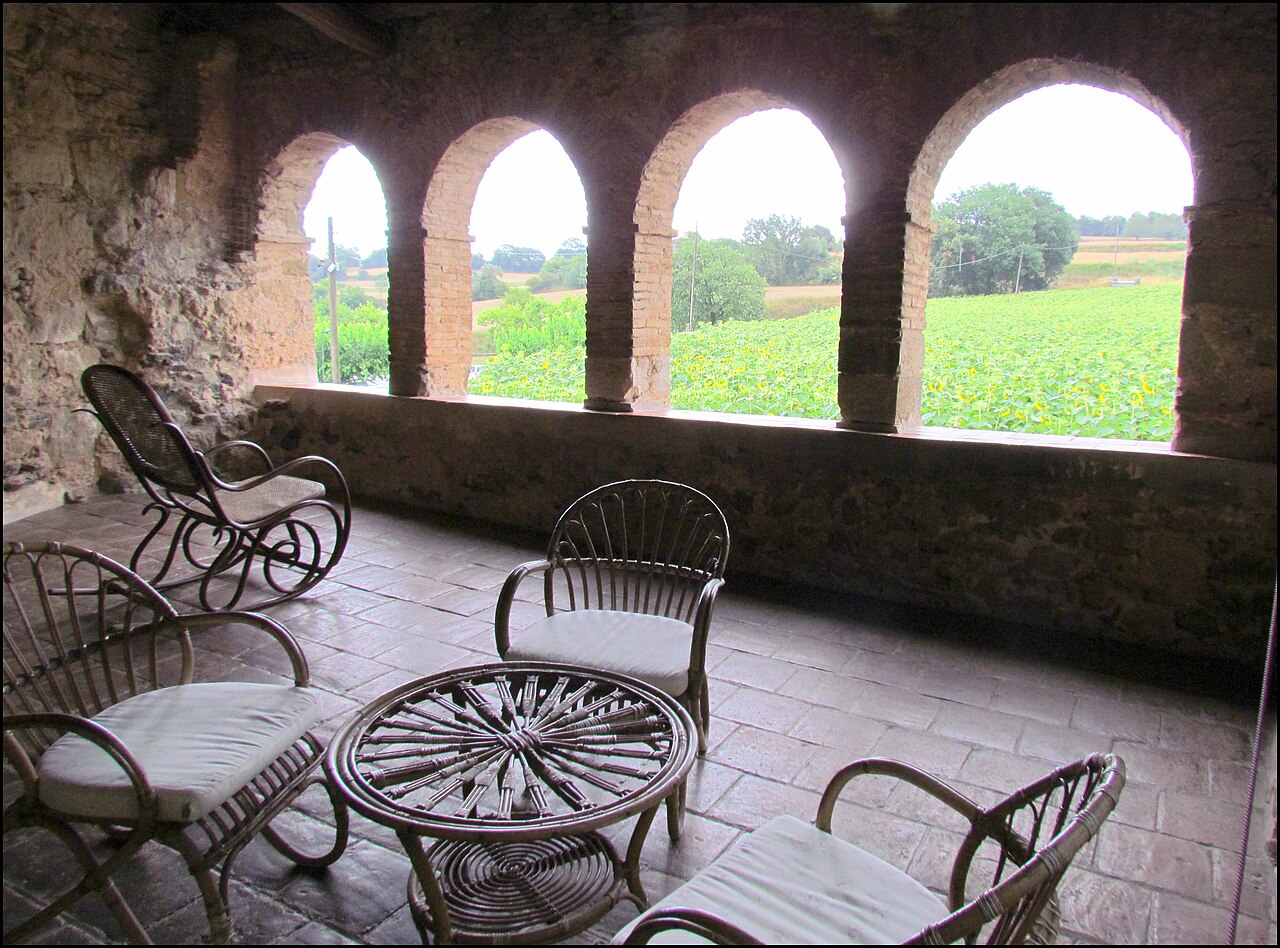
Terraza del Castillo de Púbol – By Daniel CULSAN – Own work, CC BY-SA 4.0, https://commons.wikimedia.org/w/index.php?curid=36768117.
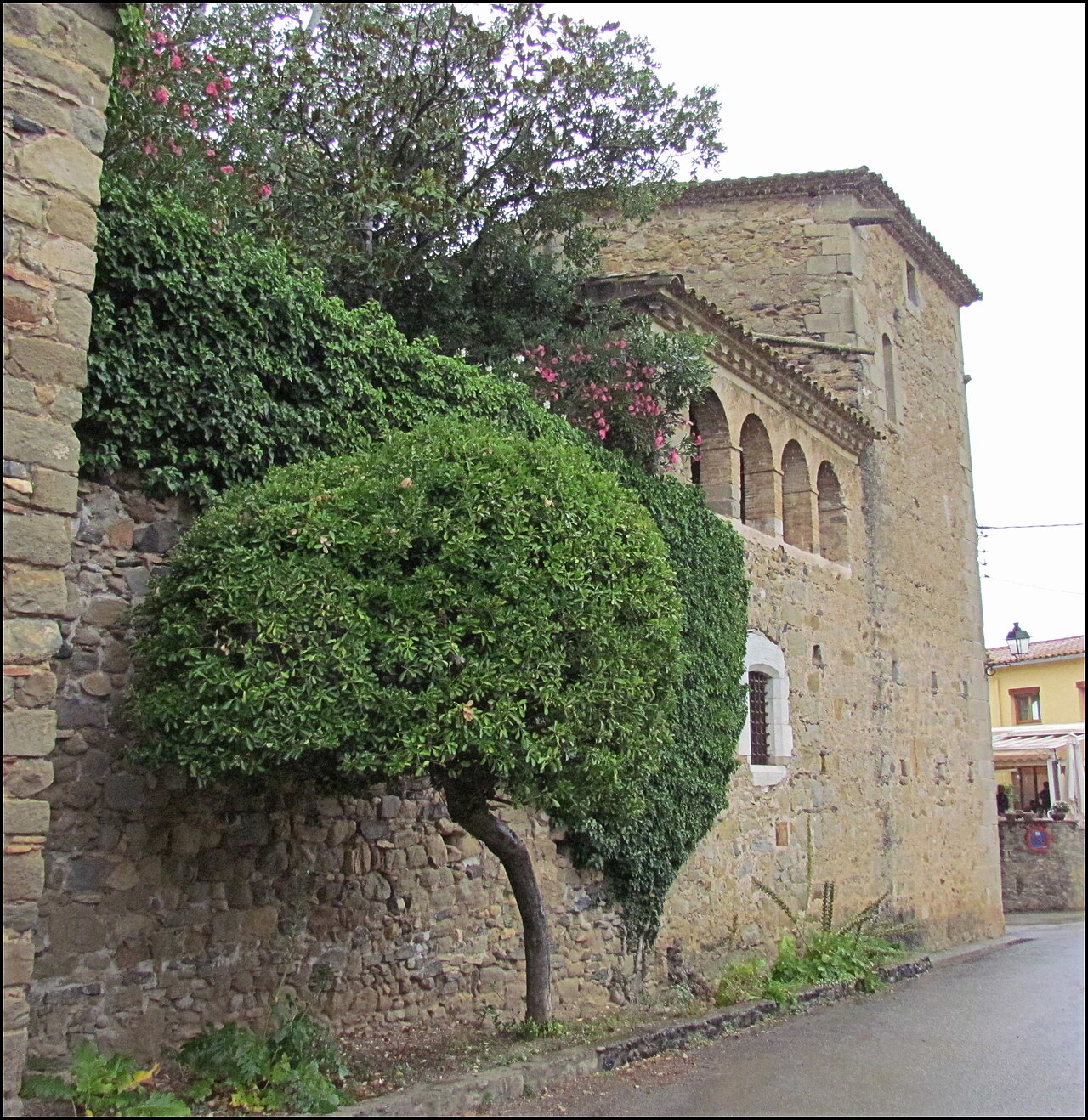
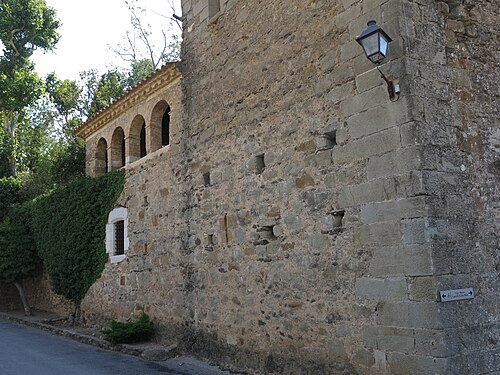
Perspectiva exterior de la Casa Museo de Púbol – By Daniel CULSAN – Own work, CC BY-SA 4.0, https://commons.wikimedia.org/w/index.php?curid=36766319.
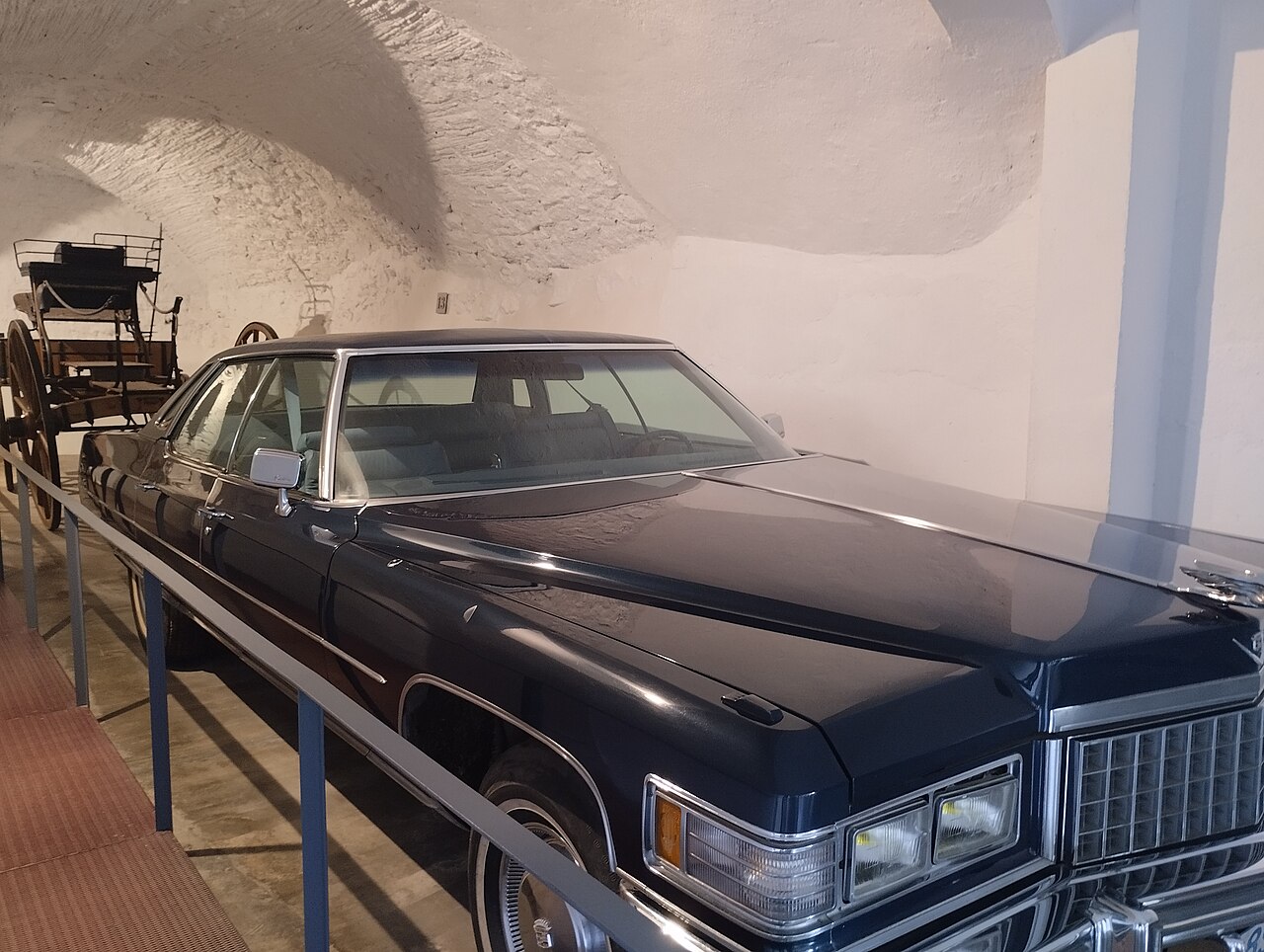
Cadillac de Gala y Dalí – By Anitxu – Own work, CC BY-SA 4.0, https://commons.wikimedia.org/w/index.php?curid=154294951.
Obra de Dalí representando a Gala – By Anitxu – Own work, CC BY-SA 4.0, https://commons.wikimedia.org/w/index.php?curid=154293999.
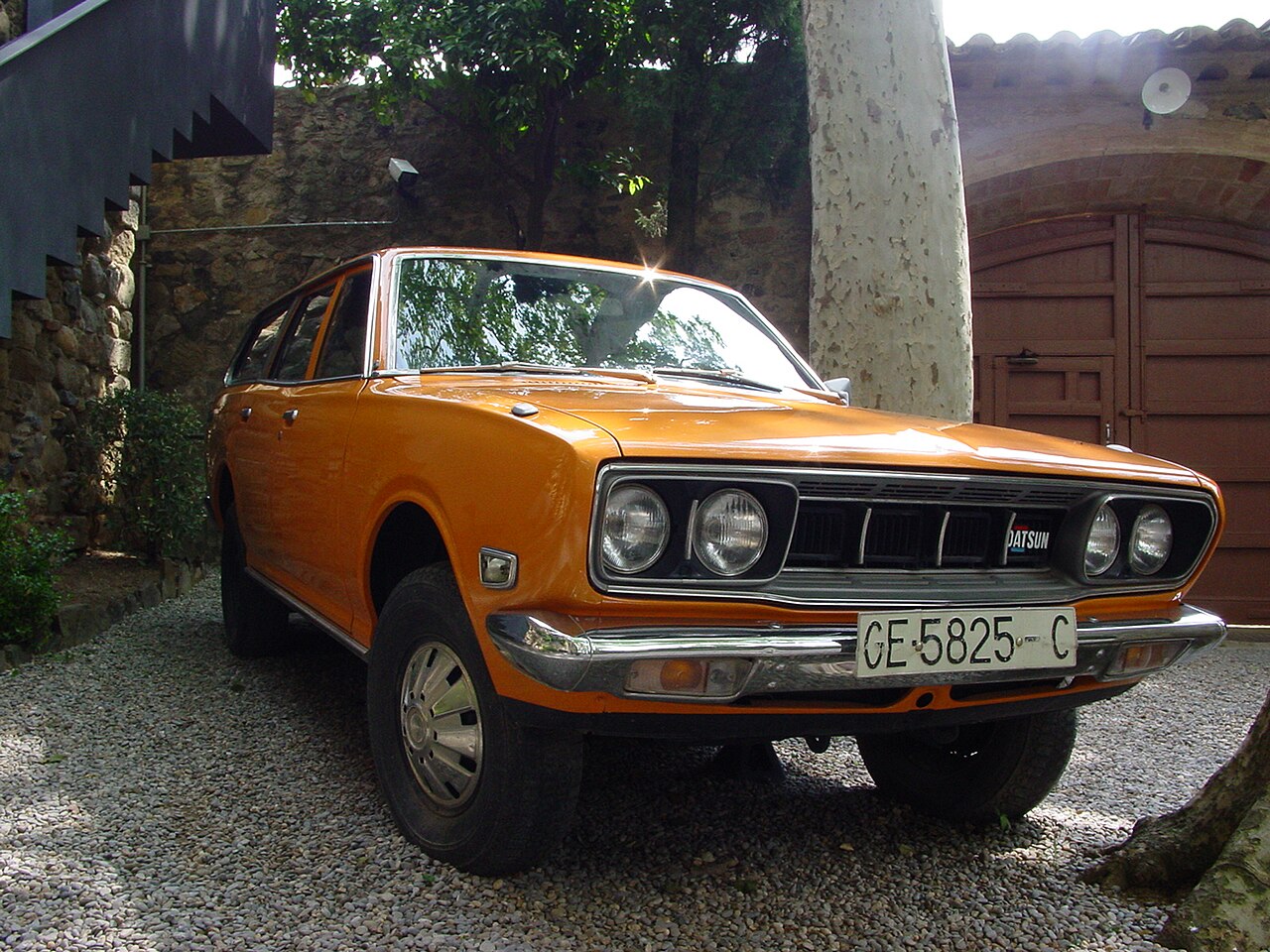
Datsun de Dalí – By Kippelboy – Own work, CC BY-SA 4.0, https://commons.wikimedia.org/w/index.php?curid=34890806.
El jardín del Castillo de Púbol – By Gordito1869 – Own work, CC BY 3.0, https://commons.wikimedia.org/w/index.php?curid=9458854.
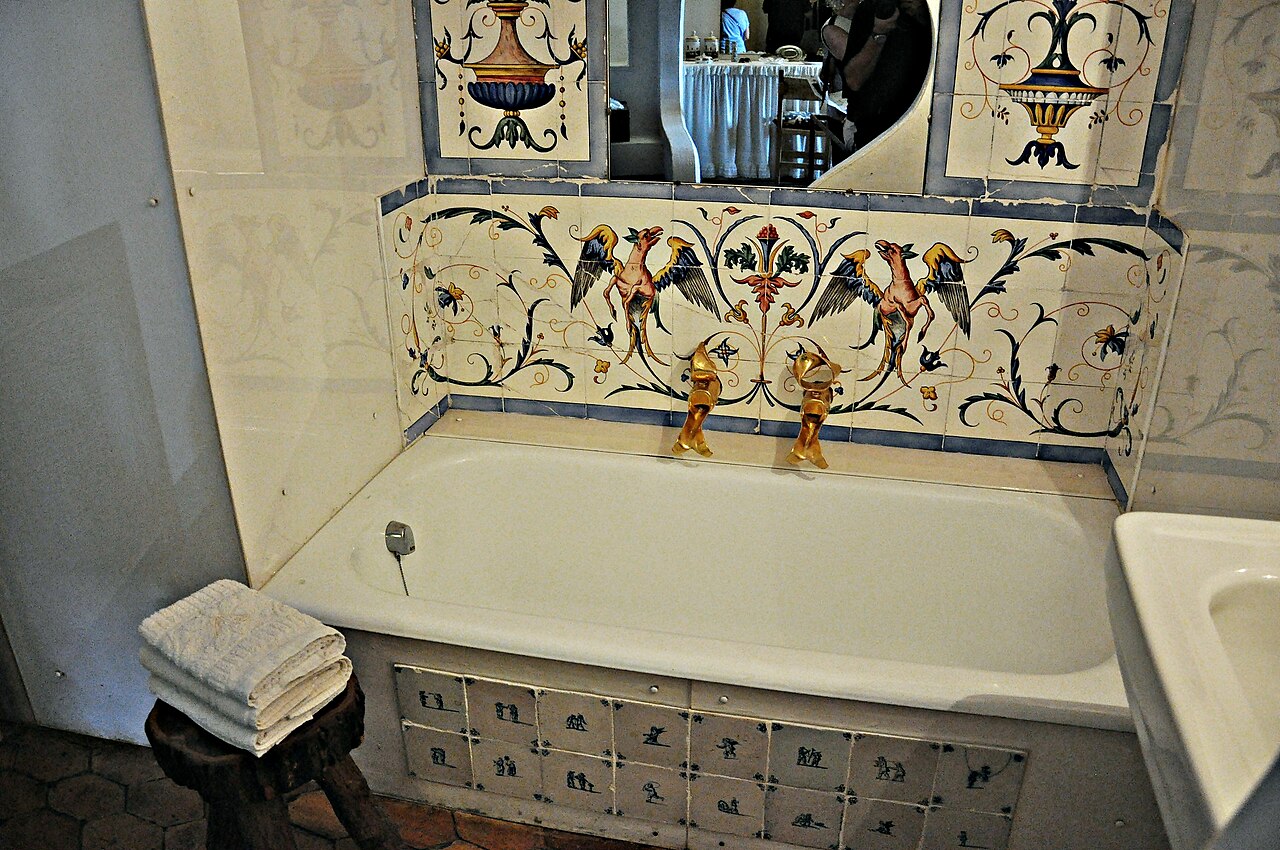
Baño de Gala – By Daniel CULSAN – Own work, CC BY-SA 4.0, https://commons.wikimedia.org/w/index.php?curid=36706402.
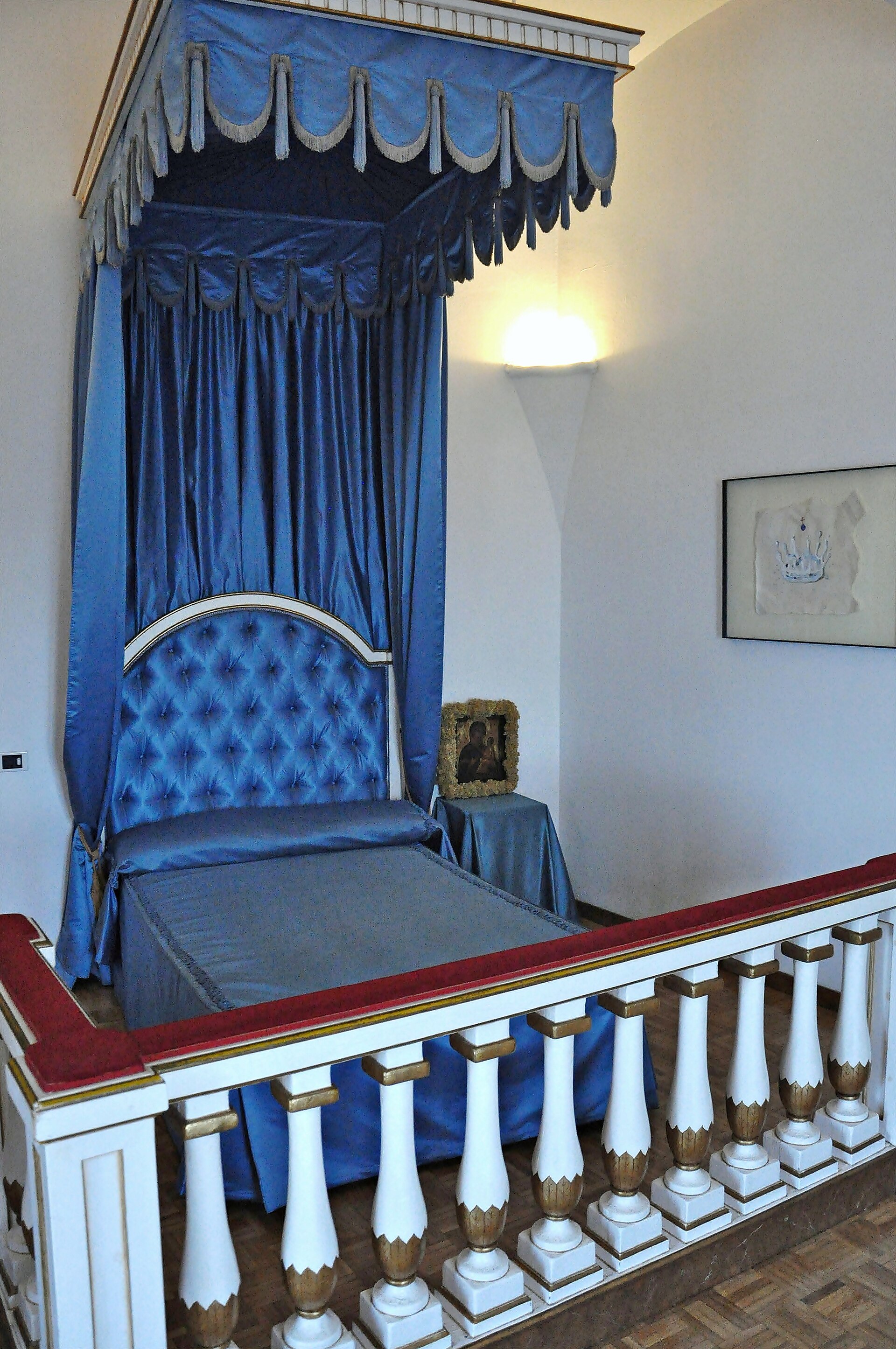
Cama de Gala – By Alberto-g-rovi – Own work, CC BY-SA 3.0, https://commons.wikimedia.org/w/index.php?curid=27866351.
Castell de Púbol i església del castell (la Pera) – By Enric – Own work, CC BY-SA 4.0, https://commons.wikimedia.org/w/index.php?curid=62082504.
Castell de Púbol i església del castell (la Pera) – By Enric – Own work, CC BY-SA 4.0, https://commons.wikimedia.org/w/index.php?curid=62082573.
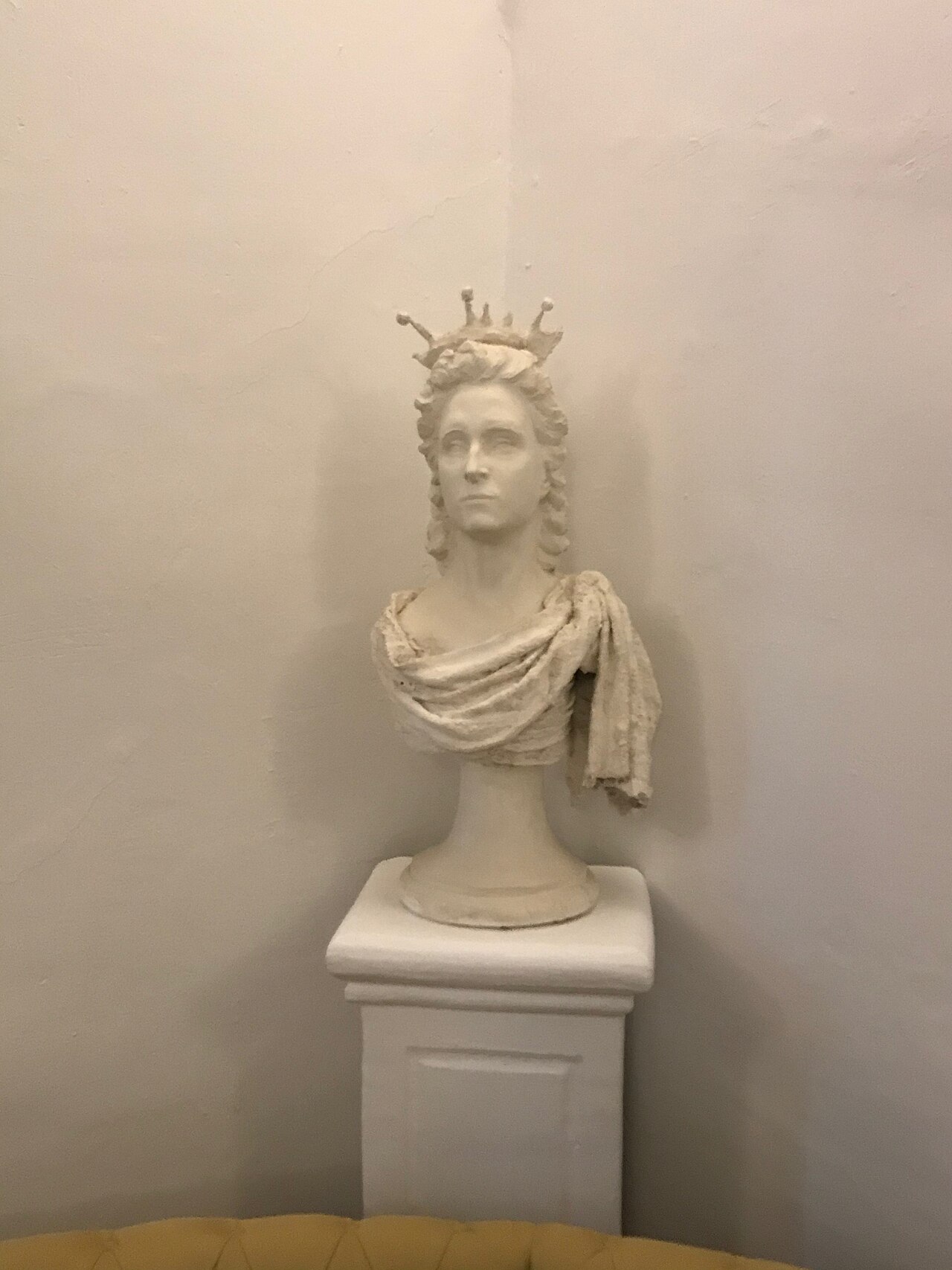
Estatua de Gala – Davidpar, CC BY-SA 4.0 , via Wikimedia Commons.
Castell de Púbol – By Enric – Own work, CC BY-SA 4.0, https://commons.wikimedia.org/w/index.php?curid=62067544.
Castell de Púbol i iglesia del castell (la Pera) – By Enric – Own work, CC BY-SA 4.0, https://commons.wikimedia.org/w/index.php?curid=62082494.
Comedor, cabeza de León – Enric, CC BY-SA 4.0 , via Wikimedia Commons.
Santiago en el comedor – Enric, CC BY-SA 4.0 , via Wikimedia Commons.
Comedor del Castillo de Púbol – Enric, CC BY-SA 4.0 , via Wikimedia Commons.
Exposición de vestidos de Gala de Gala – Enric, CC BY-SA 4.0 , via Wikimedia Commons.
Salón del piano – By Enric – Own work, CC BY-SA 4.0, https://commons.wikimedia.org/w/index.php?curid=62082521.
Salón de los escudos, leona a los pies del trono de Gala – Enric, CC BY-SA 4.0 , via Wikimedia Commons.
Salón de los escudos, trono de Gala – By Enric – Own work, CC BY-SA 4.0, https://commons.wikimedia.org/w/index.php?curid=62082571.
Salón de los escudos, trompe-l’oeil del techo – By Enric – Own work, CC BY-SA 4.0, https://commons.wikimedia.org/w/index.php?curid=62082570.
Salón de los escudos – By Enric – Own work, CC BY-SA 4.0, https://commons.wikimedia.org/w/index.php?curid=62082573.
Gárgola del Patio – Enric, CC BY-SA 4.0 , via Wikimedia Commons.
Escalera del Patio – Castillo de Púbol – By Enric – Own work, CC BY-SA 4.0, https://commons.wikimedia.org/w/index.php?curid=62082575.
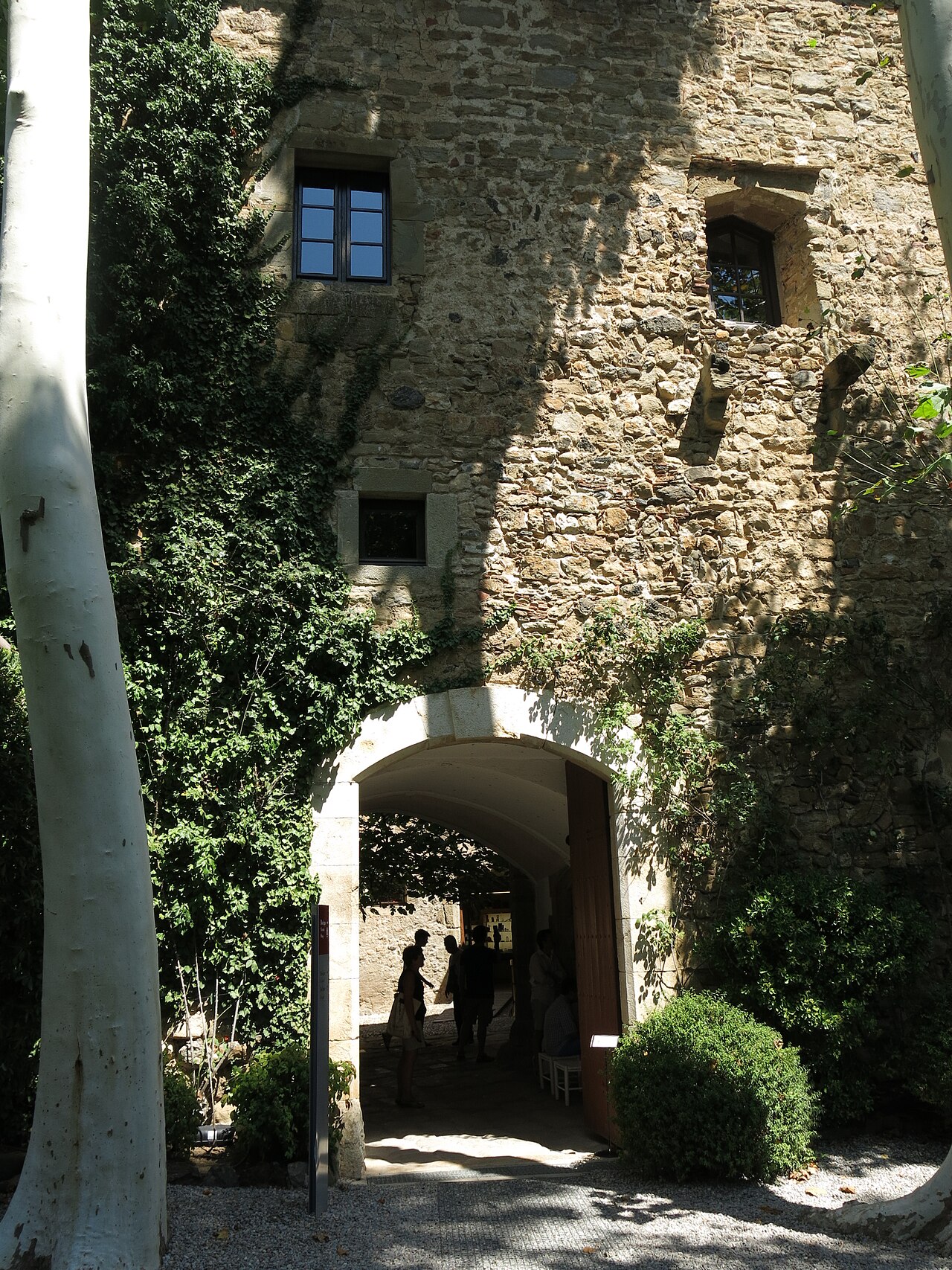
Entrada Castillo de Púbol – By Enric – Own work, CC BY-SA 4.0, https://commons.wikimedia.org/w/index.php?curid=62082576.
Estanque del jardín – By Enric – Own work, CC BY-SA 4.0, https://commons.wikimedia.org/w/index.php?curid=62082579.
Elefante gigante del jardín (uno de ellos) – By Enric – Own work, CC BY-SA 4.0, https://commons.wikimedia.org/w/index.php?curid=62082588.
Cripta o sala del Delme, con la tumba de Gala y la Salvador Dalí vacía – Enric, CC BY-SA 4.0 , via Wikimedia Commons.
Hay lugares que se visitan para contemplar una obra de arte. Y hay otros en los que se entra directamente en una historia de amor. El Castillo de Púbol pertenece a esta segunda categoría. En este pequeño núcleo del Baix Empordà, Salvador Dalí convirtió un …
Situado en el corazón del Baix Empordà, en la provincia de Girona, Pals es un destino que combina historia, naturaleza y cultura en plena Costa Brava. Limita con los municipios de Torroella de Montgrí, Regencós y Begur, y alberga poco más de dos mil habitantes …