Route guide for visitors throughout Catalonia – Barcelona – Costa Brava – Catalan Pyrenees – Personalized experiences – Customized tour guide services – A small tribute to the wonderful city and land that saw us born – Transforming experiences into unforgettable memories - Magic Dreams Collection: exclusive universes inspired by Salvador Dalí and Gaudí. Niche perfumes, jewelry, lithographs, and collectible items celebrating the Mediterranean spirit.
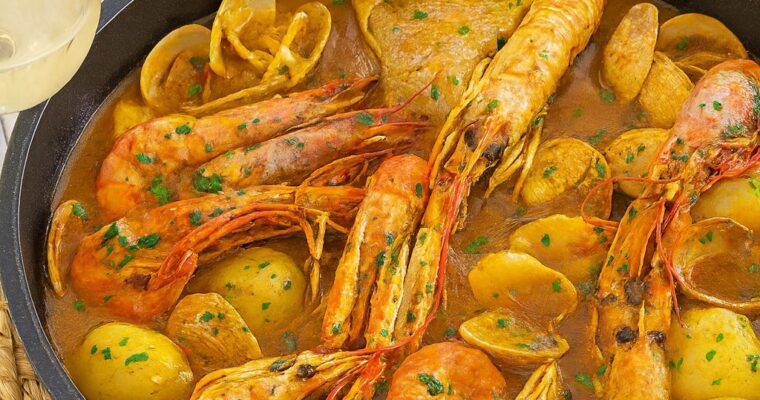
Suquet de Peix is one of the great classics of Catalan coastal cuisine. A humble fishermen’s stew in origin, it has become one of the most representative dishes of the Mediterranean gastronomic tradition. Traditionally prepared with the fish available that day, Suquet combines fish, potatoes, …
Three simple ingredients carrying centuries of Catalan tradition Mel i Mató is one of the simplest desserts in Catalan cuisine and, at the same time, one of the recipes that most clearly represents the region’s culinary identity. Its essence lies in a humble combination: fresh …
Calçots with Romesco sauce are much more than a recipe: they represent one of the great gastronomic rituals of Catalonia.
Closely associated with Valls and the Camp de Tarragona, calçots are a variety of tender green onion traditionally enjoyed during the Calçotada, a popular celebration that brings family and friends together around fire, embers and the table.
Their preparation is simple, but it requires respecting a very specific technique.
The calçots are placed directly over the hot embers and grilled until their outer layer becomes completely blackened and charred. This first layer protects the inside and allows the heart of the calçot to cook slowly, developing a tender, juicy and slightly sweet texture.
Then comes one of the most characteristic moments of Catalan tradition: the charred outer layer is removed, the calçot is lifted by hand and the tender white part is dipped directly into the Romesco sauce.
Romesco sauce, originally from the province of Tarragona, is the perfect accompaniment. Made with roasted tomatoes, ñora peppers, almonds, hazelnuts, garlic, olive oil and vinegar, it combines toasted, sweet and slightly acidic notes with a delicate touch of spice.
The result is an extraordinary balance between the sweetness of the calçot and the intensity of the nuts, tomato and dried pepper.
The greatness of this tradition lies precisely in its simplicity.
Fire, ingredients, sauce and company.
A deeply Mediterranean Catalan cuisine that transforms a humble ingredient into a truly memorable gastronomic experience.
Ingredients
Serves 4
For the calçots
40–48 fresh calçots, approximately 10–12 per person.
Salt, optional.
Romesco sauce, for serving.
For the Romesco Sauce
150 g toasted almonds.
100 g toasted hazelnuts.
2–3 ripe tomatoes.
2–3 ñora peppers.
1–2 garlic cloves.
1 small chili pepper or bitxo, to taste.
150 ml extra-virgin olive oil.
1 tablespoon wine vinegar.
Salt, to taste.
Optional: a small slice of toasted bread can be added to the Romesco to give it more body and a more traditional texture.
Preparing the Romesco Sauce
01 · Prepare the ñora peppers
The aromatic depth of dried pepper
Place the ñora peppers in a bowl of hot water and leave them to soak for approximately 20–30 minutes.
Once softened, carefully remove the stems and seeds.
Using a spoon, scrape out the flesh of the ñoras and set it aside.
The ñora flesh provides a deep, slightly sweet flavor that is characteristic of Romesco sauce.
02 · Roast the tomatoes and garlic
The flavor of fire
Place the tomatoes and garlic cloves on a baking tray.
Roast them in an oven at approximately 200°C / 390°F until the tomatoes are completely tender and their skins have developed lightly charred areas.
They can also be roasted directly over embers for an even more pronounced smoky character.
Remove the tomato skins and reserve the flesh.
Peel the roasted garlic.
The objective is to create concentrated, lightly toasted flavors without burning the inside of the ingredients.
03 · Grind the nuts
The characteristic texture of Romesco
Place the toasted almonds and hazelnuts in a mortar or food processor.
Grind until finely crushed but still slightly textured.
There is no need to turn the nuts into a completely uniform flour.
A little texture gives the sauce personality and preserves its traditional character.
04 · Add the tomato and ñora
The heart of the sauce
Add the roasted tomato flesh, roasted garlic and ñora pulp to the mortar or food processor.
Add the chili pepper or bitxo.
Blend until all the ingredients are well combined.
Adjust the amount of chili according to the desired level of heat.
Romesco should have character, but the spice should not overpower the toasted and sweet flavors of the nuts and tomatoes.
05 · Emulsify with olive oil and vinegar
The Mediterranean balance
Gradually add the extra-virgin olive oil while blending or stirring continuously.
Then add the vinegar little by little.
The sauce should become creamy, glossy and slightly thick.
Taste and adjust the salt.
If the sauce is too thick, add a few drops of water to reach the desired consistency.
If it is too thin, add a small amount of additional ground nuts.
Set aside at room temperature until ready to serve.
Preparing the Calçots
06 · Prepare the calçots
A simple ingredient, a precise technique
Do not wash the calçots excessively before grilling them.
Trim the roots and remove only the outer layers that are particularly damaged or dirty.
Keep most of the outer structure intact, as this is the layer that will protect the inside during cooking over the embers.
Arrange them and have them ready beside the grill.
07 · Grill directly over the embers
Fire as an ingredient
Prepare a grill with hot, glowing embers.
Place the calçots directly over the embers without adding oil.
Grill them for approximately 10–15 minutes, depending on their size and the intensity of the heat.
Turn them as necessary so they cook evenly.
The outer layer should become completely black, charred and apparently burnt.
Do not worry about their appearance.
This blackened layer acts as a protective shell, allowing the inside to cook slowly in its own steam.
08 · Rest the calçots
The heat continues to work
Once grilled, remove the calçots from the embers.
Gather them together and, if desired, wrap them for a few minutes in newspaper or heat-resistant kitchen paper.
This short resting period allows the residual heat to finish softening the interior.
The white part should be tender, juicy and slightly sweet.
The Calçotada Ritual
09 · Clean the calçots
The traditional way to eat them
Hold the calçot by its green leaves.
With your other hand, gently pull away the charred outer layer.
The tender, white and juicy heart should be revealed.
There is no need for a perfectly clean presentation.
Part of the charm of the Calçotada is precisely the informal experience of eating with your hands and sharing the moment around the table.
10 · The meeting with Romesco
The moment everyone waits for
Hold the calçot by its green leaves and generously dip the white part into the Romesco sauce.
The sauce should cover a good portion of the calçot without completely hiding its texture.
Lift the calçot and bring it directly to your mouth.
The contrast is immediate:
sweet and juicy calçot, creamy sauce, toasted nuts, tomato, ñora and a delicate touch of spice.
Gourmet Suggestions
Magic Dreams Barcelona
To elevate this tradition without losing its essence:
Use fresh calçots of a similar size for even cooking.
Prepare the Romesco with freshly toasted almonds and hazelnuts to maximize their aroma.
Roast the tomatoes and garlic slowly to develop greater depth of flavor.
Gradually incorporate the extra-virgin olive oil to control the consistency of the sauce.
Use a combination of almonds and hazelnuts to achieve a more complex balance of sweetness, richness and toasted notes.
Adjust the vinegar carefully. It should provide freshness without dominating the sauce.
For a more intense version, roast the tomatoes directly over the embers alongside the calçots.
Romesco can be prepared several hours in advance, allowing the flavors to blend.
Serve the sauce at room temperature so that its aromas can fully develop.
The secret to great calçots
The secret is not only the ingredient.
It is the fire.
The calçots must be cooked directly over the embers until their outer layer is completely charred.
This blackened layer may appear excessively burnt, but it is precisely what protects the inside and allows the calçot to retain its moisture.
The cooking must be intense enough to develop the aromas of the fire without destroying the heart of the vegetable.
The perfect interior should be:
tender, juicy, sweet and lightly smoky.
The Secret to Great Romesco
A good Romesco sauce should maintain a balance between five essential elements:
tomato, ñora, nuts, olive oil and acidity.
The nuts provide body and richness.
The tomato contributes sweetness and freshness.
The ñora adds depth.
The olive oil brings all the flavors together.
And the vinegar provides the acidity needed to prevent the sauce from becoming too heavy.
The heat should be used with moderation.
The perfect sauce is not necessarily the hottest one, but the one in which every ingredient can still be recognized.
Gourmet Presentation
For a gastronomic presentation, we can preserve the spirit of the traditional Calçotada by using a handmade ceramic platter or a rustic-style serving dish.
Arrange the grilled calçots in a small group and serve the Romesco separately in a bowl.
For a contemporary presentation, carefully clean some of the calçots and arrange them parallel on a plate.
Add small brushstrokes or dots of Romesco sauce around them.
Finish with a few drops of extra-virgin olive oil, lightly crushed toasted hazelnuts and small Mediterranean herb leaves.
We can also leave one calçot partially cleaned to visually represent the transformation created by the fire.
The presentation should always maintain a connection with its origins:
a rural Catalan recipe transformed into an elegant gastronomic experience without losing its popular soul.
Service
Calçots should be served freshly grilled and still hot.
Traditionally, they are wrapped in paper to retain their heat and moisture.
Romesco should be served separately, preferably at room temperature.
During a traditional Calçotada, diners clean the calçots with their hands and eat them directly.
For a gastronomic service, the calçots can be presented already cleaned and accompanied by small portions of Romesco.
In both cases, the goal is the same:
to enjoy the contrast between the sweet, smoky vegetable and the intense sauce made with nuts and tomato.
Pairing
Calçots with Romesco pair particularly well with a fresh Catalan 0.0% alcohol-free white wine with good acidity.
A Mediterranean-style white wine helps cleanse the palate after the richness of the nuts and olive oil.
They can also be served with an artisanal 0.0% alcohol-free vermouth, particularly when enjoyed as an aperitif.
For a completely refreshing option, very cold sparkling water with a few drops of lemon works beautifully.
Make-Ahead Preparation
The Romesco sauce can be prepared several hours in advance or even the day before.
In fact, resting allows the flavors of the ñora, tomato, garlic and nuts to blend together more harmoniously.
Before serving, stir the sauce and adjust its consistency with a few drops of water or extra-virgin olive oil.
The calçots, however, should be grilled as close to serving time as possible.
The gastronomic experience depends greatly on enjoying them hot, tender and freshly removed from the embers.
Storage
Romesco sauce: can be stored in an airtight container in the refrigerator for approximately 3–4 days.
Before serving, allow it to sit at room temperature for a few minutes and stir well.
Grilled calçots: are best eaten immediately. If necessary, they can be refrigerated for approximately 1–2 days, although they will lose some of their texture and smoky aroma.
We do not recommend freezing already grilled calçots.
Romesco sauce, however, can be frozen, although its texture may change slightly after thawing.
One of the great classics of traditional Catalan cuisine Butifarra amb mongetes, also known as butifarra amb seques, is one of the simplest, most recognizable and most beloved dishes in Catalan gastronomy. Its origins are deeply connected to Catalan rural cuisine, where nutritious, affordable and …
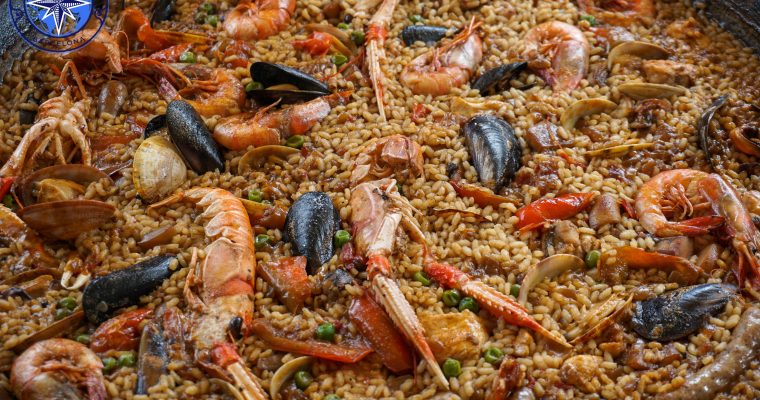
The Mediterranean meeting of sea and land The Paella Mar i Muntanya is one of the most fascinating expressions of Catalan cuisine. Its name literally means “Sea and Mountain”, referring to the combination of ingredients from the Mediterranean coast with products traditionally associated with the …
A historic Catalan stew of tender beef, sofrito and silky sauce
Cap i Pota is one of the most authentic dishes of traditional Catalan cuisine. Its name literally means “head and foot”, referring to the traditional use of beef head and feet, slowly cooked until wonderfully tender and rich in natural gelatin.
Originally a humble dish of Catalan peasant and working-class cuisine, it was based on the principle of using every part of the animal. Over time, this simple preparation became a much-loved classic found in traditional homes, markets and restaurants throughout Catalonia.
Its distinctive character comes from the combination of slow cooking, caramelised onion, tomato sofrito, garlic, paprika and the traditional Catalan picada of almonds, bread, garlic and parsley.
The result is a deeply savoury, comforting dish with a silky, glossy and intensely flavoured sauce.
Traditional Cap i Pota Recipe
Serves 4
Ingredients
For the stew
800 g cooked beef cap i pota, cut into pieces.
1 large onion, finely chopped.
2 garlic cloves, finely chopped.
2 ripe tomatoes, grated.
1 small green pepper, optional.
100 ml white wine or Catalan rancio wine.
400 ml beef stock.
1 teaspoon sweet paprika.
1 bay leaf.
Extra virgin olive oil.
Salt.
Freshly ground black pepper.
For the picada
10 toasted almonds.
1 garlic clove.
Fresh parsley.
1 small slice of toasted or fried bread.
Optional
200 g cooked chickpeas.
1 small chilli, for a gentle spicy touch.
Potatoes, cut into small pieces.
Preparation
01 · Prepare the Cap i Pota
If using pre-cooked cap i pota, rinse it gently and drain well.
Cut the meat into evenly sized pieces, keeping as much of the natural gelatin as possible.
This gelatin is essential for creating the characteristic thick, glossy and silky sauce.
02 · Prepare the Catalan Sofrito
Heat a generous splash of extra virgin olive oil in a large casserole.
Add the finely chopped onion and cook over low heat for approximately 15–20 minutes, until very soft and lightly caramelised.
Add the chopped garlic and, if desired, the green pepper.
Cook for a few more minutes.
Add the grated tomatoes and continue cooking slowly until the mixture becomes a rich and concentrated sofrito.
This is one of the most important stages of the recipe. Slow cooking develops the depth and sweetness of the sauce.
03 · Add the Paprika and Wine
Add the sweet paprika and stir quickly so that it does not burn.
Immediately pour in the white wine or rancio wine.
Increase the heat slightly and allow the alcohol to evaporate for several minutes.
The sofrito will become darker, richer and increasingly aromatic.
04 · Cook the Cap i Pota
Return the pieces of cap i pota to the casserole.
Add the beef stock and bay leaf.
Stir gently and cook over low heat for 25–30 minutes.
As the stew cooks, the natural gelatin from the meat will combine with the sofrito and stock, creating a rich and silky sauce.
Avoid stirring aggressively with a spoon, as the pieces can easily break apart.
Instead, gently shake the casserole from time to time.
05 · Prepare the Picada
While the stew is cooking, place the toasted almonds, garlic, parsley and toasted bread in a mortar.
Crush until you obtain a fine, aromatic paste.
The Catalan picada adds body, texture and an additional layer of flavour to the stew.
Add a little of the hot cooking liquid to the mortar, mix well and pour the picada into the casserole.
06 · Finish the Stew
Cook for another 10 minutes over very low heat.
If using chickpeas, add them during this final stage.
Taste and adjust the salt and black pepper.
The finished sauce should be thick, glossy and beautifully silky, coating the pieces of cap i pota.
Turn off the heat and allow the stew to rest for approximately 5–10 minutes before serving.
The Secret to a Great Cap i Pota
The secret is not in using a large number of ingredients.
It is in time, patience and gentle cooking.
The sofrito should be cooked slowly, while the cap i pota needs enough time to release its natural gelatin and combine with the sauce.
The perfect result should have:
Tender meat, a silky sauce and deep, savoury Catalan flavours.
Like many traditional Catalan stews, Cap i Pota can taste even better the following day.
Preparing it in advance allows the flavours to develop and the sauce to become even richer.
Gourmet Presentation
For a traditional presentation, serve the Cap i Pota in a small earthenware casserole, accompanied by rustic country bread.
For a more contemporary presentation, arrange the pieces carefully in the centre of a warm plate and spoon the glossy sauce around them.
Finish with:
A few drops of extra virgin olive oil.
Fresh parsley.
Lightly crushed toasted almonds.
A small piece of crispy bread.
The idea is to preserve the soul of this humble Catalan dish while presenting it with a more refined gastronomic style.
Traditional Serving
Cap i Pota should be served hot, with plenty of sauce.
A good piece of rustic bread is practically essential for soaking up the rich cooking juices.
For an authentic Catalan experience, serve it as a hearty main course alongside a simple seasonal salad.
Wine Pairing
Cap i Pota pairs particularly well with a medium-bodied Catalan red wine, whose structure complements the richness of the sauce.
A structured Mediterranean white wine can also work beautifully.
For an alcohol-free alternative, choose a 0.0% red wine with good body and balanced acidity.
Una receta humilde convertida en un clásico de la cocina catalana El Cap i Pota es uno de los guisos más tradicionales y auténticos de la cocina popular catalana. Su nombre significa literalmente “cabeza y pata”, haciendo referencia a los principales ingredientes del plato: cabeza …
The rovelló is one of the great protagonists of autumn in Catalonia. This highly prized wild mushroom is part of a deeply rooted tradition connected to the Catalan landscape: going into the forest with a basket, walking among pine trees, observing the ground and searching …
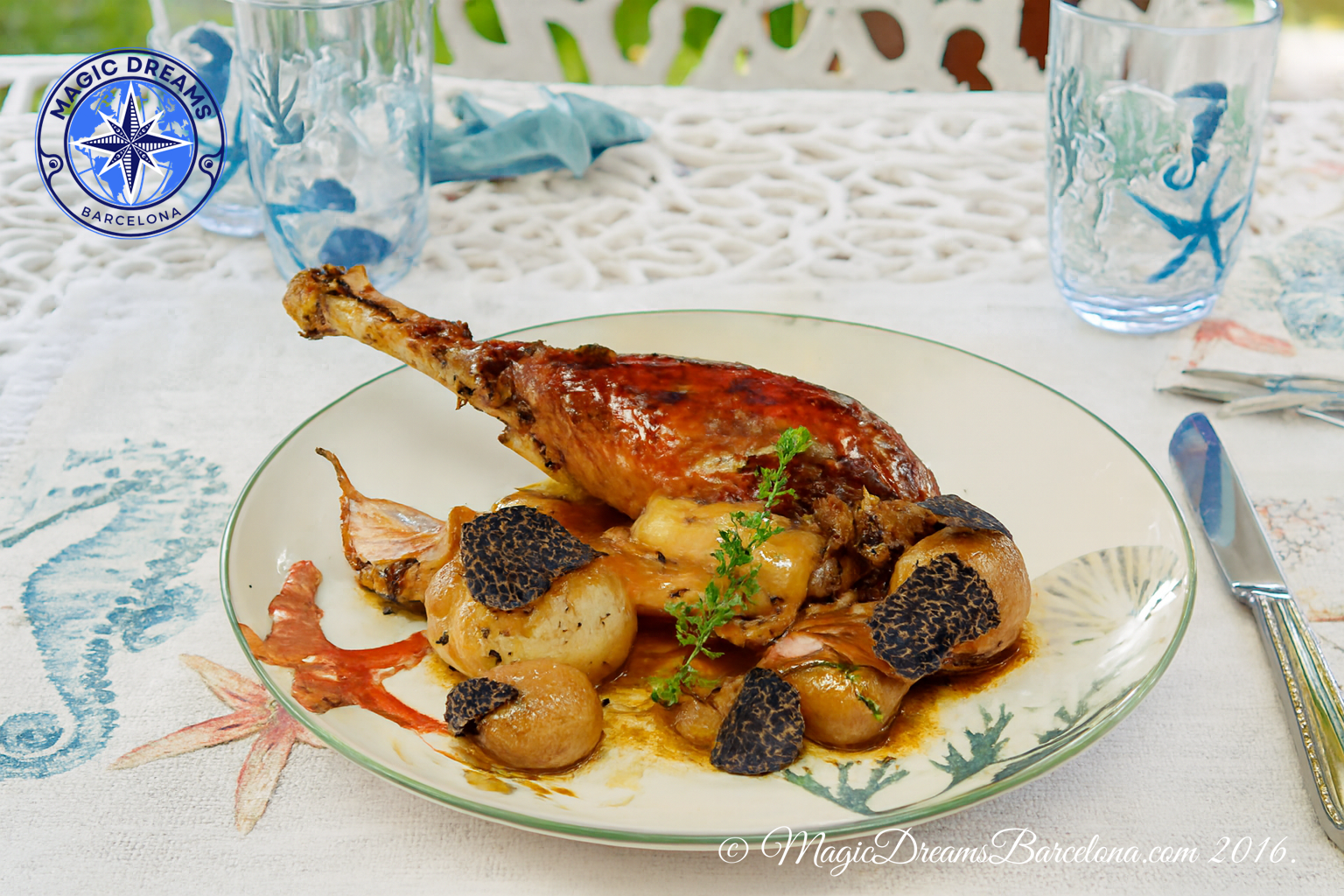
Pintada a la Catalana, also known as Catalan-style guinea fowl, is a traditional dish that perfectly reflects the character of Catalan festive cuisine.
The guinea fowl, also known as Guinea hen or guinea fowl, is an African bird that was appreciated for its fine, lean and aromatic meat. It reached Europe through the Mediterranean and gradually became part of different European culinary traditions.
In Catalonia, particularly in areas such as Berguedà, Osona and Central Catalonia, guinea fowl became associated with festive meals, family celebrations and winter cooking.
Its preparation follows one of the great principles of traditional Catalan cuisine: combining savory meats with dried fruits, nuts, aromatic herbs and fortified or sweet wines.
Prunes, dried apricots and pine nuts provide sweetness and texture, while wine and slow cooking create a rich, glossy and intensely flavored sauce.
The result is a dish that expresses the characteristic sweet-and-savory balance of Catalan cuisine.
Tender meat, caramelized vegetables, dried fruit, toasted pine nuts and a rich Mediterranean sauce.
Ingredients
Serves 4
For the guinea fowl
1 guinea fowl, cut into portions.
2 large onions.
3 garlic cloves.
2 carrots.
2 ripe tomatoes, grated.
200 ml aged wine or dry white wine.
200 ml poultry stock.
12 pitted prunes.
8 dried apricots.
A handful of pine nuts.
Extra virgin olive oil.
Salt.
Freshly ground black pepper.
1 cinnamon stick, optional.
1 bay leaf.
Preparation
01 · Brown the guinea fowl
Building the foundation of the dish
Season the guinea fowl pieces generously with salt and freshly ground black pepper.
Heat a wide casserole with a good drizzle of extra virgin olive oil.
Add the guinea fowl and brown the pieces thoroughly on all sides.
The aim is not to cook the meat completely at this stage, but to create a deep golden crust that will add flavor to the sauce.
Once browned, remove the guinea fowl from the casserole and set aside.
02 · Prepare the Catalan sofregit
The aromatic heart of the recipe
Using the same casserole and the cooking juices left by the guinea fowl, add the finely chopped onions.
Cook gently over medium-low heat for approximately 15–20 minutes, stirring occasionally.
Add the chopped garlic and sliced carrots.
Continue cooking until the vegetables become soft and slightly caramelized.
Add the grated tomatoes.
Cook slowly until the tomato has reduced and the mixture becomes thick, concentrated and aromatic.
This slow-cooked sofregit provides the foundation for the final sauce.
03 · Deglaze and add the aromas
Wine, cinnamon and Mediterranean character
Return the browned guinea fowl to the casserole.
Pour in the aged wine or dry white wine.
Increase the heat slightly and allow the alcohol to evaporate for a few minutes.
Add the bay leaf and, if desired, the cinnamon stick.
The cinnamon is optional, but it adds a subtle aromatic note that is particularly characteristic of traditional festive preparations.
04 · Slow-cook the guinea fowl
Tender meat and a rich sauce
Pour in the poultry stock.
The liquid should come approximately halfway up the guinea fowl rather than completely submerging it.
Cover the casserole and cook gently for approximately 45–60 minutes.
Turn the pieces occasionally and check the level of liquid during cooking.
The guinea fowl should gradually become tender while the sauce reduces and concentrates.
If necessary, add a small amount of additional stock during cooking.
05 · Add the dried fruit
The sweet-and-savory balance
Once the guinea fowl is almost tender, add the prunes and dried apricots.
Continue cooking for approximately 10 minutes.
The dried fruit will soften and release its natural sweetness into the sauce.
The sauce should gradually become thicker, darker and more glossy.
Taste and adjust the seasoning.
06 · Toast the pine nuts
The final texture
While the guinea fowl finishes cooking, lightly toast the pine nuts in a dry frying pan.
Cook them over medium heat, stirring frequently, until lightly golden and fragrant.
Be careful not to burn them.
Add the toasted pine nuts to the casserole during the final few minutes of cooking, or scatter them over the dish immediately before serving.
Their toasted flavor and slight crunch provide an excellent contrast to the tender meat and soft dried fruit.
Resting
07 · Let the dish rest
A traditional Catalan secret
Turn off the heat and allow the guinea fowl to rest for at least 10–15 minutes before serving.
As with many traditional Catalan casseroles, the dish can be prepared several hours in advance.
It is often even better the following day.
The resting period allows the meat to absorb the flavors of the sofregit, wine and dried fruit while the sauce becomes deeper and more harmonious.
If preparing it the day before, cool it quickly, refrigerate it properly and reheat gently before serving.
Gourmet Suggestions
Magic Dreams Barcelona
To elevate Pintada a la Catalana while preserving its traditional character:
Choose a good-quality guinea fowl with firm, flavorful meat.
Brown the meat thoroughly before beginning the sofregit.
Cook the onions slowly to develop natural sweetness.
Reduce the tomato until it becomes concentrated rather than leaving the sauce watery.
Use a good aged wine, dry white wine or Catalan fortified wine.
Add the dried fruit toward the end so that it retains some texture.
Toast the pine nuts separately to intensify their flavor.
Use cinnamon sparingly so that it complements rather than dominates the dish.
Allow the casserole to rest before serving.
For an especially rich sauce, finish with a small amount of the reserved roasting juices or additional stock if needed.
The secret to a great Catalan-style guinea fowl
The secret lies in slow cooking and balance.
Guinea fowl has leaner and firmer meat than ordinary chicken, so gentle cooking is essential.
The sofregit should be deeply concentrated, while the wine provides acidity and aromatic complexity.
The prunes and dried apricots introduce sweetness, and the pine nuts add a delicate toasted note.
The final sauce should be:
rich, glossy, aromatic and perfectly balanced between sweet and savory.
Gourmet Presentation
For a traditional presentation, serve the guinea fowl in a rustic ceramic casserole or earthenware dish, surrounded by the dried fruit and vegetables.
Spoon the glossy sauce generously over the meat.
Finish with toasted pine nuts and a few small leaves of fresh thyme or parsley.
For a contemporary presentation, place one portion of guinea fowl in the center of each plate.
Arrange the prunes and dried apricots around the meat and add a small amount of sauce underneath and around the plate.
Finish with toasted pine nuts and a few drops of extra virgin olive oil.
The presentation should remain elegant but rustic, reflecting the origins of this festive Catalan dish.
Serving
Pintada a la Catalana should be served hot, with plenty of sauce.
A good rustic bread is essential for soaking up the rich sauce.
It can be served as the centerpiece of a festive winter meal, accompanied by roasted vegetables, potatoes or a simple green salad.
The combination of tender meat, dried fruit and aromatic sauce makes it particularly suitable for Christmas, family celebrations and special occasions.
Pairing
This dish pairs well with a Catalan 0.0% alcohol-free red wine with enough body to complement the richness of the sauce.
A 0.0% alcohol-free vermouth can also work beautifully as an aperitif before the meal.
For a lighter option, sparkling water with a slice of lemon provides a refreshing contrast to the rich sauce and dried fruit.
Make-Ahead Preparation
This is an excellent dish to prepare in advance.
The guinea fowl can be cooked the day before and refrigerated once completely cooled.
When ready to serve, reheat it slowly over low heat.
If the sauce has become too thick during refrigeration, add a small amount of poultry stock and gently bring it back to the desired consistency.
Add the toasted pine nuts just before serving to preserve their texture.
The dried fruit will become even more flavorful after resting overnight.
Storage
Cooked guinea fowl: refrigerate in an airtight container and consume within approximately 2–3 days.
Sauce and vegetables: keep refrigerated together with the meat and consume within the same period.
Pine nuts: store separately in an airtight container if possible so they remain crisp.
Freezing: the cooked guinea fowl and sauce can be frozen, although the texture of the dried fruit may change slightly after thawing.
For the best gastronomic result, prepare the dish one day ahead and reheat gently before serving.
The Essence of Catalan Festive Cuisine
Pintada a la Catalana is a perfect expression of the traditional Catalan approach to festive cooking.
A humble casserole becomes something extraordinary through slow cooking, quality ingredients and the balance between sweet and savory flavors.
The combination of guinea fowl, sofregit, wine, prunes, dried apricots, pine nuts and aromatic spices creates a dish that is rustic yet refined.
Tender meat, rich sauce, sweet fruit and toasted pine nuts — the unmistakable character of Catalan festive cuisine.
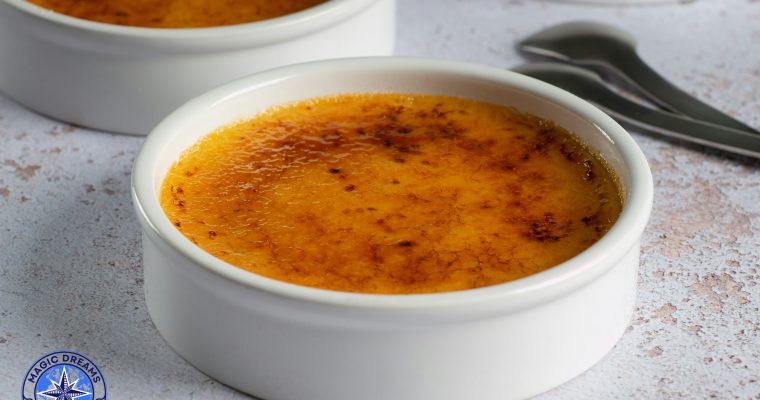
Catalan Cream, known in Catalan as Crema Catalana, is one of the most representative desserts of Catalan cuisine. It is made with a smooth custard of milk, egg yolks, sugar, cinnamon and lemon zest, finished with a thin layer of caramelized sugar. The result is …
Neules are a traditional Catalan sweet and an essential part of Christmas pastry in Catalonia. They are especially appreciated for their fine, crisp and delicate texture, which distinguishes them from denser and harder types of wafers. Their origins date back to the Middle Ages, when …