Route guide for visitors throughout Catalonia – Barcelona – Costa Brava – Catalan Pyrenees – Personalized experiences – Customized tour guide services – A small tribute to the wonderful city and land that saw us born – Transforming experiences into unforgettable memories - Magic Dreams Collection: exclusive universes inspired by Salvador Dalí and Gaudí. Niche perfumes, jewelry, lithographs, and collectible items celebrating the Mediterranean spirit.
Casa Verdú – Modernism in Barcelona’s Eixample District We are standing in front of the building known as Casa Verdú, located at 103 Rambla de Cataluña, at the intersection with Provenza Street, in the emblematic Eixample district of Barcelona. This property is a remarkable example …
The Jardins del Doctor Pla i Armengol occupy a former estate in the Guinardó district of Barcelona, a space where history, architecture, art, nature and biodiversity now coexist. The site was originally connected to the Institut Ravetllat-Pla, founded by doctors Ramon Pla i Armengol and …
The summit of Barcelona where history, nature and entertainment come together
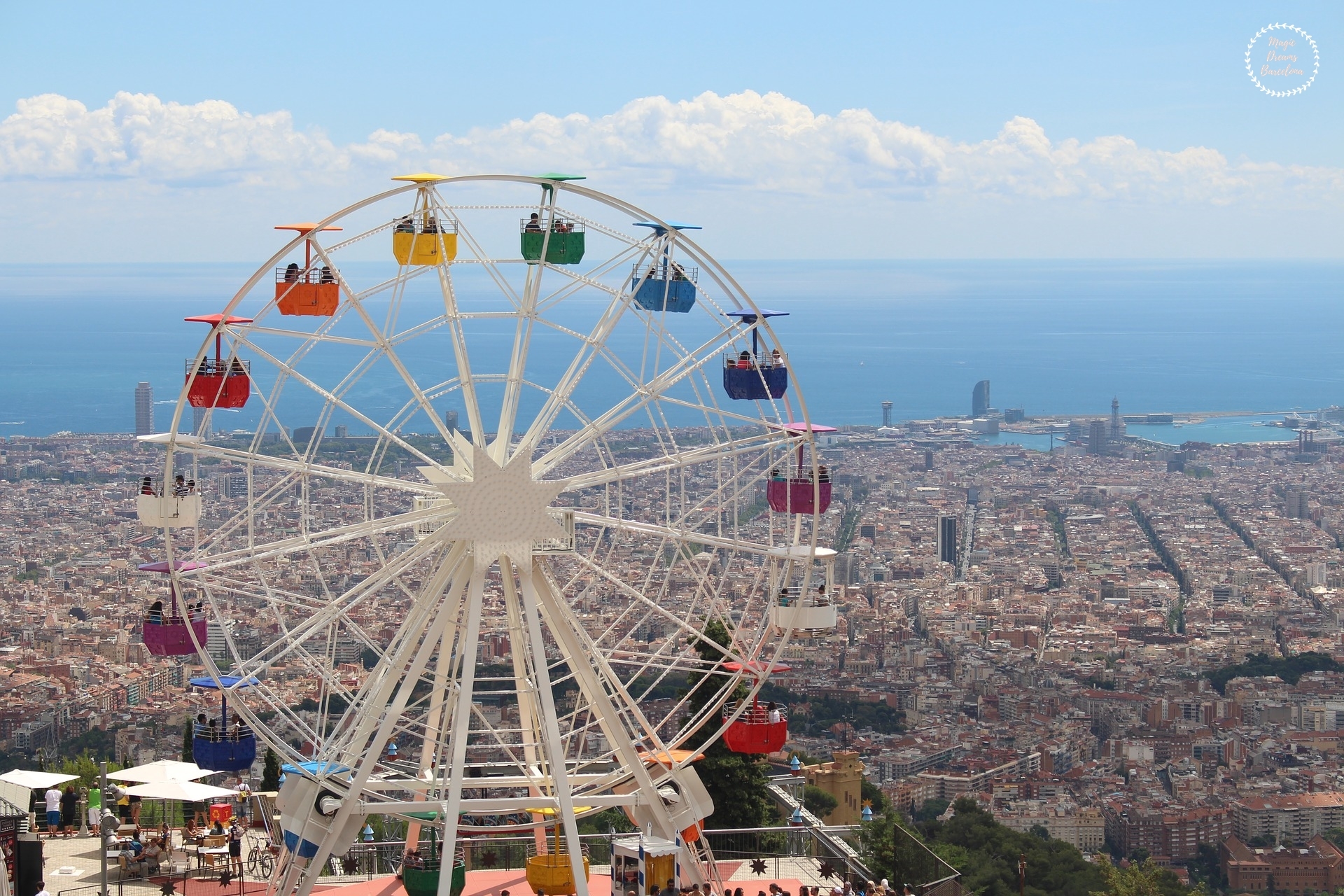
Tibidabo, the highest part of the city of Barcelona, stands at 575 metres above sea level, offering an incomparable perspective of the city, the Mediterranean Sea and the surrounding hills. This remarkable place combines history, architecture, nature and entertainment, creating an unforgettable journey for all the senses.
The Temple of the Sacred Heart of Jesus
A monumental landmark overlooking Barcelona
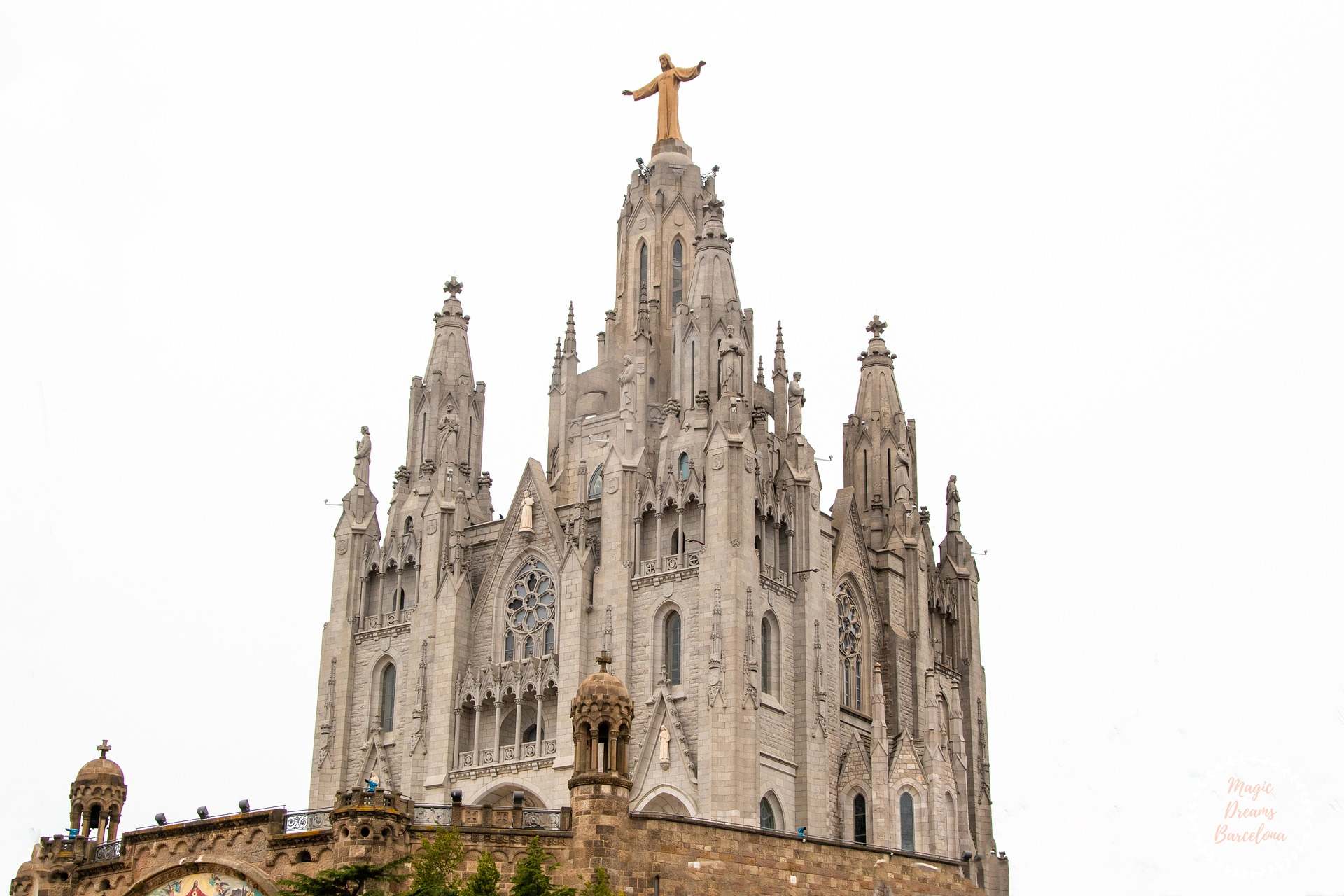
The Temple of the Sacred Heart of Jesus dominates the summit. Originally, there was a hermitage built by the Salesians, inaugurated in 1886 during the visit of Saint John Bosco to Barcelona.
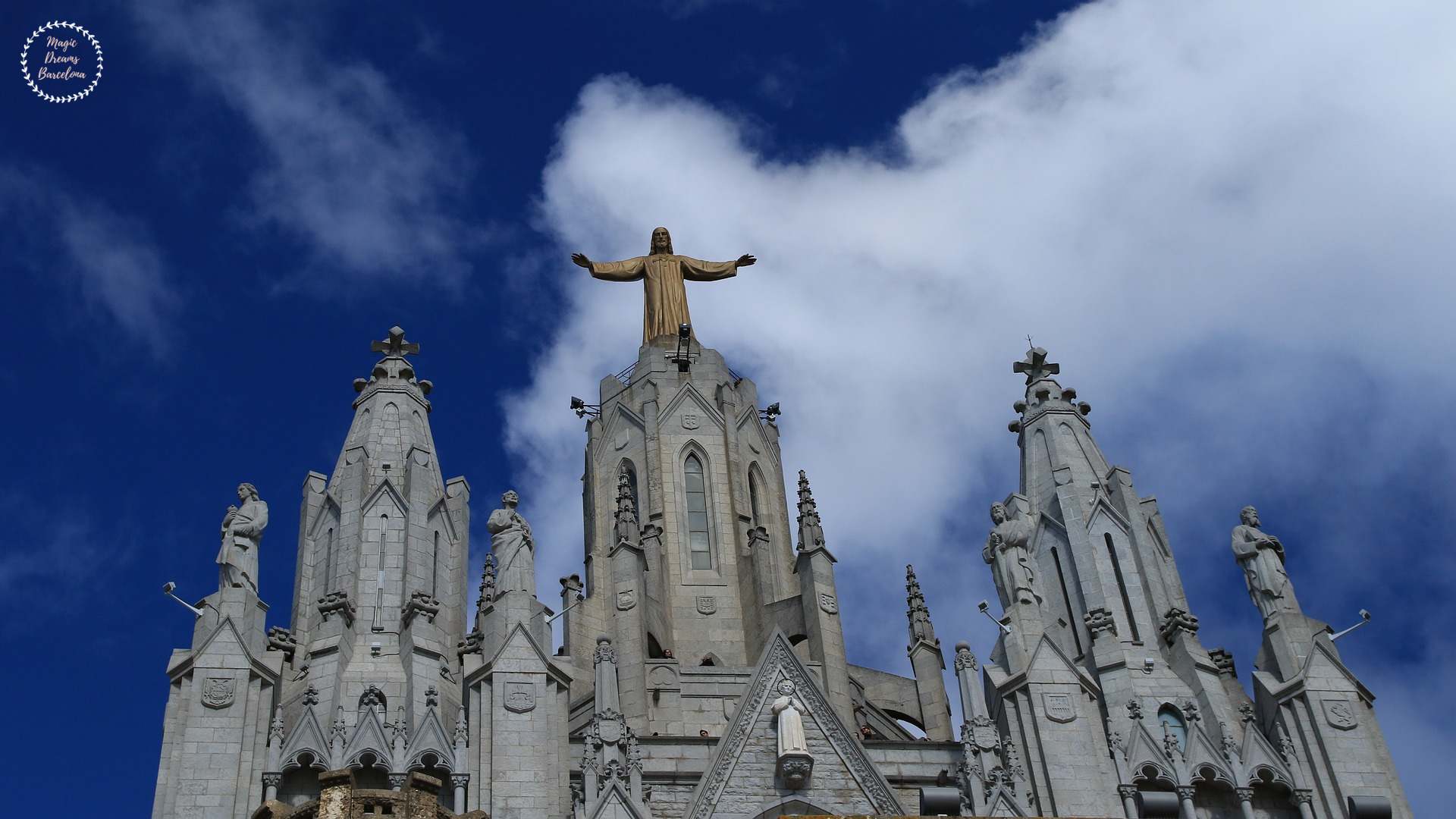
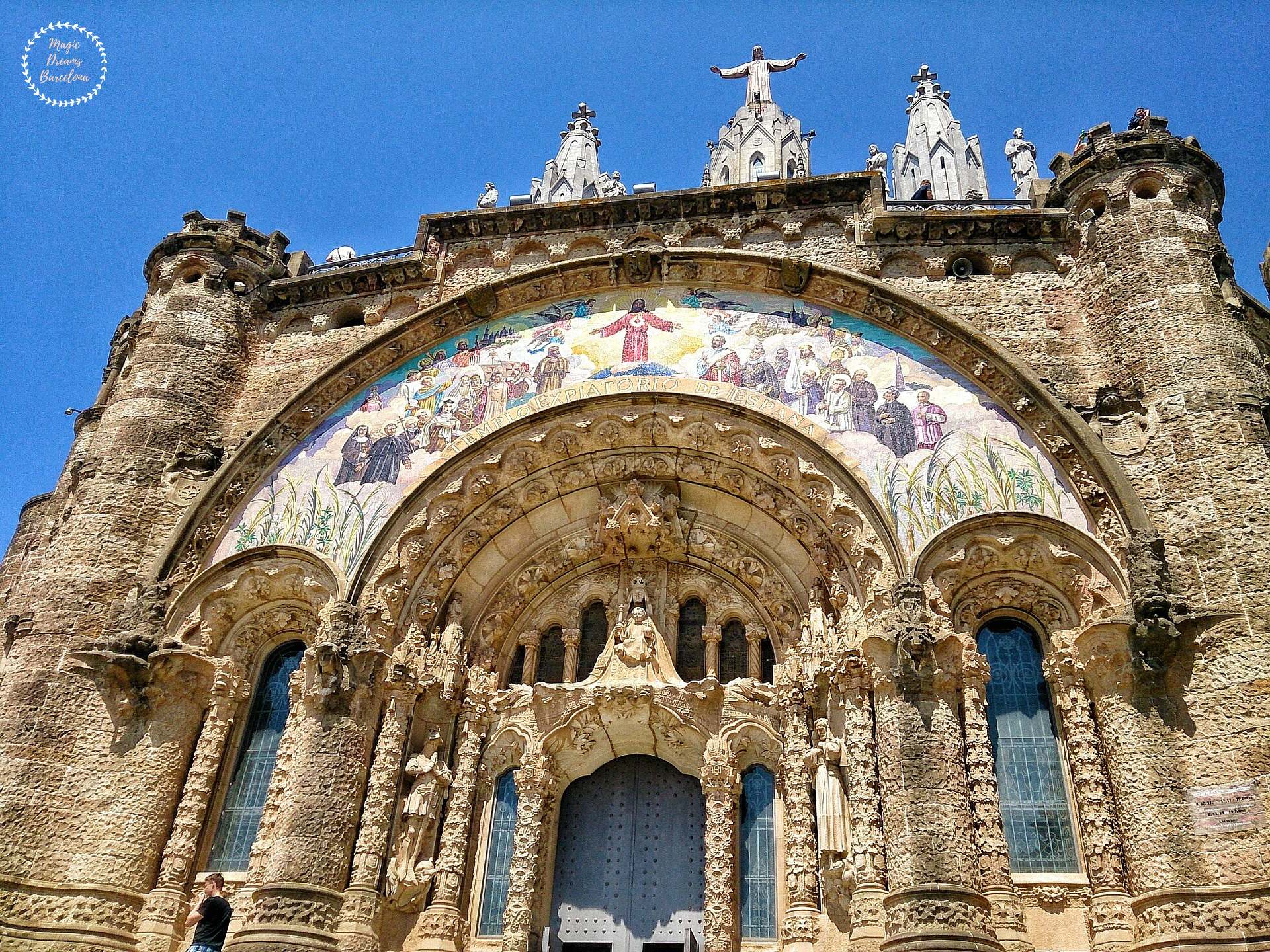
The construction of the Expiatory Temple, designed by Enric Sagnier, began in 1902 and was completed in 1961. Its historicist style combines Neo-Gothic, Neo-Romanesque and Neo-Byzantine elements.
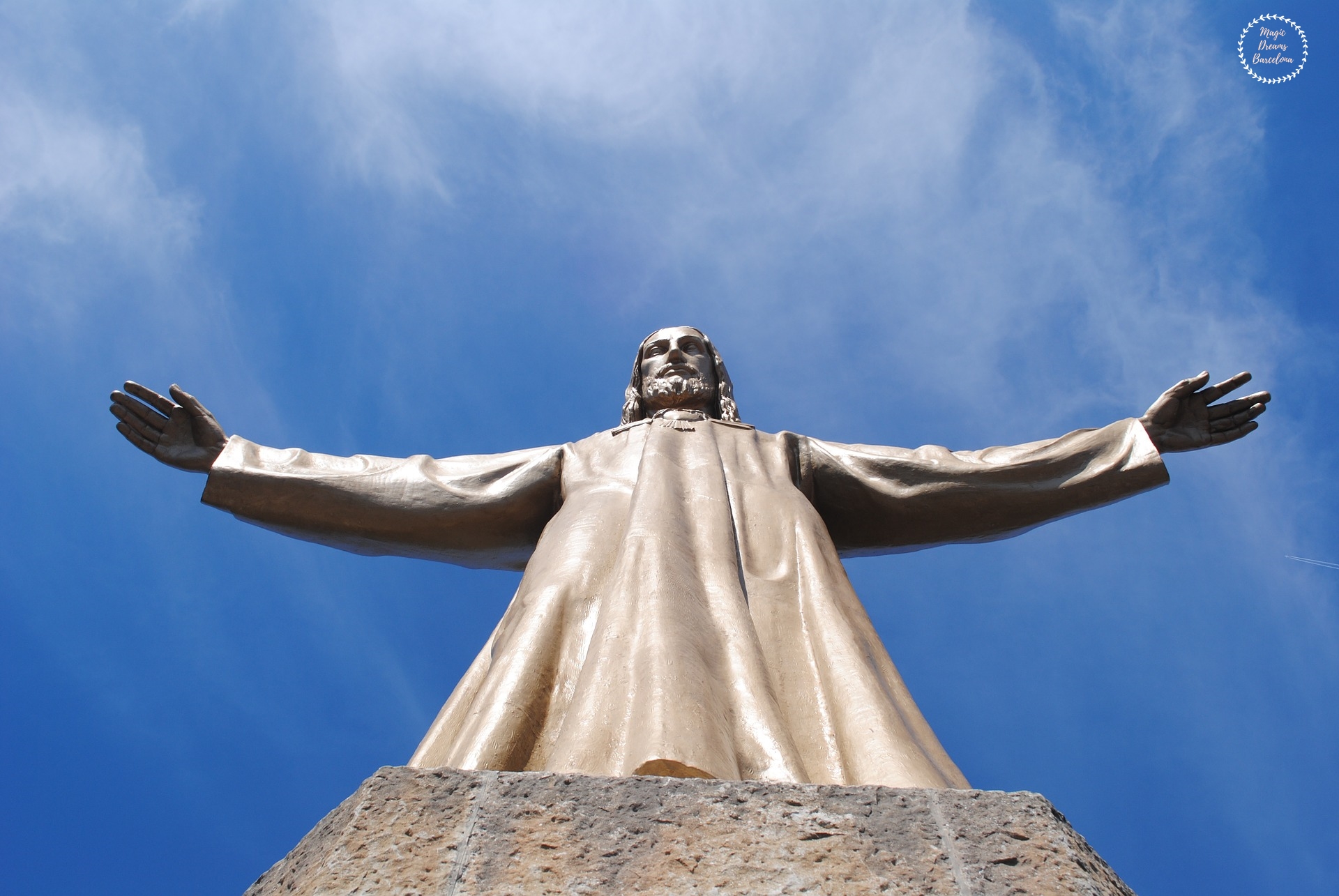
A bronze statue of the Sacred Heart crowns the summit, extending its arms over the city. An elevator provides access to the upper terrace, where visitors can enjoy privileged panoramic views of Barcelona, the Mediterranean and the surrounding landscape.
On one side, the original hermitage is still preserved, a testimony to the origins of this extraordinary place.
A Summit with an Incomparable Perspective
Barcelona, the Mediterranean and the surrounding hills at your feet
From the summit of Tibidabo, Barcelona unfolds beneath you in an extraordinary panorama. The combination of the city, the Mediterranean Sea and the surrounding hills creates a unique setting in which architecture and nature come together.
The elevated position of Tibidabo makes it one of the most remarkable viewpoints in Barcelona, offering a perspective that can be enjoyed in every season and at different times of the day.
Tibidabo Amusement Park
More than a century of entertainment overlooking Barcelona
The Tibidabo Amusement Park, inaugurated in 1899, is located next to the temple and covers more than 70,000 m² dedicated to entertainment.
Some of its historic attractions are still operating today, creating a fascinating connection between Barcelona’s past and present. Among them are the Avió, one of the world’s first flight simulators, the Museum of Automata, with more than 40 pieces from the 19th and 20th centuries, and the Talaia, which raises visitors 50 metres above the ground.
Alongside these historic attractions, modern rides such as the roller coaster offer excitement for visitors of all ages, always surrounded by a spectacular landscape.
The Avió
One of the historic icons of Tibidabo
The Avió is one of the most emblematic historic attractions in the park and one of the first flight simulators. Its presence on the summit adds a distinctive character to the Tibidabo experience, combining history, engineering and entertainment.
The Museum of Automata
A journey through mechanical art
The Museum of Automata houses more than 40 pieces from the 19th and 20th centuries.
These historic automata offer a fascinating glimpse into mechanical creativity and entertainment from another era, making the museum an essential part of the cultural and historical experience of Tibidabo.
The Talaia
Fifty metres above the summit
The Talaia raises visitors 50 metres above the ground, offering an extraordinary sensation of height and spectacular views over Barcelona and its surroundings.
It is one of the attractions that best represents the unique character of Tibidabo: a place where entertainment and panoramic views come together.
Science and Technology at the Summit
Discovering Barcelona from another perspective
The summit of Tibidabo also houses remarkable treasures of science and technology, offering experiences that go beyond its architecture and entertainment.
Two of its most significant landmarks are the Torre Collserola and the Fabra Observatory.
Torre Collserola
360° views over Barcelona
The Torre Collserola was built for the 1992 Olympic Games. Its tenth-floor observation deck offers 360° views over Barcelona and the surrounding landscape.
From this elevated viewpoint, the city can be contemplated from a completely different perspective, revealing the relationship between Barcelona, the Mediterranean Sea and the natural landscape of the surrounding hills.
Fabra Observatory
Astronomy, science and the beauty of the night sky
The Fabra Observatory has been active since 1901 and offers visitors the opportunity to observe the Moon, planets such as Jupiter, Saturn and Mars, as well as stellar systems and nebulae such as Alcyone, Albireo and the Orion Nebula.
Its scientific heritage makes it one of the most fascinating places on Tibidabo for those interested in astronomy and the universe.
The Botanical Gardens of the Fabra Observatory
Nature completing a unique sensory journey
The gardens of the Fabra Observatory, with pine trees, fir trees, holm oaks and mimosas, complete a unique sensory journey.
The combination of botanical surroundings, architecture, science and the panoramic landscape creates an experience in which nature becomes an essential part of the visit.
Dining Under the Stars
Astronomy and gastronomy in an extraordinary setting
The Fabra Observatory even offers the possibility of dining under the stars, combining astronomy and gastronomy in an exceptional setting.
It is an experience in which the night sky, the lights of Barcelona and the flavours of gastronomy come together, creating a memorable evening at one of the city’s most distinctive locations.
How to Reach Tibidabo
Comfortable and varied access to the summit
Reaching the summit of Tibidabo is comfortable and varied, with several transport options available:
Funicular from Torre de San Sebastián.
Metro, lines L3 and L5, with Vall de Hebron station.
Blue Tram.
Bus, lines 196 and T2A.
The different options make it possible to organise the visit according to each traveller’s preferences and itinerary.
Tibidabo for All the Senses
A place where history, art, architecture and nature are fully experienced
Tibidabo is much more than a viewpoint or an amusement park. It is a place where history, architecture, science, nature and entertainment coexist in a unique environment.
The Temple of the Sacred Heart of Jesus, the historic attractions of the amusement park, the Fabra Observatory, the Torre Collserola and the surrounding natural landscape create a complete experience in which every element contributes to the character of the summit.
Tibidabo with Magic Dreams Barcelona
An exclusive, intimate and sensory experience
At Magic Dreams Barcelona, we transform this visit into an exclusive, intimate and sensory experience.
Our premium services include:
Expert guides in history, architecture, art and astronomy, personalising each itinerary according to your interests and pace.
Private sensory experiences with live music, aromas, literature and themed dinners with a private chef.
Picnics and signature gastronomy in gardens, viewpoints or on yachts, with bespoke table linen and catering.
Professional photography sessions that capture every moment of the experience.
Creative workshops and exclusive getaways to the Costa Brava and the Catalan Pyrenees.
Signature Gastronomy and Private Experiences
Tibidabo experienced through the senses
A visit to Tibidabo can become much more than a sightseeing experience. With Magic Dreams Barcelona, every element can be carefully designed to create a private and personalised journey.
From gastronomy and carefully selected settings to music, aromas, literature and photography, each experience is created to reflect the character, interests and rhythm of each guest.
Experiences Created Just for You
Personalisation as the essence of a premium experience
Every journey can be adapted to your preferences, allowing you to discover Tibidabo through history, architecture, art, astronomy, nature or gastronomy.
The aim is to create an experience that is not simply observed, but fully lived and remembered.
Professional Photography and Lasting Memories
Capturing every moment of the experience
Professional photography allows every special moment to be preserved, transforming the visit into a collection of memories that can be enjoyed long after the experience has ended.
The panoramic landscapes, architecture, natural surroundings and personal moments become part of a visual story created exclusively for you.
Creative Workshops and Exclusive Getaways
Barcelona, the Costa Brava and the Catalan Pyrenees
Magic Dreams Barcelona also offers creative workshops and exclusive getaways to the Costa Brava and the Catalan Pyrenees.
These experiences extend beyond Barcelona, allowing guests to discover new landscapes, cultural traditions, gastronomy and natural environments through carefully designed private experiences.
An Experience to Be Fully Lived
History, art, architecture and nature in perfect harmony
Every visit with Magic Dreams Barcelona becomes a profound journey in which history, art, architecture and nature are experienced to the fullest.
It is not simply about observing Tibidabo, but about feeling it and understanding it in all its dimensions.
The summit becomes a place where every detail contributes to an unforgettable memory: the architecture of the temple, the views over Barcelona, the historic attractions, the stars above the city, the gardens, gastronomy and the surrounding landscape.
Discover Tibidabo with Magic Dreams Barcelona
Where every experience becomes an unforgettable memory
Discover this magical corner of Barcelona with Magic Dreams Barcelona and allow yourself to be captivated by the majesty of Tibidabo, where every experience becomes an unforgettable memory.
From its historic origins and extraordinary architecture to its panoramic views, scientific heritage, nature and entertainment, Tibidabo offers a unique way to experience Barcelona.
With Magic Dreams Barcelona, this extraordinary setting becomes an exclusive, intimate and sensory journey designed to be remembered.
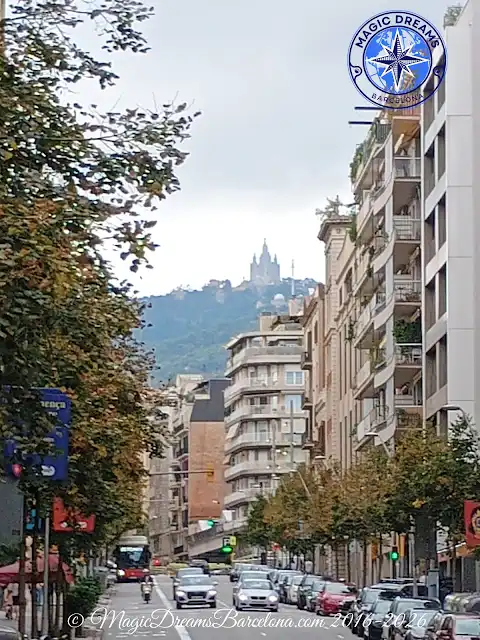
Perspectiva del Templo del Sagrado Corazón de Jesús en cima Tibidabo desde calle Balmes.
Detalle del Templo Expiatorio del Sagrado Corazón de Jesús en la cima Tibidabo
Perspectiva nocturna del Templo Expiatorio del Sagrado Corazón de Jesús en la cima Tibidabo junto al Parque de Atracciones.
Perspectiva de parte de la ciudad desde Templo Expiatorio del Sagrado Corazón de Jesús en la cima Tibidabo.
Perspectiva de parte de la ciudad desde el parque de Atracciones en la cima Tibidabo.
Templo Sagrado Corazón de Jesús.
Templo Sagrado Corazón de Jesús.
Templo Sagrado Corazón de Jesús.
Templo Sagrado Corazón de Jesús.
Templo Sagrado Corazón de Jesús.
Templo Expiatorio del Sagrado Corazón de Jesús – Barcelona.
Templo Expiatorio del Sagrado Corazón de Jesús – Barcelona.
Templo Expiatorio del Sagrado Corazón de Jesús – Barcelona.
Templo Expiatorio del Sagrado Corazón de Jesús – Barcelona.
Templo Expiatorio del Sagrado Corazón de Jesús – Barcelona.
Templo Expiatorio del Sagrado Corazón de Jesús – Barcelona.
Templo Expiatorio del Sagrado Corazón de Jesús – Barcelona.
Templo Expiatorio del Sagrado Corazón de Jesús – Barcelona.
Templo Expiatorio del Sagrado Corazón de Jesús – Barcelona.
Templo Expiatorio del Sagrado Corazón de Jesús – Barcelona.
Templo Expiatorio del Sagrado Corazón de Jesús – Barcelona.
Templo Expiatorio del Sagrado Corazón de Jesús – Barcelona.
Templo Expiatorio del Sagrado Corazón de Jesús – Barcelona.
Templo Expiatorio del Sagrado Corazón de Jesús – Barcelona.
Templo Expiatorio del Sagrado Corazón de Jesús – Barcelona.
Observatorio Fabra – By Ismaelromero – Own work, CC BY-SA 3.0 es, https://commons.wikimedia.org/w/index.php?curid=21490932.
Perspectiva de parte de la ciudad desde la noria del parque de Atracciones del Tibidabo.
Perspectiva de parte de la ciudad desde la noria del parque de Atracciones del Tibidabo.
Detalle noria del parque de Atracciones del Tibidabo.
Detalle noria del parque de Atracciones del Tibidabo.
Perspectiva de parte de la ciudad desde la noria del parque de Atracciones del Tibidabo.
La Barceloneta is one of Barcelona’s most iconic and evocative neighbourhoods. Located in the Ciutat Vella district, this former fishing quarter retains a unique identity shaped by the Mediterranean, fishing traditions and the urban evolution of a city that has always found one of its …
Discover the History and Charm of Passeig de Gràcia and Plaça Cinc d’Oros Plaça Cinc d’Oros, located at the heart of Passeig de Gràcia, is far more than a simple urban meeting point—it is a living testament to Barcelona’s history and memory. From an elevated …
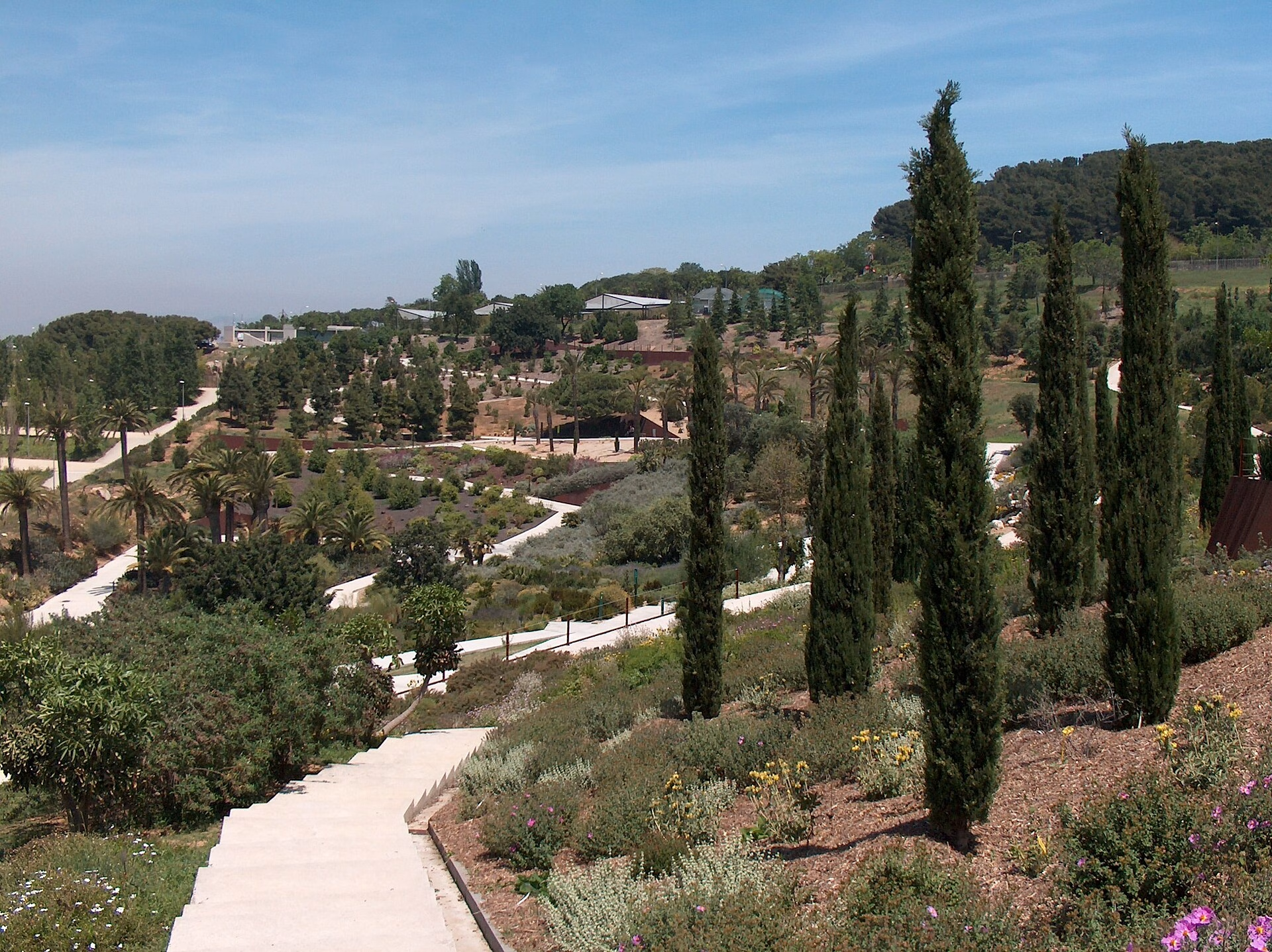
On Montjuïc Mountain, far from the hustle and bustle of the city centre, there is a garden where nature tells the story of five corners of the planet. Barcelona Botanical Garden is much more than a green space: it is a journey through Mediterranean landscapes, a collection of biodiversity and a privileged place to discover the richness of the plant world.
A Garden Among Mountains and Landscapes
Barcelona Botanical Garden is located on Montjuïc, surrounded by the mountain’s cultural and natural attractions. Its address is Carrer del Doctor i Font i Quer, 2, 08038 Barcelona.
Its location, between the Olympic Stadium and Montjuïc Castle, offers a peaceful setting and magnificent views of the city and its surroundings.
Covering approximately 14 hectares, the garden is organised to showcase the vegetation of five major regions of the world that share a Mediterranean climate: the Mediterranean Basin, California, central Chile, the Cape region of South Africa and southwestern Australia.
This layout makes it possible to compare how nature has developed similar solutions in places separated by thousands of kilometres.
Five Regions, One Shared Climate
One of the garden’s most interesting features is its landscape design. Rather than organising plants solely according to botanical criteria, the walking route recreates the landscapes of the five Mediterranean-climate regions of the world.
Along its paths, you can discover forests, scrubland, aromatic plants, shrubs and trees adapted to dry summers and mild, rainy winters.
Each area has its own character and allows visitors to appreciate the differences between ecosystems which, despite sharing similar climatic conditions, are home to very different species.
The garden brings together around 2,000 plant species and offers an exceptional opportunity to explore botanical diversity without leaving Barcelona.
The Plant Species of Barcelona Botanical Garden: A World of Plants on Montjuïc
One of the main attractions of Barcelona Botanical Garden is the variety of species it contains. Its collection allows visitors to discover plants from different regions of the world that share a Mediterranean climate, although each has developed its own adaptations to survive in the conditions of its environment.
Among remarkable trees, shrubs, aromatic plants, succulent species and brightly coloured flowers, visitors can enjoy a genuine botanical journey across four continents.
Australia: Eucalyptus, Acacias and Banksias
The Australian section stands out for its trees and shrubs characteristic of the southwestern part of the continent. Visitors will find representatives of genera such as Acacia, Eucalyptus, Melaleuca, Callistemon, Hakea, Banksia and Grevillea.
Also attracting attention are the grass trees, known as tree-like grasses, unusual-looking plants that have developed adaptations to withstand fires. Casuarinas and conifers from the Callitris genus complete this almost prehistoric-looking landscape.
Chile: Araucarias, Puya Plants and Cacti
The Chilean section showcases vegetation shaped by oceanic influences, dry terrain and thorny scrubland. Among its most characteristic species is the monkey puzzle tree (Araucaria araucana), a majestic tree that can grow to impressive heights.
Also represented are Chilean mesquite trees (Prosopis chilensis), espino trees (Acacia caven), Chilean guava (Ugni molinae) and exotic-looking plants such as puyas and other bromeliads. In the driest areas, visitors can discover cacti adapted to water scarcity.
South Africa: Proteas, Gazanias and Resilient Plants
The South African region is home to an extraordinarily diverse flora, with countless endemic species. Its landscapes feature plants adapted to poor soils, dry periods and recurring episodes of wildfires.
Among the genera that best represent this region are proteas, alongside shrubs, succulent plants and brightly coloured flowers such as gazanias. It is one of the most interesting areas for observing the variety of forms and survival strategies developed by Mediterranean vegetation.
California: Redwood Trees, Oaks and Plants from Dry Environments
California’s flora combines forests, scrubland and semi-arid areas. Oaks, pines and other conifers are characteristic of this Mediterranean region, along with species adapted to drought.
Plants such as agaves and yuccas are also part of this landscape. They are easily recognisable by their rigid leaves and their ability to store or make efficient use of water in challenging conditions.
The Mediterranean Basin: Olive Trees, Holm Oaks and Aromatic Plants
The Mediterranean section allows visitors to recognise species more familiar from our own landscapes. Highlights include trees such as the olive tree, the holm oak and the carob tree, as well as shrubs and aromatic plants commonly found in Mediterranean forests and scrubland.
The route also showcases plant formations from the western and eastern Mediterranean, North Africa and the Canary Islands. These include species adapted to drought, with small, resilient leaves, woody stems or thorns that help reduce water loss.
A Collection Worth Exploring at Leisure
The richness of Barcelona Botanical Garden lies not only in the number of species it contains, but also in the opportunity to observe how plants from distant parts of the world have developed similar adaptations to survive in comparable climatic conditions.
The collection includes around 2,000 plant species, although its composition may change over time as a result of conservation and renewal work. This means that every visit offers the opportunity to discover new details and experience the landscapes from a different perspective.
A Place with History and a Scientific Mission
The current garden opened its doors in 1999, although Montjuïc has a much longer botanical tradition. In 1930, the Historic Botanical Garden was established, linked to the work of botanist Pius Font i Quer.
The new garden was created with a different purpose: to display the vegetation of the world’s Mediterranean-climate regions and become a centre for conservation, education and research.
Its architectural and landscape design was adapted to the mountain’s topography, integrating the paths into the terrain and making use of its slopes to create different natural environments.
Barcelona Botanical Garden is associated with the Barcelona Natural Science Museum and the Botanical Institute of Barcelona, institutions dedicated to scientific research, conservation and public education.
For this reason, a visit is not simply an aesthetic experience: it also provides an opportunity to understand the importance of protecting biodiversity and preserving plant species.
A Visit to Enjoy at Your Own Pace
The garden’s walking route is designed for strolling, observing and discovering. Its paths wind through different landscapes, offering quiet spots where visitors can stop to admire the plants, identify species and enjoy the peaceful surroundings.
We recommend wearing comfortable shoes, especially if you plan to explore the garden at a leisurely pace. Allow approximately one and a half to two hours to enjoy your visit without rushing.
Spring and autumn are generally particularly pleasant seasons to explore the garden, although each time of year offers a different perspective on the landscape.
How to Get to Barcelona Botanical Garden
By Public Transport
You can reach Montjuïc using several bus routes. Bus line 150 connects Plaça d’Espanya with different areas of the mountain. You can also check the routes that stop near the garden, such as bus line 13.
Another option is to take the metro to Plaça d’Espanya and continue by bus. If you prefer to travel up from the Paral·lel area, you can take the Montjuïc funicular and complete the journey on foot or by public transport.
We recommend checking transport connections before setting off, as routes and frequencies may vary.
By Car
If you wish to travel by private vehicle, you can reach Montjuïc by following the signs towards the Olympic Stadium and Montjuïc Castle. Enter the following address into your navigation system:
Carrer del Doctor i Font i Quer, 2.
There are parking spaces in the surrounding area, although availability may vary depending on the day and the number of visitors. It is advisable to check parking conditions and fees before travelling. You should not assume that parking is free.
Opening Hours and Ticket Prices
Barcelona Botanical Garden is open every day of the week, including Sundays and public holidays, with opening hours that vary throughout the year to adapt to daylight hours.
November to January: 10:00 am – 5:00 pm.
February and March: 10:00 am – 6:00 pm.
April, May, September and October: 10:00 am – 7:00 pm.
June to August: 10:00 am – 8:00 pm.
The garden is closed on 1 January, 1 May, 24 June and 25 December. Please note that the last admission is permitted up to half an hour before closing time.
Regarding ticket prices, general admission costs approximately €5 per person, while reduced admission is €2.50 for visitors who meet the museum’s eligibility requirements.
There is also a combined ticket with the Barcelona Natural Science Museum, priced at €8 for general admission and €4 for reduced admission.
A great opportunity to visit the garden free of charge is to take advantage of the first Sunday of every month, when admission is free throughout the day, as well as Sundays from 3:00 pm onwards.
We recommend checking the official opening hours and ticket prices before your visit in case of changes or extraordinary closures.
Much More Than a Garden
Barcelona Botanical Garden is a unique place thanks to the way it introduces visitors to five regions of the world through their distinctive plant landscapes. Its scientific interest, educational value and integration into Montjuïc Mountain make it a particularly worthwhile visit for anyone wishing to discover a different side of Barcelona.
You do not need to be a botanical expert to enjoy it. All you need is curiosity, a willingness to walk and the desire to stop and observe the little details that so often go unnoticed.
Discover Barcelona in a Different Way with Magic Dreams Barcelona
At Magic Dreams Barcelona, we believe that getting to know a city means going beyond its most famous landmarks. That is why we design personalised experiences to discover Barcelona from different perspectives, combining culture, nature, architecture and gastronomy.
We can accompany you on tours of Montjuïc and other hidden corners of the city, organise private experiences and help you discover places that reflect the most authentic essence of Barcelona.
Because sometimes the most special memories are made away from the usual tourist routes, among paths, gardens and landscapes that invite you to see the city through different eyes.
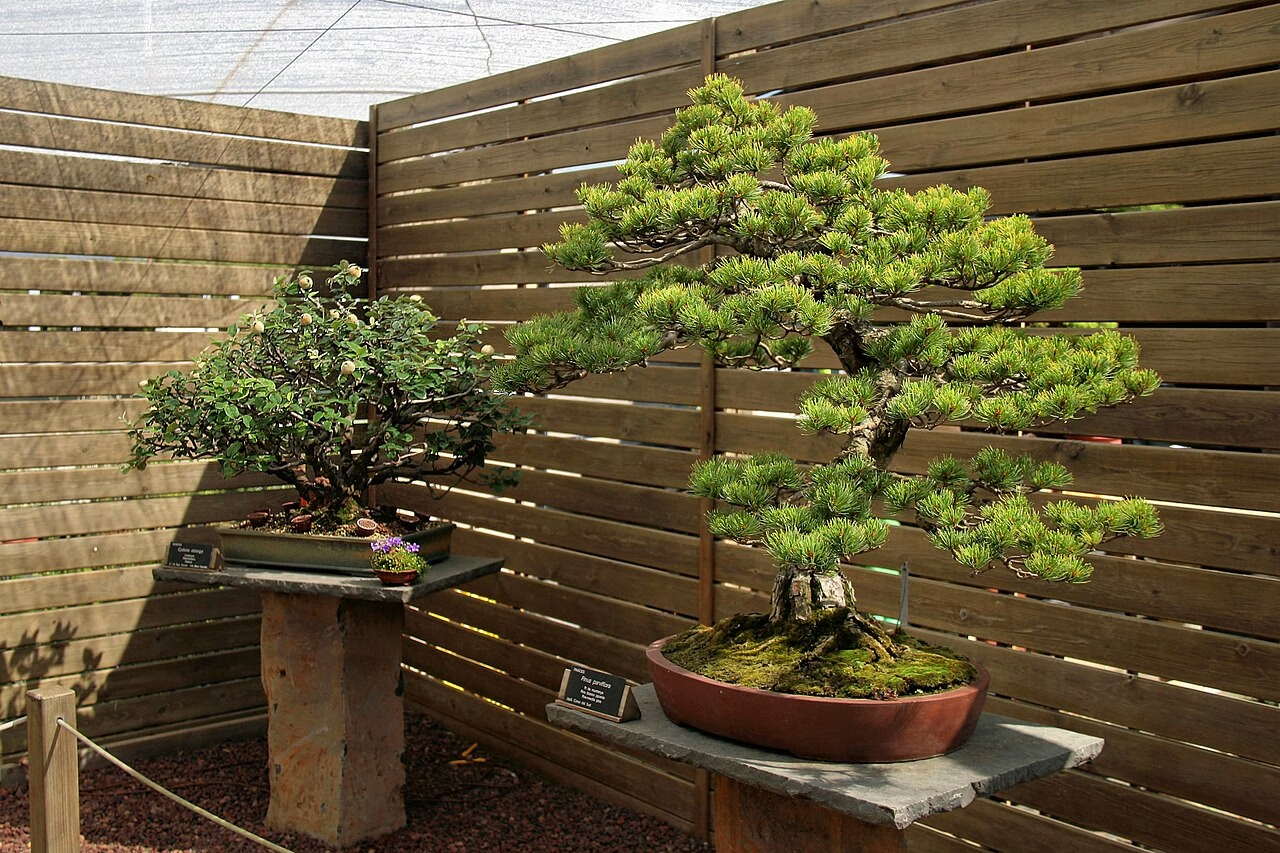
Jardín Botánico de Barcelona – By 19Tarrestnom65 – Own work, CC BY-SA 4.0, https://commons.wikimedia.org/w/index.php?curid=180835833.
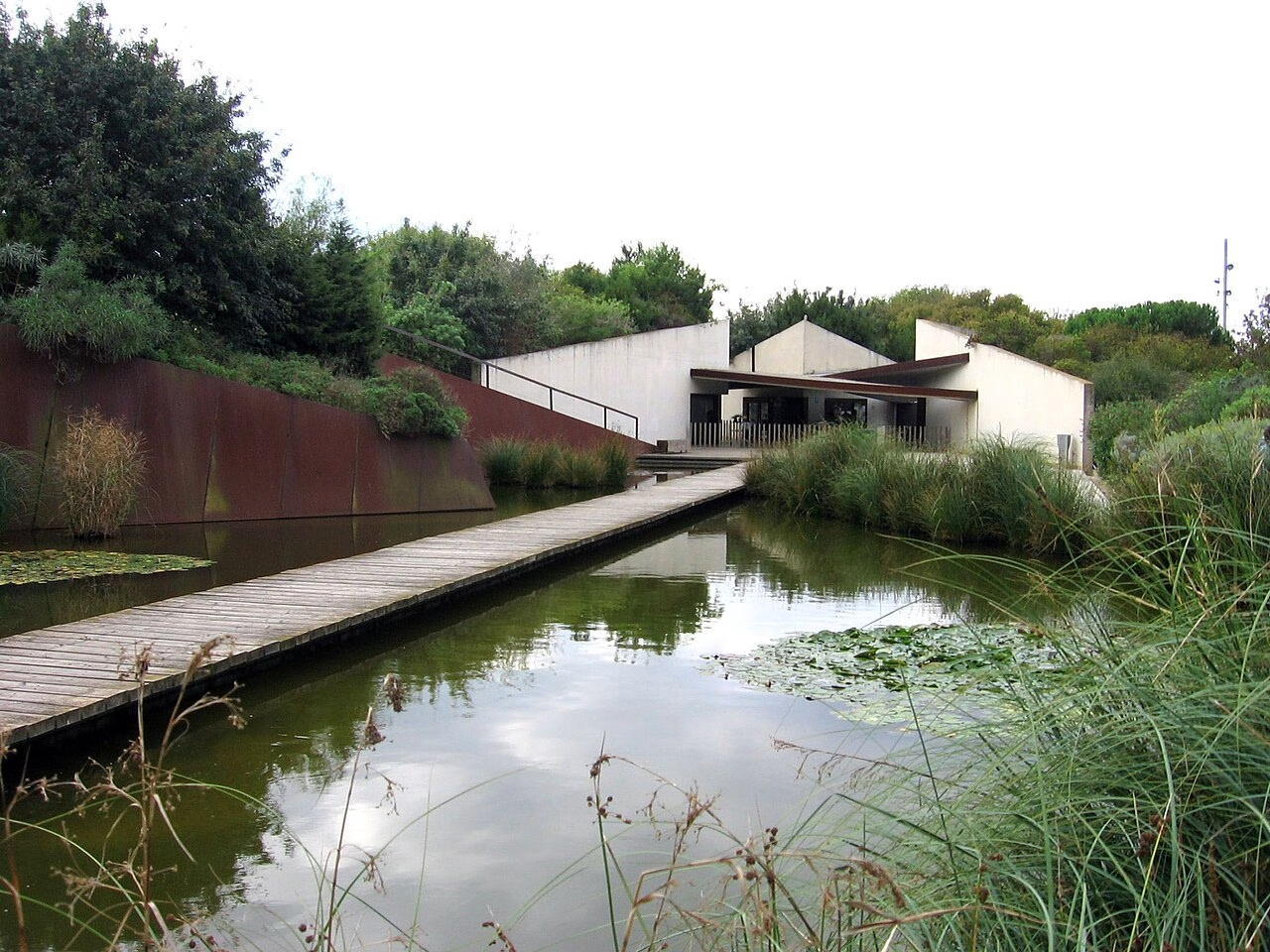
Jardí Botànic de Barcelona – By Jorge Franganillo from Barcelona, Spain – Jardí Botànic de Barcelona, CC BY 2.0, https://commons.wikimedia.org/w/index.php?curid=76935825.
Jardín botánico de Barcelona – By Jorge Franganillo from Barcelona, Spain – Jardí Botànic de Barcelona, CC BY 2.0, https://commons.wikimedia.org/w/index.php?curid=76935841.
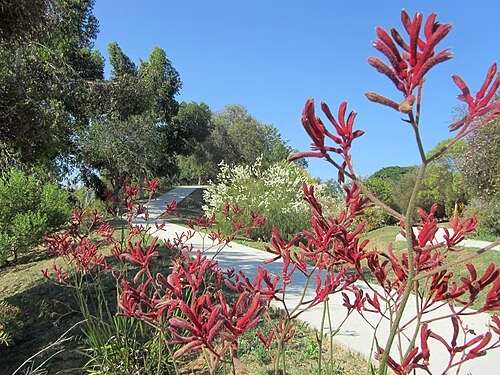
Jardín botánico de Barcelona Anigozanthos – By Jvhertum – Own work, CC BY-SA 3.0, https://commons.wikimedia.org/w/index.php?curid=20170439.
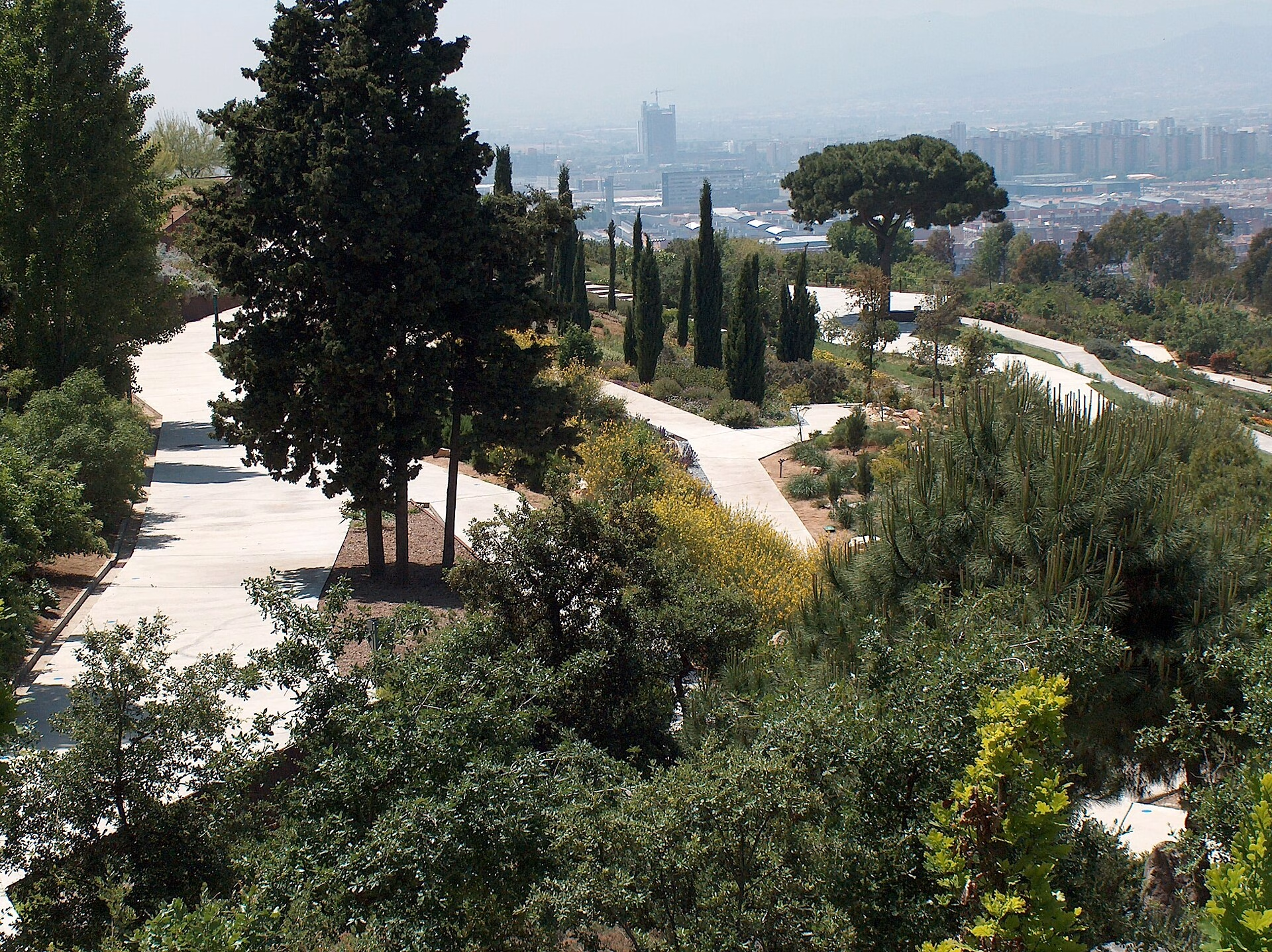
Jardín botánico de Barcelona – By Canaan – Own work, CC BY-SA 3.0, https://commons.wikimedia.org/w/index.php?curid=30893625.
Jardín botánico de Barcelona – CC BY-SA 3.0, https://commons.wikimedia.org/w/index.php?curid=214637.
Jardín botánico de Barcelona – CC BY-SA 3.0, https://commons.wikimedia.org/w/index.php?curid=214626.
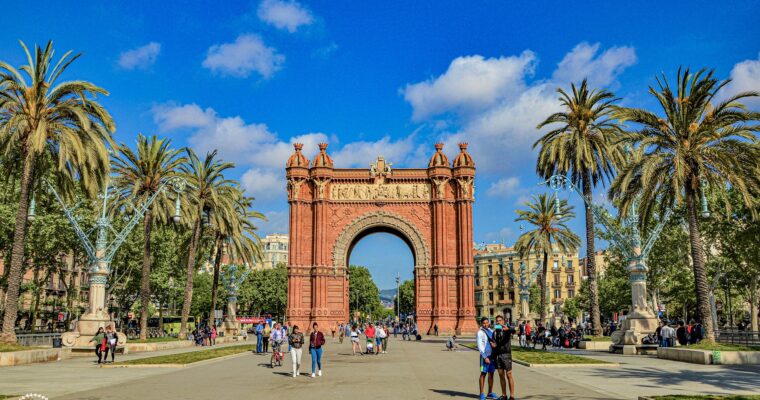
The Arc de Triomf of Barcelona is one of the city’s great monumental landmarks and one of the most important witnesses to the Barcelona that, at the end of the 19th century, was beginning to transform itself into a major European capital. Built in 1888 …
Unique Experiences on the Costa Brava Imagine waking up to the gentle murmur of the Mediterranean Sea, exploring hidden coves where sunlight dances over golden sands, and discovering charming villages that seem frozen in time. Every experience we offer on the Costa Brava has been …
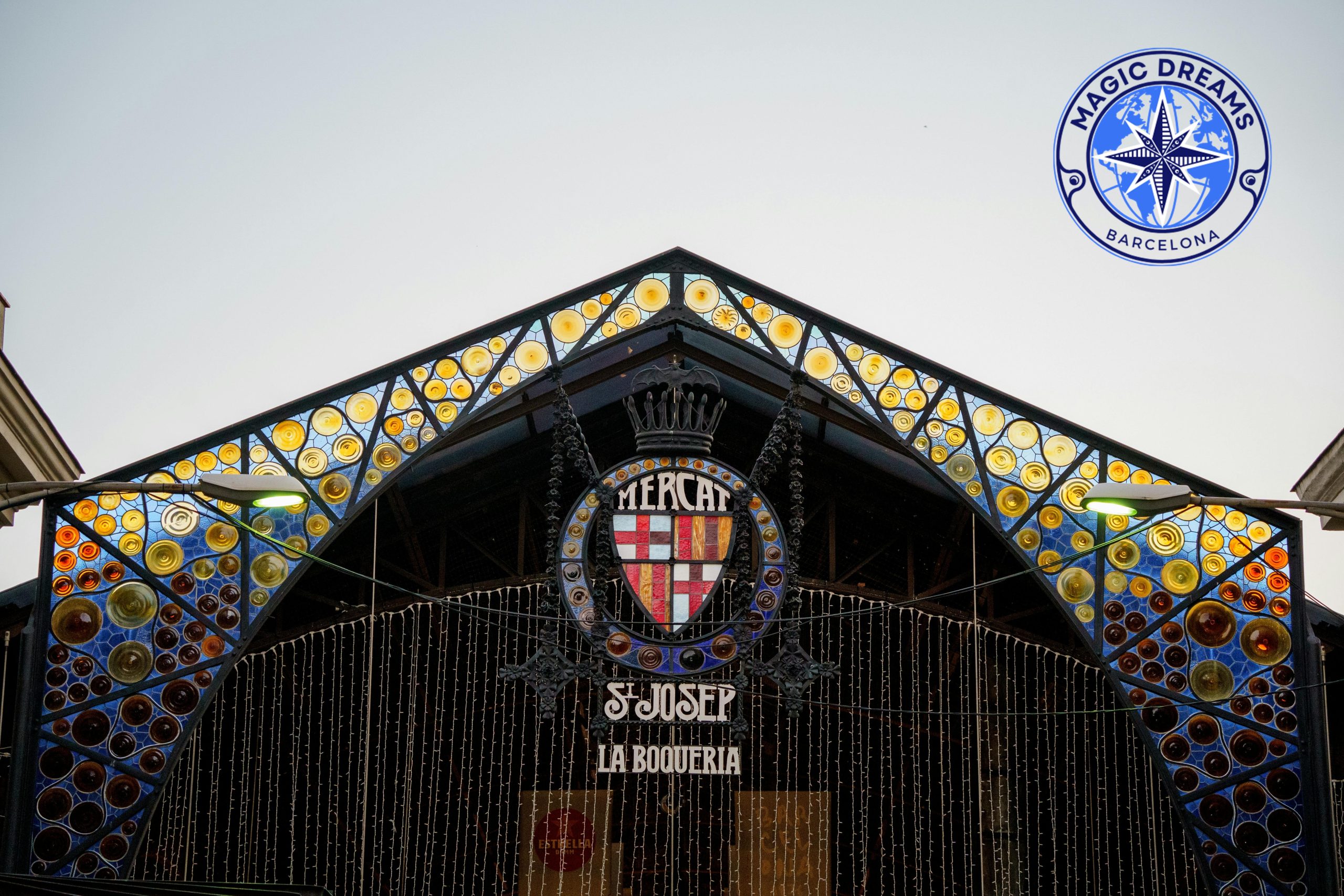
The Mercat de Sant Josep, popularly known as La Boquería — in Catalan, Mercat de Sant Josep or La Boqueria — is one of the landmarks that best represents Barcelona.
Located in the heart of La Rambla, in the Ciutat Vella district, this municipal market is much more than a place to buy fresh produce.
It is a historic space.
A meeting place.
A stage for everyday life.
And one of Barcelona’s great gastronomic landmarks.
La Boquería allows visitors to discover the city through its products, its merchants, its aromas and its flavours.
But it also offers an insight into an essential part of Barcelona’s urban development.
Its commercial history dates back to the 12th century, when an open-air market was held on the esplanade of the Pla de la Boqueria.
Centuries later, that commercial space would become one of the most famous markets in the Mediterranean.
Today, La Boquería remains one of the most visited places in Barcelona’s historic centre.
Yet behind the photographs, colours and market stalls lies a much deeper story.
A story of merchants.
Of farmers.
Of fishermen.
Of cooks.
Of families.
And of a city that for centuries has used its markets as essential places to obtain food and interact with one another.
What is La Boquería?
The Mercat de Sant Josep
The official name of the market is Mercat de Sant Josep.
However, virtually everyone knows it as La Boqueria.
The market is located at La Rambla, 91, in the very heart of Barcelona.
Its location is one of its defining characteristics.
From its entrance, visitors can step directly onto one of Europe’s most famous urban boulevards.
Just a few metres away is the Gran Teatre del Liceu.
The streets of El Raval extend nearby.
In the opposite direction lies the Gothic Quarter.
And following La Rambla towards the sea leads to the Monument a Colom, Port Vell, and eventually the Mediterranean.
La Boquería therefore occupies an exceptional position.
It is a market.
But it is also a gateway into the history of Barcelona.
The Origins of La Boquería
A market born outside the city walls
The history of La Boquería dates back at least to the 12th century.
On the esplanade of the Pla de la Boqueria, located outside Barcelona’s ancient walls, a travelling market was held.
Farmers and merchants from nearby settlements came into the city to sell their products.
The location also offered an economic advantage.
Because it was outside the city walls, vendors could avoid certain taxes associated with bringing goods into the city.
The market therefore developed at a strategic point.
Between the city and the surrounding territory.
Between producers and consumers.
Between the countryside and Barcelona.
Commercial activity gradually expanded, and the relationship between this space and La Rambla became increasingly close.
La Rambla Before La Boquería
When the market was held in the open air
La Rambla in the Middle Ages and in later centuries was very different from the grand boulevard we know today.
Vendors occupied different points along the route.
Farmers.
Butchers.
Fishermen.
Merchants.
Street sellers.
Commercial activity coexisted with the everyday movement of people.
For centuries, the market did not have the architectural structure it has today.
It was commercial activity integrated into public space.
The city grew.
The walls eventually disappeared.
La Rambla was transformed.
And the market ultimately became established in a permanent location.
The history of La Boquería is therefore inseparable from the evolution of Barcelona itself.
From Travelling Market to Permanent Market
The consolidation of a commercial institution
As Barcelona grew, so did the need to organise the trade in food.
During the 19th century, new rules and structures began to be established to regulate the market.
Commercial activity became increasingly complex.
The number of vendors increased.
The range of products expanded.
And the city needed a more permanent space.
La Boquería thus began to evolve from an informal market into a genuine urban infrastructure.
It was not simply a matter of selling food.
There was a need to organise.
To regulate.
To monitor.
To supply.
And to ensure that an increasingly large city could have access to fresh produce.
The Former Convent of Sant Josep
The place where the modern Boquería was born
The site currently occupied by the market corresponds to the former Convent of Sant Josep, founded in 1586 by the Discalced Carmelites.
For centuries, the convent formed part of the landscape of La Rambla.
But in 1835, it was destroyed.
Its disappearance would forever change the history of La Boquería.
A large monumental square was originally planned for the site.
The intention was to create a representative urban space that would transform this section of La Rambla.
However, the market was temporarily moved onto the former convent site.
What was initially intended as a provisional solution eventually became its permanent location.
Urban history had taken an unexpected turn.
The Square That Was Never Built
One of Barcelona’s most fascinating architectural stories
One of the most interesting aspects of La Boquería is precisely what was never built.
The convent site was intended to become a large monumental square.
The project envisaged a porticoed structure.
But the market ultimately occupied the space.
Elements of the original architectural concept have survived and still allow visitors to imagine the project.
This is why La Boquería has such a distinctive architectural character.
It is not a market designed from the outset as a large covered building.
It is a hybrid form of architecture.
A combination of square, market, portico and commercial infrastructure.
The Catalan architectural heritage considers this characteristic one of the elements that explain the market’s uniqueness.
1840: The Modern Market is Born
The beginning of the Boquería we know today
In 1840, the market was officially inaugurated in its current location.
The new structure made it possible to organise the stalls in a much more permanent manner.
La Boquería began to become a true commercial institution in Barcelona.
Meat.
Fish.
Fruit.
Vegetables.
Eggs.
Poultry.
Legumes.
Olives.
Preserves.
And countless other products from Catalonia and beyond.
The variety continued to grow over time.
And with it, the importance of the market within the economic life of the city also increased.
The Expansion of La Boquería
A market that grew with Barcelona
La Boquería did not remain static.
As Barcelona expanded, the market incorporated additional spaces.
Among them were sites associated with other historic properties in the surrounding area.
One particularly interesting example is the area connected with the former Convent of Sant Joan de Jerusalem, whose history dates back to the 14th century.
The expansion of the market reflects a reality characteristic of Barcelona.
The medieval city had left behind a complex network of religious buildings, streets and properties.
The modern city progressively transformed these spaces.
And La Boquería grew upon the traces of that earlier Barcelona.
The Architecture of La Boquería
A mixture of different eras
The architecture of the market is one of its greatest attractions.
Different moments in Barcelona’s history coexist here.
The Neoclassical-inspired portico.
Metal structures.
Glass.
Columns.
Commercial spaces.
Entrances from La Rambla.
And transformations carried out during the 20th century.
Together, they create an architecture that cannot be attributed to a single style.
La Boquería is, in reality, an accumulation of historical layers.
Each period has left its mark.
The Columns and the Former Monumental Project
The memory of a vanished square
Among the elements worth paying particular attention to are the Ionic columns associated with the original porticoed-square project.
These columns help us understand that La Boquería was not born as a conventional market.
Its architecture preserves the memory of that earlier urban project.
Later renovations sought precisely to recover this spatial reading.
An attentive visitor can see how the market functions almost like a large interior square.
The stalls form streets.
The pathways create perspectives.
And the architectural structure organises the space.
1914: The Great Roof
Iron and glass to protect the market
One of the key moments in the architectural evolution of La Boquería came in 1914.
That year, the market was enclosed by a large metal and glass roof, responding to the needs of vendors and shoppers.
The intervention followed the principles of so-called iron architecture, characteristic of industrial Europe.
The use of metal made it possible to create a spacious environment.
Glass provided natural light.
And the roof protected commercial activity from the weather.
It also created one of La Boquería’s most recognisable visual features.
An Architecture Different from Other Barcelona Markets
A market that tells its own story
La Boquería differs from other historic markets in Barcelona.
The Mercat del Born, built in 1876, and the Mercat de Sant Antoni, inaugurated in 1882, were conceived from the outset as covered markets.
La Boquería followed a different path.
Its architecture was gradually constructed around an existing commercial space.
This is why the market has such a hybrid identity.
It is not simply a building.
It is the architectural transformation of a commercial activity that had existed for centuries.
Its architecture explains its history.
The Modernist Entrance
The gateway connecting La Rambla with the market
The entrance to La Boquería from La Rambla is one of the most recognisable elements of the complex.
The monumental entrance leads visitors into a completely different environment.
Within just a few metres, one moves from the monumental scale of La Rambla to the intensity of the market.
The noise of the street.
The aromas.
The colours.
The merchants.
The products.
The movement.
The transition is immediate.
And precisely this relationship between street and market is one of La Boquería’s great urban strengths.
La Boquería and Industrial Barcelona
When the city became a major metropolis
During the 19th and 20th centuries, Barcelona underwent a tremendous transformation.
Industrialisation brought unprecedented demographic and economic growth.
New neighbourhoods emerged.
The city expanded beyond its former walls.
Trade became more professionalised.
And the food-supply system required new infrastructure.
La Boquería formed part of this process.
The market ceased to be simply a place of local commerce.
It became a fundamental component of the food system of an industrial and modern city.
La Boquería as Barcelona’s Pantry
From producer to consumer
One of the market’s great historical values lies in its role as a meeting point between producers, merchants and consumers.
For generations, products from the surrounding areas of Barcelona arrived at its stalls.
Fruit.
Vegetables.
Meat.
Fish.
Eggs.
Legumes.
Oil.
Cured meats.
And seasonal produce.
The market created a direct relationship between the surrounding territory and the city.
Barcelona was growing.
Yet it continued to depend on the products of its hinterland.
La Boquería was one of the places where that relationship became visible.
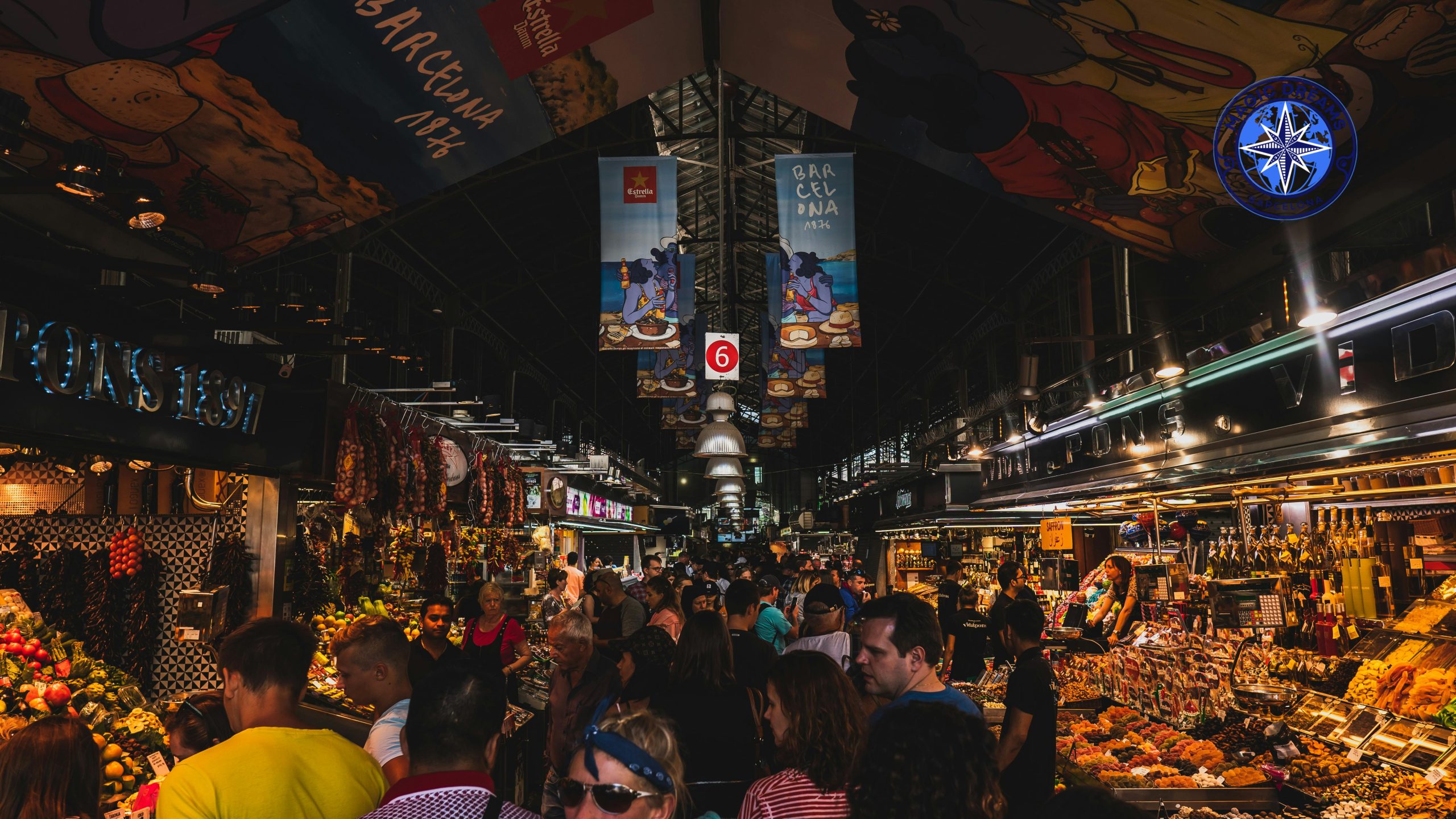
More Than 300 Stalls and Extraordinary Variety
A Mediterranean and international pantry
La Boquería offers an extraordinary variety of products.
Meat.
Poultry.
Eggs.
Charcuterie.
Fish.
Seafood.
Fruit.
Vegetables.
Nuts.
Legumes.
Olives.
Preserves.
Spices.
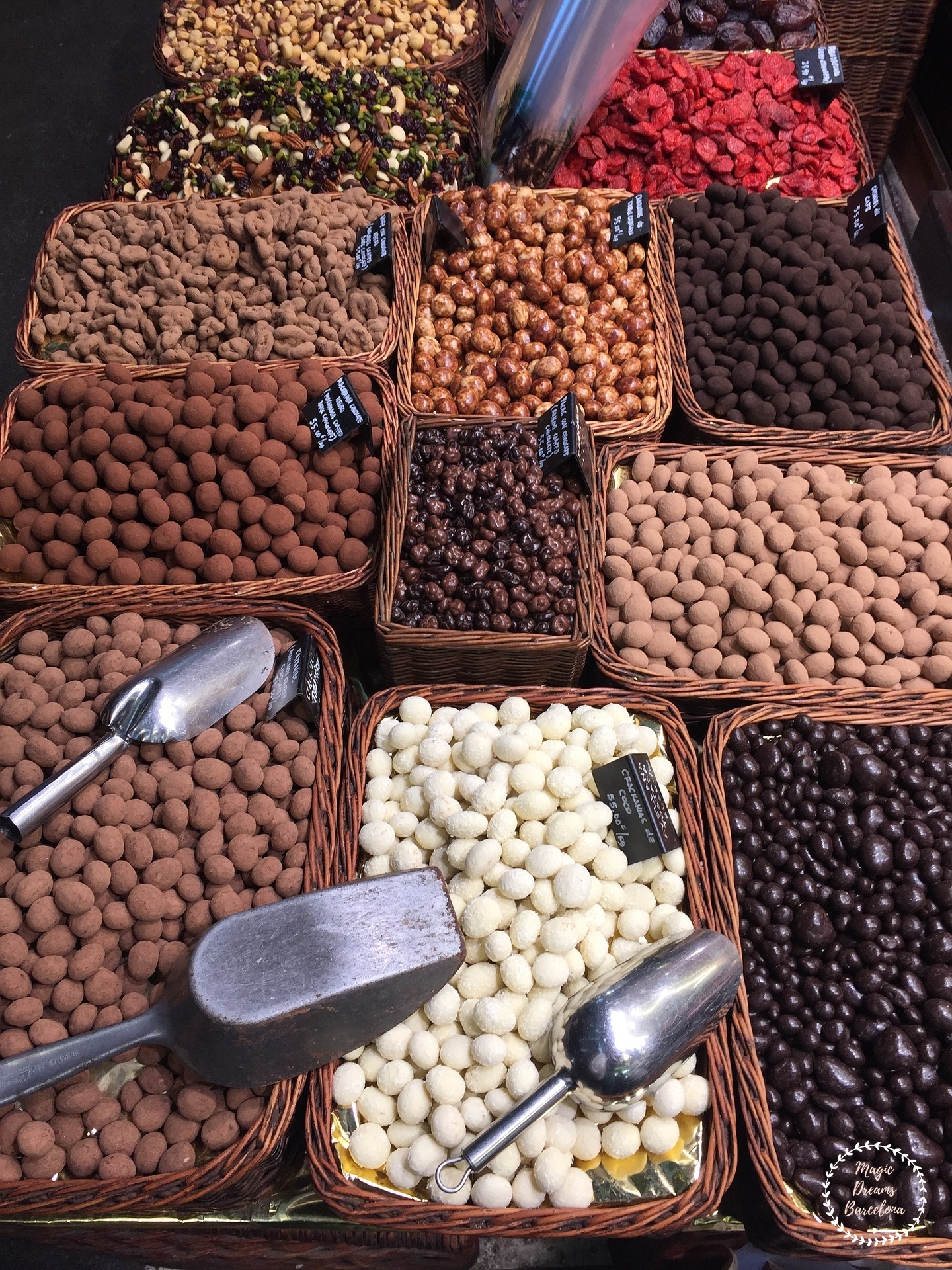
Sweets.
Chocolate.
Gourmet products.
And foods from different parts of the world.
This variety reflects Barcelona itself.
The city remains Mediterranean.
But it is also international.
La Boquería perfectly embodies this fusion.
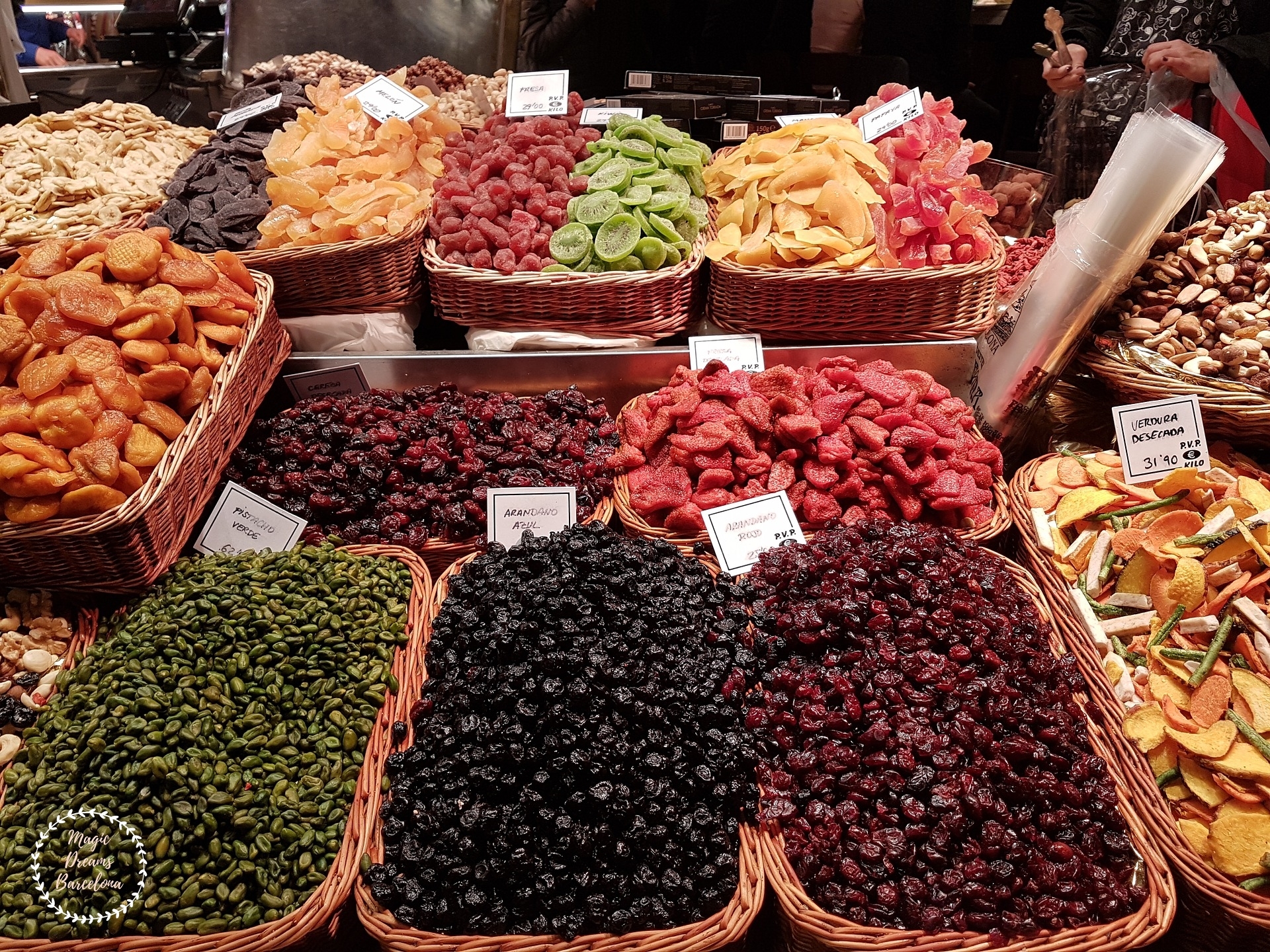
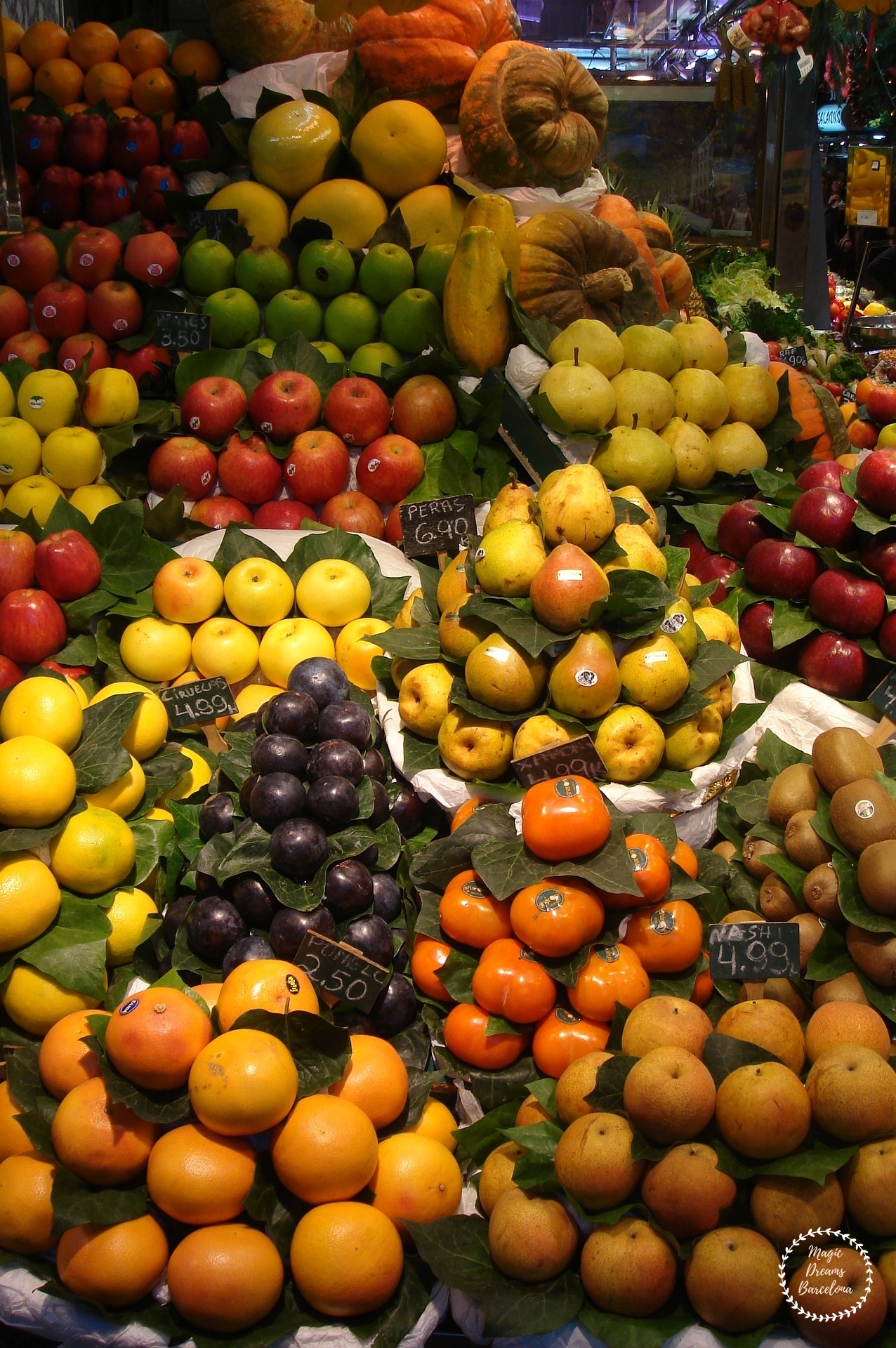
Fruit and Colour
One of the market’s great visual spectacles
Fruit is one of the most striking elements of La Boquería.
The stalls create genuine visual compositions.
Intense colours.
Textures.
Shapes.
Seasonal fruit.
Tropical produce.
Juices.
Ready-to-eat preparations.
For many visitors, this is one of their first encounters with the market’s visual personality.
But behind the image lies a long commercial tradition.
The presentation of the product is part of the craft.
Goods must look attractive.
They must convey freshness.
And they should tell a story even before they are tasted.
Fish and Seafood
Barcelona’s connection with the Mediterranean
Barcelona’s relationship with the sea is also present at La Boquería.
The fish and seafood stalls recall the historical importance of Mediterranean products in Catalan cuisine.
Fish.
Seafood.
Molluscs.
Crustaceans.
And different fresh products form part of a culinary tradition closely linked to the coast.
Visiting these stalls makes it possible to understand that Barcelona’s gastronomic culture cannot be separated from its Mediterranean identity.
Meat, Charcuterie and Traditional Products
A tradition that continues from the origins
The sale of meat forms part of La Boquería’s earliest history.
The first documents associated with commercial activity on the Pla de la Boqueria already mention tables used for the sale of meat.
Today, butchers and charcuterie stalls continue that tradition.
Ham.
Cured meats.
Fresh meat.
Cured products.
Catalan specialities.
And gourmet products.
The market thus preserves a direct connection with its medieval origins.
Catalan Cuisine
Barcelona begins at the market
To understand Catalan cuisine, it is necessary to understand its ingredients.
Olive oil.
Tomatoes.
Vegetables.
Fish.
Seafood.
Cured meats.
Cheeses.
Fruit.
Nuts.
Mushrooms.
And seasonal produce.
Catalan cuisine is built to a great extent around the quality of its ingredients.
And the market is where those ingredients come together.
La Boquería allows visitors to observe this process before the products reach the restaurant.
The Bars of La Boquería
Eating inside a market
The gastronomic experience does not end at the stalls.
Inside La Boquería there are several bars and establishments where visitors can enjoy fresh products and prepared dishes.
Among the historic and best-known establishments are:
Quim de la Boqueria
One of the market’s most popular bars, known for its egg-based dishes, seasonal produce and simple market cuisine.
Bar Pinotxo
A historic name at La Boquería and a reference point for traditional Catalan market cuisine, traditionally associated with dishes such as capipota and various seasonal preparations.
Bar Central
One of the options for enjoying breakfast and prepared dishes made with products from the market itself.
Kiosko Universal
Particularly well known for its fish, seafood, vegetables and mushrooms.
The experience changes completely when visitors stop simply observing the market and sit down to eat.
Eating at La Boquería
From stall to table
One of the most interesting experiences at the market is observing the relationship between produce and cooking.
Fish arrives fresh.
Vegetables are selected.
Mushrooms appear according to the season.
Eggs become the protagonists.
And market products move directly into the kitchen.
This relationship explains why market bars have such a distinctive character.
They do not need spectacular décor.
The true protagonist is the product.
La Boquería and Barcelona’s Chefs
The market as a source of inspiration
La Boquería is also part of Barcelona’s gastronomic ecosystem.
Chefs and restaurateurs have historically found markets to be a source of products, ideas and inspiration.
For a chef, a market is not simply somewhere to shop.
It is also a place to discover.
Observe.
Compare.
Search for seasonal ingredients.
And speak with people who know the produce.
This relationship between markets and professional gastronomy forms part of Barcelona’s culinary culture.
La Boquería and the Mediterranean
A cuisine rooted in the land
The identity of La Boquería is deeply connected to the Mediterranean tradition.
Bread.
Wine.
Olive oil.
Fruit.
Vegetables.
Fish.
Seafood.
Legumes.
Nuts.
These products form part of a gastronomic culture that has evolved over centuries.
But the market also reflects how that tradition has been enriched through cultural exchange.
Today, products from around the world can be found alongside deeply Catalan ingredients.
La Boquería is, in this sense, an expression of Mediterranean and international Barcelona.
A Market from Around the World
Barcelona as an open city
Contemporary La Boquería is not limited to traditional products.
Globalisation has also transformed its stalls.
Spices.
Tropical fruit.
Asian products.
Latin American ingredients.
International sweets.
Gourmet products.
And different specialities from elsewhere.
This variety reflects Barcelona’s transformation into an international city.
The market retains its roots.
But it continues to incorporate new influences.
La Boquería and La Rambla
Two inseparable symbols
The history of La Boquería and La Rambla is deeply interconnected.
For centuries, the boulevard was a setting for commercial activity.
The market grew within this environment.
And it eventually became one of La Rambla’s great icons.
Today, walking along La Rambla and entering La Boquería allows visitors to discover two different dimensions of the city.
The monumental.
And the everyday.
The tourist city.
And the commercial city.
The historic.
And the contemporary.
La Boquería and the Gran Teatre del Liceu
Gastronomy and culture just steps apart
Just a few metres from La Boquería stands the Gran Teatre del Liceu, one of Europe’s great opera houses.
This proximity makes it possible to combine two quintessentially Barcelona experiences.
A gastronomic visit.
And a cultural experience.
La Boquería represents everyday life.
The Liceu represents artistic tradition.
Between the two lies one of the most fascinating areas of Ciutat Vella.
La Boquería and El Raval
A market between different Barcelonas
The market’s location also makes it possible to understand the diversity of El Raval.
For centuries, this area was closely associated with commercial and craft activities.
Today, it is one of Barcelona’s most culturally diverse neighbourhoods.
La Boquería acts as a meeting point between different urban realities.
La Rambla.
El Raval.
The Gothic Quarter.
The Liceu.
And the former maritime waterfront.
Few areas of the city contain so many layers of history within such a small space.
La Boquería and the Transformation of Barcelona
From medieval market to international icon
The evolution of La Boquería, in many ways, summarises the evolution of Barcelona.
First, it was an open-air market.
Then it became an organised market.
Later, it acquired a permanent architectural structure.
Industrialisation transformed the way it operated.
The 20th century modified its facilities.
And international tourism turned the market into one of the city’s great symbols.
Yet its essential function has survived.
To remain a market.
A Market That Is Not a Museum
The story continues
One of the most important aspects of La Boquería is that it is not a museum.
History continues here.
The stalls are still operating.
Merchants are still working.
Products are still arriving.
Customers are still shopping.
And chefs are still searching for ingredients.
This everyday activity is precisely what makes the market a living heritage site.
The architecture may be centuries old.
But the experience is happening today.
La Boquería and the Senses
Barcelona can be seen, smelled and tasted
Visiting La Boquería is a sensory experience.
Colours appear before details.
Then come the aromas.
The sound of conversations.
Knives.
Boxes.
Trolleys.
Ice.
The voices of the merchants.
And finally, the flavours.
It is difficult to understand La Boquería through photographs alone.
You have to walk.
Observe.
Listen.
Ask questions.
And taste.
La Boquería as a Cultural Experience
Much more than gastronomy
A visit to the market offers an insight into many aspects of Barcelona.
Its commercial history.
Its architecture.
Its relationship with the Mediterranean.
Its gastronomic culture.
Its urban evolution.
The importance of markets.
And the cultural diversity of contemporary Barcelona.
For this reason, La Boquería can form part of many different experiences.
A historical tour.
A gastronomic tour.
An architectural route.
A photography experience.
Or a private exploration of Ciutat Vella.
What to Discover Inside La Boquería
A route through the heart of the market
During a visit, it is worth paying attention to several elements.
01 · The La Rambla Entrance
The historic entrance connecting the market directly with one of Barcelona’s most emblematic boulevards.
02 · The Metal and Glass Roof
One of the market’s most distinctive architectural elements, added in 1914.
03 · The Columns
Elements that recall the former monumental-square project.
04 · The Fruit Stalls
One of the most recognisable images of La Boquería.
05 · Fish and Seafood
An expression of the relationship between Barcelona and the Mediterranean.
06 · Butchers and Charcuterie Stalls
A commercial tradition connected to the market’s historical origins.
07 · The Bars
Places where products are transformed into a gastronomic experience.
08 · Plaça de la Gardunya
A space that provides an opportunity to observe the relationship between the market, El Raval and contemporary architecture.
A Private Gastronomic Experience
Discovering La Boquería with a Local Expert
For those who wish to explore Barcelona’s gastronomic culture in greater depth, a private visit offers a different perspective on the market.
It is not simply about walking through the aisles.
It is about understanding.
Why certain products are important.
How to recognise seasonal ingredients.
What relationship exists between the market and Catalan cuisine.
Where particular products can be found.
How the stalls have evolved.
And what stories lie behind some of the market’s merchants.
A private experience can be adapted entirely to each visitor’s interests.
La Boquería for Food Lovers
A journey through ingredients
For a passionate food lover, La Boquería can become a genuine sensory experience.
Discover Catalan products.
Compare ingredients.
Explore international produce.
Discover spices.
Examine fish and seafood.
Observe the seasonal rhythm of fruit and vegetables.
And finish the visit with a carefully selected tasting.
The market thus becomes an introduction to Barcelona’s cuisine.
La Boquería and the Premium Experience
Barcelona from a more exclusive perspective
For those seeking a more personalised experience, La Boquería can be incorporated into a private Barcelona itinerary.
A gastronomic visit can be combined with architecture.
Art.
History.
Photography.
Nature.
Shopping.
Gastronomy.
Or maritime experiences.
The city offers countless possibilities.
A tour of La Boquería can continue towards the Gothic Quarter.
Then towards Port Vell.
And finally conclude with a private experience overlooking the Mediterranean.
The itinerary can be completely tailored to the visitor.
Gastronomy and the Mediterranean
From the market to the sea
One of the most interesting experiences is to connect La Boquería with Barcelona’s coastline.
The journey begins among fresh produce.
Continues along La Rambla.
Passes the Monument a Colom.
And ends beside the Mediterranean.
The connection feels natural.
The market represents the produce.
The port represents trade.
And the sea represents one of the great forces that have shaped Barcelona throughout its history.
Barcelona Through Its Markets
A city understood through gastronomy
La Boquería is not the only historic market in Barcelona.
The city offers other remarkable spaces such as the Mercat de Santa Caterina, Mercat de Sant Antoni and Mercat del Ninot.
Each one tells a different part of the city’s urban evolution.
But La Boquería has a particular distinction.
Its history is directly connected to La Rambla and to the origins of Barcelona’s urban market tradition.
That is why it occupies such a special place in the city’s gastronomic memory.
A Living Heritage
More than eight centuries of commerce
The history of La Boquería begins long before its present architecture.
Documented commercial activity dates back to the 12th century.
The modern market emerged in the 19th century.
The great roof was added in 1914.
Later renovations adapted the market to the needs of contemporary Barcelona.
And today, the space continues to function.
More than eight centuries after its earliest commercial beginnings, La Boquería remains a place where Barcelona shops, cooks, talks and connects.
That continuity is one of its greatest treasures.
Would You Like to Discover La Boquería With Us?
Barcelona through history, flavour and experience
At Magic Dreams Barcelona, we believe that markets are one of the best ways to understand a city.
Because a market does not simply reflect what a society eats.
It also reflects how people live.
How they trade.
How they interact.
How they preserve their traditions.
And how they incorporate new influences.
Our native guide, specialising in history, architecture, art, gastronomy, botany and ornithology, can accompany you on a private experience through La Boquería, La Rambla and the historic centre of Barcelona, tailoring the itinerary entirely to your interests.
We can design an experience combining La Boquería with the Gothic Quarter, the Gran Teatre del Liceu, La Rambla, Port Vell, Moll de la Fusta, Barceloneta or Montjuïc.
We can also incorporate private gastronomic experiences, carefully selected tastings, restaurants, local chefs, professional photography, private picnics with table settings and catering, yacht outings, floristry, musicians, romantic proposals and other experiences designed specifically for each visitor.
For those who wish to discover Barcelona from a deeper perspective, we also offer experiences focused on the history of the city, Catalan gastronomy, architecture, historic markets, art, nature and urban development.
Each experience is designed around the visitor’s interests, from a Premium proposal to a completely bespoke experience.
Our goal is not simply to introduce you to Barcelona.
It is to help you understand it.
To discover its stories.
To recognise its flavours.
To uncover its less obvious places.
And to experience the city from a more intimate and authentic perspective.
La Boquería is not simply a market. It is one of the places where Barcelona can be seen, heard, smelled and tasted.
Boquería.
Boquería.
Boquería.
Boquería.
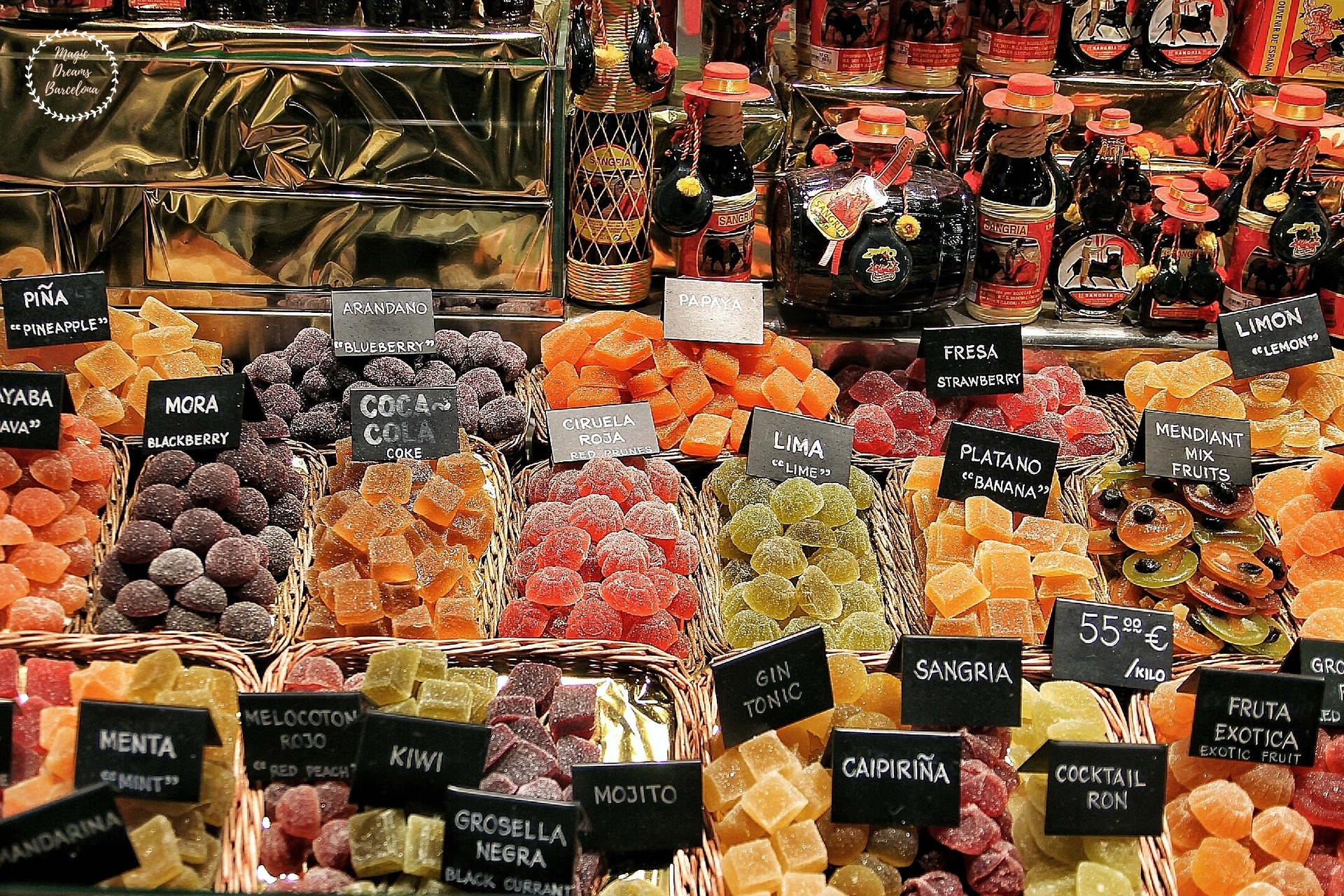
Detalle de dulces en el Mercado de San José (Mercado de la Boquería) en la Rambla.
Detalle de dulces en el Mercado de San José (Mercado de la Boquería) en la Rambla.
Detalle de dulces en el Mercado de San José (Mercado de la Boquería) en la Rambla.
Detalle de dulces en el Mercado de San José (Mercado de la Boquería) en la Rambla.
Detalle de fruta en el Mercado de San José (Mercado de la Boquería) en la Rambla.
Detalle de fruta en el Mercado de San José (Mercado de la Boquería) en la Rambla.
Detalle de fruta en el Mercado de San José (Mercado de la Boquería) en la Rambla.
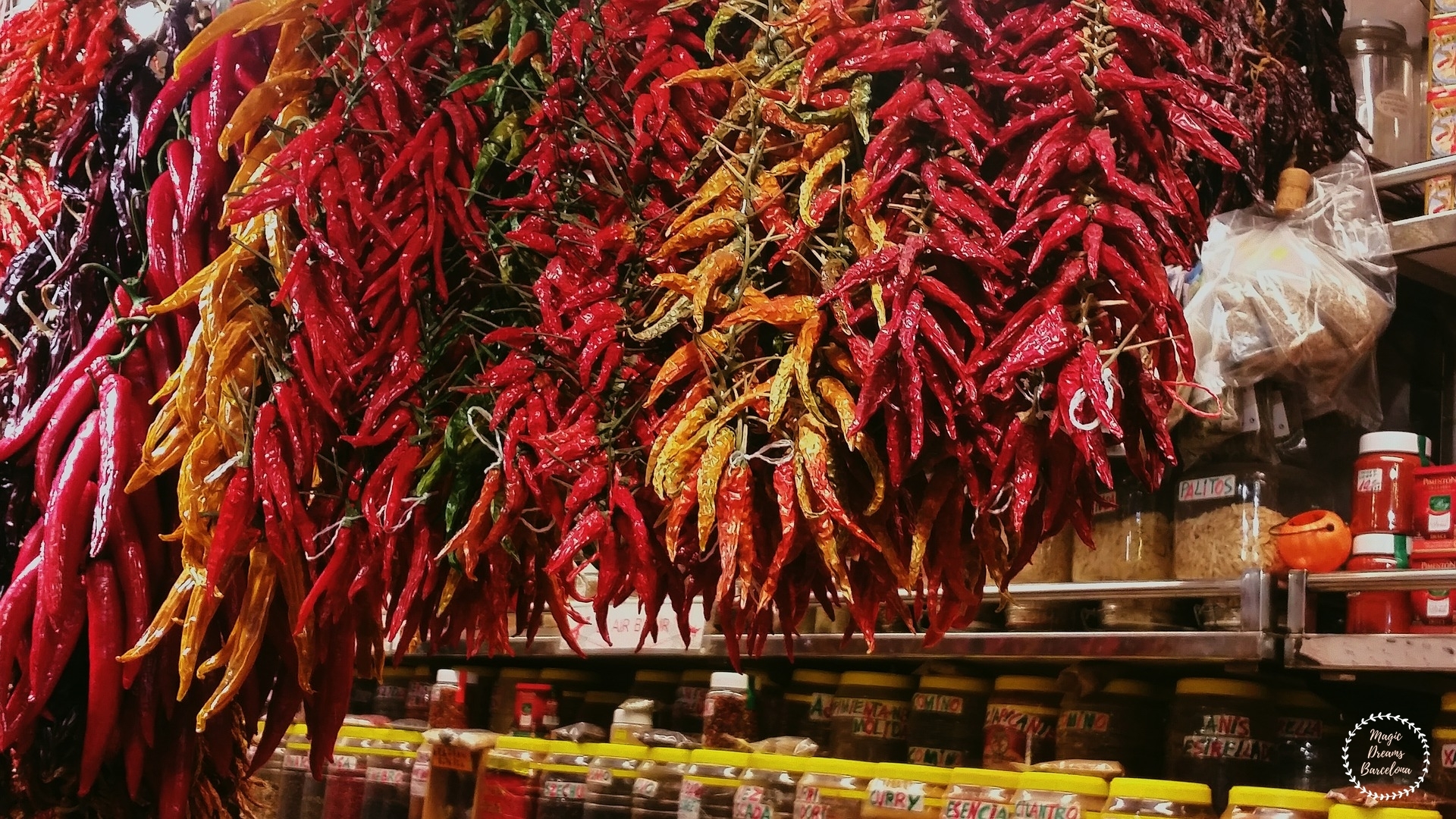
Detalle de pimientos en el Mercado de San José (Mercado de la Boquería) en la Rambla.
Detalle de dulces en el Mercado de San José (Mercado de la Boquería) en la Rambla.
Detalle de dulces en el Mercado de San José (Mercado de la Boquería) en la Rambla.
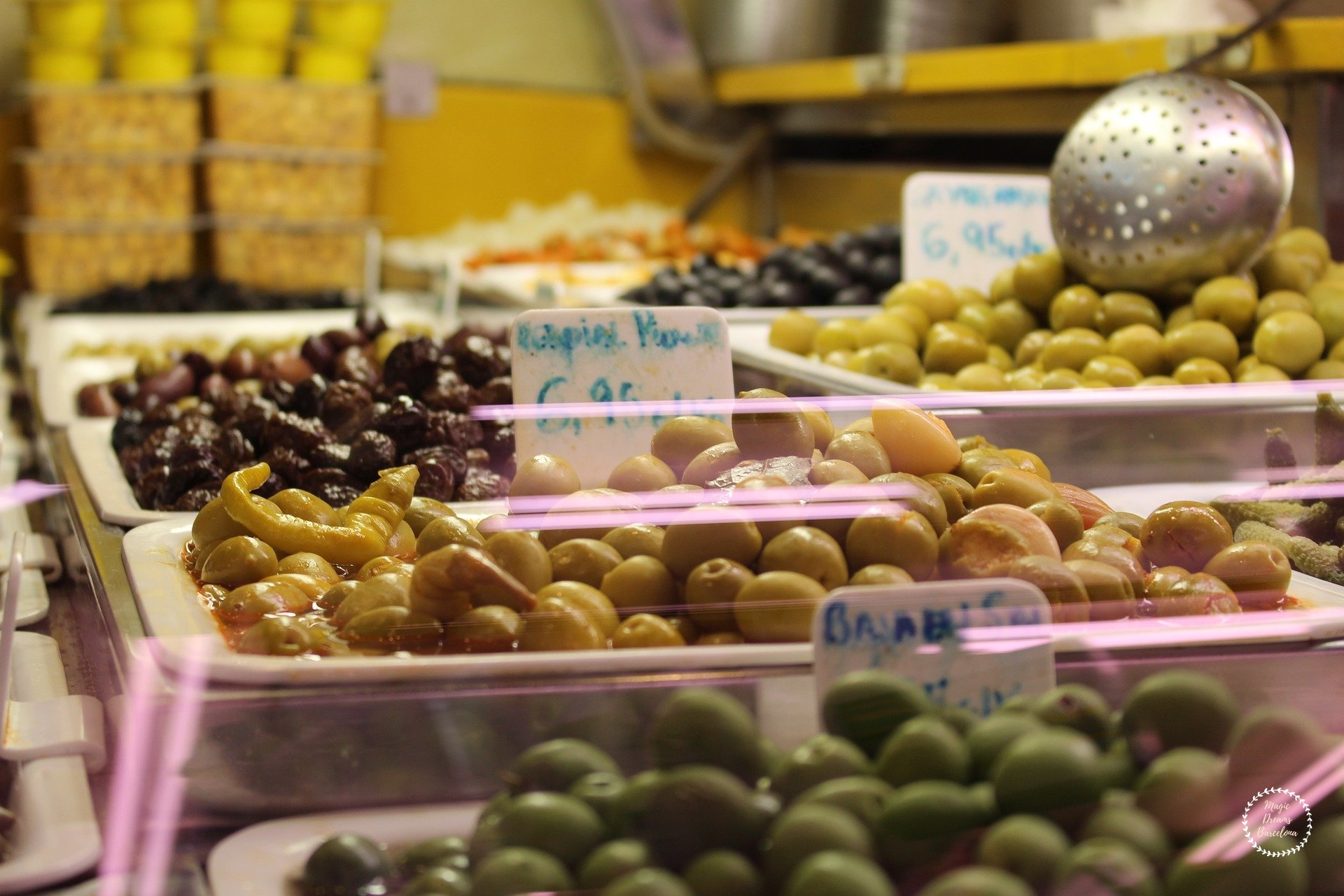
Detalle de aceitunas en el Mercado de San José (Mercado de la Boquería) en la Rambla.
Detalle de pimientos en el Mercado de San José (Mercado de la Boquería) en la Rambla.
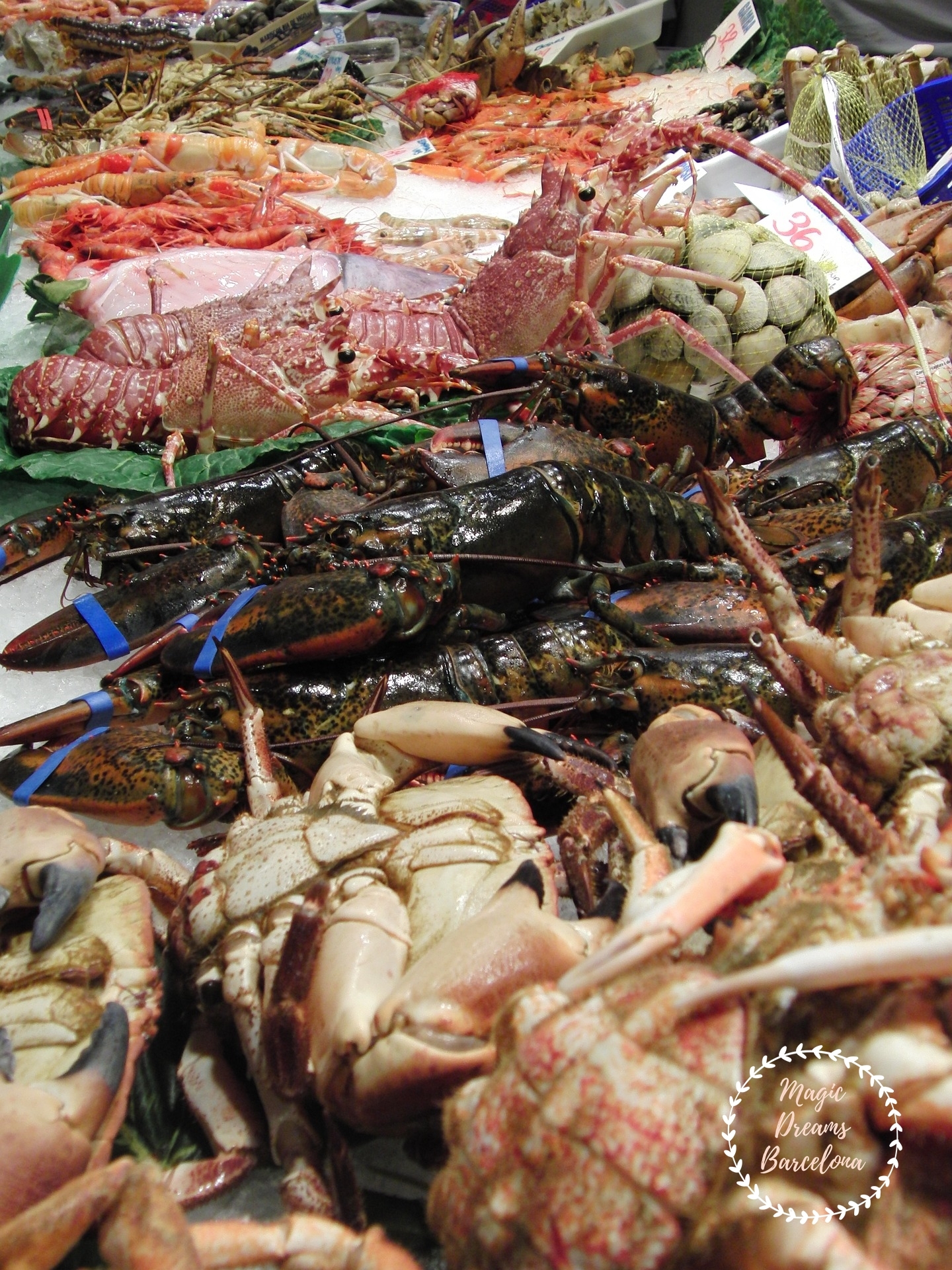
Detalle marisco en el Mercado de San José (Mercado de la Boquería) en la Rambla.
Detalle cocktail de frutas en el Mercado de San José (Mercado de la Boquería) en la Rambla.
Detalle en el mercado de San José (Mercado de la Boquería) en la Rambla.
Detalle exterior en el mercado de San José (Mercado de la Boquería) en la Rambla.
The Jardins de Vil·la Amèlia (Vil·la Amèlia Gardens) are one of those green spaces in Barcelona that can easily go unnoticed by many visitors, despite being located in one of the city’s most elegant neighbourhoods. Situated in Sarrià-Sant Gervasi, these gardens preserve part of the …