Barcelona Botanical Garden: A Journey Through Five Landscapes.

On Montjuïc Mountain, far from the hustle and bustle of the city centre, there is a garden where nature tells the story of five corners of the planet. Barcelona Botanical Garden is much more than a green space: it is a journey through Mediterranean landscapes, a collection of biodiversity and a privileged place to discover the richness of the plant world.
A Garden Among Mountains and Landscapes
Barcelona Botanical Garden is located on Montjuïc, surrounded by the mountain’s cultural and natural attractions. Its address is Carrer del Doctor i Font i Quer, 2, 08038 Barcelona.
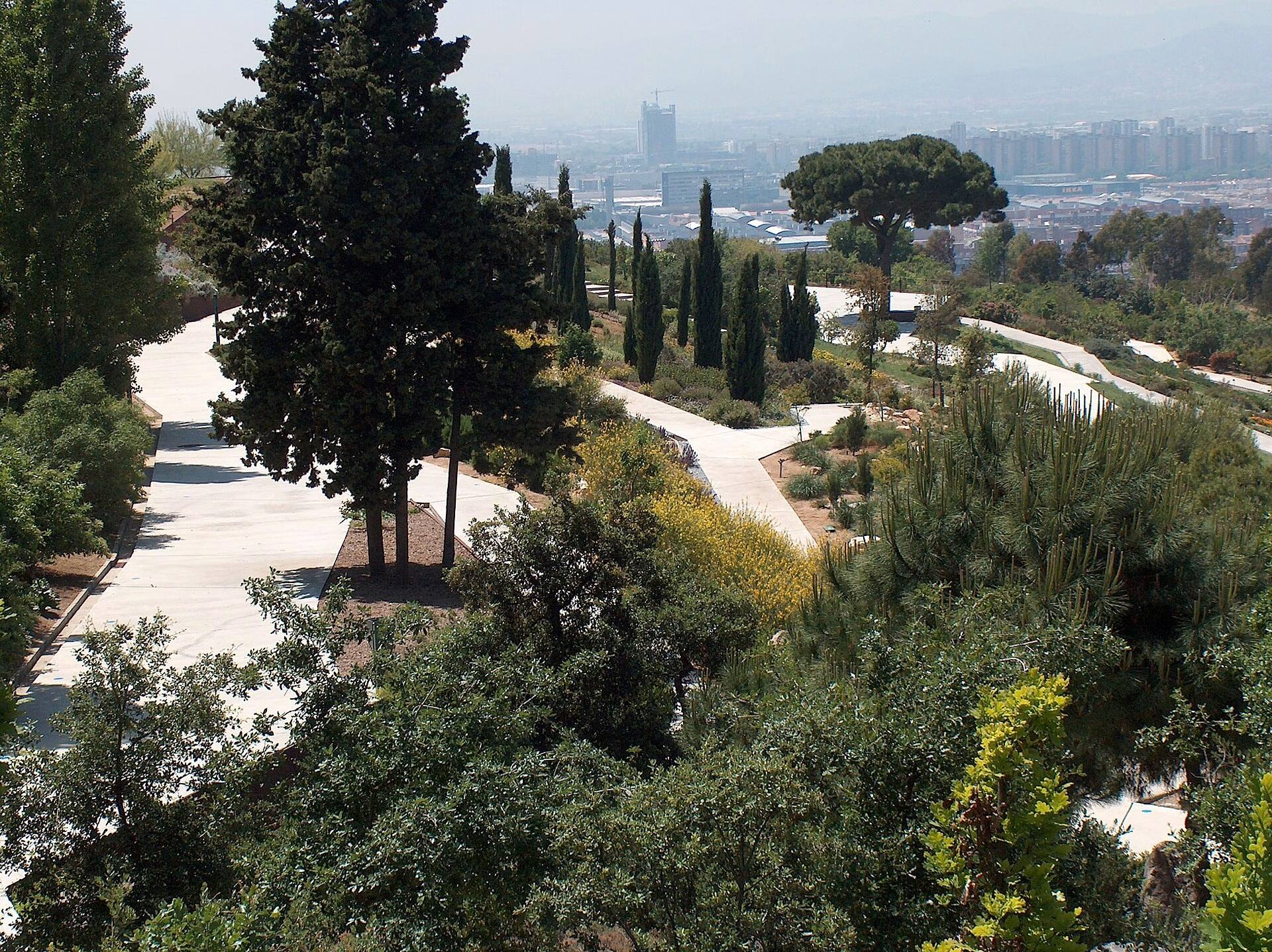
Its location, between the Olympic Stadium and Montjuïc Castle, offers a peaceful setting and magnificent views of the city and its surroundings.
Covering approximately 14 hectares, the garden is organised to showcase the vegetation of five major regions of the world that share a Mediterranean climate: the Mediterranean Basin, California, central Chile, the Cape region of South Africa and southwestern Australia.
This layout makes it possible to compare how nature has developed similar solutions in places separated by thousands of kilometres.
Five Regions, One Shared Climate
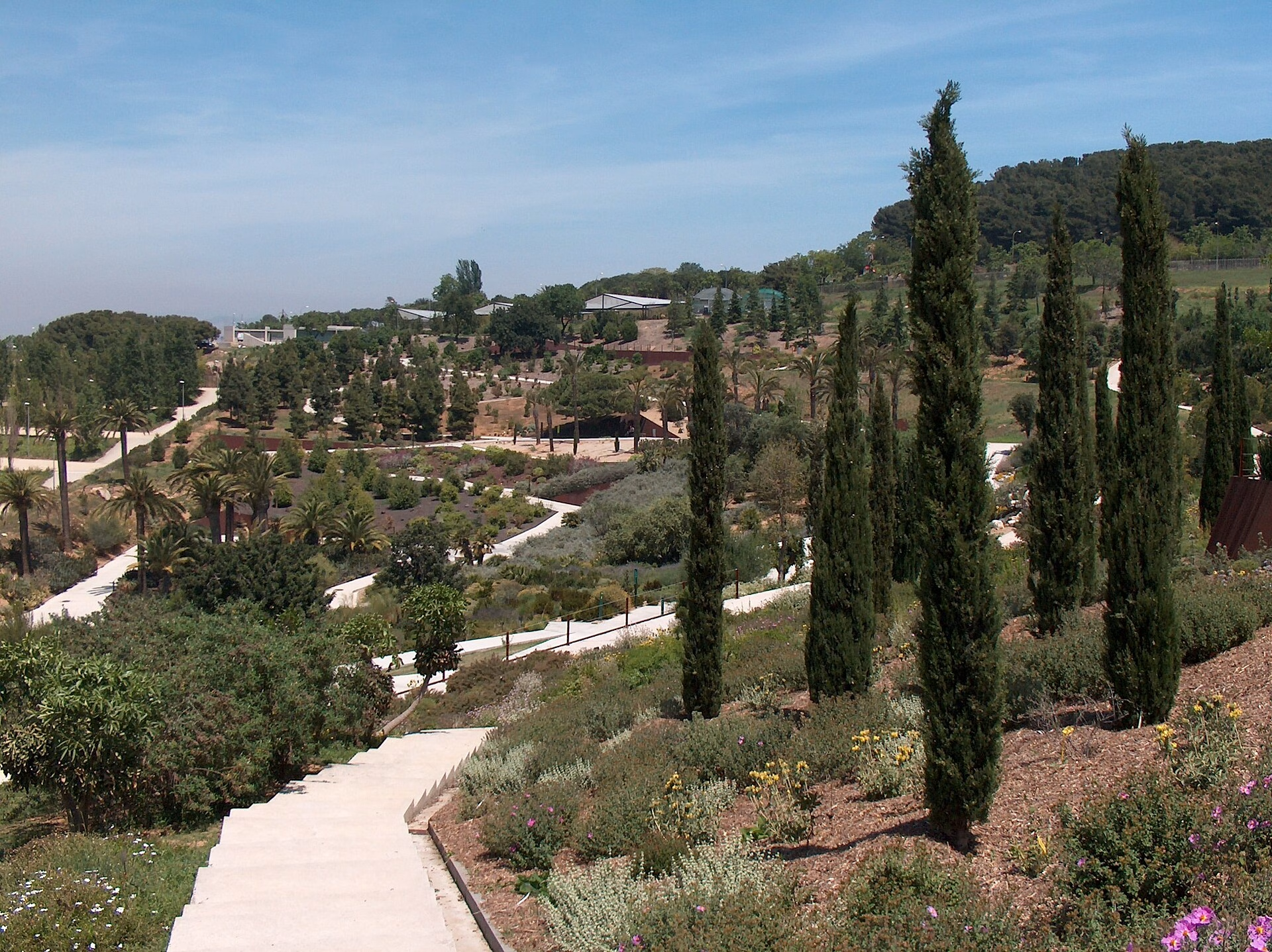
One of the garden’s most interesting features is its landscape design. Rather than organising plants solely according to botanical criteria, the walking route recreates the landscapes of the five Mediterranean-climate regions of the world.
Along its paths, you can discover forests, scrubland, aromatic plants, shrubs and trees adapted to dry summers and mild, rainy winters.
Each area has its own character and allows visitors to appreciate the differences between ecosystems which, despite sharing similar climatic conditions, are home to very different species.
The garden brings together around 2,000 plant species and offers an exceptional opportunity to explore botanical diversity without leaving Barcelona.
The Plant Species of Barcelona Botanical Garden: A World of Plants on Montjuïc
One of the main attractions of Barcelona Botanical Garden is the variety of species it contains. Its collection allows visitors to discover plants from different regions of the world that share a Mediterranean climate, although each has developed its own adaptations to survive in the conditions of its environment.
Among remarkable trees, shrubs, aromatic plants, succulent species and brightly coloured flowers, visitors can enjoy a genuine botanical journey across four continents.
Australia: Eucalyptus, Acacias and Banksias
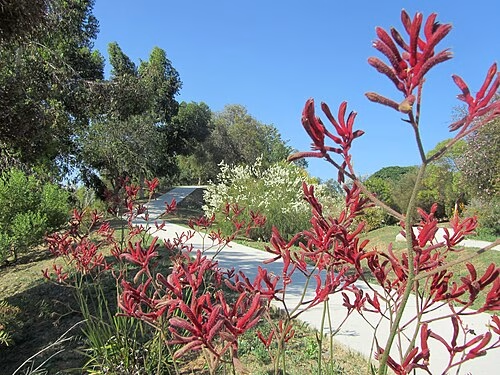
The Australian section stands out for its trees and shrubs characteristic of the southwestern part of the continent. Visitors will find representatives of genera such as Acacia, Eucalyptus, Melaleuca, Callistemon, Hakea, Banksia and Grevillea.
Also attracting attention are the grass trees, known as tree-like grasses, unusual-looking plants that have developed adaptations to withstand fires. Casuarinas and conifers from the Callitris genus complete this almost prehistoric-looking landscape.
Chile: Araucarias, Puya Plants and Cacti
The Chilean section showcases vegetation shaped by oceanic influences, dry terrain and thorny scrubland. Among its most characteristic species is the monkey puzzle tree (Araucaria araucana), a majestic tree that can grow to impressive heights.
Also represented are Chilean mesquite trees (Prosopis chilensis), espino trees (Acacia caven), Chilean guava (Ugni molinae) and exotic-looking plants such as puyas and other bromeliads. In the driest areas, visitors can discover cacti adapted to water scarcity.
South Africa: Proteas, Gazanias and Resilient Plants
The South African region is home to an extraordinarily diverse flora, with countless endemic species. Its landscapes feature plants adapted to poor soils, dry periods and recurring episodes of wildfires.
Among the genera that best represent this region are proteas, alongside shrubs, succulent plants and brightly coloured flowers such as gazanias. It is one of the most interesting areas for observing the variety of forms and survival strategies developed by Mediterranean vegetation.
California: Redwood Trees, Oaks and Plants from Dry Environments
California’s flora combines forests, scrubland and semi-arid areas. Oaks, pines and other conifers are characteristic of this Mediterranean region, along with species adapted to drought.
Plants such as agaves and yuccas are also part of this landscape. They are easily recognisable by their rigid leaves and their ability to store or make efficient use of water in challenging conditions.
The Mediterranean Basin: Olive Trees, Holm Oaks and Aromatic Plants
The Mediterranean section allows visitors to recognise species more familiar from our own landscapes. Highlights include trees such as the olive tree, the holm oak and the carob tree, as well as shrubs and aromatic plants commonly found in Mediterranean forests and scrubland.
The route also showcases plant formations from the western and eastern Mediterranean, North Africa and the Canary Islands. These include species adapted to drought, with small, resilient leaves, woody stems or thorns that help reduce water loss.
A Collection Worth Exploring at Leisure
The richness of Barcelona Botanical Garden lies not only in the number of species it contains, but also in the opportunity to observe how plants from distant parts of the world have developed similar adaptations to survive in comparable climatic conditions.
The collection includes around 2,000 plant species, although its composition may change over time as a result of conservation and renewal work. This means that every visit offers the opportunity to discover new details and experience the landscapes from a different perspective.
A Place with History and a Scientific Mission
The current garden opened its doors in 1999, although Montjuïc has a much longer botanical tradition. In 1930, the Historic Botanical Garden was established, linked to the work of botanist Pius Font i Quer.
The new garden was created with a different purpose: to display the vegetation of the world’s Mediterranean-climate regions and become a centre for conservation, education and research.
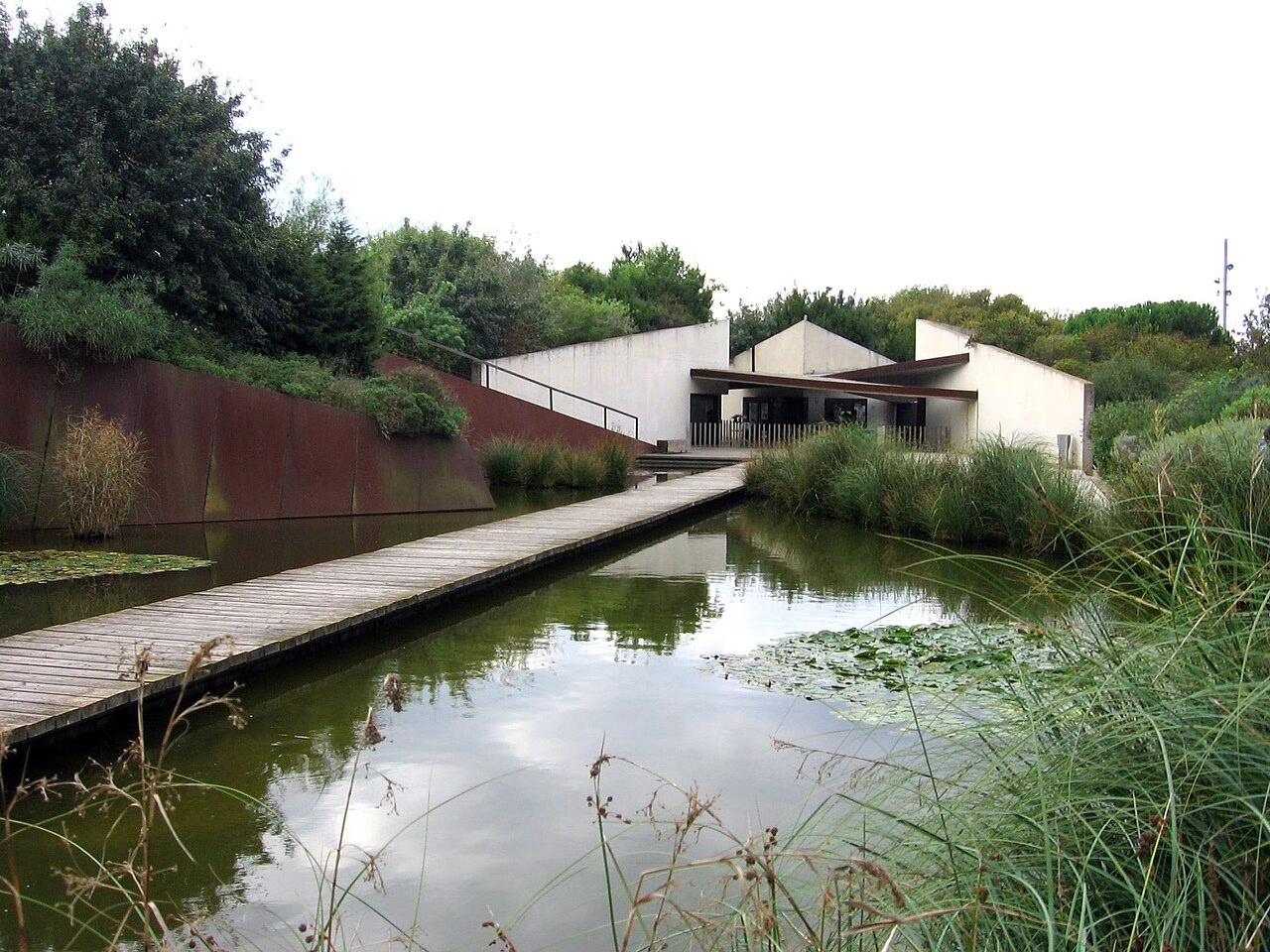
Its architectural and landscape design was adapted to the mountain’s topography, integrating the paths into the terrain and making use of its slopes to create different natural environments.
Barcelona Botanical Garden is associated with the Barcelona Natural Science Museum and the Botanical Institute of Barcelona, institutions dedicated to scientific research, conservation and public education.
For this reason, a visit is not simply an aesthetic experience: it also provides an opportunity to understand the importance of protecting biodiversity and preserving plant species.
A Visit to Enjoy at Your Own Pace
The garden’s walking route is designed for strolling, observing and discovering. Its paths wind through different landscapes, offering quiet spots where visitors can stop to admire the plants, identify species and enjoy the peaceful surroundings.
We recommend wearing comfortable shoes, especially if you plan to explore the garden at a leisurely pace. Allow approximately one and a half to two hours to enjoy your visit without rushing.
Spring and autumn are generally particularly pleasant seasons to explore the garden, although each time of year offers a different perspective on the landscape.
How to Get to Barcelona Botanical Garden
By Public Transport
You can reach Montjuïc using several bus routes. Bus line 150 connects Plaça d’Espanya with different areas of the mountain. You can also check the routes that stop near the garden, such as bus line 13.
Another option is to take the metro to Plaça d’Espanya and continue by bus. If you prefer to travel up from the Paral·lel area, you can take the Montjuïc funicular and complete the journey on foot or by public transport.
We recommend checking transport connections before setting off, as routes and frequencies may vary.
By Car
If you wish to travel by private vehicle, you can reach Montjuïc by following the signs towards the Olympic Stadium and Montjuïc Castle. Enter the following address into your navigation system:
Carrer del Doctor i Font i Quer, 2.
There are parking spaces in the surrounding area, although availability may vary depending on the day and the number of visitors. It is advisable to check parking conditions and fees before travelling. You should not assume that parking is free.
Opening Hours and Ticket Prices
Barcelona Botanical Garden is open every day of the week, including Sundays and public holidays, with opening hours that vary throughout the year to adapt to daylight hours.
-
November to January: 10:00 am – 5:00 pm.
-
February and March: 10:00 am – 6:00 pm.
-
April, May, September and October: 10:00 am – 7:00 pm.
-
June to August: 10:00 am – 8:00 pm.
The garden is closed on 1 January, 1 May, 24 June and 25 December. Please note that the last admission is permitted up to half an hour before closing time.
Regarding ticket prices, general admission costs approximately €5 per person, while reduced admission is €2.50 for visitors who meet the museum’s eligibility requirements.
There is also a combined ticket with the Barcelona Natural Science Museum, priced at €8 for general admission and €4 for reduced admission.
A great opportunity to visit the garden free of charge is to take advantage of the first Sunday of every month, when admission is free throughout the day, as well as Sundays from 3:00 pm onwards.
We recommend checking the official opening hours and ticket prices before your visit in case of changes or extraordinary closures.
Much More Than a Garden
Barcelona Botanical Garden is a unique place thanks to the way it introduces visitors to five regions of the world through their distinctive plant landscapes. Its scientific interest, educational value and integration into Montjuïc Mountain make it a particularly worthwhile visit for anyone wishing to discover a different side of Barcelona.
You do not need to be a botanical expert to enjoy it. All you need is curiosity, a willingness to walk and the desire to stop and observe the little details that so often go unnoticed.
Discover Barcelona in a Different Way with Magic Dreams Barcelona
At Magic Dreams Barcelona, we believe that getting to know a city means going beyond its most famous landmarks. That is why we design personalised experiences to discover Barcelona from different perspectives, combining culture, nature, architecture and gastronomy.
We can accompany you on tours of Montjuïc and other hidden corners of the city, organise private experiences and help you discover places that reflect the most authentic essence of Barcelona.
Because sometimes the most special memories are made away from the usual tourist routes, among paths, gardens and landscapes that invite you to see the city through different eyes.
Copyright © 2016-2026 Magic Dreams Barcelona.