Arc de Triomf: The Great Gateway to Modern Barcelona.
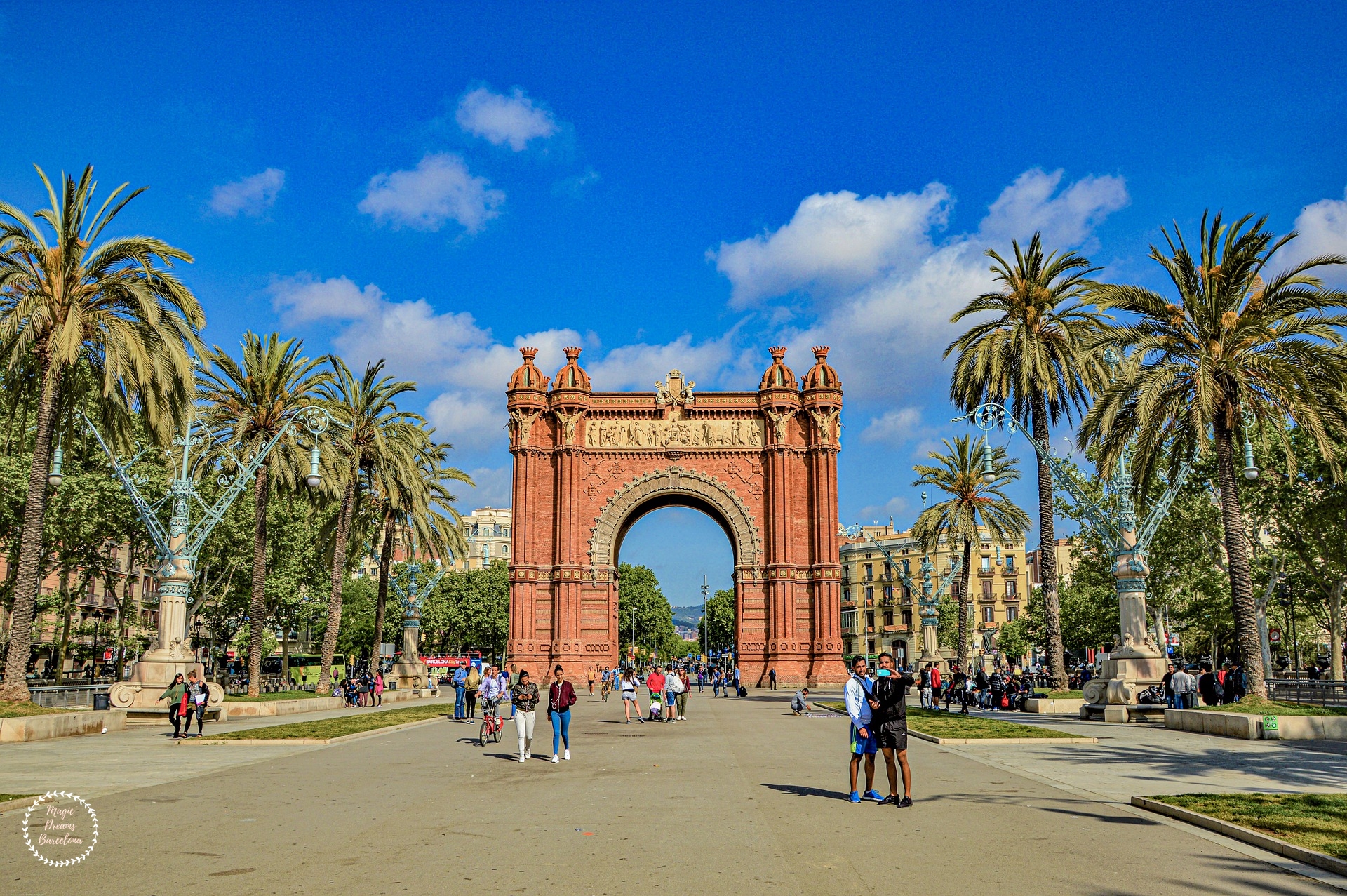
The Arc de Triomf of Barcelona is one of the city’s great monumental landmarks and one of the most important witnesses to the Barcelona that, at the end of the 19th century, was beginning to transform itself into a major European capital.
Built in 1888 for the Barcelona Universal Exhibition, it was designed as the grand entrance to the exhibition grounds, located in what is now Parc de la Ciutadella.
Its architect was Josep Vilaseca i Casanovas, who was commissioned to create a monument capable of representing the international importance of the event.
Unlike many European triumphal arches, which were designed to commemorate military victories, Barcelona’s Arc de Triomf celebrates neither a battle nor a conquest.
Its message is very different.
It is a monument dedicated to progress, culture, the arts, science, industry and fraternity among the nations that participated in the Universal Exhibition.
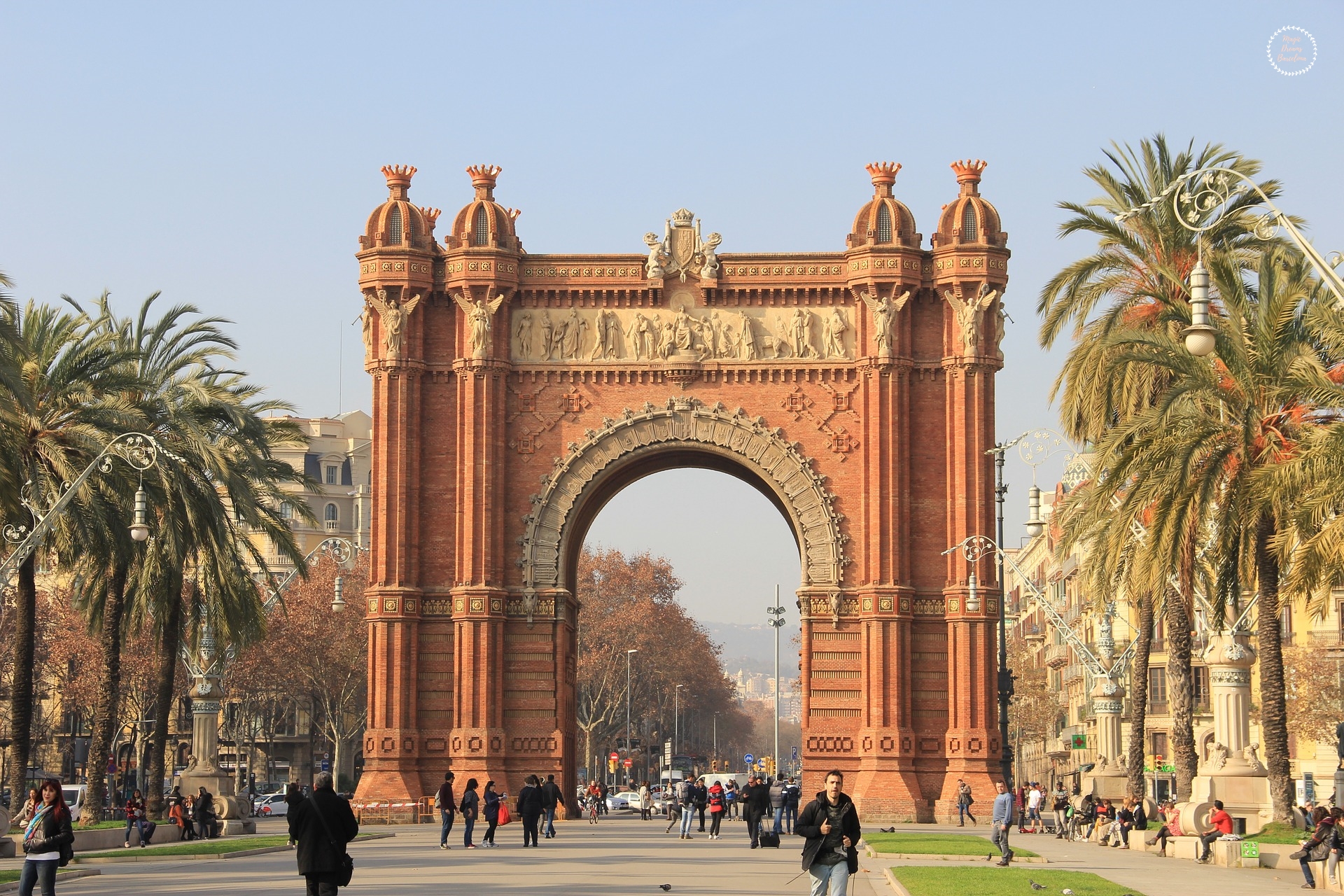
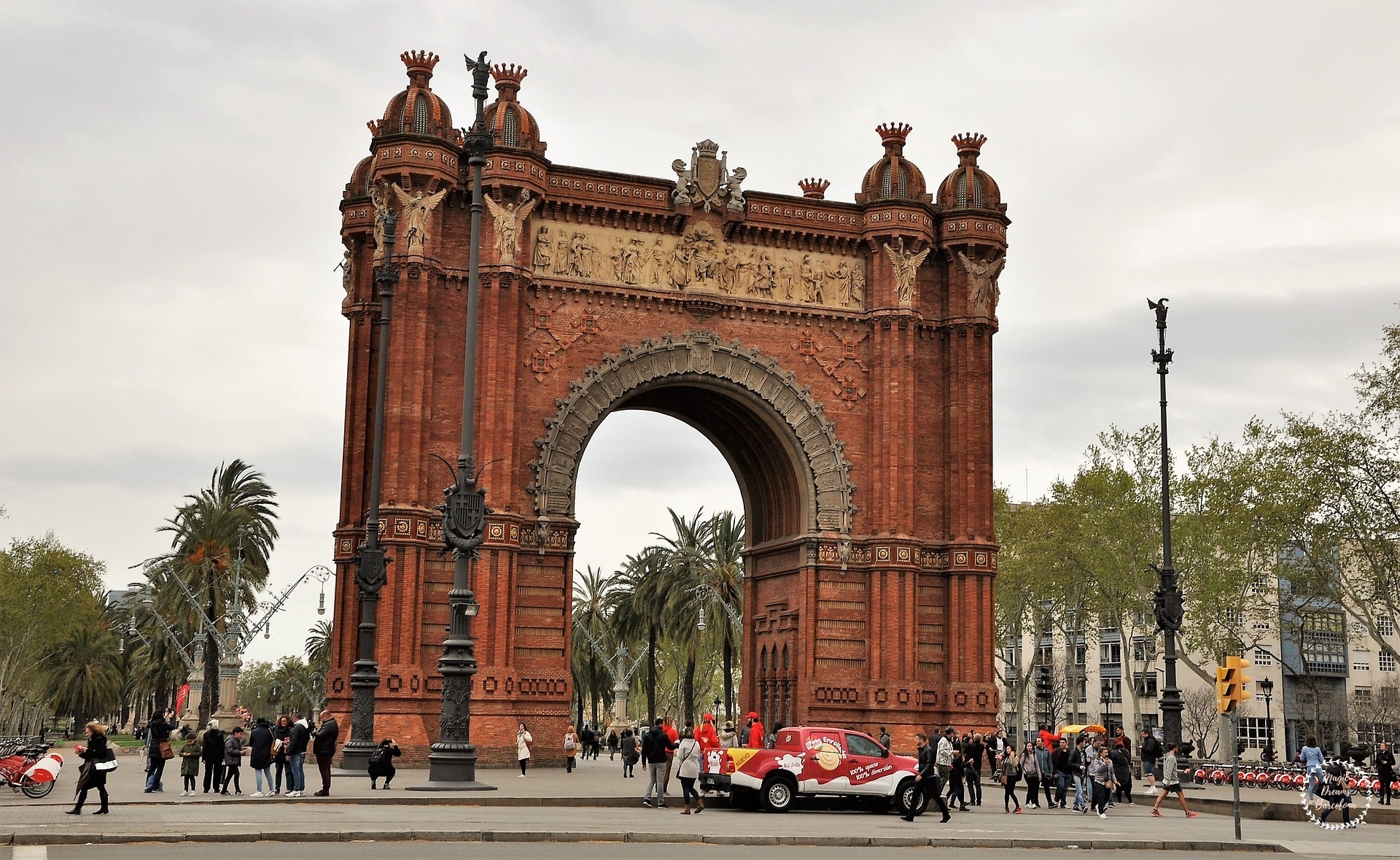
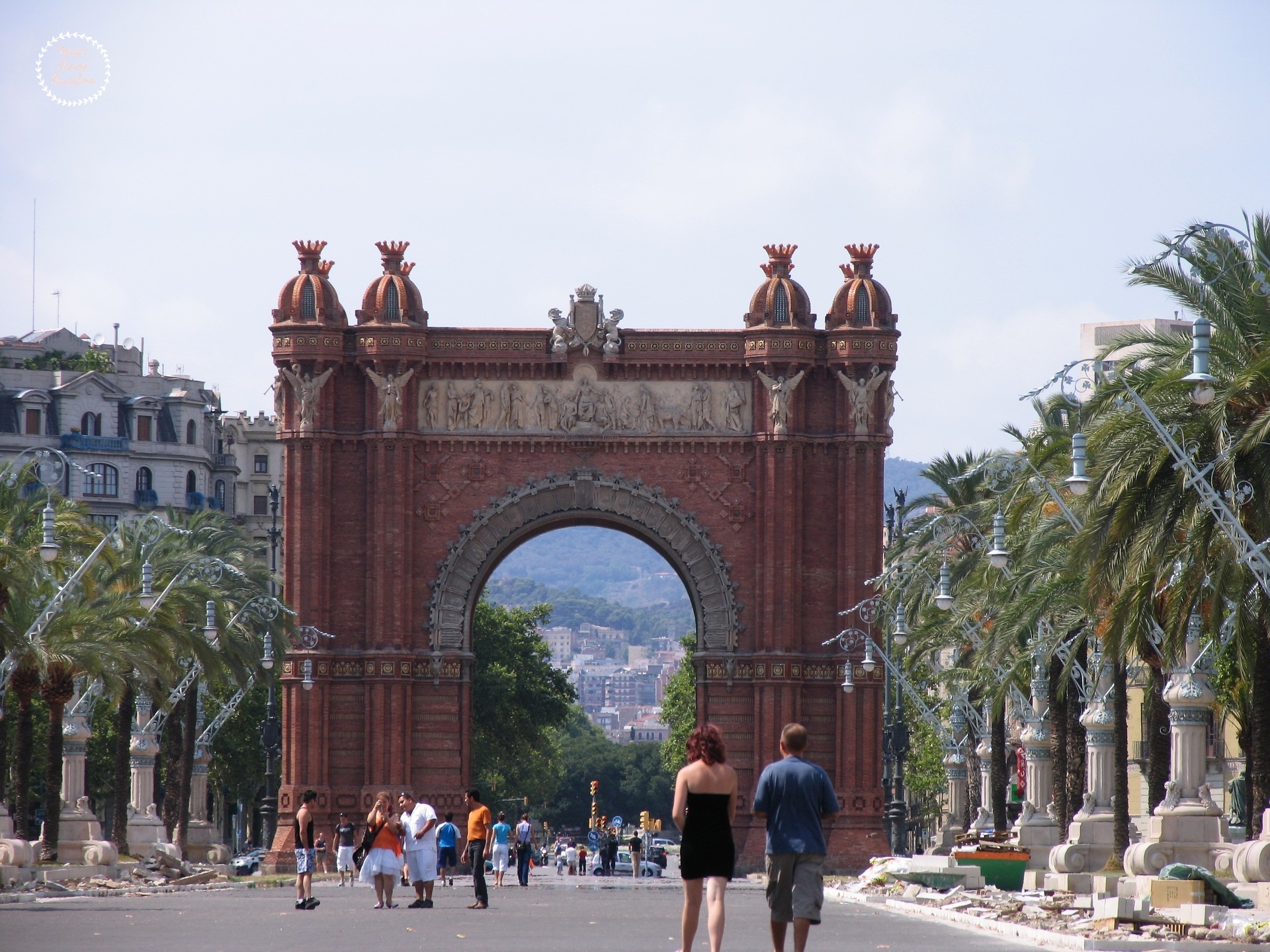
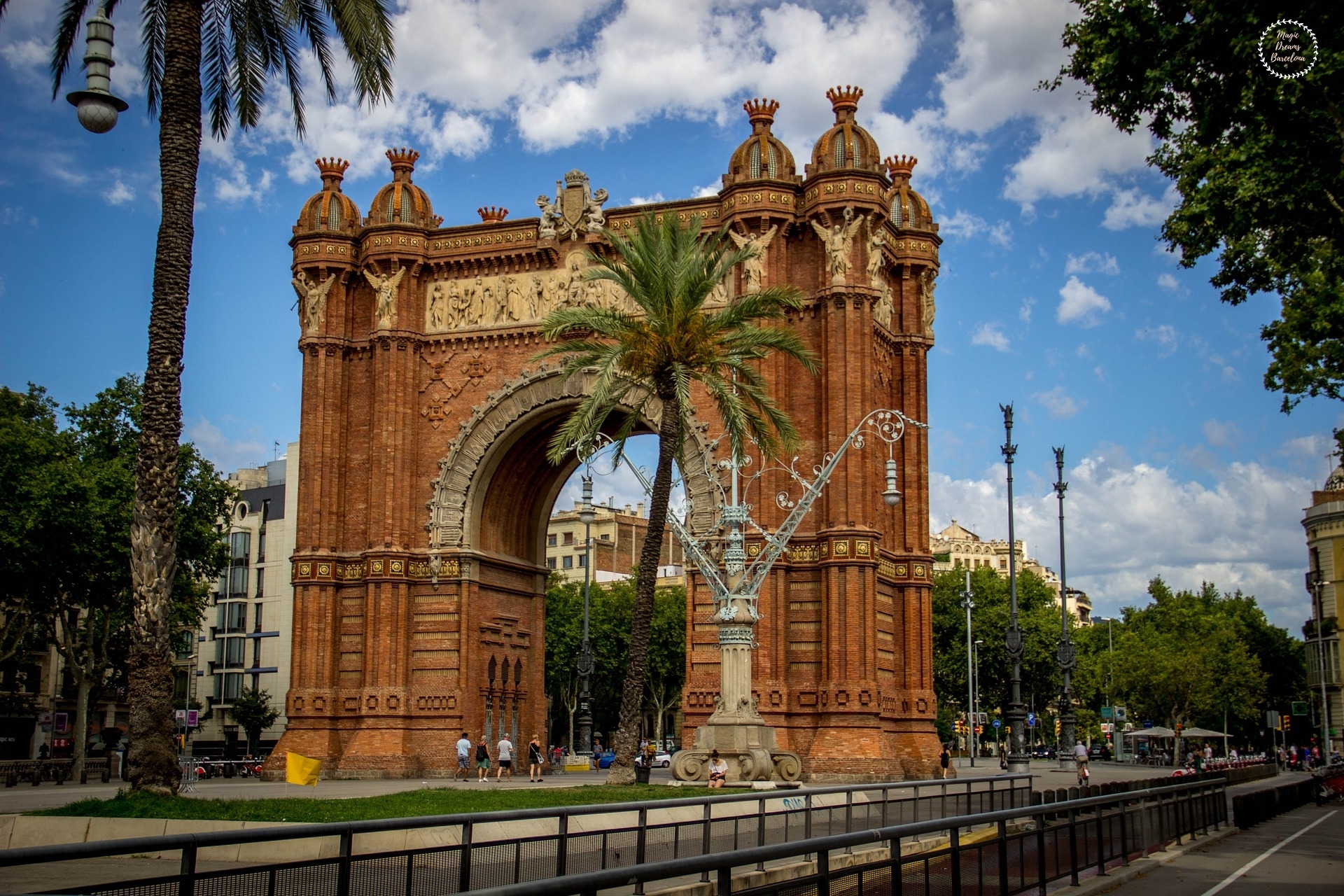
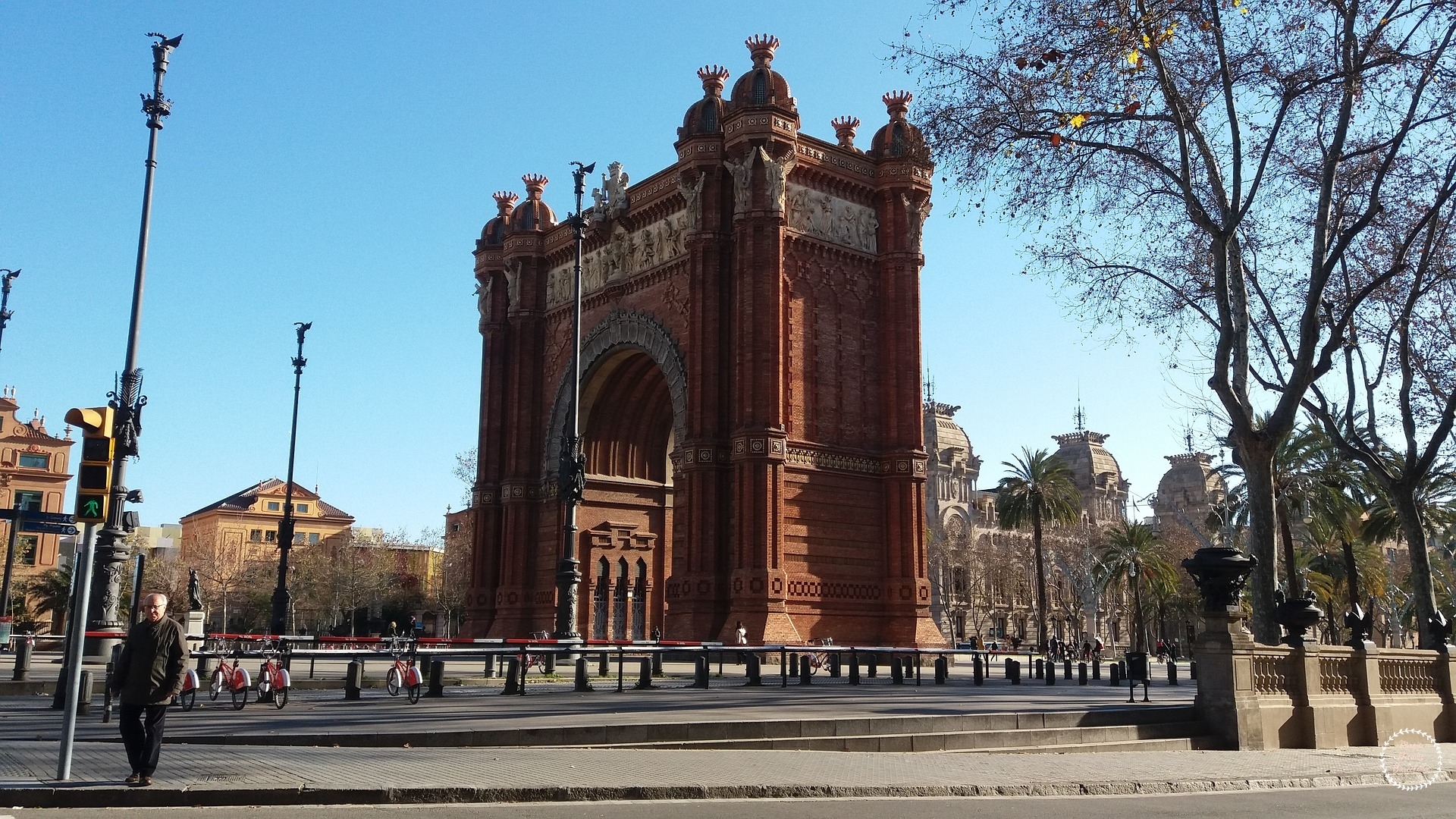
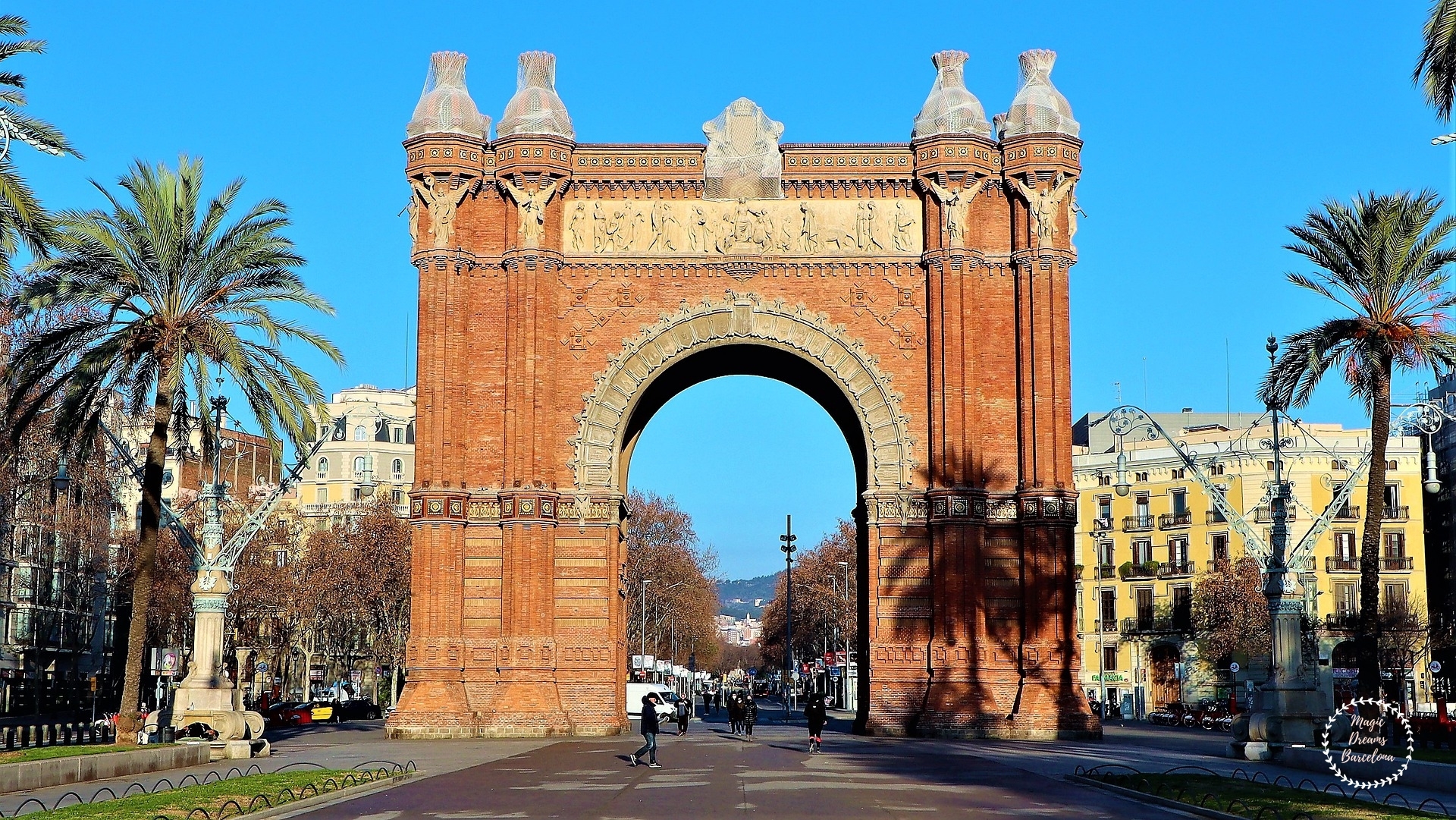
Standing approximately 30 metres high, the monument combines the classical proportions of a triumphal arch with an innovative use of exposed brick, ceramics and an extraordinary sculptural programme.
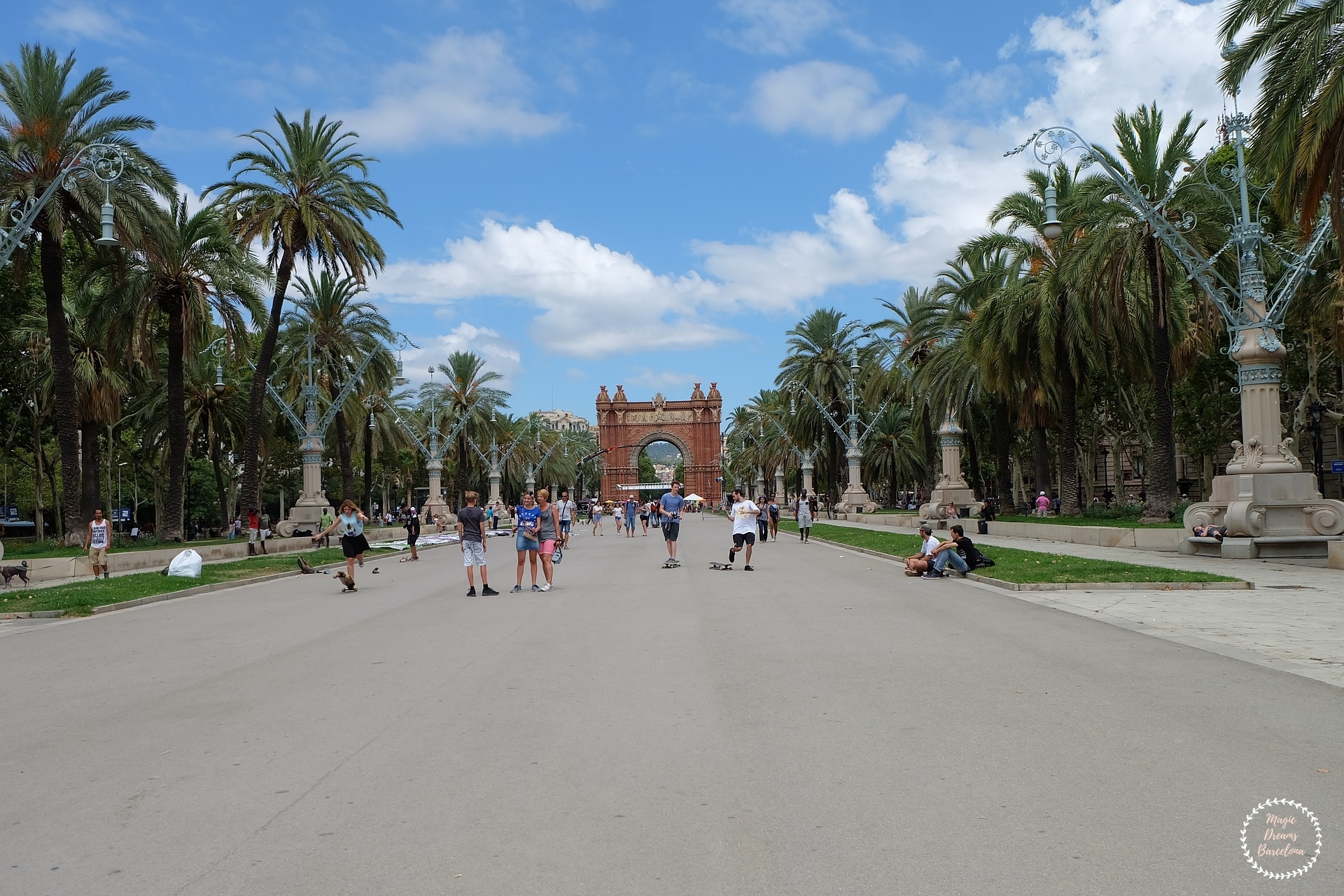
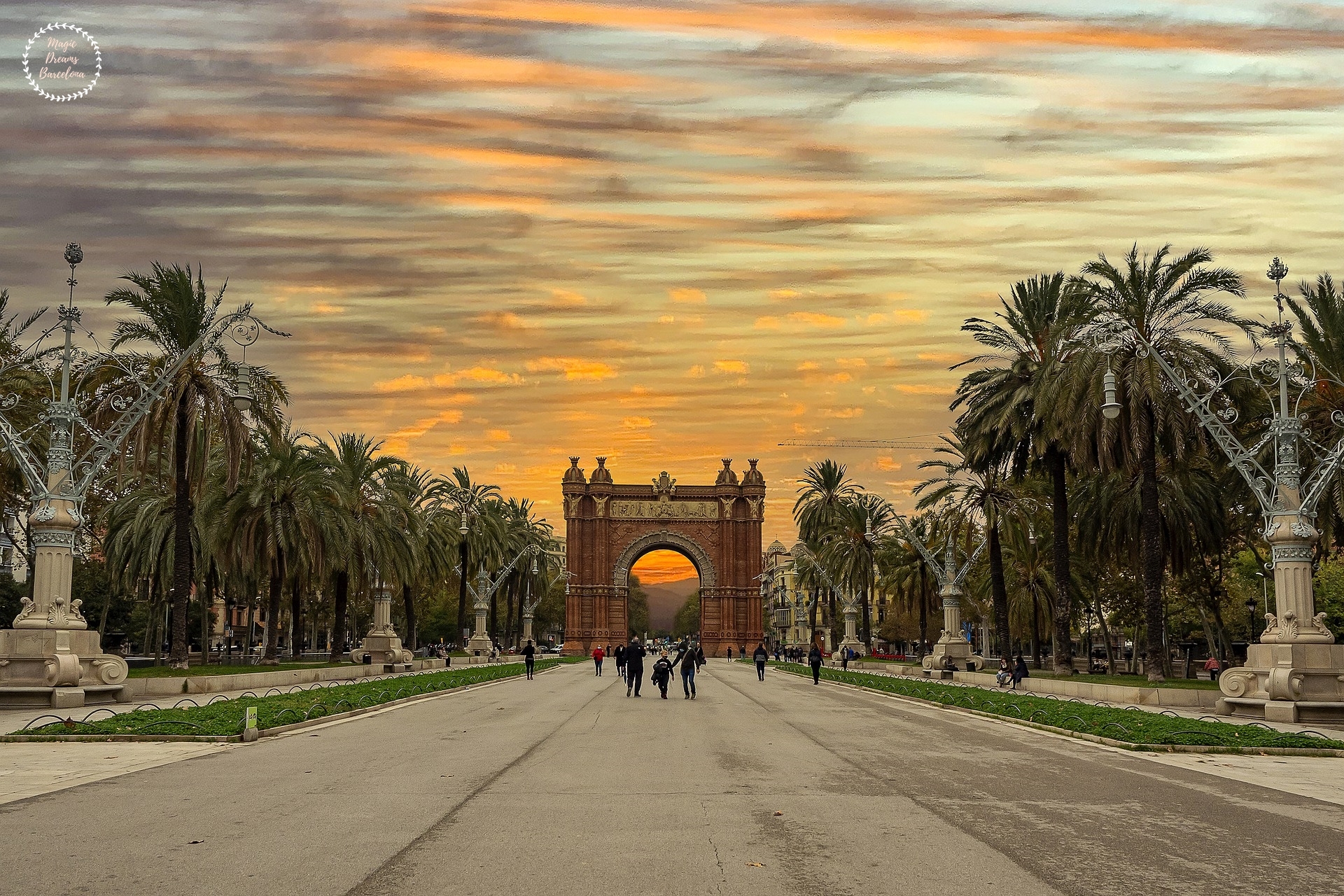
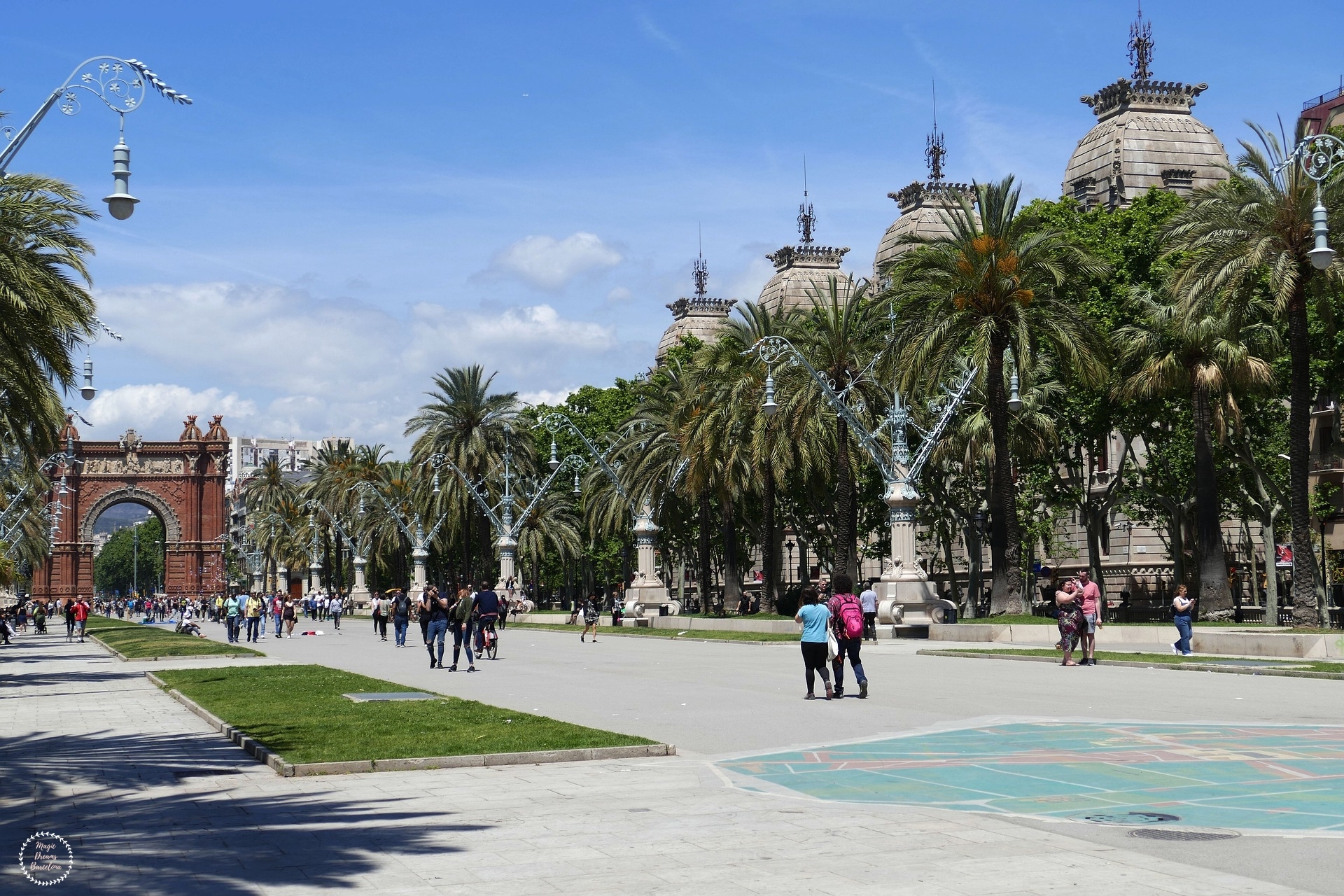
Today, it stands at the beginning of Passeig de Lluís Companys, forming one of Barcelona’s most recognisable urban axes and creating a monumental connection between the Eixample and Parc de la Ciutadella.
The Origins of the Arc de Triomf
Barcelona Opens Its Doors to the World in 1888
During the second half of the 19th century, Barcelona was undergoing an unprecedented urban, economic and industrial transformation.
The demolition of the old city walls had allowed the Eixample to expand, and the city was beginning to acquire a completely new dimension.
In this context came the idea of organising a great Universal Exhibition, an event intended to showcase Barcelona’s industrial, commercial, artistic and technological capabilities to the world.
The Exhibition opened its doors in 1888 and transformed the Ciutadella area into one of the major centres of international attention.
A monumental entrance was designed to welcome visitors to the site.
This was the birth of the Arc de Triomf.
At the time, it was officially known as the Entrance Arch, because its purpose was not to glorify a military victory but to serve as the ceremonial gateway to the great international exhibition.
The monument presided over what was then known as the Saló de Sant Joan, a grand avenue leading directly towards the exhibition grounds and now known as Passeig de Lluís Companys.
The arch thus became the first great message received by visitors arriving in Barcelona to discover the Universal Exhibition.
Josep Vilaseca and a New Vision of the Triumphal Arch
Classical Tradition and Catalan Modernity
Architect Josep Vilaseca i Casanovas was commissioned to design the monument.
Vilaseca began with an architectural type deeply rooted in the Roman tradition, but chose to reinterpret it using materials and decorative elements characteristic of the architecture of the late 19th century.
The result was a monument with a classical appearance but a profoundly modern spirit.
Its composition maintains the monumentality and symmetry associated with traditional triumphal arches, but instead of relying primarily on marble and monumental stone, Vilaseca made exposed brick the protagonist.
This choice was particularly significant.
Brick had traditionally been associated with industrial and functional architecture, yet Vilaseca transformed it into a noble monumental material.
The combination of brick, stone, glazed ceramics and sculpture makes the Arc de Triomf a unique work within Barcelona’s late-19th-century architecture.
Almost Thirty Metres of Monumentality
A Carefully Calculated Monumental Presence
The Arc de Triomf rises approximately 30 metres high and presents an extraordinarily balanced composition.
Its structure consists of a large central opening flanked by two pairs of monumental pilasters, crowned by small domes.
The structure is approximately 28 metres wide, proportions that give the monument a powerful presence without making it appear excessively heavy.
Vilaseca carefully studied the relationship between the arch and the surrounding urban space.
The monument was not intended to be viewed as an isolated structure, but as the beginning of a grand ceremonial route towards the Universal Exhibition.
The perspective of the avenue, the dimensions of the space and the position of the trees were all taken into consideration so that the arch would become fully integrated into the new urban landscape.
Brick Transformed into Sculpture
Architecture Between Historicism and the Future
One of the most striking features of the monument is precisely its materiality.
Exposed brick takes on an aesthetic and monumental role.
Its reddish tones change constantly according to the light, creating a warm surface that contrasts with the stone and glazed ceramic elements enriching the decoration.
The choice of material also connects the monument with medieval architecture and certain Mudéjar traditions.
For this reason, the Arc de Triomf is often associated with Neo-Mudéjar aesthetics, although its overall structure clearly retains references to classical architecture.
Vilaseca thus achieves a fascinating synthesis:
Rome in its form, Mudéjar tradition in its material, and modern Barcelona in its message.
The Monumental Sculpture
Barcelona Welcomes the World
The sculptural decoration is one of the fundamental elements of the Arc de Triomf.
The monument was conceived as a complete iconographic programme in which each façade conveys a different message.
The principal frieze, facing Passeig de Sant Joan, was created by Josep Reynés and represents Barcelona welcoming the nations participating in the Universal Exhibition.
The city appears personified as a monumental figure receiving visitors.
This is not merely ornamental decoration.
The scene summarises the spirit of the entire event: Barcelona opens its doors to the world and presents itself as a modern city, open to international exchange and capable of taking its place on the global stage.
Josep Llimona’s Reward
The City Celebrates Effort and Progress
On the opposite façade is another of the monument’s great reliefs.
Known as The Reward, it was created by Josep Llimona, one of the most important sculptors in Catalonia during the late 19th and early 20th centuries.
The composition represents Barcelona presenting awards to the participants in the Exhibition.
The image transforms the arch into a ceremonial stage.
While one façade represents the arrival of the nations, the other represents the recognition achieved by those taking part in the great event.
The message is clear:
the Exhibition is presented as a collective celebration of knowledge, work and progress.
Agriculture, Industry and Commerce
The Material Wealth of a New Society
The sides of the Arc de Triomf continue this symbolic programme.
One of the great reliefs, created by Antoni Vilanova i March, represents the Apotheosis of Agriculture, Industry and Commerce.
The composition includes different figures and attributes associated with these activities, including fruits and elements connected with industry.
Their presence is particularly important because the Universal Exhibition was not simply an artistic celebration.
Barcelona wanted to demonstrate its industrial and commercial capabilities.
The arch therefore represented a city that was leaving much of its medieval past behind and becoming a modern industrial society.
Science and the Arts
Knowledge as a Symbol of Progress
The opposite side features the Apotheosis of Science and the Arts, created by Torquat Tassó i Nadal.
The composition brings together different allegories associated with architecture, sculpture, literature, painting, music, geography and other disciplines.
In this way, the monument’s sculptural programme is divided between two great worlds.
On one side, material progress:
Agriculture, Industry and Commerce.
On the other, intellectual progress:
Science and the Arts.
Together they create a complete image of the Barcelona that wished to present itself to the world in 1888.
An industrial, commercial, scientific, artistic and cultural city.
The Twelve Fames
The Winged Guardians of the Monument
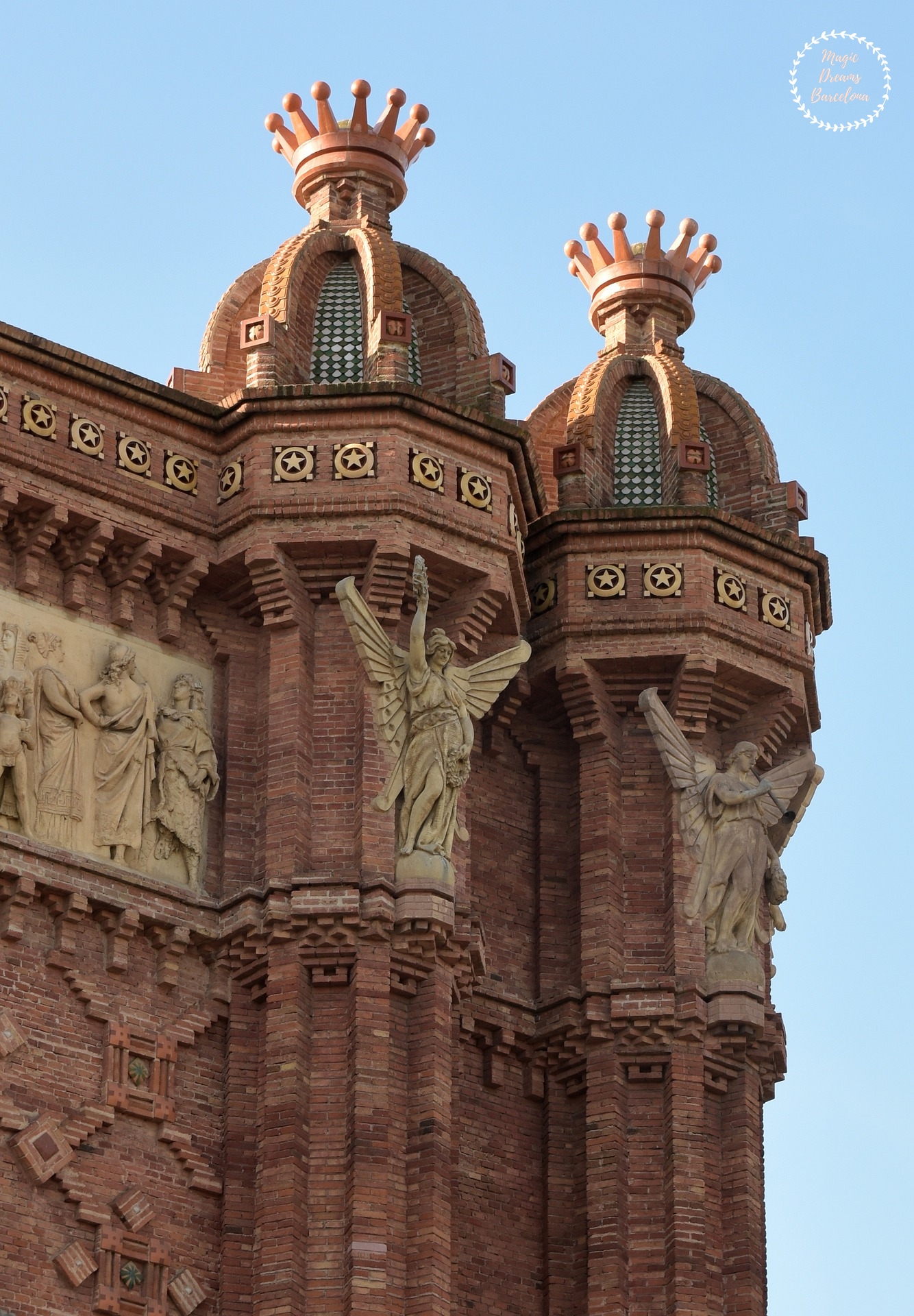
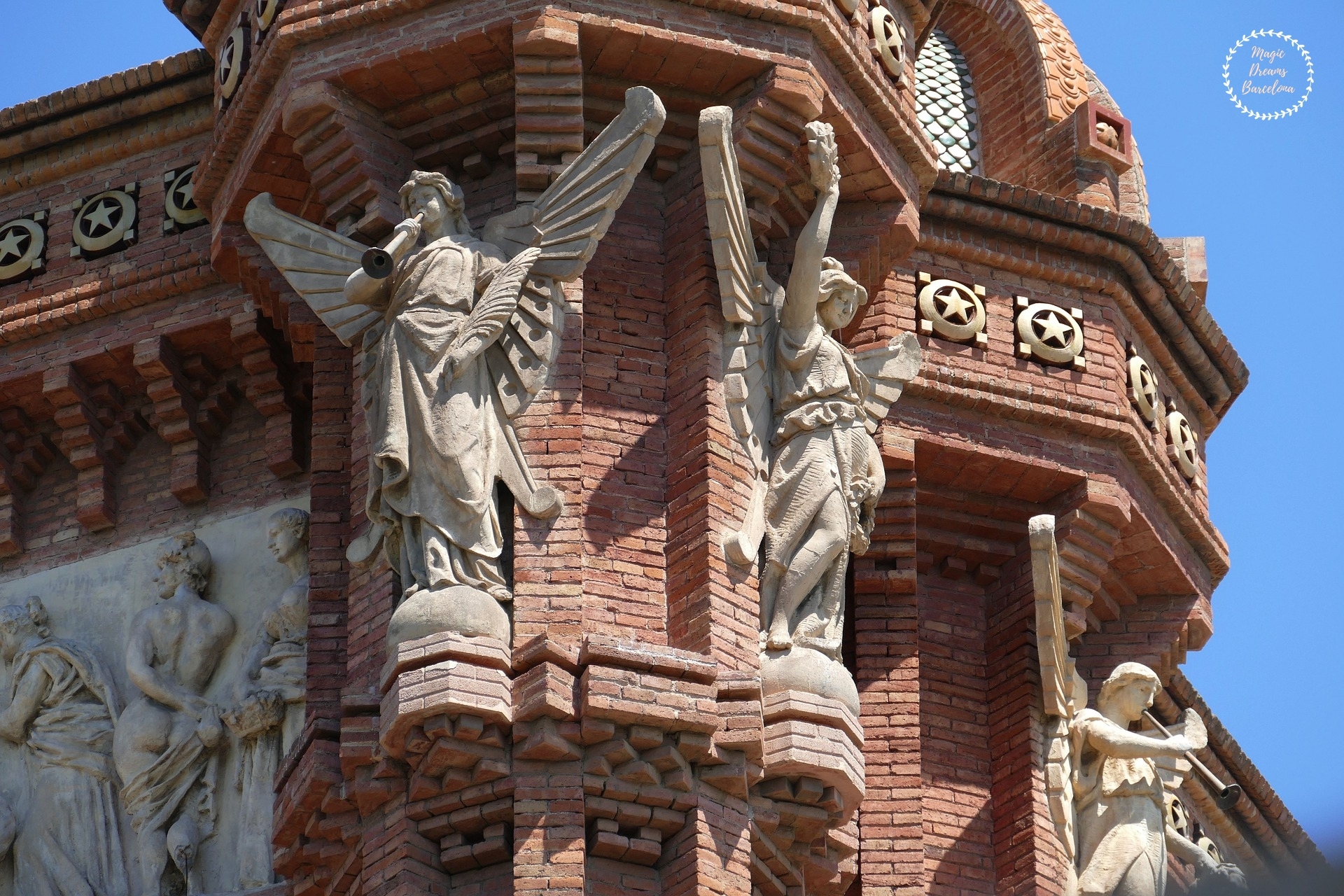
Among the most fascinating elements of the Arc de Triomf are the twelve winged female figures representing the Fames, or allegorical figures of Fame.
These sculptures were created by Manuel Fuxà Leal and Pere Carbonell i Huguet.
The Fames appear in different poses.
Some hold laurel wreaths, while others raise trumpets.
Their meaning is directly connected with glory, celebration and the recognition achieved by Barcelona in the context of the Universal Exhibition.
The figures seem to announce an extraordinary event.
They are, in a sense, the symbolic voices of the monument.
Their trumpets proclaim the arrival of a new era, while the laurel wreaths represent glory and recognition.
The Provincial Coats of Arms
A Spain Gathered Around Barcelona
Another detail worth observing carefully is the series of coats of arms running along the upper section of the arch.
Around the great central opening appear the coats of arms of the 49 Spanish provinces that existed at the time, together with the coat of arms of Barcelona.
The ensemble symbolically represents the territorial participation in the Exhibition.
Barcelona appears as the host city of an event intended to bring different territories together on the same international stage.
The monument therefore does not speak only about the city.
It also speaks about its role as host and meeting point.
The Bats of Jaume I
A Small Detail Filled with History
One of the monument’s most curious details can easily go unnoticed if you do not look carefully.
In the areas around the imposts are sculpted bats, a motif traditionally associated with Jaume I the Conqueror.
The bat became a symbol connected with prosperity and with the historical memory of the Crown of Aragon and Barcelona.
Its presence introduces a medieval reference into a monument that is essentially celebrating modernity.
This coexistence between past and future is precisely what makes Vilaseca’s architecture so fascinating.
Ceramics, Crowns and Small Details
Architecture Is Also Discovered in the Details
Brick is not the only material that gives the monument its personality.
The upper section is enriched with elements of glazed ceramic, with yellow and green tones contrasting with the red of the brick.
The corners are crowned with small domes and ceramic finials that complete the composition.
Decorative star-shaped elements also appear along the cornice.
All of this demonstrates that the Arc de Triomf was conceived as a work in which architecture, sculpture and decorative arts were intended to form a single unified whole.
Architecture Designed for a Great Ceremony
The Beginning of a Monumental Promenade
The Arc de Triomf cannot be fully understood without looking at the space behind it.
From the monument begins the former Saló de Sant Joan, now Passeig de Lluís Companys.
This broad avenue was designed as a true urban stage.
Visitors passed through the arch and then began a monumental route accompanied by gardens, sculptures, balustrades, lighting and various buildings associated with the Exhibition.
The arch therefore functioned as the first act of a great architectural experience.
First came the gateway.
Then the promenade began.
Finally, visitors reached the exhibition grounds in Parc de la Ciutadella.
The Grand Axis of the Universal Exhibition
From the Arc de Triomf to Parc de la Ciutadella
During the Universal Exhibition, today’s Passeig de Lluís Companys was known as the Saló de Sant Joan.
The route was designed to impress visitors from the very beginning.
The Arc de Triomf acted as the monumental entrance, while the promenade gradually led towards the heart of the exhibition grounds.
The monumental perspective created a completely new urban experience for late-19th-century Barcelona.
The entire complex formed part of a much broader transformation of the city.
The Exhibition helped turn the former Ciutadella area into one of Barcelona’s great public spaces.
The Arc de Triomf and the Birth of Modern Barcelona
A City Presenting Itself to the World
The 1888 Universal Exhibition represented much more than a temporary event.
It provided an opportunity to transform urban spaces, create new infrastructure and present Barcelona as a modern city.
The Arc de Triomf became one of the symbols of this transformation.
Its message does not speak of a Barcelona enclosed within its past, but of a city looking towards the future.
Industrial brick becomes a monument.
Sculpture celebrates science and the arts.
Industry shares space with agriculture.
Commerce appears alongside culture.
And the participating nations are symbolically welcomed by Barcelona.
The monument can therefore be understood as a genuine declaration of urban modernity.
A Triumphal Arch Without a Military Victory
The Triumph of a City
There is one characteristic that makes Barcelona’s Arc de Triomf particularly distinctive.
It does not commemorate a military victory.
Its true triumph is symbolic.
It is the triumph of a city presenting itself to the world.
The triumph of industry.
The triumph of knowledge.
The triumph of the arts.
The triumph of architecture.
And above all, the triumph of Barcelona as a city capable of organising an international event of enormous scale.
For this reason, the monument can be understood as a gateway between two eras:
historic Barcelona and modern Barcelona.
An Architecture Before Full Modernisme
The Bridge Between Two Architectural Worlds
The Arc de Triomf was built in 1888, before Catalan Modernisme reached its full development.
It should therefore not be confused with a Modernist work in the strictest sense.
Its language belongs primarily to Historicism, with strong Neo-Mudéjar influences and a reinterpretation of classical architecture.
Nevertheless, it anticipates several characteristics that would later become enormously important in Barcelona:
the integration of different artistic disciplines,
the expressive use of materials,
the importance of craftsmanship,
the presence of ceramics,
decorative freedom
and the desire to transform architecture into an urban experience.
The Arc de Triomf thus belongs to a generation of buildings that helped prepare the ground for the great Catalan Modernisme that would soon transform Barcelona.
Architecture as a Collective Work
Vilaseca and the Great Sculptors of 1888
Although the architectural project belongs to Josep Vilaseca, the Arc de Triomf is in reality a collective work.
Some of the most important Catalan sculptors of the period contributed to its decoration.
Josep Reynés created the great frieze of Barcelona welcoming the nations.
Josep Llimona created The Reward.
Antoni Vilanova developed the allegories of Agriculture, Industry and Commerce.
Torquat Tassó worked on Science and the Arts.
Manuel Fuxà and Pere Carbonell created the Fames.
The monument therefore demonstrates one of the essential characteristics of late-19th-century monumental architecture:
architecture, sculpture and decorative arts working together to create a single message.
A Surprisingly Advanced Construction
Engineering Behind the Monumental Appearance
Although from the outside the Arc de Triomf appears to be a massive structure, its construction incorporated technical solutions characteristic of its time.
The great arch was built mainly using brick masonry, reinforced by metal elements.
The internal structure incorporated different iron components to reinforce the upper sections and support certain loads and decorative elements.
This combination of traditional techniques and new materials perfectly reflects the historical moment in which the monument was built.
Barcelona was entering a new industrial era, and its architecture was beginning to incorporate materials and construction systems that would forever change the way buildings were designed.
An Anecdote About Its Construction
The Moment the Scaffolding Disappeared
There is a curious story associated with the construction of the monument.
Because of its enormous dimensions, there was concern about how the structure would respond when the scaffolding was removed.
According to the tradition surrounding the monument, architect Gaietà Buïgas, a friend of Vilaseca, even offered to stand beneath the arch while the temporary structures were taken down.
In the end, the calculations demonstrated that the structure had been perfectly conceived.
The Arc de Triomf remained standing and continues to dominate the avenue more than a century later.
Although this story belongs to the tradition surrounding the construction of the monument, it perfectly illustrates the audacity involved in raising a structure of such dimensions in Barcelona in 1888.
The Arch That Survived the Exhibition
A Gateway That Never Disappeared
The 1888 Universal Exhibition was a temporary event.
Many of the buildings constructed for the occasion disappeared after the Exhibition closed.
The Arc de Triomf, however, remained.
This permanence was particularly significant.
What had originally been conceived as a temporary gateway for an international event eventually became a permanent part of the city.
Over time, it ceased to be merely the entrance to an exhibition and became a genuine urban symbol.
The Monument and the Memory of 1888
When the Exhibition Disappeared, the Architecture Remained
Today it is difficult to imagine what Barcelona looked like during the Universal Exhibition.
Yet the Arc de Triomf preserves an essential part of that memory.
When we pass beneath it, we are still following the same urban axis used by thousands of visitors who came to Barcelona in 1888.
The city has changed.
The buildings have changed.
Traffic, gardens and infrastructure have changed.
But the arch continues to occupy virtually the same location and retains its symbolic role as the monumental gateway to Parc de la Ciutadella.
The Arc de Triomf and Passeig de Lluís Companys
One of Barcelona’s Most Elegant Perspectives
The monument reaches its greatest visual impact when viewed from the centre of Passeig de Lluís Companys.
The avenue functions as a long visual axis that allows the arch to be appreciated from different distances.
As you approach, new details gradually emerge.
From a distance, the overall silhouette dominates.
Then the sculptural reliefs begin to become visible.
Closer still, you can discover the coats of arms, Fames, ceramics, capitals and small figures.
It is architecture that rewards slow observation.
From a distance, it impresses.
Up close, it tells stories.
The Arc de Triomf and Parc de la Ciutadella
A Gateway to One of Barcelona’s Great Historic Parks
The arch is closely connected to Parc de la Ciutadella, one of Barcelona’s most important historic and landscaped spaces.
The Exhibition profoundly transformed this part of the city.
The former military grounds of the Ciutadella were turned into a major public space devoted to leisure, culture and urban representation.
The Arc de Triomf should therefore be viewed as part of a larger ensemble.
It is not simply an isolated monument.
It is the gateway to an urban landscape born from one of the great transformations of 19th-century Barcelona.
A Monument That Makes You Look Up
The Details That Usually Go Unnoticed
The upper section of the arch is filled with small elements that can easily be overlooked from street level.
The winged figures.
The crowns.
The coats of arms.
The glazed ceramics.
The vegetal motifs.
The bats.
The lions.
The sculptural compositions.
Everything was designed to be viewed from different distances.
The richness of the monument lies not only in its great size.
It is also in the amount of information concentrated on each surface.
The Symbolism of the Arc de Triomf
A City Represented as the Protagonist
If we look at all the sculptures together, we can discover a complete narrative.
First, Barcelona welcomes the nations.
Then, the awards are presented.
Around them appear Agriculture, Industry, Commerce, Science and the Arts.
Above them are the Fames, announcing the glory of the event.
Finally, the coats of arms represent the territorial dimension of the Exhibition.
The result is almost a monumental story about progress.
Barcelona welcomes the world, displays its capabilities and celebrates knowledge and work.
The Arc de Triomf Today
From Exhibition Gateway to Barcelona Icon
More than a century after its construction, the Arc de Triomf remains one of the city’s most recognisable landmarks.
It is no longer the gateway to a Universal Exhibition.
It is a gateway to contemporary Barcelona.
Around it lie some of the city’s busiest and most dynamic areas, while Passeig de Lluís Companys continues to function as a major pedestrian promenade.
The monument is also protected as a Cultural Heritage Site of Local Interest.
The Arc de Triomf and Barcelona’s Future
A Monument That Continues to Speak of Modernity
It is particularly fascinating that a monument built to celebrate Barcelona’s modernity continues, more than 130 years later, to represent an image of an open and cosmopolitan city.
In 1888, Barcelona wanted to demonstrate that it could compete with Europe’s great industrial and cultural capitals.
Today, the Arc de Triomf remains a testimony to that moment.
Its architecture reminds us that cities also construct their identity through their monuments.
And that some buildings outlive the purpose for which they were created because, over time, they acquire a much greater meaning.
How to Get There from Barcelona
A Privileged Location Beside the Ciutadella
The Arc de Triomf is located at:
Passeig de Lluís Companys
Barcelona
Its location makes it easy to combine a visit with Parc de la Ciutadella, El Born, Passeig de Sant Joan and several historic buildings in the surrounding area.
Metro
- Line L1 – Arc de Triomf
The station is located practically next to the monument.
Trains
The area is also connected to Barcelona’s railway network through Arc de Triomf station.
Bus
Several bus routes run through the area around Passeig de Lluís Companys, Passeig de Sant Joan and Ronda de Sant Pere.
Its location also makes it possible to walk from Plaça Catalunya, crossing part of the Eixample before arriving at the monument.
What to Look For During Your Visit
A Short Guide to Discovering Its Secrets
To truly understand the Arc de Triomf, we recommend not limiting yourself to photographing the main façade.
Take time to observe:
- The great central arch.
- The exposed brick.
- The frieze of Barcelona welcoming the nations.
- Josep Llimona’s The Reward.
- The allegories of Agriculture, Industry and Commerce.
- The allegories of Science and the Arts.
- The twelve winged Fames.
- The coats of arms of the 49 provinces.
- Barcelona’s coat of arms.
- The bats associated with Jaume I.
- The ceramic domes and finials.
- The visual relationship between the arch and Passeig de Lluís Companys.
- The perspective leading towards Parc de la Ciutadella.
Each of these elements forms part of a much larger story.
A Monument to Discover on Foot
The Arc de Triomf Cannot Be Understood from a Single Perspective
The monument changes completely depending on where you stand.
From a distance, it dominates the avenue.
From the centre of the promenade, it appears as a great monumental gateway.
From the sides, the allegories of progress become visible.
Up close, the small sculptural details begin to emerge.
And when you look towards the upper section, you understand just how determined Vilaseca was to turn every surface into an opportunity to tell a story.
That is why we recommend taking a few minutes to walk around it slowly.
The Arc de Triomf is not simply a photograph.
It is a genuine book of stone, brick and ceramic telling the story of Barcelona in 1888.
A Gateway Between Two Barcelonas
The Historic City and the Modern City
Perhaps the best way to understand the Arc de Triomf is to imagine the moment in which it was built.
Barcelona had just removed many of the physical barriers that had restricted its growth.
The Eixample was expanding.
Industry was becoming increasingly important.
The railway was connecting the city with new territories.
The bourgeoisie was transforming the urban landscape.
And the Universal Exhibition offered an exceptional opportunity to present all this transformation to the world.
In the middle of this process, the Arc de Triomf appeared.
A monumental gateway that seemed to say:
Barcelona is ready to enter a new era.
Would You Like to Discover the Arc de Triomf with Us?
Barcelona from a Different Perspective
Discovering the Arc de Triomf is much more than visiting one of Barcelona’s most photographed monuments.
It means entering the history of a city that wanted to present itself to the world as a modern, industrial, artistic and open-minded capital.
The experience takes on an even deeper dimension when seen through the magical, sensitive and expert perspective of Magic Dreams Barcelona.
Our native guide, specialised in architecture, botany and ornithology, accompanies each visit with a cultured, approachable and deeply human narrative.
We take care of absolutely everything so that you do not have to worry about a thing.
We organise one-day experiences, week-long stays, weekend getaways through the Catalan Pyrenees or Costa Brava, as well as fully personalised day trips, all arranged in advance.
We offer services in Spanish, Catalan and English and, when requested in advance, we can adapt to other languages.
Our accommodation is selected with the utmost attention to detail: comfortable, elegant and welcoming.
We offer picnic experiences with table linens and catering chosen from our menu, whether in gardens, on beaches overlooking the sea or even aboard a yacht.
With our guide’s expertise in botany, butterflies and birds, every experience becomes an emotional journey that is difficult to forget.
We organise all kinds of services at your accommodation, themed romantic dinners featuring local or international cuisine, musicians, florists and professional photography, as well as gastronomic tours of some of the city’s finest restaurants and personalised workshops — from cooking to Trencadís art — designed around your preferences after completing our personalised questionnaire, whether you choose a premium experience or something completely your own.
The Arc de Triomf with Magic Dreams Barcelona is discovered through the history, beauty and soul of the city.


Copyright © 2016-2026 Magic Dreams Barcelona.