Route guide for visitors throughout Catalonia – Barcelona – Costa Brava – Catalan Pyrenees – Personalized experiences – Customized tour guide services – A small tribute to the wonderful city and land that saw us born – Transforming experiences into unforgettable memories - Magic Dreams Collection: exclusive universes inspired by Salvador Dalí and Gaudí. Niche perfumes, jewelry, lithographs, and collectible items celebrating the Mediterranean spirit.
Nos encontramos ante una pieza gráfica que trasciende la mera representación visual, es el testimonio de nuestro diálogo con la obra y con la presencia de Salvador Dalí en el epicentro de su propio universo creativo. Esta imagen, realizada en el Teatre-Museu Dalí de Figueres, …
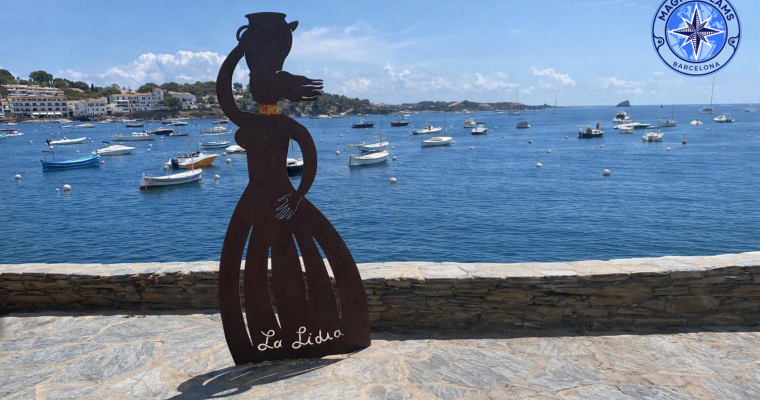
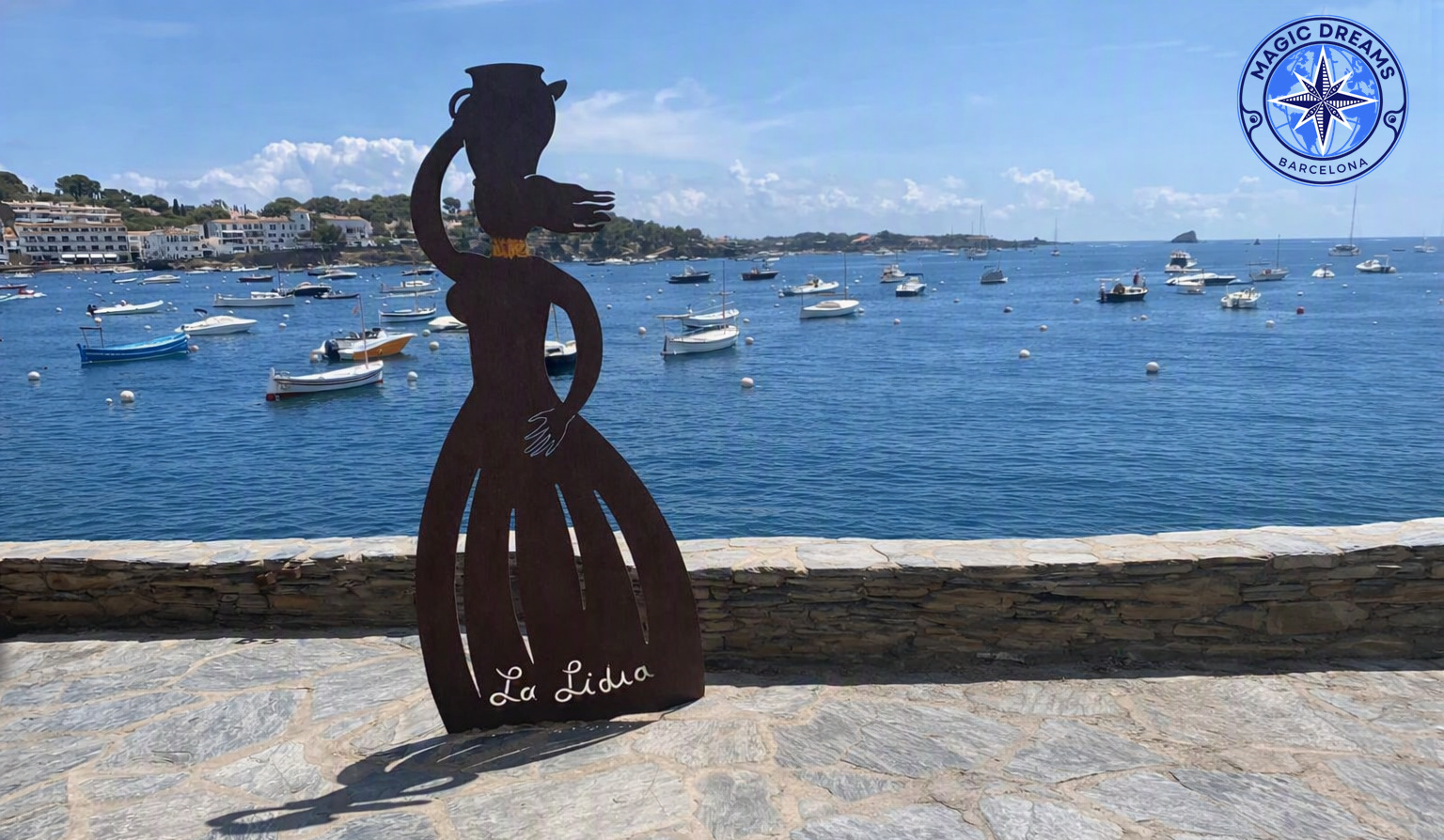
Some people become part of history. Others become legends. Lídia of Cadaqués became both. Fisherwoman, innkeeper, storyteller and one of the most fascinating characters in the history of Cadaqués, Lídia Noguer i Sabà lived in a very different Cadaqués from the one we know today. …
Existen personajes que forman parte de la historia y otros que, con el paso del tiempo, terminan convirtiéndose en leyenda. Lídia de Cadaqués pertenece a los dos mundos.
Pescadera, hostelera, mujer de carácter extraordinario y figura rodeada de historias, Lídia Noguer i Sabà vivió en un Cadaqués muy distinto al que conocemos hoy. Un pueblo de pescadores, aislado durante buena parte del año, donde las noticias viajaban de boca en boca y donde determinadas personas podían adquirir una reputación casi mítica.
Lídia fue una de ellas.
Su historia está ligada a algunas de las figuras más importantes de la cultura catalana y europea de principios del siglo XX, pero existe un nombre que aparece una y otra vez cuando se habla de ella: Salvador Dalí.
Porque Lídia no fue simplemente una mujer conocida en Cadaqués. Fue la persona que ayudó a Dalí y a Gala a encontrar un lugar donde empezar su vida juntos y que, sin saberlo, puso en sus manos el primer espacio de lo que acabaría convirtiéndose en Portlligat, uno de los lugares más íntimamente ligados al universo daliniano.
Lídia Noguer i Sabà, la mujer detrás de la leyenda
Lídia Noguer i Sabà nació en Cadaqués el 30 de junio de 1866. Era hija de Baldiri Noguer, marinero, y de Dolors Sabà, conocida popularmente como Sabana, una mujer a la que la tradición de Cadaqués consideró una de las últimas brujas del pueblo.
La fama de su madre contribuyó a crear alrededor de Lídia una imagen muy particular. Con el tiempo, ella misma se convertiría en un personaje extraordinario dentro de la memoria popular de Cadaqués.
Pero antes de convertirse en leyenda, Lídia fue una mujer que trabajó para salir adelante. Fue pescadera y hostelera, y durante una época regentó una casa de huéspedes por la que pasaron personas muy diferentes: artistas, intelectuales y visitantes atraídos por aquel pequeño pueblo del extremo del Cap de Creus.
Entre quienes pasaron por su casa estuvieron figuras como Pablo Picasso, Puig i Cadafalch, Jacinto Grau, Agustí Duran Reynals o André Derain.
Cadaqués empezaba a convertirse en un lugar de encuentro para artistas e intelectuales, y Lídia estaba en el centro de aquella pequeña sociedad.
Lídia y Eugeni d’Ors: una fascinación que acabó convirtiéndose en obsesión
En 1904 ocurrió uno de los encuentros que marcarían para siempre la vida de Lídia.
Aquel año se alojó en su casa Eugeni d’Ors, uno de los intelectuales catalanes más importantes de su época y una de las figuras fundamentales del Noucentisme. Escritor, filósofo, periodista y crítico de arte, d’Ors alcanzaría una enorme influencia en la cultura catalana y española.
Para Lídia, aquel encuentro tuvo unas consecuencias mucho más profundas.
La admiración que sintió por el escritor fue creciendo hasta convertirse en una verdadera obsesión. Cuando d’Ors publicó en 1911 La Ben Plantada, Lídia llegó a identificarse con Teresa, la protagonista de la obra. En ocasiones incluso afirmaba que aquel era su verdadero nombre.
Su fascinación llegó hasta el punto de interpretar los artículos que d’Ors publicaba en su conocido Glosario de La Veu de Catalunya como mensajes dirigidos personalmente a ella, como si fueran respuestas a las cartas que le enviaba.
Aquí aparece una de las partes más trágicas de su historia: Lídia estaba convencida de que existía una comunicación entre ambos, pero d’Ors nunca respondió a aquellas cartas.
No fue, por tanto, una historia de amor correspondido, sino la historia de una fascinación que fue creciendo hasta ocupar prácticamente todo el mundo interior de Lídia.
Y precisamente esa dimensión entre realidad, imaginación y obsesión fue la que hizo que su figura resultara tan fascinante para los artistas que la conocieron.
Una mujer que también fascinó a Salvador Dalí
Mucho antes de que Salvador Dalí se convirtiera en uno de los artistas más famosos del siglo XX, ya conocía a Lídia.
Dalí había pasado buena parte de su infancia y juventud en Cadaqués y, siendo niño, escuchaba las historias que Lídia contaba a los pequeños del pueblo.
Para él, aquella mujer formaba parte del paisaje humano de Cadaqués.
Con el tiempo, sin embargo, Lídia dejaría de ser simplemente una figura pintoresca del pueblo para convertirse en uno de los personajes que más llamaron la atención de Dalí.
El artista llegó a considerarla una personalidad extraordinaria y, años después, escribiría sobre ella con una admiración que demuestra hasta qué punto su figura había quedado grabada en su imaginación.
Lídia representaba algo que fascinaba profundamente a Dalí: una persona capaz de construir su propia realidad, de interpretar el mundo de una manera completamente diferente y de vivir en una frontera difícil de separar entre imaginación y realidad.
Y esa conexión entre ambos sería decisiva en la historia de Portlligat.
Cuando Dalí rompió con su padre
En 1929, la vida de Salvador Dalí dio un giro radical.
Su relación con su padre, el notario Salvador Dalí i Cusí, se había deteriorado profundamente a raíz de su relación con Gala y de las decisiones que el joven artista estaba tomando respecto a su vida personal y artística.
Dalí necesitaba encontrar un lugar donde poder empezar una nueva etapa junto a Gala.
Y fue entonces cuando apareció Lídia.
En un momento en que Dalí necesitaba apoyo, ella fue quien les ayudó. Lídia puso a su alcance una pequeña barraca de pescadores situada en Portlligat, donde sus dos hijos guardaban sus utensilios de pesca.
Aquel espacio era extremadamente humilde.
Nada hacía pensar que aquella pequeña construcción, prácticamente sin comodidades, acabaría convirtiéndose en uno de los lugares más famosos relacionados con Salvador Dalí.
El 20 de agosto de 1930, Dalí compró aquella primera barraca de pescadores a Lídia Nogués. Tenía apenas 22 metros cuadrados y carecía incluso de electricidad.
Pero para Dalí aquel lugar tenía algo que no podía comprarse: el paisaje, la luz, el silencio y el aislamiento de Portlligat.
De una pequeña barraca a la casa de Dalí y Gala
Lo extraordinario de la historia es que aquella primera barraca no fue simplemente una casa.
Fue el inicio de un proceso que duraría décadas.
Dalí y Gala fueron adquiriendo progresivamente otras pequeñas construcciones y espacios próximos, conectándolos y transformándolos hasta crear una vivienda absolutamente singular.
La casa fue creciendo de una manera casi orgánica.
No nació de un proyecto arquitectónico convencional. Creció a medida que crecía la vida de sus habitantes.
Habitación tras habitación, patio tras patio, estudio tras estudio, aquella pequeña barraca terminó convirtiéndose en la extraordinaria residencia que hoy conocemos como Casa Salvador Dalí de Portlligat.
La actual Casa-Museo conserva precisamente esa evolución: espacios íntimos, estudios, patios, jardines y rincones que fueron incorporándose a lo largo de unos cuarenta años.
Portlligat acabó convirtiéndose en el único hogar estable de Salvador Dalí, el lugar donde vivió y trabajó habitualmente durante décadas junto a Gala.
Por eso, cuando visitamos Portlligat, no estamos simplemente entrando en una casa de Salvador Dalí.
Estamos entrando en el lugar donde comenzó una historia que empezó con una pequeña barraca de pescadores y terminó dando forma a uno de los escenarios más reconocidos del universo del artista.
Y en el origen de todo ello aparece una mujer: Lídia de Cadaqués.
La mujer que se convirtió en personaje literario
La historia de Lídia no terminó con su muerte.
De alguna manera, continuó creciendo.
Su personalidad, sus historias, su manera de interpretar el mundo y su fascinación por Eugeni d’Ors terminaron alimentando una leyenda que interesó profundamente a escritores y artistas.
Siete años después de la muerte de Lídia, Eugeni d’Ors volvió a Cadaqués acompañado por Cesáreo Rodríguez-Aguilera para recopilar información sobre aquella mujer que durante años le había escrito cartas.
Fue entonces cuando surgió el proyecto de La verdadera historia de Lidia de Cadaqués, publicado en 1954.
Y d’Ors quiso que fuera Salvador Dalí quien realizara las ilustraciones.
La elección tenía algo de inevitable.
Dalí conocía a Lídia desde niño. Había escuchado sus historias y había sido testigo de su peculiar personalidad. Además, en aquel momento el propio Dalí estaba interesado en escribir sobre ella.
El resultado fueron cuatro ilustraciones realizadas por Dalí para el libro.
Una de las más conocidas representa a Lídia como una especie de mujer-olivo, profundamente arraigada en la roca del Cap de Creus.
La imagen está fechada en 1954, aparece firmada por Gala Dalí y contiene una dedicatoria extraordinariamente significativa:
«A Lídia, que nos albergó eternamente en Portlligat».
Pocas frases podrían resumir mejor la importancia de aquella mujer en la historia de Dalí y Gala.
Lídia, Dalí y el extraño mundo de Cadaqués
En otra de las ilustraciones del libro aparece también una de las particulares clasificaciones que Lídia hacía de los habitantes de Cadaqués.
Para ella existían los buenos y los malos.
Los buenos eran aquellos en quienes confiaba y que formaban parte de lo que denominaba la Sociedad del Secreto de Xènius, donde incluía a los Dalí y a los Pichot.
Los demás pertenecían, según su particular visión, a la Sociedad de Cabras y Anarquistas.
Dalí convirtió incluso esta peculiar división en una de las imágenes del libro.
Es un detalle aparentemente anecdótico, pero explica muy bien por qué Lídia resultaba tan fascinante para él.
No era simplemente una mujer con historias.
Era una persona que había creado su propia interpretación de Cadaqués, de sus habitantes y de los acontecimientos que la rodeaban.
Y eso, para un artista como Dalí, tenía un atractivo extraordinario.
El final de Lídia de Cadaqués
La vida de Lídia terminó muy lejos del Cadaqués que había sido el centro de su existencia.
Su historia familiar estuvo marcada también por la tragedia. Se casó con Fernando Costa, conocido como Nando, quien murió por suicidio. El matrimonio tuvo dos hijos, Benvingut y Honori, que terminaron sus vidas internados en el hospital psiquiátrico de Salt.
En sus últimos años, Lídia también atravesó un progresivo deterioro de su estabilidad mental.
Terminó ingresada en el Asilo Gomis de Agullana, donde murió el 30 de diciembre de 1946, a los 80 años.
Fue enterrada en el cementerio de Agullana.
Años después, Dalí volvería a ocuparse de ella de una manera muy especial. El artista costeó una lápida para su tumba, un gesto que expresa que, pese al paso del tiempo, Lídia continuaba ocupando un lugar muy particular en su memoria.
Una mujer que forma parte de la historia de Portlligat
Quizá la mejor manera de comprender quién fue Lídia de Cadaqués sea volver a Portlligat.
Hoy, la bahía parece inseparable del nombre de Dalí. Su casa, su estudio, los jardines y el paisaje forman uno de los lugares más reconocidos del universo del artista.
Pero antes de que existiera la Casa-Museo, antes de que Dalí y Gala transformaran aquellas pequeñas construcciones en su hogar, allí había una sencilla barraca de pescadores.
Y aquella barraca pertenecía a la historia de Lídia.
Su gesto permitió que Dalí encontrara el lugar donde podía vivir con Gala y desarrollar una parte fundamental de su trayectoria artística.
Con el paso de los años, Portlligat se convertiría en mucho más que una residencia. Se transformó en el refugio, taller, escenario y universo personal de Salvador Dalí.
Por eso, hablar de Portlligat es también hablar de Lídia.
La última bruja de Cadaqués y el origen de una historia extraordinaria
Lídia de Cadaqués murió en 1946, pero su figura nunca desapareció del todo.
Quedó en las historias del pueblo, en la literatura de Eugeni d’Ors, en las ilustraciones de Dalí y, sobre todo, en la memoria de aquel lugar donde una pequeña barraca de pescadores terminaría convirtiéndose en la casa de uno de los artistas más importantes del siglo XX.
Lídia fue pescadera, hostelera, madre, mujer marcada por la tragedia y protagonista de una historia de amor no correspondido que terminó mezclándose con la literatura y la leyenda.
Pero fue también algo más.
Fue la mujer que abrió una puerta cuando Salvador Dalí necesitaba encontrar un lugar para empezar de nuevo.
Y aquella puerta daba a Portlligat.
Hoy podemos visitar la casa que nació de aquella primera barraca y caminar por el mismo paisaje que Dalí convirtió en una de las grandes fuentes de inspiración de su obra.
Pero conocer la historia de Lídia permite mirar Portlligat de otra manera.
Porque detrás de la casa, detrás del mito de Dalí y Gala y detrás de uno de los paisajes más fascinantes del Cap de Creus, existe también la historia de una mujer de Cadaqués que, durante un momento decisivo, decidió ayudar a dos jóvenes que necesitaban un lugar donde vivir.
Y quizá por eso la dedicatoria de Dalí adquiere todo su significado: Lídia no solo les dio una casa. Les dio un lugar en el que construir su propia historia.
Si queremos descubrir este rincón del Empordà de una manera especial, en Magic Dreams Barcelona podemos encargarnos de toda la experiencia: transporte privado, guía, organización de la visita, gastronomía y logística, para que podamos conocer Cadaqués, Portlligat y el universo de Dalí sin preocuparnos por nada y disfrutando de cada detalle del recorrido.
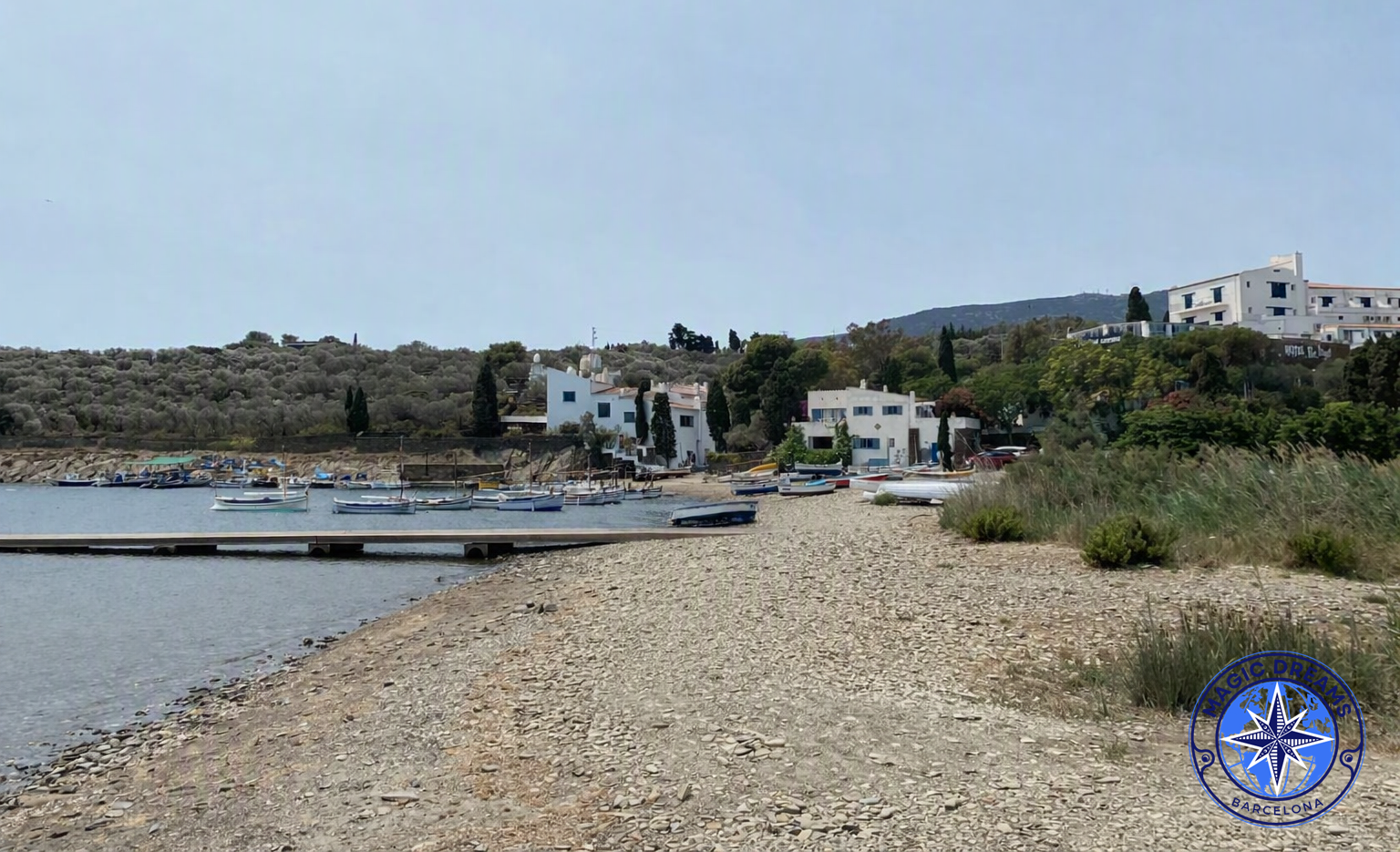
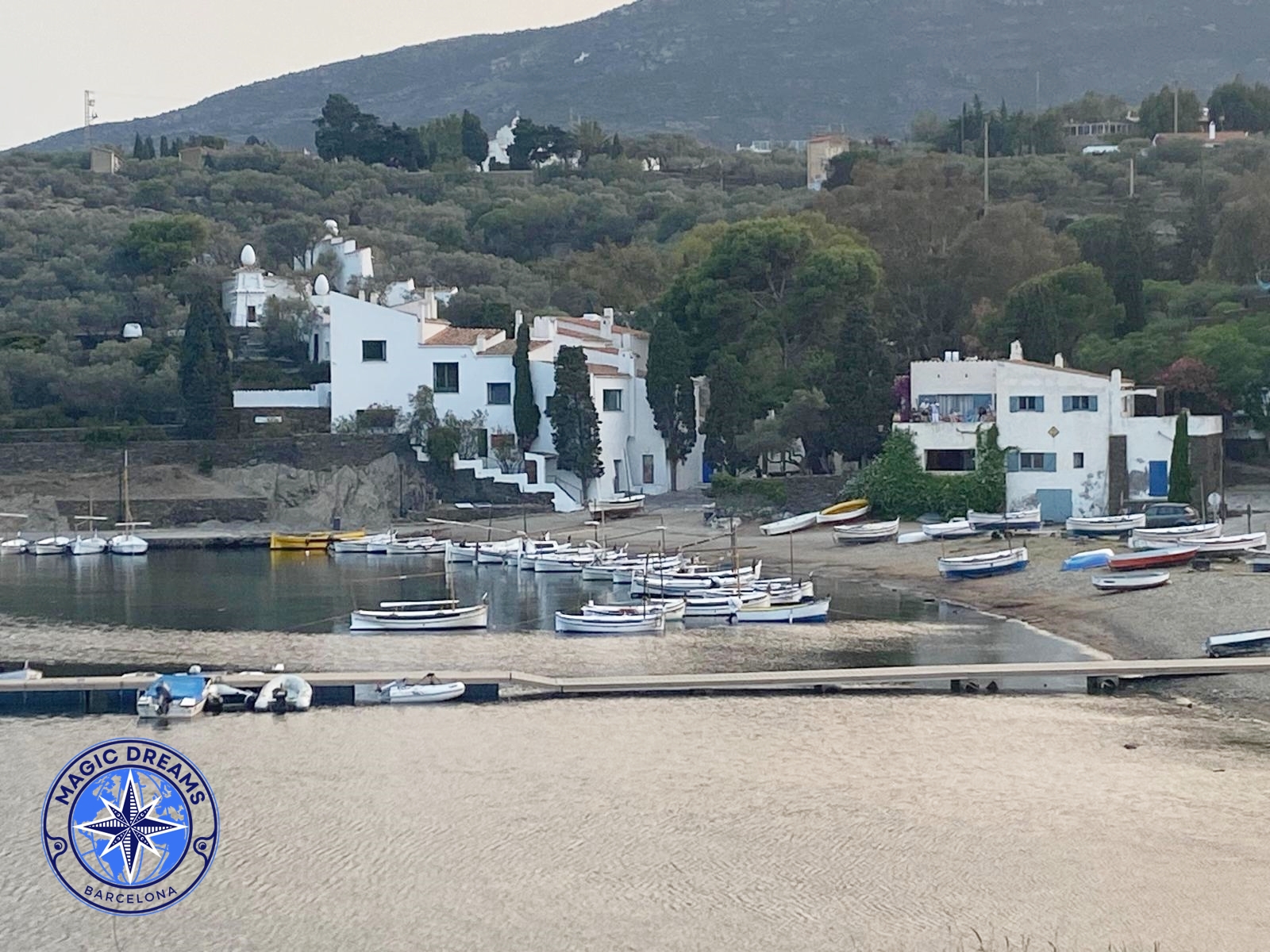
Perspectiva a pie de la Casa de Dalí en el Port Lligat de Magic Dreams Barcelona.
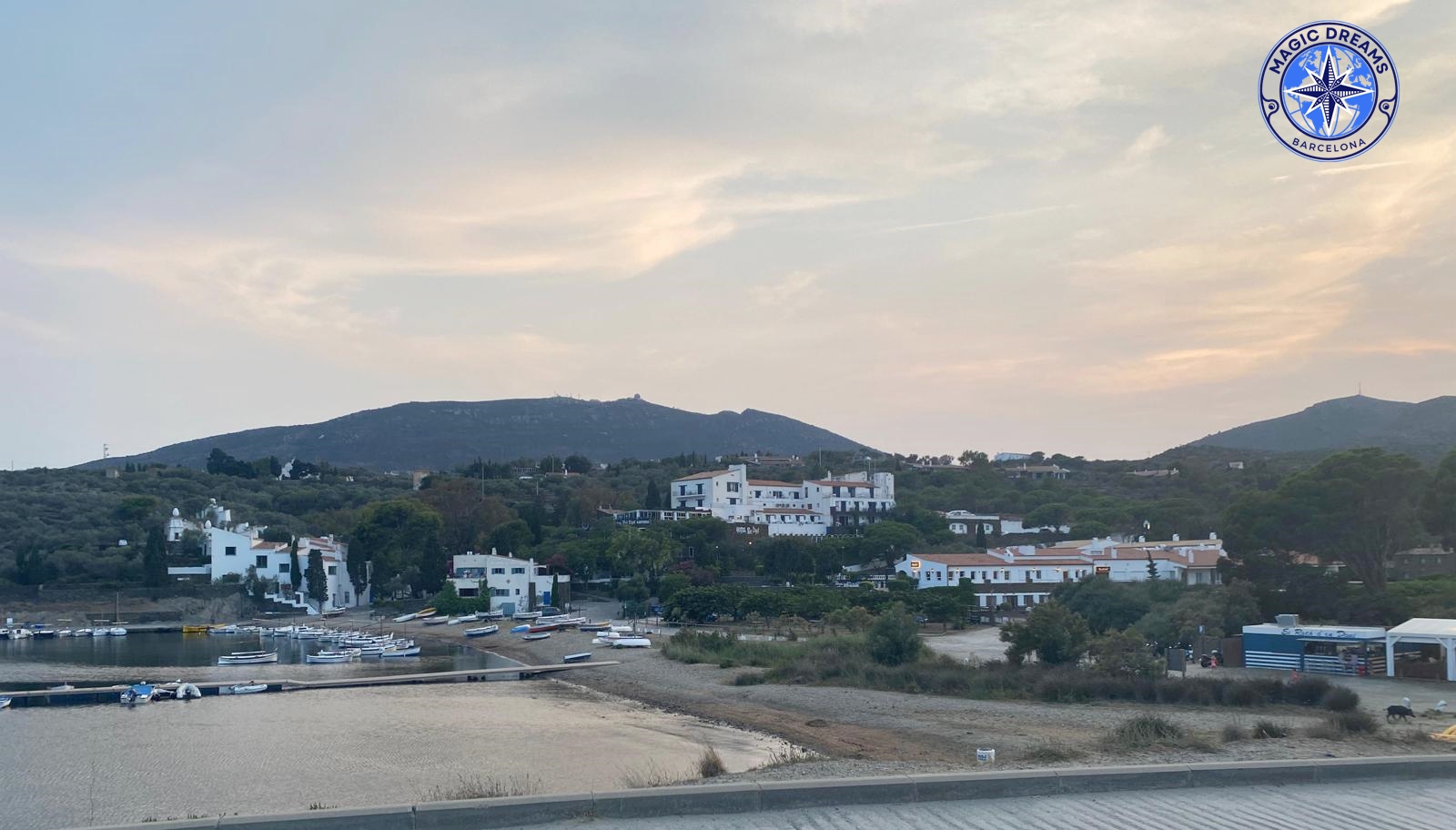
Fotografía del Port Lligat al ataredecer de Magic Dreams Barcelona.
Fotografía del Port Lligat al ataredecer de Magic Dreams Barcelona.
Fotografía del Port Lligat al atardecer frente a la Casa museo de Salvador Dalí y Gala de Magic Dreams Barcelona.
Fotografía del Port Lligat al atardecer de Magic Dreams Barcelona.
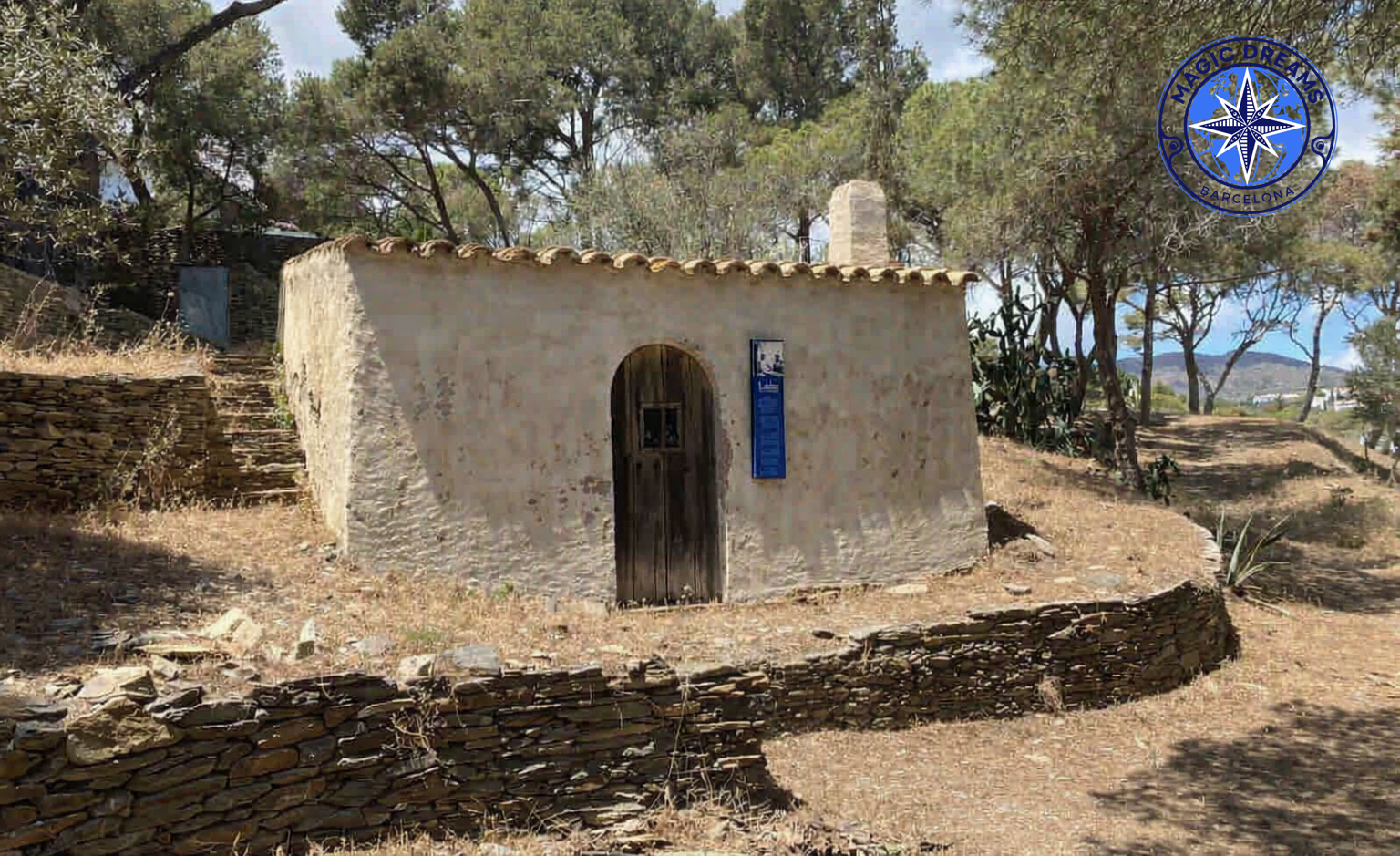
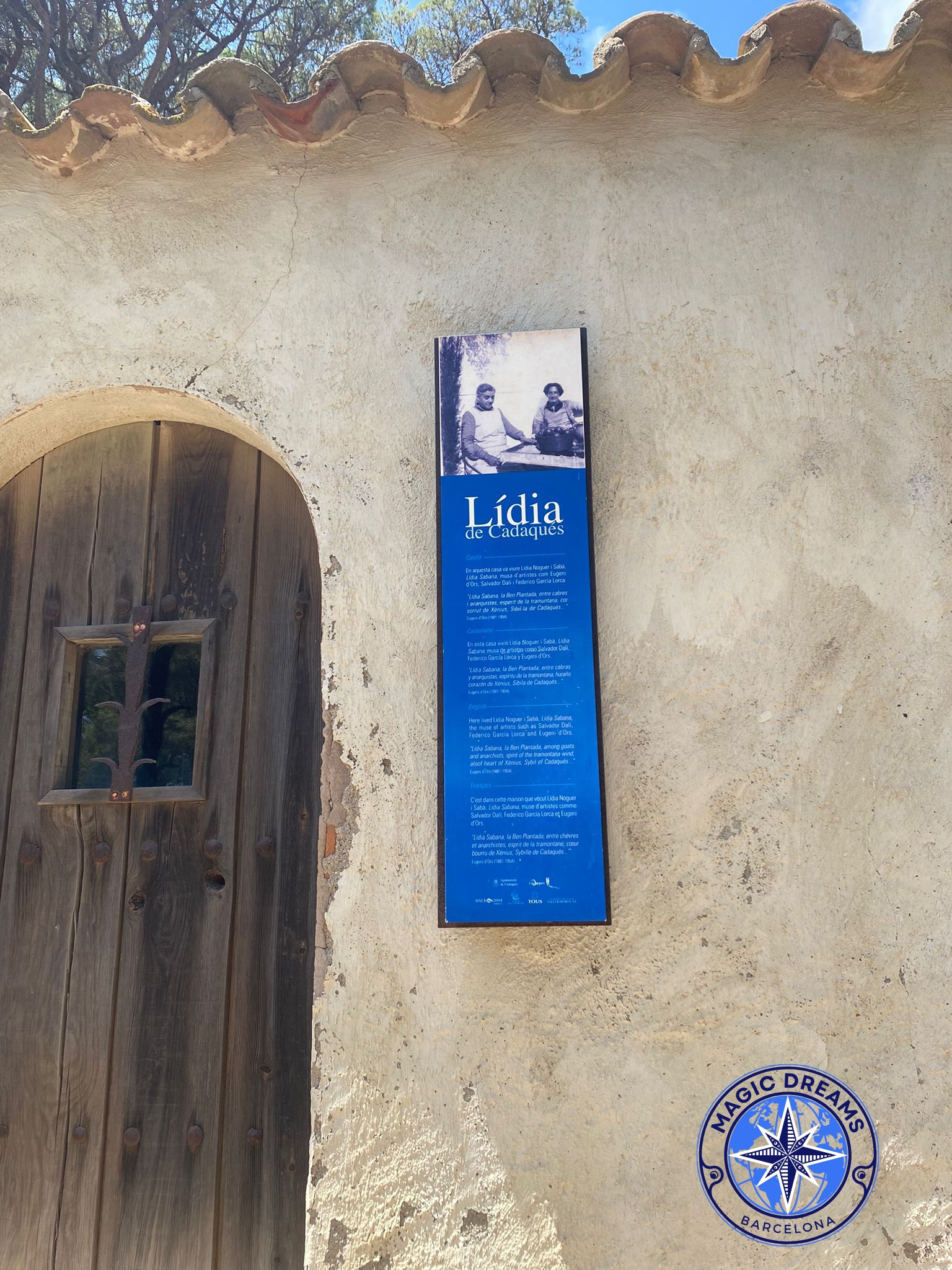
Última casa de la Lídia de Cadaqués, vivía en una barraca muy humilde, tras haber pasado por otras residencias como la de Es Llaner – Magic Dreams Barcelona.
Detalle en la última casa de la Lídia de Cadaqués, vivía en una barraca muy humilde, tras haber pasado por otras residencias como la de Es Llaner – Magic Dreams Barcelona.
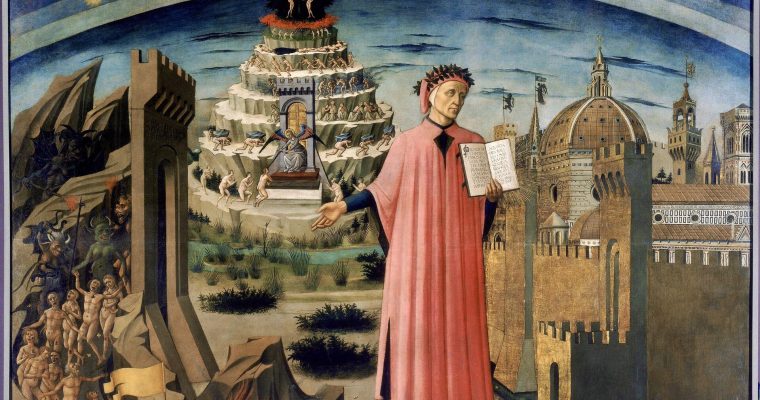
Few works in the history of Western literature have had the lasting impact of Dante Alighieri’s Divine Comedy. Written more than seven centuries ago, the poem continues to speak to readers because its journey is both cosmic and deeply human: a journey through darkness, suffering, …
De la Divina Comedia al Triumph of Christ and the Virgin de Salvador Dalí Dante Alighieri convirtió su propia crisis, su exilio y sus preguntas sobre el amor, la justicia, el pecado y Dios en uno de los viajes más extraordinarios de la historia de …
The Dalí Theatre-Museum in Figueres is one of the most extraordinary museums in Catalonia and one of the most iconic places associated with Salvador Dalí. Conceived as a total work of art, the museum invites visitors to enter the artist’s imagination through paintings, sculptures, installations, optical illusions and architectural elements.
More than a conventional museum, it is an artistic experience in which the building itself becomes part of Dalí’s work.
Located in the heart of Figueres, the museum was officially inaugurated on 28 September 1974, after several years of construction and artistic development under Dalí’s supervision.
A museum created by Dalí
The Dalí Theatre-Museum occupies the site of the former Municipal Theatre of Figueres, a building that had been severely damaged during the Spanish Civil War.
Dalí transformed the remains of the old theatre into an enormous surrealist composition. He personally supervised the creative process and the placement of many of the works, turning the building into what he considered a unique artistic creation.
The museum is today regarded by the Fundació Gala-Salvador Dalí as the largest surrealist object in the world.
Its collection includes more than 1,500 works and objects, covering different periods and artistic disciplines throughout Dalí’s career.
A collection spanning Dalí’s artistic life
Inside the museum, visitors can discover paintings, drawings, sculptures, jewellery, installations and other creations that reveal the extraordinary evolution of Dalí’s artistic language.
Among the works and spaces associated with the museum are iconic pieces such as:
Self-Portrait with L’Humanité
The Spectre of Sex-Appeal
Galarina
The Basket of Bread
Gala Placidia
Rainy Taxi
The Mae West Room
The Palace of the Wind
The museum also contains works that Dalí created specifically for this unique setting, making the relationship between the artist and the building especially important.
Gala-Salvador Dalí Square
The experience begins even before entering the museum.
The square in front of the building, officially named Gala-Salvador Dalí Square, forms part of the surrealist atmosphere of the complex.
Dalí designed several elements of the exterior, creating an unmistakable visual language that prepares visitors for what they will encounter inside.
The Galatea Tower
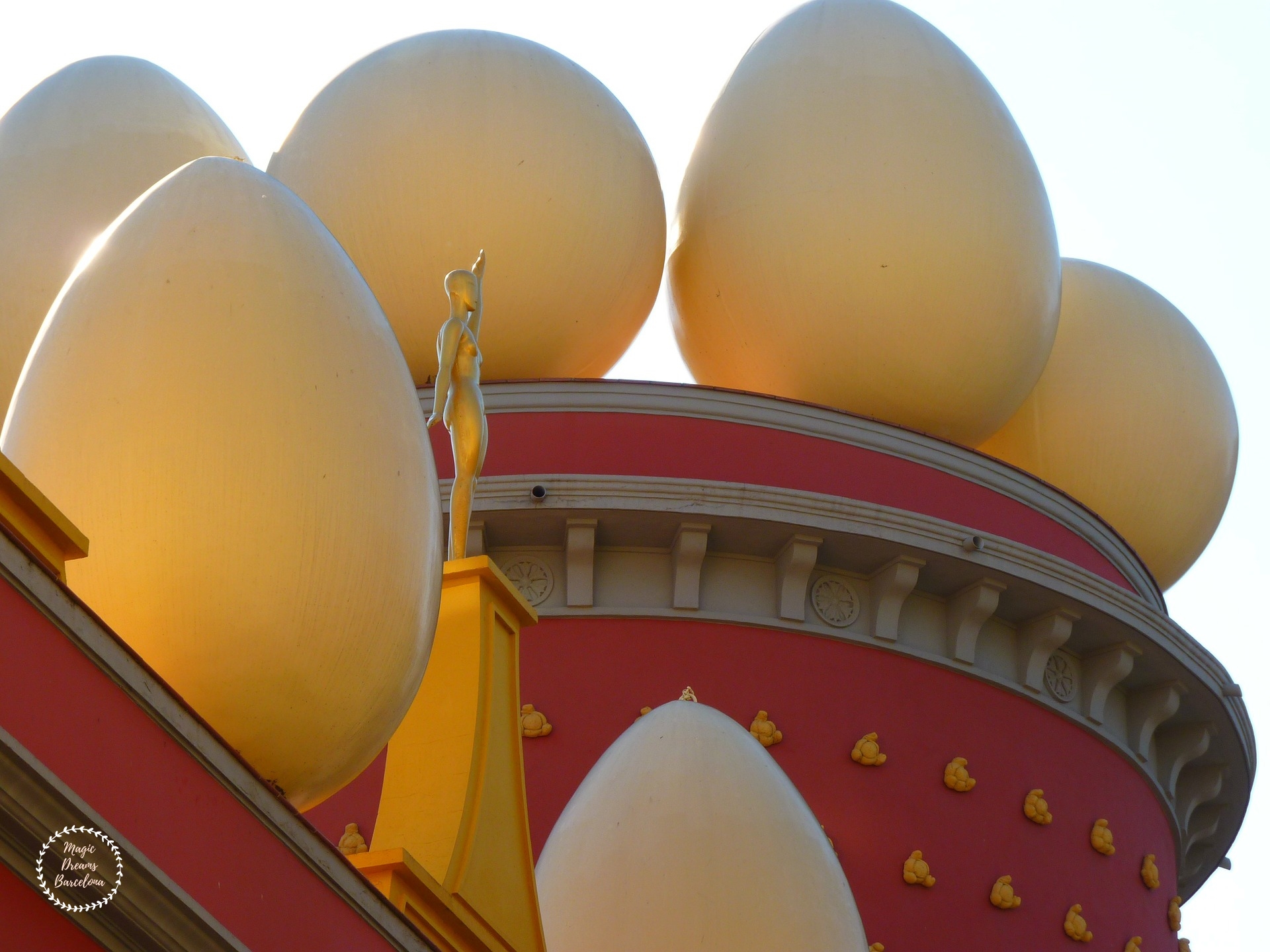
One of the most recognisable elements of the museum is the Galatea Tower, which rises above the building with its characteristic red façade covered with eggs, breads and other decorative elements.
The tower was formerly known as the Gorgot Tower. Dalí acquired it in 1981 and incorporated it into the museum complex.
Its unusual appearance perfectly reflects the artist’s fascination with transforming everyday objects into extraordinary images.
The geodesic dome
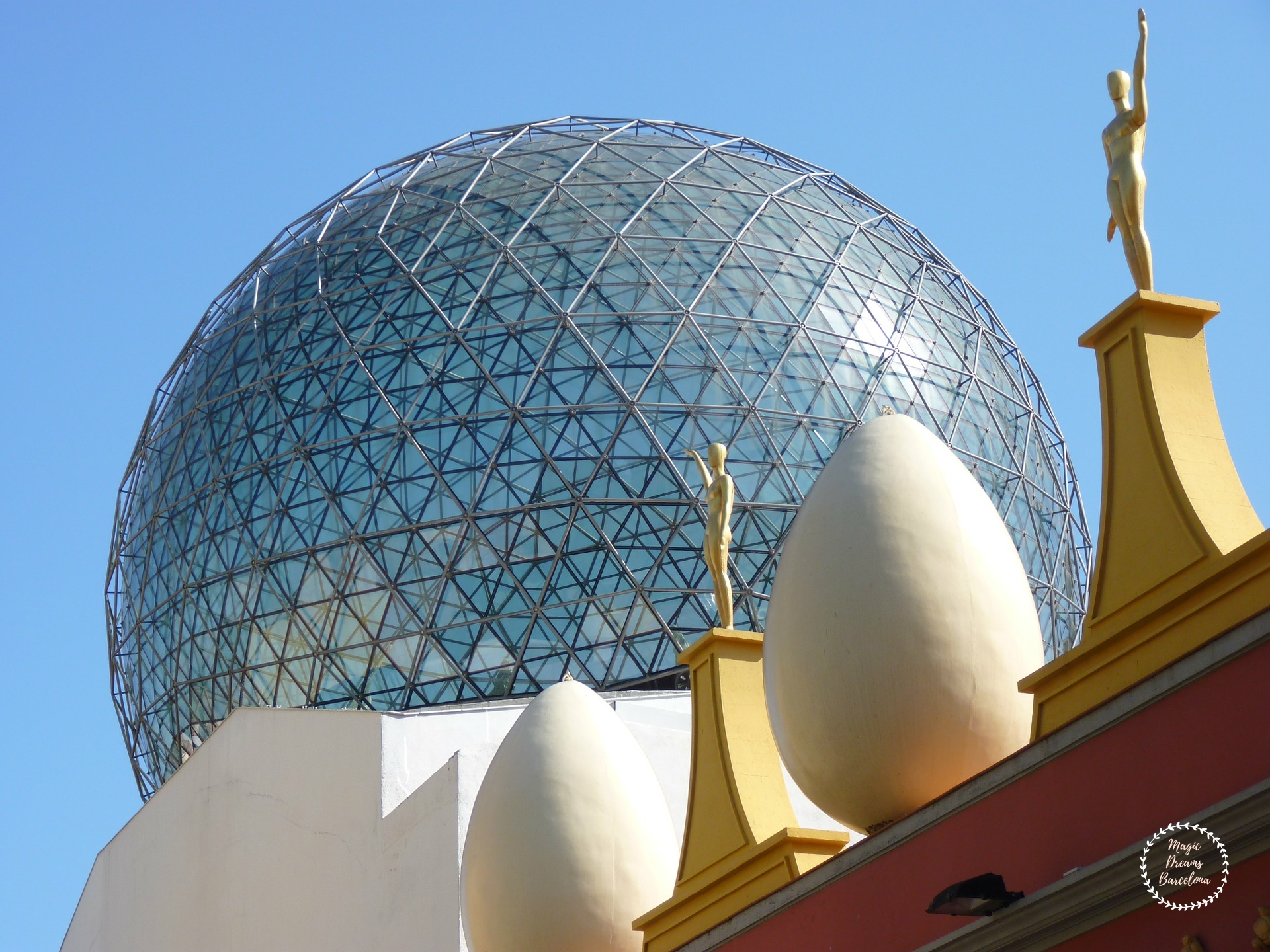
Perhaps the most recognisable symbol of the Dalí Theatre-Museum is its spectacular glass geodesic dome.
The dome became one of the defining architectural features of the museum and has made the building instantly recognisable around the world.
Dalí incorporated the dome into his artistic vision for the museum, while its construction was carried out by the Spanish architect and engineer Emilio Pérez Piñero.
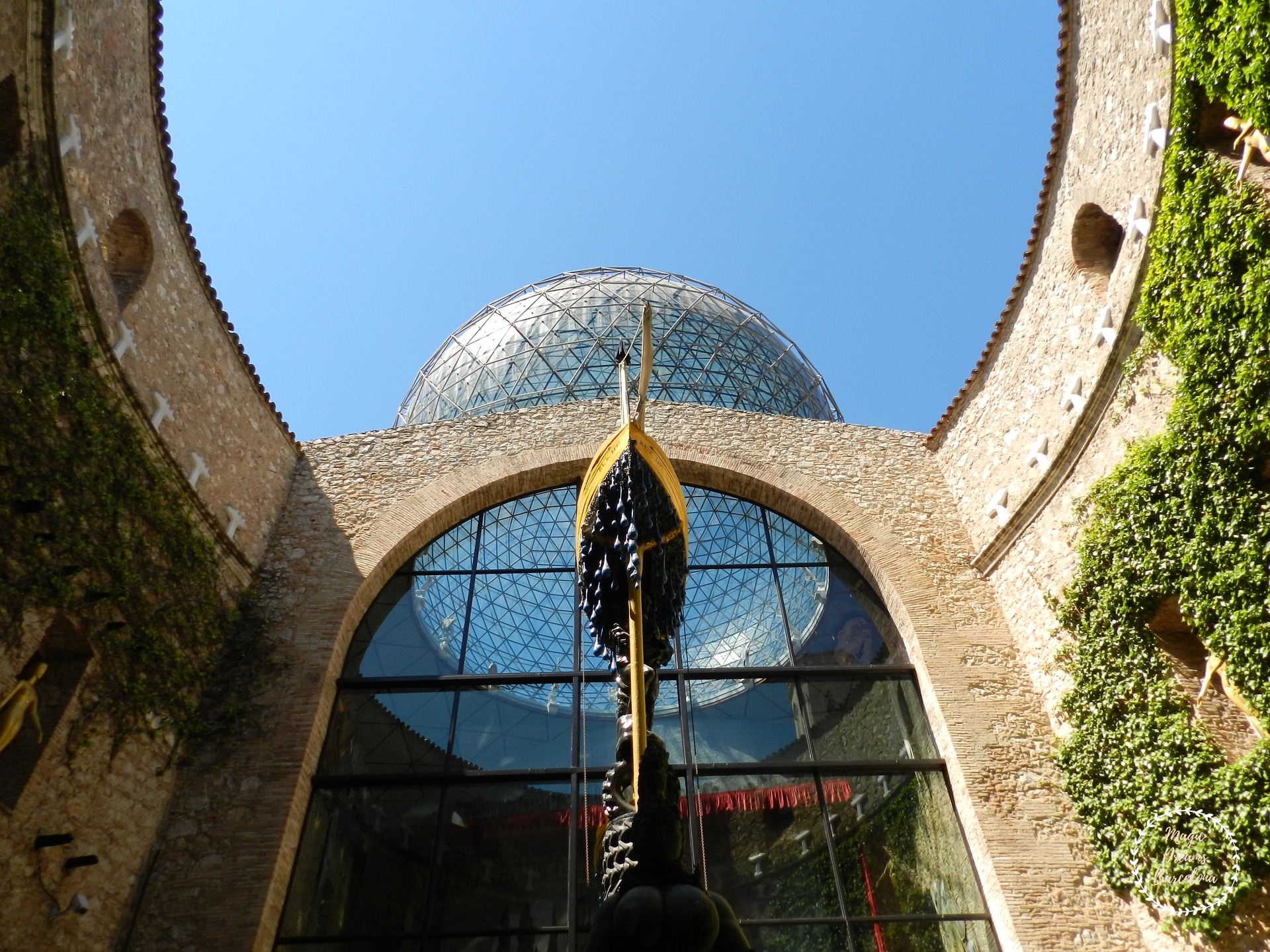
From outside, the dome gives the museum a distinctive silhouette against the Figueres skyline. From inside, it creates a dramatic architectural space filled with natural light.
The former auditorium and Rainy Taxi
One of the most striking spaces is the former auditorium, where visitors encounter one of Dalí’s best-known installations: Rainy Taxi.
A car stands in the centre of the courtyard, surrounded by surrealist elements that transform an ordinary vehicle into an extraordinary scene.
The installation is a perfect example of Dalí’s ability to combine objects, architecture and theatrical staging into a single work.
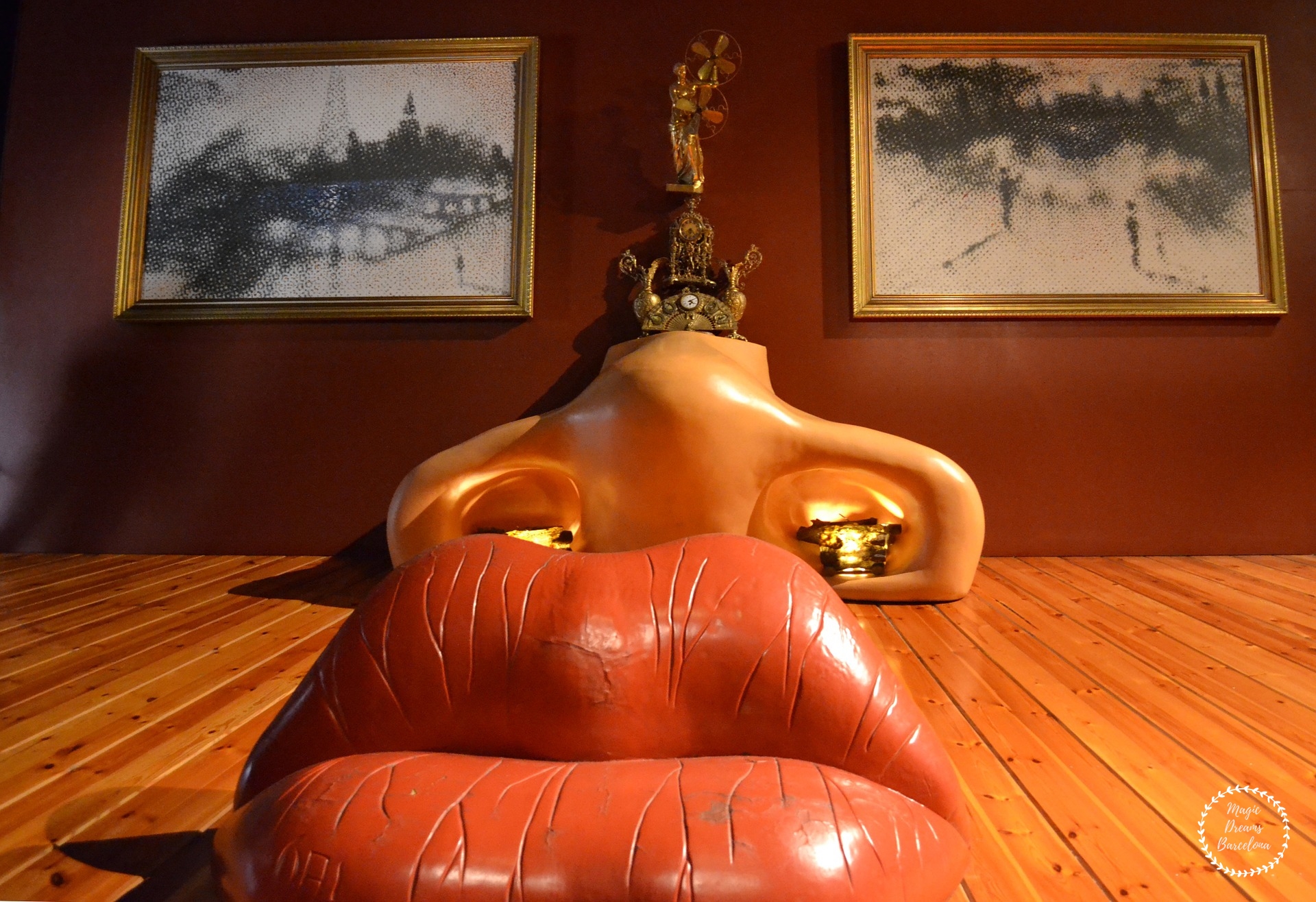
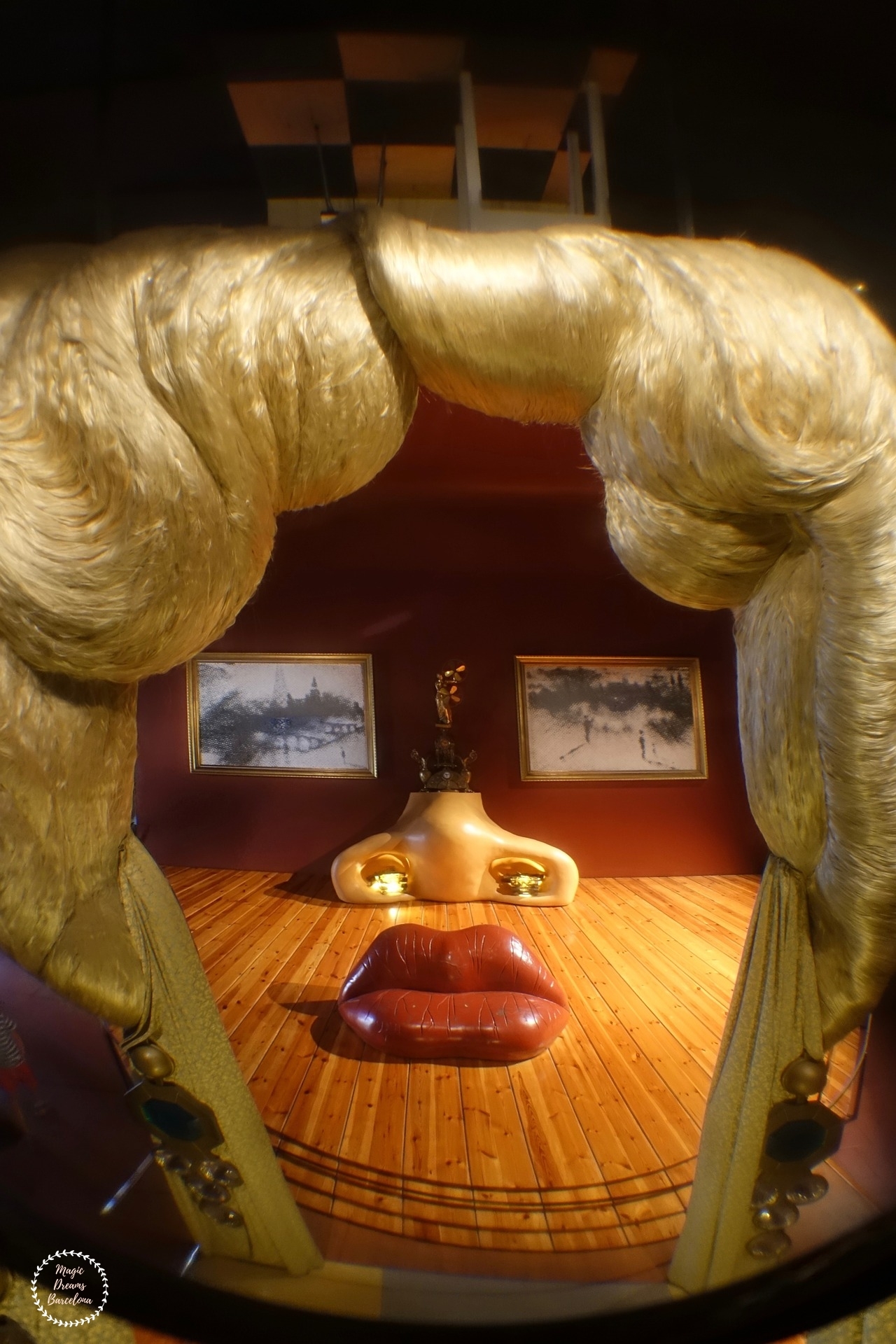
The Mae West Room
The Mae West Room is one of the museum’s most famous optical illusions.
Seen from a particular viewpoint, the furniture and architectural elements form the face of actress Mae West.
The work is based on Dalí’s fascination with double images, in which one visual composition can reveal another when viewed from the correct position.
The experience is playful, surprising and unmistakably Dalinian.
The Palace of the Wind
Another spectacular space is the Palace of the Wind, a monumental composition created between 1970 and 1973.
Originally conceived for the ceiling of the former theatre’s noble area, the work now dominates one of the museum’s most impressive rooms.
The composition combines figures, clouds, landscapes and symbolic elements in a vast visual universe inspired by Dalí’s imagination.
The stage and Labyrinth
The old theatre stage is another essential part of the museum.
Here, Dalí transformed the architecture into a theatrical and surrealist environment in which paintings, sculptures and installations interact with the original structure of the building.
The Labyrinth forms part of this extraordinary environment, inviting visitors to move through a space where reality and illusion continually overlap.
The crypt of Salvador Dalí
Salvador Dalí died on 23 January 1989 in Figueres.
His tomb is located beneath the museum, in the crypt of the former theatre.
The location connects the artist permanently with the city where he was born and with the building that became his most monumental artistic creation.
Dalí and Gala
Gala was one of the most important figures in Dalí’s life and artistic universe.
Her presence can be found throughout his work, and she also occupies a central place in the museum’s imagery.
The relationship between Dalí and Gala is essential to understanding many of the artist’s paintings, sculptures and symbolic compositions.
Works created specifically for the museum
One of the most fascinating aspects of the Dalí Theatre-Museum is that many of its elements were conceived specifically for the building.
This means that the museum should not simply be understood as a collection of works displayed in exhibition rooms.
The architecture, installations, paintings, sculptures and decorative elements were conceived to interact with one another.
The result is a genuine total work of art.
The grotesque monsters
The museum’s courtyard contains another distinctive example of Dalí’s imagination.
In 1975, Dalí and the artist Antoni Pitxot created a series of grotesque figures using branches, old gargoyles, shells and stones from Cap de Creus.
These strange creatures reinforce the surrealist atmosphere of the courtyard and demonstrate how Dalí transformed ordinary or discarded objects into artistic creations.
Dalí Jewels
The museum complex also houses the Dalí Jewels collection, presenting jewellery designed by the artist between 1941 and 1970.
Gold, precious stones and unusual forms become part of another dimension of Dalí’s artistic universe.
The jewellery reveals his interest in transforming traditional decorative arts through imagination, symbolism and surrealism.
The late-period rooms
The museum also allows visitors to explore works from Dalí’s later artistic periods.
These rooms demonstrate the artist’s continuing fascination with optical effects, classical references, science, mathematics and visual experimentation.
Rather than following a strictly chronological museum layout, the visit often feels like a journey through Dalí’s ideas and obsessions.
Dalí and science
Science played an increasingly important role in Dalí’s imagination.
Atomic physics, mathematics, optics and geometry became recurring references in his later work.
The museum reflects this fascination through paintings and compositions in which scientific concepts are transformed into artistic and symbolic images.
The obsession with geometry
Geometry is another recurring element throughout the museum.
Spheres, grids, symmetrical forms and mathematical structures appear repeatedly in Dalí’s work.
The artist used geometry not simply as a technical tool, but as a way of exploring space, perception and the relationship between order and imagination.
The dome as a universe
The geodesic dome has become an almost inseparable symbol of Figueres and Dalí.
From outside, it crowns the building like an enormous surrealist object. Inside, it changes the perception of space and reinforces the theatrical character of the museum.
Together with the former theatre structure, the dome creates an architectural environment that is unlike any conventional museum.
Figueres and Salvador Dalí
Figueres is inseparable from Salvador Dalí.
The artist was born in the city in 1904 and maintained a profound connection with it throughout his life.
The Theatre-Museum represents the culmination of that relationship, transforming the city’s former theatre into a landmark that attracts visitors from all over the world.
For anyone interested in Dalí, Figueres is therefore much more than the location of a museum: it is an essential part of his story.
The Dalinian Triangle
The Dalí Theatre-Museum forms part of the Dalinian Triangle, together with two other essential places connected with the artist:
The Dalí Theatre-Museum in Figueres
The Salvador Dalí House-Museum in Portlligat
Gala Dalí Castle in Púbol
Together, these three sites offer a deeper understanding of Dalí’s life, artistic universe and relationship with Gala and the landscapes of Catalonia.
Dalí by Night
The museum also offers special evening opening programmes on selected dates, allowing visitors to experience the building from a completely different perspective.
At night, the lighting, architecture and surrealist installations create an especially atmospheric experience.
It is an excellent option for visitors looking for a different way to discover Dalí’s world.
How long does the visit take?
A visit to the Dalí Theatre-Museum generally requires around 1.5 to 2 hours, although visitors who want to explore the collection in greater detail may wish to allow additional time.
The museum is highly visual and contains a large number of details, so it is worth taking your time rather than rushing through the rooms.
Practical information
Location:
Plaça Gala i Salvador Dalí, 5
17600 Figueres, Girona, Spain
Tickets:
General admission is currently available online and at the museum ticket office, with reduced rates and guided-visit options also available.
Because visitor capacity is limited, advance booking is recommended, particularly during weekends, holidays and the high season.
Opening hours vary depending on the season, so checking the official schedule before travelling is advisable.
How to get to Figueres from Barcelona
Figueres is approximately 140 kilometres from Barcelona and is easily accessible by road and rail.
The fastest option is generally the high-speed train, which connects Barcelona Sants with Figueres-Vilafant in around one hour.
From Figueres-Vilafant station, visitors can continue to the city centre by taxi or local transport.
By car, the journey generally takes around 1 hour 45 minutes to 2 hours, depending on traffic.
An essential visit on the Costa Brava
The Dalí Theatre-Museum is much more than an art museum.
It is a journey into the mind of one of the most influential and imaginative artists of the 20th century.
Its architecture, optical illusions, monumental paintings, sculptures and unexpected installations make every room part of the experience.
For travellers exploring Catalonia, combining Figueres, the Dalinian Triangle and the Costa Brava is an exceptional way to discover the landscapes, culture and artistic heritage of the region.
Would you like to discover the Dalí Theatre-Museum with us?
At Magic Dreams Barcelona, we can help you organise your visit to Figueres and discover the world of Salvador Dalí, combining culture, history and some of the most fascinating destinations in Catalonia.
Magic Dreams Barcelona Discover Catalonia. Live the experience.
C´´upula esf´´erica Museo Dal´´i en Figueres.
C¨¨upula Museo Dal´´i Figueres.
Detalle huevos y cúpula en el Museo Dal´´i Figueres
The Dalí Triangle is an essential cultural route to explore the life and work of Salvador Dalí in Catalonia. This section covers the most emblematic locations related to the artist: from Cadaqués, where Dalí lived and drew inspiration, to the Portlligat House-Museum, his seaside residence, …
El Triángulo Daliniano es la ruta cultural imprescindible para conocer la vida y obra de Salvador Dalí en Cataluña. Esta sección recorre los lugares más emblemáticos relacionados con el artista: desde Cadaqués, donde Dalí vivió y se inspiró, hasta la Casa Museo de Portlligat, su …
There are places you visit to admire a work of art.
And there are others where you step directly into a story.
Gala Dalí Castle in Púbol belongs to the second category.
In this small village in the Baix Empordà, Salvador Dalí transformed a medieval castle into one of the most intimate and personal places in his creative universe.
He did not buy it for himself.
He bought it for Gala.
He wanted to give her a place of her own, a refuge and almost a private palace where she could be the true protagonist.
Dalí personally transformed its interiors, designed spaces, worked on ceilings and walls, introduced antiques, textiles, symbols, false architectural elements and surrealist details, and created a garden filled with sculptures.
But Púbol also preserves a much deeper story.
Gala lived here.
She was buried here.
Dalí spent some of his final years here.
He established his last workshop here.
And here there is still a second tomb, prepared for him and connected to Gala’s tomb, which remains empty.
This is precisely what makes Púbol one of the most fascinating places in the Dalinian Triangle.
Where Is Gala Dalí Castle in Púbol?
The castle is located in Púbol, a small village belonging to the municipality of La Pera, in the Baix Empordà region of Girona.
Púbol is a small, peaceful medieval village surrounded by the agricultural and Mediterranean landscapes of the Empordà.
From Barcelona, the distance is approximately 130–140 kilometres by road, depending on your starting point and route.
By car, the journey usually takes approximately 1 hour 30 minutes to 1 hour 45 minutes, depending on traffic.
The usual route from Barcelona follows the AP-7 towards Girona and then continues along the roads leading into the Baix Empordà.
The castle is located within the village itself.
This makes it easy to combine your museum visit with a walk through Púbol before continuing to other destinations in the Empordà.
Púbol: A Small Medieval Village in the Baix Empordà
Before becoming one of the best-known places associated with Salvador Dalí, Púbol already had a long history.
The village is documented from the medieval period, and its castle was the centre of an ancient barony.
The main structure of the castle today is primarily associated with the 14th and 15th centuries, although the site is documented as early as the 11th century.
The complex stands next to the Church of Sant Pere and preserves the character of a small historic village.
Walking through Púbol is very different from visiting a large city.
There is no need to rush.
Its streets are quiet, its houses preserve traditional architectural features, and the countryside of the Empordà begins almost immediately beyond the village.
For this reason, we recommend allowing some time to explore Púbol before or after visiting the castle.
The Castle Before Salvador Dalí
For centuries, Púbol Castle was a noble residence.
Its medieval character, location and atmosphere attracted Dalí when the building was already considerably deteriorated.
In 1969, Salvador Dalí acquired the castle.
But from the beginning, he knew who it was for.
Gala.
The Dalí Foundation describes Púbol as a gift of courtly love from Dalí to Gala, conceived as a private refuge for her.
Why Did Dalí Give Gala a Castle?
To understand Púbol, you need to understand the relationship between Salvador Dalí and Gala.
Gala was much more than the artist’s wife.
She was his muse, companion and one of the most important figures in his life.
Dalí wanted to give her something different from Portlligat.
He wanted her to have a place that was exclusively hers.
He found the perfect setting in Púbol.
A medieval castle.
A mysterious place.
A secluded space.
A building that could be completely transformed without losing its historic character.
Dalí turned the old castle into a kind of private palace for Gala.
The entire project revolves around her.
The Agreement Between Gala and Dalí
There is a fascinating detail that demonstrates just how strongly Púbol was conceived as Gala’s territory.
The couple agreed that Dalí would not visit the castle unless he had first received a written invitation from Gala.
In other words, although he had purchased the building and personally transformed much of it, Púbol symbolically belonged to Gala.
She was the lady of the castle.
This agreement is one of the most fascinating details surrounding their relationship.
Dalí had created a castle for the woman he loved, but once it became Gala’s private residence, even he had to respect its rules.
Dalí Turns Púbol Into a Work of Art
Dalí did not simply restore the castle.
He transformed it into a work of art.
He worked on walls and ceilings, created false architectural elements, incorporated antiques, textiles, Baroque details and symbols associated with Gala.
The result is strange, elegant, theatrical and unmistakably surrealist.
Every room seems to tell a story.
Some areas preserve the medieval architecture, while others are completely transformed by Dalí’s imagination.
Visitors can discover:
paintings and drawings;
sculptures;
antiques;
furniture;
textiles;
surrealist elements;
false architecture;
objects associated with Gala;
haute couture dresses;
private rooms;
sculptural gardens.
This is why we recommend taking your time.
Look upwards.
Look at the walls.
Look closely at the smaller objects.
At Púbol, almost everything has an intention.
The Gardens of Púbol
The garden is another major attraction.
Dalí created a space where nature blends with sculptures and surrealist elements.
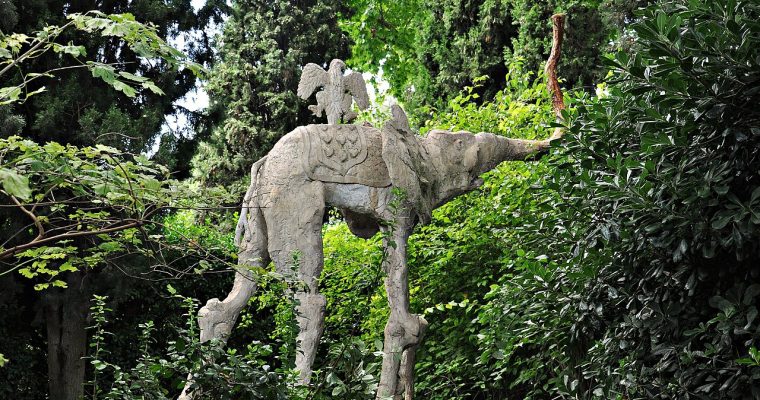
The famous long-legged elephants are among the most recognizable images in the complex.
The combination of vegetation, sculptures, medieval architecture and fantastic elements creates an atmosphere unlike any conventional garden.
It is romantic, theatrical and deeply Dalinian.
The Vegetation Around Púbol
Beyond the castle lies the characteristic landscape of the Baix Empordà.
The surroundings combine agricultural fields, small wooded areas and Mediterranean vegetation.
Depending on the season, you may encounter:
holm oaks;
pine trees;
olive trees;
almond trees;
cypresses;
Mediterranean shrubs;
aromatic plants;
wild vegetation along paths and fields.
Spring is particularly interesting for visitors who enjoy flowers and pollinating insects.
Summer offers a much drier Mediterranean landscape.
Autumn brings different colours and a quieter atmosphere.
Birds and Butterflies Around Púbol
Púbol can also be interesting for visitors who enjoy observing nature.
The surrounding countryside is home to birds typical of agricultural and Mediterranean environments, including sparrows, blackbirds, tits, goldfinches, hoopoes, turtle doves and other species that can be seen flying over the fields.
During spring and summer, butterflies, bees, bumblebees and other pollinators become more noticeable.
This is not a controlled wildlife park or a dedicated birdwatching reserve.
Its charm lies precisely in observing the wildlife that appears naturally while you walk through the village and surrounding countryside.
Gala: The True Protagonist of Púbol
Although today we know it as Gala Dalí Castle, it is important to remember that Púbol was fundamentally conceived for Gala.
She had her own space here.
She kept personal objects and memories here.
She could withdraw from the outside world here.
The history of Púbol repeatedly highlights its character as a personal refuge for Gala.
Dalí created an artistic universe around her.
But Gala also played an active role in the life of Púbol.
She was not simply an observer of Dalí’s work.
The castle became a shared project in many respects, even though Dalí’s artistic vision dominates the visual character of the building.
Gala’s Death
Gala died on 10 June 1982.
She was buried in the crypt of Púbol Castle.
And this is where one of the most important and lesser-known aspects of the story begins.
The crypt had been prepared so that Gala and Dalí could rest together.
There were two tombs.
And the two tombs were connected.
This was not simply two separate burial spaces placed side by side.
The design reflected the idea that Gala and Dalí would remain together after death.
Gala occupies one of them.
The other remains empty.
Dalí’s Empty Tomb
For years, Dalí had expressed his desire to be buried beside Gala in Púbol.
Robert Descharnes, one of his closest collaborators, recalled that Dalí had maintained this wish until shortly before his death and that he wanted to rest in the crypt beside Gala.
The existence of the second tomb prepared for him is a physical reminder of that plan.
And this is why the story of his burial remains controversial.
Why Was Dalí Buried in Figueres?
Shortly before Dalí’s death, another version emerged.
The mayor of Figueres at the time, Marià Lorca, stated that Dalí had told him he wanted to be buried beneath the dome of his Dalí Theatre-Museum in Figueres.
The difficulty is that this supposed final wish was communicated orally and was not accompanied by a signed document that could conclusively establish the circumstances.
Dalí died on 23 January 1989 and was ultimately buried in the Dalí Theatre-Museum in Figueres.
But the story did not end there.
A Decision That Has Never Stopped Being Controversial
The question of where Dalí truly wanted to rest has been debated for decades.
On one side is the version of the mayor of Figueres concerning that alleged final wish.
On the other are testimonies from people close to the artist who remembered that Dalí had wanted to rest beside Gala.
In 2004, Robert Descharnes even led a petition calling for Dalí’s remains to be transferred from Figueres to Púbol, beside Gala.
This demonstrates that the issue was far from settled among people who knew the artist.
Did Dalí Really Want to Be Separated From Gala?
This is the question that many people close to Dalí have asked over the years.
Gala had been his companion, muse and a fundamental figure in his life.
Dalí had purchased Púbol for her.
He had designed the castle around her.
He had prepared the crypt.
And the two tombs were connected.
From this perspective, it is understandable that people close to Dalí found it difficult to believe that his original wish had been to remain separated from Gala.
Among those who have publicly discussed Dalí’s relationship with Gala is Amanda Lear, who knew the artist personally and was part of his close circle for many years.
Her testimony forms part of the personal accounts surrounding Dalí, Gala and their relationship.
It is important, however, to distinguish between personal testimony and documentary proof.
The most accurate way to present the story is therefore that people close to Dalí questioned whether his burial in Figueres truly reflected his final wishes.
The controversy remains part of the history of Púbol.
Two Places, One Story
Today there is an unforgettable image.
Gala is in Púbol.
Dalí is in Figueres.
But in Púbol there is still the tomb that had been prepared for him.
A tomb that remains empty.
That absence has become part of the story of the castle.
Púbol therefore preserves not only Gala’s resting place, but also the physical reminder of a plan in which she and Dalí were supposed to remain together.
Figueres currently preserves the artist’s remains inside the great museum he created.
Two places.
Two chapters.
And a question that continues to fascinate visitors.
Púbol Becomes Dalí’s Final Refuge
After Gala’s death, Dalí increasingly withdrew from public life.
Púbol became even more important.
During the early 1980s, the castle became Salvador Dalí’s final workshop.
This adds another layer to the visit.
You are not only entering the castle Dalí created for Gala.
You are also entering one of the final places where the artist lived and worked.
Gala Dalí Castle as a Museum
The castle opened to the public as a house museum in 1996.
Visitors can explore the rooms associated with Gala and Dalí, the spaces decorated by the artist, the garden, sculptures and the mausoleum.
The interior visit follows a free-flowing, one-way route.
In 2026, the temporary exhibition “Dalí/Horst. Miradas cruzadas” is scheduled to run until 6 January 2027.
Gala Dalí Castle Púbol Opening Hours in 2026
Opening hours vary according to the season.
1–6 January
Tuesday to Sunday: 10:30–17:00
7 January–27 February
Closed
28 February–13 March
Tuesday to Sunday: 10:30–17:00
14 March–30 June
Tuesday to Sunday: 10:30–18:00
1 July–6 September
Every day: 10:00–19:00
7 September–1 November
Tuesday to Sunday: 10:30–18:00
2 November–31 December
Tuesday to Sunday: 10:30–17:00
The last admission is approximately 45 minutes before closing, while the rooms close 15 minutes before the museum itself.
Exceptional opening and closing dates may apply, so we recommend checking the schedule for your specific travel date.
How Much Does It Cost to Visit Púbol Castle?
For 2026, the published general admission is:
€10 online €12 at the ticket office
Reduced admission:
€7 online €9 at the ticket office
During July and August:
€12 online / €14 at the ticket office
Reduced admission:
€8 online / €10 at the ticket office
Different free-admission and discount conditions may also apply.
How Much Time Should You Spend in Púbol?
If you only want to visit the museum, we recommend allowing approximately 1.5 hours.
But if you are travelling from Barcelona, we recommend spending considerably longer.
A well-planned visit could include:
Púbol: approximately 2 hours.
Walk through La Pera and the surrounding area: 30–60 minutes.
Lunch: 1.5–2 hours.
Afterwards, you can continue to another destination in the Empordà or visit another part of the Dalinian Triangle.
Where Should You Eat Near Púbol?
The Baix Empordà is one of Catalonia’s most interesting gastronomic regions.
In Púbol, La Pera and nearby villages, you can find restaurants serving Catalan and Mediterranean cuisine and seasonal local produce.
For a special trip, we recommend booking a quality restaurant in advance and looking for establishments that work with local ingredients, traditional Empordà cuisine and regional wines.
If your visit forms part of a private experience, Magic Dreams Barcelona can adapt the gastronomic stop to your preferences:
traditional Catalan cuisine;
fine dining;
seasonal cuisine;
romantic restaurants;
wineries and wine experiences;
relaxed lunches in medieval villages.
Where Should You Stay?
Staying in the Baix Empordà allows you to experience the area in a completely different way.
There are small hotels, rural houses and charming accommodations around Púbol, La Pera and the surrounding villages.
You can also use the area as a base for discovering places such as Madremanya, Peratallada, Monells and other historic villages.
For a romantic or private getaway, we recommend choosing accommodation with character that allows you to enjoy the landscape while minimizing unnecessary driving.
Púbol and the Dalinian Triangle
The Gala Dalí Castle forms part of the Dalinian Triangle, together with Figueres and Portlligat.
But each place tells a different story.
Púbol
Gala.
Intimacy.
Love.
The castle.
The garden.
The crypt.
Dalí’s final workshop.
Figueres
The great museum.
Dalí’s birthplace.
His public artistic legacy.
The place where his remains are currently buried.
Portlligat
The Mediterranean.
The house.
The landscape.
The place where Dalí and Gala built another important part of their life together.
Visiting all three gives you a much deeper understanding of the relationship between art, life, love and landscape in Dalí’s universe.
A Private Dalinian Triangle Escape from Barcelona
If you are travelling from Barcelona, we do not recommend trying to rush through Púbol, Figueres and Portlligat in a single day unless your schedule is very limited.
It is possible, but the experience is much better when you have time.
The Empordà deserves time.
The villages deserve time.
The museums deserve time.
And the landscape deserves time too.
A private itinerary can be designed according to the amount of time you have available.
Barcelona → Púbol → medieval villages → accommodation in the Empordà → Figueres → Cadaqués → Portlligat → Barcelona.
The third option is our favourite if you want to truly enjoy the region.
Magic Dreams Barcelona: Your Private Dalinian Escape Without the Stress
If you would like to discover the Dalinian Triangle but do not want to worry about driving, parking, timetables, reservations or connections between villages, Magic Dreams Barcelona can design a fully private and personalized experience for you.
Our goal is simple: you only have to enjoy the journey.
We can organize a private escape from Barcelona according to your pace, interests and available time.
We can include
Private pick-up in Barcelona
We can collect you from your accommodation or an agreed meeting point.
Private vehicle
No trains, buses or complicated connections.
Gala Dalí Castle in Púbol
A visit focused on Gala and Dalí’s story, the castle, decoration, gardens and crypt.
Figueres
A visit to the Dalí Theatre-Museum.
Cadaqués
Time to enjoy one of Catalonia’s most beautiful coastal villages.
Portlligat
Dalí and Gala’s Mediterranean home and artistic universe.
Medieval villages
We can add places such as Peratallada, Monells or Madremanya.
Gastronomy
We can select restaurants according to your preferences and budget.
Wine
We can also include a winery or wine experience.
Accommodation
If you would like to turn your visit into a two-day escape, we can help organize the accommodation.
The Púbol You Will Not Discover on a Rushed Visit
There is something we would like to emphasize at Magic Dreams Barcelona.
Púbol should not be visited simply as “Dalí’s castle.”
Because that would mean missing its most important story.
This is Gala’s story.
This is the place Dalí created for her.
These are her rooms.
This is the garden he designed.
This is her crypt.
And here there is a second tomb, connected to Gala’s, which had been prepared for Dalí and remains empty.
Then comes the controversy.
The version that Dalí asked to be buried in Figueres.
The testimonies of people close to him who remembered a different wish.
The later efforts of those who believed he should rest beside Gala.
And the undeniable fact that his remains ultimately ended up in Figueres.
That is why Púbol is not simply a museum.
It is also a story that continues to raise questions.
Púbol: Love, Art and Mystery in the Empordà
The Gala Dalí Castle in Púbol is one of the most fascinating places you can visit from Barcelona.
A medieval castle.
A love story.
A woman who received a castle as a gift.
An artist who transformed it into a work of art.
An agreement requiring him to receive a written invitation before visiting.
A surrealist garden.
A crypt.
Two connected tombs.
One occupied.
The other empty.
And a controversy that remains unresolved.
All of this is found in a small village in the Baix Empordà, surrounded by nature, fields, medieval villages and one of Catalonia’s great gastronomic traditions.
That is precisely the magic of Púbol.
You are not simply coming to see where Gala lived.
You are discovering a part of Salvador Dalí’s story that cannot be fully understood inside a museum.
And if you would like to discover it from Barcelona without stress, without rushing and with a private itinerary designed around you, Magic Dreams Barcelona can turn the Dalinian Triangle into a truly special experience.
Barcelona → Púbol → Figueres → Portlligat → Cadaqués
Art.
History.
Love.
Landscape.
Gastronomy.
And the universe of Dalí.
Magic Dreams Barcelona — private experiences from Barcelona for discovering Catalonia in a different way.
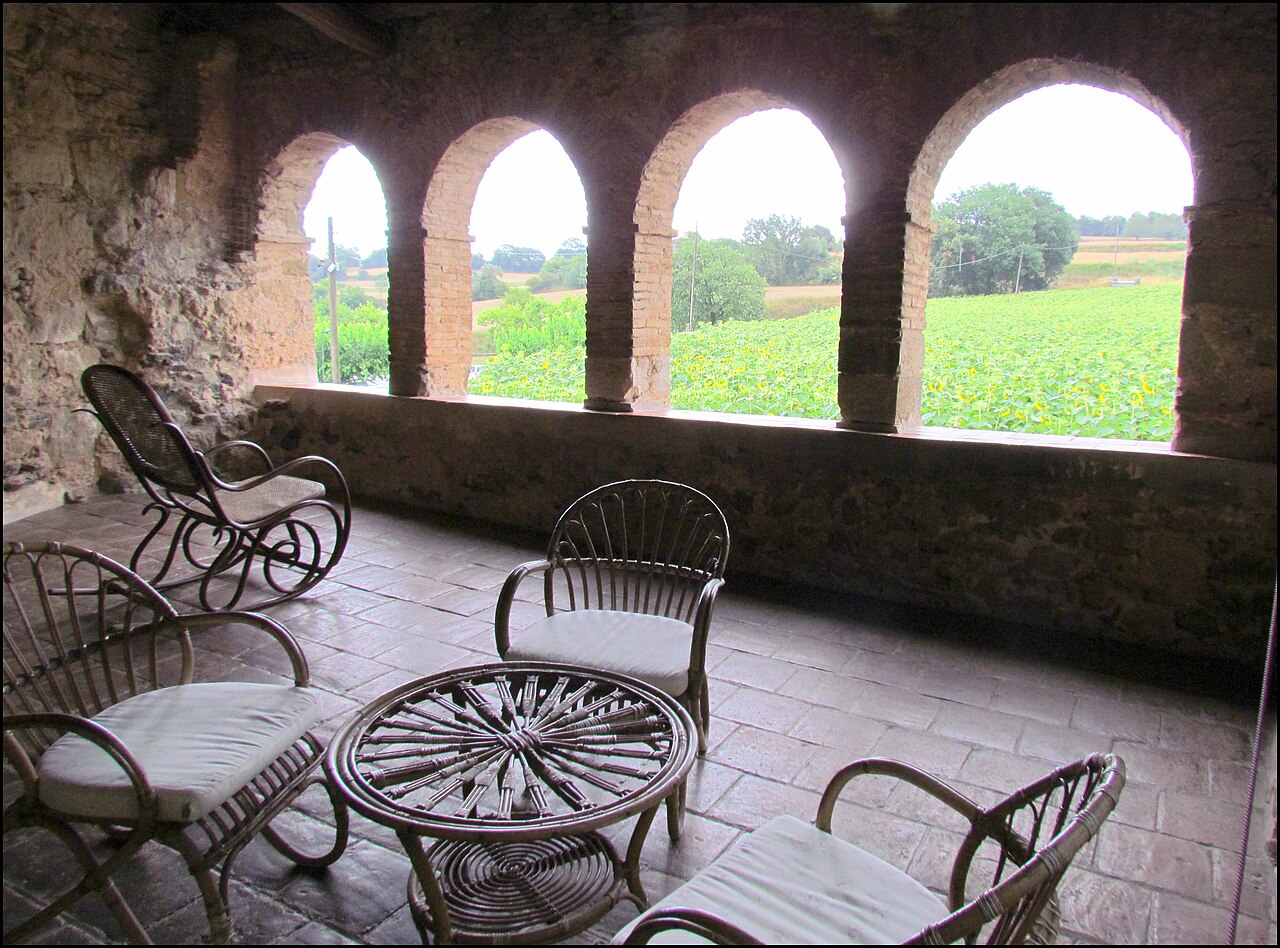
Terraza del Castillo de Púbol – By Daniel CULSAN – Own work, CC BY-SA 4.0, https://commons.wikimedia.org/w/index.php?curid=36768117.
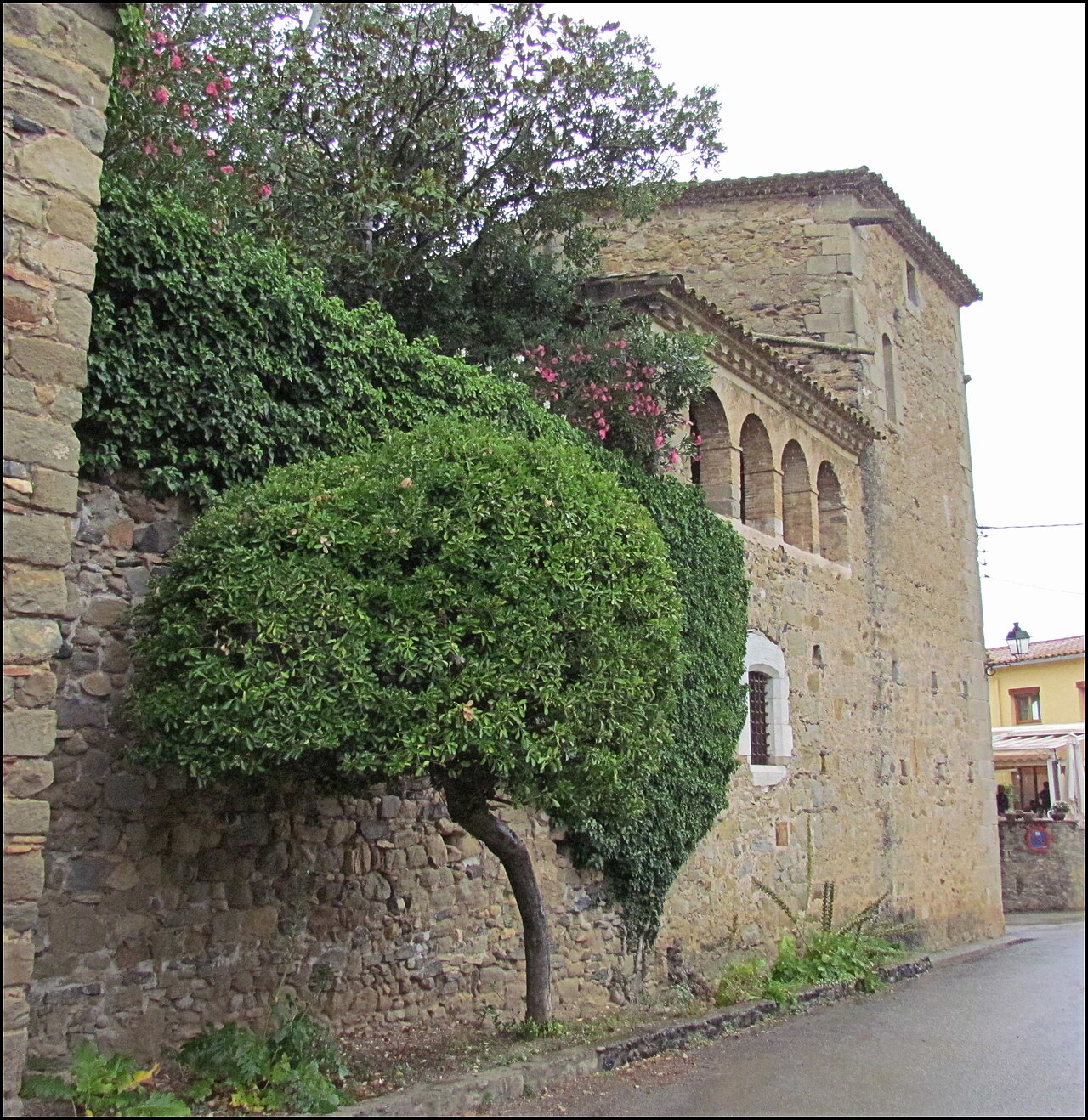
Perspectiva exterior de la Casa Museo de Púbol – By Daniel CULSAN – Own work, CC BY-SA 4.0, https://commons.wikimedia.org/w/index.php?curid=36766319.
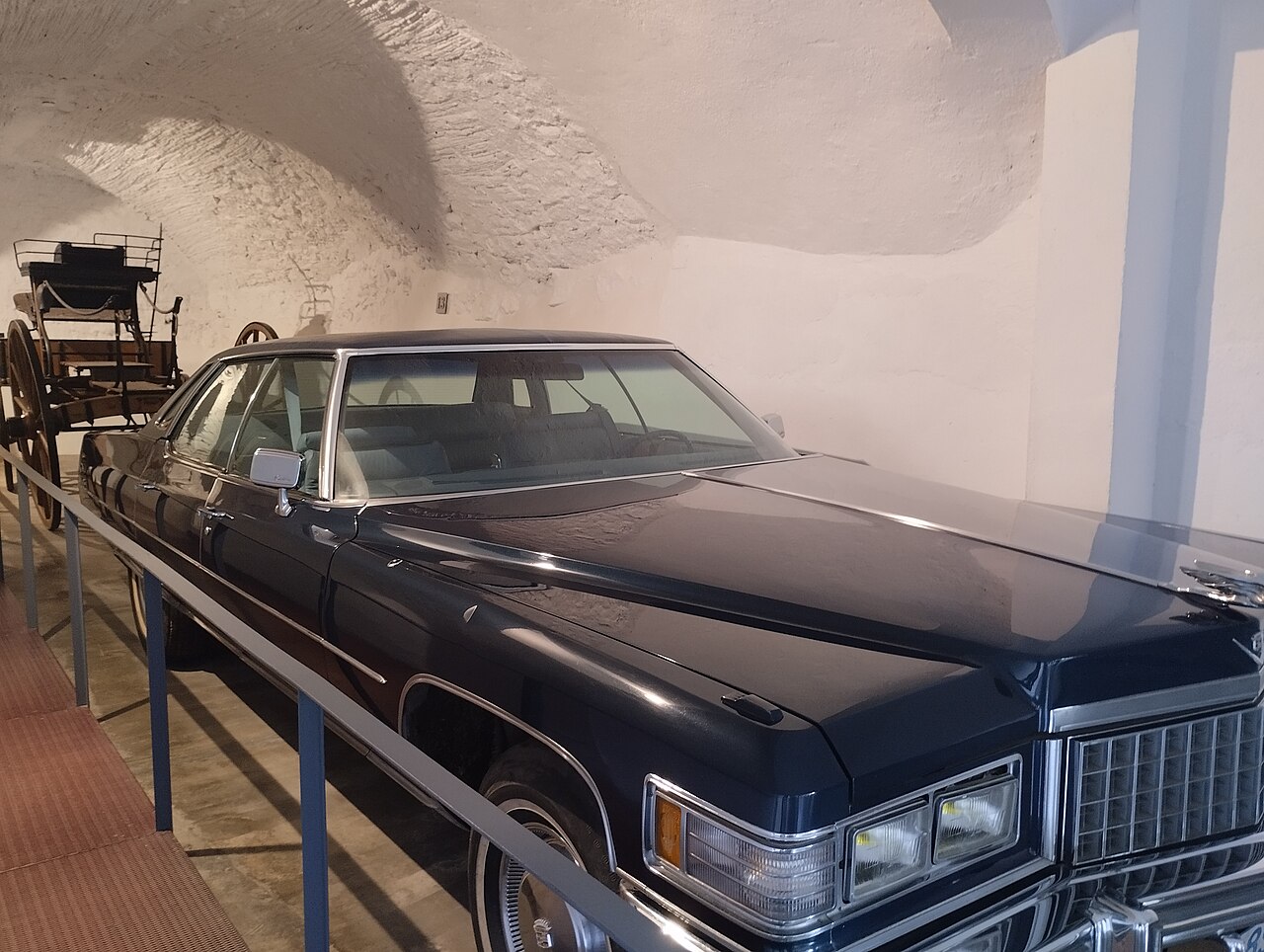
Cadillac de Gala y Dalí – By Anitxu – Own work, CC BY-SA 4.0, https://commons.wikimedia.org/w/index.php?curid=154294951.
Obra de Dalí representando a Gala – By Anitxu – Own work, CC BY-SA 4.0, https://commons.wikimedia.org/w/index.php?curid=154293999.
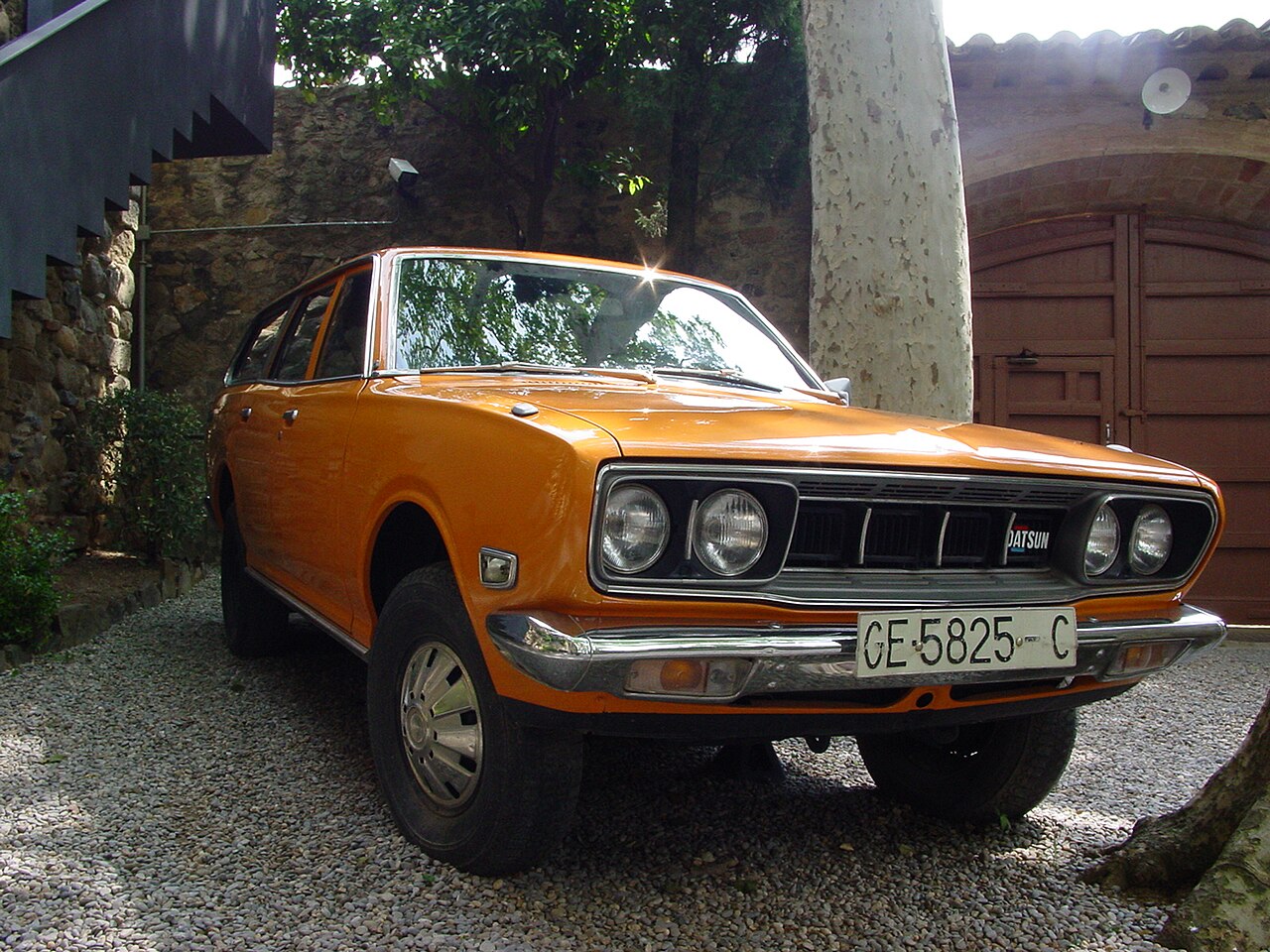
Datsun de Dalí – By Kippelboy – Own work, CC BY-SA 4.0, https://commons.wikimedia.org/w/index.php?curid=34890806.
El jardín del Castillo de Púbol – By Gordito1869 – Own work, CC BY 3.0, https://commons.wikimedia.org/w/index.php?curid=9458854.
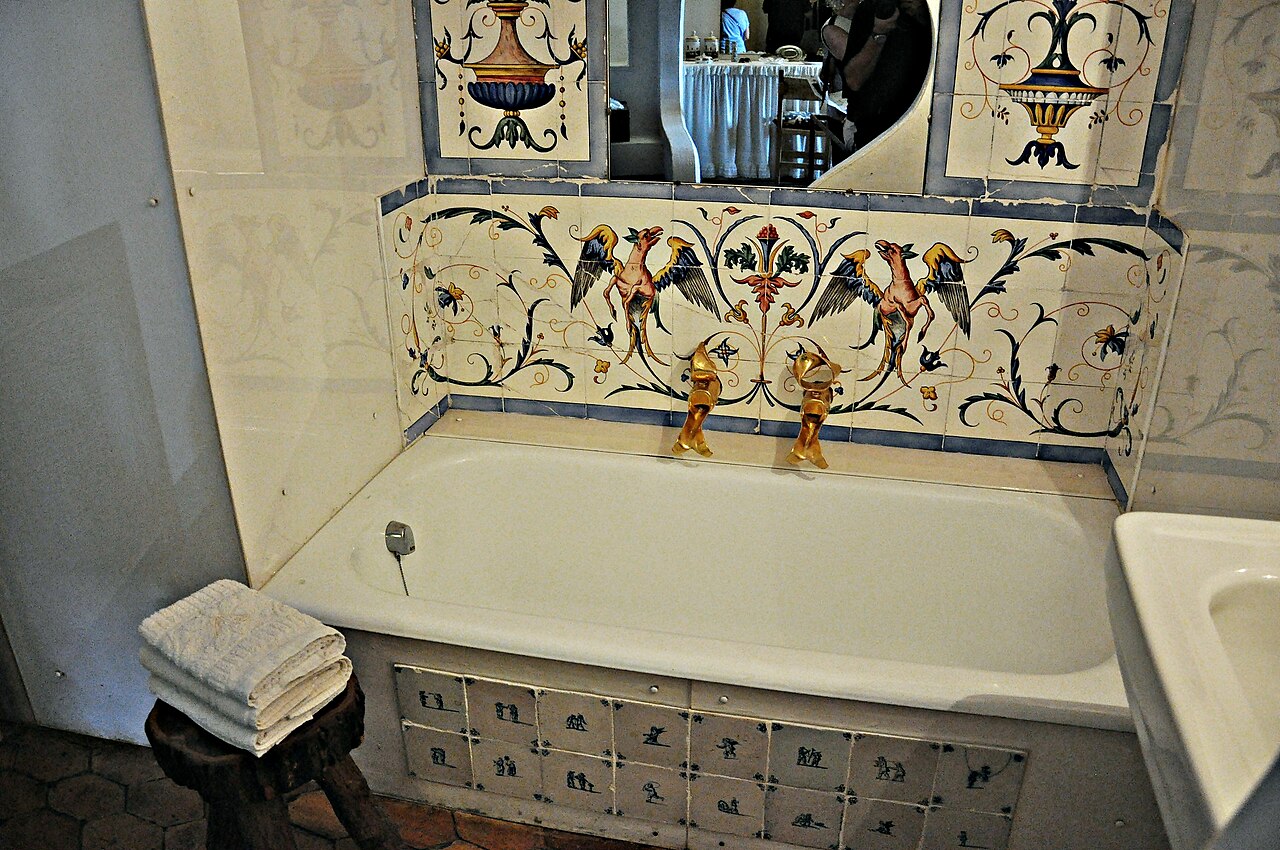
Baño de Gala – By Daniel CULSAN – Own work, CC BY-SA 4.0, https://commons.wikimedia.org/w/index.php?curid=36706402.
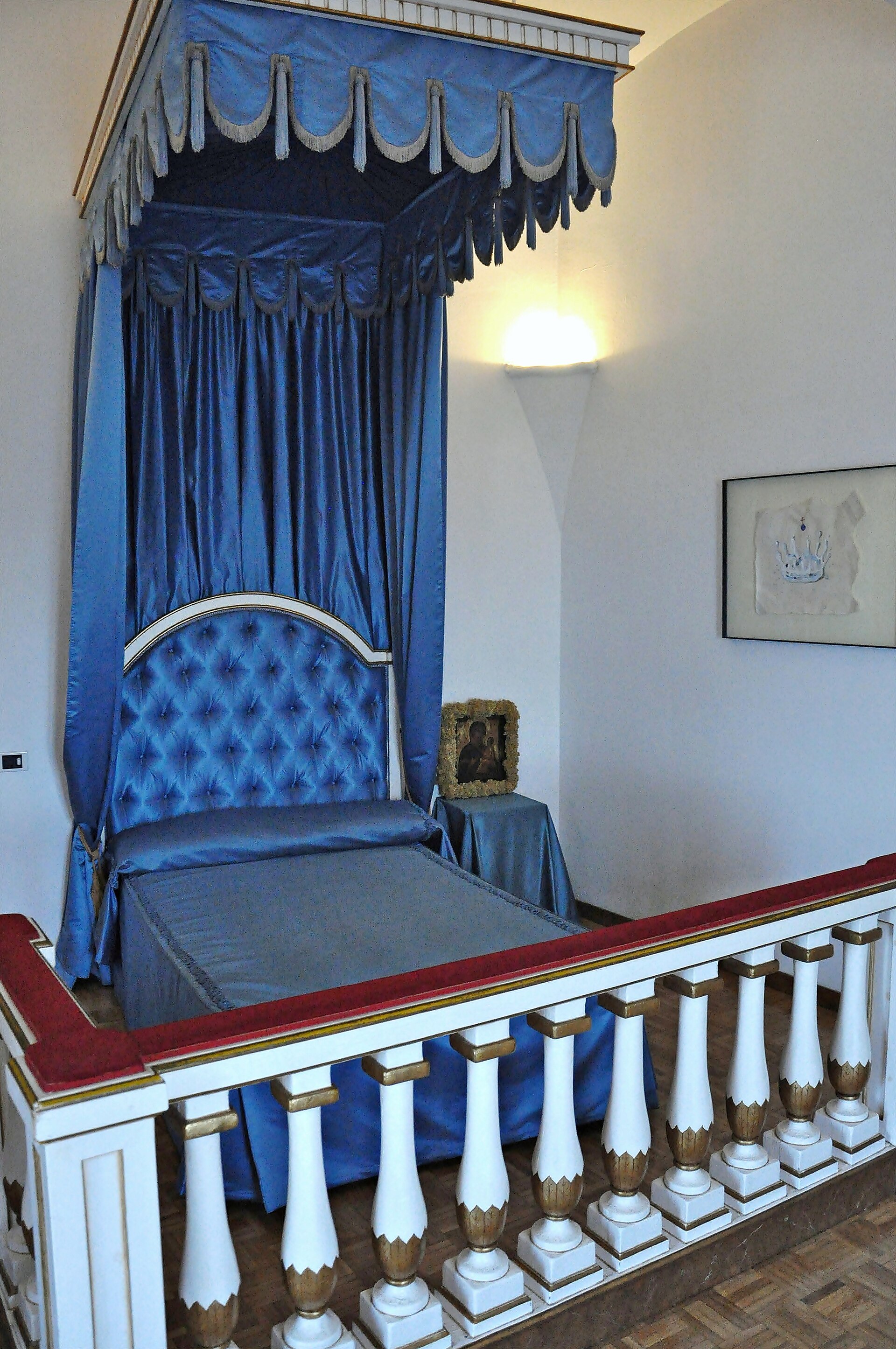
Cama de Gala – By Alberto-g-rovi – Own work, CC BY-SA 3.0, https://commons.wikimedia.org/w/index.php?curid=27866351.
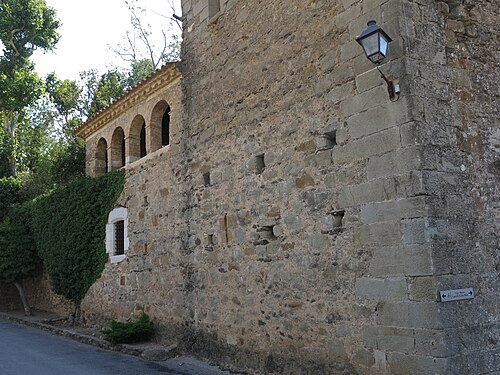
Castell de Púbol i església del castell (la Pera) – By Enric – Own work, CC BY-SA 4.0, https://commons.wikimedia.org/w/index.php?curid=62082504.
Castell de Púbol i església del castell (la Pera) – By Enric – Own work, CC BY-SA 4.0, https://commons.wikimedia.org/w/index.php?curid=62082573.
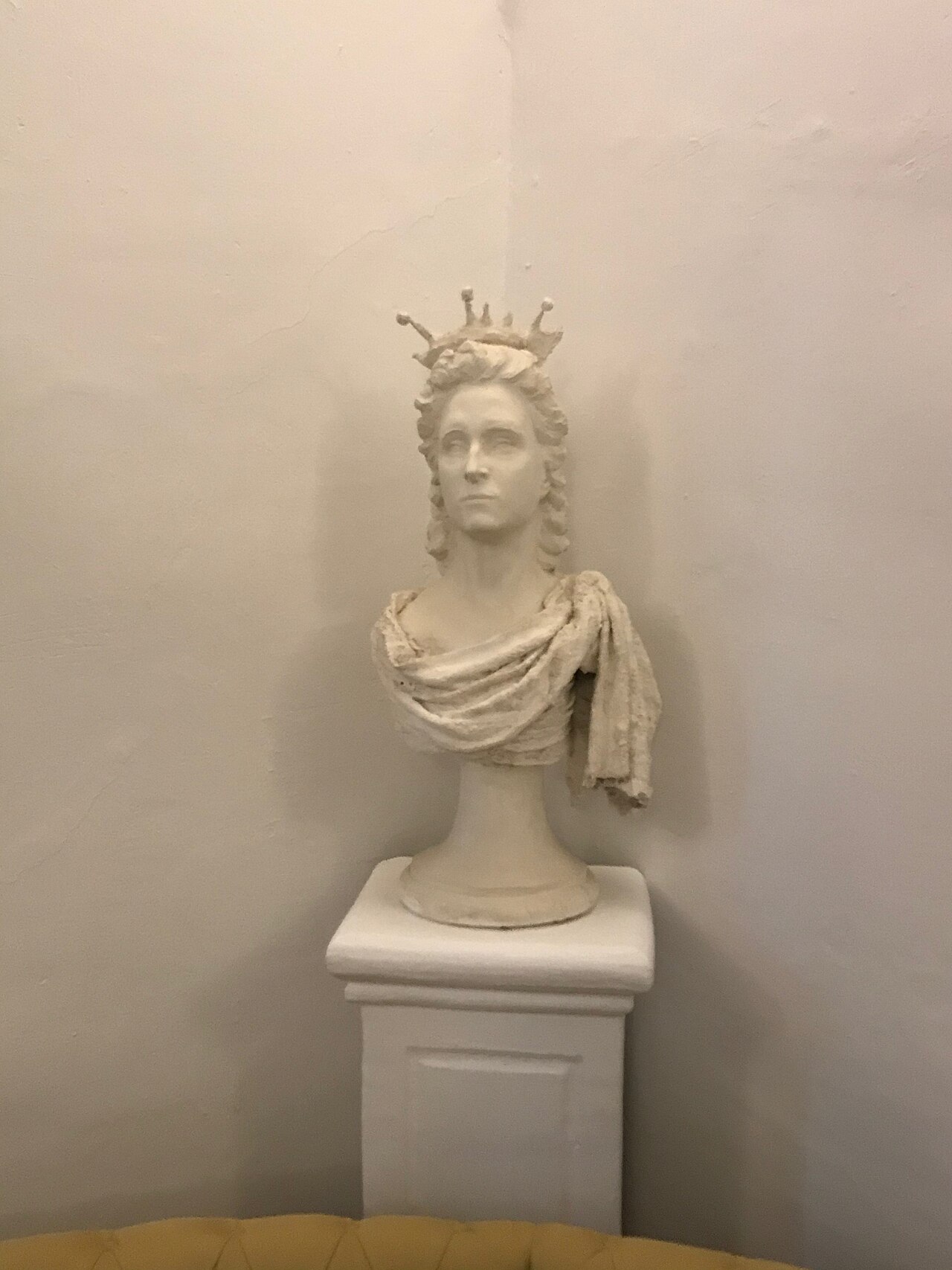
Estatua de Gala – Davidpar, CC BY-SA 4.0 , via Wikimedia Commons.
Castell de Púbol – By Enric – Own work, CC BY-SA 4.0, https://commons.wikimedia.org/w/index.php?curid=62067544.
Castell de Púbol i iglesia del castell (la Pera) – By Enric – Own work, CC BY-SA 4.0, https://commons.wikimedia.org/w/index.php?curid=62082494.
Comedor, cabeza de León – Enric, CC BY-SA 4.0 , via Wikimedia Commons.
Santiago en el comedor – Enric, CC BY-SA 4.0 , via Wikimedia Commons.
Comedor del Castillo de Púbol – Enric, CC BY-SA 4.0 , via Wikimedia Commons.
Exposición de vestidos de Gala de Gala – Enric, CC BY-SA 4.0 , via Wikimedia Commons.
Salón del piano – By Enric – Own work, CC BY-SA 4.0, https://commons.wikimedia.org/w/index.php?curid=62082521.
Salón de los escudos, leona a los pies del trono de Gala – Enric, CC BY-SA 4.0 , via Wikimedia Commons.
Salón de los escudos, trono de Gala – By Enric – Own work, CC BY-SA 4.0, https://commons.wikimedia.org/w/index.php?curid=62082571.
Salón de los escudos, trompe-l’oeil del techo – By Enric – Own work, CC BY-SA 4.0, https://commons.wikimedia.org/w/index.php?curid=62082570.
Salón de los escudos – By Enric – Own work, CC BY-SA 4.0, https://commons.wikimedia.org/w/index.php?curid=62082573.
Gárgola del Patio – Enric, CC BY-SA 4.0 , via Wikimedia Commons.
Escalera del Patio – Castillo de Púbol – By Enric – Own work, CC BY-SA 4.0, https://commons.wikimedia.org/w/index.php?curid=62082575.
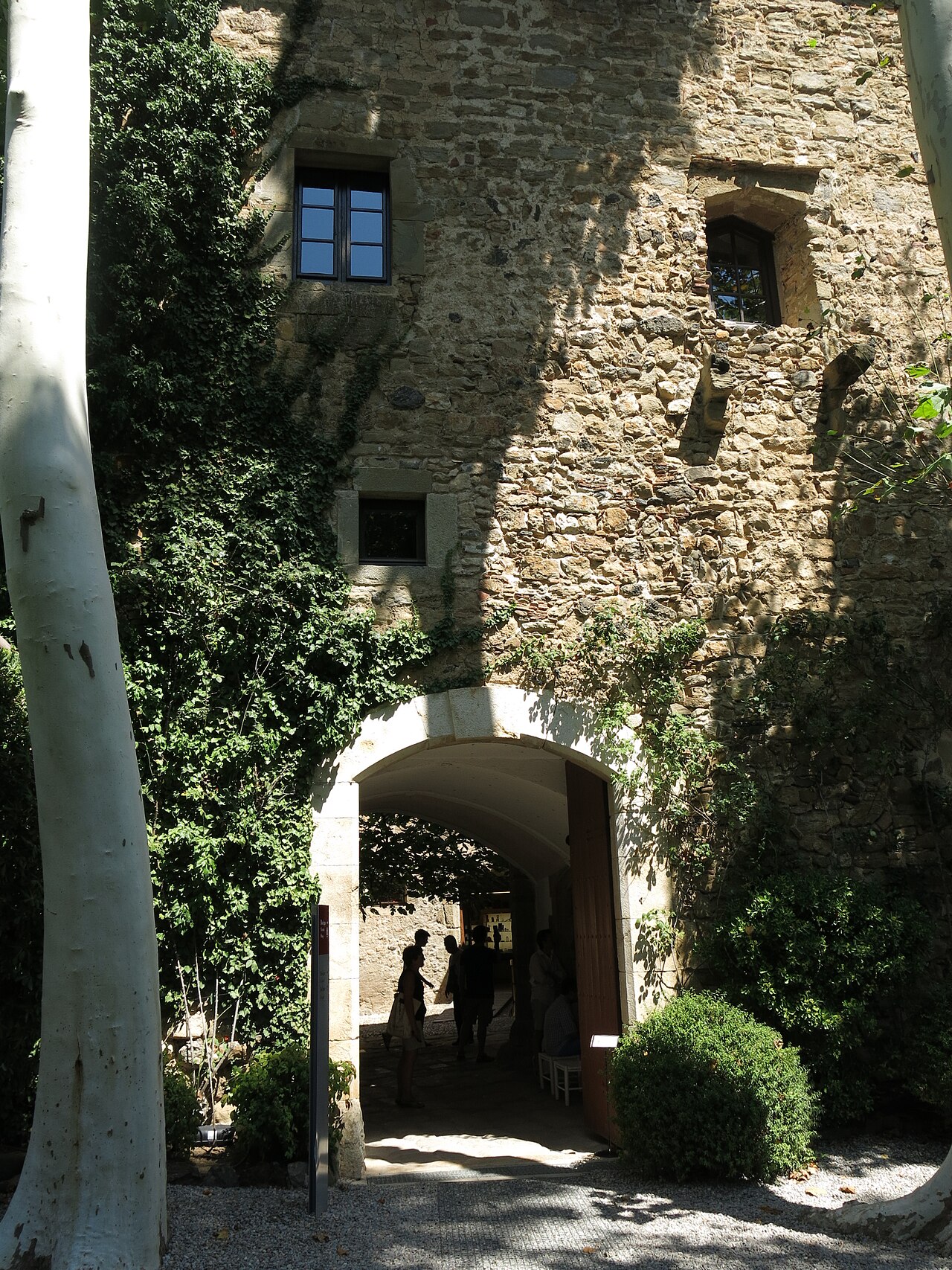
Entrada Castillo de Púbol – By Enric – Own work, CC BY-SA 4.0, https://commons.wikimedia.org/w/index.php?curid=62082576.
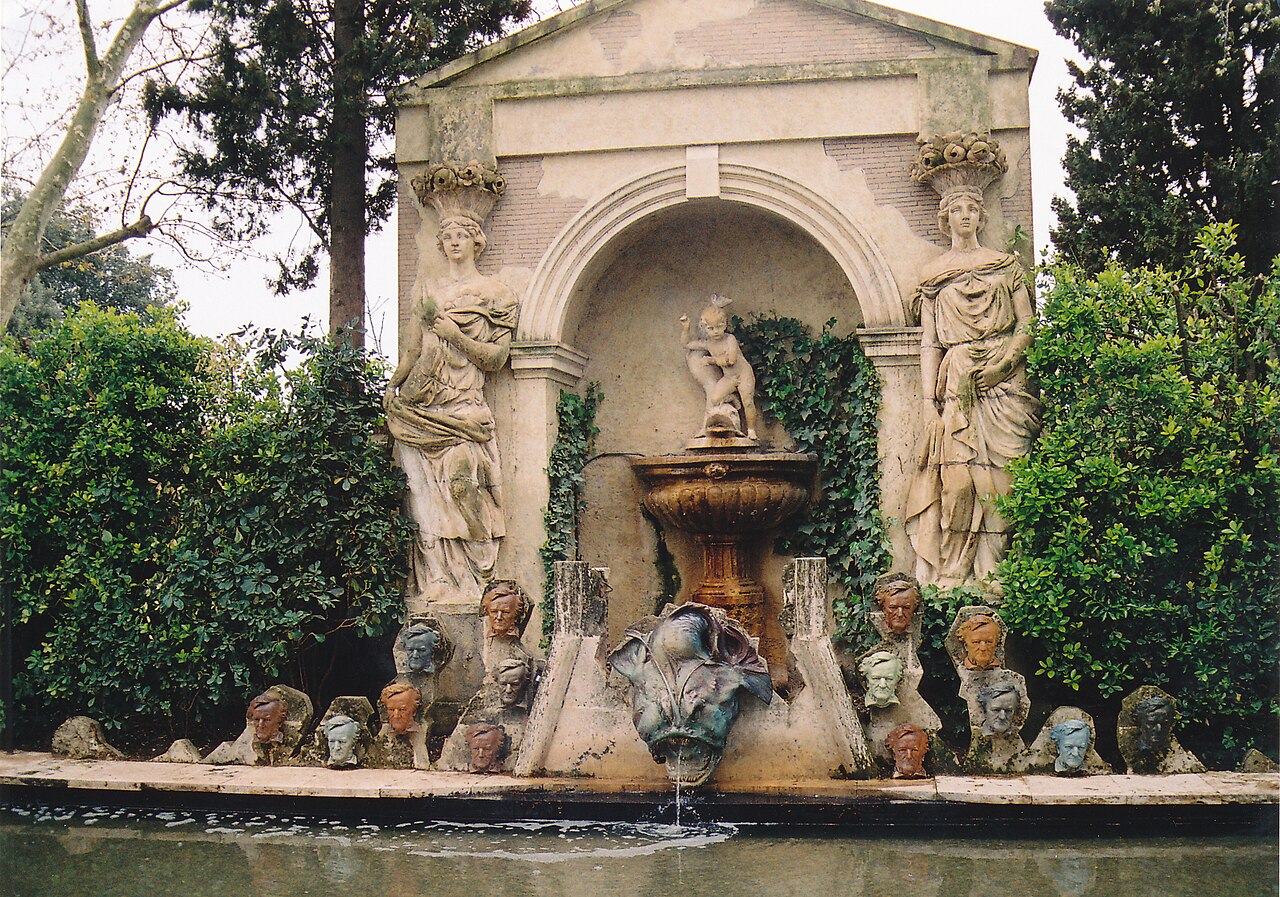
Estanque del jardín – By Enric – Own work, CC BY-SA 4.0, https://commons.wikimedia.org/w/index.php?curid=62082579.
Elefante gigante del jardín (uno de ellos) – By Enric – Own work, CC BY-SA 4.0, https://commons.wikimedia.org/w/index.php?curid=62082588.
Cripta o sala del Delme, con la tumba de Gala y la Salvador Dalí vacía – Enric, CC BY-SA 4.0 , via Wikimedia Commons.
Hay lugares que se visitan para contemplar una obra de arte. Y hay otros en los que se entra directamente en una historia de amor. El Castillo de Púbol pertenece a esta segunda categoría. En este pequeño núcleo del Baix Empordà, Salvador Dalí convirtió un …
Cada experiencia empieza con una conversación. Un intercambio sereno donde escuchamos, comprendemos y damos forma a lo que realmente se adapta a sus necesidades. Diseñamos experiencias a medida que integran alojamientos cuidadosamente seleccionados, experiencias gastronómicas privadas o rutas por nuestra selecta gama de los mejores …