Albanyà and Terrades: Muga River Gorges, the Sanctuary of La Salut and Santa Magdalena.
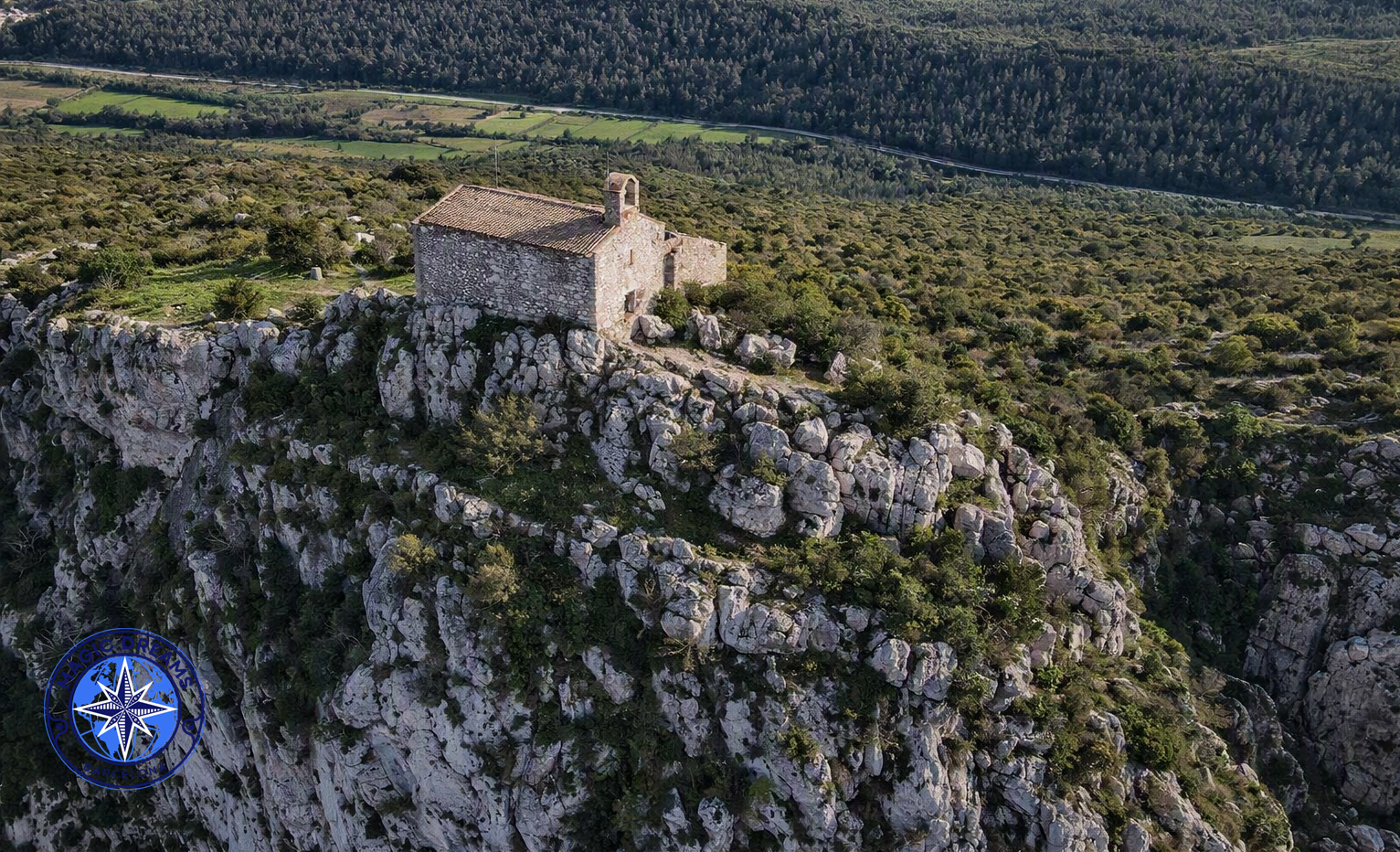
Among the mountains of Alt Empordà and the first foothills of Alta Garrotxa lies a landscape where rivers, forests, old churches and mountain paths create an especially attractive setting for a nature getaway.
Here we find Albanyà, beside the upper Muga River, and Terrades, further south, home to the historic Santuari de la Mare de Déu de la Salut, the mountain and hermitage of Santa Magdalena, and several rural accommodation options that make it possible to turn the visit into a one- or two-day escape.
It is important not to confuse the two municipalities: Albanyà is home to the Gorgues de la Muga and the Church of Sant Pere, while the Sanctuary of La Salut and Santa Magdalena are located within the municipality of Terrades.
Where is Albanyà?
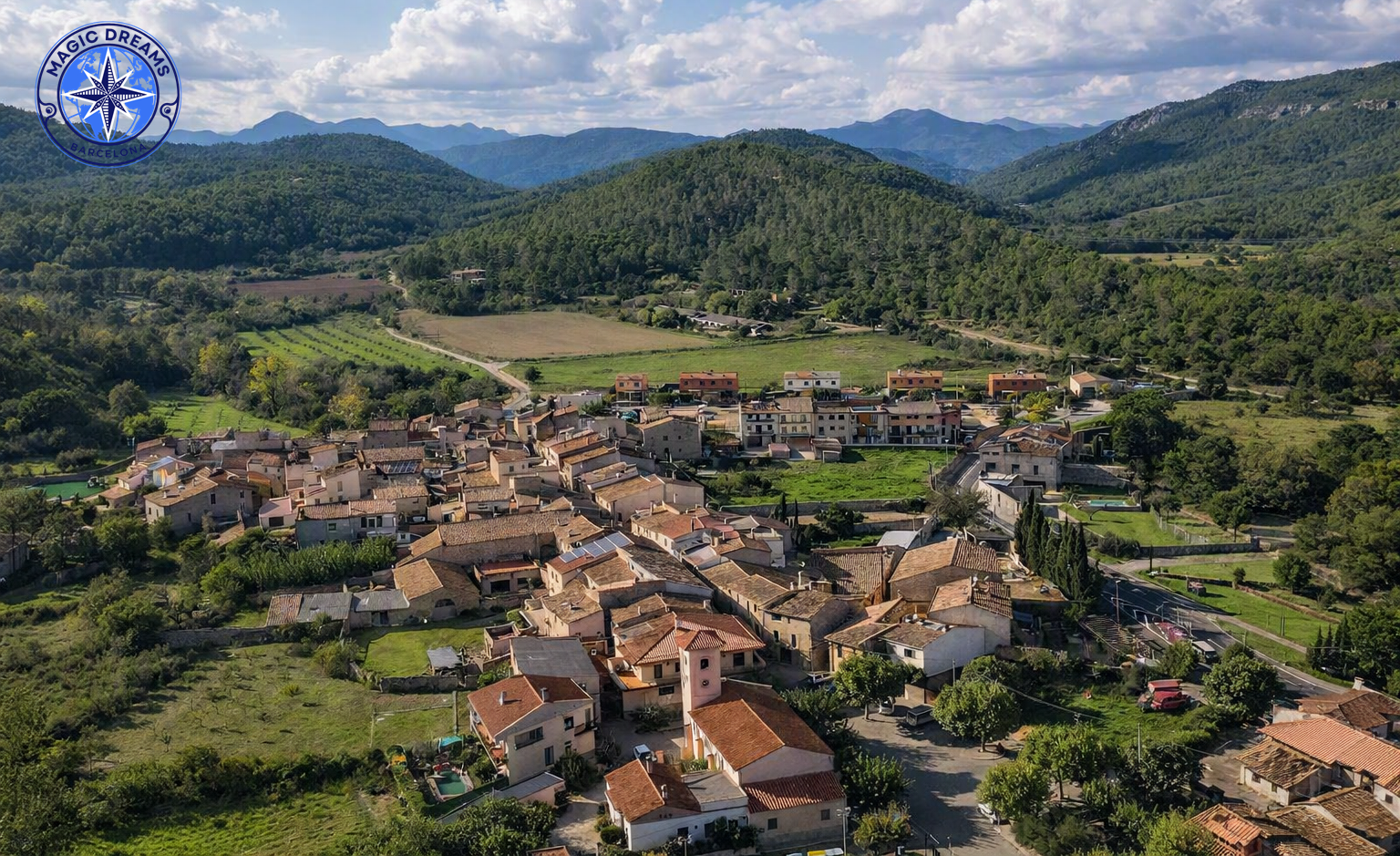
Albanyà lies in the northwestern part of Alt Empordà, in the upper Muga basin and close to Alta Garrotxa. The municipality covers a large mountainous area characterised by forests, ravines, ridges and waterways.
The village of Albanyà developed around the former monastery of Sant Pere d’Albanyà, and today the Church of Sant Pere de Albanyà remains one of the most important heritage landmarks in the village.
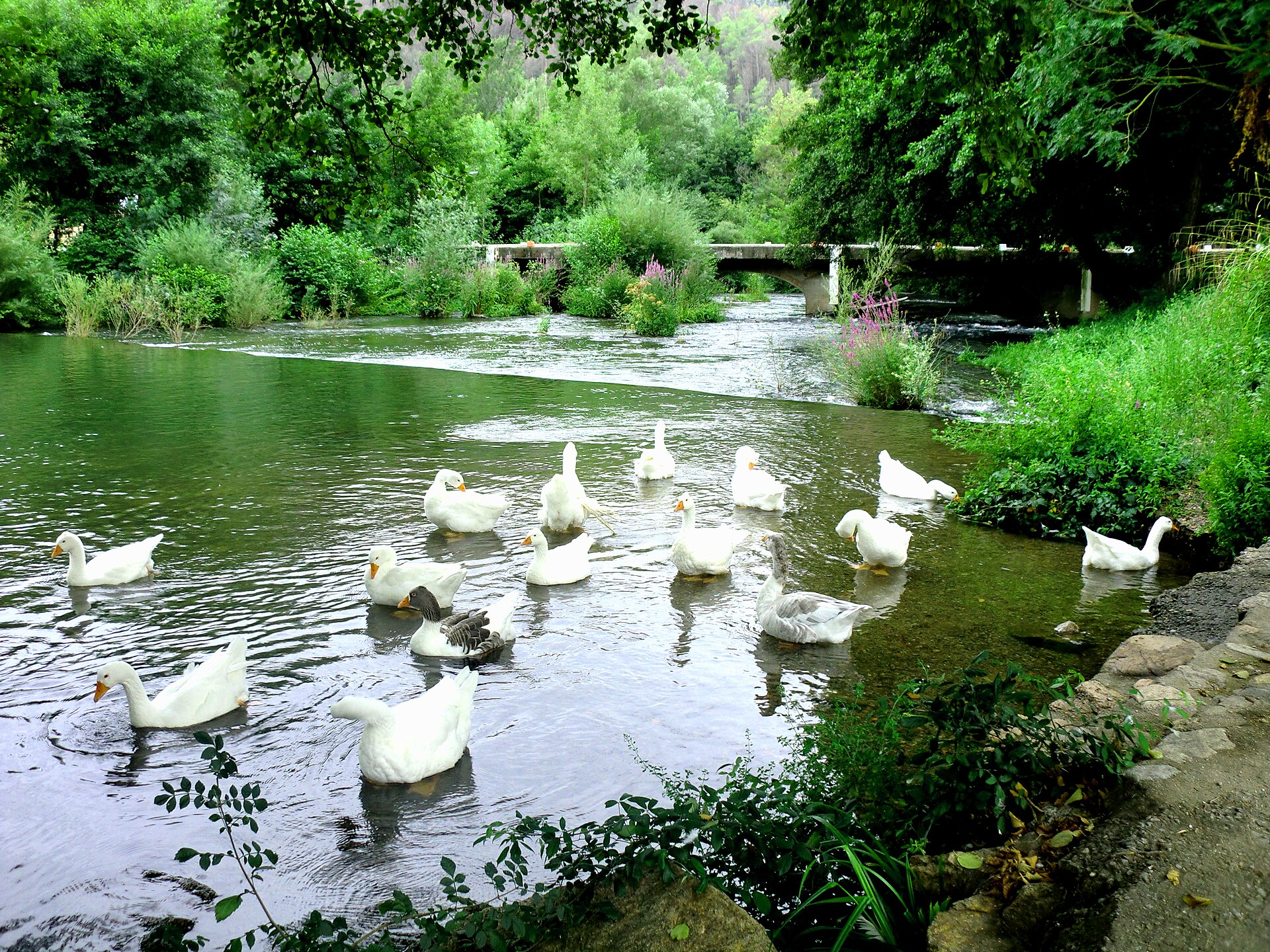
The Muga River rises within the municipality of Albanyà and flows through the surrounding mountains before continuing towards the Empordà plain. Its cool waters, pools, waterfalls and narrow gorges make this one of the area’s most attractive natural landscapes.
The Church of Sant Pere de Albanyà
One of the first places worth visiting is the Church of Sant Pere de Albanyà, located in the centre of the village.
Its history is closely connected with the former monastery that gave rise to the settlement. The monastic tradition dates back to the early medieval period, when this mountainous territory was connected to ancient routes running through the interior of the Empordà.
The church provides a good introduction to Albanyà’s history before heading into the surrounding landscape of the Muga valley.
The Muga River Gorges: water, forest and natural pools
The great natural attraction of Albanyà is the Muga River.
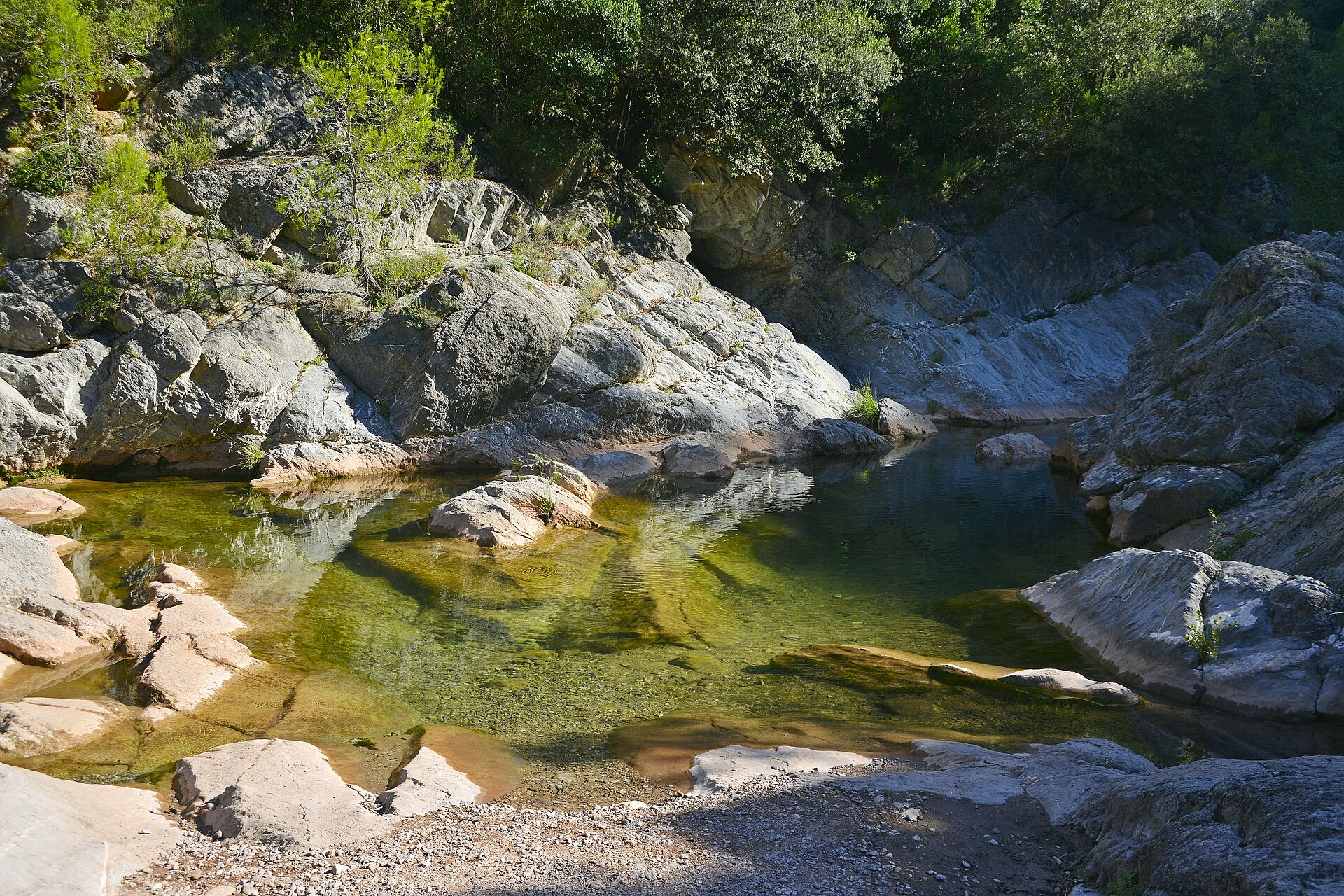
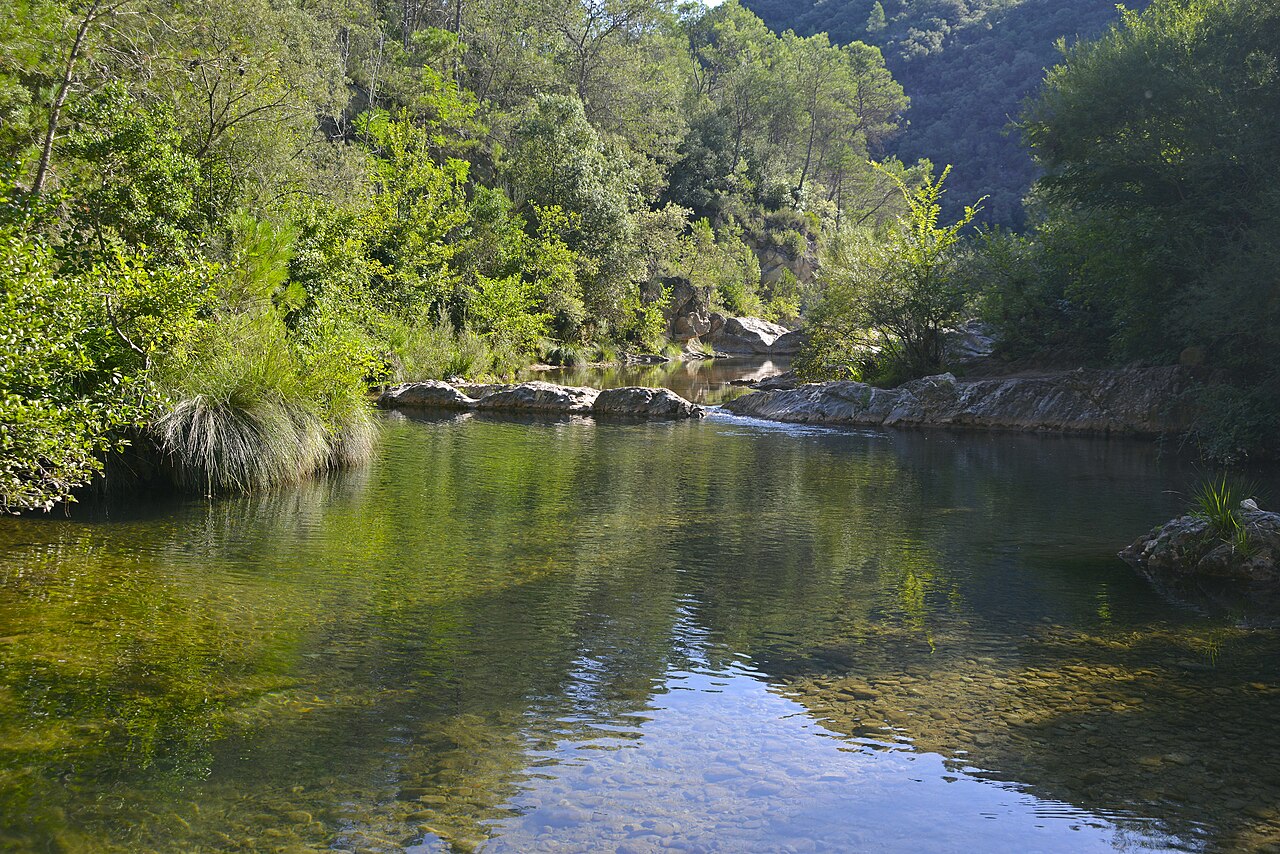
The river rises within the municipality and passes through a mountainous landscape where numerous gorges, small waterfalls, pools and stretches of clear water can be found.
During the warmer months, these natural pools are particularly appealing, although caution is essential because the rocks can be extremely slippery and water levels may rise quickly after heavy rainfall.
The Muga Gorges are not simply a place for swimming. Walking through this landscape allows visitors to discover a riverside ecosystem very different from the drier Mediterranean scenery found elsewhere in Alt Empordà.
What is the path to the Muga Gorges like?
The usual routes around the Muga Gorges combine forest tracks, formed paths and narrower trails close to the river.
Along the way, you can encounter:
- riverside woodland;
- natural pools and small waterfalls;
- rocky sections;
- old mountain paths;
- bridges and structures associated with traditional use of the river;
- and secluded stretches where the Muga narrows into small gorges.
The ground can be wet and slippery, particularly after rainfall. Good footwear with adequate grip is recommended, and visitors should avoid deeper sections of the river unless they are familiar with the area and current conditions.
Flora around the Muga Gorges
The vegetation changes considerably depending on whether you are close to the river or on the drier slopes.
Near the water, you can find alder, ash, poplar, willow, hazel and other trees characteristic of riverside woodland. Further from the river, the landscape becomes more Mediterranean, with holm oaks, oaks, pines and a variety of shrubs.
In spring and summer, the contrast between the river, rocks and vegetation creates some of Albanyà’s most photogenic landscapes.
Butterflies and other insects
The humid environments around the Muga and the open clearings within the forest provide favourable conditions for numerous insects.
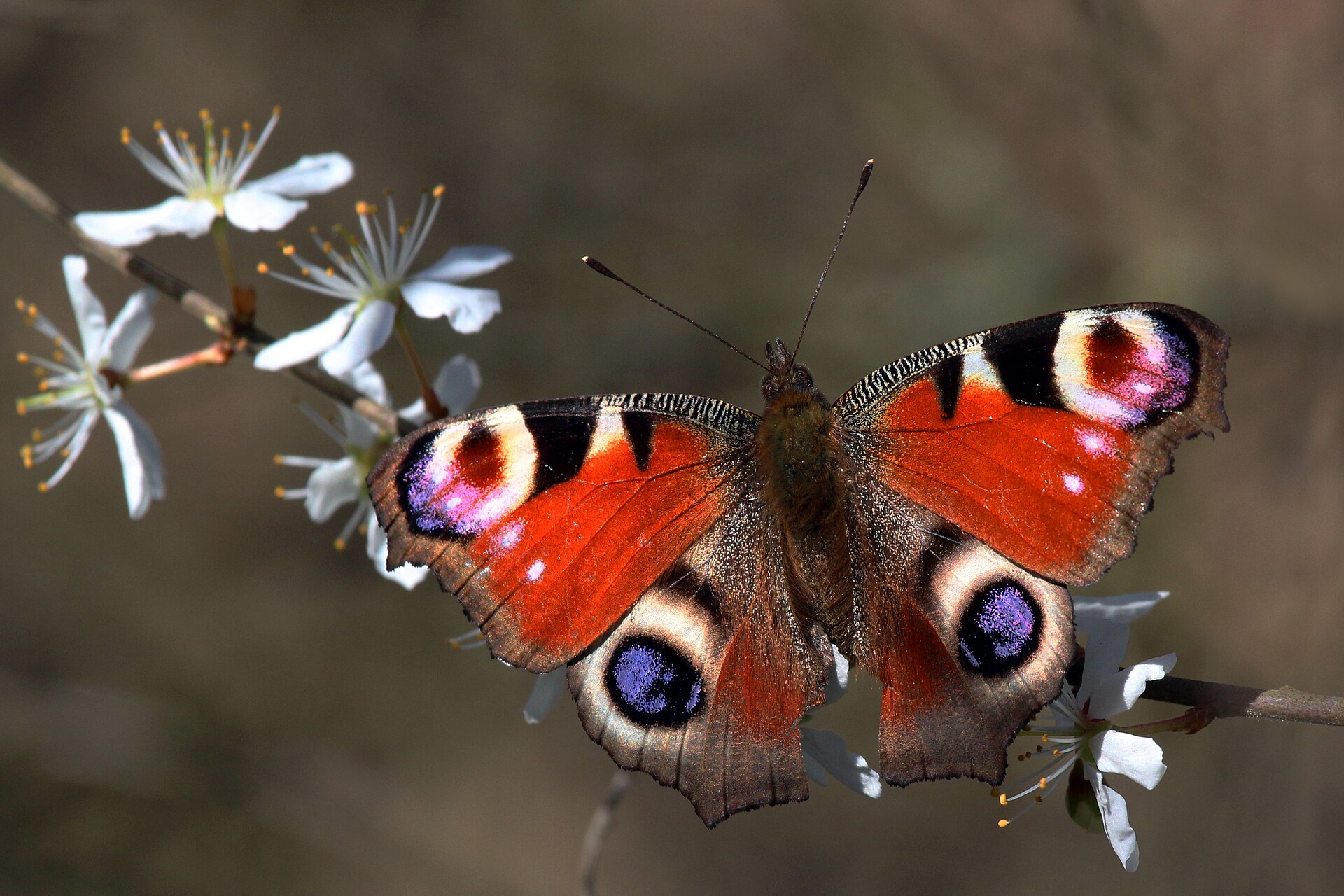
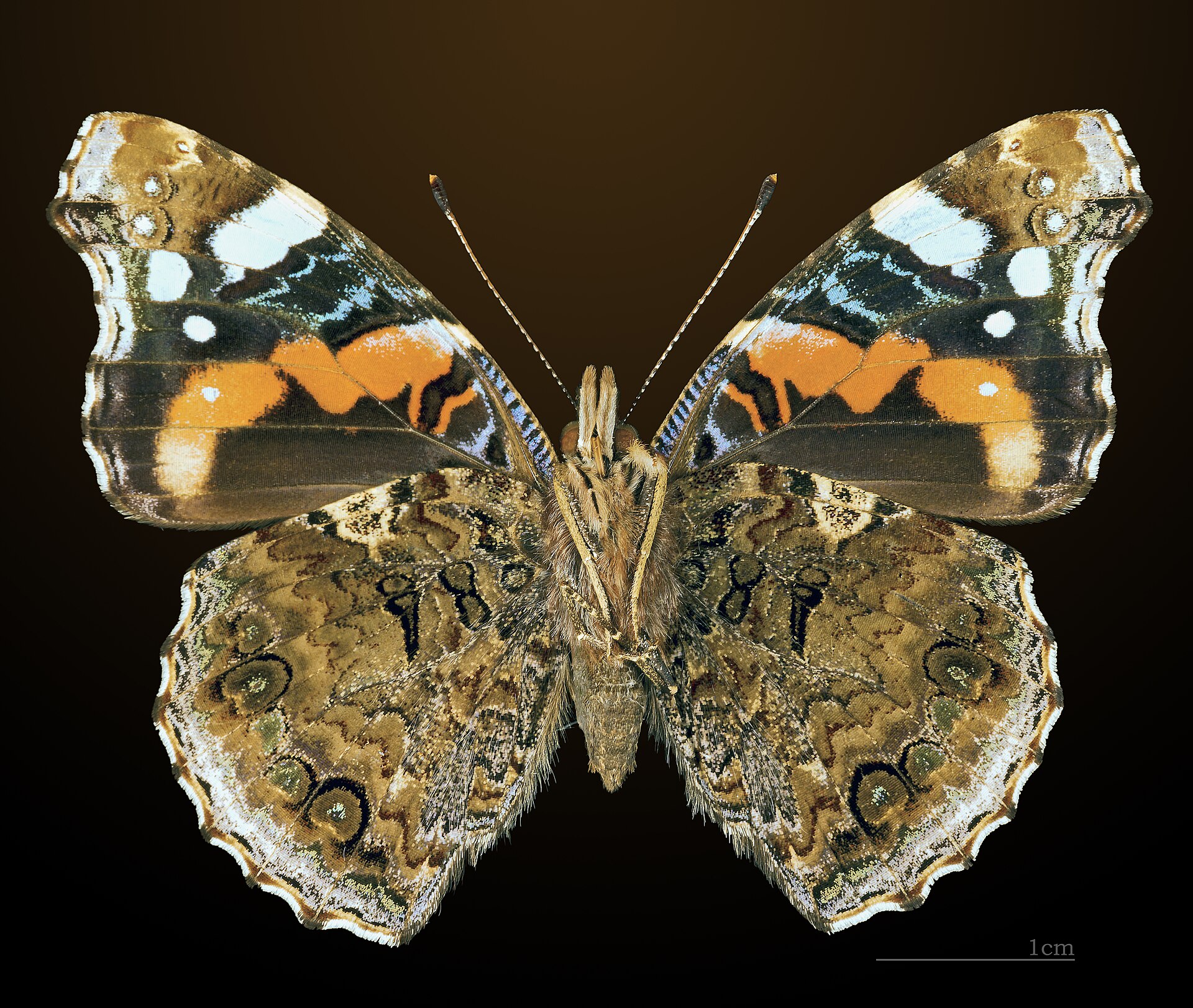
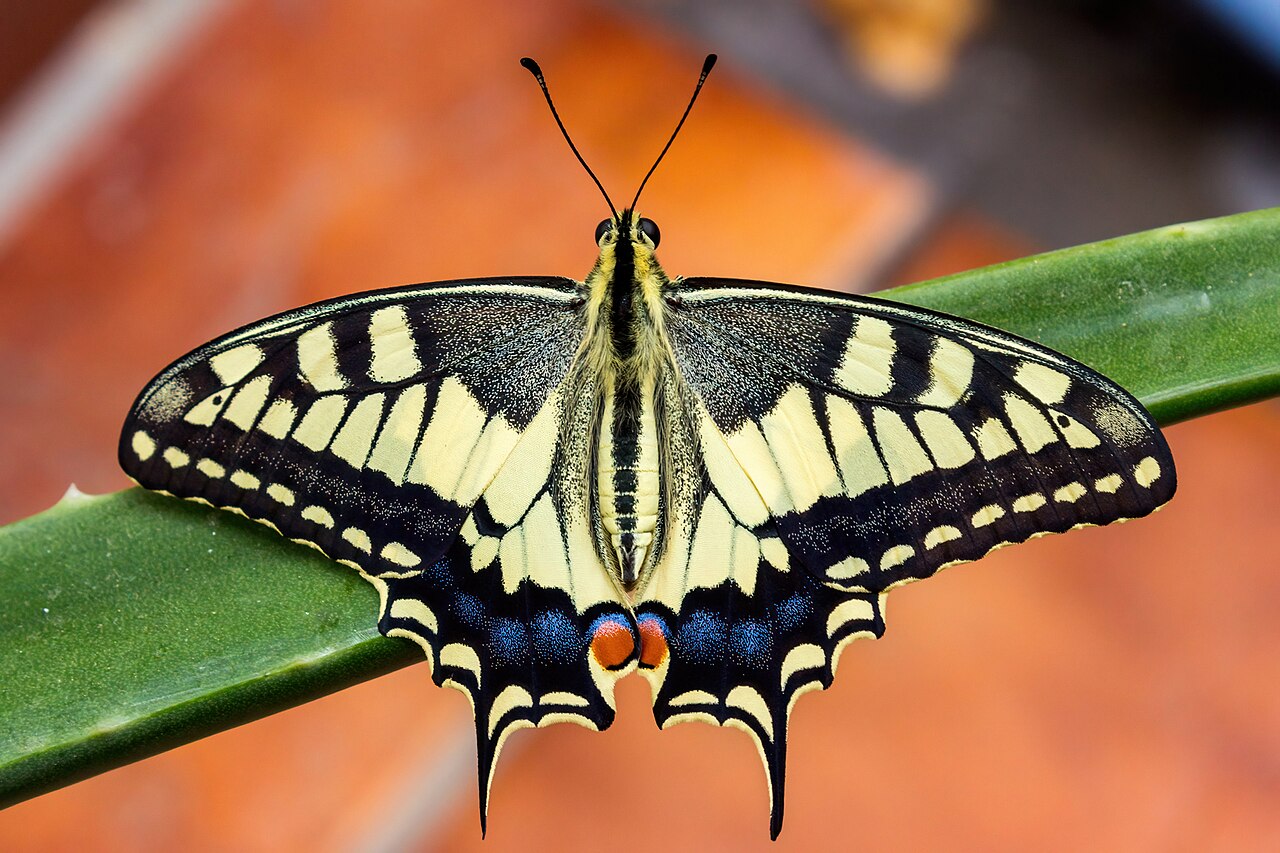
Among the butterflies that can be found in Mediterranean and woodland habitats in this part of Girona are species such as Papilio machaon, Gonepteryx cleopatra, Vanessa atalanta, Vanessa cardui and Aglais io, although their presence varies according to the season and the precise location.
For anyone interested in Lepidoptera, spring and summer are particularly rewarding, especially when flowering plants and mild temperatures coincide.
Wildlife and birdwatching
The forests and ravines around Albanyà provide habitat for a wide variety of wildlife.
Visitors may encounter small mammals, amphibians, reptiles and numerous insects associated with both the river and the surrounding woodland.
For birdwatchers, the forests and open areas offer opportunities to look for birds of prey, woodpeckers, corvids, tits and many smaller woodland species.
Walking quietly, particularly early in the morning, increases the chances of observing wildlife.
From Albanyà to Terrades: a change of landscape
After exploring Albanyà and the Muga River, the journey can continue towards Terrades.
The scenery gradually changes. The enclosed river valleys give way to hills, woodland, fields and small rural settlements.
One of the highlights of this second part of the trip is the Santuari de la Mare de Déu de la Salut de Terrades.
It is important to make the geographical distinction clear: the Sanctuary and the Hermitage of Santa Magdalena are located in the municipality of Terrades, not Albanyà.
Santuari de la Mare de Déu de la Salut de Terrades
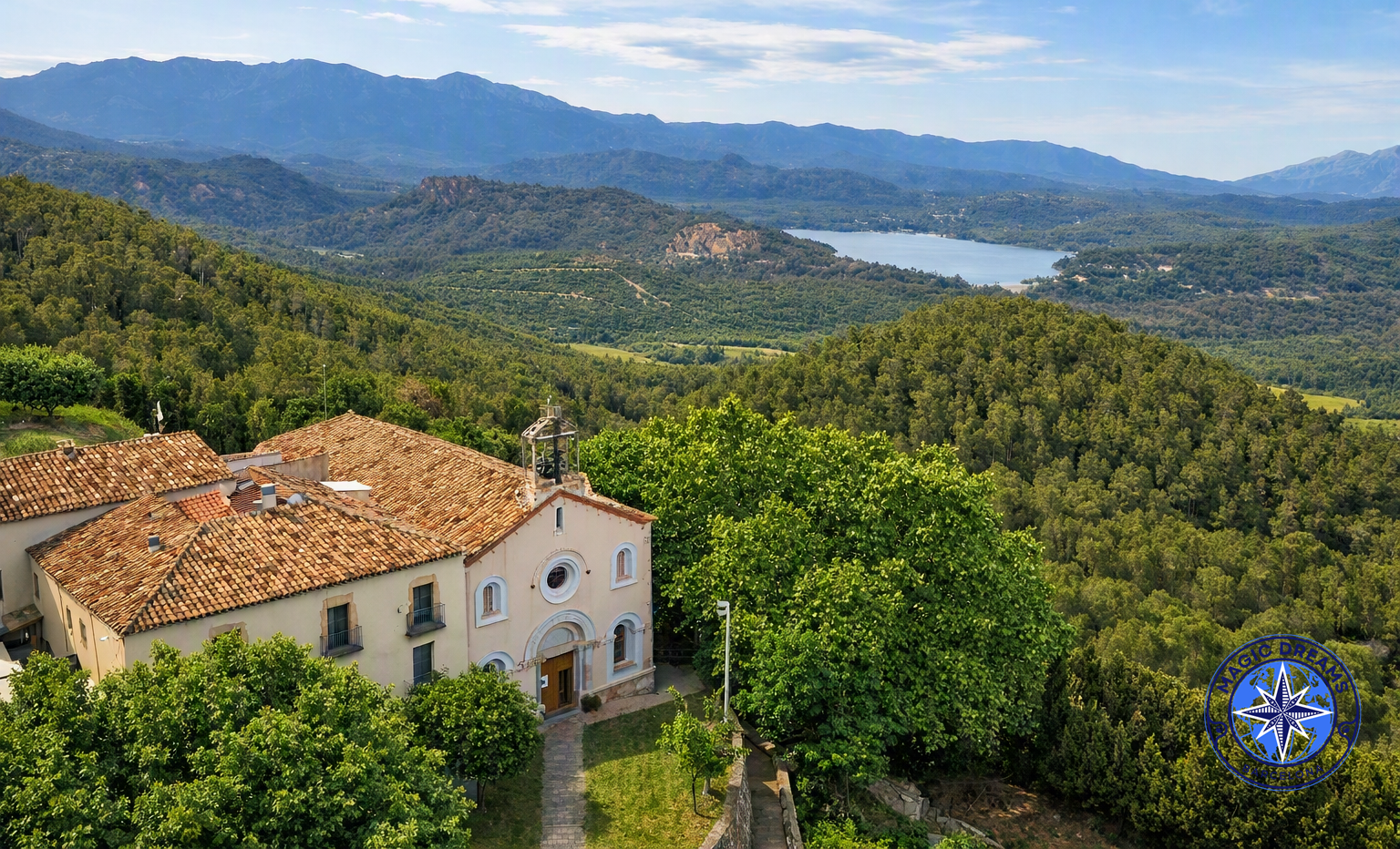
The Sanctuary is one of the most traditional religious sites in this part of Alt Empordà.
It stands in an elevated, wooded setting on the road towards the Santa Magdalena valley. The location combines heritage, nature, accommodation, dining and outdoor spaces where visitors can spend several hours enjoying the surroundings.
The present sanctuary dates from the 17th century and was built on the site of an earlier farmhouse. Inside, the tomb of Felip Olivet, founder and first hermit of the sanctuary, is preserved.
The building has undergone various renovations and reconstructions over the centuries as a result of damage caused during different periods of conflict.
The current image of the Virgin is a polychrome wooden sculpture from the mid-20th century by Olot sculptor Narcís Salguera.
What does the Sanctuary offer today?
The complex offers considerably more than a church.
Today visitors can find:
- the sanctuary church;
- guest accommodation;
- restaurant;
- café;
- terrace;
- indoor and outdoor dining areas;
- free private parking;
- common room;
- bicycle rental;
- private spa;
- sauna;
- jacuzzi;
- and access to several nature trails.
The guesthouse has 12 rooms. Published rates can vary according to the room category and date, so it is advisable to check the current price before travelling.
Sanctuary and restaurant opening hours
Mass is currently celebrated on Sundays and public holidays at 12:00 noon.
The restaurant currently publishes the following opening hours:
Café: 08:00–22:00.
Lunch: 12:00–15:30.
Dinner: 19:30–22:00.
The restaurant is closed on Mondays for staff rest, while some services may require prior booking. Opening arrangements can also vary seasonally, so checking in advance is advisable.
The picnic area, tables and barbecue facilities
One of the most attractive features of the Sanctuary grounds is that visitors do not have to eat exclusively at the restaurant.
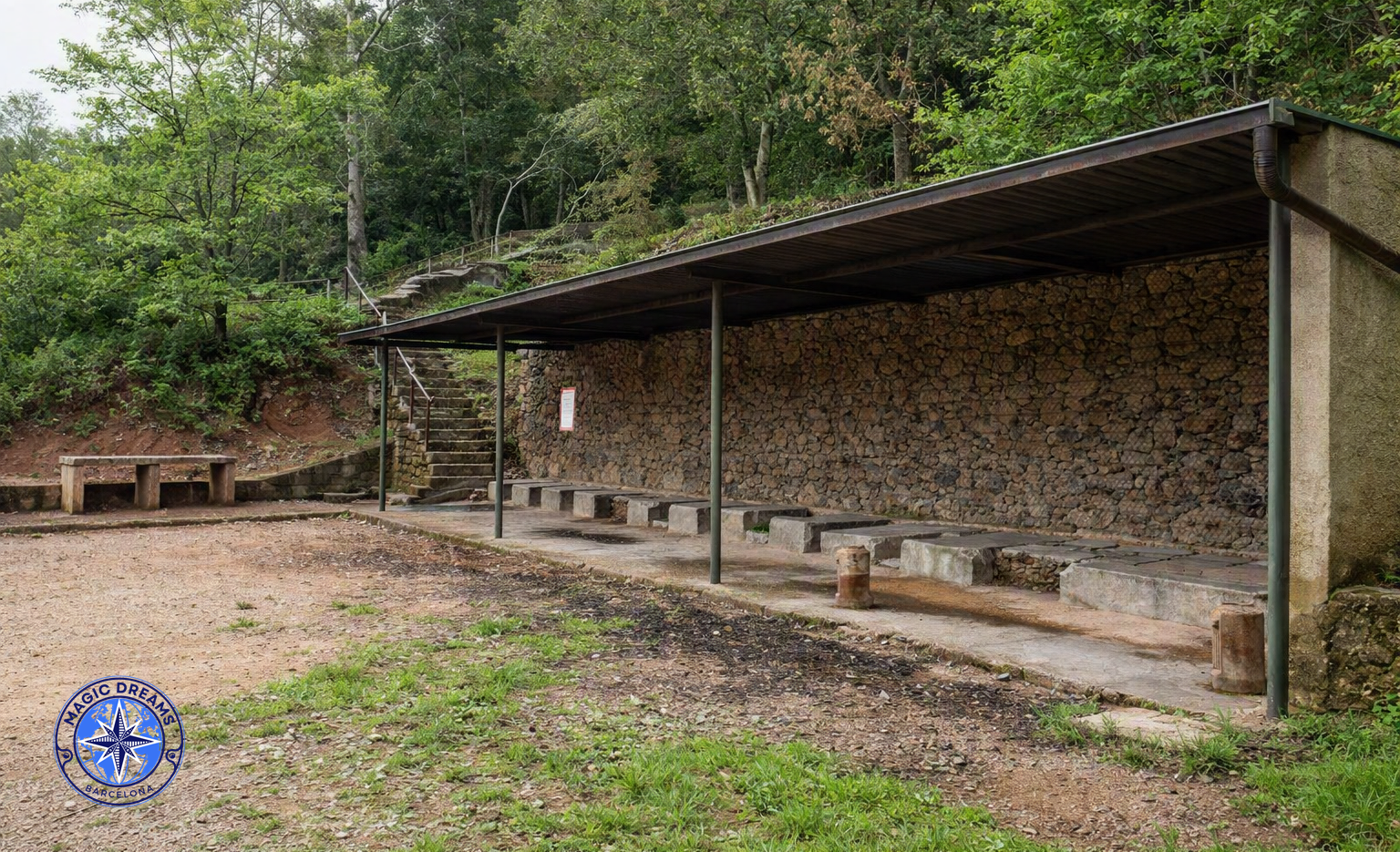
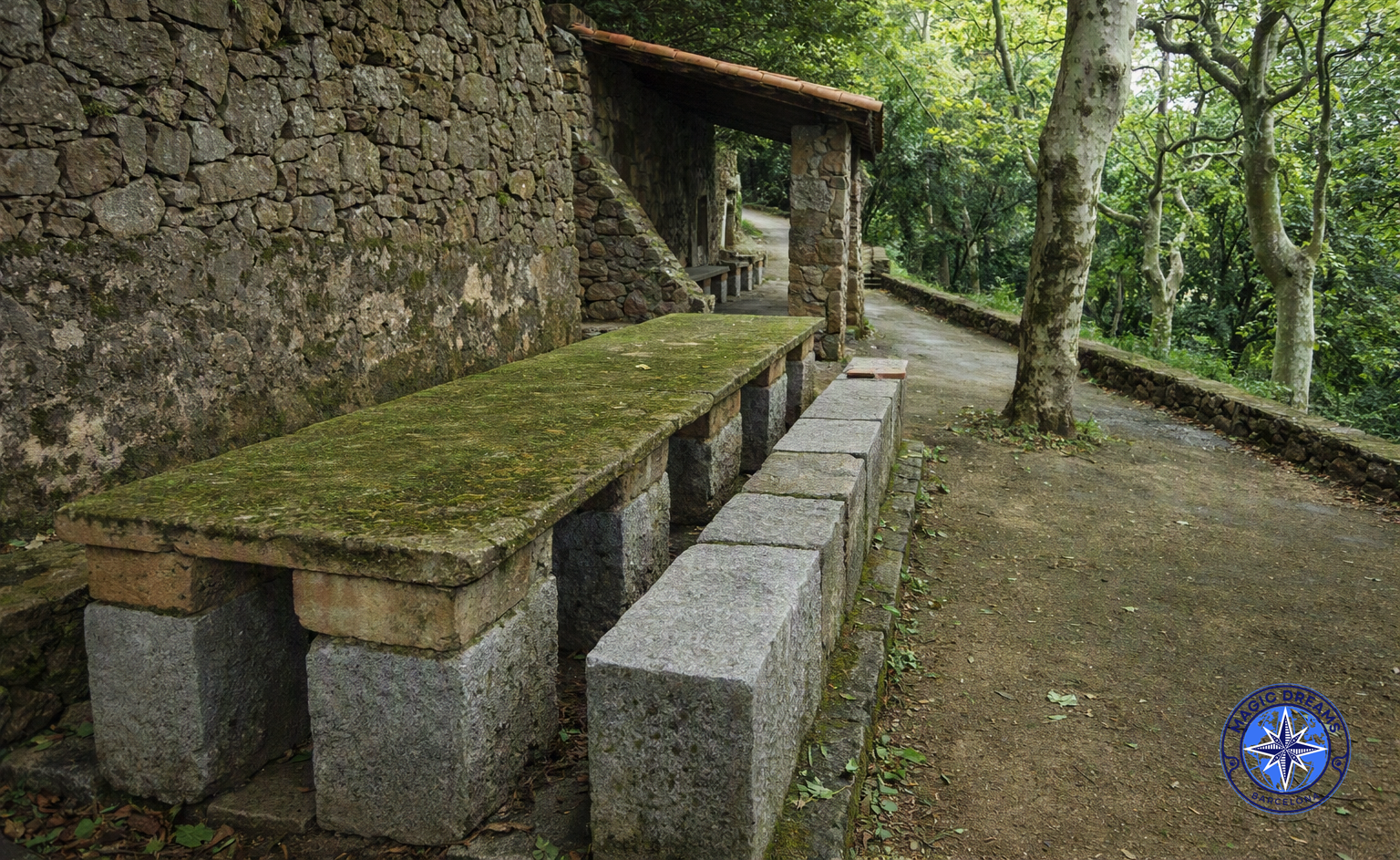
Behind the sanctuary there is a picnic and recreation area with tables and outdoor spaces for eating, together with parking.
The area also has barbecue facilities, making it possible to bring your own food and enjoy a meal outdoors.
However, the use of fire must always be checked before travelling, as barbecue restrictions can change depending on the season, weather conditions and wildfire risk.
The picnic area is also a convenient place to stop before or after walking in the Santa Magdalena area.
The climb to the Hermitage of Santa Magdalena
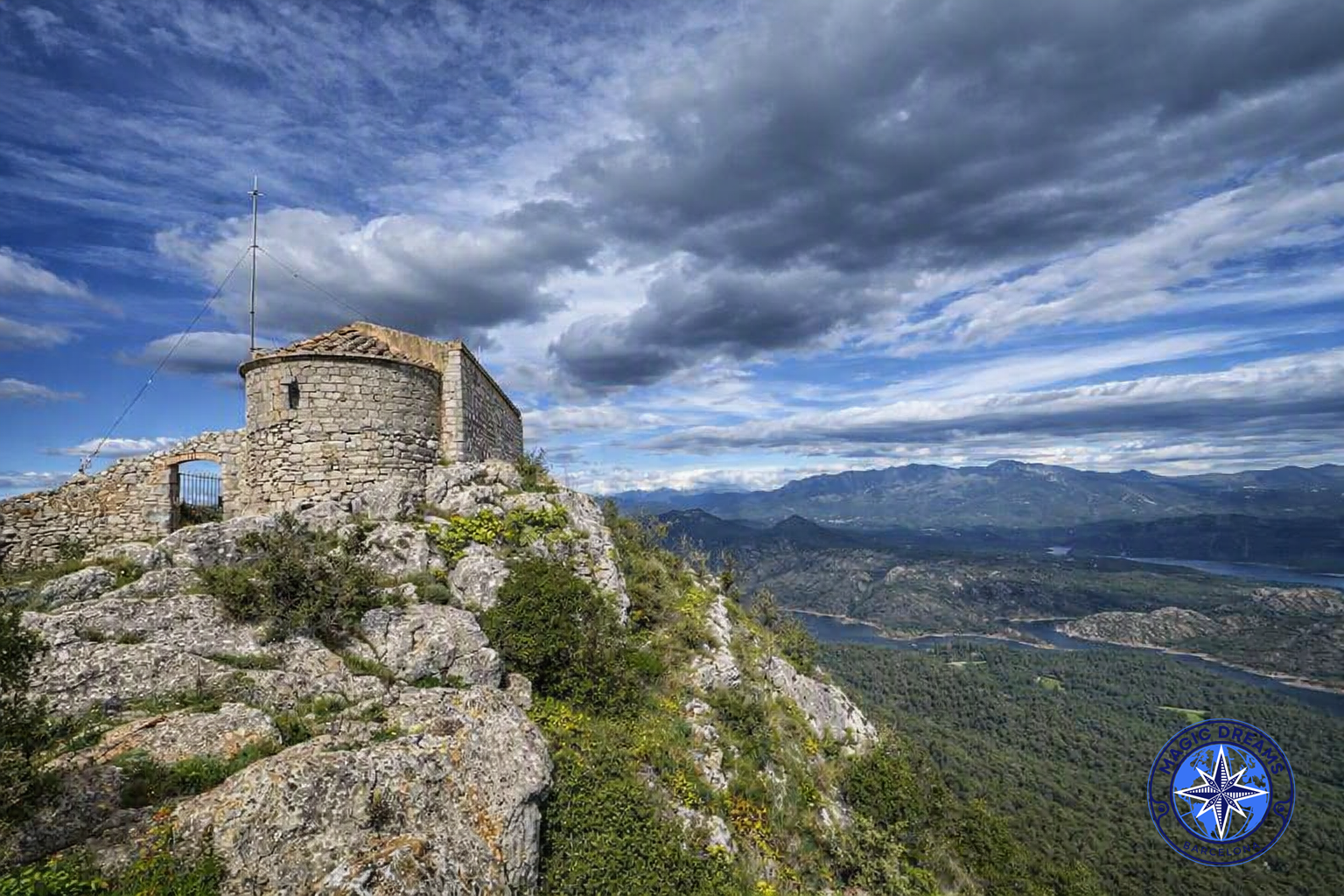
From the Sanctuary, a path leads towards the Hermitage of Santa Magdalena, which is located within the municipality of Terrades.
The hermitage stands at approximately 570 metres above sea level, surrounded by rocky formations and woodland.
The route is signposted and climbs through forest and increasingly rocky terrain towards the summit.
Although it is not a long excursion, some sections are steep and stony, so suitable walking footwear is recommended.
The views from Santa Magdalena
The reward is the panorama.
From Santa Magdalena, you can enjoy extensive views across Alt Empordà, the Salines and Albera mountain ranges, Puig Neulós, the Darnius-Boadella reservoir and, on clear days, the mountains of the eastern Pyrenees.
The elevated position makes it possible to appreciate the transition between the mountainous interior and the broad Empordà plain.
Nature around Santa Magdalena
The landscape combines Mediterranean woodland, scrubland, rocky outcrops and small open areas.
In spring, flowering plants attract numerous insects and butterflies, while the woodland provides habitat for forest birds and birds of prey.
For photographers, early morning and late afternoon generally provide the most attractive light, especially when the sun highlights the surrounding mountain ranges.
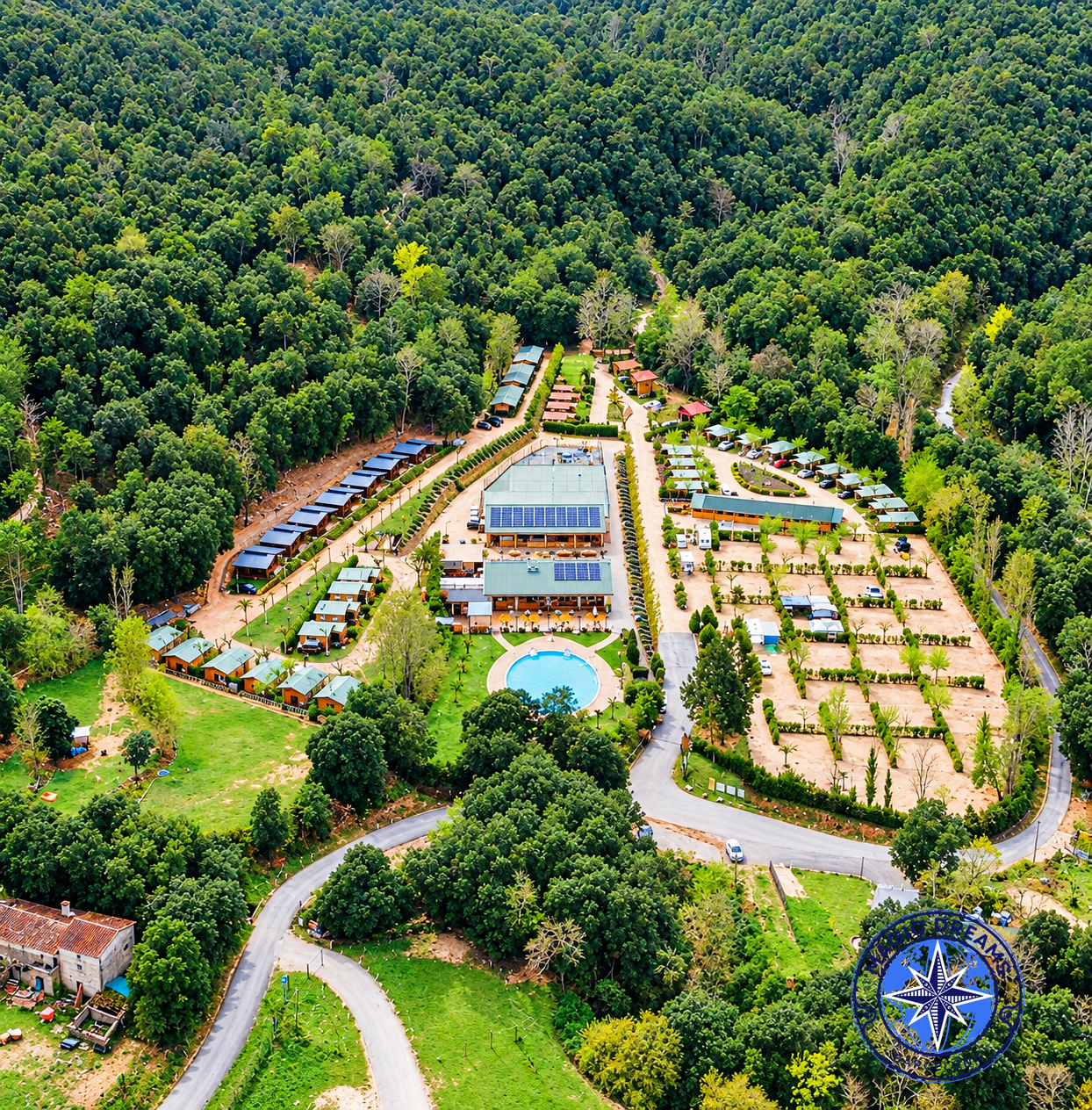
Bassegoda Park: camping in Albanyà
For travellers who want to stay close to nature in Albanyà, Bassegoda Park is an alternative to rural hotels.
It is best presented as a camping and nature accommodation site, offering pitches as well as different forms of outdoor accommodation.
Its location makes it particularly suitable for visitors who want to spend several days exploring Albanyà, the Muga valley and the surrounding mountains while staying in a natural environment.
It is a good choice for families, campers and travellers who prefer an outdoor holiday.
La Fornal: a more elegant rural stay
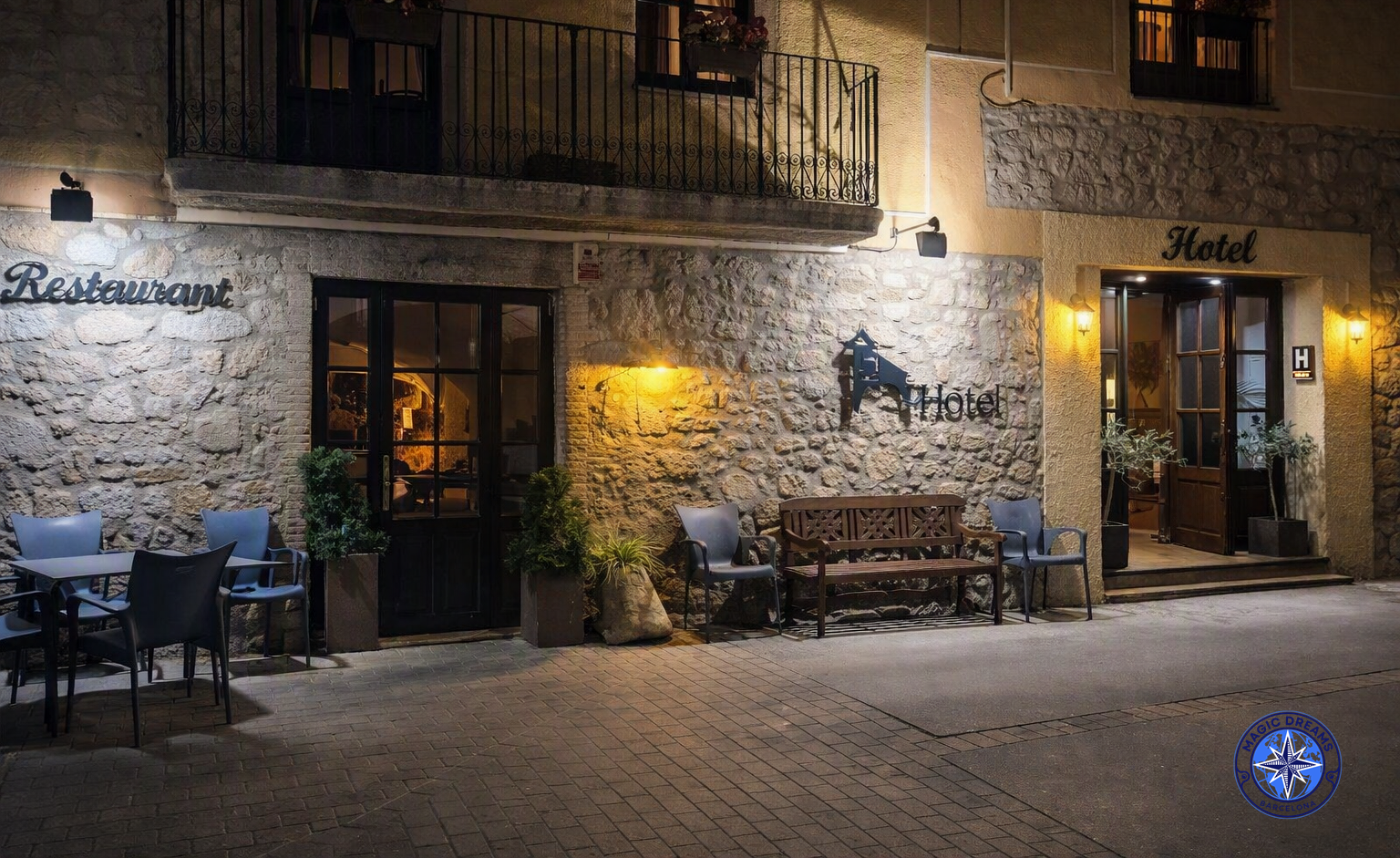
For those looking for a more intimate and sophisticated rural experience, La Fornal, in Terrades, offers a very different concept.
It is a small rural hotel with four bedroom suites, an aromatic garden, parking and a gastronomic restaurant specialising in Empordà cuisine.
The property is located on Carrer Major in Terrades and is particularly suited to travellers looking for peace, nature and a carefully designed rural stay.
Its restaurant focuses on local Empordà cuisine and has developed its gastronomic tradition over several decades.
For a couple’s getaway or a gastronomic weekend, it is one of the most appealing accommodation options in the area.
Staying at the Sanctuary
Another possibility is to stay directly at the Hostal La Salut, within the Sanctuary complex.
The advantage is obvious: guests can dine on site, spend the night in the mountains and set out towards Santa Magdalena the following day without needing to drive elsewhere.
The accommodation also offers a small private spa with jacuzzi and sauna.
It is an especially attractive option for combining hiking, gastronomy and tranquillity in the same location.
Gastronomy in Albanyà and Terrades
The cuisine of this area belongs to the gastronomic traditions of inland Empordà and the neighbouring Alta Garrotxa mountains.
Visitors can find stews, grilled meats, cured meats, local cheeses, seasonal mushrooms, vegetables and traditional Catalan recipes.
The Sanctuary restaurant offers traditional Catalan cooking, while La Fornal places particular emphasis on Empordà cuisine and local produce.
Food therefore becomes an important part of the experience rather than simply something to have after a day of hiking.
When to visit Albanyà and Terrades
Spring is particularly attractive for enjoying flowers, butterflies and lush woodland.
Summer is the best season for experiencing the Muga’s pools and riverside landscapes, although visitors should avoid the hottest part of the day and pay close attention to water conditions.
Autumn is an excellent season for walking through the forests and, when conditions allow, looking for wild mushrooms while respecting local regulations and private property.
Winter can be colder in the higher areas, but clear days offer excellent visibility and beautiful light from Santa Magdalena.
A one- or two-day escape
A good itinerary can begin in Albanyà, exploring the Gorgues de la Muga and visiting the Church of Sant Pere de Albanyà.
From there, continue towards Terrades and the Santuari de la Mare de Déu de la Salut.
At the Sanctuary, you can visit the church, have lunch at the restaurant or use the picnic area and outdoor tables. From the surrounding area, the route towards Santa Magdalena provides an additional mountain excursion.
For accommodation, there are two very different possibilities: Bassegoda Park, for camping and outdoor living, or La Fornal, for a more intimate rural hotel and gastronomic experience. Staying at the Hostal La Salut itself is another attractive option for those who want to combine accommodation, dining and the mountain landscape in one place.
Albanyà and Terrades: two places to discover slowly
The great appeal of this area is that it still offers an opportunity to experience a quieter side of Catalonia.
Albanyà brings together the river, gorges, forests and the heritage of Sant Pere. Terrades adds the Sanctuary of La Salut, the mountain of Santa Magdalena, panoramic views and a selection of accommodation and dining options that make it possible to extend the visit.
Together, they create an escape combining nature, hiking, water, heritage, gastronomy and rural accommodation, close enough to Barcelona for a weekend trip while far enough away from the major tourist centres to retain a much more peaceful atmosphere.


Copyright © 2016-2026 Magic Dreams Barcelona.