Route guide for visitors throughout Catalonia – Barcelona – Costa Brava – Catalan Pyrenees – Personalized experiences – Customized tour guide services – A small tribute to the wonderful city and land that saw us born – Transforming experiences into unforgettable memories - Magic Dreams Collection: exclusive universes inspired by Salvador Dalí and Gaudí. Niche perfumes, jewelry, lithographs, and collectible items celebrating the Mediterranean spirit.
Where History, Art, and the Mediterranean Lifestyle Converge Plaça de Catalunya is the epicentre of Barcelona, a vibrant meeting point where the historic district of Ciutat Vella meets the modern Eixample neighbourhood. Considered one of the city’s most iconic public spaces, the square connects some …
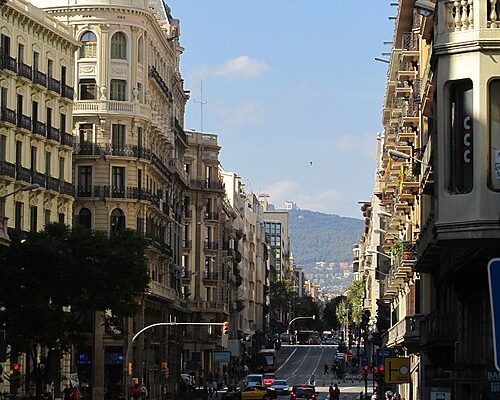
Discover one of Barcelona’s historic avenues, its landmark buildings, and the best places to eat while exploring the city’s historic centre. Via Laietana is one of Barcelona’s most distinctive avenues. Located in the heart of Ciutat Vella, it connects the area around Plaça d’Urquinaona with …
Hidden among the gentle slopes of the Sarrià-Sant Gervasi neighborhood, the Jardins de la Tamarita represent one of the most elegant and tranquil green spaces in Barcelona. Far from the urban bustle, these gardens invite visitors to discover a universe where landscape architecture, Mediterranean botany, and artistic symbolism coexist in perfect harmony.
History and Noble Origins
The gardens were originally part of a private estate linked to Barcelona’s bourgeoisie in the late 19th century. The property belonged to the industrialist Crèdit Espanyol, who commissioned the creation of a residential space surrounded by nature, reflecting the European romantic ideal of the time: a garden as an extension of the human spirit.
For decades, the gardens remained an exclusive enclave until they were acquired by the Barcelona City Council and opened to the public, preserving their aristocratic character and intimate atmosphere.
Walking through the Tamarita Gardens today is like exploring the elegant memory of the city.
Landscape Style and Design
The garden combines neoclassical, romantic, and Mediterranean influences:
Geometric paths reminiscent of French gardens
Shaded corners inspired by English landscaping
Open spaces designed to harmonize with Mediterranean light
Meticulously trimmed hedges, pergolas covered in greenery, and discreet fountains create a sense of balance between human order and nature.
Botany: A Sensory Garden
The Tamarita Gardens’ rich plant life turns it into a small urban natural laboratory:
Featured species:
Centenary magnolias
Mediterranean cypresses
Aromatic lindens
Ornamental palms
Seasonal rose gardens
Climbing plants and shaded gardens
Each species is selected not only for ornamental value but also for symbolism: longevity, protection, ephemeral beauty, and constant renewal.
Fauna and Wildlife
The gardens serve as an ecological refuge within the city:
Blackbirds and robins among the hedges
Rock pigeons and Mediterranean doves
Seasonal butterflies
Small insectivorous species maintaining ecological balance
The birdsong transforms a walk into a contemplative experience where time seems to slow down.
Sculptural Symbolism
Sculptures and ornamental elements are not mere decorations—they reflect classical values of European gardens:
Female figures representing fertility and harmony
Fountains as symbols of life and renewal
Stairways evoking spiritual ascent
Stone benches designed for reflection and introspection
Address
Passeig de Sant Gervasi, 47-49 Sarrià-Sant Gervasi District — Barcelona
A discreet oasis, often considered one of the most romantic and lesser-known gardens in the city.
Discover Tamarita with Magic Dreams Barcelona
All of this can be discovered through the magical and profound perspective of Magic Dreams Barcelona.
Our service ensures you have nothing to worry about—we take care of every detail so you feel comfortable, accompanied, and inspired at all times.
We offer:
Private exclusive transportation
Professional tour guides in Spanish, Catalan, and English (other languages available on request)
Carefully selected charming accommodations
Premium picnics in the gardens with tableware of your choice and chef-prepared gourmet catering:
Sweet and savory options
Fresh juices
Wines and non-alcoholic cavas
We also provide:
Personalized floristry services
Architectural and artistic guides specializing in local symbolism
Artistic activities and live music
Themed dinners in exclusive venues or privately at your accommodation, featuring Catalan, Spanish, and international cuisine prepared by native chefs
The Emotional Botanical Guide
Our experience is enriched by a native guide deeply connected to the territory, expert in emotional botanical guiding.
During the tour, and especially during the picnic:
Plant species and their symbolism are explained
Their history and relationship with the Mediterranean landscape are revealed
Birdwatching and mindful observation of the garden’s wildlife are offered
Every explanation becomes a living story, designed to help you feel, understand, and listen to the language of the garden.
It’s not just about seeing Barcelona. It’s about experiencing it.
Our goal is simple and profound: to make you feel cared for, free, and inspired, discovering the city not merely as a destination, but as an unforgettable experience.
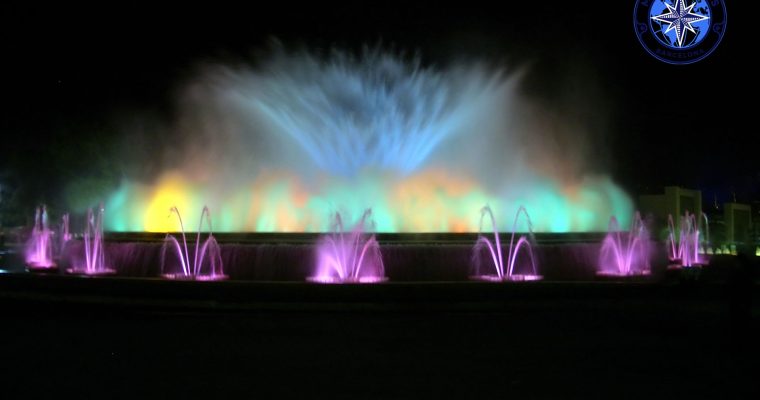
Where water, light and music come together to create one of Barcelona’s great icons Among Barcelona’s monumental landmarks, few places bring together history, architecture, engineering, art and spectacle as powerfully as the Magic Fountain of Montjuïc. Located at the foot of Montjuïc Mountain, beside Maria …
An extraordinary botanical landscape between Montjuïc Mountain and the Mediterranean Sea On the southern slopes of Montjuïc Mountain, bathed in Mediterranean sunlight and sheltered from cold winds, lie the Mossèn Costa i Llobera Gardens, one of Barcelona’s most remarkable botanical spaces. Dedicated primarily to xerophytic …
The Moll de la Fusta is one of the most emblematic spaces along Barcelona’s waterfront.
Located opposite the historic city centre, next to Port Vell, this promenade represents much more than a pleasant area by the sea.
It is the result of one of the great urban transformations of contemporary Barcelona.
For centuries, this area was closely connected to port activity, trade and the movement of goods.
Today, it is an open civic space where the Mediterranean, architecture, gastronomy, culture and urban life come together.
Walking along the Moll de la Fusta means discovering a fundamental part of Barcelona’s history.
It means seeing the place where the city began to look towards the sea once again.
And it also means understanding how Barcelona transformed a former port area into a new urban landscape.
What is the Moll de la Fusta?
The former Bosch i Alsina Wharf
The official name of the area is Moll de Bosch i Alsina, although virtually everyone knows it as Moll de la Fusta.
The nickname is connected to the activity that historically took place here, particularly the storage and distribution of timber.
The wharf forms part of the historic Port Vell, Barcelona’s old port.
Today, the area is one of the places where the city and the sea are most closely integrated.
Palm trees, promenades, terraces, boats and broad views towards the Mediterranean create an urban landscape very different from the one that existed only a few decades ago.
Barcelona’s Maritime Origins
A city born looking towards the Mediterranean
Barcelona’s relationship with the sea is much older than the present-day promenade.
The area of today’s Port Vell lies around the site of the ancient port of the Roman city.
For centuries, the waterfront was fundamental to Barcelona’s trade and economic activity.
The development of the port accompanied the growth of the city.
With the commercial and industrial expansion of the eighteenth, nineteenth and twentieth centuries, port facilities became increasingly important.
Wharves, warehouses, railway lines and cargo areas progressively occupied this waterfront.
For a long time, the port was primarily a place of work.
Citizens were physically close to the sea, but they could not necessarily enjoy it.
This separation between city and port would change radically during the final decades of the twentieth century.
The Moll de la Fusta Before Its Transformation
When the Port Was a Place of Work
For much of the twentieth century, the area we now know as the Moll de la Fusta looked completely different.
Large port warehouses occupied much of the space.
The movement of goods, railway transport and industrial activity defined the landscape.
Until the early 1980s, public access was highly restricted.
The old port warehouses gradually disappeared during the 1960s, but the port area remained separated from urban life.
The transformation that followed would aim precisely to break down this barrier.
It was not simply a question of beautifying the port.
It was about returning the sea to the city.
1981: Barcelona Opens Up to the Sea Again
The Beginning of a New Relationship Between City and Port
One of the decisive moments came in 1981.
On the occasion of Armed Forces Day, the Autonomous Port allowed citizens to access the Bosch i Alsina wharf.
It was the first time in more than seventy years that the port had opened to the city in this way.
That gesture was far more significant than it might initially appear.
Barcelona was beginning to physically recover its relationship with the Mediterranean.
The port was no longer exclusively a space for economic activity and was beginning to become a civic space as well.
The following year, the port and the City Council commissioned architect Manuel de Solà-Morales to develop a plan for the wharf and its urban surroundings.
The project also included the reorganisation of traffic along Passeig de Colom.
Manuel de Solà-Morales and the New Image of the Moll de la Fusta
Architecture Designed to Look Towards the Sea Again
Manuel de Solà-Morales’ project was much more than an aesthetic intervention.
The idea was to create a new public space beside the water while also resolving the complex relationship between the port, traffic and the historic city centre.
The works took place between 1983 and 1985.
The result was an open waterfront promenade lined with palm trees and visually connected to the city.
The intervention became one of the first major examples of waterfront regeneration in Barcelona.
The Moll de la Fusta project is considered one of the starting points for the subsequent transformation of Port Vell.
The Great Olympic Transformation
Barcelona 1992 Changes the City’s Relationship with the Sea
Barcelona’s bid and subsequent selection as host city of the 1992 Olympic Games accelerated an urban transformation that had already begun.
The city needed to recover degraded areas, improve its infrastructure and project itself towards the Mediterranean.
The Moll de la Fusta became a key element of this process.
The experience of regenerating the wharf helped drive a much broader transformation of Port Vell.
In 1988, the Port 2000 Urban Management Office was created and, the following year, the Special Plan for Port Vell was approved.
The aim was to preserve the area’s port character while introducing new commercial, tourist, cultural and civic uses.
The Moll de la Fusta had shown that it was possible.
From Industrial Port to Port Vell
A New Way of Understanding the Waterfront
The transformation of the Moll de la Fusta was not an isolated project.
It formed part of a much broader strategy to regenerate the old port.
New urban spaces and facilities were developed throughout the surrounding area.
Moll d’Espanya introduced new commercial and leisure uses.
Rambla de Mar created a new pedestrian connection over the water.
Maremagnum became one of the new activity hubs.
The Barcelona Aquarium added an educational and tourism dimension.
At Moll de Barcelona, the World Trade Center strengthened the relationship between the port and international business activity.
Barcelona was creating a new waterfront.
The Moll de la Fusta and the Olympic Games
The Sea as the Setting for the New Barcelona
The 1992 Olympic Games consolidated the transformation of the waterfront.
The renewal was not limited to Port Vell.
Barcelona created new beaches, reclaimed former industrial areas and developed the Olympic Port and other sections of the waterfront.
The result was a new urban geography.
A city that had spent decades turning its back on the sea began to use the waterfront as one of its principal public spaces.
The Moll de la Fusta was one of the first chapters in this transformation.
The Famous Chiringuitos of the Moll de la Fusta
A New Life Beside the Sea
The transformation also had a gastronomic and social dimension.
In the 1980s, five small establishments were built along the promenade.
In 1987, the City Council organised a competition to allocate these spaces, conceived as new dining venues.
The proposals included a champagne bar, a restaurant, a croissanterie, a beer bar and a seafood restaurant.
The establishments began operating in 1988.
These venues quickly became part of the new image of the Moll de la Fusta.
Barcelona was discovering a new way of enjoying its port.
Gastronomy, terraces, architecture and views of the sea were becoming part of the urban experience.
Barcelona’s Famous Prawn
A Sculpture Turned into an Icon
Among the best-remembered elements from that period is the famous Prawn, designed by Javier Mariscal.
The sculpture stood above the Gambrinus restaurant and quickly became one of the popular symbols of Barcelona’s new waterfront.
The enormous prawn belongs to the visual memory of pre-Olympic and Olympic Barcelona.
Its playful aesthetic fitted perfectly with the international image the city was creating.
The sculpture remains one of the most recognisable elements associated with the Moll de la Fusta and the Port Vell landscape.
A Transformation That Was Not Perfect
The Evolution of an Urban Space
The history of the Moll de la Fusta also demonstrates that major urban transformations take time.
The original project sought to turn the area into a large promenade dedicated to leisure and dining.
However, in subsequent years, various problems emerged concerning nightlife, commercial establishments and the relationship between the promenade and major road infrastructure.
For a period, the space lost some of the prominence it had initially enjoyed.
The opening of new facilities in other parts of Port Vell also changed visitor flows.
The city intervened once again.
A New Renovation
More Shade, More Vegetation and More Space to Walk
At the beginning of the twenty-first century, the Moll de la Fusta underwent another transformation.
The former restaurants were removed and the promenade acquired a quieter character.
New trees, paving, pergolas, shaded areas and benches facing the sea were introduced.
The aim was to reinforce its role as a place for walking and relaxation.
The intervention restored certain elements of the area’s recent history while seeking to make the space more pleasant for pedestrians.
Its evolution demonstrates how Barcelona has progressively adapted its waterfront to the needs of its citizens.
The Moll de la Fusta Today
A Place Where Barcelona Meets the Mediterranean
Today, the Moll de la Fusta is one of the great public spaces of Port Vell.
Its location is privileged.
From here, visitors can contemplate the Mediterranean while enjoying an extraordinary perspective of the historic city centre.
On one side lies the profile of Ciutat Vella.
On the other, the port and its boats.
Beyond them stretches Barcelona’s maritime horizon.
The promenade offers opportunities for walking, relaxing, enjoying activities, attending events and observing the life of the port.
The Port of Barcelona notes that the area currently hosts major public events and activities, including La Mercè celebrations and other large-scale events.
A Balcony Overlooking the Mediterranean
One of Barcelona’s Finest Urban Perspectives
One of the great virtues of the Moll de la Fusta is its ability to offer different perspectives of the city.
From the promenade, visitors can look towards:
La Rambla
The great pedestrian artery of the historic centre leads towards the port and connects the heart of Barcelona with the Mediterranean.
The Columbus Monument
The column dedicated to Christopher Columbus has become one of the great visual landmarks of Barcelona’s waterfront.
Montjuïc
Towards the southwest, the mountain rises as a dramatic backdrop to the city.
Barceloneta
In the opposite direction stretches the maritime landscape leading towards the former fishermen’s district and the beaches.
Port Vell
The boats and marinas constantly remind visitors that this remains a living and active port.
The Architecture of the Moll de la Fusta
Infrastructure Transformed into Urban Landscape
The architecture of the Moll de la Fusta has a particular quality.
It does not seek to compete with the city’s great historic monuments.
Its value lies precisely in the way it organises space.
The relationship between different levels, the promenade, road infrastructure, palm trees, street furniture and water creates a highly distinctive spatial experience.
Manuel de Solà-Morales’ project introduced a new way of understanding the waterfront.
Infrastructure ceased to be exclusively functional and also became public space.
This idea would have an enormous influence on the subsequent transformation of Barcelona’s waterfront.
The Moll de la Fusta and the Contemporary City
One of Barcelona’s Great Examples of Urban Transformation
The importance of the Moll de la Fusta lies not only in its present-day beauty.
Its true value lies in what it represents.
Before its transformation, the port operated primarily as an industrial infrastructure separated from the city.
Afterwards, it began to become a civic space.
This transformation forms part of one of the great urban stories of Barcelona during the final decades of the twentieth century.
The city progressively reclaimed its waterfront.
New public spaces were created.
Neighbourhoods were connected.
Beaches were recovered.
Former industrial areas were transformed.
And the Mediterranean came to occupy a central place in Barcelona’s contemporary identity.
A Walk Through History and Everyday Life
Where the Port’s Past Remains Present
Despite its transformation, the Moll de la Fusta has not completely lost its past.
Traces of its former port activity can still be perceived.
Port structures.
Historic buildings.
Boats.
Former warehouses.
Major infrastructure.
All remind us that this was once a place of work.
The difference is that today this heritage is experienced from a completely different perspective.
No longer as a port worker.
But as a citizen, traveller, photographer or visitor.
Dining Beside the Sea
The Mediterranean Can Also Be Savoured
Gastronomy is an inseparable part of the Port Vell experience.
Around the Moll de la Fusta, visitors will find restaurants, terraces and places where they can enjoy Mediterranean cuisine while looking out over the harbour.
It is an especially attractive area for those who wish to combine a cultural visit with a gastronomic experience.
Fish.
Seafood.
Rice dishes.
Tapas.
Catalan cuisine.
Mediterranean produce.
And a glass of wine overlooking the sea.
Barcelona offers one of its most characteristic combinations here:
history, architecture, gastronomy and the Mediterranean.
The Moll de la Fusta at Sunset
When the City Changes Colour
One of the best times to discover the promenade is during the final hours of the afternoon.
The light begins to soften.
The façades of the historic centre take on warm tones.
The Mediterranean reflects the sky.
The boats begin to light up.
And the promenade takes on a much calmer atmosphere.
It is an especially rewarding time for photography.
And for walking without hurry.
Or simply sitting down and contemplating Barcelona.
The Moll de la Fusta at Night
Barcelona Illuminated by the Sea
At night, the promenade takes on a different personality.
The lights of Port Vell create reflections on the water and the urban skyline is transformed.
Its proximity to the historic centre makes it easy to continue towards La Rambla, the Gothic Quarter or Barceloneta.
For those looking for a more relaxed evening experience, the Moll de la Fusta offers an interesting alternative to some of the city’s busier areas.
Events and Cultural Life
An Active Space Throughout the Year
The Moll de la Fusta is not simply a place for walking.
Its large open area allows it to host major events, celebrations and large-scale activities.
Throughout the year, Port Vell becomes the setting for cultural, festive, gastronomic and maritime events.
Celebrations such as La Mercè and various port-related events form part of the programme that makes use of this civic space.
The port also maintains a strong relationship with nautical activity.
In 2026, for example, the Moll de la Fusta and Marina Port Vell are among the venues associated with the Barcelona International Boat Show, a historic event in the city’s nautical calendar.
The Moll de la Fusta and Port Vell
Two Names for Understanding the Same Transformation
It is important to distinguish between the Moll de la Fusta and Port Vell.
Port Vell is the broader area of the old port located opposite Ciutat Vella.
The Moll de la Fusta, officially Moll de Bosch i Alsina, is one of its central spaces.
From here, visitors can continue their journey towards different areas of the port.
Towards Rambla de Mar.
Towards Moll d’Espanya.
Towards Maremagnum.
Towards Moll de Barcelona.
Or towards Barceloneta.
This makes the Moll de la Fusta an excellent starting point for exploring Barcelona’s waterfront.
What to See Near the Moll de la Fusta
A Route Through Barcelona’s Maritime Centre
A visit to the Moll de la Fusta can easily be combined with other emblematic places.
01 · Columbus Monument
One of the great symbols of Barcelona’s port.
02 · La Rambla
The historic avenue connecting the city centre with the sea.
03 · Gothic Quarter
A labyrinth of medieval streets, squares and historic buildings.
04 · Port Vell
The former port transformed into one of Barcelona’s great public spaces.
05 · Maremagnum
A shopping and leisure centre located at the end of Rambla de Mar.
06 · Barcelona Aquarium
One of the city’s major facilities dedicated to marine life.
07 · Barceloneta
The former fishermen’s neighbourhood and one of the most characteristic areas of Barcelona’s waterfront.
08 · Palau de Mar
A former port commercial building that now houses, among other institutions, the Museu d’Història de Catalunya.
A Historic Route Along the Waterfront
From Ancient Barcino to Contemporary Barcelona
The Moll de la Fusta can be understood as a kind of summary of Barcelona’s evolution.
Here we can imagine the ancient Roman port.
Then the commercial port.
Later, the industrial port.
Afterwards, the port area closed to the public.
And finally, the contemporary waterfront promenade.
Few places in the city allow visitors to understand so clearly the transformation of the relationship between Barcelona and the Mediterranean.
Photography at the Moll de la Fusta
A Privileged Setting for Discovering Barcelona
The promenade offers countless possibilities for urban photography.
Palm trees create strong lines of perspective.
The water provides reflections.
Historic buildings form the backdrop.
Boats add movement.
And Mediterranean light transforms the landscape throughout the day.
Among the most interesting images are:
The Columbus Monument from the promenade.
The boats of Port Vell.
Rambla de Mar.
The profile of Ciutat Vella.
Montjuïc at sunset.
Night-time reflections on the water.
The Prawn sculpture.
The palm trees along the promenade.
The maritime activity of the port.
The Moll de la Fusta as a Mediterranean Experience
Much More Than a Waterfront Promenade
The true appeal of the Moll de la Fusta lies in the experience.
Walking beside the sea.
Feeling the Mediterranean breeze.
Watching the boats.
Discovering historic architecture.
Sitting on a terrace.
Watching the sunset.
Listening to the movement of the city.
And understanding that this same place was, for generations, a working port.
The transformation is particularly fascinating because it allows visitors to physically experience Barcelona’s evolution.
One of Barcelona’s Great Urban Stories
When a City Reclaimed Its Sea
The story of the Moll de la Fusta is, in reality, a story about Barcelona’s transformation.
For decades, the port and the city lived separately.
From the 1980s onwards, that relationship began to change.
The Moll de la Fusta was one of the first places where Barcelona experimented with a new way of relating to the Mediterranean.
Then came the renewed Port Vell, the Olympic beaches, the Olympic Port and the subsequent transformations of the waterfront.
The result is the maritime Barcelona we know today.
That is why walking along the Moll de la Fusta means much more than enjoying a beautiful promenade.
It means walking through one of the most important chapters in Barcelona’s recent urban history.
Would You Like to Discover the Moll de la Fusta with Us?
Barcelona Through the Sea, History and Architecture
At Magic Dreams Barcelona, we believe that the most fascinating places in a city are not always the ones that appear first in the guidebooks.
Sometimes, to truly understand Barcelona, you need to observe how its streets relate to the sea, how its buildings connect with history, and how its public spaces interact with everyday life.
Our native guide, specialising in history, architecture, art, botany and ornithology, can accompany you on a private experience through the Moll de la Fusta and Port Vell, tailoring the itinerary to your interests.
We can design an experience that combines the waterfront with the Gothic Quarter, La Rambla, Barceloneta, Montjuïc or Modernist architecture, creating a completely personalised day.
We can also incorporate gastronomic experiences, carefully selected restaurants, professional photography, private picnics with table settings and catering, yacht outings, floristry, musicians, romantic proposals and other experiences designed especially for each visitor.
For those who wish to discover Barcelona from a deeper perspective, we also offer itineraries focused on the city’s port history, architecture, art, gastronomy, nature and urban evolution.
Each experience is designed around the visitor’s interests, from a Premium proposal to a completely bespoke experience.
The Moll de la Fusta is not simply a promenade by the sea. It is the place where Barcelona found its way back to the Mediterranean.
Perspectiva superior del Port Vell, con el paseo del Moll de la Fusta en la parte izquierda – By Diliff – Treball propi, CC BY-SA 3.0, https://commons.wikimedia.org/w/index.php?curid=5952307.
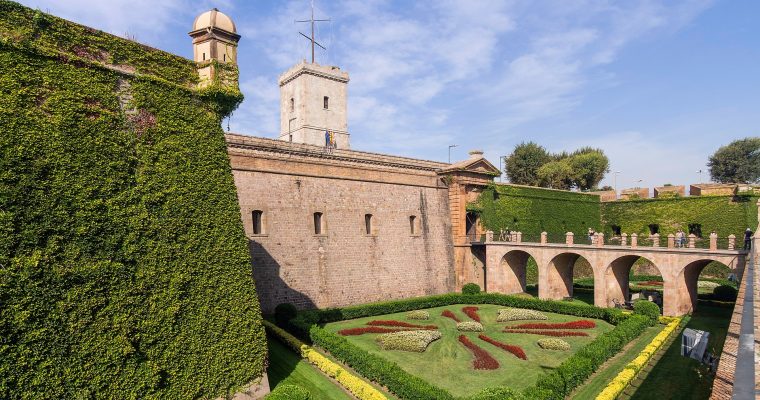
At the top of Montjuïc Mountain, overlooking the port, the sea, and much of the city of Barcelona, stands one of the most important and historically significant fortresses in Catalonia: Montjuïc Castle. Situated approximately 173 metres above sea level, this impressive defensive complex occupies a …
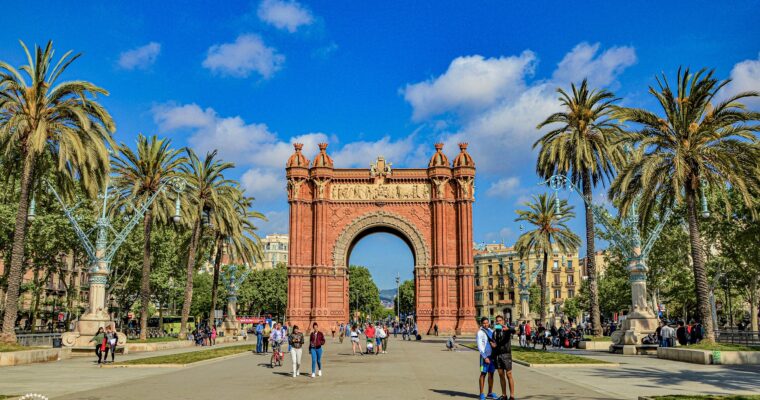
The Arc de Triomf of Barcelona is one of the city’s great monumental landmarks and one of the most important witnesses to the Barcelona that, at the end of the 19th century, was beginning to transform itself into a major European capital. Built in 1888 …
A Masterpiece of Catalan Gothic Architecture, Where History, Art and Spirituality Come Together
Barcelona Cathedral, officially known as the Cathedral of the Holy Cross and Saint Eulalia, is one of the most emblematic monuments of the Catalan capital and one of the finest expressions of Gothic art in Catalonia.
Located in the heart of the Gothic Quarter, its imposing architecture is the result of centuries of history, transformation and devotion. Its stone walls, pinnacles, vaults, sculptures and famous gargoyles form a monumental ensemble in which medieval architecture engages in a dialogue with the city’s collective memory.
Dedicated to the Holy Cross and Saint Eulalia, the patron saint of Barcelona, the cathedral is much more than a religious building. It bears witness to the city’s historical evolution, offers extraordinary artistic value and is a place where every detail seems to tell a story.
Among its most striking features are sculptures of fantastic animals, mythological figures and monstrous creatures. The gargoyles include unexpected figures such as a bull, a unicorn and an elephant. Its bells, traditionally identified by female names, add another intriguing detail to this symbolic world.
The cathedral invites visitors to slow down, discover its details and understand how architecture, religion, popular tradition and urban history intertwine in one of Barcelona’s most fascinating heritage sites.
The Origins of the Cathedral
From Roman Barcelona to the Great Gothic Architecture
The history of Barcelona Cathedral dates back to the earliest centuries of Christianity. Religious buildings once stood in this same area, reflecting the evolution of Barcino, the ancient Roman city.
Before the construction of the present Gothic cathedral, Barcelona had a Romanesque cathedral, consecrated in the eleventh century. The expansion of the medieval city, its growing political and commercial importance, and the development of new artistic forms encouraged the construction of a more ambitious building.
Work on the Gothic cathedral began in 1298, during the reign of James II of Aragon, at a time when medieval Barcelona was flourishing. The project unfolded over several generations, and the principal Gothic structures took shape during the fourteenth and fifteenth centuries.
However, the building we see today also reflects later interventions. The main façade, monumental in appearance and deeply inspired by medieval Gothic architecture, was completed between the late nineteenth and early twentieth centuries, following a design based on the Gothic style.
This evolution reveals one of the cathedral’s most interesting characteristics: its visual unity is not the result of a single construction campaign, but of a long historical process in which different periods left their mark.
Architecture That Reaches Towards the Sky
Verticality as an Expression of the Spiritual
Barcelona Cathedral embodies some of the essential principles of Gothic art: soaring spaces, the pursuit of light, structural complexity and the integration of sculpture into architecture.
Its main façade is dominated by a large rose window and features pointed arches, archivolts, pinnacles and abundant sculptural ornamentation. Saints, angels, botanical motifs and fantastic figures coexist in a decorative programme that invites visitors to pause and appreciate the details.
The exterior buttresses help distribute the building’s structural loads and form part of an architectural system characteristic of the Gothic style. Inside, the ribbed vaults transfer weight to the pillars and reinforce the sensation of height.
Light plays a fundamental role. It enters through the stained-glass windows, gradually transforming the appearance of the stone and creating contrasts between illuminated areas and more secluded corners.
The cathedral cannot be understood through its monumental scale alone. Its true richness emerges when we observe the relationships between structure, proportion, sculpture and light.
Every element reflects a conception of space in which construction techniques and spiritual experience form part of the same architectural vision.
The Crypt of Saint Eulalia
The Memory of a Young Martyr and Patron Saint of Barcelona
Beneath the presbytery lies one of the cathedral’s most significant spaces: the crypt of Saint Eulalia, which houses the saint’s tomb.
According to Christian tradition, Eulalia was a young martyr who was persecuted during Roman times for remaining faithful to her beliefs. Her martyrdom is traditionally dated to AD 304, although the accounts that have come down to us belong to a hagiographic tradition developed over many centuries.
Her story represents strength, fidelity to one’s convictions and resistance in the face of persecution. Over time, her cult acquired extraordinary importance in Barcelona, making her one of the city’s principal patron saints.
The tomb is a work of considerable artistic and historical interest. Its position beneath the high altar establishes a direct connection between the cathedral’s monumental architecture and the memory of Barcelona’s Christian community.
The crypt is also a place of retreat. In contrast to the height of the naves and the complexity of the exterior architecture, this space offers a more intimate experience, defined by silence and contemplation.
The Gothic Cloister
A Medieval Garden in the Heart of the Gothic Quarter
The cloister is one of the cathedral’s most distinctive and charming corners.
Built mainly between the fourteenth and fifteenth centuries, it consists of Gothic galleries arranged around an inner garden, where vegetation introduces a natural dimension into the monumental complex.
Palm trees, magnolias, an orange tree and other plant species help create a peaceful atmosphere. Water, present in the garden’s traditional features, reinforces the relationship between nature, architecture and spirituality.
The cloister was not merely decorative. It formed part of the daily organisation of the ecclesiastical community and provided passage between different areas of the cathedral complex.
Its galleries, with their arches and sculptural details, offer a different perspective on Gothic architecture: less monumental than the main façade, yet particularly rich in detail and subtlety.
The Thirteen Geese of Saint Eulalia
One of the cloister’s best-known features is the group of geese that live in its garden.
Tradition associates their number, thirteen, with the age Saint Eulalia was said to have been when she was martyred. It is also symbolically linked to the thirteen tortures that, according to hagiographic tradition, the young saint endured.
The presence of these birds makes the cloister especially beloved by visitors and adds a storytelling dimension to the experience.
Beyond their curious appeal, the geese form part of the cathedral’s popular memory. They remind us that heritage is made up of more than stone and works of art: it is also shaped by the stories, symbols and customs that a community passes down from one generation to the next.
The Organ and the Choir
Music as Part of Sacred Architecture
Music is another important dimension of Barcelona Cathedral.
Its historic organ, located in the upper gallery near the Portal of Sant Iu, is one of the most remarkable instruments in the cathedral’s musical heritage. Construction began between 1537 and 1539, and the instrument has undergone several transformations throughout its history.
The organ is more than a historical artefact. Its sound takes advantage of the Gothic space’s acoustic properties, as the vaulted ceilings and the dimensions of the naves allow the music to resonate throughout the building.
Concerts and musical events held at the cathedral offer a different way to experience the building: not only through sight, but also through sound.
The choir is another of the interior’s most valuable artistic spaces. Its carved wooden stalls, ornamental details and arrangement reflect the importance of liturgical life in the organisation of the cathedral.
Among the stone, wood and music, visitors discover how medieval and Renaissance art come together in an experience that unites architecture and spirituality.
The Cathedral Rooftop
Barcelona from a Privileged Perspective
Visiting the upper levels of the cathedral reveals a lesser-known dimension of the monument.
Access to the rooftop by lift, when available as part of the relevant visitor experience, offers privileged views of the bell towers, the lantern tower and the architectural features crowning the building.
From this vantage point, visitors can better appreciate the proportions of the upper structures and the complexity of the Gothic ornamentation. It is also possible to view the cloister from a different perspective and observe how the cathedral relates to the surrounding urban fabric of the Gothic Quarter.
The octagonal lantern tower, crowned by the Holy Cross and associated with the image of Saint Helena, is one of the most distinctive features of the cathedral’s silhouette.
From above, Barcelona reveals the overlapping historical layers that characterise its historic centre: medieval streets, later buildings and urban spaces that have evolved around the ancient city.
The rooftop helps visitors understand the cathedral not as an isolated building, but as an essential part of Barcelona’s historic landscape.
The Chapel of the Holy Christ of Lepanto
Devotion, Legend and Artistic Richness
The Chapel of the Holy Christ of Lepanto is one of the cathedral’s most important spaces in terms of religious devotion and historical interest.
Its architectural configuration is linked to the transformation of the medieval cathedral and to interventions carried out during the fifteenth century. The architect Arnau Bargués, associated with important works in Barcelona during that period, occupies a significant place in its history.
The chapel houses the revered image of the Holy Christ of Lepanto, which inspires deep popular devotion.
Tradition connects this image with the Battle of Lepanto in 1571 and associates it with the naval events of that historical episode. The stories surrounding the image form part of Barcelona’s religious memory and should be understood within the devotional traditions passed down through the centuries.
Its star-patterned ribbed vault and architectural ornamentation reflect the sophistication achieved by Catalan Gothic architecture. Another notable feature is the central vault boss depicting Pentecost, attributed to the sculptor Joan Claperós and dated to 1454.
The ensemble is completed by the Baroque tomb of Saint Olegarius, which adds another historical and artistic layer to this space.
The chapel illustrates how a single place can bring together different periods, styles and expressions of religious devotion, from Gothic architecture to Baroque artistic traditions.
The Cathedral’s Gargoyles
Fantastic Animals, Medieval Creatures and Symbolism
Among the cathedral’s most fascinating features are the gargoyles projecting from its walls and rooftops.
These sculptures served a practical purpose: to channel rainwater away from the building’s walls. However, their designs also made them part of one of the most imaginative sculptural repertoires in medieval architecture.
Their forms depict animals, fantastic creatures and monstrous figures that appear to watch over the building from above.
Among the figures popularly identified are an elephant, a bull and a unicorn. These representations contrast with the more familiar imagery of religious art and arouse the curiosity of those exploring the cathedral’s exterior.
In medieval culture, animals could carry moral, religious or symbolic meanings. Nevertheless, not every sculpted figure has a single, documented interpretation. Some reflect established iconographic traditions, while others can be understood as expressions of ornamental imagination.
The gargoyles reveal a less solemn side of Gothic art: a world in which the sacred coexists with the fantastic, morality with imagination, and practical construction with artistic expression.
Looking at them carefully allows visitors to discover details that might otherwise go unnoticed during a first visit.
The Cathedral’s Bells
Twenty-One Voices That Form Part of Barcelona’s Memory
For centuries, bells have played a fundamental role in the life of the city.
Their sounds announced religious celebrations, marked certain moments of the day and accompanied important events within the community.
The cathedral’s tradition highlights its twenty-one bells and the female names associated with them, a distinctive feature that arouses the curiosity of many visitors.
Beyond their acoustic role, the bells form part of the cathedral’s historical identity. Each belongs to an artisanal tradition involving metal casting, the shape of the instrument and the acoustic characteristics that determine its sound.
The bell towers, visible from various points throughout the Gothic Quarter, are also an essential element of the cathedral’s silhouette.
The relationship between architecture and sound offers a different way of understanding the building: as a monument that has also played an active role in Barcelona’s everyday life.
The Lantern Tower and Bell Towers
An Unmistakable Silhouette in the Urban Landscape
The cathedral’s exterior appearance is defined by its bell towers, pinnacles and the lantern tower rising above the roofline.
The lantern tower, with its octagonal design and crowning spire, is one of the ensemble’s most striking visual features.
Its verticality reflects the Gothic conception of the building, in which ascending lines reinforce the impression of height and establish a visual relationship between architecture and the sky.
The towers, meanwhile, are more than functional structures. They are landmarks within the historic landscape and help visitors recognise the cathedral from different streets and squares in the old town.
Stone, geometry and ornamental details combine to create a silhouette that captures much of the visual identity of medieval Barcelona.
The Cathedral and the Gothic Quarter
A Monument Inseparable from the City’s History
Barcelona Cathedral cannot be fully understood without exploring its surroundings.
The Pla de la Seu, the narrow streets of the Gothic Quarter and the nearby squares form part of an urban landscape where Roman remains, medieval architecture and buildings from later periods coexist.
The surrounding area reveals how the city developed around its principal religious, political and commercial institutions.
The proximity of other historic sites makes a visit an opportunity to understand Barcelona’s evolution from ancient Barcino to the contemporary metropolis.
In this setting, the cathedral serves as a cultural and architectural landmark. Its presence has accompanied the transformations of the historic centre and continues to form part of everyday life in the city.
One of the most rewarding ways to experience the area is to combine a visit to the cathedral’s interior with a leisurely walk through its surroundings, observing doorways, reliefs, courtyards and hidden corners that preserve the memory of different eras.
A Building Constructed Over the Centuries
From the Medieval Project to Its Present Monumental Appearance
Construction of the cathedral began in 1298, and its development continued over several centuries. The Gothic building took shape primarily during the fourteenth and fifteenth centuries, while some of its most visible features, such as the main façade, acquired their present appearance much later.
This chronology explains why the cathedral combines historical elements with later reconstructions.
The Neo-Gothic façade, completed between the late nineteenth and early twentieth centuries, draws inspiration from medieval architectural language and contributes to the monumental appearance that identifies the building today.
Rather than diminishing its interest, this evolution helps us understand how each generation interprets and transforms its heritage.
The cathedral is therefore a historical work in the broadest sense: it preserves the legacy of medieval Barcelona while reflecting later generations’ desire to preserve and complete one of the city’s principal symbols.
Barcelona Cathedral Today
Heritage, Worship and Cultural Life
Today, the Cathedral of the Holy Cross and Saint Eulalia continues to serve as a place of worship and remains a fundamental monument within Barcelona’s cultural heritage.
Its interior preserves chapels, tombs, sculptural works and liturgical objects that reveal different stages in Catalonia’s artistic history.
A visit offers the opportunity to explore Gothic art from multiple perspectives: architecture, sculpture, music, religious tradition and urban history.
The cathedral continues to fulfil its spiritual function, so visitors are encouraged to respect worship schedules and the rules established for visitors.
Preserving the building requires continuous maintenance and restoration. Stone, stained glass, metalwork and rooftops are all affected by the passage of time and environmental conditions, making conservation an essential part of the monument’s historical continuity.
Visiting the cathedral means discovering an exceptional work of art and architecture, but also recognising our collective responsibility to preserve it for future generations.
Fascinating Facts You May Not Know
The Small Details That Make the Cathedral Extraordinary
Thirteen geese in the cloister. Their number is traditionally associated with Saint Eulalia’s age at the time of her martyrdom and with the thirteen tortures attributed to her in tradition.
Fantastic animals among the gargoyles. Figures popularly identified include a bull, a unicorn and an elephant.
More than seven centuries of history. Work on the Gothic cathedral began in 1298, although its present monumental appearance incorporates much more recent interventions.
A historic organ. Initially constructed between 1537 and 1539, it forms part of the cathedral’s musical heritage.
A panoramic rooftop. When access is available, the rooftop offers privileged views of the towers, lantern tower and rooftops of the Gothic Quarter.
A cathedral dedicated to two sacred invocations. Its official name, Santa Creu i Santa Eulàlia, brings together devotion to the Holy Cross and the memory of Barcelona’s patron saint.
A cloister within the city. Just a short distance from the busiest streets of the historic centre, the inner garden offers a peaceful atmosphere that contrasts with the surrounding urban activity.
Practical Information for Visitors
Everything You Need to Know Before Planning Your Visit
Location
Pla de la Seu, 3, Barcelona.
The cathedral is situated in the Gothic Quarter, very close to Via Laietana and other points of interest in the historic centre.
Visiting Hours
As a general reference, the following tourist visiting hours have been provided:
Weekdays: 9:30 a.m.–6:30 p.m.
Saturdays and public holidays: 9:30 a.m.–5:30 p.m.
Sundays: 2:00 p.m.–5:00 p.m.
These hours may vary depending on the season, religious celebrations and scheduled activities. Visitors are advised to check the official information before travelling, particularly if they wish to access the rooftop or visit specific areas.
How to Get There
Metro: Line L4, the yellow line, getting off at Jaume I station.
Bus: Route 47, with a stop near Via Laietana and Plaça de Ramon Berenguer.
On foot: Walking from other parts of the Gothic Quarter allows visitors to combine the cathedral visit with a tour of the historic centre.
Things to Keep in Mind
Allow enough time to explore both the interior and exterior of the cathedral.
Check which areas are included in the chosen ticket option.
Confirm rooftop access availability and the conditions for visiting the cloister.
Respect areas reserved for worship and follow staff instructions.
Consider a guided tour to gain a deeper understanding of the sculptures’ symbolism and the building’s architectural evolution.
An Experience Best Discovered Slowly
Architecture Is Observed, History Is Understood and Beauty Is Felt
Visiting Barcelona Cathedral is about much more than admiring a monumental façade or walking through its naves.
It means pausing before a gargoyle, observing the light passing through a stained-glass window, listening to the organ’s resonance, discovering the silence of the cloister and understanding the historical significance of a chapel.
It also means looking up towards the pinnacles, recognising the different stages of construction and discovering how a building can become a witness to a city’s evolution.
The cathedral is a place to discover gradually, with an attentive eye for detail and an openness to the many layers of meaning it contains.
Would You Like to Discover Barcelona Cathedral with Us?
A Bespoke Cultural Experience with Magic Dreams Barcelona
At Magic Dreams Barcelona, we transform visits to the Gothic Cathedral and other emblematic sites across the city into personalised experiences designed to explore heritage from a cultural, sensory and deeply human perspective.
Our tours offer an opportunity to discover Catalan Gothic history, art and architecture through stories tailored to each visitor’s interests, pace and preferences.
We organise private experiences and personalised itineraries that can combine the cathedral with other historic sites in Barcelona, architectural routes, gardens, cultural venues and lesser-known corners of the historic centre.
We also design special experiences for those who wish to go beyond a conventional sightseeing visit:
Expert guides specialising in history, art and architecture, with explanations tailored to each visitor.
Private, personalised tours, designed around cultural interests, available time and individual pace.
Sensory experiences, incorporating music, literature and carefully selected aromas into the itinerary whenever conditions at the venue allow.
Signature gastronomy and exclusive picnics, arranged in suitable locations selected to complement the experience.
Creative workshops, including mosaic-making, trencadís art and activities inspired by Catalan traditions.
Getaways to the Costa Brava and the Catalan Pyrenees, featuring landscapes, heritage sites and carefully selected gastronomic experiences.
Personalised services throughout your stay, from romantic experiences to cultural activities and gastronomic tours.
We take care of the details to ensure that each day unfolds comfortably and seamlessly, with personalised attention throughout. Our experiences are designed according to each client’s preferences and the availability of venues and services.
Our goal is to transform heritage from a succession of dates and monuments into a memorable experience, combining historical knowledge with the excitement of discovery.
Barcelona Cathedral is much more than a masterpiece of Gothic architecture. It is a place where centuries of history, art, devotion and urban life come together.
With Magic Dreams Barcelona, every journey becomes a dialogue between past and present, where beauty can be experienced through all the senses.
La Catedral de la Santa Creu i Santa Eulàlia de Barcelona.
La Catedral de la Santa Creu i Santa Eulàlia de Barcelona.
La Catedral de la Santa Creu i Santa Eulàlia de Barcelona.
La Catedral de la Santa Creu i Santa Eulàlia de Barcelona.
La Catedral de la Santa Creu i Santa Eulàlia de Barcelona.
La Catedral de la Santa Creu i Santa Eulàlia de Barcelona.
La Catedral de la Santa Creu i Santa Eulàlia de Barcelona.
La Catedral de la Santa Creu i Santa Eulàlia de Barcelona.
Passeig de Gràcia Elegance, Architecture and Lifestyle in the Heart of Barcelona Passeig de Gràcia is one of Barcelona’s most iconic boulevards, an elegant avenue where history, architecture and cosmopolitan living come together in perfect harmony. Stretching from Plaça de Catalunya to Avinguda Diagonal, it …
La Casa Batlló es una de las obras maestras de Antoni Gaudí y uno de los edificios más famosos de Barcelona. Situada en pleno Passeig de Gràcia, en el corazón del Eixample, esta extraordinaria construcción es uno de los grandes referentes del modernismo catalán y …
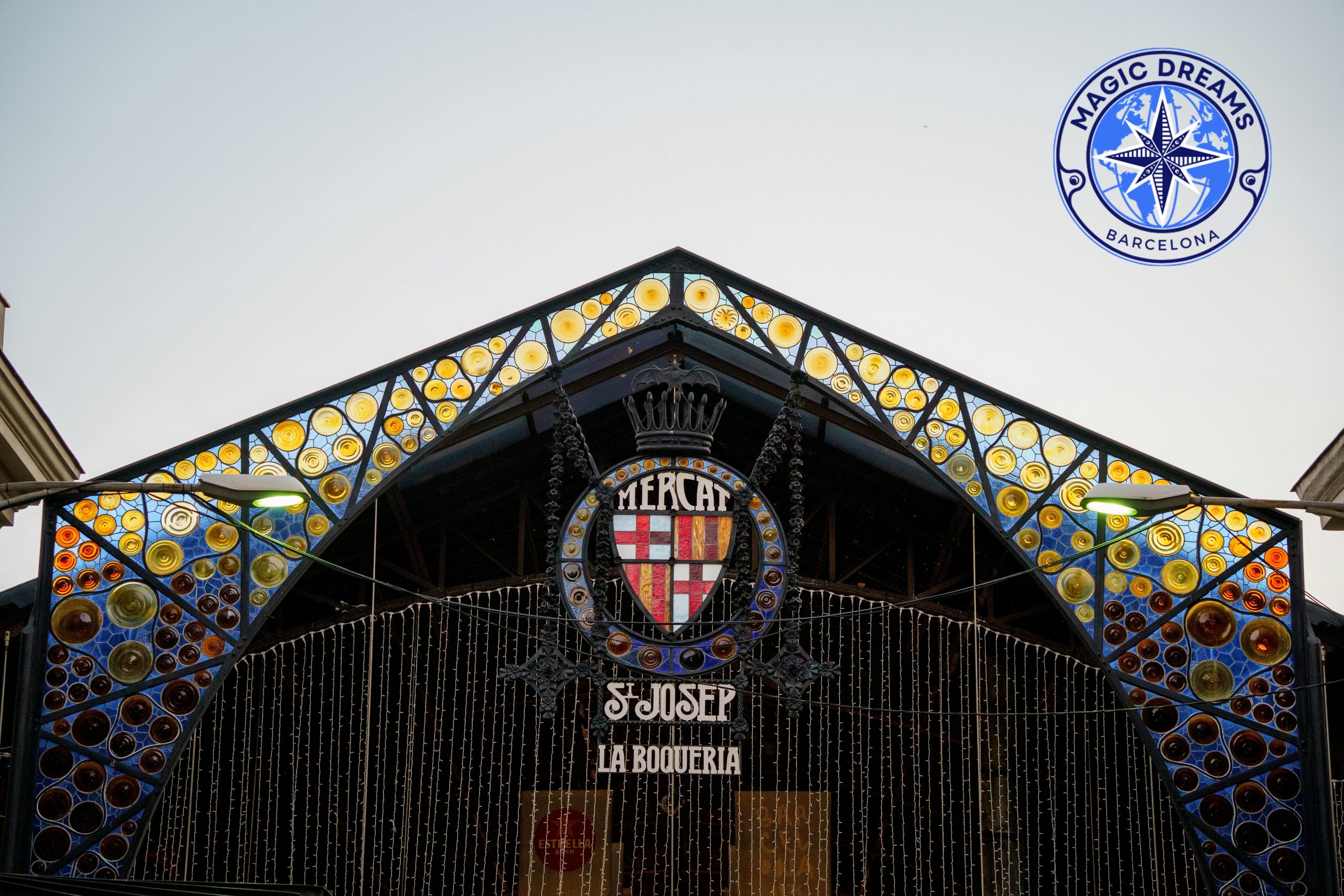
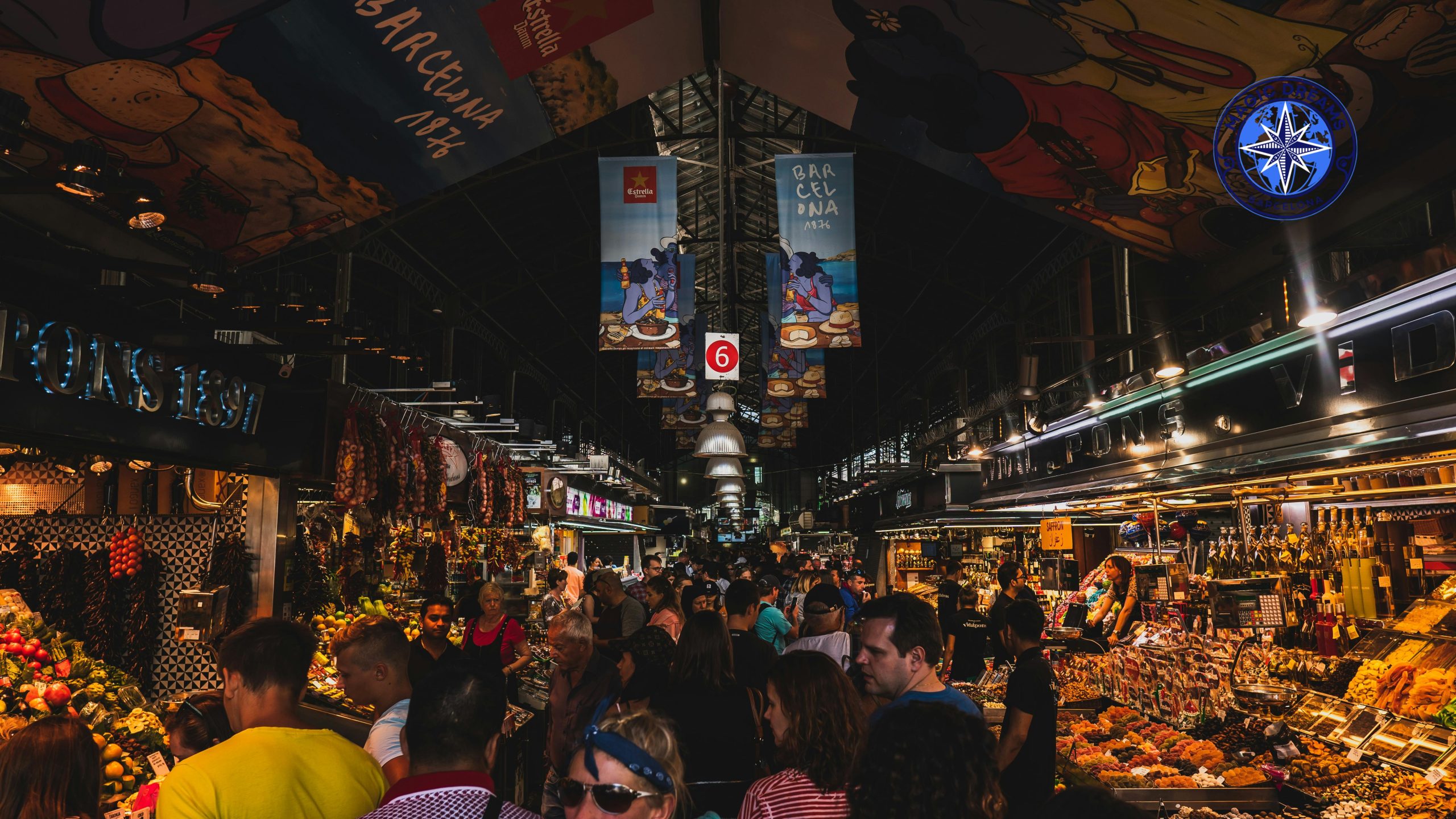
The Mercat de Sant Josep, popularly known as La Boquería — in Catalan, Mercat de Sant Josep or La Boqueria — is one of the landmarks that best represents Barcelona.
Located in the heart of La Rambla, in the Ciutat Vella district, this municipal market is much more than a place to buy fresh produce.
It is a historic space.
A meeting place.
A stage for everyday life.
And one of Barcelona’s great gastronomic landmarks.
La Boquería allows visitors to discover the city through its products, its merchants, its aromas and its flavours.
But it also offers an insight into an essential part of Barcelona’s urban development.
Its commercial history dates back to the 12th century, when an open-air market was held on the esplanade of the Pla de la Boqueria.
Centuries later, that commercial space would become one of the most famous markets in the Mediterranean.
Today, La Boquería remains one of the most visited places in Barcelona’s historic centre.
Yet behind the photographs, colours and market stalls lies a much deeper story.
A story of merchants.
Of farmers.
Of fishermen.
Of cooks.
Of families.
And of a city that for centuries has used its markets as essential places to obtain food and interact with one another.
What is La Boquería?
The Mercat de Sant Josep
The official name of the market is Mercat de Sant Josep.
However, virtually everyone knows it as La Boqueria.
The market is located at La Rambla, 91, in the very heart of Barcelona.
Its location is one of its defining characteristics.
From its entrance, visitors can step directly onto one of Europe’s most famous urban boulevards.
Just a few metres away is the Gran Teatre del Liceu.
The streets of El Raval extend nearby.
In the opposite direction lies the Gothic Quarter.
And following La Rambla towards the sea leads to the Monument a Colom, Port Vell, and eventually the Mediterranean.
La Boquería therefore occupies an exceptional position.
It is a market.
But it is also a gateway into the history of Barcelona.
The Origins of La Boquería
A market born outside the city walls
The history of La Boquería dates back at least to the 12th century.
On the esplanade of the Pla de la Boqueria, located outside Barcelona’s ancient walls, a travelling market was held.
Farmers and merchants from nearby settlements came into the city to sell their products.
The location also offered an economic advantage.
Because it was outside the city walls, vendors could avoid certain taxes associated with bringing goods into the city.
The market therefore developed at a strategic point.
Between the city and the surrounding territory.
Between producers and consumers.
Between the countryside and Barcelona.
Commercial activity gradually expanded, and the relationship between this space and La Rambla became increasingly close.
La Rambla Before La Boquería
When the market was held in the open air
La Rambla in the Middle Ages and in later centuries was very different from the grand boulevard we know today.
Vendors occupied different points along the route.
Farmers.
Butchers.
Fishermen.
Merchants.
Street sellers.
Commercial activity coexisted with the everyday movement of people.
For centuries, the market did not have the architectural structure it has today.
It was commercial activity integrated into public space.
The city grew.
The walls eventually disappeared.
La Rambla was transformed.
And the market ultimately became established in a permanent location.
The history of La Boquería is therefore inseparable from the evolution of Barcelona itself.
From Travelling Market to Permanent Market
The consolidation of a commercial institution
As Barcelona grew, so did the need to organise the trade in food.
During the 19th century, new rules and structures began to be established to regulate the market.
Commercial activity became increasingly complex.
The number of vendors increased.
The range of products expanded.
And the city needed a more permanent space.
La Boquería thus began to evolve from an informal market into a genuine urban infrastructure.
It was not simply a matter of selling food.
There was a need to organise.
To regulate.
To monitor.
To supply.
And to ensure that an increasingly large city could have access to fresh produce.
The Former Convent of Sant Josep
The place where the modern Boquería was born
The site currently occupied by the market corresponds to the former Convent of Sant Josep, founded in 1586 by the Discalced Carmelites.
For centuries, the convent formed part of the landscape of La Rambla.
But in 1835, it was destroyed.
Its disappearance would forever change the history of La Boquería.
A large monumental square was originally planned for the site.
The intention was to create a representative urban space that would transform this section of La Rambla.
However, the market was temporarily moved onto the former convent site.
What was initially intended as a provisional solution eventually became its permanent location.
Urban history had taken an unexpected turn.
The Square That Was Never Built
One of Barcelona’s most fascinating architectural stories
One of the most interesting aspects of La Boquería is precisely what was never built.
The convent site was intended to become a large monumental square.
The project envisaged a porticoed structure.
But the market ultimately occupied the space.
Elements of the original architectural concept have survived and still allow visitors to imagine the project.
This is why La Boquería has such a distinctive architectural character.
It is not a market designed from the outset as a large covered building.
It is a hybrid form of architecture.
A combination of square, market, portico and commercial infrastructure.
The Catalan architectural heritage considers this characteristic one of the elements that explain the market’s uniqueness.
1840: The Modern Market is Born
The beginning of the Boquería we know today
In 1840, the market was officially inaugurated in its current location.
The new structure made it possible to organise the stalls in a much more permanent manner.
La Boquería began to become a true commercial institution in Barcelona.
Meat.
Fish.
Fruit.
Vegetables.
Eggs.
Poultry.
Legumes.
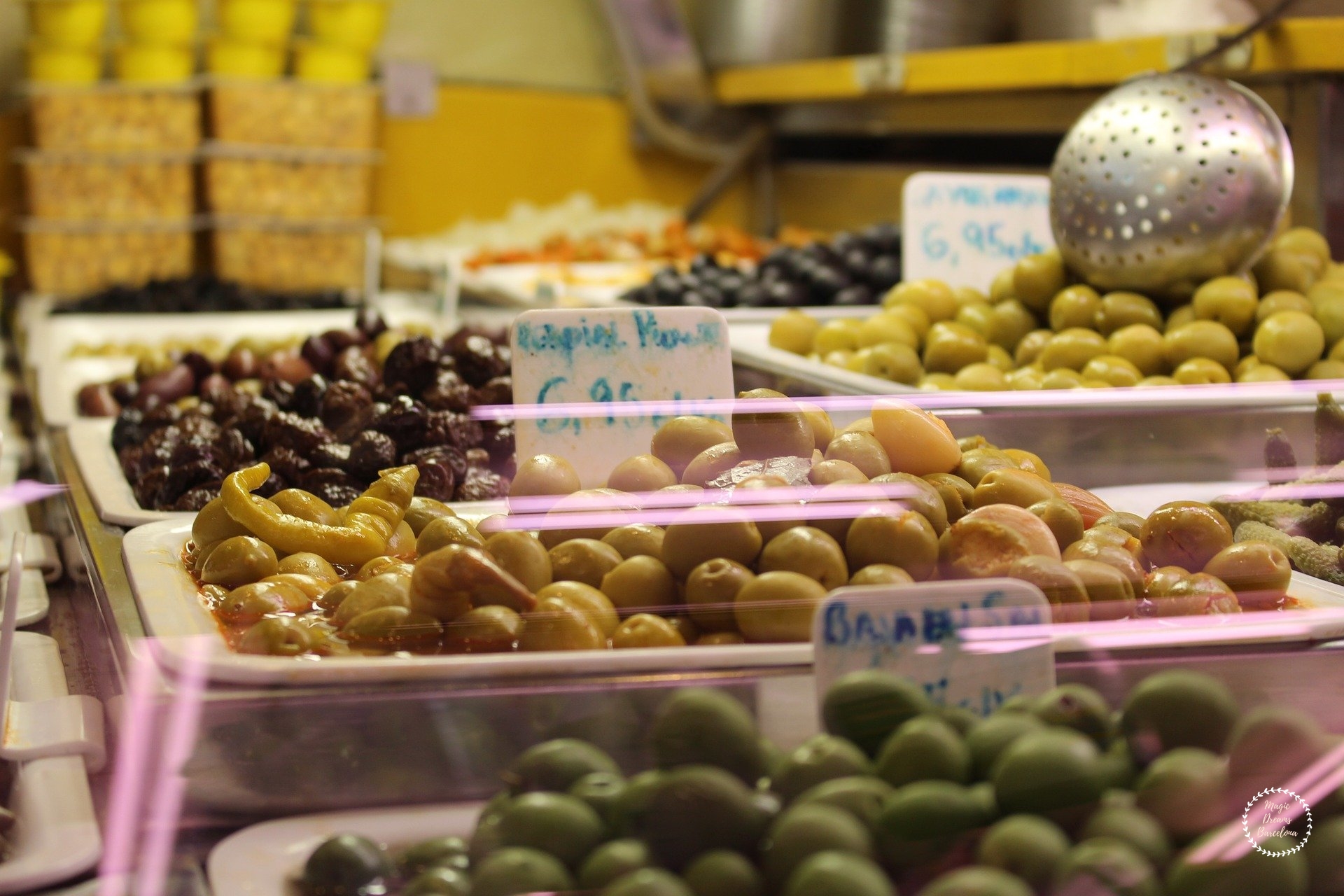
Olives.
Preserves.
And countless other products from Catalonia and beyond.
The variety continued to grow over time.
And with it, the importance of the market within the economic life of the city also increased.
The Expansion of La Boquería
A market that grew with Barcelona
La Boquería did not remain static.
As Barcelona expanded, the market incorporated additional spaces.
Among them were sites associated with other historic properties in the surrounding area.
One particularly interesting example is the area connected with the former Convent of Sant Joan de Jerusalem, whose history dates back to the 14th century.
The expansion of the market reflects a reality characteristic of Barcelona.
The medieval city had left behind a complex network of religious buildings, streets and properties.
The modern city progressively transformed these spaces.
And La Boquería grew upon the traces of that earlier Barcelona.
The Architecture of La Boquería
A mixture of different eras
The architecture of the market is one of its greatest attractions.
Different moments in Barcelona’s history coexist here.
The Neoclassical-inspired portico.
Metal structures.
Glass.
Columns.
Commercial spaces.
Entrances from La Rambla.
And transformations carried out during the 20th century.
Together, they create an architecture that cannot be attributed to a single style.
La Boquería is, in reality, an accumulation of historical layers.
Each period has left its mark.
The Columns and the Former Monumental Project
The memory of a vanished square
Among the elements worth paying particular attention to are the Ionic columns associated with the original porticoed-square project.
These columns help us understand that La Boquería was not born as a conventional market.
Its architecture preserves the memory of that earlier urban project.
Later renovations sought precisely to recover this spatial reading.
An attentive visitor can see how the market functions almost like a large interior square.
The stalls form streets.
The pathways create perspectives.
And the architectural structure organises the space.
1914: The Great Roof
Iron and glass to protect the market
One of the key moments in the architectural evolution of La Boquería came in 1914.
That year, the market was enclosed by a large metal and glass roof, responding to the needs of vendors and shoppers.
The intervention followed the principles of so-called iron architecture, characteristic of industrial Europe.
The use of metal made it possible to create a spacious environment.
Glass provided natural light.
And the roof protected commercial activity from the weather.
It also created one of La Boquería’s most recognisable visual features.
An Architecture Different from Other Barcelona Markets
A market that tells its own story
La Boquería differs from other historic markets in Barcelona.
The Mercat del Born, built in 1876, and the Mercat de Sant Antoni, inaugurated in 1882, were conceived from the outset as covered markets.
La Boquería followed a different path.
Its architecture was gradually constructed around an existing commercial space.
This is why the market has such a hybrid identity.
It is not simply a building.
It is the architectural transformation of a commercial activity that had existed for centuries.
Its architecture explains its history.
The Modernist Entrance
The gateway connecting La Rambla with the market
The entrance to La Boquería from La Rambla is one of the most recognisable elements of the complex.
The monumental entrance leads visitors into a completely different environment.
Within just a few metres, one moves from the monumental scale of La Rambla to the intensity of the market.
The noise of the street.
The aromas.
The colours.
The merchants.
The products.
The movement.
The transition is immediate.
And precisely this relationship between street and market is one of La Boquería’s great urban strengths.
La Boquería and Industrial Barcelona
When the city became a major metropolis
During the 19th and 20th centuries, Barcelona underwent a tremendous transformation.
Industrialisation brought unprecedented demographic and economic growth.
New neighbourhoods emerged.
The city expanded beyond its former walls.
Trade became more professionalised.
And the food-supply system required new infrastructure.
La Boquería formed part of this process.
The market ceased to be simply a place of local commerce.
It became a fundamental component of the food system of an industrial and modern city.
La Boquería as Barcelona’s Pantry
From producer to consumer
One of the market’s great historical values lies in its role as a meeting point between producers, merchants and consumers.
For generations, products from the surrounding areas of Barcelona arrived at its stalls.
Fruit.
Vegetables.
Meat.
Fish.
Eggs.
Legumes.
Oil.
Cured meats.
And seasonal produce.
The market created a direct relationship between the surrounding territory and the city.
Barcelona was growing.
Yet it continued to depend on the products of its hinterland.
La Boquería was one of the places where that relationship became visible.
More Than 300 Stalls and Extraordinary Variety
A Mediterranean and international pantry
La Boquería offers an extraordinary variety of products.
Meat.
Poultry.
Eggs.
Charcuterie.
Fish.
Seafood.
Fruit.
Vegetables.
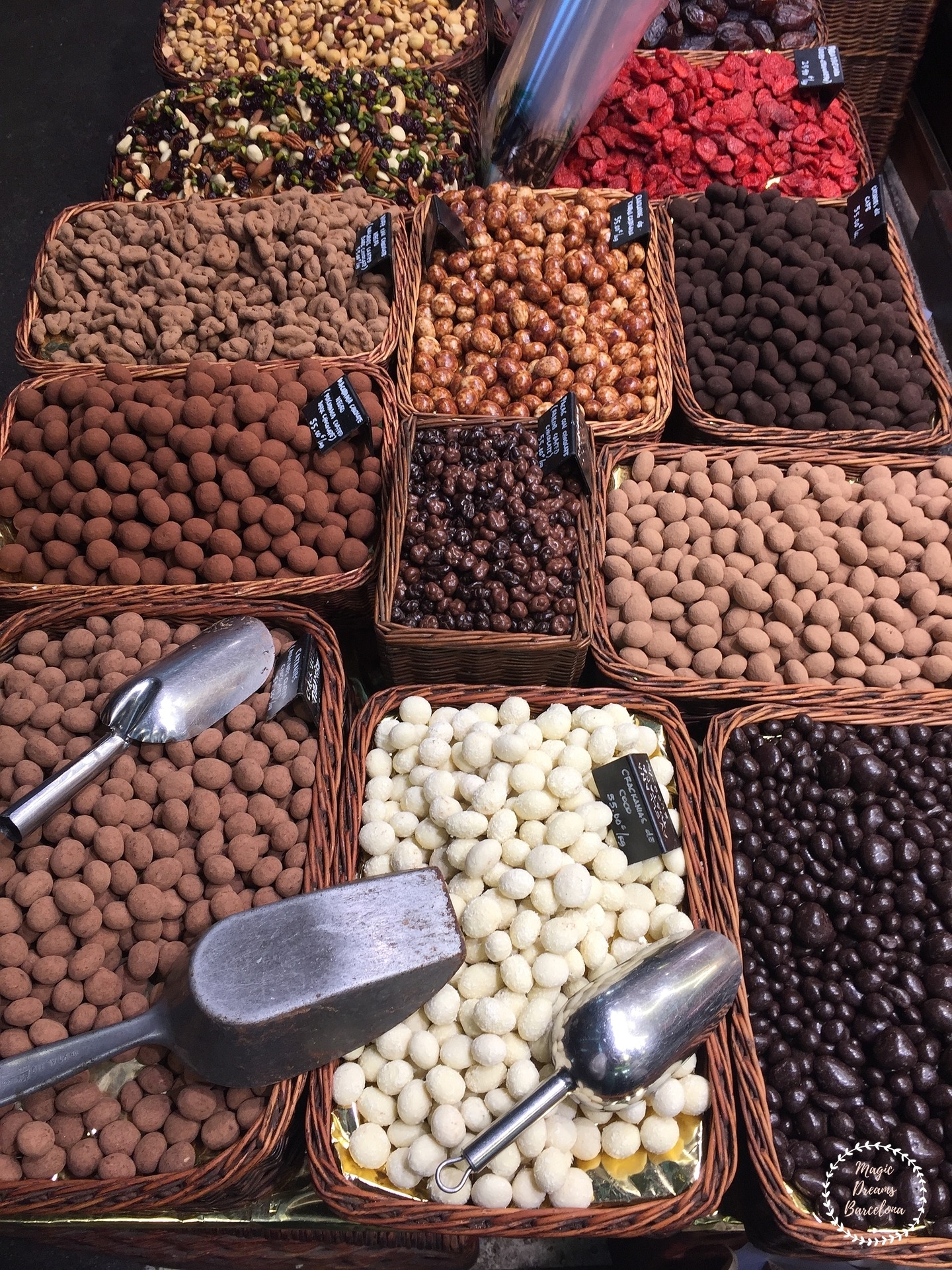
Nuts.
Legumes.
Olives.
Preserves.
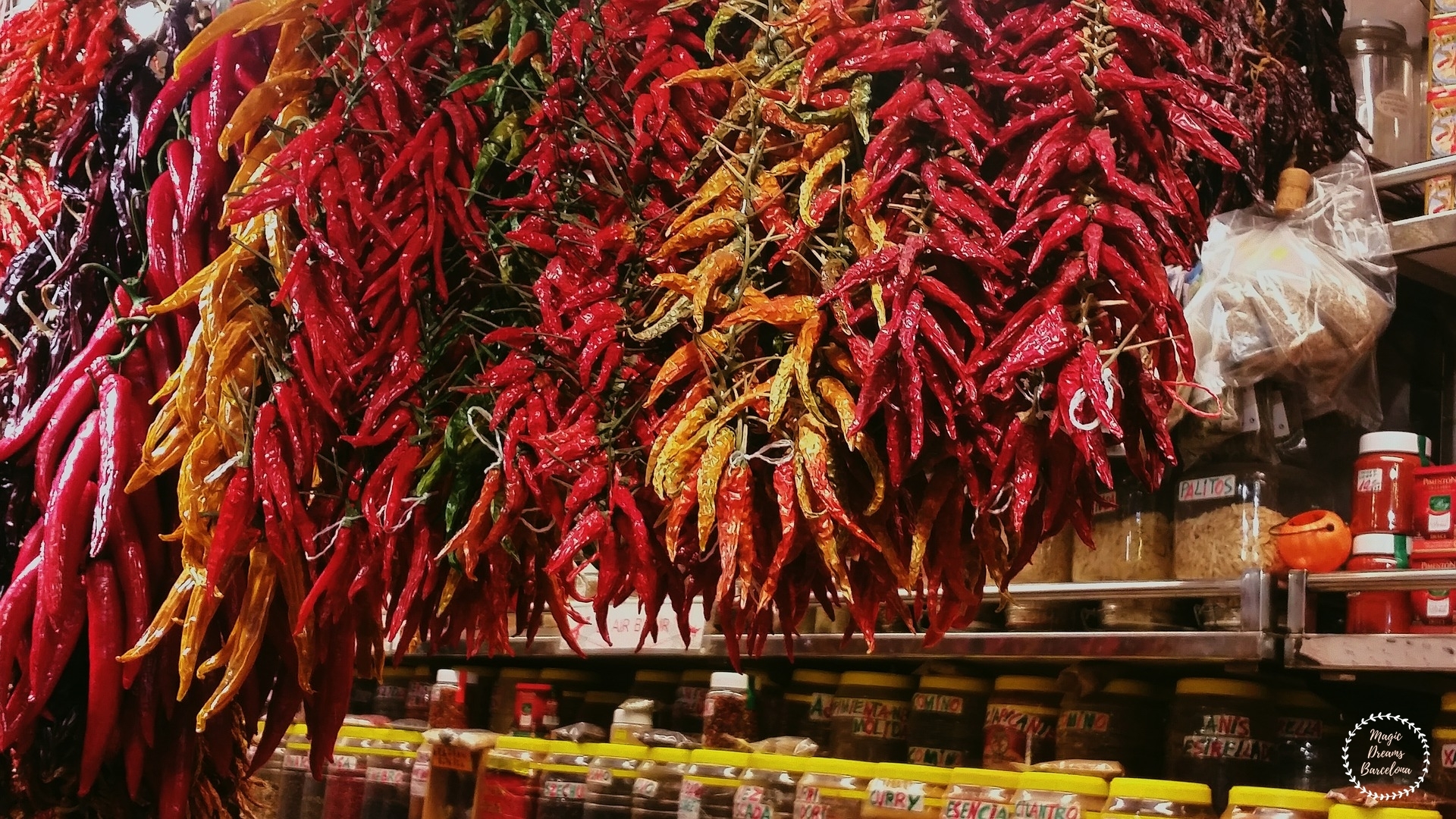
Spices.
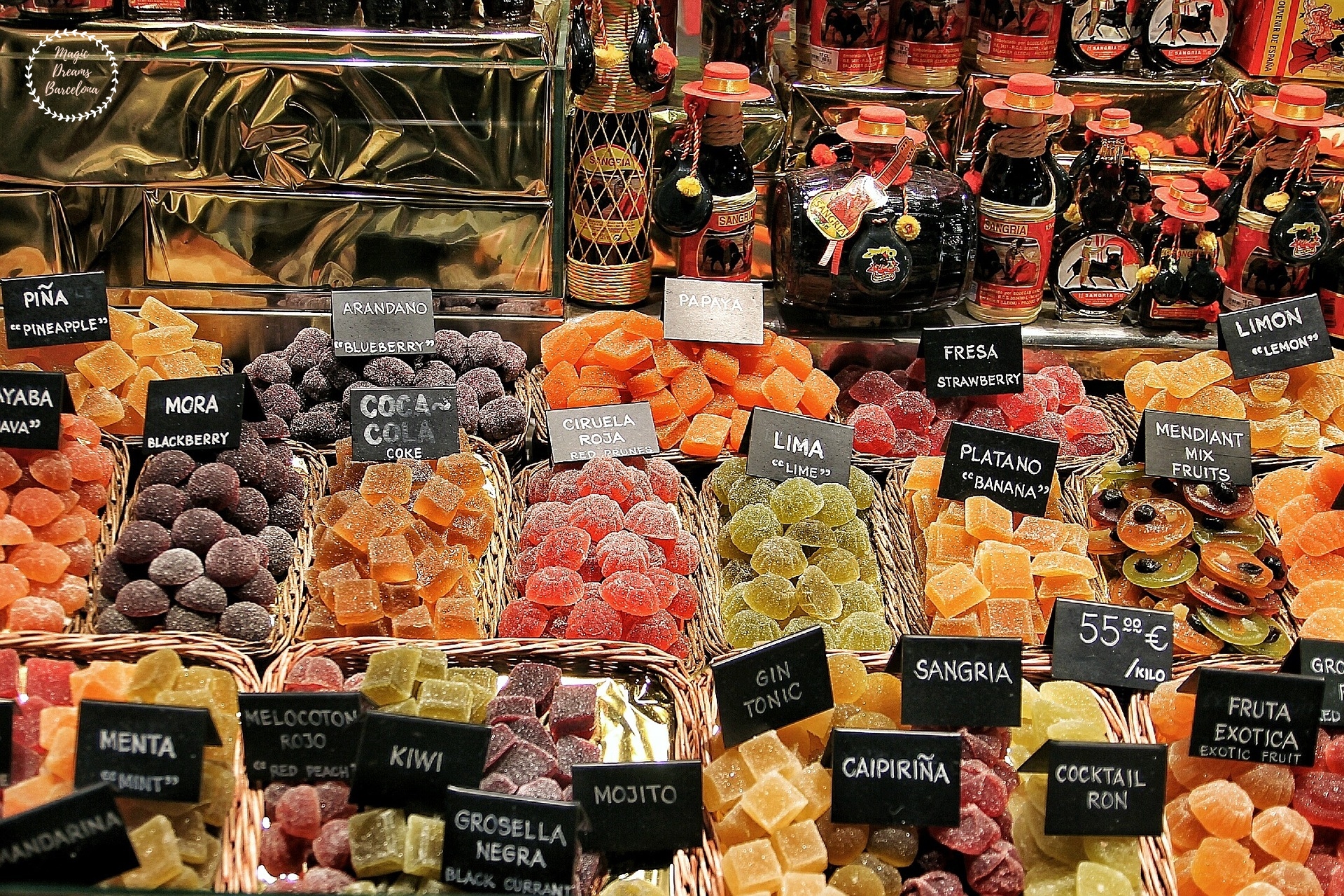
Sweets.
Chocolate.
Gourmet products.
And foods from different parts of the world.
This variety reflects Barcelona itself.
The city remains Mediterranean.
But it is also international.
La Boquería perfectly embodies this fusion.
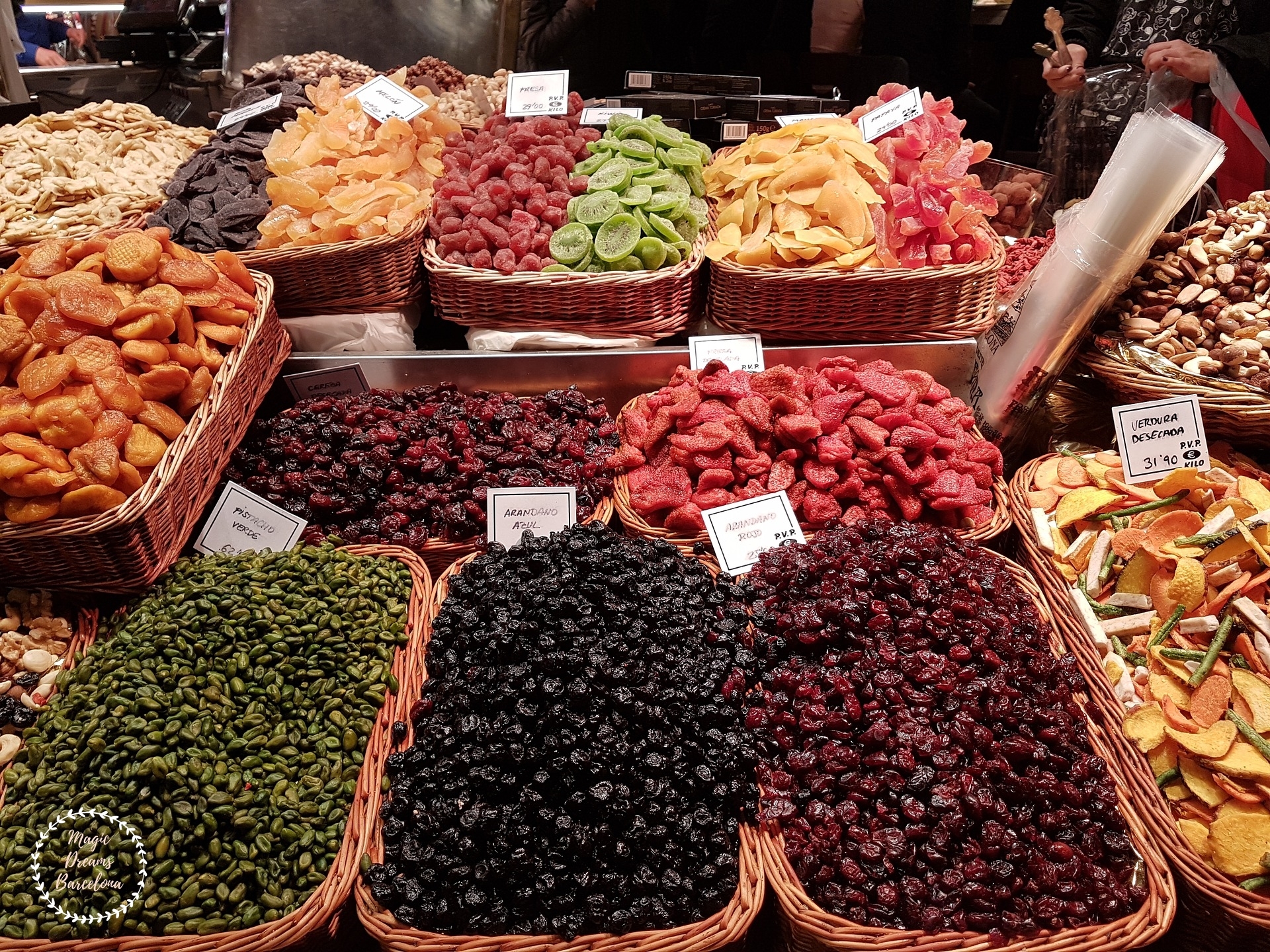
Fruit and Colour
One of the market’s great visual spectacles
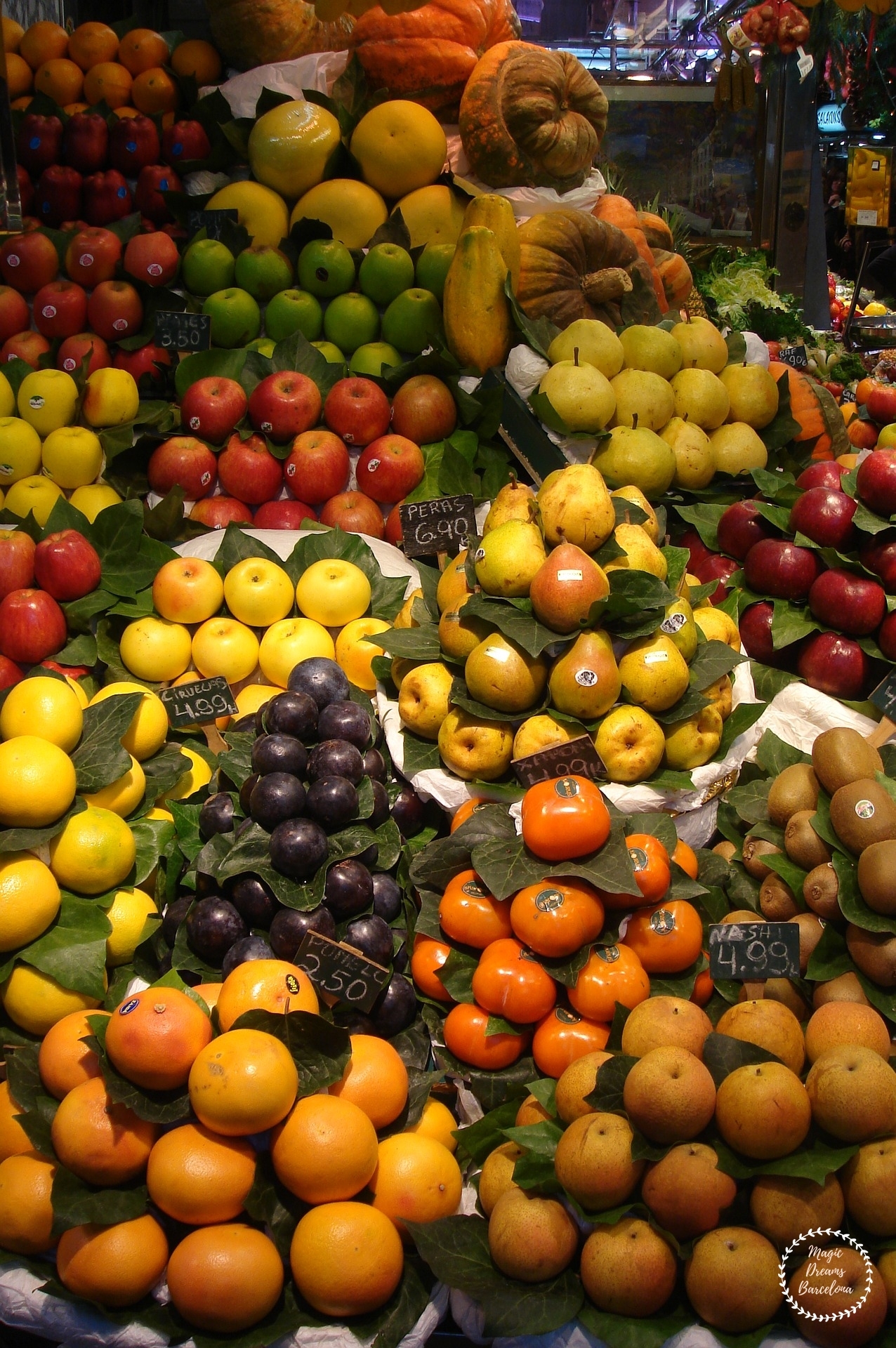
Fruit is one of the most striking elements of La Boquería.
The stalls create genuine visual compositions.
Intense colours.
Textures.
Shapes.
Seasonal fruit.
Tropical produce.
Juices.
Ready-to-eat preparations.
For many visitors, this is one of their first encounters with the market’s visual personality.
But behind the image lies a long commercial tradition.
The presentation of the product is part of the craft.
Goods must look attractive.
They must convey freshness.
And they should tell a story even before they are tasted.
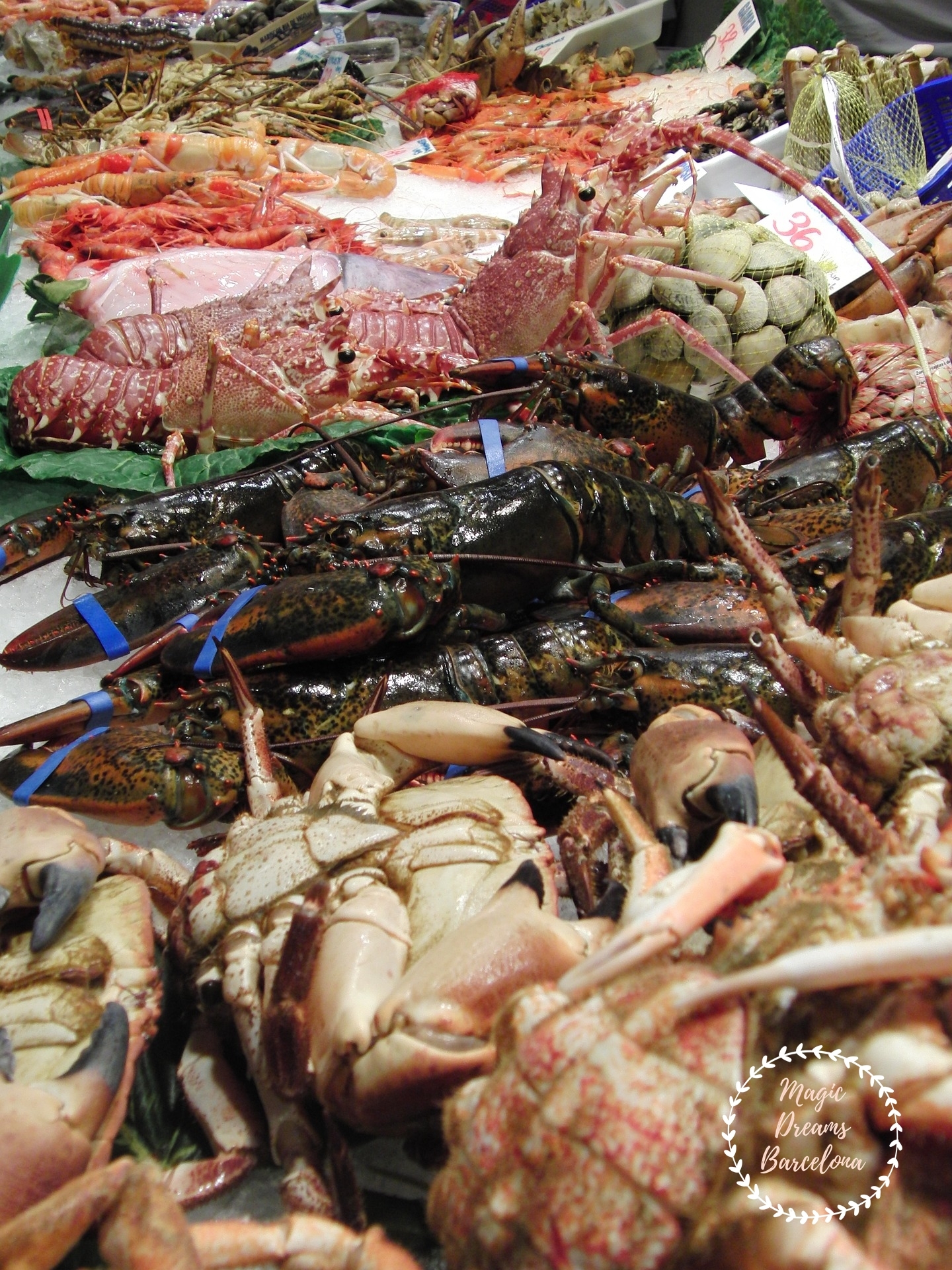
Fish and Seafood
Barcelona’s connection with the Mediterranean
Barcelona’s relationship with the sea is also present at La Boquería.
The fish and seafood stalls recall the historical importance of Mediterranean products in Catalan cuisine.
Fish.
Seafood.
Molluscs.
Crustaceans.
And different fresh products form part of a culinary tradition closely linked to the coast.
Visiting these stalls makes it possible to understand that Barcelona’s gastronomic culture cannot be separated from its Mediterranean identity.
Meat, Charcuterie and Traditional Products
A tradition that continues from the origins
The sale of meat forms part of La Boquería’s earliest history.
The first documents associated with commercial activity on the Pla de la Boqueria already mention tables used for the sale of meat.
Today, butchers and charcuterie stalls continue that tradition.
Ham.
Cured meats.
Fresh meat.
Cured products.
Catalan specialities.
And gourmet products.
The market thus preserves a direct connection with its medieval origins.
Catalan Cuisine
Barcelona begins at the market
To understand Catalan cuisine, it is necessary to understand its ingredients.
Olive oil.
Tomatoes.
Vegetables.
Fish.
Seafood.
Cured meats.
Cheeses.
Fruit.
Nuts.
Mushrooms.
And seasonal produce.
Catalan cuisine is built to a great extent around the quality of its ingredients.
And the market is where those ingredients come together.
La Boquería allows visitors to observe this process before the products reach the restaurant.
The Bars of La Boquería
Eating inside a market
The gastronomic experience does not end at the stalls.
Inside La Boquería there are several bars and establishments where visitors can enjoy fresh products and prepared dishes.
Among the historic and best-known establishments are:
Quim de la Boqueria
One of the market’s most popular bars, known for its egg-based dishes, seasonal produce and simple market cuisine.
Bar Pinotxo
A historic name at La Boquería and a reference point for traditional Catalan market cuisine, traditionally associated with dishes such as capipota and various seasonal preparations.
Bar Central
One of the options for enjoying breakfast and prepared dishes made with products from the market itself.
Kiosko Universal
Particularly well known for its fish, seafood, vegetables and mushrooms.
The experience changes completely when visitors stop simply observing the market and sit down to eat.
Eating at La Boquería
From stall to table
One of the most interesting experiences at the market is observing the relationship between produce and cooking.
Fish arrives fresh.
Vegetables are selected.
Mushrooms appear according to the season.
Eggs become the protagonists.
And market products move directly into the kitchen.
This relationship explains why market bars have such a distinctive character.
They do not need spectacular décor.
The true protagonist is the product.
La Boquería and Barcelona’s Chefs
The market as a source of inspiration
La Boquería is also part of Barcelona’s gastronomic ecosystem.
Chefs and restaurateurs have historically found markets to be a source of products, ideas and inspiration.
For a chef, a market is not simply somewhere to shop.
It is also a place to discover.
Observe.
Compare.
Search for seasonal ingredients.
And speak with people who know the produce.
This relationship between markets and professional gastronomy forms part of Barcelona’s culinary culture.
La Boquería and the Mediterranean
A cuisine rooted in the land
The identity of La Boquería is deeply connected to the Mediterranean tradition.
Bread.
Wine.
Olive oil.
Fruit.
Vegetables.
Fish.
Seafood.
Legumes.
Nuts.
These products form part of a gastronomic culture that has evolved over centuries.
But the market also reflects how that tradition has been enriched through cultural exchange.
Today, products from around the world can be found alongside deeply Catalan ingredients.
La Boquería is, in this sense, an expression of Mediterranean and international Barcelona.
A Market from Around the World
Barcelona as an open city
Contemporary La Boquería is not limited to traditional products.
Globalisation has also transformed its stalls.
Spices.
Tropical fruit.
Asian products.
Latin American ingredients.
International sweets.
Gourmet products.
And different specialities from elsewhere.
This variety reflects Barcelona’s transformation into an international city.
The market retains its roots.
But it continues to incorporate new influences.
La Boquería and La Rambla
Two inseparable symbols
The history of La Boquería and La Rambla is deeply interconnected.
For centuries, the boulevard was a setting for commercial activity.
The market grew within this environment.
And it eventually became one of La Rambla’s great icons.
Today, walking along La Rambla and entering La Boquería allows visitors to discover two different dimensions of the city.
The monumental.
And the everyday.
The tourist city.
And the commercial city.
The historic.
And the contemporary.
La Boquería and the Gran Teatre del Liceu
Gastronomy and culture just steps apart
Just a few metres from La Boquería stands the Gran Teatre del Liceu, one of Europe’s great opera houses.
This proximity makes it possible to combine two quintessentially Barcelona experiences.
A gastronomic visit.
And a cultural experience.
La Boquería represents everyday life.
The Liceu represents artistic tradition.
Between the two lies one of the most fascinating areas of Ciutat Vella.
La Boquería and El Raval
A market between different Barcelonas
The market’s location also makes it possible to understand the diversity of El Raval.
For centuries, this area was closely associated with commercial and craft activities.
Today, it is one of Barcelona’s most culturally diverse neighbourhoods.
La Boquería acts as a meeting point between different urban realities.
La Rambla.
El Raval.
The Gothic Quarter.
The Liceu.
And the former maritime waterfront.
Few areas of the city contain so many layers of history within such a small space.
La Boquería and the Transformation of Barcelona
From medieval market to international icon
The evolution of La Boquería, in many ways, summarises the evolution of Barcelona.
First, it was an open-air market.
Then it became an organised market.
Later, it acquired a permanent architectural structure.
Industrialisation transformed the way it operated.
The 20th century modified its facilities.
And international tourism turned the market into one of the city’s great symbols.
Yet its essential function has survived.
To remain a market.
A Market That Is Not a Museum
The story continues
One of the most important aspects of La Boquería is that it is not a museum.
History continues here.
The stalls are still operating.
Merchants are still working.
Products are still arriving.
Customers are still shopping.
And chefs are still searching for ingredients.
This everyday activity is precisely what makes the market a living heritage site.
The architecture may be centuries old.
But the experience is happening today.
La Boquería and the Senses
Barcelona can be seen, smelled and tasted
Visiting La Boquería is a sensory experience.
Colours appear before details.
Then come the aromas.
The sound of conversations.
Knives.
Boxes.
Trolleys.
Ice.
The voices of the merchants.
And finally, the flavours.
It is difficult to understand La Boquería through photographs alone.
You have to walk.
Observe.
Listen.
Ask questions.
And taste.
La Boquería as a Cultural Experience
Much more than gastronomy
A visit to the market offers an insight into many aspects of Barcelona.
Its commercial history.
Its architecture.
Its relationship with the Mediterranean.
Its gastronomic culture.
Its urban evolution.
The importance of markets.
And the cultural diversity of contemporary Barcelona.
For this reason, La Boquería can form part of many different experiences.
A historical tour.
A gastronomic tour.
An architectural route.
A photography experience.
Or a private exploration of Ciutat Vella.
What to Discover Inside La Boquería
A route through the heart of the market
During a visit, it is worth paying attention to several elements.
01 · The La Rambla Entrance
The historic entrance connecting the market directly with one of Barcelona’s most emblematic boulevards.
02 · The Metal and Glass Roof
One of the market’s most distinctive architectural elements, added in 1914.
03 · The Columns
Elements that recall the former monumental-square project.
04 · The Fruit Stalls
One of the most recognisable images of La Boquería.
05 · Fish and Seafood
An expression of the relationship between Barcelona and the Mediterranean.
06 · Butchers and Charcuterie Stalls
A commercial tradition connected to the market’s historical origins.
07 · The Bars
Places where products are transformed into a gastronomic experience.
08 · Plaça de la Gardunya
A space that provides an opportunity to observe the relationship between the market, El Raval and contemporary architecture.
A Private Gastronomic Experience
Discovering La Boquería with a Local Expert
For those who wish to explore Barcelona’s gastronomic culture in greater depth, a private visit offers a different perspective on the market.
It is not simply about walking through the aisles.
It is about understanding.
Why certain products are important.
How to recognise seasonal ingredients.
What relationship exists between the market and Catalan cuisine.
Where particular products can be found.
How the stalls have evolved.
And what stories lie behind some of the market’s merchants.
A private experience can be adapted entirely to each visitor’s interests.
La Boquería for Food Lovers
A journey through ingredients
For a passionate food lover, La Boquería can become a genuine sensory experience.
Discover Catalan products.
Compare ingredients.
Explore international produce.
Discover spices.
Examine fish and seafood.
Observe the seasonal rhythm of fruit and vegetables.
And finish the visit with a carefully selected tasting.
The market thus becomes an introduction to Barcelona’s cuisine.
La Boquería and the Premium Experience
Barcelona from a more exclusive perspective
For those seeking a more personalised experience, La Boquería can be incorporated into a private Barcelona itinerary.
A gastronomic visit can be combined with architecture.
Art.
History.
Photography.
Nature.
Shopping.
Gastronomy.
Or maritime experiences.
The city offers countless possibilities.
A tour of La Boquería can continue towards the Gothic Quarter.
Then towards Port Vell.
And finally conclude with a private experience overlooking the Mediterranean.
The itinerary can be completely tailored to the visitor.
Gastronomy and the Mediterranean
From the market to the sea
One of the most interesting experiences is to connect La Boquería with Barcelona’s coastline.
The journey begins among fresh produce.
Continues along La Rambla.
Passes the Monument a Colom.
And ends beside the Mediterranean.
The connection feels natural.
The market represents the produce.
The port represents trade.
And the sea represents one of the great forces that have shaped Barcelona throughout its history.
Barcelona Through Its Markets
A city understood through gastronomy
La Boquería is not the only historic market in Barcelona.
The city offers other remarkable spaces such as the Mercat de Santa Caterina, Mercat de Sant Antoni and Mercat del Ninot.
Each one tells a different part of the city’s urban evolution.
But La Boquería has a particular distinction.
Its history is directly connected to La Rambla and to the origins of Barcelona’s urban market tradition.
That is why it occupies such a special place in the city’s gastronomic memory.
A Living Heritage
More than eight centuries of commerce
The history of La Boquería begins long before its present architecture.
Documented commercial activity dates back to the 12th century.
The modern market emerged in the 19th century.
The great roof was added in 1914.
Later renovations adapted the market to the needs of contemporary Barcelona.
And today, the space continues to function.
More than eight centuries after its earliest commercial beginnings, La Boquería remains a place where Barcelona shops, cooks, talks and connects.
That continuity is one of its greatest treasures.
Would You Like to Discover La Boquería With Us?
Barcelona through history, flavour and experience
At Magic Dreams Barcelona, we believe that markets are one of the best ways to understand a city.
Because a market does not simply reflect what a society eats.
It also reflects how people live.
How they trade.
How they interact.
How they preserve their traditions.
And how they incorporate new influences.
Our native guide, specialising in history, architecture, art, gastronomy, botany and ornithology, can accompany you on a private experience through La Boquería, La Rambla and the historic centre of Barcelona, tailoring the itinerary entirely to your interests.
We can design an experience combining La Boquería with the Gothic Quarter, the Gran Teatre del Liceu, La Rambla, Port Vell, Moll de la Fusta, Barceloneta or Montjuïc.
We can also incorporate private gastronomic experiences, carefully selected tastings, restaurants, local chefs, professional photography, private picnics with table settings and catering, yacht outings, floristry, musicians, romantic proposals and other experiences designed specifically for each visitor.
For those who wish to discover Barcelona from a deeper perspective, we also offer experiences focused on the history of the city, Catalan gastronomy, architecture, historic markets, art, nature and urban development.
Each experience is designed around the visitor’s interests, from a Premium proposal to a completely bespoke experience.
Our goal is not simply to introduce you to Barcelona.
It is to help you understand it.
To discover its stories.
To recognise its flavours.
To uncover its less obvious places.
And to experience the city from a more intimate and authentic perspective.
La Boquería is not simply a market. It is one of the places where Barcelona can be seen, heard, smelled and tasted.
Boquería.
Boquería.
Boquería.
Boquería.
Detalle de dulces en el Mercado de San José (Mercado de la Boquería) en la Rambla.
Detalle de dulces en el Mercado de San José (Mercado de la Boquería) en la Rambla.
Detalle de dulces en el Mercado de San José (Mercado de la Boquería) en la Rambla.
Detalle de dulces en el Mercado de San José (Mercado de la Boquería) en la Rambla.
Detalle de fruta en el Mercado de San José (Mercado de la Boquería) en la Rambla.
Detalle de fruta en el Mercado de San José (Mercado de la Boquería) en la Rambla.
Detalle de fruta en el Mercado de San José (Mercado de la Boquería) en la Rambla.
Detalle de pimientos en el Mercado de San José (Mercado de la Boquería) en la Rambla.
Detalle de dulces en el Mercado de San José (Mercado de la Boquería) en la Rambla.
Detalle de dulces en el Mercado de San José (Mercado de la Boquería) en la Rambla.
Detalle de aceitunas en el Mercado de San José (Mercado de la Boquería) en la Rambla.
Detalle de pimientos en el Mercado de San José (Mercado de la Boquería) en la Rambla.
Detalle marisco en el Mercado de San José (Mercado de la Boquería) en la Rambla.
Detalle cocktail de frutas en el Mercado de San José (Mercado de la Boquería) en la Rambla.
Detalle en el mercado de San José (Mercado de la Boquería) en la Rambla.
Detalle exterior en el mercado de San José (Mercado de la Boquería) en la Rambla.
The Spiritual Vision of Antoni Gaudí, Presented by Magic Dreams Barcelona Discover the Basilica of the Expiatory Temple of the Sagrada Família, the architectural soul of Barcelona and the most significant work of the Modernist genius Antoni Gaudí. More than a monument, this temple is …
Located in the heart of Barcelona, next to Avinguda de Gaudí and just a few minutes from the Sagrada Família, this extraordinary architectural complex was conceived as a hospital, but also as a genuine city within the city. Pavilions made of exposed brick, mosaics, ceramics, …