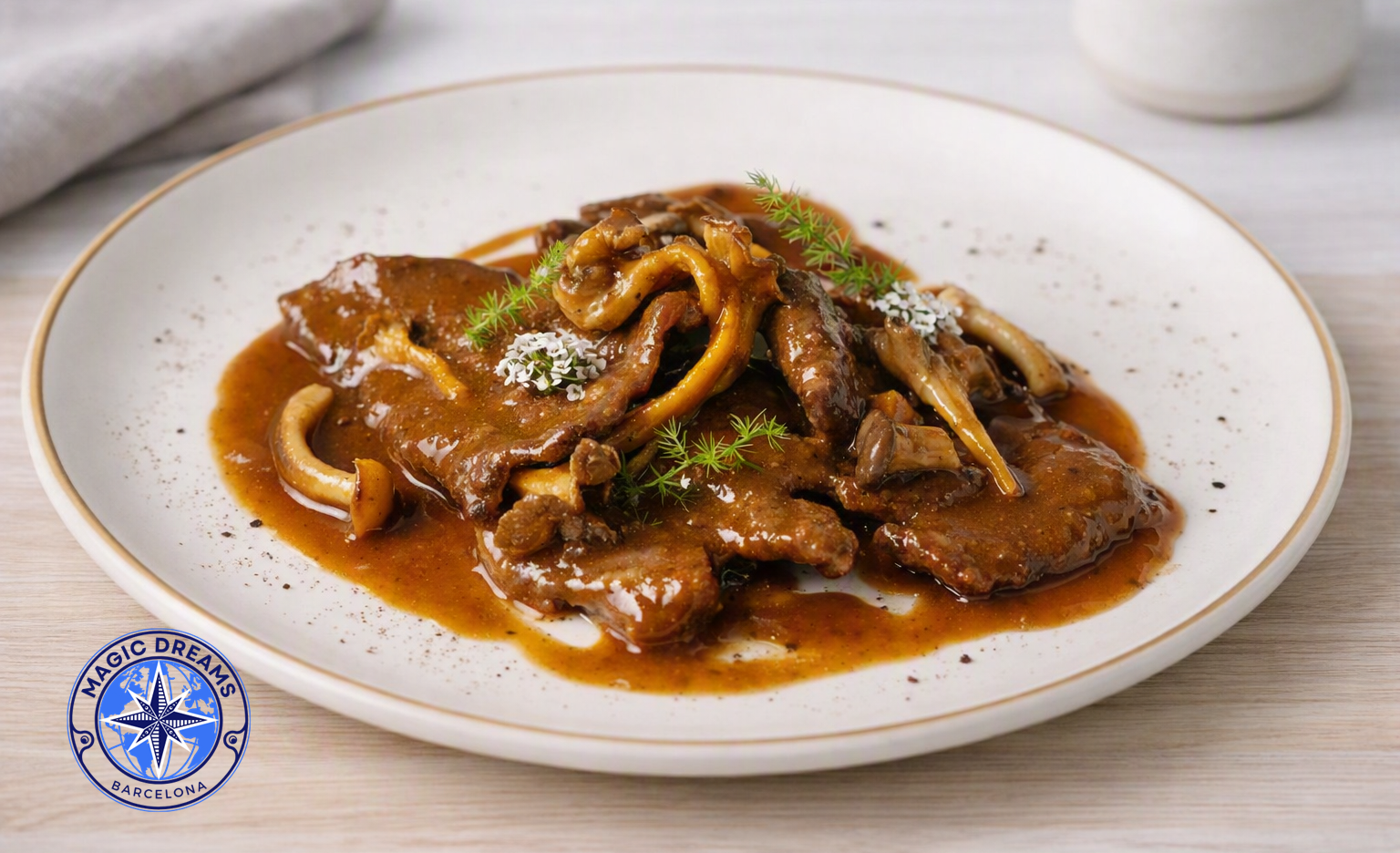
Etiqueta: Mediterranean Food

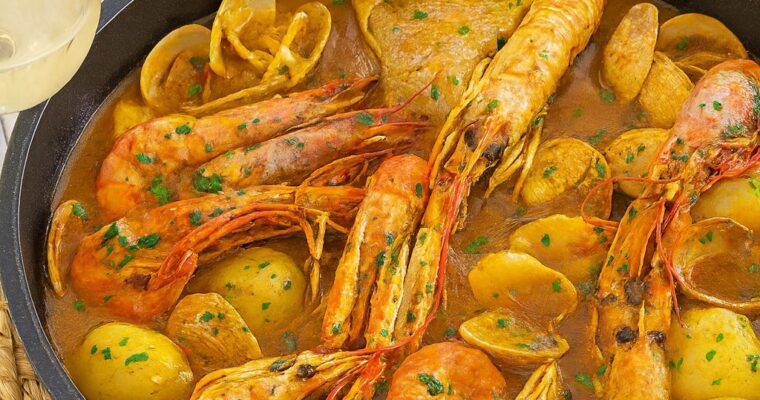
Traditional Suquet de Peix | Catalan Fish Stew.

Traditional Suquet de Peix | Catalan Fish Stew.

Suquet de Peix is one of the great classics of Catalan coastal cuisine. A humble fishermen’s stew in origin, it has become one of the most representative dishes of the Mediterranean gastronomic tradition. Traditionally prepared with the fish available that day, Suquet combines fish, potatoes, …

Croquettes with Allioli.

Croquettes with Allioli.

An iconic Spanish and Catalan tapa Croquettes are one of Spain’s most popular tapas and are also deeply rooted in Catalan culinary tradition. Their modern origins are associated with French cuisine and the croquette, but in Spain they evolved into a distinctive dish strongly connected …

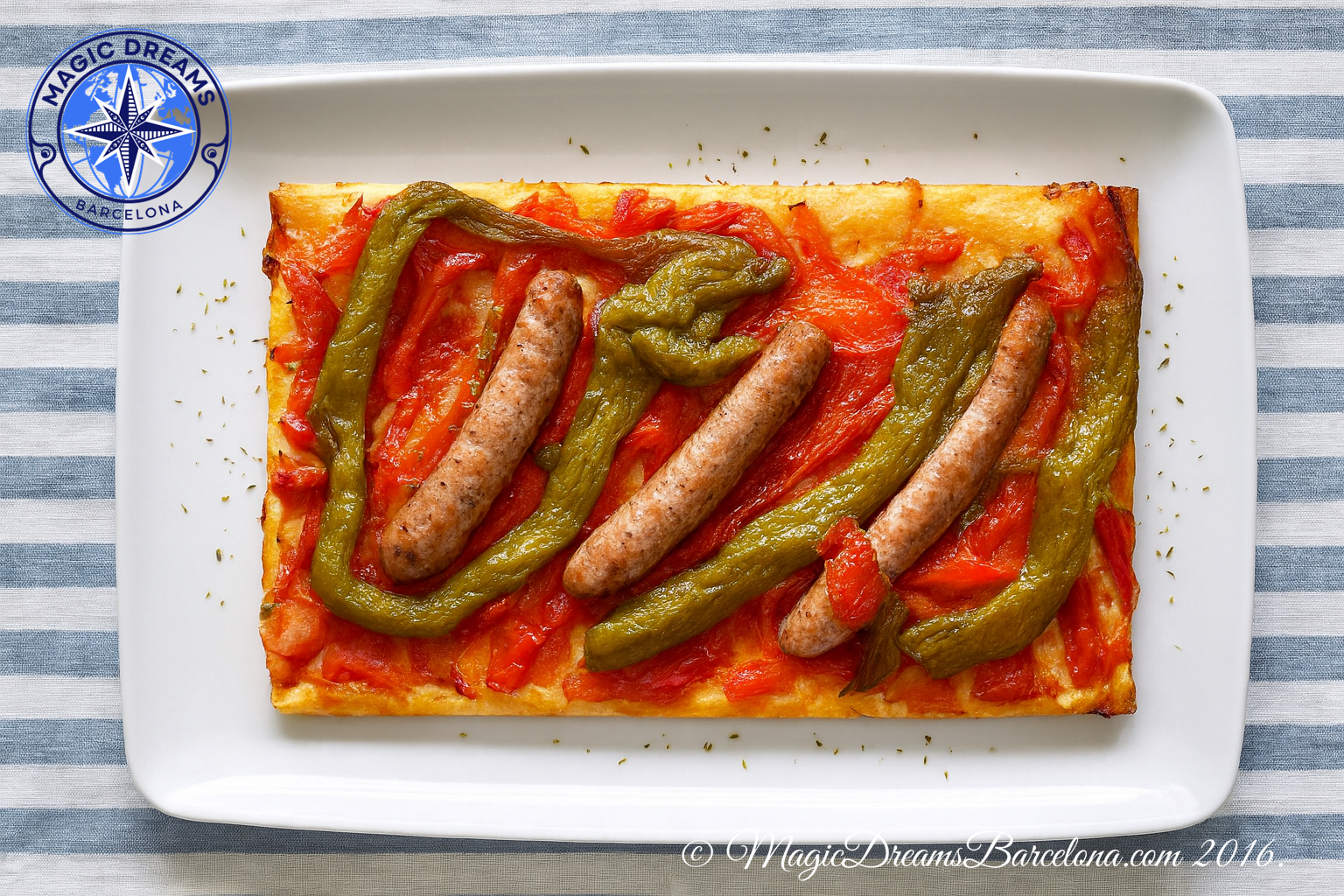
Catalan Coca with Sausages, Tomato and Roasted Peppers.

Catalan Coca with Sausages, Tomato and Roasted Peppers.

Catalan tradition, artisan dough and authentic Mediterranean flavour

Coca Catalana is one of the great symbols of Catalan gastronomy and one of the oldest preparations in Catalan culinary tradition.

Its origins go back centuries, when simple bread made with flour, water, salt and yeast was transformed into a versatile base that could be topped with whatever ingredients were available in each region.

This simple preparation allowed families to create both sweet and savoury versions, adapting the coca to local products and seasonal ingredients.

In Catalonia, coca is far more than food.

It is part of the region’s culture, celebrations and family traditions.

It is especially associated with occasions such as Easter, Christmas and the night of Sant Joan, when the famous Coca de Sant Joan takes centre stage.

But coca is also enjoyed throughout the year, proving its versatility and its place in everyday Catalan cooking.

There are countless varieties.

Savoury versions include coca de recapte, spinach coca, tomato and roasted pepper coca, sausage coca and tuna coca.

Sweet versions include anise, custard, angel hair, candied fruit and pine nut coca.

There are even sweet-and-savoury combinations involving meat and fruit, demonstrating the creativity and adaptability of this traditional preparation.

In this version, we combine artisan fresh sausages, concentrated tomato sauce and roasted red and green peppers, creating a rustic Mediterranean coca that is ideal for sharing.

A simple dough transformed into a true taste of Catalonia.


Premium Catalan Coca Recipe

Serves 4–6

Ingredients

For the Dough

  • 500 g wheat flour
  • 10 g salt
  • 10 g sugar
  • 20 g fresh yeast
  • 250 ml warm water
  • 50 ml extra virgin olive oil

For the Topping

  • 2 red peppers, roasted and peeled
  • 2 green peppers, roasted and peeled
  • 4–5 high-quality fresh sausages
  • 2 ripe tomatoes, grated
  • 1 garlic clove, finely chopped
  • 1 teaspoon sweet paprika
  • Extra virgin olive oil
  • Salt
  • Freshly ground black pepper

Optional

  • Fresh rosemary
  • A final drizzle of extra virgin olive oil

Step-by-Step Preparation

01 · Activate the Yeast

The beginning of a great dough

Place the warm water in a small bowl.

Add the fresh yeast and sugar.

Mix gently and leave to rest for 5–10 minutes.

A light foam should begin to appear on the surface, indicating that the yeast is active.


02 · Prepare the Flour

Place the flour in a large mixing bowl.

Add the salt and mix.

Make a well in the centre.


03 · Make the Dough

Soft, elastic and homogeneous

Pour the dissolved yeast mixture into the centre and add the 50 ml extra virgin olive oil.

Mix carefully until all the ingredients are incorporated.

Transfer the dough to a lightly floured work surface.

Knead for approximately 8–10 minutes, until the dough becomes smooth, homogeneous and elastic.


04 · First Rise

Give the dough time

Place the dough in a lightly oiled bowl.

Cover with a clean kitchen towel.

Leave to rest for approximately 1 hour, or until the dough has doubled in volume.

The exact fermentation time will depend on the room temperature.


Preparing the Topping

05 · Roast the Peppers

The aroma of escalivada

Roast the peppers until the skins become lightly charred and the flesh is completely tender.

Once cool enough to handle, remove the skins and seeds.

Cut the peppers into long strips.

Set aside.


06 · Prepare the Tomato Sauce

Heat a small drizzle of olive oil in a frying pan.

Add the chopped garlic and cook gently to release its aroma.

Add the grated tomatoes.

Add the sweet paprika.

Cook over medium heat until the mixture becomes a thick, concentrated and aromatic sauce.

Season with salt and freshly ground black pepper.


Assembling the Coca

07 · Stretch the Dough

Once the dough has finished rising, place it on a baking tray lined with baking paper.

Stretch it gently with your hands or a rolling pin.

It can be shaped into a rectangle, oval or slightly irregular rustic shape, preserving the handmade character of the coca.

There is no need to make it excessively thin.


08 · Add the Tomato

Spread the tomato sauce evenly over the dough.

Leave a small border around the edges.

The sauce should cover the surface without becoming too thick.


09 · Add the Roasted Peppers

Arrange the strips of roasted red and green peppers over the tomato sauce.

Distribute them evenly so that every portion contains a good balance of flavours.


10 · Add the Sausages

Cut the fresh sausages into medium-sized pieces.

Arrange them over the roasted peppers.

Finish with a light drizzle of extra virgin olive oil.


Baking

11 · Bake the Coca

Preheat the oven to 200°C / 392°F.

Bake for approximately 20–25 minutes.

The exact time will depend on the thickness of the dough and the characteristics of the oven.

The coca is ready when:

the edges are golden + the base is fully baked + the sausages are cooked through.


12 · Final Finish

Remove the coca from the oven.

Add a small drizzle of extra virgin olive oil.

Finish with a few leaves of fresh rosemary, if desired.

Allow to rest for a few minutes before slicing.


The Secret to a Great Catalan Coca

The dough should be light and tender inside, with slightly crisp edges.

The tomato sauce should be concentrated rather than watery.

The roasted peppers should retain their sweetness and subtle smoky character.

The sausages should remain juicy while developing a beautifully browned exterior.

The ideal balance is:

artisan dough + concentrated tomato + sweet roasted peppers + juicy sausage + extra virgin olive oil.


Gourmet Suggestions

Magic Dreams Barcelona

To elevate this traditional coca:

  • Use high-quality wheat flour.
  • Give the dough enough time to ferment properly.
  • Roast the peppers in advance to intensify their flavour.
  • Use fresh artisanal sausages.
  • Slowly reduce the tomato sauce.
  • Choose a fruity extra virgin olive oil.
  • Add fresh rosemary just before serving.
  • For a more sophisticated version, add black olives or thin shavings of aged cheese.
  • Serve freshly baked or slightly warm.

Mar i Muntanya Variation

Bringing the Mediterranean into the coca

Coca can also become a Mar i Muntanya creation.

Replace part of the sausage with:

  • Prawns.
  • Squid.
  • Mussels.
  • Anchovies.

Another excellent combination is fresh sausage with prawns, bringing together the richness of the countryside and the flavour of the Mediterranean.

This interpretation preserves the creative spirit of Catalan cuisine.


Presentation

Traditional coca is served cut into generous portions and placed in the centre of the table.

For a Premium Magic Dreams Barcelona presentation, cut the coca into elegant individual rectangles and arrange them on a wooden board or handcrafted ceramic serving platter.

Finish with:

  • Fresh rosemary.
  • A few drops of extra virgin olive oil.
  • Small touches of reduced tomato.
  • Fresh seasonal herbs, optional.

The objective is to preserve the handmade character of the coca while giving it a more refined presentation.


Pairing

For the table, we recommend a fresh Mediterranean-style 0.0% alcohol-free rosé, served well chilled.

A medium-bodied 0.0% alcohol-free red wine is also an excellent choice, particularly because of the fresh sausages.

For a lighter option, serve with very cold sparkling water, lemon and fresh Mediterranean herbs.


Serving

The coca can be served hot, warm or at room temperature.

As a tapa, cut it into small pieces for sharing.

As a main dish, serve more generous portions alongside a fresh Mediterranean salad.

It is also perfect for a family-style meal or informal gathering.


Storage

The coca can be kept in an airtight container for approximately 1–2 days.

To restore some of its texture, reheat it briefly in the oven.

Avoid excessive reheating, which can dry the dough.


The Coca — The Soul of Catalonia

Catalan coca represents one of the great strengths of traditional cooking:

a simple dough can become an entirely different dish depending on the region, the season and the cook’s imagination.

It can be sweet.

It can be savoury.

It can be rustic.

It can be refined.

It can be prepared for a celebration or for an everyday meal.

This extraordinary adaptability is one of the reasons coca has remained such an important part of Catalan culture.


The Premium Magic Dreams Barcelona Touch

At Magic Dreams Barcelona, we respect the traditional recipe while elevating it through quality ingredients, careful fermentation, precise baking and elegant presentation.

The Catalan soul remains; the experience becomes Premium.

Copyright © 2016-2026 Magic Dreams Barcelona.

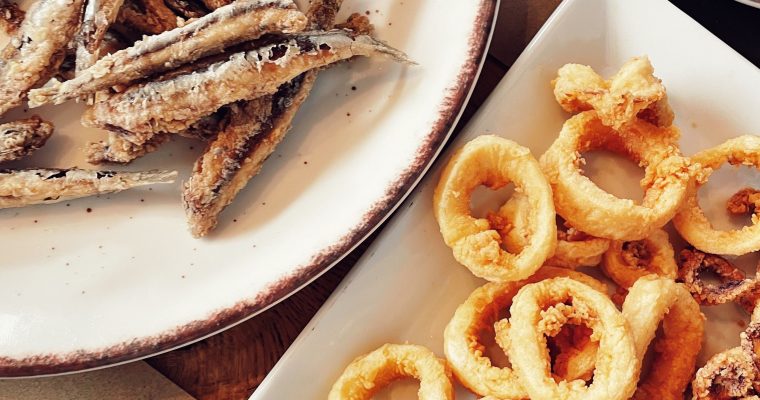
Fried Calamari and Fried Anchovies Tapas.

Fried Calamari and Fried Anchovies Tapas.

Two Mediterranean classics on one table Fried calamari and fried anchovies are two timeless dishes of Mediterranean coastal cuisine. Simple, generous and full of flavour, they are especially popular as tapas in traditional bars, taverns and seafood restaurants. Roman-style fried calamari are prepared by cutting …

Pan-Seared Salmon with Prawns, Black Rice and Asparagus.

Pan-Seared Salmon with Prawns, Black Rice and Asparagus.

Pan-seared salmon with prawns, black rice and asparagus is a Mediterranean-inspired dish that combines seafood with fresh vegetables and a rich, flavorful rice garnish. The salmon is gently seared until golden on the outside while remaining tender and juicy inside. It is served with sautéed …

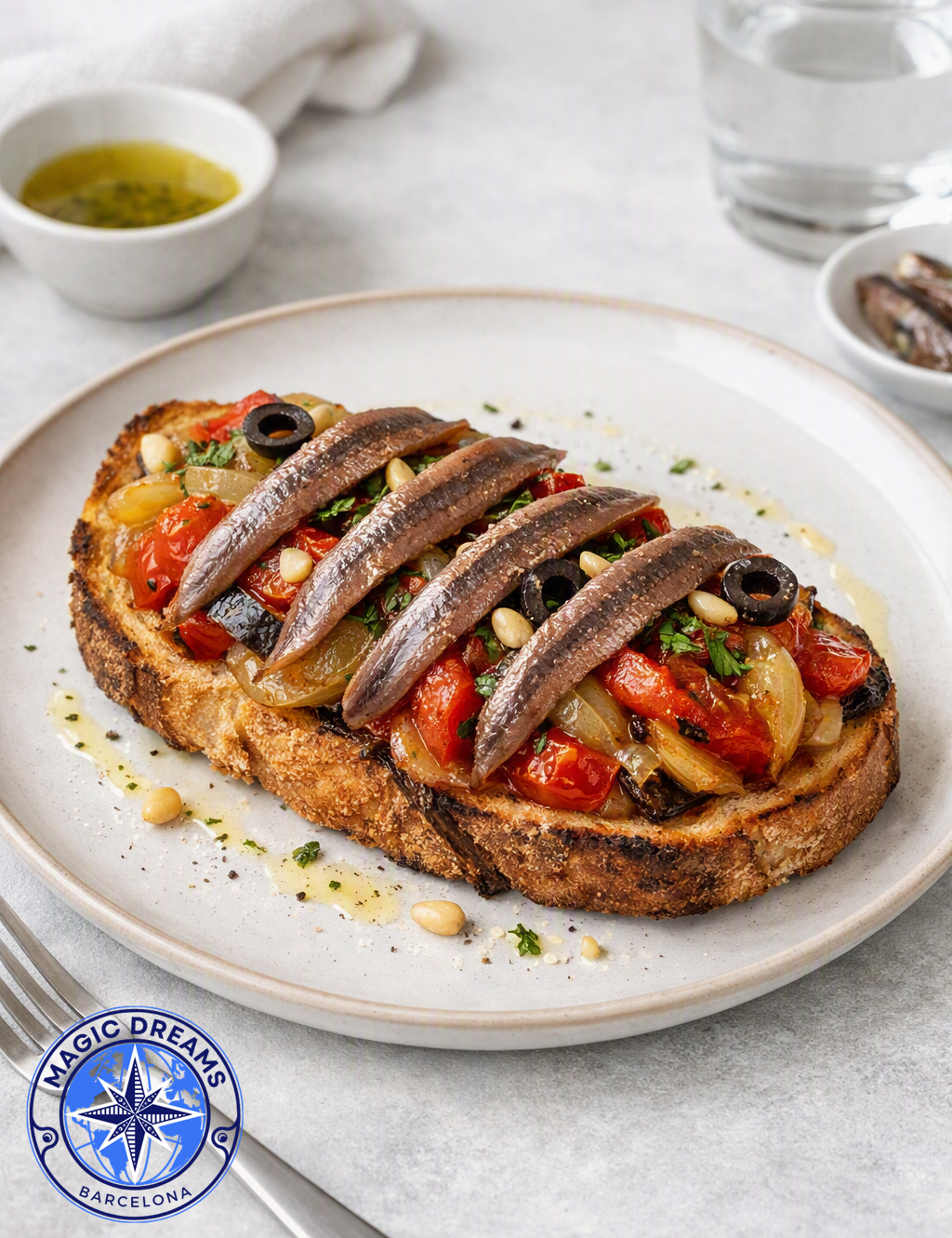
Catalan Espardenya with Escalivada and L’Escala Anchovies.

Catalan Espardenya with Escalivada and L’Escala Anchovies.

The Mediterranean on a slice of toasted bread

The Espardenya is a traditional Catalan-style tapa combining toasted bread, escalivada and anchovies, bringing together the flavours of the land and the sea.

The name espardenya is associated with this rustic style of preparation in Catalan cuisine, although the term can have different meanings depending on the region.

This version features escalivada, a traditional Catalan preparation of roasted red peppers, aubergine and onion, topped with anchovies from L’Escala, one of the best-known seafood products of the Costa Brava.

The vegetables are slowly roasted until tender, sweet and slightly smoky, while the anchovies provide a salty, intense contrast.

Finished with extra virgin olive oil, toasted pine nuts, black olives and fresh parsley, this simple tapa becomes a beautiful expression of Catalan Mediterranean cuisine.


Ingredients

Serves 4

For the Escalivada

  • 2 large red peppers
  • 1 large aubergine
  • 2 onions
  • 2 garlic cloves, optional
  • Extra virgin olive oil
  • Salt

For the Espardenya

  • 4 large slices of rustic country bread
  • 12–16 L’Escala anchovy fillets in olive oil
  • 40 g pine nuts
  • Black olives
  • Fresh parsley
  • Extra virgin olive oil
  • A little salt, if needed

Preparation

01 · Roast the vegetables

Fire as an ingredient

Preheat the oven to 200°C.

Place the whole peppers, aubergine and onions on a baking tray.

Roast for approximately 40–50 minutes, turning the vegetables halfway through cooking.

The skins should become nicely charred in places while the flesh becomes completely tender.

For a more traditional smoky flavour, the vegetables can also be roasted directly over hot embers.


02 · Rest and peel the vegetables

Keep all their natural juices

Remove the vegetables from the oven and cover them for several minutes.

This makes them easier to peel and allows their natural juices to redistribute.

Peel the peppers, remove the seeds and cut them into long strips.

Peel the aubergine and onions and cut them into strips or rustic pieces.

Do not discard the roasting juices.

Adding them to the escalivada gives the dish even more depth and flavour.


03 · Season the Escalivada

Place the roasted vegetables in a bowl.

Add extra virgin olive oil, a little salt and, if desired, finely chopped garlic.

Mix gently.

Allow the vegetables to rest for a few minutes so that they absorb the olive oil and the flavours become more integrated.


Preparing the Espardenya

04 · Toast the bread

The crisp foundation

Cut the rustic bread into thick slices.

Toast until the surface is golden and crisp, while keeping the centre slightly tender.

A few drops of extra virgin olive oil can be added before toasting.


05 · Add the Escalivada

Place a generous portion of escalivada on each slice of toasted bread.

Arrange the roasted red pepper, aubergine and onion so that they cover most of the surface.

The vegetables should remain juicy rather than dry.


06 · Add the L’Escala anchovies

The meeting of land and sea

Place 3–4 L’Escala anchovy fillets on each Espardenya.

The intense, salty flavour of the anchovies creates a wonderful contrast with the natural sweetness of the roasted vegetables.

Add a few black olives and toasted pine nuts.

Finish with fresh parsley and a few drops of extra virgin olive oil.


The Secret to a Great Escalivada

The vegetables should remain tender, juicy and slightly smoky.

The peppers should be fleshy, the aubergine creamy and the onions sweet and soft.

Avoid overcooking the vegetables until they become dry.

Good-quality extra virgin olive oil should enhance the vegetables rather than overpower their natural flavour.


The Pine Nuts

Pine nuts provide an excellent crunchy contrast.

Toast them lightly in a dry frying pan for a few minutes, stirring constantly.

They should become golden and aromatic without burning.

Add them immediately before serving so they retain their crisp texture.


Gourmet Suggestions

Magic Dreams Barcelona

To elevate this traditional Catalan tapa:

  • Use artisan rustic bread.
  • Roast the vegetables until they develop lightly charred areas.
  • Prepare the escalivada several hours in advance.
  • Choose high-quality L’Escala anchovies.
  • Lightly toast the pine nuts.
  • Add the olive oil just before serving.
  • Avoid excessive salt because the anchovies are naturally salty.
  • Finish with a few drops of extra virgin olive oil.
  • Add small Mediterranean herbs for a more contemporary presentation.

Presentation

For a traditional presentation, serve the Espardenya on a wooden board or handcrafted ceramic plate.

Arrange the escalivada generously over the toasted bread and place the anchovies neatly on top.

Add toasted pine nuts, black olives and fresh parsley.

Finish with a few drops of extra virgin olive oil.

The ideal presentation combines rustic simplicity with Mediterranean elegance, preserving the character of traditional Catalan cuisine.


Pairing

This Espardenya pairs particularly well with a fresh, crisp 0.0% alcohol-free white wine, whose acidity balances the saltiness of the anchovies and the richness of the olive oil.

A Mediterranean-style 0.0% alcohol-free vermouth is also an excellent choice as an aperitif.

For a completely refreshing option, serve with very cold sparkling water, lemon and fresh Mediterranean herbs.

Copyright © 2016-2026 Magic Dreams Barcelona.

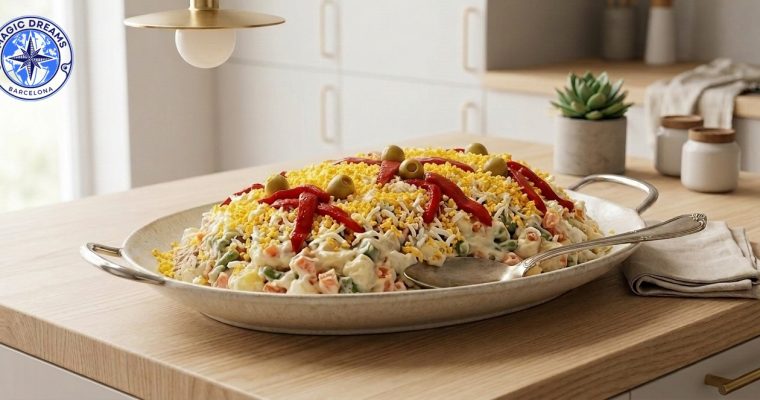
Tuna and Olive Russian Salad: A Classic Recipe with Mediterranean Flavour.

Tuna and Olive Russian Salad: A Classic Recipe with Mediterranean Flavour.

The creaminess of the potatoes, the delicate flavour of bonito del norte (northern Spanish white tuna) and the salty tang of olives come together with a smooth, silky homemade mayonnaise. Topped with grated egg, strips of roasted red pepper and green olives, this Russian salad …

Greek Lemon Chicken Skewers with Mint Yogurt Sauce.

Greek Lemon Chicken Skewers with Mint Yogurt Sauce.

Greek-style chicken skewers bring together some of the most characteristic flavours of the Mediterranean: extra virgin olive oil, lemon, garlic, oregano, cumin and fresh herbs. In this version, the chicken is marinated for several hours to develop a deep, aromatic flavour before being grilled until …

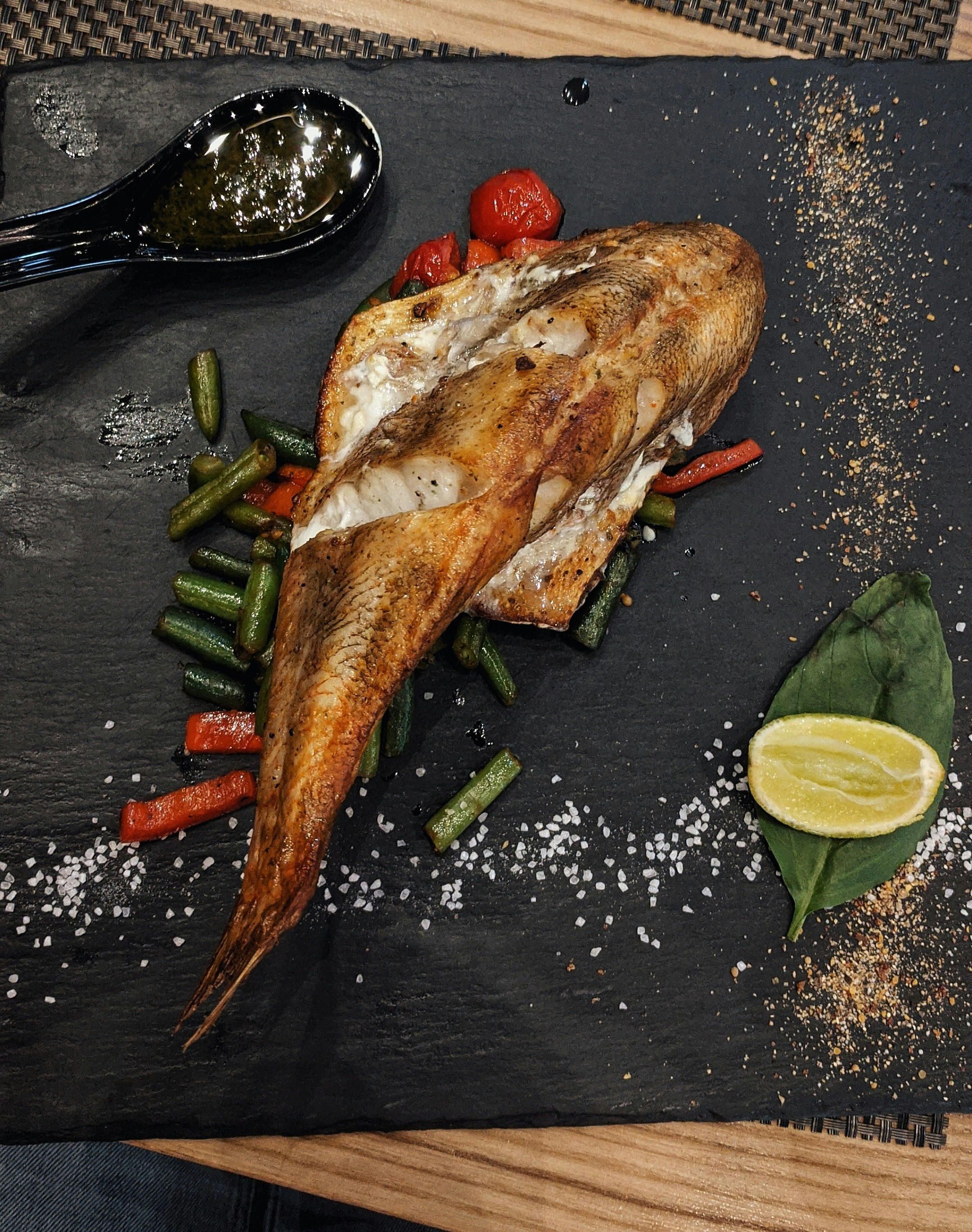
Grilled Monkfish Tail with Seasonal Vegetables.

Grilled Monkfish Tail with Seasonal Vegetables.

A Mediterranean delicacy transformed into a gourmet experience

Some fish need very little to become the star of the table.

Monkfish is one of them. With its firm, delicate and remarkably flavorful flesh, it is perfectly suited to grilling, allowing the outside to develop a beautifully golden finish while the inside remains tender and juicy.

In this version, we prepare the monkfish tail butterfly-style, grilled over a barbecue or hot grill until the skin becomes crisp and deeply golden.

It is served over a delicate bed of seasonal vegetables, combining sautéed green beans, red pepper and roasted cherry tomatoes. Fresh herbs, extra virgin olive oil and lemon add brightness and balance to the dish.

The final touch is a vibrant green herb and garlic sauce, bringing freshness and Mediterranean character to every bite.

The result is an elegant and refined dish where the quality of the ingredients remains at the heart of the experience.

The simplicity of Mediterranean cooking elevated into a fine-dining experience.


Grilled Monkfish Tail with Seasonal Vegetables

Serves 2

Ingredients

For the monkfish

  • 1 monkfish tail, cleaned, approximately 700–900 g.
  • 2 tablespoons extra virgin olive oil.
  • Coarse sea salt, to taste.
  • Freshly ground black pepper, to taste.
  • ½ fresh lemon.
  • Fresh parsley leaves.
  • A pinch of sweet or smoked paprika, optional.

For the vegetable bed

  • 150 g fresh green beans.
  • 1 red bell pepper.
  • 150 g cherry tomatoes.
  • 1 garlic clove.
  • 2 tablespoons extra virgin olive oil.
  • Sea salt.
  • Freshly ground black pepper.
  • Fresh thyme leaves.

For the green herb sauce

  • 1 small bunch fresh parsley.
  • 1 small garlic clove.
  • 60 ml extra virgin olive oil.
  • 1 teaspoon fresh lemon juice.
  • A pinch of salt.
  • Freshly ground black pepper.

Preparation

01 · Preparing the Monkfish

Carefully clean the monkfish tail, removing any remaining skin or tough membranes.

Open the tail butterfly-style, making a lengthwise cut so that the two sides remain connected.

Pat the fish thoroughly dry with kitchen paper.

This step is essential. The drier the surface, the better the final browning will be.

Lightly brush the monkfish with extra virgin olive oil and season with sea salt and freshly ground black pepper.

Set aside for a few minutes while preparing the vegetables.


The Mediterranean Vegetable Bed

02 · Preparing the Green Beans

Wash the green beans and trim the ends.

Cut them into small pieces or on the diagonal for a more elegant presentation.

Cook them briefly in salted boiling water until tender but still slightly firm.

Drain immediately and, if desired, cool them briefly to preserve their color and texture.

Set aside.


03 · Sautéing the Vegetables

Slice the red pepper into thin strips.

Heat the extra virgin olive oil in a wide pan and add the finely chopped garlic.

Add the red pepper and cook over medium heat for several minutes.

Add the green beans and sauté everything together.

The vegetables should not be overcooked. The aim is to preserve some of their natural texture while developing a delicate caramelization.

Season with salt and pepper and add a few fresh thyme leaves.


Roasted Cherry Tomatoes

04 · Concentrating the Flavor

Place the cherry tomatoes on a small baking tray.

Drizzle with a little extra virgin olive oil and season with salt, pepper and fresh thyme.

Roast at 190°C / 375°F for approximately 12–15 minutes, until they begin to wrinkle slightly and their natural juices become concentrated.

The tomatoes should remain juicy while developing lightly caramelized edges.

Set aside for plating.


The Green Herb Sauce

05 · The Aromatic Finish

Place the fresh parsley, garlic, extra virgin olive oil, lemon juice, salt and black pepper in a small food processor or blender.

Blend until you obtain a vibrant green sauce.

There is no need to make it completely smooth.

A slightly rustic texture allows the herbs to remain visible and gives the sauce a more natural, artisanal character.

Set aside.


Grilling the Monkfish

06 · The Secret Is in the Heat

Preheat the grill or barbecue until it reaches a high, stable temperature.

Make sure the grill grates are clean and lightly oiled to prevent the fish from sticking.

Place the monkfish skin-side down.

Cook for several minutes without constantly moving it.

The aim is to allow the skin to come into direct contact with the heat, developing a beautifully golden and crisp surface.

Carefully turn the monkfish once the surface is nicely browned.

Continue cooking until the center is fully cooked while remaining moist and tender.

Cooking time will depend on the thickness of the fish and the intensity of the grill.

As a general guide, a tail of this size may require approximately 8–12 minutes in total.

Avoid overcooking.

The monkfish should remain firm, juicy and beautifully opaque inside.


The Final Touch

07 · A Touch of Citrus

Remove the monkfish from the grill and allow it to rest for 2–3 minutes.

Add a few drops of fresh lemon juice just before serving.

Do not use too much.

The purpose is to add freshness and balance the intensity of the grilled fish without overpowering its natural flavor.


Gourmet Presentation

08 · Building the Plate

Choose a wide, neutral-colored plate to highlight the natural colors of the vegetables.

Begin by creating a bed of sautéed green beans and red pepper.

Arrange the roasted cherry tomatoes on top.

Place the butterfly-style monkfish tail over the vegetables, slightly elevated to give the presentation more dimension.

The skin should remain visible and face upwards, highlighting its golden, crisp texture.

Add small dots or a delicate drizzle of the green parsley and garlic sauce around the fish.

Finish with a fresh lemon wedge and a few delicate aromatic herbs.

For an elegant final touch, add a few flakes of sea salt and a light dusting of smoked paprika around the plate.

Keep the presentation clean.

The monkfish should remain the star of the dish.


The Perfect Balance

The beauty of this dish lies in its contrasts.

The firm, delicate texture of the monkfish is balanced by the freshness of the vegetables.

The red pepper brings natural sweetness.

The roasted tomatoes provide concentrated flavor.

The green beans add texture.

The herb sauce introduces freshness and aromatic depth.

And the lemon provides the acidity needed to refresh the palate.

Finally, the subtle smokiness of the grill adds that unmistakable roasted character that transforms a simple preparation into a refined culinary experience.


The Secret to Perfect Monkfish

The main challenge when cooking monkfish is overcooking.

Its flesh is firm and can withstand high heat, but it still needs to retain moisture.

For this reason, it is better to work with high heat and carefully controlled cooking time rather than cooking it slowly for too long.

The exterior should brown quickly while the center reaches the ideal temperature.

A good indication of doneness is the texture of the flesh: it should separate easily while remaining moist and tender.


A Fine-Dining Touch

For an even more sophisticated presentation, finish the dish with a few drops of high-quality extra virgin olive oil, delicate sea salt flakes and a few small parsley or thyme leaves.

You can also add a little finely grated lemon zest to the green herb sauce to intensify its citrus aromas.

Another elegant option is to drizzle a few drops of the natural juices from the roasted tomatoes around the plate, creating a beautiful contrast between the deep red of the tomatoes and the vibrant green of the herb sauce.


A Mediterranean Recipe with Gourmet Soul

Grilled monkfish tail with seasonal vegetables represents a Mediterranean approach to cooking based on respect for the ingredient.

Few ingredients, precise technique and thoughtful presentation.

The result is a dish that is light yet intense, elegant yet natural, where every element has a purpose.

The aroma of the grill.

The crisp texture of the skin.

The delicate flesh of the monkfish.

The freshness of the herbs.

The sweetness of the roasted tomatoes.

And the final brightness of lemon.

An exceptional ingredient, simply prepared and elegantly presented to transform a Mediterranean recipe into a truly gourmet experience.


Copyright © 2016-2026 Magic Dreams Barcelona.

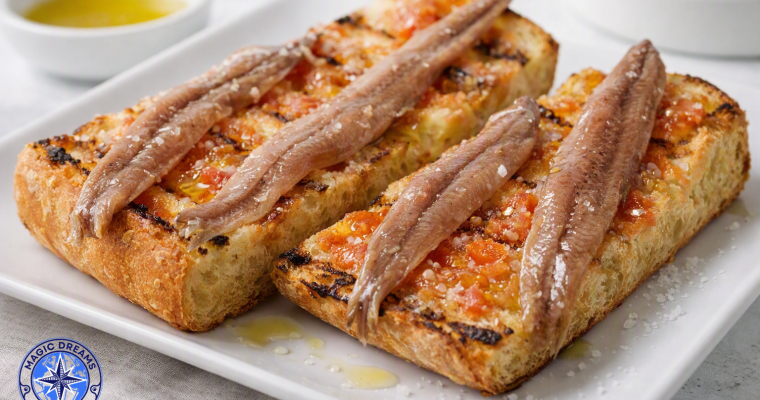
Pan de Coca with Anchovies from L’Escala.

Pan de Coca with Anchovies from L’Escala.

Pan de coca with anchovies from L’Escala is a simple yet deeply traditional expression of Catalan Mediterranean cuisine. It combines thin, crisp coca bread with extra-virgin olive oil, ripe tomato rubbed directly onto the bread and the intense flavour of traditionally cured anchovies from L’Escala. …

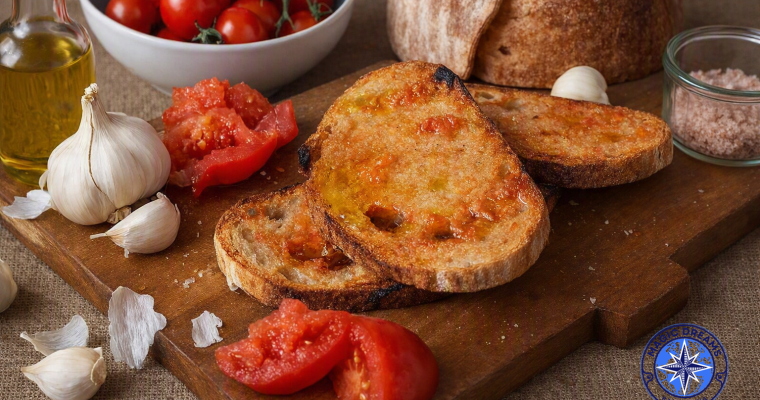
Catalan Tomato Bread — Pa Amb Tomàquet.

Catalan Tomato Bread — Pa Amb Tomàquet.

A Traditional Catalan Recipe Pa amb Tomàquet, or Catalan tomato bread, is one of the simplest and most iconic preparations in Catalan cuisine. It is made with just a few essential ingredients: good country bread, ripe tomato, salt and extra virgin olive oil. Its simplicity …

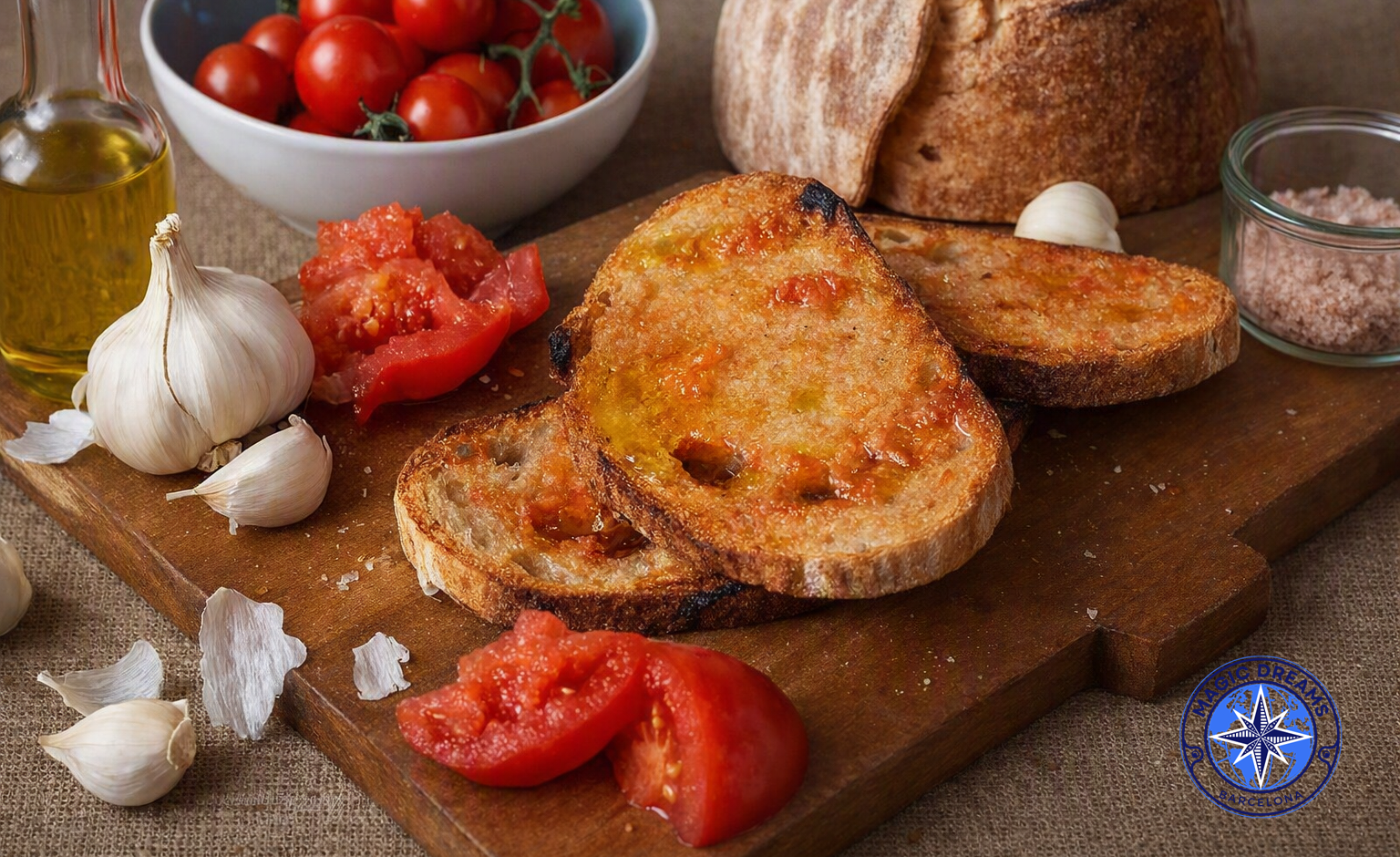
Pan de Payés con Tomate, Sal y Aceite de Oliva a la Catalana.

Pan de Payés con Tomate, Sal y Aceite de Oliva a la Catalana.

Una de las grandes expresiones de la cocina catalana

El Pa amb Tomàquet, conocido en castellano como pan con tomate, es una de las preparaciones más sencillas y representativas de la gastronomía catalana. Su esencia se encuentra precisamente en la sencillez: un buen pan de payés, tomate maduro, aceite de oliva virgen extra y una pequeña cantidad de sal.

A pesar de utilizar muy pocos ingredientes, el resultado depende de la calidad de cada uno de ellos. El pan debe tener una miga consistente y una corteza crujiente; el tomate debe estar maduro, jugoso y lleno de sabor; y el aceite de oliva debe aportar aroma, suavidad y carácter.

Esta preparación forma parte de la identidad gastronómica de Cataluña y que se puede encontrar tanto en las mesas familiares como en restaurantes, desayunos tradicionales, comidas informales y reuniones alrededor de una buena mesa.

Historia y origen

El pan con tomate está profundamente vinculado a la cocina popular catalana y a la tradición de aprovechar el pan de días anteriores. La costumbre de frotar tomate sobre el pan permitía aportar humedad, sabor y frescor a una rebanada de pan que ya no estaba recién hecha.

Con el paso del tiempo, esta sencilla combinación se convirtió en una preparación propia de la cultura gastronómica catalana.

El pa amb tomàquet aparece documentado en recetarios y referencias gastronómicas catalanas desde hace más de un siglo, aunque su práctica probablemente se desarrolló de forma progresiva dentro de la cocina doméstica y rural.

Su popularidad se debe, en buena medida, a que representa una manera muy mediterránea de cocinar: pocos ingredientes, productos de temporada y una elaboración que respeta completamente el sabor natural de cada elemento.

La costumbre catalana

Tradicionalmente, el pan se corta en rebanadas y se frota directamente con un tomate maduro hasta impregnar la superficie con su pulpa y su jugo. Después se añade sal y se termina con un buen aceite de oliva.

En Cataluña es habitual encontrarlo acompañado de embutidos y productos tradicionales como fuet, jamón, llonganissa, botifarra o quesos, aunque también puede servirse como acompañamiento de carnes, pescados y otros platos.

En muchas casas y restaurantes se prepara directamente en la mesa, especialmente cuando se comparte una comida. Cada persona puede preparar su propia rebanada, regulando la cantidad de tomate, sal y aceite según su gusto.

También existe la costumbre de utilizar tomates especialmente adecuados para esta preparación, conocidos popularmente como tomates de colgar o tomates de invierno, que presentan una pulpa muy apropiada para frotar sobre el pan y una excelente capacidad de conservación.

Ingredientes

Para 4 personas

  • 4 rebanadas grandes de pan de payés
  • 2 o 3 tomates maduros, preferiblemente de variedad adecuada para pan con tomate
  • 3 o 4 cucharadas de aceite de oliva virgen extra
  • Sal al gusto

Opcional

  • 1 diente de ajo

El ajo no es imprescindible. Si desea una versión más intensa y tradicional en determinadas zonas, puede frotar ligeramente el pan con el diente de ajo antes de añadir el tomate.

Preparación

1. Prepare el pan

Corte el pan de payés en rebanadas de aproximadamente 1,5 a 2 centímetros de grosor.

Si el pan está recién hecho y todavía conserva mucha humedad, déjelo reposar ligeramente antes de tostarlo.

Para obtener un resultado más aromático y crujiente, tueste las rebanadas ligeramente por ambos lados. Puede hacerlo en una parrilla, una plancha o directamente en el horno o barbacoa.

El objetivo es conseguir una superficie dorada y ligeramente crujiente, manteniendo una miga con suficiente estructura para absorber el tomate y el aceite.

2. Añada el ajo

Si desea utilizar ajo, corte un diente por la mitad y frótelo suavemente sobre la superficie caliente del pan.

No es necesario utilizar una cantidad excesiva. El ajo debe aportar un aroma sutil sin dominar el sabor del tomate y del aceite de oliva.

3. Prepare el tomate

Lave los tomates y córtelos por la mitad.

Frote cada mitad directamente sobre la superficie del pan, presionando suavemente para que la pulpa  penetre en la miga.

Continúe hasta cubrir toda la superficie.

Si utiliza tomates de colgar, comprobará que su textura y cantidad de pulpa son especialmente adecuadas para esta preparación.

4. Añada la sal

Una vez incorporado el tomate, añada una pequeña cantidad de sal.

La cantidad debe ser moderada, ya que su función es realzar el sabor natural del tomate, no ocultarlo.

5. Termine con aceite de oliva

Finalice con un generoso hilo de aceite de oliva virgen extra.

El aceite debe distribuirse por toda la superficie, mezclándose con el tomate y penetrando ligeramente en el pan.

Para esta receta merece la pena utilizar un aceite de buena calidad, ya que es uno de los ingredientes principales y su sabor se percibe directamente.

Presentación

Sirva el pan con tomate inmediatamente después de prepararlo.

Puede presentarlo como desayuno tradicional, acompañamiento, aperitivo o parte de una comida mediterránea.

Para una presentación más completa, coloque las rebanadas sobre una tabla de madera y acompáñelas con jamón, embutidos catalanes, queso, aceitunas o unas hojas verdes.

También puede servirlo como acompañamiento de carnes a la brasa, pescados o platos tradicionales catalanes.

Los secretos de un buen pan con tomate

Utilice un buen pan de payés.
La estructura del pan es fundamental. Una miga demasiado blanda puede deshacerse al incorporar el tomate.

Elija tomates maduros.
Deben estar suficientemente maduros para liberar fácilmente su pulpa.

No abuse de la sal.
Debe realzar el tomate, no dominarlo.

Utilice aceite de oliva virgen extra.
Es uno de los elementos esenciales de la receta y aporta gran parte de su personalidad.

Tueste ligeramente el pan.
Una superficie crujiente permite absorber el tomate y el aceite sin perder completamente la textura.

Prepare y sirva inmediatamente.
El equilibrio ideal está entre el pan crujiente, el tomate jugoso y el aceite recién añadido.

Una receta sencilla que representa Cataluña

El pan con tomate demuestra que la cocina tradicional no necesita elaboraciones complejas para alcanzar un gran resultado.

Pan, tomate, sal y aceite de oliva son suficientes para crear una preparación que forma parte de la memoria gastronómica de Cataluña y de la cocina mediterránea.


Copyright © 2016-2026 Magic Dreams Barcelona.

Gourmet Pear, Blue Cheese and Serrano Ham Flatbread.

Gourmet Pear, Blue Cheese and Serrano Ham Flatbread.

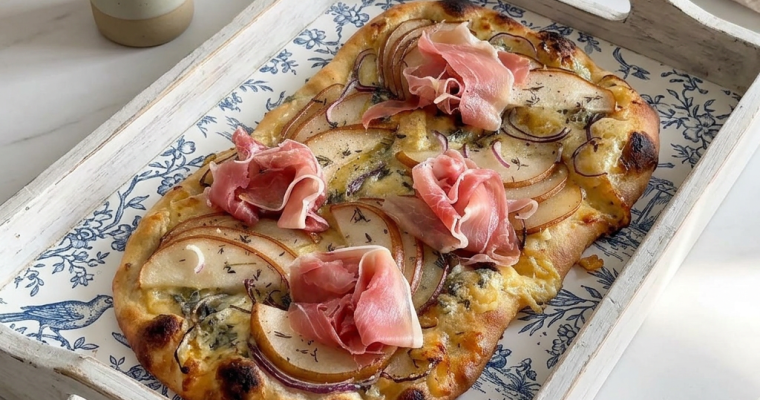
A Fusion of Italian Tradition and Mediterranean Flavors The combination of pear, blue cheese, and cured ham belongs to that small group of gastronomic pairings that seem as though they have existed forever. The delicate sweetness of the fruit, the salty intensity of the cheese, …

Coca de Vidre con Queso y Melocotón Caramelizado.

Coca de Vidre con Queso y Melocotón Caramelizado.

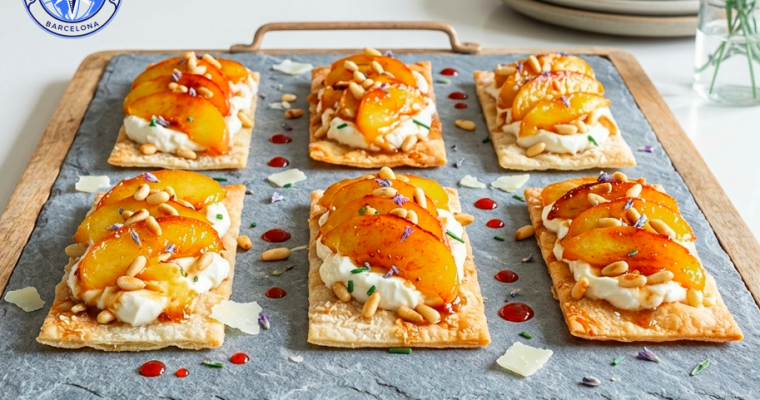
Una creación mediterránea de textura crujiente, queso cremoso y fruta caramelizada Existen elaboraciones que parecen sencillas, pero que, cuando se trabajan con precisión, pueden convertirse en auténticas piezas de alta gastronomía. Esta Coca de Vidre con queso y melocotón caramelizado parte de una tradición catalana: …

Traditional Catalan Panellets.

Traditional Catalan Panellets.

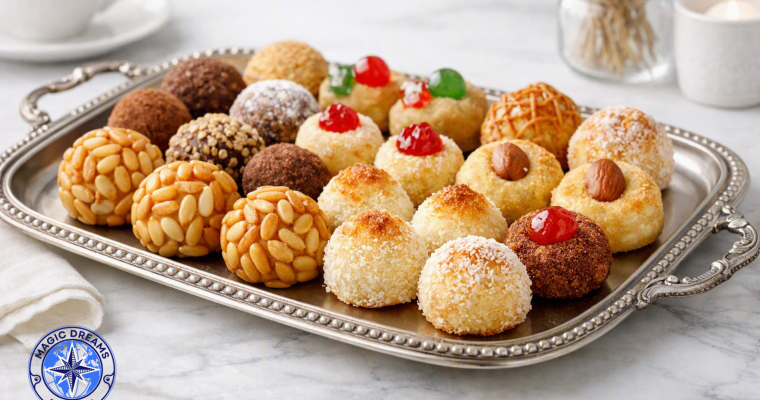
A Classic Catalan Autumn Sweet

Panellets are one of the most traditional sweets in Catalonia and are closely associated with All Saints’ Day and the Castanyada, the traditional Catalan autumn celebration held around November 1st.

These small almond-based sweets are traditionally prepared with ground almonds, sugar and potato or sweet potato. They are commonly covered with pine nuts, although many other varieties can be found, including coconut, coffee, chocolate and almond.

Simple ingredients, careful preparation and a strong connection to Catalan traditions make panellets an essential part of Catalan autumn cuisine.

A Brief History and Tradition

Panellets belong to the traditional Catalan confectionery repertoire and have been passed down through generations.

They became particularly associated with All Saints’ Day, when families would gather to celebrate the arrival of autumn. Alongside roasted chestnuts and sweet potatoes, panellets became one of the characteristic foods of the Castanyada.

The classic pine nut version is perhaps the best known. However, Catalan pastry shops and home kitchens prepare many different variations, allowing the same basic almond dough to become a wide selection of small traditional sweets.

Ingredients

Makes approximately 20–24 panellets

For the dough

  • 250 g ground almonds
  • 200 g sugar
  • 150 g potato or sweet potato
  • Finely grated zest of 1 lemon
  • 1 egg yolk

For the pine nut coating

  • 150–200 g pine nuts
  • 1 egg white

Optional varieties

Coconut Panellets

  • 40 g desiccated coconut

Coffee Panellets

  • 1 teaspoon instant espresso powder or a small amount of concentrated coffee

Chocolate Panellets

  • 1 tablespoon unsweetened cocoa powder

Almond Panellets

  • Chopped or flaked almonds

Method

1. Cook the Potato or Sweet Potato

Cook the potato or sweet potato with its skin on until completely tender.

Drain well and allow it to cool.

Peel it and mash until you obtain a smooth, lump-free purée.

It is important that the potato or sweet potato is not excessively wet, as too much moisture can make the dough difficult to shape.

2. Prepare the Almond Dough

Place the ground almonds, sugar and lemon zest in a large bowl.

Add the cooled potato or sweet potato purée and mix until the ingredients are evenly combined.

Add the egg yolk and continue mixing until you obtain a smooth, firm and workable dough.

Do not overwork the mixture. Once the ingredients are completely incorporated, the dough is ready.

3. Rest the Dough

Cover the dough and refrigerate it for at least 1 hour.

If possible, allow it to rest for several hours. This will make the dough easier to shape and allow the flavours to develop.

4. Shape the Panellets

Preheat the oven to 200°C / 390°F.

Divide the dough into small, equal portions and shape them into balls.

For the traditional pine nut panellets, lightly beat the egg white.

Coat each ball with the egg white and then cover it generously with pine nuts, gently pressing them into the surface so they adhere properly.

5. Prepare Different Flavours

For coconut panellets, mix part of the dough with desiccated coconut and shape into small portions.

For coffee panellets, incorporate espresso powder or a small amount of concentrated coffee.

For chocolate panellets, add unsweetened cocoa powder to another portion of the dough.

You may also shape some of the dough into small portions and decorate them with chopped or flaked almonds.

6. Bake

Arrange the panellets on a baking tray lined with parchment paper.

Bake for approximately 8–12 minutes, depending on their size.

They should become lightly golden on the outside while remaining soft and moist inside.

Do not overbake them, as excessive cooking will make the almond dough dry.

7. Cool Before Serving

Remove the panellets from the oven and allow them to cool completely.

As they cool, the exterior will become slightly firmer while the centre retains its characteristic soft almond texture.

Tips for Perfect Panellets

Use good-quality ground almonds.
Almonds are the principal ingredient and determine much of the final flavour.

Control the moisture.
The potato or sweet potato should be well drained before being incorporated into the dough.

Do not overbake.
The ideal panellet is lightly golden outside and tender inside.

Allow the dough to rest.
Resting makes shaping easier and improves the final texture.

Use plenty of pine nuts.
Traditional pine nut panellets should have a generous coating.

The Castanyada Tradition

Panellets are an essential part of the Catalan Castanyada, an autumn celebration traditionally associated with roasted chestnuts, sweet potatoes and these small almond sweets.

Families and friends gather around the table to enjoy seasonal foods and traditional recipes, making panellets an important part of Catalonia’s culinary heritage.

The tradition also reflects the importance of seasonal ingredients and homemade preparation within Catalan cuisine.

Presentation

Arrange the panellets on a large serving platter, grouping the different varieties together.

For an elegant presentation, combine the traditional pine nut panellets with coconut, coffee, chocolate and almond varieties.

Serve them at room temperature with coffee, tea or a refreshing non-alcoholic drink.

Non-Alcoholic Pairings

Vichy Catalan

Serve well-chilled Vichy Catalan alongside the panellets. Its natural carbonation and mineral character provide a refreshing contrast to the sweetness and richness of the almond-based pastries.

Sparkling Water with Lemon

For a lighter option, serve very cold sparkling water with a thin slice of lemon.

The freshness and acidity help cleanse the palate without adding unnecessary sweetness.

Freshly Squeezed Orange or Mandarin Juice

Fresh orange or mandarin juice works particularly well with panellets. Its natural acidity and citrus aroma balance the richness of the almonds and complement the lemon zest in the dough.

Espresso

A short, aromatic espresso is a classic pairing. Its natural bitterness provides an excellent contrast to the sweetness of the panellets.

For a lighter option, serve the espresso without added sugar.

Cinnamon and Citrus Infusion

A warm infusion made with cinnamon and orange or lemon peel is particularly suitable for an autumn afternoon.

Its warm, aromatic character complements the almonds and spices traditionally associated with the season.

A Taste of Catalan Tradition

Panellets are much more than small almond sweets. They are part of Catalonia’s seasonal traditions and an essential element of the Castanyada.

Made with simple ingredients and traditional techniques, they represent the warmth of autumn, family gatherings and the preservation of Catalan culinary heritage.

Almonds, pine nuts, citrus and tradition come together in one of Catalonia’s most beloved autumn sweets.


Copyright © 2016-2026 Magic Dreams Barcelona.

Panellets Catalanes Tradicionales.

Panellets Catalanes Tradicionales.

Un dulce emblemático de Cataluña Los panellets son uno de los dulces tradicionales que mejor representan a Cataluña y están especialmente vinculados a la celebración de Todos los Santos, el 1 de noviembre, y a la tradicional Castanyada. Su origen se inicia en la repostería …

Premium Gourmet Spanish Tortilla.

Premium Gourmet Spanish Tortilla.

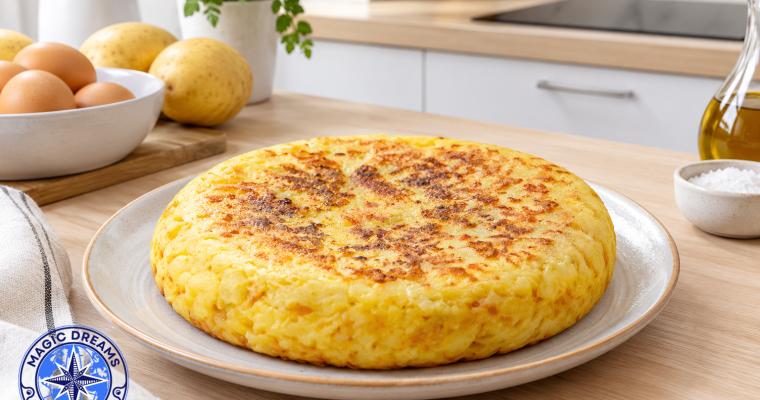
A Spanish classic transformed into a gourmet experience Some recipes do not need sophisticated ingredients to become extraordinary. Spanish tortilla is one of them. Potatoes, eggs, olive oil and, depending on tradition, onion. A simple combination that, when prepared with precision, can achieve a creamy …

Escudella amb Carn d’Olla (Catalan Meat and Vegetable Stew).

Escudella amb Carn d’Olla (Catalan Meat and Vegetable Stew).

The great traditional dish of Catalan cuisine

Escudella amb carn d’olla is one of the most emblematic dishes of Catalan gastronomy. It is a hearty and comforting dish deeply rooted in traditional Catalan family cooking.

The preparation begins with a large pot in which meat, bones and vegetables are slowly cooked to create a rich and aromatic broth.

Once the broth is ready, it is traditionally served as escudella, accompanied by galets, while the cooked meats, vegetables and the famous pilota are served separately as the carn d’olla.

For generations, escudella was a practical dish based on making the most of the ingredients available in each household.

A single large pot could provide a complete and nourishing meal for the whole family.

Over time, this everyday dish also became one of the great festive preparations of Catalonia, particularly at Christmas, when it is known as Escudella de Nadal.

One of its most characteristic elements is the pilota, a large traditional meatball made with minced beef and pork, egg, breadcrumbs, garlic and parsley.

The pilota is cooked directly in the broth, absorbing its flavours while adding richness to the dish.

The result is a generous and comforting recipe that perfectly represents the essence of traditional Catalan cuisine:

good ingredients, patience, tradition and family gathered around the same table.


Ingredients

Serves 6–8

For the broth

  • 500 g beef, preferably shin, brisket or beef cheek.
  • 1 piece of chicken or hen, approximately 400–500 g.
  • 1 ham bone.
  • 1 beef knee or marrow bone.
  • 1 salted pork bone, such as salted backbone.
  • 150–200 g pork belly or pancetta.
  • 1 piece of black botifarra, optional.
  • 1 leek.
  • 1 turnip.
  • 3 carrots.
  • 2 medium potatoes.
  • 1 celery stalk.
  • ½ cabbage.
  • Cold water, enough to cover all the ingredients.
  • Salt, to taste and used sparingly.

For the pilota

  • 300 g minced meat, half beef and half pork.
  • 1 egg.
  • 30–40 g breadcrumbs.
  • 1 garlic clove, finely chopped.
  • Fresh parsley, finely chopped.
  • Salt.
  • Freshly ground black pepper.

For the escudella

  • 300–400 g galets, depending on their size.
  • Strained carn d’olla broth.

To serve

  • Cooked beef.
  • Chicken or hen.
  • Pilota.
  • Cooked vegetables.
  • Black botifarra.
  • Rustic bread.
  • Extra virgin olive oil, optional.

Preparation

01 · Prepare the pilota

The heart of the carn d’olla

Place the minced beef and pork in a large bowl.

Add the egg, breadcrumbs, finely chopped garlic and parsley.

Season with salt and freshly ground black pepper.

Mix gently until all the ingredients are evenly combined.

Avoid overworking the mixture, as the pilota should remain tender and juicy.

With slightly damp hands, shape the mixture into one large oval meatball.

It should be firm enough to hold its shape without being excessively compressed.

Set aside in the refrigerator while preparing the broth.


02 · Prepare the meat and bones

The foundation of the broth

Place the beef, chicken or hen, ham bone, beef bone and salted pork bone into a large stockpot.

Add the pork belly or pancetta.

Cover everything generously with cold water.

Starting with cold water allows the meat and bones to release their flavour and natural collagen gradually.

Bring the pot slowly to a boil over medium-high heat.


03 · Skim the broth

A clean and balanced stock

As the water begins to boil, foam and impurities will rise to the surface.

Carefully remove them with a skimmer.

Reduce the heat and maintain a gentle, steady simmer.

Avoid vigorous boiling, as this can make the broth cloudy and affect the texture of the meat.


04 · Add the vegetables

The flavour of the Catalan vegetable garden

Wash and peel the vegetables.

Add the leek, turnip, carrots and celery to the pot.

The cabbage and potatoes can be added later so they do not become excessively soft during the long cooking process.

Continue cooking gently.

The slow cooking process allows the meat and bones to release their aromas, flavour and natural gelatin into the broth.


05 · Slow cooking

Time is one of the essential ingredients

Cook everything for approximately 2–3 hours, depending on the size of the meat and the ingredients used.

During cooking, skim the surface whenever necessary.

Add the potatoes and cabbage approximately 45–60 minutes before the end of cooking.

Taste the broth and adjust the seasoning carefully.

Be particularly careful with the salt, as the salted bones and black botifarra can contribute considerable saltiness.

The finished broth should be rich, aromatic, clean and naturally full-bodied.


06 · Cook the pilota

The traditional Catalan meatball

Approximately 30–40 minutes before the end of cooking, carefully place the pilota into the broth.

Lower it gently into the pot to prevent it from breaking apart.

Allow it to cook slowly so that it becomes tender while absorbing the flavours of the broth.

If using black botifarra, add it only during the final 10–15 minutes of cooking.

This helps preserve its shape and texture.


07 · Strain the broth

The escudella begins here

Once the meat and vegetables are completely tender, carefully remove all the solid ingredients from the pot.

Strain the broth through a fine-mesh sieve.

For an especially clear broth, strain it a second time through clean muslin or cheesecloth.

Set the meat and vegetables aside.

The resulting broth will become the base of the escudella.


08 · Cook the galets

The traditional Catalan pasta

Return the strained broth to the pot and bring it to a gentle boil.

Add the galets and cook according to the manufacturer’s instructions.

If using large Christmas-style galets, monitor the cooking time carefully so that the pasta becomes tender while maintaining its structure.

Stir gently during cooking to prevent the pasta from sticking to the bottom of the pot.

If necessary, add a little additional hot broth if the galets absorb too much liquid.


09 · Prepare the carn d’olla

The second course

Cut the cooked beef into manageable portions.

Cut the chicken or hen and the pilota into portions as well.

The vegetables can be served whole or cut into large pieces.

Slice the black botifarra into thick rounds.

Arrange everything on a large serving platter.

Traditionally, the carn d’olla is served generously and placed in the centre of the table for everyone to share.


How to Serve Escudella

Two courses, one tradition

The traditional way to serve escudella amb carn d’olla is to begin with the escudella, the rich broth served with galets.

The carn d’olla follows as the second course, consisting of the cooked meats, pilota, vegetables and, when used, black botifarra.

The escudella should be served very hot.

The carn d’olla can be presented on a large shared platter.

Serve with rustic bread and, if desired, a drizzle of extra virgin olive oil over the vegetables.


Gourmet Suggestions

Magic Dreams Barcelona

To give the escudella greater gastronomic depth:

  • Use high-quality beef and pork bones to create a broth rich in natural collagen.
  • Combine different types of meat for greater aromatic complexity.
  • Always begin the broth with cold water.
  • Maintain a gentle and controlled simmer.
  • Skim impurities during the first stages of cooking.
  • Add salt carefully, especially when using salted bones.
  • Add vegetables according to their individual cooking times.
  • Add the black botifarra towards the end to preserve its texture.
  • Allow the broth to rest briefly before straining.
  • For Christmas, use large galets for a more traditional and impressive presentation.

The secret to a great Escudella

The key is patience.

A great escudella does not require sophisticated ingredients.

It requires time.

Slow cooking allows the bones to release gelatin, the meats to develop depth and the vegetables to infuse their aromas into the broth.

The perfect broth should have body without being excessively fatty.

It should balance the richness of the meat with the natural sweetness of the vegetables and the distinctive flavour of the bones.

The pilota should be tender and juicy.

The galets should be perfectly cooked.

And the carn d’olla should retain enough texture for every ingredient to remain recognizable.

The ideal result is:

a deeply flavoured broth, tender galets and a generous, comforting carn d’olla.


Escudella de Nadal

At Christmas, escudella takes on an even more special role.

The large galets and pilota become the stars of the festive table.

For many Catalan families, preparing this dish is an integral part of the Christmas celebrations.

The large cooking pot becomes a symbol of family, warmth and culinary tradition.

For a festive presentation, use large galets and serve generous portions of pilota on the carn d’olla platter.

The broth can be served in deep plates or traditional bowls.


Gourmet Presentation

For a contemporary presentation, arrange the galets in a deep plate and pour the hot broth around them.

Place a portion of pilota in the centre and finish with a few drops of extra virgin olive oil.

The vegetables can be cut into regular pieces and carefully arranged around the plate.

The carn d’olla can be served separately on a traditional ceramic platter, preserving its family-style character.

For a more refined dining experience, serve a smaller portion of escudella as the first course and present the carn d’olla as a second course.

This transforms a traditional family dish into an elegant two-course experience without losing its identity.


Make-Ahead Preparation

Escudella is one of those dishes that can actually improve after resting for several hours.

The broth and meats can be prepared the day before.

Once cooled, refrigerate the broth.

If a layer of fat forms on the surface, it can easily be removed before reheating.

The following day, gently reheat the broth and cook the galets just before serving.

This technique produces a cleaner and more concentrated broth.

It also makes the dish much easier to organize when preparing it for a family gathering or Christmas celebration.


Storage

Broth: keep refrigerated in an airtight container for approximately 3–4 days.

Meat and vegetables: refrigerate separately from the broth and consume within approximately 3–4 days.

Pilota: refrigerate with the other cooked meats and ideally consume within 2–3 days.

Escudella with cooked galets: best consumed the same day, as the pasta will continue absorbing broth and gradually lose its texture.

The broth and meat can also be frozen in suitable containers.

For the best results, we recommend freezing the broth separately from the galets and cooking the pasta when ready to serve.


The Spirit of Escudella

Escudella amb carn d’olla represents one of the most important principles of traditional Catalan cuisine:

making something extraordinary from simple ingredients.

Meat, bones, vegetables and pasta are slowly transformed into a complete, nourishing and deeply comforting meal.

It is resourceful cooking, but it is also celebratory cooking.

It is a dish that speaks of winter, Christmas, families gathered around the table and recipes passed from one generation to the next.

And perhaps that is where its true value lies.

One great pot, good ingredients, time and good company.

That is the essence of an authentic Catalan Escudella amb Carn d’Olla.
Copyright © 2016-2026 Magic Dreams Barcelona.


Traditional Catalan Fuet.

Traditional Catalan Fuet.

Traditional Catalan fuet is one of the most recognizable cured sausages in Catalonia. Thin, aromatic and naturally cured, it is made primarily from pork, salt and selected seasonings. Its characteristic texture and flavour develop slowly during the curing process, making it a classic of Catalan …

Traditional Catalan Beef Fricandó.

Traditional Catalan Beef Fricandó.

A Classic of Catalan Cuisine Fricandó is one of the most traditional dishes in Catalan cuisine. This comforting beef stew is made with thin slices of tender beef, mushrooms and a rich sauce prepared with onion, tomato, wine and stock. It is a dish of …

Fricandó de Ternera Tradicional Catalán.

Fricandó de Ternera Tradicional Catalán.

Un clásico de la cocina catalana

El fricandó de ternera es uno de los grandes platos tradicionales de la cocina catalana. Se trata de un guiso elaborado con finas láminas de ternera, setas y una salsa aromática preparada lentamente con cebolla, tomate, vino y caldo.

Es un plato de cocina casera y de celebración, especialmente ligado a la gastronomía catalana de otoño, cuando las setas silvestres adquieren un papel protagonista.

Su secreto no está en una elaboración complicada, sino en cocinar la carne lentamente para conseguir una textura tierna y una salsa concentrada, profunda y llena de sabor.

Breve historia y tradición

El fricandó forma parte de la cocina tradicional catalana desde hace generaciones. Su nombre y técnica están relacionados con antiguos guisos europeos de carne cortada en piezas finas y cocinada lentamente en una salsa.

En Cataluña, la receta adquirió una identidad propia gracias al uso de productos locales, especialmente las setas, que aportan al plato su característico aroma de bosque.

Tradicionalmente se preparaba en los hogares para comidas familiares y ocasiones especiales. Es también uno de esos platos que mejora después de reposar, por lo que muchas familias lo preparan con antelación para que la salsa y la carne desarrollen todo su sabor.

El fricandó representa perfectamente una forma de cocinar muy característica de la cocina catalana: aprovechar buenos productos, cocinar lentamente y conseguir profundidad de sabor sin necesidad de técnicas excesivamente complejas.

Ingredientes

Para 4 personas

  • 600–700 g de filetes finos de ternera
  • 300 g de setas variadas
  • 1 cebolla grande
  • 2 tomates maduros
  • 2 dientes de ajo
  • 100 ml de vino blanco
  • 400–500 ml de caldo de carne
  • 2 cucharadas de harina
  • 4 cucharadas de aceite de oliva virgen extra
  • Sal al gusto
  • Pimienta negra recién molida
  • 1 hoja de laurel
  • Unas ramas de tomillo

Para la picada tradicional

  • 10–12 almendras tostadas
  • 1 diente de ajo pequeño
  • Unas hojas de perejil fresco
  • 1 pequeña rebanada de pan tostado

Preparación

1. Prepare la carne

Seque los filetes de ternera con papel de cocina.

Salpimiente ligeramente cada pieza y pásela por una fina capa de harina.

Sacuda el exceso de harina antes de cocinar.

La harina ayudará a dorar la carne y posteriormente contribuirá a dar cuerpo a la salsa.

2. Selle la ternera

Caliente el aceite de oliva virgen extra en una cazuela amplia.

Cuando esté caliente, dore los filetes de ternera rápidamente por ambos lados.

No es necesario cocinar completamente la carne en este momento. El objetivo es crear una ligera superficie dorada.

Retire los filetes y resérvelos.

3. Prepare el sofrito

En la misma cazuela, añada la cebolla finamente picada.

Cocínela a fuego medio-bajo durante aproximadamente 10–15 minutos, removiendo ocasionalmente.

Cuando esté tierna y ligeramente dorada, añada los ajos picados.

Cocine durante un minuto más.

Incorpore los tomates rallados y deje cocinar lentamente hasta obtener un sofrito concentrado.

Este paso es fundamental para conseguir una salsa con profundidad de sabor.

4. Añada el vino

Vierta el vino blanco y aumente ligeramente el fuego.

Deje cocinar durante unos minutos para que el alcohol se evapore y el vino se integre con el sofrito.

5. Incorpore la carne

Devuelva los filetes de ternera a la cazuela.

Añada el caldo de carne, la hoja de laurel y el tomillo.

El líquido debe cubrir parcialmente la carne, pero no es necesario sumergirla por completo.

Tape la cazuela y cocine a fuego bajo durante aproximadamente 45–60 minutos.

La cocción debe ser suave. El objetivo es que la ternera quede tierna y que la salsa se reduzca lentamente.

6. Prepare las setas

Limpie cuidadosamente las setas y retire cualquier resto de tierra.

Si utiliza setas deshidratadas, hidrátelas previamente siguiendo las indicaciones correspondientes y reserve parte del líquido de hidratación, bien filtrado, para añadirlo al guiso.

Saltee las setas en una sartén con un poco de aceite de oliva hasta que estén ligeramente doradas.

Reserve.

7. Prepare la picada

En un mortero, coloque las almendras tostadas, el ajo, el perejil y el pan tostado.

Machaque hasta obtener una pasta relativamente fina.

Esta picada aportará textura, aroma y profundidad a la salsa.

8. Termine el fricandó

Cuando la carne esté prácticamente tierna, incorpore las setas a la cazuela.

Añada la picada y mezcle suavemente.

Continúe cocinando durante 10–15 minutos a fuego bajo.

Pruebe la salsa y ajuste de sal y pimienta.

La salsa debe quedar ligada, brillante y suficientemente espesa para cubrir ligeramente la carne.

9. Deje reposar

Apague el fuego y deje reposar el fricandó durante al menos 15–20 minutos antes de servir.

Si puede prepararlo con varias horas de antelación, incluso de un día para otro, el resultado será todavía mejor.

Consejos para un fricandó perfecto

Utilice filetes finos de ternera.
Deben ser tiernos y de grosor uniforme para conseguir una cocción homogénea.

No dore demasiado la carne.
El sellado debe ser rápido. La ternura se consigue durante la cocción lenta posterior.

No tenga prisa con el sofrito.
Una cebolla bien pochada y un tomate correctamente reducido son fundamentales para la salsa.

Utilice buenas setas.
Son uno de los elementos que definen el carácter del fricandó.

Cocine a fuego bajo.
Una cocción demasiado fuerte puede endurecer la carne y reducir la salsa de forma excesiva.

Deje reposar el plato.
El fricandó gana sabor y textura cuando reposa.

Presentación

Sirva los filetes de ternera sobre una base de salsa y distribuya las setas alrededor y sobre la carne.

Termine con unas gotas de aceite de oliva virgen extra y, si lo desea, unas hojas pequeñas de perejil fresco.

Puede acompañarlo con pan de payés para aprovechar la salsa, o con una guarnición sencilla de patata, arroz o verduras de temporada.

Para una presentación más elegante, sirva una porción individual de ternera con las setas cuidadosamente colocadas y una cantidad moderada de salsa alrededor.

Maridaje sin alcohol

Mejor maridaje 0,0 %: un espumoso blanco 0,0 % de estilo Brut, bien frío, para aportar frescura y limpiar el paladar frente a la salsa y las setas.

Gramona Imperial Brut 0.0 alcohol free, un cava catalán elegante y gastronómico, ideal para acompañar la intensidad del fricandó de ternera, sus setas y su salsa tradicional. Servir bien frío, entre 8 y 10 °C.

Vichy Catalan

El Vichy Catalan bien frío es una excelente opción para acompañar el fricandó. Sus burbujas y su carácter mineral ayudan a limpiar el paladar y equilibran la intensidad de la salsa y las setas.

Agua con gas y limón

Una alternativa ligera y sana consiste en servir agua con gas muy fría con una fina rodaja de limón.

La acidez aporta frescor y permite disfrutar del plato sin añadir dulzor.

Zumo natural de manzana

Un zumo natural de manzana, preferiblemente poco dulce, puede funcionar muy bien con la ternera y las notas terrosas de las setas.

Zumo natural de uva blanca

El zumo de uva blanca ofrece una alternativa sin alcohol con notas frutales y una acidez agradable que acompaña bien la intensidad del guiso.

Espresso

Después de la comida, un espresso corto y aromático resulta una opción sencilla y elegante.

Su intensidad y ligero amargor contrastan con la riqueza de la salsa.

Infusión de tomillo y limón

Para una opción más ligera, prepare una infusión caliente de tomillo con unas gotas de limón.

Su carácter herbal y fresco resulta especialmente apropiado después de un plato de cocción lenta como el fricandó.

Un plato que representa la cocina catalana

El fricandó es una muestra de la riqueza de la cocina tradicional catalana: carne tierna, sofrito, setas, frutos secos y una cocción lenta que transforma ingredientes sencillos en una salsa profundamente aromática.

Es un plato de familia, de otoño y de mesa compartida, cuya verdadera grandeza está en la paciencia y en el respeto por los ingredientes.

Fricandó de ternera, setas y salsa tradicional: un clásico catalán que convierte la cocina lenta en una auténtica experiencia gastronómica.

Copyright © 2016-2026 Magic Dreams Barcelona.