Vall de Núria: Nature, History and Adventure in the Heart of the Catalan Pyrenees.
Discover Vall de Núria
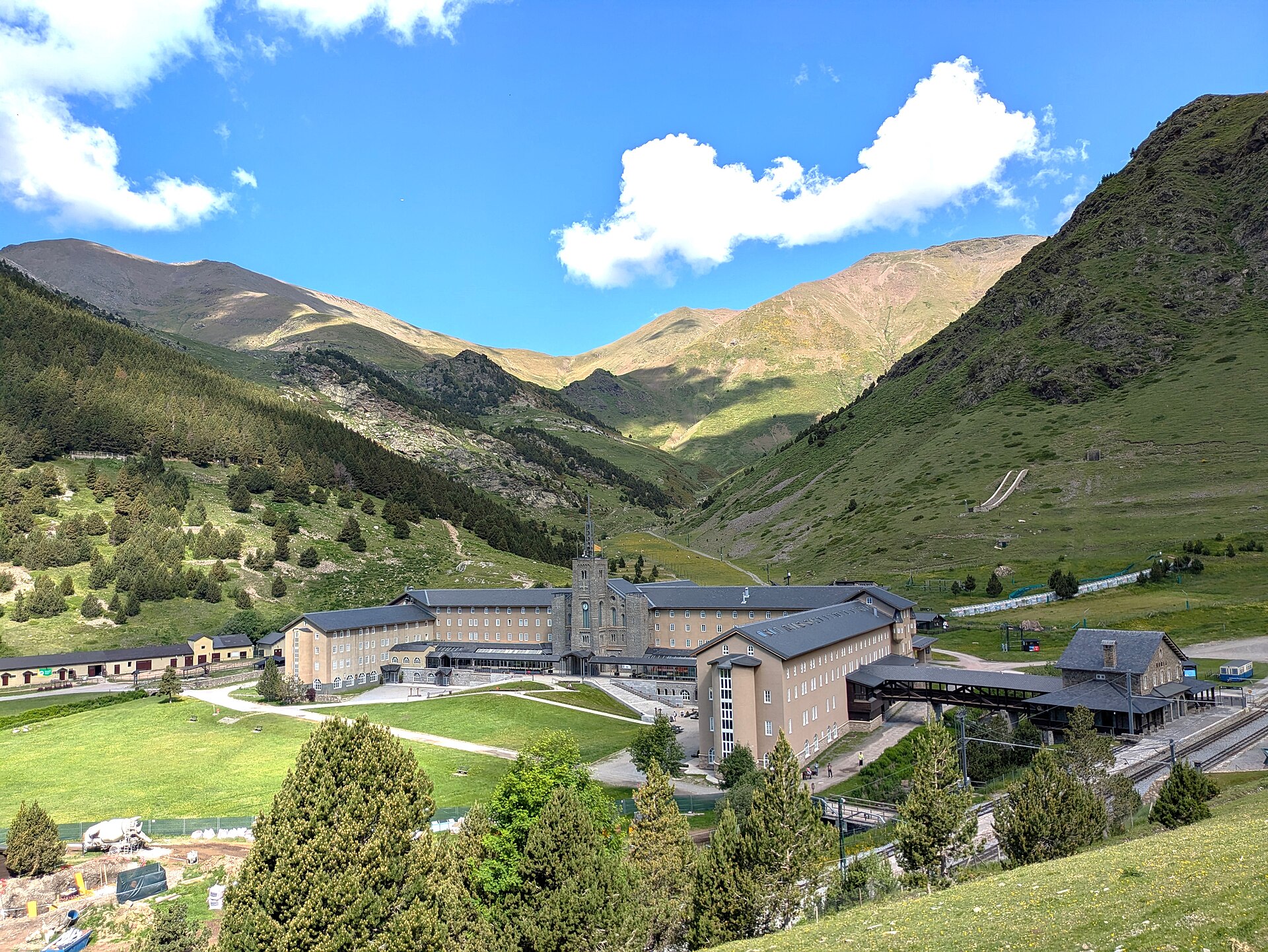
Vall de Núria is one of those places that surprises you from the very first moment. Located in the heart of the Eastern Pyrenees, within the municipality of Queralbs, the valley is surrounded by mountains, forests, alpine meadows and peaks rising above 2,500 metres.
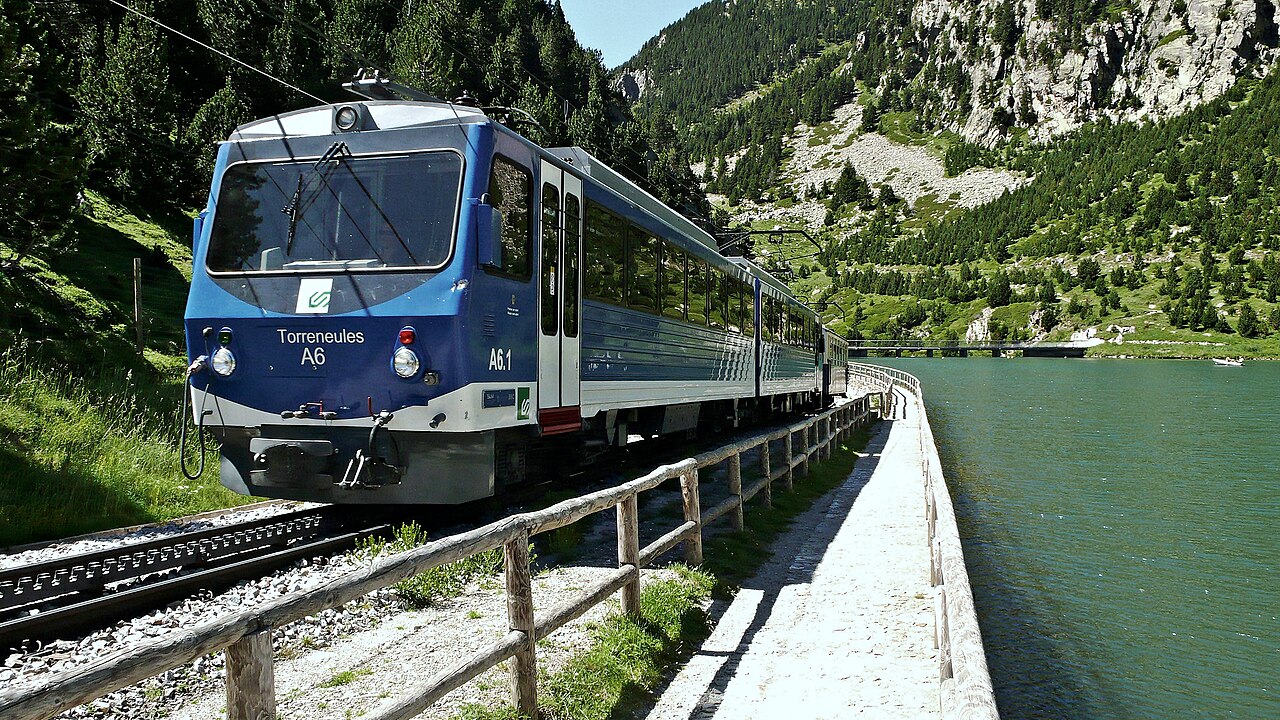
At almost 2,000 metres above sea level, Núria offers an exceptional combination of nature, history, spirituality and mountain activities. It also has a feature that makes it even more special: you cannot reach the valley by car. To get there, you have to take the historic Núria Rack Railway or walk along one of the paths connecting the valley with Queralbs and other points in the mountains.
This means that the journey begins long before you reach your destination.
Where is Vall de Núria?
Vall de Núria is located in the Catalan Pyrenees, within the municipality of Queralbs, in the Ripollès region.
The valley lies at approximately 1,964 metres above sea level and is surrounded by some of the most characteristic mountains of the Eastern Pyrenees, including Puigmal, which reaches 2,913 metres.
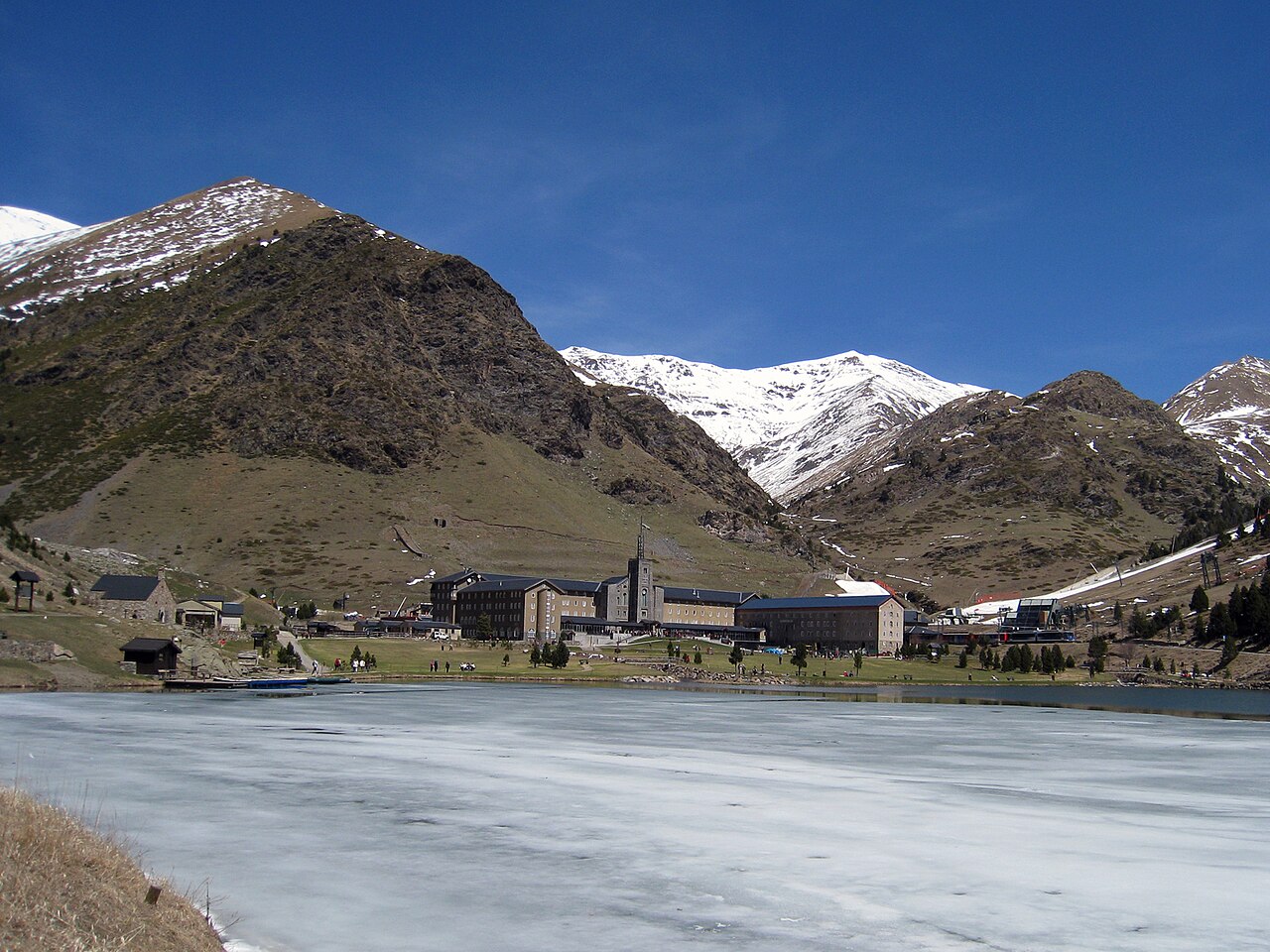
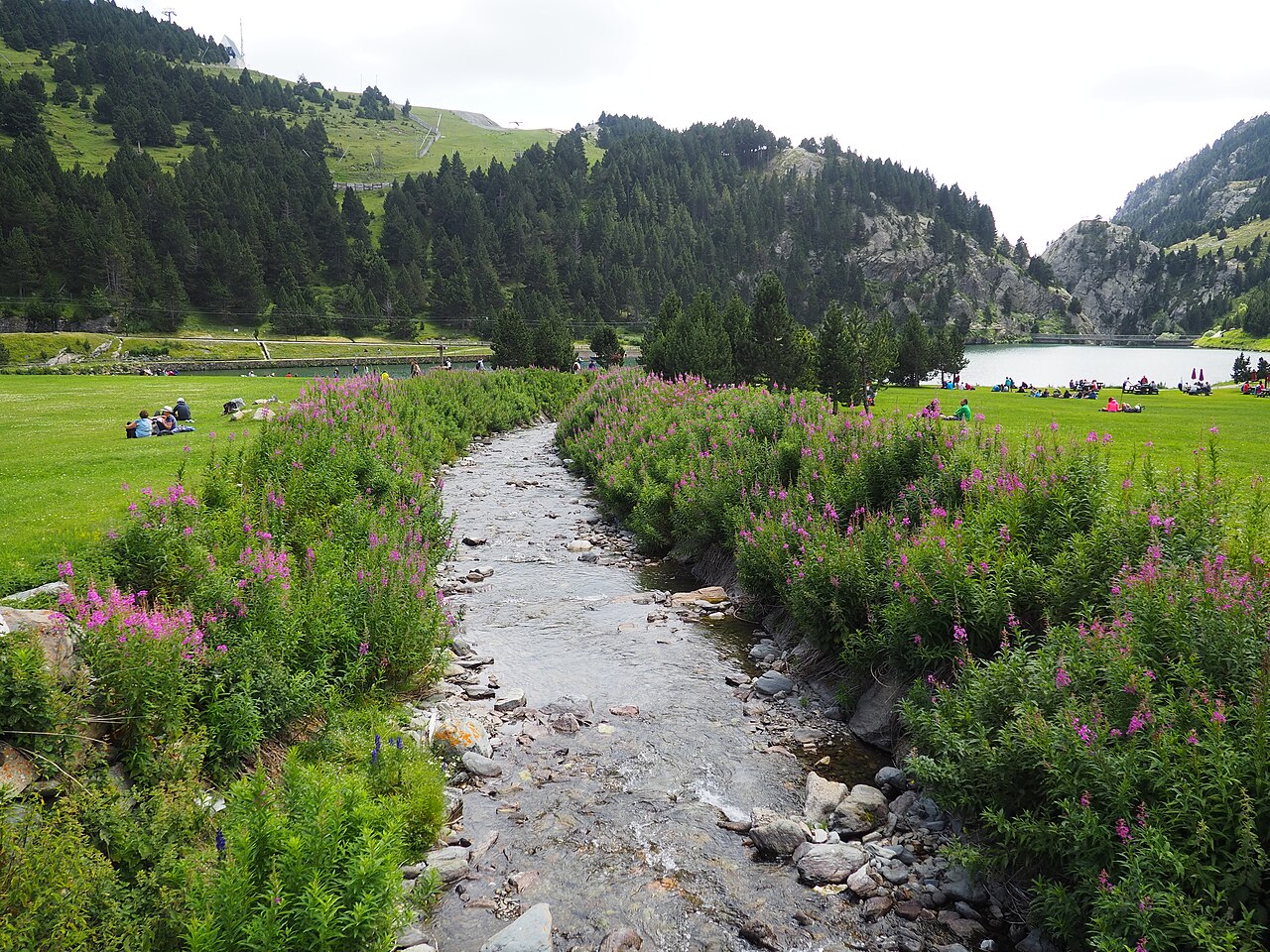
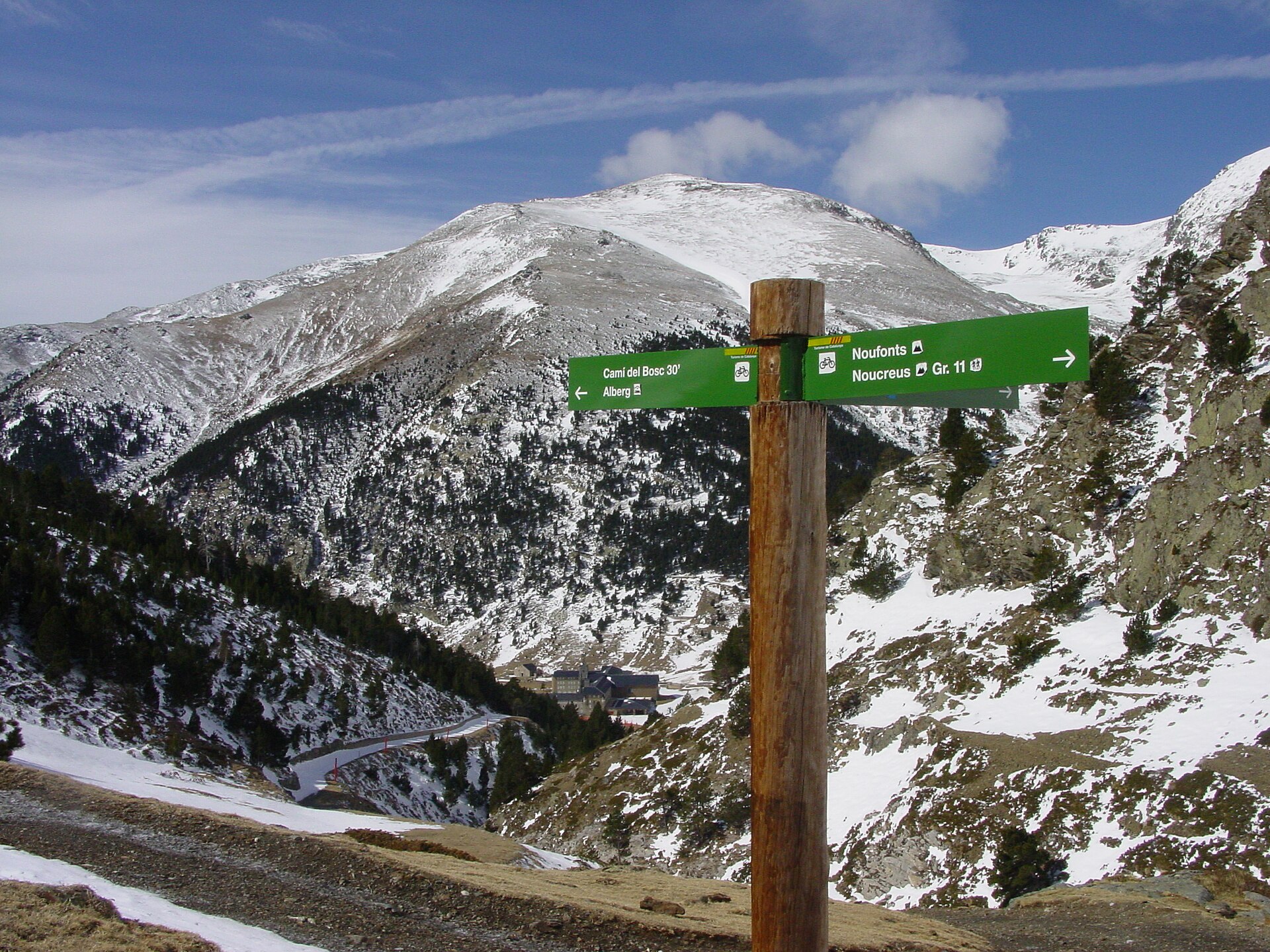
The landscape changes considerably depending on the season. In winter, snow covers the meadows and mountains, transforming Núria into a completely white landscape. During spring and summer, alpine flowers appear and the meadows regain their colour, while autumn offers a spectacular combination of changing hues.
How to get to Vall de Núria from Barcelona
From Barcelona to Queralbs, the journey is approximately 125 kilometres by road and can take around one hour and forty-five minutes, although the travel time depends on traffic and your starting point.
The usual route is:
Barcelona – Granollers – Vic – Ripoll – Ribes de Freser – Queralbs
Once you reach Queralbs, the most special part of the journey begins: travelling to Núria by rack railway.
It is also possible to travel from Barcelona by public transport, taking the train to Ribes de Freser and then connecting with the Núria Rack Railway.
The Núria Rack Railway
The Rack Railway is much more than a means of transport. It is one of the defining experiences of the journey.
The route is approximately 12.4 kilometres long and climbs almost 1,000 metres in elevation before reaching the valley. Along the way, you can watch the landscape gradually change as the train climbs higher into the mountains.
The railway was inaugurated in 1931 and has been an inseparable part of Núria’s history ever since.
For many visitors, arriving by rack railway is one of the most memorable moments of the trip.
How much does it cost to get to Núria?
Prices depend on the departure point, the visitor’s age, the season and the type of ticket.
As a general reference, a return ticket between Queralbs and Núria costs around €31 per adult, while the price from Ribes is somewhat higher.
There are also different ticket options and combinations that may include activities or additional services.
For this reason, if you are planning a specific getaway, it is advisable to check the price for your chosen dates before organising your trip.
The History of Vall de Núria
Núria’s history is closely linked to shepherding, ancient mountain routes and pilgrimage.
For centuries, shepherds used the valley’s meadows for grazing, and the area eventually also became an important pilgrimage destination.
But if there is one story that has remained particularly closely associated with Núria, it is the legend of Saint Gil and the Virgin of Núria.
The Legend of Saint Gil
According to tradition, Saint Gil arrived in the valley around the year 700.
This saint, who was of Athenian origin, is said to have lived in Núria for several years. Legend has it that he carved an image of the Virgin and also made a cross, a cooking pot and a bell.
When he had to leave the valley, he hid these objects inside a cave.
Centuries later, a pilgrim named Amadeus is said to have reached Núria following a revelation telling him to search for the image of the Virgin.
Tradition dates the discovery to 1079.
The cross, cooking pot and bell were also found alongside the image. These four objects have remained closely associated with the identity of the sanctuary ever since.
The Virgin of Núria
The image currently venerated is a Romanesque wooden carving generally dated to between the 12th and 13th centuries.
The Virgin is depicted seated as a Virgin in Majesty, with the Child resting on her left knee.
One of the most curious features of the statue is its dark appearance, traditionally associated over the centuries with candle smoke, humidity and the passage of time. This colouring gave rise to the traditional nickname Moreneta del Pirineu, meaning “Little Dark Virgin of the Pyrenees”.
The statue also displays some unusual characteristics, such as uncovered hair and ears, as well as clothing associated with the figure of a shepherdess.
The Tradition of the Cooking Pot and Bell
One of Núria’s best-known traditions is associated with fertility.
According to popular tradition, women who wished to have children would place their heads beneath the Pot of Saint Gil while the bell was rung.
Each ring symbolically represented a child.
Over time, this ritual has become one of the most famous and curious traditions associated with the sanctuary.
Beyond its religious significance, it forms part of Núria’s cultural and popular heritage and continues to attract the interest of visitors.
The Sanctuary of Núria
The present-day sanctuary originated from a group of buildings that evolved over the centuries.
The current church was inaugurated in 1911, and additional buildings and spaces were subsequently added.
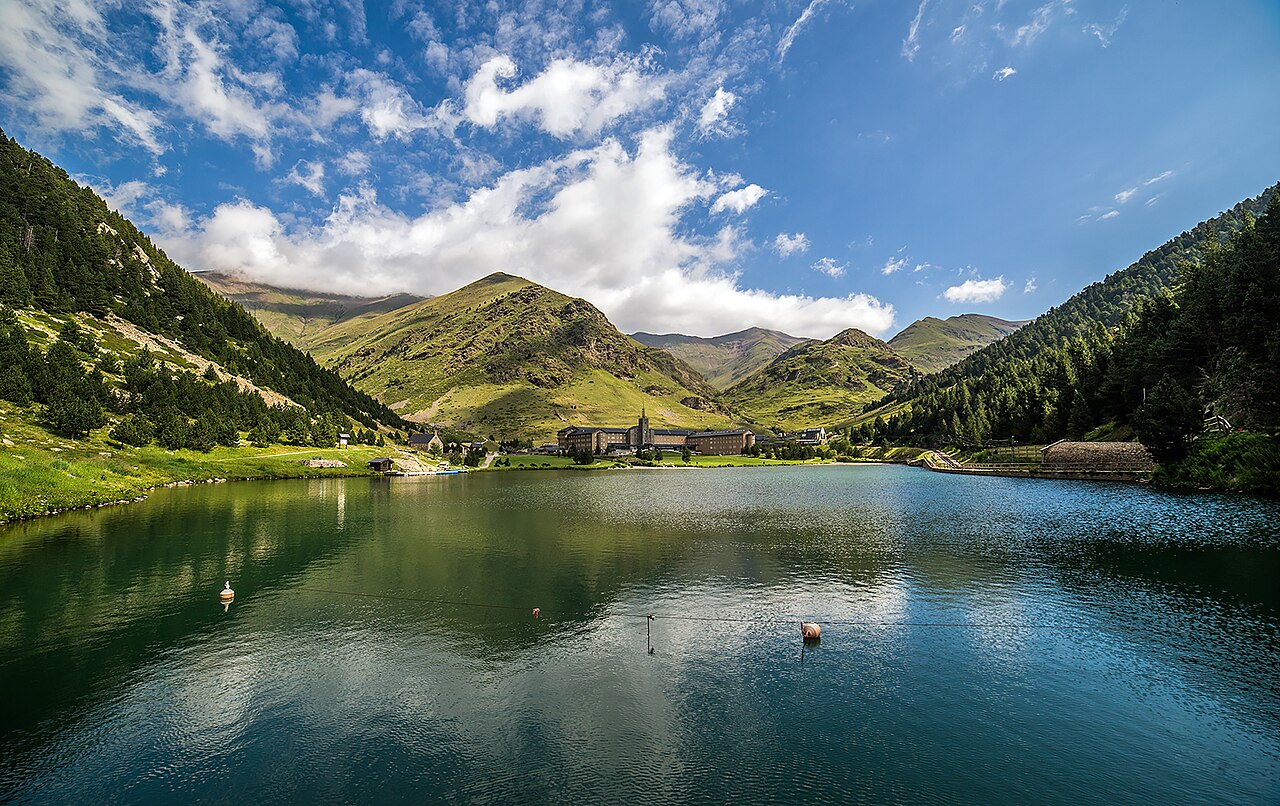
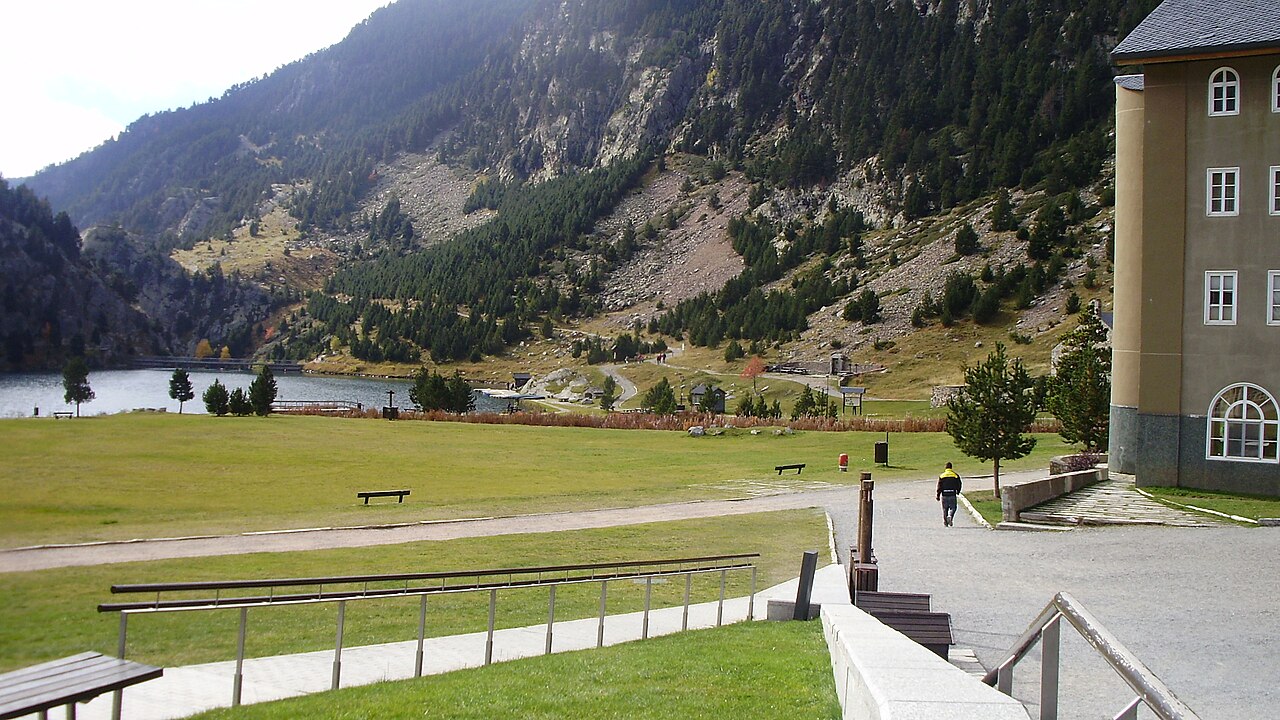
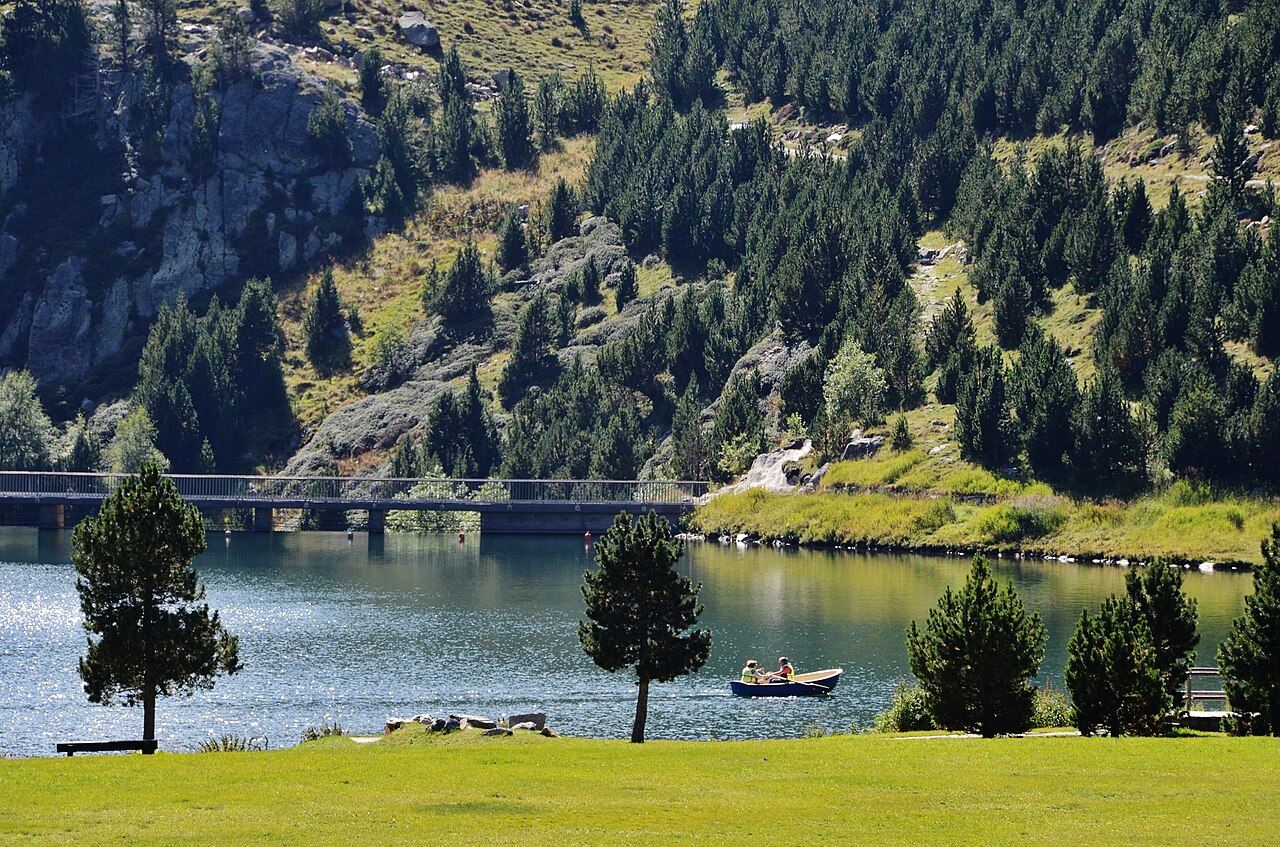
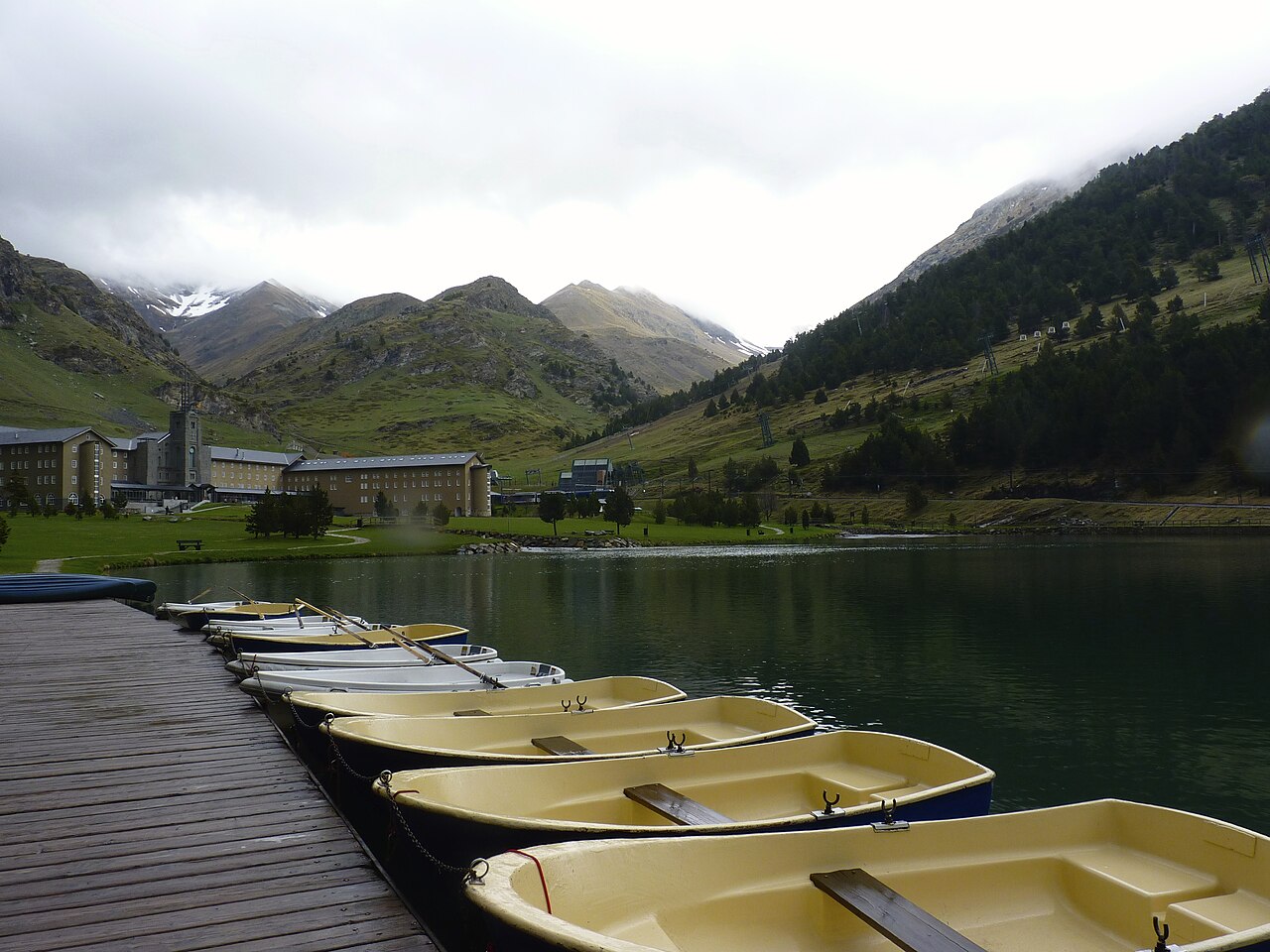
Today, the complex forms the heart of the valley and stands beside the lake, surrounded by mountains.
The combination of the sanctuary, lake and surrounding peaks creates one of the most recognisable landscapes in the Catalan Pyrenees.
Núria and the 1931 Statute
Núria’s history is not exclusively connected with religion and the mountains.
In 1931, the preliminary draft known as the Statute of Núria was drawn up in this valley, becoming one of the significant episodes in Catalonia’s political history during the 20th century.
The fact that such an isolated mountain location became the setting for this event adds another historical dimension to the valley.
Skiing in Vall de Núria
Yes, you can ski in Núria.
During winter, the valley becomes a mountain resort specialising in snow-related activities.
It has approximately 7 kilometres of marked ski runs, distributed across different levels of difficulty:
- 3 green runs.
- 3 blue runs.
- 3 red runs.
- 2 black runs.
There is also a dedicated sledging area and various other snow-related activities.
The resort is particularly appealing to beginners, families and people looking to combine outdoor sports with spectacular mountain scenery.
How much does skiing cost?
Prices vary depending on the day and the type of pass selected.
As a general reference, combined passes are available that include the return rack railway journey and access to the ski slopes, with prices that can be around €38 per adult under certain conditions.
There are also options for beginners and various family packages.
Ski equipment, lessons and other services can be booked separately.
Things to Do in Vall de Núria
One of Núria’s greatest attractions is that it is not exclusively a winter destination.
During the snow-free months, the valley becomes an excellent starting point for hiking and mountain activities.
Options include:
- Hiking.
- High-mountain excursions.
- Family-friendly routes.
- Nature photography.
- Wildlife watching.
- Birdwatching.
- Botany.
- Excursions along historic mountain paths.
- Cable car rides.
- Family activities.
- Fishing and water activities during certain periods.
- Skiing and snowshoeing in winter.
- Sledging.
The Camí Vell de Núria
One of the most iconic routes is the Camí Vell de Núria, the old path connecting Queralbs with the valley before the rack railway was built.
It is particularly interesting because it allows visitors to experience how people used to reach Núria in the past.
The path passes through different mountain environments and offers views of waterfalls, forests, rocky walls and the river.
For those who want to experience Núria at a slower pace, hiking up and then returning by rack railway can make for an excellent day trip.
The Olla de Núria
For mountain enthusiasts, one of the major routes is the Olla de Núria.
This is a high-mountain traverse following the peaks surrounding the valley.
It is a demanding route requiring good physical fitness and mountain experience. The difficulty increases considerably in snow, ice or adverse weather conditions.
This is not a route to undertake without preparation: before setting out, it is important to check the weather forecast and current ground conditions.
Puigmal
At 2,913 metres, Puigmal is one of the great peaks of the Eastern Pyrenees.
Climbing it from Núria is one of the usual objectives for mountaineers visiting the valley.
From the summit, in good visibility, you can enjoy an impressive panorama of the Pyrenean mountains.
In winter, however, the ascent changes completely and may require specific high-mountain skills and equipment.
Flora: An Alpine Garden
Nature is one of the great protagonists of Núria.
As you climb higher, different vegetation zones appear, progressing from forests to subalpine and alpine meadows.
Species found in the area include:
- Black pine.
- Scots pine.
- Birch.
- Ash.
- Oak.
- Rhododendron.
- Gentians.
- Fescues.
- Rampions.
- Pasque flowers.
- Yellow martagon lilies.
One of the most spectacular flowers is the yellow martagon lily, a yellow-flowered lily that stands out particularly during its blooming season.
Spring and summer are the most interesting months for those who enjoy botany.
Wildlife in Vall de Núria
Wildlife is another of the valley’s great attractions.
One of the most emblematic animals is the chamois, perfectly adapted to the rocky terrain and steep slopes of the high mountains.
It is also possible to spot marmots, particularly during the warmer months.
Their distinctive whistles can often be heard before the animals themselves are located.
Other animals found in the area include:
- Foxes.
- Roe deer.
- Wild boar.
- Hares.
- Stoats.
- Various small mammals.
Wildlife watching requires patience and respect. Wild animals should never be fed or chased in order to obtain a photograph.
Birdwatching in Vall de Núria
Núria also offers excellent opportunities for birdwatching enthusiasts.
The landscape combines forests, meadows, rocky areas, streams and high mountain terrain, providing a variety of habitats within a relatively small area.
The species found in the area include different forest birds, meadow birds and large birds of prey.
Some particularly interesting species for birdwatchers include:
- Black woodpecker.
- Tengmalm’s owl.
- Red crossbill.
- Northern wheatear.
- Skylark.
- Grey wagtail.
- White-throated dipper.
- Various corvids and birds of prey.
Spring and summer offer greater activity for many species, although sightings always depend on weather conditions and animal behaviour.
Butterflies and Other Small Mountain Creatures
When warm weather arrives, Núria’s meadows fill with flowers, bringing with them an enormous variety of insects.
Butterflies are particularly noticeable during the summer months.
You may also encounter:
- Bees.
- Bumblebees.
- Grasshoppers.
- Crickets.
- Beetles.
- Different species of pollinators.
The relationship between flowers, insects and birds is essential to understanding how high-mountain ecosystems function.
For nature photographers, Núria’s meadows can offer excellent opportunities during the flowering season.
Where to Stay in Vall de Núria
One of the advantages of spending the night in the valley is being able to enjoy Núria after the main influx of visitors has left.
The accommodation options include several possibilities.
Hotel Vall de Núria
The hotel is located next to the sanctuary and allows you to stay literally in the heart of the valley.
It is particularly appealing to those who want to enjoy several activities without having to travel in and out of the valley every day.
Apartments
The apartments offer greater independence and can be practical for families or groups.
Having a kitchen and private space makes it easier to organise a multi-day stay with greater flexibility.
Hostel
There is also mountain accommodation in the area of Pic de l’Àliga, suitable for those looking for a simpler experience closely connected with the mountains.
How Much Does It Cost to Stay in Núria?
Prices vary considerably depending on the season.
Staying:
- during the week is different from staying at the weekend;
- in summer is different from winter;
- during the snow season is different from the low season;
- in a room is different from an apartment;
- on an accommodation-only basis is different from a package including activities.
For this reason, the actual price needs to be checked for the specific dates.
For a budget-friendly getaway, it may be worthwhile comparing accommodation, transport and activities as a single package rather than booking each service separately.
Mountain Cuisine
After a day of hiking or skiing, food becomes even more important.
In Núria, you will find options inspired by Catalan and mountain cuisine, as well as more informal alternatives.
Options may include:
- Hot dishes.
- Meat dishes.
- Grilled food.
- Burgers.
- Sandwiches.
- Salads.
- Pasta.
- Homemade-style cuisine.
- Local products.
Food is a great way to complete the mountain experience and discover some of the characteristic products of the region.
Vall de Núria in Spring, Summer, Autumn and Winter
Spring: Water and Flowers
The melting snow feeds streams and waterfalls, while vegetation begins to awaken.
It is a wonderful time for landscape photography and observing the first flowers of the season.
Summer: Hiking and Nature
The summer months are ideal for hiking, climbing peaks, watching marmots, looking for birds and discovering alpine flora.
It is also the most interesting season for observing butterflies and other insects.
Autumn: Colours and Tranquillity
The changing colours of the vegetation transform the landscape.
It also tends to offer a quieter atmosphere than the height of the summer season.
Winter: Snow and Skiing
Núria completely changes its appearance.
The mountains, trees and lake become surrounded by snow, and activities focus on skiing, sledging, snowshoeing and other winter experiences.
Vall de Núria with Children
Núria is also an interesting destination for a family getaway.
The rack railway journey itself often becomes an adventure for younger visitors.
Once in the valley, families can enjoy easy walks, visit the sanctuary, explore the lake, watch birds and marmots, or take part in snow activities during winter.
The key is to choose routes and activities according to the children’s age and the weather conditions.
How Many Days Do You Need to Discover Núria?
For a first visit, one full day is enough to see the main highlights.
However, staying for one or two nights considerably changes the experience.
With two days, you can combine:
Day 1: Rack Railway + sanctuary + lake + walk through the valley.
Day 2: Hiking route + wildlife and flora watching + return journey.
During winter, a two-day stay allows you to combine skiing with other snow activities.
For mountain enthusiasts, the valley can easily become the base for a multi-day adventure.
Why Is Vall de Núria Worth Visiting?
Núria offers something that few mountain destinations can.
It is not simply somewhere you arrive at, take a photograph and leave.
The rack railway journey, the sanctuary, the story of Saint Gil, the legend of the Virgin, the historic paths, the landscape, the peaks, wildlife and mountain activities all form part of the same experience.
In summer, you can follow the tracks of marmots and chamois, watch birds, discover alpine flowers and walk along historic mountain paths.
In winter, the landscape is transformed and snow turns the valley into a completely different setting.
And throughout the year, one unique feature remains: there is no road leading into the valley.
We Design Your Vall de Núria Experience
Would you like to discover Vall de Núria but prefer to have someone organise the experience for you?
We can help you create a personalised proposal tailored to your interests, dates and budget.
We can design experiences for:
- Day trips.
- Weekend getaways.
- Family trips.
- Hiking routes.
- Nature experiences.
- Landscape and wildlife photography.
- Birdwatching.
- Botany and butterfly experiences.
- Winter getaways.
- Skiing and snow activities.
- Gastronomic experiences.
- Couples’ getaways.
- Group programmes.
- Special proposals and tailor-made experiences.
- Romantic getaways.
Not every visitor is looking for the same thing. That is why we create every proposal from scratch, taking into account what you would like to do, how much time you have and what kind of experience you are looking for.
Would you like us to prepare your proposal?
Fill in our contact form and tell us what you have in mind.
Let us know your preferred date, number of people, interests and approximate budget, and we will organise a tailor-made proposal for you.
You choose how you want to experience Vall de Núria. We design the experience.






Copyright © 2016-2026 Magic Dreams Barcelona.