Beget, a Journey into the Medieval Heart of the Alta Garrotxa.
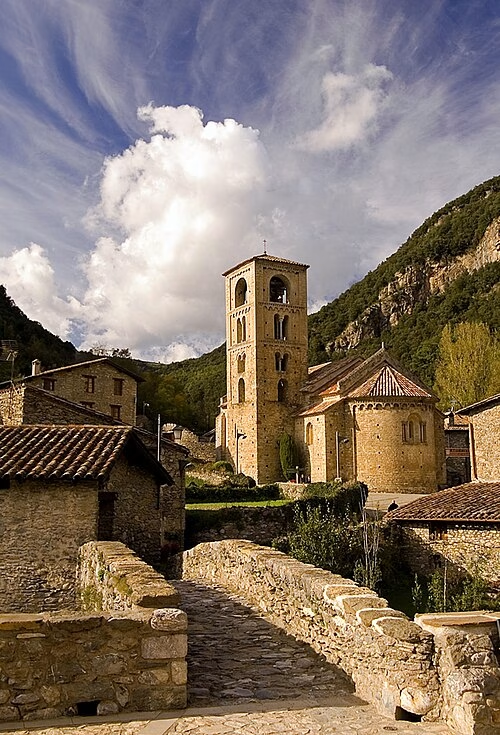
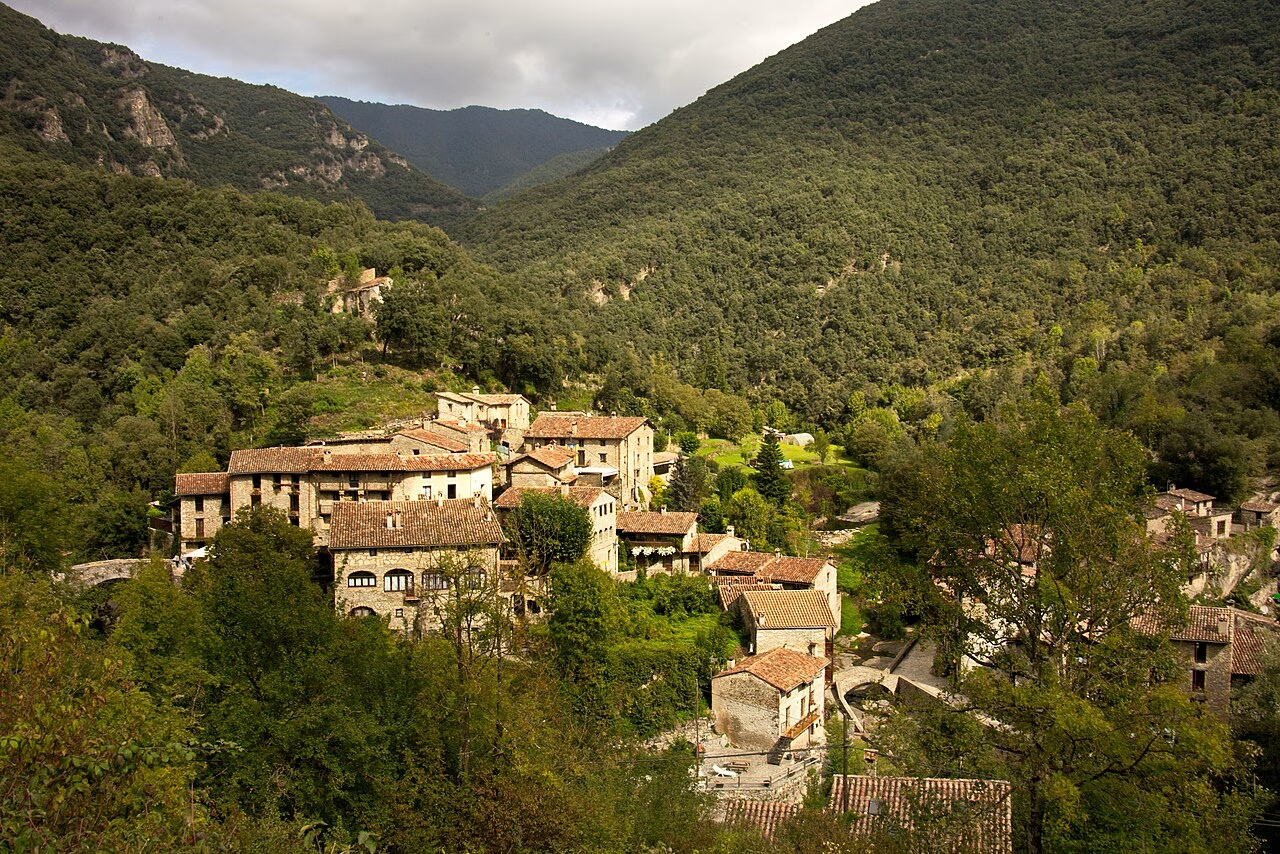
At the easternmost edge of the Alta Garrotxa, surrounded by forest-covered mountains, ancient medieval paths and small waterways, lies Beget, one of the villages that has best preserved the architecture, history and rural essence of the Eastern Pyrenees.
Situated at an altitude of 541 metres, Beget administratively belongs to the municipality of Camprodon, in the comarca of Ripollès, although geographically it forms part of the natural region of Alta Garrotxa, in the province of Girona.
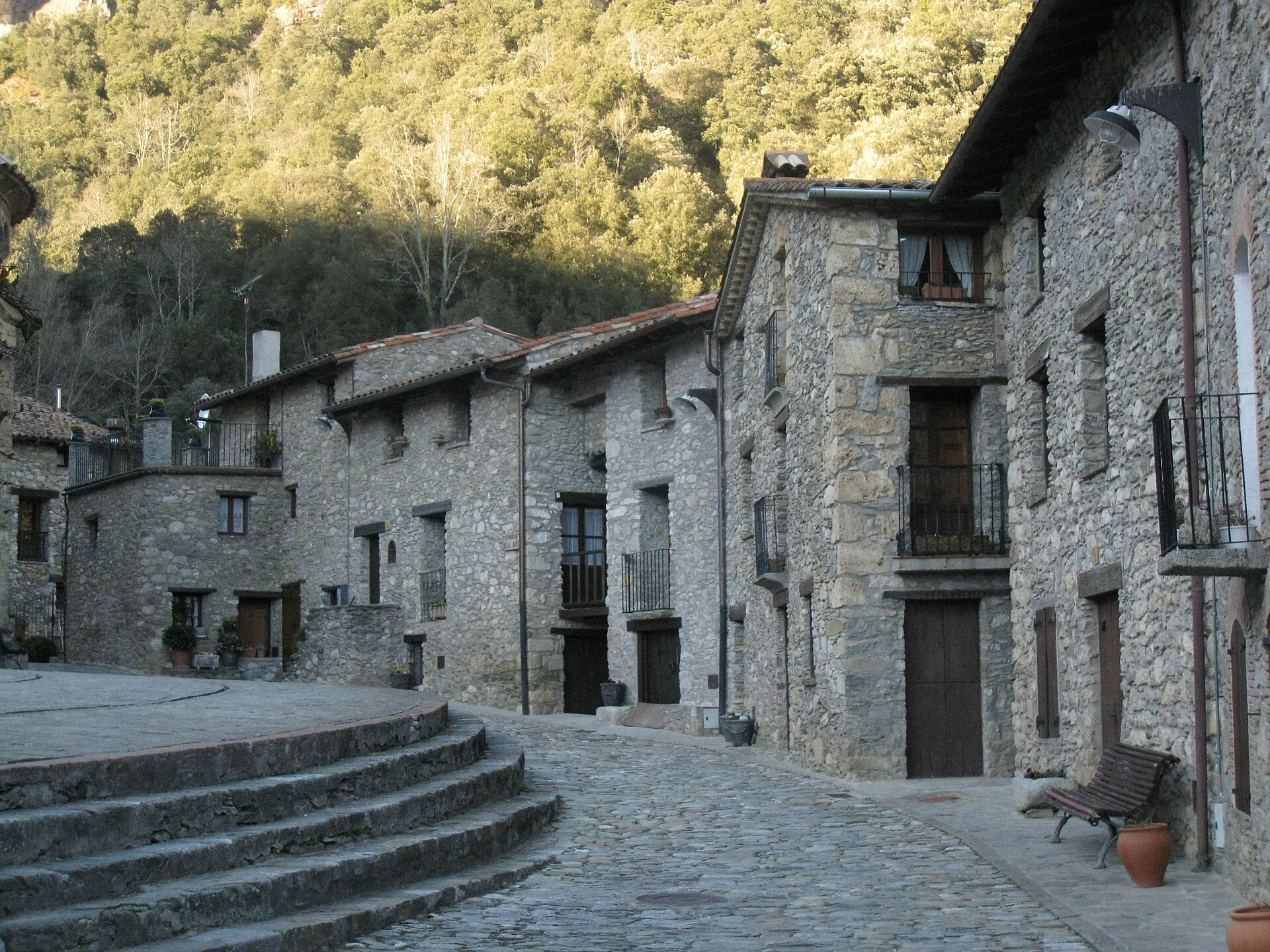
Its relatively isolated position among mountains and valleys has helped preserve an exceptional architectural heritage, where stone houses, historic bridges, cobbled streets and the Romanesque church of Sant Cristòfol form one of the most attractive village landscapes in Catalonia.
At first glance, Beget appears to be a small village frozen in time.
However, behind its stone façades and traditional rooftops lies more than a thousand years of documented history, one of the great treasures of Catalan Romanesque architecture, medieval sculptures of extraordinary artistic value, ancient livestock-farming traditions and an exceptionally rich natural environment.
It is precisely this combination that makes Beget such a special destination.
Here, we can stroll through medieval streets, discover a magnificent Romanesque church, admire the famous Majestat de Beget, cross ancient stone bridges, follow the course of a mountain stream, explore the forests of the Alta Garrotxa or enjoy traditional Catalan cuisine.
Furthermore, its location makes it an ideal starting point for excursions to Camprodon, Rocabruna, Molló, the French border and various natural areas of the Eastern Pyrenees.
Beget is therefore much more than a beautiful village.
It is a cultural, historical, gastronomic and natural destination that deserves to be discovered at a leisurely pace.
Where Is Beget and How to Get There
Beget is situated in the easternmost part of the Alta Garrotxa, in northeastern Catalonia, within the municipality of Camprodon and the comarca of Ripollès.
It lies at an altitude of 541 metres, at the confluence of the Beget River and the stream coming from Can França, also known as the Els Trulls stream.
Its geographical position is particularly interesting because it occupies a transitional area between the Mediterranean landscape of La Garrotxa and the mountainous valleys of Ripollès.
Access to the village is via mountain roads connecting it with Camprodon, Rocabruna and Oix.
Travelling from Barcelona by Car
The road distance between Barcelona and Beget is approximately 145–150 kilometres.
The usual driving time is between 2 hours and 15 minutes and 2 hours and 45 minutes, depending on traffic, the chosen route and weather conditions.
The most common route is:
Barcelona – C-17 – Vic – Ripoll – Sant Joan de les Abadesses – Sant Pau de Segúries – Camprodon – Rocabruna – Beget.
It is also possible to reach Beget from the La Garrotxa area via Oix, although this is a mountain route and road conditions should be checked beforehand.
The final stretch towards Beget features bends, gradients and narrow sections. Caution is recommended when driving, particularly in winter and following periods of heavy rainfall.
Approximate travel costs from Barcelona:
| Item | Estimate |
|---|---|
| Total round-trip distance | 290–300 km |
| Estimated fuel consumption | 6.5–7.5 l/100 km |
| Round-trip fuel cost | €32–43 |
| Tolls | Depending on route; most can be avoided |
| One-way driving time | 2 h 15 min – 2 h 45 min |
These figures are estimates for a standard passenger car and are based on indicative fuel prices, not fixed transport fares.
How to Get There by Public Transport
Beget does not have a railway station or a direct, frequent bus connection from Barcelona.
The alternative is to combine train and bus services.
First stage: Barcelona – Ripoll
We can depart from Barcelona using the R3 Rodalies railway line, travelling from stations such as Sants, Plaça Catalunya, Arc de Triomf or La Sagrera-Meridiana, depending on the available service.
The journey to Ripoll takes approximately two to two and a half hours, depending on the timetable and operating conditions.
Second stage: Ripoll – Camprodon
There are intercity bus connections from Ripoll to Camprodon operated by TEISA. Frequency depends on the day of the week and the service calendar.
Third stage: Camprodon – Beget
This is the most complicated part of the journey.
We should not assume that a regular bus service operates directly to Beget every day or at all times.
The alternatives are a taxi, private transfer or a previously arranged transport service.
For a day trip from Barcelona, travelling by car or private transport is considerably more practical.
It is important to check the current Rodalies and TEISA timetables before organising the journey, as connections may change.
The History of Beget
A Village with More Than a Thousand Years of History
The history of Beget is closely linked to the development of the small rural settlements of the Alta Garrotxa and the territory now known as Ripollès.
The first known documentary reference to the place name Beget dates back to 959.
The present-day village developed during the Middle Ages, in a territory where religious organisation, agriculture and livestock farming played fundamental roles.
In 1013, the monastery of Sant Pere de Camprodon promoted the construction of a church in Beget, the predecessor of the important religious complex we can admire today.
For centuries, its inhabitants lived primarily from livestock farming, agriculture, forestry and the exploitation of natural resources.
The landscape completely shaped everyday life.
Meadows provided food for livestock, forests supplied timber and firewood, and small waterways were essential resources for domestic and agricultural activities.
Mountain paths connected Beget with Camprodon, Rocabruna, Oix and the various rural settlements in the surrounding area.
Its geographical isolation helped preserve a very distinctive urban layout.
Unlike other villages that underwent major transformations during the twentieth century, Beget retained much of its traditional layout.
Until 1969, Beget was an independent municipality. It was subsequently incorporated into Camprodon and administratively became part of the comarca of Ripollès.
In 2016, its historic centre was declared a Cultural Asset of National Interest (BCIN), in the category of historic ensemble.
This recognition protects its urban layout, traditional buildings, bridges and architectural surroundings.
The declaration is one of the fundamental documents for understanding the history and development of Beget.
Beget’s Historic Centre
Stone, Wood and Traditional Architecture
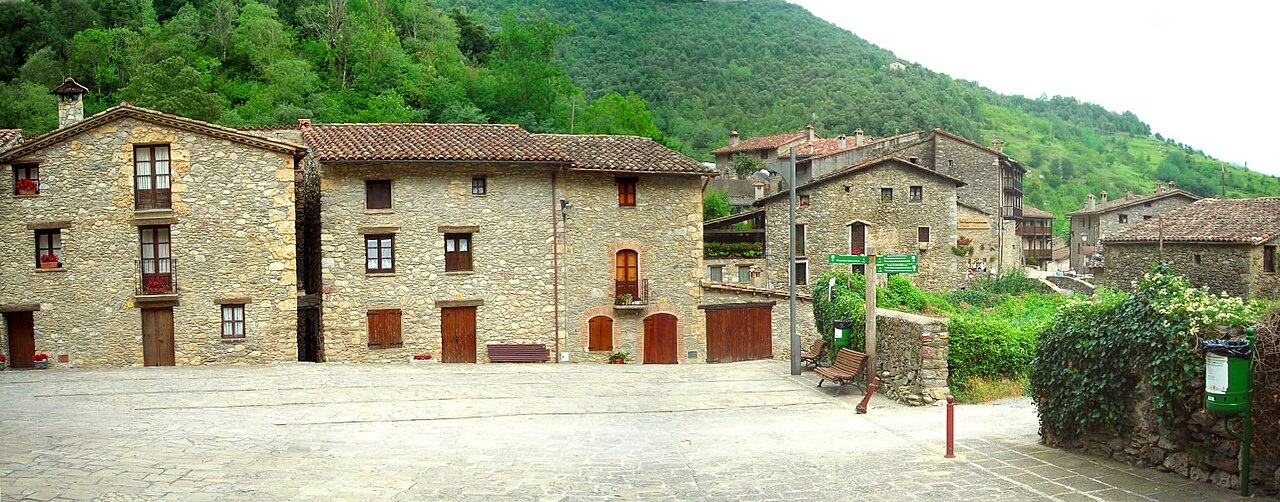
One of the best ways to discover Beget is to wander leisurely through its streets.
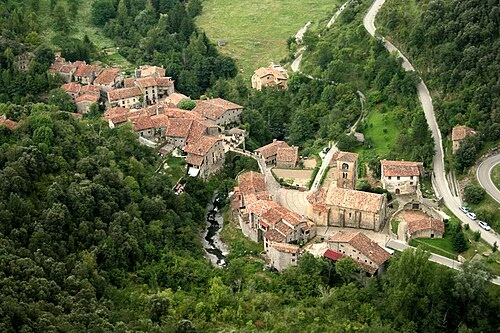
The historic centre consists of three sectors or neighbourhoods, separated by waterways and connected by two bridges. This urban arrangement is one of its most distinctive features.
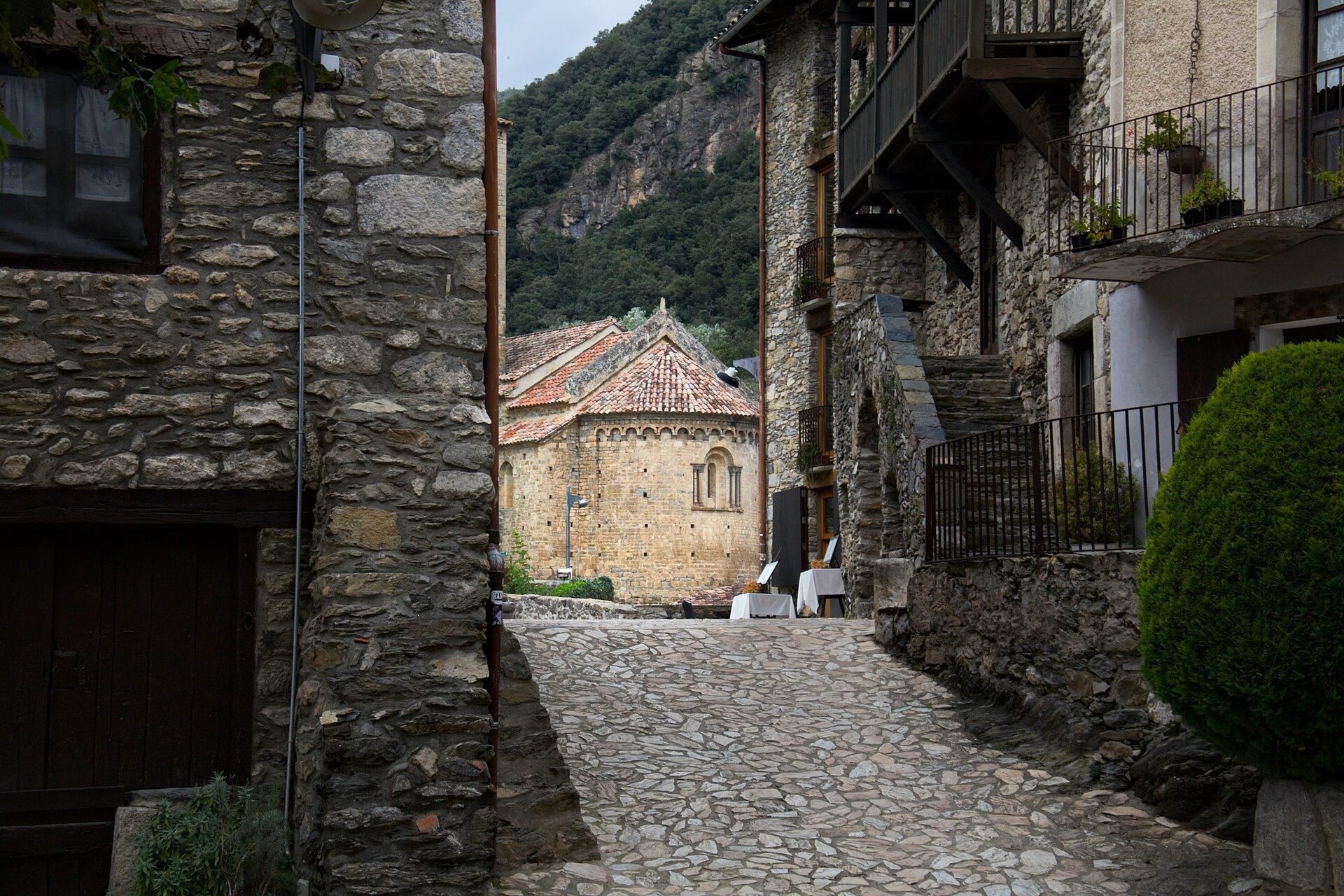
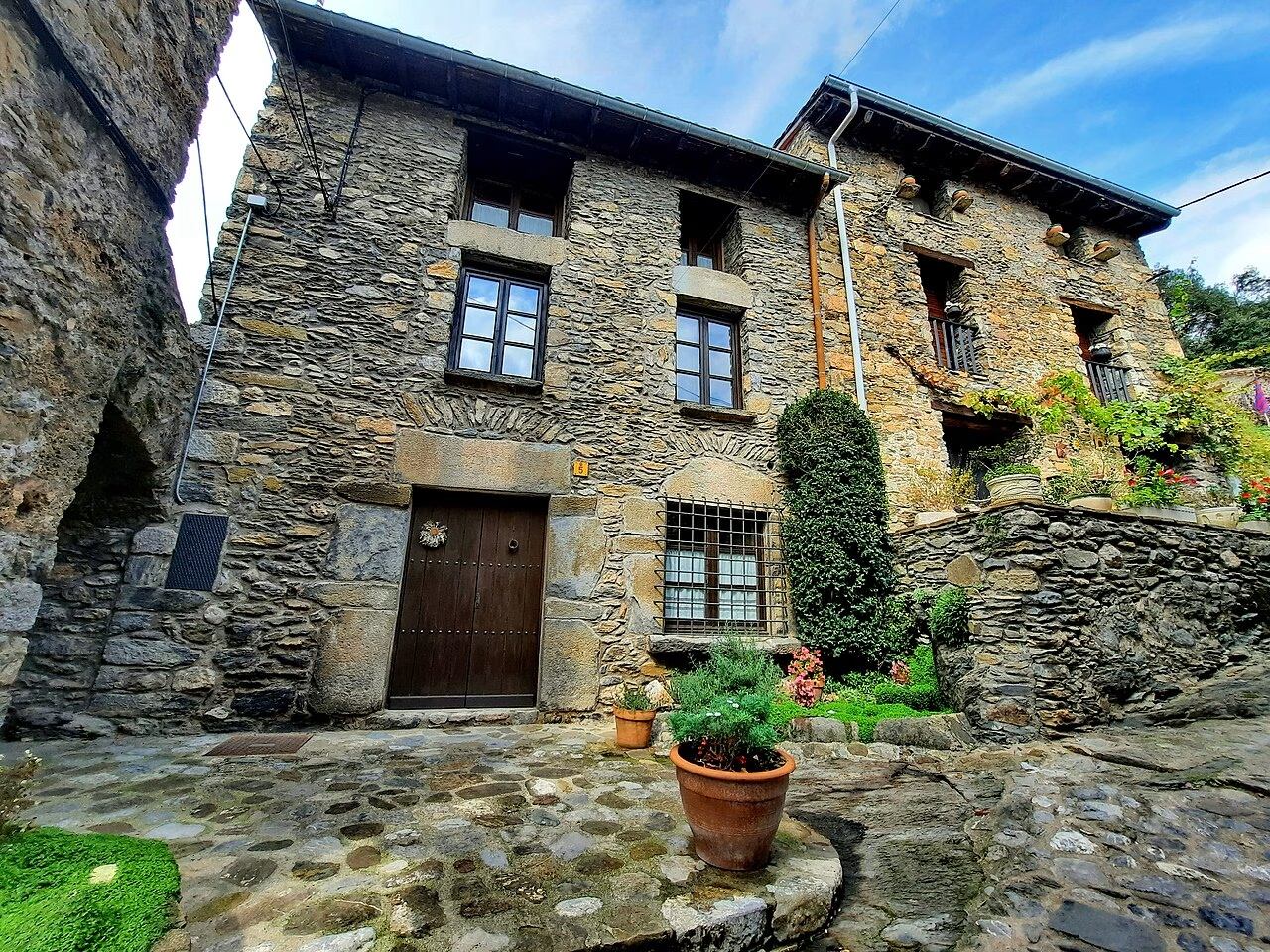
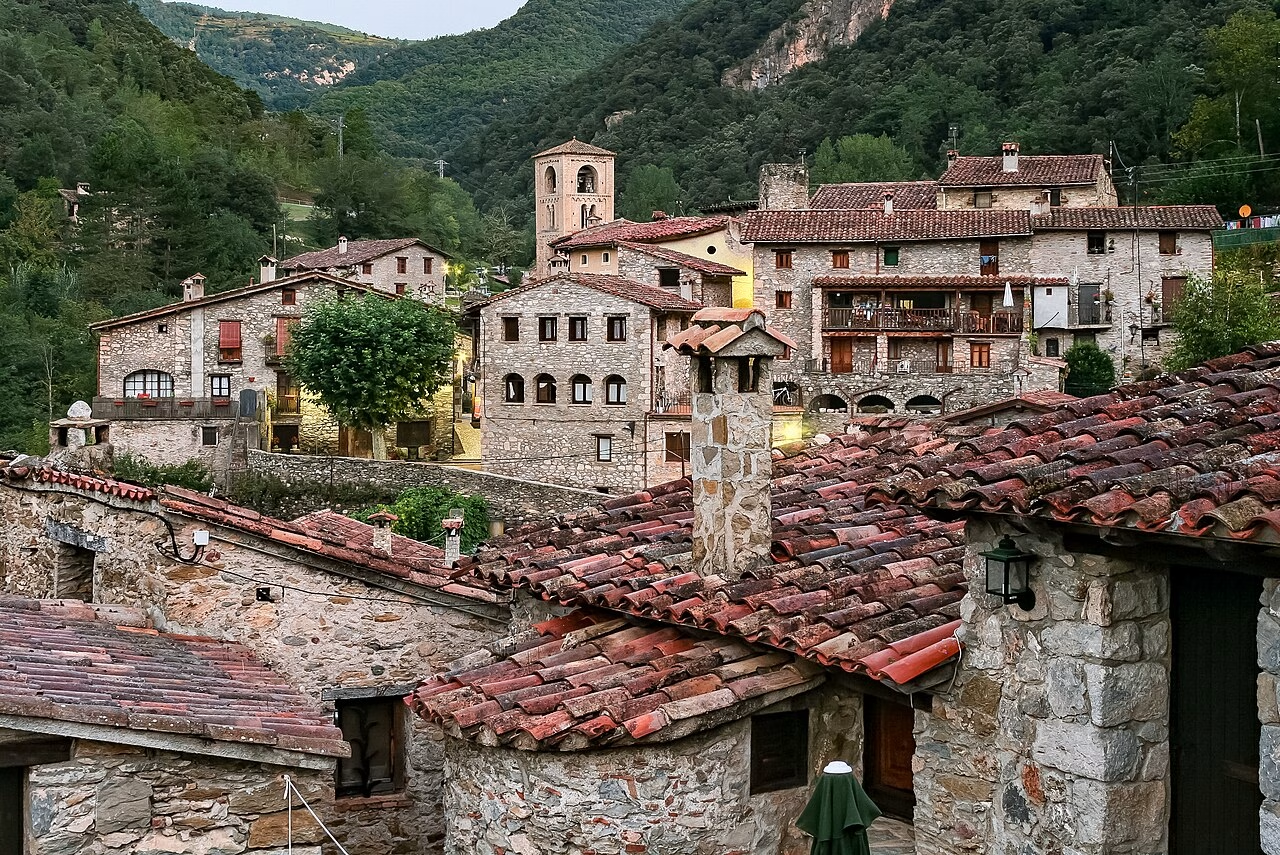
Traditional houses are built mainly with rubble-stone walls, Arab-style roof tiles, wooden balconies and small windows.
The architecture reflects how buildings were adapted to the climate, the availability of materials and the characteristics of the terrain.
The official historic-ensemble declaration provides insight into the evolution of the village. Between the eighteenth century and the mid-nineteenth century, numerous balconies, wooden eaves and iron railings were added.
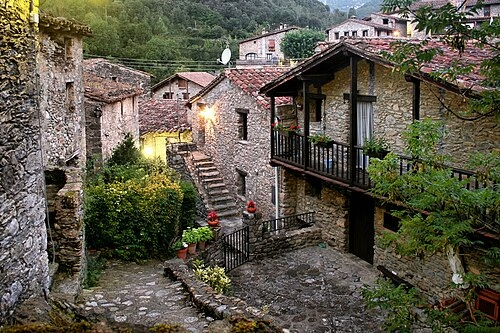
The façades retain stone or wooden door and window frames, while the cobbled streets follow the natural slopes of the terrain.
There is no documented individual architect responsible for the historic ensemble. Rather, it is traditional architecture developed by local master builders and craftsmen over several generations.
Beget’s Three Neighbourhoods
A Village Organised Around Water
The first sector, located to the northwest, is the oldest. Here we find the church of Sant Cristòfol and Plaça de Miquel Oliva.
The second neighbourhood is arranged around Plaça Major, where the clock tower, Can Tubert and various traditional houses stand out.
The third sector, situated at a higher elevation, developed mainly during the eighteenth and nineteenth centuries, around buildings such as Can Navarró and Can Costa.
The two historic bridges connect these three sectors and are an essential part of the village’s urban structure.
The Church of Sant Cristòfol
One of the Great Treasures of Catalan Romanesque Architecture
The church of Sant Cristòfol is the most important monument in Beget and one of the finest examples of Romanesque architecture in the Girona region.
The present building dates predominantly from the twelfth century, although its origins can be traced back to 1013.
Its architecture combines characteristics of Lombard Romanesque architecture with the traditional building styles of the Pyrenees.
On the exterior, the four-storey bell tower is particularly striking, with blind Lombard arches and a stone structure perfectly integrated into the architectural ensemble.
The church has a single nave, a Latin-cross floor plan and a semicircular apse.
The southern entrance is another particularly interesting feature, with progressively recessed archivolts and stone columns.
The entire structure displays remarkable architectural harmony.
The Majestat de Beget
An Exceptional Work of Romanesque Sculpture
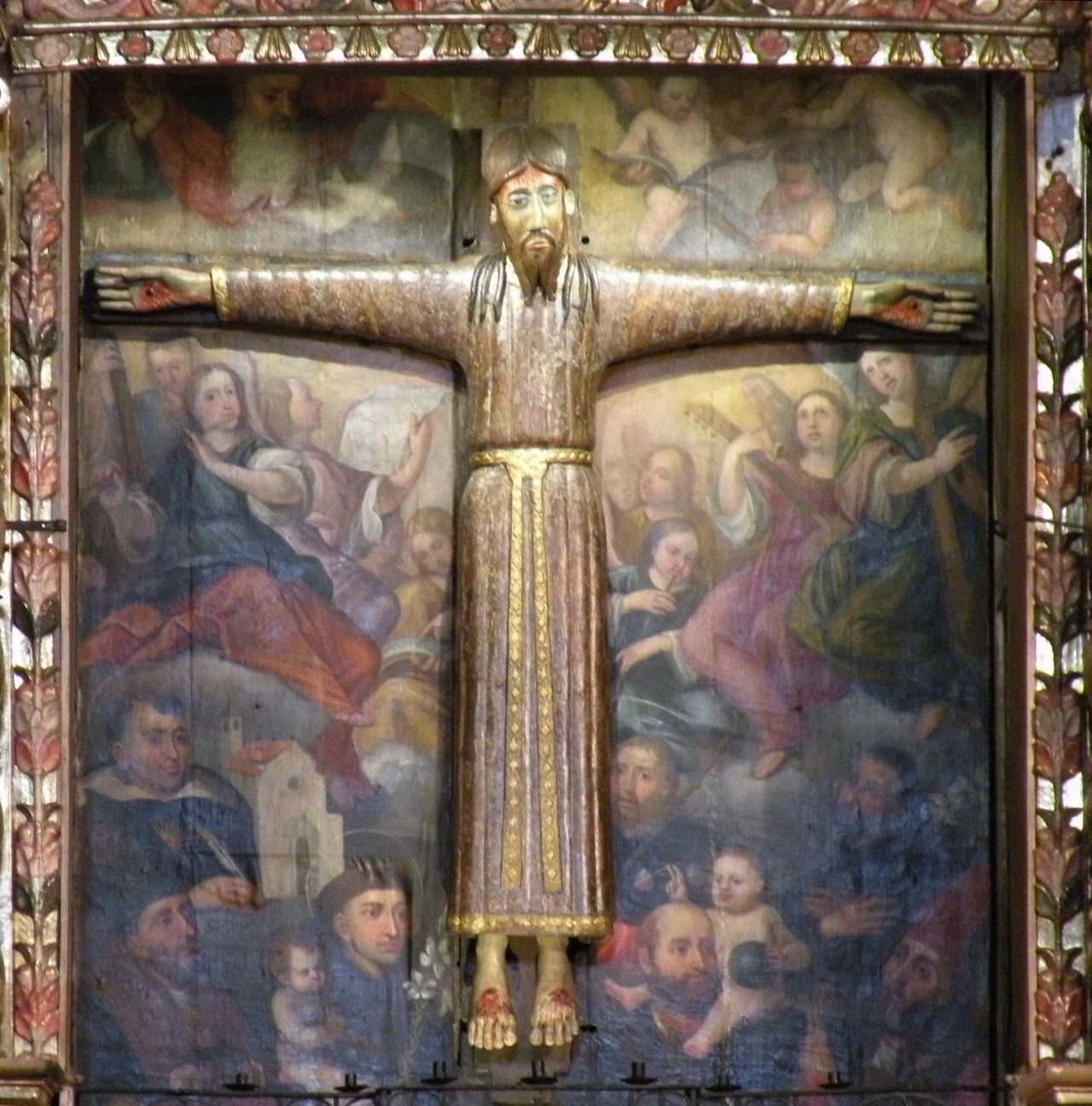
The church’s greatest artistic treasure is the Majestat de Beget.
This is a polychrome Romanesque wooden sculpture of Christ in Majesty, dating from the twelfth century.
It measures approximately two metres in height and is one of the most important surviving representations of this iconographic tradition in Catalonia.
Christ is depicted crucified, wearing a long tunic and displaying a solemn expression.
This representation belongs to a medieval iconographic tradition in which Christ is portrayed as triumphant over death.
The sculpture stands out for its monumental scale, frontal composition and richly decorated polychromy.
Its artistic importance makes Beget an essential destination for anyone wishing to discover Catalan Romanesque sculpture.
Other Artistic Features Inside the Church
The Evolution of Medieval and Religious Art
The church preserves several other elements of considerable interest:
-
A Romanesque immersion baptismal font.
-
An alabaster altarpiece associated with the sculptural workshops of Beuda.
-
The image of the Mare de Déu de la Salut.
-
Baroque altarpieces and decorative elements.
-
Various pieces of liturgical furniture.
Together, these elements provide an insight into the evolution of religious art from the Romanesque period to later centuries.
It is advisable to check visiting hours before travelling. Local tourism authorities publish special opening times during weekends and the summer season.
The Fountains of Beget
Water as Part of Everyday Life
Historic fountains form an integral part of the village’s traditional layout.
Around Carrer Bell Aire and Carrer de la Font, we can find features associated with the village’s former water supply system.
The fountain and washhouse are among the most interesting reminders of traditional domestic life.
For centuries, fountains served as meeting places and centres of communication among residents.
Washhouses also played a fundamental role before running water became widely available in homes.
The Bridges of Beget
Two Structures Connecting the Village
The bridges are among Beget’s most distinctive features.
Pont de Beget allows visitors to cross one of the main waterways and connects the historic neighbourhoods.
Pont Petit is another traditional crossing between the different sectors of the village.
Their stone construction and integration into the surrounding landscape create one of Beget’s most characteristic images.
The combination of water, vegetation, stone and traditional architecture offers excellent photographic opportunities.
The Beget River and the Can França Stream
The Waterways That Accompany the Village
The waterways are among the most important features of the landscape.
The confluence of the Beget River and the Can França stream historically determined the location and development of the settlement.
In spring, water levels generally increase.
In summer, the riverbanks provide cool and pleasant surroundings.
In autumn, the water contrasts beautifully with the changing colours of the forests.
Riverside vegetation includes alders, willows and other species adapted to damp environments.
It is important to respect natural areas and check any bathing or access restrictions that may be in force.
Customs and Traditions
The Rural Culture of the Alta Garrotxa
Beget’s identity is deeply rooted in traditional Catalan rural culture.
For generations, livestock farming, agriculture, forestry and small-scale craft activities formed the economic foundation of the village.
Life revolved around the seasons.
In spring, agricultural work began and pastures were prepared.
During summer, meadows and mountain areas became particularly important for livestock.
Autumn was the season for harvesting, preparing food and making use of the resources provided by the forests.
Winter required residents to organise domestic and livestock activities to cope with the coldest months.
Gastronomy, religious celebrations and local festivals are all part of this cultural heritage.
The Festa de la Majestat
One of the celebrations most closely associated with Beget’s identity is the Festa de la Majestat.
This festival revolves around the village’s religious and cultural heritage and offers visitors the opportunity to enjoy a variety of traditional activities.
Depending on the edition, the programme may include musical performances, sardana dancing, community gatherings and religious celebrations.
It is advisable to consult the municipal programme each year for specific dates and activities.
Nature and Vegetation
A Landscape Between the Mediterranean and the Mountains
Beget lies within the protected natural area of the Alta Garrotxa.
This territory combines Mediterranean and mountain environments, with significant differences between sunny slopes, damp ravines and higher-altitude areas.
The surrounding area is home to a wide variety of vegetation, including:
-
Holm oaks.
-
Oak trees.
-
Beech trees.
-
Alders.
-
Willows.
-
Maples.
-
Hazel trees.
-
Boxwood.
-
Holly.
-
Pine trees.
-
Ferns.
-
Mosses.
-
Lichens.
-
Aromatic plants.
-
Meadows and pastures.
Holm oak forests are particularly common on warmer, sunnier slopes.
Oak and beech forests occupy cooler, more humid areas.
Riverside environments support plant communities adapted to permanent or seasonal water availability.
The diversity of habitats makes the area particularly interesting for botanical observation.
Wildlife and Birdwatching
The Wildlife of the Alta Garrotxa
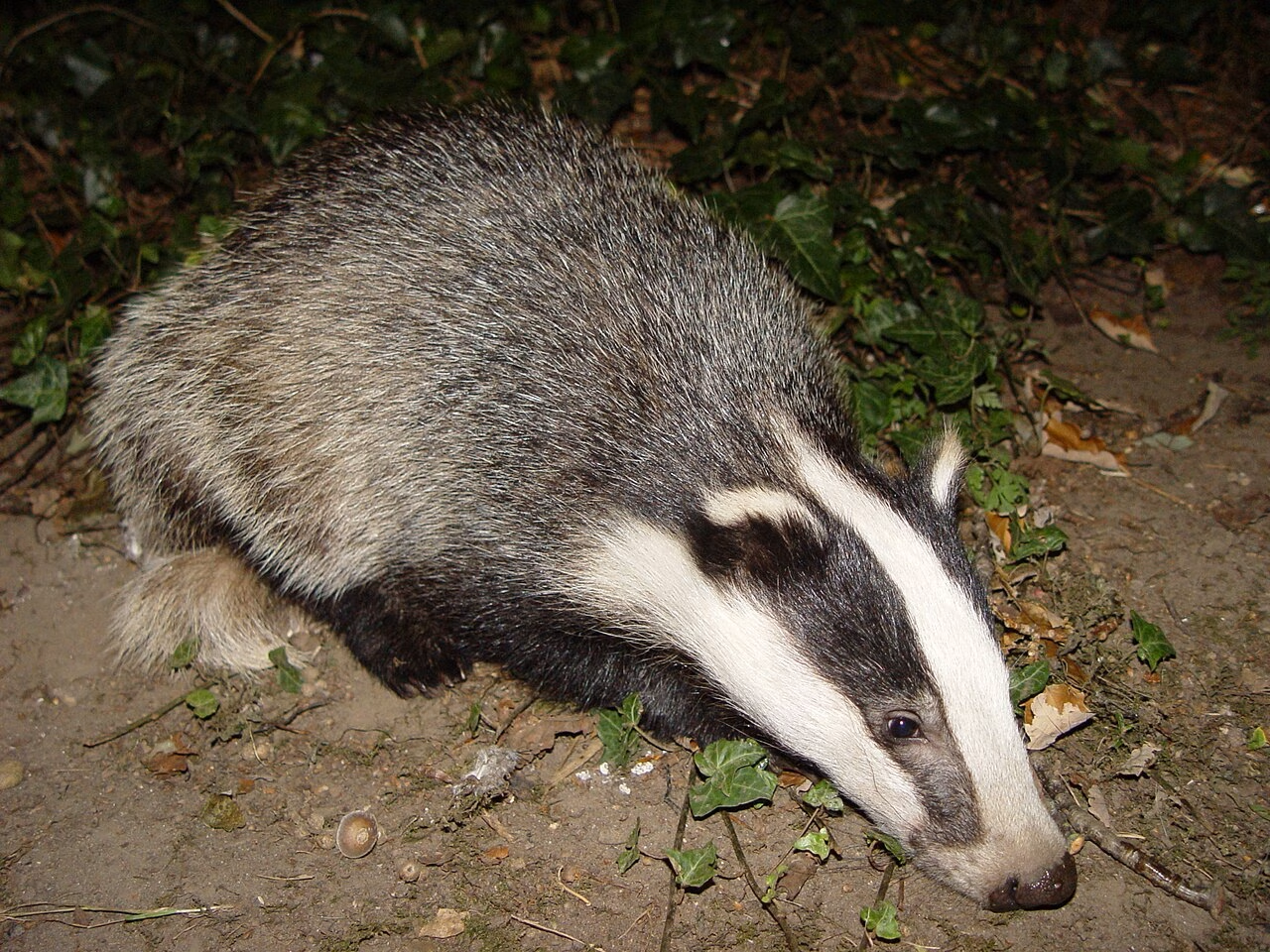
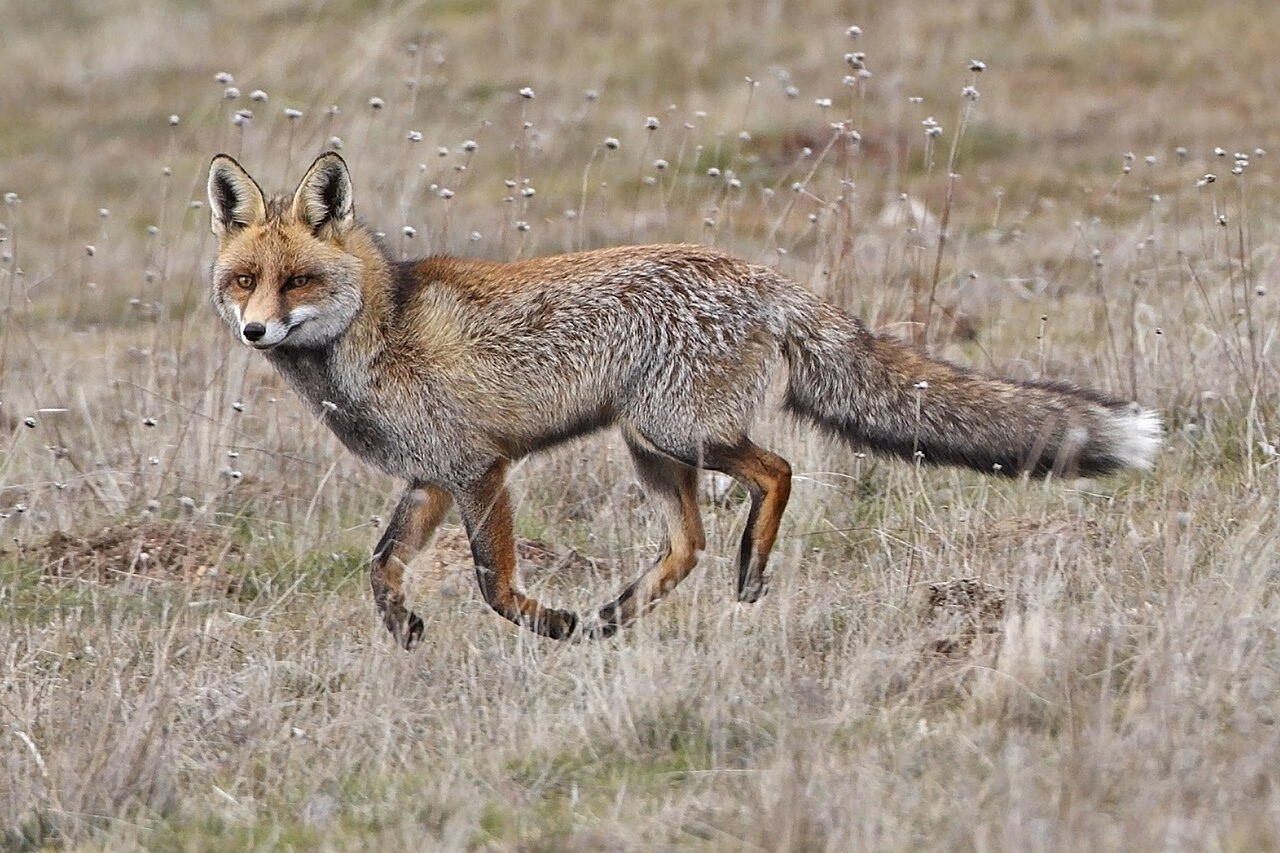
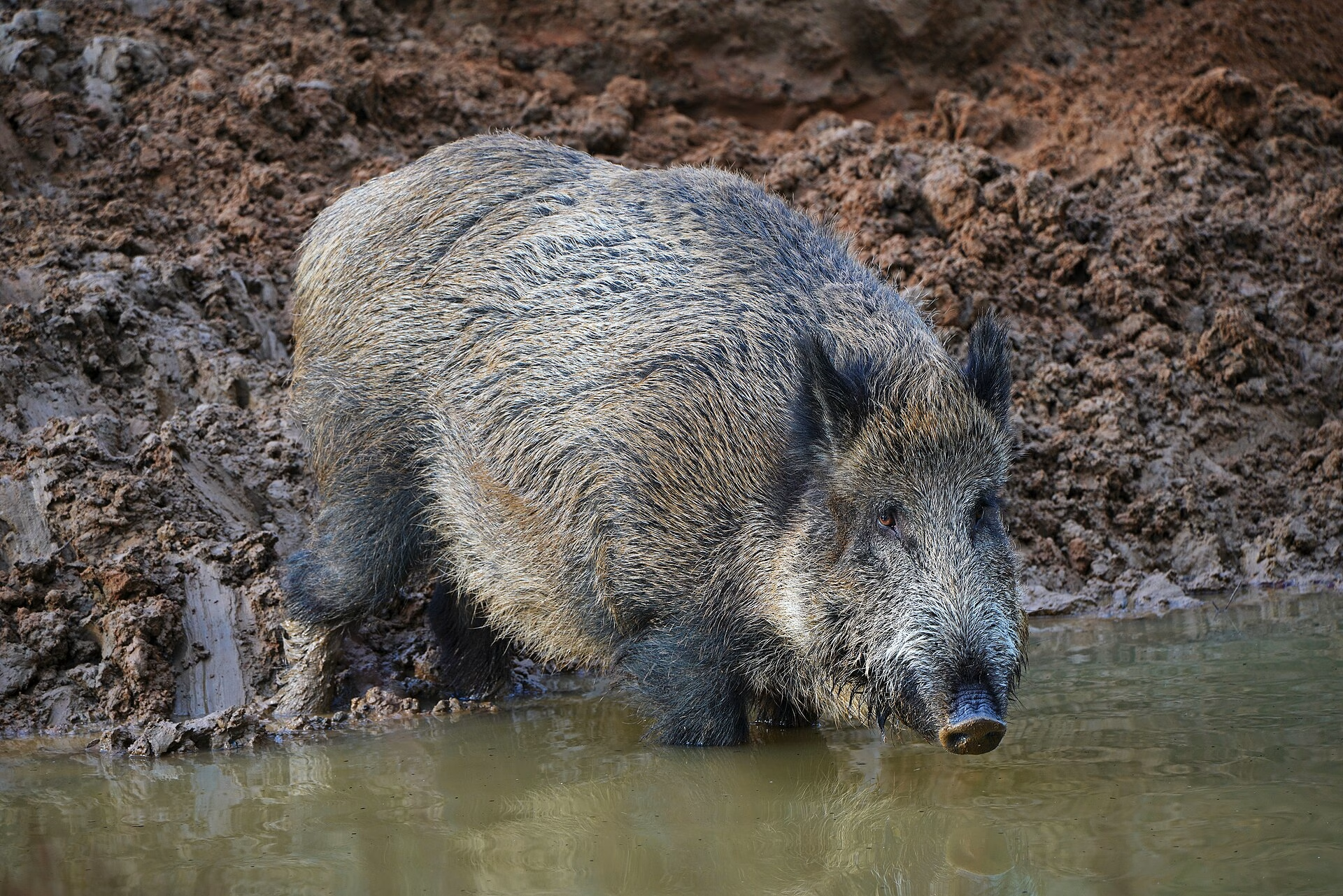
The natural surroundings of Beget are home to an interesting variety of wildlife.
Mammals include:
-
Wild boar.
-
Roe deer.
-
Red deer.
-
Foxes.
-
Badgers.
-
Beech martens.
-
Genets.
-
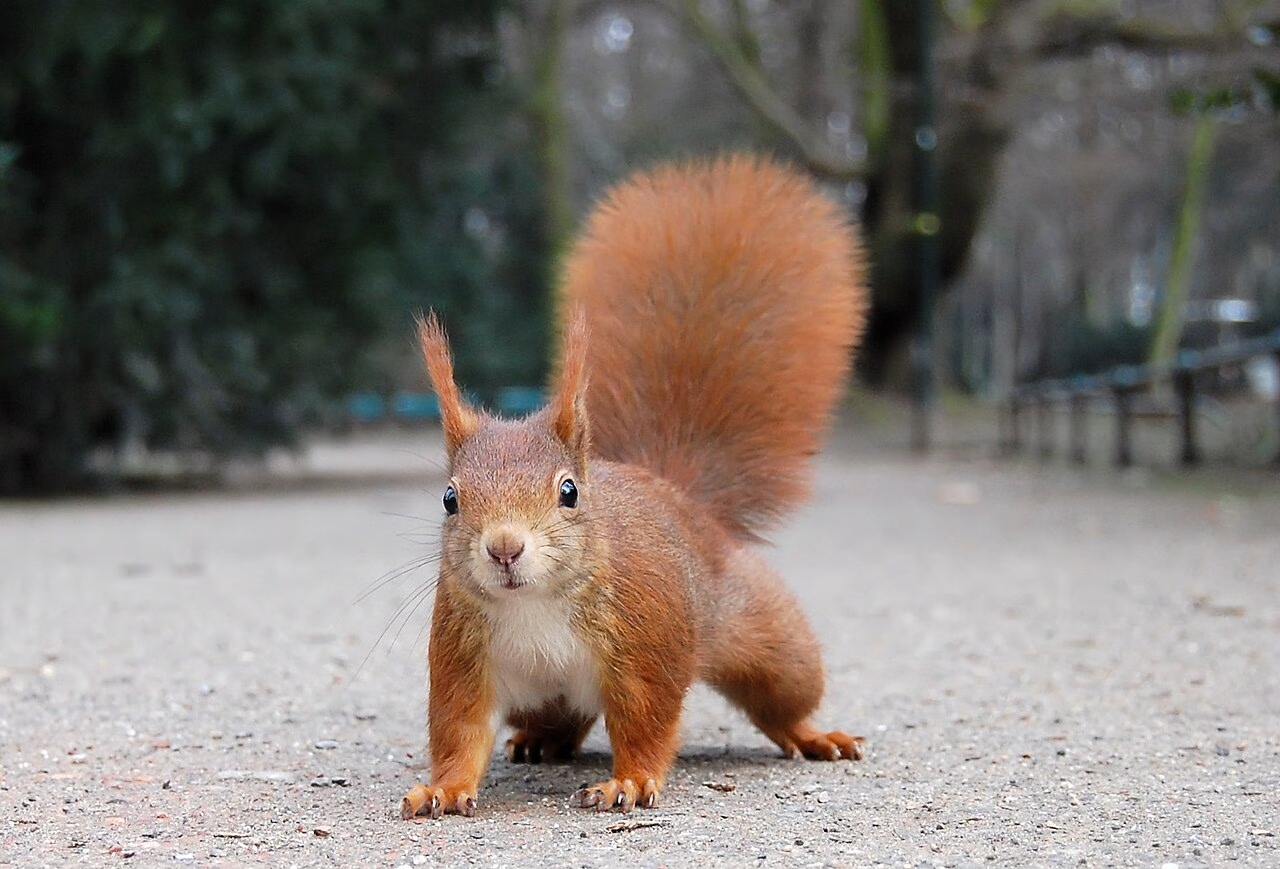
Squirrels.
-
Various species of bats.
Birdlife includes:
-
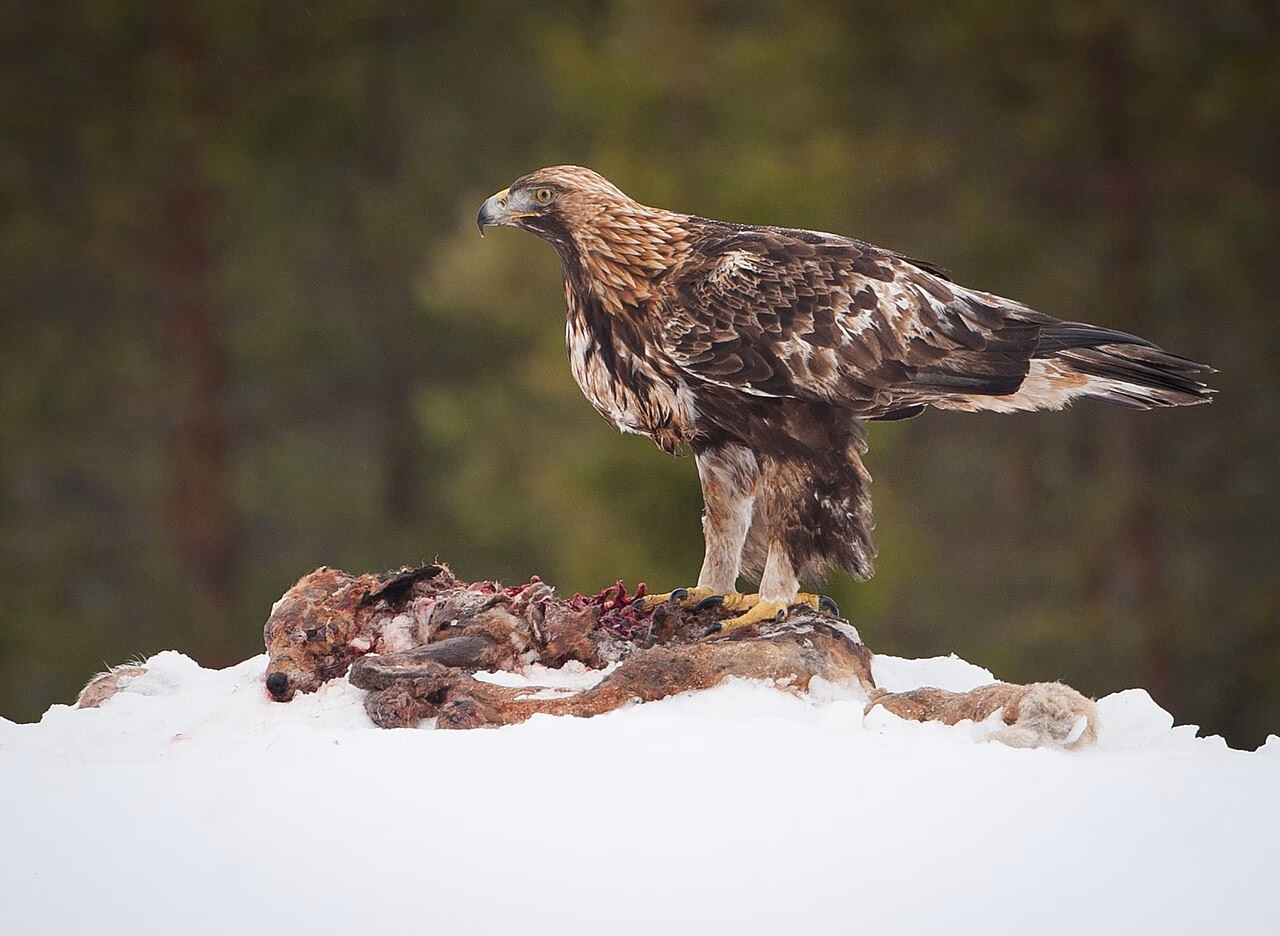
Golden eagles.
-
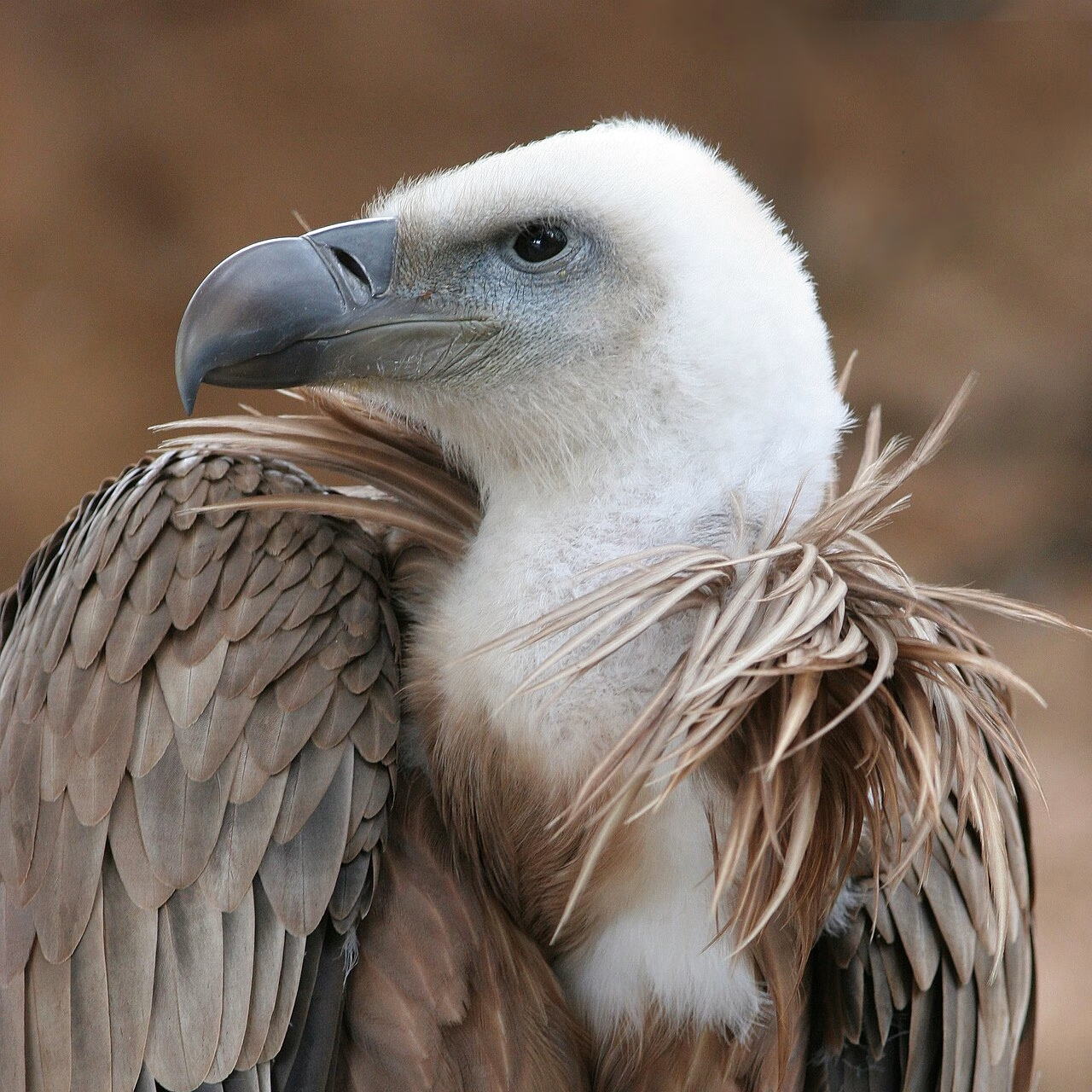
Griffon vultures.
-
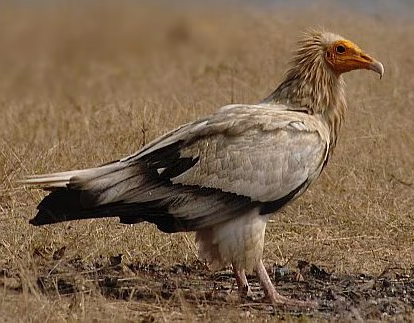
Egyptian vultures.
-
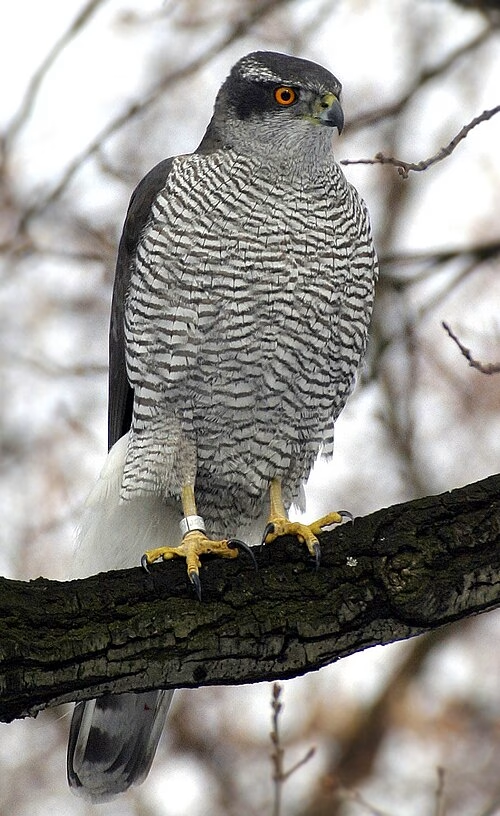
Northern goshawks.
-
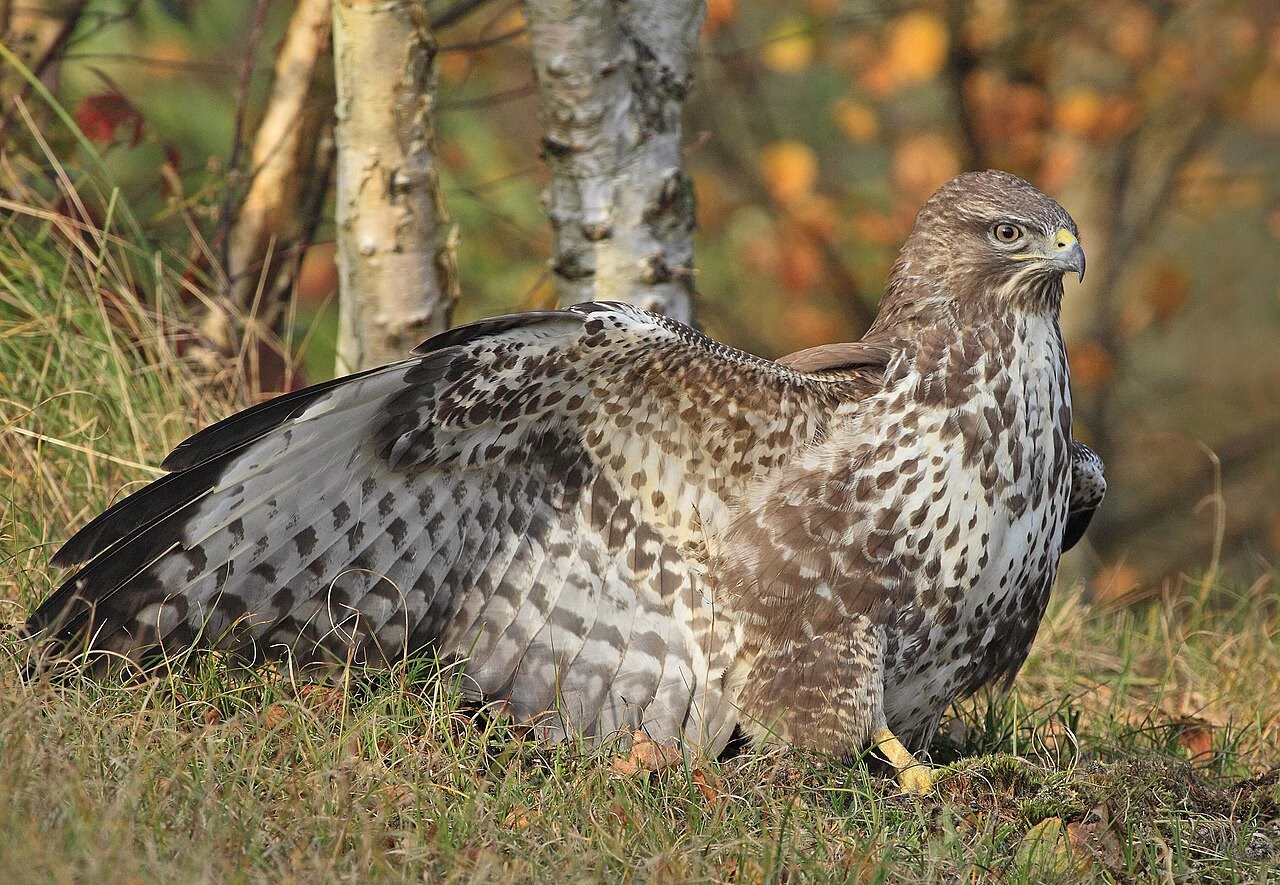
Common buzzards.
-
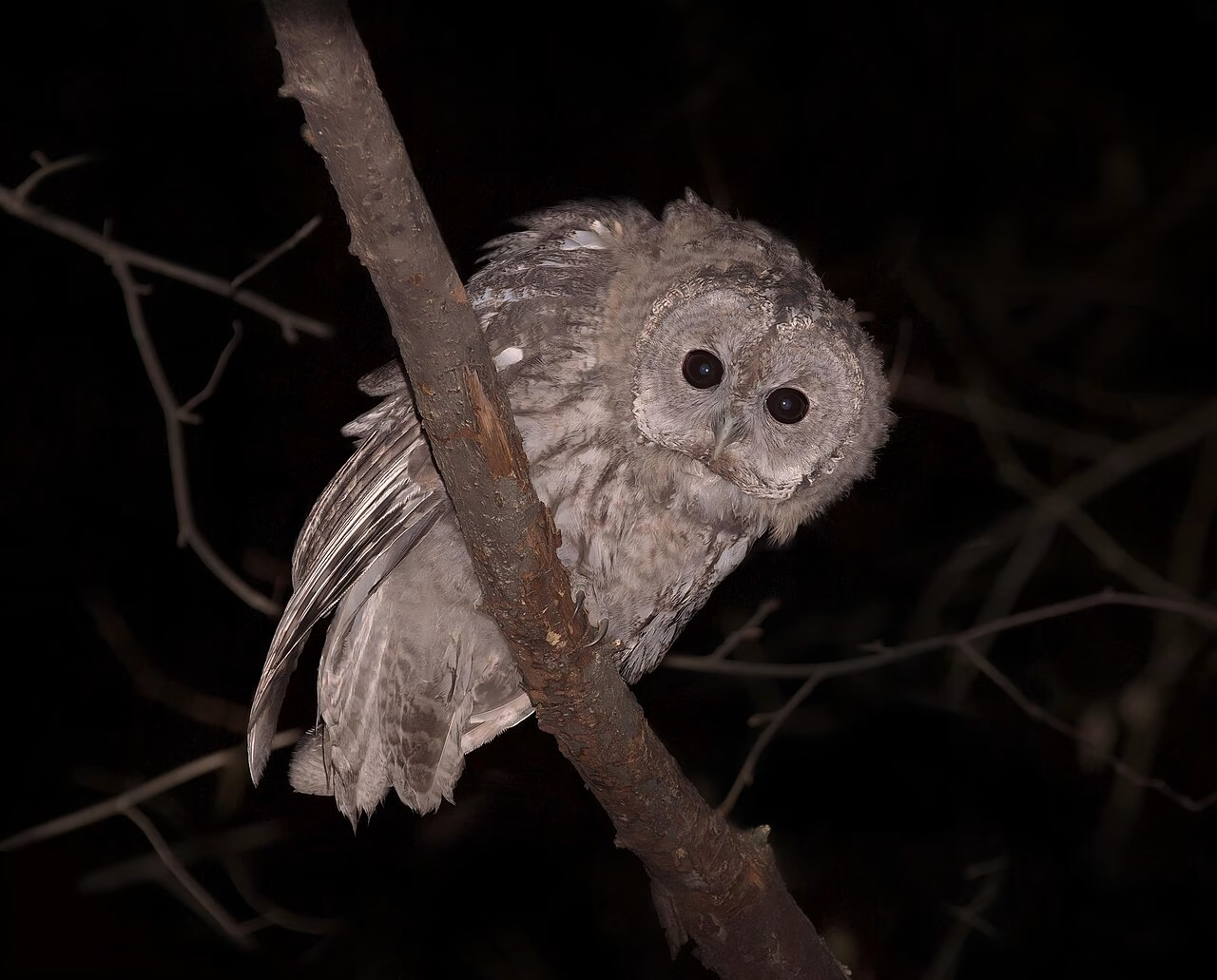
Tawny owls.
-
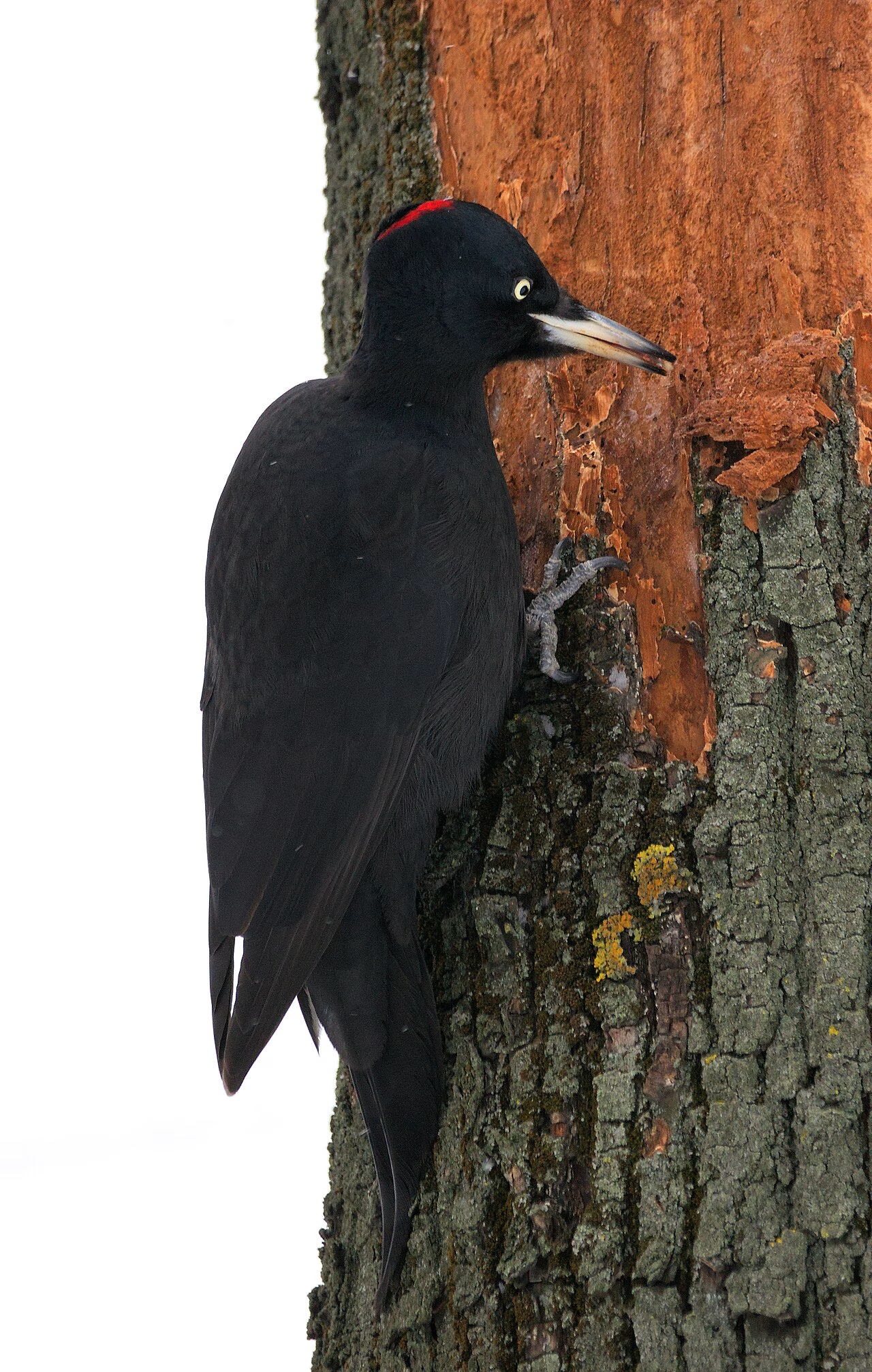
Black woodpeckers.
-
Various woodland bird species.
The waterways also encourage the presence of amphibians and small animals associated with humid environments.
The Alta Garrotxa is particularly interesting for observing birds of prey and woodland species.
Wildlife observation requires patience, binoculars and respect for breeding areas.
The Climate of Beget
Four Distinct Mountain Seasons
Beget’s climate combines characteristics of Mediterranean conditions and mountain weather.
Winters are cold, with frost and occasional snowfall.
Spring is particularly attractive due to increased stream flows and the renewed growth of vegetation.
Summers can be warm during the middle of the day, although woodland areas and riverbanks provide cooler surroundings.
Autumn is one of the most attractive seasons, thanks to the changing colours of the forests.
For those interested in hiking, spring and autumn are generally the most recommended seasons.
The Alta Garrotxa
Mountains, Ravines, Forests and Historic Paths
The Alta Garrotxa is one of the most interesting natural areas in northeastern Catalonia.
Its landscape is characterised by limestone mountains, deep ravines, secluded valleys, forests and small waterways.
The region also preserves an important rural heritage consisting of traditional farmhouses, ancient paths, churches, bridges and small inhabited settlements.
Beget is one of its most remarkable architectural ensembles.
Activities in the area include hiking, photography, wildlife observation, botanical exploration, mountain biking and cultural excursions.
Hiking and Excursions
Discovering Beget on Foot
The ancient paths around Beget allow visitors to discover the region from a different perspective.
Some of the most interesting routes include:
1. Walk around the historic centre
-
Approximate distance: 1–2 km.
-
Duration: 45–90 minutes.
-
Difficulty: Easy.
This walk allows visitors to discover the three neighbourhoods, the church, bridges, fountains and traditional houses.
2. Beget – Rocabruna
A mountain route connecting two historic settlements.
-
Approximate duration: 2–4 hours, depending on the chosen variant.
-
Difficulty: Moderate.
The route passes through rural paths, forests and mountainous landscapes.
3. Beget – Coll de Malrem
A historic route towards the French border.
– Difficulty: Moderate to challenging, depending on the route.
This is an interesting excursion for those wishing to discover the ancient cross-border mountain paths.
4. Comanegra and Pic de les Bruixes
One of the most interesting mountain excursions in the Alta Garrotxa.
The official circular route from Bassa de Monars offers an itinerary of approximately 8 kilometres, with 465 metres of positive elevation gain and an estimated duration of 3 hours and 25 minutes.
It provides the opportunity to reach two of the mountain peaks that best represent this natural area.
5. Oix – Beget
A mountain route following ancient paths that connects two historic rural settlements.
It is an interesting option for hikers accustomed to walking across mid-mountain terrain.
Before undertaking any of these routes, it is advisable to check GPS tracks, weather conditions and the state of the paths.
Rocabruna
A Small Mountain Village with an Important Medieval Past
A short distance from Beget lies Rocabruna, another historic settlement within the municipality of Camprodon.
Its rural architecture and mountainous surroundings are two of its main attractions.
A visit allows us to discover an important part of the region’s medieval history.
Rocabruna Castle
A Medieval Fortress Among the Mountains
Rocabruna Castle stands on a hill overlooking different sections of the valley.
Its medieval origins are associated with territorial control and the supervision of ancient routes.
Today, remains of its defensive structures are still visible.
It is an interesting visit for enthusiasts of military history and medieval architecture.
From the surrounding area, visitors can enjoy magnificent views of the mountainous landscape.
Oix and the Historic Paths of the Alta Garrotxa
Oix is another small rural settlement well worth discovering.
Several hiking routes through the Alta Garrotxa start from here.
One of the highlights is the route towards the Hortmoier Valley, where we find the hermitage of Sant Miquel d’Hortmoier and ancient paths crossing forests and mountainous terrain.
We can also visit Sadernes and the surroundings of Sant Aniol d’Aguja.
France: Beget and the Ancient Border Routes
A Region Connecting Catalonia with the French Vallespir
Beget’s proximity to France makes it possible to organise an interesting cross-border experience.
One of the best-known historic mountain passes is Coll de Malrem.
This ancient mountain crossing connects the paths of the Alta Garrotxa with the French region of Vallespir.
It is not a conventional road or a crossing suitable for motor vehicles.
It is a mountain hiking route that can be completed on foot, provided conditions and the chosen itinerary allow it.
For those wishing to cross into France by car, the most practical alternative is to return towards Camprodon, continue to Molló and cross the Coll d’Ares.
From there, we can descend towards Prats-de-Mollo-la-Preste.
What to Visit in France
Prats-de-Mollo-la-Preste
An extraordinary French medieval village situated in the Vallespir region.
It is particularly notable for its historic streets, fortifications and traditional architecture.
Fort Lagarde
A military fortress built to control the territory and protect the town.
Amélie-les-Bains-Palalda
A French town renowned for its thermal spa tradition.
Céret
A town with an important cultural and artistic heritage.
Its Museum of Modern Art is a particularly interesting attraction.
This excursion combines Catalan heritage with the landscapes and culture of southern France.
Mountain Refuges
Where to Stay During Hiking Excursions
One of the interesting mountain refuges to discover in the Alta Garrotxa is Refugi de Sant Aniol d’Aguja.
It is situated in the Sadernes area, within the protected natural environment.
The refuge reopened in June 2025 following an extensive restoration project.
It has 36 beds distributed across three dormitories.
Its facilities include:
-
Mountain accommodation.
-
Dining room.
-
Bar.
-
Café.
-
Services for hikers.
-
Facilities designed for sustainable environmental management.
Access is from Sadernes and requires a hike of several hours, depending on the starting point and trail conditions.
It is a staffed, paid mountain refuge. Rates depend on the type of accommodation and should be checked directly through its booking system.
It is also important to remember that parking in Sadernes may require advance reservations and may be subject to access regulations.
For those looking for basic, free mountain shelters, there are small mountain structures in the Alta Garrotxa area, such as Refugi de Talaixà.
These are simple facilities without the services of conventional tourist accommodation. Their condition, accessibility and usage arrangements should be checked before relying on them.
Skiing and Winter Sports
The Nearest Mountain Resorts
Beget does not have its own ski resort.
However, several ski resorts in the Eastern Pyrenees can be reached from the village.
Vallter 2000
This is one of the most interesting nearby options within Ripollès.
It is located in the municipality of Setcases, in a high-mountain environment.
Facilities and activities include:
-
Alpine skiing.
-
Snowboarding.
-
Ski school.
-
Equipment rental.
-
Snow activities.
-
Snowshoeing excursions, depending on the programme.
-
Mountain dining facilities.
The 2026–2027 season is scheduled to run from 4 December 2026 to 4 April 2027, subject to weather and snow conditions.
Vall de Núria
Vall de Núria offers family skiing, snow activities, snowshoeing and access via its mountain rack railway.
La Molina
One of the best-known ski resorts in Catalonia, with an extensive range of alpine skiing, snowboarding and family activities.
Masella
Another interesting alternative for skiing enthusiasts, offering a large ski area with slopes for different ability levels.
These resorts require road travel from Beget and should not be considered facilities located within the village itself.
Gastronomy
Traditional Flavours of Ripollès and La Garrotxa
Beget’s cuisine forms part of the traditional Catalan mountain gastronomy.
It is based on local products, traditional recipes and cooking methods that historically made the most of the resources available in the surrounding area.
Typical ingredients include:
-
Beef.
-
Lamb.
-
Pork.
-
Artisan cured meats.
-
Wild mushrooms.
-
Potatoes.
-
Pulses.
-
Cheese.
-
Mató (fresh Catalan cheese).
-
Seasonal vegetables.
-
Dairy products.
Meat stews, hearty one-pot dishes and grilled meats are part of this culinary tradition.
During autumn, wild mushrooms take centre stage.
Where to Eat in Beget
Traditional Cuisine in a Historic Setting
El Forn de Beget
This is one of the village’s best-known gastronomic establishments.
Its cuisine focuses on local products and traditional Catalan cooking.
Some of its specialities include:
-
Homemade meat cannelloni.
-
Vegetable and ceps mushroom cannelloni.
-
Stuffed potatoes.
-
White beans with bacon.
-
Beef with mushrooms.
-
Rabbit with figs.
-
Chicken with prunes.
-
Duck with pears.
-
Roast lamb.
-
Grilled meats.
-
Pig’s trotters with chestnuts.
-
Cod with raisins and pine nuts.
The restaurant’s menu prices are as follows:
| Dish | Price |
|---|---|
| Seasonal salad | €6.70 |
| House cannelloni | €12 |
| Stuffed potatoes | €12 |
| Beef with mushrooms | €12.50 |
| Rabbit with figs | €13.20 |
| Grilled lamb | €15.10 |
| Entrecôte steak | €18.50 |
| Crème brûlée, Catalan style | €5.70 |
| Mató with honey | €6.75 |
The establishment also offers a set menu for €29.50.
Its dining room and terraces allow guests to enjoy traditional cuisine with views of the river and the village.
Can Jeroni
Another historic establishment associated with Beget.
Its history forms part of the village’s commercial and gastronomic tradition.
It is advisable to check its current operating status, opening hours and food offering before including it in a confirmed itinerary.
Hotels and Accommodation
Where to Stay in Beget and the Surrounding Area
Accommodation in Beget mainly consists of small rural establishments, tourist apartments and restored traditional houses.
Hostal El Forn de Beget
One of the most interesting options for staying in the village itself.
It offers accommodation and restaurant services.
Its prices are:
| Accommodation option | Price per person, per day |
|---|---|
| Bed and breakfast | €59 |
| Single room | €65 |
| Half board | €80 |
| Full board | €97 |
Prices include VAT but exclude the tourist tax.
4 Llars de Beget
Tourist apartments located in a restored traditional house.
An alternative for couples and families who prefer greater independence.
Can Ferran
Independent tourist accommodation within Beget’s historic centre.
Mas El Tubert de Bolòs
A four-ears rural accommodation establishment in the surroundings of Beget.
A particularly interesting option for those looking for a mountain stay in a traditional Catalan farmhouse.
Premium Hotels Around Camprodon
Hotel Grèvol Spa, Llanars
A four-star hotel with a spa, restaurant and mountain-style rooms.
Its offering combines accommodation, gastronomy and wellness.
Hotelet del Bac, Camprodon
A small rural hotel offering views of the valley landscape.
An interesting option for those looking for tranquillity and a more intimate accommodation experience.
Hotel Mas de Xaxàs, Camprodon
A hotel situated in a historic house near the centre of Camprodon.
Mas El Mariner
A rural boutique accommodation project offering country houses and mountain stays in the valley.
These establishments expand the accommodation options for visitors looking for a higher-end experience.
Prices at premium accommodation establishments should be checked according to travel dates, room type and included services.
Restaurants in the Surrounding Area
For those wishing to extend their gastronomic experience, several restaurants in the valley are worth considering.
Cal Marquès, Camprodon
A restaurant offering contemporary Catalan cuisine, with an emphasis on seasonal and mountain products.
El Pont 9, Camprodon
A contemporary interpretation of Catalan and Mediterranean cuisine.
Can Jepet, Setcases
A restaurant recognised for its traditional mountain cuisine, grilled meats, stews and local products.
These options make it possible to combine a cultural visit with a broader gastronomic experience.
Beget Throughout the Seasons
Four Completely Different Landscapes
Spring
The forests regain their greenery, streams increase their flow and the first flowers appear.
It is an interesting season for botanical exploration, photography and hiking.
Summer
Longer days allow visitors to enjoy the paths, excursions and small riverside spots.
Autumn
The forests gradually change colour and the landscape takes on shades of yellow, ochre and red.
It is one of the best seasons for photography and seasonal gastronomy.
Winter
Temperatures drop and frost and snowfall may occur.
It is an interesting time to enjoy the architectural heritage, peaceful atmosphere and traditional cuisine.
Beget from Barcelona
A Two- or Three-Day Getaway
The distance between Barcelona and Beget is approximately 145–150 kilometres by road.
The usual driving time is between 2 hours and 15 minutes and 2 hours and 45 minutes.
Discover Beget with Magic Dreams Barcelona
A Private Experience in the Heart of the Alta Garrotxa
At Magic Dreams Barcelona, we can transform a visit to Beget into a completely personalised experience.
Its extraordinary Romanesque heritage, medieval architecture and natural surroundings provide the perfect setting for designing cultural, gastronomic and nature-based experiences.
We organise experiences combining:
-
Romanesque heritage.
-
Medieval architecture.
-
History.
-
Sculpture and religious art.
-
Private cultural visits.
-
Hiking.
-
Botany.
-
Ornithology.
-
Wildlife observation.
-
Landscape photography.
-
Traditional gastronomy.
-
Selected restaurants.
-
Boutique hotels.
-
Premium rural accommodation.
-
Excursions through the Alta Garrotxa.
-
Visits to Rocabruna.
-
Routes through Camprodon and Ripollès.
-
Cross-border experiences in France.
-
Mountain activities.
-
Private transport from Barcelona.
An experience can begin with a walk through Beget’s streets, discovering the village’s historical development.
We can then visit the church of Sant Cristòfol, admire the Majestat and explore the distinctive features of its Romanesque architecture.
The day can continue with an excursion through the forests of the Alta Garrotxa, a visit to Rocabruna or a gastronomic experience at one of our selected establishments.
We can also design more extensive itineraries combining Beget with Camprodon, Molló, Setcases and the French Vallespir region.
For those wishing to discover the area in greater depth, our experiences can incorporate specialist insights into heritage, history, architecture, botany, wildlife and landscape.
Beget: a place where medieval architecture and mountain scenery come together to create one of the most distinctive and attractive rural settings in Catalonia.
Copyright © 2016-2026 Magic Dreams Barcelona.