Hotel Casa Fuster Barcelona.
A Jewel of Catalan Modernism Transformed into One of Europe’s Great Luxury Hotels
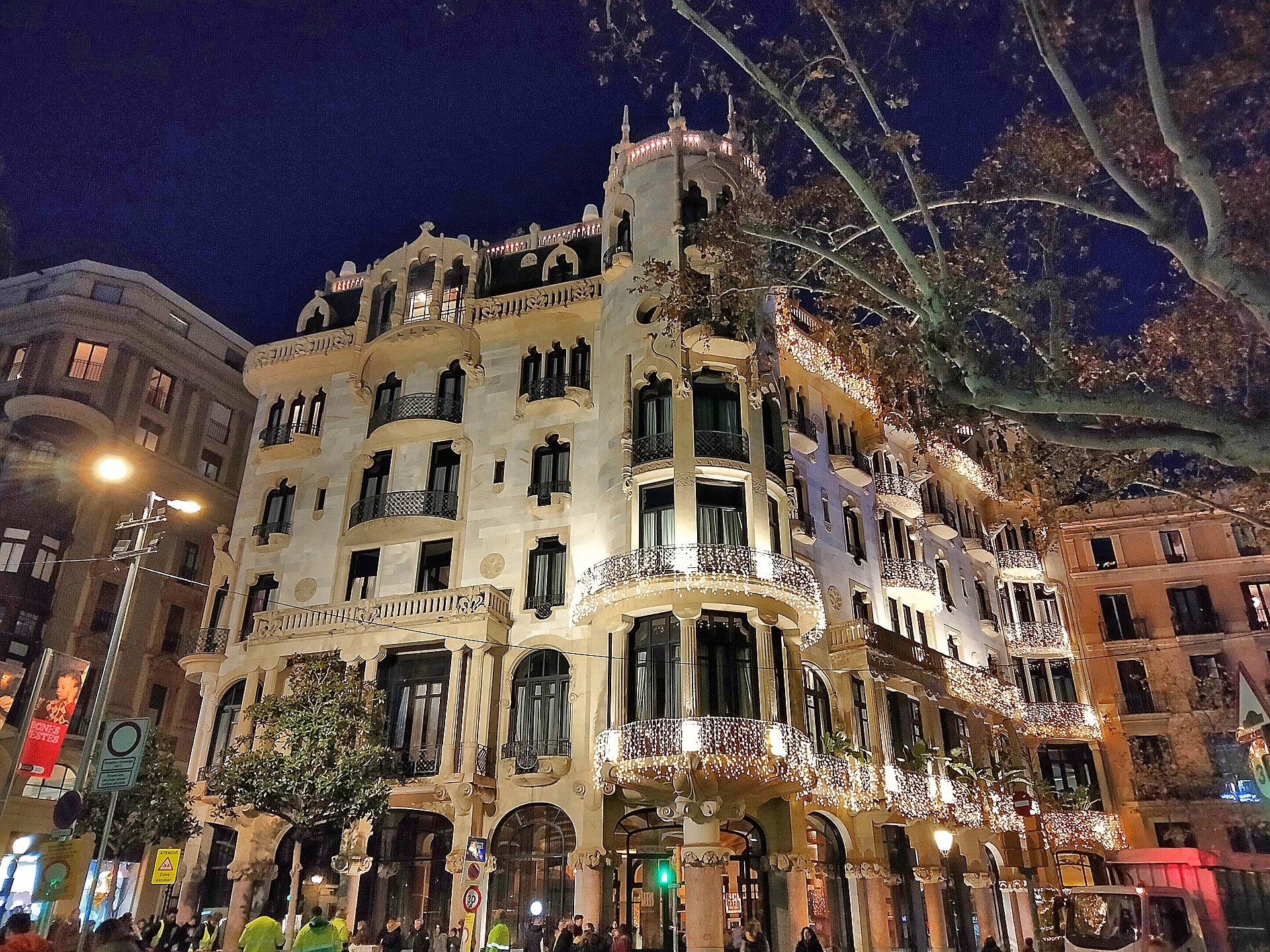
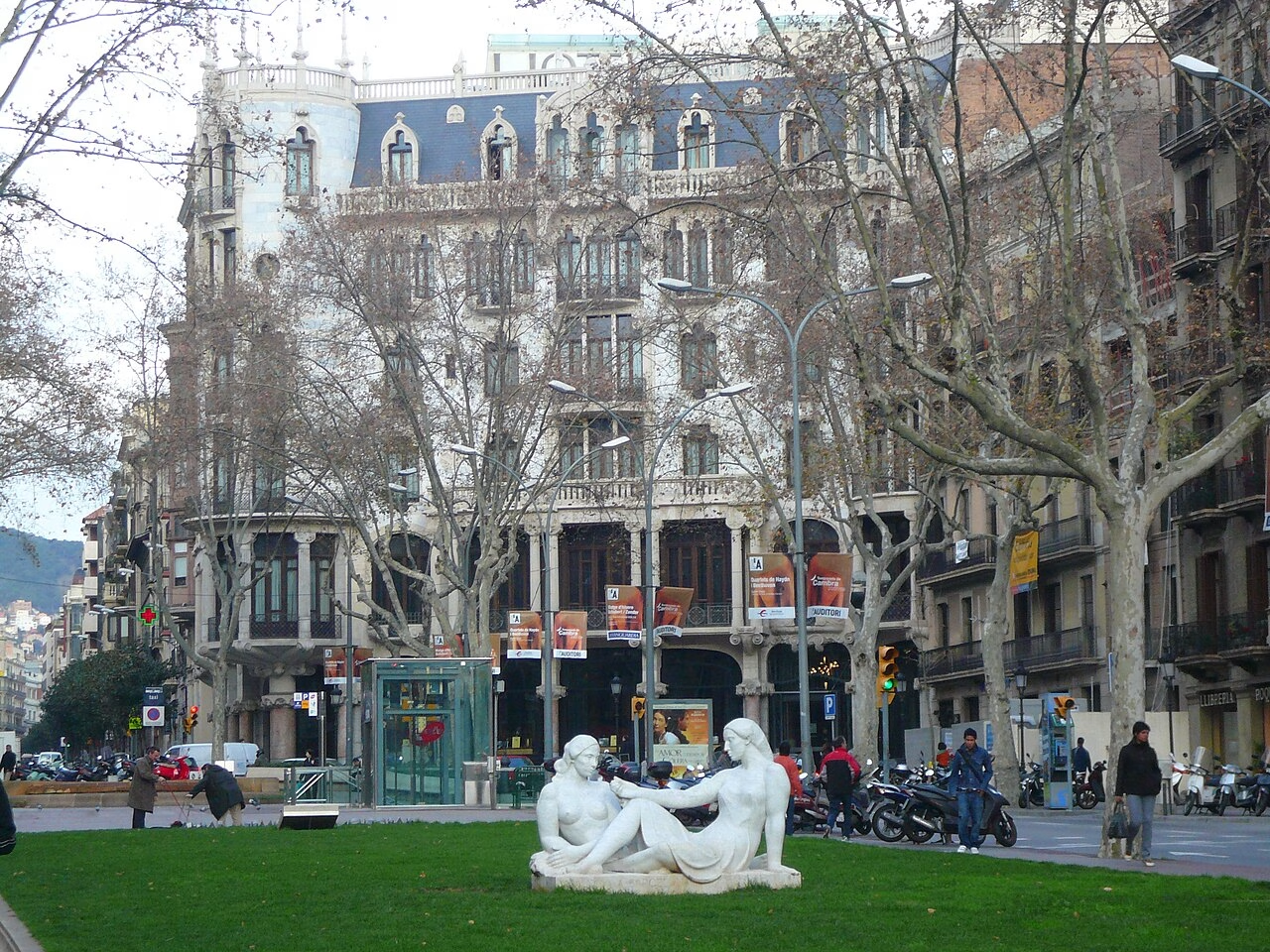
Located in the heart of Passeig de Gràcia, one of Barcelona’s most elegant and iconic avenues, Hotel Casa Fuster occupies an extraordinary building where architecture, history, art, hospitality and music coexist in perfect harmony.
Built in the early 20th century by one of the great masters of Catalan Modernism, architect Lluís Domènech i Montaner, Casa Fuster is much more than a five-star hotel: it is a remarkable architectural monument that has successfully transformed its bourgeois heritage into a contemporary luxury experience.
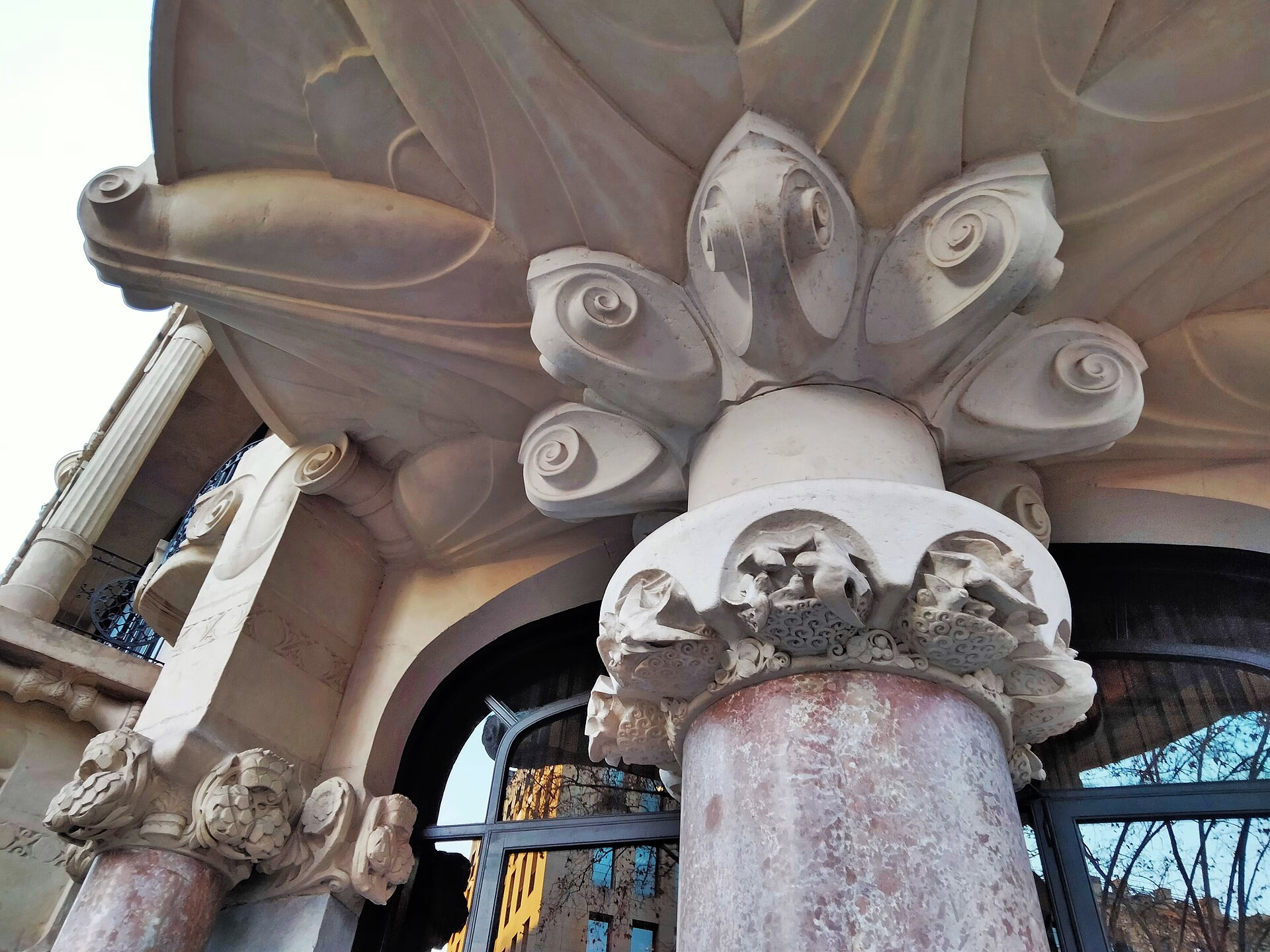
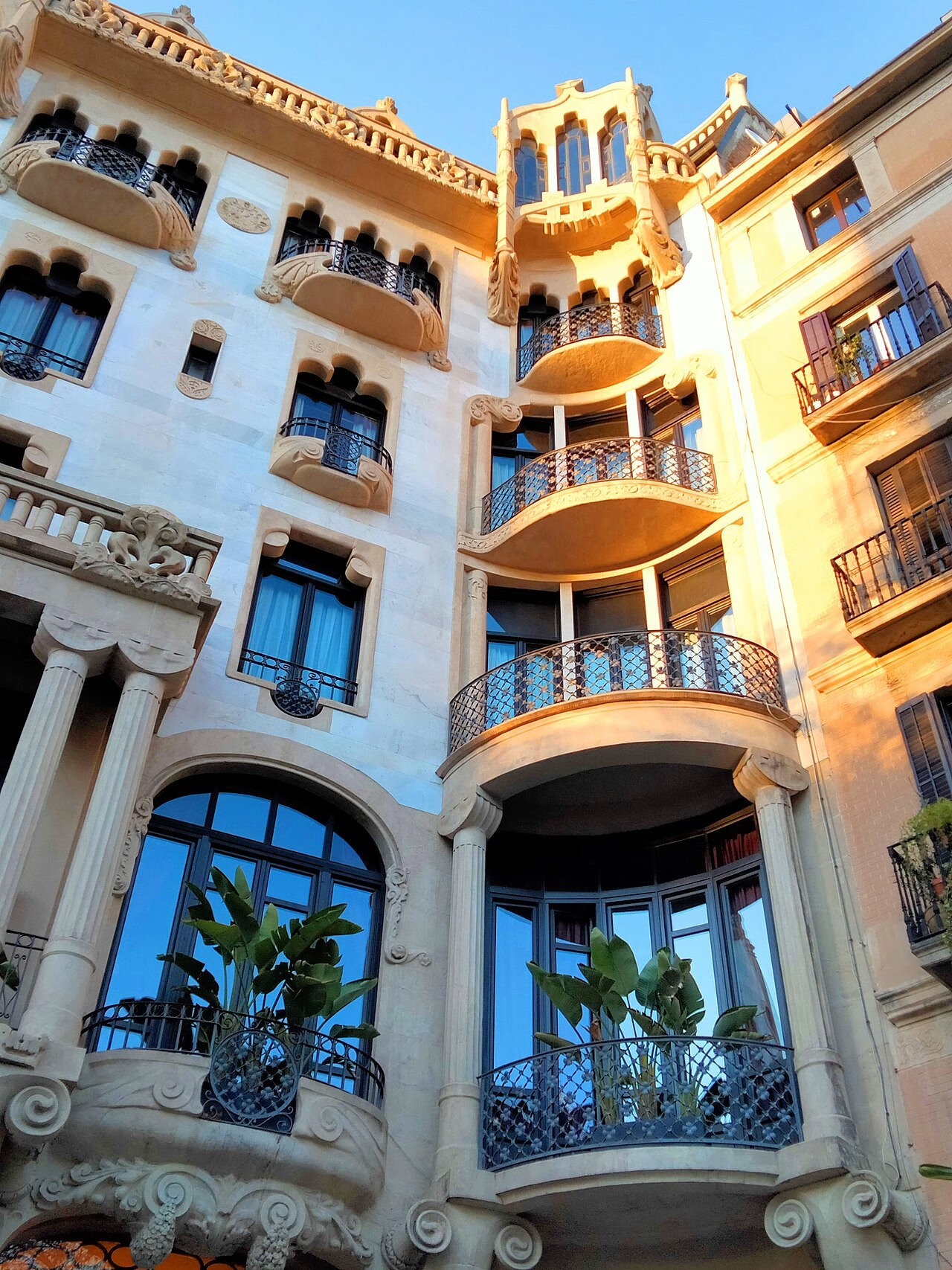
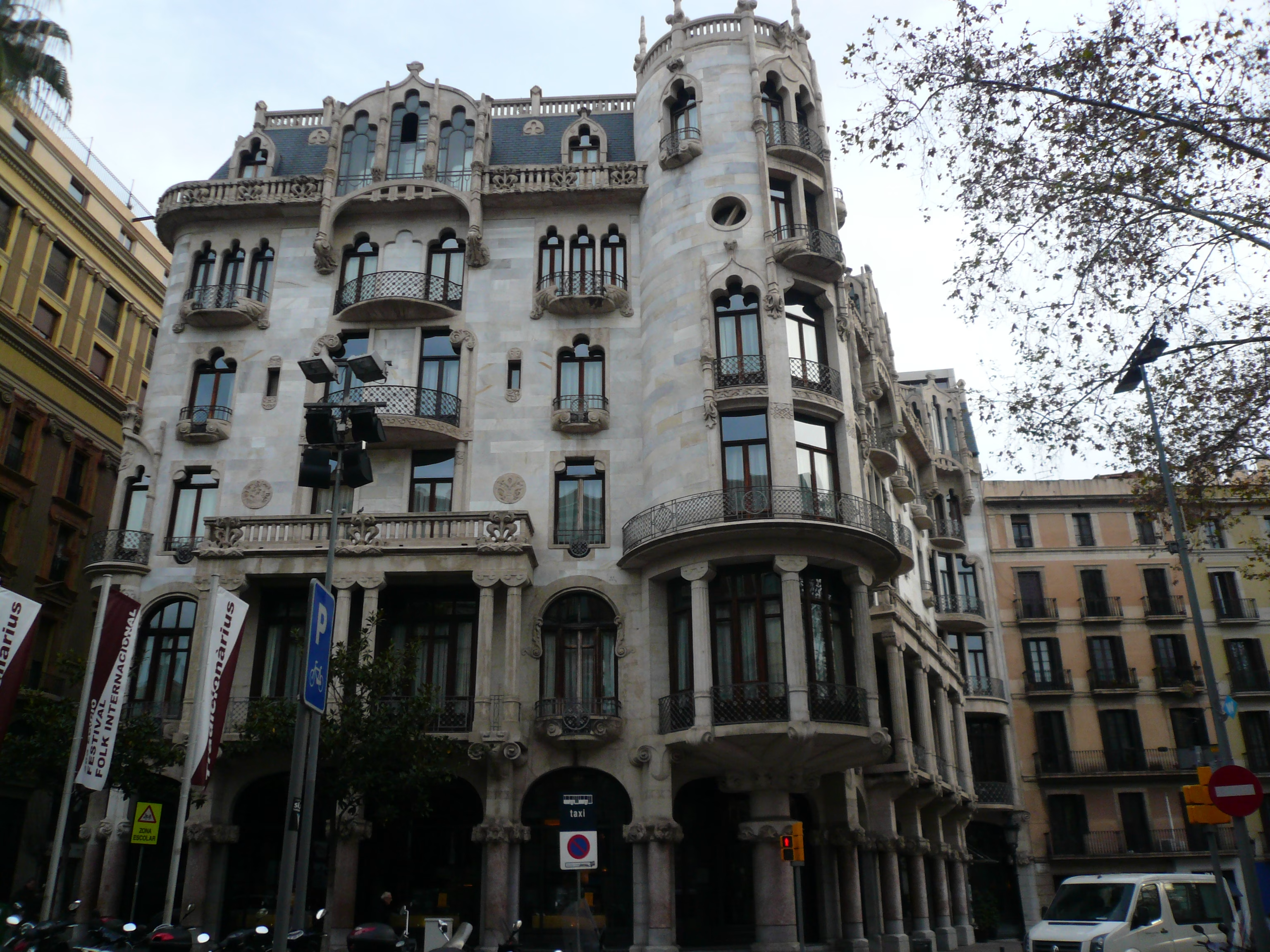
Its stone façade, ornamental balconies, columns, stained-glass windows and interior spaces preserve the spirit of an era when Barcelona was undergoing one of its greatest cultural, economic and urban transformations.
Today, the hotel offers a unique combination of luxury accommodation, gastronomy, wellness facilities, event spaces and a musical programme whose main attraction is the celebrated Café Vienés, a historic setting for social gatherings and jazz concerts.
Casa Fuster offers a particularly distinctive way to discover Barcelona: staying in a historic building, enjoying its exceptional services and experiencing the elegance of Catalan Modernism from within.
The Origins of Casa Fuster
A Story of Love, Heritage and Architecture
The history of the building dates back to the early 20th century, a period of considerable prosperity for Barcelona’s bourgeoisie. The Eixample district had become the preferred setting for wealthy families wishing to build their residences along the city’s newly developed avenues.
It was in this context that businessman Mariano Fuster y Fuster, originally from Mallorca, commissioned architect Lluís Domènech i Montaner to design a family residence on Passeig de Gràcia.
The project was conceived for his wife, Consuelo Fabra, who belonged to a family of considerable social and economic standing.
Construction took place between 1908 and 1911, resulting in a building of extraordinary character, situated at the junction of Passeig de Gràcia and Gran de Gràcia Street, in a location that at the time served as one of the gateways to the former town of Vila de Gràcia.
The intention was to create a residence that embodied elegance and modernity while expressing the social prestige of its owners.
The result was one of Domènech i Montaner’s most outstanding works and one of the major landmarks of Barcelona’s Modernist architecture.
The Architect: Lluís Domènech i Montaner
One of the Great Masters of Catalan Modernism
Lluís Domènech i Montaner (1850–1923) was one of the leading figures of European Modernist architecture.
An architect, historian, professor and politician, he developed a distinctive architectural language that combined medieval references, traditional Catalan building techniques, naturalistic inspiration and the new technical possibilities emerging in architecture during the late 19th and early 20th centuries.
Among his best-known works are:
-
Palau de la Música Catalana, one of the great masterpieces of Modernism, recognised as a UNESCO World Heritage Site.
-
Hospital de Sant Pau, an extraordinary hospital complex conceived as a garden city.
-
Casa Lleó Morera, another of the Eixample district’s great Modernist residences.
-
Casa Fuster, considered one of his final major residential projects.
His architecture is characterised by extraordinary attention to detail, the integration of different artistic disciplines and the use of noble materials such as stone, iron, ceramics, wood and glass.
At Casa Fuster, Domènech i Montaner created a particularly elegant composition in which geometric precision blends with the ornamental richness of Modernism.
The Architecture of Casa Fuster
White Stone, Marble, Columns and Extraordinary Elegance
One of Casa Fuster’s most distinctive features is its position on a corner plot, which allowed the architect to design three highly individual façades.
The composition is distinguished by the use of light-coloured stone and white marble, materials that give the building an exceptional sense of refinement. In fact, Casa Fuster’s façade is among the first in Barcelona to have been constructed using white marble.
Its architectural language combines influences from Catalan Modernism with Neo-Gothic references and elements inspired by medieval architecture.
Among its most interesting details are:
-
The rose window dedicated to Consuelo Fabra, featuring the initials CF and conceived as a tribute to the owner’s wife.
-
The columns and projecting galleries, which structure the façades and add depth to the building’s volumes.
-
The stone and wrought-iron balconies, featuring delicate ornamental craftsmanship.
-
The stained-glass windows and decorative elements, which enhance the flow of natural light into the interiors.
-
The cylindrical tower at the chamfered corner, one of the building’s most distinctive architectural features.
Crowned by a structure inspired by Gothic architecture, the tower has become one of the most recognisable visual landmarks along Passeig de Gràcia.
Casa Fuster’s architecture is defined by a remarkable balance between monumentality and delicacy. Its purpose is not simply to impress from the outside, but to create a coherent whole in which every architectural element contributes to the building’s identity.
A House Threatened with Demolition
The Story of a Building Barcelona Managed to Save
The history of Casa Fuster was not without its difficulties.
Due to the considerable cost of its construction, the Fuster-Fabra family ceased living in the building in the early 1920s.
From then on, its spaces were adapted to accommodate various commercial and social activities. The area now occupied by Café Vienés once housed small businesses, while one of the interior rooms was converted during the 1950s into a dance hall known as El Danubio Azul (The Blue Danube).
In 1962, the electricity company ENHER acquired the property with the intention of demolishing it and replacing it with a taller building.
The proposal triggered considerable opposition among sections of Barcelona society, who regarded the destruction of one of the great masterpieces of Catalan Modernism as unacceptable.
Public protests and interventions in the press helped bring the demolition project to a halt.
The building was preserved and underwent several restoration works between 1962 and 1974, followed by further interventions, including one in 1995.
In 1999, the property once again entered the real estate market and, in 2000, it was acquired by Hoteles Center, which launched an ambitious restoration project to transform it into a luxury hotel.
The present-day Hotel Casa Fuster opened its doors in 2004, restoring a building of immense architectural value to the city.
Ownership and Hotel Management
From Private Residence to Five-Star Grand Luxury Hotel
It is important to distinguish between the building’s original owners and the ownership and management arrangements during its hotel years.
Originally, the house belonged to the Fuster-Fabra family. Mariano Fuster had acquired the property as a gift for his wife, Consuelo Fabra i Puig, and the residence was registered in her name.
Following several periods of different uses and conservation works, the property was acquired in 2000 by the Hoteles Center hotel group, which was responsible for its transformation into a hotel.
The restoration was carried out with great respect for the building’s principal original architectural features, while incorporating the facilities required by a contemporary luxury hotel.
Today, Casa Fuster is a five-star Grand Luxury Monument Hotel and a member of the prestigious international organisation The Leading Hotels of the World.
This membership places it among an international collection of independent luxury hotels recognised for their individuality, service quality and distinctive character.
Rooms and Suites
Contemporary Luxury Within a Modernist Residence
Hotel Casa Fuster offers 105 rooms and suites, designed to combine the historic character of the building with the comfort standards expected of an international luxury hotel.
The interior design features warm tones, elegant furnishings, quality materials and carefully planned lighting to create welcoming and relaxing surroundings.
Contemporary design elements have been incorporated into the rooms, creating a dialogue with the property’s distinctive Modernist character.
The accommodation categories include:
Deluxe Rooms
Approximately 25–27 m².
These are the entry-level rooms within the hotel’s accommodation offering. They feature either a double bed or twin beds, a fully equipped bathroom and modern amenities.
Superior Rooms
Approximately 37–42 m².
Offering additional space and a particularly comfortable layout, these rooms feature bathrooms equipped with both a bathtub and a separate shower.
Junior Suites
Approximately 45 m².
These suites include a bedroom, living area, entrance hall and dressing room, with a balcony available in certain configurations.
Senior Suites
Approximately 55 m² plus balcony.
Designed for guests seeking a more spacious residential experience, they feature a living room, dressing room and, depending on the configuration, a private sauna.
Suites
Approximately 60 m².
These offer separate living spaces, a panoramic lounge area and views over Passeig de Gràcia in selected locations.
Grand Suite
Approximately 100–115 m², depending on the room specification and commercial configuration.
One of the hotel’s most exclusive accommodation options, it combines a Junior Suite and a Suite and can accommodate up to five guests.
All room categories include amenities such as:
-
Air conditioning and heating.
-
Television and telephone.
-
Complimentary Wi-Fi.
-
Minibar.
-
In-room safe.
-
Coffee-making facilities and tea service.
-
Pillow menu.
-
Bathroom amenities.
-
Bathrobes and slippers.
-
24-hour room service.
-
Laundry and dry-cleaning services.
The availability of balconies, views and different bed configurations depends on the room category and the specific room assigned.
Services and Facilities
A Luxury Experience Beyond Accommodation
Casa Fuster offers a selection of services designed to enhance both relaxation and social and professional experiences.
Panoramic Terrace and Outdoor Swimming Pool
One of the hotel’s most attractive spaces is its rooftop terrace, offering views across the rooftops of the Eixample district and the urban landscape surrounding Passeig de Gràcia.
The outdoor swimming pool and sun terrace provide an ideal setting for relaxation during the warmer months.
It is also a particularly appealing place to enjoy a drink, admire Barcelona from a different perspective and attend selected events.
Wellness and Relaxation
The hotel features a sauna and offers a selection of treatments and massages, including therapeutic options.
These facilities are particularly welcome after a full day exploring the city.
Fitness Centre
The Fitness Centre is equipped to allow guests to maintain their usual exercise routines during their stay.
Room Service
The hotel provides 24-hour room service, together with concierge services, laundry facilities and personalised guest assistance.
Parking and Transfers
Guests can benefit from preferential parking arrangements and request private transfer services.
Events and Celebrations
Casa Fuster offers elegant lounges and event spaces for corporate meetings, presentations, private gatherings, weddings and special celebrations.
The combination of historic architecture, prestigious interiors and professional hotel services provides an exceptional setting for hosting events.
The Gastronomy of Casa Fuster
Fine Dining, Historic Cafés and Gastronomic Experiences
The hotel’s gastronomic offering brings together several different concepts, ranging from fine dining to more informal settings where guests can enjoy a coffee, a drink or an evening accompanied by live music.
Aleia Restaurant
Aleia is one of the most distinguished gastronomic experiences associated with the hotel.
Located within its elegant interiors, the restaurant offers fine dining through tasting menus, with particular emphasis on seasonal produce, fish and seafood.
Its culinary offering has achieved international recognition and holds two Michelin stars.
The dining experience takes place in an elegant atmosphere, where the interior design and historic architecture contribute to an intimate and sophisticated setting.
Café Vienés
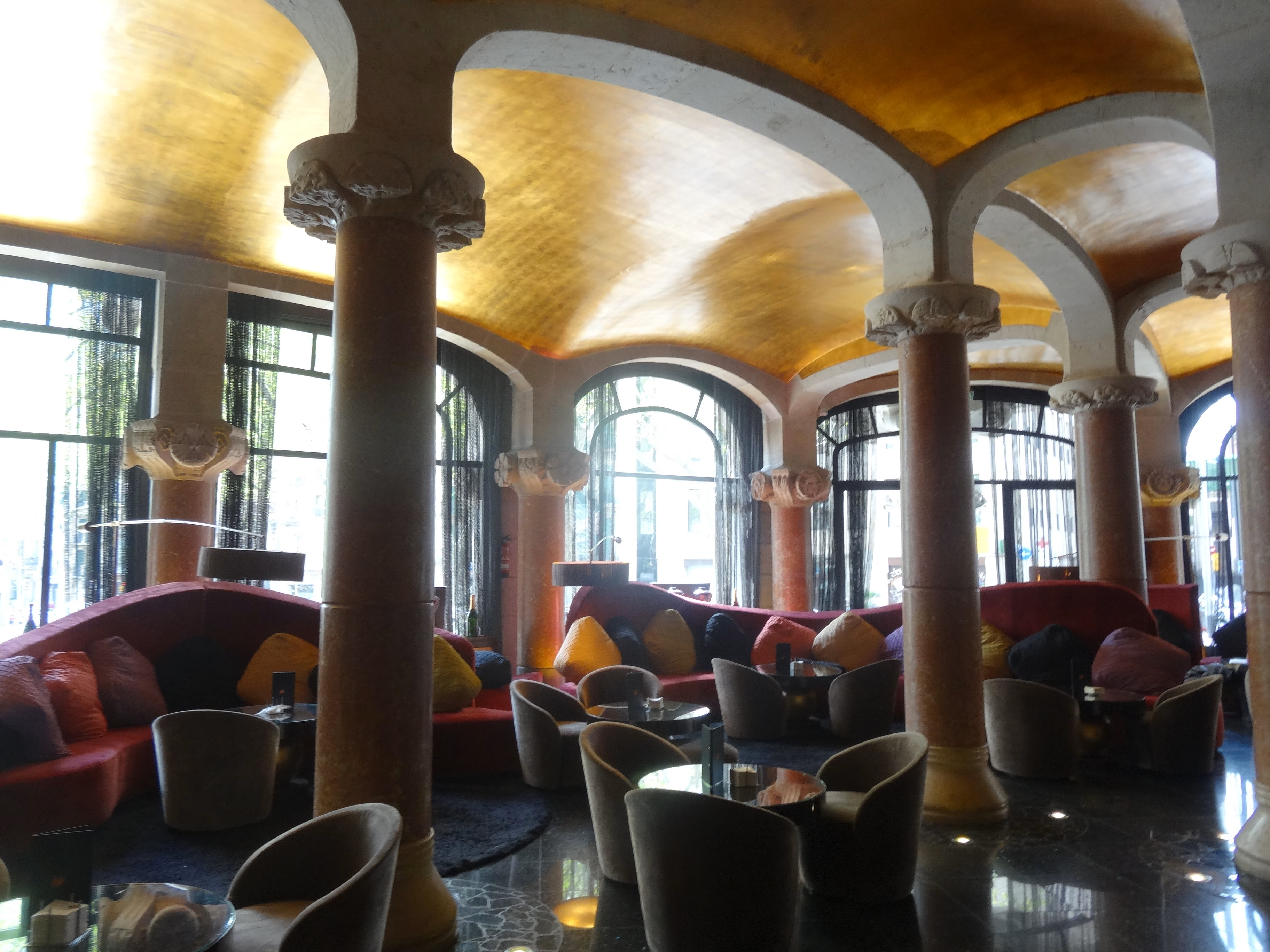
Café Vienés is arguably one of the hotel’s most iconic spaces.
Its décor, large windows and Modernist architectural features make it a particularly attractive place to enjoy coffee, a selection of teas, appetisers or cocktails.
Casa Fuster Terrace
The terrace offers a more relaxed dining and drinking experience, with panoramic views and a particularly pleasant atmosphere during the warmer months.
The specific offerings, opening hours and availability of each venue may vary according to the season and the hotel’s programme.
Café Vienés
A Historic Salon
Café Vienés deserves a chapter of its own in the history of Casa Fuster.
It is far more than a café inside a hotel. It is a space that preserves the tradition of Europe’s great historic cafés as places for meeting, conversation, creativity and intellectual debate.
Following the restoration of the building and the opening of the hotel in 2004, Café Vienés recovered its identity as a meeting place for guests, artists, intellectuals and the people of Barcelona.
Among the cultural figures associated with its history is the poet Salvador Espriu, whose presence forms part of the intellectual heritage connected with the establishment.
Its architecture is distinguished by large windows overlooking Passeig de Gràcia, columns, arches and capitals inspired by Modernism.
Natural light fills the salon and reflects across its surfaces, creating an atmosphere reminiscent of the great historic cafés of Vienna, Paris and Budapest.
Its offering includes coffee, tea, other beverages, cocktails and light dishes, making it an ideal setting for relaxed conversation.
Usual opening hours: 09:00 to midnight. It is advisable to check for any changes before visiting.
The Jazz Club at Café Vienés
Woody Allen, New Orleans and Barcelona’s Musical Evenings
One of Casa Fuster’s major cultural attractions is its renowned Jazz Club, which transforms Café Vienés into an especially intimate live music venue.
The club’s history is closely connected with the filming of Vicky Cristina Barcelona, directed by Woody Allen.
During the summer of 2007, the hotel was selected as one of the locations for the film production.
At the time, Woody Allen, who is also well known for his musical career as a clarinettist, regularly visited Café Vienés alongside musicians from his artistic circle, including Eddy Davis and Conal Fowkes.
These performances helped revive the atmosphere of traditional jazz clubs in New Orleans and New York, establishing a special relationship between the venue and live music.
Since then, the Jazz Club has become one of the hotel’s most distinctive cultural attractions.
Musicians and ensembles who have performed on its stage include:
-
Woody Allen.
-
Eddy Davis.
-
Conal Fowkes.
-
Yoshida Brothers.
-
Doc Scanlon Trio.
-
New Orleans Rag Trio.
-
Barcelona Swing Serenaders.
Jazz Club: Usual Opening Hours
Thursday evenings
Sessions are traditionally scheduled on Thursdays from 21:00 to 23:00.
The programme may feature different traditional jazz, swing and Dixieland ensembles, as well as other musical styles associated with the New Orleans jazz tradition.
The venue offers different ticketing options and experiences, which may combine the concert with dinner, tapas or drinks.
Advance reservations are recommended, as seating is limited and performances are subject to the programme schedule.
The Jazz Club is undoubtedly one of the most interesting ways to discover the cultural side of Casa Fuster.
Hotel Casa Fuster Prices
Indicative Rates for a Luxury Stay in Barcelona
Hotel Casa Fuster belongs to the five-star Grand Luxury category, and its rates therefore vary considerably depending on the season, demand, room category and booking conditions.
The official website publishes indicative starting rates of approximately €189 per night for selected Deluxe Rooms. This figure should be understood as an advertised starting price rather than a guaranteed rate for any particular date.
The following provides a general indication of published rates:
| Accommodation category | Indicative advertised price |
|---|---|
| Deluxe | From €189/night |
| Superior | From €246/night |
| Junior Suite | Enquire for dates |
| Suite | From €620/night |
| Grand Suite | From €1,017/night |
Prices are subject to change, and some categories may show significant variations depending on availability and seasonality.
The hotel also offers special promotions, including early-booking discounts, minimum-stay offers and non-refundable rates.
For an accurate quotation, guests must specify their arrival and departure dates, the number of guests and their preferred room category.
Hotel Casa Fuster Location
In the Heart of Passeig de Gràcia, Next to the Gràcia District
The hotel’s address is:
Hotel Casa Fuster
Passeig de Gràcia, 132
08008 Barcelona, Spain.
Telephone: +34 932 55 30 00
Email: casafuster@hotelescenter.com
Its location is one of its greatest attractions.
From the hotel, guests can easily explore on foot some of the places that best represent Barcelona’s architecture, culture and commercial life.
Nearby attractions include:
-
La Pedrera – Casa Milà, just a short walk away.
-
Casa Batlló, approximately 12 minutes on foot.
-
Rambla de Catalunya, with its terraces, cafés and restaurants.
-
The Gràcia district, known for its squares, independent shops and traditional neighbourhood atmosphere.
-
Sagrada Família, approximately 1.8 kilometres away.
Its location makes it possible to enjoy both Modernist Barcelona and the city’s shops, restaurants and cultural venues.
How to Get to Hotel Casa Fuster
Access by Private Vehicle and Public Transport
By Private Car
The most direct access is via Avinguda Diagonal or the streets of the Eixample district, depending on the point of departure.
From Josep Tarradellas Barcelona–El Prat Airport, the journey is generally made via Gran Via or Avinguda Diagonal and takes approximately 25–40 minutes, depending on traffic.
From Barcelona Sants railway station, the journey by car usually takes approximately 15–25 minutes, also depending on traffic conditions.
The hotel has reserved parking spaces for its guests in a public car park located directly opposite the establishment. Valet parking and preferential rates for hotel guests are also available.
It is advisable to contact the hotel in advance to confirm availability, rates and access conditions.
By Metro
The nearest station is Diagonal, served by:
-
Line L3 (Green Line).
-
Line L5 (Blue Line).
The hotel is just a few minutes’ walk from the station.
By City Bus
Several bus routes provide access to the area surrounding the hotel, including:
-
Line 7.
-
Line 22.
-
Line 24.
-
Line V15.
-
Line 114.
Stops around Gran de Gràcia and Diagonal provide convenient access to the hotel.
By Train and Rodalies
Passeig de Gràcia railway station connects with several Rodalies commuter rail services and regional trains.
From there, guests can reach the hotel by a short taxi or public transport journey.
Another convenient option is Provença station, served by Ferrocarrils de la Generalitat de Catalunya (FGC), which is also located nearby.
Private Transfers
For guests arriving at the airport, wishing to avoid travelling with luggage or seeking a more exclusive service, the hotel offers private transfers by prior arrangement.
Casa Fuster and Barcelona’s Modernist Heritage
A Hotel That Has Become Part of the City’s Architectural Heritage
Hotel Casa Fuster forms part of an exceptional architectural landscape.
Its location on Passeig de Gràcia provides an opportunity to understand one of the most brilliant periods in Barcelona’s history, when the expansion of the Eixample district and the economic growth of the bourgeoisie encouraged the construction of some of Europe’s most important Modernist buildings.
Along this avenue, the works of different architects and artists coexist, demonstrating how architecture became an expression of cultural identity.
Casa Fuster, Casa Milà, Casa Batlló and Casa Lleó Morera are among the finest examples of this heritage.
However, Casa Fuster has its own distinctive personality.
While other buildings have become primarily cultural venues, Casa Fuster has maintained a direct connection with Barcelona’s everyday life through its hotel, gastronomic and musical activities.
A Cinematic Experience: Vicky Cristina Barcelona
Woody Allen and Barcelona’s Iconic Film Locations
Casa Fuster’s relationship with cinema is another fascinating chapter in its more recent history.
The building was one of the locations associated with the film Vicky Cristina Barcelona, released in 2008 and directed by Woody Allen.
The film starred Javier Bardem, Penélope Cruz, Scarlett Johansson and Rebecca Hall, and helped project an international image of Barcelona associated with art, architecture, gastronomy and culture.
The 2007 filming also strengthened the connection between Woody Allen and Café Vienés, where his musical performances helped establish the identity of what is now the hotel’s Jazz Club.
The director’s presence in this space left a particularly significant mark on the hotel’s contemporary history.
Would You Like to Discover Barcelona Through an Exclusive Experience?
Magic Dreams Barcelona: Culture, Architecture and Tailor-Made Experiences
Discovering Barcelona from Hotel Casa Fuster can become the starting point for a much broader experience.
At Magic Dreams Barcelona, we invite visitors to discover the city and its surroundings through cultural, architectural, gastronomic and nature-based experiences, carefully designed around each guest’s individual interests.
Our aim is to go beyond conventional sightseeing and offer a different way of discovering Barcelona, with particular attention to its heritage, landscapes, gastronomy and traditions.
We design private tours exploring Catalan Modernism, visits to the city’s most important monuments, gastronomic routes, musical experiences and tailor-made excursions along the Costa Brava and throughout the Catalan Pyrenees.
We also organise special itineraries combining architecture, nature, photography, botany and birdwatching, accompanied by a specialist guide.
These experiences can be complemented by gastronomic proposals, private picnics, carefully selected restaurants, cultural activities and personalised services.
Every itinerary is thoughtfully designed around the pace, preferences and expectations of our visitors, ensuring a memorable and genuinely individual experience.
Copyright © 2016-2026 Magic Dreams Barcelona.